Switzerland: Update From Anarchist Prisoner Marco Camenisch

marco-camenisch-220th May 2014. Since the 15th or the 16th of May, Mar­co Camenisch has been held in soli­tar
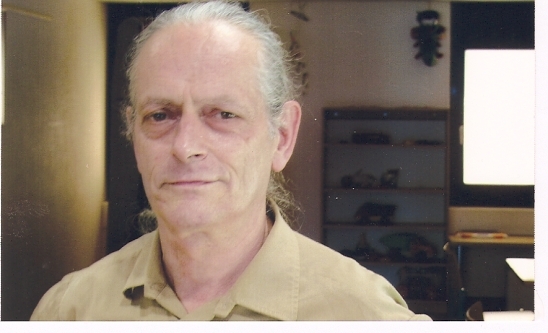
marco-camenisch-220th May 2014. Since the 15th or the 16th of May, Mar­co Camenisch has been held in soli­tary con­fine­ment for five days in the prison of Lenzburg, Switzer­land, because he refused to give a urine sam­ple.

On the 23rd of May 2014 he will be trans­ferred to the Bostadel penal insti­tu­tion. Whether his trans­fer was ordered because he once again refused to give a urine sam­ple or it was planned before­hand, is (still) not clear to us.

Marco’s incar­cer­a­tion is expect­ed to end on May 8th of the year 2018. His ear­ly release from prison (“con­di­tion­al release”) has been reject­ed because of “chron­ic propen­si­ty towards vio­lence” and “delin­quen­cy-pro­mot­ing ide­ol­o­gy”, among oth­er things.

Mar­co Camenisch

Strafanstalt Bostadel
Post­fach 38, CH-6313 Men­zin­gen, Schweiz/Switzerland

Tel. +41 41 757 1919, Fax +41 41 757 1900

More info on Mar­co Mamenisch

In Russia, Home-Grown Environmental Activism on the Rise

604-4 8th May 2014 Nina Popravko, one of the few pro­fes­sion­al envi­ron­men­tal lawyers in Rus­sia, is defend­ing in court a group of a dozen activists in the small town of Koz­modemi­an­sk, in the Mari El Repub­lic on the

604-4 8th May 2014 Nina Popravko, one of the few pro­fes­sion­al envi­ron­men­tal lawyers in Rus­sia, is defend­ing in court a group of a dozen activists in the small town of Koz­modemi­an­sk, in the Mari El Repub­lic on the Vol­ga Riv­er. They have been fight­ing for years against plans to build a domes­tic waste land­fill, which they say is too close to a res­i­den­tial block.

Straight after court hear­ings in the case, Popravko jumps on a train to Ufa, a city with more than a mil­lion inhab­i­tants in the south Urals, where sev­er­al hun­dred peo­ple are try­ing to organ­ise an inde­pen­dent pub­lic hear­ing about the con­struc­tion of a wood-pro­cess­ing fac­to­ry.

Back at home near St. Peters­burg, where Popravko lives and works for the envi­ron­men­tal non-gov­ern­men­tal orga­ni­za­tion Bel­lona, anoth­er fight is under way.

A group of activists are mobil­is­ing after the felling of almost 200 large pine trees to make way for a new lux­u­ry res­i­den­tial hous­ing devel­op­ment. The activists are fil­ing a law­suit against the devel­op­ment com­pa­ny, which they believe acquired the plot of land ille­gal­ly, as part of their dri­ve to stop fur­ther log­ging in a larg­er for­est area.

“I real­ly notice the grow­ing involve­ment of many ordi­nary peo­ple in the envi­ron­men­tal move­ment,” Popravko says.

City dwellers across Rus­sia are get­ting organ­ised and fight­ing for their envi­ron­men­tal rights at a more pro­fes­sion­al lev­el than before, the lawyer says. They are learn­ing to file law­suits, organ­ise pub­lic hear­ings, and work with jour­nal­ists and social net­works, as well as build­ing protest camps and obstruct­ing con­struc­tion sites.

Many such local ini­tia­tives get sup­port from larg­er and longer-estab­lished envi­ron­men­tal non-gov­ern­men­tal organ­i­sa­tions such as Green­peace and WWF Rus­sia, but many also are fight­ing on their own – some­times suc­cess­ful­ly, some­times not.

WHAT WORKS

There is no clear recipe for vic­to­ry, says Alexan­der Kar­pov, an expert with the ECOM cen­tre, who has spent more than 10 years sup­port­ing local envi­ron­men­tal and urban ini­tia­tives all over Rus­sia and help­ing them grow.

He recent­ly began work­ing as a con­sul­tant with the St. Peters­burg Leg­isla­tive Assem­bly, draft­ing laws and oth­er legal acts, and bring­ing need­ed  insight and exper­tise to the work of the region­al par­lia­men­tar­i­ans.

Kar­pov argues that the suc­cess of any envi­ron­men­tal cause depends on the amount of time and ener­gy activists are pre­pared to spend pro­tect­ing their rights. He also main­tains that exper­tise is cru­cial, and that the more ‘pro­fes­sion­al­ly’ activists inter­act with local admin­is­tra­tors, draft legal doc­u­ments and engage in high-qual­i­ty lob­by­ing for their cause, the bet­ter the chance of suc­cess.

Pub­lic inter­est in envi­ron­men­tal issues has been ris­ing in Rus­sia over the last few years. Some experts link this with the grow­ing finan­cial well­be­ing of the country’s pop­u­la­tion, which is giv­ing more cit­i­zens the oppor­tu­ni­ty to trav­el abroad, and to plan their future and that of their chil­dren.

CORRUPTION AND GOVERNANCE LINK

Oth­er experts say it is a reac­tion to mount­ing cor­rup­tion and “bad” gov­er­nance, often at a local lev­el, involv­ing local author­i­ties build­ing cor­rupt ties with a local or nation­al com­pa­ny while neglect­ing local res­i­dents.

The push toward greater envi­ron­men­tal activism has been met with a mixed response by Russia’s lead­ers.

Niko­lay Gud­kov, a spokesper­son for the Russ­ian Min­istry of Nat­ur­al Resources and Envi­ron­ment, said his min­istry was “active­ly work­ing with cit­i­zens, envi­ron­men­tal ini­tia­tives and activists – both through our com­mu­ni­ty liai­son office and through fur­ther online resources” such as the web­site Nasha Priro­da (“Our Nature”), which was launched in late 2013 and allows peo­ple from all regions of Rus­sia to report envi­ron­men­tal vio­la­tions in their neigh­bour­hoods, using geo-loca­tion tech­nol­o­gy.

He said min­istry rep­re­sen­ta­tives also have organ­ised a few meet­ings with envi­ron­men­tal activists work­ing on noto­ri­ous local con­flicts – such as the fight over the wood-pro­cess­ing facil­i­ty in Ufa, and a sit­u­a­tion in cen­tral Rus­sia where res­i­dents are fight­ing plans for nick­el and cop­per min­ing.

But the Russ­ian par­lia­ment, the State Duma, has also recent­ly ini­ti­at­ed a num­ber of legal acts poten­tial­ly hin­der­ing the rights of local activists and oppor­tu­ni­ties for wider pub­lic par­tic­i­pa­tion in city plan­ning and region­al devel­op­ment.

In late Decem­ber, mem­bers of par­lia­ment tried to pass a draft law can­celling pub­lic hear­ing pro­ce­dures for a num­ber of infra­struc­ture con­struc­tion projects. How­ev­er, after a civ­il cam­paign ini­ti­at­ed by activists and envi­ron­men­tal lawyers, the draft “got hung up,” Popravko said.In mid-March, how­ev­er, anoth­er bill sig­nif­i­cant­ly reduc­ing the num­ber of sit­u­a­tions in which pub­lic hear­ings must be held passed in its first read­ing. Envi­ron­men­tal lawyers argue the bill con­tra­dicts Russ­ian and inter­na­tion­al rules of law.

“The Russ­ian Par­lia­ment is mov­ing for­ward draft laws which seri­ous­ly lim­it pub­lic par­tic­i­pa­tion” a group of envi­ron­men­tal lawyers said in their pub­lic appeal. A cam­paign against the bill is ongo­ing.

URBAN FOCUS

One of the most pop­u­lar envi­ron­men­tal issues in Rus­sia at the moment is urban ecol­o­gy – the envi­ron­men­tal aspects of cities’ devel­op­ment. That includes clean trans­port, a focus on air and water qual­i­ty, the pro­tec­tion of green zones and parks, and sus­tain­able con­sump­tion and lifestyles.

Such inter­est is cen­tred main­ly in large cities with pop­u­la­tions of over half a mil­lion peo­ple, but it has begin spring­ing up in small towns as well.

Rough­ly speak­ing, most of these civ­il ini­tia­tives fall into two groups, experts say.

The first com­prise protest actions – against new build­ing of infra­struc­ture or hous­ing, or against the destruc­tion of a park, for instance. Such groups form quick­ly, and their suc­cess often depends on the sol­i­dar­i­ty and ener­gy of their par­tic­i­pants, as well as on the resources they can invest, experts say.

Groups of this kind ini­ti­ate legal cas­es or pub­lic hear­ings, work with media and social net­works, and organ­ise protests – and quite often the groups fall apart after the case is won or lost.

The most com­pli­cat­ed efforts are long-run­ning ones that last sev­er­al years, and can result in activists becom­ing worn out, los­ing ener­gy and los­ing inter­est in the case.

Activists face a vari­ety of threats, includ­ing phys­i­cal vio­lence or legal pros­e­cu­tion. Recent­ly, envi­ron­men­tal activist Evge­ny Vitishko, from Tuapse in south­ern Rus­sia, was jailed for three years for writ­ing protest slo­gans and attach­ing posters to a fence around the vil­la of the Krasnodar gov­er­nor.

Vitishko alleged the vil­la had been built ille­gal­ly in a for­est reserve and its own­er had fenced off a stretch of the coast­line.

Vitishko sup­port cam­paign has been launched, and “it is par­tic­u­lar­ly impor­tant that we also get inter­na­tion­al sup­port for the case – both for Evge­ny Vitishko him­self and for the grow­ing envi­ron­men­tal move­ment in Rus­sia”, says Dmit­ry Shevchenko, a Krasnodar-based activist with the NGO “Envi­ron­men­tal Watch of the North Cau­ca­sus.”

FILLING THE VACUUM

Anoth­er part of of Russia’s grow­ing envi­ron­men­tal move­ment con­sists of com­mu­ni­ty and civ­il soci­ety activists try­ing to put bot­tom-up ini­tia­tives in place to “sub­sti­tute” for fail­ing state reg­u­la­tion, giv­en the absence of an envi­ron­men­tal agen­da and pol­i­cy mech­a­nism at both fed­er­al and region­al lev­els, experts say.

These groups build up envi­ron­men­tal and vol­un­teer net­works in areas such as sep­a­rat­ing garbage col­lec­tion, recy­cling, plant­i­ng trees, tak­ing care of parks and shores, and pro­mot­ing  eco-friend­ly agri­cul­ture and a green lifestyle.

One of the best-known organ­i­sa­tions is the move­ment Muso­ra bol­she net (mean­ing “no more rub­bish”) cre­at­ed first as a vol­un­teer ini­tia­tive to  remove trash from forests and lake shores and devel­oped lat­er into a full-scale net­work organ­i­sa­tion, active in many projects from com­mu­ni­ty recy­cling to envi­ron­men­tal edu­ca­tion.

Many such groups gath­er annu­al­ly at a Delai Sam (Do it your­self) Sum­mit, first only held in Moscow but now in oth­er cities as well, to exchange prac­tices, tech­nolo­gies and skills.

It is not only the young and trendy who take part in such ini­tia­tives. In some cities, groups are led by female pen­sion­ers using their free time to build up com­mu­ni­ty do-it-your­self groups to improve the urban envi­ron­ment.

Still, quite often activists float from one envi­ron­men­tal focus area to anoth­er. Tatyana Kargina, orig­i­nal­ly from Irkut­stk and now liv­ing in Moscow, is one of Russia’s best-known envi­ron­men­tal activists.

She set up a first eco-hous­ing project in Moscow, one of the first Russ­ian net­works for envi­ron­men­tal-friend­ly liv­ing and con­sump­tion, as well as oth­er ini­tia­tives. Dur­ing the last cou­ple of years she’s also been active in a civ­il soci­ety protest action against plans to begin nick­el min­ing in Voronezh region, Cen­tral Rus­sia, an agri­cul­tur­al region rich with black soils, nature reserves and bio­di­ver­si­ty.

SUSTAINABLE CITIES

Grow­ing envi­ron­men­tal activism in Rus­sia also is focused on the need for more sus­tain­able and inclu­sive city and region devel­op­ment. An Open Urban Lab unit­ing around 30 young pro­fes­sion­als involved in urban plan­ning, archi­tec­ture, pub­lic par­tic­i­pa­tion and sus­tain­able devel­op­ment, has been try­ing to intro­duce par­tic­i­pa­tion prin­ci­ples into city and neigh­bour­hood plan­ning in Russ­ian cities recent­ly.

The organ­i­sa­tion, while work­ing with region­al admin­is­tra­tions and busi­ness, sees “par­tic­i­pa­tion as a tech­nol­o­gy to trans­form social groups ear­li­er not includ­ed in deci­sion mak­ing into includ­ed ones, in order to cre­ate and sus­tain pub­lic good,” said Oleg Pachenkov from the Open Urban Lab.

The process of civ­il soci­ety devel­op­ment is hard­ly smooth or quick – but the trend is there, experts say.

“Quite often ordi­nary cit­i­zens don’t real­ly want to become activists, don’t want to spend all their free time cam­paign­ing, protest­ing, talk­ing to media, pro­mot­ing the case in social net­works 24 hours a day,” said Popravko, the lawyer. “But after real­is­ing that they can’t real­ly appeal to any­one, not to city author­i­ties, not to con­trol bod­ies, they just have to become activists them­selves and try to influ­ence the sit­u­a­tion, which they reck­on affects their lives and liv­ing envi­ron­ments.”

Nantes, France: Call for a Demo and Decentralized Solidarity Actions Against Repression of the Anti-airport Movement

17-mai8th May 2014 On Feb­ru­ary 22nd, 2014, more than 50,000 peo­ple gath­ered in Nantes for the biggest anti-air­port demon­stra­tion ever.

17-mai8th May 2014 On Feb­ru­ary 22nd, 2014, more than 50,000 peo­ple gath­ered in Nantes for the biggest anti-air­port demon­stra­tion ever. As it was declared ille­gal by the pre­fec­ture, it quick­ly faced stun­ning repres­sion; hun­dreds of over-armed cops sur­round­ed the demo while a huge anti-riot wall blocked the cen­tral street of the city (le cours des 50 otages). It was the first time in Nantes’ social strug­gles his­to­ry that a demo couldn’t pass by there. Politi­cians and media talked about “loot­ings” and “dev­as­ta­tions”, deplor­ing the vio­lence after a group of demon­stra­tors attempt­ed to walk the orig­i­nal route.

How­ev­er, the Pow­er and its accom­plices failed to men­tion the extreme feroc­i­ty in the crack­down on this demon­stra­tion. On Feb­ru­ary 22nd, hun­dreds of peo­ple were hurt by police weapons. At least three of them lost an eye from rub­ber-bul­let shots. A lot of peo­ple breathed tear gas, were shak­en up from stun grenades, or wound­ed from dis­per­sion grenades, or repulsed by water can­nons.


A few weeks lat­er, on March 31st, media exul­tant­ly declared a first “drag­net” fol­low­ing a spe­cial police force’s inves­ti­ga­tion. Nine com­rades had their hous­es searched and were arrest­ed in the ear­ly morn­ing. Two of them were imme­di­ate­ly released, as one of them was not even in Nantes on the day of the demon­stra­tion. Four oth­ers couldn’t pre­pare their defense since they were sent to the court through the imme­di­ate arraign­ment pro­ce­dure. Sen­tences are as heavy as the records are emp­ty: indeed, the only real evi­dence the pros­e­cu­tion had were the con­fes­sions of the accused. Three of them have been con­demned to prison terms with­out remis­sion. Dur­ing this par­o­dy of a tri­al, judge Tchalian did not hes­i­tate to dou­ble the prosecutor’s req­ui­si­tions and put our com­rade Enguer­rand direct­ly in prison. One year in prison with­out remis­sion for some stones and smoke cans.

The pur­pose of the repres­sion from police and the jus­tice sys­tem that the anti-air­port move­ment is now fac­ing is only to ter­ror­ize those who revolt and start fight­ing against capitalism’s hold on our liv­ing spaces. It is to psy­cho­log­i­cal­ly and phys­i­cal­ly touch a social move­ment, to muti­late and incar­cer­ate some of us to reach all the oth­ers. The sen­tences and muti­la­tions of the 22nd of Feb­ru­ary are not only an appli­ca­tion of laws or peace­keep­ing techniques—they are deeply polit­i­cal. This real state ter­ror­ism express­es clear­ly what must be expect­ed for those who resist.

Today, Enguer­rand, Quentin, Damien, Emmanuel, Philippe, J. and G. are its vic­tims. It could have been any one of us. Accord­ing to the State and its so-called jus­tice, tak­ing part in a demon­stra­tion is suf­fi­cient to jus­ti­fy the loss of an eye or a prison term.

We shouldn’t step back as we are fac­ing such vio­lent repres­sion. By doing so, we would only prove their case. The best sup­port we can give to our wound­ed and incar­cer­at­ed com­rades is to keep on fight­ing. Our strug­gle has nev­er been so pow­er­ful, and we have nev­er been so close to real­iz­ing a future with­out con­crete. More than ever, we must keep on fight­ing and not give any­thing up in the strug­gle against the air­port and the world that pro­duces it.

Against the assas­sin Pow­er that muti­lat­ed and incar­cer­at­ed, we have a weapon that it can­not take back. In a let­ter, on April 8th, Enguer­rand stat­ed: “The strength of activist sol­i­dar­i­ty can­not be defeat­ed,” and indeed, we agree. Actions in sup­port of those wound­ed and accused in the strug­gle have already been diverse and numer­ous, mod­eled on the diver­si­ty with­in the move­ment. Infi­nite are the poten­tial actions. Orga­nize a con­cert or a fundrais­er to finan­cial­ly sup­port the accused and their fam­i­lies. Call for a demon­stra­tion (“peace­ful­ly hel­met­ed”? —a ref­er­ence to the “Flash­balles” song) to express revolt against police crimes. Cov­er the walls with paint­ed slo­gans or posters to make sure that no one ignores what is hap­pen­ing…

Every ini­tia­tive is wel­come to bring reas­sur­ance to our com­rades and remind the Pow­er of our rage and deter­mi­na­tion. Against the con­niv­ing silence of the media spec­ta­cle, we can only rely on our­selves to make “jus­tice” a mean­ing­ful word again. We strong­ly encour­age every sol­i­dar­i­ty action against repres­sion of the anti-air­port move­ment, no mat­ter whether it hap­pens in Nantes or any­where else, today or any­time.

No jus­tice, no peace!
Sol­i­dar­i­ty with the wound­ed and the accused!
No to the air­port and its world!

DEMONSTRATION Sat­ur­day, May 17th, 2014 at 3pm – Nantes pre­fec­ture

To write to the sup­port com­mit­tee for Enguer­rand or to sign this call: soutien.enguerrand(at)riseup.net

‘If you don’t fight, you’ve already lost’: Animal rights activist facing six years in jail remains defiant

20140417_092540 April 17, 2014 from cor­po­rate watch Today Deb­bie Vin­cent, an ani­mal

20140417_092540 April 17, 2014 from cor­po­rate watch Today Deb­bie Vin­cent, an ani­mal rights activist from the Stop Hunt­ing­don Ani­mal Cru­el­ty (SHAC) cam­paign was sen­tenced to six years in prison for con­spir­a­cy to black­mail after a five week long tri­al at Win­ches­ter Crown Court. She was also giv­en an Anti Social Behav­iour Order which means she can be arrest­ed if she protests against or con­tacts Hunt­ing­don Life Sci­ences (HLS) or its busi­ness part­ners for a fur­ther five years after her release from prison. The sen­tence should serve as a wake up call to anti-cap­i­tal­ists of the need to offer sol­i­dar­i­ty to those who have been sin­gled out for repres­sion because of their involve­ment in effec­tive resis­tance to cor­po­rate pow­er. A press release from the Black­mail 3 sup­port cam­paign quotes Deb­bie: “I have been made an exam­ple of because I put myself up as a pub­lic face of Stop Hunt­ing­don Ani­mal Cru­el­ty and for believ­ing that such places as Hunt­ing­don Life Sci­ences should be resigned to the his­to­ry books.” “In some ways I’m real­ly not sur­prised I was found guilty, as I don’t believe any­one can get jus­tice when faced with a polit­i­cal con­spir­a­cy charge and the huge resources of the state and multi­na­tion­als against me. I will always have hope and will always con­tin­ue to try my best to make the inhab­i­tants of this plan­et more com­pas­sion­ate to all and try to make the world a bet­ter place for all.” What we are see­ing is a coor­di­nat­ed cam­paign against ani­mal rights activists in an effort to silence dis­sent,” said Adri­an Shaw of the Black­mail 3 Sup­port Cam­paign. “This is the third con­spir­a­cy to black­mail tri­al in the UK involv­ing peo­ple accused of cam­paign­ing against Hunt­ing­don Life Sci­ences.” Cor­po­rate Watch spoke to Deb­bie pri­or to the sen­tenc­ing. She said: “What is scary in this world is oppres­sion and injus­tice, when peo­ple hurt peo­ple, ani­mals and nature. What is beau­ti­ful in this world is resis­tance, when peo­ple say ‘enough is enough’ and act. Oppres­sion and injus­tice are every­where, but so is resis­tance. Because some peo­ple know that if you fight you might lose, but if you don’t fight, you’ve already lost.” The cam­paign SHAC was set up in 1999 with the aim of clos­ing down Hunt­ing­don Life Sci­ences (HLS). HLS is one of the largest con­tract test­ing com­pa­nies in the world. They keep about 70,000 ani­mals on site at their lab in Hunt­ing­don. Accord­ing to SHAC, “HLS will test any­thing for any­body. They car­ry out exper­i­ments which involve poi­son­ing ani­mals with house­hold prod­ucts, pes­ti­cides, drugs, her­bi­cides, food colour­ings and addi­tives, sweet­en­ers and genet­i­cal­ly mod­i­fied organ­isms. Every three min­utes an ani­mal dies inside Hunt­ing­don totalling 500 inno­cent lives every sin­gle day.” SHAC’s tac­tics have been ground­break­ing for direct action cam­paigns in their tar­get­ing of the net­work of com­pa­nies with busi­ness rela­tion­ships with HLS: from its cus­tomers to its ser­vice providers and from its sup­pli­ers to its investors. To read an analy­sis of the SHAC mod­el of cam­paignin­ing click here. Over the years SHAC has pub­lished details of the com­pa­nies doing busi­ness with HLS on its web­site and has encour­aged peo­ple to per­suade these com­pa­nies to cease their busi­ness with HLS. The SHAC web­site is clear that it is not encour­ag­ing peo­ple to break the law. SHAC con­tacts the com­pa­nies and tells them that they will remain list­ed on its web­site until they cease doing busi­ness with HLS. Hun­dreds of com­pa­nies have ceased trad­ing with HLS. View a list here. HLS have been infil­trat­ed and their prac­tices exposed sev­er­al times. To read under­cov­er expos­es of ani­mal abuse at HLS click here. The arrests of the ‘Black­mail 3’ In June 2012 Euro­pean arrest war­rants were issued in the UK for two activists in Hol­land, who will be referred to as SH and NS in this arti­cle. On 6th July 2012 Deb­bie Vin­cent, who had been tar­get­ed by the police for many years for her involve­ment in the SHAC cam­paign, was arrest­ed and detained on sus­pi­cion of con­spir­a­cy to black­mail. Her home address was searched. On the same day SH and NS were arrest­ed and premis­es in Ams­ter­dam were searched. Deb­bie was charged in July 2012 with con­spir­a­cy to black­mail, an offence under the 1977 Crim­i­nal Law Act. The British police have sought the extra­di­tion of the Dutch activists and the Dutch courts grant­ed it. How­ev­er, until now there is an ongo­ing dis­pute over the extra­di­tion as the lawyers for one of the Dutch defen­dants have demand­ed an under­tak­ing from the British Sec­re­tary of State that he would serve his sen­tence in Hol­land if he was con­vict­ed. The charge placed by the Crown Pros­e­cu­tion Ser­vice (CPS) against Deb­bie was con­spir­ing with 16 named peo­ple, includ­ing the two Dutch activists, and unnamed oth­ers “to black­mail rep­re­sen­ta­tives of com­pa­nies and busi­ness­es and oth­er per­sons” “by mak­ing unwar­rant­ed demands, name­ly to cease law­ful trad­ing with HLS, with men­aces and with intent to cause loss to anoth­er.” The 13 oth­er ‘co-con­spir­a­tors’ have already been jailed for con­spir­a­cy to black­mail, at tri­als in 2009 and 2010 for a total of almost 70 years between them. For many of them the only evi­dence pre­sent­ed was involve­ment in law­ful cam­paign­ing against the com­pa­ny and asso­ci­a­tion with those involved in direct action. The use of the charge of black­mail against Deb­bie is anoth­er exam­ple of the twist­ing of the law to repress grass­roots dis­sent against pow­er­ful cor­po­ra­tions. Black­mail? The events relied on in Deb­bie’s case were that in 2008 and 2009 actions were car­ried out in France, Bel­gium, Ger­many and Switzer­land against Novar­tis, EuroNext, Scher­ing Plough, BDO, AstraZeneca, Fortress and Nomu­ra, all com­pa­nies with busi­ness rela­tion­ships with HLS. The actions includ­ed set­ting fire to direc­tors’ cars, com­pa­ny build­ings and, in one case, the hol­i­day hunt­ing lodge of Daniel Vasel­la, Direc­tor of Novar­tis. Graf­fi­ti was daubed on direc­tors’ homes overnight and the ash­es of Vasel­la’s moth­er were stolen from the fam­i­ly tomb. How­ev­er, in the words of Michael Bowes QC, the pros­e­cu­tor in the case: “There is no evi­dence that Ms Vin­cent was present at the scene of any of the attacks, or inci­dents in Europe. There is no evi­dence that she was out­side of the Unit­ed King­dom at the time of any of these attacks”. Instead the Crown Pros­e­cu­tion ‘Ser­vice’ (CPS) claimed that Deb­bie was guilty of involve­ment in a ‘con­spir­a­cy to black­mail’ involv­ing those actions. The CPS claimed that there was evi­dence link­ing SH and NS to some of these actions. How­ev­er they were not the ones in the dock. The pros­e­cu­tion argued that Deb­bie had been in phone con­tact with SH and NS and had attend­ed the 2009 Ani­mal Rights gath­er­ing in Oslo that they also attend­ed. But the case went much fur­ther than that. The CPS argued that the SHAC cam­paign itself, in pub­lish­ing details of com­pa­nies on their web­site and encour­ag­ing peo­ple to protest against them, was guilty of black­mail. The effects of this legal ‘log­ic’ have broad impli­ca­tions for anti-cor­po­rate activists. For exam­ple, dur­ing the move­ment against apartheid in South Africa activists pub­lished details of com­pa­nies like Bar­clays Bank and encour­aged peo­ple to protest against them until they pulled out of South Africa. Was this an act of black­mail? Do cam­paign groups who pub­lish the names and address­es of com­pa­nies involved in frack­ing and encour­age peo­ple to protest against them run the risk of con­vic­tions for black­mail? Is activist secu­ri­ty a crime? The CPS’s case sum­ma­ry says that “Deb­bie Vin­cent has tak­en steps to con­ceal her crim­i­nal­i­ty by the use of encrypt­ed com­put­ers (she has failed to pro­vide the encryp­tion codes despite being known to have been using a total­ly encrypt­ed com­put­er short­ly before it was seized). Encrypt­ed stor­age media was found hid­den behind the kick­board of kitchen units at her address”. In high­light­ing this, the pros­e­cu­tors were imply­ing to the jury that Deb­bie had some­thing to hide. The impli­ca­tion that the tak­ing of law­ful steps to pro­tect pri­va­cy in the con­text of a con­cert­ed police cam­paign to mon­i­tor, crim­i­nalise, arrest and imprison activists seems laugh­able. How­ev­er, it is a well rehearsed argu­ment in ani­mal rights cas­es. The set-up The pros­e­cu­tion had evi­dence that Deb­bie had con­tact­ed the direc­tors of Novar­tis after the direct action against the com­pa­ny had tak­en place. How­ev­er, they had no evi­dence link­ing Deb­bie to the direct action itself apart from the cir­cum­stan­tial links to NS and SH. In order to try and strength­en their case, the police worked with Novar­tis to try to entrap Deb­bie and anoth­er SHAC activist (who was also arrest­ed but had his charges dropped, he will be referred to in this arti­cle as ‘X’) into admit­ting links to the rob­bing of the Vasel­la grave. SHAC had emailed Novar­tis, request­ing that they cease deal­ing with HLS. Andrew Jack­son, Glob­al Head of Cor­po­rate Secu­ri­ty at Novar­tis, replied and request­ed a meet­ing with the cam­paign. Jack­son said that this meet­ing would be to dis­cuss the issues raised in the email from the cam­paign. Deb­bie and the oth­er activist arranged to meet rep­re­sen­ta­tives of Novar­tis at the Le Meri­di­en Hotel in Pic­cadil­ly on 10th March 2010. Unknown to them, the com­pa­ny had arranged with the police to bug the meet­ing, and one of the peo­ple they were due to meet was an under­cov­er offi­cer, using the alias ‘James Adams’, who was mas­querad­ing as a Spe­cial Con­tracts Man­ag­er for Novar­tis. The activists were swept for bugs at the begin­ning of the meet­ing and each time they went to the toi­let. They were told that the meet­ings were strict­ly con­fi­den­tial. After the meet­ing Adams got in touch with SHAC again and said that “cer­tain things are out­side the para­me­ters of the dia­logue” and asked Deb­bie and ‘X’ to set up anoth­er meet­ing, encour­ag­ing them to com­mu­ni­cate with him via PGP email encryp­tion. ‘Adams’ was eager to com­mu­ni­cate direct­ly with Deb­bie and ‘X’ rather than through the cam­paign. The clear inten­tion was to coax the activists into offer­ing to secure the return of the Vasel­la remains. Through­out the dis­cus­sions in the meet­ings with Novar­tis, Deb­bie was clear that SHAC had no idea who took the remains and had no con­trol over them. ‘Adams’, the under­cov­er offi­cer, took the lead dur­ing the con­ver­sa­tions with Deb­bie. Accord­ing to Deb­bie, he asked “lead­ing ques­tions about whether we were the right peo­ple” to talk to. Deb­bie’s notes of the con­ver­sa­tion record her as say­ing: “We’re tak­ing a risk the way the legal sys­tem is in this coun­try to meet with you… [X] and I are painful­ly aware that going to these meet­ing with Novar­tis puts us in the spot­light, puts us at risk…” A rep­re­sen­ta­tive of Novar­tis then says: “This is a con­fi­den­tial process…” In a lat­er email to the com­pa­ny, Deb­bie said that she had spo­ken to some of the activists con­duct­ing demon­stra­tions against Novar­tis and con­firmed that they had agreed to stop protest­ing should Novar­tis end its con­tract with HLS. Soon after the sec­ond meet­ing with Novar­tis Deb­bie met ‘James Adams’ on the under­ground, as if by chance. In fact he had fol­lowed her onto the train. He tried to broach the issue of the Vasel­la remains again but Deb­bie refused to dis­cuss the issue. Tar­get­ing of activists by polit­i­cal police units The arrest and pros­e­cu­tion of Deb­bie, and cas­es against ani­mal rights activists more gen­er­al­ly, are over­seen by spe­cialised polit­i­cal police units designed to pro­tect cor­po­ra­tions from pub­lic anger. In 1999 the Nation­al Pub­lic Order Intel­li­gence Unit (NPOIU) was set up fol­low­ing the pub­li­ca­tion of a Her Majesty’s Inspec­torate of Con­stab­u­lar­ies report, which claimed that some protest groups “have adopt­ed a strate­gic, long-term approach to their protests, employ­ing new and inno­v­a­tive tac­tics to frus­trate author­i­ties and achieve their objec­tives”. The NPOIU has been respon­si­ble for plant­i­ng under­cov­er offi­cers in protest move­ments. Deb­bie regards the use of under­cov­er offi­cers against her as a “sting oper­a­tion”. She said she believed that Adams was “clear­ly part of Nation­al Domes­tic Extrem­ism and Dis­or­der Intel­li­gence Unit”, for­mer­ly the Nation­al Domes­tic Extrem­ism Unit, “who are just a re-brand­ing of the Spe­cial Demon­stra­tion Squad and Nation­al Pub­lic Order Intel­li­gence Unit” and that “there is now a 25 year his­to­ry of unac­count­able prac­tice by a secre­tive and unac­count­able police unit”. Spe­cialised polit­i­cal police units aim to crim­i­nalise and imprison activists and neu­tralise polit­i­cal move­ments that pose a chal­lenge to cor­po­rate pow­er or oth­er aspects of the cur­rent sys­tem. ‘Decap­i­tat­ing’ the ‘lead­ers’ The strat­e­gy of the police units involved in over­see­ing Deb­bie’s case is explored in the Jan­u­ary 2013 edi­tion of the Euro­pean Jour­nal of Crim­i­nol­o­gy. It includes an arti­cle by John Dono­van and Richard Tim­o­thy Coupe. Dono­van is employed by the Met­ro­pol­i­tan Police ‘Ser­vice’. The arti­cle encap­su­lates the police and CPS’s approach to the SHAC cam­paign as one of “lead­er­ship decap­i­ta­tion”: “Police agen­cies com­bat­ing ter­ror­ist or organ­ised crime groups prin­ci­pal­ly employ intel­li­gence-led activ­i­ties (Innes et al., 2005) and covert inves­tiga­tive tech­niques for iden­ti­fy­ing group par­tic­i­pants and link­ing them to crim­i­nal activ­i­ties. These involve human sur­veil­lance, infor­mants and under-cov­er offi­cers, as well as covert, elec­tron­ic tech­niques, includ­ing wire-tap­ping, to mon­i­tor incrim­i­nat­ing com­mu­ni­ca­tions and under­stand mem­ber roles and ties in crim­i­nal net­works, such as the Neapoli­tan Camor­ra (Cam­pana, 2011; Cam­pana and Varese, 2012). As well as the arrest of mem­bers of ter­ror­ist groups who com­mit or plan crimes, lead­ers and upper ech­e­lons have been specif­i­cal­ly tar­get­ed in order to ‘decap­i­tate’ and weak­en or ter­mi­nate groups (Cronin, 2009; David, 2002; Jor­dan, 2009; Price, 2012), an approach still empha­sised in counter-insur­gency doc­trine (Hauen­stein, 2011). This was the approach adopt­ed by UK police in seek­ing to dis­rupt and ter­mi­nate SHAC’s cam­paign of intim­i­da­tion.” The CPS’s case sum­ma­ry claimed that Deb­bie was the rep­re­sen­ta­tive of SHAC in the UK. Alis­tair Nis­bet, the Senior Crown Pros­e­cu­tor in the case, said: “Fol­low­ing the con­vic­tion of SHAC’s main lead­ers in 2008, Deb­bie Vincent’s role with­in the organ­i­sa­tion grew. She became the pub­lic face of SHAC”. Of course, the police’s notions of lead­ers with­in the SHAC cam­paign betray a fun­da­men­tal lack of under­stand­ing of hor­i­zon­tal organ­is­ing by protest move­ments. Nev­er­the­less, this tac­tic of paint­ing indi­vid­u­als as lead­ers and tar­get­ing them is the strat­e­gy behind the police efforts to rail­road Deb­bie and oth­er activists to prison; an organ­ised attempt by the police to neu­tralise a polit­i­cal protest move­ment through the twist­ing of the law to imprison those who the author­i­ties label as ‘lead­ers’. Media green­scare So why aren’t more peo­ple ral­ly­ing to sup­port Deb­bie and oth­er SHAC cam­paign­ers? One rea­son is the police’s attempts to dis­cred­it the move­ment in the media and thus to lim­it pub­lic sol­i­dar­i­ty for those under their cosh. In the past, main­stream media scare-sto­ries about ani­mal rights and envi­ron­men­tal cam­paign­ers have been found to have been fab­ri­cat­ed by polit­i­cal police units — see here. Dur­ing Deb­bie’s case the media cov­er­age was deeply offen­sive, defam­a­to­ry and dis­crim­i­na­to­ry, focus­ing on the fact that Deb­bie had under­gone gen­der reas­sign­ment. The Mir­ror’s head­line was “The boy who grew up to become a woman of ter­ror” while the Dai­ly Mail ran with “Sex-change sol­dier who became an ani­mal rights ter­ror com­man­der” and made the unsub­stan­ti­at­ed claim that Deb­bie had “been attack­ing ani­mal test­ing labs for over ten years”. Deb­bie has already made a suc­cess­ful claim to the Press Com­plaints Com­mis­sion and forced the Mail to amend an arti­cle which erro­neous­ly linked her to the Ani­mal Lib­er­a­tion Front and linked SHAC to a pre­vi­ous black­mail case against the Save the New­church Guinea Pigs cam­paign. This defama­tion in the press is undoubt­ed­ly stirred up by police press releas­es, aimed at gen­er­at­ing a neg­a­tive image of ani­mal rights cam­paign­ers in the media in order to lim­it pub­lic sup­port for the move­ment. It is of utmost impor­tance that anti-cor­po­rate cam­paign­ers are not tak­en in by this spin, which is designed to pro­tect cor­po­rate prof­its, and to stand in sol­i­dar­i­ty with those expe­ri­enc­ing repres­sion. Pro­tect­ing cor­po­ra­tions from dis­sent Phar­ma­ceu­ti­cal com­pa­nies that are fac­ing pub­lic anger over their activ­i­ties have seized on Deb­bie’s con­vic­tion to fur­ther restrict protest out­side their premis­es. After the ver­dict in the tri­al, Novar­tis applied for a strength­ened injunc­tion under the Pro­tec­tion from Harass­ment Act (PHA) of 1997 against ani­mal rights pro­test­ers. It was grant­ed on 14 April 2014. The harsh terms of the injunc­tion were request­ed, by noto­ri­ous cor­po­rate lawyer Tim­o­thy Law­son Crut­ten­den, on the grounds that there could be a “back­lash that occurs after the sen­tence”. The PHA Act was draft­ed and made its way through par­lia­ment as a pro­vi­sion designed to pro­tect vul­ner­a­ble peo­ple from harass­ment. Before the law was passed, the media had been evok­ing emo­tion­al accounts of the effect of stalk­ing and the need to pro­tect vul­ner­a­ble indi­vid­u­als. The Act was nev­er por­trayed as a law designed to pro­tect cor­po­ra­tions and restrict protest. Yet, that’s exact­ly what its being used for. The new con­di­tions put in place by Novar­tis are an inter­im mea­sure and will be exam­ined at anoth­er court hear­ing. The inter­im injunc­tion has been made against ‘per­sons unknown’ but poten­tial­ly affects any­one demon­strat­ing against Novar­tis. It restricts demon­stra­tions to six peo­ple or few­er, in des­ig­nat­ed protest zones, with no ampli­fied sounds, and for­bids face-cov­er­ings or blood-splat­tered cos­tumes. Any­one deemed to have breached the con­di­tions can be arrest­ed and may face up to five years in prison. How­ev­er, last year a test case at the Old Bai­ley of two SHAC activists put into ques­tion the prac­ti­cal­i­ty of pros­e­cut­ing activists arrest­ed under PHA injunc­tions. See this Cor­po­rate Watch arti­cle for details of the case. Sol­i­dar­i­ty need­ed Deb­bie’s con­vic­tion is part of an ongo­ing cam­paign of repres­sion against the UK ani­mal rights move­ment. A fur­ther sev­en SHAC activists have been charged with ‘con­spir­a­cy to inter­fere with the con­trac­tu­al rela­tions so as to harm an ani­mal research organ­i­sa­tion’ under Sec­tion 145 of the Seri­ous Organ­ised Crime and Police Act (2005). The charges relate to demon­stra­tions against com­pa­nies with busi­ness rela­tion­ships with HLS. They are due to appear in court lat­er this year. For more infor­ma­tion on the ongo­ing repres­sion of UK ani­mal rights activists see the web­site: www.stopukrepression.org When we asked Deb­bie if she would need any par­tic­u­lar sup­port from peo­ple if she got a cus­to­di­al sen­tence, she replied: “Prac­ti­cal­ly, I’m not sure what my needs will be in prison, it will depend to a degree to where I go. I’m pret­ty sure I’ll be able to cope, but being iso­lat­ed from nature and friends will be the worst part. I will try to make the best of the bad sit­u­a­tion, it’s all a bit daunt­ing and new. The whole charge and court case are still amaz­ing­ly sur­re­al.” “Keep on cam­paign­ing against all oppres­sion and cap­i­tal­ist dom­i­na­tion. Don’t be afraid to speak out and nev­er apol­o­gise for try­ing to make a dif­fer­ence and car­ing.” To see a list of impris­oned ani­mal rights activists world­wide click here. Update: We have just heard that Deb­bie has been tak­en to Bronze­field Prison. Her pris­on­er num­ber should be avail­able soon.

Nearly a thousand environmental activists murdered since 2002

April 15, 2014  At least 908 peo­ple were mur­dered for tak­ing a stand to defend the envi­ron­ment betwe

April 15, 2014  At least 908 peo­ple were mur­dered for tak­ing a stand to defend the envi­ron­ment between 2002 and 2013, accord­ing to a new report today from Glob­al Wit­ness, which shows a dra­mat­ic uptick in the mur­der rate dur­ing the past four years. Notably, the report appears on the same day that anoth­er NGO, Sur­vival Inter­na­tion­al, released a video of a gun­man ter­ror­iz­ing a Guarani indige­nous com­mu­ni­ty in Brazil, which has recent­ly reset­tled on land tak­en from them by ranch­ers decades ago. Accord­ing to the report, near­ly half of the mur­ders over the last decade occurred in Brazil—448 in all—and over two-thirds—661—involved land con­flict.

“There can be few stark­er or more obvi­ous symp­toms of the glob­al envi­ron­men­tal cri­sis than a dra­mat­ic upturn in killings of ordi­nary peo­ple defend­ing rights to their land or envi­ron­ment,” said Oliv­er Court­ney of Glob­al Wit­ness. “Yet this rapid­ly wors­en­ing prob­lem is going large­ly unno­ticed, and those respon­si­ble almost always get away with it. We hope our find­ings will act as the wake-up call that nation­al gov­ern­ments and the inter­na­tion­al com­mu­ni­ty clear­ly need.”

But as gris­ly as the report is, it’s like­ly a major under­es­ti­ma­tion of the issue. The report cov­ers just 35 coun­tries where vio­lence against envi­ron­men­tal activists remains an issue, but leaves out a num­ber of major coun­tries where envi­ron­men­tal-relat­ed mur­ders are like­ly occur­ring but with scant report­ing.

“Because of the live, under-rec­og­nized nature of this prob­lem, an exhaus­tive glob­al analy­sis of the sit­u­a­tion is not pos­si­ble,” reads the report. “For exam­ple, African coun­tries such as Nige­ria, Demo­c­ra­t­ic Repub­lic of Con­go, Cen­tral African Repub­lic and Zim­bab­we that are endur­ing resource-fueled unrest are high­ly like­ly to be affect­ed, but infor­ma­tion is almost impos­si­ble to gain with­out detailed field inves­ti­ga­tions.”

In fact, reports of hun­dreds of addi­tion­al killings in coun­tries like Ethiopia, Myan­mar, Venezuela, and Zim­bab­we were left out due to lack of rig­or­ous infor­ma­tion.

Even with­out these coun­tries includ­ed, the num­ber of envi­ron­men­tal activists killed near­ly approach­es the num­ber of jour­nal­ists mur­dered dur­ing the same period—913—an issue that gets much more press. Envi­ron­men­tal activists most at risk are peo­ple fight­ing spe­cif­ic indus­tries.

“Many of those fac­ing threats are ordi­nary peo­ple oppos­ing land grabs, min­ing oper­a­tions and the indus­tri­al tim­ber trade, often forced from their homes and severe­ly threat­ened by envi­ron­men­tal dev­as­ta­tion,” reads the report. “Indige­nous com­mu­ni­ties are par­tic­u­lar­ly hard hit. In many cas­es, their land rights are not rec­og­nized by law or in prac­tice, leav­ing them open to exploita­tion by pow­er­ful eco­nom­ic inter­ests who brand them as ‘anti-devel­op­ment’.”

As if to high­light these points, Sur­vival Inter­na­tion­al released a video today that the groups says shows a gun­man fir­ing at the Pyeli­to Kuê com­mu­ni­ty of Guarani indige­nous peo­ple. The inci­dent injured one woman, accord­ing to the group. The Guarani have been cam­paign­ing for decades to have land returned to them that has been tak­en by ranch­ers.

“This video gives a brief glimpse of what the Guarani endure month after month—harassment, intim­i­da­tion, and some­times mur­der, just for try­ing to live in peace on tiny frac­tions of the ances­tral land that was once stolen from them,” the direc­tor of Sur­vival Inter­na­tion­al, Stephen Cor­ry, said. “Is it too much to expect the Brazil­ian author­i­ties, giv­en the bil­lions they’re spend­ing on the World Cup, to sort this prob­lem out once and for all, rather than let the Indi­ans’ mis­ery con­tin­ue?”

Accord­ing to the report, two major dri­vers of repeat­ed vio­lence against envi­ron­men­tal activists are a lack of atten­tion to the issue and wide­spread impuni­ty for per­pe­tra­tors. In fact, Glob­al Wit­ness found that only ten peo­ple have been con­vict­ed for the 908 mur­ders doc­u­ment­ed in the report, mean­ing a con­vic­tion rate of just 1.1 per­cent to date.

“Envi­ron­men­tal human rights defend­ers work to ensure that we live in an envi­ron­ment that enables us to enjoy our basic rights, includ­ing rights to life and health,” John Knox, UN Inde­pen­dent Expert on Human Rights and the Envi­ron­ment said. “The inter­na­tion­al com­mu­ni­ty must do more to pro­tect them from the vio­lence and harass­ment they face as a result.”

Eviction of treehouse village on Hambacher Forst protest site

Ker­pen, 28.​03.​2014. Short­ly after 20:00 on last wednes­day the 28th of march the last of sev­en activists was evict­ed from a tree.

Ker­pen, 28.​03.​2014. Short­ly after 20:00 on last wednes­day the 28th of march the last of sev­en activists was evict­ed from a tree. The tree­hous­es were com­plete­ly destroyed and lots of tree were cut down dur­ing the 16-hour large scale oper­a­tion. While the police is still prais­ing them­selfes, the activists already plan the reoc­cu­pa­tion of the for­est.

Accord­ing to a press release of the police the claim of the evic­tion was made by the town of Ker­pen. The spokesper­son of the town declared build­ing reg­u­la­tions and the “dan­ger­ous” con­di­tions of the hous­es as rea­son for the police oper­a­tion. “The inter­ests of ener­gy com­pa­nies are con­stant­ly pre­sent­ed in the name of dif­fer­ent com­mit­tees or as pub­lic inter­est. At fed­er­al lev­el this mean sub­ven­tions for the most cli­mate-dam­ag­ing form of ener­gy; at region­al lev­el it means the local author­i­ties and the police make up rea­sons to clear the way for RWE. We do not expe­ri­ence this for the first time.” says An­ni­ka Schle­reth after the evic­tion.

Already while the evec­tion was still run­ning peo­ple from Bonn and Vien­na declared their soli­adri­ty through dif­fer­ent actions. Also today man­i­fes­ta­tions for sol­i­dar­i­ty will take place in Mün­ster, Essen and Frankfurt/Main. “Repres­sion can make peo­ple with­draw or weak­en a move­ment. But if we stand unit­ed then it will strenghen us and our resis­tance. Fol­low­ing the evic­tion in novem­ber 2012 a lot of peo­ple declared their sol­i­dar­i­ty and took action over month for the for­est and against RWE. The crim­i­nal­iza­tion of our legit­i­mate protest will not stop our fight.” con­tin­ues Anni­ka Schlereth.

For this rea­son we call for a reoc­cup­tion of the Ham­bach For­est on 26.​04.​2014 By then var­i­ous groups and indi­vid­u­als will be pre­pared to per­ma­nent­ly reoc­cu­py the for­est and to send a strong sig­nal to RWE. “We will not stand by and watch how forests, farm­land and vil­lages will be destroyed for the sake of min­ing. We will not sit back and do noth­ing while the cli­mate is killed by the burn­ing of coal. We will orga­nize, resist and be solid­ly unit­ed with all the peo­ple world­wide that fight against destruc­tion of their space!”

Eviction of Hambach Forest right now

The ham­bach for­est is under evic­tion right now. Hun­drets of police are try­ing to get the peo­ple down from the trees, but it can need some time. Media is talk­ing about lock-ons in the trees. Right now there are sev­er­al lift­ing ramps work­ing at sev­er­al tree­hous­es at the same time. The Police is block­ing roads and the motor­way in a big range.

The ham­bach for­est is under evic­tion right now. Hun­drets of police are try­ing to get the peo­ple down from the trees, but it can need some time. Media is talk­ing about lock-ons in the trees. Right now there are sev­er­al lift­ing ramps work­ing at sev­er­al tree­hous­es at the same time. The Police is block­ing roads and the motor­way in a big range.

The ham­bach for­est is occu­pied against the coal-pit from RWE close to Cologne (it’s the biggest coal-area in Europe and its biggest cli­mate killer!) The whole for­est will get cut for the coal-mine if we don’t defend it. The for­est was 5.500 ha once, and now there is less than 1000 left.

The activists call for a big re-occu­pi­a­tion at the 26. of april. More infor­ma­tion as they came.


More infor­ma­tion: http://hambachforest.blogsport.de/

Police Attack 20,000 French Citizens Protesting Against Airport Notre-Dame-Des-Landes

4371803_3_a8d2_selon-la-prefecture-la-manifestation-a_fb63a9c22897e38e5bfc3f4b4776d41b

4371803_3_a8d2_selon-la-prefecture-la-manifestation-a_fb63a9c22897e38e5bfc3f4b4776d41b

The event attend­ed by ten’s of thou­sands of French cit­i­zens against the air­port Notre-Dame-des-Lan­des esca­lat­ed Sat­ur­day after­noon in the city cen­ter of Nantes when Police Block­ad­ed the pro­gres­sion of the march and attacked with charges to the peo­ple protest­ing. Many cit­i­zens were wound­ed by tear gas and rub­ber bul­lets. Par­tic­i­pants respond­ed with fired pro­jec­tiles – bot­tles, cans, steel balls, flares – towards the police who charged repeat­ed­ly.

About 20,000 people demonstrated in the city center of Nantes to protest against the construction of the new airport of Our Lady of Landes.Des violent clashes took place at the end of the event between violent groups and CRS | Franck Dubray

About 20,000 peo­ple demon­strat­ed in the city cen­ter of Nantes to protest against the con­struc­tion of the new air­port of Our Lady of Landes.Des vio­lent clash­es took place at the end of the event between vio­lent groups and CRS | Franck Dubray

4371804_3_ea2b_dans-le-defile-a-nantes-samedi-22-fevrier_273e5de25cb5fac4de98ec550578eec2

“This is tens of thou­sands,” assured Julien Durand, spokesman for the ACIPA, the main oppo­si­tion group to the air­port project, while refus­ing to give a pre­cise fig­ure.

Accord­ing to him, the par­tic­i­pa­tion is equiv­a­lent to the pre­vi­ous ral­lies, such as in Novem­ber 2012 which accord­ing to the orga­niz­ers had expect­ed 40,000 peo­ple (13,000 accord­ing to police).

In the late after­noon, the city cen­ter of Nantes showed scenes of dev­as­ta­tion. Peo­ple took out frus­tra­tion from being ignored for years and beat­en down when they speak out by ran­sack­ing a police sta­tion, an agency of Vin­ci (deal­er air­port project) group, but also broke sev­er­al store­fronts, any agency of Nantes trans­port or agency Nou­velles Fron­tières. At least two con­struc­tion equip­ment vehi­cles and a bar­ri­cade were also burned.

Objects were thrown at the SNCF cate­nary to block the move­ment of trains one source said. As for police, they made use of a large amount of tear gas, stun grenades and water can­nons.

Pro­test­ers moved away blind­ed by tear gas while sev­er­al hun­dred oth­ers con­tin­ued to face the police, refer­ring new pro­jec­tiles bot­tles, or even own grenades forces.

“No mat­ter what tell the pre­fec­ture, for all of you it is a great suc­cess,” pro­vid­ed at the end of the event Julien Durand.

via @Le Télégramme

via @Le Télé­gramme

le-centre-ville-de-nantes-devaste_1
“An unnec­es­sary and expen­sive project”
The demon­stra­tion had start­ed in a friend­ly atmos­phere. “No thank you Ayrault­port”, “No to Ayrault pork”, “Ayrault also emerges Vin­ci”, “Ni or air­port metrop­o­lis, the city is ours” we heard in the pro­ces­sion.

le-centre-ville-de-nantes-devaste_2“The mobi­liza­tion is great here. We are here to show our deter­mi­na­tion to aban­don this use­less and expen­sive at this time of short­age project,” said AFP Eva Joly MEP EELV.

Giv­en the anti-cap­i­tal­ist com­po­nent of the event and clash­es that have marked pre­vi­ous events, the pre­fec­ture on Fri­day adopt­ed a mod­i­fi­ca­tion of the route so that it avoids the down­town core.

The event is orga­nized two months after the pub­li­ca­tion of pre­fec­tur­al ordi­nances autho­riz­ing the start of pre-con­struc­tion of the air­port. Appeals were filed against these orders but do not have sus­pen­sive effect. How­ev­er, work has still not start­ed.

via @youranonnews

via @youranonnews

The inau­gu­ra­tion of the future Grand Ouest Air­port, orig­i­nal­ly sched­uled for 2017, is now con­sid­ered only “2019 or 2020″ by sup­port­ers of the trans­fer. Accord­ing to an Ifop poll pub­lished Sat­ur­day, a major­i­ty of French (56%) are opposed to the future air­port, 24% being pos­i­tive and 20% were unde­cid­ed.

This sur­vey was con­duct­ed on behalf of Act­ing for the envi­ron­ment, Attac and ACIPA, the lead­ing asso­ci­a­tion of oppo­nents to the project. The project of pub­lic util­i­ty in 2008, is jus­ti­fied by its sup­port­ers, PS as the UMP, includ­ing the risk of sat­u­ra­tion of the cur­rent air­port Nantes Atlan­tique.

One of several damaged buildings. via Franck Dubray

One of sev­er­al dam­aged build­ings. via Franck Dubray

4371784_3_30e7_des-participants-ont-de-leur-cote-tire-des_50fcca11781d5d65cec75cfac3d520184371782_3_64a4_la-police-et-les-gendarmes-mobiles-ont-fait_837cd27ae257218eb7fd601d0ed442d4


STEPHANE MAHE / REUTERS

STEPHANE MAHE / REUTERS

3449511

STEPHANE MAHE / REUTERS

STEPHANE MAHE / REUTERS

STEPHANE MAHE / REUTERS

STEPHANE MAHE / REUTERS


STEPHANE MAHE / REUTERS

STEPHANE MAHE / REUTERS

34497153449847Sources
http://t.co/RS8wSS9yRB” target=“_blank”>FranceTVinfo
Lemonde
7sur7

Cycling guerrillas in Olomouc

Writ­ten for Edin­burgh Crit­i­cal Mass.

Writ­ten for Edin­burgh Crit­i­cal Mass.

My home­town Olo­mouc is a stu­dents´ city in Moravia, in the east of the Czech Repub­lic. The city has about hun­dred thou­sand res­i­dents and is locat­ed in the flood­plain of the Mora­va Riv­er. The flat ground makes the city ide­al ter­rain for cycling, but a major obsta­cle for cyclists is insuf­fi­cient sup­port­ing cycle infra­struc­ture. Often a seg­re­gat­ed cycle path will sud­den­ly ter­mi­nate at a bus stop or a pave­ment. With dis­con­tin­u­ous cycle lanes and absent inter­con­nec­tions rid­ing through the city cen­ter is a frus­trat­ing expe­ri­ence. Some town „squares“ are actu­al­ly road junc­tions or park­ing spaces in prac­tice so they need renam­ing. Uhel­ná Street is renamed to Uhel­né car park in the pic­ture below.

A local senior cycling advo­ca­cy group called Olo­moučtí kolaři demand­ed improve­ments to the cycling infra­struc­ture from the city coun­cil. Their voic­es had not been heard for many years. In ear­ly 2011 an open group of young cyclists inspired by Crit­i­cal Mass decid­ed to make demands for the infra­struc­ture loud­er and they ini­ti­at­ed grass­roots bike rides. I dare to say that it was the first case of reg­u­lar bike rides orga­nized non-hier­ar­chi­cal­ly in the Czech Repub­lic. Bike rides in oth­er Czech cities (Prague, Brno, Ostra­va, Pilsen) and gen­er­al­ly in the East­ern Europe are com­mon­ly called “Crit­i­cal Mass“, but they are orga­nized in a dif­fer­ent way than in most Eng­lish-speak­ing coun­tries. Czech bike rides are for the most part orga­nized by envi­ron­men­tal or cycling NGOs; routes of bike rides are well planned in col­lab­o­ra­tion with police and often politi­cians and even cor­po­ra­tions par­tic­i­pate on events. Hence these actions can attract much more peo­ple. For exam­ple „Prague Crit­i­cal Mass“ orga­nized by group called Auto*mat attracts about 5 000 cyclists two-time per year (April and Sep­tem­ber) and dozens of par­tic­i­pants in oth­ers months. In Olo­mouc we decid­ed to devel­op more anar­chist and spon­ta­neous style rides with­out for­mal orga­niz­ers.


The first Crit­i­cal Mass bike ride hit the streets of the city on the last Thurs­day of March 2011. Have a look at this video show­ing more than twen­ty cyclists cel­e­brat­ing non-motor­ized traf­fic.

This one was the first of many. Since then Olo­mouc Crit­i­cal Mass bike rides took place on the last Thurs­day of each month. The meet­ing point was in front of the dor­mi­to­ry on the play­ground in Šmer­alo­va Street, and cyclists used to assem­ble at 6:00 pm and start at 6:15 pm. Usu­al­ly 15 – 50 cyclists par­tic­i­pat­ed in a bike ride, but some­times espe­cial­ly dur­ing sum­mer hol­i­days there were only about three cyclists at the meet­ing point. In this case they often aban­doned the ride and decid­ed on an alter­na­tive plan. Sim­i­lar­ly from Decem­ber to Feb­ru­ary Crit­i­cal Mass­es did not hap­pened because of unfriend­ly weath­er dur­ing win­ter months.

In May 2012 a local group of Amnesty Inter­na­tion­al joined in with the Crit­i­cal Mass bike ride in a sym­bol­ic protest against oil extrac­tion in Nige­ria by Shell. One of three Shell petrol sta­tions in the city was closed for a short time (pho­to below).

In April 2013 about 50 cyclists who were in a good mood were stopped by police offi­cers at one of high streets in the city (pho­to below). They asked for orga­niz­ers, but after a while con­fused offi­cers left the scene and Crit­i­cal Mass went ahead.

After one year of Crit­i­cal Mass­es, a dif­fer­ent style of cycling action appeared. Unknown push­ers mod­i­fied five bill­boards adver­tis­ing cars into pro-cycling and anti-car mes­sages. Adbusters spread a wit­ty on-line man­i­festo stat­ing that the action was done in protest over occu­pa­tion of streets and squares by four-wheeled vehi­cles. Thanks to social media the man­i­festo was read by many thou­sands. One of the bill­boards (pho­to below) stat­ed: Death is cool — 2 549 dead on roads dur­ing two years.

Over the course of time it became obvi­ous that Olo­mouc Crit­i­cal Mass bike rides were attract­ing just a dozen or so cyclists and it was most­ly an enjoy­able event for a bunch of friends. It can be seen as a suc­cess for just that, but it most like­ly didn´t make enough pres­sure on the city coun­cil. Also the few altered bill­boards might not change a lot on the streets. This may explain why more pow­er­ful and empow­er­ing actions have devel­oped. Why should we wait for build­ing new facil­i­ties by author­i­ties if we can do it by your­self? This ques­tion could have been asked by those who made con­crete ramps up to high kerbs for cyclist at dif­fer­ent places across the city in sum­mer 2012. Besides spread­ing a procla­ma­tion of full of crit­i­cism about city coun­cil inac­tiv­i­ty, anony­mous activists had start­ed to do some­thing more tan­gi­ble for cycling.

In the sum­mer of 2013 oth­er cycling facil­i­ties appeared in the city. The first was dec­o­rat­ed home made cycle racks at a guer­ril­la gar­den in the city cen­ter in June. This instal­la­tion inspired oth­er activists who bought and posed cycle racks on pub­lic space in front of a new­ly opened shop­ping cen­ter in Sep­tem­ber. See the pho­tos of cycle racks at the guer­ril­la gar­den and in front of the shop­ping cen­ter.

A love­ly instance of direct action was car­ried out by cycling guer­ril­las who paint­ed 30 meters of miss­ing cycle lane in a park. They inter­con­nect­ed a cur­rent cycle path and a street road. The anony­mous painters used an orig­i­nal paint spe­cif­ic for hor­i­zon­tal road signs and as far as I know the cycle lane has still not been over­laid by com­mu­ni­ty ser­vices, hence it is still in oper­a­tion for more than half a year. Before the cycle lane was paint­ed police offi­cers had penal­ized cyclists at that stretch, but now that does not hap­pen any­more. Now cyclists pass through with­out fear of get­ting fines in July 2013 (pho­to below). Again the cre­ators spread an on-line com­mu­nique which crit­i­cized author­i­ties about cycling infra­struc­ture devel­op­ment in the city.

Unfor­tu­nate­ly Olo­mouc Crit­i­cal Mass­es stopped in sum­mer 2013 and since this time bike rides have not been hap­pen­ing because the per­son that was the most active burned out. But that is the risk of infor­mal hier­ar­chy. In any case whether there are rides or not there is still a com­mu­ni­ty of peo­ple around Olo­mouc Crit­i­cal Mass who still meet with each oth­er for open com­mu­ni­ty veg­an din­ers, dump­ster div­ing, guer­ril­la gar­den­ing, food not bombs events, and oth­er activ­i­ties. Seeds are sowed and there are many who can hold the baton. Hope­ful­ly Olo­mouc Crit­i­cal Mass will be res­ur­rect­ed in a spring.

 Yours fel­low mass­er from Czech

Earth First! Direct Action Manual Is Ready for Print

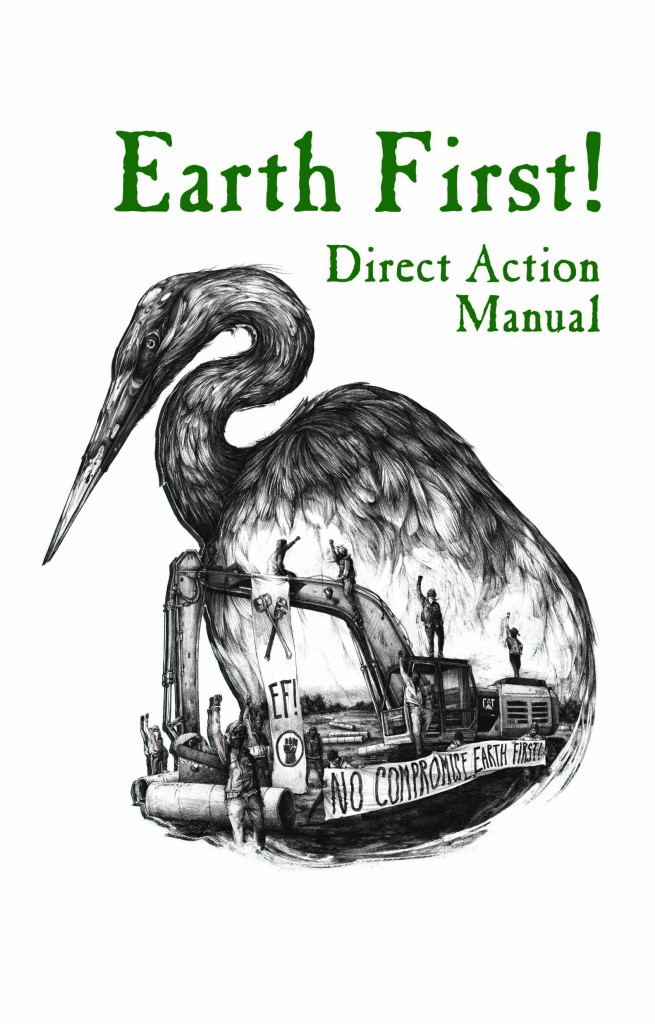
Cover for Direct Action Manual

Cover for Direct Action Manual

Earth First! Direct Action Man­u­al. To sup­port this pub­li­ca­tion, pre­order your copy or donate today.

After sev­er­al years in devel­op­ment, the Earth First! Direct Action Man­u­al is ready to go to press. A group of front­line activists has assem­bled over 300 pages of dia­grams, descrip­tions of tech­niques and a com­pre­hen­sive overview of the role direct action plays in our cam­paigns in defense of the Earth.

We are now in a three-week fundrais­ing cam­paign to ensure that this crit­i­cal book gets out to peo­ple who can use it. You can pre­order your copy and get some extra thank you gifts for your ear­ly endorse­ment by donat­ing today. More impor­tant­ly, though, we have offered a chance for you to help us spread this knowl­edge. Every dona­tion over $50 gives you the chance to send a free copy of the man­u­al to a cam­paign of your choice. The more you give, the more man­u­als we can put in the mail.

The man­u­al will be print­ed in the com­ing month with long­time Earth First! part­ner, The Gloo Fac­to­ry. This com­mu­ni­ty-mind­ed, union print shop has sup­plied Earth First! and its affil­i­ates with stick­ers and mer­chan­dise for decades and remains com­mit­ted to using a high stan­dard for recy­cled and reclaimed mate­r­i­al, as well as sup­port­ive work­er con­di­tions.

The man­u­al was first print­ed near­ly two decades ago and has been out of print since its ini­tial dis­sem­i­na­tion. Though many of the con­sid­er­a­tions for civ­il dis­obe­di­ence and inter­ven­tion have remained tried and true, new ele­ments have altered the ways we put these tac­tics into action. The Earth First! Direct Action Man­u­al will con­tin­ue the role of safe and effec­tive actions in stop­ping the destruc­tion of the plan­et.

Sup­port this effort today!