UK: 4 new releases from green anarchist zine Return Fire (PDFs)

Just now we’ve sent out the PDF ver­sions of our recent releas­es, for down­load­ing and print­ing (for past issues, see 325).

https://en-contrainfo.espiv.net/2016/06/05/uk-4-new-releases-from-green-anarchist-zine-return-fire-pdfs/ for links to the PDFs

Just now we’ve sent out the PDF ver­sions of our recent releas­es, for down­load­ing and print­ing (for past issues, see 325). To sum­marise, there’s the full length edi­tion of Return Fire vol.3 (Win­ter 2015–2016), full of news, the­o­ry, poet­ry and antag­o­nism (down­load in low-res here); a com­pan­ion piece con­sist­ing of our ‘glos­sary’ entry for the issue, on Coloni­sa­tion; an imposed and print-ready ver­sion of ‘Smarter Prison?’ as a sup­ple­ment to vol.3, which we received from ‘Rad­i­cal Inter­fer­ence’ and released for Decem­ber of 2015; and last­ly, we’ve uploaded one of the fea­ture texts from vol.3, ‘The Veil Drops’, to theanarchistlibrary.org as a sep­a­rate file for read­ing and repro­duc­tion. Also, there is both colour and black-and-white ver­sions of the cov­er includ­ed, in case some com­rades want to do their own print­ing.

Return Fire vol.3

A con­tin­u­a­tion of our project to bring inci­sive anar­chic con­tent from around to world to an anglo­phone read­er­ship. New edi­to­r­i­al con­tent, reprints of things we’ve found use­ful, art­work, action list­ings, for­ag­ing infor­ma­tion, the usu­al.

There’s a few pre­vi­ous­ly-untrans­lat­ed arti­cles in this issue. For exam­ple, one is an extract from the lat­est cov­er sto­ry of Italy’s eco-insur­rec­tionary peri­od­i­cal Ter­ra Sel­vaggia, on ‘The Advance of Urban­i­sa­tion’ and, simul­ta­ne­ous­ly, cracks open­ing in the con­crete which we could utilise… Annie Archet mean­while tells a life-sto­ry of evad­ing iden­ti­ty, in Por­trait of the Invis­i­ble Woman in Front of Her Mir­ror. To name some out of the texts we’ve assem­bled from selec­tions of pre-exist­ing ones, David King looks at the reduc­tion­ist and patri­ar­chal impli­ca­tions of mod­ern repro­duc­tive tech­nolo­gies in ‘Into Her Inner Cham­bers’, and Nico­la Gai speaks to act­ing with­in ‘The Max­i­mum That Our Abil­i­ties Allow’ (from his con­tri­bu­tion to the found­ing issue of the Croce Nera Anar­chi­ca).

The con­tent we have har­vest­ed whole includes The Inten­si­fi­ca­tion of Inde­pen­dence in Wallma­pu, John Severino’s poignant reflec­tions on a project with­in an indige­nous Mapuche com­mu­ni­ty; The ‘Wild’ as Will and Rep­re­sen­ta­tion, about com­mod­i­fied and alien­at­ed approach­es in the urgent need for land recon­nec­tion, sim­ply signed M.; and Sean Dunohoe’s har­row­ing (if lim­it­ed) polemic against the Close Super­vi­sion Cen­tres with­in the British prison sys­tem. (We note that this year the organ­is­ing col­lec­tive for the June 11 project of sol­i­dar­i­ty with long-term anar­chist pris­on­ers has called for a focus on such units wher­ev­er they are in the world; hence we’d like to ded­i­cate this ver­sion in that direc­tion.)

As for our usu­al columns… We take a ret­ro­spec­tive look at some Glob­al Flash-Points of insur­gent activ­i­ty in the months fol­low­ing our last vol­ume. Rebels Behinds Bars cov­ers the State’s aggres­sions against our com­rades, and the latter’s thoughts on top­ics from sur­viv­ing incar­cer­a­tion or repres­sion to (anti-)organisation for the attack on author­i­ty. ‘To Cre­ate & Main­tain Their Wealth’ and ‘Sen­su­al­i­ty, Mag­ic & Anar­chist Vio­lence’ address gen­dered and speciesist dom­i­na­tion through reviews of Sil­via Fed­eri­ci, Arthur Evans and Jason Hrib­al.

The Poems for Love, Loss & War are from Rydra Cos­mo, Hen­ry Zegar­run­do, Natasha Alvarez and oth­er appre­ci­a­tors of all things fer­al. For our Mem­o­ry as a Weapon seg­ment, we’ve used Unset­tling America’s spell­bind­ing telling of civilisation’s spread through Europe from the south and beyond, and sub­se­quent tra­jec­to­ry, in The Witch’s Child.

And of course, much more! (All pris­on­er address­es and also some court-case news is now up to date in the PDF ver­sion.)

Coloni­sa­tion

This time, we end­ed up print­ing the ‘glos­sary’ sep­a­rate­ly to the main body of the zine. This size­able essay could be a stand-alone on the sub­ject (one which we feel to be both key and mis­un­der­stood by anar­chists in much of the world) and dis­trib­uted as such, but is also rel­e­vant to sev­er­al items in con­tents of vol.3.

‘Smarter Prison?’

New­ly laid out in A5 imposed for­mat, this explo­ration of the ‘Inter­net of Things’ and the tech­no­log­i­cal ide­ol­o­gy which it advances was first sub­mit­ted to us dur­ing the Black Decem­ber mobil­i­sa­tion. (We’re hap­py that since then, Sil­via, Bil­ly and Cos­ta, who are ref­er­enced in ‘Smarter Prison?’, have been told they will not face tri­al again for their thwart­ed attack on the IBM facil­i­ty.) The strug­gle against the nano-world con­tin­ues…

‘The Veil Drops’

This is a read­er on counter-insur­gency through the lens of ‘cri­sis’, the social and de-civil­is­ing. It’s the longest edi­to­r­i­al piece from vol.3, and up on The Anar­chist Library for wider acces­si­bil­i­ty.

Until next time,
R.F.

Ditch Coal Speaking Tour. The realities of coal mining in Russia. 25th May to 10th June.

Min­ing is going on a hun­dred meters away. When they start­ed blast­ing, all the dust was brought to our veg­etable gar­dens. Veg­eta­bles got cov­ered with the coal dust which is impos­si­ble to wash out. Now I don‘t want to harm myself by eat­ing any­thing from this gar­den,” a res­i­dent of Kazas, Siberia, Rus­sia, describes the impact of coal min­ing.

Min­ing is going on a hun­dred meters away. When they start­ed blast­ing, all the dust was brought to our veg­etable gar­dens. Veg­eta­bles got cov­ered with the coal dust which is impos­si­ble to wash out. Now I don‘t want to harm myself by eat­ing any­thing from this gar­den,” a res­i­dent of Kazas, Siberia, Rus­sia, describes the impact of coal min­ing.

The Lon­don Min­ing Net­work and the Coal Action Net­work are head­ing off on tour with a Russ­ian envi­ron­men­tal activist who has wit­nessed first hand the impacts of the UK’s burn­ing of coal on indige­nous peo­ple.

The con­se­quences of coal min­ing in Rus­sia are ter­ri­ble. There are envi­ron­men­tal and eco­nom­ic dis­as­ters hap­pen­ing in min­ing regions, espe­cial­ly in Kuzbass where the most of coal reserves locat­ed. Pub­lic health is get­ting worse and worse, indige­nous peo­ple being forced out of their land, air and water poi­soned.” Vladimir Slivyak, Ecode­fense.

The UK imports two thirds of the coal it burns in the remain­ing nine coal fired pow­er sta­tions. In 2015, 24% of our elec­tric­i­ty came from burn­ing coal. Just under a third of this coal comes from Rus­sia.

Vladimir, a Russ­ian anti-coal activist is vis­it­ing the UK for a speak­ing tour start­ing on the 25th May in Brighton before tour­ing around the UK and fin­ish­ing on the 10th June in Lon­don. Full details of the tour can be found www.coalaction.org.uk/tour. He will dis­cuss the prob­lems caused by min­ing for the UK’s pow­er sta­tions in his home coun­try, while the Coal Action Net­work dis­cuss how we can act to end the destruc­tion.

The tour is part of the launch of Ditch Coal, a new report from the Coal Action Net­work released ear­li­er this year. It tells the human and local­ized envi­ron­men­tal sto­ry of the coal burnt in UK pow­er sta­tions. The cli­mate change impacts of burn­ing coal are well doc­u­ment­ed, but some­how hard to relate to in a con­crete man­ner. By con­trast the sto­ries of those liv­ing in the shad­ows of the mines are some­how more tan­gi­ble, being direct human expe­ri­ences being felt already.

The tour will be joined by local com­mu­ni­ty cam­paign­ers fight­ing open­cast coal oper­a­tions in Sheffield, New­cas­tle and Edin­burgh. Speak­ers from Colom­bia Sol­i­dar­i­ty Cam­paign will join at Brighton, New­cas­tle, Cam­bridge and Lon­don.

The prob­lem in Rus­sia
The Siber­ian vil­lage of Kazas was sur­round­ed by open­cast coal mines and had a pop­u­la­tion of pre­dom­i­nant­ly indige­nous Shor peo­ple. Kazas was entire­ly destroyed in 2014 to make way for the expan­sion of the mines although the vil­lagers did not all con­sent to leave. The prob­lems of this vil­lage are not unique. For each tonne of coal pro­duced six hectares of land is dis­turbed, land which was home and habi­tat to both peo­ple and wildlife before the min­ing com­pa­nies’ encroach­ment.

Pri­or to the destruc­tion of Kazas, pres­sure was applied to get fam­i­lies to move. Infra­struc­ture was no longer main­tained – roads were not cleared of snow in win­ter and clean drink­ing water was no longer pro­vid­ed. With only 6% of water from the mines being treat­ed, filthy water killed the fish and the wildlife dis­persed, pre­vent­ing the tra­di­tion­al eco­nom­ic activ­i­ties of the Shor peo­ple — hunt­ing and fish­ing.

Com­mu­ni­ties in the coal min­ing regions strug­gle to have their objec­tions heard as the sys­tem is stacked against them. Deci­sions about min­ing appli­ca­tions are heard away from the ances­tral lands which are threat­ened so those affect­ed can­not attend hear­ings.
The wors­en­ing sit­u­a­tion for the res­i­dents meant that many agreed to leave. For those who did­n’t the out­come was more sin­is­ter, their homes were destroyed by arson.

The vil­lage of Kazas now only exists in the mem­o­ries of the peo­ple who lived there. “Chu­vash­ka is the Shors’ only vil­lage in this area. In the 1990s, about 16,000 Shors were liv­ing here. Today, there are just between 4,500 and 5,000 peo­ple here” said a Shor woman in Ecode­fense’s film Con­demned. Eight oth­er vil­lages in the area have been destroyed.

The min­ing exploits in the Kemero­vo region have left many of the indige­nous Shor home­less, or dis­placed to oth­er areas, which sev­ers their spir­i­tu­al, cul­tur­al, and prac­ti­cal attach­ments to the land. No ade­quate sub­sti­tute land, nor com­pen­sa­tion has been offered to them. The Kemero­vo Oblast, where most of the Shors and Teleut live, pro­duces 60% of Rus­si­a’s coal for export.

The Russ­ian coal indus­try also has the most dan­ger­ous work­ing con­di­tions of any indus­try in terms of risk to life and wel­fare, with 40–50 fatal acci­dents each year, killing 180–280 peo­ple annu­al­ly, main­ly in the deep mines.

Why is the UK burn­ing Russ­ian coal?
In the year to August 2015, 31% of all ther­mal coal burnt in the UK came from Rus­sia. Since 2005, Rus­sia has sup­plied the UK with more coal than any oth­er coun­try — coal is cheap­er from Rus­sia than any­where else, which is why we burn so much of it. There is lit­tle trans­paren­cy in the coal sup­ply chain and large vol­umes.

Where else does coal come from?
32% of the coal used in the UK was extract­ed in Britain in the year to Sep­tem­ber 2015. Here open­cast min­ing oper­a­tions have con­tin­u­al­ly faced resis­tance from those liv­ing in the shad­ow of mines and pro­posed sites. At the end of March 2016 there were 21 open­cast mines work­ing, a num­ber which is decreas­ing. There are no longer any under­ground coal mines in this coun­try.

Colom­bia is known for its human rights abus­es, yet it sup­plies 23% of the coal import­ed to the UK. Over 90% of Colom­bian coal pro­duc­tion occurs in three large-scale open cast min­ing oper­a­tions in the north­ern depart­ments of La Gua­ji­ra and Cesar. Com­mu­ni­ties close to the mines suf­fer the same prob­lems in terms of forced relo­ca­tions as those neigh­bor­ing Russ­ian mines, addi­tion­al­ly there have been links made to assas­si­na­tion attempts on those who speak out against the mines, mass killings and vio­lence.

Most of the 14% of coal com­ing to the UK from the USA is from dam­ag­ing long­wall min­ing sys­tems — where the mate­r­i­al over the coal is inten­tion­al­ly col­lapsed as the mine pro­gress­es — or from open­cast or moun­tain­top removal mines. Both of these meth­ods destroy huge areas of land, dis­place peo­ple and dam­age the water table. Dur­ing moun­tain­top removal coal min­ing is destroy­ing entire moun­tain ranges in Appalachia.

The Coal Action Net­work is work­ing with grass roots groups on cam­paigns to close the UK’s remain­ing coal fired pow­er sta­tions. Come along to one of our tour dates to find out why we must close these pow­er sta­tions and to see how you can get involved.
Full tour details www.coalaction.org.uk/tour

Earth First! Summer Gathering 2016 dates & location

Earth First! Sum­mer Gath­er­ing! — 17th-22nd Aug — The address is: The Limes, Mil­ton Rd, Gayton,Northampton NN7 3HE.

Earth First! Sum­mer Gath­er­ing! — 17th-22nd Aug — The address is: The Limes, Mil­ton Rd, Gayton,Northampton NN7 3HE.

For work­shop pro­gramme and direc­tions etc. see: http://earthfirstgathering.org/

Attacking UK’s coal transport system — Severing the lines that feed the machine

Sev­er­ing the lines that feed the machine is not impos­si­ble. When peo­ple take up civ­il upris­ing in the UK, if peo­ple are able to shove their oblig­a­tions to one side to open up an avenue, they main­ly have the abil­i­ty and pos­si­bil­i­ty to be able to grasp their will for some­thing new.

Sev­er­ing the lines that feed the machine is not impos­si­ble. When peo­ple take up civ­il upris­ing in the UK, if peo­ple are able to shove their oblig­a­tions to one side to open up an avenue, they main­ly have the abil­i­ty and pos­si­bil­i­ty to be able to grasp their will for some­thing new. The war is not over when those moments stop, it sparks up in lit­tle rap­tures here and there, show­ing that we are not crushed, things can be brought to a grind­ing halt again, even for a split sec­ond.

It just takes a few bright spir­its and we see it clear, when the smug con­fi­dence of author­i­ties is knocked, a few pins get hit out and things can be seen in a dif­fer­ent light. Out of synch and off bal­ance, every­thing no longer appears struc­tural­ly sound, life feels more up for grabs.

The new hori­zon peaked through our cloudy day, Sun­day 6th March, and we hope this uncom­pli­cat­ed act of sab­o­tage we have under­tak­en expos­es the vul­ner­a­bil­i­ty of their com­plex matrix.

We took a risk assess­ment and as night just start­ed to close in we entered the 1st rail­way tun­nel, we cut both lines with a portable disc cut­ter, we did­n’t imag­ine de-rail­ing a loco­mo­tive but wreck­ing dis­rup­tion and eco­nom­ic dam­age (time is mon­ey). We entered a 2nd and did a fur­ther two cuts, mark­ing them all with pink paint, and leav­ing a ban­ner as a warn­ing.

The line in ques­tion runs through the Avon Gorge from Roy­al Port­bury Dock over from Avon­mouth, it’s freight only (no pas­sen­gers), 70% of the UK’s import­ed coal for pow­er gen­er­a­tion comes through these docks. This line is a bot­tle-neck to the coun­try’s dis­per­sal. Most of it from USA where they blow apart moun­tains to get it out and Rus­sia from the Shor and Teleut ances­tral lands laid waste in Siberia, also places like Indone­sia which dri­ve back the forests for sprawl­ing mines and plan­ta­tions. That’s to keep fac­to­ries run­ning and city lights on, when we’ve got a feel­ing for escap­ing the work pris­ons and regain­ing the stars. Oth­er loads car­ried on the line include con­struc­tion aggre­gate and new built vehi­cles on their way to the show room. More high-speed train­lines are com­ing to the UK, more roads, more ancient wood­land and wildlife wiped out in the fren­zy of progress.

After see­ing the firey activ­i­ties against the coal flow in the Ham­bach for­est of Ger­many since New Years — don’t give up the fight!, or the cut­ting of the coal belt in Scot­land some years back by per­sons unknown when the bat­tles against coal min­ing raged, we realise we’re not orig­i­nal. It’s not even the first time for eco-sab­o­tage ambush­es on that line from Port­bury or the trou­ble­some car­go, over the years. We see attacks fol­low­ing attacks on train­lines in dif­fer­ent coun­tries, it’s with­in reach to hin­der the cir­cuits pow­er­ing the giant, we just have to har­ness our courage, keep an eye peeled for soft spots, maybe start­ing small but always dream­ing big. Right now we’re read­ing about eco­nom­ic dam­age this month from train­line sabo­teurs in the north of Spain, we affirm our sol­i­dar­i­ty and respect too for the anar­chists there with show­case court cas­es or police atten­tion oth­er­wise, we laugh to hear about the row­dy spir­its that keep up when repressed for the fight to reject domin­ion. Maybe the sparks kicked up in the train tun­nels even reflect­ed over the Alps and beyond to light the sky for those in dark cells for try­ing to stop high-speed cap­i­tal­ism and also its nano-world tech­nolo­gies.

Join­ing our strength with the near and dis­tant tribes, refusal and attack! Block the flows, up the fight­ers!

Toward a life that’s wild and free from coal, quar­ries, cars or cops. Avon Gorge sab­o­tage group “Sand In The Gears”, sign­ing out.….

Peruvian Land Defender Killed After 48-Hour Anti-Mining Strike

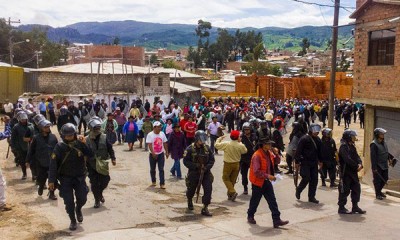
Sev­en rur­al com­mu­ni­ties orga­nized a gen­er­al strike that immo­bi­lized com­plete­ly the activ­i­ties in Puquio, cap­i­tal of Lucana province, and result­ed in the unfor­tu­nate death of a young mem­ber of the Cccol­lana com­mu­ni­ty: Erick Men­don­za Tumaylle, age 22.

Octo­ber 29th, 2015

Sev­en rur­al com­mu­ni­ties orga­nized a gen­er­al strike that immo­bi­lized com­plete­ly the activ­i­ties in Puquio, cap­i­tal of Lucana province, and result­ed in the unfor­tu­nate death of a young mem­ber of the Cccol­lana com­mu­ni­ty: Erick Men­don­za Tumaylle, age 22. The con­flict occurred at the site of one infor­mal min­ing project where tox­ic run-offs lead direct­ly into fields used by the com­mu­ni­ty for agri­cul­ture.

Lead­ers of the com­mu­ni­ty have report­ed Juan Par­i­ona of Ccol­lao injured as a result of being held hostage by the infor­mal min­ing com­pa­ny in the San Andrés zone.

This theme of con­flict is a recur­ring one through­out the entire south­ern ter­ri­to­ries of Ayacu­cho, Ica, and parts of Are­quipa. Some com­mu­ni­ty mem­bers are suing Lay­tau­ma Cor­po­ra­tion for being the main stor­age facil­i­ty for explo­sives, for being the main source of income for infor­mal tran­sient work­ers, and for being the sole pur­chas­er of feed pro­duced in San­cos dis­trict.

Peo­ple are wor­ried about how thou­sands of infor­mal work­ers are affect­ing the Yuar­iviri lagoon, the many springs and water sources. It has been made appar­ent that the cen­ter storm of this con­flict has moved to this zone of the coun­try.

by Obser­va­to­rio de Con­flic­tos Mineros en el Perú /  Con­flic­tos Mineros

trans­lat­ed by Earth First! Newswire

Anti-Dam Activists Celebrate Two Years of Blockades in Malaysia

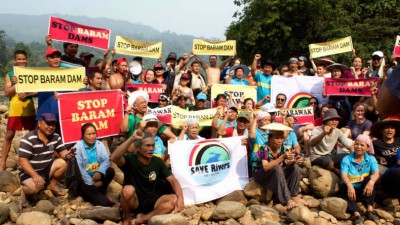
On Octo­ber 23rd 2015, indige­nous com­mu­ni­ties from around the world gath­ered on the banks of the Baram Riv­er in Sarawak, Malaysia in the con­text of the sec­ond year anniver­sary of the indige­nous-led block­ades against the pro­posed Baram Dam.

On Octo­ber 23rd 2015, indige­nous com­mu­ni­ties from around the world gath­ered on the banks of the Baram Riv­er in Sarawak, Malaysia in the con­text of the sec­ond year anniver­sary of the indige­nous-led block­ades against the pro­posed Baram Dam. Two years ago indige­nous com­mu­ni­ties set up two block­ades and chased work­ers and researchers from the site. The works on the dam have come to a stand­still and last month the gov­ern­ment of Sarawak announced a mora­to­ri­um.

Indige­nous anti-dam activists from Indone­sia, the Philip­pines, Cam­bo­dia, Brazil, the US, Hon­duras, and from around Malaysia unit­ed at the block­ades to stand in sol­i­dar­i­ty with the resis­tance against the Baram Dam and to strength­en ties between their com­mu­ni­ties. The week-long event is called the World Indige­nous Sum­mit on Envi­ron­ment and Rivers, WISER Baram 2015, and was host­ed by the grass­roots net­work SAVE Rivers.

Dur­ing cel­e­bra­tions at the two block­ades, the pro­posed dam site, as well as at a con­fer­ence in the town of Miri, the par­tic­i­pants were unit­ed by the sim­i­lar­i­ties between their strug­gles. “I have gained a lot of expe­ri­ence from all of the del­e­gates. And with such infor­ma­tion, I am con­fi­dent enough such expe­ri­ences will be fun­da­men­tal to us – the Baram Peo­ple – and our strate­gies to con­tin­ue to fight and stop the pro­posed Baram Dam,” said James Nyu­rang, who host­ed the del­e­gates at his vil­lage.

Accord­ing to Berta Cáceres, 2015 Gold­man Prize win­ner from Hon­duras, “this sum­mit on indige­nous peo­ples and rivers has a spe­cial val­ue in that its actions give strength to the his­toric resis­tance of our peo­ples and makes vis­i­ble the grave aggres­sion and con­flict gen­er­at­ed by the pri­va­ti­za­tion of rivers and the con­struc­tion of dams with­in Indige­nous com­mu­ni­ties and regions.”

The dec­la­ra­tion also calls on gov­ern­ments and insti­tu­tions to stop pre­sent­ing dams as cli­mate neu­tral, and rec­og­nize that dams emit large amounts of green­house gas­es, includ­ing methane.

Par­tic­i­pants in the sum­mit col­lec­tive­ly pro­duced a dec­la­ra­tion that acknowl­edges the wide­spread suf­fer­ing and destruc­tion caused by dams, and stress­es the impor­tance of obtain­ing Free, Pri­or, and Informed Con­sent from com­mu­ni­ties impact­ed by dam build­ing. It urges all stake­hold­ers to act in full account­abil­i­ty, trans­paren­cy, and com­pli­ance of all human rights prin­ci­pals and val­ues.

The indige­nous defense of the Baram riv­er stands unit­ed with oth­er com­mu­ni­ties’ strug­gles for land, liveli­hood, spir­i­tu­al­i­ty, iden­ti­ty, and com­mu­ni­ty cohe­sion.

Indigenous activists celebrate bitter victory over rainforest dam moratorium

22nd Octo­ber 2015

22nd October 2015

As indige­nous activists oppos­ing hydropow­er dams on their ter­ri­to­ries gath­er this week­end in the rain­forests of Sarawak, Malaysia, they have good news to cel­e­brate: a giant dam on the Baram riv­er has been put on hold. But the forests are still being logged, local peo­ple have been stripped of land rights, and a pro­gramme of 12 giant dams is still offi­cial pol­i­cy.

Indige­nous anti-dam cam­paign­ers from Brazil, India, Hon­duras, and across South­east Asia are gath­er­ing on the island of Bor­neo to coor­di­nate cam­paigns on the impact of large hydro­elec­tric dams.

The World Indige­nous Sum­mit on Envi­ron­ment and Rivers is now under way in the town of Miri on Baram Riv­er in the Malaysian state of Sarawak — where rain­for­est dams have already drowned thou­sands of square kilo­me­tres of for­est.

Local indige­nous peo­ple belong­ing to Penan, Kenyah, Kayan and oth­er groups have led a two-year block­ade against the pro­posed Baram hydropow­er dam sit­ed on the upper reach­es of the Baram Riv­er, stag­ing encamp­ments at the dam site itself and at a site along its access road.

“We are main­tain­ing the block­ade and we are going to cel­e­brate the anniver­sary on the 23–24 Octo­ber”, said Peter Kallang, con­fer­ence orga­niz­er and coor­di­na­tor of SAVE Rivers Sarawak, a net­work of groups oppos­ing dams.

Baram dam on hold — but the logging rages on

Activists have rea­son to cel­e­brate. In a tele­vi­sion address in July Sarawak’s Chief Min­is­ter Tan Sri Ade­nan Satem declared a mora­to­ri­um on the Baram Dam project. The 400-square-kilo­me­ter (154-square-mile) reser­voir of the 1,200-megawatt Baram Dam would dis­place up to 20,000 peo­ple and sub­merge their lands.

So good news, cer­tain­ly. But despite the mora­to­ri­um, clear­ance of the vast Baram Dam site is pro­ceed­ing quick­ly. The gov­ern­ment has already extin­guished local land rights and issued log­ging per­mits to large Malaysian log­ging com­pa­nies, and log­ging has begun, as Kallang explains:

“The log­gers are going all out to take this oppor­tu­ni­ty to cut every­thing in the way. This license for log­ging is a legal license giv­en by the gov­ern­ment under what they call the sal­vage log­ging … under sal­vage log­ging they cut any­thing and every­thing, even the small trees about six inch­es in diam­e­ter.”

Mean­while it appears that the mora­to­ri­um deci­sion may have been forced by sim­ple eco­nom­ics: an inabil­i­ty to raise the bil­lions of dol­lars need­ed for its con­struc­tion.

In the case of the 2,400-megawatt Bakun Dam, which became oper­a­tional in 2011 pri­vate financ­ing fell short and British-Aus­tralian min­ing giant Rio Tin­to backed out of a pro­posed alu­mini­um smelter. The state resort­ed to loan­ing most of the $2.3 bil­lion con­struc­tion cost from state pen­sion funds.

The con­tro­ver­sial dam, Asi­a’s sec­ond largest out­side Chi­na, dis­placed 10,000 peo­ple and sub­merged 700 square kilo­me­tres (270 square miles) of rain­for­est and farm­land. But now it is run­ning at well under half of its capac­i­ty three years after it came online: it is actu­al­ly gen­er­at­ing just 900MW due to lack of domes­tic ener­gy demand.

A plan to export Bakun’s ener­gy to the Malaysian main­land via under­sea trans­mis­sion lines has been shelved. Activists are also keen to high­light the poor record of elec­tric­i­ty gen­er­a­tion by Sarawak’s Batang Ai dam.

But there’s plenty more dams planned for Sarawak’s rivers

The Baram Dam is only the fourth pro­posed devel­op­ment of twelve large dams slat­ed to be con­struct­ed by 2030 as part of a broad­er hydropow­er-devel­op­ment plan called the Sarawak Cor­ri­dor of Renew­able Ener­gy (SCORE). And there’s no sign that the project is to be aban­doned.

Next in line for con­struc­tion is the 1,295 megawatt, 204-meter (669-foot) high Baleh Dam, which so far has attract­ed less oppo­si­tion because it is not sched­uled to dis­place com­mu­ni­ties. Over the long term, 50 dams will be required to real­ize the Malaysian gov­ern­men­t’s tar­get of 20 gigawatts of hydropow­er capac­i­ty in Sarawak.

“The essence of SCORE is to indus­tri­alise the state by lever­ag­ing on Sarawak’s com­pet­i­tive advan­tage in bulk hydropow­er”, Sarawak’s Pub­lic Util­i­ties Min­is­ter Datuk Amar Haji Awang Ten­gah Ali Hasan said in a speech at the Inter­na­tion­al Hydropow­er Asso­ci­a­tion’s (IHA) con­fer­ence in Chi­na last July.

Hasan argued that the plan would bring jobs and eco­nom­ic devel­op­ment to Sarawak, par­tic­u­lar­ly it’s remote areas, accord­ing to the Bor­neo Post. Mongabay con­tact­ed the IHA for its views on SCORE and the Baram mora­to­ri­um but it declined to com­ment.

SCORE, born in 2006 out of the Ninth Malaysia Plan, a gov­ern­ment roadmap for devel­op­ment by 2020, rep­re­sents a for­mi­da­ble scheme to replace indige­nous lands and trop­i­cal rain­forests with heavy indus­try like steel, glass, alu­mini­um, and agri-busi­ness plan­ta­tions.

How­ev­er, the aim to indus­tri­al­ize might not be going accord­ing to plan. “It is all talk­ing non­sense”, said Kallang, explain­ing that Sarawak Ener­gy, the nation­al­ized state ener­gy sup­pli­er that man­ages all of Sarawak’s elec­tric­i­ty, has repeat­ed­ly failed to dis­close a list of com­pa­nies that have signed on to pur­chase elec­tric­i­ty from the 12 planned dams. Kallang sus­pects this is because no such list exists.

Mean­while Sarawak’s 944-megawatt Murum Dam is com­plete but has yet to become oper­a­tional. Kallang explained that con­tro­ver­sy still sur­rounds the project, with dis­placed Penan hunter-gath­er­er indige­nous com­mu­ni­ties claim­ing they have not been paid the com­pen­sa­tion that the Sarawak gov­ern­ment promised them. But anoth­er prob­lem, sure­ly, is that there is no demand for its pow­er.

Still no final decision on Baram dam

Activists remain cau­tious about the Baram mora­to­ri­um and have decid­ed to main­tain their block­ade pend­ing fur­ther con­fir­ma­tion. Kallang thinks the state elec­tions next year might have influ­enced the deci­sion to put the dam on hold. “When politi­cians talk we have to know whether they are real­ly gen­uine or they are fish­ing for votes”, he said.

Sarawak Ener­gy spokesper­son Aha­di­ah Zamhari told Mongabay that a final deci­sion on the dam’s con­struc­tion has yet to be made. “The Chief Min­is­ter of Sarawak has imposed a mora­to­ri­um to all par­ties on mat­ters relat­ed to Baram hydropow­er project pend­ing the gov­ern­men­t’s final deci­sion on the project”, he stat­ed in an email, while declin­ing to be inter­viewed.

But Rebekah Shirley, a researcher with the Ener­gy and Resources Group at Uni­ver­si­ty of Cal­i­for­nia, Berke­ley, is cau­tious­ly opti­mistic: “I see this recent mora­to­ri­um on works in Baram as pro­gres­sive. It is hope­ful­ly a sig­nal of new lead­er­ship that is keen on lis­ten­ing to the con­cerns of stake­hold­ers — albeit stake­hold­ers that should already be a legit­i­mate part of the deci­sion mak­ing process.”

Shirley’s work with her Berke­ley col­league Daniel Kam­men show­ing the poten­tial of small-scale ener­gy options such as solar and micro-hydro to meet Sarawak’s ener­gy needs with­out build­ing dams has influ­enced the gov­ern­ment.

Their research appears to pro­vide a cost-effec­tive alter­na­tive to big dams with the added advan­tage of reduced envi­ron­men­tal and social con­flicts. After meet­ing with Kam­men, Kallang, and oth­ers in June, Sarawak Chief Min­is­ter Ade­nan said in a tele­vi­sion inter­view last month that he would look into these alter­na­tives.

But in recent years a num­ber of rev­e­la­tions have exposed cor­rup­tion at the high­est lev­els of Sarawak’s Gov­ern­ment. The busi­ness affairs of the for­mer Chief Min­is­ter and cur­rent state Gov­er­nor, Taib Mah­mud, have par­tic­u­lar­ly been in the spot­light. Kallang explained Taib’s links to dam con­struc­tion, which have been well doc­u­ment­ed by the news media:

“If the dams, espe­cial­ly Baram and Baleh are can­celled, it will affect Taib’s com­pa­ny very much because the sole sup­pli­er of cement in the whole of Sarawak is a com­pa­ny called CMS [Cahya Mata Sarawak] which is owned 90% by the Taib fam­i­ly… Also Sarawak Cable is owned by his son, so they are going to sup­ply all the cable required for the trans­mis­sion lines.”

The struggle is global

Dam-build­ing remains wide­spread world­wide. The Inter­na­tion­al Hydropow­er Asso­ci­a­tion in its 2015 report said: “We pub­lish this report at a time of sig­nif­i­cant hydropow­er devel­op­ment, with 37.4 GW of new installed capac­i­ty in 2014 bring­ing the glob­al total to 1,036 GW.”

As part of the con­ver­gence this week, the inter­na­tion­al del­e­ga­tion of activists is due to join vil­lagers on the block­ades in sol­i­dar­i­ty, and over a hun­dred peo­ple are expect­ed to stay in the camp, extend­ed for the occa­sion, at kilo­me­ter 15 of the dam’s access road. “They are going to vis­it the dam site and from there they will vis­it the vil­lages which could be flood­ed if the dam is built. We will stay overnight on the block­ade”, Kallang said.

Anni­na Aeber­li, who is help­ing to orga­nize the events as a cam­paign­er with the Swiss NGO Bruno Manser Fonds, explained the idea behind the ini­tia­tive: “We were real­ly think­ing about what we can do to strength­en [the vil­lagers’] spir­its to fight. So then we came back to this idea to bring inter­na­tion­al dam activists to the Baram area, so that they can show sol­i­dar­i­ty and moti­vate the peo­ple.”

Though the Baram Dam protests appear to have been effec­tive, on Octo­ber 26 Kallang is due in court, where he faces fines and even jail-time in a suit brought by Sarawak Ener­gy against him and 22 oth­ers for alleged­ly chas­ing the com­pa­ny away from the Baram work­site.

What­ev­er the court out­come, Kallang is com­mit­ted to the strug­gle long-term and rec­og­nizes the glob­al dimen­sions of the issue as indige­nous activists bat­tling dams abroad make the long jour­ney to Sarawak:

“We would like to invite them to share their expe­ri­ence in fight­ing against dams. And with this we hope to build bet­ter sol­i­dar­i­ty with them.”

Videos and sources here

 

Ahousaht First Nation Blockade Open Net Salmon Farm

Clayoquot Sound
An aer­i­al view of Clay­oquot Sound, just north of Tofi­no, B.C., is shown in this hand­out pho­to. The Ahousaht First Nation are protest­ing an open-net salmon farm in the area.

Sep­tem­ber 11th, 2015

TOFINO, B.C. — Mem­bers of a Van­cou­ver Island First Nation are vow­ing to risk arrest rather than allow an inter­na­tion­al fish farm­ing com­pa­ny to anchor an open-net salmon farm north of Tofi­no.

Mem­bers of the Ahousaht First Nation say they set up a boat block­ade Wednes­day at the site of the new farm, owned by Nor­we­gian-based Cer­maq.

The Ahousaht say the com­pa­ny holds 17 salmon farm tenures in Clay­oquot Sound and applied for two new tenures in the same area last year.

The First Nation believes the appli­ca­tions sig­nal a new round of fish farm expan­sion on the West Coast, with the Ahousaht Fish Farm Com­mit­tee pre­dict­ing a four-fold increase in the indus­try over the next 15 years.

Pro­test­ers oppose any new fish farms in the area.

They fear pos­si­ble dis­eases bred in fish with­in the open nets could be passed to clam beds or wild salmon trav­el­ling to and from near­by spawn­ing grounds.

http://www.ctvnews.ca/canada/first-nations-blockade-halts-anchoring-of-tofino-area-salmon-farm‑1.2556934

First Nations blockade Clayoquot Sound salmon farm

This is a media release from UBCIC.

Mem­bers of Ahousaht First Nations are cur­rent­ly blockad­ing the attempts of Cer­maq to install a new open-net salmon farm at Yaak­swi­is, north of Tofi­no BC.

On Wednes­day Ahousaht mem­bers took boats out to the site and pre­vent­ed Cer­maq from anchor­ing the con­tro­ver­sial new farm, which was assem­bled off-site and towed to Yaak­swi­is.

“Wild salmon are in decline every­where salmon feed­lots are in oper­a­tion around the world. We will stop any future activ­i­ty at this loca­tion”, said Tom Paul, an Ahousaht mem­ber. “We will stay out there until we are moved—we will be arrest­ed if need be” he added.

The Ahousaht Fish Farm Com­mit­tee strong­ly opposed any fish farms at the Yaak­swi­is loca­tion, due to con­cerns about prox­im­i­ty to rich seafood resources such as clam beds and wild salmon rivers.

Cer­maq is a Nor­we­gian-based cor­po­ra­tion recent­ly acquired by Mit­subishi. They cur­rent­ly hold 17 salmon farm tenures in Clay­oquot Sound, which was the site of major log­ging con­fronta­tions in 1993.

Cer­maq applied in 2014 for two new tenures in Ahousaht First Nations ter­ri­to­ries. The Depart­ment of Fish­eries and Oceans approved one appli­ca­tion in late July this year, and one was refused.

The salmon farm­ing indus­try is poised to increase four-fold on the BC coast by 2030. These new appli­ca­tions are the first round of this major expan­sion.

http://www.vancouverobserver.com/news/first-nations-blockade-clayoquot-sound-salmon-farm

President of Uganda threatens death to Protesters of Palm Oil land grab

Pres­i­dent Musev­eni of Ugan­da has joined his sup­port to Bid­co and Wilmar. call­ing for Bul­lets to be used against those who protest the Palm Oil devel­op­ment on the islands of Kalan­gala.

Pres­i­dent Musev­eni of Ugan­da has joined his sup­port to Bid­co and Wilmar. call­ing for Bul­lets to be used against those who protest the Palm Oil devel­op­ment on the islands of Kalan­gala. The devel­op­ment has meant that 10,000 heca­tres of vir­gin for­est has been destroyed leav­ing envi­ron­men­tal dam­age and eco­nom­ic hardhsip for the peo­ple. The words from Musev­eni come after a renewed protest against Bid­co began ear­li­er this year through twit­ter and Youtube. Fur­ther direct action against Vimal Shah the own­er of Bid­co is expect­ed soon.

Hawaii: Eight Arrested in Protest Against Mauna Kea Telescope

Sev­en women and one man were arrest­ed ear­ly on Wednes­day in the lat­est round of arrests in the ongo­ing bat­tle against build­ing a giant tele­scope atop a moun­tain many native Hawai­ians con­sid­er sacred.

The state depart­ment of land and nat­ur­al resources said 20 of its offi­cers arrest­ed the pro­test­ers on Mau­na Kea at about 1am. They were enforc­ing an emer­gency rule cre­at­ed to stop peo­ple from camp­ing on Mau­na Kea. The land board approved the rule in July, which restricts access to the moun­tain dur­ing cer­tain night­time hours and pro­hibits cer­tain camp­ing gear. It was prompt­ed by pro­test­ers’ around-the-clock pres­ence to pre­vent con­struc­tion of the Thir­ty Meter Tele­scope.

Pro­test­ers say offi­cers hauled them away while they were pray­ing. In video footage pro­vid­ed by the state, offi­cers are seen walk­ing toward a group of peo­ple hud­dled in a cir­cle and chant­i­ng. A man’s voice is heard say­ing: “Eh, they’re pray­ing you guys, they’re pray­ing.”

The footage shows offi­cers putting plas­tic hand­cuffs on women and putting them into the back of a vehi­cle. “Why do I have to have my hands behind my back,” a woman asked. “Because you’ll be placed in restraints, ma’am,” an offi­cer respond­ed.

The emer­gency rule, in place for 120 days, is intend­ed to make the moun­tain safe for pro­test­ers, vis­i­tors and work­ers of the 13 tele­scopes already on the moun­tain, the state said. Attor­ney gen­er­al Doug Chin told the land board that even though camp­ing is already pro­hib­it­ed on the moun­tain, a tar­get­ed rule is nec­es­sary because of bad behav­ior by some pro­test­ers – rang­ing from putting boul­ders in the road to threats and harass­ment – cre­at­ed unsafe con­di­tions.

The non­prof­it com­pa­ny build­ing the Thir­ty Meter Tele­scope hasn’t indi­cat­ed when there will be anoth­er attempt to resume con­struc­tion. Work­ers weren’t able reach the site dur­ing two pre­vi­ous attempts when they were blocked by hun­dreds of pro­test­ers, includ­ing dozens who were arrest­ed.

This was the fourth time tele­scope oppo­nents have been arrest­ed on the moun­tain.

Uni­ver­si­ty of Hawaii law school pro­fes­sor Williamson Chang has filed a law­suit seek­ing to repeal the rule, argu­ing it pre­vents tele­scope oppo­nents from legal­ly exer­cis­ing their rights to peace­ful­ly protest.