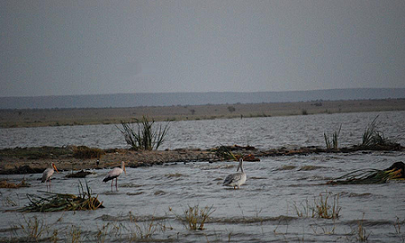
Demonstrations in Kenya against Ethiopian dam

2 Feb­ru­ary 2010

Demon­stra­tors have protest­ed in four towns in Kenya, against the con­struc­tion of a con­tro­ver­sial dam that threat­ens the sur­vival of a hun­dred thou­sand indige­nous peo­ple through­out the Low­er Omo Val­ley in Ethiopia and around Lake Turkana in Kenya.

Lake Turkana2 Feb­ru­ary 2010

Demon­stra­tors have protest­ed in four towns in Kenya, against the con­struc­tion of a con­tro­ver­sial dam that threat­ens the sur­vival of a hun­dred thou­sand indige­nous peo­ple through­out the Low­er Omo Val­ley in Ethiopia and around Lake Turkana in Kenya.

Ethiopia’s Omo Riv­er is a life­line for var­i­ous tribes, who cul­ti­vate crops on the fer­tile flood­plains in an oth­er­wise chal­leng­ing envi­ron­ment. The riv­er is the largest source for Kenya’s famous Lake Turkana, the most saline of Africa’s large lakes, essen­tial to the sur­vival of many Kenyan tribes. The Low­er Omo Val­ley and Lake Turkana are both UNESCO World Her­itage sites, in recog­ni­tion of the ‘excep­tion­al’ con­di­tions there.

Friends of Lake Turkana organ­ised the simul­ta­ne­ous demon­stra­tions, but had to hold a press con­fer­ence in Nairo­bi, because of a ban on pub­lic demon­stra­tions in the cap­i­tal.

A FoLT rep­re­sen­ta­tive said, ‘Based on research and advice from envi­ron­men­tal­ists, we the Friends of Lake Turkana (FoLT) are con­cerned about the dras­tic two year infill­ing of the dam as well as the lim­it­ed amount of water to be let out into Lake Turkana to main­tain eco­log­i­cal needs.’

In Ethiopia it is much hard­er for peo­ple to demon­strate against the project. The gov­ern­ment has intro­duced leg­is­la­tion to stop local organ­i­sa­tions from work­ing on human rights, democ­ra­cy, jus­tice and law issues. Most peo­ple know vir­tu­al­ly noth­ing about the dam and its impacts.

The Ital­ian com­pa­ny Sali­ni Con­strut­tori has already built one third of the dam, called Gibe III. The Ital­ian gov­ern­ment and var­i­ous multi­na­tion­al banks are now con­sid­er­ing fund­ing the project.

How­ev­er, inde­pen­dent experts say it will dis­rupt the sea­son­al flood­ing of the Low­er Omo Val­ley, dec­i­mat­ing the forests around the riv­er and mak­ing it almost impos­si­ble for the tribes of the val­ley to grow their crops.

Sev­er­al NGOs have made for­mal com­plaints to the Africa Devel­op­ment Bank urg­ing it not to fund the dam.

The vol­ume of water flow­ing in to Lake Turkana is like­ly to fall dra­mat­i­cal­ly. Tribes includ­ing the Turkana, Das­sanech, Rendille and Sam­bu­ru rely on lake­side live­stock graz­ing, crop cul­ti­va­tion, as well as fish­ing in the lake itself.

Sur­vival is call­ing on the Ethiopi­an gov­ern­ment to freeze the dam project until an inde­pen­dent envi­ron­men­tal and social impact assess­ment has been car­ried out and the Omo Val­ley tribes have been prop­er­ly con­sult­ed.

http://www.friendsoflaketurkana.org/

The new EF! Action Update — bursting onto the seams…

In the Spring edi­tion of the EF! Action Update, see how King Coal is being con­front­ed — chim­neys climbed, con­vey­ors locked-on to, mines invad­ed, machin­ery occu­pied, eco­tage, and more.

EF! AU logo 1In the Spring edi­tion of the EF! Action Update, see how King Coal is being con­front­ed — chim­neys climbed, con­vey­ors locked-on to, mines invad­ed, machin­ery occu­pied, eco­tage, and more.

Mar­vel at the Main­shill strat­e­gy of con­tin­u­ous action, look with awe at the range of tac­tics they used in the many months before eviction…and then think about what you can do, with who, where and when.

“If not you, who? If not now, when?”

The Main­shill fea­ture includes an action time­line, local com­mu­ni­ty links and ideas for the future.

The Nuclear New Build CON­sul­ta­tion is over on 22nd Feb­ru­ary — read about what hap­pens next, who’s involved, and an anti-nuclear camp in April.

“in the end we just need rebel­lion. Every­where.” — what was your response to the Copen­hagen cli­mate chaos, whether you went or stayed at home?

Be inspired by an inter­view with “D Lock,our mys­tery dig­ger div­ing activist” — get out there, bicy­cle lock in hand. In Jan­u­ary, one per­son so-armed brought a whole coal ter­mi­nal to a halt for many hours.

And from across the seas, read about our broth­ers and sis­ters strug­gling against high-speed train destruc­tion in Italy, high-volt­age pow­er lines in Cat­alo­nia, and whale hunt­ing on the High Seas.

And if you don’t get high on all that, try not to be inspired by con­fer­ences block­ad­ed, dams delayed, earth-trash­ing machin­ery sab­o­taged, trees hugged, archi­tects impost­ed, genet­ics roofed, bio­mess bio­massed and much more.

“We are going to inher­it the earth . There is not the slight­est doubt about that. We Are not afraid of ruins. We car­ry a new world, here in our hearts. That world is grow­ing this minute.” — Dur­ru­ti

To down­load the lat­est EF!AU for print­ing, go to http://www.earthfirst.org.uk/efau/actionupdate_feb10print.pdf

To read the lat­est EF!AU online, go to http://www.earthfirst.org.uk/efau/actionupdate_feb10.pdf

Mexico: Two Jailed For Earth Liberation Front Actions

Abra­ham López Martínez (age 16) and Fer­mín Gómez Tre­jo (age 17), have been held since Decem­ber 15, 2009 at a youth deten­tion cen­ter in Mex­i­co City. They are accused of dam­ag­ing prop­er­ty and crim­i­nal asso­ci­a­tion, relat­ed to the burn­ing of nine pri­vate­ly-owned cars and a bomb attack against a Harley David­son deal­er, actions claimed by the Frente de Lib­eración de la Tier­ra [Earth Lib­er­a­tion Front]. They are await­ing tri­al. Both are veg­an.

Abra­ham López Martínez (age 16) and Fer­mín Gómez Tre­jo (age 17), have been held since Decem­ber 15, 2009 at a youth deten­tion cen­ter in Mex­i­co City. They are accused of dam­ag­ing prop­er­ty and crim­i­nal asso­ci­a­tion, relat­ed to the burn­ing of nine pri­vate­ly-owned cars and a bomb attack against a Harley David­son deal­er, actions claimed by the Frente de Lib­eración de la Tier­ra [Earth Lib­er­a­tion Front]. They are await­ing tri­al. Both are veg­an.
Write to them via Anar­chist Black Cross-Mex­i­co: cna.mex@gmail.com

Source: http://www.directaction.info/prisoners.htm

Mexico: Coca-Cola targeted by ALF/ELF

On the night of Jan­u­ary 17 we decid­ed to go out to once again prove that this war has not end­ed, that our actions have not stopped and that we con­tin­ue to feel the rage that we have put into every action.
This time we put two pack­ages of explo­sives in the front win­dows of the offices of the bot­tler FEMSA, owned by the filthy multi­na­tion­al Coca-Cola. The win­dows were com­plete­ly destroyed in the explo­sion. The attack was car­ried out in Ecate­pec, Mex­i­co City.

Mexico: Coca-Cola targeted by ALF/ELFOn the night of Jan­u­ary 17 we decid­ed to go out to once again prove that this war has not end­ed, that our actions have not stopped and that we con­tin­ue to feel the rage that we have put into every action.
This time we put two pack­ages of explo­sives in the front win­dows of the offices of the bot­tler FEMSA, owned by the filthy multi­na­tion­al Coca-Cola. The win­dows were com­plete­ly destroyed in the explo­sion. The attack was car­ried out in Ecate­pec, Mex­i­co City.
Coca-Cola is an earth-destroy­ing com­pa­ny that caus­eS the extinc­tion of ani­mal species, that uses extreme human exploita­tion to pro­duce goods like soft drinks, and that claims and pri­va­tizes nat­ur­al resources. Coca-Cola, one of the com­pa­nies direct­ly respon­si­ble for envi­ron­men­tal dete­ri­o­ra­tion, has been vis­it­ed by us, anar­chists and lib­er­a­tionists; we have decid­ed in these cells to focus on qual­i­ty actions, strength­en­ing our­selves to expand our acts of sab­o­tage.
While it is true that 2008 and 2009 were years of quan­ti­ta­tive expan­sion, now it is 2010, a new year, with new strate­gies and new tac­tics, but with the same courage to act.
This action is ded­i­cat­ed with all our desire for free­dom to the pris­on­ers Víc­tor, Emmanuel, Abra­ham, Fer­mín, and Socor­ro of Tijua­na. We hope that direct sol­i­dar­i­ty mul­ti­plies in clan­des­tine actions, for their uncon­di­tion­al lib­er­a­tion.
We pre­pare our weapons for the cli­mate change sum­mit!
Hit­ting hard and flee­ing!

Frente de Lib­eración Ani­mal
Frente de Lib­eración de la Tier­ra

anony­mous com­mu­nique trans­lat­ed by Bite Back

European protests to stop bulldozers on uncontacted tribe’s land

26 Jan­u­ary 2010
Pro­tes­tors gath­ered in Lon­don, Madrid and Paris today to oppose the destruc­tion of land belong­ing to one of the world’s last uncon­tact­ed tribes.

26 Jan­u­ary 2010
Pro­tes­tors gath­ered in Lon­don, Madrid and Paris today to oppose the destruc­tion of land belong­ing to one of the world’s last uncon­tact­ed tribes.

The pro­tes­tors stood out­side the Paraguayan embassies in Madrid and Lon­don hold­ing plac­ards read­ing, ‘Save the Ayoreo.’ The Ayoreo-Toto­biegosode are los­ing their for­est to a Brazil­ian com­pa­ny bull­doz­ing it to graze cat­tle for beef.

In Paris, a let­ter was hand­ed in to UNESCO’s head office express­ing their con­cern for the Toto­biegosode. The for­est being destroyed by the cat­tle-ranch­ers is part of a UNESCO ‘bios­phere reserve’, but despite pleas from the Toto­biegosode to stop the destruc­tion UNESCO has yet to respond.

The com­pa­ny, Yaguarete Pora S.A., recent­ly won Survival’s ‘Green­wash­ing Award 2010’ for its deci­sion to cre­ate a ‘nature reserve’ on the Totobiegosode’s land while destroy­ing thou­sands of hectares of their for­est. Yaguarete denies it is act­ing ille­gal­ly and claims the land it is destroy­ing does not belong to the Toto­biegosode, despite the fact that many stud­ies prove it belongs to them and a legal claim made by the Toto­biegosode is based on one of those stud­ies.

See the company’s defor­esta­tion plans.

Satel­lite pho­tos clear­ly show the destruc­tion of the Totobiegosode’s for­est. They are the only uncon­tact­ed tribe in the world los­ing their land to beef.

Sur­vival direc­tor, Stephen Cor­ry, said today, ‘Peo­ple all over the world are begin­ning to wake up to what is hap­pen­ing to the Toto­biegosode. Paraguay risks being more famous for this tragedy than any­thing else.’

First Nation pushes back against ‘Ring of Fire’ mine, rail project

26th Jan­u­ary 2010
A Thun­der Bay min­er­al sym­po­sium of the Matawa First Nations trib­al coun­cil in Feb­ru­ary could be a rau­cous affair.

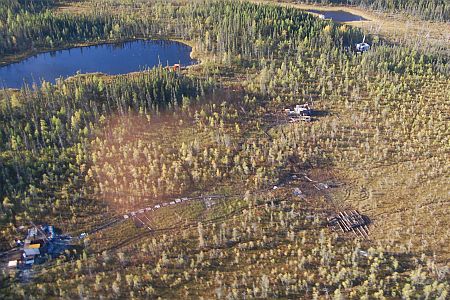
Matawa camp26th Jan­u­ary 2010
A Thun­der Bay min­er­al sym­po­sium of the Matawa First Nations trib­al coun­cil in Feb­ru­ary could be a rau­cous affair.

The aggres­sive push by Cliffs Nat­ur­al Resources and Cana­da Chrome to devel­op a $1.5 bil­lion chromite deposit in the James Bay ‘Ring of Fire’ and ore haul rail­road has drawn heat from one remote com­mu­ni­ty.

Last week about 15 pro­test­ers from Marten Falls First Nation pitched tents last week at Kop­per and McFauld’s Lakes near the explo­ration camps of Noront Resources and Freewest Resources.

“We’re pre­pared to stay there as long as pos­si­ble,” said Chief Eli Moo­nias, who isn’t pleased that Cana­da Chrome has staked min­er­al claims along a 350-kilo­me­tre long pro­posed rail cor­ri­dor between McFauld’s Lake and the Town of Naki­na in north­west­ern, Ontario.

He’s angry the stak­ing was done in advance of the imple­men­ta­tion of the Ontar­i­o’s Far North Plan­ning Act and wants North­ern Devel­op­ment, Mines and Forestry Min­is­ter Michael Grav­elle to “claw back” those claims.

Moo­nias said his com­mu­ni­ty of 300 was not con­sult­ed by Cana­da Chrome and claims the McFauld’s Lake deposits and most of the pro­posed rail­road cor­ri­dor falls with­in Marten Falls’ tra­di­tion­al ter­ri­to­ry.

We don’t like this under­hand­ed busi­ness,” said Moo­nias. “They should have come to the com­mu­ni­ty to do that.”

Moo­nias said he told min­istry offi­cials in Decem­ber he want­ed a com­mu­ni­ty-based land use plan that will include their 10-year-old strat­e­gy for an access road run­ning into the James Bay Low­lands and even­tu­al­ly link­ing up with Attawapiskat on the coast.

Moo­nias said his com­mu­ni­ty’s posi­tion is to sup­port the mine pro­vid­ed their cor­ri­dor plan is adopt­ed, but Cana­da Chrome has large­ly ignored this.

He said the min­ing com­pa­nies and Queen’s Park must address a list of con­cerns and wants an agree­ment signed with the min­ing com­pa­nies before the protest camps are pulled out.

Cana­da Chrome, a sub­sidiary of KWG Resources has been deal­ing with the Matawa First Nation, a trib­al coun­cil rep­re­sent­ing nine area com­mu­ni­ties, includ­ing Marten Falls.

But Moo­nias said the coun­cil does­n’t speak for his com­mu­ni­ty.
“They’ve got noth­ing to do with tra­di­tion­al ter­ri­to­ries. What hap­pens there is our busi­ness.”
KWG Resources and Cana­da Chrome pres­i­dent and CEO Frank Smeenk chalked up the protest to an inter­nal squab­ble inside the coun­cil.

“We were giv­en to under­stand that we were to fol­low a pro­to­col by the nine mem­bers of Matawa Coun­cil,” said Smeenk, refer­ring to the Matawa Inter­im Min­er­al Mea­sures pro­to­col. “Now we are to under­stand that’s not nec­es­sar­i­ly the case.”

Moo­nias said he nev­er agreed to any such pro­to­col.

“I nev­er heard of it. I’ve got noth­ing to do with that.”

Smeenk said it’s obvi­ous Marten Falls wants to be con­sult­ed with sep­a­rate­ly.

“Eli’s try­ing to get atten­tion to a cause and one of those is one that pre-dates all of us, a plan for a win­ter road.”

Smeenk said he met Moo­nias in Thun­der Bay this month after hear­ing of the com­mu­ni­ty’s plan to block­ade of airstrips at McFauld’s and Kop­per Lakes.

He said the protest may be a nego­ti­at­ing ploy to force the gov­ern­ment to re-open an ille­gal airstrip in the Ring of Fire along the Muketei Riv­er closed down last Novem­ber by the Min­istry of Nat­ur­al Resources.

Marten Falls had part­nered with Wilder­ness North Air to pro­vide a logis­tic sup­port base for the explo­ration efforts.

The MNR said the devel­op­ment of this airstrip was not autho­rized and a war­rant was autho­rized under the Pub­lic Lands Act pro­hibit­ing the use and occu­pa­tion of this airstrip. A restric­tion remains in place until a final deci­sion is made by the MNR regard­ing an ongo­ing inves­ti­ga­tion and review of the airstrip pro­pos­al.

Smeenk said his com­pa­ny has no objec­tions to the airstrip being per­mit­ted for use.

Cana­da Chrome’s pro­posed rail route fol­lows glac­i­er eskers that run north-south through the swampy ter­rain between Naki­na and McFauld’s Lake.

“If God had a place for a rail­road to go that would be it,” said Smeenk.

With an adjoin­ing ser­vice road, Smeenk said near­by com­mu­ni­ties could access it with branch roads as well as run fibre optics and pow­er lines.

Moo­nias said he met pri­vate­ly with Smeenk in Thun­der Bay before Christ­mas to dis­cuss the trans­porta­tion cor­ri­dor and said the com­pa­ny pres­i­dent “made some over­tures.”

Last Sep­tem­ber, Marten Falls signed a com­pen­sa­tion agree­ment with Noront Resources for past explo­ration work already per­formed at their explo­ration camp. Moo­nias said it amount­ed to $2 per metre for holes already drilled, but added no agree­ments for future explo­ration work has been signed with Noront or any oth­er com­pa­ny.

Noront said in a Jan. 18 statement,despite the incon­ve­nience of a “logis­tics halt” at their ice airstrip” it was sup­port­ing the actions of Marten Falls.

Moo­nias said a meet­ing is sched­uled next week with gov­ern­ment offi­cials and some min­ing play­ers in Marten Falls.

He wants the min­ing com­pa­nies to use their win­ter toll roads to haul fuel and bulk items, and for the gov­ern­ment to allow them to fin­ish con­struc­tion of an airstrip to cre­ate a ser­vice hub for McFauld’s Lake.

“We’re say­ing let’s build this strip where the ground is good for the envi­ron­ment and let us build the camps there and do busi­ness.”

Moo­nias said some com­pa­nies had been land­ing on the par­tial­ly-com­plet­ed airstrip last fall. “We told the MNR about it and they shut it down. We’re try­ing to fin­ish that so we can start build­ing our camps there to do busi­ness.”
He also wants jobs and con­tracts to ser­vice these camps instead of the com­pa­nies bring­ing in out­side sup­pli­ers and sup­port per­son­nel.

Moo­nias also wants an envi­ron­men­tal clean-up and com­pen­sa­tion at McFauld’s Lake for raw sewage, grey water, fuel and chem­i­cal spills dumped by explo­ration com­pa­nies in the sum­mer of 2007.

Smeenk expressed con­fi­dence the issue could be resolved to ben­e­fit all and does­n’t sus­pect the protest will raise any red flags with Cliffs Nat­ur­al Resources.

“The First Nations just want to fig­ure out how to get our atten­tion.”

He said it may involve com­mu­ni­ty own­er­ship of the enter­prise and did­n’t rule out a First Nation equi­ty stake in the project.

When asked if the Ontario gov­ern­ment was active­ly involved help­ing in medi­at­ing the dis­pute, Smeenk paused and said he found he found MNDMF and MNR staff to be “exceed­ing­ly help­ful and care­ful of every­one’s rights.”

Anne-Marie Flana­gan, spokes­woman for Michael Grav­elle, said the min­istry is talk­ing with all the par­ties toward resolv­ing a “com­pli­cat­ed sit­u­a­tion” that involves the MNR, the air strip and how peo­ple in the Far North can all ben­e­fit.

“We’re look­ing into the whole sit­u­a­tion because this is some­thing that’s going to have to be sort­ed out big time and rather quick­ly when you look at what Cliffs is doing.

“There has to be rea­son­able deci­sions by the First Nation about what they want to go ahead with and how they want to do it.”

Grav­elle is sched­uled to deliv­er a speech Feb. 10 at the sym­po­sium.

Ontar­i­o’s new­ly revised Min­ing Act includes a dis­pute res­o­lu­tion mech­a­nism for issues between First Nations and min­ing com­pa­nies, but the details of how it is sup­posed to work has yet to be defined since the gov­ern­ment is con­duct­ing anoth­er round of pub­lic con­sul­ta­tion.

Police clash with protesters in China in land dispute

26th Jan­u­ary 2010
Author­i­ties in the south­west­ern Chi­nese region of Guangxi have sealed off a vil­lage and ordered a news black­out fol­low­ing vio­lent clash­es between local res­i­dents and police in a land dis­pute.

Land protesters in Pingle26th Jan­u­ary 2010
Author­i­ties in the south­west­ern Chi­nese region of Guangxi have sealed off a vil­lage and ordered a news black­out fol­low­ing vio­lent clash­es between local res­i­dents and police in a land dis­pute.

“The vil­lagers put up some reports about what hap­pened on the Inter­net, but they were tak­en down by the author­i­ties very quick­ly,” said a res­i­dent of Ton­gle town­ship near the scenic tourist city of Guilin.

“Right now the author­i­ties have total­ly sealed off the area. The vil­lagers are using text mes­sag­ing to exchange news,” said Zhang, adding that he had been warned by oth­er vil­lagers that the police were still detain­ing peo­ple.

Zhang said riot police fired tear gas and used elec­tric shock batons on elder­ly pro­test­ers try­ing to pre­vent the takeover of their farm­land for devel­op­ment.

“Things got very seri­ous at the scene,” he said. “The peo­ple try­ing to pro­tect the land were all elder­ly, women, and chil­dren. How could they resist?”

“They were attacked by the riot police first, and a lot of those injured were then tak­en away by police.”

Pho­tos post­ed online of the clash­es showed crowds of peo­ple, many of them elder­ly, some of whom had sus­tained injuries to their arms and legs. Some showed peo­ple ban­daged, and still bleed­ing from head injuries.

‘Han­dled accord­ing to law’

An employ­ee who answered the phone at the Pin­gle coun­ty gov­ern­ment, which over­sees Ton­gle vil­lage, said the author­i­ties had already issued the legal­ly required amount of com­pen­sa­tion to the vil­lagers.

“Our lead­ers here have already dealt with this sit­u­a­tion,” the employ­ee said. “Every­thing we did went through the munic­i­pal lev­el author­i­ties for approval, and the entire affair was han­dled accord­ing to law.”

An offi­cial who answered the phone at the Guilin munic­i­pal pol­i­tics and law com­mit­tee con­firmed the clash­es had tak­en place as part of a land dis­pute.

“There was a land dis­pute there. But I haven’t got time to explain the details to you.”

An offi­cial who answered the phone at the Guilin munic­i­pal pub­lic secu­ri­ty depart­ment declined to com­ment on the inci­dent.

How­ev­er, an offi­cer at the Ton­gle vil­lage police sta­tion said: “We are cur­rent­ly deal­ing with this issue. If you want to know more, you’ll have to go to the [coun­ty lev­el] pub­lic secu­ri­ty depart­ment.”

Cut off

Local res­i­dents said around 700 riot police were dis­patched to the vil­lage, and that the com­mu­ni­ty was still cut off from the out­side world.

An engi­neer sur­named Li at the Ton­gle Vil­lage Trans­former Sta­tion said police had sealed off sev­er­al entrances to the vil­lage, and blocked roads in the area.

“Right now, vehi­cles from out­side can’t get into Ton­gle vil­lage. The roads have all been sealed off by the author­i­ties,” Li said.

“They have blocked the exit for the vil­lage on the Cha­jiang Bridge high­way.”

The dis­pute flared after vil­lagers saw offi­cials begin to move in to begin work last Tues­day on a plot of around 1,000 mu (67 hectares) of land in the vil­lage, which was req­ui­si­tioned more than two years ago by the Pin­gle coun­ty gov­ern­ment for rede­vel­op­ment.

Local res­i­dents were angry because the author­i­ties had sold the land for 10 times the amount of the com­pen­sa­tion doled out to vil­lagers, and because they have been promised 20,000–30,000 yuan (U.S. $4,394) per mu but have yet to receive it.

An open let­ter post­ed online by vil­lagers cit­ed guide­lines issued by the cen­tral gov­ern­ment, which “states clear­ly that it is not per­mit­ted to take pos­ses­sion of the land before the com­pen­sa­tion has been paid.”

Rur­al com­mu­ni­ties ‘dis­em­pow­ered’

Yao Lifa, a civ­il rights activist from the cen­tral province of Hubei, said such land dis­putes involv­ing vio­lence between police and local res­i­dents are increas­ing­ly com­mon.

“Chi­na rur­al com­mu­ni­ties have been a dis­em­pow­ered seg­ment of the pop­u­la­tion all through the past 60 years of Com­mu­nist Par­ty rule in Chi­na,” Yao said.

He cit­ed com­ments made pub­licly by cab­i­net-lev­el offi­cial Cheng Xiwen, who said that around 80 per­cent of land dis­putes across Chi­na were the result of ille­gal actions by gov­ern­ment offi­cials.

“The peo­ple have no pow­er to over­see the gov­ern­ment,” Yao said.

“Offi­cial and com­mer­cial inter­ests nowa­days are the same thing, com­bin­ing forces in an alliance which has a huge amount of pow­er.”

“There is no evil that they will not stoop to.”

He called on cen­tral gov­ern­ment offi­cials to take note of events in Guilin and help pro­tect the vil­lagers’ rights and inter­ests.

Land dis­putes have spread across Chi­na in recent years, with local peo­ple often com­plain­ing that they receive only min­i­mal com­pen­sa­tion when the gov­ern­ment sells tracts to devel­op­ers in lucra­tive prop­er­ty deals.

Attempts to occu­py dis­put­ed land fre­quent­ly result in vio­lent clash­es, as police and armed gangs are brought in to enforce the will of local offi­cials.

Stalled Korean Mining Operations Face Fresh Protests

Jan 21, 2010 — The Indi­an government’s grant of the final envi­ron­men­tal clear­ance to a Kore­an giant firm, allow­ing it to acquire 3,000 acres of ‘for­est lands’ in the east­ern state of Oris­sa, has prompt­ed a fresh spate of protests from more than 4,000 fam­i­lies that will be affect­ed by a pro­posed min­ing project.

Jan 21, 2010 — The Indi­an government’s grant of the final envi­ron­men­tal clear­ance to a Kore­an giant firm, allow­ing it to acquire 3,000 acres of ‘for­est lands’ in the east­ern state of Oris­sa, has prompt­ed a fresh spate of protests from more than 4,000 fam­i­lies that will be affect­ed by a pro­posed min­ing project.

Pohang Steel Com­pa­ny (POSCO) has been try­ing to set up oper­a­tions in Oris­sa since 2005, which have been stalled since then due to a rash of some­times vio­lent protest move­ments, promi­nent among them being Posco Pratirodh San­gram Sami­ti (PPSS or Com­mit­tee for Resis­tance against POSCO), against the company’s land acqui­si­tions for the project.

The PPSS held its lat­est protest on Jan. 13 after the steel­mak­er obtained the much await­ed clear­ance ear­ly this month. The group is com­posed of local indige­nous or trib­al folk whose com­bined pop­u­la­tion is esti­mat­ed at 22,000.

In June 2005 the state gov­ern­ment and POSCO signed a Mem­o­ran­dum of Under­stand­ing allow­ing the com­pa­ny to set up a steel plant .

POSCO, which has the largest for­eign direct invest­ment in India so far, at 51,000 crores (11 bil­lion U.S. dol­lars), plans to build a 12-mil­lion-tonne steel plant with a ‘cap­tive’ port in Jagats­ingh­pur dis­trict of Oris­sa, an inte­grat­ed town­ship with water sup­ply infra­struc­ture from two impor­tant bar­rages. The project is expect­ed to gen­er­ate some 45,000 jobs.

India’s gov­ern­ment pol­i­cy on min­ing, cau­tious till 1997, was amend­ed in 2006 to allow full direct invest­ment by for­eign com­pa­nies. It was seen as a means to ‘devel­op­ing’ the coun­try.

Since then, inter­na­tion­al firms like De Beers and Bro­ken Hill Prop­er­ties, both with con­tro­ver­sial human rights and envi­ron­men­tal com­pa­ny prac­tice records in coun­tries like South Africa and Papua New Guinea respec­tive­ly, have acquired huge prospect­ing rights in Oris­sa as well as Mad­hya Pradesh state in cen­tral India.

Along­side China’s demand for iron and steel, fuelled by its furi­ous pace of devel­op­ment , iron ore pro­duc­tion in India jumped from 59 met­ric tonnes in 1993–94 to 154 mil­lion tonnes (mt) in 2005-06, baux­ite from 5 mt to 12 mt in the same peri­od, while coal-pro­duc­tion increased from 267 mt to 437 mt.

Yet, this huge spi­ral­ing pro­duc­tion has con­tributed a mere 2.5 per­cent to the country’s gross domes­tic prod­uct in the last 10 years and yield­ed much small­er rev­enues for the gov­ern­ment than it should have, giv­en its panoram­ic increase, accord­ing to the Cen­tre for Sci­ence and Envi­ron­ment, a well respect­ed New Del­hi-based organ­i­sa­tion that is cam­paign­ing against exploita­tive min­ing.

The Oris­sa state government’s no-holds-barred entry to POSCO gives the com­pa­ny 600 mt of iron ore at half its mar­ket price, enabling it to make sig­nif­i­cant­ly hand­some prof­its. This was based on a study con­duct­ed by envi­ron­men­tal researcher and social activist Man­shi Ash­er of the Nation­al Cen­tre for Advo­ca­cy Stud­ies (NCAS), based in Pune dis­trict in Maha­rash­tra, locat­ed on the west­ern coast of India.

The gov­ern­ment, which also gives the com­pa­ny tax-free sta­tus and incen­tives, will sup­ply iron ore to POSCO at a dis­count of 2,000 rupees (approx­i­mate­ly 44 U.S. dol­lars) per tonne, and allow it to export high-qual­i­ty ore even while it imports low-alu­mi­na con­tent ore.

Brazil and Chi­na had ear­li­er turned down POSCO’s pro­posed deals due to the company’s refusal to buy iron ore at mar­ket prices. The com­pa­ny is now fac­ing protests in Uruguay over land acqui­si­tion for a car­bon seques­tra­tion project.

In Oris­sa, the com­pa­ny will also receive approx­i­mate­ly 150,000 mil­lion litres of water, affect­ing water sup­ply to the near­est city of Cut­tack and irri­ga­tion to four dis­tricts. It will like­wise get an unspec­i­fied num­ber of ‘cap­tive’ coal mines and over 6,000 acres of land (com­pris­ing the new­ly cleared for­est areas for the Kore­an firm), exclud­ing an unspec­i­fied acreage for estab­lish­ing trans­porta­tion, water and ‘any oth­er project-relat­ed infra­struc­ture facil­i­ties’, as per its agree­ment, accord­ing to Ash­er.

Offi­cial sta­tis­tics indi­cate that mere­ly 438 acres of the land involved is pri­vate, dis­plac­ing 471 fam­i­lies. Gov­ern­ment records, how­ev­er, do not reflect that most of the approx­i­mate­ly 3,000 acres of land belong­ing to the for­est depart­ment have been under cul­ti­va­tion for gen­er­a­tions, or used by com­mu­ni­ties for fod­der and non-tim­bre for­est pro­duce.

Repeat­ed calls by IPS to K.C. Sahu, who is in charge of min­ing oper­a­tions in POSCO’s Indi­an arm at Bhubanesh­war, drew no response.

There are also envi­ron­men­tal con­cerns over defor­esta­tion, destruc­tion of coastal and estu­ar­ine ecosys­tems includ­ing the destruc­tion of a nat­ur­al drainage sys­tem by the con­struc­tion of a cap­tive port.

The Garhir­matha tur­tle sanc­tu­ary in Oris­sa, home to hun­dreds of nest­ing Olive Rid­ley tur­tles every year, faces sig­nif­i­cant risk by the con­struc­tion of POSCO’s cap­tive port.

The PPSS is also wor­ried about the port affect­ing the liveli­hoods of near­ly 30,000 fish­er­folk.

“There are man­groves where the port is planned, and salt mounds that serve to stop sea­wa­ter flow­ing in,” says Prashant Paikare, spokesper­son of PPSS. ” What about nat­ur­al dis­as­ters because of their destruc­tion ?” he asks.

In 1999, a dev­as­tat­ing cyclone killed thou­sands and dis­placed as many on this coast­line, destroy­ing 275,000 homes.

Con­cerns about health also hound the project. Accord­ing to the NCAS study, the local trib­al pop­u­la­tion also faces seri­ous health prob­lems, espe­cial­ly among mine work­ers in the region. Many oth­ers, hav­ing lost their lands and forests, appear to have migrat­ed, with their where­abouts unknown.

“We will offer mass resis­tance,” warns Paikare. “We still don’t believe the reha­bil­i­ta­tion pack­age that the gov­ern­ment has said POSCO must ful­fill will take care of all the issues involved.”

POSCO has yet to announce the com­po­nents of the pack­age, but locals news reports said the com­pa­ny was will­ing to offer land to those who would be dis­placed by its project. No oth­er details were giv­en, how­ev­er.

Soon after the PPSS’s Jan. 13 protest, the gov­ern­ment of Oris­sa announced it was con­ven­ing a reha­bil­i­ta­tion and periph­ery devel­op­ment advi­so­ry com­mit­tee. Steel and mines state sec­re­tary A.M.R. Dal­wai said he would now focus on the reha­bil­i­ta­tion pack­age.

The Indi­an government’s envi­ron­men­tal approval to POSCO comes with 15 rid­ers, includ­ing com­pul­so­ry afforesta­tion; that lands remain with the gov­ern­ment and that no dam­age be caused to flo­ra and fau­na. It also spec­i­fies that the project can­not be under­tak­en with­out the con­sent of the trib­al com­mu­ni­ty liv­ing in the area.

The pro­posed min­ing site in Keon­jhar dis­trict, which will sup­ply POSCO its iron ore, is already reel­ing under the neg­a­tive effects of large-scale min­ing activ­i­ty.

Pro­tect­ed against land alien­ation under India’s con­sti­tu­tion because of its being a trib­al area, Keon­jhar still faces con­sti­tu­tion­al vio­la­tions by even state-run organ­i­sa­tions like the Oris­sa Min­ing Cor­po­ra­tion, tak­en to court for land ille­gal­i­ties.

“We can­not have devel­op­ment which is only about extrac­tion,” says activist Rose­mary Vish­wanath, believ­ing it impov­er­ish­es the affect­ed com­mu­ni­ties and destroys their cul­ture.

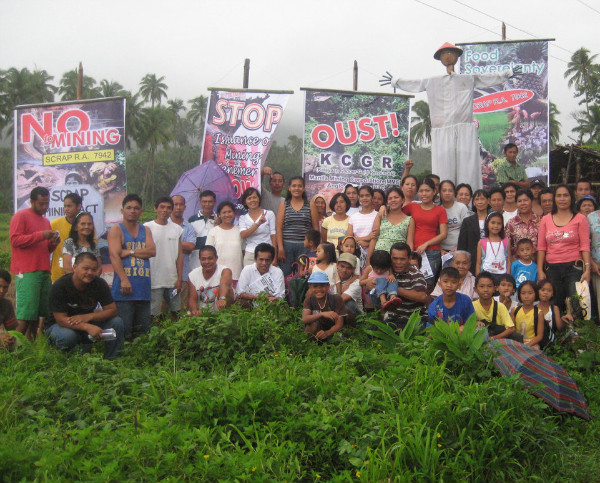
Philippine community blocks entry of large mining firm

Jan­u­ary 19, 2010
The com­mu­ni­ty of Anis­la­gan on the island of Min­danao has suc­cess­ful­ly blocked the Philex min­ing com­pa­ny from enter­ing their lands.

Anislagan vs PhilexJan­u­ary 19, 2010
The com­mu­ni­ty of Anis­la­gan on the island of Min­danao has suc­cess­ful­ly blocked the Philex min­ing com­pa­ny from enter­ing their lands.

Accord­ing to a press release from the Legal Rights and Nat­ur­al Resources Cen­ter-Kasama sa Kalikasan (LRC-CdO), near­ly the entire com­mu­ni­ty gath­ered to greet Philex, the largest min­ing firm in the Philip­pines, with a makeshift check­point they put togeth­er, on Jan­u­ary 11, 2010.

The com­pa­ny was plan­ning to com­mence work on a “liveli­hood train­ing cen­ter.” How­ev­er, “The Philex 6‑vehicle con­voy backed out after they failed to pass through the thou­sand res­i­dents of Anis­la­gan,” states the LRC-CdO.

To rein­force the check­point, the com­mu­ni­ty formed into a human a human bar­ri­cade, leav­ing the com­pa­ny with nowhere else to go

“Women and chil­dren here are ready any­time to defend our land. This land is where we sur­vived. We should fight for it!” said Riza­li­na Lis­bos, a moth­er of four, who was on the front line of the bar­ri­cade.

Pro­vid­ing some back­ground, the LRC-CdO explains: “Philex start­ed its actu­al min­ing oper­a­tion in the adja­cent Barangay (vil­lage) of Tima­mana, Tubod, Suri­gao del Norte in the 1st quar­ter of 2009. Philex’s oper­a­tion in Tubod, also known as the ‘Bayu­go Project’, start­ed as ear­ly as 1999 for their explo­ration activ­i­ties. There was strong oppo­si­tion from the Tubod peo­ple until the min­ing com­pa­ny start­ed their com­mu­ni­ty rela­tions projects, like liveli­hood, drainage improve­ment, sports activ­i­ties etc. After that peo­ple start­ed to begrudg­ing­ly agree to the min­ing project.”

“How­ev­er, the adja­cent vil­lage of Anis­la­gan sus­tained their oppo­si­tion to min­ing for almost ten years, led by Anis­la­gan Ban­tay Kalikasan Task Force (ABAKATAF), which is com­posed of mul­ti-sec­toral and inter­faith groups in the vil­lage.”

“Anis­la­gan pro­vides irri­ga­tion to rice field in their vil­lage and to adja­cent villages.We don’t need a liveli­hood train­ing cen­ter inside our vil­lage from a min­ing com­pa­ny. What for?” states Mr. Ormega, the new pres­i­dent of ABAKATAF. “We have an exist­ing self-sus­tain­ing and com­mu­ni­ty liveli­hood here. The min­ing com­pa­ny already affect­ed our irri­ga­tion, our rivers, and even to our water sup­ply from their Bayu­go project and now they are propos­ing a liveli­hood cen­ter.”

If the pro­posed “liveli­hood cen­ter” is the insult, than the min­ing project is the injury—and its bit­ter­ly iron­ic: If min­ing in the region goes ahead as planned, it would destroy the com­mu­ni­ties’ liveli­hood and their nat­ur­al resources.

For more infor­ma­tion, please vis­it: http://saveanislaganwatershed.blogspot.com and http://lrcksk.org

Eric McDavid Update — 1/13/10

Dear friends,

Today marks the fourth year of Eric’s incar­cer­a­tion. These are not the kind of mile­stones we would like to be writ­ing about to you. While oth­er peo­ple have been cel­e­brat­ing the New Year, we have been incred­i­bly con­scious of the pas­sage of time in an entire­ly dif­fer­ent way. For four years, New Years has served as a reminder to us – as it prob­a­bly does to mil­lions of oth­ers — of how long we have been sep­a­rat­ed from our loved one. While oth­ers are cel­e­brat­ing new begin­nings, we are faced with the real­i­ty that, so far, there has been no new begin­ning as far as Eric’s phys­i­cal free­dom is con­cerned. Some things remain painful­ly the same. Eric is still locked away by the state.

Dear friends,

Today marks the fourth year of Eric’s incar­cer­a­tion. These are not the kind of mile­stones we would like to be writ­ing about to you. While oth­er peo­ple have been cel­e­brat­ing the New Year, we have been incred­i­bly con­scious of the pas­sage of time in an entire­ly dif­fer­ent way. For four years, New Years has served as a reminder to us – as it prob­a­bly does to mil­lions of oth­ers — of how long we have been sep­a­rat­ed from our loved one. While oth­ers are cel­e­brat­ing new begin­nings, we are faced with the real­i­ty that, so far, there has been no new begin­ning as far as Eric’s phys­i­cal free­dom is con­cerned. Some things remain painful­ly the same. Eric is still locked away by the state.


Please remem­ber that this time of year can be par­tic­u­lar­ly dif­fi­cult for folks who are locked up. Take a minute to write Eric – or anoth­er polit­i­cal pris­on­er – and let them know that folks on the out­side are still think­ing of them and sup­port­ing them.

Appeal Update
——————
Unfor­tu­nate­ly, there’s not a lot of news about the appeal. The gov­ern­men­t’s response to Eric’s open­ing brief is cur­rent­ly due on Feb. 1 (they’ve now asked for two exten­sions). We will let you know as soon as we hear any­thing more. Once the gov­ern­ment files their response, Eric’s lawyer will have two weeks to file his final response (more poten­tial exten­sions notwith­stand­ing ). Once every­thing is filed it could be more than a year before a deci­sion is made.

How to Help
————
We recent­ly added a Pay­Pal but­ton to Eric’s web­site (again). You can find it on the “Help” page: http://www.supporteric.org/howtohelp.htm Please con­sid­er mak­ing a dona­tion to Eric’s sup­port fund. Cur­rent­ly the major­i­ty of these funds are being used to help his part­ner cov­er the costs of going to vis­it him. These vis­its are incred­i­bly impor­tant to Eric and his part­ner and are imper­a­tive for main­tain­ing every­one’s san­i­ty. They would not be pos­si­ble with­out all of the sup­port that Eric has received. Our sin­cer­est thanks to every­one who has donat­ed in the past. If you would like to donate but would pre­fer not to use Pay­Pal, please let us know and we will send you the details about who to make the check out to and where to send it.

If you can­not donate mon­ey, there are oth­er ways you can help. Eric is locked away from his loved ones and his com­mu­ni­ties and he does­n’t have access to a lot of infor­ma­tion. Receiv­ing news from the out­side helps him feel a lit­tle more con­nect­ed to the issues he cares about. If you run across a good arti­cle from an inde­pen­dent media source that you think Eric might like, please send it his way. Just keep in mind that Eric is still in the appeals process, and every­thing he receives is read by the author­i­ties. Even unso­licit­ed mail can result in sanc­tions against pris­on­ers. Be pru­dent with your choice of mate­r­i­al.

Our thanks to every­one for all of your sup­port these last 4 years.

Yours,
Eric’s Sup­port Crew

http://www.supporteric.org