Indigenous Groups Step Up Protests Over Vedanta Mining Project, India

Feb­ru­ary 23, 2010 — When 5,000 indige­nous Don­gria Kondhs trekked Sun­day to Niyam Don­gar hill, the abode of their pre­sid­ing deity Niyam Raja, and des­ig­nat­ed it as invi­o­late, it meant they were step­ping up their resis­tance to a con­tro­ver­sial alu­mi­na refin­ery and baux­ite mine project here.

Feb­ru­ary 23, 2010 — When 5,000 indige­nous Don­gria Kondhs trekked Sun­day to Niyam Don­gar hill, the abode of their pre­sid­ing deity Niyam Raja, and des­ig­nat­ed it as invi­o­late, it meant they were step­ping up their resis­tance to a con­tro­ver­sial alu­mi­na refin­ery and baux­ite mine project here.

They car­ried out reli­gious rit­u­als to Niyam Raja — the sacred dis­penser of law, and then put up a totem pole in the area locat­ed in Niyam­giri hills in their home­land Lan­ji­garh, a baux­ite-rich hilly area in Kala­han­di of Oris­sa state in east­ern India.

This was the lat­est act of defi­ance here against the back­drop of unrest since 1997 among com­mu­ni­ties, envi­ron­men­tal and rights activists over the 2.13 bil­lon U.S. dol­lar min­ing project by Vedan­ta Alu­mini­um Ltd, the Indi­an arm of Lon­don-based Vedan­ta Resources Plc.

The alu­mi­na refin­ery, capa­ble of pro­duc­ing one mil­lion tonnes of alu­mi­na from baux­ite per annum, has been oper­at­ing for over a year now at the foothills of Niyam­giri. Alu­mi­na is used in the pro­duc­tion of alu­mini­um met­al.

Since 2007, Vedan­ta has been seek­ing clear­ance for a six-fold expan­sion of its refin­ery and 721-hectare baux­ite min­ing project. The baux­ite project how­ev­er has been stalled by a for­est law.

The min­ing oper­a­tions would affect some 8,000 Don­gria, Kutia and Jha­ra­nia Kondh in 112 trib­al and dalit vil­lages in Kala­han­di and adja­cent Raya­ga­da dis­trict, two of the most under­de­vel­oped areas in Oris­sa.

For the for­est-dwelling locals, Vedanta’s min­ing project would result in the demo­li­tion of the Dongria’s cen­turies-old sacred grove on Niyam­giri, threat­en­ing their ancient way of life, right to water, food, liveli­hood and cul­tur­al iden­ti­ty.

“These vil­lages nev­er had basic ameni­ties like med­ical facil­i­ties, drink­ing water and prop­er­ly func­tion­ing schools. The min­ing project will now take away even the sources of liveli­hood from them,” explained Dad­hi Pusi­ka, leader of Niyam­giri Surakhya Sami­ty (Nayam­giri Pro­tec­tion Com­mit­tee) that was formed by mem­bers of affect­ed vil­lages.

“Life is so hard. Old women and chil­dren are dying. They are liv­ing like dogs,” said 45-year-old Lad­ha Sika­ka of Lak­pad­dar vil­lage, refer­ring to the impact of the alum­na refin­ery.

Six peo­ple from Ren­gopal­li and vil­lages near the refin­ery and its huge red mud pond – a recep­ta­cle of waste­water that is a mix of high­ly tox­ic alka­line chem­i­cals and heavy met­als — have died over the past year from undi­ag­nosed res­pi­ra­to­ry ail­ments.

The Oris­sa State Pol­lu­tion Con­trol Board has issued sev­er­al warn­ings to Vedan­ta since its refin­ery tri­al start­ed in 2006, call­ing its atten­tion to the shod­dy pro­tec­tive lin­ing of the red mud pond that leech­es waste­water into Vam­sad­hara riv­er flow­ing next to it. Vil­lagers use that water for drink­ing.

Skin rash­es and sores are com­mon among res­i­dents. Some 40,000 truck­loads of baux­ite are trans­port­ed to the refin­ery from out­side Oris­sa per year, cre­at­ing colos­sal air pol­lu­tion from dirt roads, says Bhubaneswar-based envi­ron­men­tal­ist Biswa­jit Mohan­ty.

“If the moun­tain remains, our chil­dren remain, rains come, win­ter comes, the wind blows – the moun­tain will bring all the water, crops will grow. If they take away the rocks, water will dry, we will die,” said Lad­ha. “The moun­tain is our soul, we will lose our soul.”

“We can­not allow min­ing even if we are behead­ed,” he added.

The Dongria’s Sun­day protest comes on the heels of Amnesty International’s recent report on the Vedan­ta project, called ‘Don’t Mine Us Out of Exis­tence’. The report alleges that 12 pol­lu­tion-affect­ed vil­lages have nev­er received direct infor­ma­tion on the refin­ery.

Green activists say the gravest con­cern per­tains to water. Hill­top min­ing will dry up peren­ni­al water sources, while pos­si­ble poor man­age­ment of refin­ery waste­water could degrade sur­face water and pol­lute ground­wa­ter too. There is also con­cern about the huge quan­ti­ties of water that the expand­ed refin­ery will con­sume dai­ly.

An expan­sion of the cur­rent Vedan­ta project would mean its baux­ite require­ment would jump from three to 18 mil­lion tonnes per annum, result­ing in not just one but pos­si­bly sev­er­al open-cast mines on Niyam­giri.

But Vedan­ta clar­i­fies that its min­er­al­i­sa­tion area of three mil­lion tonne per annum is mere 3.5 per­cent of 250 square-kilo­me­tre hill range, and that its 30-metre deep exca­va­tions would not dis­turb the water table 78 metres below ground lev­el.

Three rivers, Vam­sad­hara, Sako­ta and Nagaval­li, flow four, 7.5 and 13 km respec­tive­ly from the mine’s buffer zone, as do peren­ni­al streams. The larg­er rivers pro­vide drink­ing water and irri­ga­tion to hun­dreds of thou­sands in Kala­han­di, Raya­ga­da and the neigh­bour­ing state of Andhra Pradesh. Watch­dog groups point out that exca­va­tion will destroy the hills’ water recharg­ing capac­i­ty because the porous­ness of the baux­ite lay­er increas­es water reten­tion. This will even­tu­al­ly kill the rivers, make the habi­tat dri­er and affect agri­cul­ture, wild veg­e­ta­tion and pas­ture, they add.

Pavan Kaushik, head of cor­po­rate com­mu­ni­ca­tions for Vedan­ta group, coun­tered this in ear­li­er let­ter to jour­nal­ists. “Baux­ite extrac­tion… removes a hard rocky lay­er called lat­erite which will allow rain water to per­co­late deep… increas­ing afforesta­tion post-min­ing.”

Flash floods, which are com­mon here, will be aggra­vat­ed by hill­top defor­esta­tion. A flash flood in Vam­sad­hara can breach the red mud pond, caus­ing dis­as­trous waste­water spills into the riv­er.

Three-quar­ters of the tar­get­ed hill have thick forests. The 300 species of plants in them include 50 species of med­i­c­i­nal plants and trees, six of which are in the Inter­na­tion­al Union for Con­ser­va­tion of Nature Red List of threat­ened species. An ele­phant reserve, the forests are home to tigers, leop­ards, bark­ing deer.

A trib­al woman from Sind­haba­hal said, “The for­est gives leaves, bam­boo, roots, med­i­c­i­nal herbs, fruits, juice from the giant palm trees (to make liquor). These we sell or use for food. Hill slopes, known as ‘don­gar’, are our cul­ti­va­tion fields.”

Local will have noth­ing less than the can­cel­la­tion of Vedanta’s Niyam­giri min­ing lease.

They want the India For­est Rights Act of 2006, which gives for­est-dwelling com­mu­ni­ties rights to land and oth­er resources, imple­ment­ed. They have demand­ed an irri­ga­tion dam from peren­ni­al hill streams, schools in each and one hos­pi­tal for every 10 large vil­lages, assured dai­ly wage work under gov­ern­ment schemes and sup­port prices for for­est prod­ucts.

“The gov­ern­ment is large­ly sat­is­fied with its (Vedan­ta) pol­lu­tion con­trol mea­sures at this time,” said a senior offi­cial of the Oris­sa gov­ern­ment, Vedanta’s stake-hold­ing part­ner, who spoke to IPS on con­di­tion of anonymi­ty because “Vedan­ta has become a polit­i­cal issue”.

But “Vedanta’s cor­po­rate social respon­si­bil­i­ty how­ev­er needs to shape up,” he under­scored.

In an email reply to IPS, Mukesh Kumar, Vedanta’s chief oper­at­ing offi­cer at Lan­ji­garh, says that his com­pa­ny believes in sus­tain­able devel­op­ment. “It is pro­vid­ing liveli­hood to trib­al peo­ple through veg­etable cul­ti­va­tion, pis­ci­cul­ture, poul­try and goatery. Nutri­tion to chil­dren, health check-ups and malar­ia con­trol are oth­er pro­grammes. Direct and indi­rect employ­ment has been giv­en to 20,000 peo­ple while 13 vil­lages now have elec­tric­i­ty,” he added.

Mean­time, the Lon­don-list­ed min­ing major Vedan­ta Resources Plc has been see­ing inter­na­tion­al investors sell their stakes in it due to eth­i­cal con­cerns over the Oris­sa project. Britain’s Joseph Rown­tree Char­i­ta­ble Trust is the lat­est to leave, after the Church of Eng­land, the Nor­we­gian gov­ern­ment and Mar­tin Cur­rie Invest­ment Man­age­ment.

Said woman trib­al leader Kulun­ji Sikho­la: “It is our land; we will sit — the Don­gria peo­ple — and decide direct­ly”.

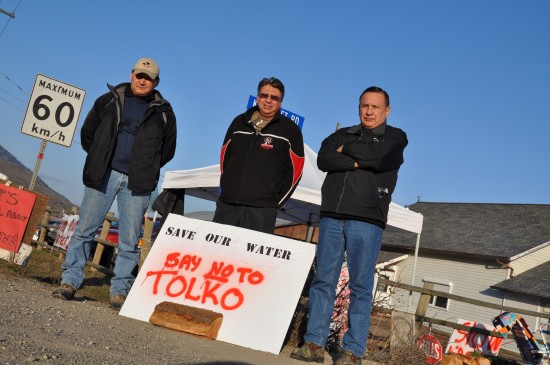
Okanagan Band launches road block to protect their water supply

The Okana­gan Indi­an Band (OIB) launched a “pro­tec­tive block­ade” this morn­ing, Feb­ru­ary 23, at the Okana­gan camp­site near Bouleau Lake in south­ern British Colom­bia.

Okanagan blockade

The Okana­gan Indi­an Band (OIB) launched a “pro­tec­tive block­ade” this morn­ing, Feb­ru­ary 23, at the Okana­gan camp­site near Bouleau Lake in south­ern British Colom­bia.

A mem­ber of the greater Okana­gan Nation, the OIB say they have been left with no choice but to stop the log­ging com­pa­ny Tolko Indus­tries from endan­ger­ing their water sup­ply.

“This is not an action we took light­ly, nor is it one we com­menced with­out exhaust­ing all of our legal options,” states OIB Chief Fabi­an Alex­is, in a recent press state­ment. “How­ev­er giv­en the active col­lu­sion between the Min­istry of Forests and Tolko and the con­tin­ued indif­fer­ence of the fed­er­al gov­ern­ment, we had no choice but to act…”

Since at least 2003, the OIB has been seek­ing the legal pro­tec­tion of their water, which is pro­vid­ed by the Browns Creek water­shed. The region has been exten­sive­ly logged for more than forty years; and now, the Okana­gan Peo­ple fear that any fur­ther log­ging will threat­en their health and safe­ty.

“The fact is that when our reserves were first estab­lished it was with the clear under­stand­ing that our water sup­plies would be main­tained for future gen­er­a­tions,” notes Chief Alex­is. “Instead the fed­er­al gov­ern­ment aban­doned its fidu­cia­ry oblig­a­tion and allowed the Province of British Colum­bia to sell off our water rights thus result­ing in a num­ber of fish bear­ing creeks that run through our reserve being reduced to dry gul­lies.”

“Even as these creeks ran dry the province con­tin­ued to autho­rize the indus­tri­al clear cut­ting of the water­sheds that pro­vide our drink­ing water, thus pre­sent­ing a clear threat to the safe­ty and well being of all res­i­dents both indige­nous and non-indige­nous who live on and near our reserve,” he adds.

The OIB is also con­cerned that Tolko will cause irrepara­ble harm to arche­o­log­i­cal sites scat­tered through­out the region. The Okana­gan Nation­al Alliance explains:

“The Brown’s Creek Water­shed is a sacred area of the Okana­gan peo­ple that hous­es archae­o­log­i­cal, eth­no-botan­i­cal and cul­tur­al evi­dence that has been at the heart of lit­i­ga­tion in the Wil­son case since 1999. The lit­i­ga­tion area is sub­ject to a preser­va­tion order issued by Mr. Jus­tice Sig­urd­son, enti­tling the Okana­gan Nation to pre­serve and record evi­dence per­tain­ing to Okana­gan Title. Tolko’s log­ging plans would destroy title evi­dence, dat­ing back as far as 7,500 years and extend­ing into mod­ern times, the Okana­gan Nation have com­mit­ted to ensur­ing that our tra­di­tion­al laws and gov­er­nance sys­tems are upheld for gen­er­a­tions to come. This is our respon­si­bil­i­ty and sacred duty as Syilx (Okana­gan)
Peo­ple.”

Despite the gov­ern­ments aware­ness of this, and the fact that there is ongo­ing lit­i­ga­tion con­cern­ing Abo­rig­i­nal title in the water­shed, on Jan­u­ary 11, the British Colom­bia Supreme Court gave Tolko Indus­tries per­mis­sion to com­mence log­ging in eight sep­a­rate “cutl­bocks”.

Com­ment­ing on the deci­sion, Grand Chief Stew­art Phillip of the Okana­gan Nation Alliance stat­ed that, “the Courts failed to deal with the pro­pri­etary nature of Abo­rig­i­nal Title to the lands and resources with­in the ter­ri­to­ry;” and, that, as a result of the rul­ing, “third par­ty inter­ests are pro­tect­ed at the expense of the community’s drink­ing water, archae­o­log­i­cal his­to­ry and their con­sti­tu­tion­al­ly pro­tect­ed rights.”

Fol­low­ing this, on Feb. 20, the OIB held an emer­gency meet­ing to dis­cuss their options. As a result of the meet­ing, Elders and band mem­bers unan­i­mous­ly agreed to estab­lish check-points on West­side Road, which Tolko has been using with­out the OIB’s per­mis­sion. They also agreed to estab­lish a pro­tec­tive block­ade in the water­shed.

With the block­ade now ongo­ing, Chief Alex­is today declared a full mora­to­ri­um on all log­ging in the water­shed, stat­ing that “no com­mer­cial log­ging will be per­mit­ted in these areas until fur­ther notice.”

“Final­ly, in order to avoid any fur­ther repeat or esca­la­tion of this con­flict we would also advise the Province of British Colum­bia to stop issu­ing cut­ting per­mits in areas where their title to the land is in dis­pute and is still a mat­ter to be resolved by the courts,” Chief Alex­is con­cludes.

What You Can Do

Chief Alex­is is ask­ing peo­ple to call their local MLAs and MPs to express their sup­port for the OIB.

Sup­port­ers are also encour­age to attend the block­ade in per­son. If you’re in the area, a ride can pos­si­bly be arranged by con­tact­ing the Okana­gan Indi­an Band Ter­ri­to­r­i­al Stew­ard­ship Office at (250) 542‑7132.

For more infor­ma­tion please con­tact: Chief Fabi­an Alex­is cell (250) 306‑2838, phone (250) 542‑4328 or Sher­ry Louis, Exec­u­tive Assis­tant Okana­gan Indi­an Band – 12420 West­side Road, Ver­non, BC, V1H 2A4 – okibcouncil@okanagan.org – PH: 250.542.4328 FAX: 250.542.4990

Zapatistas reclaim Mother Earth

On 6th Feb­ru­ary 230 civil­ian Zap­atis­tas took part in an action to retake con­trol of their reclaimed lands at Bolon Ajaw, Chi­a­pas, Mex­i­co, which had been invad­ed and tak­en over since 20 Jan­u­ary by the para­mil­i­tary group OPDDIC, report the human rights group Fray Bar­tolome de Las Casas.

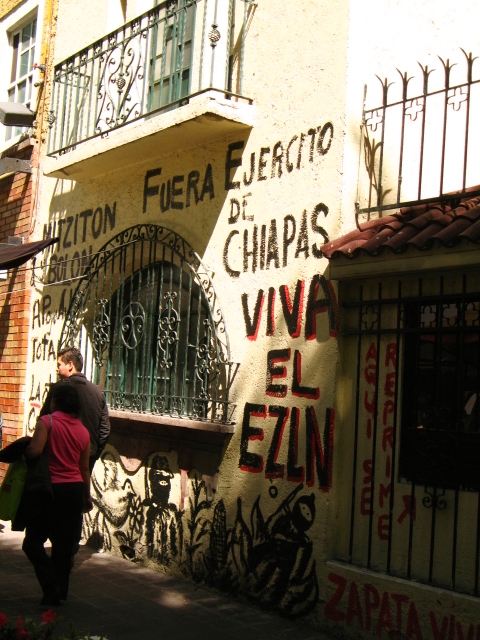
Zapatista solidarity grafittiOn 6th Feb­ru­ary 230 civil­ian Zap­atis­tas took part in an action to retake con­trol of their reclaimed lands at Bolon Ajaw, Chi­a­pas, Mex­i­co, which had been invad­ed and tak­en over since 20 Jan­u­ary by the para­mil­i­tary group OPDDIC, report the human rights group Fray Bar­tolome de Las Casas. The 25 Zap­atista fam­i­lies of Bolon Ajaw, part of autonomous munic­i­pal­i­ty Coman­dan­ta Ramona, were giv­en sol­i­dar­i­ty by Zap­atis­tas from fur­ther afield.

The human rights activists of Fray Bar­tolome present a detailed report which dis­miss­es claims by the state gov­ern­ment, OPDDIC and the mass media that on 6th Feb­ru­ary the Zap­atis­tas shot at OPDDIC mem­bers, killing one and injur­ing oth­ers. On the con­trary, report Fray Bartholomew, it was OPDDIC who at least four times opened fire on the Zap­atis­tas, wound­ing three Zap­atis­tas, includ­ing a six­teen year old.

Fray Bartholomew (Fray­ba) con­firm that the OPDDIC mem­ber killed and those wound­ed were shot by mis­take by fel­low OPDDIC mem­bers, as two dif­fer­ent OPDDIC groups opened fire on the inhab­i­tants of Bolon Ajaw, from oppo­site sides of the vil­lage. OPDDIC, linked to the PRI — the Insti­tu­tion­al Rev­o­lu­tion­ary Par­ty which gov­erned Mex­i­co for many decades — have been involved in numer­ous attacks and harass­ment of Zap­atista com­mu­ni­ties over recent years.

Fray­ba give a detailed account of the sev­er­al clash­es which occurred dur­ing the day. Actions includ­ed the Zap­atis­tas repuls­ing an attempt by OPDDIC to retake the land, and the Zap­atis­tas break­ing out of an armed ambush and encir­clement by OPDDIC in order to go to the aid of the inhab­i­tants of Bolon Ajaw, who were being shot at by OPDDIC gun­men.

The Zap­atista Good Gov­ern­ment Coun­cil based at More­lia has also issued a full state­ment http://www.edinchiapas.org.uk/node/266 . This details the attacks by the OPDDIC para­mil­i­taries, nam­ing names, and hold­ing all three lev­els of gov­ern­ment — local, Chi­a­pas state, and the nation­al fed­er­al gov­ern­ment — respon­si­ble for the attacks against the indige­nous peo­ple and their lands. The state­ment describes how on 6th Feb­ru­ary OPDDIC shot at unarmed Zap­atis­tas, seri­ous­ly wound­ing one man in the stom­ach, how they com­plete­ly destroyed a Zap­atis­ta’s home, and smashed up sacred objects in the Bolon Ajaw church.

The Zap­atis­tas stress their will­ing­ness to hold talks over the prob­lems:
‘We, the Coun­cil of Good Gov­ern­ment, have nev­er closed the door on find­ing a good solu­tion to prob­lems, we always show good will..’

HOLIDAYS IN THE SUN

The Fray­ba inves­ti­ga­tion empha­sis­es that gov­ern­ment plans for major tourist devel­op­ments at the renowned local water­falls lie behind the attacks on the Zap­atis­tas. Near­by Agua Azul Falls are already heav­i­ly pro­mot­ed, fea­tur­ing in inter­na­tion­al tourist guides such as Lone­ly Plan­et, and Bolon Ajaw counts with five more as yet unde­vel­oped Falls which are even more beau­ti­ful.

These pro­posed devel­op­ments are part of a much big­ger tourist devel­op­ment plan. Enor­mous inter­ests are at stake in the Palenque CIP project, which cov­ers six munic­i­pal­i­ties in the north of Chi­a­pas around the world-famous Mayan tem­ples of Palenque. The state gov­ern­ment of Chi­a­pas is due to invest half of the mon­ey involved, the bal­ance pre­sum­ably com­ing from pri­vate invest­ment. The Project has been in devel­op­ment since 2007, and a major exten­sion of Palenque air­port is due this year.

The CIP Project empha­sis­es spe­cial­ist and lux­u­ry tourism, and long-stay vis­i­tors. A nat­ur­al theme park is planned for the Agua Azul Water­falls, with com­mer­cial areas and sig­nif­i­cant accom­mo­da­tion for ‘eco’, adven­ture and sport­ing tourism. But, inter­na­tion­al con­sul­tants point out, ‘before attract­ing invest­ment the State must find a solu­tion to the prob­lems of acquir­ing the land and the prob­lems of access.’

In oth­er words, for the state and busi­ness inter­ests, the Zap­atis­tas and their deter­mi­na­tion to defend Moth­er Earth are ‘a prob­lem’ stand­ing in the way of the real­i­sa­tion of mul­ti-mil­lion tourist invest­ments.

These planned tourist devel­op­ments are close­ly linked to a new high­way through Chi­a­pas, which threat­ens a num­ber of com­mu­ni­ties on its route from the colo­nial tourist cen­tre of San Cristo­bal de Las Casas to the mag­nif­i­cent Mayan tem­ples at Palenque. As well as Bolon Ajaw, the com­mu­ni­ties of San Sebas­t­ian Bacha­jon http://www.edinchiapas.org.uk/node/235 , near Bolon Ajaw, and Mitzi­ton near San Cristo­bal, both adher­ents to the Zap­atista-ini­ti­at­ed Oth­er Cam­paign, are among the com­mu­ni­ties resist­ing the new high­way in the face of state and para­mil­i­tary oppres­sion.

Fray Bar­tolome denounce the Chi­a­pas State author­i­ties for try­ing to blame the Zap­atis­tas and the Oth­er Cam­paign sup­port­ers of San Sebas­t­ian Bacha­jon for the vio­lence. They accuse the author­i­ties of ‘gen­er­at­ing the
con­di­tions for a mil­i­tary inter­ven­tion ordered by the Fed­er­al Gov­ern­ment against the civil­ian pop­u­la­tion.’

The lands at Bolon Ajaw were reclaimed by the Zap­atis­tas in the after­math of the 1994 upris­ing. Till then they had been in the hands of pri­vate own­ers who bru­tal­ly exploit­ed the local indige­nous peo­ple. Fray­ba detail the numer­ous attacks by OPDDIC on the Zap­atis­tas since 2003.

DEFENDING MOTHER EARTH

These lat­est events at Bolon Ajaw are note­wor­thy not only for the scale of the threats fac­ing the Zap­atis­tas, but for the exem­plary sol­i­dar­i­ty, courage, self-organ­i­sa­tion and self-dis­ci­pline dis­played by the Zap­atis­tas in tak­ing col­lec­tive direct action to defend ‘Moth­er Earth and its nat­ur­al resources’.

In Bolon Ajaw, in Montes Azules http://www.edinchiapas.org.uk/node/263 , in Mitzi­ton, in Sebas­t­ian Bacha­jon, in Chico­muse­lo http://www.edinchiapas.org.uk/node/262 and through­out Chi­a­pas and Mex­i­co a
war is being waged by the state, para­mil­i­taries and big busi­ness to once more rob the indige­nous and poor peas­ant peo­ples of their land and destroy Moth­er Earth for mon­ey.

In Chi­a­pas, and also in oth­er Mex­i­can states like Oax­a­ca and Guer­rero, the peas­ant and indige­nous peo­ples’ resis­tance and strug­gle for auton­o­my con­tin­ues — inter­na­tion­al sol­i­dar­i­ty is need­ed.

As the Fray Bar­tolome cen­tre state:
‘We issue an URGENT call to civ­il soci­ety, in Mex­i­co and inter­na­tion­al­ly, to all those com­mit­ted to the defence of human rights, to come out and denounce the clear increase in the actions of vio­lence against the civil­ian, peace­ful process of auton­o­my being devel­oped by the Zap­atista bases of sup­port and their Coun­cils of Good Gov­ern­ments which are civ­il author­i­ties.’

NOTES

If inter­est­ed in sol­i­dar­i­ty with the Zap­atis­tas and peo­ple of Chi­a­pas and Mex­i­co con­tact Edin­burgh Chi­a­pas Sol­i­dar­i­ty Group edinchiapas@yahoo.co.uk
www.edinchiapas.org.uk
Plus UK Zap­atista site http://ukzapatistas.wordpress.com/
There have already been sol­i­dar­i­ty actions in var­i­ous towns and cities in the Span­ish State and in Mex­i­co.

Full state­ment by Zap­atista Coun­cil of Good Gov­ern­ment of More­lia on the events at Bolon Ajaw on 6th Feb­ru­ary, in Eng­lish http://www.edinchiapas.org.uk/node/266

Fray Bar­tolome site, info in eng­lish
http://www.frayba.org.mx/index.php?hl=en

Reg­u­lar reports from Chi­a­pas, main­ly Span­ish, some Eng­lish, on Indy­media Chi­a­pas
www.chiapas.indymedia.org

Full report by Fray Bar­tolome human rights group on the events at Bolon Ajaw on 6th Feb­ru­ary, in Span­ish
http://chiapas.indymedia.org/article_173362

Let­ter of protest to Mex­i­can gov­ern­ment about the evic­tion of Zap­atista com­mu­ni­ty in Montes Azules, Chi­a­pas, in Span­ish
http://www.europazapatista.org/spip.php?article2409

More info and protest let­ter in Eng­lish can be found at:
http://glasgowchiapassolidaritygroup.wordpress.com

Construction equipment destruction — Lancaster, PA

Lan­cast­er police are seek­ing the public’s help in find­ing the van­dals who caused about $30,000 dam­age to some heavy equip­ment near a con­struc­tion site over the week­end.

The van­dals spray-paint­ed mes­sages, broke win­dows, cut engine wires and did oth­er dam­age to a bull­doz­er and an exca­va­tor on Pave­ment Road near Nichter Road, police said.

Lan­cast­er police are seek­ing the public’s help in find­ing the van­dals who caused about $30,000 dam­age to some heavy equip­ment near a con­struc­tion site over the week­end.

The van­dals spray-paint­ed mes­sages, broke win­dows, cut engine wires and did oth­er dam­age to a bull­doz­er and an exca­va­tor on Pave­ment Road near Nichter Road, police said.

The inci­dent, dis­cov­ered Sun­day, appar­ent­ly occurred some time between Fri­day night and Sun­day.

http://www.buffalonews.com/437/story/959258.html

Disruption to 350 Road Projects in Chhattisgarh, India

Maoists Hold up Road Con­struc­tion in Chhat­tis­garh

Maoists Hold up Road Con­struc­tion in Chhat­tis­garh

Raipur, Oct 19 – Maoist guer­ril­las have held up con­struc­tion work at more than 350 road sites in Bas­tar region of Chhat­tis­garh, an offi­cial said Mon­day. ‘At least 350 road con­struc­tion projects under Prime Minister’s Rur­al Roads Scheme were held up in Maoist vio­lence-hit Bas­tar region, main­ly in Dan­te­wa­da, Bijapur and Kanker dis­tricts. It is dif­fi­cult to con­tin­ue the work due to vio­lence,’ an offi­cial in pan­chay­at and rur­al devel­op­ment depart­ment told IANS. The projects amount­ed to Rs.1,000 crore (Rs.10 bil­lion).

The con­trac­tors had told dis­trict police author­i­ties that they were find­ing it dif­fi­cult to car­ry on con­struc­tion work due to Maoist inter­ven­tion. Accord­ing to police, Maoist guer­ril­las had set ablaze at least 65 vehi­cles this year alone in Bas­tar that were engaged in road con­struc­tion projects. Sev­er­al offi­cials and work­ers who were car­ry­ing out con­struc­tion work were abduct­ed by the rebels and set free only after they guar­an­teed not to return to work.

Experts say Maoist guer­ril­las are hold­ing up rur­al road con­struc­tion projects as they do not want the infra­struc­ture be built up in the inte­ri­ors as it will give easy access to police and para­mil­i­tary forces to the forest­ed areas.….

http://southasiarev.wordpress.com/2010/02/04/maoists-disrupt-construction-of-350-road-projects-in-chhattisgarh/

attempt to arrest whalers — Sea Shepherd captain abducted — crocodile assault

Feb­ru­ary 15 2010
Cap­tain Pete Bethune Boards Shonan Maru 2 to Arrest Japan­ese Skip­per

At 0629 Hours (Perth Time), New Zealand Cap­tain Pete Bethune of the recent­ly sunk Sea Shep­herd ves­sel Ady Gil breached the Japan­ese gov­ern­ment secu­ri­ty ship Shonan Maru 2 and suc­cess­ful­ly board­ed the ves­sel under cov­er of dark­ness.

'Crocodile egg' attackFeb­ru­ary 15 2010
Cap­tain Pete Bethune Boards Shonan Maru 2 to Arrest Japan­ese Skip­per

At 0629 Hours (Perth Time), New Zealand Cap­tain Pete Bethune of the recent­ly sunk Sea Shep­herd ves­sel Ady Gil breached the Japan­ese gov­ern­ment secu­ri­ty ship Shonan Maru 2 and suc­cess­ful­ly board­ed the ves­sel under cov­er of dark­ness.

His mis­sion is to attempt a citizen’s arrest of the skip­per of the Shonan Maru 2 for the destruc­tion of the Ady Gil and attempt­ed mur­der of the six Ady Gil crewmem­bers.

At 0600 Hours, Cap­tain Bethune (of New Zealand) left the Sea Shep­herd ship Steve Irwin on a Jet Ski dri­ven Lar­ry Rout­ledge (of Great Britain).

The Jet Ski lay in wait for the Shonan Maru 2 to approach. With the Japan­ese ves­sel mak­ing 14 knots through the water, Rout­ledge maneu­vered the Jet Ski into posi­tion under the anti-board­ing spikes along the port side of the Shonan Maru 2.

Cap­tain Bethune made the jump and climbed onboard the whal­ing ship with­out being noticed. Cap­tain Bethune is present­ly onboard the Shonan Maru 2 await­ing sun­rise to make his pres­ence known.

Cap­tain Bethune also has a bill for $3 mil­lion dol­lars to present to the Mas­ter of the Shonan Maru 2. The bill is for the cost of replac­ing the Ady Gil.

Cap­tain Bethune will be demand­ing that the Shonan Maru 2 Cap­tain sur­ren­der him­self to Sea Shep­herd or take his ship to the near­est Aus­tralian or New Zealand port to turn him­self in to legal author­i­ties.

Cap­tain Bethune will make it clear that he does not wish to return to a Sea Shep­herd ship with­out the Cap­tain of the Shonan Maru 2.

Sea Shep­herd antic­i­pates that the Japan­ese will hold Cap­tain Bethune as pris­on­er onboard the Shonan Maru 2.

“This was an impos­si­ble mis­sion,” said Cap­tain Paul Wat­son. “Cap­tain Bethune board­ed a Japan­ese whal­ing fleet secu­ri­ty ship at high speed in total dark­ness, breached the spikes and anti-board­ing nets and is present­ly onboard and the Japan­ese crew are still not aware that he is there. He is there to demand jus­tice for the sink­ing of his ship.”

Japan Takes A Pris­on­er In their Cru­sade to Plun­der the South­ern Ocean Whale Sanc­tu­ary

The Japan­ese gov­ern­ment has said they will have Cap­tain Peter Bethune of New Zealand tak­en to Japan to be tried on unknown charges in a Japan­ese court.

The Sea Shep­herd Con­ser­va­tion Soci­ety and Cap­tain Peter Bethune were pre­pared for this pos­si­bil­i­ty pri­or to the board­ing of the Shonan Maru #2 by Cap­tain Bethune.

“Cap­tain Peter Bethune’s $3 mil­lion dol­lar ves­sel the Ady Gil was rammed, sunk and destroyed by the Cap­tain of the Shonan Maru #2. The inci­dent injured one of the six crewmem­bers and could have killed all six,” said Cap­tain Paul Wat­son, “Cap­tain Bethune was entire­ly in his rights to con­front the man who almost killed him and destroyed his ship. And now this same Japan­ese cap­tain who destroyed a ship almost killing its crew is intent on bring­ing Cap­tain Bethune back to Japan as his cap­tive. The ques­tion must be asked — who are the pirates here?”

The Sea Shep­herd Con­ser­va­tion Soci­ety sees this as an oppor­tu­ni­ty to ral­ly sup­port for Cap­tain Peter Bethune in New Zealand and Aus­tralia. These Japan­ese poach­ers plun­der the South­ern Ocean Whale Sanc­tu­ary with impuni­ty and now they are haul­ing a coura­geous Kiwi hero to the Land of the Ris­ing Sun to cru­ci­fy him for defend­ing the whales.

Cap­tain Peter Bethune is no longer just a man who set a world record in boat­ing and had the courage to defend the whales. He will now be the very sym­bol of the cit­i­zens of New Zealand and Aus­tralia and their love for the great whales.

The last time a Kiwi was tak­en pris­on­er to Japan was in their great war of impe­ri­al­ism when they attempt­ed to enslave both Aus­tralia and New Zealand. They have now returned to plun­der Aus­tralian and New Zealand waters and once again they are arro­gant­ly flaunt­ing the law and tak­ing pris­on­ers.

“I don’t think that Aus­tralian and New Zealan­ders are going to tol­er­ate the abuse of Peter Bethune by the thugs from Japan who annu­al­ly plun­der the South­ern Ocean Whale Sanc­tu­ary for prof­it in the name of research,” said Steve Irwin Chief Cook Lau­ra Dakin of Can­ber­ra.

“If the Japan­ese put Peter Bethune on tri­al in Japan, it will be a case that will draw the atten­tion of the world,” said Cap­tain Paul Wat­son, “What is the Japan­ese gov­ern­ment think­ing? The per­se­cu­tion of Cap­tain Peter Bethune will a ral­ly­ing point for an inter­na­tion­al cam­paign to free Cap­tain Bethune and to end the bru­tal ille­gal slaugh­ter of the whales in the South­ern Ocean Whale Sanc­tu­ary.

Steve Irwin Launch­es Croc Assault on the Japan­ese Whal­ing Fleet

Crikey! And now for some­thing com­plete­ly dif­fer­ent.

The Sea Shep­herd Con­ser­va­tion Soci­ety always likes to inject a lit­tle humor into our cam­paigns and today we decid­ed to do just that.

As a trib­ute to the late and leg­endary Steve Irwin for whom the Sea Shep­herd flag­ship is named, the crew of the Steve Irwin deliv­ered dozens of croc­o­dile eggs onto the flens­ing deck of the Nis­shin Maru.

Each of these eggs was spon­sored by Sea Shep­herd sup­port­ers on shore who paid $50 to inscribe a mes­sage on the out­side of the egg. When these eggs make con­tact with water, a baby croc­o­dile emerges from the egg and expands rapid­ly.

A few of the eggs were signed with mes­sages from Ter­ri, Bin­di and Robert Irwin.

“I can­not think of any­thing more appro­pri­ate for the Steve Irwin to toss onto the bloody flens­ing decks of the Nis­shin Maru than croc­o­dile eggs and baby crocs.” Said Cap­tain Paul Wat­son.

Of course these baby crocs and their eggs are not real. We can just see the Japan­ese try­ing to accuse Sea Shep­herd of cru­el­ty to ani­mals for this action and they prob­a­bly will since they can’t seem to tell the dif­fer­ence between fact and fic­tion.

“Before his trag­ic death Steve want­ed to join us in our efforts to defend the whales in the South­ern Ocean Whale Sanc­tu­ary,” said Cap­tain Paul Wat­son. “Because of that, we asked Ter­ri Irwin for per­mis­sion to name our ship in his hon­our.”

The croc deliv­ery went very well. Japan­ese water can­nons pro­vid­ed the mois­ture to crack the eggs and to release the expand­ing crocs onto the deck of the Nis­shin Maru.

“Steve would have loved this,” said 3rd Offi­cer Vin­cent Hayes of Williamstown, Vic­to­ria.

So down here in the South­ern Ocean today — Crocs rule!

We love you Steve!

Chhattisgarh (India): 19 Mining Trucks Set Ablaze

From the Dai­ly Mail

http://dailymailnews.com/0110/29/FrontPage/FrontPage8.php

Maoist sep­a­ratists set ablaze 19 trucks of Indi­an Govt

From the Dai­ly Mail

http://dailymailnews.com/0110/29/FrontPage/FrontPage8.php

Maoist sep­a­ratists set ablaze 19 trucks of Indi­an Govt
NEW DELHI—Over 100 Maoist guer­ril­las stormed into a min­ing com­plex of the state-run NMDC Ltd in Chhattisgarh’s restive Dan­te­wa­da dis­trict and set 19 trucks on fire in the ear­ly hours of Wednes­day. The armed Maoist sep­a­ratists raid­ed the min­ing com­plex of India’s largest iron ore min­er at Kiran­dul, about 400 km south of here, at around 2 am. “The rebels sneaked into Kirandul’s 11‑B deposit of the NMDC and burnt 19 trucks hired by NMDC for iron ore trans­porta­tion. This result­ed in pan­ic amongst the hun­dreds of NMDC staff engaged in min­ing in the hilly area,” Lakhan Thakur, in charge of the Kiran­dul police sta­tion, told media.…

Sea Shepherd update — whaling shut-down, and skirmishes

Feb­ru­ary 8 2010
Sea Shep­herd Has Shut Down Ille­gal Japan­ese Whal­ing

Steve Irwin Joins Pur­suit of Nis­shin Maru

The Sea Shep­herd ship Steve Irwin joined the Sea Shep­herd ship Bob Bark­er this morn­ing at 0700 Hours (Syd­ney time). Both Sea Shep­herd ships are now on the tail of the Japan­ese fac­to­ry ship Nis­shin Maru.

Steve Irwin & Bob Baker confront whalersFeb­ru­ary 8 2010
Sea Shep­herd Has Shut Down Ille­gal Japan­ese Whal­ing

Steve Irwin Joins Pur­suit of Nis­shin Maru

The Sea Shep­herd ship Steve Irwin joined the Sea Shep­herd ship Bob Bark­er this morn­ing at 0700 Hours (Syd­ney time). Both Sea Shep­herd ships are now on the tail of the Japan­ese fac­to­ry ship Nis­shin Maru.

The Japan­ese fleet was run­ning fast to the North­east not know­ing that the Steve Irwin was on a course of South­west com­ing direct­ly for them. With the fleet doing 15 knots, and the Steve Irwin doing 15 knots, the Steve Irwin and the whal­ing fleet closed the gap at 30 knots cut­ting the ren­dezvous time in half.

The Steve Irwin sat motion­less by an ice­berg for two hours at a dis­tance of thir­ty miles to allow the Nis­shin Maru to con­tin­ue towards it. At a dis­tance of only three miles, the Steve Irwin got under­way and inter­cept­ed the Nis­shin Maru.

As the Steve Irwin passed by the Nis­shin Maru, the fac­to­ry ship turned on their water can­nons and were sur­prised when the Steve Irwin respond­ed with a more pow­er­ful water can­non that had a cou­ple of the whalers div­ing for the bridge doors as the frigid water struck their bridge wing deck.

The Steve Irwin is present­ly tail­ing the Nis­shin Maru a few cable lengths and slight­ly to the port side of the fac­to­ry ship. Across from the Steve Irwin, the Bob Bark­er is tail­ing the Nis­shin Maru slight­ly to the star­board side.

Fol­low­ing in the wake of the Nis­shin Maru are the Japan­ese ves­sels Shonan Maru 2, Yushin Maru 1 and Yushin Maru 2. There is no sign of the Yushin Maru 3.

Six ships, two from Sea Shep­herd and four ves­sels from the Japan­ese fleet, are head­ing at full speed north­east­ward­ly.

“Not a sin­gle whale has died since the Bob Bark­er inter­cept­ed the fleet at 0100 Hours on Feb­ru­ary 6th. It is now the third day that the whal­ing fleet has been unable to kill a whale. We intend to turn these three whal­ing free days into three whal­ing free weeks,” said Cap­tain Paul Wat­son. “I am con­fi­dent that once again we will severe­ly cut their kill quo­tas and we will once again negate their prof­its.”

The Steve Irwin and the Bob Bark­er have enough fuel to pur­sue the whal­ing fleet for anoth­er month.

“It does not mat­ter where they go, east or west along the Antarc­tic Coast,” said Steve Irwin 1st Offi­cer Locky MacLean. “We intend to stick to their rear like glue and we will not allow a sin­gle whale to be loaded onto the decks of that foul float­ing abat­toir.”

There are 41 crew (29 men and 12 women) on board the Steve Irwin from Aus­tralia, Bermu­da, Brazil, Cana­da, Esto­nia, France, Japan, Hun­gary, the Nether­lands, New Zealand, Poland, South Africa, Swe­den, the Unit­ed King­dom, and the Unit­ed States (15 nation­al­i­ties).

There are 30 (6 women and 24 men) crew on board the Bob Bark­er from Aus­tralia, New Zealand, Unit­ed States, Swe­den, Unit­ed King­dom, and South Africa (6 nation­al­i­ties).

Feb­ru­ary 09, 2010
Sea Shep­herd Escorts Whal­ing Fleet Out of the South­ern Ocean Whale Sanc­tu­ary

The Sea Shep­herd ships Steve Irwin and the Bob Bark­er have suc­cess­ful­ly escort­ed the Japan­ese whal­ing fleet out of the South­ern Ocean Whale Sanc­tu­ary.

After repeat­ed orders from Sea Shep­herd to desist their ille­gal activ­i­ties and remove them­selves from the South­ern Ocean, the Nis­shin Maru, Yushin Maru, Yushin Maru #2 and Shonan Maru #2 have crossed north of six­ty degrees and con­tin­ue to head North by North­west.

“We did not actu­al­ly expect them to fol­low our orders to quit the Whale Sanc­tu­ary but they have indeed exit­ed and are now run­ning out­side the South­ern Ocean Whale Sanc­tu­ary”, Said Cap­tain Paul Wat­son, “They have not killed a sin­gle whale since Feb­ru­ary 5th. We intend to turn four whal­ing free days into weeks.”

At 0500 Hours on Feb­ru­ary 7th the Nis­shin Maru was inter­cept­ed by the Steve Irwin at 64 Degrees 2 Min­utes South and 80 Degrees 11 Min­utes East. The whal­ing fleet then ran North­east for 95 miles on a course of 060 Degrees and then changed course at 1600 Hours on Feb­ru­ary 7th to 260 Degrees began to run North­west for 260 miles. The whal­ing fleet left the South­ern Ocean Whale Sanc­tu­ary at 1830 Hours (Syd­ney Time) at 60 Degrees South and 77 Degrees East. (Feb­ru­ary 9th, 2010)

The Sea Shep­herd ships Steve Irwin and Bob Bark­er con­tin­ue to chase the Japan­ese whal­ing fleet.

“We intend to keep on their tail and to pre­vent any whal­ing oper­a­tions for as long as our fuel reserves last and that should be for anoth­er few weeks at least,” Said Bob Bark­er cap­tain Chuck Swift.

The Sea Shep­herd ships are with the entire whal­ing fleet except the Yushin Maru #3. That ship has not been seen since the col­li­sion with the Bob Bark­er on Feb­ru­ary 6th.

Feb­ru­ary 11 2010
Five-Hour Bat­tle At the Gate­way of the South­ern Ocean Whale Sanc­tu­ary

A bat­tle erupt­ed between the Sea Shep­herd ships Bob Bark­er and Steve Irwin and the Japan­ese whal­ing fleet when the whalers ignored a warn­ing from Sea Shep­herd to not reen­ter the South­ern Ocean Sanc­tu­ary.

The Japan­ese fleet was escort­ed out of the South­ern Ocean Whale Sanc­tu­ary at 1530 Hours on Tues­day, Feb­ru­ary 9th. They left the Sanc­tu­ary at 60 Degrees South and 76 Degrees and 36 Min­utes East.

The fleet fled north on a course of 310 Degrees to the posi­tion of 57 Degrees 14 Min­utes South and 69 Degrees 6 min­utes East and then turned back one hun­dred and eighty degrees and head­ed back towards the Sanc­tu­ary on a course of 230 at 1700 Hours on Feb­ru­ary 10th.

At 1650 on Thurs­day, Feb­ru­ary 11th the Japan­ese fleet reen­tered the Whale Sanc­tu­ary at 60 Degrees South and 62 Degrees East.

As the Japan­ese fleet reen­tered the Whale Sanc­tu­ary, the Sea Shep­herd ship Steve Irwin pulled up along­side the Nis­shin Maru to deliv­er a mes­sage by loud­speak­er in Japan­ese warn­ing them not to enter the Whale Sanc­tu­ary. The Nis­shin Maru respond­ed with water can­non and LRAD fire. The Steve Irwin returned water can­non fire.

The Steve Irwin then attempt­ed to launch a heli­copter when the three har­poon ves­sels moved in with water can­nons and LRADs blaz­ing in an attempt to destroy the heli­copter on the deck. The Bob Bark­er moved into posi­tion to block the har­poon ves­sels and the Steve Irwin was forced to fire warn­ing flares in front of the har­poon ves­sels to force them to back off.

The six ships, four whaler and two con­ser­va­tion ves­sels, engaged for over five hours. There were many near miss­es but no col­li­sions. There were no injuries.

A Sea Shep­herd Delta launched from the Steve Irwin annoyed the har­poon ves­sels with rot­ten but­ter bomb attacks.

All ships have backed off and the con­voy of whalers and anti-whalers con­tin­ues in a South­west­ern direc­tion into the South­ern Ocean Whale Sanc­tu­ary.

“Tomor­row marks a full week that not a whale has been killed,” said Cap­tain Paul Wat­son. “Our goal now is to make it two weeks and then three weeks. We will not tol­er­ate the death of a sin­gle whale. If they attempt to kill and trans­fer a whale to the Nis­shin Maru there will be inevitable col­li­sions, because we will nei­ther move out of harms way nor cease block­ing the slip­way. That I can promise.”

Climate Change Activists: Join the Vancouver Convergence

A coali­tion of envi­ron­men­tal activists led by GatewaySucks.org is call­ing on cli­mate change activists to join the con­ver­gence at the 2010 Olympic Games in Van­cou­ver.


A coali­tion of envi­ron­men­tal activists led by GatewaySucks.org is call­ing on cli­mate change activists to join the con­ver­gence at the 2010 Olympic Games in Van­cou­ver.

When the 2010 Win­ter Olympics start a cou­ple of weeks from now in Van­cou­ver, BC the ath­letes and spec­ta­tors will be joined by orga­ni­za­tions with some of the worst records on cli­mate change.

Gen­er­al Motors is a nation­al part­ner for the games, and one of the lead­ing cor­po­rate oppo­nents of effec­tive action on cli­mate change. Only two years ago, a vice-chair­man of GM called glob­al warm­ing a “total crock of shit.” GM is sup­ply­ing a large fleet of vehi­cles for the games, almost all of which are gas-guz­zling SUVs.

Petro-Cana­da, anoth­er Nation­al Olympic Part­ner, is the retail arm of the largest extrac­tor of Oil Sands bitu­men. The Oil Sands are Canada’s biggest ghg emis­sions point source.

RBC (the Roy­al Bank of Cana­da) in addi­tion to being a promi­nent Olympic spon­sor is the largest com­mer­cial bank fun­der of the Oil Sands,. Tran­sCana­da pipelines, whose pipelines con­nect to the Oil Sands, is also an offi­cial sup­pli­er.

The gov­ern­ment of British Colum­bia is the main fun­der and pro­mot­er of the games. They kicked off a mas­sive plan to add over 1,000 km of new high­way lanes (an increase of over 2,000,000 annu­al tonnes of CO2e emis­sions ) with the Sea-to-Sky High­way expan­sion for the Olympics. These plans include the con­tro­ver­sial Gate­way Pro­gram. It con­tin­ues to heav­i­ly sub­si­dize the oil and gas indus­try which result­ed in it being the only Cana­di­an province to see ghg emis­sions from indus­tri­al sources increase in 2008.

The Fed­er­al gov­ern­ment of Cana­da which con­sis­tent­ly earned “Fos­sil Awards” at the most recent inter­na­tion­al cli­mate talks also is a major fun­der for the Olympics.

These cor­po­ra­tions and gov­ern­ments want to fool the world with their claim that these are the “Green­est Games Ever” despite the links to cli­mate change deniers, high­way expan­sion and the Oil Sands.

If you would like to endorse this call-out or get involved direct­ly please con­tact info@gatewaysucks.org.

MORE INFORMATION:

Con­ver­gence Info: http://olympicresistance.net/

Wel­com­ing Com­mit­tee: http://2010welcoming.wordpress.com/

Green Olympic Watch: http://2010greenwatch.org/

GatewaySucks.org: http://www.gatewaysucks.org/

2010 Cli­mate Crime Scene: http://2010climatecrime.org

update from Sea Shepherd in Antartica fighting the whalers — arrest attempt & another ramming

Ady Gil Cap­tain Attempts to Serve Arrest War­rant to Cap­tain of the Shonan Maru No. 2

On Fri­day, Jan­u­ary 15, 2010, the crew of Sea Shep­herd Con­ser­va­tion Society’s ves­sel Bob Bark­er sur­prised, chased, and engaged the Shonan Maru No. 2, a secu­ri­ty ship from the ille­gal Japan­ese whal­ing fleet. The engage­ment took place between the hours of 8:30 pm and 12:30 am (AEST).

Ady Gil Cap­tain Attempts to Serve Arrest War­rant to Cap­tain of the Shonan Maru No. 2

On Fri­day, Jan­u­ary 15, 2010, the crew of Sea Shep­herd Con­ser­va­tion Society’s ves­sel Bob Bark­er sur­prised, chased, and engaged the Shonan Maru No. 2, a secu­ri­ty ship from the ille­gal Japan­ese whal­ing fleet. The engage­ment took place between the hours of 8:30 pm and 12:30 am (AEST).

The Shonan Maru No. 2 recent­ly achieved infamy when it vio­lent­ly attacked the Sea Shep­herd ves­sel Ady Gil, threat­en­ing the lives of its crew and sink­ing the ves­sel due to sus­tained dam­age. Today though, the Shonan Maru No. 2 was on the run from the Bob Bark­er, the irony being that Sea Shep­herd adheres to a strict pol­i­cy of non-vio­lence and has an unblem­ished 30+ year record of nev­er caus­ing or sus­tain­ing any seri­ous injuries while at sea.

Under New Zealand law, a cit­i­zen is empow­ered to serve an arrest war­rant on a sus­pect for a crime that car­ries a penal­ty in excess of eight years impris­on­ment. The charge of attempt­ed mur­der qual­i­fies and thus Cap­tain Pete Bethune act­ed in accor­dance with New Zealand law in his attempt to serve the cap­tain of the Shonan Maru No. 2 who delib­er­ate­ly sank his ship and almost killed his crew and him­self.

After a sur­prise launch, one of Sea Shepherd’s small boats snuck up on the Shonan Maru No. 2 and over a peri­od of more than four hours the Bob Bark­er slow­ly closed the gap and harassed the ves­sel, order­ing it to stop and sub­mit to arrest for the crime of attempt­ed mur­der on the crew of the Ady Gil. Each eva­sive maneu­ver from the Shonan Maru No. 2 cost the whalers crit­i­cal speed.

Said Cap­tain Paul Wat­son, Pres­i­dent and Founder of Sea Shep­herd, “Cap­tain Pete Bethune had lit­tle choice but to attempt to serve the arrest war­rant him­self. Down here at the edge of nowhere, with­out back up from his gov­ern­ment, he found he was the only sher­iff in town. A cap­tain of a ship that has been sunk by anoth­er cap­tain has the author­i­ty to bring his attack­er to jus­tice. Cap­tain Bethune has been attempt­ing to do just that.”

Attempts by this ille­gal whal­ing ves­sel to dis­cour­age the small boats launched by the Bob Bark­er includ­ed the use of Long Range Acoustic Devices (LRADs), sev­er­al very high-pres­sure water can­nons, and eva­sive maneu­vers. Some of the crew aboard the Shonan Maru No. 2 were also wear­ing cylin­ders on their backs attached to (as yet uniden­ti­fied) hand-held devices resem­bling weapons.

Once it became appar­ent that the Shonan Maru No. 2 would not sub­mit to the arrest, the Bob Bark­er turned around to con­tin­ue the hunt for the fac­to­ry ship of the ille­gal Japan­ese fleet. This will prove dif­fi­cult with the Shonan Maru No. 2 con­tin­u­ing to fol­low and mon­i­tor the Bob Bark­er, but Sea Shepherd’s flag ship Steve Irwin is also on the prowl for the ille­gal whal­ing fleet, and hopes are high that the float­ing house of blood known as the Nis­shin Maru will soon be located—and shut down.

Feb­ru­ary 6 2010
Bob Bark­er Rammed by Ille­gal Whaler

Nis­han Maru rams Bob Bark­er­At 1209 PM Fre­man­tle, Aus­tralia time, the Yushin Maru 3 inten­tion­al­ly rammed the Sea Shep­herd ship Bob Bark­er, pen­e­trat­ing it’s hull and endan­ger­ing the lives of it¹s crew. The col­li­sion occurred at 65 degrees 21 South, 67 degrees 58 East, about 180 miles off Cape Darn­ley in the Aus­tralian Antarc­tic Ter­ri­to­ry.

The Bob Bark­er had been active­ly block­ing the slip­way of the Nis­shin Maru, the Japan­ese whal­ing fleet’s fac­to­ry ship when the col­li­sion occurred. Four har­poon ships, the Yushin Maru 1, 2, and 3 and Shonan Maru 2, were cir­cling and mak­ing near pass­es to the stern and bow of the Sea Shep­herd ves­sel. The Bob Bark­er did not move from its posi­tion. At which point, the Yushin Maru 3 inten­tion­al­ly rammed the Bob Bark­er, cre­at­ing a 3‑foot long 4‑inch deep gash in the mid star­board side of the Sea Shep­herd ves­sel above the water­line.

No crew was injured dur­ing the col­li­sion. The Bob Bark­er con­tin­ues to block the slip­way of the Nis­shin Maru, pre­vent­ing the trans­fer of slaugh­tered whales and effec­tive­ly shut­ting down ille­gal whal­ing oper­a­tions.

The inci­dent demon­strates a con­tin­ued esca­la­tion of vio­lence by the ille­gal whalers in the South­ern Ocean Whale Sanc­tu­ary.

Said Cap­tain Paul Wat­son from the bridge of the Steve Irwin, cur­rent­ly en route to join the action, “Because the whalers got away basi­cal­ly scot-free with the out­ra­geous sink­ing of the Ady Gil, they now appar­ent­ly think they can do what­ev­er they want and they appear to have no qualms about endan­ger­ing Sea Shep­herd crew. What we real­ly need is for the gov­ern­ments of Aus­tralia and New Zealand to step up and start enforc­ing mar­itime laws in these waters, or who know what the whalers will do next. Aus­tralian and New Zealand lives are at risk every day in these waters.”

The crew of the Bob Bark­er noticed that the Yushin Maru 3 stopped mov­ing in the water short­ly after the impact, and appeared to be falling behind as the Bob Bark­er main­tained its posi­tion on the stern of the Nis­shin Maru. It’s pos­si­ble the Yushin Maru 3 dam­aged itself in the col­li­sion.

The Japan­ese whalers are far more aggres­sive this year than in past cam­paigns.