Local Protesters Are Killing Big Oil and Mining Projects Worldwide

we wont stop14th May 2014.

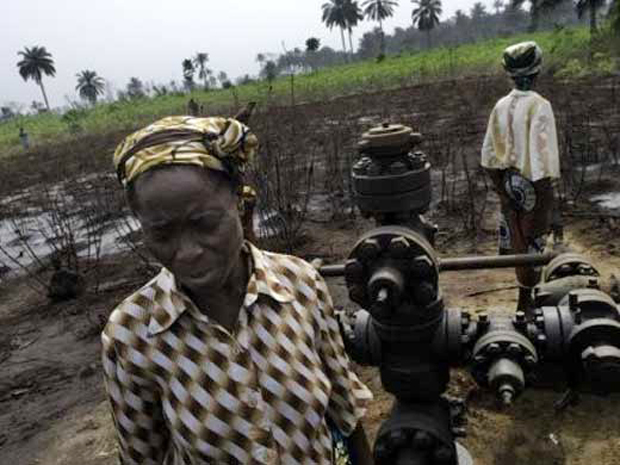
we wont stop14th May 2014. Multi­na­tion­al cor­po­ra­tions are infa­mous for push­ing native peo­ple off their land in order to open a new gold mine, extract oil, or oth­er­wise extract local resources. For decades, back­lash has been thought to be both lim­it­ed and inef­fec­tu­al, but new evi­dence sug­gests that protests from local peo­ple are effec­tive, extreme­ly cost­ly for the com­pa­nies, and often lead to sub­stan­tive changes to or total aban­don­ment of a project.

Researchers at the Cen­tre for Social Respon­si­bil­i­ty in Min­ing inter­viewed employ­ees at sev­er­al dozen major inter­na­tion­al cor­po­ra­tions who are involved with extrac­tive activ­i­ties, and found that com­pa­nies are increas­ing­ly hav­ing to deal with the social and envi­ron­men­tal impacts of their work, and that it’s hurt­ing them where it hurts most: their bot­tom lines.

The researchers, led by Daniel Franks, took a look at 50 planned major extrac­tive projects (oil drilling, new mine con­struc­tion, that sort of thing) and found that in ful­ly half of them, local peo­ple launched some sort of “project block­ade.” In 40 per­cent of the projects, some­one died as a result of a phys­i­cal protest, and 15 of the projects were sus­pend­ed or aban­doned alto­geth­er, accord­ing to Franks’ study, pub­lished in Pro­ceed­ings of the Nation­al Acad­e­my of Sci­ences.

“There is a pop­u­lar mis­con­cep­tion that local com­mu­ni­ties are pow­er­less in the face of large cor­po­ra­tions and gov­ern­ments,” Franks said in a state­ment. “Our find­ings show that com­mu­ni­ty mobi­liza­tion can be very effec­tive at rais­ing the costs to com­pa­nies.”

The number of projects in the study sample affected by local action. Image: PNAS

The num­ber of projects in the study sam­ple affect­ed by local action. Image: PNAS

The rea­son these projects, such as the Minas Con­ga gold mine in north­ern Peruand Lan­ji­garh baux­ite min­ing project in Oris­sa, India, were aban­doned wasn’t borne out of some sense of social respon­si­bil­i­ty to not pol­lute the envi­ron­ment or to not push peo­ple off their land. It was because the protests and result­ing gov­ern­ment back­lash was so great that it became finan­cial­ly unvi­able to move for­ward.

Delays, even ear­ly in a project, can be extreme­ly costly—at a major min­ing project, $20 mil­lion per week in lost rev­enues and lost invest­ment isn’t uncom­mon. Accord­ing to the study’s respon­dents, a nine-month delay at a Latin Amer­i­can mine cost a com­pa­ny $750 mil­lion; protests that shut down pow­er lines at anoth­er oper­a­tion cost $750,000 a day. Even before drilling or extrac­tion has start­ed, lost wages and start­up delays can cost $50,000 a day when pro­grams are forced to a stand­still after they’ve start­ed.

Per­haps not sur­pris­ing­ly, protests were most suc­cess­ful when they took place ear­ly on, dur­ing fea­si­bil­i­ty and con­struc­tion phas­es of a project.

This [is] in part because the project is small­er in scale and there­fore eas­i­er to con­test, but also because at lat­er stages of the project cycle, cap­i­tal has been sunk into an area, changes become cost­ly to retro­fit, rev­enues begin to be gen­er­at­ed, and there are increased incen­tives for com­pa­nies and gov­ern­ments to ‘defend’ their projects,” Franks wrote.

Social media and inter­net access are allow­ing indige­nous and local groups to orga­nize more quick­ly, to learn from oth­ers who have had suc­cess­ful protests, and to con­nect with non­prof­its and human­i­tar­i­an groups that can help push their sto­ries out to the entire world.

“There’s been a big change in the men­tal­i­ty of indige­nous people—things like Face­book are allow­ing them to not be as naive,” Kel­ly Swing, a Boston Uni­ver­si­ty researcher who works in an area of the Ecuado­ri­an Ama­zon that is cur­rent­ly fight­ing back against pro­posed oil projects, told me. “They look at what has hap­pened in, say, Peru, and see that their cul­ture has gone to hell in a hand­bas­ket. All of a sud­den, gifts the com­pa­nies offer, like boats and edu­ca­tion and mod­ern med­i­cine aren’t the panacea they used to seem.”

Com­pa­nies, for their part, are learn­ing how to antic­i­pate these sorts of hangups, and some of those inter­viewed (all iden­ti­ties and spe­cif­ic respons­es were kept con­fi­den­tial) said that local back­lash can be pre­dict­ed and quan­ti­fied before it hap­pens.

“Sev­er­al inter­vie­wees were strong­ly of the view that the trig­gers for and under­ly­ing caus­es of com­pa­ny-com­mu­ni­ty con­flict, and its costs, are pre­dictable, and that approach­es, pro­ce­dures, and stan­dards are avail­able to com­pa­nies to avoid con­flict and devel­op con­struc­tive rela­tion­ships with com­mu­ni­ty actors,” Franks wrote.

At many com­pa­nies, Franks wrote, the high­er ups who approve major projects are com­plete­ly obliv­i­ous that their work might have some sort of social or envi­ron­men­tal impact. To com­bat this, com­pa­nies hire “trans­la­tors” who are able to iden­ti­fy poten­tial social prob­lems and put them in a lan­guage exec­u­tives can under­stand: mon­ey.

“Trans­la­tion requires indi­vid­u­als with­in orga­ni­za­tions who can work across func­tion­al, orga­ni­za­tion­al, and con­cep­tu­al bound­aries, and who can work in more than one ‘lan­guage’ and inter­pret how social and envi­ron­men­tal risk is trans­lat­ing into costs for busi­ness. The need for inter­nal ‘trans­la­tors’ sug­gests that cor­po­rate deci­sion-mak­ers do not cur­rent­ly have the nec­es­sary mod­els to inter­nal­ize exter­nal­i­ties and trans­late social risk inward,” Franks wrote.

Franks wrote that there’s some evi­dence that com­pa­nies real­ly do want to make sure local peo­ple are treat­ed correctly—that, as he found, con­cerns such as drink­ing water con­t­a­m­i­na­tion, envi­ron­men­tal destruc­tion, and pub­lic health risks, are not brushed aside. Then again, he not­ed that “some see stake­hold­er-relat­ed con­cerns as option­al ‘add-ons’ to broad­er reg­u­la­to­ry process­es for oper­at­ing projects.”

The chal­lenge for those “stake­hold­ers,” then, is mak­ing sure that, no mat­ter what, they make a project so dif­fi­cult to com­plete that those “add-ons” become so cost­ly that the project dies. It seems like, in an increas­ing num­ber of cas­es, that’s actu­al­ly hap­pen­ing.

Brutal Crackdown on Hangzhou Waste Incinerator Protest Leaves 3 Dead, Sparks Riot

BnSLJE7CcAAZOqf 12th May 2014 At least three peo­ple are report­ed dead with dozens more injured, hos­pi­tal­ized and arrest­ed after hun­dreds of police began a bru­tal repre

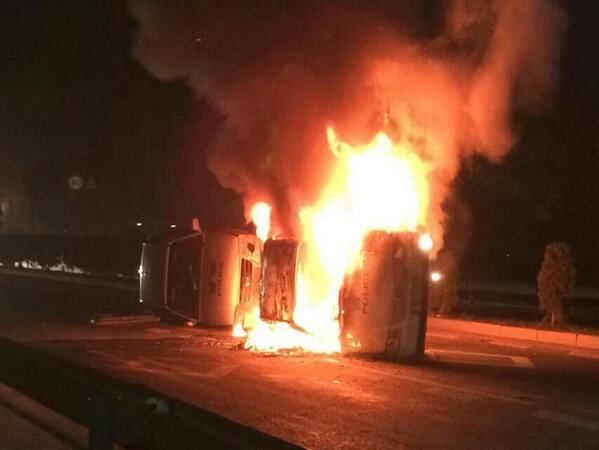
BnSLJE7CcAAZOqf 12th May 2014 At least three peo­ple are report­ed dead with dozens more injured, hos­pi­tal­ized and arrest­ed after hun­dreds of police began a bru­tal repres­sion with baton beat­ings, tasers and tear gas, in a move to clear out 1000′s of pro­posed waste incin­er­a­tor plant pro­test­ers in Hangzhou.

Social media accounts are report­ing that 2 men and a child were killed by police dur­ing the ini­tial crack­down. Peo­ple report that the inci­dent began with the police attack­ing the elder­ly peo­ple who were sit­ting as a bar­ri­er to the over­pass encamp­ment that has been on site in past weeks.

The police vio­lence sparked a vio­lent response from the thou­sands that were gath­ered to protest. At least 15 police vehi­cles, includ­ing bus­es were over­turned and some of them burned. The resis­tance to the police con­tin­ued in waves into the night.

14153830024_5cbc45f013_o

Sev­er­al peo­ple are report­ing that cell and inter­net ser­vice have been cut off. Chi­nese state run media has yet to report on the inci­dent.

Hun­dreds of police were sent out today to quell the protest.

Nembe Communities Occupy Shell Oil Facilities in Nigeria

Shell's environmental destruction of southern Nigeria is internationally condemned 12th May 2014

Shell's environmental destruction of southern Nigeria is internationally condemned 12th May 2014

Stake­hold­ers and indi­genes of Nem­be-Bas­sam­biri in Bayel­sa State last week­end besieged oil facil­i­ties oper­at­ed by the Shell Petro­le­um Devel­op­ment Com­pa­ny (SPDC) over it’s divest­ment plans and pro­posed sale of its Oil Min­ing Licens­es (OMLs).

The host to some of the SPDC’s instal­la­tions in Nem­be Local Gov­ern­ment Area of the state, were angry at the plan by Shell to sell OML 29 locat­ed in their domain with­out con­sult­ing them.

Shell has report­ed­ly placed its 45 per­cent stake in four oil wells includ­ing OML 29 for sale as part of the company’s divest­ment.

OML 29 is believed to have increased to 62,000 bpd of oil and 40 mil­lion stan­dard cubic feet of gas per day (mmscf/d). It also holds reserves of 2.2 bil­lion bar­rels of oil equiv­a­lent (boe).

The aggriev­ed pro­test­ers who stormed the company’s facil­i­ties on Sat­ur­day with diffrent  plac­ards asked Shell to stop pro­duc­tion for three days to address their demands.

Num­ber­ing over 100, the demon­stra­tors con­sist­ing of women, youths, chiefs, lead­ers and elders from the com­mu­ni­ty came on 15 speed­boats.

The pro­test­ers led by a mem­ber of the community’s Oil and Gas Com­mit­tee, Chief Brigi­di, took over the Nem­be-Brass water­ways, chant­i­ng sol­i­dar­i­ty songs as they sailed to SPDC’s major oil plat­forms in the area to reg­is­ter their griev­ances.

Some of the plac­ards dis­played by the pro­test­ers read: “the land is ours, the oil is ours, Shell can­not divest with­out us”;  “No, to Shell OML 29 sale”; “After pol­lut­ing our land and water, Shell wants to sell our land”.

Oth­ers are “No to fraud­u­lent sell of invest­ment”. “No to Shell fraud­u­lent divest­ment”;  “OML 29, OPU Nem­be demand jus­tice”; “Do not sell our oil wells to strangers” and “Include our com­pa­nies in OML divest­ment plans”.

A mem­ber of the Nem­be-Bas­sam­biri Coun­cil of Chiefs, Chief Bukunor Alfred, said mem­bers of the com­mu­ni­ty were angry at the plan of SPDC to sell oil blocks in the area with­out con­sult­ing them.

He said del­e­gates sent by the coun­cil of chiefs to dia­logue with SPDC on the devel­op­ment returned dis­ap­point­ed, say­ing, “Our plac­ards have shown that we are not hap­py with Shell. We are by this protest giv­ing Shell three days to shut down oper­a­tion and dia­logue with us or we will ensure that these facil­i­ties are per­ma­nent­ly closed.”

He said though SPDC had con­tributed in the devel­op­ment of the com­mu­ni­ty, the com­pa­ny was wrong to take a major deci­sion of divest­ing with­out con­sult­ing its land­lords.

“We are not against what they are doing. But we want to say that we are the land­lords and we are sup­posed to be noti­fied on what our ten­ants are doing,” he said.

Also, the Chair­man of Opu-Nem­be Improve­ment Union (ONIU), Mr. Ebinyo Robert, said the com­mu­ni­ty would not let the com­pa­ny to leave uncer­e­mo­ni­ous­ly after destroy­ing its envi­ron­ment through pol­lu­tion.

He insist­ed that the com­pa­ny must involve the com­mu­ni­ty in all the process­es involved in sell­ing OML 29.

He warned that indi­vid­u­als and com­pa­nies indi­cat­ing inter­est to buy the oil wells should desist or have the com­mu­ni­ty to con­tend with.

He said the com­mu­ni­ties have nom­i­nat­ed three com­pa­nies, Amot Oil E&P Lim­it­ed, A‑Abas Resources and Isea BMG, to par­tic­i­pate in the bid­ding process.

He said: “The place has been pol­lut­ed and our envi­ro­ment, our water our land, has been degrad­ed for a long time. We have not been reha­bil­i­tat­ed the way we real­ly want­ed it.

“By this demon­stra­tion, we are telling the par­ties to the sale includ­ing the bid­ders to desist from going ahead because if they do, of course, the land is ours, the water is ours and the oil is ours, they will have us to con­tend with and they may not like us in the man­ner in which they will meet us when they come to oper­ate.

“So, we are ask­ing the SPDC to stop the flow and all oper­a­tions for now and ensure that the com­mu­ni­ty is car­ried along because that is the only way we can have peace here.

“We are also say­ing that the com­mu­ni­ty has nom­i­nat­ed three com­pa­nies, Amot Oil E&P Lim­it­ed, A‑Abas Resources and Isea BMG, to par­tic­i­pate in the bid­ding process. So, SPDC should involve these com­pa­nies in the process.”

But the Oper­a­tions Team Lead San­ta Bar­bara Flow Sta­tion, Mr. Akpe Emmanuel, wel­comed the pro­test­ers on behalf of Shell.

He thanked them for the peace­ful man­ner in which they con­duct­ed the demon­stra­tion and promised to pass their griev­ances across the SPDC.

He said: “Once again, you are wel­come. I want to thank you for the man­ner in which you pre­sent­ed your case. I real­ly appre­ci­ate it on behalf of Shell.

“Like the com­mu­ni­ty has assigned you to rep­re­sent them, I am also here on behalf of Shell. I have heard all you have said. It is my duty to pass this mes­sage to my prin­ci­pal.”

Mass Trial of Indigenous Leaders Set to Begin this Week in Peru

"Photos from Bagua" by Ben Powless 12th May 2014 A mas­sive tri­al involv­ing 53 Indige­nous lead­ers and activists is set to begin this week, reviv­ing the trag­ic events that took place four years ago in the Ama­zonas Region

"Photos from Bagua" by Ben Powless 12th May 2014 A mas­sive tri­al involv­ing 53 Indige­nous lead­ers and activists is set to begin this week, reviv­ing the trag­ic events that took place four years ago in the Ama­zonas Region of Peru.

In April 2009, a nation­al indige­nous mobi­liza­tion was orga­nized to stop a plan by the Peru­vian gov­ern­ment to roll-back indige­nous land rights and make it eas­i­er for indus­try to exploit the Ama­zon rain­for­est.

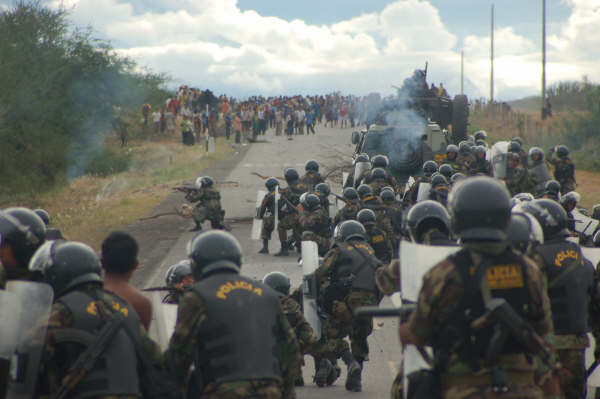
The first month of the mobi­liza­tion, led by more than 1200 com­mu­ni­ties, was large­ly peace­ful. How­ev­er, that began to change on May 9, 2009, when the Peru­vian gov­ern­ment declared a state of emer­gency in the regions of Lore­to, Ama­zonas, Cus­co, and Ucayali–where thou­sands of Indige­nous Peo­ples were con­cen­trat­ing their efforts.

Once the state of emer­gency was declared, the num­ber of con­fronta­tions with police and mil­i­tary began to climb. Nev­er­the­less, the mobi­liza­tion pressed on, with Indige­nous Peo­ples car­ry­ing out dai­ly protest actions across the coun­try.

With the Indige­nous Peo­ples show­ing no signs of back­ing down, on May 20, Peru’s Con­gress took a pos­i­tive step for­ward by repeal­ing one of four laws that sparked the mobi­liza­tion: Leg­isla­tive Decree 1090, a new forestry law that removed the pro­tect­ed sta­tus of some 45 mil­lion hectares of rain­for­est. Six days lat­er, a sec­ond leg­isla­tive decree, aimed at pro­mot­ing pri­vate invest­ment in irri­ga­tion projects, was declared uncon­sti­tu­tion­al.


While there was enor­mous relief over the removal of the two decrees, two oth­ers remained:

  • Leg­isla­tive Decree 1064 removed a require­ment that oblig­ed com­pa­nies to come to an agree­ment with indige­nous com­mu­ni­ties over land com­pen­sa­tion and land use before enter­ing their lands (effec­tive­ly giv­ing min­ing, oil & gas, log­ging, and hydro com­pa­nies free access to enter any Indige­nous ter­ri­to­ry).
  • Leg­isla­tive Decree 1089, mean­while, gave unre­strict­ed pow­ers for land titling to COFOPRI, the gov­ern­ment body that spe­cial­izes in grant­i­ng indi­vid­ual land titles.

With both decrees pos­ing a sig­nif­i­cant threat to the secu­ri­ty of Indige­nous land rights, in addi­tion to the fact that the gov­ern­ment failed to car­ry out a process of con­sult­ing or seek­ing the con­sent of effect­ed Indige­nous Peoples–in vio­la­tion of ILO Con­ven­tion 169 and the Unit­ed Nations Dec­la­ra­tion on the Rights of Indige­nous Peoples–the mobi­liza­tion pressed on.

After a few more weeks of protest, it looked as if a res­o­lu­tion was at hand. Sev­er­al thou­sand Awa­jun and Wamp­is Peo­ples had set up a series of strate­gic block­ades on Fer­nan­do Belaúnde Ter­ry road in Bagua, Ama­zonas Region. Hav­ing so effec­tive­ly seized the impor­tant road, the gov­ern­ment sought to strike a deal with the Awa­jun and Wamp­is, ulti­mate­ly con­vinc­ing the Indige­nous Peo­ples to begin tak­ing down their block­ades. Many of the Awa­jun and Wamp­is were long gone by the time June 5 rolled around.

In the ear­ly morn­ing hours of June 5, the Peru­vian mil­i­tary police made their move.

When the dust final­ly set­tled, 38 peo­ple were dead and more than 200 were injured.

Two weeks after the bru­tal con­fronta­tion, Peru’s Con­gress over­whelm­ing­ly vot­ed to strike down both Leg­isla­tive Decree 1064 and 1089.

Fol­low­ing Con­gress’ vote, Daysi Zap­a­ta, vice pres­i­dent of the Intereth­nic Asso­ci­a­tion for Devel­op­ment of the Peru­vian Jun­gle (AIDESEP), the orga­ni­za­tion that start­ed the mobi­liza­tion, offi­cial­ly called for an end to all protests, stat­ing, “Today is an his­toric day, we are grate­ful that the will of indige­nous peo­ples has been heard, and only hope that in future, gov­ern­ments meet and lis­ten to the peo­ple, and not leg­is­late the laws back in.”

Four years lat­er, the decrees have remained off the books; the gov­ern­ment tak­ing judi­cial aim at many of the Indige­nous Peo­ples who took part (or alleged­ly took part) in the mobi­liza­tion. Since 2009, more 100 sep­a­rate law­suits have been filed involv­ing at least 350 Indige­nous men and women.

The upcom­ing law­suit, known as the “Cur­va del Dia­blo”, will be the largest of them all. In fact, with 53 indige­nous lead­ers fac­ing any­where between 35 years to life in prison, it is going to be the largest tri­al in Peru’s his­to­ry.

AIDESEP Pres­i­dent Alber­to Pizan­go, who is among the 53 named defen­dants, recent­ly com­ment­ed in an inter­nal AIDESEP inter­view:

There’s a “Before Bagua” and an “After Bagua”. A before in which the Peru­vian State didn’t want to and didn’t know how to lis­ten to the pro­pos­als of indige­nous peo­ples. This exac­er­bat­ed the sit­u­a­tion until things came to what hap­pened, which unfor­tu­nate­ly took so many lives unnec­es­sar­i­ly. I’d say an “After Bagua” because thanks to the Ama­zon­ian mobi­liza­tions I can say that today the indige­nous agen­da is not only insert­ed in the nation­al lev­el and with­in the State, but on the inter­na­tion­al lev­el.

Pizan­go con­tin­ues:

I’d just say to the indige­nous peo­ples and my indige­nous broth­ers who are being tried for these regret­table events that they should stay firm in con­tin­u­ing to lift up the voice of indige­nous peo­ples. All we have done is com­ply with our role as being the offi­cial spokes­peo­ple and work to insert in the nation­al pub­lic agen­da the dif­fer­ent claims as man­dat­ed to us by our peo­ples. I’d reit­er­ate to my broth­ers that they should stay firm in the sig­nif­i­cance of indige­nous peo­ples rights. We’re going to over­come these accu­sa­tions, we should be con­scious of the fact that we haven’t com­mit­ted any crimes. Per­haps our only crime was to car­ry the voice of the peo­ple, which is what we’ll be judged for start­ing May 14th….

Colombian Poor Occupy Lands Slated for Military Base

wYdfu2J12th May 2014 FORTUL, COLOMBIA–Holding down an occu­pa­tion for five months isn’t easy. Doing so in Colom­bia, even less so.

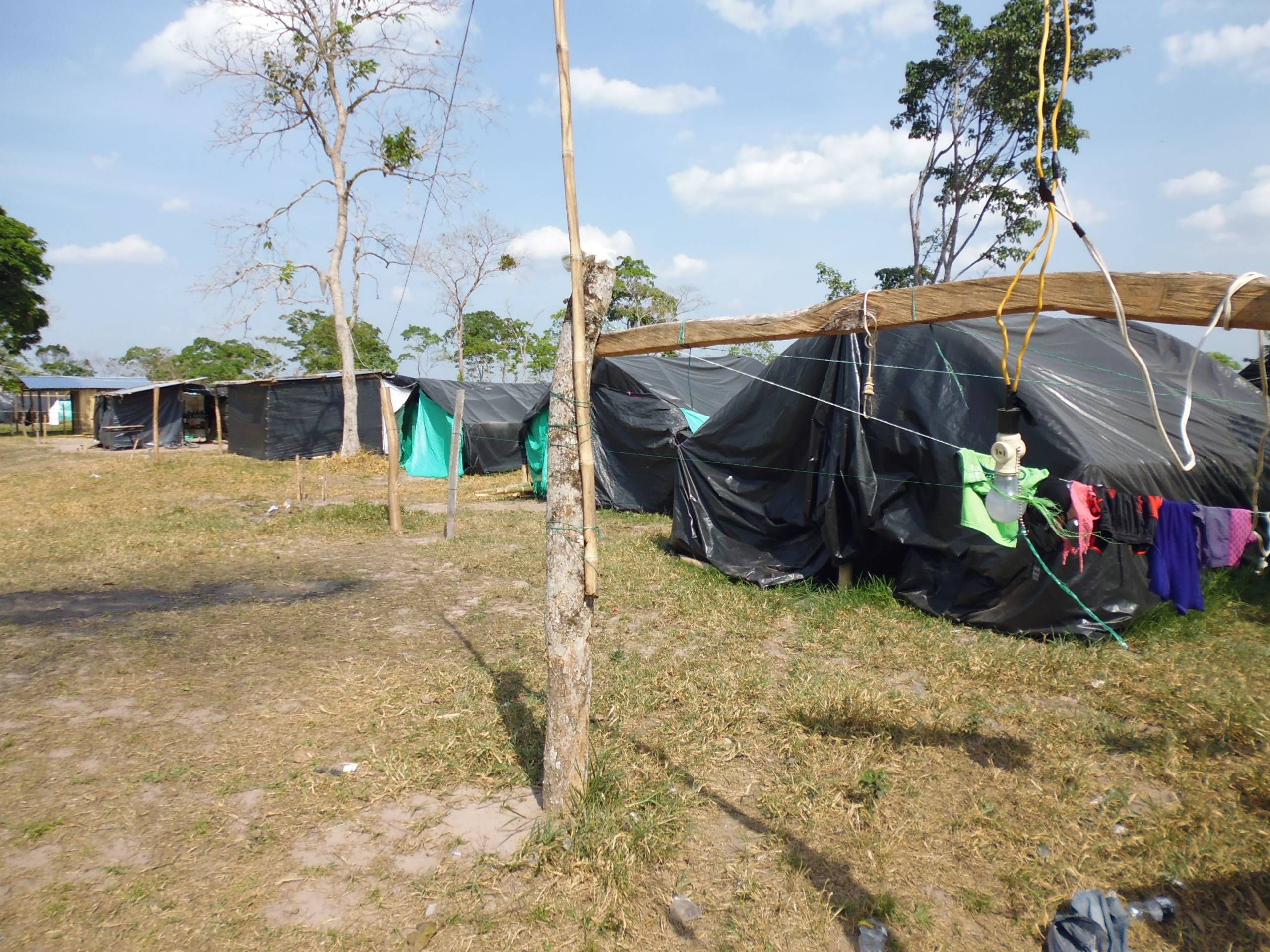
wYdfu2J12th May 2014 FORTUL, COLOMBIA–Holding down an occu­pa­tion for five months isn’t easy. Doing so in Colom­bia, even less so. But mem­bers of the com­mu­ni­ty of Héc­tor Alirio Martínez in the munic­i­pal­i­ty of For­tul, near the bor­der with Venezuela, have raised the stakes even high­er: they’re occu­py­ing land owned by the Min­istry of Defense. The 100 hectare ter­rain now spot­ted with wood and plas­tic homes was slat­ed to become a large mil­i­tary base.

Locals say the land orig­i­nal­ly was pur­chased by Occi­den­tal Petro­le­um in order to build a large new base to coor­di­nate pro­tec­tion of a new oil pipeline which pass­es less than a few hun­dred meters from the lot.

“This land belongs to the Min­istry of Defense, it was pur­chased and spon­sored by Oxy, so we as good peo­ple from Arau­ca said that the most viable thing is to take over this plan, and see if the Min­is­ter of Defense will give it to us over time, many peo­ple need­ed this land,” said Jhon Car­los Ariza Aguilar, the Vice-Pres­i­dent of the com­mu­ni­ty of over 2,000 fam­i­lies. They began the occu­pa­tion on Novem­ber 26, 2013.

I met with Jhon and oth­er mem­bers of the com­mu­ni­ty on a hot Feb­ru­ary after­noon, weeks after the com­mu­ni­ty was sup­posed to have been removed by force. On Jan­u­ary 20, the army entered the shack set­tle­ment with a tank, and an evic­tion was sched­uled for Feb­ru­ary 4, but that date came and went with com­mu­ni­ty mem­bers in an uneasy calm about what would take place next.

For­tul is a munic­i­pal­i­ty in the Colom­bian foothills, between the moun­tains and the wide open plains, and not far from the Arau­ca Riv­er, which marks the bor­der with Venezuela. This oil rich region is also deeply con­flict­ual, on the road over, sol­diers hung around a hand­ful of tanks, and army pres­ence is ubiq­ui­tous. ELN and FARC guer­ril­las also patrol the area and have car­ried out attacks on Caño Limon-Covenas pipeline which serves Occidental’s near­by Caño Limon field. Under the heavy after­noon sun, a group of men lounged under a hand­ful of trees, and women relaxed under a shel­ter beside them. Iden­ti­cal palm shacks pro­tect­ed by green cloth roofs dot­ted the area.

As we spoke, a taxi cab arrived, with a mat­tress strapped to the top and fur­ni­ture in the trunk, indi­cat­ing anoth­er fam­i­ly per­ma­nent­ly mov­ing into the area. Ariza Aguilar indi­cat­ed that about one in four mem­bers of the occu­pa­tion was an inter­nal­ly dis­placed per­son, forced out of their homes because of the ongo­ing con­flict.

“Oxy bought this land and they gave it to the Min­istry of Defense” in 2010, said Jhon­ny Alex­is Cas­tro, the For­tul rep­re­sen­ta­tive of the Joel Sier­ra Human Rights Foun­da­tion. Oxy did not respond to a request for com­ment.

The Oleo­duc­to Bicen­te­nario, a meter wide oil pipeline that will even­tu­al­ly trav­el 960km from Casanare depart­ment to the port of Cov­eñas, is three min­utes from the occu­pa­tion by road, on the back end of the com­mu­ni­ty the under­ground pipeline is but a few hun­dred meters away. “That’s why they want­ed a bat­tal­ion here, but there is a school very close, hav­ing a bat­tal­ion here would mean hav­ing a check­point right in front of the school,” said Cas­tro.

Today, chil­dren from the set­tle­ment are already attend­ing the school. “What mat­ters is that the chil­dren go and study, it doesn’t mat­ter if we have elec­tric­i­ty or not, that [they study] is the impor­tant thing,” said Ariza Aguilar. He invit­ed me to swim in a riv­er near­by, which pro­vides those liv­ing in the com­mu­ni­ty with a place to gath­er water, wash cloth­ing, and bathe.

The com­mu­ni­ty of Héc­tor Alirio Martínez is the first per­ma­nent occu­pa­tion of land owned by the Min­istry of Defense in Colom­bia. The com­mu­ni­ty takes its name from a local peas­ant activist who was pulled from a house at dawn and shot to death by sol­diers along with two oth­ers on August 4, 2004. “The prob­lem is that Arau­ca is con­sid­ered a red zone in Colom­bia, and any leader who ori­ents peo­ple, who even just teach­es them how to go to city hall (to man­age their paper­work), that’s enough to say they’re a guer­ril­la and hunt them until they kill them,” said Ariza Aguilar.

Com­mu­ni­ty mem­bers know that tak­ing part in the occu­pa­tion is an extreme­ly risky activ­i­ty, but for many the need for hous­ing and the abil­i­ty to send their chil­dren to school out­weighs the risk.

Protesters in East China Clash with Police Over Waste Incinerator Plan

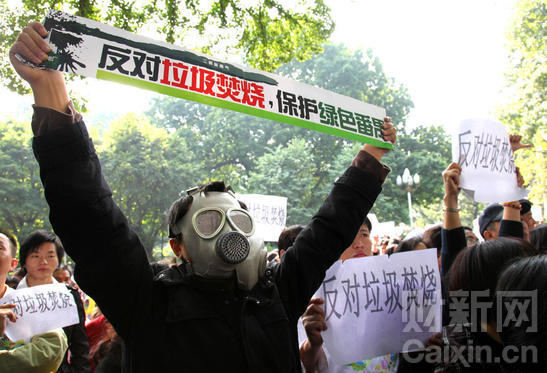
Photo: Caixin10th May 2014  Pro­test­ers in east­ern Chi­na clashed with police at a ral­ly against plans to build a huge waste incin­er­a­tor that res­i­dents fear will be harm­ful to their health and add to pol­lu­tion.

Photo: Caixin10th May 2014  Pro­test­ers in east­ern Chi­na clashed with police at a ral­ly against plans to build a huge waste incin­er­a­tor that res­i­dents fear will be harm­ful to their health and add to pol­lu­tion.

Chok­ing smog blan­kets many Chi­nese cities and the envi­ron­men­tal degra­da­tion result­ing from the country’s break­neck eco­nom­ic growth is anger­ing its increas­ing­ly well-edu­cat­ed and afflu­ent pop­u­la­tion.

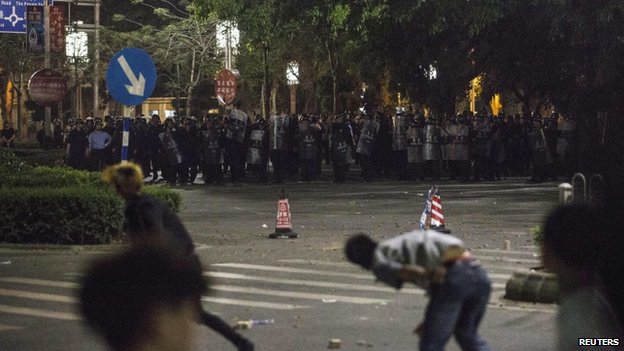
Two of the pro­test­ers told Reuters that the demon­stra­tions, which have last­ed for more than two weeks, turned vio­lent with hun­dreds of police descend­ing onto the streets of Yuhang, close to the tourist city of Hangzhou.

“There have cer­tain­ly been injuries,” one of the pro­test­ers, Wu Yun­feng, said by tele­phone. “The police have closed down the roads into Yuhang and locked the site down.”


Anoth­er pro­test­er, who declined to give her name, said sev­er­al police cars had been over­turned.

A police offi­cer, reached by tele­phone, said the demon­stra­tion had already end­ed. He declined to pro­vide fur­ther details.

Reuters was unable to reach the local gov­ern­ment for com­ment.

On Fri­day, the offi­cial Hangzhou Dai­ly news­pa­per defend­ed the con­struc­tion of the incin­er­a­tor, say­ing the tech­nol­o­gy it would use was safe and up to stan­dard.

Hangzhou, cap­i­tal of pros­per­ous Zhe­jiang province and best known in Chi­na as the site of a famous lake, has seen its lus­tre dimmed in recent years by a recur­rent smog prob­lem.

Pic­tures on China’s Twit­ter-like Wei­bo site showed police fight­ing with pro­test­ers and at least two pro­test­ers with blood stream­ing down their faces.

Anoth­er pic­ture showed sev­er­al hun­dred peo­ple sur­round­ing a large group of police.

“We don’t want our chil­dren and grand­chil­dren to get can­cer. Give us back our beau­ti­ful home,” read one let­ter of protest car­ried on Wei­bo.

Reuters was not able to inde­pen­dent­ly ver­i­fy the pic­tures’ authen­tic­i­ty.

About 90,000 “mass inci­dents” – a euphemism for protests – occur each year in Chi­na, trig­gered by cor­rup­tion, pol­lu­tion, ille­gal land grabs and oth­er griev­ances.

Late in March, hun­dreds of res­i­dents of the south­ern town of Maom­ing staged protests against plans to build a petro­chem­i­cal plant there, for fear it would con­tribute to pol­lu­tion.

Tibetan Jumps to His Death to Protest Chinese Mine

9th May 2014 A young Tibetan stabbed him­self and jumped to his death from the roof of a build­ing in Tibet’s Cham­do pre­fec­ture on Wednes­day after author­i­ties tried to halt his protest against a Chi­nese mine being built in the area,

9th May 2014 A young Tibetan stabbed him­self and jumped to his death from the roof of a build­ing in Tibet’s Cham­do pre­fec­ture on Wednes­day after author­i­ties tried to halt his protest against a Chi­nese mine being built in the area, Tibetan sources in exile said.

Phak­pa Gyalt­sen, 32, died instant­ly after throw­ing him­self from a build­ing in Dzo­gang (in Chi­nese, Zuo­gang) prefecture’s Tong­bar town, a Tibetan liv­ing in India told RFA’s Tibetan Ser­vice on Wednes­day, cit­ing local sources.

After telling local Tibetans that he would “do some­thing” to oppose Chi­nese min­ing in Dzo­gang, Gyalt­sen “went to the town cen­ter, climbed onto a high build­ing, and called out for Tibetan free­dom,” the source said, speak­ing on con­di­tion of anonymi­ty.

“When attempts were made to stop him, he stabbed him­self twice and jumped off the build­ing, dying instant­ly,” he said.


Tibet—called Xizang, or West­ern Trea­sure, by China—has become an impor­tant source of min­er­als need­ed for China’s eco­nom­ic growth, and min­ing oper­a­tions in Tibetan regions have led to fre­quent stand­offs with Tibetans who accuse Chi­nese firms of dis­rupt­ing sites of spir­i­tu­al sig­nif­i­cance and pol­lut­ing the envi­ron­ment as they extract local wealth.

Chi­nese min­ing oper­a­tions at a site near Madok Tso called Ache Jema began almost two months ago, an exile source in Europe said, also cit­ing con­tacts in Dzo­gang.

“They claimed that they are work­ing to build a dam, but in real­i­ty they are plan­ning to mine in the area, the source said.

“So the local Tibetans decid­ed to stop the plan, and every day three Tibetans were sent to guard the area, work­ing in rota­tion.”

Detained

Some of those watch­ing the site were lat­er detained by police in Tong­bar but were released after a few days, he said.

“Local author­i­ties also tried to con­vince area res­i­dents not to oppose the min­ing by offer­ing each fam­i­ly 10,000 yuan [U.S. $1,603] in com­pen­sa­tion,” RFA’s India-based source said, adding, “But the Tibetans argued that min­ing would have neg­a­tive impacts [on the area].”

“Phak­pa Gyalt­sen then told the local Tibetans that he would do some­thing him­self so that they would not have to protest and cause prob­lems.”

Gyalt­sen, the elder son of the area’s Choeshoe fam­i­ly, is sur­vived by a wife and three small chil­dren, with anoth­er child on the way, he said.

“Phone con­nec­tions to the area are now blocked, and it is dif­fi­cult to learn any­thing more about what is hap­pen­ing,” he said.

Spo­radic demon­stra­tions chal­leng­ing Beijing’s rule have con­tin­ued in Tibetan-pop­u­lat­ed areas of Chi­na since wide­spread protests swept the region in 2008, with 131 Tibetans to date self-immo­lat­ing to protest Chi­nese rule and call for the return of exiled spir­i­tu­al leader the Dalai Lama.

Report­ed by RFA’s Tibetan Ser­vice. Trans­lat­ed by Kar­ma Dor­jee. Writ­ten in Eng­lish by Richard Finney.

Former ELF Member Pleads Guilty to Arsons; Snitches on Friends for Reduced Sentence

liammulholland3 Tomor­row, May 5, 2014, Liam Mul­hol­land will be sen­tenced for his involve­ment in a 2003 ELF arson.

liammulholland3 Tomor­row, May 5, 2014, Liam Mul­hol­land will be sen­tenced for his involve­ment in a 2003 ELF arson.

Mul­hol­land plead­ed guilty to set­ting fire to a house at Mys­tic For­est hous­ing devel­op­ment in Ann Arbor, Michi­gan, on March 21, 2003. Spray paint­ed on the garage of a neigh­bor­ing house were the words “ELF – No Sprawl.”

In Michi­gan, the manda­to­ry min­i­mum for this kind of prop­er­ty destruc­tion is five years in prison. How­ev­er, the gov­ern­ment has request­ed a reduced sen­tence because of Mulholland’s “coop­er­a­tion” with the fed­er­al gov­ern­ment.

From his plea agree­ment and the Government’s Sen­tenc­ing Mem­o­ran­dum, it seems Mul­hol­land hand­ed the feds a lot of infor­ma­tion. He claimed involve­ment in sev­er­al more ELF and ALF actions, includ­ing arsons that destroyed two homes at anoth­er hous­ing devel­op­ment in Michi­gan in June of 2003; using incen­di­ary devices to destroy chick­en deliv­ery trucks in Bloom­ing­ton, Indi­ana in May of 2002; an arson at a hous­ing devel­op­ment in Bloom­ing­ton, Indi­ana in June of 2002; and a failed attempt to set fire to a pump­ing sta­tion in Stan­wood, Michi­gan, in Sep­tem­ber of 2003.

Mul­hol­land also pro­vid­ed feds with the names of the oth­er activists with whom he car­ried out these actions—as well as where and how they trav­eled, where and when they planned and dis­cussed their actions, what they pur­chased for the actions, how they dis­posed of the pur­chased items, and how they car­ried out each action.

The gov­ern­ment is request­ing a sen­tence of 18 months for Mulholland—a reduc­tion of 42 months from the state’s manda­to­ry minimum—because his coop­er­a­tion will aid the gov­ern­ment in crack­ing down on the oth­er ELF and ALF sus­pects: “The gov­ern­ment has deter­mined that the defendant’s coop­er­a­tion to date amounts to sub­stan­tial assis­tance in the inves­ti­ga­tion or pros­e­cu­tion of oth­ers.”

Photo captured from Local 4 Defenders.

Pho­to cap­tured from Local 4 Defend­ers.

The agree­ment also asserts that, because of his coop­er­a­tion, all his charges relat­ed to the oth­er admit­ted ELF and ALF arsons will be dis­missed.

And it seems that Mul­hol­land isn’t the only one snitch­ing. The Sen­tenc­ing Mem­o­ran­dum states that, though Mul­hol­land often assert­ed that he was sim­ply “along for the ride” dur­ing these actions, the feds have received con­tra­dic­to­ry infor­ma­tion: “Accord­ing to wit­ness­es, it was the defen­dant who had the exper­tise to con­struct incen­di­ary devices and did so for both the arson of the deliv­ery trucks at Sim’s Poul­try, as well as the attempt­ed arson of the Ice Moun­tain pump­ing sta­tion.”

Stay tuned for more infor­ma­tion after tomorrow’s sen­tenc­ing hear­ing. If any­one has pic­tures of Liam Mul­hol­land, or more infor­ma­tion, please send them to col­lec­tive [at] earth­firstjour­nal [dot] org, so that the word can be spread, and activists and activist groups can be on guard for the pres­ence of this snitch.

For more infor­ma­tion on snitch­es and infor­mants, be sure to check out our online Infor­mant Track­er.


Rab­bit is an edi­tor for the Earth First! Jour­nal and Newswire. He can be reached at rab­bit [at] earth­firstjour­nal [dot] org. If you appre­ci­at­ed read­ing this arti­cle, or want to sup­port the infor­mant track­ing and pris­on­er sup­port ser­vices, please con­sid­er sub­scrib­ing or donat­ing today.

Japan’s Northwest Pacific Whale Killing Program Could Start Later This Month

Photo by Erwin Vermeulen April 18 2014 On March 31st, a rul­ing by the Inter­na­tion­al Court of Jus­tice (ICJ) served a dev­as­tat­ing blow to Japan’s whal­ing indus­try.

Photo by Erwin Vermeulen April 18 2014 On March 31st, a rul­ing by the Inter­na­tion­al Court of Jus­tice (ICJ) served a dev­as­tat­ing blow to Japan’s whal­ing indus­try. The court’s land­mark rul­ing stat­ed that the Japan whale Research Pro­gram in the Antarc­tic (JARPA II) was not con­duct­ed for the pur­pos­es of sci­en­tif­ic research. It ordered that Japan revoke the sci­en­tif­ic per­mits giv­en under JARPA II and refrain from grant­i­ng any fur­ther per­mits under that pro­gram.

In a bla­tant show of defi­ance of this rul­ing, Japan’s Insti­tute of Cetacean Research (ICR) last week filed court briefs stat­ing that they intend to return to slaugh­ter whales in the South­ern Ocean for the 2015–2016 sea­son with a new­ly designed “research” pro­gram and will seek a per­ma­nent injunc­tion against Sea Shep­herd.

Anoth­er exam­ple of Japan’s com­plete dis­re­gard for the wish­es of the inter­na­tion­al com­mu­ni­ty could soon unfold as the Japan whale Research Pro­gram in the North­west Pacif­ic (JARPN II) is sched­uled to start this month. Accord­ing to a Japan Times arti­cle of April 17: “The Japan­ese whal­ing fleet’s depar­ture for the Pacif­ic North­west has been delayed to April 26 instead of Tues­day 22nd” because of dis­agree­ments between the For­eign Min­istry and the Fish­eries Agency after the Inter­na­tion­al Court of Jus­tice last month ordered Japan to halt its annu­al “research” hunts in the Antarc­tic Ocean after rul­ing they are not sci­en­tif­ic in nature. The For­eign Min­istry is con­cerned that if Japan whales in the North­west Pacif­ic imme­di­ate­ly after the ICJ rul­ing, anti-whal­ing coun­tries may sue to halt hunts there as well. The Fish­eries Agency insists that whal­ing in the North­west Pacif­ic should con­tin­ue, but at a reduced tar­get catch of 60 whales. The delay “might be a side effect of U.S. Pres­i­dent Barack Obama’s planned three-day vis­it to Japan start­ing Wednes­day.”


Although the ICJ rul­ing does not include JARPN II, as Aus­tralia and New Zealand’s case cen­tered on “their” whales in their “back­yard”, even the Japan­ese gov­ern­ment real­izes, accord­ing to a NHK World arti­cle of April 10, that “the court’s rul­ing could be applied to those waters depend­ing on meth­ods used, includ­ing the num­ber caught.”

The arti­cle con­tin­ues: “The con­cern is prompt­ing the gov­ern­ment to assess its research pro­ce­dures. It plans to decide as ear­ly as next week whether to go ahead with research whal­ing in the North­west­ern Pacif­ic. Some in the gov­ern­ment claim that it should con­duct the Pacif­ic research whal­ing as planned. But oth­ers argue that Japan could be sued again if it con­tin­ues the pro­gram with­out due con­sid­er­a­tion to the court’s rul­ing.”

Imme­di­ate­ly after the ICJ rul­ing, the spokesman for the Japan­ese del­e­ga­tion to the court, Nori Shika­ta said: “Our pro­gram in the North­ern Pacif­ic is out­side the scope of the pro­ceed­ings before the court, and so they are two sep­a­rate pro­grams and this rul­ing is about the pro­gram in the Antarc­tic,”

On April 15th, before a meet­ing with the pres­i­dent of the ICR, Japan’s Agri­cul­ture, Forestry and Fish­eries Min­is­ter, Yoshi­masa Hayashi expressed will­ing­ness to con­tin­ue whal­ing in the Pacif­ic despite the ICJ rul­ing. He said he is deter­mined to “main­tain the sol­id pol­i­cy of pre­serv­ing whale-eat­ing cul­ture and secur­ing sup­ply of whale meat.”

On that same date, Kyo­do Sen­paku, which owns Japan’s whal­ing fleet, said it had urged Agri­cul­ture Min­is­ter Yoshi­masa Hayashi to allow the North­ern Pacif­ic whal­ing to take place as usu­al. “The min­is­ter gave us strong encour­age­ment by say­ing that he would firm­ly con­sid­er it, giv­en that the research itself was not gain­said.”

Aside from the geo­graph­ic region and the whales tar­get­ed, the JARPN and JARPA pro­grams are iden­ti­cal twins when you look at their goal, con­struc­tion and his­to­ry. Thus a large part of the ICJ’s moti­va­tion for the rul­ing on Antarc­tic whal­ing can be direct­ly applied to the North­west Pacif­ic slaugh­ter:

  • A court would find no evi­dence of any stud­ies of the fea­si­bil­i­ty or prac­ti­ca­bil­i­ty of non-lethal meth­ods, nor find evi­dence that Japan exam­ined whether it would be fea­si­ble to com­bine a small­er lethal take and an increase in non-lethal sam­pling to achieve its research objec­tives.
  • As with the eval­u­a­tion of JARPA (1988–2005) and JARPA II (2005–2014) by the ICJ, a court inves­ti­ga­tion of JARPN (1994–1999) and JARPN II (2000-present) will reveal a con­sid­er­able over­lap between the two pro­grams’ sub­jects, their objec­tives, and their meth­ods.
  • Both state iden­ti­cal goals such as improv­ing knowl­edge on stock identity/structure and feed­ing ecol­o­gy.
  • As with JARPA II, which called for a sig­nif­i­cant increase in the minke whale “sam­ple” size and the lethal “sam­pling” of addi­tion­al species (hump­back and fin whales) com­pared to JARPA, the North­west Pacif­ic kill quo­ta esca­lat­ed from the killing of 100 com­mon minke whales annu­al­ly under JARPN to 100 com­mon minke whales, 50 bryde’s whales, and 10 sperm whales under JARPN II. In 2002 they increased the minke whale quo­ta to 150 and added 50 sei whales. The next year, the minke quo­ta became 160 and the sei whale quo­ta was dou­bled to 100. In 2008 the pro­gram pro­pos­al was an annu­al take of 340 minke whales, 50 bryde’s whales, 100 sei whales and 10 sperm whales.
  • The ICJ deter­mined that weak­ness­es in Japan’s expla­na­tion for the deci­sion to pro­ceed with the JARPA II sam­ple sizes pri­or to the final review of JARPA lend sup­port to the view that those sam­ple sizes and the launch date for JARPA II were not dri­ven by strict­ly sci­en­tif­ic con­sid­er­a­tions. The same applies to the tran­si­tion from JARPN to JARPN II.
  • The ICJ not­ed that there were three addi­tion­al aspects of JARPA II which cast fur­ther doubt on its char­ac­ter­i­za­tion as a pro­gram for pur­pos­es of sci­en­tif­ic research: the open-end­ed time frame of the pro­gram, its lim­it­ed sci­en­tif­ic out­put to date, and the lack of coop­er­a­tion between JARPA II and oth­er domes­tic and inter­na­tion­al research pro­grams. All of these aspects apply to JARPN II.


Giv­en these exam­ples, it becomes clear that if JARPN II were under the scruti­ny of the ICJ or any oth­er court out­side of a whal­ing nation, the con­clu­sion of that court would sound much the same as in the case of JARPA II: “The Court con­cludes that the spe­cial per­mits grant­ed by Japan for the killing, tak­ing and treat­ing of whales in con­nec­tion with JARPA/N II are not ‘for pur­pos­es of sci­en­tif­ic research’ pur­suant to Arti­cle VIII, para­graph 1, of the Con­ven­tion.”

As a result, Japan would have vio­lat­ed the mora­to­ri­um not only in the Antarc­tic, but also in the North­west Pacif­ic.

Beyond all the legal talk, it is of course clear to every ratio­nal per­son that just as Japan’s Antarc­tic whale pro­gram is a dis­guise for com­mer­cial whal­ing, the same goes for the pro­gram in the North Pacif­ic.

Still in the court’s rul­ing there is this sen­tence: “The Court finds that JARPA II can broad­ly be char­ac­ter­ized as ‘sci­en­tif­ic research’.” How “broad­ly” exact­ly do you want to go?

Sci­ence thrives on our thirst for knowl­edge. All valu­able research starts with a ques­tion. With that ques­tion as a foun­da­tion, sci­en­tists build a research pro­gram that might pro­vide them with answers.

Japan has no ques­tions; they had to dis­guise their con­tin­u­a­tion of com­mer­cial whal­ing as sci­ence. Decid­ing on an out­come was easy: the resump­tion of com­mer­cial whal­ing. Then they defined the desired con­clu­sions: “there are plen­ty of whales” and “these whales eat our fish.” As whales in Antarc­ti­ca migrate South to feast on krill and not fish, they had to come up with some­thing else there: “minke whales have become too abun­dant and threat­en the recov­ery of the blue whale and there­fore have to be culled.”

Call­ing this sci­ence, even broad­ly, is an obscen­i­ty.

An impor­tant point that some might for­get in this day and age, where for many sci­ence has replaced the gods of old, is that just because some­thing is called sci­ence, be it as a guise, tru­ly so or just broad­ly, that in itself jus­ti­fies absolute­ly noth­ing! We only have to look at what is done to ani­mals in lab­o­ra­to­ries all around the world to real­ize that sci­ence often lacks ethics and morals. In the def­i­n­i­tion of the ICJ, prob­a­bly even the exper­i­ments of Nazi doc­tors in WW II con­cen­tra­tion camps could “broad­ly be char­ac­ter­ized as ‘sci­en­tif­ic research’.” That doesn’t make it all right…

Regard­ing JARPN II there is anoth­er dis­guise with­in the dis­guise of com­mer­cial whal­ing as sci­ence. When Japan in 1988, under US pres­sure, lift­ed its objec­tion to the mora­to­ri­um on com­mer­cial whal­ing, this also end­ed Japan­ese Small-Type Coastal Whal­ing (JSTCW) for minke whales, as minkes are one of the 13 species of larg­er whales that fall under the juris­dic­tion of the Inter­na­tion­al Whal­ing Com­mis­sion (IWC). In response to the mora­to­ri­um, four of the last nine JSTCW ves­sels from Abashiri (Hokkai­do Pre­fec­ture), Ayukawa (Miya­gi Pre­fec­ture), Wada (Chi­ba Pre­fec­ture) and Tai­ji (Wakaya­ma Pre­fec­ture) stopped oper­at­ing. The remain­ing ships con­tin­ued killing short-finned pilot whales, Risso’s dol­phins and Baird’s beaked whales in Japan’s coastal waters, as these “small cetaceans” are not cov­ered by the IWC’s reg­u­la­tions.

Since 1987, Japan has tried to get a quo­ta from the IWC to resume the killing of minke whales under a sort of abo­rig­i­nal sub­sis­tence whal­ing scheme as exists for Alaskan Inu­its, North­east Siber­ian Chukchi, Green­lan­ders and for the natives of Bequia. The IWC has for all these years refused to grant a minke whale quo­ta for JSTCW because they judge it to be a com­mer­cial pro­pos­al.

To get around this, the ICR added a coastal com­po­nent to JARPN II in 2002. The ICR con­tracts Japan’s Small Type Whal­ing Asso­ci­a­tion to pro­vide ves­sels and crew to par­tic­i­pate in whal­ing oper­a­tions off Ayukawa, now part of Ishi­no­ma­ki, (Miya­gi pre­fec­ture) from April through May and off Kushi­ro (Hokkai­do) in Sep­tem­ber and Octo­ber to shoot 60 minke whales in each area. The ICR buys the whales from the whal­ing com­pa­nies at a set price and then sells part of the meat at a sub­si­dized price back to the JSTCW towns.

In this light, the ICR’s activ­i­ties in the North­west Pacif­ic are an even big­ger scam than those in Antarc­ti­ca.

This is the hunt that is about to start on April 22nd, fol­lowed a month lat­er by the off­shore com­po­nent that includes the last-of-its-kind float­ing abat­toir, the Nis­shin Maru and the famil­iar Yushins.

All this could just be under­way before the annu­al meet­ing of the IWC sci­en­tif­ic com­mit­tee start­ing May 12 in Slove­nia. The com­mit­tee mem­bers are almost cer­tain to ques­tion the legal­i­ty of JARPN II in light of the ICJ rul­ing on JARPA II.

The inter­na­tion­al com­mu­ni­ty can­not stand by and allow Japan to make a mock­ery out of its agree­ments and insti­tu­tions. It’s time for the world’s lead­ers to pick up the phone and explain to Tokyo in no uncer­tain terms why they should keep their whal­ing ships in port

A New Wave of Environmental Protest Rocks China In the Midst of Lethal State Repression

Maoming03 18 April 2014 As recent protests against the con­struc­tion of a PX refin­ery in Maom­ing attest, envi­ron­men­tal issues are of greater con­cern than ever for the Chi­nese.

Maoming03 18 April 2014 As recent protests against the con­struc­tion of a PX refin­ery in Maom­ing attest, envi­ron­men­tal issues are of greater con­cern than ever for the Chi­nese.

It began as an envi­ron­men­tal protest of about a thou­sand peo­ple a few weeks ago on Sun­day, March 30 in Maom­ing, south­ern Chi­na. By day five it had grown to over twen­ty times its ini­tial size, with about a dozen deaths, scores of arrests and images of dozens of unarmed pro­test­ers scat­tered across the streets, lying in pools of their own blood. The gov­ern­ment blamed pro­test­ers for the tip­ping over of police vehi­cles and attack­ing offi­cial build­ings, while the pro­test­ers in turn accuse the police of attack­ing unarmed, peace­ful cit­i­zens.

In an author­i­tar­i­an state like Chi­na, where peo­ple are unable to let off steam on elec­tion day, protests are com­mon — albeit risky and usu­al­ly ille­gal. But what was behind this par­tic­u­lar envi­ron­men­tal protest, and how did it get so out of hand? We start by look­ing at the pro­duc­tion of a chem­i­cal that is com­mon, but seem­ing­ly mis­un­der­stood: paraxy­lene.


Maoming-PX-MAINParaxy­lene, or PX for short, is made in large quan­ti­ties for the pro­duc­tion of plas­tic bot­tles and poly­ester. Chi­na is the world’s largest user of PX, and has to import about half of what it con­sumes. The gov­ern­ment recent­ly decid­ed that a 500 mil­lion dol­lar fac­to­ry would help make up the short­fall, and went into part­ner­ship with Sinopec, Asia’s biggest refin­er, to open a fac­to­ry near Maom­ing.

Paraxy­lene is dan­ger­ous to pro­duce. It affects the ner­vous sys­tem if ingest­ed through the skin or breathed in. Organs can be affect­ed upon bod­i­ly expo­sure. It affects body devel­op­ment and repro­duc­tion — at least in mice. Preg­nant women are told not go near it. It dam­ages hear­ing, and can cause chem­i­cal pneu­mo­nia. And it is high­ly flam­ma­ble, even explo­sive at warm tem­per­a­tures. Local peo­ple became con­cerned that a dan­ger­ous behe­moth on their doorstep could dam­age the envi­ron­ment and affect their health.

Still, the pro­duc­tion of most chem­i­cals car­ries an ele­ment of dan­ger, and one might have thought that, if prop­er­ly reg­u­lat­ed, such a large fac­to­ry would have enor­mous eco­nom­ic ben­e­fits for the com­mu­ni­ty. Indeed, the local author­i­ties believed just that, but when they sent ten thou­sand brochures to the pub­lic inform­ing them of the eco­nom­ic ben­e­fits the fac­to­ry would bring, it back­fired — cul­mi­nat­ing in a pop­u­lar protest short­ly after­wards. Why the pub­lic didn’t trust the state to pro­vide a safe, reg­u­lat­ed fac­to­ry is not dif­fi­cult to see in the con­text of rapid cap­i­tal­ist devel­op­ment, wide­spread envi­ron­men­tal irre­spon­si­bil­i­ty and an author­i­tar­i­an state appa­ra­tus.

Ahkok Wong is an activist and school lec­tur­er from down the road in Hong Kong, poten­tial­ly enjoy­ing his last two days of free­dom.

“Envi­ron­men­tal prob­lems are one of the main out­comes of a one par­ty-ruled, cor­rupt­ed, non-humane gov­ern­ment,” he starts. “The cit­i­zens start­ed dis­cov­er­ing what harm the PX plant can bring, so there are [a lot] of protests, and then the police arrest and kill pro­test­ers, forc­ing peo­ple to sign agree­ments that they sup­port PX plants,” he con­tin­ues. “They con­trol the media and the inter­net so the news can­not get across the coun­try.”

Pro­test­ers like Ahkok are sen­tenced by a judi­cia­ry with links to the gov­ern­ment, which in turn has links to big busi­ness — for exam­ple, the Maom­ing PX joint ven­ture between Sinopec and the state. Ahkok is going to court in a few days, for his par­tic­i­pa­tion in a 300,000 per­son-strong anti-Chi­nese gov­ern­ment protest in Hong Kong. Is he expect­ing a fair tri­al? “I’m expect­ing noth­ing, to be hon­est.”

The oth­er con­text in which to see this dis­agree­ment is with regards to the cat­a­stroph­ic lev­els of pol­lu­tion and envi­ron­men­tal dam­age all over Chi­na, par­tic­u­lar­ly in the north. For exam­ple, at any giv­en moment the air in most Chi­nese cities is some­where along a spec­trum between mild­ly harm­ful and extreme­ly unsafe. Fur­ther­more, Chi­na pro­duces near­ly twice as much car­bon diox­ide as the sec­ond biggest emit­ter, the USA. On top of this, one quar­ter of Chi­na already is, or is rapid­ly becom­ing, deser­ti­fied. This leads to silt­ed rivers, floods, drought, dust storms and ero­sion. In addi­tion, a wealth­i­er pop­u­la­tion with a pen­chant for ivory, rhi­no horn and shark fin soup is lead­ing to dimin­ish­ing bio­di­ver­si­ty, with­in its bor­ders and beyond.

Maoming

Most of China’s ground­wa­ter is so pol­lut­ed that it can’t be used for drink­ing even if treat­ed. Under­ground water sup­plies are also extreme­ly pol­lut­ed. Wildlife soon per­ish­es upon con­tact with the water from many rivers. Last year thou­sands of dead pigs clogged up a riv­er run­ning through Shang­hai which was con­t­a­m­i­nat­ed by ben­zene through a fac­to­ry spillage. Twen­ty peo­ple were hos­pi­tal­ized. Fac­to­ries pol­lute rivers with impuni­ty — and this has in many cas­es lead to can­cer vil­lages — areas so pol­lut­ed as to now be unin­hab­it­able. Ani­mals in these vil­lages die, the rivers change col­or, touch­ing the water makes the skin itch, and as the name sug­gests, there are high lev­els of can­cer.

With this in mind, it is not sur­pris­ing that the state of the envi­ron­ment is up to fourth — and ris­ing — on the list of Chi­nese pub­lic con­cerns, accord­ing to a Pew Sur­vey car­ried out ear­li­er this year, behind infla­tion, cor­rup­tion and inequal­i­ty. With grow­ing envi­ron­men­tal con­cerns comes a grow­ing grass­roots move­ment. No sur­prise, then, that envi­ron­men­tal issues were at the heart of half of all the protests in 2013 that had over 10,000 par­tic­i­pants. Mean­while, the gov­ern­ment is tak­ing notice, and has tak­en steps to be seen to be pay­ing atten­tion.

“We shall res­olute­ly declare war against pol­lu­tion as we declared war against pover­ty,” Li Keqiang, China’s Prime Min­is­ter told par­lia­ment, live on state tele­vi­sion, last month. This was fol­lowed by an increased bud­get to help pre­vent defor­esta­tion, a siz­able clean water fund, and some mod­est pol­lu­tion-culling tar­gets. Fif­teen thou­sand com­pa­nies now have to declare all of their pol­lu­tion lev­els to the envi­ron­ment min­istry, which will make the infor­ma­tion pub­lic.

This seems quite impres­sive, par­tic­u­lar­ly as Chi­na didn’t even have an envi­ron­men­tal min­istry until 2008. Rules are all very well of course — the prob­lem is imple­men­ta­tion. Fac­to­ry own­ers dis­charge waste at night, sab­o­tage mon­i­tor­ing equip­ment, and eas­i­ly skip around or bribe under­fund­ed law enforce­ment agen­cies. They can qui­et­ly mix left­over chem­i­cals with water and dump it into the near­est riv­er. Still, the new laws show that the gov­ern­ment is pay­ing atten­tion, so per­haps that ought to pla­cate a rest­less pub­lic. Some give the gov­ern­ment cred­it — oth­ers think it is most­ly for show.

To under­stand where the gov­ern­ment might real­ly stand on this issue, we need to think in terms of how Chi­na val­ues itself when com­par­ing itself with the rest of the world. Eco­nom­ic indi­ca­tors such as GDP seem to have a high­er pri­or­i­ty than hard­er-to-mea­sure indi­ca­tors of qual­i­ty of liv­ing, espe­cial­ly when nation­al pride vis-à-vis Amer­i­ca comes into play. A paraxy­lene plant boosts busi­ness, jobs and out­put. As long as the state can be seen to be tak­ing action with pol­lu­tion, while doing rel­a­tive­ly lit­tle, the gov­ern­ment can help to main­tain its posi­tion so long as the media remains com­pli­ant. And here seems to lie the Chi­nese con­trast — what seems to be the case is some­times quite the oppo­site.

Maoming04

Take the PX plant protests. At one point, author­i­ties told the local news­pa­per that the build­ing of the plant was being sus­pend­ed. But it seems they told Sinopec no such thing, and work on the plant con­tin­ued unin­ter­rupt­ed. While the author­i­ties are now final­ly acknowl­edg­ing the exis­tence of can­cer vil­lages, they go into opaque part­ner­ships with pol­lut­ing indus­tries. They allow protests in the­o­ry, but put so many restric­tions into the ‘small print’ as to make them almost impos­si­ble in prac­tice.

“If there are more than three peo­ple gath­er­ing in pub­lic and the police assume you are a threat to soci­ety, you can be arrest­ed,” says Ahkok.

The gov­ern­ment tell their own cit­i­zens they are lis­ten­ing to their envi­ron­men­tal con­cerns. Mean­while they block search­es for “Maom­ing” or “PX” on search engines and on the pop­u­lar social media site Wei­bo. Peo­ple are told to trust the author­i­ties. Mean­while, on the very first day of the protests, sev­en­ty Maom­ing city off­i­cals were inves­ti­gat­ed for graft. A sup­pos­ed­ly com­mu­nist gov­ern­ment repress­es the poor and ben­e­fits the wealthy. Chi­na starts to resem­ble a chem­i­cal spillage, pub­lic health dete­ri­o­rates and those who speak out get arrest­ed.

On a some­what more opti­mistic note, how­ev­er one may feel about the obvi­ous human rights chal­lenges that come with China’s one-child pol­i­cy, there is no doubt it helped curb the country’s dan­ger­ous­ly over­sized pop­u­la­tion. With the help of a bur­geon­ing econ­o­my and a strong incli­na­tion towards school suc­cess, an edu­cat­ed cadre is grow­ing with­in the pop­u­la­tion; one that is more and more aware of the world, of their gov­ern­ment, and of the qual­i­ty of their lives. China’s hyper­ac­tive microblog­ger com­mu­ni­ty are a byprod­uct of this, and are help­ing to height­en aware­ness for a lot of peo­ple.

But call­ing for the truth has its own risks. Xu Zhiy­ong, an anti-gov­ern­ment activist, is halfway though a four-year prison sen­tence for call­ing on gov­ern­ment offi­cials to dis­close their assets. “Those of you watch­ing this tri­al from behind the scenes, or those await­ing for orders and reports back, this is also your respon­si­bil­i­ty. Don’t take pains to pre­serve the old sys­tem sim­ply because you have vest­ed inter­ests in it,” he said as he was being sen­tenced. “No one is safe under an unjust sys­tem. When you see pol­i­tics as end­less shad­ows and reflec­tions of dag­gers and swords, as blood falling like rain with its smell in the wind, you have too much fear in your hearts.”

Back to Ahkok Wong: “Chi­na does not have law and sys­tem,” he says. “They bribe, they arrest peo­ple who inves­ti­gate truth, but there are no stan­dards to fol­low. Only those who have absolute pow­er and cap­i­tal can change the sit­u­a­tion, but then they ben­e­fit from all of this devel­op­ment and cap­i­tal growth.”

“Chi­na is not meant to last,” con­cludes Ahkok. “It wouldn’t make any sense if this coun­try could last.”

James Smart is from the South of Eng­land and is cur­rent­ly work­ing as a uni­ver­si­ty teacher and teacher train­er in Istan­bul, Turkey.

Maoming02