Massive convoys of test frack equipment arrive at West Newton

3rd July

3rd July

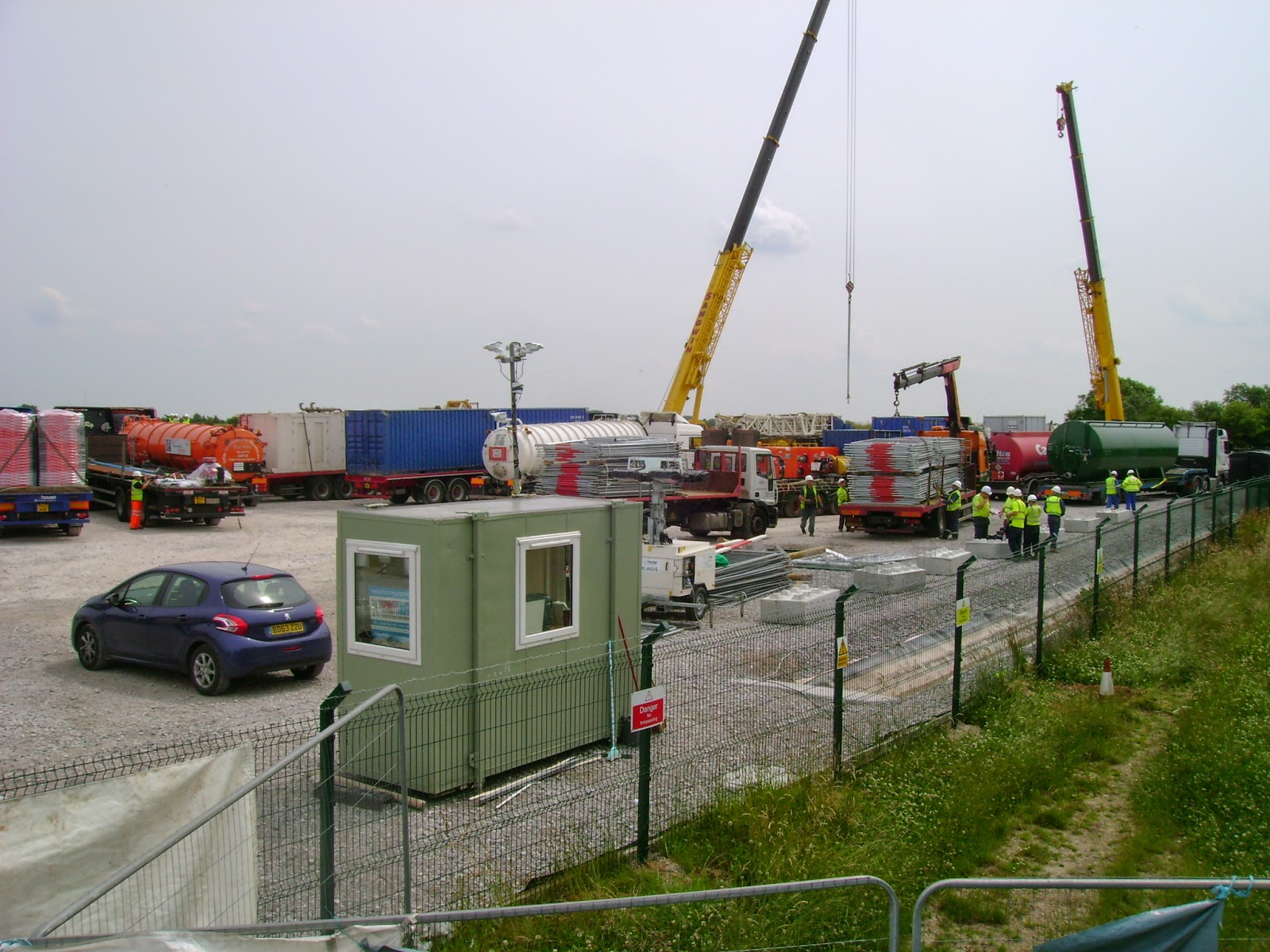
Rath­lin Ener­gy yes­ter­day, Wed 2nd July, brought mas­sive con­voys of equip­ment on to the West New­ton test frack site near With­ern­wick.

 
This is in fla­grant breach of 2 key Plan­ning Con­di­tions- they need to give 2 week’s writ­ten notice before activ­i­ties on site (Con­di­tion 2) and there must be no con­voys of vehi­cles, with at least 10 min­utes between vehi­cles. (In the Traf­fic Plan referred to in Con­di­tion 7)

There were mul­ti­ple large con­voys, totalling 64 vehi­cles. The well pad was extreme­ly crowd­ed with vehi­cles and equip­ment.

There was a very heavy police pres­ence with numer­ous vans and riot vans, around a hun­dred police through the vil­lages of New Eller­by, Mar­ton and West New­ton.
High Fos­ham road was closed to pedes­tri­ans and traf­fic.

West New­ton has had anti frack­ing Pro­tec­tors camp­ing at the site since May 9th. There is anoth­er camp at Rath­lin’s oth­er well site in East York­shire, Craw­ber­ry Hill.

Louise Cas­tro, a pro­tec­tor camp­ing at the site said, “It’s chaos and may­hem here- local vil­lagers were forced to trail across the fields just to see what was going on, and were dev­as­tat­ed- some burst in to tears when the scale of it hit home. Rath­lin have rid­den roughshod over the traf­fic plan worked worked out with the vil­lagers.”

Ian Crane, a for­mer oil exec­u­tive also liv­ing at the anti frack­ing camps said, “Today the locals got a taste of what is to come on a dai­ly basis if the uncon­ven­tion­al oil and gas indus­try is allowed to go ahead with frack­ing in this area”.

Pauline Hak­e­ny, a res­i­dent of near­by Skir­laugh said, “I’m real­ly shocked at the amount of vehi­cles- they promised us this would nev­er hap­pen- and also the amount of police- there were loads of vans and offi­cers in all the sur­round­ing vil­lages.”

Grapes of Rathlin

3rd July from Scc­NEWS Con­voys of trucks car­ry­ing equip­ment descend­ed on West New­ton yes­ter­day, where Rath­lin Ener­gy are com­menc­ing their explorato­ry

3rd July from Scc­NEWS Con­voys of trucks car­ry­ing equip­ment descend­ed on West New­ton yes­ter­day, where Rath­lin Ener­gy are com­menc­ing their explorato­ry frack­ing drilling. As the first major activ­i­ty at the East York­shire site kicked off, a hand­ful of pro­test­ers and many more anx­ious locals could only watch in hor­ror as the frack­ing trucks made their way along the long sin­gle track lane towards the well.

The con­voys were pro­tect­ed by hun­dreds of police and riot vans, while local res­i­dents were blocked from access­ing their own homes and one elder­ly res­i­dent burst into tears at the scale of what was hap­pen­ing.

West New­ton is one of two loca­tions in East York­shire that Rath­lin are attempt­ing to frack. At both West New­ton and Craw­ber­ry Hill, Rath­lin have had plan­ning per­mis­sion for explorato­ry drilling since 2012. Ear­li­er this year they also got Envi­ron­ment Agency per­mits that last until Sep­tem­ber, in the case of Craw­ber­ry Hill, and longer in the case of West New­ton. “We knew they were due to do the tests at either site at any time”, says our source from cam­paign group HEY Frack Off.

Small protests camps were set up at both loca­tions in May. Craw­ber­ry was the larg­er, with num­ber aver­ag­ing at 20: Not only was it look­ing like­li­er that Rath­lin would hit there first as the per­mits ran out soon­er, but it’s near­er urban cen­tres like Bev­er­ley and Hull. Cru­cial­ly, it is in the area of the mas­sive under­ground aquifer that is relied on for drink­ing water for much of the pop­u­la­tion of Hull and East York­shire: “If that were to be con­t­a­m­i­nat­ed it would be an absolute cat­a­stro­phe”. So far, Craw­ber­ry Hill has yet to see any sig­nif­i­cant activ­i­ty.

Over at West New­ton, the pro­tec­tion camp has been tiny but dogged­ly per­sis­tent. The vil­lagers in the very rur­al area have been slow on the uptake but now seem to be wak­ing up to what’s about to hap­pen on their doorsteps. At first, they’d been bizarrely anx­ious about the camp and upset about the pro­test­ers’ pres­ence, rather than their vil­lages sur­round­ing a hell­mouth of the envi­ron­men­tal armaged­don.

“It’s an unbe­liev­ably con­ser­v­a­tive area. Some peo­ple did­n’t even want to con­tact HEY Frack Off because of our ‘con­tro­ver­sial’ name!”, says our con­tact. “Most of the local res­i­dents have swal­lowed Rath­lin’s line and their PR hook, line and sinker.”

But recent well-attend­ed pub­lic meet­ings, and indi­vid­ual con­ver­sa­tions, have shown aware­ness is slow­ly start­ing to sink in. Maybe the locals are slow­ly start­ing to organ­ise?

Just to show how much they respect the local res­i­dents, when the con­voys came onto site at West New­ton yes­ter­day, they “ran roughshod” over the plan­ning con­di­tions that had been agreed between the local coun­cil (East Rid­ing of York­shire) and Rath­lin Ener­gy to sweet­en the frack­ing pill for local res­i­dents.

First­ly, they failed to give the stip­u­lat­ed 14 days notice before any activ­i­ty com­menced. Sneaky, but not sur­pris­ing giv­en the momen­tum the anti-frack­ing move­men­t’s been gain­ing. Sec­ond­ly, they spec­tac­u­lar­ly flout­ed the traf­fic man­age­ment plan which promised local res­i­dents no more than one truck every ten min­utes. Yes­ter­day saw two mas­sive con­voys of lor­ries – around 65 vehi­cles enter­ing the site. Need­less to say, the well pad was crowd­ed.

In terms of polic­ing, our con­tact reports: “Police have said they have learned from the mis­takes of Bar­ton Moss and Bal­combe where they allowed peace­ful protest in the form of slow walk­ing in front of vehi­cles down pub­lic high­ways. It’s been made quite clear in East York­shire that any­one who gets in the way of a vehi­cle on the pub­lic high­way will be arrest­ed imme­di­ate­ly.”

Police have even admit­ted to cam­paign­ers that it’s a “game of num­bers”, and that if there were as many pro­test­ers as police they’d have to review their tac­tics.

The loca­tion of the West New­ton site is so rur­al that keep­ing up com­mu­ni­ca­tions – from sim­ple phone calls to live stream­ing – is dif­fi­cult. The cam­paign is encour­ag­ing any poten­tial pro­tec­tors to get in touch. The camp phone num­ber is 07773739937.

Earth First! Summer Gathering 2014 — exact location & other practicalities added

Updates: Exact loca­tion has been releas­es — see here

Trav­el - book your trav­el to Cas­tle Cary or Bru­ton train sta­tion, then it’s a bus jour­ney and 20 minute walk.

Updates: Exact loca­tion has been releas­es — see here

Trav­el - book your trav­el to Cas­tle Cary or Bru­ton train sta­tion, then it’s a bus jour­ney and 20 minute walk.

Bus times are : 8.14am — 9.44am — 11.44am — 12.33pm — 2.14pm — 4.33pm (last bus).  There’s no Sun­day ser­vice so we will timetable a shut­tle bus to return.

Cycling: Bru­ton is bet­ter if you are cycling as it is a mile short­er, and there is also a bus from there too. The last bus from here leaves lat­er.  (Bus times from Bru­ton are: 9:09am — 10:39am — 12:12pm — 1:39pm — 3:54pm — 5:39pm)

We will post the exact address three weeks before the gath­er­ing.

Refresh­ments — ‘This year there is no bar on site. Peo­ple are wel­come to bring their own but we ask that there’s no drink­ing before dinner/7pm. Any­one caus­ing a nui­sance or break­ing our Safer Spaces pol­i­cy will be asked to stop and/or leave. There will be a cafe & snack bar on site.’

Dogs — ‘This year dogs are wel­come, but please get in touch in advance, and keep them on a lead at all times on the site.’  Fur­ther info

—————-

28th-31st August 2014, in the South West.…

A place for peo­ple involved in rad­i­cal green direct action to come togeth­er.…
to talk.…share skills.…learn.…listen.…play.…rant.… find out whats going on.…
scheme.…live outdoors.…hang out.…laugh.…
expe­ri­ence non hier­ar­chi­cal, low impact, fam­i­ly friend­ly liv­ing.

An activist camp that spans 5 days and con­sists of a pro­gramme of work­shops through­out each day facil­i­tat­ed by peo­ple like you and me who think they have a skill or a lev­el of knowl­edge in a sub­ject that is valu­able to share with oth­ers to improve their activism.

Is this camp for you?  Whether you’re just start­ing out in the world of direct action or you’re an old (glued and paint-stained) hand at it, you’re wel­come here.

More info here

Action dates & gatherings now working again!

The action dates and protest gath­er­ings page is once again work­ing!  Apolo­gies, we acci­den­tal­ly delet­ed it!

If there’s any eco­log­i­cal actions that are open­ly adver­tised, protest camps or cam­paign gath­er­ings, that you want to add to it, do it through the sub­mit report link and in the sub­ject, make it clear it’s to add to the cal­en­dar.  Thanks.

The action dates and protest gath­er­ings page is once again work­ing!  Apolo­gies, we acci­den­tal­ly delet­ed it!

If there’s any eco­log­i­cal actions that are open­ly adver­tised, protest camps or cam­paign gath­er­ings, that you want to add to it, do it through the sub­mit report link and in the sub­ject, make it clear it’s to add to the cal­en­dar.  Thanks.

Summary of Repression from ZAD

Screen shot 2014-06-30 at 12.46.24 PM 30th June Sum­ma­ry of arrests and tri­als since the demo in Nantes, Feb­ru­ary 22nd, accord­ing to infor­ma­tion found by the anti-repres­sion com­mit­tee (CARILA)

Screen shot 2014-06-30 at 12.46.24 PM 30th June Sum­ma­ry of arrests and tri­als since the demo in Nantes, Feb­ru­ary 22nd, accord­ing to infor­ma­tion found by the anti-repres­sion com­mit­tee (CARILA)

Feb­ru­ary 22nd: 14 arrests, two released with­out charge. Of the 12 peo­ple charged, 5 had imme­di­ate tri­als the next day, and the 7 oth­ers will have tri­als lat­er (3 on June 19th, 2 minors in children’s court, and no news for the 2 oth­ers).

Feb­ru­ary 24th: 5 imme­di­ate tri­als, 4 of them judged for “vio­lence against some­one with pub­lic author­i­ty”, and “par­tic­i­pat­ing in an armed group”. They were all con­vict­ed.
- 100 hours of com­mu­ni­ty ser­vice
- 5 months sus­pend­ed sen­tence
- 5 months of prison
- 5 months of prison and 1 month pro­ba­tion
- 6 months of prison and 6 months of pro­ba­tion + 500 euros for the under­cov­er cops sup­pos­ed­ly injured

Of all those con­vict­ed this day, no one went direct­ly to prison. This means that they can nego­ti­ate a lighter sen­tence.

March 31st: First wave of arrests after the demo: 9 peo­ple were arrest­ed at home (in Car­que­fou, St. Herblain, Nantes, and Ille-et-Vilaine).

- 2 were released with­out charges
- 4 were judged the next day in imme­di­ate tri­als
- 2 minors: one accused of throw­ing fire­works at the police judged in juve­nile court, placed under house arrest until their tri­al in 2015, the oth­er we don’t think they were charged but we have no con­fir­ma­tion
- 1 per­son had a tri­al lat­er but we don’t have con­tact with them

April 1st: Imme­di­ate tri­als for those arrest­ed the day before

- P: 4 months sus­pend­ed sen­tence, for­bid­den to car­ry weapons for a year, for­bid­den to protest in Notre Dame des Lan­des and Nantes for a year
- J: 5 months of prison, for­bid­den to car­ry weapons for 2 years, for­bid­den to protest in Nantes for 2 years
- G: 2 months sus­pend­ed sen­tence + 2 months prison (sus­pend­ed sen­tence from last arrest), aquit­ted for van­dal­ism
- E: 1 year of prison, start­ing imme­di­ate­ly after the tri­al, for­bid­den to protest for 3 years, for­bid­den to have explo­sives or flam­ma­ble mate­ri­als for 3 years. The judge dou­bled the sen­tence that the DA asked for!

May 14th: G arrest­ed in Paris under a war­rant for van­dal­ism Feb­ru­ary 22nd. He refused an imme­di­ate tri­al, fuzzy pho­tos were the only evi­dence. He was placed in pre­ven­ta­tive deten­tion, but got out a month lat­er because of a pro­ce­dur­al error. His tri­al is July 16th.

May 27th: R. arrest­ed in the street in Rennes by under­cov­er cops, trans­ferred to Nantes. He refused imme­di­ate tri­al, and was put under house arrest, and for­bid­den from the Loire-Atlan­tique region until his tri­al, June 19th.

June 13th: Addi­tion­al tri­al for some­one con­vict­ed Feb­ru­ary 24th to decide how much they should pay in dam­ages to the under­cov­er cops. No infor­ma­tion on the ver­dict for the moment.

June 18th:
- O. arrest­ed at home in Rennes, accused of van­dal­ism, he has an imme­di­ate tri­al the next day.
- Some­one from the ZAD arrest­ed in Nantes, who had a war­rant out for vio­lence against the police and par­tic­i­pat­ing in an armed group.

June 19th:
- Tri­al for 3 peo­ple arrest­ed dur­ing the demo ‑K: con­vict­ed of throw­ing paving stones towards the police and arrest­ed in pos­ses­sion of a ham­mer and an iron bar, 4 months sus­pend­ed sen­tence, 18 months pro­ba­tion (forced to find a job or go to voca­tion­al school, and for­bid­den to car­ry weapons) + 105 hours of com­mu­ni­ty ser­vice ‑C: con­vict­ed of par­tic­i­pa­tion in an armed group and throw­ing a beer can at the police, sen­tenced to 2 months sus­pend­ed sen­tence ‑G: arrest­ed in pos­ses­sion of a ham­mer, sen­tenced to 1 month sus­pend­ed sen­tence
- Hear­ing for O. (arrest­ed in Rennes the day before): he refus­es his tri­al and is put under house arrest until his tri­al, July 10th
- Tri­al of R. (arrest­ed in Rennes, May 27) for van­dal­ism and par­tic­i­pat­ing in an armed group. Sen­tenced to 8 months sus­pend­ed sen­tence + 1 month sus­pend­ed sen­tence + 5218 euros in dam­ages for the city of Nantes+ for­bid­den from Loire-Atlan­tique region for 2 years.
- Hear­ing for 5 peo­ple arrest­ed 2 days before by under­cov­er cops while dri­ving: ‑one per­son (a hitch-hik­er) accept­ed the imme­di­ate tri­al, con­vict­ed to pos­ses­sion of 1 gram of hash + refus­ing fin­ger­prints and DNA. No sen­tence 3 peo­ple refused imme­di­ate tri­als and are put under house arrest until their tri­al, July 18th 1 per­son refused an imme­di­ate tri­al and is in prison await­ing tri­al (July 18th)

“They were arrest­ed tues­day after a “ran­dom” iden­ti­ty con­trol by under­cov­er cops on the ring road in Nantes. Amoung them was R., who had a tri­al Thurs­day and was on their way to Nantes to see their lawyer with their friends. After 48 hours of police cus­tody, 4 of them were charged with “pos­ses­sion of stolen goods”, sus­pect­ed of hav­ing stolen… a head lamp. Also they refused to give fin­ger­prints and DNA. More seri­ous­ly, they are accused, based on some fly­ers in their car and a tool­box, of “asso­ci­a­tion of wrong-doers”, and “intent to com­mit an armed assem­bly in front of the cour­t­house in Nantes”. They risk up to 5 years in prison.”

June 20th: Hear­ing for S., who lives on the ZAD. He was arrest­ed 2 days before in Orvault, accused of hav­ing stolen 2 books. He had a war­rant out for par­tic­i­pat­ing in the Feb­ru­ary 22nd demo. He is accused of theft (with pri­or con­vic­tions), refus­ing fin­ger­prints and DNA (with pri­or con­vic­tions), and par­tic­i­pat­ing with a weapon in an armed group, and vio­lence against the police. He refused an imme­di­ate tri­al and has been put in jail await­ing his tri­al on July 7th.

2 peo­ple are cur­rent­ly in pre­ven­ta­tive deten­tion, await­ing tri­al.

Blockade Halts Old-Growth Logging in Mattole Forest

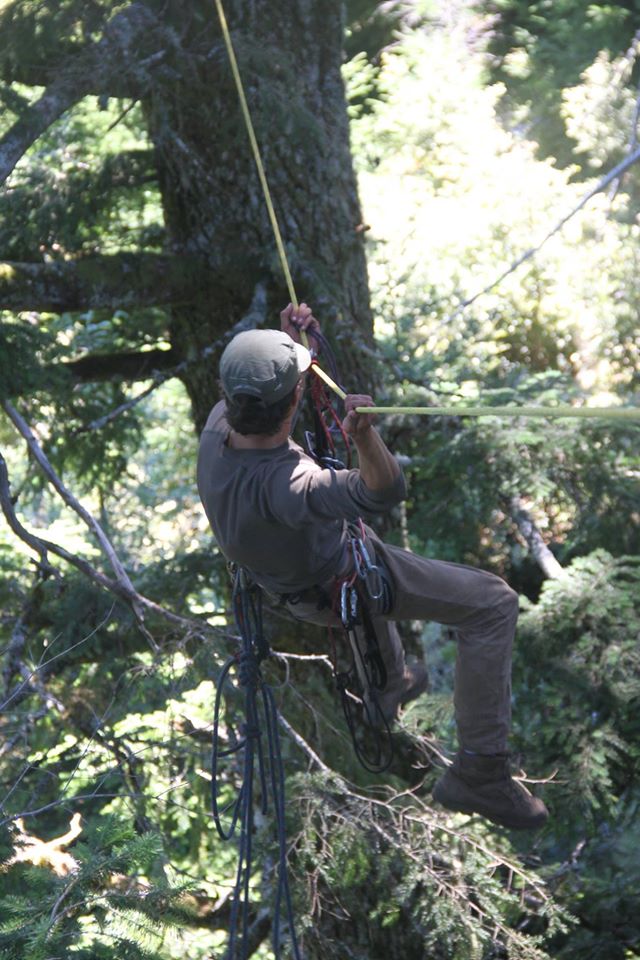
10496184_1431644777121536_4907229880304137323_o30th June A for­est defend­er has tak­en to the trees to defend an impor­tant area of the Mat­tole Riv

10496184_1431644777121536_4907229880304137323_o30th June A for­est defend­er has tak­en to the trees to defend an impor­tant area of the Mat­tole Riv­er water­shed in North­ern Cal­i­for­nia. Going by the name “Skunk,” the block­ad­er is stop­ping the con­struc­tion of a new log­ging road into old-growth for­est.

Skunk is sup­port­ed by res­i­dents of Hum­boldt coun­ty and allies who have worked for months to stop Hum­boldt Red­wood Company’s plan for 1,000 acres of log­ging in the Mat­tole For­est.

10428646_1431644520454895_1206681976091967028_n

In April, activists hung a ban­ner across from Hum­boldt Red­woods State Park to protest the log­ging in the Mat­tole.

While Hum­boldt Red­wood Com­pa­ny claims they are not log­ging old-growth, their def­i­n­i­tion restricts log­ging only areas with more than 8 old-growth trees in the span of an acre. They also define old-growth as exist­ing in the year 1800, cut­ting out any trees younger than exact­ly 214 years.

Skunk insists, “Our main demands to Hum­boldt Red­wood Com­pa­ny are very simple—don’t cut unlogged for­est, and don’t cut old-growth. This road threat­ens to destroy for­est that has nev­er been logged before, and will pave the way for log­ging even more impor­tant habi­tat if the com­mu­ni­ty does not rise up to stop it.” 

The Mat­tole pro­vides shel­ter to Gold­en Eagles and Spot­ted Owls, among oth­er rare species, and has long been the home of old-growth Big Leaf Maple, Dou­glas Fir, Tanoak, and Madrone.

This area of North­ern Cal­i­for­nia has a long his­to­ry of for­est defense against Maxxam/Pacific Lum­ber through­out the 1990s. What we are per­haps see­ing is just the begin­ning of a new chap­ter.


Support needed at Yorkley Court NOW

Update 24/6: The sit­u­a­tion here is still urgent as of this morn­ing; large num­bers of secu­ri­ty are cur­rent­ly try­ing to get on site.

——

Update 24/6: The sit­u­a­tion here is still urgent as of this morn­ing; large num­bers of secu­ri­ty are cur­rent­ly try­ing to get on site.

——

**Sup­port need­ed now — Please get the the site**

Bailiffs attempt­ed an ille­gal evic­tion at Yorkley Court Com­mu­ni­ty Farm this morn­ing & are still there and its like­ly they will try some­thing on the bot­tom strip tonight.

More peo­ple are urgent­ly need­ed to defend the land.

Even if you can just get there for a few hours, it helps to have as many peo­ple as pos­si­ble on site.

Back­ground:
In the ear­ly hours of this morn­ing, police and pri­vate secu­ri­ty thugs decend­ed, with­out pri­or Notice (a legal require­ment), upon the peace­ful peas­ants liv­ing on the land, and grow­ing food at Yorkley Court. This out­ragous, com­pete­ly unlaw­ful act of aggres­sion came with­out warn­ing, whilst Yorkley Court Farm are ful­ly engaged with the Dis­trict Coun­cil in their plan­ning process, and were look­ing like­ly to be grant­ed the ini­tial stages of plan­ning per­mis­sion dur­ing the com­ing weeks. We’re not sure what exact­ly the Coun­cil, no doubt in colu­sion with cer­tain pri­vate busi­ness inter­ests think they’re doing, more infor­ma­tion as we get it. Please come and help us stop this ille­gal evic­tion attempt

http://yorkleycourt.wordpress.com/

How to get there: Head to Yorkley, near Lyd­ney in Glouces­ter­shire. See a map below.

Site mobile: 07784887895

Caltrans Case Against Tree Sitter Dismissed

Falcon-300x274 10th June Long-stand­ing tres­pass charges against Mark Her­bert, aka “Fal­con,” who perched in an old oak tree in April, 2013, above the hill west of High­way 101 that Cal­trans is now

Falcon-300x274 10th June Long-stand­ing tres­pass charges against Mark Her­bert, aka “Fal­con,” who perched in an old oak tree in April, 2013, above the hill west of High­way 101 that Cal­trans is now exca­vat­ing for soil to con­struct the much-protest­ed Willits Bypass, where he observed and report­ed on devel­op­ments, were dis­missed entire­ly on May 29th by Judge Ann Moor­man in Uki­ah Supe­ri­or Court. Fal­con was charged with tres­pass 602K, “enter­ing any lands, whether unen­closed or enclosed by fence, 1) for the pur­pose of injur­ing any prop­er­ty or prop­er­ty rights or with the inten­tion of inter­fer­ing with a law­ful busi­ness…”

The Dis­trict Attor­ney told the court that no one had sub­poe­naed the CHP offi­cer from the Spe­cial Weapons and Tac­tics unit who super­vised the arrest of Her­bert, the wit­ness who was sup­posed to tes­ti­fy. Unlike oth­er tree sit­ters, includ­ing War­bler, the young woman whose orig­i­nal tree sit sparked the Bypass protests, Her­bert was not extract­ed by force, but agreed to come down when request­ed to do so.

Herbert’s attor­ney, Ed Den­son, said “Judge Moor­man indi­cat­ed the case was almost a year old and she dis­missed it. The CHP inves­ti­ga­tion was very per­func­to­ry and it should have been clear to the inves­ti­gat­ing offi­cer that Her­bert had com­mit­ted no crime. The evi­dence shows that no inten­tion on Herbert’s part to inter­fere with any law­ful busi­ness or occu­pa­tion. “

Den­son elab­o­rat­ed: “Herbert’s case dif­fered from that of all the oth­er tree sit­ters, but the CHP failed to note that. Their report said his tree was north of 101, but the videos clear­ly show it was on a hill well south of 101 out of the con­struc­tion area. No one from Cal­trans or the CHP had even come to his site to ask him to come down until the day he was arrest­ed by a team of 24 offi­cers. He then vol­un­tar­i­ly descend­ed from the tree. It was clear that his pur­pose in doing the tree sit was to be a wit­ness to the events occur­ring across the high­way dur­ing the CHP block­ade of the media pre­vent­ing report­ing on the extrac­tion of the sit­ters. Her­bert was a spokesper­son for the effort to save the val­ley while the oth­ers were pre­vent­ed from con­tact with the pub­lic. Had the CHP thought things through, the tax­pay­ers could have saved thou­sands of dol­lars.”

The D.A. had almost a year to pre­pare and still was not ready to pros­e­cute the case. A ral­ly to sup­port Her­bert and fel­low activist Will Par­rish was held on the cour­t­house steps at noon. Par­rish, who writes for the Ander­son Val­ley Adver­tis­er, stopped work on the Cal­trans Bypass for more than eleven days last June and July by occu­py­ing a wick drain tow­er on the north end of the project, lead­ing final­ly to his arrest and the arrests of sev­er­al oth­er activists try­ing to sup­ply him with food and water denied him by CHP offi­cers on site.

Parrish’s hear­ing on resti­tu­tion demand­ed by Cal­trans in the amount of $150,000 has been post­poned to July 17. Assis­tant Dis­trict Attor­ney Sequiera said the case has become con­fus­ing and he is insist­ing now that Cal­trans sup­ply their own lawyer to appear in court on the case, which will also be over a year old by the time of the hear­ing.

Reoccupation of the Hambach Forest in Germany

26.04.2014

Strug­gle against mega­lo­ma­ni­ac ener­gy provider RWE and the biggest human-made hole of europe.

26.04.2014

Strug­gle against mega­lo­ma­ni­ac ener­gy provider RWE and the biggest human-made hole of europe.


Since April 2012, activists in Ger­many have occu­pied the Ham­bach for­est to pre­vent the expan­sion of Europe’s largest open-cast coal mine. The mine expan­sion project would mean the clearcut­ting of the for­est and the evic­tion of thou­sands of local res­i­dents. On March 27, 2014, the for­est occu­pa­tion was evict­ed by police and today, on April 26, 2014 a new occu­pa­tion arose. There are plat­forms and walk­ways up in the trees and a big demon­stra­tion is tak­ing place close by. After a cou­ple of days of strong repres­sions and the con­stant attempt by the „author­i­ties“ to crim­i­nal­ize the srug­gle the reoc­cu­pa­tion is suc­cess­ful. For more infor­ma­tion and a cur­rent tick­er vis­it our Eng­lish blog (hambachforest.blogsport.de).

A recent inter­view with an activist can be found via the fol­low­ing link

Love&Solidarity

Ham­bach­er For­est
hambachforest.blogsport.de

Local Protesters Are Killing Big Oil and Mining Projects Worldwide

we wont stop14th May 2014.

we wont stop14th May 2014. Multi­na­tion­al cor­po­ra­tions are infa­mous for push­ing native peo­ple off their land in order to open a new gold mine, extract oil, or oth­er­wise extract local resources. For decades, back­lash has been thought to be both lim­it­ed and inef­fec­tu­al, but new evi­dence sug­gests that protests from local peo­ple are effec­tive, extreme­ly cost­ly for the com­pa­nies, and often lead to sub­stan­tive changes to or total aban­don­ment of a project.

Researchers at the Cen­tre for Social Respon­si­bil­i­ty in Min­ing inter­viewed employ­ees at sev­er­al dozen major inter­na­tion­al cor­po­ra­tions who are involved with extrac­tive activ­i­ties, and found that com­pa­nies are increas­ing­ly hav­ing to deal with the social and envi­ron­men­tal impacts of their work, and that it’s hurt­ing them where it hurts most: their bot­tom lines.

The researchers, led by Daniel Franks, took a look at 50 planned major extrac­tive projects (oil drilling, new mine con­struc­tion, that sort of thing) and found that in ful­ly half of them, local peo­ple launched some sort of “project block­ade.” In 40 per­cent of the projects, some­one died as a result of a phys­i­cal protest, and 15 of the projects were sus­pend­ed or aban­doned alto­geth­er, accord­ing to Franks’ study, pub­lished in Pro­ceed­ings of the Nation­al Acad­e­my of Sci­ences.

“There is a pop­u­lar mis­con­cep­tion that local com­mu­ni­ties are pow­er­less in the face of large cor­po­ra­tions and gov­ern­ments,” Franks said in a state­ment. “Our find­ings show that com­mu­ni­ty mobi­liza­tion can be very effec­tive at rais­ing the costs to com­pa­nies.”

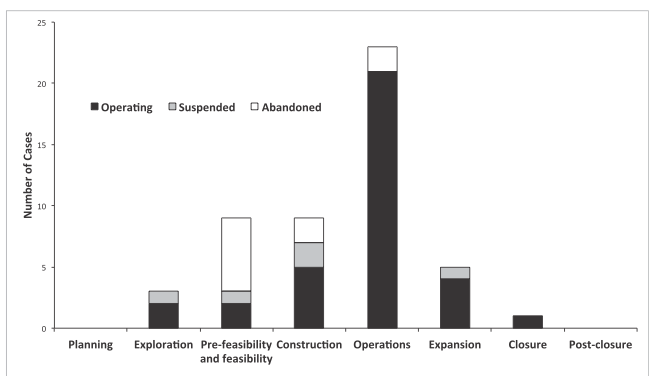
The number of projects in the study sample affected by local action. Image: PNAS

The num­ber of projects in the study sam­ple affect­ed by local action. Image: PNAS

The rea­son these projects, such as the Minas Con­ga gold mine in north­ern Peruand Lan­ji­garh baux­ite min­ing project in Oris­sa, India, were aban­doned wasn’t borne out of some sense of social respon­si­bil­i­ty to not pol­lute the envi­ron­ment or to not push peo­ple off their land. It was because the protests and result­ing gov­ern­ment back­lash was so great that it became finan­cial­ly unvi­able to move for­ward.

Delays, even ear­ly in a project, can be extreme­ly costly—at a major min­ing project, $20 mil­lion per week in lost rev­enues and lost invest­ment isn’t uncom­mon. Accord­ing to the study’s respon­dents, a nine-month delay at a Latin Amer­i­can mine cost a com­pa­ny $750 mil­lion; protests that shut down pow­er lines at anoth­er oper­a­tion cost $750,000 a day. Even before drilling or extrac­tion has start­ed, lost wages and start­up delays can cost $50,000 a day when pro­grams are forced to a stand­still after they’ve start­ed.

Per­haps not sur­pris­ing­ly, protests were most suc­cess­ful when they took place ear­ly on, dur­ing fea­si­bil­i­ty and con­struc­tion phas­es of a project.

This [is] in part because the project is small­er in scale and there­fore eas­i­er to con­test, but also because at lat­er stages of the project cycle, cap­i­tal has been sunk into an area, changes become cost­ly to retro­fit, rev­enues begin to be gen­er­at­ed, and there are increased incen­tives for com­pa­nies and gov­ern­ments to ‘defend’ their projects,” Franks wrote.

Social media and inter­net access are allow­ing indige­nous and local groups to orga­nize more quick­ly, to learn from oth­ers who have had suc­cess­ful protests, and to con­nect with non­prof­its and human­i­tar­i­an groups that can help push their sto­ries out to the entire world.

“There’s been a big change in the men­tal­i­ty of indige­nous people—things like Face­book are allow­ing them to not be as naive,” Kel­ly Swing, a Boston Uni­ver­si­ty researcher who works in an area of the Ecuado­ri­an Ama­zon that is cur­rent­ly fight­ing back against pro­posed oil projects, told me. “They look at what has hap­pened in, say, Peru, and see that their cul­ture has gone to hell in a hand­bas­ket. All of a sud­den, gifts the com­pa­nies offer, like boats and edu­ca­tion and mod­ern med­i­cine aren’t the panacea they used to seem.”

Com­pa­nies, for their part, are learn­ing how to antic­i­pate these sorts of hangups, and some of those inter­viewed (all iden­ti­ties and spe­cif­ic respons­es were kept con­fi­den­tial) said that local back­lash can be pre­dict­ed and quan­ti­fied before it hap­pens.

“Sev­er­al inter­vie­wees were strong­ly of the view that the trig­gers for and under­ly­ing caus­es of com­pa­ny-com­mu­ni­ty con­flict, and its costs, are pre­dictable, and that approach­es, pro­ce­dures, and stan­dards are avail­able to com­pa­nies to avoid con­flict and devel­op con­struc­tive rela­tion­ships with com­mu­ni­ty actors,” Franks wrote.

At many com­pa­nies, Franks wrote, the high­er ups who approve major projects are com­plete­ly obliv­i­ous that their work might have some sort of social or envi­ron­men­tal impact. To com­bat this, com­pa­nies hire “trans­la­tors” who are able to iden­ti­fy poten­tial social prob­lems and put them in a lan­guage exec­u­tives can under­stand: mon­ey.

“Trans­la­tion requires indi­vid­u­als with­in orga­ni­za­tions who can work across func­tion­al, orga­ni­za­tion­al, and con­cep­tu­al bound­aries, and who can work in more than one ‘lan­guage’ and inter­pret how social and envi­ron­men­tal risk is trans­lat­ing into costs for busi­ness. The need for inter­nal ‘trans­la­tors’ sug­gests that cor­po­rate deci­sion-mak­ers do not cur­rent­ly have the nec­es­sary mod­els to inter­nal­ize exter­nal­i­ties and trans­late social risk inward,” Franks wrote.

Franks wrote that there’s some evi­dence that com­pa­nies real­ly do want to make sure local peo­ple are treat­ed correctly—that, as he found, con­cerns such as drink­ing water con­t­a­m­i­na­tion, envi­ron­men­tal destruc­tion, and pub­lic health risks, are not brushed aside. Then again, he not­ed that “some see stake­hold­er-relat­ed con­cerns as option­al ‘add-ons’ to broad­er reg­u­la­to­ry process­es for oper­at­ing projects.”

The chal­lenge for those “stake­hold­ers,” then, is mak­ing sure that, no mat­ter what, they make a project so dif­fi­cult to com­plete that those “add-ons” become so cost­ly that the project dies. It seems like, in an increas­ing num­ber of cas­es, that’s actu­al­ly hap­pen­ing.