some Stroud protest present & past (location of 2016 EF! Winter Moot)

Stroud was an appro­pri­ate loca­tion for this year’s Win­ter Moot, with a proud his­to­ry of protest past and present.


Stroud was an appro­pri­ate loca­tion for this year’s Win­ter Moot, with a proud his­to­ry of protest past and present.

The venue for the Moot is the Cen­tre for Sci­ence & Art, itself saved by the Stroud Cam­paign Against The Ringroad in the 70s. In 1980 there were plans to demol­ish some 17th & 18th cen­tu­ry list­ed build­ings on the High Street — a com­bi­na­tion of roof top occu­pa­tions and oth­er strate­gies saved them, and the road is now pedes­tri­anised.

In 1989 the Save The Trees Cam­paign took on the coun­cil’s road-widen­ing scheme (for a Tesco’s). A mid­night raid to fell thir­teen trees in Strat­ford Park was foiled when local peo­ple got wind of the ‘secret’ and attached them­selves to the trees. The trees are still there, and instead a traf­fic calm­ing scheme was devel­oped, result­ing in less crash­es.

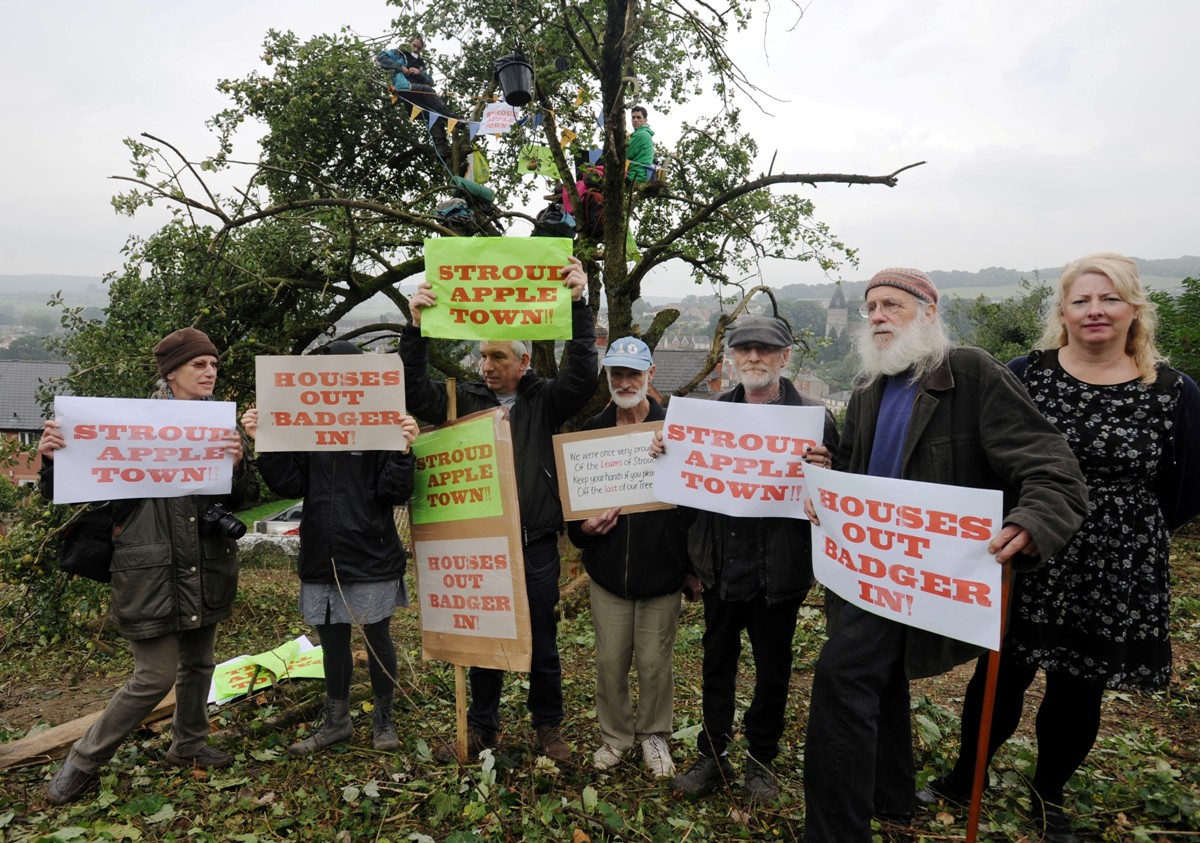
In 2013 a cam­paign was fought against devel­op­ers with an apple tree being occu­pied for 6 days. A local who gave us a tour dur­ing the Moot of places fought for or saved by protests said: “There was a very sad end to this sto­ry, but I hope it is a good reminder of what we can do, and what may be need­ed in some of the bat­tles over local devel­op­ment and our envi­ron­ment in the near future.” (source)

There’s been a long cam­paign these last years against the Javelin Park incin­er­a­tor at Hares­field, and though the coun­ty coun­cil’s plan­ning com­mit­tee blocked it in 2013, they were over-ruled by the Sec­re­tary of State. Glos­VAIN and oth­ers con­tin­ue to cam­paign, and came to talk to us about the dif­fer­ent com­mu­ni­ty organ­is­ing strate­gies they’ve used.

Though per­mis­sion has been grant­ed for the incin­er­a­tor, the cam­paign con­tin­ues (though unfor­tu­nate­ly push­ing an alter­na­tive that involves, er, incin­er­a­tion!).

The reality of the UK’s coal industry exposed

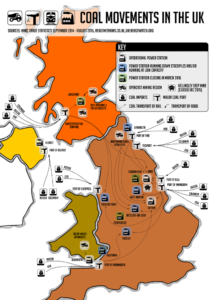
Map

A new report from the Coal Action Net­work expos­es the untold human and envi­ron­men­tal sto­ries of the coal sup­ply chain. Ditch Coal calls on the gov­ern­ment to phase out coal faster than its sug­gest­ed end of 2025. The extreme sit­u­a­tions sur­round­ing mines in Rus­sia, Colom­bia, the USA and the UK which sup­ply the UK’s pow­er sta­tions show that coal ener­gy is an extreme ener­gy. 24% of elec­tric­i­ty gen­er­at­ed in 2015 came from coal.

Grass roots group the Coal Action Net­work has worked with com­mu­ni­ties and envi­ron­men­tal activists from the four major coun­tries sup­ply­ing the UK’s coal. The report details the ignored social jus­tice issues caused by our addic­tion to coal.

Mining Impacts Abroad

Rus­sia sup­plies 42% of the coal import­ed to the UK. In Rus­si­a’s main coal pro­duc­ing region, the Kuzbass area of Siberia, min­ing is dev­as­tat­ing indige­nous com­mu­ni­ties and their cul­tures. Shor and Teleut peo­ples are being forced off their ances­tral lands, break­ing the con­nec­tion with their spir­i­tu­al homes, their cul­ture is being attacked and their lan­guage is fad­ing from use.

Com­pa­nies export­ing coal from Colom­bia have been impli­cat­ed in financ­ing para­mil­i­tary mass mur­ders, exe­cu­tions, and dis­ap­pear­ances. Whole vil­lages have been forcibly evict­ed to make way for mines, with insuf­fi­cient relo­ca­tion plans. Colom­bia pro­duces a third of the coal import­ed here.

In the USA, where 19% of the coal import­ed to the UK is from, extreme­ly destruc­tive min­ing oper­a­tions are destroy­ing huge swathes of land and ecosys­tems, and poi­son­ing local peo­ple. Moun­tain­top removal and dam­ag­ing deep min­ing process­es are used by com­pa­nies export­ing coal to the UK.

Although the UK gov­ern­ment has announced an inten­tion to phase out coal by 2025 Coal Action Net­work do not see this as some­thing to cel­e­brate. This time-frame and the phase out­’s many caveats show that the gov­ern­ment con­tin­ues to pri­ori­tise our high elec­tric­i­ty demands over oth­ers basic rights such as the safe­ty of ones home, the abil­i­ty to grow food, rights to health, free­doms of reli­gion and spir­i­tu­al­i­ty, and bio­di­ver­si­ty.

Mining in the UK

Since the gov­ern­men­t’s coal phase out announce­ment Durham based min­ing com­pa­ny Har­g­reaves have been grant­ed per­mis­sion to mine at Field House Coun­ty Durham. Miller Argent who run the UK’s biggest mine Ffos-y-Fran are appeal­ing a deci­sion against a new mine adja­cent to it. Five oth­er coal mine appli­ca­tions are still wait­ing a deci­sion. We need to stop coal min­ing in this coun­try.

Com­mu­ni­ties in the UK are fight­ing for their areas and against coal pow­er. As envi­ron­men­tal activists we should fol­low their exam­ple and stand up to the com­pa­nies involved and stand in sol­i­dar­i­ty with front-line com­mu­ni­ties. We can­not sim­ply wait for the gov­ern­ment to sort this out. The coal indus­try is spread wide across our island. Ditch Coal high­lights where the ports import­ing coal are, where pow­er sta­tions are sit­u­at­ed and which com­pa­nies are min­ing in the UK. There are nine pow­er sta­tions burn­ing coal with­out a clo­sure plan.

Coal pow­er used to be a main focus of the UK envi­ron­men­tal move­ment, it still is in Ger­many and remains an issue here. The Coal Action Net­work will be tour­ing the UK with a Russ­ian activist in the spring, you can catch a pre­view at the Earth First Win­ter Moot. The Coal indus­try’s cur­rent­ly in a posi­tion of change, where new tech­nol­o­gy needs to be imple­ment­ed or pow­er sta­tions closed. Join the Coal Action Net­work in fight­ing the indi­vid­ual pow­er sta­tions and work­ing with com­mu­ni­ties, let’s not rely on the gov­ern­ment to take these impor­tant actions.

The whole report can be viewed at www.coalaction.org.uk/ditchcoal as can the two page sum­ma­ry and info­graph­ics. Check out the web­site to see what we are up to or fol­low us on face­book.

Upton anti-fracking camp eviction in progress!

12th Jan­u­ary 2017 — bailiffs and police have moved in at Upton Com­mu­ni­ty Pro­tec­tion camp, in Cheshire.

12th Jan­u­ary 2017 — bailiffs and police have moved in at Upton Com­mu­ni­ty Pro­tec­tion camp, in Cheshire.

The anti-frack­ing com­mu­ni­ty there has been going strong for a long time now and is at the fore­front of com­mu­ni­ty resis­tance to this nation­al threat.  Get along to help if you can, and sup­port peo­ple to keep resist­ing at least until Sat­ur­day, when there’s a nation­al day of action there already set.

Updates at https://twitter.com/earthfirst_uk and how to get to the camp here

J16 Upton

he government’s grand ges­ture of ‘clos­ing coal’ is con­di­tion­al on replac­ing it with gas. Frack­ing is a key part of that vision, but it’s meet­ing with resis­tance at every step.

The government’s grand ges­ture of ‘clos­ing coal’ is con­di­tion­al on replac­ing it with gas. Frack­ing is a key part of that vision, but it’s meet­ing with resis­tance at every step.

Upton is the country’s longest stand­ing com­mu­ni­ty pro­tec­tion camp. It’s due to be evict­ed any day now so that test drilling for uncon­ven­tion­al gas can start.

Lets put a red line around the UKs frack­ing front line. On Jan­u­ary 16th, from 10am- 4pm. If the camp is still in situ we can help build an excit­ing new defence and show our sol­i­dar­i­ty with the com­mu­ni­ty. If it’s been evict­ed and the drill is present there’ll be cre­ative ways to get in the way. This will be a fam­i­ly friend­ly event with some­thing for every­one.

http://www.nodashforgas.org.uk/event/j16-upton/

actions in Paris at #COP21 & around the world

For all the lat­ests updates on cli­mate direct actions tak­en around the world, includ­ing in Paris par­al­lel to the UN cli­mate nego­ti­a­tions, see our twit­ter feed

For all the lat­ests updates on cli­mate direct actions tak­en around the world, includ­ing in Paris par­al­lel to the UN cli­mate nego­ti­a­tions, see our twit­ter feed

Plane Stupid kick off Red Lines COP21 direct action

The main road entrance to Heathrow air­port, Lon­don, was blocked by cli­mate change activists for four hours ear­ly on Thurs­day morn­ing, caus­ing a traf­fic tail­back sev­er­al miles long.

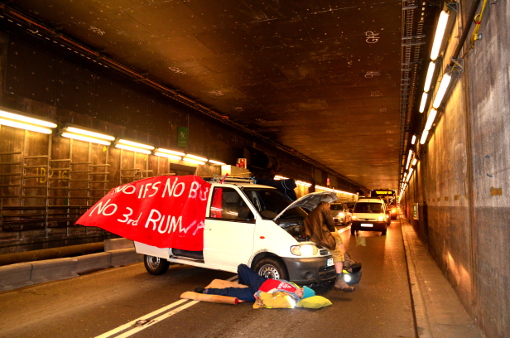
The main road entrance to Heathrow air­port, Lon­don, was blocked by cli­mate change activists for four hours ear­ly on Thurs­day morn­ing, caus­ing a traf­fic tail­back sev­er­al miles long. Three mem­bers of anti air­port expan­sion cam­paign group Plane Stu­pid parked a vehi­cle across both lanes of the inbound tun­nel and locked their bod­ies to it, unfurl­ing a red ban­ner quot­ing David Cameron’s elec­tion promise: “No Ifs, No Buts: No Third Run­way”. David Cameron has promised a deci­sion by the end of the year on whether to build anoth­er run­way at Heathrow.

This action rep­re­sents an ear­ly entry for the Cli­mate Games, send­ing a clear mes­sage to the UK gov­ern­ment that expand­ing avi­a­tion is a no-go for the cli­mate; were it to go ahead the UK would undoubt­ed­ly miss its emis­sions tar­gets as set out under the 2008 Cli­mate Change Act.

Nor will avi­a­tion expan­sion ben­e­fit the major­i­ty of the pop­u­la­tion or busi­ness­es, as is often claimed. The demand for air­port expan­sion is being dri­ven by rich fre­quent  fly­ers. Last year, less than half of peo­ple in Britain flew. Of those who did, a mere 15% of fly­ers took 70% of our flights. As well as noise and air pol­lu­tion, poor peo­ple are pay­ing the price in droughts, flood­ing and storms so that the rich can cook the plan­et with fre­quent leisure flights. Whilst we might hope that David Cameron might live up to his pre-elec­tion promise — “no ifs, no buts, no third run­way” — we can’t rely on it. Part­ly after being forced to take non-vio­lent dis­obe­di­ent action where all oth­er options were exhaust­ed, we stopped a third run­way before and we’ll stop it again this time too.

#Red­Lines

At the COP21 talks this year in Paris, the theme for the mass day of action on Decem­ber 12th (D12) is Red Lines. These block­ades will rep­re­sent lines that can­not be crossed if we are to stay with­in the 2C rise in glob­al tem­per­a­tures. Fail­ure to stay with­in this thresh­old will take us down a road where even if we reduce emis­sions to zero, feed­back loops will mean that emis­sions will con­tin­ue to rise: cli­mate chaos.

In real­i­ty there are many Red Lines we should not cross, but gov­ern­ments and cor­po­ra­tions seem intent to do so. In the UK this includes the avi­a­tion indus­try, which if it con­tin­ues to grow at its cur­rent rate will by 2050 emit all of the car­bon it is safe for the UK to emit. Beyond this, oth­er red lines that are close to being crossed nation­al­ly include increas­ing uncon­ven­tion­al fos­sil fuel extrac­tion through frack­ing and a government’s ‘dash for gas’ to build pow­er sta­tions rather than renew­ables. Inter­na­tion­al­ly, there are sim­i­lar con­cerns as well as a clear need to stop lig­nite coal min­ing in Ger­many and the Tar Sands in Alber­ta, Cana­da. Whilst there are many such exam­ples of indus­tries that can­not con­tin­ue, over­all the sci­ence dic­tates that the fos­sil fuel indus­try must tran­si­tion to renew­ables and most of the car­bon must be kept in the ground.

Beyond the Paris con­fer­ence

Unlike the cli­mate talks in Copen­hagen, many activists are going to Paris with low expec­ta­tions. We know that the heads of state and busi­ness lead­ers won’t come up with a sat­is­fac­to­ry deal to pre­vent cli­mate cat­a­stro­phe. Nao­mi Klein writes in ‘This Changes Every­thing’ that cli­mate deals always come in sec­ond place to trade deals as cor­po­rate prof­it and per­pet­u­al eco­nom­ic growth are ide­o­log­i­cal­ly untouch­able in our neolib­er­al era. With this in mind, the aim for many activists is to see the Paris talks as a way for us all to net­work between strug­gles and to show on day 12 that if our ‘lead­ers’ won’t do it, then we can stop cli­mate chaos  our­selves. Unfor­tu­nate­ly, with the recent events in Paris, march­es have been banned out of fears over safe­ty, which may mean that our mobil­i­sa­tions might not be as big or as effec­tive as we hoped.

How­ev­er, giv­en that we know that the solu­tions to the cli­mate cri­sis won’t come from the COP, let’s see this as an oppor­tu­ni­ty rather than a prob­lem. Let’s get out and take action wher­ev­er the real #Red­Lines are: the dirty fos­sil fuel indus­tries, the unsus­tain­able, unde­mo­c­ra­t­ic mega-projects. #Cli­mateGames starts tomor­row. In this game we have noth­ing to lose but our fears. We have our whole futures to win. Ask­ing our ‘lead­ers’ to solve our prob­lems has left us with the hottest years on record, year after year.  We are the solu­tion we’ve been wait­ing for.

We are not fight­ing for nature. We are nature defend­ing itself.

Save Sheffield Trees & Smithy Woods — campaign update

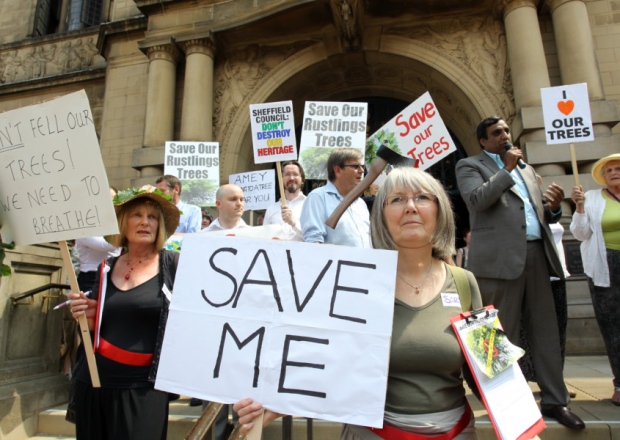
Protesters

5.11.15 Latest:

An inde­pen­dent pan­el aim­ing to resolve dis­agree­ments involv­ing the felling of trees in Sheffield has been set up.

It fol­lows thou­sands of peo­ple sup­port­ing a cam­paign to stop 12 trees being chopped down on Rustlings Road.

Com­mu­ni­ty group Save Sheffield Trees said it would wait to see the “terms of ref­er­ence” of the new pan­el.

A coun­cil spokesman said a sur­vey will be sent to res­i­dents when upgrad­ing works which affect trees.

If over half of respon­dents object, it will then be referred to the Inde­pen­dent Tree Pan­el.

After con­sid­er­ing the evi­dence, the pan­el will then pro­vide advice to the coun­cil about the pro­pos­als.

15 Sep­tem­ber 2015: Cam­paign­ers took their fight against con­tro­ver­sial tree felling to the door of Sheffield Coun­cil con­trac­tor Amey, which is car­ry­ing out the work.


A demon­stra­tion was held at the firm’s Olive Grove Road depot in Hee­ley yes­ter­day morn­ing.

Cam­paign­ers across the city con­tin­ue to call for a pause on felling while a for­mal tree strat­e­gy is devel­oped.

David Dil­ner, from Sheffield Tree Action Group, said: “Since the last tree forum our mem­ber­ship has grown from 200 to 800 – that demon­strates the lev­el of frus­tra­tion and it is grow­ing apace.

16 Sep­tem­ber 2015: Cam­paign­ers fight­ing felling in Sheffield have set up a camp near to 11 trees which have become the ‘sym­bol’ of the city-wide con­tro­ver­sy.

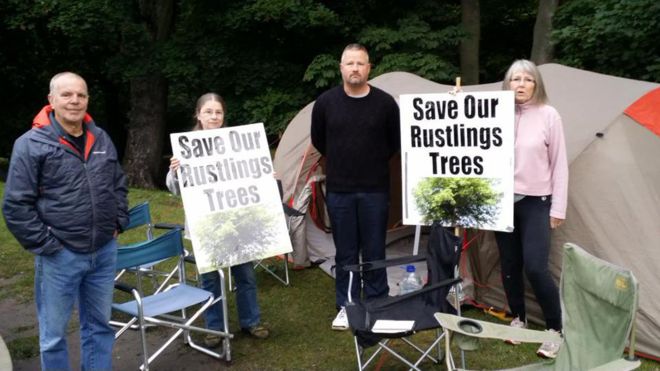
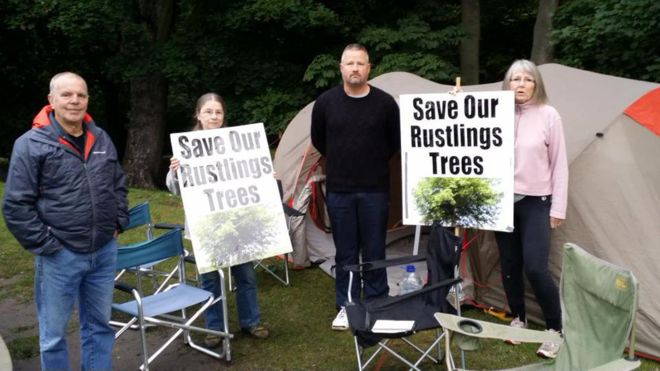
Mem­bers of the Sheffield Tree Action Group (STAG) pitched their tents in End­cliffe Park on Rustlings Road to pro­tect trees which are due to be felled as part of Sheffield City Coun­cil’s £2bn road improve­ment scheme.

The orig­i­nal dri­ve to save those 11 trees led to a 13,000-strong peti­tion, which trig­gered a debate in Sheffield Town Hall and was the spark behind calls for a for­mal city-wide tree strat­e­gy to be devel­oped by Sheffield Coun­cil.

Save Our Road­side Trees (SORT) cam­paign­er Calvin Payne, who was sleep­ing over in the tent last night, said all sup­plies had been donat­ed and passers-by were sup­port­ive.

He added: “This road is sym­bol­ic, although the cam­paign is city wide, and we do want a win here to inspire peo­ple across the city.”

Aims of the camp were to enable cam­paign­ers to take peace­ful action quick­ly if felling did begin and also to raise more aware­ness as protests spread across the city.

Protests have been held over the last few months in oth­er parts of the city to try and pre­vent trees being felled.

In June/July, STAG gath­ered more that 10,000 sig­na­tures on a peti­tion call­ing for the coun­cil to stall the plans until inde­pen­dent experts assessed the trees.
Protestors gathered outside Sheffield Town Hall to protest about the cutting down of Sheffield's trees.
Back­ground: With an esti­mat­ed two mil­lion trees – four for every per­son – Sheffield holds a strong claim to be Europe’s green­est city. But the South York­shire city’s tree-lined streets have become a bat­tle­ground in an angry row that has pit­ted res­i­dents against coun­cil high­ways offi­cials.

Con­trac­tors are assess­ing 36,000 road­side trees on behalf of Sheffield City Coun­cil to decide which need to be felled as part of a £2bn road improve­ment scheme.

About 2,000 have already been cut down since the Streets Ahead scheme was launched in 2012, although the coun­cil says it has replaced them all with younger trees and has plant­ed 50,000 extra trees in 17 new wood­lands.

But res­i­dents have launched their own grass­roots cam­paigns to defend the road­side trees, some of which are 100 years old, and the dis­pute is becom­ing increas­ing­ly heat­ed. A protest camp has been set up in a city park and oth­er res­i­dents have been rush­ing out of their homes to dis­rupt work­men arriv­ing in their streets.

“Res­i­dents across the city want to save these trees,” said ecol­o­gist and envi­ron­men­tal cam­paign­er David Garlovsky, a spokesman for the Sheffield Trees Action Group. “Eight or nine groups have sprung up in dif­fer­ent areas. These trees are there for our well­be­ing and cut­ting them down will increase pol­lu­tion. The coun­cil haven’t looked after these trees in the past and they now have a prob­lem on their hands, but there seems to be a blitz on now to cut down as many as pos­si­ble, as quick­ly as pos­si­ble.”

Only last week it was report­ed that the coun­cil was refus­ing to answer Free­dom of Infor­ma­tion requests from res­i­dents about the trees because the requests were con­sid­ered “vex­a­tious”.

Sheffield City Coun­cil apol­o­gised last week after Steve Robin­son, the head of high­ways, was secret­ly record­ed alleged­ly say­ing “we’re not inter­est­ed” in res­i­dents’ “non­sense” rea­sons for sav­ing indi­vid­ual trees.

Res­i­dents have spent a month under can­vas at a protest camp in the city’s End­cliffe Park to pro­tect 11 lime trees on neigh­bour­ing Rustlings Road, which they say are under threat. A peti­tion has attract­ed 10,000 sig­na­tures.

Louise Wilcock­son, who lives close to the park, said: “I walk past those trees around five or six times a day. We have to save them – not just for the peo­ple on this street but for the entire city.”

Res­i­dents in West­ern Road, Crookes, have also ral­lied around a Lon­don plane tree – one of sev­er­al plant­ed in mem­o­ry of war heroes. They say an inde­pen­dent sur­vey has found that the tree is in “rea­son­able health”, in con­trast with a contractor’s report say­ing it is a “safe­ty risk”.

Sheffield City Coun­cil says the aim of the Streets Ahead project is to upgrade the city’s roads, pave­ments and street light­ing as part of a Pri­vate Finance Ini­tia­tive project. Offi­cials say Sheffield is the green­est city in the UK and is in a “unique posi­tion” to car­ry out this “vital work”.

It also says an inde­pen­dent sur­vey iden­ti­fied that three-quar­ters of Sheffield’s street trees were dead, dan­ger­ous or dying, and need­ed replac­ing. The con­trac­tor, Amey, is work­ing to replace trees that fit cri­te­ria known as the “six Ds”, which also include those found to be dis­eased, dam­ag­ing or dis­crim­i­nat­ing – obstruct­ing safe pas­sage for prams and wheel­chairs.

The main rea­son that is being giv­en for felling these trees on the indi­vid­ual sur­vey reports is that they are dam­ag­ing the pave­ment, not that they are dis­eased or dying and that it is eas­i­er to remove the tree than find any oth­er way of mak­ing the pave­ment flat. Most of these trees are around 100 years old and are species such as Limes and Lon­don Panes, and so have a life expectan­cy of 300–400 years. These trees are teenagers, and will last for many more gen­er­a­tions if Sheffield City Coun­cil lets them.

I think some­one has con­fused a 2006–2007 sur­vey that said 75% of the trees are over-mature (which does not real­ly mean any­thing — 100 year old trees, with a 400 year life expectan­cy fall in to this cat­e­go­ry — it is a forestry term relat­ing to the val­ue of the tim­ber), and the lat­er sur­vey in 2012 cat­e­go­rized trees accord­ing to oth­er cri­te­ria (the 6 Ds), includ­ing that trees were dam­ag­ing pave­ments. I sus­pect this mis­un­der­stand­ing is the coun­cil’s of the sur­vey the com­mis­sioned, rather than the jour­nal­ist, as we have seen it else­where. They appear to be felling most of the city’s street trees based on mis­un­der­stand­ing a report…

Sheffield Tree Action Group


Anoth­er sim­i­lar fight in Sheffield ‑Take Action for Smithy Woods

If you are con­cerned about the loss of ancient wood­land, local green spaces, local wildlife and wildlife sites or wor­ried about inap­pro­pri­ate devel­op­ment in the green belt and ero­sion of eco­log­i­cal net­works then please object to this appli­ca­tion. Help us to Save Smithy Wood!

For background information about Smithy Wood and this case click here.

An out­line plan­ning appli­ca­tion has been sub­mit­ted by ‘Extra MSA’ group that pro­pos­es to build a new motor­way ser­vice area on Smithy Wood Ancient Wood­land and Local Wildlife Site close to Junc­tion 35 of the M1 in the Ecclesfield/Chapeltown area of Sheffield. The devel­op­ment includes a large fast food court, 80-bed hotel, petrol sta­tion and car park.

There is now a FINAL oppor­tu­ni­ty to com­ment on this appli­ca­tion fol­low­ing the sub­mis­sion of fur­ther mate­r­i­al by the devel­op­er. The more objec­tions that are received by the City Coun­cil, the more like­ly the appli­ca­tion is to be refused. It does not mat­ter if you have object­ed pre­vi­ous­ly – you can always refer to your pre­vi­ous sub­mis­sion or re-iter­ate your points.

You have until the Fri­day 13th Novem­ber to sub­mit your objec­tion to Sheffield City Coun­cil Plan­ning Dept. This is how to respond to the plan­ning appli­ca­tion.

Sabotage at Hambach open-cast mine

On Mon­day night, we sab­o­taged some con­struc­tion machin­ery at the open-cast mine Ham­bach, Ger­many.

29.10.15

On Mon­day night, we sab­o­taged some con­struc­tion machin­ery at the open-cast mine Ham­bach, Ger­many. Five dig­gers, two bull­doz­ers, one road roller and one oth­er, expen­sive look­ing machine ahd their hydraulics and elec­tron­ic cables cut. the fuel and oil tanks were filled with sand, some mechan­ic parts dam­aged and all the win­dows were smashed. Despite the mas­sive secu­ri­ty-mea­sures RWE and the police put up against us, it was still real­ly easy to do seri­ous dam­age to these tools of destruc­tion.

This action is tar­get­ed against the mine’s oper­a­tor RWE and its accom­plices, which are destroy­ing the basis of life on this plan­et.

While the big mass of peo­ple in ger­many is sit­ting silent­ly in front of their tele­vi­sion screens, dis­tract­ed from the dai­ly destruc­tion of our lives by smart enter­tain­ers and prophets of con­stant growth, hun­drets of thou­sands of peo­ple are dying on the oth­er side of the world through the effects of cli­mate change.

While most peo­ple should be aware that we can’t go on like this, it is unfor­tu­nate­ly only a small minor­i­ty that is act­ing against this destruc­tion, risk­ing their health and free­dom in the process.

Three of these eco-defend­ers are cur­rent­ly impris­oned in Aachen and Cologne, for their attempts to stop the clearcut­ting of the Ham­bach for­est throughthe ener­gy-giant RWE.

All three were heav­i­ly abused dur­ing their arrests, either by police or RWE’s pri­vate secu­ri­ties, with one per­son even get­ting their nose bro­ken and sev­er­al teeth smashed in. There­fore we want to ded­i­cate our action to the impris­oned peo­ple of Ham­bach and send our sol­i­dar­i­ty to them.

Also we want to make it clear that we will not be scared into sub­mis­sion and hope that more peo­ple will be moti­vat­ed by our action, to com­mit sim­i­lar acts of resis­tance against the brown-coal-death-machine.


The Chaos Engi­neer­ing Crew

Peruvian Land Defender Killed After 48-Hour Anti-Mining Strike

Sev­en rur­al com­mu­ni­ties orga­nized a gen­er­al strike that immo­bi­lized com­plete­ly the activ­i­ties in Puquio, cap­i­tal of Lucana province, and result­ed in the unfor­tu­nate death of a young mem­ber of the Cccol­lana com­mu­ni­ty: Erick Men­don­za Tumaylle, age 22.

Octo­ber 29th, 2015

Sev­en rur­al com­mu­ni­ties orga­nized a gen­er­al strike that immo­bi­lized com­plete­ly the activ­i­ties in Puquio, cap­i­tal of Lucana province, and result­ed in the unfor­tu­nate death of a young mem­ber of the Cccol­lana com­mu­ni­ty: Erick Men­don­za Tumaylle, age 22. The con­flict occurred at the site of one infor­mal min­ing project where tox­ic run-offs lead direct­ly into fields used by the com­mu­ni­ty for agri­cul­ture.

Lead­ers of the com­mu­ni­ty have report­ed Juan Par­i­ona of Ccol­lao injured as a result of being held hostage by the infor­mal min­ing com­pa­ny in the San Andrés zone.

This theme of con­flict is a recur­ring one through­out the entire south­ern ter­ri­to­ries of Ayacu­cho, Ica, and parts of Are­quipa. Some com­mu­ni­ty mem­bers are suing Lay­tau­ma Cor­po­ra­tion for being the main stor­age facil­i­ty for explo­sives, for being the main source of income for infor­mal tran­sient work­ers, and for being the sole pur­chas­er of feed pro­duced in San­cos dis­trict.

Peo­ple are wor­ried about how thou­sands of infor­mal work­ers are affect­ing the Yuar­iviri lagoon, the many springs and water sources. It has been made appar­ent that the cen­ter storm of this con­flict has moved to this zone of the coun­try.

by Obser­va­to­rio de Con­flic­tos Mineros en el Perú /  Con­flic­tos Mineros

trans­lat­ed by Earth First! Newswire