Daring dawn blockade of Britain’s Nuclear weapons factory

19.5.2014

19.5.2014

This morn­ing at 7.20am a group of peace cam­paign­ers began blockad­ing the Atom­ic Weapons Estab­lish­ment (AWE) site at Burgh­field, near Read­ing. The pro­test­ers, act­ing as part of Action­AWE [1] cam­paign of non-vio­lent direct action, are try­ing to dis­rupt con­struc­tion of a new nuclear war­head fac­to­ry on the site.

The new devel­op­ment at AWE Burgh­field is being built at a cost to the tax pay­er of almost £2 bil­lion, despite the fact that par­lia­ment has yet to vote on replac­ing the cur­rent gen­er­a­tion of nuclear war­heads that the site would build.

The pro­test­ers were locked togeth­er using hand­cuffs inside ‘lock-on’ devices — made from drain­pipes, and veg­etable oil drums filled with con­crete in order to block the gate to the con­struc­tion site to pre­vent fur­ther work on the site.

Amy Clark, 19, a Peace Stud­ies Stu­dent at Brad­ford Uni­ver­si­ty said “Pub­lic mon­ey is already being spent in its mil­lions toward the renew­al of tri­dent. The final deci­sion on renew­al must be made by 2016 so it’s time to act now to stop it.”

Phil Wood, 20, a Pol­i­tics Stu­dent also at Brad­ford Uni­ver­si­ty added “To be spend­ing mil­lions of pounds and plan­ning to spend bil­lions more on nuclear weapons while cut­ting back on essen­tial pub­lic ser­vices that peo­ple rely on is unfor­giv­able”

Cather­ine Bann, 40, moth­er of two from Tod­mor­den, said: “The mon­ey we would spend renew­ing Tri­dent could pay for all A & E hos­pi­tal depart­ments in the coun­try for the next 40 years! It’s a huge waste of pub­lic mon­ey to be invest­ing in nuclear weapons, and peo­ple like us must make a stand now, so that future gen­er­a­tions do not have to bear the cost.”

Matt Faw­cett, 39, from York­shire CND said: “This ‘do as we say, not as we do’ pol­i­cy of telling oth­er coun­tries they can’t devel­op nuclear weapons while we spend bil­lions devel­op­ing new weapons of our own, not only under­mines attempts to lim­it the spread of nuclear weapons but also dis­cred­its Britain on the world stage. Polls show 87% of the British pub­lic are against spend­ing on new nukes at a time of such dras­tic cuts, yet the con­struc­tion goes on at Burgh­field with­out any par­lia­men­tary debate”

For fur­ther details con­tact:

Sarah 07737 596 808
Nina 07812 104 279

Notes to edi­tors
The UK has an armed nuclear sub­ma­rine on patrol and ready to fire at all times, with the abil­i­ty to wipe out cities almost any­where on earth with­in 15 minutes[2]. The UK has a stock­pile of around 225 nuclear warheads[3], each with eight times the explo­sive pow­er of the bomb dropped on Hiroshi­ma in 1945 [4] that killed an esti­mat­ed 140,000 to 200,000 peo­ple. Run­ning the Tri­dent nuclear weapons sys­tem cur­rent­ly costs £2 bil­lion a year[5], and has not seen any of the cut­backs fac­ing oth­er gov­ern­ment spend­ing and pub­lic ser­vices. The gov­ern­ment will vote in 2016 to decide whether to invest in the UK’s Tri­dent nuclear weapon sys­tem for anoth­er 30 years.

Oper­at­ed by a con­sor­tium of Jacobs Engi­neer­ing Group, Lock­heed Mar­tin and Ser­co, AWE Burgh­field plays an inte­gral part in the final assem­bly and main­te­nance of nuclear war­heads for use in the Tri­dent system[6]. In 2011 Peter Luff, the then Min­is­ter for Defence Equip­ment, announced £2 bil­lion of spend­ing for rede­vel­op­ment of the Burgh­field and Alder­mas­ton weapons factories[7]. The total spend­ing on Weapons of Mass Destruc­tion in the UK will soar to over £100 Bil­lion should the gov­ern­ment take the deci­sion to renew Tri­dent in 2016 [8].

Action AWE (Atom­ic Weapons Erad­i­ca­tion) is a grass­roots cam­paign of non­vi­o­lent action ded­i­cat­ed to halt­ing nuclear weapons pro­duc­tion at the Atom­ic Weapons Estab­lish­ment fac­to­ries at Alder­mas­ton and Burgh­field.

[1] http://www.actionawe.org/

[2] http://www.greenpeace.org.uk/peace/trident-the-uks-nuclear-weapons-system

[3]Stockholm Inter­na­tion­al Peace Research Insti­tute:
www.sipri.org/research/armaments/nuclear-forces‎

[4] http://www.cnduk.org/information/briefings UK war­heads are thought to have a yield of 80–100kt.

[5]  http://fullfact.org/factchecks/cost_trident_nuclear_deterrent-28864

[6] www.awe.co.uk/aboutus/the_company_eb1b2.html

[7]  http://www.publications.parliament.uk/pa/cm201011/cmhansrd/cm111122/text/111122w0002.htm#111122114002933

[8]  http://www.cnduk.org/information/briefings/trident-briefings
Tags:Aldermaston, Brad­ford, Dis­ar­ma­ment Activism, Nuclear, Nuclear weapon, War­fare and Con­flict, Weapons, York­shire Cam­paign for Nuclear Dis­ar­ma­ment

More Arrests of Anti Fracking Activists in East Yorkshire

24th May Fol­low­ing on from the arrests of two local res­i­dents last week, a fur­ther arrest has been made of an activist play­ing music in Bev­er­ley (near Hull.) A flotil­la of Police, from the Hum­ber­side divi­sion, armed with taz­ers and dogs, swooped into Bev­er­ley, town cen­tre, as the

24th May Fol­low­ing on from the arrests of two local res­i­dents last week, a fur­ther arrest has been made of an activist play­ing music in Bev­er­ley (near Hull.) A flotil­la of Police, from the Hum­ber­side divi­sion, armed with taz­ers and dogs, swooped into Bev­er­ley, town cen­tre, as the busker and anti frack­ing activist known as Daznez was play­ing and singing music in Bev­er­ley town cen­tre. Local peo­ple who were watch­ing and lis­ten­ing to the musi­cian remarked at the heavy hand­ed­ness of the arrest as at least six police per­son­nel and their dogs took the musi­cian into cus­tody. The musi­cian has been tak­en to Clough Road, Police Sta­tion in Hull but has not yet been charged with an offence.
Last week two res­i­dents of the Bev­er­ley area, were arrest­ed whilst med­i­tat­ing, at an ear­marked Frack site, at the Rath­lin Ener­gy, Craw­ber­ry Hill, drilling site. Hus­band and Wife, John and Valerie Majer, were charged with caus­ing intim­i­da­tion and annoy­ance con­trary to sec­tion 241 of the Trade Union and Labour Rela­tions Act.
Rath­lin Ener­gy has said it has no plans to frack in the area, although two per­mits have been grant­ed to them for work to be car­ried out.
There have pre­vi­ous­ly been charges of cor­rup­tion, abuse of pow­er and privledge, placed upon Rath­lin Ener­gy by activists. This fol­lows after, ex North­ern Ire­land Envi­ron­ment Min­is­ter Der­mot Nes­bitt, who is now a direc­tor of Rath­lin Ener­gy suc­ceed­ed in obtain­ing the per­mits from the very same gov­ern­ment agency, who were once account­able to him, to drill and extract waste, includ­ing the extrac­tion of radioac­tive waste, at the Craw­ber­ry Hill site and anoth­er, near­by site at West New­ton near Ald­bor­ough. (Updates to fol­low.)
East York­shire Anti Frack

Switzerland: Update From Anarchist Prisoner Marco Camenisch

marco-camenisch-220th May 2014. Since the 15th or the 16th of May, Mar­co Camenisch has been held in soli­tar
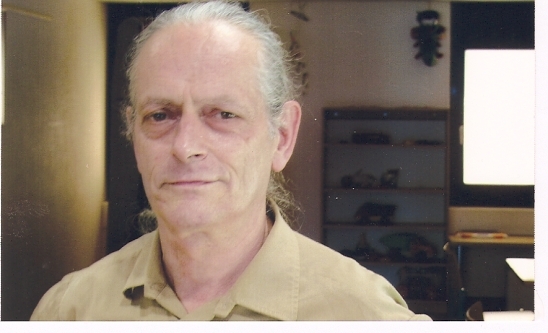
marco-camenisch-220th May 2014. Since the 15th or the 16th of May, Mar­co Camenisch has been held in soli­tary con­fine­ment for five days in the prison of Lenzburg, Switzer­land, because he refused to give a urine sam­ple.

On the 23rd of May 2014 he will be trans­ferred to the Bostadel penal insti­tu­tion. Whether his trans­fer was ordered because he once again refused to give a urine sam­ple or it was planned before­hand, is (still) not clear to us.

Marco’s incar­cer­a­tion is expect­ed to end on May 8th of the year 2018. His ear­ly release from prison (“con­di­tion­al release”) has been reject­ed because of “chron­ic propen­si­ty towards vio­lence” and “delin­quen­cy-pro­mot­ing ide­ol­o­gy”, among oth­er things.

Mar­co Camenisch

Strafanstalt Bostadel
Post­fach 38, CH-6313 Men­zin­gen, Schweiz/Switzerland

Tel. +41 41 757 1919, Fax +41 41 757 1900

More info on Mar­co Mamenisch

Enbridge Pipeline Road Blocked by Protesters in Burlington

index

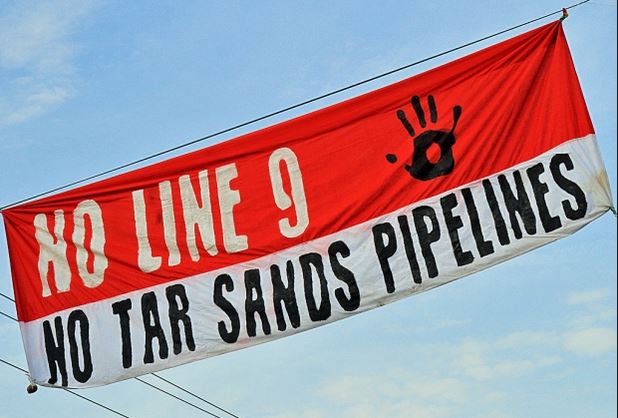
20th May 2014. A group of pro­test­ers has block­ad­ed the road to an exposed sec­tion of Enbridge’s Line 9 pipeline ear­ly this morn­ing in Burling­ton, Ont.

index

20th May 2014. A group of pro­test­ers has block­ad­ed the road to an exposed sec­tion of Enbridge’s Line 9 pipeline ear­ly this morn­ing in Burling­ton, Ont.

The pro­test­ers say they plan to con­tin­ue the block­ade for at least 12 hours.

A news release says the 12-hour stay rep­re­sents 12,000 “anom­alies Enbridge has report­ed to exist on the line.”


“Enbridge calls these devel­op­ments integri­ty digs,” said Danielle Boissineau, one of the pro­test­ers, “but to any­one watch­ing the Line 9 issue, it’s clear Enbridge has no integri­ty. This work on the line is just a Band-Aid, a flim­sy patch over the most out­ra­geous flaws in the Line 9 plan.

“Line 9 has a lot of sim­i­lar­i­ties to Line 6B that erupt­ed in the Kala­ma­zoo Riv­er. The risk is just not worth it,” she said.

From July to Decem­ber of last year, there were 308 main­te­nance digs along Line 9 — and the vast major­i­ty were for cracks in the line. In July alone, Enbridge filed 105 main­te­nance notices for digs on the line, accord­ing to doc­u­ments filed with the Nation­al Ener­gy Board.

The group says its mem­bers include res­i­dents of Burling­ton who don’t want the pipeline run­ning through their city.

“Line 9 has near­ly 13,000 struc­tur­al weak­ness­es along its length” said Bri­an Suther­land, a Burling­ton res­i­dent. “And yet Enbridge is only doing a few hun­dred integri­ty digs.”

There were about 20 pro­test­ers at the site ear­ly Tues­day. As of 8:15 a.m., no police had arrived.

Last June, a group of pro­test­ers shut down con­struc­tion at an Enbridge pump sta­tion in rur­al Hamil­ton.

About 80 peo­ple inter­rupt­ed con­struc­tion at the North West­over site.

In March, the NEB approved a request from Enbridge to reverse the flow and increase the capac­i­ty of the con­tro­ver­sial Line 9 pipeline that has been run­ning between south­ern Ontario and Mon­tre­al for years.

Line 9 orig­i­nal­ly shut­tled oil from Sar­nia, Ont., to Mon­tre­al, but was reversed in the late 1990s in response to mar­ket con­di­tions to pump import­ed crude west­ward. Enbridge now wants to flow oil back east­wards to ser­vice refiner­ies in Ontario and Que­bec.

It plans to move 300,000 bar­rels of crude oil per day through the line, a rise from the cur­rent 240,000 bar­rels, with no increase in pres­sure.

Oppo­nents argue the Line 9 plan puts com­mu­ni­ties at risk, threat­ens water sup­plies and could endan­ger vul­ner­a­ble species in eco­log­i­cal­ly sen­si­tive areas.

Breaking: Blockade Launched Against Enbridge Line 9 Pipeline

Photo: CBC20th May 2014. A group of area res­i­dents have block­ad­ed the access road to an exposed sec­tion of Enbridge’s Line 9 pipeline, begin­ning at 7am this morn­ing.

Photo: CBC20th May 2014. A group of area res­i­dents have block­ad­ed the access road to an exposed sec­tion of Enbridge’s Line 9 pipeline, begin­ning at 7am this morn­ing. They say they will stay for at least twelve hours, one hour for every thou­sand anom­alies Enbridge has report­ed to exist on the line. These com­mu­ni­ty mem­bers turned away Enbridge employ­ees who were sched­uled to do work on Line 9 in prepa­ra­tion for it to car­ry tox­ic dilut­ed bitu­men from the Alber­ta Tar Sands. This par­tic­u­lar work site is adja­cent to the Bronte creek, a major water­way flow­ing to Lake Ontario, the water source for more than ten mil­lion peo­ple.

“Enbridge calls these devel­op­ments integri­ty digs,” said Danielle Boissineau, one of the block­aders, “but to any­one watch­ing the Line 9 issue, it’s clear Enbridge has no integri­ty. This work on the line is just a band-aid, a flim­sy patch over the most out­ra­geous flaws in the Line 9 plan.” [Danielle notes that a record of just some of Enbridge’s false or mis­lead­ing state­ments is avail­able on the Enbridge Lies face­book page

“Line 9 has near­ly 13,000 struc­tur­al weak­ness­es along its length” said Bri­an Suther­land, a Burling­ton res­i­dent. “And yet Enbridge is only doing a few hun­dred integri­ty digs. Enbridge has been deny­ing the prob­lems with the pipe for years, and they still refuse to do the hydro­sta­t­ic test­ing request­ed by the province. Are we real­ly sup­posed to trust Enbridge when they tell us that this time they’ll do it right?”


Many of the block­aders point to the dis­as­trous spill from Enbridge’s line 6b into the Kala­ma­zoo Riv­er in Michi­gan in 2010, where mil­lions of litres of oil spilled and have so far proven impos­si­ble to clean up. But many of them empha­size that their oppo­si­tion to Line 9 goes beyond safe­ty con­cerns.

“This is not about pipelines ver­sus rail; it’s about the Tar Sands,” said Danielle Boissineau. “It’s the dirt­i­est oil in the world: it’s not worth the destruc­tion it takes to pro­duce, it’s not worth the risk to our water­sheds to trans­port, and we def­i­nite­ly can’t afford the car­bon in our atmos­phere when it’s burned. At every step of the process, the Tar Sands out­sources the risks onto our com­mu­ni­ties and poi­sons water­ways like the Athabas­ca Riv­er and the Bronte creek while com­pa­nies like Enbridge get rich.”

Call for Solidarity Actions Against Oil Trains

oil trains 19th May 2014. Maine Earth First!/350 Maine call for Sol­i­dar­i­ty Actions Sur­round­ing Supe­ri­or Court Hear­ing in Fracked Bakken Crude Oil Train Case
oil trains 19th May 2014. Maine Earth First!/350 Maine call for Sol­i­dar­i­ty Actions Sur­round­ing Supe­ri­or Court Hear­ing in Fracked Bakken Crude Oil Train Case

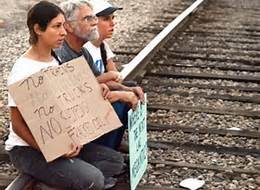
On May 22nd two of three peo­ple who block­ad­ed rail­road tracks in Auburn last August, Doug Bowen and Jessie Dowl­ing of Maine Earth First!, will have a hear­ing at the Androscog­gin Coun­ty Supe­ri­or Court.

Last August, mem­bers of 350Maine and Maine Earth First! con­duct­ed a sit-in on the Pan Am rail­road tracks in the cen­ter of Auburn to call atten­tion to the ongo­ing dan­gers posed by the trans­porta­tion of Bakken crude oil by rail.

This was 7 weeks after a train­load of the same oil explod­ed in Lac Megan­tic, killing 47. Doug Bowen and Jessie Dowl­ing will face charges for this direct action and will present evi­dence for a com­pet­ing harms defense – that com­mit­ting a small­er harm was meant to pre­vent a larg­er one.

There have been at least 6 oth­er major train derail­ments involv­ing Bakken crude oil since Lac-Megan­tic. This train block­ade was one of two block­ades Maine Earth First! And 350 Maine took part in last sum­mer.

Trains run­ning through Maine car­ry crude from the Bakken oil fields of North Dako­ta, where it is “fracked” or extract­ed by blast­ing a high pres­sure tox­ic cock­tail deep into the ground to release oil from shale rock, pol­lut­ing air and water in sur­round­ing com­mu­ni­ties.

With hydraulic frac­tur­ing or “frack­ing” tech­nol­o­gy, oil that has long been impos­si­ble to extract is now the source of an explo­sive oil boom in the Mid­west. With­out enough pipelines to trans­port the Mid­west crude to dis­tant refiner­ies, there has been a surge in the use of trains. Inspec­tions of tracks are infre­quent due to lack of resources to over­see them and a lack of con­cern for local com­mu­ni­ties by giant corporations/government.

Maine  EF!er being arrested after blockade

There have been many train derail­ments through-out the con­ti­nent over the last year and a half oth­er than Lac Megan­tic, includ­ing a 106-car-long oil train in Cas­sel­ton, North Dako­ta which caused sev­en oil cars to explode and also caused an evac­u­a­tion of 2,400 peo­ple, A CN freight train car­ry­ing crude oil in New Brunswick in Jan­u­ary,

A 120-car Nor­folk South­ern train car­ry­ing heavy Cana­di­an crude oil which derailed and spilled in west­ern Penn­syl­va­nia also in Jan­u­ary, and a CSX train that explod­ed in Lynch­burg, Vir­ginia car­ry­ing Bakken Crude Oil on May first, only to name a few.

In Jan­u­ary the U.S. Depart­ment of Transportation’s Pipeline and Haz­ardous Mate­ri­als Safe­ty Admin­is­tra­tion issued a Safe­ty Alert con­clud­ing Bakken crude is more flam­ma­ble than heav­ier oils. Hence the term “bomb trains.”

We are ask­ing indi­vid­u­als and groups to take part in a day of action to bring atten­tion to fracked oil, frack­ing in gen­er­al (if you can tie in into your cam­paigns), unsafe trains car­ry­ing fos­sil fuels (Bakken Crude or oth­er­wise), and/or any oth­er con­nec­tions you can make in your com­mu­ni­ty.

Pos­si­ble tar­gets: Irv­ing Oil, a cor­po­ra­tion that receives oil from the Bakken Crude fields, and the cor­po­ra­tion that was sup­posed to be the recip­i­ent of the oil that explod­ed in Lac Mac­gan­tic Cor­po­ra­tions involved in frack­ing in the North Dako­ta Bakken Shale: http://www.ugcenter.com/operators/Bakken/all Cen­tral Maine and Que­bec Rail­road if you are in Maine (or join us at the cour­t­house!) Places in your com­mu­ni­ty where trains are rolling through with crude oil or oth­er dan­ger­ous extreme ener­gy sub­stances.

Here is an exam­ple in Mon­tana: http://earthfirstjournal.org/newswire/2014/04/13/seven-arrests-in-montana-coal-train-protest/

Ports that are an end point of dan­ger­ous trains. Here is one exam­ple in Wash­ing­ton: http://earthfirstjournal.org/newswire/2014/02/15/crude-oil-terminal-planned-in-nw-portland/

Please keep us updat­ed on any sol­i­dar­i­ty actions you take!

For more infor­ma­tion, inter­views, or to tell us about your action con­tact Chris­tine: blackbean@riseup.net, or 207.505.5114

Paramilitaries Shoot at Tribe Over “Forest Reserves” in Philippines

Tigwahanon Village in San Fernando, Bukidnon, Mindanao17th May 2014. The Asian Human Rights Com­mis­sion (AHRC) is deeply con­cerned, and demands an inves­ti­ga­tion into the actions of the secur

Tigwahanon Village in San Fernando, Bukidnon, Mindanao17th May 2014. The Asian Human Rights Com­mis­sion (AHRC) is deeply con­cerned, and demands an inves­ti­ga­tion into the actions of the secu­ri­ty guards and their employ­er land­lord for shoot­ing at, and hold­ing at gun­point, indige­nous peo­ple who were to occu­py their ances­tral land in Que­zon, Bukid­non.

In their mis­sion report, titled: “‘Pakighiusa’: Sol­i­dar­i­ty Mis­sion to Mem­bers of TINDOGA in Sup­port of Their Strug­gle for Land and Life,” pre­pared by Rur­al Mis­sion­ar­ies of the Philip­pines, North­ern Min­danao Sub-Region, it not­ed that the armed secu­ri­ty guards indis­crim­i­nate­ly shot at Manobo-Pulangi­hons tribes on April 23 pur­pose­ly to dri­ve them away from their land.

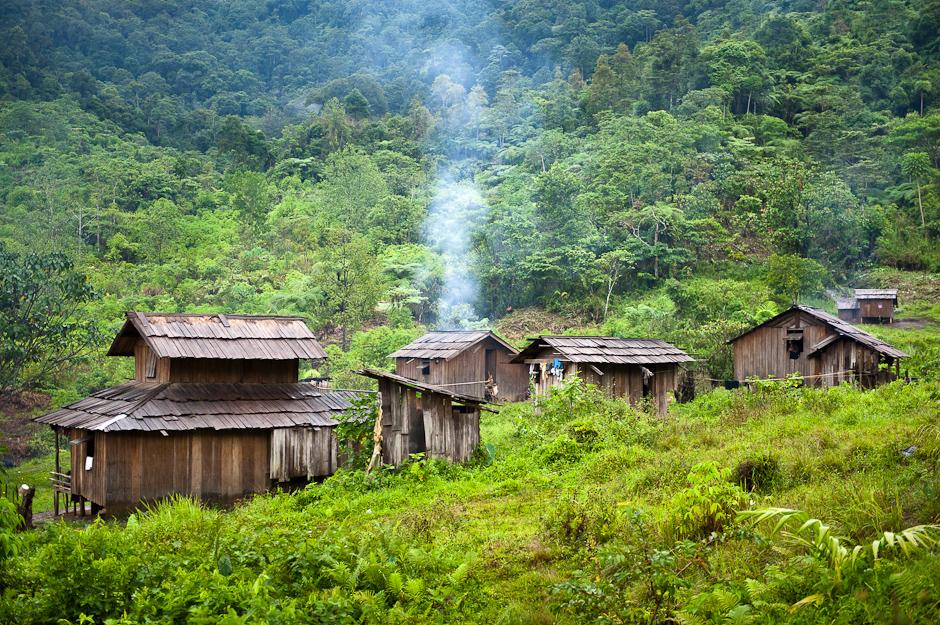
The indige­nous tribe, com­posed of 530 fam­i­lies are from four clans, are led by Datu San­tiano “Andong” Agda­han. They had already been rec­og­nized as the right­ful own­ers of the 623 hectares of land as part of their ances­tral domain. Datu Agda­han also heads the TINDOGA (Trib­al Indige­nous Oppressed Group Asso­ci­a­tion).

On April 23, in sup­port of their claim, the tribes were accom­pa­nied by offi­cials from the nation­al and local gov­ern­ment agen­cies, notably the Nation­al Com­mis­sion for the Indige­nous Peo­ple (NCIP), the munic­i­pal gov­ern­ment, and the police.

But at around 1pm, armed secu­ri­ty guards, report­ed­ly work­ing for Mr. Pablo “Pol­ing” Loren­zo III, who claims to be the own­er of Ran­cho Mon­tal­van, were deployed, and alleged­ly indis­crim­i­nate­ly shot at the group. They also held “12 indi­vid­u­als at gun point,” five of whom were women, and three were minors.

The armed men delib­er­ate­ly con­cealed their iden­ti­ties by not wear­ing their uni­forms. Most of them wore black long sleeves; their faces are either cov­ered with bal­a­clavas or shirts.

The AHRC is of the opin­ion that the use of force and intim­i­da­tion, by shoot­ing at the indige­nous peo­ple and hold­ing them at gun­point; was done pur­pose­ly to fright­en and intim­i­date this group of indige­nous peo­ple claim­ing their right to occu­py their ances­tral land.

It is report­ed that even though the NCIP has already declared the 623 hectares are the ances­tral domain of the Manobo-Pulangi­hons, “only 70 hectares were allot­ted for use of the claimants. The rest were clas­si­fied as for­est reserves. Inter­est­ing­ly, what is sup­posed to be for­est reserves are most­ly plant­ed with “sug­ar­cane and pineap­ple.”

The AHRC urges the gov­ern­ment to hold account­able Ma. Shir­lene D. Sario the provin­cial offi­cer of the NCIP, for alleged­ly fail­ing to ful­fil the oblig­a­tions required from her to ensure the indige­nous peo­ple are prop­er­ly install in their land.

The AHRC also express­es its dis­ap­point­ment at the lack of con­cern, notably by the local gov­ern­ment offi­cials in Que­zon, Bukid­non, to fail­ing to address the urgent needs of their own con­stituents.

The mis­sion report indi­cat­ed that “no gov­ern­ment offi­cial from Que­zon town to the Provin­cial gov­ern­ment even vis­it­ed the Manobo-Pulangi­hons.”

Construction Vehicles Targeted

one of the M6 link sites15
one of the M6 link sites15th May 2014. About a lit­tle over week ago we snuck into a con­do devel­op­ment in Seat­tle and poured a gal­lon of bleach into the gas tank of an exca­va­tor. This was a small but eas­i­ly repro­ducible attack against the expan­sion of gen­tri­fi­ca­tion in Seat­tle.

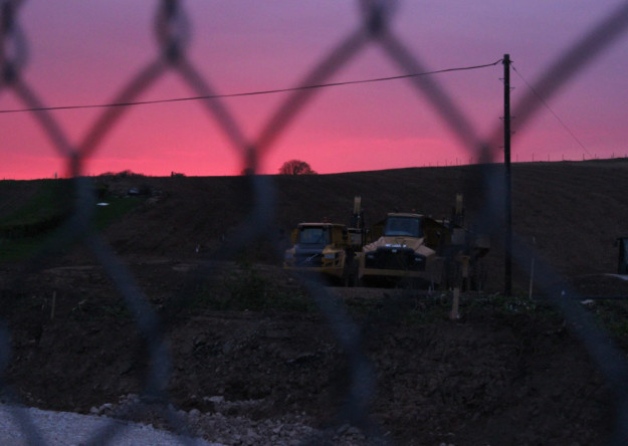
Con­struc­tion vehi­cles are being tar­get­ed at M6 link road sites near Lan­cast­er, Eng­land caus­ing thou­sands of pounds of dam­age.

In what appears to be an orches­trat­ed cam­paign, hydraulic hoses were cut on exca­va­tors and dumper trucks.

Oth­er inci­dents include:

*Sand being put into tanks to con­t­a­m­i­nate the fuel

*Tyres being let down

*Dam­age to a tem­po­rary jet­ty in the Riv­er Lune

Thou­sands of pounds worth of dam­age was caused at a site at Cross­gills Farm, Lan­cast­er.

Police said: “Eight vehi­cles, includ­ing exca­va­tors and dumper trucks, were dam­aged to the tune of thou­sands of pounds at the week­end.

“Tyres have also been let down and sand put into fuel tanks.

“We are keep­ing an open mind as to who is respon­si­ble, how­ev­er the van­dals have made a con­cert­ed effort to cause crim­i­nal dam­age by using bolt crop­pers to cut the rub­ber hoses.”


Local Protesters Are Killing Big Oil and Mining Projects Worldwide

we wont stop14th May 2014.

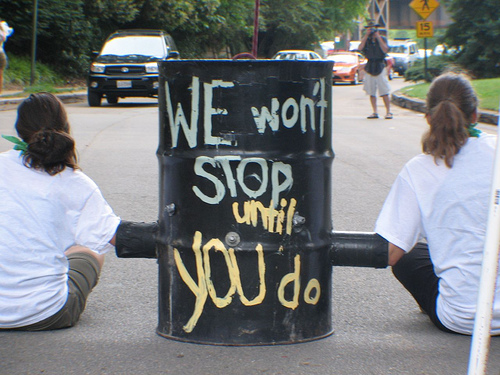
we wont stop14th May 2014. Multi­na­tion­al cor­po­ra­tions are infa­mous for push­ing native peo­ple off their land in order to open a new gold mine, extract oil, or oth­er­wise extract local resources. For decades, back­lash has been thought to be both lim­it­ed and inef­fec­tu­al, but new evi­dence sug­gests that protests from local peo­ple are effec­tive, extreme­ly cost­ly for the com­pa­nies, and often lead to sub­stan­tive changes to or total aban­don­ment of a project.

Researchers at the Cen­tre for Social Respon­si­bil­i­ty in Min­ing inter­viewed employ­ees at sev­er­al dozen major inter­na­tion­al cor­po­ra­tions who are involved with extrac­tive activ­i­ties, and found that com­pa­nies are increas­ing­ly hav­ing to deal with the social and envi­ron­men­tal impacts of their work, and that it’s hurt­ing them where it hurts most: their bot­tom lines.

The researchers, led by Daniel Franks, took a look at 50 planned major extrac­tive projects (oil drilling, new mine con­struc­tion, that sort of thing) and found that in ful­ly half of them, local peo­ple launched some sort of “project block­ade.” In 40 per­cent of the projects, some­one died as a result of a phys­i­cal protest, and 15 of the projects were sus­pend­ed or aban­doned alto­geth­er, accord­ing to Franks’ study, pub­lished in Pro­ceed­ings of the Nation­al Acad­e­my of Sci­ences.

“There is a pop­u­lar mis­con­cep­tion that local com­mu­ni­ties are pow­er­less in the face of large cor­po­ra­tions and gov­ern­ments,” Franks said in a state­ment. “Our find­ings show that com­mu­ni­ty mobi­liza­tion can be very effec­tive at rais­ing the costs to com­pa­nies.”

The number of projects in the study sample affected by local action. Image: PNAS

The num­ber of projects in the study sam­ple affect­ed by local action. Image: PNAS

The rea­son these projects, such as the Minas Con­ga gold mine in north­ern Peruand Lan­ji­garh baux­ite min­ing project in Oris­sa, India, were aban­doned wasn’t borne out of some sense of social respon­si­bil­i­ty to not pol­lute the envi­ron­ment or to not push peo­ple off their land. It was because the protests and result­ing gov­ern­ment back­lash was so great that it became finan­cial­ly unvi­able to move for­ward.

Delays, even ear­ly in a project, can be extreme­ly costly—at a major min­ing project, $20 mil­lion per week in lost rev­enues and lost invest­ment isn’t uncom­mon. Accord­ing to the study’s respon­dents, a nine-month delay at a Latin Amer­i­can mine cost a com­pa­ny $750 mil­lion; protests that shut down pow­er lines at anoth­er oper­a­tion cost $750,000 a day. Even before drilling or extrac­tion has start­ed, lost wages and start­up delays can cost $50,000 a day when pro­grams are forced to a stand­still after they’ve start­ed.

Per­haps not sur­pris­ing­ly, protests were most suc­cess­ful when they took place ear­ly on, dur­ing fea­si­bil­i­ty and con­struc­tion phas­es of a project.

This [is] in part because the project is small­er in scale and there­fore eas­i­er to con­test, but also because at lat­er stages of the project cycle, cap­i­tal has been sunk into an area, changes become cost­ly to retro­fit, rev­enues begin to be gen­er­at­ed, and there are increased incen­tives for com­pa­nies and gov­ern­ments to ‘defend’ their projects,” Franks wrote.

Social media and inter­net access are allow­ing indige­nous and local groups to orga­nize more quick­ly, to learn from oth­ers who have had suc­cess­ful protests, and to con­nect with non­prof­its and human­i­tar­i­an groups that can help push their sto­ries out to the entire world.

“There’s been a big change in the men­tal­i­ty of indige­nous people—things like Face­book are allow­ing them to not be as naive,” Kel­ly Swing, a Boston Uni­ver­si­ty researcher who works in an area of the Ecuado­ri­an Ama­zon that is cur­rent­ly fight­ing back against pro­posed oil projects, told me. “They look at what has hap­pened in, say, Peru, and see that their cul­ture has gone to hell in a hand­bas­ket. All of a sud­den, gifts the com­pa­nies offer, like boats and edu­ca­tion and mod­ern med­i­cine aren’t the panacea they used to seem.”

Com­pa­nies, for their part, are learn­ing how to antic­i­pate these sorts of hangups, and some of those inter­viewed (all iden­ti­ties and spe­cif­ic respons­es were kept con­fi­den­tial) said that local back­lash can be pre­dict­ed and quan­ti­fied before it hap­pens.

“Sev­er­al inter­vie­wees were strong­ly of the view that the trig­gers for and under­ly­ing caus­es of com­pa­ny-com­mu­ni­ty con­flict, and its costs, are pre­dictable, and that approach­es, pro­ce­dures, and stan­dards are avail­able to com­pa­nies to avoid con­flict and devel­op con­struc­tive rela­tion­ships with com­mu­ni­ty actors,” Franks wrote.

At many com­pa­nies, Franks wrote, the high­er ups who approve major projects are com­plete­ly obliv­i­ous that their work might have some sort of social or envi­ron­men­tal impact. To com­bat this, com­pa­nies hire “trans­la­tors” who are able to iden­ti­fy poten­tial social prob­lems and put them in a lan­guage exec­u­tives can under­stand: mon­ey.

“Trans­la­tion requires indi­vid­u­als with­in orga­ni­za­tions who can work across func­tion­al, orga­ni­za­tion­al, and con­cep­tu­al bound­aries, and who can work in more than one ‘lan­guage’ and inter­pret how social and envi­ron­men­tal risk is trans­lat­ing into costs for busi­ness. The need for inter­nal ‘trans­la­tors’ sug­gests that cor­po­rate deci­sion-mak­ers do not cur­rent­ly have the nec­es­sary mod­els to inter­nal­ize exter­nal­i­ties and trans­late social risk inward,” Franks wrote.

Franks wrote that there’s some evi­dence that com­pa­nies real­ly do want to make sure local peo­ple are treat­ed correctly—that, as he found, con­cerns such as drink­ing water con­t­a­m­i­na­tion, envi­ron­men­tal destruc­tion, and pub­lic health risks, are not brushed aside. Then again, he not­ed that “some see stake­hold­er-relat­ed con­cerns as option­al ‘add-ons’ to broad­er reg­u­la­to­ry process­es for oper­at­ing projects.”

The chal­lenge for those “stake­hold­ers,” then, is mak­ing sure that, no mat­ter what, they make a project so dif­fi­cult to com­plete that those “add-ons” become so cost­ly that the project dies. It seems like, in an increas­ing num­ber of cas­es, that’s actu­al­ly hap­pen­ing.

Brutal Crackdown on Hangzhou Waste Incinerator Protest Leaves 3 Dead, Sparks Riot

BnSLJE7CcAAZOqf 12th May 2014 At least three peo­ple are report­ed dead with dozens more injured, hos­pi­tal­ized and arrest­ed after hun­dreds of police began a bru­tal repre

BnSLJE7CcAAZOqf 12th May 2014 At least three peo­ple are report­ed dead with dozens more injured, hos­pi­tal­ized and arrest­ed after hun­dreds of police began a bru­tal repres­sion with baton beat­ings, tasers and tear gas, in a move to clear out 1000′s of pro­posed waste incin­er­a­tor plant pro­test­ers in Hangzhou.

Social media accounts are report­ing that 2 men and a child were killed by police dur­ing the ini­tial crack­down. Peo­ple report that the inci­dent began with the police attack­ing the elder­ly peo­ple who were sit­ting as a bar­ri­er to the over­pass encamp­ment that has been on site in past weeks.

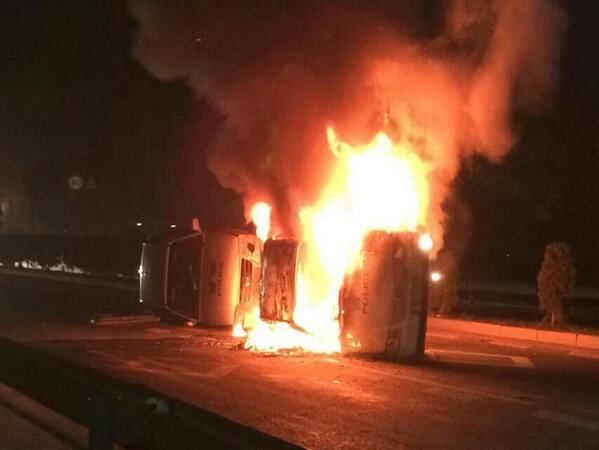
The police vio­lence sparked a vio­lent response from the thou­sands that were gath­ered to protest. At least 15 police vehi­cles, includ­ing bus­es were over­turned and some of them burned. The resis­tance to the police con­tin­ued in waves into the night.

14153830024_5cbc45f013_o

Sev­er­al peo­ple are report­ing that cell and inter­net ser­vice have been cut off. Chi­nese state run media has yet to report on the inci­dent.

Hun­dreds of police were sent out today to quell the protest.