Indigenous anti-infastructure protesters murdered in crackdown on months-long blockade in Peru

For sev­en weeks tens of thou­sands of Ama­zon­ian Indi­ans blocked roads and rivers across east­ern Peru. They seized hydro­elec­tric plants and pump­ing sta­tions on oil and gas pipelines to try to force the repeal of decrees facil­i­tat­ing oil explo­ration, com­mer­cial farm­ing and log­ging in parts of the jun­gle.

For sev­en weeks tens of thou­sands of Ama­zon­ian Indi­ans blocked roads and rivers across east­ern Peru. They seized hydro­elec­tric plants and pump­ing sta­tions on oil and gas pipelines to try to force the repeal of decrees facil­i­tat­ing oil explo­ration, com­mer­cial farm­ing and log­ging in parts of the jun­gle. Petrope­ru, the state oil com­pa­ny, had to shut a pipeline that car­ries 40,000 bar­rels of oil each day. Amid threats of ener­gy rationing in east­ern towns, the gov­ern­ment of Pres­i­dent Alan Gar­cía this month ordered armed police to clear a stretch of road and retake a pump­ing sta­tion near Bagua, in Peru’s north­ern jun­gle

—-

THE BACKGROUND

Ear­ly this morn­ing (June 5th), Peru­vian police launched a vio­lent attack on a non­vi­o­lent road block­ade held by Ama­zon­ian indige­nous pro­test­ers oppos­ing 10 laws that would open up their ter­ri­to­ry to increased min­er­al, oil, gas and tim­ber exploita­tion. Police opened fire with live ammu­ni­tion, killing at least 28 peo­ple.

FMI:
http://www.rootforce.org/2009/06/05/peruvian-police-murder-indigenous-protesters-take-action/

WHY TAKE ACTION

The first rea­son to take action, of course, is sim­ply out of sol­i­dar­i­ty with our fel­low war­riors in the strug­gle for a just and sus­tain­able world. But why are we send­ing out this action alert as Root Force?

For near­ly two months, thou­sands indige­nous pro­test­ers have near­ly par­a­lyzed Peru’s Ama­zon region with block­ades of crit­i­cal trans­porta­tion and min­ing infra­struc­ture. They have sparked a nation­al dis­course over the lim­its to devel­op­ment and who owns nature, and have made it clear that they will not sur­ren­der any of their ances­tral home­lands.

At the heart of the issue are 10 laws passed by pres­i­den­tial decree that would great­ly facil­i­tate indus­tri­al exploita­tion of the Ama­zon. THIS IS CRITICAL INFRASTRUCTURE, intend­ed to sup­ply new raw mate­ri­als for the glob­al mar­ket. THIS IS ONE OF THOSE WEAK POINTS OF THE SYSTEM that we are always talk­ing about.

The indige­nous war­riors fight­ing for their lives have pushed this issue into the glob­al eye, and the Peru­vian gov­ern­ment has placed itself in a posi­tion of weak­ness by mur­der­ing unarmed pro­test­ers. Even before the recent killings, a con­gres­sion­al pan­el had already declared 2 of the laws uncon­sti­tu­tion­al, and only through pro­ce­dur­al tricks has the pres­i­den­t’s par­ty been able to stall debate on repeal­ing one of those laws.

This is one of those rare cas­es where SUSTAINED INTERNATIONAL PRESSURE COULD TIP THE SCALES. If these laws are repealed, it will be a major set­back for infra­struc­ture expan­sion plans in a tru­ly crit­i­cal region of the hemi­sphere.

HOW TO TAKE ACTION

You can email crit­i­cal peo­ple in the Peru­vian gov­ern­ment through this link, pro­vid­ed by Ama­zon Watch:

http://amazonwatch.org/peru-action-alert.php

You can also orga­nize protests at Peru­vian embassies or con­sulates, or take oth­er actions that you think stand a good chance of mak­ing it back to the deci­sion mak­ers in Lima.

Make sure to express your out­rage at the gov­ern­men­t’s strong arm tac­tics — even before the mur­ders, the gov­ern­ment had sus­pend­ed civ­il lib­er­ties in 5 provinces and was call­ing indige­nous peo­ple “ter­ror­ists” — and demand the repeal of the Free Trade laws and any law fur­ther open­ing the Ama­zon to min­er­al, oil, gas, tim­ber, hydro­elec­tric or agri­cul­tur­al exploita­tion.

In Sol­i­dar­i­ty,
Root Force

—–

Recent reports indi­cate as many as 84 peo­ple killed and 150 arrest­ed in clash­es stem­ming from an ear­ly morn­ing vio­lent raid by police on unarmed pro­test­ers on June 5. Police are report­ed to be burn­ing the bod­ies of the dead and dump­ing them into the riv­er.

Aston­ish­ing­ly — but not sur­pris­ing­ly — the gov­ern­ment is accus­ing the pro­test­ers of using tac­tics rem­i­nis­cent of the 1980s inter­nal con­flict. Deploy­ing racist imagery paint­ing indige­nous pro­test­ers as spear-wield­ing sav­ages, Pres­i­dent Alan Gar­cia has vowed a tough “response.”

Fol­low­ing the ear­ly-morn­ing mas­sacre, pro­test­ers took 38 police hostage at a pump­ing sta­tion for the nation­al oil com­pa­ny, PetroPe­ru. A police raid to free the offi­cers result­ed in the deaths of nine of them. An Argen­tin­ian oil com­pa­ny, Plus­petrol, has halt­ed oil pump­ing in one unit and will soon halt pump­ing in anoth­er due to the unrest.

The gov­ern­ment has since issued an arrest war­rant for indige­nous leader Alber­to Pizan­go (who was elect­ed to rep­re­sent the indige­nous coali­tion by the lead­ers of 1,200 com­mu­ni­ties), charg­ing him with “sedi­tion.” Pizan­go has gone into hid­ing.

Please take action and urge the Peru­vian gov­ern­ment to halt the vio­lence and repeal the con­tro­ver­sial free trade laws that would open up indige­nous land in the Ama­zon to increased devel­op­ment. Con­tact the US gov­ern­ment and inter­na­tion­al agen­cies as well, and encour­age them to place pres­sure on Peru. The Peru­vian gov­ern­ment is in a seri­ous posi­tion of weak­ness right now and try­ing to cov­er it up with vio­lence, and this is one of those rare cas­es where inter­na­tion­al pres­sure could deal a major set­back to infra­struc­ture expan­sion plans.

Read the full Root Force action alert on this issue here.

——

Indige­nous Lead­ers and Allies Call for an End to Vio­lence on All Sides

BAGUA, Peru — June 8 — In the after­math of Friday’s bloody raid on a peace­ful indige­nous road block­ade near Bagua in the Peru­vian Ama­zon, numer­ous eye­wit­ness­es are report­ing that the Spe­cial Forces of the Peru­vian Police have been dis­pos­ing of the bod­ies of indige­nous pro­test­ers who were killed.

“Today I spoke to many eye­wit­ness­es in Bagua report­ing that they saw police throw the bod­ies of the dead into the Marañon Riv­er from a heli­copter in an appar­ent attempt by the Gov­ern­ment to under­re­port the num­ber of indige­nous peo­ple killed by police,” said Gre­gor MacLen­nan, spokesper­son for Ama­zon Watch speak­ing.

“Hos­pi­tal work­ers in Bagua Chi­ca and Bagua Grande cor­rob­o­rat­ed that the police took bod­ies of the dead from their premis­es to an undis­closed loca­tion. I spoke to sev­er­al peo­ple who report­ed that there are bod­ies lying at the bot­tom of a deep crevasse up in the hills, about 2 kilo­me­ters from the inci­dent site. When the Church and local lead­ers went to inves­ti­gate, the police stopped them from approach­ing the area,” report­ed MacLen­nan.

Police and gov­ern­ment offi­cials have been con­sis­tent­ly under­re­port­ing the num­ber of indige­nous peo­ple killed by police gun­fire. Indige­nous orga­ni­za­tions place the num­ber of pro­test­ers killed at least at 40, while Gov­ern­ment offi­cials claim­ing that only a hand­ful of indige­nous peo­ple were killed. Also the Gar­cia Gov­ern­ment claims that 22 police offi­cers were killed and sev­er­al still miss­ing.

“Wit­ness­es say that it was the police who opened fire last Fri­day on the pro­test­ers from heli­copters,” MacLen­nan said. “Now the gov­ern­ment appears to be destroy­ing the bod­ies of slain pro­test­ers and giv­ing very low esti­mates of the casu­al­ty. Giv­en that the demon­stra­tors were unarmed or car­ry­ing only wood­en spears and the police were fir­ing auto­mat­ic weapons, the actu­al num­ber of indige­nous peo­ple killed is like­ly to be much high­er.”

“Anoth­er eye­wit­ness report­ed see­ing the bod­ies of five indige­nous peo­ple that had been burned beyond iden­ti­fi­ca­tion at the morgue. I have lis­tened to tes­ti­mo­ny of peo­ple in tears talk­ing about wit­ness­ing the police burn­ing bod­ies,” con­tin­ued MacLen­nan.

At least 150 peo­ple from the demon­stra­tion on Fri­day are still being detained. Eye-wit­ness reports also con­firm that police forcibly removed some of the wound­ed indige­nous pro­test­ers from hos­pi­tals, tak­ing them to unknown des­ti­na­tions. Their fam­i­lies expressed con­cern for their well being while in deten­tion. There are many peo­ple still report­ed miss­ing and access to med­ical atten­tion in the region is hor­ri­bly inad­e­quate.

The Orga­niz­ing Com­mit­tee for the Indige­nous Peo­ples of Alto Ama­zonas Province issued this state­ment: “It is appalling that polit­i­cal pow­ers have act­ed in such a cru­el and inhu­man man­ner against Ama­zon­ian Peo­ples, fail­ing to rec­og­nize the fun­da­men­tal rights and pro­tec­tions guar­an­teed to us by the Con­sti­tu­tion. We express deep grief over the death of our indige­nous broth­ers, of civil­ians and the offi­cers of the Nation­al Police.”

The gov­ern­ment expand­ed the State of Emer­gency and estab­lished a cur­few on all traf­fic in the region from 3 pm to 6 am. Indige­nous and inter­na­tion­al human rights orga­ni­za­tions are wor­ried about plans of anoth­er Nation­al Police raid on a block­ade in Yurimaguas close to the town of Tara­po­to where thou­sands are block­ing a road.

Pres­i­dent Alan Gar­cia is being wide­ly crit­i­cized for foment­ing a cli­mate of fear mon­ger­ing against indige­nous peo­ples by draw­ing par­al­lels to the bru­tal Shin­ning Path guer­ril­la move­ment of the 1980s and ear­ly 1990s, and by vague­ly refer­ring to exter­nal and anti-demo­c­ra­t­ic threats to the coun­try.

The Ama­zon­ian indige­nous peo­ples’ mobi­liza­tions have been peace­ful, local­ly coor­di­nat­ed, and extreme­ly well orga­nized for near­ly two months. Yet Gar­cia insists on call­ing them ter­ror­ist acts and anti-demo­c­ra­t­ic. Gar­cia has even gone so far as to describe the indige­nous mobi­liza­tions as “sav­age and bar­bar­ic.” Gar­cia has made his dis­crim­i­na­tion explic­it, say­ing direct­ly that the Ama­zon­ian indige­nous peo­ple are not first-class cit­i­zens.

“These peo­ple don’t have crowns,” Gar­cia said about the pro­test­ers. “These peo­ple aren’t first-class cit­i­zens who can say — 400,000 natives to 28 mil­lion Peru­vians — ‘You don’t have the right to be here.’ No way. That is a huge error.”
Iron­i­cal­ly, Peru was the coun­try that intro­duced the Unit­ed Nations Dec­la­ra­tion on the Rights of Indige­nous Peo­ples on the floor of the Gen­er­al Assem­bly when it was adopt­ed in Sep­tem­ber 2007.

A coali­tion of indige­nous and human rights orga­ni­za­tions will protest in front of the Peru­vian Embassy in Wash­ing­ton D.C. on Mon­day, June 8 at 12:30 pm.

Indige­nous peo­ples have vowed to con­tin­ue protests until the Peru­vian Con­gress revokes the “free trade” decrees issued by Pres­i­dent Gar­cia under spe­cial pow­ers grant­ed by Con­gress in the con­text of the Free Trade Agree­ment with the Unit­ed States.

Among the out­pour­ing of state­ments con­demn­ing the vio­lence in Peru were those from Peru’s Ombudsman’s office, the chair of the Unit­ed Nations Per­ma­nent Forum on Indige­nous Issues, a coali­tion of 45 inter­na­tion­al human rights orga­ni­za­tions, Indige­nous orga­ni­za­tions from through­out the Amer­i­c­as, and the Con­fer­ence of Bish­ops of Peru. Also famous per­son­al­i­ties includ­ing Q’orianka Kilch­er, Ben­jamin Bratt, Peter Bratt, and Daryl Han­nah and Bian­ca Jag­ger called on the Peru­vian Gov­ern­ment to cease the vio­lence and seek peace­ful res­o­lu­tion to the con­flict.

AIDESEP, the nation­al indige­nous orga­ni­za­tion of Peru has called for a nation­wide gen­er­al strike start­ing June 11th.

Ama­zon Watch is con­tin­u­al­ly updat­ing pho­tographs, audio tes­ti­mo­ny, and video footage from Bagua on www.amazonwatch.org.

New­ly released b‑roll at http://amazonwatch.org/peru-protests-highres-photos.php

—–

—–

The broad­en­ing influ­ence of the indige­nous move­ment was on dis­play Thurs­day in a gen­er­al strike that drew thou­sands of pro­test­ers here to the streets of Iqui­tos, the largest Peru­vian city in the Ama­zon, and to cities and towns else­where in jun­gle areas. Protests over Mr. Gar­cía’s han­dling of the vio­lence in the north­ern Bagua Province last Fri­day also took place in high­land regions like Puno, near the Boli­vian bor­der, and in Lima and Are­quipa on the Pacif­ic coast.

“The gov­ern­ment made the sit­u­a­tion worse with its con­de­scend­ing depic­tion of us as gangs of sav­ages in the for­est,” said Wag­n­er Muso­line Acho, 24, an Awa­jún Indi­an and an indige­nous leader. “They think we can be tricked by a maneu­ver like sus­pend­ing a cou­ple of decrees for a few weeks and then rein­tro­duc­ing them, and they are wrong.”

The pro­test­ers’ imme­di­ate threat – to cut the sup­ply of oil and nat­ur­al gas to Lima, the cap­i­tal – seems to have sub­sided, with pro­test­ers part­ly with­draw­ing from their occu­pa­tion of oil instal­la­tions in the jun­gle. But as anger fes­ters, indige­nous lead­ers here said they could eas­i­ly try to shut down ener­gy instal­la­tions again to exert pres­sure on Mr. Gar­cía.

Anoth­er wave of protests appears like­ly because indige­nous groups are demand­ing that the decrees be repealed and not just sus­pend­ed. The decrees would open large jun­gle areas to invest­ment and allow com­pa­nies to bypass indige­nous groups to obtain per­mits for petro­le­um explo­ration, log­ging and build­ing hydro­elec­tric dams. A stop­gap attempt to halt ear­li­er indige­nous protests in the Ama­zon last August failed to pre­vent them from being reini­ti­at­ed more force­ful­ly in April.

The author­i­ties are strug­gling to under­stand a move­ment that is crys­tal­liz­ing in the Peru­vian Ama­zon among more than 50 indige­nous groups. They include about 300,000 peo­ple, account­ing for only about 1 per­cent of Peru’s pop­u­la­tion, but they live in strate­gi­cal­ly impor­tant and resource-rich loca­tions, which are scat­tered through­out jun­gle areas that account for near­ly two-thirds of Peru’s ter­ri­to­ry.

So far, alliances have proved elu­sive between Indi­ans in the Ama­zon and indige­nous groups in high­land areas, rul­ing out, for now, the kind of broad indige­nous protest move­ments that helped oust gov­ern­ments in neigh­bor­ing Ecuador and Bolivia ear­li­er in the decade.

In con­trast to some ear­li­er efforts to orga­nize indige­nous groups, the lead­ers of this new move­ment are them­selves indige­nous, and not white or mes­ti­zo urban intel­lec­tu­als. They are well orga­nized and use a web of radio sta­tions to exchange infor­ma­tion across the jun­gle. After one promi­nent leader, Alber­to Pizan­go [who explic­i­ty links the strug­gles there to glob­al cli­mate change every­where], was grant­ed asy­lum in Nicaragua this week, oth­ers quick­ly emerged to artic­u­late demands.

Peru Indigenous Holding Strong in Standoff

June 3rd 2009
A mas­sive indige­nous mobi­liza­tion in the Peru­vian Ama­zon is near­ing its sec­ond month, with no sign that the native pro­test­ers will allow them­selves to be intim­i­dat­ed into giv­ing up on their demands.

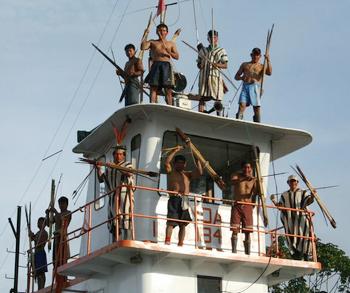
Peru oil boat occupationJune 3rd 2009
A mas­sive indige­nous mobi­liza­tion in the Peru­vian Ama­zon is near­ing its sec­ond month, with no sign that the native pro­test­ers will allow them­selves to be intim­i­dat­ed into giv­ing up on their demands.

Thou­sands of indige­nous pro­test­ers have block­ad­ed crit­i­cal infra­struc­ture in Peru’s Ama­zon region since April 9, when they declared a nation­al strike in protest of new laws that would facil­i­tate increased indus­tri­al exploita­tion of their ter­ri­to­ries for tim­ber, oil and gas. The laws were passed by decree under pow­ers grant­ed to Pres­i­dent Alan Gar­cia to bring to coun­try into com­pli­ance with a US-Peru free trade agree­ment. The 10 laws that pro­test­ers are demand­ing repealed were not part of the trade agree­ment, how­ev­er, and were declared uncon­sti­tu­tion­al by a con­gres­sion­al com­mis­sion in Decem­ber.

So far, indige­nous pro­test­ers have block­ad­ed roads and water­ways, forced a shut­down to the only crude oil pipeline in Peru, forced two oil com­pa­nies to cease oper­a­tion, blocked tourist access to the ruins of Machu Pic­chu (twice), and held protests that par­a­lyzed the region’s biggest city, Iqui­tos. On May 31, sev­er­al hun­dred pro­test­ers took over two valve sta­tions on the only pipeline that trans­ports nat­ur­al gas from the con­tro­ver­sial Camisea gas fields.

The protests are orga­nized under the aus­pices of the Intereth­nic Devel­op­ment Asso­ci­a­tion of the Peru­vian Rain­for­est (AIDESP), which rep­re­sents 1,200 dif­fer­ent native com­mu­ni­ties. AIDESP’s elect­ed leader, Alber­to Pizan­go, insists that the mobi­liza­tion will not end until Con­gress repeals the 10 objec­tion­able laws, declares the state of emer­gency (mar­tial law) declared in 5 Ama­zon­ian provinces since May 9, and enters a good-faith dis­cus­sion with native com­mu­ni­ties over a dif­fer­ent mod­el for devel­op­ing the Ama­zon.

One of the 10 laws has been ten­ta­tive­ly repealed, but this action must be approved by the full Con­gress. The oth­er 9 laws remain on the books.

Otaraua hapu save wahi tapu from oil pipeline in Aotearoa

28th May 2009
The Ota­raua hapu in Tarana­ki began pack­ing up their occu­pa­tion camp today after final­ly pro­tect­ing their wahi tapu, from Grey­mouth Petro­le­um’s new pipeline.

Greymouth occupation28th May 2009
The Ota­raua hapu in Tarana­ki began pack­ing up their occu­pa­tion camp today after final­ly pro­tect­ing their wahi tapu, from Grey­mouth Petro­le­um’s new pipeline.

After occu­py­ing the entrance to the well site and dis­rupt­ing work on the new well for more than two months, the hapu’s request to have Tiko­ran­gi Pa offi­cial­ly iden­ti­fied as a wahi tapu by the New Ply­mouth Dis­trict Coun­cil, was approved for an inde­pen­dent review last night.

After pre­vi­ous­ly demand­ing a writ­ten agree­ment from GMP, the hapu informed Grey­mouth Petro­le­um via fax yes­ter­day, stat­ing it was will­ing to accept a ver­bal state­ment by CEO Mark Dun­phy that GMP would not drill a pipeline through Tiko­ran­gi Pa. The hapu seem con­fi­dent that the Dis­trict Coun­cil review, due out in a few months, will pro­vide the pro­tec­tion they need for their pa.

Mr Door­bar said while the occu­pa­tion had brought the hapu togeth­er and clos­er to achiev­ing a com­mon goal, the fight was “not over”.

“It is impor­tant oil com­pa­nies who work in our com­mu­ni­ties under­stand the impact they have, not just on tan­ga­ta when­ua but on the wider farm­ing com­mu­ni­ty … for our­selves we feel we have achieved the out­comes of why we under­took this occu­pa­tion. Grey­mouth Petro­le­um did not drill through Tiko­ran­gi Pa. It remains to be seen whether or not we have to return to any form of peace­ful occu­pa­tion in the future.”

Updates: Day 11 | Day 17 | Day 55

Peru Indigenous In Standoff With Government

May 22nd 2009
For more than a month, indige­nous groups in the Peru­vian Ama­zon have been main­tain­ing block­ades of roads, rivers, air­ports and oil and gas pipelines to protest a series of new laws that would lead to increased indus­tri­al exploita­tion of their ter­ri­to­ries. The decrees were passed in accor­dance with the US-Peru Free Trade Agree­ment.

May 22nd 2009
For more than a month, indige­nous groups in the Peru­vian Ama­zon have been main­tain­ing block­ades of roads, rivers, air­ports and oil and gas pipelines to protest a series of new laws that would lead to increased indus­tri­al exploita­tion of their ter­ri­to­ries. The decrees were passed in accor­dance with the US-Peru Free Trade Agree­ment.

An esti­mat­ed 13,000 peo­ple from 65 tribes and 1200 com­mu­ni­ties are tak­ing part in the protests.

In response, Pres­i­dent Alan Gar­cia declared a state of emer­gency, sus­pend­ed civ­il lib­er­ties and dis­patched the army to the affect­ed regions. The Peru­vian and Argen­tin­ian nation­al oil com­pa­nies have both been forced to cease oper­a­tions in the region.

The police, mil­i­tary and extrac­tion com­pa­nies have used vio­lence to attempt to break the block­ades, result­ing in injuries and dis­ap­pear­ances — but the indige­nous groups are refus­ing to back down. Despite Garcia’s insis­tence that none of the laws will be revis­it­ed, the Peru­vian leg­is­la­ture has repealed one of the 10 laws and opened nego­ti­a­tions about the oth­er nine.

The Peru­vian government’s response to the cri­sis has sparked out­rage among indige­nous peo­ple and their allies world­wide, and the Peru­vian mis­sion to the Unit­ed Nations was recent­ly met with protests in New York.

For links to more news sto­ries, vis­it Inter­con­ti­nen­tal Cry.

For more infor­ma­tion, updates and photos/video of police bru­tal­i­ty at the protests, vis­it Ama­zon Watch.

See also:

Peren­co to Drill for Oil in Ter­ri­to­ry of Uncon­tact­ed Indige­nous (Jan­u­ary 7, 2009)

Peru Indige­nous Issue Oil Ulti­ma­tum (Octo­ber 22, 2008)

Indige­nous Vic­to­ry in Peru! (August 24, 2008)

Rossport Shell to Sea Gathering, 29th May — 1st June

Every­one is invit­ed to the third annu­al June gath­er­ing here at Ross­port.

Fri­day 29th May — Mon­day 1st June.

The cam­paign has been run­ning for years now, and you can find out more on the Ross­port Sol­i­dar­i­ty Camp web­site: http://www.rossportsolidaritycamp.110mb.com/

Every­one is invit­ed to the third annu­al June gath­er­ing here at Ross­port.

Fri­day 29th May — Mon­day 1st June.

The cam­paign has been run­ning for years now, and you can find out more on the Ross­port Sol­i­dar­i­ty Camp web­site: http://www.rossportsolidaritycamp.110mb.com/

The gath­er­ing is a great chance to see the area (real­ly real­ly beau­ti­ful), find out what’s real­ly going on, and to meet the peo­ple involved — cam­paign­ers, locals, cats.

Also, music, work­shops, surf­ing, kayak­ing, food (includ­ing sea­weed).

Prepa­ra­tion is going on now, and it feels excit­ing.

Last year, when shell tried to lay the RAW gas pipeline, the peo­ple resist­ed all sum­mer. Even­tu­al­ly, the soli­taire (the biggest pipe lay­ing ship in the world) was forced to fuck off, with its tail between its legs.

This year they will try again, and it is the spe­cial blend of locals, and activists, from near and far, that have kept them away so far.

Come and see what it’s like when all types of peo­ple com­ing togeth­er for a com­mon cause. Shell is so pow­er­ful, please come along and help.

ps. if you can’t make it for the gath­er­ing, you are wel­come any time you like through the sum­mer, even if it’s only for a day or two.

pps. please spread the word; email­ing, tex­ting, talk­ing about ross­port and the gath­er­ing.

Hop­ing to see you here!

Perenco and armed forces break indigenous blockade (Peru)

6 May 2009
A gun­boat belong­ing to Peru’s armed forces has bro­ken through an Indi­an riv­er block­ade in the north­ern Peru­vian Ama­zon.

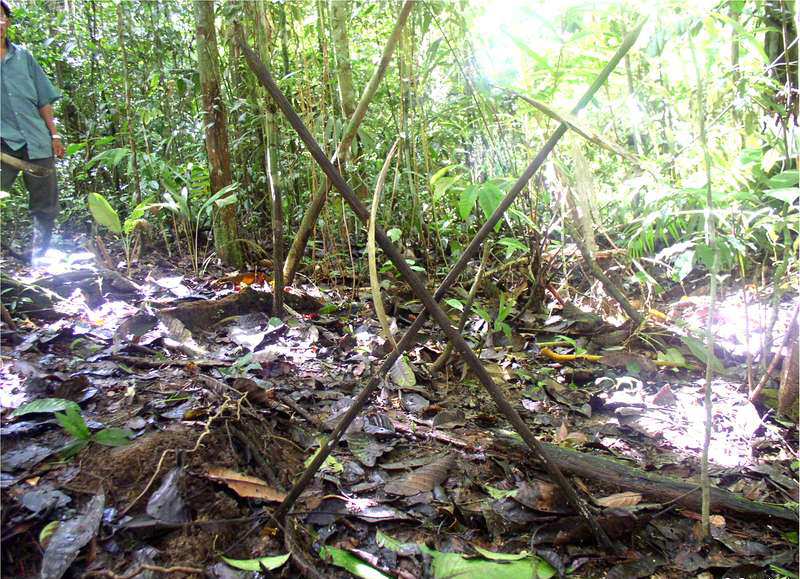
anti-Perenco crossed spears6 May 2009
A gun­boat belong­ing to Peru’s armed forces has bro­ken through an Indi­an riv­er block­ade in the north­ern Peru­vian Ama­zon.

The gun­boat, togeth­er with at least one boat belong­ing to Anglo-French oil com­pa­ny Peren­co, broke the block­ade at 5:15 am on 4 May. The block­ade, organ­ised by local indige­nous peo­ple, is on the Napo riv­er, one of the main trib­u­taries of the Ama­zon.

Peru’s indige­nous organ­i­sa­tion, AIDESEP, con­demned the use of a boat belong­ing to the armed forces, describ­ing it as a ‘use and abuse of their pow­er’. The block­ade forms part of Ama­zon-wide protests by Peru’s indige­nous peo­ple against gov­ern­ment poli­cies and the inva­sion of their ter­ri­to­ries by multi­na­tion­al com­pa­nies. The protests have been going on for almost a month.

Peren­co holds the licence to work in a remote part of Peru known as Lot 67, acces­si­ble via the Napo Riv­er. It is an area inhab­it­ed by at least two of the world’s last uncon­tact­ed tribes – the com­pa­ny is under increas­ing pres­sure to with­draw from the project.

Less than a fort­night ago Perenco’s chair­man, Fran­cois Per­ro­do, met Peru’s pres­i­dent, Alan Gar­cia, in the pres­i­den­tial palace in Lima, pledg­ing to invest US$2 bil­lion in Lot 67. Just days lat­er the gov­ern­ment passed a law declar­ing Perenco’s work a ‘nation­al neces­si­ty’.

Camp Bling announces ‘the end’ as road scheme stopped.

Press release:

Camp Bling ‘Save Pri­o­ry Park!’ road cam­paign

Thurs­day 30th April 2009
FOR IMMEDIATE RELEASE

—————————————————————————————

Camp Bling announces ‘the end’ as road scheme stopped.

Press release:

Camp Bling ‘Save Pri­o­ry Park!’ road cam­paign

Thurs­day 30th April 2009
FOR IMMEDIATE RELEASE

—————————————————————————————

Camp Bling announces ‘the end’ as road scheme stopped.

Long run­ning road protest and counter-cul­tur­al cam­paign site Camp Bling, based in the mid­dle of Southend-on-Sea, Essex, is set to be decom­mis­sioned by the sum­mer, after the long await­ed announce­ment that the con­tro­ver­sial Pri­o­ry Cres­cent road widen­ing has now offi­cial­ly been can­celled. (1)

Mem­bers of the camp met with Coun­cil lead­ers last night with a view to resolv­ing the sit­u­a­tion, after the pub­li­ca­tion of an open let­ter from Trans­port Coun­cil­lor Anna Waite, stat­ing that £5m in cen­tral gov­ern­ment fund­ing would be spent sole­ly on the Cuck­oo Cor­ner round­about, with pos­si­ble junc­tion improve­ments — but no widen­ing — to fol­low at the Prit­tle Brook indus­tri­al site at a lat­er date. (2)

As a result, cam­paign­ers intend to hon­our their pub­lic pledge to clear and vacate the camp, now that their objec­tive to stop the road has been met com­plete­ly. It is expect­ed that it will take a num­ber of weeks to ful­ly return the East Sax­on king’s bur­ial to its for­mer con­di­tion, with all struc­tures and mate­ri­als on the site to be removed by the group, with the objec­tive of incur­ring no cost to the local tax­pay­er.

Speak­ing from the camp Gin­ger said, ‘We would like to thank each and every one of the peo­ple who have been involved, not just with Camp Bling, but also with the ongo­ing cam­paign which ran from 2001 in oppo­si­tion to the scheme. It’s not every day that you get to be part of an effort to stop a £25m road widen­ing, with the added oppor­tu­ni­ty to warn peo­ple of the cul­mi­na­tion of envi­ron­men­tal and social crises that we now all face.’

‘For many of us this has been our first taste of an alter­na­tive, low­er impact, and more com­pas­sion­ate lifestyle. We have shared our expe­ri­ences — both good and bad — along the way, and often got peo­ple to acknowl­edge the real choic­es that we all have. It is time for every­one to con­front real­i­ty, as west­ern indus­tri­al soci­ety con­tin­ues to over­shoot the eco­log­i­cal lim­its of the Earth.’ (3)

Peo­ple are still wel­come to vis­it the camp whilst decom­mis­sion­ing is under­way, and are also encour­aged to check out some of the alter­na­tives at: www.campbling.org

—————————————————————————————

ENDS.

NOTES TO EDITORS:

(1) Camp Bling was first set up by local activists on 23rd Sep­tem­ber 2005. For more info about both the camp, and the long run­ning cam­paign, go to: www.campbling.org

(2) See full con­tents of let­ter at: http://www.southend.gov.uk/news/default.asp?id=2835

(3) Cli­mate, Peak Oil, Over­pop­u­la­tion, Mass Extinc­tion, Over­con­sump­tion, etc.

Camp Bling ‘Save Pri­o­ry Park!’ road cam­paign
www.campbling.org

Con­tact Camp Bling direct­ly on 07866 967601

Or e‑mail camp.bling@yahoo.co.uk

Indians blockade main Amazon tributary — 24 April 2009

A large num­ber of Indi­ans have block­ad­ed one of the Amazon’s main trib­u­taries, the Napo Riv­er, in response to the vio­la­tion of their rights by oil com­pa­nies and Peru’s gov­ern­ment.

A large num­ber of Indi­ans have block­ad­ed one of the Amazon’s main trib­u­taries, the Napo Riv­er, in response to the vio­la­tion of their rights by oil com­pa­nies and Peru’s gov­ern­ment.

The pro­test­ers have block­ad­ed the Napo with canoes and a cable to stop oil com­pa­ny ves­sels get­ting upriv­er. Accord­ing to sources, two boats, includ­ing one from the Anglo-French com­pa­ny Peren­co, have man­aged to break through the block­ade. Three shots were alleged­ly fired at the Indi­ans who chased after them.

The block­ade of the Napo Riv­er is just one of many protests cur­rent­ly tak­ing place across the Peru­vian Ama­zon. Coor­di­nat­ed by Peru’s Ama­zon Indi­an organ­i­sa­tion, AIDESEP, the protests are in response to gov­ern­ment poli­cies seen by the Indi­ans as dis­crim­i­na­to­ry and threat­en­ing to their com­mu­nal lands. AIDESEP is lob­by­ing for the repeal of sev­er­al laws they claim vio­late their rights, and for the cre­ation of new reserves for uncon­tact­ed tribes.

The gov­ern­ment has respond­ed by send­ing police and sol­diers to areas where protests are tak­ing place. AIDESEP has crit­i­cised these mea­sures, call­ing them ‘intim­i­da­tion’ and say­ing that the protests are peace­ful.

Peren­co is work­ing in a part of the Ama­zon inhab­it­ed by two of the world’s last uncon­tact­ed tribes. The com­pa­ny does not acknowl­edge the tribes exist.

Survival’s direc­tor Stephen Cor­ry said today, ‘All over the world trib­al peo­ples are being forced to resort to block­ades to try and pro­tect their remain­ing land. We’re see­ing this in India and Malaysia as well as South Amer­i­ca.’

www.survival-international.org

‘A Wake for BP’, (ExCel 16.4.09; British Museum 6.5.09)

ART NOT OIL REQUESTS THE PLEASURE OF YOUR COMPANY AT ‘A WAKE FOR BP’ AT ITS CENTENARY PARTY, (BRITISH MUSEUM, 6–7PM, 6.5.09)

** dress rehearsal to take place at BP’s 100th AGM, Cus­tom House DLR, 10.30am, 16.4.09 **

BP the party is overART NOT OIL REQUESTS THE PLEASURE OF YOUR COMPANY AT ‘A WAKE FOR BP’ AT ITS CENTENARY PARTY, (BRITISH MUSEUM, 6–7PM, 6.5.09)

** dress rehearsal to take place at BP’s 100th AGM, Cus­tom House DLR, 10.30am, 16.4.09 **

Oil goliath BP, already forced to post­pone its cen­te­nary par­ty at the British Muse­um on April 1st, (also known as Fos­sil Fools Day[1]), has resched­uled the event for May 6th. Art Not Oil[2], the group behind the orig­i­nal demon­stra­tion against its ‘tar­nished cen­te­nary’, will be throw­ing ‘A Wake for BP’ as guests arrive at the British Muse­um between 6pm and 7pm on the new date.

As before, peo­ple want­i­ng to come and say ‘BP – your party’s over!’ and wish the behe­moth a hap­py last birth­day are more than wel­come. The British Museum’s main gate on Great Rus­sell Street will find a con­tin­gent of the new­ly-formed Brazen Pranksters play­ing tunes to ush­er in a new era of cli­mate jus­tice and eco­log­i­cal san­i­ty.

They will also be warm­ing up between 10.30 and 11.30am out­side BP’s 100th AGM at the ExCel Cen­tre on April 16th. There, Art Not Oil hopes to present BP Chair­man Peter Suther­land a spe­cial ‘I sur­vived BP, but the plan­et might not’ T‑shirt, to com­mem­o­rate his last AGM with the com­pa­ny, to place along­side his £600,000 2007–8 pay pack­et. They also plan to wish him a hap­py low-car­bon retire­ment.

‘This real­ly is a case of “BP100 = World Plun­dered”, said Art Not Oil’s Jo Castell. ‘Through­out its his­to­ry, BP has spread the curse of oil wher­ev­er it has oper­at­ed, injur­ing (and some­times killing) work­ers, tear­ing com­mu­ni­ties asun­der and dec­i­mat­ing wildlife. And that’s long before the CO2 from burn­ing the stuff hits the upper atmos­phere and wreaks hav­oc with the cli­mate. Per­haps the most valu­able les­son we could learn from the 20th cen­tu­ry is that the 21st cen­tu­ry will need to see us kick the fos­sil fuel habit, and pret­ty damn soon. Art Not Oil would pre­fer to be in this for the short haul, but either way we’re deter­mined to see BP decom­mis­sioned as a cen­tral part of that oily cold turkey.’

Sam Chase added that ‘Any com­pa­ny that can boast that it’s replac­ing “2008 oil pro­duc­tion by 121% and aims to grow annu­al out­put through to 2020”(4) needs to be decom­mis­sioned forth­with, if we’re to have a chance of avoid­ing cli­mate cat­a­stro­phe in the not-so-dis­tant future. For­tu­nate­ly, Art Not Oil is not alone in work­ing for this to hap­pen, as move­ments of resis­tance are gath­er­ing strength all over the world.’

Notes to edi­tors:

(1) Fos­sil Fools Day was big and inter­na­tion­al in 2008 and 2009:
http://www.newint.org/columns/currents/2008/06/01/climate-campaigning;
www.fossilfoolsdayofaction.org

(2) Art Not Oil stands for ‘cre­ativ­i­ty, cli­mate jus­tice and an end to oil indus­try spon­sor­ship of the arts’, and is part of Ris­ing Tide UK. Look out for its nigh-on irre­sistible 2010 desk diary in Sep­tem­ber!
info@artnotoil.org.uk
07709 545116
www.artnotoil.org.uk
www.risingtide.org.uk

(3) The Car­bon Town Cry­er has now post­ed his BP paean ‘Cel­e­brate This!’ here: www.myspace.com/carbontowncryer

(4) What’s Right With BP?
(An edit­ed ver­sion of this text is now avail­able on a free Art Not Oil post­card):
* Beyond Petro­le­um? ‘BP replaces 2008 pro­duc­tion by 121% & aims to grow annu­al out­put through to 2020’; (BP press release)

* Fos­sil fuel-induced cli­mate chaos hit Europe in August 2003, killing tens of thou­sands of most­ly old­er peo­ple in record-break­ing tem­per­a­tures. 150,000 may have died world­wide.

* In 2007, BP bought 50% of the Sun­rise oil tar sands field in Cana­da. Tar sands are most pol­lut­ing of all the fos­sil fuels. ‘Fund man­agers attack BP over tar sands plan’, Times, 18.4.08; www.tarsandswatch.org

* ‘Exposed: BP, its pipeline, and an envi­ron­men­tal time-bomb’, Inde­pen­dent (26.6.04) on BP’s Baku-Cey­han oil & gas pipelines, which will pro­duce over 150m tonnes of CO2 each year for 40 years, caus­ing untold dam­age to the world’s cli­mate; baku.org.uk

* ‘BP dou­bles cor­po­rate ad bud­get in $150m bid for green­er image’, Times, 28.12.05; BP invests 2.6% of its annu­al bud­get in solar & oth­er renew­able ener­gy sources, much less than it ploughs into adver­tis­ing and PR like its spon­sor­ship of the Olympics, Tate, NPG, NHM etc.

* ‘BP and Shell have dis­cussed with the gov­ern­ment the prospect of claim­ing a stake in Iraq’s oil reserves in the after­math of war.’ Finan­cial Times, 11.3.03.

* ‘BP slat­ed for ‘sys­temic laps­es’, FT, 18.8.05; 15 work­ers were killed and 500 injured in an explo­sion at BP’s Texas City refin­ery on March 23rd 2005.

* ‘Oil gush­es into Arc­tic Ocean from BP pipeline’, (265,000 gal­lons, to be more exact.) Inde­pen­dent, 21.3.06.

* ‘BP prof­its soar 148%’, Guardian, 28.10.08. ‘Oil giant BP today beat ana­lysts’ fore­casts as its report­ed a 148% surge in third-quar­ter prof­its to top $10bn (£6.5bn), boost­ed by record oil prices.’

* Com­mu­ni­ty-con­trolled, post-cap­i­tal­ist renew­able ener­gy is already a real­i­ty; see for exam­ple www.escanda.org

…and by the way, Shel­l’s no bet­ter. In fact, they’re all up to no good!

Why climate camping & other protest? Ecological debt day for your city…coming soon!

Eco­log­i­cal debt: no way back from bank­rupt

3 planetsEco­log­i­cal debt: no way back from bank­rupt

While most gov­ern­ments’ eyes are on the bank­ing cri­sis, a much big­ger issue — the envi­ron­men­tal cri­sis — is pass­ing them by, says Andrew Simms. In the Green Room this week, he argues that fail­ure to organ­ise a bailout for eco­log­i­cal debt will have dire con­se­quences for human­i­ty.

“Nature Does­n’t Do Bailouts!” said the ban­ner strung across Bish­ops­gate in the City of Lon­don.

Civil­i­sa­tion’s biggest prob­lem was out­lined in five words over the entrance to the small, par­al­lel real­i­ty of the peace­ful cli­mate camp. Their tents bloomed on the morn­ing of 1 April faster than daisies in spring, and faster than the police could stop them.

Across the city, where the world’s most pow­er­ful peo­ple met simul­ta­ne­ous­ly at the G20 sum­mit, the same prob­lem was almost com­plete­ly ignored, mer­it­ing only a sin­gle, after­thought men­tion in a long com­mu­nique.

World lead­ers dropped every­thing to tack­le the finan­cial debt cri­sis that spilled from col­laps­ing banks.

Gripped by a pan­ic so com­plete, there was no pol­i­cy dog­ma too deeply engrained to be dug out and instant­ly dis­card­ed. We went from tri­umphant, finance-dri­ven free mar­ket cap­i­tal­ism, to bank nation­al­i­sa­tion and mov­ing the dec­i­mal point on indus­try bailouts quick­er than you can say sub-prime mort­gage.

But the eco­log­i­cal debt cri­sis, which threat­ens much more than pen­sion funds and car man­u­fac­tur­ers, is left to lan­guish.

It is like hav­ing a Com­mis­sion on House­hold Ren­o­va­tion ago­nise over which expen­sive design­er wall­pa­per to use for paper­ing over plas­ter cracks whilst ignor­ing the fact that the walls them­selves are col­laps­ing on sub­sid­ing foun­da­tions.

Beyond our means

Each year, human­i­ty’s eco­log­i­cal over­draft gets larg­er, and the day that the world as a whole goes into eco­log­i­cal debt — con­sum­ing more resources and pro­duc­ing more waste than the bios­phere can pro­vide and absorb — moves ever ear­li­er in the year.

The same pic­ture emerges for indi­vid­ual coun­tries like the UK — which now starts liv­ing beyond its own envi­ron­men­tal means in mid-April.

Because the glob­al econ­o­my is still over­whelm­ing­ly fos­sil-fuel depen­dent, the accu­mu­la­tion of green­house gas­es and the prog­no­sis for glob­al warm­ing remain our best indi­ca­tors of “over­shoot”.

World famous French free-climber Alain Robert, known as Spi­der­man, climbed the Lloyds of Lon­don build­ing for the OneHundredMonths.org cam­paign as the G20 met, to demon­strate how time is slip­ping away.

Using thresh­olds for risk iden­ti­fied by the Inter­gov­ern­men­tal Pan­el on Cli­mate Change (IPCC), on cur­rent trends, in only 92 months — less than eight years — we will move into a new, more per­ilous phase of warm­ing.

It will then no longer be “like­ly” that we can pre­vent some aspects of run­away cli­mate change. We will begin to lose the cli­mat­ic con­di­tions which, as Nasa sci­en­tist James Hansen points out, were those under which civil­i­sa­tion devel­oped.

Small div­i­dend

As “nature does­n’t do bailouts”, how have our politi­cians fared who ripped open the nation’s wal­let to save the banks?

Not good.

Accord­ing to the Inter­na­tion­al Mon­e­tary Fund (IMF), the UK spent a stag­ger­ing 20% of its GDP in sup­port of the finan­cial sec­tor.

Yet the amount of mon­ey that was new and addi­tion­al, announced in the “green stim­u­lus” pack­age of the Trea­sury’s Pre-Bud­get Report, added-up to a van­ish­ing­ly small 0.0083% of GDP.

Glob­al­ly, the green shade of eco­nom­ic stim­u­lus mea­sures has var­ied enor­mous­ly. For exam­ple, the shares of spend­ing con­sid­ered in research by the bank HSBC to be envi­ron­men­tal were:

* the US — 12%
* Ger­many — 13%
* South Korea — 80%

The inter­na­tion­al aver­age was around 15%. HSBC found the UK planned to invest less than 7% of its stim­u­lus pack­age (dif­fer­ent from the bank bailout) in green mea­sures.

Com­par­ing the IMF and HSBC fig­ures actu­al­ly reveals an inverse rela­tion­ship — pro­por­tion­ate­ly, those who spent more on sup­port for finance had weak­er green spend­ing.

So here we are, faced with the loss of an envi­ron­ment con­ducive to human civil­i­sa­tion, and we find gov­ern­ments pros­trate before bare­ly repen­tant banks, with their backs to a far worse eco­log­i­cal cri­sis.

Extreme mar­kets

On top of low and incon­sis­tent fund­ing for renew­able ener­gy, the shift to a low car­bon econ­o­my is being fur­ther frus­trat­ed by anoth­er mar­ket fail­ure in the trade for car­bon seen, for exam­ple, in the EU’s Emis­sions Trad­ing Scheme.

Bad mar­ket design, fee­ble car­bon reduc­tion tar­gets and the reces­sion have all con­spired to dri­ve down the cost of car­bon emis­sion per­mits, wreck­ing eco­nom­ic incen­tives to grow renew­able ener­gy.

Worse still, the dif­fi­cul­ty of account­ing to ensure that per­mits rep­re­sent real emis­sions has led both ener­gy com­pa­nies and envi­ron­men­tal­ists to warn of an emerg­ing “sub-prime car­bon mar­ket”.

Rely­ing on mar­ket mech­a­nisms is attrac­tive to gov­ern­ments because it means they have less to do them­selves. But they will fail if car­bon mar­kets are just hot air.

There seems to be a hard-wired link between mem­o­ry fail­ure and mar­ket fail­ure.

As the his­to­ri­an E J Hob­s­bawm observed in The Age of Extremes: “Those of us who lived through the years of the Great Slump still find it almost impos­si­ble to under­stand how the ortho­dox­ies of the pure free mar­ket, then so obvi­ous­ly dis­cred­it­ed, once again came to pre­side over a glob­al peri­od of depres­sion in the late 1980s and 1990s”.

Per­haps the great­est fail­ure is one of imag­i­na­tion.

Some peo­ple alive today lived through those past reces­sions and depres­sions. They know they can be nasty and need avert­ing.

But the last time the Earth­’s cli­mate real­ly flipped was at the end of the last Ice Age, more than 10,000 years ago. No one can remem­ber what that felt like.

Lessons of his­to­ry

Look­ing for­ward, the IPC­C’s worst case sce­nario warns of a max­i­mum 6C rise over the next cen­tu­ry.

Look­ing back, how­ev­er, indi­cates that an unsta­ble cli­mate sys­tem holds worse hor­rors.

Work by the sci­en­tist Richard Alley on abrupt cli­mate change indi­cates the plan­et has pre­vi­ous­ly expe­ri­enced a 10C tem­per­a­ture shift in only a decade, and pos­si­bly “as quick­ly as in a sin­gle year”.

And, around the turn of the last Ice Age, there were “local warm­ings as large as 16C”.

Imag­ine that every day of your life you have tak­en a walk in the woods and the worse thing to hap­pen was an acorn or twig falling on your head.

Then, one day, you stroll out, look up and there is a threat approach­ing so large, unex­pect­ed and out­side your expe­ri­ence that can’t quite believe it, like a mas­sive goth­ic cathe­dral falling from the sky.

In tack­ling cli­mate change we need urgent­ly to recal­i­brate our respons­es, just as gov­ern­ments had to when they res­cued the reck­less finance sec­tor.

Then offi­cials had to ask them­selves “is what we are doing right, and is it enough?”

They must ask them­selves the same ques­tions on the eco­log­i­cal debt cri­sis and cli­mate change.

The dif­fer­ence is, that if they fail this time, not even a long-term busi­ness cycle will come to our res­cue. If the cli­mate shifts to a hot­ter state not con­vivial to human soci­ety, it could be tens of thou­sands of years, or nev­er, before it shifts back.

Remem­ber; nature does­n’t do bailouts.

Andrew Simms is pol­i­cy direc­tor of the New Eco­nom­ics Foun­da­tion (nef), and author of Eco­log­i­cal Debt: Glob­al Warm­ing and the Wealth of Nations

——

One Plan­et Liv­ing http://www.oneplanetliving.org

Your city’s Eco­log­i­cal Debt Day:

Using the lat­est data avail­able WWF has cal­cu­lat­ed when res­i­dents of British cities will have con­sumed their fair share of nat­ur­al resources for 2008 – or when their eco­log­i­cal debt day is.

City Eco­log­i­cal debt day

Win­ches­ter 10 April
St Albans 13 April
Chich­ester 14 April
Brighton & Hove 14 April
Can­ter­bury 17 April
Oxford 17 April
Southamp­ton 21 April
Durham 22 April
Cam­bridge 23 April
Portsmouth 23 April
Edin­burgh 23 April
Chester 24 April
Aberdeen 24 April
Ely (East Cambs) 26 April
Here­ford (Coun­ty of Here­ford­shire) 28 April
Stir­ling 28 April
Lon­don 29 April
Lich­field 29 April
Lan­cast­er 30 April
New­cas­tle upon Tyne 30 April
Wells (Bath and NE Som­er­set) 1 May
Bath (Bath and North East Som­er­set) 1 May
Ripon (Har­ro­gate) 2 May
Man­ches­ter 2 May
Inver­ness (High­land) 2 May
Pre­ston 2 May
Nor­wich 2 May
Peter­bor­ough 2 May
Dundee City 3 May
Leeds 3 May
York 3 May
Sheffield 3 May
Der­by 4 May
Carlisle 4 May
Leices­ter 4 May
Worces­ter 4 May
Ban­gor (Gwynedd) 4 May
St Davids (Pembrokeshire)4 May
Not­ting­ham 4 May
Liv­er­pool 4 May
Bris­tol 5 May
Birm­ing­ham 5 May
Lin­coln 5 May
Brad­ford 5 May
Glas­gow 6 May
Cardiff 6 May
Exeter 6 May
Coven­try 7 May
Swansea 8 May
Sal­ford 8 May
Wolver­hamp­ton 8 May
Truro (Car­rick) 8 May
Sun­der­land 8 May
Wake­field 9 May
Glouces­ter 9 May
Stoke on Trent 10 May
Kingston upon Hull 10 May
Sal­is­bury 10 May
Ply­mouth 11 May
New­port 11 May