Tibetan Jumps to His Death to Protest Chinese Mine

9th May 2014 A young Tibetan stabbed him­self and jumped to his death from the roof of a build­ing in Tibet’s Cham­do pre­fec­ture on Wednes­day after author­i­ties tried to halt his protest against a Chi­nese mine being built in the area,

9th May 2014 A young Tibetan stabbed him­self and jumped to his death from the roof of a build­ing in Tibet’s Cham­do pre­fec­ture on Wednes­day after author­i­ties tried to halt his protest against a Chi­nese mine being built in the area, Tibetan sources in exile said.

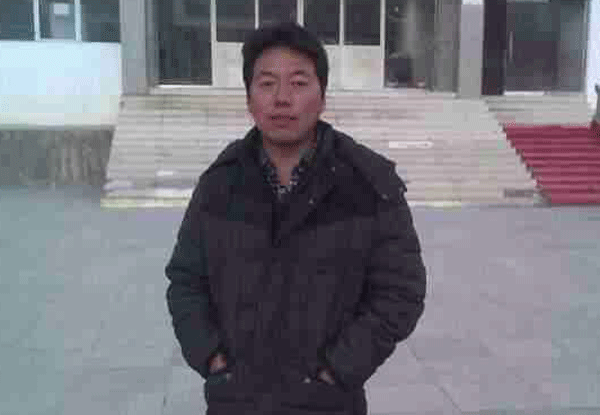
Phak­pa Gyalt­sen, 32, died instant­ly after throw­ing him­self from a build­ing in Dzo­gang (in Chi­nese, Zuo­gang) prefecture’s Tong­bar town, a Tibetan liv­ing in India told RFA’s Tibetan Ser­vice on Wednes­day, cit­ing local sources.

After telling local Tibetans that he would “do some­thing” to oppose Chi­nese min­ing in Dzo­gang, Gyalt­sen “went to the town cen­ter, climbed onto a high build­ing, and called out for Tibetan free­dom,” the source said, speak­ing on con­di­tion of anonymi­ty.

“When attempts were made to stop him, he stabbed him­self twice and jumped off the build­ing, dying instant­ly,” he said.


Tibet—called Xizang, or West­ern Trea­sure, by China—has become an impor­tant source of min­er­als need­ed for China’s eco­nom­ic growth, and min­ing oper­a­tions in Tibetan regions have led to fre­quent stand­offs with Tibetans who accuse Chi­nese firms of dis­rupt­ing sites of spir­i­tu­al sig­nif­i­cance and pol­lut­ing the envi­ron­ment as they extract local wealth.

Chi­nese min­ing oper­a­tions at a site near Madok Tso called Ache Jema began almost two months ago, an exile source in Europe said, also cit­ing con­tacts in Dzo­gang.

“They claimed that they are work­ing to build a dam, but in real­i­ty they are plan­ning to mine in the area, the source said.

“So the local Tibetans decid­ed to stop the plan, and every day three Tibetans were sent to guard the area, work­ing in rota­tion.”

Detained

Some of those watch­ing the site were lat­er detained by police in Tong­bar but were released after a few days, he said.

“Local author­i­ties also tried to con­vince area res­i­dents not to oppose the min­ing by offer­ing each fam­i­ly 10,000 yuan [U.S. $1,603] in com­pen­sa­tion,” RFA’s India-based source said, adding, “But the Tibetans argued that min­ing would have neg­a­tive impacts [on the area].”

“Phak­pa Gyalt­sen then told the local Tibetans that he would do some­thing him­self so that they would not have to protest and cause prob­lems.”

Gyalt­sen, the elder son of the area’s Choeshoe fam­i­ly, is sur­vived by a wife and three small chil­dren, with anoth­er child on the way, he said.

“Phone con­nec­tions to the area are now blocked, and it is dif­fi­cult to learn any­thing more about what is hap­pen­ing,” he said.

Spo­radic demon­stra­tions chal­leng­ing Beijing’s rule have con­tin­ued in Tibetan-pop­u­lat­ed areas of Chi­na since wide­spread protests swept the region in 2008, with 131 Tibetans to date self-immo­lat­ing to protest Chi­nese rule and call for the return of exiled spir­i­tu­al leader the Dalai Lama.

Report­ed by RFA’s Tibetan Ser­vice. Trans­lat­ed by Kar­ma Dor­jee. Writ­ten in Eng­lish by Richard Finney.

In Russia, Home-Grown Environmental Activism on the Rise

604-4 8th May 2014 Nina Popravko, one of the few pro­fes­sion­al envi­ron­men­tal lawyers in Rus­sia, is defend­ing in court a group of a dozen activists in the small town of Koz­modemi­an­sk, in the Mari El Repub­lic on the

604-4 8th May 2014 Nina Popravko, one of the few pro­fes­sion­al envi­ron­men­tal lawyers in Rus­sia, is defend­ing in court a group of a dozen activists in the small town of Koz­modemi­an­sk, in the Mari El Repub­lic on the Vol­ga Riv­er. They have been fight­ing for years against plans to build a domes­tic waste land­fill, which they say is too close to a res­i­den­tial block.

Straight after court hear­ings in the case, Popravko jumps on a train to Ufa, a city with more than a mil­lion inhab­i­tants in the south Urals, where sev­er­al hun­dred peo­ple are try­ing to organ­ise an inde­pen­dent pub­lic hear­ing about the con­struc­tion of a wood-pro­cess­ing fac­to­ry.

Back at home near St. Peters­burg, where Popravko lives and works for the envi­ron­men­tal non-gov­ern­men­tal orga­ni­za­tion Bel­lona, anoth­er fight is under way.

A group of activists are mobil­is­ing after the felling of almost 200 large pine trees to make way for a new lux­u­ry res­i­den­tial hous­ing devel­op­ment. The activists are fil­ing a law­suit against the devel­op­ment com­pa­ny, which they believe acquired the plot of land ille­gal­ly, as part of their dri­ve to stop fur­ther log­ging in a larg­er for­est area.

“I real­ly notice the grow­ing involve­ment of many ordi­nary peo­ple in the envi­ron­men­tal move­ment,” Popravko says.

City dwellers across Rus­sia are get­ting organ­ised and fight­ing for their envi­ron­men­tal rights at a more pro­fes­sion­al lev­el than before, the lawyer says. They are learn­ing to file law­suits, organ­ise pub­lic hear­ings, and work with jour­nal­ists and social net­works, as well as build­ing protest camps and obstruct­ing con­struc­tion sites.

Many such local ini­tia­tives get sup­port from larg­er and longer-estab­lished envi­ron­men­tal non-gov­ern­men­tal organ­i­sa­tions such as Green­peace and WWF Rus­sia, but many also are fight­ing on their own – some­times suc­cess­ful­ly, some­times not.

WHAT WORKS

There is no clear recipe for vic­to­ry, says Alexan­der Kar­pov, an expert with the ECOM cen­tre, who has spent more than 10 years sup­port­ing local envi­ron­men­tal and urban ini­tia­tives all over Rus­sia and help­ing them grow.

He recent­ly began work­ing as a con­sul­tant with the St. Peters­burg Leg­isla­tive Assem­bly, draft­ing laws and oth­er legal acts, and bring­ing need­ed  insight and exper­tise to the work of the region­al par­lia­men­tar­i­ans.

Kar­pov argues that the suc­cess of any envi­ron­men­tal cause depends on the amount of time and ener­gy activists are pre­pared to spend pro­tect­ing their rights. He also main­tains that exper­tise is cru­cial, and that the more ‘pro­fes­sion­al­ly’ activists inter­act with local admin­is­tra­tors, draft legal doc­u­ments and engage in high-qual­i­ty lob­by­ing for their cause, the bet­ter the chance of suc­cess.

Pub­lic inter­est in envi­ron­men­tal issues has been ris­ing in Rus­sia over the last few years. Some experts link this with the grow­ing finan­cial well­be­ing of the country’s pop­u­la­tion, which is giv­ing more cit­i­zens the oppor­tu­ni­ty to trav­el abroad, and to plan their future and that of their chil­dren.

CORRUPTION AND GOVERNANCE LINK

Oth­er experts say it is a reac­tion to mount­ing cor­rup­tion and “bad” gov­er­nance, often at a local lev­el, involv­ing local author­i­ties build­ing cor­rupt ties with a local or nation­al com­pa­ny while neglect­ing local res­i­dents.

The push toward greater envi­ron­men­tal activism has been met with a mixed response by Russia’s lead­ers.

Niko­lay Gud­kov, a spokesper­son for the Russ­ian Min­istry of Nat­ur­al Resources and Envi­ron­ment, said his min­istry was “active­ly work­ing with cit­i­zens, envi­ron­men­tal ini­tia­tives and activists – both through our com­mu­ni­ty liai­son office and through fur­ther online resources” such as the web­site Nasha Priro­da (“Our Nature”), which was launched in late 2013 and allows peo­ple from all regions of Rus­sia to report envi­ron­men­tal vio­la­tions in their neigh­bour­hoods, using geo-loca­tion tech­nol­o­gy.

He said min­istry rep­re­sen­ta­tives also have organ­ised a few meet­ings with envi­ron­men­tal activists work­ing on noto­ri­ous local con­flicts – such as the fight over the wood-pro­cess­ing facil­i­ty in Ufa, and a sit­u­a­tion in cen­tral Rus­sia where res­i­dents are fight­ing plans for nick­el and cop­per min­ing.

But the Russ­ian par­lia­ment, the State Duma, has also recent­ly ini­ti­at­ed a num­ber of legal acts poten­tial­ly hin­der­ing the rights of local activists and oppor­tu­ni­ties for wider pub­lic par­tic­i­pa­tion in city plan­ning and region­al devel­op­ment.

In late Decem­ber, mem­bers of par­lia­ment tried to pass a draft law can­celling pub­lic hear­ing pro­ce­dures for a num­ber of infra­struc­ture con­struc­tion projects. How­ev­er, after a civ­il cam­paign ini­ti­at­ed by activists and envi­ron­men­tal lawyers, the draft “got hung up,” Popravko said.In mid-March, how­ev­er, anoth­er bill sig­nif­i­cant­ly reduc­ing the num­ber of sit­u­a­tions in which pub­lic hear­ings must be held passed in its first read­ing. Envi­ron­men­tal lawyers argue the bill con­tra­dicts Russ­ian and inter­na­tion­al rules of law.

“The Russ­ian Par­lia­ment is mov­ing for­ward draft laws which seri­ous­ly lim­it pub­lic par­tic­i­pa­tion” a group of envi­ron­men­tal lawyers said in their pub­lic appeal. A cam­paign against the bill is ongo­ing.

URBAN FOCUS

One of the most pop­u­lar envi­ron­men­tal issues in Rus­sia at the moment is urban ecol­o­gy – the envi­ron­men­tal aspects of cities’ devel­op­ment. That includes clean trans­port, a focus on air and water qual­i­ty, the pro­tec­tion of green zones and parks, and sus­tain­able con­sump­tion and lifestyles.

Such inter­est is cen­tred main­ly in large cities with pop­u­la­tions of over half a mil­lion peo­ple, but it has begin spring­ing up in small towns as well.

Rough­ly speak­ing, most of these civ­il ini­tia­tives fall into two groups, experts say.

The first com­prise protest actions – against new build­ing of infra­struc­ture or hous­ing, or against the destruc­tion of a park, for instance. Such groups form quick­ly, and their suc­cess often depends on the sol­i­dar­i­ty and ener­gy of their par­tic­i­pants, as well as on the resources they can invest, experts say.

Groups of this kind ini­ti­ate legal cas­es or pub­lic hear­ings, work with media and social net­works, and organ­ise protests – and quite often the groups fall apart after the case is won or lost.

The most com­pli­cat­ed efforts are long-run­ning ones that last sev­er­al years, and can result in activists becom­ing worn out, los­ing ener­gy and los­ing inter­est in the case.

Activists face a vari­ety of threats, includ­ing phys­i­cal vio­lence or legal pros­e­cu­tion. Recent­ly, envi­ron­men­tal activist Evge­ny Vitishko, from Tuapse in south­ern Rus­sia, was jailed for three years for writ­ing protest slo­gans and attach­ing posters to a fence around the vil­la of the Krasnodar gov­er­nor.

Vitishko alleged the vil­la had been built ille­gal­ly in a for­est reserve and its own­er had fenced off a stretch of the coast­line.

Vitishko sup­port cam­paign has been launched, and “it is par­tic­u­lar­ly impor­tant that we also get inter­na­tion­al sup­port for the case – both for Evge­ny Vitishko him­self and for the grow­ing envi­ron­men­tal move­ment in Rus­sia”, says Dmit­ry Shevchenko, a Krasnodar-based activist with the NGO “Envi­ron­men­tal Watch of the North Cau­ca­sus.”

FILLING THE VACUUM

Anoth­er part of of Russia’s grow­ing envi­ron­men­tal move­ment con­sists of com­mu­ni­ty and civ­il soci­ety activists try­ing to put bot­tom-up ini­tia­tives in place to “sub­sti­tute” for fail­ing state reg­u­la­tion, giv­en the absence of an envi­ron­men­tal agen­da and pol­i­cy mech­a­nism at both fed­er­al and region­al lev­els, experts say.

These groups build up envi­ron­men­tal and vol­un­teer net­works in areas such as sep­a­rat­ing garbage col­lec­tion, recy­cling, plant­i­ng trees, tak­ing care of parks and shores, and pro­mot­ing  eco-friend­ly agri­cul­ture and a green lifestyle.

One of the best-known organ­i­sa­tions is the move­ment Muso­ra bol­she net (mean­ing “no more rub­bish”) cre­at­ed first as a vol­un­teer ini­tia­tive to  remove trash from forests and lake shores and devel­oped lat­er into a full-scale net­work organ­i­sa­tion, active in many projects from com­mu­ni­ty recy­cling to envi­ron­men­tal edu­ca­tion.

Many such groups gath­er annu­al­ly at a Delai Sam (Do it your­self) Sum­mit, first only held in Moscow but now in oth­er cities as well, to exchange prac­tices, tech­nolo­gies and skills.

It is not only the young and trendy who take part in such ini­tia­tives. In some cities, groups are led by female pen­sion­ers using their free time to build up com­mu­ni­ty do-it-your­self groups to improve the urban envi­ron­ment.

Still, quite often activists float from one envi­ron­men­tal focus area to anoth­er. Tatyana Kargina, orig­i­nal­ly from Irkut­stk and now liv­ing in Moscow, is one of Russia’s best-known envi­ron­men­tal activists.

She set up a first eco-hous­ing project in Moscow, one of the first Russ­ian net­works for envi­ron­men­tal-friend­ly liv­ing and con­sump­tion, as well as oth­er ini­tia­tives. Dur­ing the last cou­ple of years she’s also been active in a civ­il soci­ety protest action against plans to begin nick­el min­ing in Voronezh region, Cen­tral Rus­sia, an agri­cul­tur­al region rich with black soils, nature reserves and bio­di­ver­si­ty.

SUSTAINABLE CITIES

Grow­ing envi­ron­men­tal activism in Rus­sia also is focused on the need for more sus­tain­able and inclu­sive city and region devel­op­ment. An Open Urban Lab unit­ing around 30 young pro­fes­sion­als involved in urban plan­ning, archi­tec­ture, pub­lic par­tic­i­pa­tion and sus­tain­able devel­op­ment, has been try­ing to intro­duce par­tic­i­pa­tion prin­ci­ples into city and neigh­bour­hood plan­ning in Russ­ian cities recent­ly.

The organ­i­sa­tion, while work­ing with region­al admin­is­tra­tions and busi­ness, sees “par­tic­i­pa­tion as a tech­nol­o­gy to trans­form social groups ear­li­er not includ­ed in deci­sion mak­ing into includ­ed ones, in order to cre­ate and sus­tain pub­lic good,” said Oleg Pachenkov from the Open Urban Lab.

The process of civ­il soci­ety devel­op­ment is hard­ly smooth or quick – but the trend is there, experts say.

“Quite often ordi­nary cit­i­zens don’t real­ly want to become activists, don’t want to spend all their free time cam­paign­ing, protest­ing, talk­ing to media, pro­mot­ing the case in social net­works 24 hours a day,” said Popravko, the lawyer. “But after real­is­ing that they can’t real­ly appeal to any­one, not to city author­i­ties, not to con­trol bod­ies, they just have to become activists them­selves and try to influ­ence the sit­u­a­tion, which they reck­on affects their lives and liv­ing envi­ron­ments.”

Nantes, France: Call for a Demo and Decentralized Solidarity Actions Against Repression of the Anti-airport Movement

17-mai8th May 2014 On Feb­ru­ary 22nd, 2014, more than 50,000 peo­ple gath­ered in Nantes for the biggest anti-air­port demon­stra­tion ever.

17-mai8th May 2014 On Feb­ru­ary 22nd, 2014, more than 50,000 peo­ple gath­ered in Nantes for the biggest anti-air­port demon­stra­tion ever. As it was declared ille­gal by the pre­fec­ture, it quick­ly faced stun­ning repres­sion; hun­dreds of over-armed cops sur­round­ed the demo while a huge anti-riot wall blocked the cen­tral street of the city (le cours des 50 otages). It was the first time in Nantes’ social strug­gles his­to­ry that a demo couldn’t pass by there. Politi­cians and media talked about “loot­ings” and “dev­as­ta­tions”, deplor­ing the vio­lence after a group of demon­stra­tors attempt­ed to walk the orig­i­nal route.

How­ev­er, the Pow­er and its accom­plices failed to men­tion the extreme feroc­i­ty in the crack­down on this demon­stra­tion. On Feb­ru­ary 22nd, hun­dreds of peo­ple were hurt by police weapons. At least three of them lost an eye from rub­ber-bul­let shots. A lot of peo­ple breathed tear gas, were shak­en up from stun grenades, or wound­ed from dis­per­sion grenades, or repulsed by water can­nons.


A few weeks lat­er, on March 31st, media exul­tant­ly declared a first “drag­net” fol­low­ing a spe­cial police force’s inves­ti­ga­tion. Nine com­rades had their hous­es searched and were arrest­ed in the ear­ly morn­ing. Two of them were imme­di­ate­ly released, as one of them was not even in Nantes on the day of the demon­stra­tion. Four oth­ers couldn’t pre­pare their defense since they were sent to the court through the imme­di­ate arraign­ment pro­ce­dure. Sen­tences are as heavy as the records are emp­ty: indeed, the only real evi­dence the pros­e­cu­tion had were the con­fes­sions of the accused. Three of them have been con­demned to prison terms with­out remis­sion. Dur­ing this par­o­dy of a tri­al, judge Tchalian did not hes­i­tate to dou­ble the prosecutor’s req­ui­si­tions and put our com­rade Enguer­rand direct­ly in prison. One year in prison with­out remis­sion for some stones and smoke cans.

The pur­pose of the repres­sion from police and the jus­tice sys­tem that the anti-air­port move­ment is now fac­ing is only to ter­ror­ize those who revolt and start fight­ing against capitalism’s hold on our liv­ing spaces. It is to psy­cho­log­i­cal­ly and phys­i­cal­ly touch a social move­ment, to muti­late and incar­cer­ate some of us to reach all the oth­ers. The sen­tences and muti­la­tions of the 22nd of Feb­ru­ary are not only an appli­ca­tion of laws or peace­keep­ing techniques—they are deeply polit­i­cal. This real state ter­ror­ism express­es clear­ly what must be expect­ed for those who resist.

Today, Enguer­rand, Quentin, Damien, Emmanuel, Philippe, J. and G. are its vic­tims. It could have been any one of us. Accord­ing to the State and its so-called jus­tice, tak­ing part in a demon­stra­tion is suf­fi­cient to jus­ti­fy the loss of an eye or a prison term.

We shouldn’t step back as we are fac­ing such vio­lent repres­sion. By doing so, we would only prove their case. The best sup­port we can give to our wound­ed and incar­cer­at­ed com­rades is to keep on fight­ing. Our strug­gle has nev­er been so pow­er­ful, and we have nev­er been so close to real­iz­ing a future with­out con­crete. More than ever, we must keep on fight­ing and not give any­thing up in the strug­gle against the air­port and the world that pro­duces it.

Against the assas­sin Pow­er that muti­lat­ed and incar­cer­at­ed, we have a weapon that it can­not take back. In a let­ter, on April 8th, Enguer­rand stat­ed: “The strength of activist sol­i­dar­i­ty can­not be defeat­ed,” and indeed, we agree. Actions in sup­port of those wound­ed and accused in the strug­gle have already been diverse and numer­ous, mod­eled on the diver­si­ty with­in the move­ment. Infi­nite are the poten­tial actions. Orga­nize a con­cert or a fundrais­er to finan­cial­ly sup­port the accused and their fam­i­lies. Call for a demon­stra­tion (“peace­ful­ly hel­met­ed”? —a ref­er­ence to the “Flash­balles” song) to express revolt against police crimes. Cov­er the walls with paint­ed slo­gans or posters to make sure that no one ignores what is hap­pen­ing…

Every ini­tia­tive is wel­come to bring reas­sur­ance to our com­rades and remind the Pow­er of our rage and deter­mi­na­tion. Against the con­niv­ing silence of the media spec­ta­cle, we can only rely on our­selves to make “jus­tice” a mean­ing­ful word again. We strong­ly encour­age every sol­i­dar­i­ty action against repres­sion of the anti-air­port move­ment, no mat­ter whether it hap­pens in Nantes or any­where else, today or any­time.

No jus­tice, no peace!
Sol­i­dar­i­ty with the wound­ed and the accused!
No to the air­port and its world!

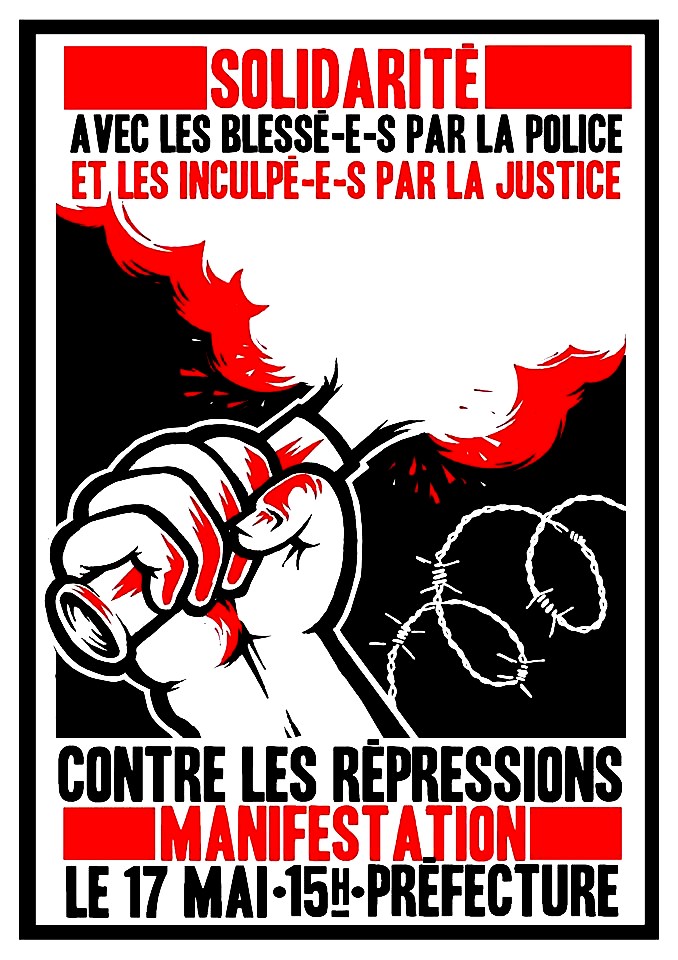
DEMONSTRATION Sat­ur­day, May 17th, 2014 at 3pm – Nantes pre­fec­ture

To write to the sup­port com­mit­tee for Enguer­rand or to sign this call: soutien.enguerrand(at)riseup.net

Former ELF Member Pleads Guilty to Arsons; Snitches on Friends for Reduced Sentence

liammulholland3 Tomor­row, May 5, 2014, Liam Mul­hol­land will be sen­tenced for his involve­ment in a 2003 ELF arson.

liammulholland3 Tomor­row, May 5, 2014, Liam Mul­hol­land will be sen­tenced for his involve­ment in a 2003 ELF arson.

Mul­hol­land plead­ed guilty to set­ting fire to a house at Mys­tic For­est hous­ing devel­op­ment in Ann Arbor, Michi­gan, on March 21, 2003. Spray paint­ed on the garage of a neigh­bor­ing house were the words “ELF – No Sprawl.”

In Michi­gan, the manda­to­ry min­i­mum for this kind of prop­er­ty destruc­tion is five years in prison. How­ev­er, the gov­ern­ment has request­ed a reduced sen­tence because of Mulholland’s “coop­er­a­tion” with the fed­er­al gov­ern­ment.

From his plea agree­ment and the Government’s Sen­tenc­ing Mem­o­ran­dum, it seems Mul­hol­land hand­ed the feds a lot of infor­ma­tion. He claimed involve­ment in sev­er­al more ELF and ALF actions, includ­ing arsons that destroyed two homes at anoth­er hous­ing devel­op­ment in Michi­gan in June of 2003; using incen­di­ary devices to destroy chick­en deliv­ery trucks in Bloom­ing­ton, Indi­ana in May of 2002; an arson at a hous­ing devel­op­ment in Bloom­ing­ton, Indi­ana in June of 2002; and a failed attempt to set fire to a pump­ing sta­tion in Stan­wood, Michi­gan, in Sep­tem­ber of 2003.

Mul­hol­land also pro­vid­ed feds with the names of the oth­er activists with whom he car­ried out these actions—as well as where and how they trav­eled, where and when they planned and dis­cussed their actions, what they pur­chased for the actions, how they dis­posed of the pur­chased items, and how they car­ried out each action.

The gov­ern­ment is request­ing a sen­tence of 18 months for Mulholland—a reduc­tion of 42 months from the state’s manda­to­ry minimum—because his coop­er­a­tion will aid the gov­ern­ment in crack­ing down on the oth­er ELF and ALF sus­pects: “The gov­ern­ment has deter­mined that the defendant’s coop­er­a­tion to date amounts to sub­stan­tial assis­tance in the inves­ti­ga­tion or pros­e­cu­tion of oth­ers.”

Photo captured from Local 4 Defenders.

Pho­to cap­tured from Local 4 Defend­ers.

The agree­ment also asserts that, because of his coop­er­a­tion, all his charges relat­ed to the oth­er admit­ted ELF and ALF arsons will be dis­missed.

And it seems that Mul­hol­land isn’t the only one snitch­ing. The Sen­tenc­ing Mem­o­ran­dum states that, though Mul­hol­land often assert­ed that he was sim­ply “along for the ride” dur­ing these actions, the feds have received con­tra­dic­to­ry infor­ma­tion: “Accord­ing to wit­ness­es, it was the defen­dant who had the exper­tise to con­struct incen­di­ary devices and did so for both the arson of the deliv­ery trucks at Sim’s Poul­try, as well as the attempt­ed arson of the Ice Moun­tain pump­ing sta­tion.”

Stay tuned for more infor­ma­tion after tomorrow’s sen­tenc­ing hear­ing. If any­one has pic­tures of Liam Mul­hol­land, or more infor­ma­tion, please send them to col­lec­tive [at] earth­firstjour­nal [dot] org, so that the word can be spread, and activists and activist groups can be on guard for the pres­ence of this snitch.

For more infor­ma­tion on snitch­es and infor­mants, be sure to check out our online Infor­mant Track­er.


Rab­bit is an edi­tor for the Earth First! Jour­nal and Newswire. He can be reached at rab­bit [at] earth­firstjour­nal [dot] org. If you appre­ci­at­ed read­ing this arti­cle, or want to sup­port the infor­mant track­ing and pris­on­er sup­port ser­vices, please con­sid­er sub­scrib­ing or donat­ing today.

A New Wave of Environmental Protest Rocks China In the Midst of Lethal State Repression

Maoming03 18 April 2014 As recent protests against the con­struc­tion of a PX refin­ery in Maom­ing attest, envi­ron­men­tal issues are of greater con­cern than ever for the Chi­nese.

Maoming03 18 April 2014 As recent protests against the con­struc­tion of a PX refin­ery in Maom­ing attest, envi­ron­men­tal issues are of greater con­cern than ever for the Chi­nese.

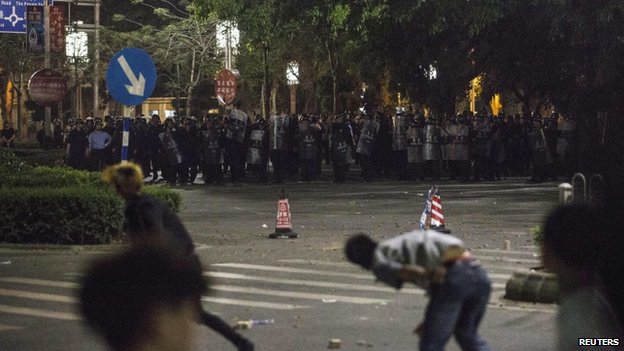
It began as an envi­ron­men­tal protest of about a thou­sand peo­ple a few weeks ago on Sun­day, March 30 in Maom­ing, south­ern Chi­na. By day five it had grown to over twen­ty times its ini­tial size, with about a dozen deaths, scores of arrests and images of dozens of unarmed pro­test­ers scat­tered across the streets, lying in pools of their own blood. The gov­ern­ment blamed pro­test­ers for the tip­ping over of police vehi­cles and attack­ing offi­cial build­ings, while the pro­test­ers in turn accuse the police of attack­ing unarmed, peace­ful cit­i­zens.

In an author­i­tar­i­an state like Chi­na, where peo­ple are unable to let off steam on elec­tion day, protests are com­mon — albeit risky and usu­al­ly ille­gal. But what was behind this par­tic­u­lar envi­ron­men­tal protest, and how did it get so out of hand? We start by look­ing at the pro­duc­tion of a chem­i­cal that is com­mon, but seem­ing­ly mis­un­der­stood: paraxy­lene.


Maoming-PX-MAINParaxy­lene, or PX for short, is made in large quan­ti­ties for the pro­duc­tion of plas­tic bot­tles and poly­ester. Chi­na is the world’s largest user of PX, and has to import about half of what it con­sumes. The gov­ern­ment recent­ly decid­ed that a 500 mil­lion dol­lar fac­to­ry would help make up the short­fall, and went into part­ner­ship with Sinopec, Asia’s biggest refin­er, to open a fac­to­ry near Maom­ing.

Paraxy­lene is dan­ger­ous to pro­duce. It affects the ner­vous sys­tem if ingest­ed through the skin or breathed in. Organs can be affect­ed upon bod­i­ly expo­sure. It affects body devel­op­ment and repro­duc­tion — at least in mice. Preg­nant women are told not go near it. It dam­ages hear­ing, and can cause chem­i­cal pneu­mo­nia. And it is high­ly flam­ma­ble, even explo­sive at warm tem­per­a­tures. Local peo­ple became con­cerned that a dan­ger­ous behe­moth on their doorstep could dam­age the envi­ron­ment and affect their health.

Still, the pro­duc­tion of most chem­i­cals car­ries an ele­ment of dan­ger, and one might have thought that, if prop­er­ly reg­u­lat­ed, such a large fac­to­ry would have enor­mous eco­nom­ic ben­e­fits for the com­mu­ni­ty. Indeed, the local author­i­ties believed just that, but when they sent ten thou­sand brochures to the pub­lic inform­ing them of the eco­nom­ic ben­e­fits the fac­to­ry would bring, it back­fired — cul­mi­nat­ing in a pop­u­lar protest short­ly after­wards. Why the pub­lic didn’t trust the state to pro­vide a safe, reg­u­lat­ed fac­to­ry is not dif­fi­cult to see in the con­text of rapid cap­i­tal­ist devel­op­ment, wide­spread envi­ron­men­tal irre­spon­si­bil­i­ty and an author­i­tar­i­an state appa­ra­tus.

Ahkok Wong is an activist and school lec­tur­er from down the road in Hong Kong, poten­tial­ly enjoy­ing his last two days of free­dom.

“Envi­ron­men­tal prob­lems are one of the main out­comes of a one par­ty-ruled, cor­rupt­ed, non-humane gov­ern­ment,” he starts. “The cit­i­zens start­ed dis­cov­er­ing what harm the PX plant can bring, so there are [a lot] of protests, and then the police arrest and kill pro­test­ers, forc­ing peo­ple to sign agree­ments that they sup­port PX plants,” he con­tin­ues. “They con­trol the media and the inter­net so the news can­not get across the coun­try.”

Pro­test­ers like Ahkok are sen­tenced by a judi­cia­ry with links to the gov­ern­ment, which in turn has links to big busi­ness — for exam­ple, the Maom­ing PX joint ven­ture between Sinopec and the state. Ahkok is going to court in a few days, for his par­tic­i­pa­tion in a 300,000 per­son-strong anti-Chi­nese gov­ern­ment protest in Hong Kong. Is he expect­ing a fair tri­al? “I’m expect­ing noth­ing, to be hon­est.”

The oth­er con­text in which to see this dis­agree­ment is with regards to the cat­a­stroph­ic lev­els of pol­lu­tion and envi­ron­men­tal dam­age all over Chi­na, par­tic­u­lar­ly in the north. For exam­ple, at any giv­en moment the air in most Chi­nese cities is some­where along a spec­trum between mild­ly harm­ful and extreme­ly unsafe. Fur­ther­more, Chi­na pro­duces near­ly twice as much car­bon diox­ide as the sec­ond biggest emit­ter, the USA. On top of this, one quar­ter of Chi­na already is, or is rapid­ly becom­ing, deser­ti­fied. This leads to silt­ed rivers, floods, drought, dust storms and ero­sion. In addi­tion, a wealth­i­er pop­u­la­tion with a pen­chant for ivory, rhi­no horn and shark fin soup is lead­ing to dimin­ish­ing bio­di­ver­si­ty, with­in its bor­ders and beyond.

Maoming

Most of China’s ground­wa­ter is so pol­lut­ed that it can’t be used for drink­ing even if treat­ed. Under­ground water sup­plies are also extreme­ly pol­lut­ed. Wildlife soon per­ish­es upon con­tact with the water from many rivers. Last year thou­sands of dead pigs clogged up a riv­er run­ning through Shang­hai which was con­t­a­m­i­nat­ed by ben­zene through a fac­to­ry spillage. Twen­ty peo­ple were hos­pi­tal­ized. Fac­to­ries pol­lute rivers with impuni­ty — and this has in many cas­es lead to can­cer vil­lages — areas so pol­lut­ed as to now be unin­hab­it­able. Ani­mals in these vil­lages die, the rivers change col­or, touch­ing the water makes the skin itch, and as the name sug­gests, there are high lev­els of can­cer.

With this in mind, it is not sur­pris­ing that the state of the envi­ron­ment is up to fourth — and ris­ing — on the list of Chi­nese pub­lic con­cerns, accord­ing to a Pew Sur­vey car­ried out ear­li­er this year, behind infla­tion, cor­rup­tion and inequal­i­ty. With grow­ing envi­ron­men­tal con­cerns comes a grow­ing grass­roots move­ment. No sur­prise, then, that envi­ron­men­tal issues were at the heart of half of all the protests in 2013 that had over 10,000 par­tic­i­pants. Mean­while, the gov­ern­ment is tak­ing notice, and has tak­en steps to be seen to be pay­ing atten­tion.

“We shall res­olute­ly declare war against pol­lu­tion as we declared war against pover­ty,” Li Keqiang, China’s Prime Min­is­ter told par­lia­ment, live on state tele­vi­sion, last month. This was fol­lowed by an increased bud­get to help pre­vent defor­esta­tion, a siz­able clean water fund, and some mod­est pol­lu­tion-culling tar­gets. Fif­teen thou­sand com­pa­nies now have to declare all of their pol­lu­tion lev­els to the envi­ron­ment min­istry, which will make the infor­ma­tion pub­lic.

This seems quite impres­sive, par­tic­u­lar­ly as Chi­na didn’t even have an envi­ron­men­tal min­istry until 2008. Rules are all very well of course — the prob­lem is imple­men­ta­tion. Fac­to­ry own­ers dis­charge waste at night, sab­o­tage mon­i­tor­ing equip­ment, and eas­i­ly skip around or bribe under­fund­ed law enforce­ment agen­cies. They can qui­et­ly mix left­over chem­i­cals with water and dump it into the near­est riv­er. Still, the new laws show that the gov­ern­ment is pay­ing atten­tion, so per­haps that ought to pla­cate a rest­less pub­lic. Some give the gov­ern­ment cred­it — oth­ers think it is most­ly for show.

To under­stand where the gov­ern­ment might real­ly stand on this issue, we need to think in terms of how Chi­na val­ues itself when com­par­ing itself with the rest of the world. Eco­nom­ic indi­ca­tors such as GDP seem to have a high­er pri­or­i­ty than hard­er-to-mea­sure indi­ca­tors of qual­i­ty of liv­ing, espe­cial­ly when nation­al pride vis-à-vis Amer­i­ca comes into play. A paraxy­lene plant boosts busi­ness, jobs and out­put. As long as the state can be seen to be tak­ing action with pol­lu­tion, while doing rel­a­tive­ly lit­tle, the gov­ern­ment can help to main­tain its posi­tion so long as the media remains com­pli­ant. And here seems to lie the Chi­nese con­trast — what seems to be the case is some­times quite the oppo­site.

Maoming04

Take the PX plant protests. At one point, author­i­ties told the local news­pa­per that the build­ing of the plant was being sus­pend­ed. But it seems they told Sinopec no such thing, and work on the plant con­tin­ued unin­ter­rupt­ed. While the author­i­ties are now final­ly acknowl­edg­ing the exis­tence of can­cer vil­lages, they go into opaque part­ner­ships with pol­lut­ing indus­tries. They allow protests in the­o­ry, but put so many restric­tions into the ‘small print’ as to make them almost impos­si­ble in prac­tice.

“If there are more than three peo­ple gath­er­ing in pub­lic and the police assume you are a threat to soci­ety, you can be arrest­ed,” says Ahkok.

The gov­ern­ment tell their own cit­i­zens they are lis­ten­ing to their envi­ron­men­tal con­cerns. Mean­while they block search­es for “Maom­ing” or “PX” on search engines and on the pop­u­lar social media site Wei­bo. Peo­ple are told to trust the author­i­ties. Mean­while, on the very first day of the protests, sev­en­ty Maom­ing city off­i­cals were inves­ti­gat­ed for graft. A sup­pos­ed­ly com­mu­nist gov­ern­ment repress­es the poor and ben­e­fits the wealthy. Chi­na starts to resem­ble a chem­i­cal spillage, pub­lic health dete­ri­o­rates and those who speak out get arrest­ed.

On a some­what more opti­mistic note, how­ev­er one may feel about the obvi­ous human rights chal­lenges that come with China’s one-child pol­i­cy, there is no doubt it helped curb the country’s dan­ger­ous­ly over­sized pop­u­la­tion. With the help of a bur­geon­ing econ­o­my and a strong incli­na­tion towards school suc­cess, an edu­cat­ed cadre is grow­ing with­in the pop­u­la­tion; one that is more and more aware of the world, of their gov­ern­ment, and of the qual­i­ty of their lives. China’s hyper­ac­tive microblog­ger com­mu­ni­ty are a byprod­uct of this, and are help­ing to height­en aware­ness for a lot of peo­ple.

But call­ing for the truth has its own risks. Xu Zhiy­ong, an anti-gov­ern­ment activist, is halfway though a four-year prison sen­tence for call­ing on gov­ern­ment offi­cials to dis­close their assets. “Those of you watch­ing this tri­al from behind the scenes, or those await­ing for orders and reports back, this is also your respon­si­bil­i­ty. Don’t take pains to pre­serve the old sys­tem sim­ply because you have vest­ed inter­ests in it,” he said as he was being sen­tenced. “No one is safe under an unjust sys­tem. When you see pol­i­tics as end­less shad­ows and reflec­tions of dag­gers and swords, as blood falling like rain with its smell in the wind, you have too much fear in your hearts.”

Back to Ahkok Wong: “Chi­na does not have law and sys­tem,” he says. “They bribe, they arrest peo­ple who inves­ti­gate truth, but there are no stan­dards to fol­low. Only those who have absolute pow­er and cap­i­tal can change the sit­u­a­tion, but then they ben­e­fit from all of this devel­op­ment and cap­i­tal growth.”

“Chi­na is not meant to last,” con­cludes Ahkok. “It wouldn’t make any sense if this coun­try could last.”

James Smart is from the South of Eng­land and is cur­rent­ly work­ing as a uni­ver­si­ty teacher and teacher train­er in Istan­bul, Turkey.

Maoming02

Nearly a thousand environmental activists murdered since 2002

April 15, 2014  At least 908 peo­ple were mur­dered for tak­ing a stand to defend the envi­ron­ment betwe

April 15, 2014  At least 908 peo­ple were mur­dered for tak­ing a stand to defend the envi­ron­ment between 2002 and 2013, accord­ing to a new report today from Glob­al Wit­ness, which shows a dra­mat­ic uptick in the mur­der rate dur­ing the past four years. Notably, the report appears on the same day that anoth­er NGO, Sur­vival Inter­na­tion­al, released a video of a gun­man ter­ror­iz­ing a Guarani indige­nous com­mu­ni­ty in Brazil, which has recent­ly reset­tled on land tak­en from them by ranch­ers decades ago. Accord­ing to the report, near­ly half of the mur­ders over the last decade occurred in Brazil—448 in all—and over two-thirds—661—involved land con­flict.

“There can be few stark­er or more obvi­ous symp­toms of the glob­al envi­ron­men­tal cri­sis than a dra­mat­ic upturn in killings of ordi­nary peo­ple defend­ing rights to their land or envi­ron­ment,” said Oliv­er Court­ney of Glob­al Wit­ness. “Yet this rapid­ly wors­en­ing prob­lem is going large­ly unno­ticed, and those respon­si­ble almost always get away with it. We hope our find­ings will act as the wake-up call that nation­al gov­ern­ments and the inter­na­tion­al com­mu­ni­ty clear­ly need.”

But as gris­ly as the report is, it’s like­ly a major under­es­ti­ma­tion of the issue. The report cov­ers just 35 coun­tries where vio­lence against envi­ron­men­tal activists remains an issue, but leaves out a num­ber of major coun­tries where envi­ron­men­tal-relat­ed mur­ders are like­ly occur­ring but with scant report­ing.

“Because of the live, under-rec­og­nized nature of this prob­lem, an exhaus­tive glob­al analy­sis of the sit­u­a­tion is not pos­si­ble,” reads the report. “For exam­ple, African coun­tries such as Nige­ria, Demo­c­ra­t­ic Repub­lic of Con­go, Cen­tral African Repub­lic and Zim­bab­we that are endur­ing resource-fueled unrest are high­ly like­ly to be affect­ed, but infor­ma­tion is almost impos­si­ble to gain with­out detailed field inves­ti­ga­tions.”

In fact, reports of hun­dreds of addi­tion­al killings in coun­tries like Ethiopia, Myan­mar, Venezuela, and Zim­bab­we were left out due to lack of rig­or­ous infor­ma­tion.

Even with­out these coun­tries includ­ed, the num­ber of envi­ron­men­tal activists killed near­ly approach­es the num­ber of jour­nal­ists mur­dered dur­ing the same period—913—an issue that gets much more press. Envi­ron­men­tal activists most at risk are peo­ple fight­ing spe­cif­ic indus­tries.

“Many of those fac­ing threats are ordi­nary peo­ple oppos­ing land grabs, min­ing oper­a­tions and the indus­tri­al tim­ber trade, often forced from their homes and severe­ly threat­ened by envi­ron­men­tal dev­as­ta­tion,” reads the report. “Indige­nous com­mu­ni­ties are par­tic­u­lar­ly hard hit. In many cas­es, their land rights are not rec­og­nized by law or in prac­tice, leav­ing them open to exploita­tion by pow­er­ful eco­nom­ic inter­ests who brand them as ‘anti-devel­op­ment’.”

As if to high­light these points, Sur­vival Inter­na­tion­al released a video today that the groups says shows a gun­man fir­ing at the Pyeli­to Kuê com­mu­ni­ty of Guarani indige­nous peo­ple. The inci­dent injured one woman, accord­ing to the group. The Guarani have been cam­paign­ing for decades to have land returned to them that has been tak­en by ranch­ers.

“This video gives a brief glimpse of what the Guarani endure month after month—harassment, intim­i­da­tion, and some­times mur­der, just for try­ing to live in peace on tiny frac­tions of the ances­tral land that was once stolen from them,” the direc­tor of Sur­vival Inter­na­tion­al, Stephen Cor­ry, said. “Is it too much to expect the Brazil­ian author­i­ties, giv­en the bil­lions they’re spend­ing on the World Cup, to sort this prob­lem out once and for all, rather than let the Indi­ans’ mis­ery con­tin­ue?”

Accord­ing to the report, two major dri­vers of repeat­ed vio­lence against envi­ron­men­tal activists are a lack of atten­tion to the issue and wide­spread impuni­ty for per­pe­tra­tors. In fact, Glob­al Wit­ness found that only ten peo­ple have been con­vict­ed for the 908 mur­ders doc­u­ment­ed in the report, mean­ing a con­vic­tion rate of just 1.1 per­cent to date.

“Envi­ron­men­tal human rights defend­ers work to ensure that we live in an envi­ron­ment that enables us to enjoy our basic rights, includ­ing rights to life and health,” John Knox, UN Inde­pen­dent Expert on Human Rights and the Envi­ron­ment said. “The inter­na­tion­al com­mu­ni­ty must do more to pro­tect them from the vio­lence and harass­ment they face as a result.”

Resisting Together event, Edinburgh, March 29th

Resist­ing Togeth­er is an event of many ideas focussed on a sin­gle aim – the dis­so­lu­tion of Indus­tri­al Civ­i­liza­tion through acts of resis­tance.

Resist­ing Togeth­er is an event of many ideas focussed on a sin­gle aim – the dis­so­lu­tion of Indus­tri­al Civ­i­liza­tion through acts of resis­tance. There are many activists – com­mu­ni­ty, polit­i­cal, rad­i­cal indi­vid­u­als, groups and move­ments – oper­at­ing both in the open and under­ground; we don’t agree on every­thing, but at our core we all seek to free human­i­ty from the yoke of the indus­tri­al machine, the hor­ror-play that the civ­i­lized world acts out every day, degrad­ing the nat­ur­al world and enslav­ing peo­ple in the pur­suit of mate­r­i­al wealth and pow­er.

Date: Sat­ur­day 29th March, 2014

Time: 1pm-7pm

Cost: by dona­tion at the event

Venue: The Canons’ Gait, 232 Canon­gait (Roy­al Mile), Edin­burgh, EH8 8DQ

A mix­ture of talks and dis­cus­sions, the launch of the book, “Under­min­ers” and prob­a­bly a bit of music too, Resist­ing Togeth­er will be a chance to share, exhort, emote and learn from oth­ers how we can move towards a world where we are in con­trol of our des­tiny, unfet­tered by the shack­les of the indus­tri­al machine. This unique event seeks to bridge gaps and find com­mon­al­i­ty between the var­i­ous strands of rad­i­cal thought and action that are seek­ing to pro­tect the future from eco­cide. The range of top­ics, groups and ideas rep­re­sent­ed is delib­er­ate­ly broad, and there will be ample oppor­tu­ni­ty for you to add your own thoughts to the mix. We need it all.

If you wish to come, please REGISTER via the web­site: www.underminers.org/resisting-together

lock-on-tastic continues/eviction court case news & more at Barton Moss (4–12 March 2014)

11.3.14


11.3.14


4th March — anoth­er lock-on delayed trucks sig­nif­i­cant­ly — 4 hours! 

The Man­ches­ter Evening News — sen­sa­tion­al­ist par­rot­er of police and frack­ing PR — con­duct­ed a sur­vey that found that 73% of Man­cu­ni­ans opposed frack­ing.


6th March — two hour lock-on and book shields deployed to pro­tect against TAU (riot police) aggres­sion. 

9th March — 1,200 march against frack­ing in Man­ches­ter city cen­tre. 

10th March — evic­tion court case brought by Peel Hold­ings: judge con­sid­ered two days of evi­dence over the week­end, and decid­ed against the camp.  He’d pre­vi­ous­ly said Peel could­n’t evict part of the camp from a strip of agri­cul­tur­al land that Peel lease out to a ten­ant farmer.  On Mon­day he decid­ed it was­n’t agri­cul­tur­al enough!  Camp tak­ing appeal to High Court. 

11th March — anoth­er lock-on!

BREAKING THE FRAME

A GATHERING ON THE POLITICS OF TECHNOLOGY

2nd — 5th May 2014

Unstone Grange, Der­byshire

YOU NEED TO BOOK ‑SEE BELOW

Organ­ised by Lud­dites 200, Cor­po­rate Watch, and Sci­en­tists for Glob­al Respon­si­bil­i­ty

A GATHERING ON THE POLITICS OF TECHNOLOGY

2nd — 5th May 2014

Unstone Grange, Der­byshire

YOU NEED TO BOOK ‑SEE BELOW

Organ­ised by Lud­dites 200, Cor­po­rate Watch, and Sci­en­tists for Glob­al Respon­si­bil­i­ty

Tech­nol­o­gy can bring some ben­e­fits for ordi­nary peo­ple, but its devel­op­ment is almost entire­ly con­mtrolled by cor­po­rate, mil­i­tary and tech­no­crat­ic elites, so it usu­al­ly serves their inter­ests and rein­forces their pow­er.

The pol­i­tics of food, ener­gy, work, gen­der, peace, eco­nom­ics, health, etc are all shaped by choic­es about tech­nol­o­gy made by those elites. The whole way our soci­ety devel­ops is mas­sive­ly influ­enced by tech­nol­o­gy, yet ordi­nary peo­ple nev­er have a prop­er say in it.  We’re always left react­ing to the tech­nocrats’ lat­est plan, whether it’s drones, inter­net sur­veil­lance, GM food, frack­ing, design­er babies or nuclear pow­er.

We think all these issues are linked. So it’s time for a more joined up and more proac­tive approach, one which address­es the root caus­es of prob­lems and is not lim­it­ed by the dog­ma that tech­nol­o­gy equals progress.

  • We want to cre­ate a new pol­i­tics of tech­nol­o­gy based on bring­ing togeth­er the insights of dif­fer­ent move­ments and learn­ing from each oth­er.
  • We want a human-scale tech­nol­o­gy that serves real human needs, not cor­po­rate bot­tom lines.
  • We want demo­c­ra­t­ic con­trol of tech­nol­o­gy.

An world fac­ing envi­ron­men­tal melt­down and mas­sive inequal­i­ty ‑both caused byb 200 years ofn indus­tri­al cap­i­tal­ism- needs bet­ter solu­tions than more dan­ger­ous tech­no-fix­es such as cli­mate engi­neer­ing.

Whether you’re a tech­nol­o­gy pol­i­tics cam­paign­er, trade union­ist, envi­ron­men­tal­ist. altech devel­op­er, artist or just plain con­cerned, BREAKING THE FRAME IS NOT TO BE MISSED.

YOU NEED TO BOOK

www.breakingtheframe.org.uk      

email: luddites200@yahoo.co.uk

(020) 7426 0005

Accom­mo­da­tion is either in the con­fer­ence cen­tre OR camp­ing (which is cheap­er).  The con­ces­sion­ary rate for camp­ing is £36, which includes all meals for 4 days (it’s a bank hol­i­day week­end).

BUT if £36 is more than you can man­age, we’re com­mit­ted to mak­ing sure nobody is left out for lack of mon­ey.  So get in touch now.  Rich peo­ple can make extra dona­tions, of course!

lock-ons at Barton Moss

Lock-ons have been increas­ing — there’s been one today (2 peo­ple, 2 hour delay), Mon­day 3rd March; there was anoth­er last Fri­day (2 peo­ple in tubes, 1.5 hours), and last Tues­day — 2 peo­ple locked-on into a bar­rel full of con­crete, barbed wire and glass, to slow the police removal team down.

Lock-ons have been increas­ing — there’s been one today (2 peo­ple, 2 hour delay), Mon­day 3rd March; there was anoth­er last Fri­day (2 peo­ple in tubes, 1.5 hours), and last Tues­day — 2 peo­ple locked-on into a bar­rel full of con­crete, barbed wire and glass, to slow the police removal team down.

Apart from these days, there’s been con­tin­ued police vio­lence, a reduc­tion in time allowed for the slow lor­ry escorts, and the threat of evic­tion delayed till lat­er this month. 

See http://northerngasgala.org.uk/ or frack-off.org.uk/ for more info