Summary of Repression from ZAD

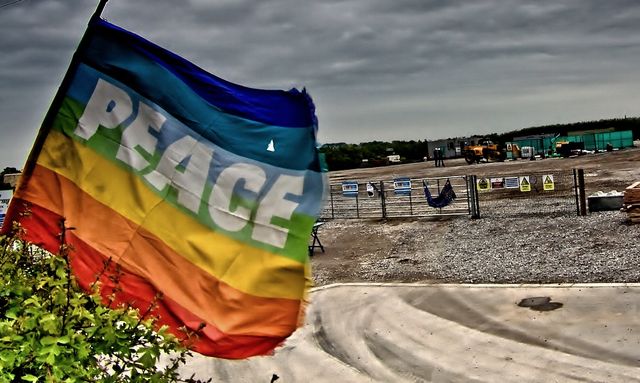
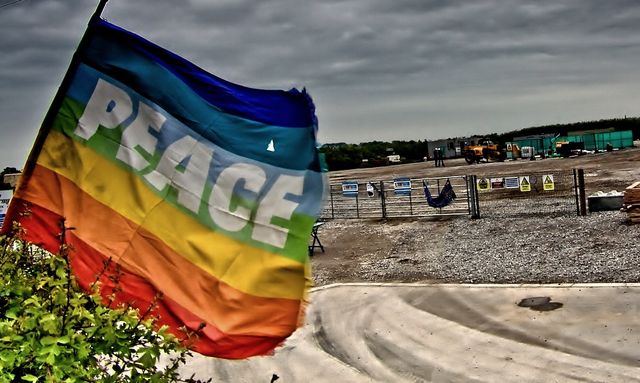
Screen shot 2014-06-30 at 12.46.24 PM 30th June Sum­ma­ry of arrests and tri­als since the demo in Nantes, Feb­ru­ary 22nd, accord­ing to infor­ma­tion found by the anti-repres­sion com­mit­tee (CARILA)

Screen shot 2014-06-30 at 12.46.24 PM 30th June Sum­ma­ry of arrests and tri­als since the demo in Nantes, Feb­ru­ary 22nd, accord­ing to infor­ma­tion found by the anti-repres­sion com­mit­tee (CARILA)

Feb­ru­ary 22nd: 14 arrests, two released with­out charge. Of the 12 peo­ple charged, 5 had imme­di­ate tri­als the next day, and the 7 oth­ers will have tri­als lat­er (3 on June 19th, 2 minors in children’s court, and no news for the 2 oth­ers).

Feb­ru­ary 24th: 5 imme­di­ate tri­als, 4 of them judged for “vio­lence against some­one with pub­lic author­i­ty”, and “par­tic­i­pat­ing in an armed group”. They were all con­vict­ed.
- 100 hours of com­mu­ni­ty ser­vice
- 5 months sus­pend­ed sen­tence
- 5 months of prison
- 5 months of prison and 1 month pro­ba­tion
- 6 months of prison and 6 months of pro­ba­tion + 500 euros for the under­cov­er cops sup­pos­ed­ly injured

Of all those con­vict­ed this day, no one went direct­ly to prison. This means that they can nego­ti­ate a lighter sen­tence.

March 31st: First wave of arrests after the demo: 9 peo­ple were arrest­ed at home (in Car­que­fou, St. Herblain, Nantes, and Ille-et-Vilaine).

- 2 were released with­out charges
- 4 were judged the next day in imme­di­ate tri­als
- 2 minors: one accused of throw­ing fire­works at the police judged in juve­nile court, placed under house arrest until their tri­al in 2015, the oth­er we don’t think they were charged but we have no con­fir­ma­tion
- 1 per­son had a tri­al lat­er but we don’t have con­tact with them

April 1st: Imme­di­ate tri­als for those arrest­ed the day before

- P: 4 months sus­pend­ed sen­tence, for­bid­den to car­ry weapons for a year, for­bid­den to protest in Notre Dame des Lan­des and Nantes for a year
- J: 5 months of prison, for­bid­den to car­ry weapons for 2 years, for­bid­den to protest in Nantes for 2 years
- G: 2 months sus­pend­ed sen­tence + 2 months prison (sus­pend­ed sen­tence from last arrest), aquit­ted for van­dal­ism
- E: 1 year of prison, start­ing imme­di­ate­ly after the tri­al, for­bid­den to protest for 3 years, for­bid­den to have explo­sives or flam­ma­ble mate­ri­als for 3 years. The judge dou­bled the sen­tence that the DA asked for!

May 14th: G arrest­ed in Paris under a war­rant for van­dal­ism Feb­ru­ary 22nd. He refused an imme­di­ate tri­al, fuzzy pho­tos were the only evi­dence. He was placed in pre­ven­ta­tive deten­tion, but got out a month lat­er because of a pro­ce­dur­al error. His tri­al is July 16th.

May 27th: R. arrest­ed in the street in Rennes by under­cov­er cops, trans­ferred to Nantes. He refused imme­di­ate tri­al, and was put under house arrest, and for­bid­den from the Loire-Atlan­tique region until his tri­al, June 19th.

June 13th: Addi­tion­al tri­al for some­one con­vict­ed Feb­ru­ary 24th to decide how much they should pay in dam­ages to the under­cov­er cops. No infor­ma­tion on the ver­dict for the moment.

June 18th:
- O. arrest­ed at home in Rennes, accused of van­dal­ism, he has an imme­di­ate tri­al the next day.
- Some­one from the ZAD arrest­ed in Nantes, who had a war­rant out for vio­lence against the police and par­tic­i­pat­ing in an armed group.

June 19th:
- Tri­al for 3 peo­ple arrest­ed dur­ing the demo ‑K: con­vict­ed of throw­ing paving stones towards the police and arrest­ed in pos­ses­sion of a ham­mer and an iron bar, 4 months sus­pend­ed sen­tence, 18 months pro­ba­tion (forced to find a job or go to voca­tion­al school, and for­bid­den to car­ry weapons) + 105 hours of com­mu­ni­ty ser­vice ‑C: con­vict­ed of par­tic­i­pa­tion in an armed group and throw­ing a beer can at the police, sen­tenced to 2 months sus­pend­ed sen­tence ‑G: arrest­ed in pos­ses­sion of a ham­mer, sen­tenced to 1 month sus­pend­ed sen­tence
- Hear­ing for O. (arrest­ed in Rennes the day before): he refus­es his tri­al and is put under house arrest until his tri­al, July 10th
- Tri­al of R. (arrest­ed in Rennes, May 27) for van­dal­ism and par­tic­i­pat­ing in an armed group. Sen­tenced to 8 months sus­pend­ed sen­tence + 1 month sus­pend­ed sen­tence + 5218 euros in dam­ages for the city of Nantes+ for­bid­den from Loire-Atlan­tique region for 2 years.
- Hear­ing for 5 peo­ple arrest­ed 2 days before by under­cov­er cops while dri­ving: ‑one per­son (a hitch-hik­er) accept­ed the imme­di­ate tri­al, con­vict­ed to pos­ses­sion of 1 gram of hash + refus­ing fin­ger­prints and DNA. No sen­tence 3 peo­ple refused imme­di­ate tri­als and are put under house arrest until their tri­al, July 18th 1 per­son refused an imme­di­ate tri­al and is in prison await­ing tri­al (July 18th)

“They were arrest­ed tues­day after a “ran­dom” iden­ti­ty con­trol by under­cov­er cops on the ring road in Nantes. Amoung them was R., who had a tri­al Thurs­day and was on their way to Nantes to see their lawyer with their friends. After 48 hours of police cus­tody, 4 of them were charged with “pos­ses­sion of stolen goods”, sus­pect­ed of hav­ing stolen… a head lamp. Also they refused to give fin­ger­prints and DNA. More seri­ous­ly, they are accused, based on some fly­ers in their car and a tool­box, of “asso­ci­a­tion of wrong-doers”, and “intent to com­mit an armed assem­bly in front of the cour­t­house in Nantes”. They risk up to 5 years in prison.”

June 20th: Hear­ing for S., who lives on the ZAD. He was arrest­ed 2 days before in Orvault, accused of hav­ing stolen 2 books. He had a war­rant out for par­tic­i­pat­ing in the Feb­ru­ary 22nd demo. He is accused of theft (with pri­or con­vic­tions), refus­ing fin­ger­prints and DNA (with pri­or con­vic­tions), and par­tic­i­pat­ing with a weapon in an armed group, and vio­lence against the police. He refused an imme­di­ate tri­al and has been put in jail await­ing his tri­al on July 7th.

2 peo­ple are cur­rent­ly in pre­ven­ta­tive deten­tion, await­ing tri­al.

Climate Activists Blockade Oil Terminal, Demand Halt to Crude-by-Rail Traffic in Pacific Northwest

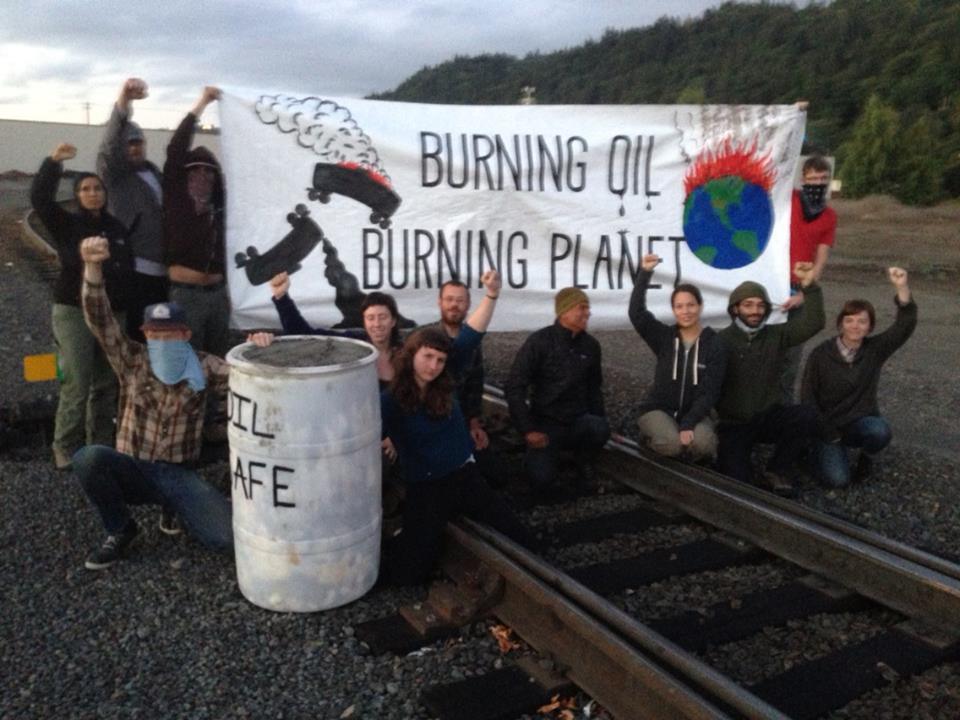
10501739_771642884850_4820811503256859328_n 30th June This morn­ing, cli­mate jus­tice activists with Port­land Ris­ing Tide shut down the ArcLo­gist

10501739_771642884850_4820811503256859328_n 30th June This morn­ing, cli­mate jus­tice activists with Port­land Ris­ing Tide shut down the ArcLo­gis­tics crude oil ter­mi­nal in North­west Port­land.
Port­land res­i­dent Irene Majorie, 22, locked her­self to a 55-gal­lon bar­rel filled with con­crete that was placed on the rail­road track lead­ing into the facil­i­ty.

Train cars enter from a near­by yard to offload oil into 84 stor­age tanks, before it is piped onto ocean­go­ing ships bound for West Coast refiner­ies. Majorie’s arm was locked to a piece of met­al rebar embed­ded in the con­crete, stop­ping trains for four hours before being cut out by police.

Attempts by law enforce­ment to move her and the bar­rel simul­ta­ne­ous­ly risked grave injury; like­wise, any train traf­fic threat­ened her life.

“This is about stop­ping the oil trains,” said Majorie. “But beyond that, it is about an indus­try and an eco­nom­ic sys­tem that places the pur­suit of prof­it before the lives and rela­tion­ships of human beings seek­ing sur­vival and nour­ish­ment, and before the com­mu­ni­ties, ecosys­tems, and plan­et of which we are a part.”

Oil trains are com­ing under increas­ing scruti­ny recent­ly owing to their propen­si­ty to derail in fiery explo­sions. Port­land Ris­ing Tide, how­ev­er, dis­putes the notion that an oil train is ever safe, since crude oil is only trans­port­ed to be burned. What­ev­er the risk of explo­sion, the guar­an­teed result is a wors­en­ing of the cli­mate cri­sis, which is already wreak­ing eco­log­i­cal hav­oc and claim­ing human lives.

10435835_754308524591923_4842444232067517220_n

US crude oil pro­duc­tion has risen from ~5 mil­lion bar­rels per day in the late 2000s to ~7 mil­lion bar­rels per day cur­rent­ly. Increased extrac­tion is North Dakota’s Bakken Shale has result­ed in a dra­mat­ic rise in oil train traf­fic, with 250 per­cent more oil trains trav­el­ing Ore­gon rail lines in 2013 than in the pre­vi­ous year.

Gov­er­nor Kitzhaber has expressed “deep con­cern” about oil trains but thus far done noth­ing to stop them. “Soci­ety should be engaged in a rapid, rad­i­cal decline in fos­sil fuel use,” said David Ben­nett. “Instead, policymakers—even those who claim to under­stand the mag­ni­tude of the cli­mate crisis—are forc­ing us to engage in an absurd con­ver­sa­tion about cre­at­ing ‘safe’ oil trains and build­ing more fos­sil fuel infra­struc­ture.”

The ArcLo­gis­tics ter­mi­nal, which began oper­a­tion in Jan­u­ary, is one piece of infra­struc­ture facil­i­tat­ing increased oil pro­duc­tion. When ongo­ing con­struc­tion is com­plet­ed, the facil­i­ty will have the capac­i­ty to trans­port 16,250 bar­rels of oil per day.

In April, Port­land Ris­ing Tide entered the Ore­gon Depart­ment of Envi­ron­men­tal Quality’s offices in down­town Port­land, issued ter­mi­na­tion let­ters to employ­ees at their desks, and announced the for­ma­tion of a new People’s Agency, which would car­ry out DEQ’s man­date free of cor­po­rate influ­ence. This is the first enforce­ment action of the nascent agency.

“If our pol­i­cy­mak­ers lis­tened, we would demand an imme­di­ate halt to oil train traf­fic in Ore­gon and the clo­sure of all crude oil ter­mi­nals,” said Emma Gould. “Since they don’t, we’re halt­ing oil trains our­selves.” High res­o­lu­tion pho­tos are avail­able for down­load and may be used with attri­bu­tion

Today’s action saw activists from across the con­ti­nent join­ing togeth­er to say no to oil trains, show­ing that oil trains are an inter­na­tion­al issue of con­cern for peo­ple and non­hu­man ani­mals every­where.

Blockade Halts Old-Growth Logging in Mattole Forest

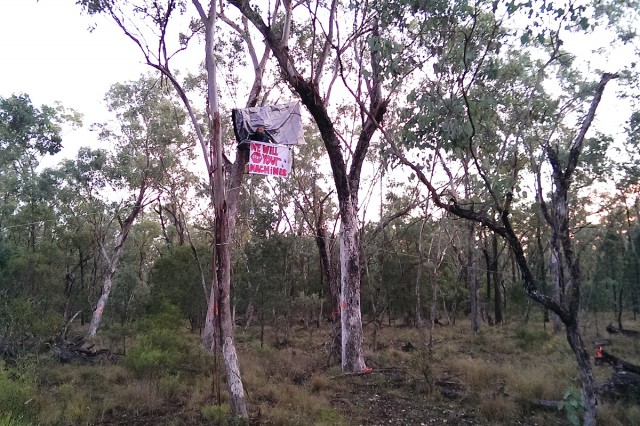
10496184_1431644777121536_4907229880304137323_o30th June A for­est defend­er has tak­en to the trees to defend an impor­tant area of the Mat­tole Riv

10496184_1431644777121536_4907229880304137323_o30th June A for­est defend­er has tak­en to the trees to defend an impor­tant area of the Mat­tole Riv­er water­shed in North­ern Cal­i­for­nia. Going by the name “Skunk,” the block­ad­er is stop­ping the con­struc­tion of a new log­ging road into old-growth for­est.

Skunk is sup­port­ed by res­i­dents of Hum­boldt coun­ty and allies who have worked for months to stop Hum­boldt Red­wood Company’s plan for 1,000 acres of log­ging in the Mat­tole For­est.

10428646_1431644520454895_1206681976091967028_n

In April, activists hung a ban­ner across from Hum­boldt Red­woods State Park to protest the log­ging in the Mat­tole.

While Hum­boldt Red­wood Com­pa­ny claims they are not log­ging old-growth, their def­i­n­i­tion restricts log­ging only areas with more than 8 old-growth trees in the span of an acre. They also define old-growth as exist­ing in the year 1800, cut­ting out any trees younger than exact­ly 214 years.

Skunk insists, “Our main demands to Hum­boldt Red­wood Com­pa­ny are very simple—don’t cut unlogged for­est, and don’t cut old-growth. This road threat­ens to destroy for­est that has nev­er been logged before, and will pave the way for log­ging even more impor­tant habi­tat if the com­mu­ni­ty does not rise up to stop it.” 

The Mat­tole pro­vides shel­ter to Gold­en Eagles and Spot­ted Owls, among oth­er rare species, and has long been the home of old-growth Big Leaf Maple, Dou­glas Fir, Tanoak, and Madrone.

This area of North­ern Cal­i­for­nia has a long his­to­ry of for­est defense against Maxxam/Pacific Lum­ber through­out the 1990s. What we are per­haps see­ing is just the begin­ning of a new chap­ter.


Villager Wins Court Battle Against Hydroelectric Plant Construction

Screen Shot 2014-06-26 at 12.29.06 PM 26th June An admin­is­tra­tive court in the Black Sea province of Rize has ruled to halt the con­struc­tion of a hydro­elec­tric pow­er plant (

Screen Shot 2014-06-26 at 12.29.06 PM 26th June An admin­is­tra­tive court in the Black Sea province of Rize has ruled to halt the con­struc­tion of a hydro­elec­tric pow­er plant (HES) that was being built on the Andon Riv­er, which pro­vides fresh water to at least 3,000 peo­ple in the vil­lage of Küçükçayır.

Küçükçayır vil­lage was declared an envi­ron­men­tal­ly pro­tect­ed site in 2011. The village’s res­i­dents held a protest in Feb­ru­ary against a HES being con­struct­ed near the riv­er, clos­ing the main road of the vil­lage for hours as part of their protest and not allow­ing con­struc­tion equip­ment to oper­ate at the site.

Accord­ing to a Cihan news agency report on Wednes­day, Kezım Delal, one of the vil­lagers, sold a cow and took a loan from a bank in order to file a law­suit against the con­struc­tion com­pa­ny. Empha­siz­ing that he has been strug­gling in court against the con­struc­tion plan, which is like­ly to harm the envi­ron­ment, Delal said the injunc­tion to halt con­struc­tion stands as an impor­tant step towards pro­tect­ing the envi­ron­ment from oth­er upcom­ing pow­er plant con­struc­tion projects that might destroy the country’s nat­ur­al beau­ty.

“I have been liv­ing in this vil­lage for 70 years. I was born here. This is my home. I am so hap­py that court ruled in favor of our future. Now, I just want to see the con­struc­tion com­pa­ny leave us alone right away,” he told the press.

Empha­siz­ing that they have been keep­ing watch for almost eight months in order to pre­vent the con­struc­tion com­pa­ny from doing any dam­age, Delal thanked all his friends who did not leave his side dur­ing the protest. “This vic­to­ry belongs to all of us. Now we can move on with our lives,” he added.

Stat­ing that they were tak­en into cus­tody by gen­darmes many times due to the their protests, Yusuf Esir, anoth­er vil­lager, said that he was hap­py to take a stand against the con­struc­tion plans. “In order to intim­i­date us, gen­darmes took us into cus­tody many times. But nobody can deter us. If any­body should leave this vil­lage, it’s the con­struc­tion com­pa­ny, not us. Because this is our vil­lage,” Esir stat­ed.

Climate Change Induced Heat Wave Causes Riots in India

450367372-an-indian-visitor-to-the-landmark-india-gate-monument.jpg.CROP.promo-mediumlarge 14th June

450367372-an-indian-visitor-to-the-landmark-india-gate-monument.jpg.CROP.promo-mediumlarge 14th June

Under relent­less heat, India is reach­ing the break­ing point.

As the coun­try tries to keep cool, the pow­er grid is fail­ing. Riot­ing pro­test­ers in the north of the coun­try set fire to elec­tric­i­ty sub­sta­tions last week­end and held pow­er work­ers hostage, accus­ing the gov­ern­ment of dis­trib­ut­ing scarce pow­er resources based on polit­i­cal pref­er­ence.

From Al Jazeera:

Res­i­dents had been par­tic­u­lar­ly angry about the pow­er cuts after receiv­ing reli­able sup­plies through the Indi­an elec­tions, which end­ed May 16. Since then, only some regions have been guar­an­teed unbro­ken pow­er sup­plies, while oth­ers have received lit­tle to none.


The High Court in the city of Alla­habad is now hear­ing a peti­tion alleg­ing dis­crim­i­na­tion in pow­er dis­tri­b­u­tion, and has asked the gov­ern­ment to explain why some regions appeared to be receiv­ing pref­er­en­tial treat­ment.

Those regions include the city of Varanasi, the par­lia­men­tary con­stituen­cy of new Prime Min­is­ter Naren­dra Modi, as well as con­stituen­cies held by Yadav and oth­er top offi­cials in Uttar Pradesh’s rul­ing par­ty.

As Slate’s Joshua Keat­ing report­ed recent­ly, a study this year by Lak­sh­mi Iyer of the Har­vard Busi­ness School and Petia Topalo­va of the Inter­na­tion­al Mon­e­tary Fund found a con­nec­tion between extreme weath­er (par­tic­u­lar­ly lack of rain­fall) and increased crime in India.

Mean­while, the heat con­tin­ues. On Wednes­day, New Del­hi enters day 10 of a blis­ter­ing heat wave that’s bro­ken at least one long-stand­ing record, with part of the city peak­ing at 118 degrees Fahren­heit (47.8 degrees Cel­sius) on Sun­day. Dur­ing that stretch, the aver­age high tem­per­a­ture at the air­port in New Del­hi has been 109.9  Fahren­heit (43.2 Cel­sius), with the aver­age low an aston­ish­ing 84  Fahren­heit (28.9 Cel­sius). Days upon days with night­time low tem­per­a­tures above 80  Fahren­heit can be dead­ly, espe­cial­ly for those with­out a way to keep cool.

If there’s any con­so­la­tion, at least that’s a dry heat. The dew­point—the amount of mois­ture in the air—has been low all week across north­ern India, with dry air help­ing to boost the effec­tive­ness of built-in human air con­di­tion­ing (evap­o­ra­tion of sweat) and mak­ing the tem­per­a­ture feel some­what cool­er in the shade.

Areas far­ther south, near where the mon­soon was advanc­ing, were even more unbear­able. Just after mid­night Wednes­day local time, the heat index was still 110 Fahren­heit (43.3 Cel­sius) in Mum­bai. Yep, 110 degrees. At near­ly 1 in the morn­ing. I sim­ply can’t fath­om exis­tence in those kinds of con­di­tions. Hin­du priests thereper­formed spe­cial prayers for rain to relieve the swel­ter­ing coun­try of its mis­ery.

The good news: The end of this scorcher is in sight as the mon­soon con­tin­ues to advance north­ward. The bad news: In some of the hard­est-hit places, like Del­hi, that end is still a week away. High tem­per­a­tures there are expect­ed to stay above nor­mal until next Tues­day.

devel­op­ing trop­i­cal cyclone is help­ing to surge mon­soon mois­ture north­ward along India’s West Coast this week, though it’s still going to be quite some time before the cool­ing mon­soon breezes break this heat wave for good. India’s mon­soon was five days late and is expect­ed to bring below nor­mal rain­fall this sea­son, in part because of a build­ing El Niño.

Since the fore­cast of a weak mon­soon, India’s gov­ern­ment has ini­ti­at­ed a con­tin­gency plan designed to relieve pres­sure on its over­taxed pow­er grid, report­ed the Times of India on Tues­day. Two years ago, India suf­fered the worst black­out in world his­to­ry, putting some 600 mil­lion res­i­dents in the dark. Much of India’s elec­tric­i­ty gen­er­a­tion comes via hydro­elec­tric pow­er. The mon­soon sea­son in 2012 was also below aver­age, and demand for elec­tric­i­ty is soar­ing as a bur­geon­ing mid­dle class buys more and more air con­di­tion­ers.

As the New York Times’ Elis­a­beth Rosen­thal wrote at that time, “We can’t live with air-con­di­tion­ing, but we can’t live with­out it.” In a more tem­per­ate cli­mate, Amer­i­cans use more elec­tric­i­ty on air con­di­tion­ing than the rest of the world com­bined. Rapid­ly expand­ing use of air con­di­tion­ing in trop­i­cal coun­tries will fur­ther boost glob­al warm­ing through the release of heat trap­ping gas­es. It’s a Catch-22.

India, for one, is warm­ing to air con­di­tion­ing. In 2007, only 2 per­cent of India had air con­di­tion­ing, but that num­ber is rapid­ly increas­ing. The hot weath­er of the past few weeks has boost­ed sales of air con­di­tion­ers by 15 to 20 per­cent com­pared with last year.

This month’s oppres­sive heat wave already bears the fin­ger­print of glob­al warm­ing. Over the last 100 years, India’s aver­age tem­per­a­ture has warmed by about half a degree Cel­sius (PDF), and mon­soons are get­ting more extreme. The warmest time of the year is typ­i­cal­ly just before the mon­soon hits, when tem­per­a­tures rou­tine­ly top the triple dig­it mark in the oth­er­wise semi-arid north.

This year, though, has been any­thing but rou­tine.


Environmentalists Halt Leard Forest Clearance for the Winter

leard-forest-protest-1200-640x426 13th June Aus­tralia White­haven Coal yes­ter­day announced it would halt its clear­ing of Leard State For­est until Sep­tem­ber fol­low­ing an injunc­ti

leard-forest-protest-1200-640x426 13th June Aus­tralia White­haven Coal yes­ter­day announced it would halt its clear­ing of Leard State For­est until Sep­tem­ber fol­low­ing an injunc­tion in the NSW Land and Envi­ron­ment Court by the Maules Creek Com­mu­ni­ty Coun­cil.

The group, aid­ed by the EDO, specif­i­cal­ly appealed over the fact that many ani­mals in the for­est hiber­nate over win­ter and there­fore were more like­ly to be killed by clear­ing dur­ing win­ter months.

The com­pa­ny vol­un­tar­i­ly called a halt to clear­ing yes­ter­day after­noon, just as the court’s deci­sion on the injunc­tion was due, until the results of a full hear­ing on the mat­ter.

Maules Creek Com­mu­ni­ty Coun­cil spokesper­son, Phil Laird said, ‘We are pleased that White­haven has been forced to respond to our legit­i­mate chal­lenge in the court by today under­tak­ing to stop clear­ing in Leard State For­est’.

The Maules Creek Com­mu­ni­ty Coun­cil is argu­ing that White­haven is in breach of its devel­op­ment con­sent by winter/spring clear­ing of the for­est. A breach of devel­op­ment con­sent con­tra­venes the Envi­ron­men­tal Plan­ning and Assess­ment Act 1979.

‘This out­come today sends a strong mes­sage to coal min­ing com­pa­nies across NSW and to the NSW gov­ern­ment: if they will not enforce the law, then the com­mu­ni­ty is pre­pared to step up and do it them­selves’ Mr Laird said.

‘We appre­ci­ate the action tak­en by White­haven today and we will be prepar­ing to vig­or­ous­ly pur­sue the full legal chal­lenge,’ he added.

The new Maules Creek coalmine project involves a total clear­ing of 1664 hectares of for­est, which cur­rent­ly pro­vides habi­tat for threat­ened species includ­ing bats, koalas, for­est owls, the Swift Par­rot and the Regent Hon­eyeater.

The Nature Con­ser­va­tion Coun­cil of NSW has wel­comed White­haven Coal’s deci­sion to adhere to the con­di­tions of its devel­op­ment con­sent.

‘This is a clear vic­to­ry for com­mu­ni­ty mem­bers who have been work­ing tire­less­ly to pro­tect this for­est and the region’s water resources,’ cam­paigns direc­tor Kate Smol­s­ki said.

‘The deci­sion to stop win­ter clear­ing does not end the fight to save Leard For­est, but it does at least give hiber­nat­ing native ani­mals a fight­ing chance to escape the bull­doz­ers.

‘It is regret­table the NSW gov­ern­ment did not enforce the con­di­tions of its own con­sent for this atro­cious mine, leav­ing Maules Creek Com­mu­ni­ty Coun­cil lit­tle alter­na­tive but to take legal action.

‘State and fed­er­al laws have failed to pro­tect this impor­tant nat­ur­al area, demon­strat­ing the need for deep reform to pro­tect impor­tant nat­ur­al places from coal min­ing.

‘Until that reform occurs, com­mu­ni­ty groups will con­tin­ue to seek rem­e­dy in the courts, and ordi­nary peo­ple will feel com­pelled to take direct action in the for­est.

‘The Maules Creek mine will tear out the heart of Leard For­est, destroy one of the largest rem­nant areas of wildlife habi­tat in west­ern NSW, threat­en ground­wa­ter resources, and have a last­ing neg­a­tive impact on the local com­mu­ni­ty of Maules Creek. This project should nev­er have been approved.’

Greens NSW MP and envi­ron­ment spokesper­son, Dr Mehreen Faruqi has also wel­comed news.

‘This deci­sion… proves com­mu­ni­ty con­cerns were jus­ti­fied. It is clear that White­haven saw the writ­ing on the wall and went for an under­tak­ing before it was ordered to by the court,’ Dr Faruqi said.

‘Unfor­tu­nate­ly, much clear­ing has already tak­en place.

‘I have seen with my own eyes just yes­ter­day the sec­tion of the for­est bull­dozed by White­haven Coal, pre­sum­ably in antic­i­pa­tion of a sus­pen­sion.

‘It is out­ra­geous that White­haven Coal was allowed to under­take win­ter clear­ing in the first place. This was com­plete­ly unnec­es­sary.

‘There needs to be an inves­ti­ga­tion into how these approvals were grant­ed by the NSW gov­ern­ment in the first place, as large tracts of endan­gered eco­log­i­cal com­mu­ni­ties have been cleared and can­not be replaced or off­set.

‘I was also dis­turbed to see valu­able pub­lic resources being used to ben­e­fit a min­ing com­pa­ny, with the gov­ern­ment order­ing police to set up road­blocks on pub­lic roads and search cars.

‘The gov­ern­ment should be pro­tect­ing the Leard For­est, not big coal.

‘In a demo­c­ra­t­ic soci­ety, the pub­lic have the right to protest peace­ful­ly and I have been inspired by the activists stand­ing up to pro­tect our envi­ron­ment and our wildlife.

‘The Greens and many in the com­mu­ni­ty are opposed to this mas­sive coal min­ing project because of its destruc­tive impacts on bio­di­ver­si­ty, cul­tur­al her­itage and its mas­sive con­tri­bu­tion to cli­mate change: allow­ing clear­ing dur­ing the win­ter months fur­ther com­pound­ed these dam­ag­ing impacts.

‘Con­grat­u­la­tions to the grass­roots com­mu­ni­ty groups and the Envi­ron­men­tal Defend­ers Office that brought for­ward this legal chal­lenge. The Greens will con­tin­ue cam­paign­ing to stop this coal mine com­plete­ly’ she con­clud­ed.

Patagonia Dam CANCELED!

chao hidroaysen13th June After an eight-year strug­gle, Chile’s grass­roots and envi­ron­men­tal move­ments have suc­cess­ful­ly won the rejec­tion of five planned megadams on two Patag­on­ian rivers!

chao hidroaysen13th June After an eight-year strug­gle, Chile’s grass­roots and envi­ron­men­tal move­ments have suc­cess­ful­ly won the rejec­tion of five planned megadams on two Patag­on­ian rivers!

It’s not every day we cel­e­brate a vic­to­ry as sig­nif­i­cant and hard-won as today’s tri­umph in the eight-year cam­paign to pro­tect Chilean Patag­o­nia from the destruc­tive HidroAysén dam project!

This morn­ing, Chile’s high­est admin­is­tra­tive author­i­ty – the Com­mit­tee of Min­is­ters – made a unan­i­mous deci­sion to over­turn the envi­ron­men­tal per­mits for the con­tro­ver­sial five dam mega-project, which was planned on the Bak­er and Pas­cua rivers. This high­ly antic­i­pat­ed res­o­lu­tion effec­tive­ly can­cels the project, rul­ing that assess­ment of the project’s impacts was insuf­fi­cient to grant project approval back in 2011.

The Com­mit­tee, which con­sists of the Min­is­ter of Envi­ron­ment, Health, Econ­o­my, Ener­gy and Min­ing, Agri­cul­ture, and Tourism, eval­u­at­ed 35 appeals which were filed by the Patag­o­nia Defense Coun­cil and local cit­i­zens in response to the project’s Envi­ron­men­tal Impact Assess­ment after it was approved in May 2011. Though it has tak­en more than three years, with meet­ings and deci­sions being repeat­ed­ly delayed and even­tu­al­ly passed on to the new admin­is­tra­tion, today’s deci­sion is a recog­ni­tion of the tech­ni­cal and pro­ce­dur­al flaws sur­round­ing HidroAysén as well as the sig­nif­i­cant impacts the project would have had on one of Chile’s most icon­ic regions.

What began as a grass­roots effort to pro­tect the pris­tine Bak­er and Pas­cua rivers, and the com­mu­ni­ties and cul­ture of Patag­o­nia, has devel­oped into a ful­ly-fledged inter­na­tion­al cam­paign and gal­va­nized a nation­al envi­ron­men­tal move­ment. Over the past four years Chileans have tak­en to the streets to demand a halt to HidroAysén and around the world an inter­na­tion­al com­mu­ni­ty has ral­lied around this call. Today it is these voic­es that have won out, and togeth­er have set in motion a new path towards a bright future for Patag­o­nia and the hope of a tru­ly sus­tain­able ener­gy future for Chile.

Pascua River, Patagonia: Undammed!

Pas­cua Riv­er, Patag­o­nia: Undammed!

To bor­row some words from Patri­cio Rodri­go, Exec­u­tive Sec­re­tary of the Patag­o­nia Defense Coun­cil, “The government’s defin­i­tive rejec­tion of the HidroAysén project is not only the great­est tri­umph of the envi­ron­men­tal move­ment in Chile, but marks a turn­ing point, where an empow­ered pub­lic demands to be heard and to par­tic­i­pate in the deci­sions that affect their envi­ron­ment and lives.”

We are thrilled that the gov­ern­ment is sid­ing with the major­i­ty of Chileans and tens of thou­sands of peo­ple around the world to say no to HidroAysén! We com­mend Pres­i­dent Bachelet for remain­ing loy­al to her cam­paign promise that HidroAysén would not have her sup­port. And we are look­ing to the future, with the hope that mea­sures will be put in place to pro­tect this unique region from future threats. (In fact, Pres­i­dent Bachelet and the Min­is­ter of Envi­ron­ment recent­ly for­mal­ized a bill that would cre­ate the Depart­ment of Bio­di­ver­si­ty and Pro­tect­ed Areas (SBAP) with the aim to pre­serve crit­i­cal ecosys­tems through­out Chile.)

Caltrans Case Against Tree Sitter Dismissed

Falcon-300x274 10th June Long-stand­ing tres­pass charges against Mark Her­bert, aka “Fal­con,” who perched in an old oak tree in April, 2013, above the hill west of High­way 101 that Cal­trans is now

Falcon-300x274 10th June Long-stand­ing tres­pass charges against Mark Her­bert, aka “Fal­con,” who perched in an old oak tree in April, 2013, above the hill west of High­way 101 that Cal­trans is now exca­vat­ing for soil to con­struct the much-protest­ed Willits Bypass, where he observed and report­ed on devel­op­ments, were dis­missed entire­ly on May 29th by Judge Ann Moor­man in Uki­ah Supe­ri­or Court. Fal­con was charged with tres­pass 602K, “enter­ing any lands, whether unen­closed or enclosed by fence, 1) for the pur­pose of injur­ing any prop­er­ty or prop­er­ty rights or with the inten­tion of inter­fer­ing with a law­ful busi­ness…”

The Dis­trict Attor­ney told the court that no one had sub­poe­naed the CHP offi­cer from the Spe­cial Weapons and Tac­tics unit who super­vised the arrest of Her­bert, the wit­ness who was sup­posed to tes­ti­fy. Unlike oth­er tree sit­ters, includ­ing War­bler, the young woman whose orig­i­nal tree sit sparked the Bypass protests, Her­bert was not extract­ed by force, but agreed to come down when request­ed to do so.

Herbert’s attor­ney, Ed Den­son, said “Judge Moor­man indi­cat­ed the case was almost a year old and she dis­missed it. The CHP inves­ti­ga­tion was very per­func­to­ry and it should have been clear to the inves­ti­gat­ing offi­cer that Her­bert had com­mit­ted no crime. The evi­dence shows that no inten­tion on Herbert’s part to inter­fere with any law­ful busi­ness or occu­pa­tion. “

Den­son elab­o­rat­ed: “Herbert’s case dif­fered from that of all the oth­er tree sit­ters, but the CHP failed to note that. Their report said his tree was north of 101, but the videos clear­ly show it was on a hill well south of 101 out of the con­struc­tion area. No one from Cal­trans or the CHP had even come to his site to ask him to come down until the day he was arrest­ed by a team of 24 offi­cers. He then vol­un­tar­i­ly descend­ed from the tree. It was clear that his pur­pose in doing the tree sit was to be a wit­ness to the events occur­ring across the high­way dur­ing the CHP block­ade of the media pre­vent­ing report­ing on the extrac­tion of the sit­ters. Her­bert was a spokesper­son for the effort to save the val­ley while the oth­ers were pre­vent­ed from con­tact with the pub­lic. Had the CHP thought things through, the tax­pay­ers could have saved thou­sands of dol­lars.”

The D.A. had almost a year to pre­pare and still was not ready to pros­e­cute the case. A ral­ly to sup­port Her­bert and fel­low activist Will Par­rish was held on the cour­t­house steps at noon. Par­rish, who writes for the Ander­son Val­ley Adver­tis­er, stopped work on the Cal­trans Bypass for more than eleven days last June and July by occu­py­ing a wick drain tow­er on the north end of the project, lead­ing final­ly to his arrest and the arrests of sev­er­al oth­er activists try­ing to sup­ply him with food and water denied him by CHP offi­cers on site.

Parrish’s hear­ing on resti­tu­tion demand­ed by Cal­trans in the amount of $150,000 has been post­poned to July 17. Assis­tant Dis­trict Attor­ney Sequiera said the case has become con­fus­ing and he is insist­ing now that Cal­trans sup­ply their own lawyer to appear in court on the case, which will also be over a year old by the time of the hear­ing.

Rathlin Blitzkrieg About to Hit East Yorkshire

West Newton, Well Site29th May 2014 Rath­lin Ener­gy caught activists nap­ping today when lor­ries arrived at Craw­ber­ry Hill site in East York­shire.

West Newton, Well Site29th May 2014 Rath­lin Ener­gy caught activists nap­ping today when lor­ries arrived at Craw­ber­ry Hill site in East York­shire. The police had allowed Rath­lin to ignore (no right turn) traf­fic signs to gain access with­out the knowl­edge of the activists wait­ing fur­ther down the road.
Activists aired their con­cerns about radio active haz­ard signs attached to lor­ries arriv­ing to remove waste water at the West New­ton site near Ald­bor­ough. The sur­face water had over­flowed the man made ditch­es made specif­i­cal­ly for the pur­pose due to heavy overnight rain. It seems this presents no present threat but fears are that when drilling begins again and the radioac­tive ele­ments are brought to the sur­face any fur­ther over­flow would con­t­a­m­i­nate the sur­round­ing area. Res­i­dents of the USA and Cana­da have pre­vi­ous­ly report­ed ‘dead zones’ of once thriv­ing eco­log­i­cal areas. con­t­a­m­i­nat­ed by frack­ing and radioac­tive chem­i­cals, after over­flow­ing into ponds and lakes.
Activists were also wor­ried about ‘drill tips’ and acces­sories used in the drilling process­es. These are accord­ing to the activists, tipped with deplet­ed Ura­ni­um, to cut through the tough­est rock. Although it can­not be con­firmed that these prac­tis­es are tak­ing place in the East Rid­ing area, the tech­nique and equip­ment, have been avail­able for quite some time.
The Envi­ron­ment Agency has already giv­en per­mits to Rath­lin to extract waste, includ­ing radioac­tive waste. Uncon­firmed reports sug­gest Der­mot Nes­bit (Rath­lin Ener­gy direc­tor) had used his influ­ence as an Ex North­ern Ire­land, Envi­ron­ment Min­is­ter to secure the per­mits, from the Envi­ron­ment Agency, the same depart­ment (with­in North­ern Ire­land) of which he was once chief.
Hull and East York­shire anti frack.

More Arrests of Anti Fracking Activists in East Yorkshire

24th May Fol­low­ing on from the arrests of two local res­i­dents last week, a fur­ther arrest has been made of an activist play­ing music in Bev­er­ley (near Hull.) A flotil­la of Police, from the Hum­ber­side divi­sion, armed with taz­ers and dogs, swooped into Bev­er­ley, town cen­tre, as the

24th May Fol­low­ing on from the arrests of two local res­i­dents last week, a fur­ther arrest has been made of an activist play­ing music in Bev­er­ley (near Hull.) A flotil­la of Police, from the Hum­ber­side divi­sion, armed with taz­ers and dogs, swooped into Bev­er­ley, town cen­tre, as the busker and anti frack­ing activist known as Daznez was play­ing and singing music in Bev­er­ley town cen­tre. Local peo­ple who were watch­ing and lis­ten­ing to the musi­cian remarked at the heavy hand­ed­ness of the arrest as at least six police per­son­nel and their dogs took the musi­cian into cus­tody. The musi­cian has been tak­en to Clough Road, Police Sta­tion in Hull but has not yet been charged with an offence.
Last week two res­i­dents of the Bev­er­ley area, were arrest­ed whilst med­i­tat­ing, at an ear­marked Frack site, at the Rath­lin Ener­gy, Craw­ber­ry Hill, drilling site. Hus­band and Wife, John and Valerie Majer, were charged with caus­ing intim­i­da­tion and annoy­ance con­trary to sec­tion 241 of the Trade Union and Labour Rela­tions Act.
Rath­lin Ener­gy has said it has no plans to frack in the area, although two per­mits have been grant­ed to them for work to be car­ried out.
There have pre­vi­ous­ly been charges of cor­rup­tion, abuse of pow­er and privledge, placed upon Rath­lin Ener­gy by activists. This fol­lows after, ex North­ern Ire­land Envi­ron­ment Min­is­ter Der­mot Nes­bitt, who is now a direc­tor of Rath­lin Ener­gy suc­ceed­ed in obtain­ing the per­mits from the very same gov­ern­ment agency, who were once account­able to him, to drill and extract waste, includ­ing the extrac­tion of radioac­tive waste, at the Craw­ber­ry Hill site and anoth­er, near­by site at West New­ton near Ald­bor­ough. (Updates to fol­low.)
East York­shire Anti Frack