Gardaí frustrated as protests in Mayo continue

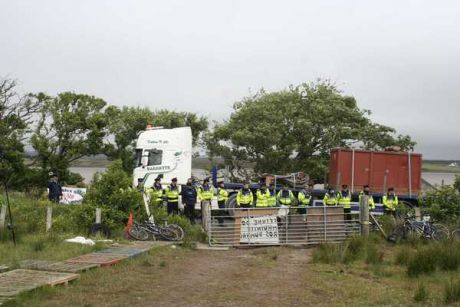
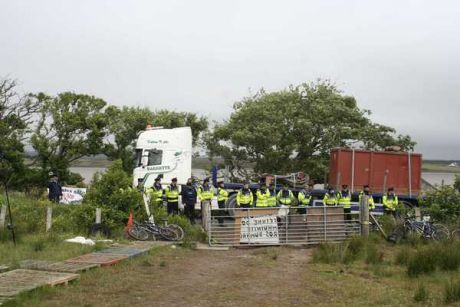
30 June 2013 This week has seen large num­bers of peo­ple con­tin­u­al­ly walk­ing down to Shel­l’s tun­nel­ing com­pound, dis­rupt­ing work and block­ing Shell traf­fic, and man

30 June 2013 This week has seen large num­bers of peo­ple con­tin­u­al­ly walk­ing down to Shel­l’s tun­nel­ing com­pound, dis­rupt­ing work and block­ing Shell traf­fic, and many peo­ple from the camp have tak­en advan­tage of the sun­ny weath­er to spend the days help­ing locals with turf col­lect­ing- many hands make light work! Mean­while the guards have spent their time patrolling around harass­ing peo­ple on the roads.


A Brief blow by blow

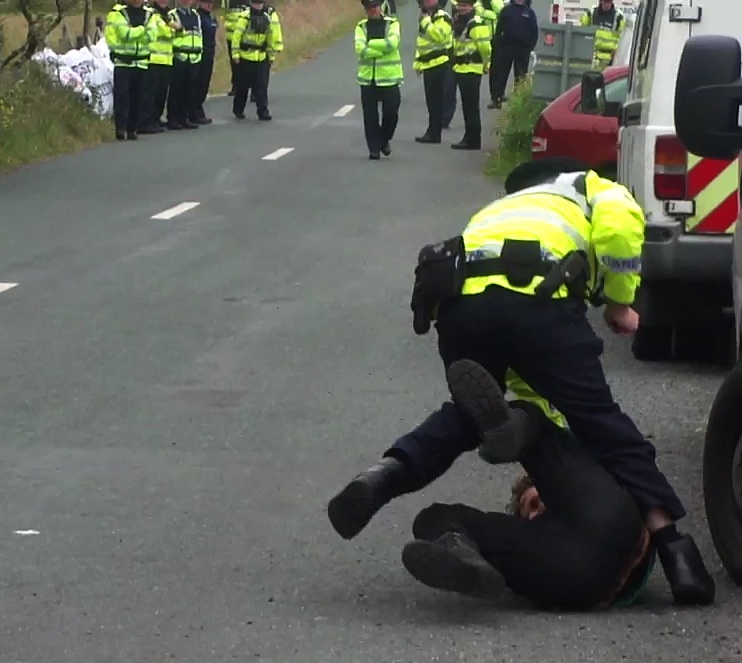
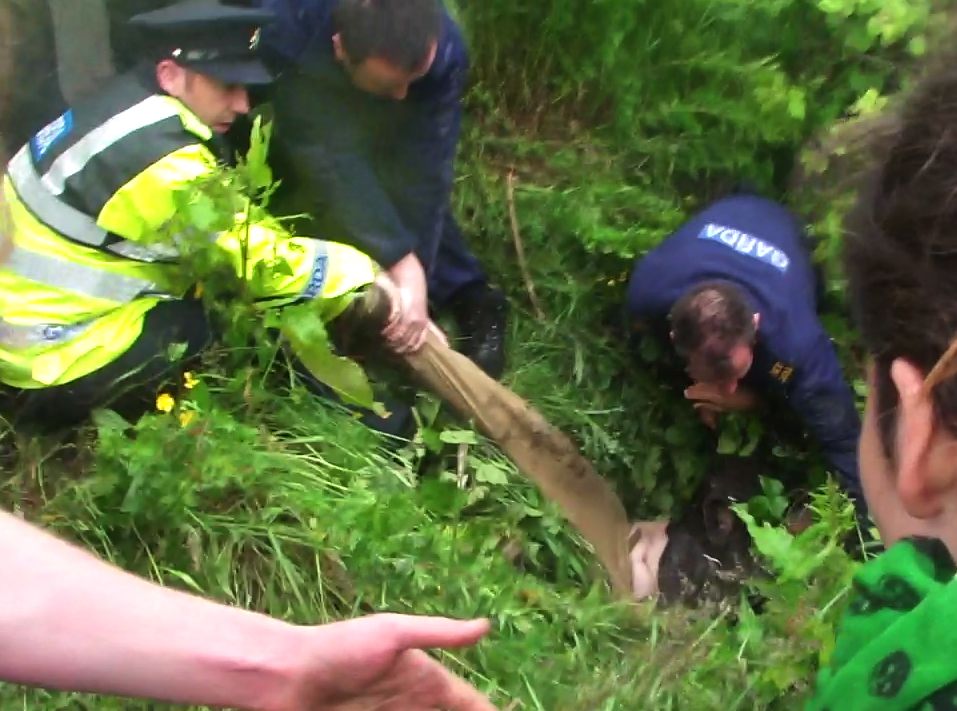
Thurs­day morn­ing as a con­voy passed the camp, 20 Gar­daí tried to block the gate to the camp and threw peo­ple into ditch­es, push­ing one per­son­’s head into the water in the ditch and gen­er­al­ly being a bit vio­lent. Two peo­ple were arrest­ed. One was let out with a cau­tion and the oth­er was held in cus­tody, brought to court in Castle­bar Fri­day morn­ing and denied bail, so he is now in Castlerea Prison await­ing a court appear­ance 5th July.

Lat­er on Thurs­day morn­ing a small group went to Bel­mul­let Gar­da sta­tion to col­lect their friends and one per­son was dragged out­side the cop­shop, pushed to the ground and arrest­ed for alleged crim­i­nal dam­age on Sun­day 23rd June. He was held overnight and brought to court in Castle­bar on Fri­day morn­ing. He has been grant­ed bail and released on the con­di­tion he not enter or inter­fere with Shell prop­er­ty or traf­fic, and signs on once a week at Bel­mul­let Gar­da Sta­tion. He will be up in court on 10th July.

Thurs­day after­noon a large group of 30 or so peo­ple walked down to the Shell com­pound in Augh­oose, stop­ping work inside the com­pound and stop­ping any Shell traf­fic from enter­ing or exit­ing the com­pound for over 3 hours. Once again IRMS (Shell pri­vate secu­ri­ty) was polic­ing the pub­lic road, push­ing peo­ple and hold­ing peo­ple until the guards arrived. Two peo­ple were arrest­ed on the road. One per­son was released and will appear in Bel­mul­let Court on 10th July, the oth­er was arrest­ed for out­stand­ing fines and brought to Moun­tjoy wom­en’s prison in Dublin. She was held overnight and released Fri­day morn­ing.

Thurs­day fin­ished off at 6pm when the guards final­ly attempt­ed to clear the road, every­one left and no one else was arrest­ed. A long queue of 20 vehi­cles and lor­ries which had been stuck inside final­ly were able to leave the com­pound.

Fri­day 28th June at 7am one per­son climbed a tri­pod erect­ed in the road between Bel­lan­aboy refin­ery and the Augh­oose tun­nel­ing com­pound, stop­ping all traf­fic going into the com­pound until 11.30am when the road was cleared and the per­son was arrest­ed. That per­son is being charged with Sec­tions 8 and 9 of the pub­lic order act and will be up in Bel­mul­let court on 10th July.

Three peo­ple walk­ing back to camp from the tri­pod on Fri­day were fol­lowed by guards, and an attempt was made to arrest one of them but they jumped into a field and got away. This isn’t the first time that peo­ple have been harassed on the roads this week by Gar­daí. Tues­day night as peo­ple were walk­ing back from the pub the guards were stop­ping peo­ple who were walk­ing in twos or alone, ask­ing for names address­es and even emails. One per­son refused to give his details, say­ing he had­n’t done any­thing out of the ordi­nary and was only walk­ing home, and he was arrest­ed and brought to Bel­mul­let gar­da sta­tion. He was released in the ear­ly hours of the morn­ing with no charges.

Oth­er things that have hap­pened this week: Win­dows of a Shell house were bro­ken, graf­fi­ti appeared on the main gates of the tun­nel­ing com­pound, and a Shell truck ran into prob­lems with spuds up the exhaust and some­one doing in its tyres. Who knows what else the pix­ies have got­ten up to.…

Cops assaulting people on the road
Cops assault­ing peo­ple on the road

Pushing people into ditches then arresting them
Push­ing peo­ple into ditch­es then arrest­ing them

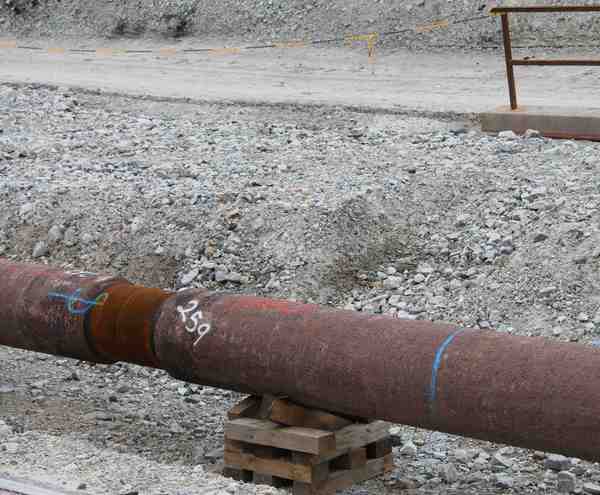
This is the pipe being laid between the refinery and the tunneling compound
This is the pipe being laid between the refin­ery and the tun­nel­ing com­pound

Paddlers Charge Silver River, Protesting Expected Cattle Ranch

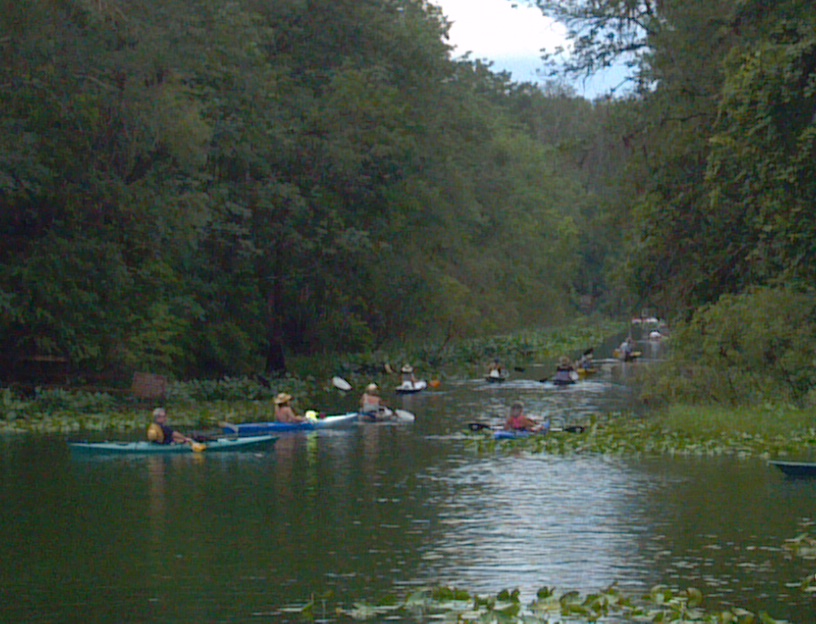
Paddlers charge the iconic Silver River, protesting Adena Springs Ranch

30 June 2013 Grass­fed beef ain’t all it’s cracked up to be.

Paddlers charge the iconic Silver River, protesting Adena Springs Ranch

30 June 2013 Grass­fed beef ain’t all it’s cracked up to be.

Take Ade­na Springs Ranch, a pro­posed cat­tle ranch being devel­oped by bil­lion­aire Frank Stronach in Flori­da. The beef project is expect­ed to span 10,000 acres and, accord­ing to their web­site, hold up to 15,000 cat­tle. Ade­na Springs Ranch plans to raise the cat­tle on a grass­fed diet, call­ing their indus­tri­al farm­ing prac­tices “health­i­er” and “bet­ter for the envi­ron­ment.”

This past Sat­ur­day, indi­vid­u­als con­cerned with the pro­posed ranch gath­ered along­side the icon­ic Sil­ver Riv­er, a riv­er formed from the dis­charge of Sil­ver Springs, one of the largest nat­ur­al arte­sian wells in the world. Sil­ver Springs his­tor­i­cal­ly dis­charged over 550 mil­lion gal­lons of water per day. In recent years, though, its flow has decreased sig­nif­i­cant­ly. Accord­ing to the New York Times, the “flow rate has dropped by a third over 10 years.” If Ade­na Springs Ranch gets the go ahead from state offi­cials, its farm­ing prac­tices will have a direct impact on the flow and water qual­i­ty of Sil­ver Springs.

A flyover by the Putnam County Environmental Council showing the Adena Springs Ranch property

A fly­over by the Put­nam Coun­ty Envi­ron­men­tal Coun­cil show­ing the Ade­na Springs Ranch prop­er­ty. Pho­to: PCEC

Ade­na Springs Ranch is cur­rent­ly apply­ing for a con­sump­tive use per­mit that will allow them to draw 5.3 mil­lion gal­lons of water per day from the Flori­dan Aquifer, the under­ground reser­voir of water that pro­vides drink­ing water to Flori­da res­i­dents, draws tourism mon­ey to the state and encour­ages res­i­dents and vis­i­tors to get out into the wilds of Flori­da and expe­ri­ence its nat­ur­al beau­ty.

The per­mit, if approved, will allow the ranch to draw water from the area sur­round­ing Sil­ver Springs, impact­ing the entire spring­shed, all for the pur­pose of water­ing the grass that will feed the cat­tle. When asked about the impact their water with­drawals would have, Ade­na engi­neer – and Frank Stronach pup­pet – William Dunn said that “they do not con­sid­er cur­rent hydro­log­i­cal con­di­tions when they do their cal­cu­la­tions.”

About the only thing nat­ur­al in this inten­sive cat­tle oper­a­tion will be the release of cow shit and urine into the 130-acre graz­ing lots. Ade­na Springs Ranch says they will com­plete reg­u­lar soil tests to ensure that they’re “not send­ing runoff down­stream to neigh­bors or near­by water­bod­ies.”

The Flori­dan Aquifer, how­ev­er, can be thought of as a giant lime­stone sponge form­ing the foun­da­tion of the state. Rain­wa­ter and runoff seeps through top­soil and per­me­able lime­stone and slow­ly flows through the Aquifer until it rush­es out through nat­ur­al springs or is drawn up for drink­ing or irri­ga­tion pur­pos­es. If cow manure – a nitro­gen-rich fer­til­iz­er sold in gar­den shops every­where – com­ing from Stronach’s cows some­how man­ages to have a neu­tral effect on the envi­ron­ment, and on the nutri­ent lev­els of the sur­round­ing area, than the make­up of that cow­shit would defy veg­etable gar­den­ers every­where.

A paddler on the spring-fed Silver River.

A pad­dler on the spring-fed Sil­ver Riv­er. Pho­to: Matt Keene

Find out more infor­ma­tion about the protest and the issues sur­round­ing Ade­na Springs by check­ing out the Water Action Team web­site.

Notes from White Castle

 
29 June 2013
 
Last night I slept in a warm, soft, bed, my house­mates mur­mur­ing and play­ing music a floor below; tonight I lay on the cold, damp, ground a Yew Tree right above me, with cin­na­mon red bark and a trun

 
29 June 2013
 
Last night I slept in a warm, soft, bed, my house­mates mur­mur­ing and play­ing music a floor below; tonight I lay on the cold, damp, ground a Yew Tree right above me, with cin­na­mon red bark and a trunk that twists and curves, an old gnarled body reach­ing for the sky.
 I hear the Yew Tree grows quite slow­ly, curv­ing and bend­ing its way toward the much taller, Dou­glas Firs. Swaths of pale-green lichen hang from the branch­es and blan­ket the trunks of these giants, a sign that the air is clean and moist. I look down. I am step­ping on  decay­ing logs, turn­ing into fecund soil, right below my feet. There is a mass of life and death out here, feed­ing into itself, again and again: a per­fect, waste-less, sys­tem.
To remove any part of this for­est would be an injus­tice to what is tru­ly wild: the self-con­tain­ing, self-informed, ecosys­tems that make up the bios­phere. To think that humans could come into a place, so per­fect­ly, and del­i­cate­ly bal­anced, with trucks and machin­ery, destroy­ing the under­growth, the trees, the canopy,  to think that they would do this place a favor, cre­at­ing “ear­ly ser­al habi­tat.” It is not just a ridicu­lous idea: it is utter­ly dan­ger­ous and eco­ci­dal.
We are talk­ing about lay­ing a pris­tine for­est, nev­er before logged, on the cru­el alter of indus­try and human exper­i­men­ta­tion, and jus­ti­fy­ing it by say­ing that it is for the but­ter­flies. Well, I’ve seen the but­ter­flies here, and I’ve seen the birds and the trees and the deer, and they seem quite con­tent with the way the for­est is, as it stands. They have the sense that exists before defined ideas and sup­po­si­tions that tells them how to be in this place: no heavy machin­ery need inter­ject.
Tomor­row, I will wake up to the morn­ing cho­rus. It starts with a few dis­tant chirps and builds and even­tu­al­ly crescen­dos: hun­dreds of birds singing their love of this place and the day that has arrived.  And I will get up with them and I will climb up into a tree and I wont leave, to pro­tect the day, and days to come, here at White Cas­tle.
 

Cardiff Shell petrol station rooftop occupation

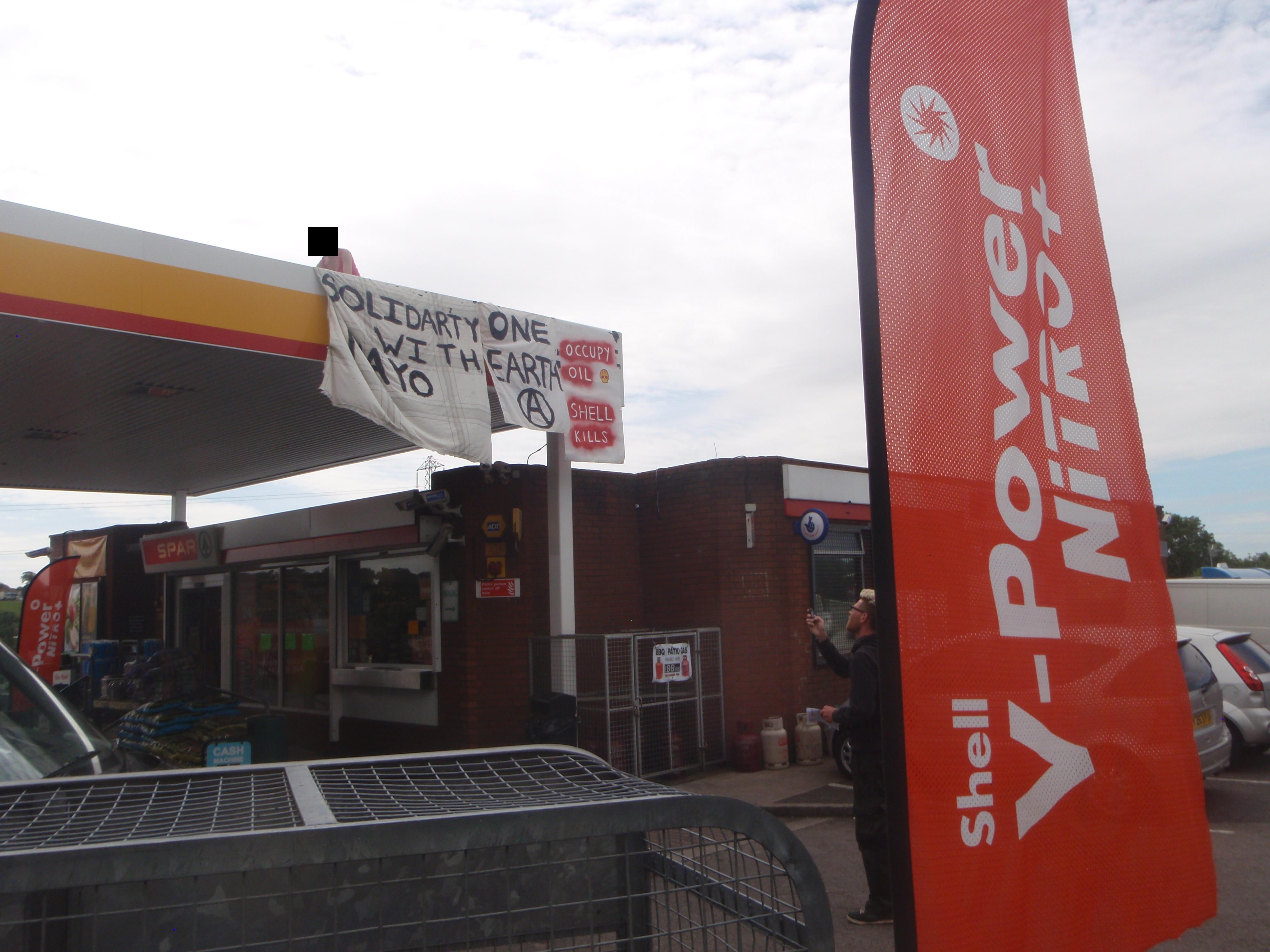
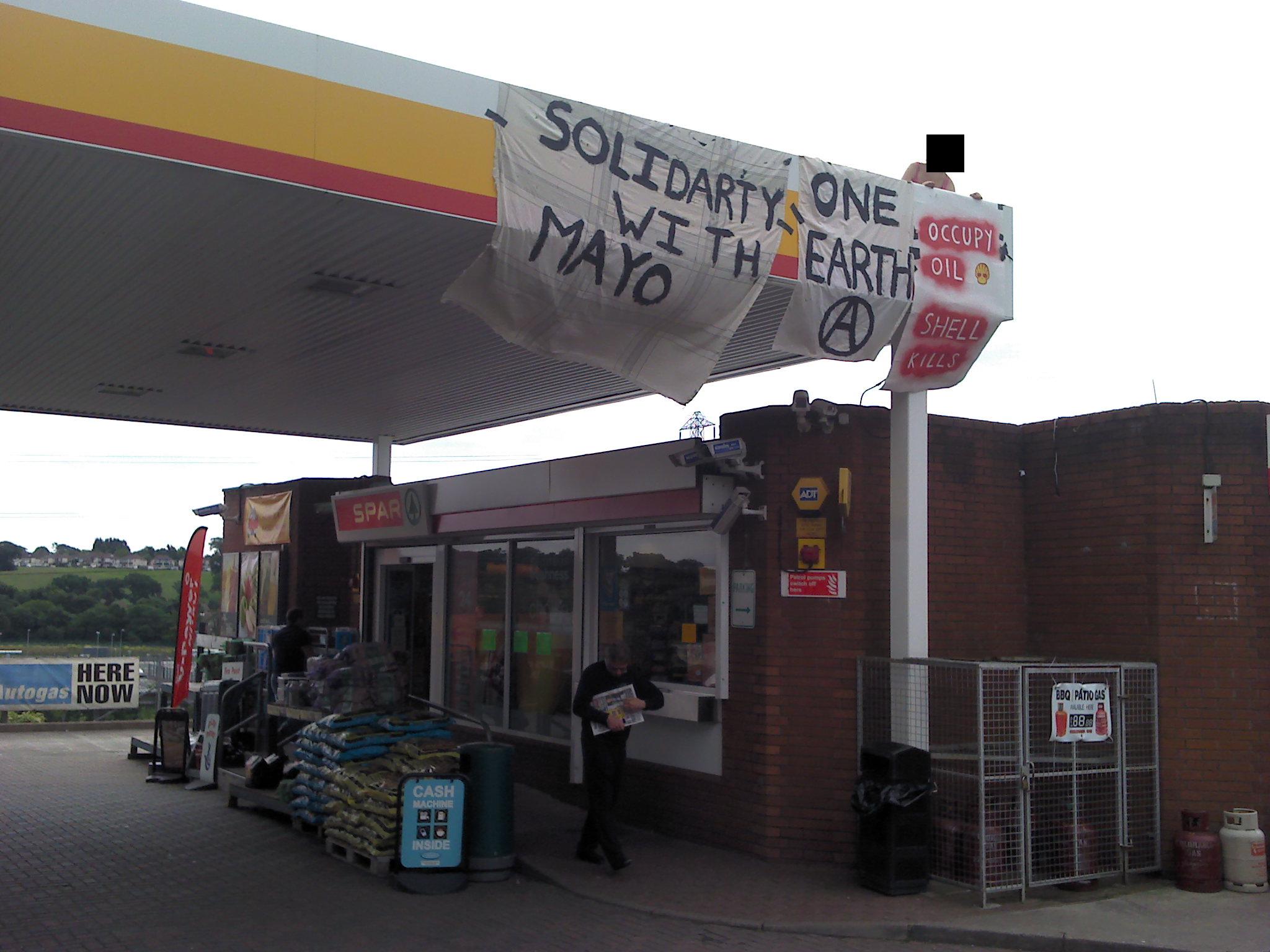
A report of the rooftop occu­pa­tion of the Shell petrol sta­tion in Pont­pren­nau, Cardiff on 29th June 2013.

A report of the rooftop occu­pa­tion of the Shell petrol sta­tion in Pont­pren­nau, Cardiff on 29th June 2013.


In sol­i­dar­i­ty with the protest camp in Coun­ty Mayo Ire­land, as part of their anti-Shell week of action, on Sat­ur­day morn­ing a group of indi­vid­u­als from South Wales dropped ban­ners and held a rooftop occu­pa­tion of a Shell petrol sta­tion on the out­skirts of Cardiff. The activists hand­ed out leaflets to motorists and passers by, explain­ing the issues, and had some in depth con­ver­sa­tions with passers by. There were no arrests.

The occu­pa­tion start­ed at 9:50 and pro­tes­tors dis­trib­uted leaflets and informed local con­sumers of Shel­l’s actions inter­na­tion­al­ly and in Coun­ty Mayo, until they ran out of fly­ers. The occu­pi­er came down in their own time at 11.30, due to the fact that busi­ness con­tin­ued oper­at­ing as usu­al, and the point had been made. 3 ban­ners were left on the roof of the garage, read­ing “Sol­i­dar­i­ty with Mayo”, “One Earth (A)”, and “Occu­py Oil- Shell Kills”. Com­rades from Italy, Lon­don and Brighton sent mes­sages of sol­i­dar­i­ty, along with local com­rades.

Sol­i­dar­i­ty with all peo­ples and com­mu­ni­ties affect­ed and dis­persed by Shel­l’s (and oth­er prof­i­teers’) despi­ca­ble greed and prof­it-dri­ven eco­cide. From Alas­ka to Ire­land, from Japan to Nige­ria, and here in Cardiff also, the strug­gle against the sui­ci­dal con­ve­nience cul­ture con­tin­ues.

Fuck frack­ing! South Wales will resist!

Love and Rage
Some Anar­chists

49 Acts of Powerline Sabotage, 19 Acts of Oil Pipeline Sabotage in Last Six Months

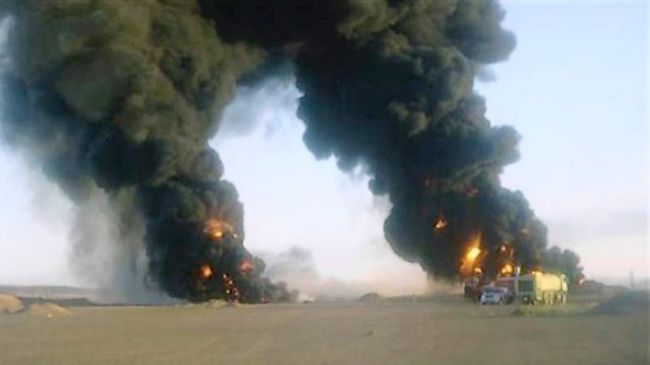
Smoke ris­es over a recent pipeline attack in Marib gov­er­norate, a trib­al region in Yemen.

Smoke ris­es over a recent pipeline attack in Marib gov­er­norate, a trib­al region in Yemen.

28 June 2013

Accord­ing to com­piled reports from the Yemen Times  over 60 acts of indus­tri­al sab­o­tage have tak­en place since Jan­u­ary with­in the trib­al area of the Marib gov­er­norate in Yemen, cut­ting pow­er to Sana’a, the nation’s cap­i­tal 170 miles to the east, and crip­pling the government’s oil and gas infra­struc­ture. Oil and gas rev­enue pro­vides 70 per­cent of the state’s bud­get.    

Media sources have not been able to explain the rea­son behind the attacks, but Yemeni sources all point to armed tribes­peo­ple in Marib. Attacks on Yemen’s oil and gas pipelines and elec­tric grid great­ly esca­lat­ed fol­low­ing the erup­tion of protests against for­mer pres­i­dent Ali Abdul­lah Saleh in 2011. Offi­cials in Yemen have argued that the tribes are loy­al­ists of the for­mer pres­i­dent while oth­er, unnamed sources, have pro­claimed the tribes to be sep­a­ratists from the con­cept of cen­tral gov­ern­ment all togeth­er, func­tion­ing in a pow­er vac­u­um.

get_img_powerlines

This info­graph­ic offers some detail on the attacks on Yemen’s elec­tri­cal grid.

Accord­ing to the Yemen Post, “Res­i­dents in the cap­i­tal Sana’a have had to endure long spells of dark­ness over the past cou­ple of weeks as pow­er lines were attacked with­in hours of their repair, leav­ing peo­ple no respite what so ever. While Yeme­nis are accus­tomed to black­outs, nev­er before did the cap­i­tal face so many and lengthy pow­er out­ages.”

In mid June, the Pub­lic Elec­tric­i­ty Cor­po­ra­tion in Yemen issued a state­ment request­ing more gov­ern­ment and mil­i­tary sup­port to sup­press the attacks, warn­ing that the pow­er sta­tion could col­lapse com­plete­ly if attacks con­tin­ued.

get_img

An info­graph­ic on pipeline attacks in Yemen since Jan­u­ary 2013.

Between Jan­u­ary 1 and June 24, there have been 18 attacks on Yemen’s main pipeline, which runs through Marib to the coast for export. Anoth­er attack struck the pipeline on June 27th.  Accord­ing to Yemeni offi­cials, armed mem­bers of tribes blocked the road lead­ing to the area of the pipeline that had been attacked, pre­vent­ing tech­ni­cal crews from mak­ing repairs. Yemeni troops were sent to reopen the road. Clash­es between gov­ern­ment forces and the tribes are expect­ed.

Back in Decem­ber of 2012, the Yemeni army launched an offen­sive against sus­pect­ed groups of sabo­teurs. Twen­ty peo­ple were killed but infra­struc­ture attacks only increased.

It remains unclear which tribes, or which groups with­in the region’s tribes, are car­ry­ing out the attacks. Ear­li­er in June, the largest tribes in Marib, the Al Hutaik and Al Jar­dan tribes signed, accord­ing to the Yemen Times, “a trib­al order declar­ing the legal­i­ty of exe­cut­ing those behind oil and gas pipeline attacks.” Sim­i­lar decrees were signed last year as well with­out results.

Yemen’s oil pro­duc­tion has declined from more than 400,000 bar­rels per day at the begin­ning of 2000 to the cur­rent 270,000 bar­rels per day when the pipeline actu­al­ly flows.

Willits Bypass “Crane-Sitter” Resupplied in Stealth Climb

A pro­test­er perched atop a wick drain stitch­er being used to build the US 101 high­y­way bypass in Willits, CA, 28 June 2013

A pro­test­er perched atop a wick drain stitch­er being used to build the US 101 high­y­way bypass in Willits, CA, 28 June 2013

A mys­te­ri­ous climber ascend­ed Cal­trans equip­ment on the Willits Bypass Project Wednes­day evening in order to resup­ply a pro­test­er who has been perched 50 feet up in the air on a con­struc­tion tow­er for a week.

Last week, 31-year-old Uki­ah res­i­dent Will Par­rish climbed one of the two pieces of Cal­trans equip­ment used to install wick drains at the site in order to stall work in the Men­do­ci­no Coun­ty high­way con­struc­tion zone.

Fel­low activists argue that Par­rish has been denied food and water, while author­i­ties state that Par­rish is free to leave the tow­er for food and water and that pro­test­ers attempt­ing to bring him sup­plies are tres­pass­ing on Cal­trans prop­er­ty.

On Sat­ur­day evening, 45 pro­test­ers attempt­ed to send sup­plies up to Par­rish in a buck­et. Accord­ing to Earth First!, CHP offi­cers cut the rope and arrest­ed six indi­vid­u­als. Accord­ing to CHP, four indi­vid­u­als were arrest­ed.

On Wednes­day, a sec­ond per­son climbed the sec­ond wick drain tow­er. Jamie Cheva­lier, a spokes­woman with Red­wood Nation Earth First!, said the mys­tery climber was “like a nin­ja.”

”He climbed the tow­er in full day­light with CHP every­where,” she said. “Then after around six hours he man­aged to tra­verse a line over to the oth­er tow­er 60 feet away for sup­plies and van­ished into the night.”

Cheve­li­er esti­mat­ed that the entire event took place between 5 p.m. and mid­night. She said the sup­ply line is still in place and has a 5,000 pound break­ing

strength.

Dis­trict 1 Cal­trans Pub­lic Infor­ma­tion Offi­cer Phil Fris­bie Jr. con­firmed that Par­rish had been resup­plied and said Cal­trans per­son­nel are not at the site that late at night.

”He was gone by the morn­ing,” Fris­bie said of the resup­pli­er.

Fris­bie said the machin­ery can­not oper­ate with the pro­test­ers on it and that protests over four months have direct­ly cost tax­pay­ers $1.2 mil­lion by caus­ing delays.

No Shale by Rail: Maine Activists Block Fracked-Oil Train

(Maine Media Today pho­to by Michael G. Sea­mans)

28 June 2013 A great two-for-one action against frack­ing and oil-by-rail trans­port!

From Com­mon Dreams:

Six Maine res­i­dents were arrest­ed late Thurs­day night after a larg­er group of cli­mate activists block­ad­ed a set of tracks pass­ing through the small town of Fair­field in order to pre­vent a train car­ry­ing 70,000 bar­rels of “fracked” oil head­ed to a refin­ery in neigh­bor­ing New Brunswick, Cana­da.

Asso­ci­at­ing them­selves with a grow­ing nation­al cam­paign of direct action against the fos­sil fuel indus­try called “Fear­less Sum­mer,” the pro­test­ers at the scene erect­ed a large scaf­fold over the tracks and held signs read­ing “Trains for peo­ple, not for oil” and “This train’s bound for Gory” (pun intend­ed).

Police arrived, and after sev­er­al warn­ings for the pro­test­ers to dis­perse, the six who refused were arrest­ed as the scaf­fold­ing was destroyed with a chain saw.

Local media report­ed a sur­pris­ing­ly large law enforce­ment response with police from numer­ous towns show­ing up at the scene, includ­ing troop­ers from the State Police.

350 Maine*, the statewide group asso­ci­at­ed but inde­pen­dent from inter­na­tion­al orga­ni­za­tion 350.org that led the action, said the goal was to draw atten­tion to the “fracked oil” that is qui­et­ly pass­ing through the state on a reg­u­lar basis. Local mem­bers of Earth First also par­tic­i­pat­ed in the action.

The groups say that the trains run­ning through Maine car­ry crude from the Bakken oil fields of North Dako­ta and are espe­cial­ly tox­ic because “fracked oil” is extract­ed by blast­ing a high pres­sure tox­ic cock­tail deep into the ground to release the oil from shale rock, pol­lut­ing air and water in sur­round­ing com­mu­ni­ties.


“Peo­ple say that this new oil boom in the US will make us ener­gy secure,” said Meaghan LaSala, stu­dent at Uni­ver­si­ty of South­ern Maine and an organzi­er with 350 Maine. “But there is noth­ing secure about run­away cli­mate change. This is our moment to change our tra­jec­to­ry before it’s too late.”

One of those arrest­ed, 63-year old Read Brug­ger from the town of Free­dom, was clear about his moti­va­tions.

“We feel there has not been enough aware­ness about the mil­lions of gal­lons of crude shell oil that shipped across Maine each month,” Brug­ger told the local Ban­gor Dai­ly News. “We feel need to move beyond fos­sil fuels and get away from the poi­so­nous ways oil is being extract­ed.”

The BDN, which report­ed that many at the scene “said they did not know that fracked oil was being trans­port­ed through Maine,” made it seem like the action, at least on local lev­el, may have had the desired result.

But the cam­paign­ers acknowl­edged their con­cerns go beyond even the dire threats faced by Maine com­mu­ni­ties if one of these trains rerails or a spill occurs.

“We believe the moment we’re in, in terms of cli­mate change, is a dra­mat­ic one and it calls for dra­mat­ic action,” said LaSala in an inter­view with the Morn­ing Sen­tinel.

“We oppose the con­tin­ued extrac­tion of fos­sil fuels, but we also oppose its trans­porta­tion over thou­sands of miles of envi­ron­men­tal­ly sen­si­tive areas,” added Sarah Lin­nekin, a stu­dent at Maine’s Uni­ty Col­lege. “Since my num­ber one job is to pro­tect my chil­dren, I feel an oblig­a­tion to take action.”

[*Full dis­clo­sure: This writer is a some­times vol­un­teer for 350 Maine, though had no involve­ment with this action.]


Garda violence retaliation against week of action

28th June Gar­da vio­lence breaks out again in mayo direct­ed by sgt. But­ler Gill and Mur­phy. 5 arrests today, 2 are being held till court in Castle­bar tomor­row at 10.30 one has been sent to mountjoy.This was an attempt of retal­i­a­tion by the gar­da to break the high spir­its at camp.These attempts to wreck the cam­paign’s col­lec­tive buzz have res­olute­ly failed and spir­its on the camp remain high. Actions and protest against the project will con­tin­ue, unre­strained and unbro­ken by the vio­lence and scare tac­tics of the Gar­daí.


Navajos Launch Direct Action Against Big Coal

Photo by Black Mesa Water Coalition

Photo by Black Mesa Water Coalition

Pho­to by Black Mesa Water Coali­tion

27 June 2013 Nava­jo Nation mem­bers launched a cre­ative direct action Tues­day to protest the mas­sive coal-fueled pow­er plant that cuts through their Scotts­dale, Ari­zona land.

After a wind­ing march, approx­i­mate­ly 60 demon­stra­tors used a mas­sive solar-pow­ered truck to pump water from the crit­i­cal Cen­tral Ari­zona Project (CAP) canal into bar­rels for deliv­ery to the reser­va­tion.

Flanked by sup­port­ers from across the Unit­ed States, tribe mem­bers cre­at­ed a liv­ing exam­ple of what a Nava­jo-led tran­si­tion away from coal toward solar pow­er in the region could look like.  

Par­tic­i­pants waved col­or­ful ban­ners and signs declar­ing ‘Pow­er With­out Pol­lu­tion, Ener­gy With­out Injus­tice’.

“We were a small group mov­ing a small amount of water with solar today,” declared Wahleah Johns with Black Mesa Water Coali­tion. “How­ev­er if the polit­i­cal will pow­er of the Oba­ma Admin­is­tra­tion and SRP were to fol­low and tran­si­tion NGS to solar all Ari­zo­nans could have reli­able water and pow­er with­out pol­lu­tion and with­out injus­tice.”

The demon­stra­tion was not only sym­bol­ic: the reser­va­tion needs the water they were col­lect­ing.

While this Nava­jo com­mu­ni­ty lives in the shad­ow of the Nava­jo Gen­er­at­ing Station—the largest coal-pow­ered plant in the West­ern Unit­ed States—many on the reser­va­tion do not have run­ning water and elec­tric­i­ty them­selves and are forced to make the dri­ve to the canal to gath­er water for cook­ing and clean­ing.

This is despite the fact that the plant—owned by Salt Riv­er Project and the U.S. Depart­ment of Interior—pumps elec­tric­i­ty through­out Ari­zona, Neva­da, and Cal­i­for­nia.

Yet, the reser­va­tion does get one thing from the plant: pol­lu­tion.

The plant is “one of the largest sources of harm­ful nitro­gen oxide (NOx) emis­sions in the coun­try,” accord­ing to the Envi­ron­men­tal Pro­tec­tion Agency.

While plant prof­i­teers argue it brings jobs to the area, plant work­ers describe har­row­ing work con­di­tions. “We are the sweat­shop work­ers for the state of AZ, declared Nava­jo tribe mem­ber Mar­shall John­son. “We are the mine work­ers, and we are the ones that must work even hard­er so the rest don’t have to.”

These prob­lems are not lim­it­ed to this Nava­jo com­mu­ni­ty. Krys­tal Two Bulls from Lame Deer, Missouri—who came to Ari­zona to par­tic­i­pate in the action—explained, “We’re also fight­ing coal extrac­tion that is right next to our reser­va­tion, which is direct­ly deplet­ing our water source.”

The action marked the kick­off to the nation­al Our Pow­er Cam­paign, under the ban­ner of Cli­mate Jus­tice Alliance, that unites almost 40 U.S.-based orga­ni­za­tions root­ed in Indige­nous, African Amer­i­can, Lati­no, Asian Pacif­ic Islander, and work­ing-class white com­mu­ni­ties to fight for a tran­si­tion to just, cli­mate friend­ly economies.

GMO Crops Torched in America

27 June 2013 Though the con­trolled cor­po­rate media appa­ra­tus is sup­press­ing the sto­ry, 40 tons of GMO crops were torched, prompt­ing an FBI inves­ti­ga­tion. There has been a COMPLETE MEDIA BLACKOUT, out­side of local cir­cles has dared to men­tion it, per­haps because gov­ern­ment fears that if the pub­lic learns that oth­er peo­ple are get­ting fight­ing mad (liter

27 June 2013 Though the con­trolled cor­po­rate media appa­ra­tus is sup­press­ing the sto­ry, 40 tons of GMO crops were torched, prompt­ing an FBI inves­ti­ga­tion. There has been a COMPLETE MEDIA BLACKOUT, out­side of local cir­cles has dared to men­tion it, per­haps because gov­ern­ment fears that if the pub­lic learns that oth­er peo­ple are get­ting fight­ing mad (lit­er­al­ly), they might join in, and become an actu­al rev­o­lu­tion. It was only report­ed local­ly live on KXL Radio and echoed by the Ore­gon­ian, where the ONLY web men­tion exists, hard to find because the head­line word­ing is care­ful­ly avoids the most like­ly key­words for a search.

Here’s what hap­pened — 40 Tons of GMO Sug­ar Beets were set ablaze in East­ern Ore­gon, yes­ter­day. FORTY TONS — the entire acreage of two full fields of crops IN THE GROUND were set ablaze over a THREE NIGHT PERIOD OF TIME. That means ARSON.

Evi­dence is that 6,500 plants were destroyed BY HAND, ONE PLANT AT A TIME. That, in turn, implies A LOT OF PEOPLE were involved: would you want to stick around once a fire was going and wait to be dis­cov­ered? No, some­one (many some­ones) prob­a­bly want­ed to move as quick­ly as pos­si­ble. WE ARE TALKING ABOUT A MOVEMENT, a kind of ORGANIZED REVOLT — and this is exact­ly the kind of ret­ri­bu­tion that many have warned was com­ing; when law­mak­ers and cor­po­ra­tions refuse to hon­or the Con­sti­tu­tion and instead engage in ‘legal­ized’ crim­i­nal acts such as enabled by the ‘Mon­san­to Pro­tec­tion Act.’

More than decade ago, envi­ron­men­tal sabo­teurs van­dal­ized exper­i­men­tal crops across the coun­try in a revolt against high-tech agri­cul­ture. Foes of genet­ic engi­neer­ing also struck in 2000, when mem­bers of the Earth Lib­er­a­tion Front, with roots in Ore­gon, set fire to agri­cul­ture offices at Michi­gan State Uni­ver­si­ty. ELF’s posi­tion was that genet­ic engi­neer­ing was “one of the many threats to the nat­ur­al world as we know it.”

But ELF cells nor­mal­ly come for­ward imme­di­ate­ly to claim respon­si­bil­i­ty, because to them, its all about pub­lic­i­ty to edu­cate the pub­lic. Since there has been no state­ment about the recent arson this may have sim­ply been Ore­gon Farm­ers who have said, ‘Enough!’ Anoth­er clue that may be the case is that this comes on the heels (two weeks) of Japan’s rejec­tion of the entire Ore­gon Wheat crop for the year (a tremen­dous finan­cial blow because over 80% of Ore­gon Wheat is export­ed) because ONE report said ONE field was con­t­a­m­i­nat­ed with at least ONE GMO plant.

The right­ful fear is, because of pol­li­na­tion process­es, once you intro­duce a GMO crop of a giv­en vari­ety ANYWHERE, the wind and insects will spread its genet­ic con­t­a­m­i­na­tion to non GMO fields, and there­by ruin the ENTIRE INDUSTRY for a region. In fact, Ore­gon farm­ers have ten­dered a mul­ti-bil­lion dol­lar class action law suite against Mon­san­to, join­ing a long list of states doing so. Mon­san­to has exper­i­ment­ed with GMO crops before they were approved in 16 states. They were sup­pos­ed­ly all destroyed, but state after state is find­ing out the hard way, that Pandora’s box has been delib­er­ate­ly left open.

But while oth­er gov­ern­ments in Europe and else­where are pass­ing laws to ban GMO crops, and burn­ing entire crops them­selves, in Amer­i­ca, our gov­ern­ment is pass­ing laws pro­tect­ing Mon­san­to from legal reper­cus­sions, and there­fore, it seems, farm­ers are forced to burn the crops, them­selves. This means that where in oth­er coun­tries, cit­i­zens are being pro­tect­ed from cor­po­rate crimes, in Amer­i­ca, cit­i­zens are forced to become ‘ter­ror­ists’ to sur­vive. That’s how bla­tant­ly cor­rupt our cor­po­rate police state has become, I’m afraid.

Can GMO spark an armed rev­o­lu­tion? Recall this report on the Putin’s com­ments about how the pro­tec­tion of Mon­san­to (through things like the “Mon­san­to Pro­tec­tion Act”) could lead to armed revolt and war. This sto­ry was report­ed on by Polit­i­cal Blind Spot after ver­i­fy­ing the claims we had seen cir­cu­lat­ing, and omit­ting those which we had heard but could not ver­i­fy. Still, Mon­san­to pub­lic rela­tions employ­ees were lit­er­al­ly paid to track down arti­cles such as ours and try to argue that they should be tak­en down (we may pub­lish these exchanges with them from offi­cial Mon­san­to email address­es).

In this case, both fields belonged to the same Cor­po­rate Agri­cul­tur­al giant known for embrac­ing GMO, though try­ing to do so qui­et­ly, anoth­er rea­son per­haps big media has kept the sto­ry from reach­ing the Inter­net. We are talk­ing about Syn­gen­ta. Nowhere on their US web site will you find men­tion of GMO, but that is exact­ly what the com­pa­ny is about. They have even lied pub­licly in writ­ing on this issue with a pub­lic dec­la­ra­tion. Yet their very cor­po­rate name shouts GMO.

But the FBI, and local media knows bet­ter (and now, you)… because appar­ent­ly some­one from the Syn­gen­ta oper­at­ed farms men­tioned the fact as a pos­si­ble motive for the arson. This is a seri­ous mat­ter in many respects. It throws down the gaunt­let and says, WE ARE MAD AS HELL AND ARE NOT GOING TO LET YOU GET AWAY WITH THIS BULLSHIT ANYMORE! But it also rais­es the stakes and put lives and prop­er­ty at risk, and if it goes wrong, could indeed end up spark­ing an armed rev­o­lu­tion, just as Putin indi­cat­ed to Pres­i­dent Oba­ma.