

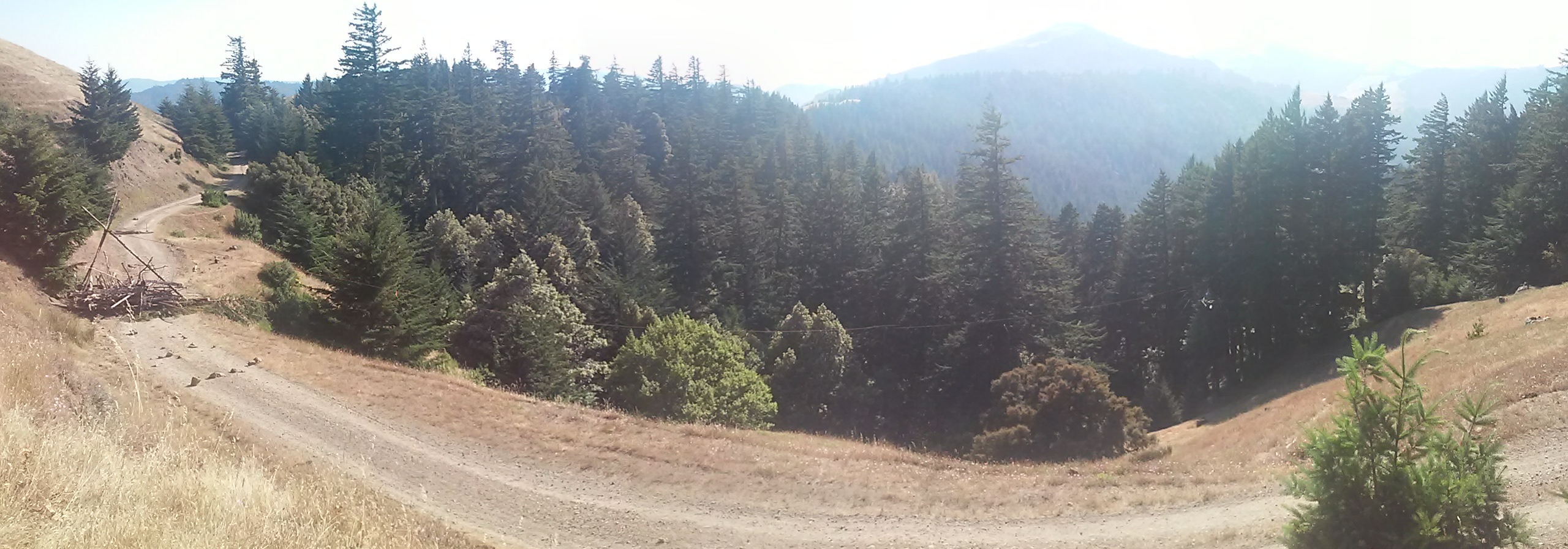
The tripod is visible on the logging road to the left of the photo
July 9th, 2014 A blockade was deployed on a logging road in the Mattole forest yesterday morning, preventing the extraction of over 1,000 acres.of old-growth forest
There has been communication between the company and the blockaders, but efforts to remove the technically complicated monopod-tripod complex had not been made as of last contact with the forest defense team.
This marks the second action in as many weeks. Last week a tree sitter going by the name Skunk climbed into the canopy, insisting, “Our main demands to Humboldt Redwood Company are very simple—don’t cut unlogged forest, and don’t cut old-growth. This road threatens to destroy forest that has never been logged before, and will pave the way for logging even more important habitat if the community does not rise up to stop it.”
The Mattole forest is host to several species of old growth trees, and endangered species like the Spotted Owl and Golden Eagle.
The Mattole river system has also been the site of heroic salmon restoration efforts in Northern California, as documented by the book Totem Salmon by Freeman House.
This area has been the site of successful forest defense campaigns since the Timber Wars in the early 1990s, and Earth First! continues to maintain a vigilant presence.
Update: Help Needed!
The blockade in the Mattole continues amidst pressure from local law enforcement and logging company representatives. The blockade was deployed on a logging road in the Mattole forest yesterday morning, preventing the extraction of over 1,000 acres of old-growth forest in Southern Humboldt.
This morning, 4 Sheriffs and HRC company execs showed up to the road blockade. They threatened to reanchor the lines of the tripod blockade, putting the sitter at risk. We have confirmed they have arrested and released one person, but that the blockade of old growth logging remains. The cops have said that they will return tonight with dogs.
This blockade marks the second action this month. Last week a tree sitter going by the name Skunk climbed into the canopy, insisting, “Our main demands to Humboldt Redwood Company are very simple—don’t cut unlogged forest, and don’t cut old-growth. This road threatens to destroy forest that has never been logged before, and will pave the way for logging even more important habitat if the community does not rise up to stop it.”
The blockade could use more support! Please contact savemattolesancientforest@gmail.com if you want to volunteer with the campaign or donate money and materials. More updates to come on saveancientforest.org.


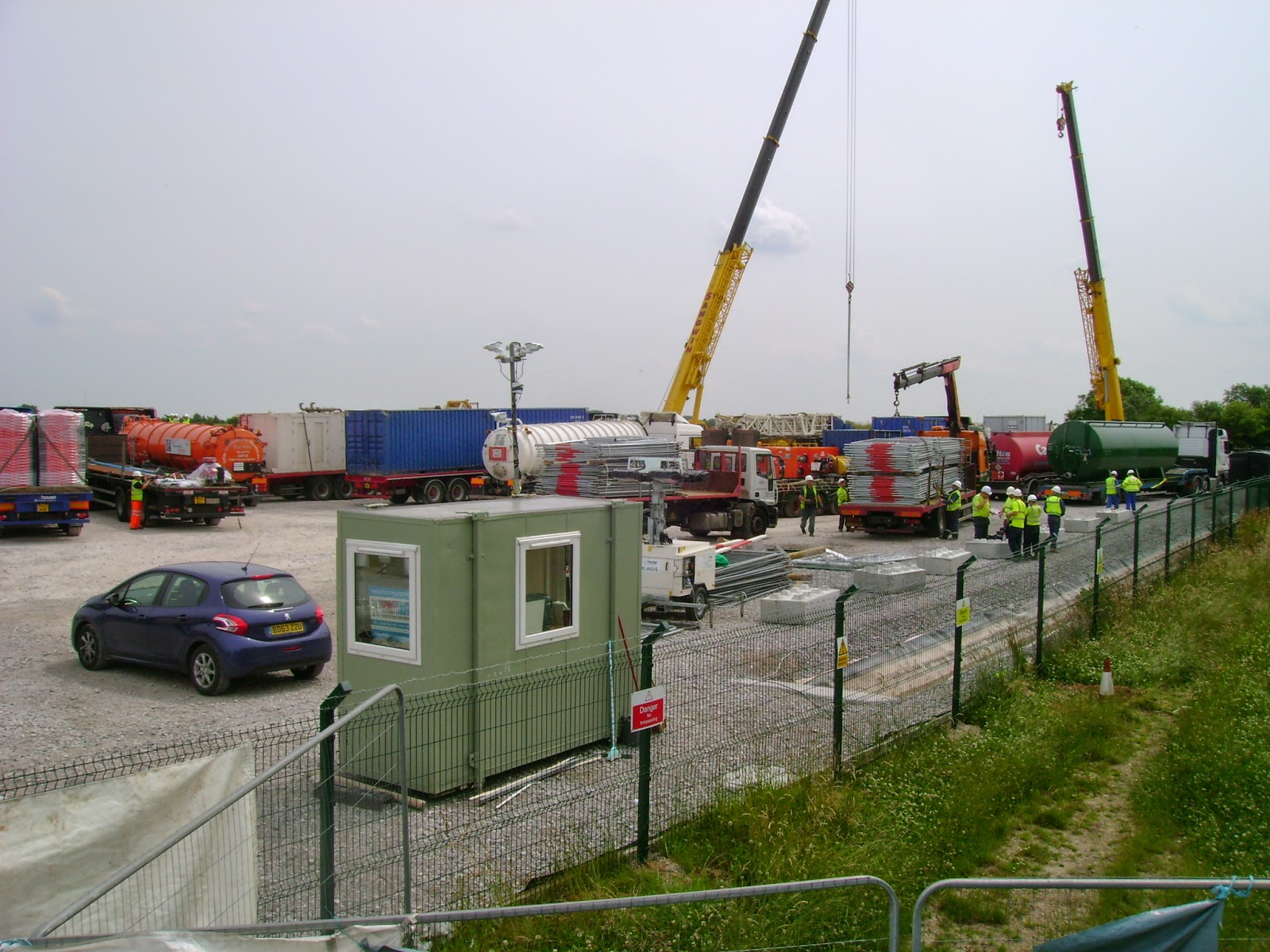


 3rd July from SccNEWS Convoys of trucks carrying equipment descended on West Newton yesterday, where
 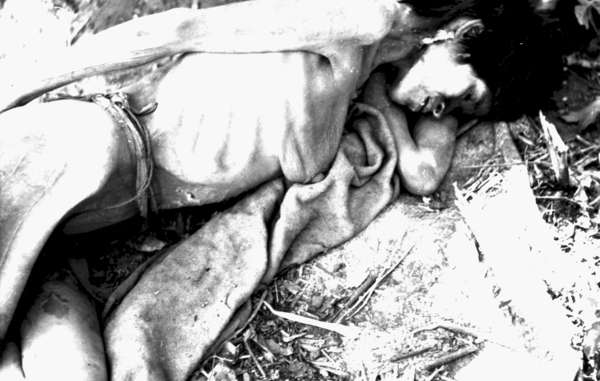 1st July The survivors of a South American tribe which was decimated during the 1950s and 60s are taking Paraguay’s government to court over the genocide they suffered.
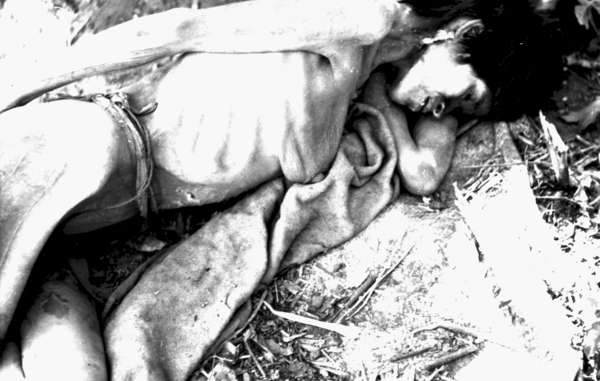 1st July The survivors of a South American tribe which was decimated during the 1950s and 60s are taking Paraguay’s government to court over the genocide they suffered.
 1st July Youths in Eket and Esit Eket in Akwa Ibom on Monday staged peaceful protests against fresh oil spills in Nkpana community from a Mobil facility i
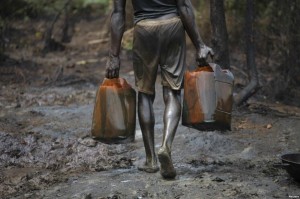 1st July Youths in Eket and Esit Eket in Akwa Ibom on Monday staged peaceful protests against fresh oil spills in Nkpana community from a Mobil facility in Ibeno.