Brazil Police Shoot Indians – More Violence Feared 31st May


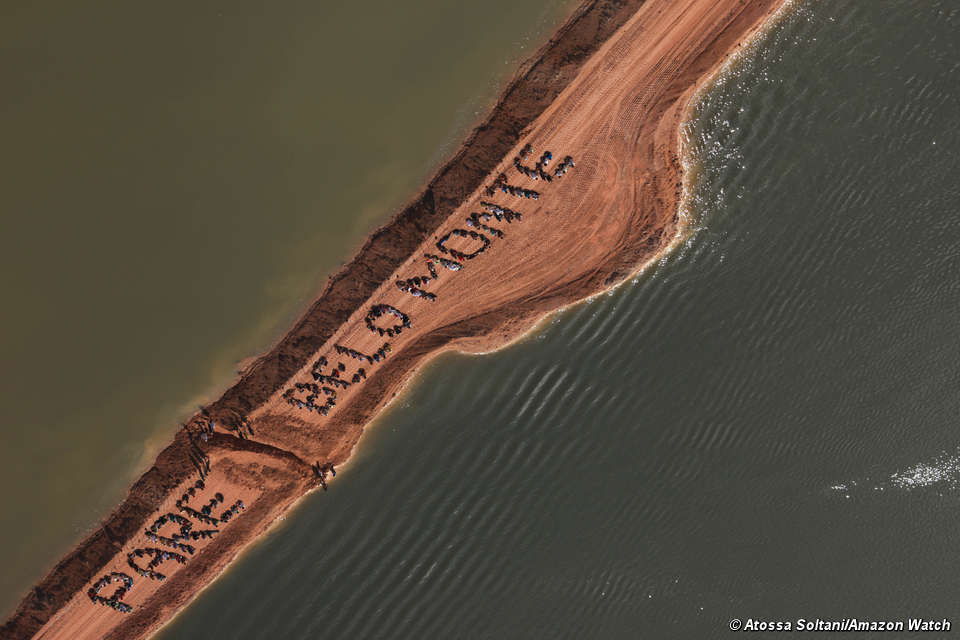
The Belo Monte occupation is the latest in a series of protests over the government’s failure to consult with the indigenous population.

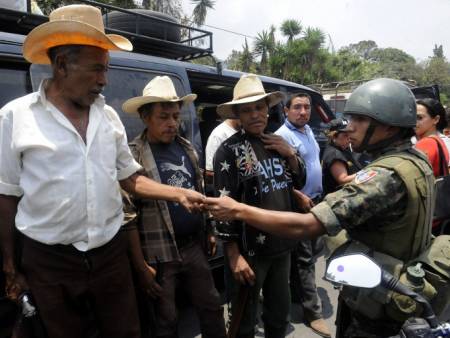
Police in south­ern Brazil yes­ter­day killed a Ter­e­na Indi­an and wound­ed sev­er­al oth­ers while vio­lent­ly evict­ing them from their land. Mem­bers of the tribe had returned to live on part of their ances­tral ter­ri­to­ry cur­rent­ly occu­pied by a ranch­er who is also a local politi­cian.

Else­where in Brazil, an evic­tion order was served on Kayapó, Arara, Munduruku, Xipaya and Juruna Indi­ans occu­py­ing the con­tro­ver­sial Belo Monte dam site. Armed police have sur­round­ed the pro­test­ers and ten­sions are ris­ing amid fears that there will be sim­i­lar vio­lence.

Munduruku Indi­ans are also protest­ing con­struc­tion of a dam on the Tapa­jós riv­er. One Munduruku was shot dead when police invad­ed a com­mu­ni­ty last Novem­ber.

Pay­go­muy­at­pu Munduruku said, ‘The gov­ern­ment is prepar­ing a tragedy. We will not leave here. The gov­ern­ment has ignored us, offend­ed us, humil­i­at­ed us and assas­si­nat­ed us… They are killing us because we are against the dams.’

The Brazil­ian con­sti­tu­tion and inter­na­tion­al law enshrine the right of trib­al peo­ples to be con­sult­ed about projects on their land. Yet a raft of bills and con­sti­tu­tion­al amend­ments pro­posed by a pow­er­ful agri­cul­tur­al and min­ing lob­by threat­en to under­mine these land rights. Indi­ans are angry that, despite being in office for two and half years, Pres­i­dent Dil­ma Rouss­eff has yet to meet any Indi­ans.

The Belo Monte occu­pa­tion is the lat­est in a series of protests over the government’s fail­ure to con­sult with the indige­nous pop­u­la­tion.
© Atossa Soltani/ Ama­zon Watch

Sur­vival Inter­na­tion­al is call­ing on Pres­i­dent Rouss­eff to halt the evic­tion of indige­nous pro­test­ers, to con­sult with the Indi­ans, and to rec­og­nize the ter­ri­to­ries of Ter­e­na tribes­peo­ple imme­di­ate­ly.

Survival’s direc­tor Stephen Cor­ry said, ‘His­to­ry is repeat­ing itself. The Figueire­do report, chron­i­cling the geno­ci­dal atroc­i­ties of a past gen­er­a­tion, has been unearthed at exact­ly the same time as new attacks on the Indi­ans are unleashed. Killings of Indi­ans should not be tol­er­at­ed any­where, let alone in a coun­try plan­ning to host world sport­ing events.’

Update From the Amazon: No Consultation, No Construction! 31st May

Indige­nous pro­test­ers are once again occu­py­ing the con­struc­tion site of the Belo Monte Dam in the Brazil­ian Ama­zon to shed light on how hydro­elec­tric mega-dams cause seri­ous envi­ron­men­tal and social impacts and destroy the way of life of the region’s peo­ples and tra­di­tion­al com­mu­ni­ties. For exam­ple, the con­struc­tion of Belo Monte will cause 100 km (60 miles) of the Xin­gu to dry out on the river’s Big Bend if com­plet­ed. In the case of the hydro­elec­tric dams planned for the Tapa­jós Riv­er, the ancient river­side vil­lages of the Mundurukú peo­ple would be com­plete­ly flood­ed.

Indige­nous pro­test­ers occu­pied the Belo Monte Dam con­struc­tion site in ear­ly and late May 2013 to protest the government’s lack of con­sul­ta­tion with affect­ed com­mu­ni­ties tho­rugh out the Ama­zon.
Pho­to cour­tesy of Ruy Sposati via munduruku­de­nun­cia on Flickr

This is the sec­ond occu­pa­tion of Belo Monte’s con­struc­tion site in less than a month. On May 2nd the indige­nous pro­tes­tors occu­pied the same work camp and stayed there for eight days. They left the last occu­pa­tion peace­ful­ly because the fed­er­al gov­ern­ment ensured that there would be a nego­ti­a­tion, which did not hap­pen. In this case the pro­tes­tors guar­an­tee that they will main­tain their occu­pa­tion until rep­re­sen­ta­tives of the fed­er­al gov­ern­ment talk with them and meet their demands.

Indige­nous peo­ple also crit­i­cize the pres­ence of the military’s Nation­al Force in the region in order to ensure safe­ty of teams car­ry­ing out envi­ron­men­tal impact stud­ies for dams on the Tapa­jós Riv­er.

In addi­tion to the police offi­cers who were already housed with­in the con­struc­tion site to ensure the pro­tec­tion of Belo Monte, oth­er con­tin­gents of police have been arriv­ing at the occu­pa­tion site.

See the lat­est let­ter from the occu­pa­tion below:

Let­ter No. 7: Fed­er­al Gov­ern­ment, we have returned

We are indige­nous Munduruku, Xipaya, Kayapo, Arara and Tupinam­bá peo­ple. We live in the riv­er and the for­est and we are opposed to the destruc­tion of both. You already know us, but now we are more.

You (the Gov­ern­ment) said that if we left the con­struc­tion sites of Belo Monte, we would be heard. We left peace­ful­ly – and pre­vent­ed you from the shame of using force to take us out of here. How­ev­er we were not heard. The gov­ern­ment did not receive us. We called Min­is­ter Gilber­to Car­val­ho and he did not come.

Wait­ing and call­ing did not work for us. So we again occu­pied your con­struc­tion sites. We didn’t want to be back in your desert of holes and con­crete. We have no plea­sure in leav­ing our homes and our lands to hang our ham­mocks in your build­ings. But how not to come when that could mean we los­ing our lands?

We want the sus­pen­sion of stud­ies and the con­struc­tion of dams that flood our ter­ri­to­ries, cut the for­est down the mid­dle, kill the fish and scare the ani­mals, and open the riv­er and the land to the devour­ing min­ers. That will bring more com­pa­nies, more log­gers, more con­flicts, more pros­ti­tu­tion, more drugs, more dis­eases, more vio­lence.

We require that you con­sult us about this con­struc­tion before it begins, because it is our right guar­an­teed by the Brazil­ian Con­sti­tu­tion and inter­na­tion­al treaties. This right was dis­re­spect­ed here in Belo Monte, on the Teles Pires Riv­er, and it’s not being com­plied with on the Tapa­jós Riv­er as well. It is not pos­si­ble that all of you will con­tin­ue repeat­ing that indige­nous peo­ple were con­sult­ed. Every­one knows that this is not true.

From now on, YOU (the Gov­ern­ment) has to stop telling lies in press releas­es and inter­views. You need to stop treat­ing us like chil­dren: naive, irre­spon­si­ble, and manip­u­la­tive. We are indige­nous peo­ple and you need to deal with it. You also need to stop lying to the press that we are fight­ing with the work­ers: they are sym­pa­thet­ic to our cause! We wrote a let­ter to them yes­ter­day! Here at the con­struc­tion sites we played soc­cer togeth­er every day dur­ing the last occu­pa­tion. When we left, a work­er to whom we gave many neck­laces and bracelets told us: “I’ll miss you.”

We have the sup­port of many rel­a­tives in this fight. We have the sup­port of all the indige­nous peo­ple from the Xin­gu. We have the sup­port of the Kayapo. We have the sup­port of the Tupinam­bá;  the Gua­ja­jara; the Apina­jé; Xer­ente; Krahô, Kara­ja; Xam­bioá-Tapuia; Krahô-Kanela; Avá-Canoero; javaé Kanela from Tocan­tins and Guarani. And the list is grow­ing. We have the sup­port of the nation­al and inter­na­tion­al soci­ety even though that both­ers you – you are alone with your cam­paign donors and com­pa­nies inter­est­ed in craters and mon­ey.

We occu­pied your con­struc­tion sites again – and how many times will we need to do this until your own law is respect­ed? How many restrain­ing orders, fees, pos­s­e­sion orders will cost you until you hear us? How many rub­ber bul­lets, bombs and pep­per sprays do you plan to spend until you admit that you are wrong? Or will you kill again? How many indige­nous will you kill besides our rel­a­tive Munduruku, from the Teles Pires, sim­ply because we do not want dams?

And do not send the Nation­al Force to nego­ti­ate for you. Come your­selves. We want Dil­ma to come talk to us.

The Unist’ot’en People Maintain a “Soft Blockade” On the Morice River 30th May

The Unist’ot’en Peo­ple (a.k.a C’ilhts’ekhyu) of the Wet’suwet’en Nation main­tain a “Soft Block­ade” keep­ing pipeline work­ers and sub­con­trac­tors out of their ter­ri­to­ries. The block­ade is locat­ed 66km on the Morice West For­est Ser­vice Road south of the town of Hous­ton BC.

Hun­dreds of sup­port­ers, vol­un­teers, recre­ation­al­ists, and mush­room pick­ers have been able to cross into the guard­ed ter­ri­to­ry by show­ing respect to the ter­ri­to­ry own­ers and answer­ing some sim­ple ques­tions. The ques­tions were as fol­lows:

  1. Who are you?
  2. Where do you come from?
  3. How long to you plan to stay?
  4. Are you work­ing for gov­ern­ment or indus­try?
  5. What is your busi­ness here?
  6. How will your vis­it ben­e­fit the Unist’ot’en Peo­ple?

There were some peo­ple who have cho­sen not to answer any of the ques­tions and were not per­mit­ted into the lands. Some of the peo­ple reject­ed were out­right racist and bel­liger­ent; some peo­ple refused to rec­og­nize the author­i­ty of the ter­ri­to­ry own­ers; and some were sim­ply unable to truth­ful­ly answer any of the ques­tions until they could devel­op a rela­tion­ship with the Unist’ot’en.

The deci­sion to con­trol ter­ri­to­ry traf­fic came when work­ers for the pro­posed Apache/Chevron Frack­ing Gas Pipelines were caught in the ter­ri­to­ry last Novem­ber after being pre­vi­ous­ly warned for tres­pass­ing. The Unist’ot’en have been lead­ing a move­ment among the larg­er Wet’suwet’en pop­u­la­tion to stop ALL pro­posed Pipelines (includ­ing Frack­ing and Tar Sands) from cross­ing their ter­ri­to­ries.

In 2008, the Unist’ot’en along­side the oth­er four Clans of the Wet’suwet’en walked away from the BC Treaty Com­mis­sion nego­ti­a­tion process. They found that since the 1997 Supreme Court of Canada’s Del­ga­muukw v. Queeen Court deci­sion, gov­ern­ment and indus­try have only esca­lat­ed their activ­i­ties on their lands at an alarm­ing rate with­out mean­ing­ful con­sul­ta­tion.

Fre­da Huson, the Spokes­woman for the Unist’ot’en states, “The plain­tiffs in the land­mark Del­ga­muukw Supreme Court of Cana­da case are the Hered­i­tary Chiefs and their mem­bers. Gov­ern­ment and Indus­try are break­ing their own laws when they choose to only con­sult with Indi­an Act band coun­cils. The pro­pa­gan­da writ­ers for the Pacif­ic Trails Pipeline like to say that they have 15 First Nation People’s sup­port, when in fact they have only been talk­ing to Indi­an Act com­mu­ni­ties. That has to stop. This strug­gle to pro­tect our lands is not about hold­ing out for finan­cial gain. It is about pro­tect­ing our lands from destruc­tive prac­tices from indus­try. Our actions will not only ben­e­fit our future gen­er­a­tions but everyone’s future gen­er­a­tions.”

The log­ging road lead­ing into the ter­ri­to­ry is man­aged by the CANFOR log­ging com­pa­ny and CANFOR is tak­ing the lead to begin a mean­ing­ful process of con­sul­ta­tion. The Unist’ot’en are wel­com­ing this new rela­tion­ship with CANFOR and are hope­ful that oth­er indus­try projects will choose to begin ask­ing per­mis­sion rather than imple­ment­ing projects with­out mean­ing­ful con­sul­ta­tion.

Thousands of Tibetans Protest Against Mine 30th May

As many as 5,000 Tibetans have protest­ed against Chi­nese min­ing

As many as 5,000 Tibetans have protest­ed against Chi­nese min­ing

oper­a­tions at a site con­sid­ered sacred by local res­i­dents, draw­ing a large secu­ri­ty force to the area and prompt­ing fears of clash­es, accord­ing to Tibetan sources this week.

The protest last Fri­day took place at Nagl­ha Dzamb­ha moun­tain in Tibet’s Driru (in Chi­nese, Biru) coun­ty, the scene of sim­i­lar protests two years ago, sources said.

“On May 24, about 100 mem­bers a Chi­nese com­pa­ny arrived at Nagl­ha Dzamb­ha on the pre­text of putting up cable tow­ers and pow­er lines and build­ing hydro­elec­tric projects for the ben­e­fit of the peo­ple,” a res­i­dent of the area told an RFA Tibetan Ser­vice call-in show on Sat­ur­day.

“Actu­al­ly, they were there to mine min­er­als,” the source said, speak­ing on con­di­tion of anonymi­ty.

About 5,000 local Tibetans then gath­ered in Driru to protest, he said, and of that num­ber, 3,500 went to the pil­grim­age site to demand an end to the project, say­ing “Please leave our resources where they are.”

Six men cho­sen to rep­re­sent the peo­ple of Driru approached the Chi­nese com­pa­ny with a peti­tion not to fur­ther harm the local envi­ron­ment, but author­i­ties on Sat­ur­day deployed secu­ri­ty forces in about 50 trucks to the protest site, RFA’s source said.

Coun­ty author­i­ties lat­er “gave in to the pop­u­lar out­cry and made an announce­ment to that effect,” eas­ing imme­di­ate fears of a crack­down, but Tibet’s India-based exile gov­ern­ment in a sep­a­rate report described the sit­u­a­tion in Driru as “tense.”

Fre­quent stand­offs

Min­ing oper­a­tions in Tibetan regions have led to fre­quent stand­offs with Tibetans who accuse Chi­nese firms of dis­rupt­ing sites of spir­i­tu­al sig­nif­i­cance and pol­lut­ing the envi­ron­ment as they extract local wealth.

In March, oper­a­tions at the Gya­ma mine in Tibet’s Mal­dro Gongkar coun­ty near Lhasa caused a cat­a­stroph­ic land­slide that killed 83 min­ers.

And in Jan­u­ary, Tibetan sources told RFA that Chi­nese-oper­at­ed mines in Lhun­drub coun­ty, also near Lhasa, have caused “severe” dam­age to local forests, grass­lands, and drink­ing water.

Waste from the mines, in oper­a­tion since 2005, “has been dumped in the local riv­er, and min­ing activ­i­ties have pol­lut­ed the air,” one source said.

Californians Against Fracking Launch Coordinated Protests Around State 30th May


Oppo­nents of a con­tro­ver­sial method of extract­ing oil and gas will deliv­er peti­tions to law­mak­ers around Cal­i­for­nia on Thurs­day urg­ing them to lim­it or ban the con­tro­ver­sial prac­tice.


Oppo­nents of a con­tro­ver­sial method of extract­ing oil and gas will deliv­er peti­tions to law­mak­ers around Cal­i­for­nia on Thurs­day urg­ing them to lim­it or ban the con­tro­ver­sial prac­tice.

Groups against frack­ing say the method could dam­age ground­wa­ter sup­plies and harm unspoiled habi­tat for native ani­mals like the kit fox.

Orga­niz­ers say around 70 groups are involved in the coor­di­nat­ed effort. One of the largest, MoveOn.org, plans to deliv­er peti­tions to a dozen assem­bly mem­bers ask­ing for lim­its on the oil extrac­tion method. The group is also orga­niz­ing protests in Sacra­men­to, San Jose, San Diego, San Ramon, and Los Altos, among oth­er places.

Food and Water Watch and the Cen­ter for Bio­log­i­cal Diver­si­ty are plan­ning sim­i­lar march­es in San Fran­cis­co and here in Los Ange­les. Doc­u­men­tary film­mak­er Josh Fox, who direct­ed “Gasland,” will join activists as they protest out­side Gov­er­nor Brown’s Los Ange­les office on Spring Street.

The fed­er­al gov­ern­ment esti­mates that as much as 15 mil­lion bar­rels of oil and gas are trapped in a rock for­ma­tion that sprawls across south­ern and cen­tral Cal­i­for­nia called the Mon­terey Shale. Petro­le­um com­pa­nies say break­ing open that rock will unleash an eco­nom­ic boom, includ­ing fuel, jobs and tax rev­enue.

Sea Shepherd launches Operation Relentless 9th May

Off the back of Sea Shepherd’s most suc­cess­ful cam­paign to date, Oper­a­tion Zero Tol­er­ance that saved 932 whales, Sea Shep­herd launch­es Oper­a­tion Relent­less. Like last season’s cam­paign, Oper­a­tion Relent­less will be man­aged and led by Sea Shep­herd Aus­tralia with cam­paign lead­ers Bob Brown and Jeff Hansen.

It will be Sea Shepherd’s 10th Antarc­tic whale defence cam­paign defend­ing at risk whales in the South­ern Ocean Whale Sanc­tu­ary. Dur­ing the past nine sea­sons, Sea Shepherd’s direct-action inter­ven­tions have saved the lives of more than 4,500 whales and exposed ille­gal Japan­ese whal­ing to the world. With the help of Aus­tralians and peo­ple around the world, Oper­a­tion Relent­less is shap­ing up to be a mon­u­men­tal suc­cess for the whales.

“Aus­tralia is now the focus of the biggest whale sav­ing oper­a­tion on Earth and fund­ing depends on the gen­eros­i­ty of whale lov­ing Aus­tralians. These whales are Australia’s respon­si­bil­i­ty. Sea Shep­herd is act­ing where Gov­ern­ments have failed to inter­vene in the ille­gal slaugh­ter of these mag­nif­i­cent crea­tures,” said Dr Bob Brown, Sea Shep­herd board mem­ber.

“Japan stat­ed that the attempt to kill whales in the Antarc­tic whale sanc­tu­ary was aban­doned due to ‘relent­less inter­fer­ence’ by Sea Shep­herd,” said Jeff Hansen, Sea Shep­herd Aus­tralian Direc­tor.

“Sea Shep­herd likes that kind of relent­less accu­sa­tion, we like being relent­less in the pur­suit of final­ly bring peace to the whales of the South­ern Ocean Whale Sanc­tu­ary. Sea Shep­herd knows that this is a David and Goliath strug­gle. Our past vic­to­ries show we have one thing that the whalers do not, and that’s the pas­sion and courage of our crew. No mat­ter what the odds, no mat­ter what the risks, no mat­ter how well equipped, fund­ed and Gov­ern­ment backed your oppo­nents are, you must nev­er give in, must nev­er sur­ren­der.  You must fight for what is right, because the one thing that is worth fight­ing for on our beau­ti­ful plan­et is life,” said Mr Hansen.

Despite Government Repression, Hundreds Protest China Chemical Plant 4th May

chinachemplant

chinachemplant

Hun­dreds of peo­ple have protest­ed against a pro­posed chem­i­cal plant in south­west Chi­na, state media said, while res­i­dents in anoth­er city accused author­i­ties of pre­vent­ing a sim­i­lar protest.

More than 200 demon­stra­tors gath­ered in the city of Kun­ming on Sat­ur­day to protest plans for a fac­to­ry which will pro­duce paraxy­lene (PX), a tox­ic petro­chem­i­cal used to make fab­rics, China’s offi­cial Xin­hua news agency report­ed.

About 1,000 peo­ple described as “onlook­ers” sur­round­ed the pro­test­ers, some of whom wore face-masks and held ban­ners, the report said, adding that police “dis­suad­ed” a pro­test­er from dis­play­ing a ban­ner.

Police also lined the streets of Cheng­du, the cap­i­tal of south­west China’s Sichuan province, after locals planned to demon­strate over a near­by chem­i­cal plant, res­i­dents said.

“There were a lot of police out­side gov­ern­ment offices, pub­lic spaces and impor­tant cross­roads in the city,” one res­i­dent sur­named Liu said, adding that fliers post­ed around the city in recent days had called for a protest.

“The fliers said the chem­i­cal plant has a big impact on people’s health,” he said, not want­i­ng to give a full name for fear of offi­cial reprisals. The gov­ern­ment respond­ed with notices call­ing on peo­ple not to demon­strate, Liu said.


Pho­tos post­ed online showed ranks of police lin­ing the city’s streets. Local police on Sat­ur­day morn­ing announced that they would be car­ry­ing out an earth­quake pro­tec­tion drill, a claim dis­missed by thou­sands of inter­net users.

“It’s about pre­vent­ing the protest,” one user of the pop­u­lar social net­work­ing web­site Sina Wei­bo wrote in response to the police notice. “This is the most bla­tant lie in the his­to­ry of Cheng­du,” added anoth­er.

Locals online said that the protest did not take place. Cheng­du was shak­en last month by a 6.6 mag­ni­tude earth­quake which struck Lushan coun­ty, about 160km away, killing about 200 peo­ple.

Schools and uni­ver­si­ties in the city were request­ed to hold extra class­es on Sat­ur­day, in an appar­ent attempt to keep peo­ple from protest­ing, sev­er­al online reports said.

Ris­ing trend

ChinaChemProtest2

Chi­na has seen a num­ber of urban demon­stra­tions against pro­posed chem­i­cal plants in recent years, in what ana­lysts have iden­ti­fied as a ris­ing trend of envi­ron­men­tal­ly-moti­vat­ed “not in my back­yard” protests in Chi­na.

Local author­i­ties in the coastal city of Xia­men can­celled plans for a PX plant after thou­sands took part in a protest in 2007.

A huge protest in the north­east­ern city of Dalian in 2011 prompt­ed author­i­ties to announce a sim­i­lar climb­down.

The east­ern city of Ning­bo last year announced the with­draw­al of plans for a PX plant after a demon­stra­tion involv­ing about 200 peo­ple, while a vio­lent protest in the south­west­ern city of Shi­fang prompt­ed offi­cials to shelve pro­pos­als for a met­als fac­to­ry.

Search­es for “Cheng­du PX” were blocked on Sina Wei­bo on Sat­ur­day, while posts about the Kun­ming protest were delet­ed by online cen­sors.

Militant Mining Resistance

bloqueo2

Min­ing is one of the most vis­cer­al­ly destruc­tive and hor­rif­ic ways in which the dom­i­nant culture—industr

bloqueo2

Min­ing is one of the most vis­cer­al­ly destruc­tive and hor­rif­ic ways in which the dom­i­nant culture—industrial civilization—enacts its vio­lence on the liv­ing world. As entire­ly and unequiv­o­cal­ly destruc­tive as this soci­ety is, few oth­er indus­tri­al activ­i­ties are as hor­rif­i­cal­ly con­fronting as min­ing. Whole land­scapes are cleared of life as communities—most often indige­nous or poor—are forced from their homes. Moun­tains lev­el to piles of bar­ren rub­ble which leach count­less poi­sons, scour­ing life from whole water­sheds. Pits of unimag­in­able size are carved from the bones of the earth, leav­ing moon­scapes in their wake.

Besides the imme­di­ate dam­age to the land at the site of oper­a­tions, the destruc­tion extends through the uses its prod­ucts are put to. In this way, min­ing is cru­cial to the con­tin­ued func­tion of indus­tri­al civ­i­liza­tion, sup­ply­ing many of the raw mate­ri­als that form the mate­r­i­al fab­ric of indus­tri­al soci­ety. Steel, alu­minum, cop­per, coal, tar sands bitu­men, cement; the mate­ri­als extract­ed through min­ing are cen­tral com­po­nents of indus­tri­al civ­i­liza­tion in an imme­di­ate and phys­i­cal way. They are the build­ing blocks of this soci­ety.

For­tu­nate­ly, as is the way of things, where there is atroc­i­ty and bru­tal­iza­tion, there is resis­tance. There has been a lot of mil­i­tant anti-min­ing action hap­pen­ing recent­ly; in the last few months alone there have been sev­er­al inspir­ing inci­dents of peo­ple tak­ing direct mil­i­tant action against min­ing projects and infra­struc­ture.

In Feb­ru­ary, sev­er­al dozen masked mil­i­tants raid­ed the Hel­las gold mine in Halkidi­ki, Greece. They fire­bombed machin­ery, vehi­cles, and offices at the site. The attack fol­lowed sev­er­al years of legal chal­lenges and pub­lic demonstrations—none of which suc­ceed­ed in stop­ping the mine, which will destroy forests, poi­son ground­wa­ter, and release air pol­lu­tants includ­ing lead, mer­cury and arsenic.

When local res­i­dents tried to stop the mine through the courts the gov­ern­ment ruled against them, claim­ing that the mine would cre­ate jobs. As the Deputy Min­is­ter of Ener­gy and Envi­ron­ment Asi­makis Papa­geor­giou said, “We can no longer accept this [area] being left unex­ploit­ed or bare­ly exploit­ed.”

State­ments like these on the part of those in pow­er, while not nec­es­sar­i­ly sur­pris­ing, help to make clear the real­i­ty we face; the dom­i­nant cul­ture requires the rend­ing of the liv­ing world into dead com­modi­ties. It can’t be per­suad­ed to change, no mat­ter how com­pas­sion­ate and com­pelling the appeals we make. It can only be forced to change.

More recent­ly, the Powhar­nal coal mine in Scot­land was attacked at the begin­ning of April. An anony­mous com­mu­nique was released via Indy­media Scot­land:

At some point over the past week­end mul­ti­ple items of plant machin­ery at an exten­sion to the Powhar­nal open cast coal site in East Ayr­shire were put beyond work­ing use. High val­ue tar­gets includ­ing a prime mover and bull­doz­er were also tar­get­ed to cause max­i­mum dis­rup­tion to work­ings at the mine.

This action presents yet anoth­er hope­ful exam­ple of mil­i­tant action tar­get­ing extrac­tive projects. This was not a sym­bol­ic act of prop­er­ty destruc­tion, but rather one aimed at mate­ri­al­ly dis­rupt­ing and stop­ping destruc­tive activ­i­ty. More so, the actionist(s) specif­i­cal­ly tar­get­ed key equip­ment and infra­struc­ture at the site to max­i­mize the impact of their actions, mak­ing good use of effec­tive sys­tems dis­rup­tion.

A third exam­ple comes from Peru, where in mid-April sev­er­al hun­dred pro­tes­tors stormed the Minas Con­ga gold & cop­per mine, occu­py­ing the site for a short while and burn­ing equip­ment. Besides the imme­di­ate dam­age done by the arson, the action forced the oper­at­ing com­pa­ny, Min­era Yana­cocha, to evac­u­ate per­son­nel and equip­ment, fur­ther dis­rupt­ing their oper­a­tions.

This lat­est protest in April is the lat­est in a con­tin­u­ous and diverse tapes­try of resis­tance to the Minas Con­ga mine. Such direct and mil­i­tant protests and actions last year forced Yana­cocha to put most of the min­ing project on hold, and the strong unyield­ing oppo­si­tion has New­mont Min­ing Cor­po­ra­tion (which owns Yana­cocha) con­sid­er­ing pulling out of the project alto­geth­er. This is yet anoth­er exam­ple of how effec­tive mil­i­tant action can be in stop­ping min­ing and oth­er extrac­tive projects.

Of course there are plen­ty of above­ground and non­vi­o­lent efforts being made to oppose min­ing projects hap­pen­ing as well, and this isn’t meant to detract from or dis­miss their efforts. But the dom­i­nant cul­ture needs access to the raw mate­ri­als that feed the glob­al econ­o­my, and in the end it will secure those resources by force, refus­ing to hear “no!”

Again, this isn’t to say that non­vi­o­lent efforts are by any means doomed to fail­ure each and every time we employ them. It is to acknowl­edge that the entire exis­tence and oper­a­tion of indus­tri­al civ­i­liza­tion requires con­tin­ued access to “raw mate­ri­als” (oth­er­wise known as nat­ur­al liv­ing com­mu­ni­ties), and that the courts, reg­u­la­to­ry sys­tems, and laws have all been designed to pre­serve that arrange­ment. We may win occa­sion­al vic­to­ries here and there, but like a casi­no, they—the House, the cap­i­tal­ists, the min­ers, the extrac­tors, etc.— will always come out ahead in the end.

When above­ground & legal efforts to stop min­ing and oth­er extrac­tion projects fail, as they so often and reli­ably do, those deter­mined to pro­tect the lands and com­mu­ni­ties that are their homes turn to oth­er means.  

Attack­ing and destroy­ing the min­ing infra­struc­tures themselves—the phys­i­cal machines that are the imme­di­ate and direct weapons used to tear up biomes—forces a halt to extrac­tion with an unmatched direct­ness and imme­di­a­cy. Beyond min­ing itself, the strate­gic effi­ca­cy of tar­get­ing infrastructure—as the foun­da­tion­al sup­ports of any system—has been proven time and again by mil­i­taries and resis­tance move­ments around the world.

Of course, attacks tar­get­ing mines alone will like­ly nev­er be enough to stop such harm­ful and destruc­tive process­es alto­geth­er. That can only hap­pen by dis­man­tling indus­tri­al civ­i­liza­tion itself. And like anti-min­ing resis­tance, bring­ing down civ­i­liza­tion will require under­ground action— the tar­get­ing of key nodes of crit­i­cal indus­tri­al sys­tems through coor­di­nat­ed sab­o­tage.

As civ­i­liza­tion con­tin­ues its inces­sant death march around the world— tear­ing apart and destroy­ing ever more of the liv­ing world, ever more human and extra-human com­mu­ni­ties— resis­tance against it must of neces­si­ty become more mil­i­tant. With so much at stake, those resisters in Greece, Scot­land, Peru and else­where using mil­i­tant attacks on indus­tri­al infra­struc­ture to defend their lands and com­mu­ni­ties deserve our undy­ing sup­port. Those of us who val­ue life and jus­tice should not con­demn them, but cel­e­brate them— for theirs is pre­cise­ly the type of action that will be required to stop the mur­der of the liv­ing world.


Clean and Green? Rare Earth Elements and Technology

toxicree

Tox­ic waste being pumped into a tail­ings pond at a Rare Earth Ele­ment Mine.

toxicree

Tox­ic waste being pumped into a tail­ings pond at a Rare Earth Ele­ment Mine.

Maybe things aren’t as clean as they seem….  The Moth­er Nature Net­work describes the scene pret­ty well, “Lots of green tech­nolo­gies rely on rare earths [ele­ments], but iron­i­cal­ly, rare earth pro­duc­ers have a long his­to­ry of harm­ing the envi­ron­ment to get the met­als. Like many indus­tries that process min­er­al ores, they end up with tox­ic byprod­ucts known as ‘tail­ings,’ which can be con­t­a­m­i­nat­ed with radioac­tive ura­ni­um and tho­ri­um.”

With the re-open­ing of MolyCorp’s Moun­tain Pass mine in Cal­i­for­nia, Rare Earth Ele­ment (REE) min­ing came back on the scene in the U.S.  Ever since 2002 when that same mine had a 60 record­ed spills, result­ing in 600,000 gal­lons of radioac­tive water leak­ing into the Mojave desert, REEs have been com­ing only from Chi­na.  But with Chi­na restrict­ing some exports, and cut­ting back on the mines due to envi­ron­men­tal con­cerns, min­ing com­pa­nies in the U.S. are out look­ing for more.

A report by Bloomberg, details some of the tox­ic rea­sons to leave REEs alone.

  • China’s rare-earth indus­try each year pro­duces more than five times the waste gas, includ­ing dead­ly flu­o­rine and sul­fur diox­ide, than the total flared by all min­ers and oil refin­ers in the U.S.
  • Rare earth min­ing in Chi­na pro­duced 25 mil­lion tons of waste­water laced with can­cer-caus­ing heavy met­als such as cad­mi­um.
  • It takes more chem­i­cals to sep­a­rate rare earth ele­ments from ore than it does for base met­als such as cop­per, zinc and lead.
  • Low lev­els of radioac­tive tho­ri­um and ura­ni­um also occur in min­er­als con­tain­ing many rare-earth ele­ments.
  • In a Decem­ber 2012 report, the Envi­ron­men­tal Pro­tec­tion Agency said that as yet, the agency has no for­mal strat­e­gy for man­ag­ing and min­i­miz­ing rare-earth mining’s risks.

The Bloomberg arti­cle also points out why they are still being mined, “Rare earth met­als are key to glob­al efforts to switch to clean­er (sic) ener­gy — from bat­ter­ies in hybrid cars to mag­nets in wind tur­bines”.

There are plans quick­ly spread­ing across the coun­try for REE mine explo­rations.  While some point out the grow­ing con­cerns; oth­er orga­ni­za­tions (like the Depart­ment of Defense) are going gang busters to get new REE mines oper­at­ing.

Guatemala Declares Emergency In 4 Towns Following Kidnappings, Shootouts. 3rd May

GUATEMALA CITY, May 2  – Guatemala declared an emer­gency in four south­east­ern towns on Thurs­day, sus­pend­ing cit­i­zens’ con­sti­tu­tion­al rights in an area where dead­ly protests over a pro­posed sil­ver mine have erupt­ed in recent weeks.

Guatemalan Pres­i­dent Otto Perez announced the move in an effort to quell protests tar­get­ing the mine belong­ing to Cana­di­an min­er Tahoe Resources Inc. Two peo­ple have been killed in the demon­stra­tions.

The company’s secu­ri­ty guards shot and wound­ed six demon­stra­tors on Sat­ur­day, said Mauri­cio Lopez, Guatemala’s secu­ri­ty min­is­ter.

The next day, pro­test­ers, who say the Escobal sil­ver mine near the town of San Rafael Las Flo­res will con­t­a­m­i­nate local water sup­plies, kid­napped 23 police offi­cers, Lopez said.

One police offi­cer and a demon­stra­tor were killed in a shootout on Mon­day when police went to free the hostages, said Lopez.

“I am not going to allow this to con­tin­ue,” Perez told reporters. “We have con­duct­ed a six-month inves­ti­ga­tion in this area with the attor­ney general’s office for var­i­ous crim­i­nal activ­i­ties.”


Police and mil­i­tary raid­ed the four towns on Thurs­day, arrest­ing 15 peo­ple sus­pect­ed of kid­nap­ping, weapons theft and destruc­tion of pri­vate prop­er­ty.

Tahoe said in a state­ment it regret­ted the injuries to pro­test­ers caused by rub­ber bul­lets, but denied any respon­si­bil­i­ty for the deaths.

“Our inves­ti­ga­tion has shown that only non-lethal mea­sures were tak­en by our secu­ri­ty,” the com­pa­ny said.

The 30-day “state of emer­gency” will sus­pend cit­i­zens’ rights to bear arms and assem­ble peace­ful­ly. It also gives author­i­ties the pow­er, with­out a war­rant, to search res­i­dents sus­pect­ed of crimes.

Min­ing in Guatemala accounts for about 2 per­cent of gross domes­tic prod­uct. The country’s largest gold mine, the Mar­lin mine owned by Canada’s Gold­corp Inc, is expect­ed to pro­duce up to 200,000 ounces this year.