Nantes, France: Call for a Demo and Decentralized Solidarity Actions Against Repression of the Anti-airport Movement

17-mai8th May 2014 On Feb­ru­ary 22nd, 2014, more than 50,000 peo­ple gath­ered in Nantes for the biggest anti-air­port demon­stra­tion ever.

17-mai8th May 2014 On Feb­ru­ary 22nd, 2014, more than 50,000 peo­ple gath­ered in Nantes for the biggest anti-air­port demon­stra­tion ever. As it was declared ille­gal by the pre­fec­ture, it quick­ly faced stun­ning repres­sion; hun­dreds of over-armed cops sur­round­ed the demo while a huge anti-riot wall blocked the cen­tral street of the city (le cours des 50 otages). It was the first time in Nantes’ social strug­gles his­to­ry that a demo couldn’t pass by there. Politi­cians and media talked about “loot­ings” and “dev­as­ta­tions”, deplor­ing the vio­lence after a group of demon­stra­tors attempt­ed to walk the orig­i­nal route.

How­ev­er, the Pow­er and its accom­plices failed to men­tion the extreme feroc­i­ty in the crack­down on this demon­stra­tion. On Feb­ru­ary 22nd, hun­dreds of peo­ple were hurt by police weapons. At least three of them lost an eye from rub­ber-bul­let shots. A lot of peo­ple breathed tear gas, were shak­en up from stun grenades, or wound­ed from dis­per­sion grenades, or repulsed by water can­nons.


A few weeks lat­er, on March 31st, media exul­tant­ly declared a first “drag­net” fol­low­ing a spe­cial police force’s inves­ti­ga­tion. Nine com­rades had their hous­es searched and were arrest­ed in the ear­ly morn­ing. Two of them were imme­di­ate­ly released, as one of them was not even in Nantes on the day of the demon­stra­tion. Four oth­ers couldn’t pre­pare their defense since they were sent to the court through the imme­di­ate arraign­ment pro­ce­dure. Sen­tences are as heavy as the records are emp­ty: indeed, the only real evi­dence the pros­e­cu­tion had were the con­fes­sions of the accused. Three of them have been con­demned to prison terms with­out remis­sion. Dur­ing this par­o­dy of a tri­al, judge Tchalian did not hes­i­tate to dou­ble the prosecutor’s req­ui­si­tions and put our com­rade Enguer­rand direct­ly in prison. One year in prison with­out remis­sion for some stones and smoke cans.

The pur­pose of the repres­sion from police and the jus­tice sys­tem that the anti-air­port move­ment is now fac­ing is only to ter­ror­ize those who revolt and start fight­ing against capitalism’s hold on our liv­ing spaces. It is to psy­cho­log­i­cal­ly and phys­i­cal­ly touch a social move­ment, to muti­late and incar­cer­ate some of us to reach all the oth­ers. The sen­tences and muti­la­tions of the 22nd of Feb­ru­ary are not only an appli­ca­tion of laws or peace­keep­ing techniques—they are deeply polit­i­cal. This real state ter­ror­ism express­es clear­ly what must be expect­ed for those who resist.

Today, Enguer­rand, Quentin, Damien, Emmanuel, Philippe, J. and G. are its vic­tims. It could have been any one of us. Accord­ing to the State and its so-called jus­tice, tak­ing part in a demon­stra­tion is suf­fi­cient to jus­ti­fy the loss of an eye or a prison term.

We shouldn’t step back as we are fac­ing such vio­lent repres­sion. By doing so, we would only prove their case. The best sup­port we can give to our wound­ed and incar­cer­at­ed com­rades is to keep on fight­ing. Our strug­gle has nev­er been so pow­er­ful, and we have nev­er been so close to real­iz­ing a future with­out con­crete. More than ever, we must keep on fight­ing and not give any­thing up in the strug­gle against the air­port and the world that pro­duces it.

Against the assas­sin Pow­er that muti­lat­ed and incar­cer­at­ed, we have a weapon that it can­not take back. In a let­ter, on April 8th, Enguer­rand stat­ed: “The strength of activist sol­i­dar­i­ty can­not be defeat­ed,” and indeed, we agree. Actions in sup­port of those wound­ed and accused in the strug­gle have already been diverse and numer­ous, mod­eled on the diver­si­ty with­in the move­ment. Infi­nite are the poten­tial actions. Orga­nize a con­cert or a fundrais­er to finan­cial­ly sup­port the accused and their fam­i­lies. Call for a demon­stra­tion (“peace­ful­ly hel­met­ed”? —a ref­er­ence to the “Flash­balles” song) to express revolt against police crimes. Cov­er the walls with paint­ed slo­gans or posters to make sure that no one ignores what is hap­pen­ing…

Every ini­tia­tive is wel­come to bring reas­sur­ance to our com­rades and remind the Pow­er of our rage and deter­mi­na­tion. Against the con­niv­ing silence of the media spec­ta­cle, we can only rely on our­selves to make “jus­tice” a mean­ing­ful word again. We strong­ly encour­age every sol­i­dar­i­ty action against repres­sion of the anti-air­port move­ment, no mat­ter whether it hap­pens in Nantes or any­where else, today or any­time.

No jus­tice, no peace!
Sol­i­dar­i­ty with the wound­ed and the accused!
No to the air­port and its world!

DEMONSTRATION Sat­ur­day, May 17th, 2014 at 3pm – Nantes pre­fec­ture

To write to the sup­port com­mit­tee for Enguer­rand or to sign this call: soutien.enguerrand(at)riseup.net

Former ELF Member Pleads Guilty to Arsons; Snitches on Friends for Reduced Sentence

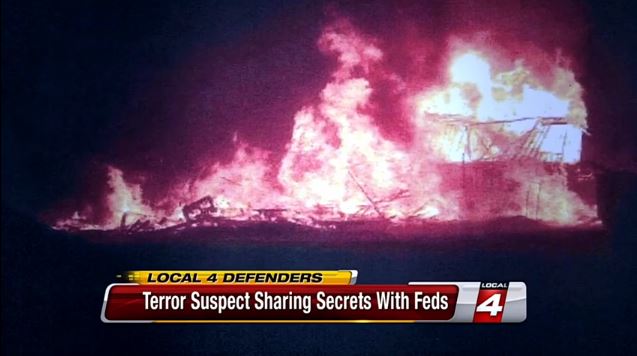
liammulholland3 Tomor­row, May 5, 2014, Liam Mul­hol­land will be sen­tenced for his involve­ment in a 2003 ELF arson.

liammulholland3 Tomor­row, May 5, 2014, Liam Mul­hol­land will be sen­tenced for his involve­ment in a 2003 ELF arson.

Mul­hol­land plead­ed guilty to set­ting fire to a house at Mys­tic For­est hous­ing devel­op­ment in Ann Arbor, Michi­gan, on March 21, 2003. Spray paint­ed on the garage of a neigh­bor­ing house were the words “ELF – No Sprawl.”

In Michi­gan, the manda­to­ry min­i­mum for this kind of prop­er­ty destruc­tion is five years in prison. How­ev­er, the gov­ern­ment has request­ed a reduced sen­tence because of Mulholland’s “coop­er­a­tion” with the fed­er­al gov­ern­ment.

From his plea agree­ment and the Government’s Sen­tenc­ing Mem­o­ran­dum, it seems Mul­hol­land hand­ed the feds a lot of infor­ma­tion. He claimed involve­ment in sev­er­al more ELF and ALF actions, includ­ing arsons that destroyed two homes at anoth­er hous­ing devel­op­ment in Michi­gan in June of 2003; using incen­di­ary devices to destroy chick­en deliv­ery trucks in Bloom­ing­ton, Indi­ana in May of 2002; an arson at a hous­ing devel­op­ment in Bloom­ing­ton, Indi­ana in June of 2002; and a failed attempt to set fire to a pump­ing sta­tion in Stan­wood, Michi­gan, in Sep­tem­ber of 2003.

Mul­hol­land also pro­vid­ed feds with the names of the oth­er activists with whom he car­ried out these actions—as well as where and how they trav­eled, where and when they planned and dis­cussed their actions, what they pur­chased for the actions, how they dis­posed of the pur­chased items, and how they car­ried out each action.

The gov­ern­ment is request­ing a sen­tence of 18 months for Mulholland—a reduc­tion of 42 months from the state’s manda­to­ry minimum—because his coop­er­a­tion will aid the gov­ern­ment in crack­ing down on the oth­er ELF and ALF sus­pects: “The gov­ern­ment has deter­mined that the defendant’s coop­er­a­tion to date amounts to sub­stan­tial assis­tance in the inves­ti­ga­tion or pros­e­cu­tion of oth­ers.”

Photo captured from Local 4 Defenders.

Pho­to cap­tured from Local 4 Defend­ers.

The agree­ment also asserts that, because of his coop­er­a­tion, all his charges relat­ed to the oth­er admit­ted ELF and ALF arsons will be dis­missed.

And it seems that Mul­hol­land isn’t the only one snitch­ing. The Sen­tenc­ing Mem­o­ran­dum states that, though Mul­hol­land often assert­ed that he was sim­ply “along for the ride” dur­ing these actions, the feds have received con­tra­dic­to­ry infor­ma­tion: “Accord­ing to wit­ness­es, it was the defen­dant who had the exper­tise to con­struct incen­di­ary devices and did so for both the arson of the deliv­ery trucks at Sim’s Poul­try, as well as the attempt­ed arson of the Ice Moun­tain pump­ing sta­tion.”

Stay tuned for more infor­ma­tion after tomorrow’s sen­tenc­ing hear­ing. If any­one has pic­tures of Liam Mul­hol­land, or more infor­ma­tion, please send them to col­lec­tive [at] earth­firstjour­nal [dot] org, so that the word can be spread, and activists and activist groups can be on guard for the pres­ence of this snitch.

For more infor­ma­tion on snitch­es and infor­mants, be sure to check out our online Infor­mant Track­er.


Rab­bit is an edi­tor for the Earth First! Jour­nal and Newswire. He can be reached at rab­bit [at] earth­firstjour­nal [dot] org. If you appre­ci­at­ed read­ing this arti­cle, or want to sup­port the infor­mant track­ing and pris­on­er sup­port ser­vices, please con­sid­er sub­scrib­ing or donat­ing today.

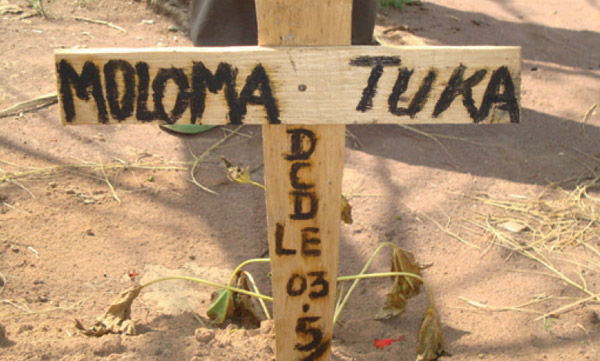
Nearly a thousand environmental activists murdered since 2002

April 15, 2014  At least 908 peo­ple were mur­dered for tak­ing a stand to defend the envi­ron­ment betwe

April 15, 2014  At least 908 peo­ple were mur­dered for tak­ing a stand to defend the envi­ron­ment between 2002 and 2013, accord­ing to a new report today from Glob­al Wit­ness, which shows a dra­mat­ic uptick in the mur­der rate dur­ing the past four years. Notably, the report appears on the same day that anoth­er NGO, Sur­vival Inter­na­tion­al, released a video of a gun­man ter­ror­iz­ing a Guarani indige­nous com­mu­ni­ty in Brazil, which has recent­ly reset­tled on land tak­en from them by ranch­ers decades ago. Accord­ing to the report, near­ly half of the mur­ders over the last decade occurred in Brazil—448 in all—and over two-thirds—661—involved land con­flict.

“There can be few stark­er or more obvi­ous symp­toms of the glob­al envi­ron­men­tal cri­sis than a dra­mat­ic upturn in killings of ordi­nary peo­ple defend­ing rights to their land or envi­ron­ment,” said Oliv­er Court­ney of Glob­al Wit­ness. “Yet this rapid­ly wors­en­ing prob­lem is going large­ly unno­ticed, and those respon­si­ble almost always get away with it. We hope our find­ings will act as the wake-up call that nation­al gov­ern­ments and the inter­na­tion­al com­mu­ni­ty clear­ly need.”

But as gris­ly as the report is, it’s like­ly a major under­es­ti­ma­tion of the issue. The report cov­ers just 35 coun­tries where vio­lence against envi­ron­men­tal activists remains an issue, but leaves out a num­ber of major coun­tries where envi­ron­men­tal-relat­ed mur­ders are like­ly occur­ring but with scant report­ing.

“Because of the live, under-rec­og­nized nature of this prob­lem, an exhaus­tive glob­al analy­sis of the sit­u­a­tion is not pos­si­ble,” reads the report. “For exam­ple, African coun­tries such as Nige­ria, Demo­c­ra­t­ic Repub­lic of Con­go, Cen­tral African Repub­lic and Zim­bab­we that are endur­ing resource-fueled unrest are high­ly like­ly to be affect­ed, but infor­ma­tion is almost impos­si­ble to gain with­out detailed field inves­ti­ga­tions.”

In fact, reports of hun­dreds of addi­tion­al killings in coun­tries like Ethiopia, Myan­mar, Venezuela, and Zim­bab­we were left out due to lack of rig­or­ous infor­ma­tion.

Even with­out these coun­tries includ­ed, the num­ber of envi­ron­men­tal activists killed near­ly approach­es the num­ber of jour­nal­ists mur­dered dur­ing the same period—913—an issue that gets much more press. Envi­ron­men­tal activists most at risk are peo­ple fight­ing spe­cif­ic indus­tries.

“Many of those fac­ing threats are ordi­nary peo­ple oppos­ing land grabs, min­ing oper­a­tions and the indus­tri­al tim­ber trade, often forced from their homes and severe­ly threat­ened by envi­ron­men­tal dev­as­ta­tion,” reads the report. “Indige­nous com­mu­ni­ties are par­tic­u­lar­ly hard hit. In many cas­es, their land rights are not rec­og­nized by law or in prac­tice, leav­ing them open to exploita­tion by pow­er­ful eco­nom­ic inter­ests who brand them as ‘anti-devel­op­ment’.”

As if to high­light these points, Sur­vival Inter­na­tion­al released a video today that the groups says shows a gun­man fir­ing at the Pyeli­to Kuê com­mu­ni­ty of Guarani indige­nous peo­ple. The inci­dent injured one woman, accord­ing to the group. The Guarani have been cam­paign­ing for decades to have land returned to them that has been tak­en by ranch­ers.

“This video gives a brief glimpse of what the Guarani endure month after month—harassment, intim­i­da­tion, and some­times mur­der, just for try­ing to live in peace on tiny frac­tions of the ances­tral land that was once stolen from them,” the direc­tor of Sur­vival Inter­na­tion­al, Stephen Cor­ry, said. “Is it too much to expect the Brazil­ian author­i­ties, giv­en the bil­lions they’re spend­ing on the World Cup, to sort this prob­lem out once and for all, rather than let the Indi­ans’ mis­ery con­tin­ue?”

Accord­ing to the report, two major dri­vers of repeat­ed vio­lence against envi­ron­men­tal activists are a lack of atten­tion to the issue and wide­spread impuni­ty for per­pe­tra­tors. In fact, Glob­al Wit­ness found that only ten peo­ple have been con­vict­ed for the 908 mur­ders doc­u­ment­ed in the report, mean­ing a con­vic­tion rate of just 1.1 per­cent to date.

“Envi­ron­men­tal human rights defend­ers work to ensure that we live in an envi­ron­ment that enables us to enjoy our basic rights, includ­ing rights to life and health,” John Knox, UN Inde­pen­dent Expert on Human Rights and the Envi­ron­ment said. “The inter­na­tion­al com­mu­ni­ty must do more to pro­tect them from the vio­lence and harass­ment they face as a result.”

Rebels raid mining firm in Southern Philippines and torch heavy equipment

April 5 2014 New People’s Army rebels on Sat­ur­day raid­ed a min­ing firm in the south­ern Philip­pine province of Agu­san del Norte, reports said.

April 5 2014 New People’s Army rebels on Sat­ur­day raid­ed a min­ing firm in the south­ern Philip­pine province of Agu­san del Norte, reports said.

Reports said the rebels swooped down on Philip­pine Alstron Min­ing Com­pa­ny on the vil­lage of Tama­markay in Tubay town and over­pow­ered the secu­ri­ty guards with­out fir­ing a sin­gle shot before they torched sev­er­al trucks and oth­er heavy equip­ment.

The rebels also seized at least 6 shot guns and short firearms from the company’s secu­ri­ty arse­nal. There were no reports of casu­al­ties.

The raid came fol­low­ing threats made by the NPA on min­ing firms oper­at­ing in the south­ern Philip­pines.

Just last month, rebel forces attacked a police base and gov­ern­ment troops in Davao del Sur’s Matanao as pun­ish­ment for their “reign of ter­ror” against indige­nous tribes and oth­er com­mu­ni­ties oppos­ing min­ing oper­a­tions in the province.

Den­cio Madri­gal, a spokesman for the NPA-Valen­tine Palamine Com­mand, said the dead­ly attacks were a pun­ish­ment for police and mil­i­tary units pro­tect­ing Glen­core Xstra­ta. He accused the min­ing firm of exploit­ing near­ly 100,000 hectares of ances­tral lands of indige­nous Lumad Blaans tribes, and peas­ants in the region.

Jorge Mad­los, a region­al rebel spokesman, also warned min­ing firms and fruit plan­ta­tions in the region, say­ing mil­i­tary oper­a­tions in Min­danao have esca­lat­ed and have become more exten­sive with the aim to thwart the ever grow­ing and wide­spread people’s protest against destruc­tive min­ing oper­a­tions and plan­ta­tions.

Mad­los said among their tar­gets are Rus­sell Mines and Min­er­als, Apex Min­ing Corp. and Philco in south­ern Min­danao; Dole­fil, Del Monte and Sum­ifru plan­ta­tions in north­ern Min­danao; TVI Resource Devel­op­ment Philip­pines in west­ern Min­danao whose oper­a­tions inside the ances­tral domain of indige­nous Sub­a­nen and Moro tribes are being opposed by vil­lagers.

NPA and Moro rebels had pre­vi­ous­ly attacked TVI Resources in Zam­boan­ga province.

“If one recalls, more than 400 fam­i­lies were forced to evac­u­ate their ances­tral lands because of TVI and the ruth­less mil­i­tary oper­a­tions that ensued to pro­tect it in Buug, Zam­boan­ga del Sur. In order to defend the people’s human rights and gen­er­al well­be­ing, the NPA launched tac­ti­cal offen­sives against TVI as well as against units of the AFP-PNP-CAFGU pro­tect­ing it, such as the ambush on Feb­ru­ary 2012 that hit ele­ments of the army intel­li­gence group oper­at­ing on the behest of TVI and the impo­si­tion of the local gov­ern­ment to allow TVI min­ing oper­a­tions on Sub­a­nen ances­tral lands is one of the bases the NPA raid­ed on April 9, 2012 the PNP sta­tion in Tig­bao, Zam­boan­ga del Sur,” Mad­los said.

NPA rebels also inter­cept­ed a group of army sol­diers who were using a bor­rowed truck from TVI and dis­armed them in Dipla­han town in Zam­boan­ga Sibugay province two years ago. The rebels also burned the truck before releas­ing the sol­diers.

“In view of these events, the NDFP in Min­danao calls upon the Lumad and Moro peo­ples, peas­ants and work­ers, reli­gious and oth­er sec­tors to fur­ther strength­en their uni­ty and their courage to oppose the inter­ests of impe­ri­al­ist mines and plan­ta­tions, which are exceed­ing­ly dam­ag­ing to Min­danao, to its peo­ple and to the envi­ron­ment. We call upon the units of the NPA in Min­danao to be ever more dar­ing in their defense of people’s inter­ests against the greed and rapac­i­ty of the local rul­ing class­es and their impe­ri­al­ist mas­ter,” Mad­los said.

TVI Resource Devel­op­ment Philip­pines has repeat­ed­ly denied all accu­sa­tions against them. It recent­ly end­ed its gold min­ing oper­a­tion in Mount Canat­u­an in Zam­boan­ga del Norte’s Sio­con town after sev­er­al years of oper­a­tions and now has a gold-sil­ver project in the town of Bayog in Zam­boan­ga del Sur province and a nick­el plant in Agu­san del Norte province. (Min­danao Exam­in­er)

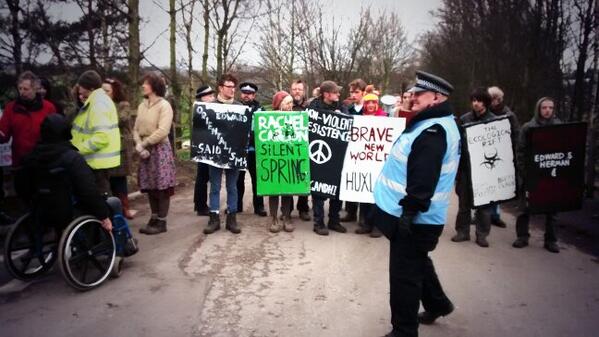
lock-on-tastic continues/eviction court case news & more at Barton Moss (4–12 March 2014)

11.3.14


11.3.14


4th March — anoth­er lock-on delayed trucks sig­nif­i­cant­ly — 4 hours! 

The Man­ches­ter Evening News — sen­sa­tion­al­ist par­rot­er of police and frack­ing PR — con­duct­ed a sur­vey that found that 73% of Man­cu­ni­ans opposed frack­ing.


6th March — two hour lock-on and book shields deployed to pro­tect against TAU (riot police) aggres­sion. 

9th March — 1,200 march against frack­ing in Man­ches­ter city cen­tre. 

10th March — evic­tion court case brought by Peel Hold­ings: judge con­sid­ered two days of evi­dence over the week­end, and decid­ed against the camp.  He’d pre­vi­ous­ly said Peel could­n’t evict part of the camp from a strip of agri­cul­tur­al land that Peel lease out to a ten­ant farmer.  On Mon­day he decid­ed it was­n’t agri­cul­tur­al enough!  Camp tak­ing appeal to High Court. 

11th March — anoth­er lock-on!

BREAKING THE FRAME

A GATHERING ON THE POLITICS OF TECHNOLOGY

2nd — 5th May 2014

Unstone Grange, Der­byshire

YOU NEED TO BOOK ‑SEE BELOW

Organ­ised by Lud­dites 200, Cor­po­rate Watch, and Sci­en­tists for Glob­al Respon­si­bil­i­ty

A GATHERING ON THE POLITICS OF TECHNOLOGY

2nd — 5th May 2014

Unstone Grange, Der­byshire

YOU NEED TO BOOK ‑SEE BELOW

Organ­ised by Lud­dites 200, Cor­po­rate Watch, and Sci­en­tists for Glob­al Respon­si­bil­i­ty

Tech­nol­o­gy can bring some ben­e­fits for ordi­nary peo­ple, but its devel­op­ment is almost entire­ly con­mtrolled by cor­po­rate, mil­i­tary and tech­no­crat­ic elites, so it usu­al­ly serves their inter­ests and rein­forces their pow­er.

The pol­i­tics of food, ener­gy, work, gen­der, peace, eco­nom­ics, health, etc are all shaped by choic­es about tech­nol­o­gy made by those elites. The whole way our soci­ety devel­ops is mas­sive­ly influ­enced by tech­nol­o­gy, yet ordi­nary peo­ple nev­er have a prop­er say in it.  We’re always left react­ing to the tech­nocrats’ lat­est plan, whether it’s drones, inter­net sur­veil­lance, GM food, frack­ing, design­er babies or nuclear pow­er.

We think all these issues are linked. So it’s time for a more joined up and more proac­tive approach, one which address­es the root caus­es of prob­lems and is not lim­it­ed by the dog­ma that tech­nol­o­gy equals progress.

  • We want to cre­ate a new pol­i­tics of tech­nol­o­gy based on bring­ing togeth­er the insights of dif­fer­ent move­ments and learn­ing from each oth­er.
  • We want a human-scale tech­nol­o­gy that serves real human needs, not cor­po­rate bot­tom lines.
  • We want demo­c­ra­t­ic con­trol of tech­nol­o­gy.

An world fac­ing envi­ron­men­tal melt­down and mas­sive inequal­i­ty ‑both caused byb 200 years ofn indus­tri­al cap­i­tal­ism- needs bet­ter solu­tions than more dan­ger­ous tech­no-fix­es such as cli­mate engi­neer­ing.

Whether you’re a tech­nol­o­gy pol­i­tics cam­paign­er, trade union­ist, envi­ron­men­tal­ist. altech devel­op­er, artist or just plain con­cerned, BREAKING THE FRAME IS NOT TO BE MISSED.

YOU NEED TO BOOK

www.breakingtheframe.org.uk      

email: luddites200@yahoo.co.uk

(020) 7426 0005

Accom­mo­da­tion is either in the con­fer­ence cen­tre OR camp­ing (which is cheap­er).  The con­ces­sion­ary rate for camp­ing is £36, which includes all meals for 4 days (it’s a bank hol­i­day week­end).

BUT if £36 is more than you can man­age, we’re com­mit­ted to mak­ing sure nobody is left out for lack of mon­ey.  So get in touch now.  Rich peo­ple can make extra dona­tions, of course!

Police Attack 20,000 French Citizens Protesting Against Airport Notre-Dame-Des-Landes

4371803_3_a8d2_selon-la-prefecture-la-manifestation-a_fb63a9c22897e38e5bfc3f4b4776d41b

4371803_3_a8d2_selon-la-prefecture-la-manifestation-a_fb63a9c22897e38e5bfc3f4b4776d41b

The event attend­ed by ten’s of thou­sands of French cit­i­zens against the air­port Notre-Dame-des-Lan­des esca­lat­ed Sat­ur­day after­noon in the city cen­ter of Nantes when Police Block­ad­ed the pro­gres­sion of the march and attacked with charges to the peo­ple protest­ing. Many cit­i­zens were wound­ed by tear gas and rub­ber bul­lets. Par­tic­i­pants respond­ed with fired pro­jec­tiles – bot­tles, cans, steel balls, flares – towards the police who charged repeat­ed­ly.

About 20,000 people demonstrated in the city center of Nantes to protest against the construction of the new airport of Our Lady of Landes.Des violent clashes took place at the end of the event between violent groups and CRS | Franck Dubray

About 20,000 peo­ple demon­strat­ed in the city cen­ter of Nantes to protest against the con­struc­tion of the new air­port of Our Lady of Landes.Des vio­lent clash­es took place at the end of the event between vio­lent groups and CRS | Franck Dubray

4371804_3_ea2b_dans-le-defile-a-nantes-samedi-22-fevrier_273e5de25cb5fac4de98ec550578eec2

“This is tens of thou­sands,” assured Julien Durand, spokesman for the ACIPA, the main oppo­si­tion group to the air­port project, while refus­ing to give a pre­cise fig­ure.

Accord­ing to him, the par­tic­i­pa­tion is equiv­a­lent to the pre­vi­ous ral­lies, such as in Novem­ber 2012 which accord­ing to the orga­niz­ers had expect­ed 40,000 peo­ple (13,000 accord­ing to police).

In the late after­noon, the city cen­ter of Nantes showed scenes of dev­as­ta­tion. Peo­ple took out frus­tra­tion from being ignored for years and beat­en down when they speak out by ran­sack­ing a police sta­tion, an agency of Vin­ci (deal­er air­port project) group, but also broke sev­er­al store­fronts, any agency of Nantes trans­port or agency Nou­velles Fron­tières. At least two con­struc­tion equip­ment vehi­cles and a bar­ri­cade were also burned.

Objects were thrown at the SNCF cate­nary to block the move­ment of trains one source said. As for police, they made use of a large amount of tear gas, stun grenades and water can­nons.

Pro­test­ers moved away blind­ed by tear gas while sev­er­al hun­dred oth­ers con­tin­ued to face the police, refer­ring new pro­jec­tiles bot­tles, or even own grenades forces.

“No mat­ter what tell the pre­fec­ture, for all of you it is a great suc­cess,” pro­vid­ed at the end of the event Julien Durand.

via @Le Télégramme

via @Le Télé­gramme

le-centre-ville-de-nantes-devaste_1
“An unnec­es­sary and expen­sive project”
The demon­stra­tion had start­ed in a friend­ly atmos­phere. “No thank you Ayrault­port”, “No to Ayrault pork”, “Ayrault also emerges Vin­ci”, “Ni or air­port metrop­o­lis, the city is ours” we heard in the pro­ces­sion.

le-centre-ville-de-nantes-devaste_2“The mobi­liza­tion is great here. We are here to show our deter­mi­na­tion to aban­don this use­less and expen­sive at this time of short­age project,” said AFP Eva Joly MEP EELV.

Giv­en the anti-cap­i­tal­ist com­po­nent of the event and clash­es that have marked pre­vi­ous events, the pre­fec­ture on Fri­day adopt­ed a mod­i­fi­ca­tion of the route so that it avoids the down­town core.

The event is orga­nized two months after the pub­li­ca­tion of pre­fec­tur­al ordi­nances autho­riz­ing the start of pre-con­struc­tion of the air­port. Appeals were filed against these orders but do not have sus­pen­sive effect. How­ev­er, work has still not start­ed.

via @youranonnews

via @youranonnews

The inau­gu­ra­tion of the future Grand Ouest Air­port, orig­i­nal­ly sched­uled for 2017, is now con­sid­ered only “2019 or 2020″ by sup­port­ers of the trans­fer. Accord­ing to an Ifop poll pub­lished Sat­ur­day, a major­i­ty of French (56%) are opposed to the future air­port, 24% being pos­i­tive and 20% were unde­cid­ed.

This sur­vey was con­duct­ed on behalf of Act­ing for the envi­ron­ment, Attac and ACIPA, the lead­ing asso­ci­a­tion of oppo­nents to the project. The project of pub­lic util­i­ty in 2008, is jus­ti­fied by its sup­port­ers, PS as the UMP, includ­ing the risk of sat­u­ra­tion of the cur­rent air­port Nantes Atlan­tique.

One of several damaged buildings. via Franck Dubray

One of sev­er­al dam­aged build­ings. via Franck Dubray

4371784_3_30e7_des-participants-ont-de-leur-cote-tire-des_50fcca11781d5d65cec75cfac3d520184371782_3_64a4_la-police-et-les-gendarmes-mobiles-ont-fait_837cd27ae257218eb7fd601d0ed442d4


STEPHANE MAHE / REUTERS

STEPHANE MAHE / REUTERS

3449511

STEPHANE MAHE / REUTERS

STEPHANE MAHE / REUTERS

STEPHANE MAHE / REUTERS

STEPHANE MAHE / REUTERS


STEPHANE MAHE / REUTERS

STEPHANE MAHE / REUTERS

34497153449847Sources
http://t.co/RS8wSS9yRB” target=“_blank”>FranceTVinfo
Lemonde
7sur7

Two-year long Moroccan Occupation of Silver Mine

An activist with the Berber flag.
</p>
</body></html>

An activist with the Berber flag. Protesters have occupied a hilltop above a silver mine for more than two years.

An activist with the Berber flag. Pro­test­ers have occu­pied a hill­top above a sil­ver mine for more than two years.

A Jan. 23 pro­file in the New York Times put a rare spot­light on the ongo­ing occu­pa­tion camp estab­lished by Berber vil­lagers at Mount Aleb­ban, 5,000 feet high in the Atlas Moun­tains of Moroc­co, to protest the oper­a­tions of the Imiter Met­talur­gic Min­ing Company—whose prin­ci­pal own­er is the North African nation’s King Mohammed VI.

The occu­pa­tion was first launched in 1996, but bro­ken up by the author­i­ties. It was revived in the sum­mer of 2011, after stu­dents from the local vil­lage of Imider, who were used to get­ting sea­son­al jobs at the mine, were turned down. That led the villagers—even those with jobs at the complex—to again estab­lish a per­ma­nent encamp­ment block­ing access to the site of Africa’s most pro­duc­tive sil­ver mine.

A key griev­ance is the mine’s use of local water sources, which is mak­ing agri­cul­ture in the arid region increas­ing­ly unten­able. Pro­test­ers closed a pipe valve, cut­ting off the water sup­ply to the mine. Since then, the mine’s out­put has plummeted—40% in 2012 and a fur­ther 30% in 2013. But Imider farm­ers say their long-dry­ing wells are start­ing to replen­ish, and their shriv­eled orchards are again start­ing to bear fruit.


In addi­tion to pro­tec­tion of local waters, vil­lagers are demand­ing that 75% of the jobs at the mine be allo­cat­ed to their munic­i­pal­i­ty. But more gen­er­al demands for Berber cul­tur­al rights and dig­ni­ty also ani­mate the protest, with the Berber flag fly­ing above the encamp­ment.

A 2011 con­sti­tu­tion­al reform, the fruit of a protest move­ment inspired by those across the Arab world, grant­ed greater cul­tur­al rights to the Berbers who (by lan­guage) con­sti­tute near­ly half Morocco’s pop­u­la­tion. But the Berbers remain dis­pro­por­tion­ate­ly affect­ed by pover­ty and mar­gin­al­iza­tion. The area around Mount Aleb­ban is among the poor­est zones of Moroc­co.

The Imider pro­test­ers say they are will­ing to talk, but nei­ther the gov­ern­ment nor the min­ing com­pa­ny have come to the table, appar­ent­ly opt­ing for a strat­e­gy of wait­ing the move­ment out. (Eth­i­cal Con­sumer, Jan. 28; Yabi­la­di, Jan. 27; Reuters, Feb. 20, 2012)

Earth First! Direct Action Manual Is Ready for Print

Cover for Direct Action Manual

Cover for Direct Action Manual

Earth First! Direct Action Man­u­al. To sup­port this pub­li­ca­tion, pre­order your copy or donate today.

After sev­er­al years in devel­op­ment, the Earth First! Direct Action Man­u­al is ready to go to press. A group of front­line activists has assem­bled over 300 pages of dia­grams, descrip­tions of tech­niques and a com­pre­hen­sive overview of the role direct action plays in our cam­paigns in defense of the Earth.

We are now in a three-week fundrais­ing cam­paign to ensure that this crit­i­cal book gets out to peo­ple who can use it. You can pre­order your copy and get some extra thank you gifts for your ear­ly endorse­ment by donat­ing today. More impor­tant­ly, though, we have offered a chance for you to help us spread this knowl­edge. Every dona­tion over $50 gives you the chance to send a free copy of the man­u­al to a cam­paign of your choice. The more you give, the more man­u­als we can put in the mail.

The man­u­al will be print­ed in the com­ing month with long­time Earth First! part­ner, The Gloo Fac­to­ry. This com­mu­ni­ty-mind­ed, union print shop has sup­plied Earth First! and its affil­i­ates with stick­ers and mer­chan­dise for decades and remains com­mit­ted to using a high stan­dard for recy­cled and reclaimed mate­r­i­al, as well as sup­port­ive work­er con­di­tions.

The man­u­al was first print­ed near­ly two decades ago and has been out of print since its ini­tial dis­sem­i­na­tion. Though many of the con­sid­er­a­tions for civ­il dis­obe­di­ence and inter­ven­tion have remained tried and true, new ele­ments have altered the ways we put these tac­tics into action. The Earth First! Direct Action Man­u­al will con­tin­ue the role of safe and effec­tive actions in stop­ping the destruc­tion of the plan­et.

Sup­port this effort today!

Romanian Villagers and Priests Occupy Chevron Fracking Site in Protest

9/2/14

Roman­ian police clashed with vil­lagers on Wednes­day as they tried in vain to force them off a field they have occu­pied for a third day to pre­vent U.S. ener­gy giant Chevron from drilling for shale gas.

9/2/14

Roman­ian police clashed with vil­lagers on Wednes­day as they tried in vain to force them off a field they have occu­pied for a third day to pre­vent U.S. ener­gy giant Chevron from drilling for shale gas.

Hun­dreds of pro­test­ers blocked access to the site at Silis­tea in east­ern Roma­nia where Chevron plans to drill an explo­ration well, lying down in the mud and hold­ing hands to form a human chain.

Some 250 anti-riot police engaged in an hours-long stand-off with the pro­test­ers, with skir­mish­es as they phys­i­cal­ly tried to force them off, but the demon­stra­tors pushed their way back onto the field.

The group of pro­test­ers, some of whom have been sleep­ing at the site since Mon­day, had grown to about 500 on Wednes­day, pre­vent­ing Chevron bull­doz­ers and exca­va­tors from access­ing the site.

Ortho­dox priests also joined the protest.

Many of the vil­lagers in the rur­al region arrived on horse carts, some brought their chil­dren who held up signs read­ing: “Stop Chevron!”, while an elder­ly woman leaned on her cane beside them.

They are afraid of the envi­ron­men­tal and health impact of the high­ly con­tro­ver­sial method used for shale gas drilling, called hydraulic frac­tur­ing or ‘frack­ing’.

The tech­nique con­sists of pump­ing water and chem­i­cals at high pres­sure into deep rock for­ma­tions to free oil and gas.

Envi­ron­men­tal­ists say frack­ing may con­t­a­m­i­nate ground water and even cause small earth­quakes.

Chevron has per­mits to explore for shale gas in three vil­lages in this part of east­ern Roma­nia as well as on Romania’s Black Sea coast.

“Chevron is com­mit­ted to build­ing con­struc­tive and pos­i­tive rela­tion­ships with the com­mu­ni­ties where we oper­ate and will con­tin­ue our dia­logue with the pub­lic, local com­mu­ni­ties and author­i­ties on its projects,” the com­pa­ny said in a state­ment to AFP.

“Our pri­or­i­ty is to con­duct … activ­i­ties in a safe and envi­ron­men­tal­ly respon­si­ble man­ner con­sis­tent with the per­mits under which we oper­ate,” it added.

Also Wednes­day, more than 2,000 peo­ple staged a protest in the cap­i­tal Bucharest, shout­ing “no to shale gas”.

Romania’s rul­ing cen­tre-left coali­tion has been defend­ing shale gas explo­ration after fight­ing it when it was in the oppo­si­tion.