Tar Sands Protestors Chain Themselves To Canadian Consulate Doors 3rd April

Two Seat­tle res­i­dents have chained them­selves to the doors of the Cana­di­an Con­sulate in down­town Seat­tle today protest­ing pro­posed pipelines that would bring Cana­di­an tar sands to Amer­i­can refiner­ies.

Two Seat­tle res­i­dents have chained them­selves to the doors of the Cana­di­an Con­sulate in down­town Seat­tle today protest­ing pro­posed pipelines that would bring Cana­di­an tar sands to Amer­i­can refiner­ies.

“We used to look up to Cana­da as an envi­ron­men­tal leader, but pro­mot­ing extreme ener­gy like tar sands has soiled that rep­u­ta­tion for­ev­er,” said Car­lo Voli, a 47 year old Edmonds res­i­dent, as pro­tes­tors poured fake oil over Cana­di­an and Amer­i­can flags. Voli and Lisa Mar­cus, a 57 year old Seat­tle res­i­dent and grand­moth­er, have U‑Locked their necks to the doors of the consulate’s con­fer­ence room.

Par­tic­i­pants are protest­ing the con­struc­tion of the Key­stone XL pipeline and pro­pos­als to increase the num­ber of tankers car­ry­ing tar sands through the Sal­ish Sea. More than fifty peo­ple have been arrest­ed at sim­i­lar protests around the coun­try this past month. 1

“We’re here to expose the col­lu­sion between the tar sands indus­try and the Cana­di­an gov­ern­ment,” explained Rachel Sto­eve, a recent Uni­ver­si­ty of Wash­ing­ton grad­u­ate who was hold­ing a ban­ner out­side the cheese fac­to­ry, “The Cana­di­an gov­ern­ment and the tar sands indus­try are work­ing togeth­er to bring tar sands to our com­mu­ni­ties. They’re not doing it for our ben­e­fit; they’re doing it for prof­it,”

Cana­di­an Diplo­mats have come under crit­i­cism around the world for their aggres­sive pro­mo­tion of the tar sands indus­try. The Harp­er Admin­is­tra­tion also pro­voked the indige­nous rights move­ment Idle No More when they opened up native lands to devel­op­ment. In March Envi­ron­men­tal Defense, a Toron­to based group, released near­ly one thou­sand pages of inter­nal e‑mails from Cana­di­an diplo­mats out­lin­ing a strat­e­gy to pro­mote the Key­stone XL pipeline with Amer­i­can journalists.2 Last year an inter­nal mem­o­ran­dum released by Post-Media news revealed the Harp­er gov­ern­ment had deployed a net­work of Diplo­mats to lob­by For­tune 500 com­pa­nies in order to counter an envi­ron­men­tal cam­paign tar­get­ing the tar sands.3 In Europe, the Cana­di­an gov­ern­ment has attempt­ed to under­mine the Euro­pean Union’s “Fuel Qual­i­ty Direc­tive” with a lob­by­ing cam­paign that Friends of the Earth described as “pos­si­bly the most vocif­er­ous pub­lic rela­tions cam­paign by a for­eign gov­ern­ment ever wit­nessed in the EU.”4

While the fight against the Key­stone XL pipeline has become a head­line issue for envi­ron­men­tal­ists around the coun­try, Seat­tle res­i­dents point out that Canada’s tar sands are already impact­ing the Sal­ish Sea. All five of Washington’s refiner­ies cur­rent­ly process tar sands mate­ri­als, trans­port­ed by Kinder-Morgan’s Trans-Moun­tain pipeline and oil tankers.5 THe Kinder-Mor­gan has pro­posed twin­ning the Trans-Moun­tain pipeline near­ly tripling its capac­i­ty from 300,000 bar­rels per day to 850,000 bar­rels per day.6


“There is no safe method for tar sands trans­port. Kinder Morgan’s plans could bring up to 360 tankers through the Sal­ish Sea7 and the Depart­ment of Ecol­o­gy still has no plan to deal with a tar sands spill. It’s a dis­as­ter wait­ing to hap­pen,” warned Rachel Sto­eve

The Depart­ment of Ecol­o­gy esti­mates a major oil spill could cost the state’s econ­o­my $10 Bil­lion and 165,000 lost jobs as well as wipe out Washington’s res­i­dent Orca pop­u­la­tion.

“We’ve had enough of politi­cians on both sides of the bor­der act­ing as mouth­pieces for the fos­sil fuel indus­try. It’s time for ordi­nary peo­ple to put their bod­ies on the line to pro­tect our region and our cli­mate from extreme ener­gy,” said Voli.

Amazon Dam Activists Threaten to Wage War on Brazil Over Military Incursion 3rd April

An Ama­zon­ian com­mu­ni­ty has threat­ened to “go to war” with the Brazil­ian gov­ern­ment after a mil­i­tary incur­sion into their land by dam builders.

The Munduruku indige­nous com­mu­ni­ty in Para state say they have been betrayed by the author­i­ties, who are push­ing ahead with plans to build a cas­cade of hydropow­er plants on the Tapa­jós riv­er with­out their per­mis­sion.

Pub­lic pros­e­cu­tors, human rights groups, envi­ron­men­tal organ­i­sa­tions and Chris­t­ian mis­sion­ar­ies have con­demned the government’s strong-arm tac­tics.

Heli­copters, sol­diers and armed police have been involved in Oper­a­tion Tapa­jós, which aims to con­duct an envi­ron­men­tal impact assess­ment for the first pro­posed con­struc­tion, the 6,133MW São Luiz do Tapa­jós dam.

The facil­i­ty, to be built by the Norte Ener­gia con­sor­tium, is the biggest of three planned dams on the Tapa­jós, the fifth-largest riv­er in the Ama­zon basin. The government’s 10-year plan includes the con­struc­tion of four larg­er hydro­elec­tric plants on its trib­u­tary, the Jamanx­im.

‘We don’t want Belo Monte’ reads a sign at an anti-dam ral­ly in front of the Brazil­ian par­lia­ment in Brasil­ia. Under Brazil­ian law, major infra­struc­ture projects require pri­or con­sul­ta­tion with indige­nous com­mu­ni­ties. Fed­er­al pros­e­cu­tors say this has not hap­pened and urge the courts to block the scheme which, they fear, could lead to blood­shed.

“The Munduruku have already stat­ed on sev­er­al occa­sions that they do not sup­port stud­ies for hydro­elec­tric plants on their land unless there is full pri­or con­sul­ta­tion,” the pros­e­cu­tors not­ed in a state­ment.

A sim­i­lar sur­vey in Novem­ber led to dead­ly con­flict. One res­i­dent, Ade­nil­son Kir­ixi, was killed and sev­er­al oth­ers were wound­ed in clash­es between local peo­ple and troops accom­pa­ny­ing the researchers in Teles Pires vil­lage.

The min­istry of mines and ener­gy not­ed on its web­site that 80 researchers, includ­ing biol­o­gists and foresters, would under­take a study of flo­ra and fau­na. The army escort was made pos­si­ble by Pres­i­dent Dil­ma Rouss­eff, who decreed this year that mil­i­tary per­son­nel could be used for sur­vey oper­a­tions.

Mis­sion­ar­ies said the recent show of force in Sawré May­bu vil­lage, Itaitu­ba, was intim­i­dat­ing, degrad­ing and an unac­cept­able vio­la­tion of the rights of the res­i­dents.

“In this oper­a­tion, the fed­er­al gov­ern­ment has been threat­en­ing the lives of the peo­ple,” the Indige­nous Mis­sion­ary Coun­cil said. “It is unac­cept­able and ille­git­i­mate for the gov­ern­ment to impose dia­logue at the tip of a bay­o­net.”

The group said Munduruku lead­ers end­ed a phone call with rep­re­sen­ta­tives of the pres­i­dent with a dec­la­ra­tion of war. They have also issued open let­ters call­ing for an end to the mil­i­tary oper­a­tion, “We are not ban­dits. We feel betrayed, humil­i­at­ed and dis­re­spect­ed by all this,” a let­ter states.

One of the community’s lead­ers, Valdenir Munduruku, has warned thatlocals will take action if the gov­ern­ment does not with­draw its task­force by 10 April. He has called for sup­port from oth­er indige­nous groups, such as the Xin­gu, fac­ing sim­i­lar threats from hydro­elec­tric dams.

Envi­ron­men­tal groups have expressed con­cern. The 1,200-mile water­way is home to more than 300 fish species and pro­vides sus­te­nance to some of the most bio­di­verse for­est habi­tats on Earth. Ten indige­nous groups inhab­it the basin, along with sev­er­al tribes in vol­un­tary iso­la­tion.

With sim­i­lar con­flicts over oth­er pro­posed dams in the Ama­zon, such as those at Belo Monte, Teles Pires, San­to Antônio and Jirau, some com­pare the use of force to the last great expan­sion of hydropow­er dur­ing the mil­i­tary dic­ta­tor­ship.

“The Brazil­ian gov­ern­ment is mak­ing polit­i­cal deci­sions about the dams before the envi­ron­men­tal impact assess­ment is done,” said Brent Mil­likan of the Inter­na­tion­al Rivers envi­ron­men­tal group.

“The recent mil­i­tary oper­a­tions illus­trate that the fed­er­al gov­ern­ment is will­ing to dis­re­gard exist­ing legal instru­ments intend­ed to fos­ter dia­logue between gov­ern­ment and civ­il soci­ety.”

Mexico: 22 Injured in Oaxaca Wind Farm Protest

Some 1,200 agents from the police forces of the south­ern Mex­i­can state of Oax­a­ca tried unsuc­cess­ful­ly on March 26 to remove local res­i­dents who were block­ing a road lead­ing to the Bii Yox­ho wind farm, which is under con­struc­tion in Juchitán de Zaragoza munic­i­pal­i­ty near the Pacif­ic coast. The oper­a­tion was also intend­ed to recov­er con­struc­tion equip­ment pro­test­ers had seized on Feb. 25 in an ongo­ing effort to stop the com­ple­tion of the wind project, which is owned by the Mex­i­can sub­sidiary of the Span­ish com­pa­ny Gas Nat­ur­al Fenosa. Local pros­e­cu­tor Manuel de Jesús López told the French wire ser­vice AFP that 22 peo­ple were injured in the March 26 oper­a­tion, includ­ing 11 police agents, and one police agent was tak­en pris­on­er. Pro­test­ers report­ed eight local peo­ple with seri­ous injuries, includ­ing Car­los Sánchez, the coor­di­na­tor of Radio Totopo, a com­mu­ni­ty radio sta­tion.

Sev­er­al com­pa­nies have been build­ing wind farms in south­east­ern Oax­a­ca on the Isth­mus of Tehuan­te­pec. Res­i­dents in the Juchitán area, most­ly from the Zapotec and Ikoots (Huave) indige­nous groups, say the Bii Yox­ho project is being built in an area they use for fish­ing and farm­ing that also includes cer­e­mo­ni­al sites, along with man­grove forests that are crit­i­cal to the local envi­ron­ment. The bar­ri­cade block­ing access to the Bii Yox­ho project on the Juchitán-Playa Vicente road is one of four main points of resis­tance to the wind tur­bines. Activists have also occu­pied the town hall in San Dion­i­sio del Mar since Jan­u­ary 2012; have refused to rec­og­nize the may­or in San Mateo del Mar, Fran­cis­co Valle, because he favors the projects; and have set up a bar­ri­cade in Juchitán’s Alvaro Obregón neigh­bor­hood to block access to anoth­er wind park, owned by the Mareña Ren­ov­ables com­pa­ny.

The resis­tance has been sub­ject­ed to police harass­ment, such as the 24-hour deten­tion by fed­er­al police of Lucila Bet­ti­na Cruz Velázquez, a leader in the Assem­bly of the Indige­nous Peo­ples of the Tehuan­te­pec Isth­mus in Defense of Land and Ter­ri­to­ry, in Feb­ru­ary 2012. Pro­test­ers also report the pres­ence of armed para­mil­i­tary groups, some with con­nec­tions to unions and oth­er groups affil­i­at­ed with the cen­trist Insti­tu­tion­al Rev­o­lu­tion­ary Par­ty (PRI) or close to the cen­ter-left Par­ty of the Demo­c­ra­t­ic Rev­o­lu­tion (PRD). On March 21 a group of men linked to Juchitán’s PRI may­or, Fran­cis­co Valle Pia­monte, briefly detained reporter Rosa Rojas and pho­tog­ra­ph­er Fran­cis­co Olvera, both from the left-lean­ing nation­al dai­ly La Jor­na­da, along with three reporters from alter­na­tive media and a San Mateo res­i­dent. On the morn­ing of March 29 a para­mil­i­tary group dis­man­tled Radio Totopa, seiz­ing a lap­top and the trans­mit­ter and cut­ting the pow­er cables, accord­ing to the Pop­u­lar Assem­bly of the Juchite­co Peo­ple (APPJ). APPJ spokes­peo­ple called this “anoth­er attack by the state gov­ern­ment and the transna­tion­al com­pa­nies which are try­ing to use vio­lence to silence the voic­es of those who oppose the con­struc­tion of wind parks.” 

After nego­ti­a­tions with rep­re­sen­ta­tives of the Oax­a­ca state gov­ern­ment on March 28, the APPJ returned 12 vehi­cles, includ­ing a back­hoe, to Gas Nat­ur­al Fenosa; in exchange the state agreed not to press charges against the pro­test­ers. How­ev­er, the APPJ reject­ed the state’s pro­pos­al for them to lift the road block­ades on April 1 and attend an April 2 meet­ing in the city of Oax­a­ca. The pro­test­ers said they would main­tain their bar­ri­cades, and they called on Oax­a­ca gov­er­nor Gabi­no Cué Mon­teagu­do to come meet with them in Juchitán. (Desin­for­mé­monos, March 24; Bloomberg News, March 27, from AFP; state­ment by assem­blies of the peo­ples of the Isth­mus, March 29, via Kaos en la RedLa Jor­na­da, March 29)

Panama: Ngöbe-Buglé Murdered After Anti-dam Protest 2nd April

Onési­mo Rodríguez, a leader in Panama’s Ngöbe-Buglé indige­nous group, was killed by a group of masked men in Cer­ro Pun­ta, in west­ern Chiriquí depart­ment, the evening of March 22 fol­low­ing a protest against con­struc­tion of the Bar­ro Blan­co hydro­elec­tric dam. Car­los Miran­da, anoth­er pro­test­er who was attacked along with Rodríguez, said the assailants beat both men with met­al bars. Miran­da lost con­scious­ness but sur­vived; Rodríguez’s body was found in a stream the next day. Miran­da said he was unable to iden­ti­fy the attack­ers because it was dark and their faces were cov­ered. Manolo Miran­da and oth­er lead­ers of the April 10 Move­ment, which orga­nizes protests against the dam, charged that “the ones that mis­treat­ed the Ngöbes were dis­guised police agents.”

The Ngöbe-Buglé stepped up their demon­stra­tions against the Bar­ro Blan­co project in Jan­u­ary, when con­struc­tion con­tin­ued at the site despite a Unit­ed Nations (UN) report that large­ly sub­stan­ti­at­ed indige­nous claims that the dam would flood three vil­lages, cut the res­i­dents off from food sources and destroy impor­tant cul­tur­al mon­u­ments. As of March 26 an inde­pen­dent study man­dat­ed by the UN report and agreed to by the gov­ern­ment had still not start­ed.


In addi­tion to protest­ing the Hon­duran-owned com­pa­ny build­ing the dam, Gen­er­ado­ra del Ist­mo, S.A. (GENISA), indige­nous activists blame two Euro­pean banks for fund­ing the project: Germany’s pri­vate Deutsche Investi­tions- und

Entwick­lungs­ge­sellschaft (DEG) and the Ned­er­landse Financier­ings-Maatschap­pij voor Ontwik­kel­ings­lan­den N.V. (FMO), in which the Dutch gov­ern­ment holds a con­trol­ling inter­est. Dam oppo­nents say GENISA also sought fund­ing from the Euro­pean Invest­ment Bank (EIB) but with­drew the appli­ca­tion after learn­ing that bank offi­cials planned to vis­it the affect­ed com­mu­ni­ties them­selves. (Mongabay.com, March 25; La Estrel­la, Pana­ma, March 26)

In oth­er news, as of March 19 the Nation­al Coor­di­nat­ing Com­mit­tee of the Indige­nous Peo­ples of Pana­ma (COONAPIP) had decid­ed to with­draw from the Unit­ed Nations Reduc­ing Emis­sions from Defor­esta­tion and Degra­da­tion (UN-REDD+) pro­gram, which focus­es on envi­ron­men­tal prob­lems in devel­op­ing nations. The indige­nous group charged in a state­ment that the UN and the Pana­man­ian gov­ern­ment “have appeared to mar­gin­al­ize the col­lec­tive par­tic­i­pa­tion of the sev­en indige­nous peo­ples and 12 tra­di­tion­al struc­tures that make up COONAPIP” and have put “legal and admin­is­tra­tive obsta­cles in the way” of indige­nous par­tic­i­pa­tion. The Mesoamer­i­can Alliance of Peo­ple and Forests (AMPB), a coali­tion of Cen­tral Amer­i­can and Mex­i­can indige­nous and envi­ron­men­tal groups, is back­ing COONAPIP’s deci­sion. (Mongabay.com, March 19; Adi­tal, Brazil, March 21)

Indigenous Panamanians Protest Dams Which Could Displace Thousands

25 March 2013
photo

25 March 2013
photo

Last week, indige­nous groups in west­ern Panamá once again clashed with police while protest­ing the con­struc­tion of the Bar­ro Blan­co dam. In 2012, sim­i­lar protests result­ed in the deaths of sev­er­al pro­test­ers and alleged human rights abus­es per­pe­trat­ed by the police. As the Pana­man­ian gov­ern­ment aggres­sive­ly expands its hydro capac­i­ties over the next few years, they will face more indige­nous resis­tance. How can they pur­sue their eco­nom­ic inter­ests with­out tram­pling the rights of their largest indige­nous pop­u­la­tion?  

With around 200,000 peo­ple, the Ngäbe (pro­nounced “naw-bey”) are the largest indige­nous group in Panamá. Like most indige­nous groups around the world, they have a long his­to­ry of being bul­lied, cheat­ed, and dis­placed by the gov­ern­ment.

In 1997, the Pana­man­ian gov­ern­ment signed Law 10, which gave the Ngäbe a semi-autonomous region in west­ern Panamá, the Comar­ca Ngäbe-Buglé. Non-Ngäbes are not allowed to own or devel­op land with­in the Comar­ca. How­ev­er, after dis­cov­er­ing a gigan­tic cop­per deposit and siz­able gold deposits, the gov­ern­ment began claim­ing that the indige­nous owned the land, but not what was beneath it. Min­ing efforts began and protests esca­lat­ed until last year, when a mul­ti-day protest and ensu­ing crack­down result­ed in two dead pro­tes­tors and mul­ti­ple alleged human rights abus­es, com­mit­ted by police. The Unit­ed Nations scold­ed the pres­i­dent for the abus­es and he signed a promise not to con­tin­ue min­ing efforts dur­ing his term (which ends next year). None of the police were tried for the alleged human rights abus­es.

With the min­ing threat tem­porar­i­ly sub­dued, the Ngäbe have turned their atten­tion to the Bar­ro Blan­co dam, which they claim will flood sev­er­al towns and dis­place up to 36,000 peo­ple. They addi­tion­al­ly claim that they were nev­er prop­er­ly con­sult­ed or giv­en a choice in the mat­ter. The Pana­man­ian gov­ern­ment and GENISA, the com­pa­ny respon­si­ble for the con­struc­tion, claim that no dis­place­ment or destruc­tion of native species will occur. The facts sur­round­ing the true envi­ron­men­tal impact are high­ly dis­put­ed and dif­fi­cult to ver­i­fy, but it seems clear that the true num­ber of affect­ed peo­ple prob­a­bly lays some­where between 0 and 36,000 – a fair­ly ridicu­lous range.  

Al Jazeera did a spe­cial “Peo­ple and Pow­er” report on the sit­u­a­tion last year, which is clear­ly biased in favor of the indige­nous; GENISA claims that it con­tains “incon­sis­ten­cies” and that Al Jazeera nev­er con­tact­ed them for com­ment.

How­ev­er, the report does high­light a dubi­ous val­i­da­tion process that bare­ly includ­ed indige­nous par­tic­i­pa­tion or con­sul­ta­tion, a process which has since been ques­tioned by the Inter­na­tion­al Rivers Net­work, as well as the Unit­ed Nations Spe­cial Rap­por­teur on the Rights of Indige­nous Peo­ples, who claims that only 58 non-indige­nous near the dam’s affect­ed area were inter­viewed; these 58 were used as the basis for val­i­da­tion of the project.

As a Peace Corps vol­un­teer who lived with the Ngäbe for two years and expe­ri­enced the protests first-hand, I can tell you that the Ngäbe are cer­tain­ly moti­vat­ed by the poten­tial envi­ron­men­tal impacts of these projects, many of which threat­en to ruin their way of life. But they are almost just as moti­vat­ed by a sim­ple desire to be treat­ed with respect. As more projects are pro­posed, the Ngäbe con­tin­ue to be treat­ed not as adverse­ly affect­ed cit­i­zens, but as obsta­cles to devel­op­ment.

The Pana­man­ian gov­ern­ment plans to add 30 more hydro projects by 2016, sev­er­al of which will affect indige­nous ter­ri­to­ry. The min­ing issue may be dor­mant for now, but I guar­an­tee that it will resur­face after the next elec­tion.

Before the next devel­op­ment project on or affect­ing indige­nous ter­ri­to­ry, the Pana­man­ian gov­ern­ment should define a pro­to­col for includ­ing the indige­nous in their val­i­da­tion process­es, as well as com­pen­sate them for the inevitable envi­ron­men­tal dam­age to their land. While this sounds earthy-crunchy, it would sim­ply be more effi­cient for the gov­ern­ment. They would not have to spend time and mon­ey quelling protests and address­ing the Unit­ed Nations, and they could use the ensu­ing sta­bil­i­ty to attract more for­eign investors.

If not, we will be hear­ing about many more abus­es in the next few years.

The Penan Blockade Against a New Gas Pipeline in Borneo — 22nd March

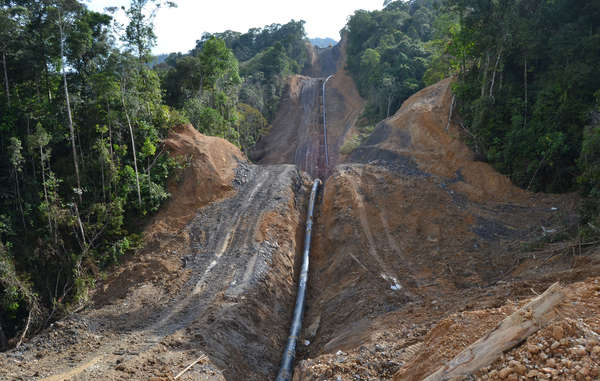
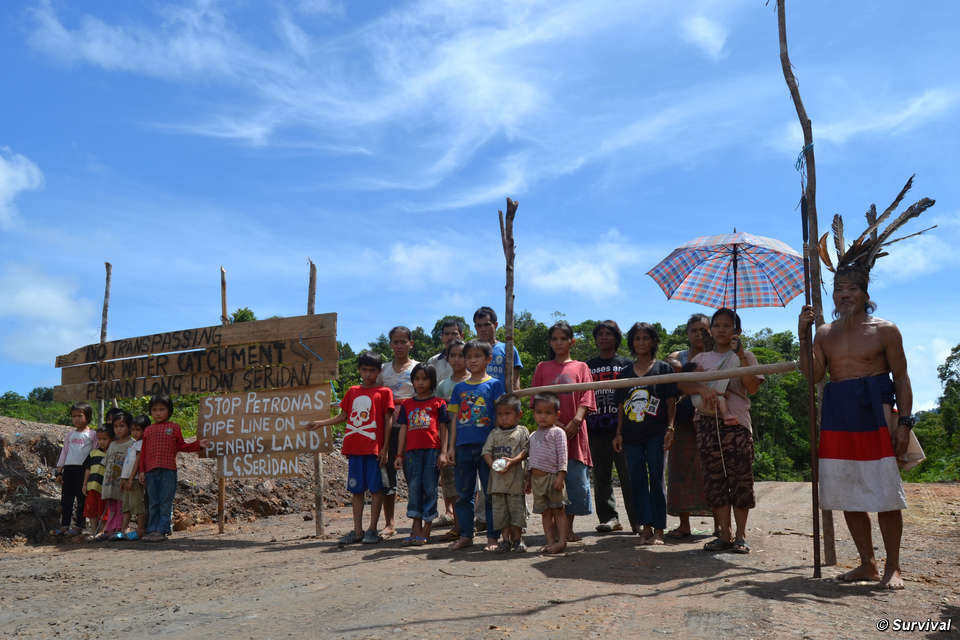
The Penan in Long Seridan are protesting against the building of a gas pipeline which is cutting through their ancestral land.© Survival

The Penan in Long Seridan are protesting against the building of a gas pipeline which is cutting through their ancestral land.© Survival

Penan from the Long Seri­dan region have mount­ed a block­ade to protest against the build­ing of a gas pipeline which is cut­ting through their ances­tral land and destroy­ing their source of drink­ing water.

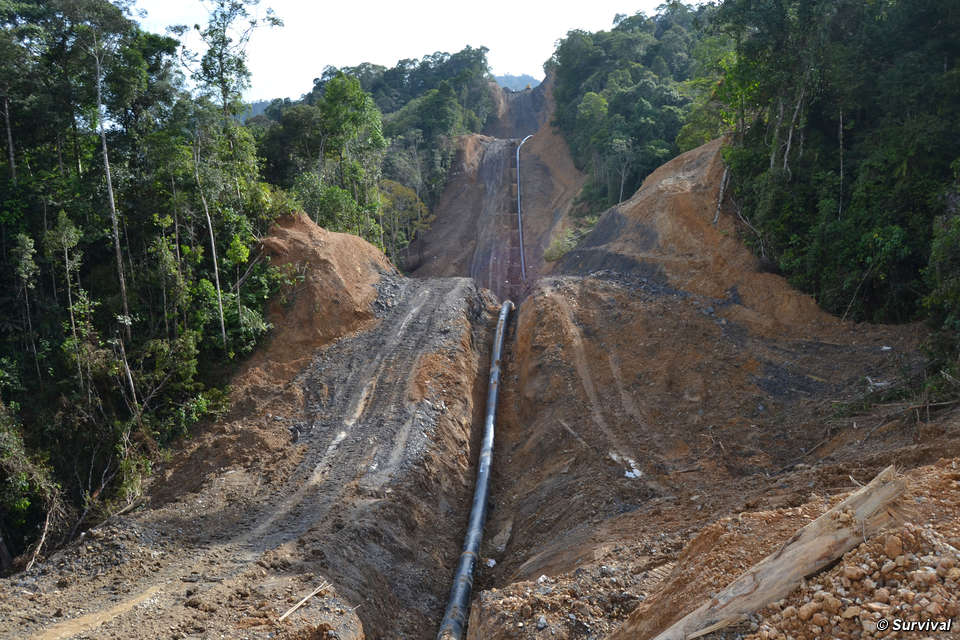
The 500km pipeline is being built by the Malaysian nation­al oil com­pa­ny Petronas and is near­ing com­ple­tion. It will trans­port nat­ur­al gas from the Malaysian state of Sabah, south to the coast of Sarawak.

The pipeline cuts through the for­est of many Penan com­mu­ni­ties. It will make hunt­ing and gath­er­ing even more dif­fi­cult for the tribe, which is already fac­ing grave hard­ship after years of log­ging have dev­as­tat­ed their land.

The con­struc­tion of the gas pipeline has affect­ed many com­mu­ni­ties. One Penan man told Sur­vival, ‘If they build this pipeline through our land it is a way of killing us. How are we to sur­vive if they build this pipeline and we’re not able to move freely in our area – from one side to anoth­er?’

The 500km pipeline, built by the Malaysian national oil company Petronas, is cutting through the Penan's forest, making hunting difficult.© Survival

The Penan in Long Seri­dan began their block­ade against the pipeline almost three weeks ago and have vowed to con­tin­ue until their con­cerns are met.

At the same time, anoth­er group of Penan from Long Daloh, more than 60 km away, have also been protest­ing against log­ging on their land and the Baram dam which threat­ens to flood their homes and the for­est they rely on for their sur­vival.

If it goes ahead, the Baram dam will dis­place approx­i­mate­ly 20,000 trib­al peo­ple. Many Penan, and oth­er indige­nous com­mu­ni­ties, have already protest­ed against the Baram dam and called for it to be can­celled.

Penan protest against pipeline, logging and dam

22 March 2013

22 March 2013

The Penan in Long Seridan are protesting against the building of a gas pipeline which is cutting through their ancestral land.

Penan from the Long Seri­dan region have mount­ed a block­ade to protest against the build­ing of a gas pipeline which is cut­ting through their ances­tral land and destroy­ing their source of drink­ing water.

The 500km pipeline is being built by the Malaysian nation­al oil com­pa­ny Petronas and is near­ing com­ple­tion. It will trans­port nat­ur­al gas from the Malaysian state of Sabah, south to the coast of Sarawak.

The pipeline cuts through the for­est of many Penan com­mu­ni­ties. It will make hunt­ing and gath­er­ing even more dif­fi­cult for the tribe, which is already fac­ing grave hard­ship after years of log­ging have dev­as­tat­ed their land.

The con­struc­tion of the gas pipeline has affect­ed many com­mu­ni­ties. One Penan man told Sur­vival, ‘If they build this pipeline through our land it is a way of killing us. How are we to sur­vive if they build this pipeline and we’re not able to move freely in our area – from one side to anoth­er?’

The 500km pipeline, built by the Malaysian national oil company Petronas, is cutting through the Penan's forest, making hunting difficult.
The 500km pipeline, built by the Malaysian nation­al oil com­pa­ny Petronas, is cut­ting through the Penan’s for­est, mak­ing hunt­ing dif­fi­cult.

The Penan in Long Seri­dan began their block­ade against the pipeline almost three weeks ago and have vowed to con­tin­ue until their con­cerns are met.

At the same time, anoth­er group of Penan from Long Daloh, more than 60 km away, have also been protest­ing against log­ging on their land and the Baram dam which threat­ens to flood their homes and the for­est they rely on for their sur­vival.

If it goes ahead, the Baram dam will dis­place approx­i­mate­ly 20,000 trib­al peo­ple. Many Penan, and oth­er indige­nous com­mu­ni­ties, have already protest­ed against the Baram dam and called for it to be can­celled.


Tar Sands Protestor Disrupts Transcanada Presentation

Feb­ru­ary 28th, 2013, 1:45pm — a pro­tes­tor with Tar Sands Block­ade this after­noon locked his neck to a pro­jec­tor screen in the mid­dle of a Tran­sCana­da pre­sen­ta­tion at the North Amer­i­can Crude Mar­ket­ing Con­fer­ence in Hous­ton.

Feb­ru­ary 28th, 2013, 1:45pm — a pro­tes­tor with Tar Sands Block­ade this after­noon locked his neck to a pro­jec­tor screen in the mid­dle of a Tran­sCana­da pre­sen­ta­tion at the North Amer­i­can Crude Mar­ket­ing Con­fer­ence in Hous­ton. In tak­ing direct action, Ethan Nuss con­front­ed in-per­son Paul Miller, TransCanada’s Exec­u­tive Vice Pres­i­dent of Oil Pipelines, and a ball­room of tar sands indus­try investors, demand­ing a halt to the tox­ic Key­stone XL tar sands pipeline.

Nuss suc­cess­ful­ly dis­rupt­ed the sec­ond annu­al con­fer­ence host­ed by Platts. Among oth­er things, the gath­er­ing is intend­ed for fos­sil fuel indus­try exec­u­tives and their finan­cial back­ers to col­lab­o­rate on schemes to trans­port dirty and dan­ger­ous tar sands from Cana­da to the Gulf Coast so it can be refined and sold on the inter­na­tion­al mar­ket, there­by expand­ing the indus­try.

“TransCanada’s ‘busi­ness as usu­al’ spells death and destruc­tion for our com­mu­ni­ties,” said Ethan Nuss. “My con­science won’t allow me to watch this multi­na­tion­al cor­po­ra­tion and their prof­i­teers poi­son impact­ed com­mu­ni­ties from here in Houston’s pol­lut­ed East End to indige­nous peo­ple at the point of tar sands extrac­tion in Alber­ta, Cana­da. This must stop.” Ethan fur­ther shares his rea­sons for tak­ing direct action below:

At last year’s mar­ket­ing con­fer­ence, Paul Miller explained the neces­si­ty of the south­ern leg of Key­stone XL through Okla­homa and Texas to the expan­sion of the exploita­tive tar sands indus­try. TransCanada’s own fourth quar­ter report, released last week, revealed that the con­tro­ver­sial pipeline is less than half com­plet­ed, despite the Cana­di­an pipeline corporation’s pre­vi­ous pro­jec­tions for com­ple­tion of the south­ern seg­ment this April.

This rev­e­la­tion high­lights that Tar Sands Blockade’s sus­tained civ­il dis­obe­di­ence cam­paign since last August has been suc­cess­ful in delay­ing Key­stone XL con­struc­tion. Today’s action is part of grow­ing momen­tum for an upcom­ing nation­al week of action called for by Tar Sands Block­ade and allies from March 16–23, with over 60 actions cur­rent­ly report­ed nation­wide.

“This is just a morsel of what Tran­sCana­da and oth­er tar sands prof­i­teers can expect in the com­ing weeks and months,” said Kim Huynh, a spokesper­son with Tar Sands Block­ade. “All over the coun­try, com­mu­ni­ties are gear­ing up to take to the streets, offices, extrac­tion sites and pub­lic events to show that our move­ment won’t relent until we’ve made this invest­ment as tox­ic for Tran­sCana­da and its finan­cial back­ers as the very tar sands being piped through Key­stone XL. Our tar sands-free future begins now.”

Ear­li­er this week, 20,000 gal­lons of crude oil leaked into Otter Creek in Tyler Coun­ty, TX from a pipeline owned by Suno­co Logis­tics. Otter Creek flows into Rus­sell Creek, which feeds the Nech­es Riv­er. The leak did not trig­ger Sunoco’s detec­tion sys­tems but was dis­cov­ered by local res­i­dents report­ing oil in their water.

Update 1:53pm — All press have been kicked out of the con­fer­ence.

Update 2:05pm — More pro­tes­tors are out­side the con­fer­ence lob­by chant­i­ng “All night, all day, Tar Sands Block­ade!”

Update — In sol­i­dar­i­ty with Ethan and oth­er oil con­fer­ence dis­rup­tors, Tar Sands Block­aders dropped ban­ners in sight of two major Hous­ton high­ways.

Update 2:15pm — Pro­tes­tors con­tin­ue to yell and chant out­side of the hotel where the con­fer­ence is being dis­rupt­ed.

Update 2:30pm — All pro­tes­tors are out­side of the hotel now except for Ethan, who is still locked to the pro­jec­tion screen in the con­fer­ence room.

Update 3pm — Ethan has just been extract­ed, tak­en into police cus­tody, and removed from the build­ing.

Believe it or not, today is actu­al­ly Ethan’s 29th birth­day! Show your

Update 5:15pm — We’ve just heard from Ethan that he’s been charged with crim­i­nal tres­pass.

Update 8pm — Ethan still hasn’t been offi­cial­ly charged yet.

He’s in high spir­its and sends along his deep­est grat­i­tude for all the love and birth­day well-wish­es:

“I turned 29 today, and there is nowhere that I’d rather spend my birth­day than locked to that pro­jec­tor screen, speak­ing truth to pow­er.”

Update Fri­day, March 1st, 1:15am — Ethan is expect­ed to be in jail through the night.

Update 8:30am — Ethan’s just been bailed out!


Arson Attack on Seattle “Green” Development

5 March 2013

5 March 2013

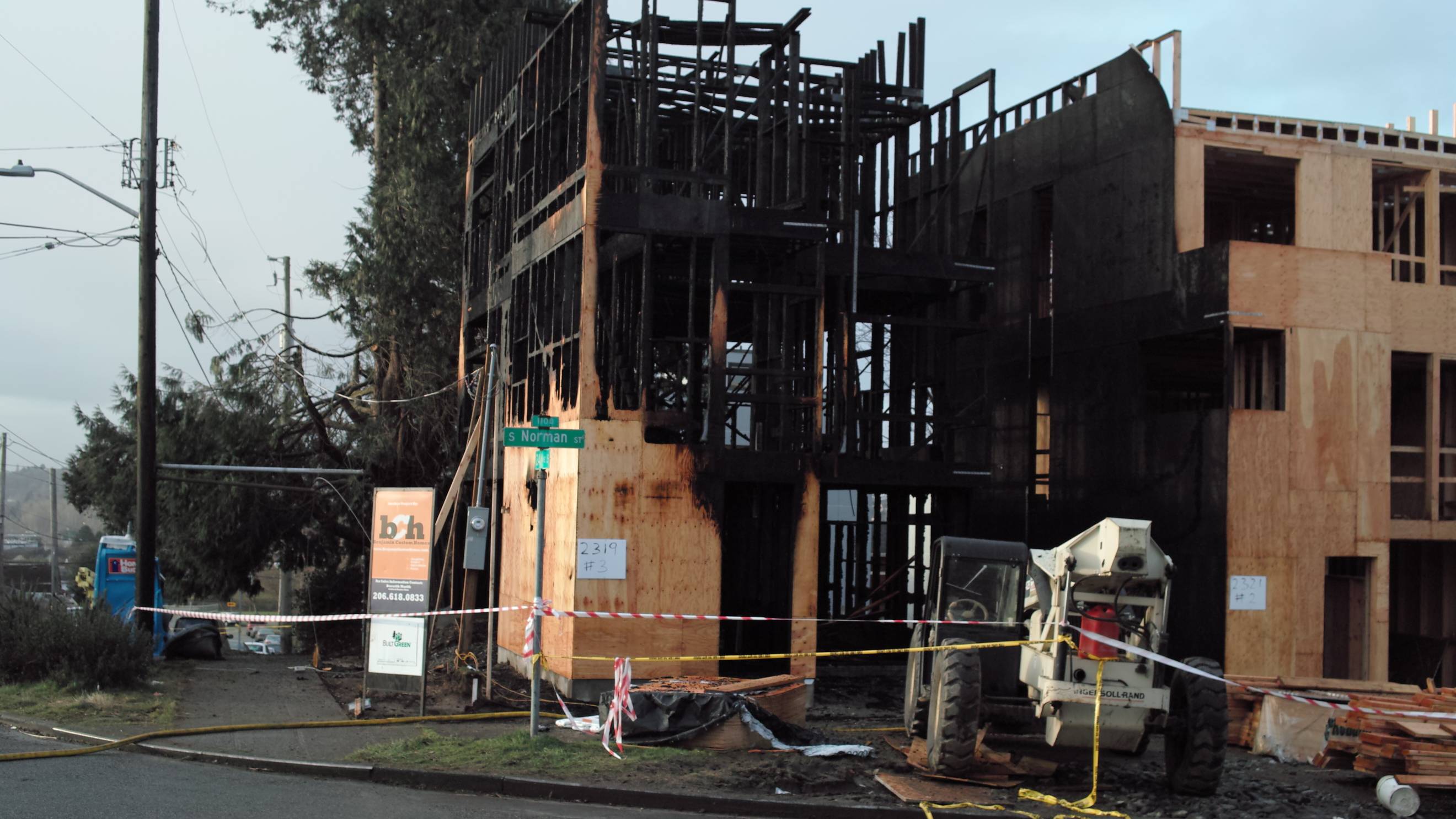
The arson of some town­hous­es under con­struc­tion was recent­ly claimed by anony­mous Seat­tle Anar­chists.  This is the com­mu­nique they left, cit­ing their rea­sons and express­ing their joy:

“Just before mid­night, Mon­day Feb 25, we strolled over to the town­hous­es under con­struc­tion on 24th and Nor­man in the Cen­tral Dis­trict. After slip­ping inside, we set one ablaze. Oh what ease! Oh what fun!

Sus­tain­able devel­op­ment is a myth that makes us sick. By fur­ther­ing gen­tri­fi­ca­tion and eco­log­i­cal destruc­tion, these build­ings dress dis­as­ter up as progress, promis­ing a “green” future that will nev­er be.

Our attack was just one more oppor­tu­ni­ty to joy­ous­ly reject the sta­tus quo. It was anoth­er attempt to shed the sub­ju­gat­ed sub­jec­tiv­i­ty forced upon us by Cap­i­tal and the State. We act against civ­il soci­ety and its attempts at domes­ti­ca­tion. Fuck that shit.

Sol­i­dar­i­ty with Mad­dy, Ker­ry, and all the silent ones still fac­ing repres­sion by the Fed­er­al Grand Jury. We will not cow­er in fear. We will not remain docile in the face of State ter­ror.

Now is the time to attack! Ene­mies abound. Weapons are every­where.

Join us?

Some Anar­chists.”

Cor­po­rate news cov­er­age reports:
The fire that caused exten­sive dam­age to an under-con­struc­tion town­house project at 24th and Nor­man last week was inten­tion­al­ly set, fire depart­ment inves­ti­ga­tors say.

Now a post signed only by “Some Anar­chists” on the Puget Sound Anar­chists web­site claims respon­si­bil­i­ty for the arson.

The town­house project devel­op­er Ben­jamin Cus­tom Homes describes the homes as “effi­cient green homes with approx­i­mate­ly 2500sf of mod­ern liv­ing, attached park­ing and pri­vate roof-top deck with views of the Seat­tle sky­line.”

The case is under inves­ti­ga­tion by SPD’s arson team. We have attempt­ed to con­tact SPD to ask them about the PSA post and will update when we hear back. (UPDATE: Seat­tle Police said inves­ti­ga­tors are aware of the post, but have no addi­tion­al infor­ma­tion on the inves­ti­ga­tion at this time.)

Details from SFD:

Seat­tle Fire Inves­ti­ga­tors deter­mined a fire at an under con­struc­tion house in Jud­kins Park was inten­tion­al­ly set.

The ini­tial 911 call came in at 12:28 a.m. report­ing flames com­ing from a sin­gle fam­i­ly home locat­ed at the cor­ner of South Nor­man Street and 24th Avenue South. While respond­ing to the scene, fire offi­cers could see the flames shoot­ing into the night sky from sev­er­al blocks away.

Engine 6 arrived first to find a full involved 3‑story home that was under con­struc­tion. Flames from the home were expos­ing to a sec­ond under con­struc­tion house. Using mul­ti­ple hose lines, fire­fight­ers were able to con­trol the flames in 7 min­utes. Embers from the fire land­ed on a near­by hous­es roof caus­ing a tem­po­rary evac­u­a­tion of the res­i­dents. The res­i­dents were even­tu­al­ly allowed back in.

The fire also dam­aged a piece of con­struc­tion equip­ment, a port-a-pot­ty and burned through a pow­er line to a home. There were no report­ed injuries.

Fire­fight­ers con­duct­ed an overnight fire watch to make sure the embers don’t reignite in the home.
Fire inves­ti­ga­tors esti­mate the dam­age at $30,000 to the struc­ture and con­tents. The case has been turned over to the Seat­tle Police Department’s Arson Bomb Squad who will be inves­ti­gat­ing.

The Bolt Weevils and the Simplicity of Sabotage

Resis­tance against exploita­tion is noth­ing new. His­to­ry is full of exam­ples of people—perfectly ordi­nary people—fighting back against injus­tice, exploita­tion, and the destruc­tion of their lands and com­mu­ni­ties.

Resis­tance against exploita­tion is noth­ing new. His­to­ry is full of exam­ples of people—perfectly ordi­nary people—fighting back against injus­tice, exploita­tion, and the destruc­tion of their lands and com­mu­ni­ties. They move through what­ev­er chan­nels for action are open to them, but often, left with no legal or polit­i­cal pow­er, they turn to mil­i­tant means to defend them­selves.

It is hard­ly a sim­ple deci­sion, and rarely the first or pre­ferred option, but when all oth­er paths have been explored and found to lead nowhere, mil­i­tant action becomes the only real­is­tic route left. Move­ments and com­mu­ni­ties come to that truth in many dif­fer­ent ways, but almost with­out fail, they come to it borne by a col­lec­tive cul­ture of resis­tance. One inspir­ing exam­ple is the Bolt Wee­vils.

The Bolt Wee­vils were a group of farm­ers in Min­neso­ta who spent sev­er­al years in the late 1970s per­fect­ing the fine art of sab­o­tag­ing inter­state elec­tri­cal trans­mis­sion lines. Their efforts have been memo­ri­al­ized in numer­ous books and songs, and their sto­ry is a hope­ful one we would do well to remem­ber and re-tell.

The sto­ry of the Bolt Wee­vils begins in the mid-1970s, when the Coop­er­a­tive Pow­er Asso­ci­a­tion (CPA) and Unit­ed Pow­er Asso­ci­a­tion (UPA) pro­posed con­struc­tion of a new inter­state high-volt­age trans­mis­sion line. Tak­ing its name from the two coop­er­a­tives, the CU Pow­er­line would car­ry cur­rent from a gen­er­at­ing sta­tion in North Dako­ta across west-cen­tral Min­neso­ta to feed the urban cen­ters of the Twin Cities.
In deter­min­ing a route for the pow­er­line, small farm­ers land was rat­ed less impor­tant than large indus­tri­al farms, and as a result, the pro­posed route crossed the prop­er­ty of near­ly 500 landown­ers. Out­raged at being trod­den over to for the ben­e­fit of indus­try and urban­ism, resis­tance against the project began imme­di­ate­ly in earnest.

Once res­i­dents found out about the project, they refused to sign land ease­ments. Local towns passed res­o­lu­tions oppos­ing the project and reject con­struc­tion per­mits. The pow­er­line went to review before the State’s Envi­ron­men­tal Qual­i­ty Coun­cil, which went ahead and grant­ed the nec­es­sary per­mits in the face of over­whelm­ing pub­lic oppo­si­tion.

When sur­vey­ors showed up out of the blue in one farmer’s fields, he smashed their equip­ment with his trac­tor and rammed their vehi­cle. The action of that one farmer helped cat­alyze pop­u­lar sen­ti­ments into action. Farm­ers began using CB radios to noti­fy one anoth­er about sur­vey­ing activ­i­ties, and would turn out in groups to stop the work. As resis­tance began to build, local radio sta­tions would broad­cast times and loca­tions of pro­tes­tor gath­er­ings. Farm­ers and oth­ers who opposed the project began meet­ing every morn­ing in the Lowry town hall, host­ing oth­ers who’d come from neigh­bor­ing coun­ties, to make plans for each day.

As sur­vey­ing and con­struc­tion con­tin­ued, the locals esca­lat­ed their efforts. They would erect signs in their fields to block the sight­lines of the sur­vey­ors, and stand next to sur­vey crews run­ning their chain­saws to dis­rupt their work. Sur­vey stakes dis­ap­peared overnight. Farm­ers used their trucks to make road­blocks and their trac­tors to pile boul­ders in the con­struc­tion sites. One group even gained per­mis­sion from the coun­ty to improve a rur­al road—they dug a ditch across it to stop all traf­fic.

They filed more law­suits, and the issue was even­tu­al­ly tak­en up by the Min­neso­ta Supreme Court, which in the spir­it of every­thing it rep­re­sents, decid­ed against the farm­ers and in favor of the pow­er­line. Many of the cit­i­zens oppos­ing the pipeline had earnest­ly believed in insti­tu­tions like the Supreme Court and the struc­tures of pow­er. After their bat­tles through the courts, many of them were dis­il­lu­sioned and had been rad­i­cal­ized.

Law enforce­ment began escort­ing con­struc­tion and sur­vey work­ers, and the sit­u­a­tion came to a head on Jan­u­ary 4th 1978, when 100 farm­ers chased pow­er­line crews from three dif­fer­ent sites, fought with police, and even tore down part of a tow­er. The next week, the Min­neso­ta Gov­er­nor ordered the largest mobi­liza­tion of the State Troop­ers in Minnesota’s his­to­ry, with 200 Troopers—fully half of the force—descended on the rur­al area to ensure con­struc­tion con­tin­ued.

Protests con­tin­ued and grew, as the issue began to draw nation­al and inter­na­tion­al media atten­tion; hun­dreds turned out for ral­lies at sur­vey sites, and some schools even let out so stu­dents and teach­ers could attend. In St. Paul, thou­sands of farm­ers ral­lied and demon­strat­ed, and in March of 1978 more than 8,000 peo­ple marched almost ten miles through freez­ing tem­per­a­tures from Lowry to Glen­wood to protest the CU pow­er­line.

It was in the heat of August that the ket­tle boiled over. Bolts on one of the trans­mis­sion tow­ers were loos­ened, and soon after­wards, it fell over, as the Bolt Wee­vils entered the scene. Then three more fell over. Guard poles and bolts were cut and loos­ened, insu­la­tors were shot out. Over the next few years, 14 tow­ers were felled and near­ly 10,000 insu­la­tors were shot out. Soon, heli­copters patrolled the pow­er­line, and it was made a fed­er­al offense to take down inter­state trans­mis­sion lines.

There were numer­ous arrests, some 120 in all, but only two indi­vid­u­als were ever con­vict­ed on felony charges, and even then they were only sen­tenced to com­mu­ni­ty ser­vice. Oppo­si­tion to the pow­er­line was so com­mon that in some instances, wit­ness­es refused to tes­ti­fy against farm­ers.

In the End, unfor­tu­nate­ly, the pow­er­line was built and went into oper­a­tion, despite the protests and the dis­rup­tions by the Bolt Wee­vils. While they were unsuc­cess­ful in ulti­mate­ly stop­ping the project, there’s much from their efforts that we can learn and apply to our work today against exploita­tion and civ­i­liza­tion.

As in most social strug­gles that turn to prop­er­ty destruc­tion and mil­i­tan­cy, that wasn’t the first choice of tac­tics for those on the ground. They fought for years through accept­ed legal and polit­i­cal avenues, turn­ing to mate­r­i­al attacks after all oth­er cours­es of action had proven inef­fec­tive. But more than that, the pop­u­lar agi­ta­tion and orga­niz­ing in the years lead­ing up to the emer­gence of the Bolt Wee­vils didn’t mere­ly pre­cede mil­i­tant direct action: it laid the ground­work for it.

The work of the local farmers—their protests, demon­stra­tions, civ­il dis­obe­di­ence, and com­mu­ni­ty organizing—paved the way (for­give the phrase) and set the con­di­tions for the sab­o­tage that would lat­er occur. By mobi­liz­ing res­i­dents and com­mu­ni­ty mem­bers against the project, build­ing social net­works, and agi­tat­ing and rais­ing oppo­si­tion against CU pow­er­line, a col­lec­tive cul­ture of resis­tance was cre­at­ed, plant­i­ng and water­ing the seeds from which the Bolt Wee­vils were born.

With civ­i­liza­tion churn­ing onwards towards biot­ic col­lapse and under­ground resis­tance the only real hope left, car­ing for those seeds is our pri­ma­ry duty today. The sto­ry of the Bolt Weevils—like count­less oth­er sto­ries of resistance—shows that mil­i­tant resis­tance emerges from strong and sup­port­ive cul­tures of resis­tance. The time to start build­ing such a cul­ture was yes­ter­day. For those of us who choose to orga­nize and work in an above­ground and legal way, build­ing such a cul­ture that embraces and cel­e­brates sab­o­tage and the use of any means nec­es­sary to stop the omni­cide of indus­tri­al­ism is our fore­most task.

The sto­ry of the Bolt Wee­vils isn’t empow­er­ing and inspir­ing because they “fought off the bad guys and won.” They didn’t win. The pow­er lines were built, forced down their throats in the face of their resis­tance. No, their sto­ry is inspir­ing because it so clear­ly and unde­ni­ably demon­strates how sim­ply fea­si­ble sab­o­tage and mate­r­i­al attacks tru­ly are. Often, we talk about mil­i­tant resis­tance and direct action as mys­te­ri­ous and abstract things, things that wouldn’t ever hap­pen in our lives or com­mu­ni­ties, things that no one as ordi­nary as any of us would ever do.

Whether we roman­ti­cize under­ground action or are intim­i­dat­ed by it, we gen­er­al­ly talk about it as though it is some­thing out of a movie or a nov­el. The truth is that such actions are sim­ply tactics—just like peti­tion-dri­ves or street marches—that can be used to dis­man­tle sys­tems of pow­er. The Bolt Weevils—a group of farm­ers with hunt­ing rifles and hacksaws*—serve as a stark reminder that one doesn’t require mil­i­tary train­ing and high-tech gad­gets to act in direct and mate­r­i­al ways against the infra­struc­ture of destruc­tion. We’re all capa­ble of fight­ing back, and while sab­o­tage against indus­tri­al infra­struc­ture can be daunt­ing for many valid rea­sons, tech­ni­cal­i­ty isn’t one of them.

We may have to fail work­ing through oth­er chan­nels (as if we haven’t already) before col­lec­tive­ly turn­ing to sab­o­tage and attacks on indus­tri­al infra­struc­ture as a strat­e­gy, and we will cer­tain­ly need to build a sup­port­ive and strong cul­ture of resis­tance. But if we’re seri­ous about stop­ping the destruc­tion and exploita­tion of civ­i­liza­tion, we will be left with no oth­er choice.

*This is spec­u­la­tive. I don’t actu­al­ly know how they shot out insu­la­tors or cut through guard poles, although there are plen­ty of accounts of hunt­ing rifles and hack­saws being used in this fash­ion, and it’s from those sto­ries that I haz­ard this guess.