China Cancels Uranium Plant One Day After Protest

13 July 2013

13 July 2013

Chi­na has abrupt­ly can­celed plans to build its largest ura­ni­um pro­cess­ing plant in a south­ern Chi­nese city, a day after hun­dreds of pro­test­ers took to the streets demand­ing the project be scrapped, a local gov­ern­ment web­site said on Sat­ur­day.

The pro­posed 230-hectare com­plex in the heart of China’s Pearl Riv­er delta indus­tri­al heart­land in Guang­dong province had also sparked unease in neigh­bor­ing Hong Kong and Macau.

Author­i­ties in the gam­bling enclave had for­mal­ly raised the issue with their Guang­dong coun­ter­parts, the South Chi­na Morn­ing Post report­ed.

A one-line state­ment pub­lished on the Hes­han city government’s web­site said that “to respect people’s desire, the Hes­han gov­ern­ment will not pro­pose the CNNC project”.

State-run Chi­na Nation­al Nuclear Cor­po­ra­tion and Chi­na Guang­dong Nuclear Pow­er Corp (CGNPC) had planned to build the 37 bil­lion yuan ($6 bil­lion) project.

Offi­cials from both com­pa­nies could not be reached for com­ment.

A Bei­jing-based nuclear pow­er expert said he was sur­prised local author­i­ties had tak­en the deci­sion as the project designed to pro­duce 1,000 tonnes of ura­ni­um fuel annu­al­ly by 2020 was hot­ly con­test­ed by local gov­ern­ments.

“Com­pared to a nuclear pow­er plant, a ura­ni­um pro­cess­ing facil­i­ty is way more safer, as there is no fusion or reac­tion tak­ing place in the pro­duc­tion process,” said the offi­cial with close knowl­edge of the project. He declined to be iden­ti­fied as he was not autho­rized to speak to the press.

The sur­pris­ing­ly swift deci­sion to can­cel the project came after hun­dreds marched to city offices on Fri­day that forced offi­cials to pledge an exten­sion of pub­lic con­sul­ta­tion by 10 days. Locals had planned more protests on Sun­day.

Chi­nese author­i­ties are becom­ing increas­ing­ly sen­si­tive to local protests over envi­ron­men­tal issues, hav­ing can­celed, post­poned or relo­cat­ed sev­er­al major petro­chem­i­cal and met­als plants.

The planned con­ver­sion and enrich­ment plant had been meant to sup­ply fuel for China’s expand­ing nuclear pow­er capac­i­ty, like­ly to reach 60–70 gigawatts by 2020 from the cur­rent 12.6 GW.

Chi­na cur­rent­ly pro­duces 800 tonnes of ura­ni­um fuel at its plants in south­west­ern Sichuan province and north China’s Inner Mon­go­lia. Chi­na sources ura­ni­um both from domes­tic mines and imports from Kaza­khstan, Cana­da and Aus­tralia, said the expert.

Guang­dong is one of the country’s largest nuclear pow­er bases, already run­ning five nuclear reac­tors and build­ing anoth­er dozen, incor­po­rat­ing tech­nolo­gies from com­pa­nies like French Are­va and West­ing­house, a unit of Japan’s Toshi­ba Corp.

Forest occupation in Belgium needs more people!

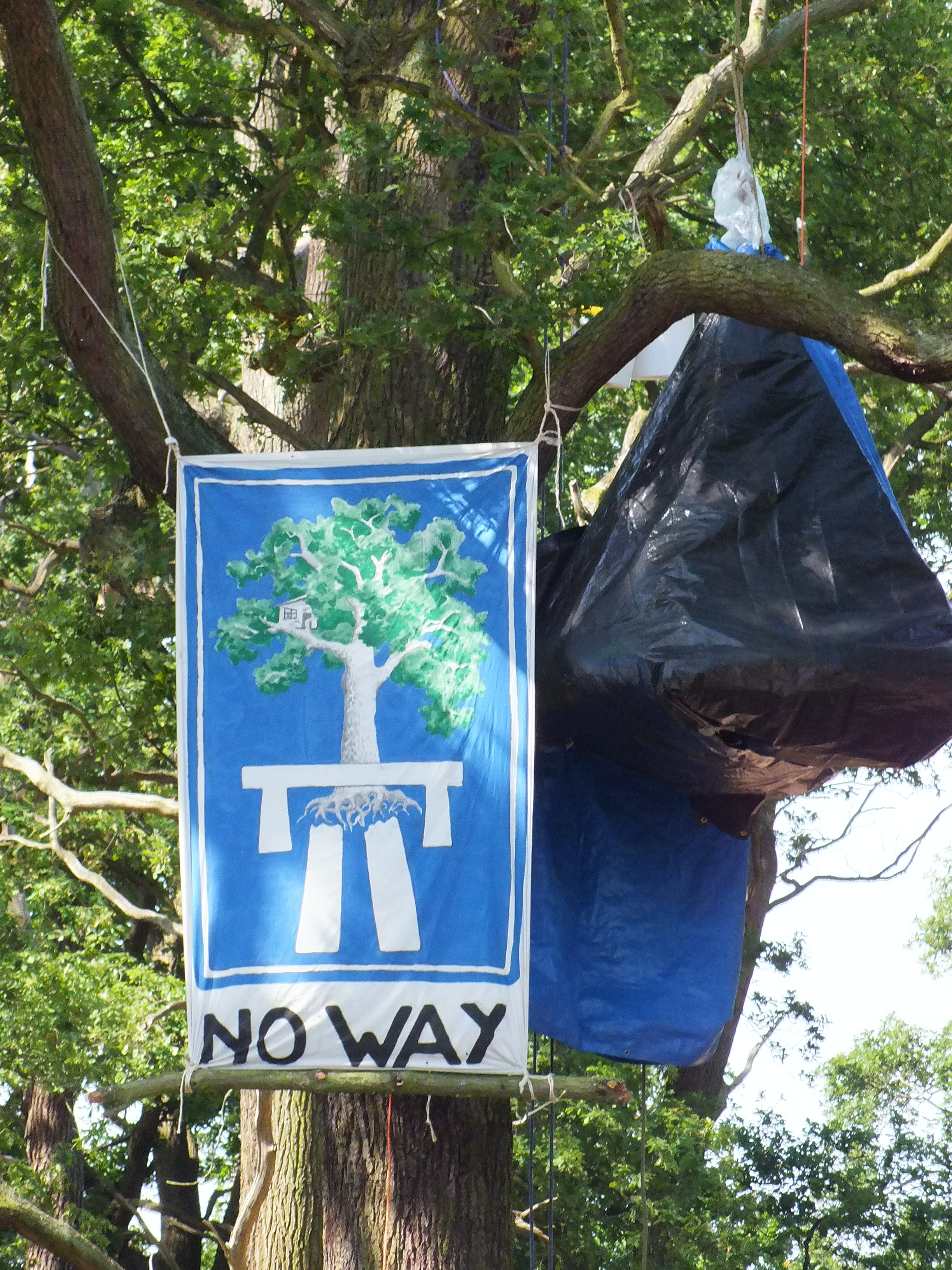
Since the first of Juli we have occu­pied a for­est in Wilrijk, south of Antwerp in Bel­gium. It looks like it won’t be a very long occu­pa­tion, because the own­er has already start­ed all the pro­ce­dures to kick us out and the police stops by at least once a day.

Since the first of Juli we have occu­pied a for­est in Wilrijk, south of Antwerp in Bel­gium. It looks like it won’t be a very long occu­pa­tion, because the own­er has already start­ed all the pro­ce­dures to kick us out and the police stops by at least once a day. We urgent­ly need more peo­ple (climbers and ground crew!) to help us occu­py this for­est and make it as hard as pos­si­ble for the police to evict us.


So if you can spare a few days to pro­tect the for­est with your pres­ence and help us build our walk­ways, plat­forms and kitchen, please stop by!

adress: fotografielaan 7
wilrijk
train to antwerp cen­tral
from roo­sevelt­plaats bus 500 to boom
get off close to the piz­za­hut (ask bus­driv­er)
walk to the piz­za­hut, go right, at the end of the road (cows) go right, first left, you’ll see the ban­ners
you can con­tact us at:  steungroep.groenoord@gmail.com
for more info: www.groenoord.be / face­book van ste­un­groep groeno­ord
0485507274

The area has been mapped as a for­est since 1771 and is an eco­log­i­cal­ly very valu­able oak for­est which is a habi­tat for lots of birds and endan­gered bat species. The for­est is a so called wrong­ly zoned for­est, it’s been zoned as an indus­tri­al area since 2005. Flan­ders (the dutch speak­ing part of Bel­gium) is the sec­ond poor­est region in Europe when it comes to forests, only 8 % of the land if for­est. About a third of those forests are wrong­ly zoned which means they are often threat­ened. Most of these forests are cut with­out any­one ever know­ing. So we are not just fight­ing for this spe­cif­ic for­est, we are fight­ing for a more just for­est pol­i­cy in Flan­ders.

The own­er wants to cut the for­est to build an office and stor­age space, but it is not clear if they have some­one to rent it yet. Their old part­ner end­ed the con­tract because the plans were delayed.

There’s heaps of emp­ty office build­ings in Flan­ders. With­in a minute’s walk from the for­est there’s 4 emp­ty build­ings that could be ren­o­vat­ed or bro­ken down to make space for a new build­ing. Yet they still want to cut the for­est.

Because they have nev­er done prop­er geo­log­i­cal stud­ies there’s big prob­lems with the water in the area. The water can’t go any­where so part of the for­est is often under water, which has killed a lot of the trees. Mea­sures need to be tak­en to ensure the sur­vival of the for­est.

When­ev­er cut­ting forests in Flan­ders, they talk about com­pen­sa­tion. Which is bull­shit. You can’t just cut a for­est here and plant a new one some­where else.

It is about time we realise that trees have an intrin­sic val­ue and stop think­ing only about mon­ey.

NO COMPROMISE IN DEFENSE OF MOTHER EARTH

Help us defend the trees!

groeNo­ord / Groen­front! (Earth First!)


Wisconsin Mining Company Hires Paramilitary Guards

9 July 2013 Min­ing com­pa­ny Goge­bic Taconite has hired para­mil­i­tary guards from Ari­zona firm Bul­let­proof Secu­ri­ties Force fol­low­ing a protest at its explorato­ry mine site in Wisconsin’s Peno­kee Hills in which some minor van­dal­ism occurred.

From Pop­u­lar Resis­tance:

Peo­ple who live near the large taconite mine in Peno­kee Hills, WI are grow­ing con­cerned about the pres­ence of mil­i­tary-style armed guards. The mine is not active yet, but pro­posed with drilling and sam­pling tak­ing place….

Dear Neigh­bors — GTAC now has men in mil­i­tary fatigues with auto­mat­ic weapons in the Peno­kee Hills– lands that you have legal access to as they are in Man­aged For­est sta­tus. IS THIS THE KIND OF BUSINESS we want in our com­mu­ni­ty?

The pub­li­ca­tion of pho­tos of the guards, bear­ing auto­mat­ic rifles while dressed in com­bat fatigues and some­times even masked, has stirred up a firestorm in Wis­con­sin, and two state leg­is­la­tors have already asked the com­pa­ny to remove the armed guards, not­ing that the guards have no legal author­i­ty to use force.

Reclaim the Power! Invite to protest camp

This sum­mer, a wide coali­tion of peo­ple and groups are com­ing togeth­er to Reclaim the Pow­er — join us.

This sum­mer, a wide coali­tion of peo­ple and groups are com­ing togeth­er to Reclaim the Pow­er — join us.

If you’re up for cre­at­ing a more sus­tain­able, equal soci­ety, we want you to join us. If you want to fight against the eco­nom­ic and envi­ron­men­tal crises that gov­ern­ments and big busi­ness have cre­at­ed, we want you to join us. If you want to meet, plan and take action with a diverse range of groups and indi­vid­u­als who have shared goals, we want you to join us.

Reclaim the Pow­er is going to be a 4 day action camp and protest at West Bur­ton pow­er sta­tion. West Bur­ton is the first of up to 40 new gas fired pow­er sta­tions that are cur­rent­ly being planned. If they are built, the UK will def­i­nite­ly fail to meet our mod­est car­bon reduc­tion tar­gets. This gives us a real oppor­tu­ni­ty to change the way our pow­er is gen­er­at­ed and con­trolled. The main­stream polit­i­cal par­ties want to tie us to fos­sil fuels for anoth­er gen­er­a­tion. They want to allow ener­gy com­pa­nies to get ever rich­er whilst more and more peo­ple are forced to choose between heat­ing and eat­ing. We want a sus­tain­able ener­gy sys­tem that pri­ori­tis­es peo­ple, not prof­it. This is a huge deci­sion and it’s hap­pen­ing now. Let’s Reclaim the Pow­er and stop this Dash for Gas.

Last Octo­ber, 21 envi­ron­men­tal activists shut down EDF’s West Bur­ton pow­er sta­tion for a week in protest at the government’s Dash for Gas. With your help, includ­ing a sol­i­dar­i­ty peti­tion signed by 64,000 peo­ple – they fought off EDF’s attempt to sue them for £5 mil­lion. 
And now we’re going back.

This sum­mer, from 16th-20th August, over 1000 peo­ple will gath­er on the doorstep of the pow­er sta­tion for a camp – includ­ing work­shops and action plan­ning – and a mass action. With your help, we will shut down the Dash for Gas.

Please share this call­out with your net­works.

Peru: police fire on Cajamarca protesters —again

8th July 2013 Nation­al Police troops in Peru’s Caja­mar­ca region opened fire July 6 on campesinos attempt­ing to attend the pub­lic pre­sen­ta­tion of an envi­ron­men­tal impact state­ment on the 

8th July 2013 Nation­al Police troops in Peru’s Caja­mar­ca region opened fire July 6 on campesinos attempt­ing to attend the pub­lic pre­sen­ta­tion of an envi­ron­men­tal impact state­ment on the Chadín II hydro-elec­tric project at the high­land town of Celendín, wit­ness­es said. Accord­ing to a state­ment from the group Tier­ra y Lib­er­tad, nine were wound­ed when the troops fired on the oppo­nents of the project who were try­ing to gain access to the pub­lic build­ing where the meet­ing was being held. Mar­le Libaque Tasil­la, a leader of the local ron­da, or peas­ant self-defense patrol, and an orga­niz­er for Tier­ra y Lib­er­tad, said that among the injured is the not­ed Peru­vian envi­ron­men­tal­ist Nicanor Alvara­do Car­ras­co.

The Chadín II project is con­ceived to speed the devel­op­ment of min­ing projects in Caja­mar­ca, and is slat­ed to pro­vide ener­gy to the Yana­cocha com­pa­ny which is devel­op­ing the con­tro­ver­sial Con­ga project. Thou­sands of local res­i­dents stand to be dis­placed by the Chadín II project, which would flood some 3,000 hectares along the Río Marañon, a major trib­u­tary of the Ama­zon. Protests against the hydro project were held in the affect­ed com­mu­ni­ties late last year. (Tier­ra y Lib­er­tad via Kaos en La Red, July 7; Noti­ci­asSER, Dec. 12)

The shoot­ing inci­dent occurred three days after Celendín held offi­cial com­mem­o­ra­tions for the five campesinos killed by Nation­al Police last July dur­ing protests against the Con­ga project. A spe­cial mass was held at Celendín’s church, fol­lowed by a pub­lic pro­ces­sion to the ceme­tery where the mar­tyrs lie bured. (Celendin Libre, July 4)

Protest halts Newmont Gold work in NZ

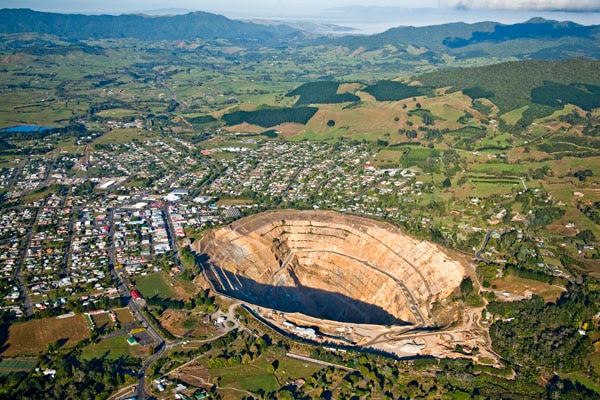
7 July 2013 Pro­test­ers have occu­pied a min­ing explo­ration site on con­ser­va­tion land in the Coro­man­del Penin­su­la.

7 July 2013 Pro­test­ers have occu­pied a min­ing explo­ration site on con­ser­va­tion land in the Coro­man­del Penin­su­la.

The protest, in the Paraki­wai Val­ley near Whanga­ma­ta, stopped work at the site dur­ing the week­end.

Coro­man­del Watch­dog spokes­woman Renee Annan said about 10 pro­test­ers asked work­ers to turn the drilling rig off on Sat­ur­day morn­ing and the two groups had remained in a calm stand off since.

New­mont Gold exec­u­tives flew in by heli­copter and told the pro­test­ers they were tres­pass­ing, Ms Annan told NZ Newswire.

How­ev­er, there was no sign of police get­ting involved yet, she said.

The area should have been includ­ed in Sched­ule Four Con­ser­va­tion land when the park was cre­at­ed, she said.

It was home to the crit­i­cal­ly endan­gered Archey’s frog species, and oth­er rare species such as Helms but­ter­fly and Coro­man­del brown kiwi.

Ms Annan said that while the drilling was only explorato­ry, it should still be banned from con­ser­va­tion land.

The group would give New­mont the infor­ma­tion it need­ed to decide whether or not to mine.

“Any kind of min­ing is total­ly inap­pro­pri­ate in this area.”

New­mont could not be con­tact­ed for com­ment.

Honduras: Anti-Mining Activists Report Death Threats

5 July 2013 Mem­bers of com­mu­ni­ties oppos­ing open-pit min­ing in the north­ern Hon­duran depart­ment of Atlán­ti­da have received death threats because of their activitism, accord­ing to a June 7 com­mu­niqué issued by the

5 July 2013 Mem­bers of com­mu­ni­ties oppos­ing open-pit min­ing in the north­ern Hon­duran depart­ment of Atlán­ti­da have received death threats because of their activitism, accord­ing to a June 7 com­mu­niqué issued by the Broad Move­ment for Dig­ni­ty and Jus­tice (MADJ) and the Atlán­ti­da Envi­ron­men­tal­ist Move­ment (MAA). The groups said police agents in the ser­vice of Lenir Pérez, own­er of the Alutech met­al com­pa­ny, assault­ed mem­bers of the Nue­va Esper­an­za com­mu­ni­ty on June 3, intim­i­dat­ing them and mak­ing death threats. On June 6 the res­i­dents received addi­tion­al death threats from a group of “heav­i­ly armed men” oper­at­ing in the area with the sup­port of the nation­al police, the com­mu­niqué charged. The groups blamed Tela munic­i­pal­i­ty may­or David Zac­caro, who “instead of sup­port­ing the com­mu­ni­ties has made com­mon cause with the mine own­ers, espe­cial­ly Lenir Pérez…who is car­ry­ing out vio­lence and pro­vok­ing the com­mu­ni­ties.”

In a sep­a­rate state­ment, a Catholic group, the Caret­ian Mis­sion­ar­ies, charged on June 10 that “alleged minework­ers” had made threats by text mes­sage on Jan. 28 to Father César Espinoza, a priest who oppos­es the min­ing, and to nuns in the group. The MADJ and the MAA asked for nation­al and inter­na­tion­al orga­ni­za­tions to write to Human Rights Min­is­ter Ana Pine­da (apineda@sjdh.gob.hn), Direc­tor of Pro­tec­tion for Human Rights Defend­ers Rodil Vazquez (rvasquez@sjdh.gob.hn), May­or Zac­caro (alcaldiadetela@yahoo.com) and oth­er offi­cials to ask the gov­ern­ment to end the repres­sion and the threats. (Religión Dig­i­tal (Madrid) 6/15/13; Adi­tal (Brazil) 6/25/13)

Mean­while, vio­lence con­tin­ues against campesinos demand­ing land in north­ern Hon­duras’ Low­er Aguán Val­ley. On the morn­ing of May 30 gun­men on a motor­cy­cle shot campesino leader Mar­vin Arturo Trochez Zúñi­ga and his son Dar­win Alexan­der Trochez dead while they were drink­ing cof­fee in their res­i­dence in La Cei­ba, Atlántida’s depart­men­tal cap­i­tal. Mar­vin Trochez’s wife was seri­ous­ly injured. The dou­ble mur­der brings the num­ber of campesinos killed in the dis­pute since Jan­u­ary 2010 to 104, accord­ing to the North Amer­i­can group Rights Watch.

Mar­vin Trochez was active in the Campesino Move­ment of Nation­al Recla­ma­tion (MCRN). He was a lead­ing fig­ure in the June 2011 occu­pa­tion of the Paso Aguán estate, which is man­aged by cook­ing oil mag­nate Miguel Facussé Barjum’s Grupo Dinant com­pa­ny; at least five peo­ple, includ­ing four secu­ri­ty guards, were killed in a vio­lent con­fronta­tion there on Aug. 14, 2011 [see Update #1093]. A year lat­er, on Aug. 9, 2012, Mar­vin Trochez’s old­est son, also named Mar­vin, was killed on the estate along with anoth­er campesino iden­ti­fied only as “Car­los.” Three more MCRN mem­bers, Orlan­do Cam­pos, Rey­nal­do Rivera Paz and José Omar Rivera Paz, were shot dead on Nov. 3 [see Update #1151]. Fear­ing for his own life, Mar­vin Trochez began car­ry­ing a hand­gun, but this led to his arrest for ille­gal weapons pos­ses­sion. He even­tu­al­ly went into hid­ing with his fam­i­ly in La Cei­ba, where he had rel­a­tives. (La Haine (Spain) 6/5/13 from Movimien­to Unifi­ca­do Campesino del Aguán (MUCA); Rights Action press release 6/6/13 via Scoop (New Zealand))

CHP Removes Willits Bypass Protester from Tower

3 July 2013 An envi­ron­men­tal pro­test­er who had been perched 50 feet up a piece of con­struc­tion equip­ment out­side Willits for more than a week has been removed a

3 July 2013 An envi­ron­men­tal pro­test­er who had been perched 50 feet up a piece of con­struc­tion equip­ment out­side Willits for more than a week has been removed and arrest­ed by the CHP.

Will Par­rish, 31, of Uki­ah was arrest­ed Mon­day after being cut loose from a lock­ing device he had con­nect­ed to one of two 100-foot wick-drain installers being used on the High­way 101 bypass project out­side Willits.

The $210 mil­lion bypass is being built to skirt the city of Willits, where traf­fic reg­u­lar­ly slows to a crawl as High­way 101 nar­rows to two lanes through down­town. Pro­po­nents say it’s nec­es­sary to reduce traf­fic con­ges­tion and restore the city’s small-town feel. Oppo­nents say it is a cost­ly and ugly mis­take that will hurt streams and fish­eries and increase flood­ing.

Parrish’s protest had pre­vent­ed the wick-drain installers from oper­at­ing since June 20. Work resumed on Tues­day, Cal­trans said.

More than 30 arrests have been made among pro­test­ers since April.

On Mon­day, CHP offi­cers, act­ing on a request from Cal­trans, which owns the prop­er­ty, used cher­ry-pick­er-type lifts to reach Par­rish.

“We had a team go up and first made sure he was OK and didn’t need med­ical atten­tion,” said CHP Capt. Jim Epper­son. “After we were sure he was OK, we hydrat­ed him — gave him some Gatorade.”

Offi­cers then cut his lock­ing device and brought Par­rish down.

He and anoth­er pro­test­er, Aman­da “War­bler” Sense­man, were arrest­ed on tres­pass­ing charges, Epper­son said. Sense­man sat in a tree for two months ear­li­er this year as a protest against the bypass.

Cal­trans spokesman Phil Fris­bie said Par­rish was “putting him­self and oth­ers at risk and delay­ing con­struc­tion by tres­pass­ing.”

“And with the ongo­ing hot weath­er fore­cast­ed, we are also con­cerned about his health and safe­ty,” he said.

Protest leader Fred­die Long said one tree-sit­ter remains in an ash grove north of where Par­rish was perched. So far, that per­son hasn’t been con­front­ed, Long said.

The 5.9‑mile bypass is expect­ed to be com­plet­ed in the fall of 2016.

Locals Risk Their Lives Fighting Mining in Mexico

1 July 2013 “They bru­tal­ly repressed us. The min­ing com­pa­ny buys off people’s con­sciences, it divides the com­mu­ni­ty, but we’ll keep fight­ing it.

1 July 2013 “They bru­tal­ly repressed us. The min­ing com­pa­ny buys off people’s con­sciences, it divides the com­mu­ni­ty, but we’ll keep fight­ing it. Some peo­ple have had to flee the com­mu­ni­ty,” Ros­alin­da Dion­i­sio, a Zapote­ca indige­nous woman in the south­ern Mex­i­can state of Oax­a­ca, said, sob­bing.

Her mov­ing tes­ti­mo­ny illus­trat­ed the grow­ing con­flicts between local com­mu­ni­ties and min­ing com­pa­nies in Mex­i­co.

Dion­i­sio, 30, still walks with a limp from the leg injuries she sus­tained when she and oth­er activists from the Coor­di­nado­ra de Pueb­los Unidos del Valle de Ocotlán anti-min­ing organ­i­sa­tion sur­vived an attempt on their lives in March 2012.

The Coor­di­nado­ra is made up of local res­i­dents fight­ing the San José min­ing com­pa­ny run by the Com­pa­nia Min­era Cuz­cat­lan S.A., a sub­sidiary of For­tu­na Sil­ver Mines Inc of Cana­da, which mines for gold and sil­ver on an area of 700 hectares.

The deposits are locat­ed near San José del Pro­gre­so, one of the three poor­est towns in Oax­a­ca, which is Mexico’s sec­ond-most impov­er­ished state. Most of the 6,200 peo­ple in the town are opposed to the min­ing company’s activ­i­ties in the area because of the soil and water pol­lu­tion they cause.

But May­or Alber­to Sánchez heads a group of local res­i­dents who back the com­pa­ny. The com­mu­ni­ty is divid­ed and con­fronta­tions have occurred – like in oth­er min­ing towns in Mex­i­co.

Sto­ries like Dionisio’s abound in this Latin Amer­i­can coun­try, which is expe­ri­enc­ing a min­ing boom foment­ed by the gov­ern­ment of con­ser­v­a­tive Pres­i­dent Felipe Calderón (2006–2012).

Under the 1992 min­ing law, Mex­i­co has grant­ed around 31,000 con­ces­sions to some 300 com­pa­nies for more than 800 min­ing projects on near­ly 51 mil­lion hectares. Most of the com­pa­nies involved are Cana­di­an, accord­ing to the econ­o­my ministry’s most recent fig­ures.

ProMéx­i­co, the gov­ern­ment office ded­i­cat­ed to draw­ing in for­eign invest­ment, and the Eco­nom­ic Com­mis­sion for Latin Amer­i­ca and the Caribbean (ECLAC) report that Mex­i­co is the world’s top pro­duc­er of sil­ver, in third place for bis­muth, fifth for molyb­de­num and lead, and ninth for gold.

In 2012, the min­ing indus­try gen­er­at­ed 300,000 direct jobs in Mex­i­co, account­ed for sev­en bil­lion dol­lars in invest­ment, and rep­re­sent­ed two per­cent of GDP, accord­ing to offi­cial fig­ures.

ProMéx­i­co pre­dicts that in 2014, the min­ing industry’s con­tri­bu­tion to GDP will rise to four per­cent, and that in the next six years, the sec­tor will bring in 35 bil­lion dol­lars in invest­ment, in a coun­try where 70 per­cent of the ter­ri­to­ry has sig­nif­i­cant min­er­al deposits, accord­ing to offi­cial esti­mates.

But local com­mu­ni­ties have clashed with the min­ing com­pa­nies because of the defor­esta­tion, water pol­lu­tion and dump­ing of tox­ic liq­uid waste.

Since the 1970s, the peo­ple of La Mira, in the west­ern state of Michoacán, have been fight­ing the Las Truchas iron mine, owned by Siderúr­gi­ca Lázaro Cár­de­nas-Las Truchas, a sub­sidiary of India’s Arcelor­Mit­tal steel and min­ing com­pa­ny.

“They pol­lut­ed the water and the air, they dam­aged our hous­es, and they’re just tak­ing every­thing,” com­plained Melitón Iza­za­ga, a leader of the non-gov­ern­men­tal Colo­nias Unidas de La Mira, which groups res­i­dents who have been affect­ed by the near­by mine and steel­works that pro­duce 100,000 tons a month of steel.

The mine and the fac­to­ry dump waste into a reser­voir that pol­lutes near­by rivers and streams, which are the source of water for the local com­mu­ni­ties. But so far legal action aimed at curb­ing the mine’s pol­lu­tion has been unsuc­cess­ful.

San José and La Mira were among the cas­es pre­sent­ed Jun. 21–23 to the Mex­i­can sec­tion of the Per­ma­nent People’s Tri­bunal, in a pre-hear­ing on the min­ing industry’s impact on the envi­ron­ment and the rights of local peo­ple, which was attend­ed by IPS in Cuer­nava­ca, the cap­i­tal of the cen­tral state of More­los.

The Tri­bunal began its work in Mex­i­co in 2011 and will con­clude its hear­ings in 2014 with non-bind­ing rul­ings based on the evi­dence col­lect­ed under sev­en cat­e­gories: vio­lence; impuni­ty and lack of access to jus­tice; migra­tion; femi­cide and gen­der vio­lence; attacks against maize and food sov­er­eign­ty; envi­ron­men­tal destruc­tion; and peo­ples’ rights.

“The new min­ing activ­i­ty is not seek­ing to devel­op any­thing, but mere­ly wants to extract gold, sil­ver, or what­ev­er. It’s a mod­el for exploita­tion, not for devel­op­ment of the com­mu­ni­ties. If we don’t fight them, we’re going to have to leave,” Fer­nan­da Cam­pa, a researcher at the Autonomous Uni­ver­si­ty of Mex­i­co City, said.

The gov­ern­ment of con­ser­v­a­tive Pres­i­dent Enrique Peña Nieto, who took office Dec. 1, has kept in place the guar­an­tees offered investors in the min­ing indus­try. But aca­d­e­mics and activists com­plain that there have been no guar­an­tees for the rights of local com­mu­ni­ties, and of indige­nous peo­ple in par­tic­u­lar.

Mexico’s indige­nous pop­u­la­tion is var­i­ous­ly esti­mat­ed to make up between 12 and 30 per­cent of the country’s 107 mil­lion peo­ple (the small­er, offi­cial, esti­mate is based on the num­ber of peo­ple who speak an indige­nous lan­guage).

From 2000 to 2012, min­ing con­ces­sions were grant­ed for two mil­lion hectares of the 28 mil­lion hectares that make up offi­cial­ly recog­nised ances­tral lands of native peo­ples in Mex­i­co.

Accord­ing to the Obser­va­to­ry on Min­ing Con­flicts in Latin Amer­i­ca, there are 175 socio-envi­ron­men­tal con­flicts or clash­es over nat­ur­al resource use ongo­ing in the region, involv­ing 183 min­ing projects and 246 com­mu­ni­ties. Twen­ty-one of these con­flicts are in Mex­i­co.

“We don’t want more deaths, but we pre­fer to lose our lives than go down on our knees before the state. We haven’t man­aged to get the com­pa­ny to leave; we want jus­tice,” said Dion­i­sio, who spent two months in hos­pi­tal after the attack that her organ­i­sa­tion blames on armed mili­tias hired by Cuz­catlán.

So far, four activists opposed to the mine in San José del Pro­gre­so have been killed.

Anoth­er crit­i­cism of extrac­tive indus­try poli­cies in Mex­i­co is the low lev­el of ben­e­fits that go to the state. Min­ing com­pa­nies cur­rent­ly pay between 36 cents of a dol­lar and eight dol­lars a year per hectare of their con­ces­sions for extract­ing met­als and min­er­als. The only addi­tion­al tax they pay is income tax, the amount of which is kept secret.

A “study on the extrac­tive indus­tries in Mex­i­co and the sit­u­a­tion of indige­nous peo­ples in the ter­ri­to­ries in which those indus­tries are locat­ed” doc­u­ment­ed native peo­ples’ com­plaints that their rights have not been respect­ed or pro­tect­ed.

They stressed that they have not been made par­tic­i­pants in con­sul­ta­tion and cit­i­zen input process­es, and that their free, pri­or and informed con­sent has not been sought before con­ces­sions are grant­ed to min­ing com­pa­nies in their ter­ri­to­ries – as required by Inter­na­tion­al Labour Organ­i­sa­tion Con­ven­tion 169 Con­cern­ing Indige­nous and Trib­al Peo­ples.

The report on extrac­tive indus­tries and the sit­u­a­tion of indige­nous peo­ples, com­mis­sioned by the Unit­ed Nations Per­ma­nent Forum on Indige­nous Issues, also cites the crim­i­nal­i­sa­tion of protests, the loss of nat­ur­al resources, neg­a­tive envi­ron­men­tal impacts, health effects and a total lack of ben­e­fits for the local pop­u­la­tion from the min­ing industry’s activ­i­ties.

“Fed­er­al author­i­ties should ful­fil their role as pro­tec­tors of the rights of indige­nous peo­ples; mon­i­tor the assump­tion of cor­po­rate social respon­si­bil­i­ty by com­pa­nies; decrim­i­nalise the hold­ing of protests by indige­nous peo­ples against min­ing com­pa­nies; and pun­ish those respon­si­ble for crimes against indige­nous lead­ers,” the report says.

“One day the hill­side is going to slide down on us and bury the town,” as a result of the min­ing activ­i­ty, Iza­za­ga said.

Extra gardai on duty at Shell pipeline after €150,000 damage to machinery

30 June 2013 Extra gar­dai are on duty in Co Mayo this week­end after vio­lence broke out at a protest against the Shell gas pipeline last Sun­day when a secu­ri­ty guard had his arm bad­ly injured and €150,000 worth of dam­age was done to machin­ery, writes Jim Cusack.

30 June 2013 Extra gar­dai are on duty in Co Mayo this week­end after vio­lence broke out at a protest against the Shell gas pipeline last Sun­day when a secu­ri­ty guard had his arm bad­ly injured and €150,000 worth of dam­age was done to machin­ery, writes Jim Cusack.

Six­ty pro­test­ers, most­ly local peo­ple but includ­ing anar­chists who trav­elled to Ire­land for the G8 sum­mit protest, were said to have been involved. Gar­dai made six arrests last Wednes­day and Thurs­day after exam­in­ing CCTV images and are prepar­ing pros­e­cu­tions files.

The pro­test­ers tar­get­ed a con­struc­tion site at Augh­oose last week­end as part of an annu­al protest cam­paign, and secu­ri­ty guards at the scene were assault­ed.