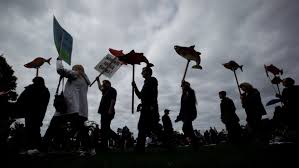
Protest against tar sand oil shipment in the Basque country

Yes­ter­day May 29th activists from Ekol­o­gis­tak Martx­an and from the Coke Ez net­work closed one of the access gates to the Petronor (Rep­sol) refin­ery in Muskiz (near bil­bao, Basque Coun­try). The rea­son was the first ship­ment of oil from tar sands from Cana­da.

Yes­ter­day May 29th activists from Ekol­o­gis­tak Martx­an and from the Coke Ez net­work closed one of the access gates to the Petronor (Rep­sol) refin­ery in Muskiz (near bil­bao, Basque Coun­try). The rea­son was the first ship­ment of oil from tar sands from Cana­da. This car­go is linkt to the new FTA (Free Trade Agree­ments) between the Euro­pean Union (EU) and USA and Cana­da, as a way of find­ing a mar­ket to this heavy oil. That’s why, it’s thought this is a first ship­ment pre­vi­ous to many more. The activists held ban­ners with the slo­gang “Rep­sol Mur­der­ers” and “Heavy crude, more pol­lu­tion”. They also wore masks with Rep­sol’s logo turned into a skull.

There are only 5 plants in the EU capa­ble of pro­cess­ing the tar-sand oil, 3 of them in Spain, belong­ing to Rep­sol; one of them is this one close to the Bil­bao port. The crude will be processed in the rea­cent­ly built Coke Plant, which was source of great oppo­si­tion among locals and a many years cam­paign because of the high lev­els of pol­lu­tion, which this new­ly brought  tar will add to: high­ly can­cerige­nous ele­ments like ben­zenes, toluenes, etc, as well as an incre­ment on green­house effect gas­es. If this ship­ment means the arrival of more tar sand oil (appar­ent­ly anoth­er ship­ment is due to enter the Bil­bao port next Tues­day), this will mean the bin­ning of the cur­rent EU’s Fuel Qual­i­ty Direc­tive, which stat­ed a 6% reduc­tion in the green­house gas inten­si­ty of fuels by 2020. The new­ly entered crude would pump up this green­house gas inten­si­ty of fuels to 23% more.

The protest had present as well the seri­ous impact which this kind of “oil” extrac­tion has in Cana­da and in ter­ri­to­ries belong­ing to the First Nations. These impacts (destruc­tion of for­est, pol­lu­tion of rivers, fires, etc) as well as those caused by the oilpipes must be added to those asso­ci­at­ed to their trans­porta­tion. Yes­ter­day’s ship­ment came from the Freeport (Texas) port after cross­ing through teh entire Unit­ed States by train, and then by ship through the ocean: anoth­er high bill for the Cli­mate Change!! tar-sand oil trans­portat­tion by train has been the cause of huge acci­dents, due to the high inflam­ma­bil­i­ty of this kind of oil.
The protest has had an excel­lent echo in the local and nation­al media (tele­vi­sions, papers, radios, etc). In the com­mu­niqués sent by the orga­niz­ing groups, sol­i­dar­i­ty mes­sages were set to those resist­ing the tar-sand extrac­tion sites and the oilpipes and trains. Also to those affect­ed by these dread­ful projects, and spe­cial­ly to the Orig­i­nal Peo­ple from those areas.

no tar sands oil in Euskal Her­ria!!
no tar sands oil else­where!!

Enbridge Pipeline Road Blocked by Protesters in Burlington

index

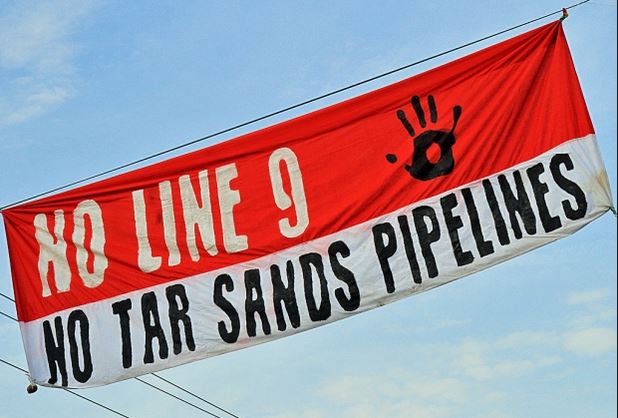
20th May 2014. A group of pro­test­ers has block­ad­ed the road to an exposed sec­tion of Enbridge’s Line 9 pipeline ear­ly this morn­ing in Burling­ton, Ont.

index

20th May 2014. A group of pro­test­ers has block­ad­ed the road to an exposed sec­tion of Enbridge’s Line 9 pipeline ear­ly this morn­ing in Burling­ton, Ont.

The pro­test­ers say they plan to con­tin­ue the block­ade for at least 12 hours.

A news release says the 12-hour stay rep­re­sents 12,000 “anom­alies Enbridge has report­ed to exist on the line.”


“Enbridge calls these devel­op­ments integri­ty digs,” said Danielle Boissineau, one of the pro­test­ers, “but to any­one watch­ing the Line 9 issue, it’s clear Enbridge has no integri­ty. This work on the line is just a Band-Aid, a flim­sy patch over the most out­ra­geous flaws in the Line 9 plan.

“Line 9 has a lot of sim­i­lar­i­ties to Line 6B that erupt­ed in the Kala­ma­zoo Riv­er. The risk is just not worth it,” she said.

From July to Decem­ber of last year, there were 308 main­te­nance digs along Line 9 — and the vast major­i­ty were for cracks in the line. In July alone, Enbridge filed 105 main­te­nance notices for digs on the line, accord­ing to doc­u­ments filed with the Nation­al Ener­gy Board.

The group says its mem­bers include res­i­dents of Burling­ton who don’t want the pipeline run­ning through their city.

“Line 9 has near­ly 13,000 struc­tur­al weak­ness­es along its length” said Bri­an Suther­land, a Burling­ton res­i­dent. “And yet Enbridge is only doing a few hun­dred integri­ty digs.”

There were about 20 pro­test­ers at the site ear­ly Tues­day. As of 8:15 a.m., no police had arrived.

Last June, a group of pro­test­ers shut down con­struc­tion at an Enbridge pump sta­tion in rur­al Hamil­ton.

About 80 peo­ple inter­rupt­ed con­struc­tion at the North West­over site.

In March, the NEB approved a request from Enbridge to reverse the flow and increase the capac­i­ty of the con­tro­ver­sial Line 9 pipeline that has been run­ning between south­ern Ontario and Mon­tre­al for years.

Line 9 orig­i­nal­ly shut­tled oil from Sar­nia, Ont., to Mon­tre­al, but was reversed in the late 1990s in response to mar­ket con­di­tions to pump import­ed crude west­ward. Enbridge now wants to flow oil back east­wards to ser­vice refiner­ies in Ontario and Que­bec.

It plans to move 300,000 bar­rels of crude oil per day through the line, a rise from the cur­rent 240,000 bar­rels, with no increase in pres­sure.

Oppo­nents argue the Line 9 plan puts com­mu­ni­ties at risk, threat­ens water sup­plies and could endan­ger vul­ner­a­ble species in eco­log­i­cal­ly sen­si­tive areas.

Breaking: Blockade Launched Against Enbridge Line 9 Pipeline

Photo: CBC20th May 2014. A group of area res­i­dents have block­ad­ed the access road to an exposed sec­tion of Enbridge’s Line 9 pipeline, begin­ning at 7am this morn­ing.

Photo: CBC20th May 2014. A group of area res­i­dents have block­ad­ed the access road to an exposed sec­tion of Enbridge’s Line 9 pipeline, begin­ning at 7am this morn­ing. They say they will stay for at least twelve hours, one hour for every thou­sand anom­alies Enbridge has report­ed to exist on the line. These com­mu­ni­ty mem­bers turned away Enbridge employ­ees who were sched­uled to do work on Line 9 in prepa­ra­tion for it to car­ry tox­ic dilut­ed bitu­men from the Alber­ta Tar Sands. This par­tic­u­lar work site is adja­cent to the Bronte creek, a major water­way flow­ing to Lake Ontario, the water source for more than ten mil­lion peo­ple.

“Enbridge calls these devel­op­ments integri­ty digs,” said Danielle Boissineau, one of the block­aders, “but to any­one watch­ing the Line 9 issue, it’s clear Enbridge has no integri­ty. This work on the line is just a band-aid, a flim­sy patch over the most out­ra­geous flaws in the Line 9 plan.” [Danielle notes that a record of just some of Enbridge’s false or mis­lead­ing state­ments is avail­able on the Enbridge Lies face­book page

“Line 9 has near­ly 13,000 struc­tur­al weak­ness­es along its length” said Bri­an Suther­land, a Burling­ton res­i­dent. “And yet Enbridge is only doing a few hun­dred integri­ty digs. Enbridge has been deny­ing the prob­lems with the pipe for years, and they still refuse to do the hydro­sta­t­ic test­ing request­ed by the province. Are we real­ly sup­posed to trust Enbridge when they tell us that this time they’ll do it right?”


Many of the block­aders point to the dis­as­trous spill from Enbridge’s line 6b into the Kala­ma­zoo Riv­er in Michi­gan in 2010, where mil­lions of litres of oil spilled and have so far proven impos­si­ble to clean up. But many of them empha­size that their oppo­si­tion to Line 9 goes beyond safe­ty con­cerns.

“This is not about pipelines ver­sus rail; it’s about the Tar Sands,” said Danielle Boissineau. “It’s the dirt­i­est oil in the world: it’s not worth the destruc­tion it takes to pro­duce, it’s not worth the risk to our water­sheds to trans­port, and we def­i­nite­ly can’t afford the car­bon in our atmos­phere when it’s burned. At every step of the process, the Tar Sands out­sources the risks onto our com­mu­ni­ties and poi­sons water­ways like the Athabas­ca Riv­er and the Bronte creek while com­pa­nies like Enbridge get rich.”

Nearly a thousand environmental activists murdered since 2002

April 15, 2014  At least 908 peo­ple were mur­dered for tak­ing a stand to defend the envi­ron­ment betwe

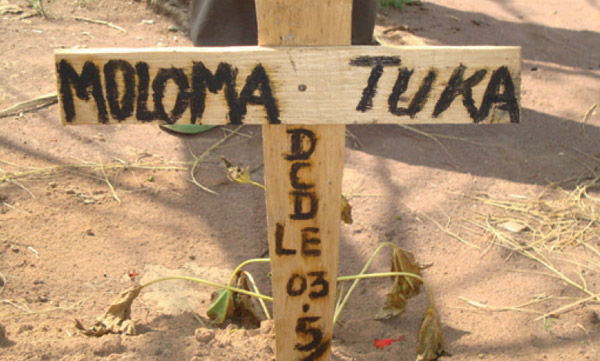
April 15, 2014  At least 908 peo­ple were mur­dered for tak­ing a stand to defend the envi­ron­ment between 2002 and 2013, accord­ing to a new report today from Glob­al Wit­ness, which shows a dra­mat­ic uptick in the mur­der rate dur­ing the past four years. Notably, the report appears on the same day that anoth­er NGO, Sur­vival Inter­na­tion­al, released a video of a gun­man ter­ror­iz­ing a Guarani indige­nous com­mu­ni­ty in Brazil, which has recent­ly reset­tled on land tak­en from them by ranch­ers decades ago. Accord­ing to the report, near­ly half of the mur­ders over the last decade occurred in Brazil—448 in all—and over two-thirds—661—involved land con­flict.

“There can be few stark­er or more obvi­ous symp­toms of the glob­al envi­ron­men­tal cri­sis than a dra­mat­ic upturn in killings of ordi­nary peo­ple defend­ing rights to their land or envi­ron­ment,” said Oliv­er Court­ney of Glob­al Wit­ness. “Yet this rapid­ly wors­en­ing prob­lem is going large­ly unno­ticed, and those respon­si­ble almost always get away with it. We hope our find­ings will act as the wake-up call that nation­al gov­ern­ments and the inter­na­tion­al com­mu­ni­ty clear­ly need.”

But as gris­ly as the report is, it’s like­ly a major under­es­ti­ma­tion of the issue. The report cov­ers just 35 coun­tries where vio­lence against envi­ron­men­tal activists remains an issue, but leaves out a num­ber of major coun­tries where envi­ron­men­tal-relat­ed mur­ders are like­ly occur­ring but with scant report­ing.

“Because of the live, under-rec­og­nized nature of this prob­lem, an exhaus­tive glob­al analy­sis of the sit­u­a­tion is not pos­si­ble,” reads the report. “For exam­ple, African coun­tries such as Nige­ria, Demo­c­ra­t­ic Repub­lic of Con­go, Cen­tral African Repub­lic and Zim­bab­we that are endur­ing resource-fueled unrest are high­ly like­ly to be affect­ed, but infor­ma­tion is almost impos­si­ble to gain with­out detailed field inves­ti­ga­tions.”

In fact, reports of hun­dreds of addi­tion­al killings in coun­tries like Ethiopia, Myan­mar, Venezuela, and Zim­bab­we were left out due to lack of rig­or­ous infor­ma­tion.

Even with­out these coun­tries includ­ed, the num­ber of envi­ron­men­tal activists killed near­ly approach­es the num­ber of jour­nal­ists mur­dered dur­ing the same period—913—an issue that gets much more press. Envi­ron­men­tal activists most at risk are peo­ple fight­ing spe­cif­ic indus­tries.

“Many of those fac­ing threats are ordi­nary peo­ple oppos­ing land grabs, min­ing oper­a­tions and the indus­tri­al tim­ber trade, often forced from their homes and severe­ly threat­ened by envi­ron­men­tal dev­as­ta­tion,” reads the report. “Indige­nous com­mu­ni­ties are par­tic­u­lar­ly hard hit. In many cas­es, their land rights are not rec­og­nized by law or in prac­tice, leav­ing them open to exploita­tion by pow­er­ful eco­nom­ic inter­ests who brand them as ‘anti-devel­op­ment’.”

As if to high­light these points, Sur­vival Inter­na­tion­al released a video today that the groups says shows a gun­man fir­ing at the Pyeli­to Kuê com­mu­ni­ty of Guarani indige­nous peo­ple. The inci­dent injured one woman, accord­ing to the group. The Guarani have been cam­paign­ing for decades to have land returned to them that has been tak­en by ranch­ers.

“This video gives a brief glimpse of what the Guarani endure month after month—harassment, intim­i­da­tion, and some­times mur­der, just for try­ing to live in peace on tiny frac­tions of the ances­tral land that was once stolen from them,” the direc­tor of Sur­vival Inter­na­tion­al, Stephen Cor­ry, said. “Is it too much to expect the Brazil­ian author­i­ties, giv­en the bil­lions they’re spend­ing on the World Cup, to sort this prob­lem out once and for all, rather than let the Indi­ans’ mis­ery con­tin­ue?”

Accord­ing to the report, two major dri­vers of repeat­ed vio­lence against envi­ron­men­tal activists are a lack of atten­tion to the issue and wide­spread impuni­ty for per­pe­tra­tors. In fact, Glob­al Wit­ness found that only ten peo­ple have been con­vict­ed for the 908 mur­ders doc­u­ment­ed in the report, mean­ing a con­vic­tion rate of just 1.1 per­cent to date.

“Envi­ron­men­tal human rights defend­ers work to ensure that we live in an envi­ron­ment that enables us to enjoy our basic rights, includ­ing rights to life and health,” John Knox, UN Inde­pen­dent Expert on Human Rights and the Envi­ron­ment said. “The inter­na­tion­al com­mu­ni­ty must do more to pro­tect them from the vio­lence and harass­ment they face as a result.”

BREAKING THE FRAME

A GATHERING ON THE POLITICS OF TECHNOLOGY

2nd — 5th May 2014

Unstone Grange, Der­byshire

YOU NEED TO BOOK ‑SEE BELOW

Organ­ised by Lud­dites 200, Cor­po­rate Watch, and Sci­en­tists for Glob­al Respon­si­bil­i­ty

A GATHERING ON THE POLITICS OF TECHNOLOGY

2nd — 5th May 2014

Unstone Grange, Der­byshire

YOU NEED TO BOOK ‑SEE BELOW

Organ­ised by Lud­dites 200, Cor­po­rate Watch, and Sci­en­tists for Glob­al Respon­si­bil­i­ty

Tech­nol­o­gy can bring some ben­e­fits for ordi­nary peo­ple, but its devel­op­ment is almost entire­ly con­mtrolled by cor­po­rate, mil­i­tary and tech­no­crat­ic elites, so it usu­al­ly serves their inter­ests and rein­forces their pow­er.

The pol­i­tics of food, ener­gy, work, gen­der, peace, eco­nom­ics, health, etc are all shaped by choic­es about tech­nol­o­gy made by those elites. The whole way our soci­ety devel­ops is mas­sive­ly influ­enced by tech­nol­o­gy, yet ordi­nary peo­ple nev­er have a prop­er say in it.  We’re always left react­ing to the tech­nocrats’ lat­est plan, whether it’s drones, inter­net sur­veil­lance, GM food, frack­ing, design­er babies or nuclear pow­er.

We think all these issues are linked. So it’s time for a more joined up and more proac­tive approach, one which address­es the root caus­es of prob­lems and is not lim­it­ed by the dog­ma that tech­nol­o­gy equals progress.

  • We want to cre­ate a new pol­i­tics of tech­nol­o­gy based on bring­ing togeth­er the insights of dif­fer­ent move­ments and learn­ing from each oth­er.
  • We want a human-scale tech­nol­o­gy that serves real human needs, not cor­po­rate bot­tom lines.
  • We want demo­c­ra­t­ic con­trol of tech­nol­o­gy.

An world fac­ing envi­ron­men­tal melt­down and mas­sive inequal­i­ty ‑both caused byb 200 years ofn indus­tri­al cap­i­tal­ism- needs bet­ter solu­tions than more dan­ger­ous tech­no-fix­es such as cli­mate engi­neer­ing.

Whether you’re a tech­nol­o­gy pol­i­tics cam­paign­er, trade union­ist, envi­ron­men­tal­ist. altech devel­op­er, artist or just plain con­cerned, BREAKING THE FRAME IS NOT TO BE MISSED.

YOU NEED TO BOOK

www.breakingtheframe.org.uk      

email: luddites200@yahoo.co.uk

(020) 7426 0005

Accom­mo­da­tion is either in the con­fer­ence cen­tre OR camp­ing (which is cheap­er).  The con­ces­sion­ary rate for camp­ing is £36, which includes all meals for 4 days (it’s a bank hol­i­day week­end).

BUT if £36 is more than you can man­age, we’re com­mit­ted to mak­ing sure nobody is left out for lack of mon­ey.  So get in touch now.  Rich peo­ple can make extra dona­tions, of course!

Earth First! Direct Action Manual Is Ready for Print

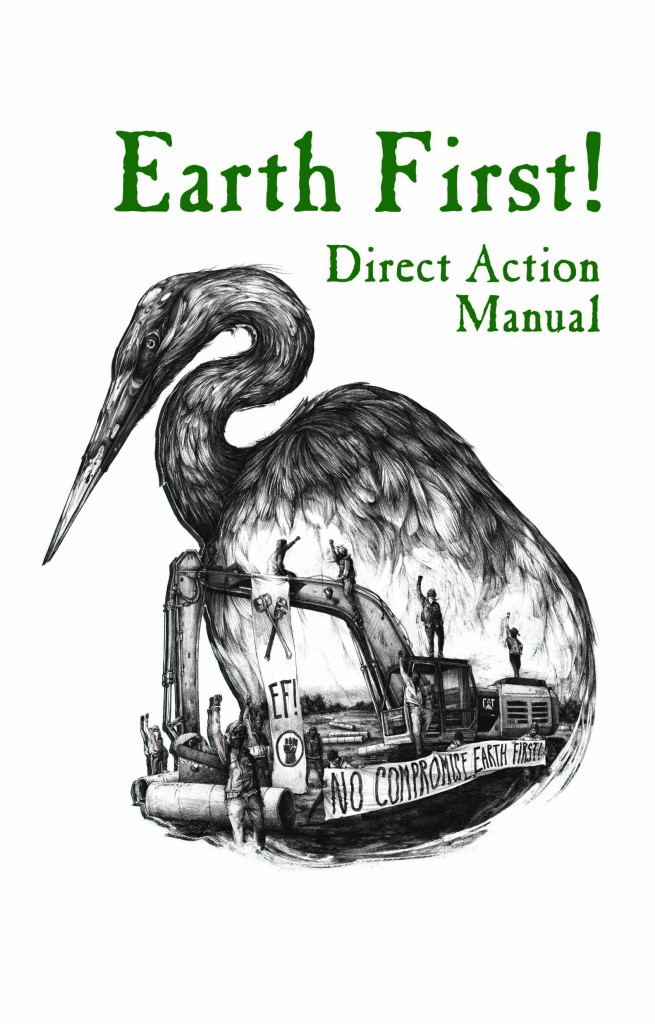
Cover for Direct Action Manual

Cover for Direct Action Manual

Earth First! Direct Action Man­u­al. To sup­port this pub­li­ca­tion, pre­order your copy or donate today.

After sev­er­al years in devel­op­ment, the Earth First! Direct Action Man­u­al is ready to go to press. A group of front­line activists has assem­bled over 300 pages of dia­grams, descrip­tions of tech­niques and a com­pre­hen­sive overview of the role direct action plays in our cam­paigns in defense of the Earth.

We are now in a three-week fundrais­ing cam­paign to ensure that this crit­i­cal book gets out to peo­ple who can use it. You can pre­order your copy and get some extra thank you gifts for your ear­ly endorse­ment by donat­ing today. More impor­tant­ly, though, we have offered a chance for you to help us spread this knowl­edge. Every dona­tion over $50 gives you the chance to send a free copy of the man­u­al to a cam­paign of your choice. The more you give, the more man­u­als we can put in the mail.

The man­u­al will be print­ed in the com­ing month with long­time Earth First! part­ner, The Gloo Fac­to­ry. This com­mu­ni­ty-mind­ed, union print shop has sup­plied Earth First! and its affil­i­ates with stick­ers and mer­chan­dise for decades and remains com­mit­ted to using a high stan­dard for recy­cled and reclaimed mate­r­i­al, as well as sup­port­ive work­er con­di­tions.

The man­u­al was first print­ed near­ly two decades ago and has been out of print since its ini­tial dis­sem­i­na­tion. Though many of the con­sid­er­a­tions for civ­il dis­obe­di­ence and inter­ven­tion have remained tried and true, new ele­ments have altered the ways we put these tac­tics into action. The Earth First! Direct Action Man­u­al will con­tin­ue the role of safe and effec­tive actions in stop­ping the destruc­tion of the plan­et.

Sup­port this effort today!

Reclaim the Power gathering 8–9 February

After an incred­i­ble day of idea gen­er­a­tion and vision­ing at the last gath­er­ing, it’s time for con­crete pro­pos­als and deci­sions about our next steps.


Loca­tion: Oxford
Time: Sat­ur­day 8th Feb­ru­ary 11am ­­– Sun­day 9th 4pm

Address: TBC
Crash Space/Social: Pro­vid­ed. Fur­ther details TBC.
Meals: Pro­vid­ed, dona­tion cost TBC
Trav­el Pool: Avail­able. Please book trav­el tick­ets in advance so that this can sup­port the most peo­ple.
Notes from Man­ches­ter Vision­ing Day are here: http://bit.ly/1lQ0Yd3

In ear­ly Decem­ber a large num­ber of peo­ple came togeth­er to dis­cuss the rad­i­cal visions they had for the future – visions that Reclaim the Pow­er, as a net­work, could help bring about.

It was a very open day of dis­cus­sion with a clear struc­ture, but with no pre-planned agen­da. Every­thing we talked about was gen­er­at­ed by par­tic­i­pants, and a huge num­ber of dif­fer­ent ideas were placed on the table.

So what next? Well, the idea is that all of that dis­cus­sion feeds into a month of cre­ative pro­pos­al mak­ing before the next gath­er­ing. This will be a space for short and medi­um-term deci­sion mak­ing where we work out what we’re doing in the next few months – and how this fits in with long term visions.

Rough pro­pos­al area groups formed at the Decem­ber gath­er­ing, includ­ing:

1. How to chal­lenge cor­po­rate pow­er
2. Move­ment and diver­si­ty
3. Ener­gy and fos­sil fuels
4. Pos­i­tive solu­tions

If you would like to link up with these groups and input into pro­pos­als for next steps, just con­tact info@nodashforgas.org.uk and you will be put in touch with a group con­tact.

This said, all pro­pos­als are wel­come! If you’re work­ing on your own, out­side these groups, then great. The more ideas the bet­ter.

The pro­pos­al dead­line is the 31st Jan­u­ary 2014. Please try and fol­low this rough four point list when writ­ing them, as it is essen­tial that all the pro­pos­als be con­sid­ered on an equal foot­ing.

1. What is it?
2. How does it link to long-term strate­gic aims?
3. Time­line?
4. Resources need­ed? (inc, peo­ple, costs, skills)

Spe­cif­ic venue and agen­da details to fol­low soon. In the mean­while, please check http://bit.ly/1lQ0Yd3 to see the dis­cus­sions and out­comes of the last agen­da.

See you soon,

RTP Gath­er­ings Team

info@nodashforgas.org.uk


Earth First! Winter Moot 7–9 March 2014: programme up

A week­end gath­er­ing for peo­ple involved or want to know more about eco­log­i­cal direct action around the UK includ­ing fight­ing open­cast coal, frack­ing, GM, nuclear pow­er, new road build­ing and quar­ries with dis­cus­sions and cam­paign plan­ning — empha­sis on the tac­tics and strate­gies, com­mu­ni­ty sol­i­dar­i­ty and sus­tain­able activism.

A week­end gath­er­ing for peo­ple involved or want to know more about eco­log­i­cal direct action around the UK includ­ing fight­ing open­cast coal, frack­ing, GM, nuclear pow­er, new road build­ing and quar­ries with dis­cus­sions and cam­paign plan­ning — empha­sis on the tac­tics and strate­gies, com­mu­ni­ty sol­i­dar­i­ty and sus­tain­able activism.

Evening Fri­day 7th — after­noon Sun­day 9th March 2014, Not­ting­ham

Cost scale £20 to £30. This includes full veg­an meals and accom­mo­da­tion.

It will be an indoor floor sleep­ing space so bring a warm sleep­ing bag and mat. Train to Not­ting­ham then tram to Bea­cons­field street– walk to the end turn right on to Glad­stone St — 245 Glad­stone St, Not­ting­ham NG7 6HX — www.earthfirst.org.uk

Full map/travel details

For offers of help or ques­tions email themiddle@earthfirst.org.uk


Programme

Friday

16.30–17.30 Secu­ri­ty Work­shop
17.30–18.30 Film

18.30 Din­ner

20.00 Ben­e­fit Gig

Saturday

8.30–9.30 Break­fast
9.30–10.45 Intro go round of cam­paigns

10.45–11.00 Break

11.00–12.00 Future of Earth First Part 1
12.00–13.00 Secu­ri­ty Work­shop

13.00–14.00 Lunch

14.00–14.30 Lush/fundraising work­shop
14.30–18.15 Cam­paign Work­shops (tim­ings to be finalised to include Frack­ing, Nuclear, Roads and Coal)
18.15–18.30 Sum­mer Gath­er­ing han­dover

18.30 Din­ner
20.00 DJ??

Sunday

9.00–10.00 Break­fast fry up
10.00–10.30 Tidy up of venue
10.30–11.30 Feed­back go round
11.30–12.30 Future of Earth First Part 2
12.30–14.00 Sum­mer Gath­er­ing Plan­ning (and time of oth­er work­shops to run in par­al­lel)

14.00–15.00 Lunch
15.00 End

We Are the Tar Sands Industry’s “Worst Case Scenario”: Leaked Stratfor Report

Anti-tar sands protest greets Canadian Prime Minister Stephen Harper's visit to London, Jun 13, 2013 6th Dec from

Anti-tar sands protest greets Canadian Prime Minister Stephen Harper's visit to London, Jun 13, 2013 6th Dec from Inside Cli­mate News:

Worst-Case Scenario for Oil Sands Industry Has Come to Life, Leaked Document Shows

Indus­try con­sul­tants said anti-tar sands push could become ‘the most sig­nif­i­cant envi­ron­men­tal cam­paign of the decade’ if activists were left unop­posed.

by Kather­ine Bagley

As envi­ron­men­tal­ists began ratch­et­ing up pres­sure against Canada’s tar sands three years ago, one of the world’s biggest strate­gic con­sult­ing firms was tapped to help the North Amer­i­can oil indus­try fig­ure out how to han­dle the mount­ing activism. The result­ing doc­u­ment, pub­lished online by Wik­iLeaks, offers anoth­er win­dow into how oil and gas com­pa­nies have been scram­bling to deal with unre­lent­ing oppo­si­tion to their growth plans.

The doc­u­ment iden­ti­fies near­ly two-dozen envi­ron­men­tal orga­ni­za­tions lead­ing the anti-oil sands move­ment and puts them into four cat­e­gories: rad­i­cals, ide­al­ists, real­ists and opportunists—with how-to’s for man­ag­ing each. It also reveals that the worst-case sce­nario pre­sent­ed to indus­try about the movement’s grow­ing influ­ence seems to have come to life.

The Decem­ber 2010 pre­sen­ta­tion by Strate­gic Fore­cast­ing, or Strat­for, a glob­al intel­li­gence firm based in Texas, most­ly advised oil sands com­pa­nies to ignore or lim­it reac­tion to the then-bur­geon­ing tar sands oppo­si­tion move­ment because “activists lack influ­ence in pol­i­tics.” But there was a buried warn­ing for indus­try under one sce­nario: Let­ting the move­ment grow unop­posed may bring about “the most sig­nif­i­cant envi­ron­men­tal cam­paign of the decade.”

“This worst-case sce­nario is exact­ly what has hap­pened,” part­ly because oppo­si­tion to tar sands devel­op­ment has expand­ed beyond non­prof­it groups to include indi­vid­ual activists con­cerned about cli­mate change, said Mark Floegel, a senior inves­ti­ga­tor for Green­peace. “The more peo­ple in Amer­i­ca see Super­storm Sandys or tor­na­does in Chica­go, the more they are wak­ing up and join­ing the fight.”

[View the doc­u­ments at Inside Cli­mate News]

Since the pre­sen­ta­tion was pre­pared, civ­il dis­obe­di­ence and protests against the tar sands have sprung up from coast to coast. The move­ment has helped delay Pres­i­dent Obama’s deci­sion on the Key­stone XL pipeline—designed to fun­nel Canada’s land­locked oil sands crude to refiner­ies on the Gulf Coast—and has held up anoth­er con­tentious pipeline in Cana­da, the North­ern Gate­way to the Pacif­ic Coast.

The Pow­er Point doc­u­ment, titled “Oil Sands Mar­ket Cam­paigns,” was recent­ly made pub­lic by Wik­iLeaks, part of a larg­er release of hacked files from Strat­for, whose clients include the Depart­ments of Home­land Secu­ri­ty and Defense, Lock­heed Mar­tin, Raytheon and the Amer­i­can Petro­le­um Insti­tute, the oil indus­try lob­by. It appears to have been cre­at­ed for Cal­gary-based petro­le­um giant Sun­cor Ener­gy, Canada’s largest oil sands pro­duc­er.


The com­pa­ny told Insid­e­Cli­mate News that it did not hire Strat­for and nev­er saw such a pre­sen­ta­tion. Sun­cor is men­tioned 11 times in the document’s 35 pages and all of Stratfor’s advice seems to be direct­ed at the ener­gy com­pa­ny. For exam­ple, one slide says, “Cam­paign ends quick­ly with a res­o­lu­tion along the lines Sun­cor had want­ed.” In sev­er­al emails released by Wik­iLeaks, Strat­for employ­ees dis­cuss a $14,890 pay­ment Sun­cor owes the com­pa­ny for two com­plet­ed projects, though no details were pro­vid­ed.

The pre­sen­ta­tion is the lat­est in a series of rev­e­la­tions that sug­gest ener­gy companies—which for most of their his­to­ry seemed unfazed by activists—have been look­ing for ways to dilute envi­ron­men­tal­ists’ grow­ing influ­ence.

Ear­li­er this year, Tran­sCana­da, the Cana­di­an ener­gy com­pa­ny behind the Key­stone XL, briefed Nebras­ka law enforce­ment author­i­ties on how to pros­e­cute demon­stra­tors protest­ing the 1,200-mile project. In 2011, Range Resources, an oil and gas com­pa­ny, alleged­ly hired com­bat vet­er­ans with expe­ri­ence in psy­cho­log­i­cal war­fare to squash oppo­si­tion of nat­ur­al gas drilling.

“The Strat­for pre­sen­ta­tion isn’t a com­plete sur­prise,” said Scott Parkin, a senior cam­paign­er for the Rain­for­est Action Net­work and vol­un­teer orga­niz­er for Ris­ing Tide North Amer­i­ca, both grass­roots envi­ron­men­tal groups. “As oppo­si­tion has grown, coal, oil and gas com­pa­nies are all start­ing to put more mon­ey into responding—from sur­veil­lance to pro­tec­tion to pub­lic rela­tions.”

Who Was Targeted?

For each of Stratfor’s cat­e­gories of envi­ron­men­tal activist—radicals, ide­al­ists, real­ists and opportunists—the pre­sen­ta­tion explains how their cam­paigns are struc­tured and how the fos­sil fuel indus­try could deal with them.

Three grass­roots orga­ni­za­tions—Ris­ing Tide North Amer­i­ca, Oil Change Inter­na­tion­al and the Indige­nous Envi­ron­men­tal Net­work—were labeled rad­i­cals. Green­peace and the Rain­for­est Action Net­work were clas­si­fied as a cross between rad­i­cals and ide­al­ists. Sier­ra Club, the nation’s largest envi­ron­men­tal group, Amnesty Inter­na­tion­al and Com­mu­ni­ties for a Bet­ter Envi­ron­ment, among oth­ers, were labeled ide­al­ists. Sev­er­al main­stream envi­ron­men­tal groups, includ­ing the Nation­al Wildlife Fed­er­a­tion, World Wildlife Fund, Nat­ur­al Resources Defense Coun­cil and Ceres, a non­prof­it that orga­nizes busi­ness­es, investors and pub­lic inter­est groups, were called real­ists.

It then lays out tac­tics the groups would use to push for change. They include hold­ing demon­stra­tions out­side annu­al meet­ings and mar­ket­ing events, gen­er­at­ing fear of oil spills and oth­er envi­ron­men­tal dis­as­ters, tar­get­ing CEOs and their fam­i­lies, col­lab­o­rat­ing with oth­er green groups, and split­ting the fos­sil fuel indus­try on the issue by prais­ing com­pa­nies work­ing with activists and pub­licly sham­ing those that aren’t.

The pre­sen­ta­tion says that while envi­ron­men­tal groups are pub­licly fight­ing to stop the expan­sion of the oil sands, their “real demand” is for fos­sil fuel com­pa­nies to adopt a “glob­al code of conduct”—a set of best prac­tices not required by law, but that take into con­sid­er­a­tion things like green­house gas reduc­tion poli­cies and human rights.

The Pow­er Point also describes all the ways fos­sil fuel com­pa­nies like Sun­cor could choose to react to green groups’ cam­paigns, such as lim­it­ing con­tact with the orga­ni­za­tions, inten­tion­al­ly delay­ing nego­ti­a­tions, devel­op­ing its own envi­ron­men­tal ini­tia­tives to over­shad­ow activists’ demands, or sim­ply not respond­ing. It pro­vides the pros and cons of each pub­lic rela­tions deci­sion, as well as the best- and worst-case out­comes for each.

For exam­ple, Strat­for said that choos­ing not to respond could be use­ful because in 2010, “activists are not stop­ping oil sands’ growth and they have no pow­er in Alber­ta or Ottawa. Chance of suc­cess with U.S. gov­ern­ment is slim.” The best out­come from a no-response strat­e­gy, accord­ing to the pre­sen­ta­tion, is that green “groups move to frac­tur­ing [nat­ur­al gas frack­ing] or some oth­er venue to press for the first major code of con­duct.”

Strat­for would not answer ques­tions about the pre­sen­ta­tion because it has a pol­i­cy not to com­ment on any of the Wik­iLeaks doc­u­ments.

Sev­er­al envi­ron­men­tal groups named in the Strat­for pre­sen­ta­tion said they weren’t sur­prised by the con­sult­ing firm’s assess­ment of their work, but were dis­ap­point­ed, espe­cial­ly by its assump­tion that all they want­ed was a code of con­duct.

“The envi­ron­men­tal com­mu­ni­ty has been very unit­ed in say­ing that we need to stop tar sands expan­sion and clean up the mess already made there,” said Susan Casey-Lefkowitz, direc­tor of the Nat­ur­al Resources Defense Council’s inter­na­tion­al pro­gram. “That’s the only real path for­ward if we’re going to pro­tect not only the health of com­mu­ni­ties on the ground in the bore­al forests near the tar sands region, but also around the world from the impacts of cli­mate change. We’re not look­ing for a code of con­duct.”

For many, the leaked pre­sen­ta­tion pro­vid­ed proof that their work was hav­ing an impact, boost­ing their con­fi­dence to keep protest­ing.

“Know­ing that groups like Strat­for are tar­get­ing us, sur­vey­ing us, and also ana­lyz­ing us shows how pow­er­ful these move­ments have become,” said Parkin of the Rain­for­est Action Net­work and Ris­ing Tide North Amer­i­ca. “Obvi­ous­ly this wasn’t meant for pub­lic con­sump­tion, but this doesn’t intim­i­date us. If any­thing, it embold­ens us. It encour­ages us to push hard­er.”

Rising Tide Takes on Fossil Fuel Transport

tar sands megaload 13th Novem­ber

tar sands megaload 13th Novem­ber

Rising Tide Disrupts Coal Luncheon

On the heels of shut­ting down the Port of Van­cou­ver to protest the ille­gal approval of a mas­sive oil ter­mi­nal, today Port­land Ris­ing Tide dis­rupt­ed a Mil­len­ni­um Bulk Ter­mi­nals pre­sen­ta­tion and lun­cheon with Portland’s Mar­itime Com­merce Club.

40 activists with Port­land Ris­ing Tide entered the Dou­ble­tree Hotel in the Lloyd Dis­trict and dis­rupt­ed a Mil­len­ni­um Bulk Ter­mi­nals pre­sen­ta­tion on their pro­posed 50-mil­lion ton coal export facil­i­ty in Longview, WA. Mil­len­ni­um Bulk Ter­mi­nals, owned by Ambre Ener­gy and Arch Coal, was pre­sent­ing to the Mar­itime Com­merce Club.

Rising Tide Monitors and Protests US-95’s Largest OmegaLoad

On Sun­day night, Novem­ber 10 … Wild Ida­ho Ris­ing Tide (WIRT) mon­i­tored and protest­ed the heav­i­est and longest mega­load of tar sands extrac­tion equip­ment to recent­ly tra­verse U.S. High­way 95 and Inter­state 90 in Ida­ho …. anoth­er mega­load builder of the largest indus­tri­al project on Earth!