New Tree Sit in Tasmanian Old Growth

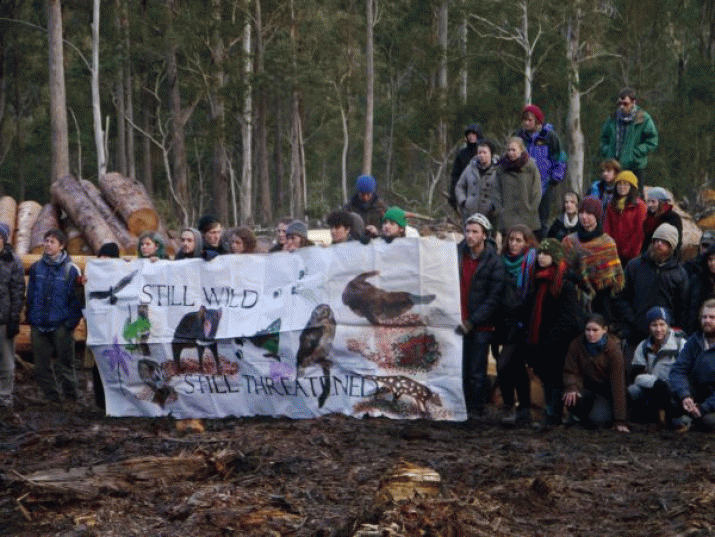
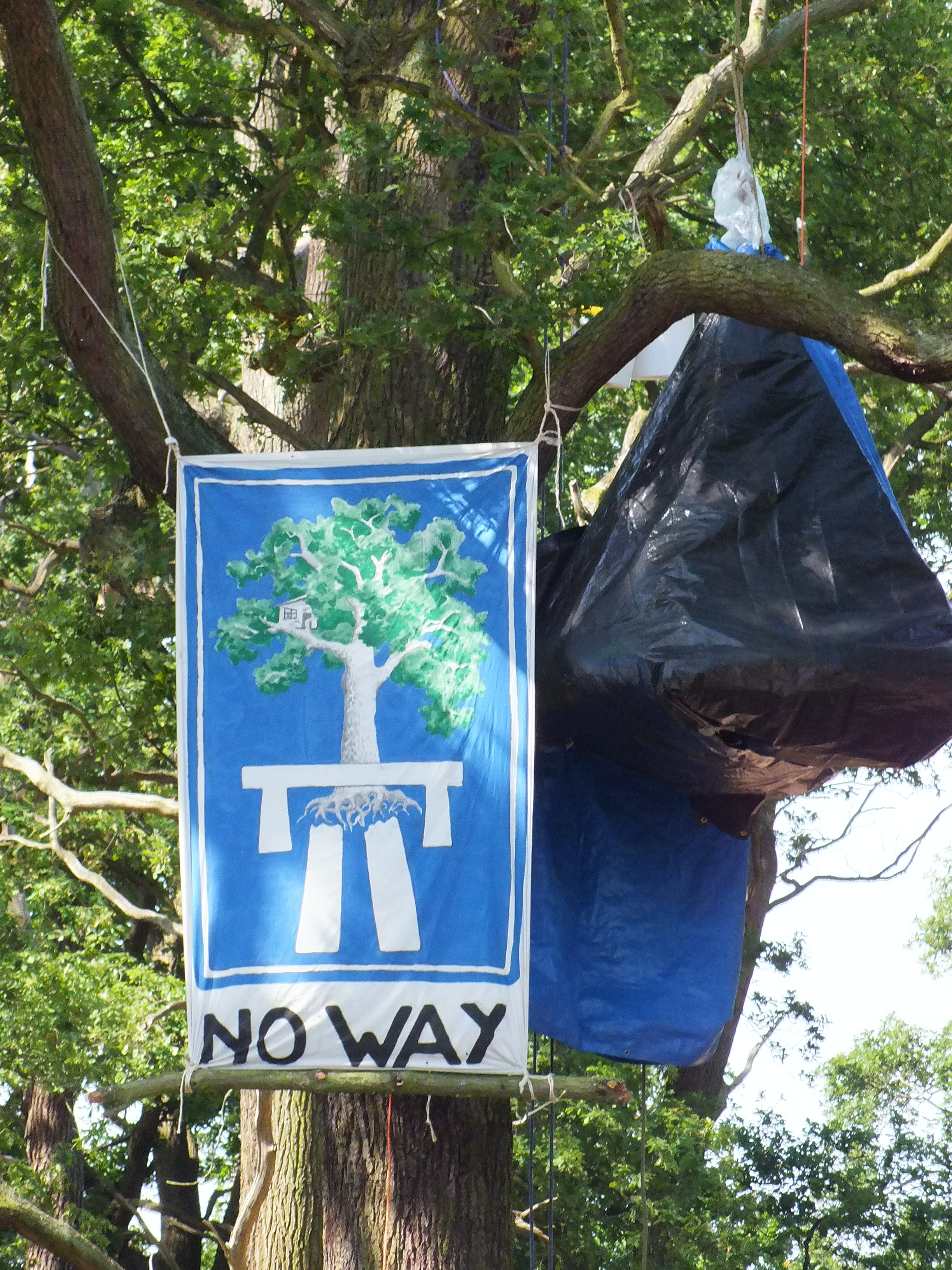
15th July Anti-forestry activists have erect­ed a tree sit to halt log­ging in Tasmania’s far south.

15th July Anti-forestry activists have erect­ed a tree sit to halt log­ging in Tasmania’s far south.

Huon Val­ley Envi­ron­ment Centre’s Jen­ny Weber says the wood from the old growth is des­tined for tim­ber proces­sor Ta Ann Tas­ma­nia. 

”The tree sit struc­ture is attached to the log­ging machines, halt­ing them from con­tin­u­ing log­ging today,” Ms Weber said. 

The protest again involves mem­bers of the Aus­tralian Stu­dent Envi­ron­ment Net­work who also shut down Ta Ann’s Smith­ton mill on Fri­day. 

The Smith­ton action was con­demned by peak envi­ron­ment groups who nego­ti­at­ed the forestry peace deal which will lead to 504,000 hectares of forests being pro­tect­ed. 

How­ev­er, it is up to the Leg­isla­tive Coun­cil to approve a pro­tec­tion order for the future reserves. MLCs will make their deci­sion after con­sid­er­ing how effec­tive the leg­is­la­tion has been, includ­ing the impact of ongo­ing protests on Tasmania’s wood mar­kets. 

Ta Ann Tas­ma­nia has repeat­ed­ly denied using wood from old-growth forests.

Police Fire Water Cannons to Quell Protest as Baton-Wielding Shop Owners Threaten Reporters in Istanbul

15 July 2013 Police have fired water can­nons and tear gas to the sev­er­al thou­sand pro­test­ers gath­ered on Istanbul’s İstikl­al Avenue to protest a mid­night bill adopt­ed this week by the Par­lia­ment which curbed the super­vi­sion of the Cham­ber of Archi­tects and Engi­neers (TMMOB) i

15 July 2013 Police have fired water can­nons and tear gas to the sev­er­al thou­sand pro­test­ers gath­ered on Istanbul’s İstikl­al Avenue to protest a mid­night bill adopt­ed this week by the Par­lia­ment which curbed the super­vi­sion of the Cham­ber of Archi­tects and Engi­neers (TMMOB) in all urban projects, giv­ing full author­i­ty to the Envi­ron­ment and Urban Plan­ning Min­istry. Some shop own­ers also threat­en­ing­ly attacked with batons reporters an pro­test­ers chased the pro­test­ers into the side streets by the police.

Mem­bers of TMMOB, of whom many were among the most active lead­ers of the Tak­sim Sol­i­dar­i­ty Plat­form that ini­ti­at­ed the protests over the demo­li­tion of Gezi Park in Istan­bul, as well as many pro­test­ers, had joined the demon­stra­tion in Galatasaray Square that start­ed at 5:30 p.m.

How­ev­er, police did not allow the group to walk to Tak­sim Square after the Governor’s Office refused to grant per­mis­sion. Police demand­ed the pro­test­ers to end the demon­stra­tion after the state­ment, warn­ing them that a dis­per­sion by force would be car­ried out against them if they failed to do so. Most of the pro­test­ers dis­persed while the police chased them into the side streets, cut­ting off some of the pedes­tri­an entrances to the İstikl­al Avenue.

Shop own­ers with batons attack pro­test­ers, reporters

After scat­ter­ing, some of the pro­test­ers start­ed to regroup on the İstikl­al Avenue. Water can­non trucks and panz­ers were also dis­patched to the area. Live footage showed riot police using tear gas in the side streets, while reports said that they also fired rub­ber bul­lets to pro­test­ers.

Mean­while, a group of baton-wield­ing shop own­ers attacked pro­test­ers run­ning from the police. They also threat­ened reporters, try­ing to pre­vent them in vain from film­ing and tak­ing their pic­tures.

Police also detained pro­test­ers, includ­ing art schol­ar Osman Erden. Erden was seen bleed­ing from the mouth while he was tak­en into cus­tody.

‘No to crazy projects’

Ear­li­er, a spokesper­son for the group slammed the mid­night bill, say­ing the gov­ern­ment want­ed to “silence” archi­tects and engi­neers to pre­vent hur­dles in grandiose urban projects. “They don’t want us because we are against [Istanbul’s] third bridge, because we said no to Canal Istan­bul,” he said, refer­ring to the mas­sive-scale con­struc­tion works brand­ed as “crazy projects” by Prime Min­is­ter Recep Tayyip Erdoğan.

Dur­ing his speech, the crowd also chant­ed “no to the third bridge, no to canal Istan­bul, no to crazy projects,” hint­ing that the demands of the pro­test­ers could widen.

The spokesper­son also recalled that many mem­bers of the Tak­sim Sol­i­dar­i­ty Plat­form and oth­er civ­il groups were harassed and ill-treat­ed while in cus­tody, includ­ing Mücel­la Yapıcı, the gen­er­al sec­re­tary of TMMOB’s Istan­bul office.

“We won’t sur­ren­der,” he said.

Pro­test­ers were also seen hold­ing pic­tures of Ali İsm­ail Kork­mez, the fifth Gezi pro­test­er to have died, who passed away this week after suc­cumb­ing to his injuries, inflict­ed by assailants who beat him with sticks.

Ear­li­er, moth­ers whose chil­dren had been detained orga­nized a sit-in in GalatasaraySquare, call­ing for the end of arbi­trary deten­tions.

Gezi Park was opened on July 8 after being in police lock­down for more than three weeks. The open­ing of the park had caused inci­dents as police inter­vened once again against pro­test­ers, tak­ing into cus­tody 50 peo­ple, includ­ing a num­ber of NGO mem­bers.

Midnight Confiscation of Drilling Equipment at New Brunswick Anti-Fracking Protest


fra15 July 2013 Elsi­pog­tog First Nation, New Brunswick – ”We’ve tak­en it to the next lev­el,” said Grand Elder Ray Robin­son of last night’s events. “The bub­ble is about to burst, if it hasn’t already been burst.”

At approx­i­mate­ly 12 mid­night last night, locals began hear­ing boom­ing sounds char­ac­ter­is­tic of the South­west­ern Ener­gy (SWN) seis­mic test­ing trucks, or ‘thumpers,’ as well as oth­er less famil­iar indus­tri­al sounds near­by. After an online call-out express­ing con­cern that SWN might be attempt­ing to begin drilling under the cov­er of dark­ness, locals and camp mem­bers began to search for the source of the sounds.

Local Elsi­pog­tog war­rior Jason Okay recounts what fol­lowed: “We stopped to ask for direc­tions from a lady’s house that was near the sounds. We told her where we thought the sounds were, and she said ‘No way! That’s my [pri­vate­ly owned] land!’ We said ‘sor­ry ma’am, but your land’s get­ting drilled.’”

Camp mem­bers and locals entered the for­est on the woman’s prop­er­ty to find a crowd of RCMP offi­cers and pri­vate secu­ri­ty forces pro­tect­ing two SWN trucks. Pro­test­ers con­front­ed the RCMP, stat­ing that SWN was oper­at­ing on pri­vate prop­er­ty with­out con­sent and must leave imme­di­ate­ly.

Accord­ing to Okay and oth­er camp sources, pro­test­ers were fol­lowed onto the site by a group of indi­vid­u­als iden­ti­fy­ing them­selves as UN inde­pen­dent observers, who pro­ceed­ed to talk with the RCMP. Fol­low­ing dis­cus­sion, it is report­ed that the “observers” con­vinced the RCMP to escort SWN offi­cials off the prop­er­ty, aban­don­ing the trucks. Elsi­pog­tog res­i­dents con­fis­cat­ed the trucks, tow­ing them onto the Elsi­pog­tog reserve where they are still being held.

Fol­low­ing the aban­don­ment of the site by SWN secu­ri­ty and the RCMP, locals went deep­er into the for­est and dis­cov­ered what are report­ed to be unmanned SWN drilling trucks. Upon inves­ti­gat­ing the sur­round­ing area, a series of large holes in the earth were dis­cov­ered. War­riors and pro­test­ers remain camped out in the area await­ing means to trans­port the equip­ment to the reserve.

“Every­thing should halt,” said Okay of the sig­nif­i­cance of last night’s con­fronta­tion. “SWN should real­ize we don’t want them here … [If we would­n’t have con­fis­cat­ed the equip­ment] they’d be drilling right now.”

Police remain camped out near the entrance to the site of the drills, block­ing any attempts by pro­test­ers to trans­port the equip­ment off-site. Unmarked police vehi­cles dot the high­way near the camp site, and SWN secu­ri­ty vehi­cles have been sight­ed dri­ving past the camp fre­quent­ly. A Glob­al News crew attempt­ed to set up with­out con­sent in front of the camp at approx­i­mate­ly 5:00am this morn­ing, but were evict­ed by camp mem­bers before film­ing began.

Ques­tions about UN observers

 Chief Aaron Sock of Elsi­pog­tog states that he con­tact­ed the UN last week­end to request UN obser­va­tion, in order to main­tain peace between the RCMP and locals due to recent secu­ri­ty con­cerns. Two indi­vid­u­als iden­ti­fied by them­selves and local lead­er­ship as UN Inde­pen­dent Observers have been present on camp for two days since, con­duct­ing inter­views with camp mem­bers, col­lect­ing infor­ma­tion, and last night, pro­vid­ing a medi­at­ing role in con­fronta­tions.

How­ev­er, upon con­tact­ing Wilton Lit­tlechild, Chair­per­son of the Unit­ed Nations Expert Mech­a­nism on the Rights of Indige­nous Peo­ples (EMRIP), Lit­tlechild stat­ed that while he was con­tact­ed by Chief Sock in regards to secu­ri­ty con­cerns at the camp, he had not direct­ly deployed any observers as of yet.

Mean­while, a source in the office of the spokesper­son for the Sec­re­tary-Gen­er­al of the UN con­firmed to rabble.ca that there are cur­rent­ly no UN observers any­where in Cana­da.

Despite this lack of clear ver­i­fi­ca­tion, camp mem­bers and First Nations lead­er­ship hold that the indi­vid­u­als have a rela­tion­ship with the UN, point­ing to the RCMP’s respect for the observers’ role as medi­a­tors in last night’s con­fronta­tion as fur­ther evi­dence.

Update – 11:45pm EST: Upon fur­ther dis­cus­sion with local lead­er­ship and the indi­vid­u­als iden­ti­fied as ‘UN Inde­pen­dent Observers,’ it has been made clear that the term ‘Inde­pen­dent Observ­er’ was intend­ed to com­mu­ni­cate that the indi­vid­u­als were not direct­ly employed by the UN. They have been appoint­ed by local lead­er­ship to main­tain a peace­keep­ing role in the camp, and com­pile a report based on their obser­va­tions of the sit­u­a­tion to be inde­pen­dent­ly sub­mit­ted on behalf of the com­mu­ni­ty to the Expert Mech­a­nism on the Rights of Indige­nous Peo­ples (which has been con­firmed by the UN via Wilton Lit­tlechild, Chair­per­son of EMPRIP). The titles of the indi­vid­u­als have been switched to ‘Peace­keep­ers’ to avoid future con­fu­sion.

Claire Stew­art-Kani­gan is a writer from Mon­tre­al cur­rent­ly report­ing from the anti-frack­ing protest camp. See her first dis­patch here

Pho­to: Jason Okay

Road Block to Stop Theft of Water from Yaqui Peoples

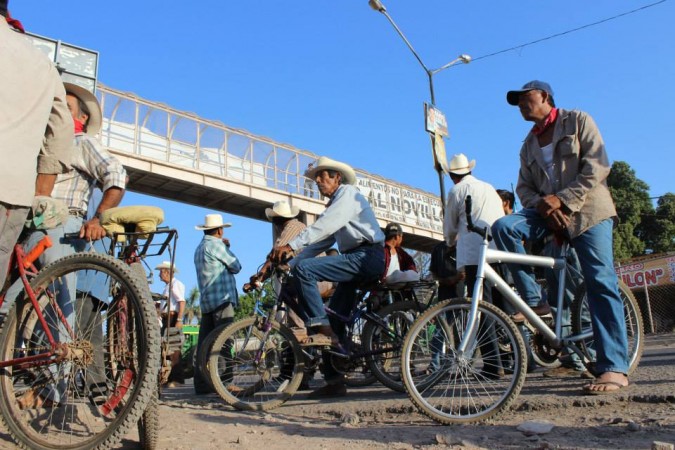
14 July 2013 Vícam, Sono­ra, Méx­i­co – Tra­di­tion­al Author­i­ties and the Yaqui peo­ple remain firm more than a week after the start of their road block of the inter­na­tion­al high­way 15 (Mex­i­co-Nogales) near the com­mu­ni­ty of Vícam, announ

14 July 2013 Vícam, Sono­ra, Méx­i­co – Tra­di­tion­al Author­i­ties and the Yaqui peo­ple remain firm more than a week after the start of their road block of the inter­na­tion­al high­way 15 (Mex­i­co-Nogales) near the com­mu­ni­ty of Vícam, announc­ing that they will take stronger actions. The action is in response to the state government’s refusal to stop the oper­a­tion of the Inde­pen­dence Aque­duct that has ille­gal­ly extract­ed the first vol­umes of water from the El Novil­lo dam.

Extrac­tion began in ear­ly May, even though the state gov­ern­ment did not have per­mis­sion from the Nation­al Water Com­mis­sion (CONAGUA) to trans­fer the water. There is also a Supreme Court (SCJN) res­o­lu­tion that rat­i­fied pro­tec­tion for the tribe pend­ing the Envi­ron­men­tal Impact Assess­ment (MIA), which is required to legal­ly begin tak­ing the water.

On May 8, the Supreme Court ruled in favor of the tra­di­tion­al author­i­ties of Vícam, cit­ing the dossier 631/2012 for vio­la­tion of their right to con­sul­ta­tion by the Min­istry of the Envi­ron­ment and Nat­ur­al Resources (SEMARNAT). How­ev­er, nei­ther the Sono­ra state gov­ern­ment nor fed­er­al author­i­ties have com­plied with the Supreme Court’s deci­sion to stop con­struc­tion of the Inde­pen­dence Aque­duct. On the con­trary, they have con­cealed the con­tin­u­al oper­a­tion of the water pumps that CONAGUA helped to install to suck water from the Rio Yaqui near the dam El Novil­lo.

Since the announce­ment of the con­struc­tion of the project through the media – the Yaqui were nev­er direct­ly con­sult­ed – the tribe has denounced the theft of water nec­es­sary for its exis­tence, the ille­gal­i­ty of the work and, above all, what they con­sid­er an effort to exter­mi­nate them by the Gov­er­nor of Sono­ra, Guiller­mo Padres Elias. Elias was backed by then-Pres­i­dent Felipe Calderon and now has the tac­it sup­port of Pres­i­dent Enrique Peña Nieto, who has not spo­ken out or vis­it­ed the state despite his cam­paign promis­es.

In Sept. 2011 and Nov. 2012, the tribe exer­cised its right to protest, inter­mit­tent­ly blockad­ing roads. As time passed with no response from any author­i­ties or respon­si­ble par­ties, the block­ades became semi-per­ma­nent on the high­ways, local roads and trails that con­nect the south and north of the state.

Cur­rent­ly, the block­ade is on a high­way locat­ed in an area rec­og­nized as Yaqui ter­ri­to­ry by pres­i­den­tial decrees in 1937 and 1940. The roads that con­nect to it pass through pri­vate­ly leased land, but the ter­ri­to­ry remains in the hands of the tribe.

Protests south of Sono­ra began with the mega-march on May 28 in Ciu­dad Obre­gon, called “Respect for the rule of law” and led by the Tribe and the cit­i­zen move­ment “No to Novil­lo”. End­ing the march, the tribe and sup­port­ers began the road­blocks in the munic­i­pal­i­ty of Cajeme to demand restora­tion of the rule of law due to the con­stant vio­la­tions com­mit­ted by the gov­er­nor of Sono­ra. After hold­ing assem­blies to dis­cuss con­tin­ued civ­il resis­tance in the Vícam Tra­di­tion­al Guard, the tribe announced the instal­la­tion of a camp with the road­block in case CONAGUA does not turn off the pumps at the Novil­lo dam.

The “Defense Brigades of the Yaqui Riv­er” called to protest near the 47-kilo­me­ter point on the high­way, vis­i­ble from the pedes­tri­an bridge. They issued a state­ment and invi­ta­tion, call­ing on, “All mem­bers of the Yaqui tribe, tra­di­tion­al author­i­ties and peo­ple in general…to par­tic­i­pate in the protest on the road in Vícam as Guiller­mo Padres ille­gal­ly con­nects a pipe to the Novil­lo dam, steal­ing water that belongs to us. This is water that is lack­ing in our ter­ri­to­ry that is used to irri­gate our lands, and to con­sume with­out get­ting sick. It is very, very impor­tant for us to revive the Yaqui Riv­er that is com­plete­ly dry now. ”

The state­ment also empha­sized that, “They have already stolen a lot of our water, so we shouldn’t allow them to con­tin­ue to divert it to some­place else; it is here where we need it. They have caused us a great deal of dam­age, so let us join our efforts and togeth­er res­cue the water for all Yaquis who inhab­it this ter­ri­to­ry. You don’t need to be a gov­er­nor, cap­tain, com­man­der or sec­re­tary to defend your right to a dig­ni­fied life. We are Yaqui and that’s enough to make your voice heard and to act.”

From the foot­bridge, where the tribe has set up tarps to main­tain the protest, there is a long line of trail­ers, trucks, bus­es and pri­vate cars wait­ing for the mil­i­tary to give the order to pass. But giv­en the absence of dia­logue with the fed­er­al gov­ern­ment, a solu­tion appears far off. Mean­while, ambu­lances are allowed to pass.

The Yaqui remain alert. In 2011 the state and fed­er­al police sup­pressed a sim­i­lar demon­stra­tion. Recent state­ments by the state attor­ney gen­er­al, Car­los Navar­ro Sugich, threat­ened inter­ven­tion of the police; state Sec­re­tary of Gov­ern­ment, Rober­to Romero, has ignored the author­i­ties of the Tribe; and the del­e­gate of the Sono­ra Depart­ment of Com­mu­ni­ca­tions and Trans­porta­tion, Javier Hernán­dez Armen­ta has indi­cat­ed the pos­si­bil­i­ty of fil­ing against pro­test­ers before the Attor­ney General’s Office under Arti­cle 533 of the Law of Gen­er­al Means of Tran­sit (Ley de Vías Gen­erales de Comu­ni­cación).

The Yaqui are con­fi­dent that the only law­break­ers are Gov­er­nor Guiller­mo Padres, the “YES Sono­ra Cap­i­tal Fund” (Fon­do de opera­ciones Sono­ra SÍ) that is the finan­cial force behind the project and fed­er­al agen­cies. In the fight to save their water, the Yaquis are achiev­ing what years of gov­ern­ment inter­ven­tion has sought to avoid: the uni­ty of the “Eight Tra­di­tion­al Peo­ples”. The Yaqui author­i­ties of Guamúchil Loma who have been pro-gov­ern­ment in recent years (known as “torokoy­oris”) have joined the block­ades.

Social net­works are also serv­ing to expose and report what hap­pens in Vícam, com­pared to lit­tle or no infor­ma­tion report­ed in local media. The media has focused on sen­sa­tion­al­ist aspects such as vio­lence, extor­tion, inse­cu­ri­ty, and eco­nom­ic loss­es. They gen­er­al­ly ignore the Yaqui per­spec­tive.

In the heat of sum­mer with the high tem­per­a­tures of the Sono­ra desert, day and night, women and men of all ages con­cen­trate on the side of the road. They will announce stronger mea­sures if they receive no answer. They say in the Jiak lan­guage: “Namaka­sia achaim kaabe amau tawabaane” (stay strong, friends. Nobody should stay behind). Women fix meals, peo­ple come in from oth­er Yaqui vil­lages, and the trib­al flag waves, announc­ing that auton­o­my is lived every day and it is defend­ed every moment.

Fer­nan­do, a Yaqui from the Yoeme group and a firm defend­er of water rights, makes a sign to remem­ber the ances­tors who died defend­ing Yaqui ter­ri­to­ry. “The smell of rebel­lion fills the air here in Vícam. In the faces of my fel­low brigade mem­bers, you can see the signs of our future vic­to­ry. Namaka­sia ” he con­cludes.

Activists Form Human Pipeline on Flatbush Avenue to Protest Natural Gas Pipeline

Activists say they’re con­cerned wildlife would be impact­ed if some­thing went wrong with the pipeline being built in Brook­lyn. (July 14, 2013)

Activists say they’re con­cerned wildlife would be impact­ed if some­thing went wrong with the pipeline being built in Brook­lyn. (July 14, 2013)

Dozens of activists formed a human pipeline on Flat­bush Avenue today in protest of a nat­ur­al gas pipeline that’s being built through parts of Brook­lyn.

Parts of the pipeline are already under con­struc­tion to con­nect Brook­lyn with a pipeline that goes up and down the East Coast. Activists say they’re con­cerned about the impact the under­ground flow­ing gas could have on the bor­ough, wildlife and the envi­ron­ment.

A rep­re­sen­ta­tive from Transco, the com­pa­ny behind the project, argued that oppo­nents are over­look­ing the fact that the envi­ron­men­tal ben­e­fits of nat­ur­al gas are exact­ly what is dri­ving the project. It is also the pri­ma­ry rea­son why the may­or specif­i­cal­ly cit­ed this project as key to help­ing the city achieve its clean air goals, Transco says.

The spokesper­son added that Transco has been safe­ly pro­vid­ing nat­ur­al gas to New York City for more than 50 years with­out inci­dent.

A pub­lic com­ment peri­od will be held to dis­cuss the project fur­ther.

Tasmanian Lockdown Halts Work at Mill

13 July 2013 Activists have vowed to con­tin­ue to tar­get tim­ber proces­sor Ta Ann Tas­ma­nia, after two peo­ple were arrest­ed for chain­ing them­selves to equip­ment at its Smith­ton mill yes­ter­day.

13 July 2013 Activists have vowed to con­tin­ue to tar­get tim­ber proces­sor Ta Ann Tas­ma­nia, after two peo­ple were arrest­ed for chain­ing them­selves to equip­ment at its Smith­ton mill yes­ter­day.

The protest was con­demned by the state gov­ern­ment and frus­trat­ed peak envi­ron­ment groups involved in the forestry peace process.

About 40 peo­ple, includ­ing mem­bers of the Aus­tralia Stu­dent Envi­ron­ment Net­work from across Aus­tralia, forced the mill to grind to a halt yes­ter­day.

Still Wild Still Threat­ened spokes­woman Miran­da Gib­son said the forestry leg­is­la­tion had failed to pro­tect Tasmania’s forests.

Although the leg­is­la­tion passed Par­lia­ment in April, the Leg­isla­tive Coun­cil must still approve a pro­tec­tion order for more than 500,000 hectares of forests.

A dura­bil­i­ty report, assess­ing whether the forestry leg­is­la­tion is work­ing since it was passed in April this year, will form the basis of its delib­er­a­tions.

Ms Gib­son said it would be bet­ter off to “start again and find some­thing bet­ter”.

“This agree­ment isn’t going to work: what we still see is forests falling every day,” she said.

A joint state­ment from the three envi­ron­men­tal sig­na­to­ries to the forestry agree­ment described the protest as “uncalled for, unnec­es­sary and  counter to the cre­ation of new reserves in Tas­ma­nia”.

“It is dif­fi­cult to see the envi­ron­men­tal ben­e­fit of this action giv­en that Ta Ann Tas­ma­nia sup­ports the pro­tec­tion of half a mil­lion hectares of new for­est reserves and the recent World Her­itage exten­sion,” the state­ment said.

The com­pa­ny said: “The protest is based on false claims about the Tas­man­ian For­est Agree­ment by rad­i­cal groups that have been out­side the process. Ta Ann Tas­ma­nia has com­mit­ted to only pur­chase tim­ber sourced from pro­duc­tion zones autho­rised by the for­est peace leg­is­la­tion.”

With­in hours of  envi­ron­men­tal activists storm­ing  Ta Ann at Smith­ton, pro-devel­op­ment group Unlock Tas­ma­nia had organ­ised a protest of its own – against the protest.

More than 100 peo­ple joined the march down Smithton’s main street to show their sup­port for the work­ers   at Ta Ann.

Spokesman and Lib­er­al can­di­date for Brad­don Joan Rylah said   fly-in activists had no place in Tas­ma­nia.

“Tas­ma­ni­ans have a stark choice between polit­i­cal groups using law-break­ing attacks or  sup­port­ing law-abid­ing groups who sup­port law-abid­ing com­pa­nies employ­ing Tas­man­ian peo­ple,” Mrs Rylah said.

China Cancels Uranium Plant One Day After Protest

13 July 2013

13 July 2013

Chi­na has abrupt­ly can­celed plans to build its largest ura­ni­um pro­cess­ing plant in a south­ern Chi­nese city, a day after hun­dreds of pro­test­ers took to the streets demand­ing the project be scrapped, a local gov­ern­ment web­site said on Sat­ur­day.

The pro­posed 230-hectare com­plex in the heart of China’s Pearl Riv­er delta indus­tri­al heart­land in Guang­dong province had also sparked unease in neigh­bor­ing Hong Kong and Macau.

Author­i­ties in the gam­bling enclave had for­mal­ly raised the issue with their Guang­dong coun­ter­parts, the South Chi­na Morn­ing Post report­ed.

A one-line state­ment pub­lished on the Hes­han city government’s web­site said that “to respect people’s desire, the Hes­han gov­ern­ment will not pro­pose the CNNC project”.

State-run Chi­na Nation­al Nuclear Cor­po­ra­tion and Chi­na Guang­dong Nuclear Pow­er Corp (CGNPC) had planned to build the 37 bil­lion yuan ($6 bil­lion) project.

Offi­cials from both com­pa­nies could not be reached for com­ment.

A Bei­jing-based nuclear pow­er expert said he was sur­prised local author­i­ties had tak­en the deci­sion as the project designed to pro­duce 1,000 tonnes of ura­ni­um fuel annu­al­ly by 2020 was hot­ly con­test­ed by local gov­ern­ments.

“Com­pared to a nuclear pow­er plant, a ura­ni­um pro­cess­ing facil­i­ty is way more safer, as there is no fusion or reac­tion tak­ing place in the pro­duc­tion process,” said the offi­cial with close knowl­edge of the project. He declined to be iden­ti­fied as he was not autho­rized to speak to the press.

The sur­pris­ing­ly swift deci­sion to can­cel the project came after hun­dreds marched to city offices on Fri­day that forced offi­cials to pledge an exten­sion of pub­lic con­sul­ta­tion by 10 days. Locals had planned more protests on Sun­day.

Chi­nese author­i­ties are becom­ing increas­ing­ly sen­si­tive to local protests over envi­ron­men­tal issues, hav­ing can­celed, post­poned or relo­cat­ed sev­er­al major petro­chem­i­cal and met­als plants.

The planned con­ver­sion and enrich­ment plant had been meant to sup­ply fuel for China’s expand­ing nuclear pow­er capac­i­ty, like­ly to reach 60–70 gigawatts by 2020 from the cur­rent 12.6 GW.

Chi­na cur­rent­ly pro­duces 800 tonnes of ura­ni­um fuel at its plants in south­west­ern Sichuan province and north China’s Inner Mon­go­lia. Chi­na sources ura­ni­um both from domes­tic mines and imports from Kaza­khstan, Cana­da and Aus­tralia, said the expert.

Guang­dong is one of the country’s largest nuclear pow­er bases, already run­ning five nuclear reac­tors and build­ing anoth­er dozen, incor­po­rat­ing tech­nolo­gies from com­pa­nies like French Are­va and West­ing­house, a unit of Japan’s Toshi­ba Corp.

FBI Calls Destruction of GMO Sugar Beets in Oregon ‘Economic Sabotage’

12 July 2013 In a break­ing devel­op­ment, the FBI con­firms that 1,500 GM Sug­ar Beet plants were destroyed this month in Ore­gon, in what they are call­ing an act of “Eco­nom­ic Sab­o­tage.”

12 July 2013 In a break­ing devel­op­ment, the FBI con­firms that 1,500 GM Sug­ar Beet plants were destroyed this month in Ore­gon, in what they are call­ing an act of “Eco­nom­ic Sab­o­tage.”

When GM pollen blows into a non-GM farmer’s fields and irre­versibly con­t­a­m­i­nates his crop with ‘biopol­lu­tion,’ who does the law side with? His­tor­i­cal­ly, Mon­san­to. Also, it’s not called ‘eco­nom­ic sab­o­tage’ but rather ‘copy­right infringe­ment,’ and the vic­tim not the aggres­sor is threat­ened with eco­nom­ic ruin.

When Monsanto’s unap­proved and there­fore ille­gal GM wheat is found years after open field tri­als grow­ing freely in an Ore­gon wheat field, the entire state crop’s export fate is held in lim­bo, jeop­ar­diz­ing the present and future liv­ing of thou­sands of farm­ers and their depen­dents, with Mon­san­to receiv­ing lit­tle more than a rep­ri­mand, fol­lowed by rapid USDA assur­ance that despite a lack of approval their GM wheat is “safe.”

Giv­en the unfair rules of the game, no won­der some folks in Ore­gon, hav­ing been treat­ed much like feu­dal peas­ants late­ly, are tak­ing things quite lit­er­al­ly into their own hands.

So, when the FBI inves­ti­gates the destruc­tion of genet­i­cal­ly mod­i­fied sug­ar beets from two fields in South­ern Oregon’s Jack­son Coun­ty this month, the act is imme­di­ate­ly labeled “eco­nom­ic sab­o­tage,” pre­sum­ably against the multi­na­tion­al cor­po­ra­tion who owned the plants.

How fit­ting an FBI descrip­tion, con­sid­er­ing that Mon­san­to already plant­ed these ‘evil seeds’ of doubt by sug­gest­ing their unap­proved GM wheat in Ore­gon was a result of sab­o­tage, and not neg­li­gence (orinten­tion­al con­t­a­m­i­na­tion) on their part.

Accord­ing to the Spokesman Review, “The agency [FBI] said in a state­ment Thurs­day that about 1,000 sug­ar beet plants were destroyed on June 8, and more than 5,000 plants were destroyed on a dif­fer­ent plot three nights lat­er.”  

The arti­cle went on to explain that the plants were owned by the Swiss-based biotech com­pa­ny Sygen­ta, and that the FBI spoke­woman, Beth Anne Steele, would not com­ment on the man­ner in which the crops were destroyed “…because we don’t want to encour­age copy­cats.”  How­ev­er, an arti­cle pub­lished on OregonLive.com demys­ti­fied the FBI’s account, quot­ing Paul Mine­hart, head of cor­po­rate com­mu­ni­ca­tions in North Amer­i­ca for Syn­gen­ta: “It doesn’t look like a vehi­cle was used. It looks like peo­ple entered the field and destroyed the plants by hand.”

When multi­na­tion­al cor­po­ra­tions like Mon­san­to have already suc­ceed­ed in genet­i­cal­ly mod­i­fy­ing the polit­i­cal sys­tem, splic­ing in their ex-exec­u­tives and ex-lawyers into posi­tions of great pow­er with­in the gov­ern­ment [see image above], how can folks rely on these Mon­san­to, Dow and Sygen­ta-influ­enced reg­u­la­to­ry agen­cies, and the enforce­ment arms with­in their con­trol, to make deci­sions in the inter­est of their health or basic civ­il rights?

Some resort to pulling up, burn­ing and oth­er­wise destroy­ing the plants them­selves. Are they ter­ror­ists or free­dom fight­ers? And if you answer affir­ma­tive­ly to the lat­ter def­i­n­i­tion, will you your­self be defined as sym­pa­thiz­ers to these “eco­nom­ic sabo­teurs,” or ter­ror­ists?

Forest occupation in Belgium needs more people!

Since the first of Juli we have occu­pied a for­est in Wilrijk, south of Antwerp in Bel­gium. It looks like it won’t be a very long occu­pa­tion, because the own­er has already start­ed all the pro­ce­dures to kick us out and the police stops by at least once a day.

Since the first of Juli we have occu­pied a for­est in Wilrijk, south of Antwerp in Bel­gium. It looks like it won’t be a very long occu­pa­tion, because the own­er has already start­ed all the pro­ce­dures to kick us out and the police stops by at least once a day. We urgent­ly need more peo­ple (climbers and ground crew!) to help us occu­py this for­est and make it as hard as pos­si­ble for the police to evict us.


So if you can spare a few days to pro­tect the for­est with your pres­ence and help us build our walk­ways, plat­forms and kitchen, please stop by!

adress: fotografielaan 7
wilrijk
train to antwerp cen­tral
from roo­sevelt­plaats bus 500 to boom
get off close to the piz­za­hut (ask bus­driv­er)
walk to the piz­za­hut, go right, at the end of the road (cows) go right, first left, you’ll see the ban­ners
you can con­tact us at:  steungroep.groenoord@gmail.com
for more info: www.groenoord.be / face­book van ste­un­groep groeno­ord
0485507274

The area has been mapped as a for­est since 1771 and is an eco­log­i­cal­ly very valu­able oak for­est which is a habi­tat for lots of birds and endan­gered bat species. The for­est is a so called wrong­ly zoned for­est, it’s been zoned as an indus­tri­al area since 2005. Flan­ders (the dutch speak­ing part of Bel­gium) is the sec­ond poor­est region in Europe when it comes to forests, only 8 % of the land if for­est. About a third of those forests are wrong­ly zoned which means they are often threat­ened. Most of these forests are cut with­out any­one ever know­ing. So we are not just fight­ing for this spe­cif­ic for­est, we are fight­ing for a more just for­est pol­i­cy in Flan­ders.

The own­er wants to cut the for­est to build an office and stor­age space, but it is not clear if they have some­one to rent it yet. Their old part­ner end­ed the con­tract because the plans were delayed.

There’s heaps of emp­ty office build­ings in Flan­ders. With­in a minute’s walk from the for­est there’s 4 emp­ty build­ings that could be ren­o­vat­ed or bro­ken down to make space for a new build­ing. Yet they still want to cut the for­est.

Because they have nev­er done prop­er geo­log­i­cal stud­ies there’s big prob­lems with the water in the area. The water can’t go any­where so part of the for­est is often under water, which has killed a lot of the trees. Mea­sures need to be tak­en to ensure the sur­vival of the for­est.

When­ev­er cut­ting forests in Flan­ders, they talk about com­pen­sa­tion. Which is bull­shit. You can’t just cut a for­est here and plant a new one some­where else.

It is about time we realise that trees have an intrin­sic val­ue and stop think­ing only about mon­ey.

NO COMPROMISE IN DEFENSE OF MOTHER EARTH

Help us defend the trees!

groeNo­ord / Groen­front! (Earth First!)


Wisconsin Mining Company Hires Paramilitary Guards

9 July 2013 Min­ing com­pa­ny Goge­bic Taconite has hired para­mil­i­tary guards from Ari­zona firm Bul­let­proof Secu­ri­ties Force fol­low­ing a protest at its explorato­ry mine site in Wisconsin’s Peno­kee Hills in which some minor van­dal­ism occurred.

From Pop­u­lar Resis­tance:

Peo­ple who live near the large taconite mine in Peno­kee Hills, WI are grow­ing con­cerned about the pres­ence of mil­i­tary-style armed guards. The mine is not active yet, but pro­posed with drilling and sam­pling tak­ing place….

Dear Neigh­bors — GTAC now has men in mil­i­tary fatigues with auto­mat­ic weapons in the Peno­kee Hills– lands that you have legal access to as they are in Man­aged For­est sta­tus. IS THIS THE KIND OF BUSINESS we want in our com­mu­ni­ty?

The pub­li­ca­tion of pho­tos of the guards, bear­ing auto­mat­ic rifles while dressed in com­bat fatigues and some­times even masked, has stirred up a firestorm in Wis­con­sin, and two state leg­is­la­tors have already asked the com­pa­ny to remove the armed guards, not­ing that the guards have no legal author­i­ty to use force.