Arson at a New Mexico Horse Slaughterhouse

30 July 2013 Ear­li­er today, the own­er of Val­ley Meat, Co., near Roswell, NM, announced that his horse slaugh­ter­house was hit by arson. The blaze did not burn the whole fac­to­ry down, but appears to have been tar­get­ed for the refrig­er­a­tion unit.

30 July 2013 Ear­li­er today, the own­er of Val­ley Meat, Co., near Roswell, NM, announced that his horse slaugh­ter­house was hit by arson. The blaze did not burn the whole fac­to­ry down, but appears to have been tar­get­ed for the refrig­er­a­tion unit.

Accord­ing to De Los San­tos, “The fire inspec­tor was out there. He took sam­ples of the dirt and stuff just to make sure. But he said this was some­thing that was not done by elec­tric­i­ty or light­ning. He said some­thing was poured on it to light it.”

The dam­age will post­pone the factory’s start­up, since it can­not work with­out a refrig­er­a­tion unit. Chaves Coun­ty police are call­ing the blaze, “very sus­pi­cious.”

Accord­ing to AP, a passer­by noti­fied author­i­ties on Sat­ur­day after notic­ing some­one jump the fence and pour lighter flu­id on the refrig­er­a­tor.

De Los San­tos claims that oppo­nents have made var­i­ous threats to him, like “We hope the place catch­es on fire.” But it’s hard to nar­row down the oppo­nents, since the list of orga­ni­za­tions opposed to horse slaugh­ter­ing includes the Humane Soci­ety, the USDA, and oth­er groups.

It appears that the Depart­ment of Agri­cul­ture held up the per­mits for Val­ley Meat, but was sued by the com­pa­ny for fail­ing to act. At that point, the per­mits were giv­en, in spite of a lack of suf­fi­cient envi­ron­men­tal review.

Direct action gets the goods.

None of this would have been pos­si­ble two years ago, since Con­gress lift­ed a ban on domes­tic horse slaugh­ter in 2011. Most horse meat, how­ev­er, is like­ly to be shipped to oth­er coun­tries that eat hors­es and to zoos for ani­mal food.


Willits Action Update


July 30th

In yet anoth­er stealthy pre-dawn action, pro­test­ers against the Cal­trans bypass around Willits again snuck onto the con­struc­tion site, this time on the south end of the route, lock­ing them­selves to a giant bull­doz­er called a rip­per. The machine is tear­ing apart a hill­side and using the soil to fill in wet­lands and streams to build a free­way. For the first time, press has access to the protest site, after Willits News pho­tog­ra­ph­er Steve Eber­hard was arrest­ed when he tried to cov­er a protest last week.

Two women, Kim Ban­croft and Mau­reen Kane, have locked their hands around the equip­ment in weld­ed steel tubes, which are dif­fi­cult to remove and must be sawn through. A third pro­test­er, Steve Keyes, was arrest­ed when he would not leave their side, where he was sta­tioned with water. Tem­per­a­tures have been in the nineties all week. A crowd of local cit­i­zens has gath­ered in sup­port, and CHP is on scene. Ban­croft explained: “Cal­trans put out false infor­ma­tion to jus­ti­fy a four-lane bypass. The peo­ple of Willits designed an alter­na­tive route that would not be so expen­sive or destruc­tive, and it was ignored.”  The project’s cost at this point is $210 mil­lion.

“Cal­trans is attempt­ing to mit­i­gate for the loss of wet­lands on an unprece­dent­ed scale, using an untried method with no long term man­ag­er and with­out long term fund­ing to sus­tain it”, said Ellen Drell, found­ing board mem­ber of the Willits Envi­ron­men­tal Cen­ter. “They’re replac­ing an already func­tion­ing wet­land with a spec­u­la­tive plan.”

Cal­trans pur­chased one third of the entire Lit­tle Lake Val­ley in an effort to mit­i­gate for this project, which will cause the largest loss of wet­lands in 50 years. In a scheme that they them­selves acknowl­edge to be exper­i­men­tal, Cal­trans will exca­vate 266,000 cubic yards of wet­land soils, goug­ing out unnat­ur­al depres­sions. In oth­er areas the plan calls for strip­ping off exist­ing veg­e­ta­tion and replac­ing it nurs­ery grown plants.

“The total price tag of this mit­i­ga­tion trav­es­ty to the tax­pay­ers is $54 mil­lion dol­lars,” said Drell.

 The Men­do­ci­no Con­ser­va­tion Resource Dis­trict (RDC), which Cal­trans assumed would take over man­age­ment of the mit­i­ga­tion plan, has declined to accept own­er­ship of the mit­i­ga­tion lands or respon­si­bil­i­ty for its man­age­ment, after review­ing the mit­i­ga­tion plan.  Thus the plan is mov­ing for­ward with no man­ag­er, leav­ing one-third of val­ley lands with Cal­trans as the sole own­er, and no plan for the future. While there is fund­ing for earth mov­ing, plant­i­ng and 40 miles of fenc­ing, there is zero fund­ing for land man­age­ment, includ­ing rota­tion­al graz­ing for cat­tle, over­sight, main­te­nance, and flood con­trol.

Protests over the Willits Bypass free­way have been ongo­ing since Jan­u­ary when a young woman call­ing her­self “War­bler” took up res­i­dence high in a pine tree on the route. Her tree-sit, and 5 oth­ers were end­ed after 2 months in a huge mil­i­tary-style oper­a­tion by CHP swat teams. “War­bler” returned to the trees this week, this time in a rare wet­land ash for­est at the north end of the route. Over 30 peo­ple have been arrest­ed, and ral­lies, peti­tions, protests and a law­suit con­tin­ue.

http://youtu.be/0y1vwWVTGv4

Climate Justice Activists Occupy Two Tar Sands Mining Sites in Utah

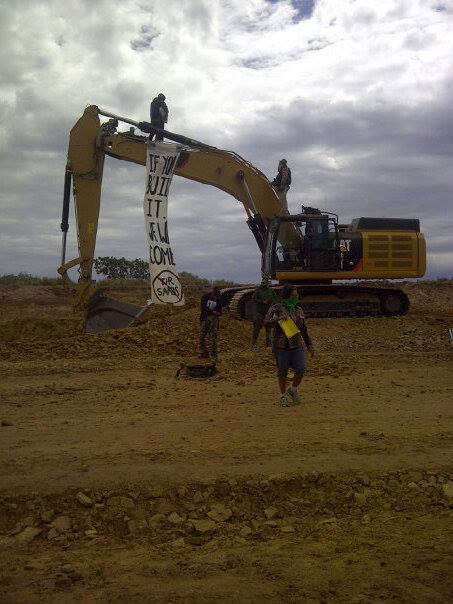
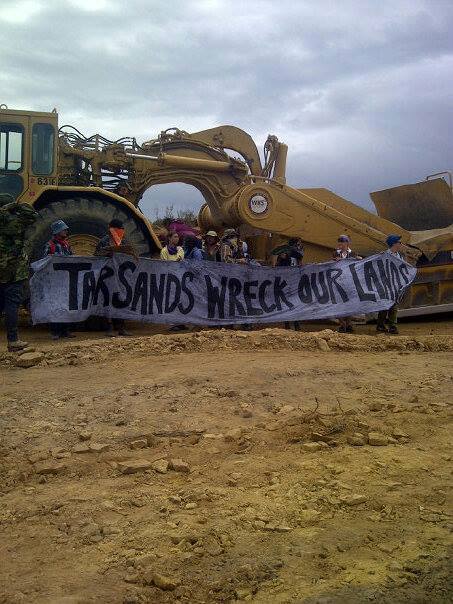
521886_597282230294554_359607144_n29 July 2013 In a direct action fol­low­ing the Canyon Coun­try Action Camp, hun­dreds of activists have swarmed two min­ing sites in Utah tar sands.

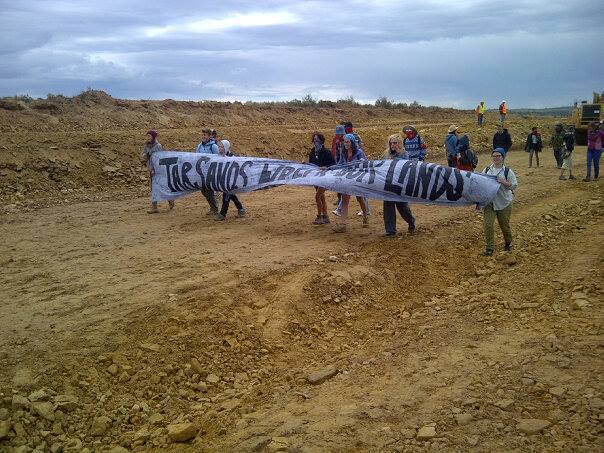
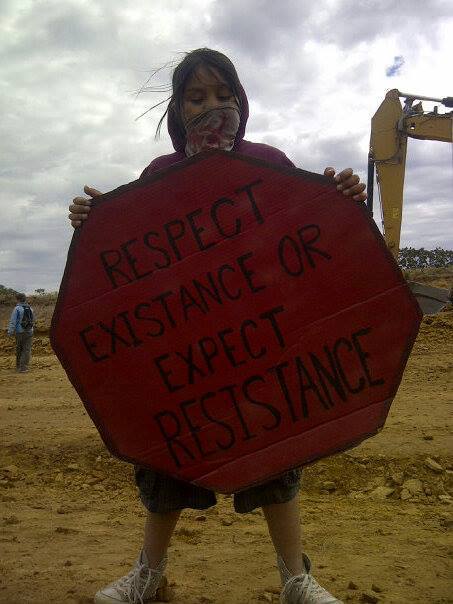
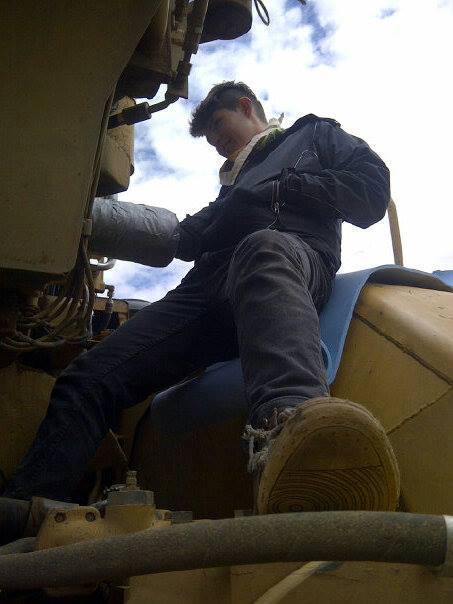
521886_597282230294554_359607144_n29 July 2013 In a direct action fol­low­ing the Canyon Coun­try Action Camp, hun­dreds of activists have swarmed two min­ing sites in Utah tar sands. Activists are cur­rent­ly locked down to machines, stop­ping work.

Canyon Coun­try Ris­ing Tide have joined with the Lako­ta, Dine, and Idle No More in con­demn­ing the tar sands in Utah as a defil­ing of the pre­cious Green Riv­er ecosys­tem, and an assault on fresh air and clean water in the US. The tar sands and oil shale min­ing pro­posed in Utah and neigh­bor­ing states would tra­verse more than one thou­sand square miles.

The first block­ade went up two hours ago, and is still hold­ing. Con­tract­ed Card­well, Inc. con­trac­tors attempt­ed to hit peace­ful pro­tes­tors with their trucks, but the activists were able to lock down, and unfurl a ban­ner that reads, “If you build it they will come.”

Pri­vate secu­ri­ty per­son­nel and three police cars have shown up on the scene, but no arrests have been made yet.

The sec­ond block­ade went up approx­i­mate­ly one hour lat­er, and is still hold­ing.

918996_597282126961231_63483300_n

996555_597283770294400_317300135_n

998033_597297800292997_1732438877_n

971212_597286743627436_395746711_n

1003032_597286746960769_945155639_n


TWAC Blockade Portland Transcanada Office with Tripod

553993_672459889449077_590622421_n29July

553993_672459889449077_590622421_n29July 2013 Update: The action has been declared a suc­cess as busi­ness­es were forced to lock their doors and close their blinds – appar­ent­ly the dance par­ty was just too much of them to even look at! In addi­tion, all TWAC activists have avoid­ed arrest and gear was not con­fis­cat­ed

A tri­pod has been erect­ed at the entrance of a build­ing that hous­es a Tran­sCana­da office, block­ing the entrance and caus­ing busi­ness­es inside to lock the doors. Pro­test­ers out­side have respond­ed with a very glit­tery and col­or­ful dance par­ty in front of the build­ing and a ban­ner that reads “No Tar Sands On Native Lands. Stop Geno­cide.”

IMG_0104

This action was orga­nized by the Trans and Wom­yns Action Camp (TWAC), a direct action group for women and trans* and gen­der-vari­ant folks. A cor­re­spon­dent from TWAC said that they took action today “to stand in sol­i­dar­i­ty with com­mu­ni­ties that are affect­ed dis­pro­por­tion­ate­ly by tar sands, includ­ing every­one in Alber­ta who is forced to live in areas of tar sands oil extrac­tion, folks near the Gulf Coast affect­ed by tar sand refine­ment plants, and com­mu­ni­ties who are liv­ing on the pipeline route.” With con­di­tions on the Gulf Coast already tox­ic, high rates of asth­ma and can­cer are becom­ing the norm, and the arrival of tar sands will only wors­en these con­di­tions. In the Athabas­ka water­shed in Alber­ta, com­mu­ni­ties have seen the rise of a large num­ber of rare can­cers, and First Nations com­mu­ni­ties have been affect­ed most heav­i­ly.

IMG_0103


Steph Cas­ca­dia, who is sit­ting at the top of the tri­pod, said, “Extrac­tion of the tar sands is the most destruc­tive project on the con­ti­nent. It threat­ens the integri­ty of the entire bios­phere, not to men­tion the First Nations peo­ples depen­dent upon access to clean water, land, and air for the health of their com­mu­ni­ties.”’

A cor­re­spon­dent from TWAC also said that TWAC was there “to remind the employ­ees of Tran­sCana­da that the death and destruc­tion does not end when they go home to their fam­i­lies, or when they leave to take their lunch break. Lots of oth­er peo­ple have jobs and are often not able to work and pro­vide for their fam­i­lies because of the actions that this cor­po­ra­tion has tak­en, which sole­ly ben­e­fit TransCananda–nobody else wins.”

Security guard in the foreground, dance party in the back

Secu­ri­ty guard in the fore­ground, dance par­ty in the back

Yudith Nieto, a TWAC par­tic­i­pant who trav­eled from a com­mu­ni­ty in Hous­ton affect­ed by tar sands refiner­ies, said, “I am com­mit­ted to ampli­fy­ing the voic­es of com­mu­ni­ties of col­or that are sys­tem­at­i­cal­ly silenced, like mine, that are being dis­pro­por­tion­ate­ly affect­ed by envi­ron­men­tal­ly destruc­tive indus­tries, and expe­ri­enc­ing racism and clas­sism.”

This action fol­lows a long string of actions tak­en by groups and com­mu­ni­ties all across the coun­try to stop tar sands extrac­tion, trans­porta­tion, and refine­ment – all of which put com­mu­ni­ties at risk and exac­er­bate glob­al cli­mate change. These actions can be tak­en vir­tu­al­ly any­where in the Unit­ed States or Cana­da where there are cor­po­ra­tions who invest in, con­struct, or oth­er­wise do busi­ness with tar sands infra­struc­ture. Lit­tle by lit­tle, we will stop these cor­po­rate maraud­ers.


100 Anti-Fracking Activists Overwhelm Injection Well Site in Ohio

BQXb9Q-CQAAoaKQ.jpg-large29 July 2013 Over 100 anti-frack­ing activists have tak­en over the entrance to an injec­tion well site in Ohio.

BQXb9Q-CQAAoaKQ.jpg-large29 July 2013 Over 100 anti-frack­ing activists have tak­en over the entrance to an injec­tion well site in Ohio. The action comes at the end of the week­end-long Don’t Frack Ohio event, which was full of train­ings and activ­i­ties.

The ral­ly is spear­head­ed by “con­cerned cit­i­zen” groups and 350.org as part of the nation­al Sum­mer Heat cam­paign. It is being labeled “Don’t Frack Ohio 2.0,” in ref­er­ence to last year’s action involv­ing more than a thou­sand par­tic­i­pants.

Don’t Frack Ohio states on their web­page: “Remem­ber Don’t Frack Ohio from last sum­mer when over a thou­sand of us marched in Colum­bus, took over the state­house rotun­da and held a People’s Assem­bly? We are doing it again this year, with a bold­er action and with more grass­roots Ohio lead­er­ship. We are focus­ing on Class 2 injec­tion wells and the infu­sion of tox­ic radioac­tive frack­ing waste brought in from oth­er states and also being gen­er­at­ed in Ohio. Last year the Oil & Gas indus­try inject­ed almost 600 mil­lion gal­lons of tox­ic waste in our state, with lit­tle regard for our com­mu­ni­ties health and wel­fare.”

The goal of this and oth­er actions are to get the gov­er­nor to ban injec­tion wells, in par­tic­u­lar, which would effec­tive­ly end frack­ing in the state.

100 Anti-Fracking Activists Overwhelm Injection Well Site in Ohio


BQXb9Q-CQAAoaKQ.jpg-large

29th July 2013

Over 100 anti-frack­ing activists have tak­en over the entrance to an injec­tion well site in Ohio. The action comes at the end of the week­end-long Don’t Frack Ohio event, which was full of train­ings and activ­i­ties.

The ral­ly is spear­head­ed by “con­cerned cit­i­zen” groups and 350.org as part of the nation­al Sum­mer Heat cam­paign. It is being labeled “Don’t Frack Ohio 2.0,” in ref­er­ence to last year’s action involv­ing more than a thou­sand par­tic­i­pants.

Don’t Frack Ohio states on their web­page: “Remem­ber Don’t Frack Ohio from last sum­mer when over a thou­sand of us marched in Colum­bus, took over the state­house rotun­da and held a People’s Assem­bly? We are doing it again this year, with a bold­er action and with more grass­roots Ohio lead­er­ship. We are focus­ing on Class 2 injec­tion wells and the infu­sion of tox­ic radioac­tive frack­ing waste brought in from oth­er states and also being gen­er­at­ed in Ohio. Last year the Oil & Gas indus­try inject­ed almost 600 mil­lion gal­lons of tox­ic waste in our state, with lit­tle regard for our com­mu­ni­ties health and wel­fare.”

The goal of this and oth­er actions are to get the gov­er­nor to ban injec­tion wells, in par­tic­u­lar, which would effec­tive­ly end frack­ing in the state.

More updates to fol­low…


Myanmar Activist Jailed 10 years For Anti-Mine Protest

Security forces move in to stop protesters plowing fields near the copper mine at Letpadaung Mountain in northern Burma's Sagaing division on April 25, 2013.28 July 2013 A court in cen­tral Myan­mar has s

Security forces move in to stop protesters plowing fields near the copper mine at Letpadaung Mountain in northern Burma's Sagaing division on April 25, 2013.28 July 2013 A court in cen­tral Myan­mar has sen­tenced an activist to a decade in prison for “threat­en­ing nation­al secu­ri­ty” after he led a protest against a con­tro­ver­sial Chi­na-backed cop­per mine which led to clash­es with author­i­ties, accord­ing to a fel­low cam­paign­er.

Judge Kaythi Hlaing of the Shwe­bo city court hand­ed Aung Soe, an activist with Myanmar’s People’s Sup­port Net­work, the 10-year sen­tence on Mon­day after con­vict­ing him on eight charges linked to the vio­lence on April 25, Moe Moe, also of the activist’s group, told RFA’s Myan­mar Ser­vice.   

The group had backed hun­dreds of farm­ers protest­ing the alleged seizure of their land by Wan Bao Com­pa­ny, which runs the cop­per mine near Mount Let­padaung in north­ern Burma’s Sagaing divi­sion.

The clash­es broke out after secu­ri­ty forces moved in to stop the farm­ers from plow­ing their fields on the con­test­ed land. At least ten protest­ing farm­ers were injured, some of them report­ed­ly with gun­shot wounds, while 15 police­men were also wound­ed.

Aung Soe “was sen­tenced under eight charges, includ­ing for threat­en­ing reli­gious puri­ty and nation­al secu­ri­ty, and for ille­gal assem­bly,” Moe Moe said Tues­day.

“He was sen­tenced at the Shwe­bo court by the judge, Daw Kaythi Hlaing,” he said, using an hon­orif­ic title.

Two res­i­dents of Setae vil­lage, near the Let­padaung cop­per mine, named Soe Thu and Maung San, were also sen­tenced for “vio­lat­ing orders” and “incit­ing riots,” Moe Moe added.

He did not say how long the two vil­lagers were sen­tenced to prison.

Moe Moe said that Aung Soe’s lawyer will appeal his con­vic­tion.

Sus­pend­ed oper­a­tions

An inquiry com­mis­sion in Myan­mar ruled in March that the cop­per mine should be allowed to con­tin­ue despite wide­spread objec­tions.

But near­ly four months lat­er, oper­a­tions at the facil­i­ty remain sus­pend­ed with protest­ing vil­lagers refus­ing to accept com­pen­sa­tion offers.

Oper­a­tions at the mine have been sus­pend­ed since Novem­ber, when a bru­tal crack­down on protests against the mine prompt­ed the gov­ern­ment to set up the com­mis­sion to look into the project’s via­bil­i­ty.

The com­mis­sion rec­om­mend­ed that the project should be allowed to move ahead despite con­ced­ing that it brought only “slight” ben­e­fits to the nation.

Since then, vil­lagers who are most­ly farm­ers have staged reg­u­lar protest against the mine, com­plain­ing that the com­pen­sa­tion was not enough and call­ing for a com­plete halt to the project.

Some 15 protesters—both local res­i­dents and activists from Yangon—are want­ed by the author­i­ties over demon­stra­tions against the mine in recent months.

Vil­lagers have said that they do not want pol­lu­tion from the mine to destroy the area and that author­i­ties have con­fis­cat­ed some 8,000 acres (3,000 hectares) of farm­land from 26 vil­lages to make way for the mine.

Hundreds Protest Nickel Mine In Russia, Previous Clashes Resulted in Torched Equipment

28 July 2013 VORONEZH — Hun­dreds of peo­ple gath­ered in a small town in Voronezh region on Sun­day for a new protest in their year-lon

28 July 2013 VORONEZH — Hun­dreds of peo­ple gath­ered in a small town in Voronezh region on Sun­day for a new protest in their year-long cam­paign against plans to open a nick­el and cop­per mine in the area, police offi­cials said.

The demon­stra­tion was orga­nized by the local anti-mine move­ment and res­i­dents of Novokhop­er­sk who called for halt­ing the min­ing project. The ral­ly orga­niz­ers said that about 3,000 peo­ple took part in the demon­stra­tion, includ­ing those from neigh­bor­ing provinces, while the police put the num­ber at 900.

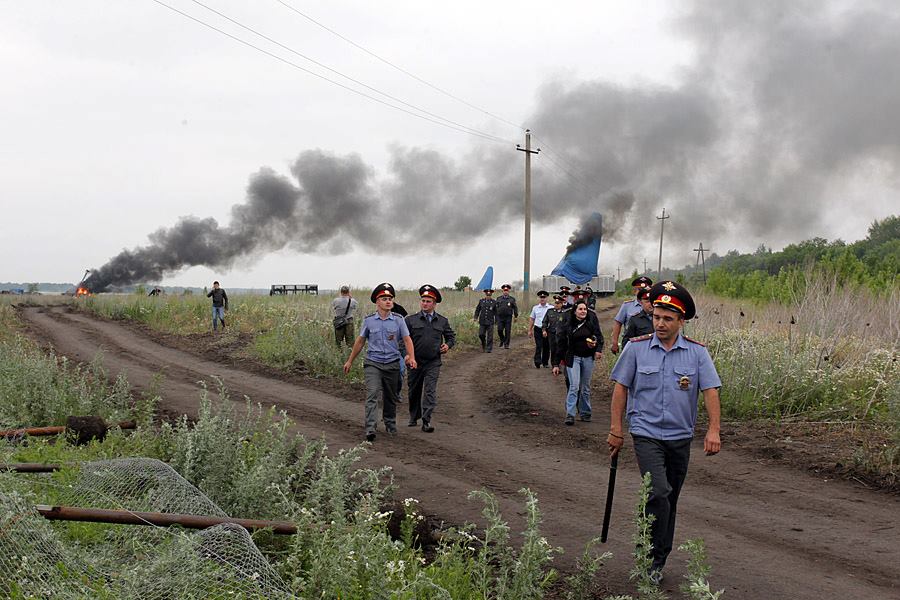
It is the first mass gath­er­ing of the cam­paign­ers after the 13-month stand­off explod­ed last month with a crowd of sev­er­al hun­dred storm­ing the premis­es of a geo­log­i­cal explo­ration par­ty and torch­ing cars, con­struc­tion trail­ers and drilling rigs.

The min­er, pri­vate­ly owned Ural Min­ing and Met­al­lur­gi­cal Com­pa­ny (UMMC), has denied that its mine would harm the envi­ron­ment.

Anonymous Liberators Free 2,400 Minks from Fur Farm in Idaho

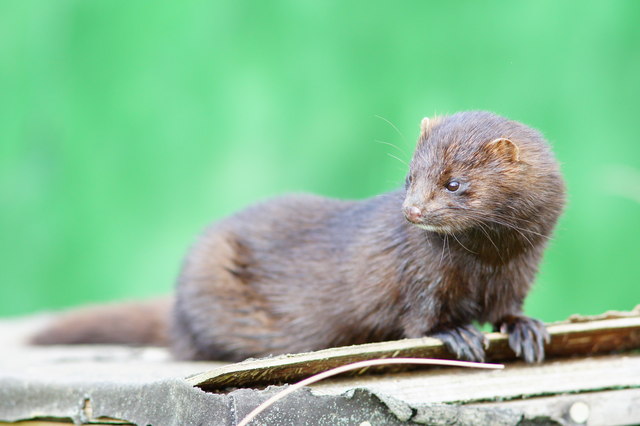
The American Mink is native to the Idaho region, and can survive in the wild after release from captivityThe Amer­i­can Mink is native to North Amer­i­ca, and can sur­vive in the wild after release from cap­tiv­i­ty

The American Mink is native to the Idaho region, and can survive in the wild after release from captivityThe Amer­i­can Mink is native to North Amer­i­ca, and can sur­vive in the wild after release from cap­tiv­i­ty

“On the evening of July 28, 2013, friends of wildlife entered the Bur­ley, Ida­ho, mink farm of Fur Com­mis­sion USA Board Mem­ber Cindy Moyle, com­pro­mised the perime­ter fenc­ing, and set up rov­ing sur­veil­lance of the on-site night watch­man. We then lib­er­at­ed the entire­ty of her breed­ing stock into the wild, emp­ty­ing over twen­ty-five per­cent of this wildlife prison.

Illu­mi­nat­ed in the moon­light, 2400 of these wild crea­tures climbed out of the cages where they had passed their entire lives in iso­lat­ed dark­ness, to feel the grass under their feet for the first time. Their ini­tial timid­i­ty quick­ly became a cacoph­o­ny of glee­ful squeal­ing, play­ing, cavort­ing, and swim­ming in the creek that runs direct­ly behind the Moyle prop­er­ty. They will live out their new lives along the Snake Riv­er water­shed.


Cindy Moyle is a cur­rent Board Mem­ber, and for­mer Trea­sur­er, of the Fur Com­mis­sion USA. After the recent lead­er­ship shuf­fling in FCUSA, we felt that the Moyle Mink Ranch would be per­fect to test out the effi­ca­cy of FCUSA’s new empha­sis on farm security.The Moyles are a mink dynasty in Ida­ho, oper­at­ing up to eight farms, their own in-house feed oper­a­tion, and a tan­nery. Those doubt­ful of our resource­ful­ness and guile have in the past called the Moyle farms impen­e­tra­ble. Indeed, this is the first time that any­one has attempt­ed action against one of them.

Hav­ing now had the plea­sure of test­ing them our­selves, we whole­heart­ed­ly approve of the new FCUSA secu­ri­ty guide­lines. We are hap­py to see FCUSA mem­bers increas­ing their over­head on secu­ri­ty – it means they are only that much clos­er to bank­rupt­cy when we raid their farms. In the case of the Moyles, the breed­ing records we destroyed rep­re­sent over thir­ty years of painstak­ing genet­ic selec­tion. There will be no recov­er­ing these genet­ic lines.

Aside from their oper­a­tions harm­ing help­less ani­mals, the Moyles have also been fed­er­al­ly inves­ti­gat­ed for exploit­ing undoc­u­ment­ed work­ers and traf­fick­ing endan­gered species. Mike Moyle, ex-mink farmer and the cur­rent Ida­ho House Major­i­ty Leader, has used his polit­i­cal posi­tion to block Ida­ho neigh­bor­hoods from being able to declare his family’s foul and fly- infest­ed pris­ons to be pub­lic nui­sances.

The fur indus­try will no doubt prop­a­gate false­hoods regard­ing this act of kind­ness.

They will claim that we are ter­ror­ists. We say that if peace­ful­ly open­ing cages is an act of ter­ror­ism, then the word has no mean­ing. It is appro­pri­ate­ly applied to the mass impris­on­ment and killing of wild ani­mals.

They will claim that these mink are domes­ti­cat­ed ani­mals and will starve. Doc­u­men­ta­tion on the suc­cess of farm-bred mink in the wild is exten­sive, so we will add only our expe­ri­ence watch­ing these nat­u­ral­ly aquat­ic ani­mals, who had spent their entire lives in cages, head instinc­tive­ly for water and begin to swim and hunt.

They will claim that con­di­tions on mink farms are humane. We ask why, then, they try only to hide those farms from the pub­lic, push­ing for leg­is­la­tion to crim­i­nal­ize the tak­ing of pho­tographs. The mink that we freed from the Moyles lived in inten­sive con­fine­ment in their own waste. Their suf­fer­ing was plain to the eye, and their yearn­ing for free­dom plain to the soul.

They will say that our raid may inspire copy­cat actions. We say that it undoubt­ed­ly will. It is a glo­ri­ous thing that we live in a world where indi­vid­u­als reg­u­lar­ly demon­strate the ulti­mate act of com­pas­sion – risk­ing their free­dom for the free­dom of oth­ers.

They will say that we will not stop short of the com­plete and total end of the killing of ani­mals for their fur. On this point we are in total agree­ment.

We act with love in our hearts.”

All-Night Anti-Shale Gas Truck Seizure, Road Block, Ends Peacefully — Canada

Last night, July 27th, about 35 anti-shale gas activists block­ad­ed a 20 ton truck, sub­con­tract­ed to SWN Resources Cana­da, for over 8 hours. The truck, filled with heli­copter bags – each con­tain­ing dozens of geo­phones – was attempt­ing to exit south­ward along Irv­ing Road, a back road west of high­way 126 in New Brunswick. The truck, as well as eight oth­er equip­ment trucks sub­con­tract­ed to SWN, were con­duct­ing seis­mic test­ing in the hopes of find­ing shale gas deposits along a 35.9 kilo­me­ter north-south line known as ‘Line 5′. All the equip­ment and work­ers were halt­ed until about 3:30am Atlantic Time.

Activists had orig­i­nal­ly nego­ti­at­ed with RCMP for a 3 hour work stop­page, in homage to the Ghost Dance that the Sun­dancers in Elsi­pog­tog were under­tak­ing yes­ter­day evening. Elsi­pog­tog War Chief John Levi, him­self a Sun­dancer, was absent from the block­ade. In his stead, Jason Okay, Dis­trict War Chief, and ‘Sev­en’, the Mi’kmaq ter­ri­to­ry War Chief, had come to the assis­tance of the anti-shale gas move­ment.

The 3 hour work stop­page was meant to occur at the end of the work­day. It would appear that RCMP had agreed to this tem­po­rary block.

How­ev­er, when the 20 ton truck was first blocked at about 5pm – in front of an already heavy police pres­ence – the RCMP imme­di­ate­ly blocked in the activists who sur­round­ed the truck. At the time there were about 35 activists at the scene, and word began to trick­le in to those encamped that an RCMP road­block at the entrance to Irv­ing Road – about 16 kilo­me­ters to the south – was not allow­ing any­one to pass. This was appar­ent­ly counter to the orig­i­nal agree­ment, and began what was to be a stand­off that con­tin­ued until the ear­ly morn­ing hours.

RCMP and the ‘Elsi­pog­tog Peace­keep­ers’ – a group of three indi­vid­u­als on Elsi­pog­tog Band pay­roll who osten­si­bly serve as a neu­tral par­ty – did not seem able or desirous of undo­ing the police road­block that was refus­ing all entry. The activists requests were ini­tial­ly straight­for­ward, only ask­ing that any­one wish­ing to attend their cer­e­mo­ny be allowed to dri­ve the 16 kilo­me­ter dis­tance. The activists also specif­i­cal­ly request­ed a drum leader and a pipe car­ri­er to assist them. Social media sources con­tin­ued to note that a siz­able line of cars was still being refused entry.

Ten­sions fur­ther increased at about 7:30pm when Annie Clair, also known as ‘Pocha­hon­tas’ to the anti-shale gas activists, climbed atop the roof of the seized truck and chained and pad­locked her­self to a spare tire mount­ing weld­ed to the roof. She was quick­ly joined by two oth­er activists, one of whom also chained her­self to the roof while the oth­er locked her­self to a heli­copter bag filled with geo-phones.

Clair, who only days before had tied her­self to heli­copter bags and had halt­ed work at a heli­copter launch­ing site, was defi­ant in her mes­sage to the gath­ered police force, not­ing that if they were going to shoot her, to go ahead.

RCMP and the Peace­keep­ers again con­tin­ued to ‘nego­ti­ate’, but did not seem able to relay the mes­sage to the RCMP block­ade that the first step towards resolv­ing the stand­off was to allow traf­fic to flow freely. Activists, for their part, remained adamant that the 3 hours they were promised for cer­e­mo­ny would only begin once the RCMP block­ade was removed and their sup­port­ers could join them. As the hours of stand­off con­tin­ued, and food and water were denied to the activists, RCMP marched in for­ma­tion through the block­ade with numer­ous box­es of piz­za and cas­es of water.

Even­tu­al­ly, one of the Elsi­pog­tog Elders – also a clan moth­er – begged Clair to unchain her­self and descend from the truck roof. With social media now reach­ing some­thing of a fren­zied pitch – and sto­ries of dozens of police cruis­ers and pad­dy wag­ons wait­ing for the activists, Clair com­plied. Indeed, the activists were now vis­i­bly blocked in by numer­ous police trucks and cruis­ers. Infrared lights shone from some of the RCMP cars and a large spot­light was erect­ed shin­ing direct­ly onto the activists’ makeshift encamp­ment.

RCMP nego­tia­tors not­ed that they would not arrest any­one that night, but made no guar­an­tees that future days might not see activists picked off one by one in house arrests. As has been the case since ear­ly June when active protests began against shale gas explo­ration in Kent Coun­ty, yes­ter­day police made no secret of their heavy sur­veil­lance of the action. At 3:30am, as activists moved their trucks and cars off the road, it became clear that an entire SWN work crew had been stopped. With a heavy police escort, eight SWN trucks emerged from a side road and quick­ly sped past the gath­ered crowd. With no equip­ment or SWN work­ers left to guard, the RCMP quick­ly left the scene as well.