Earth First! Blocks the Blade, USA

7th July 2010
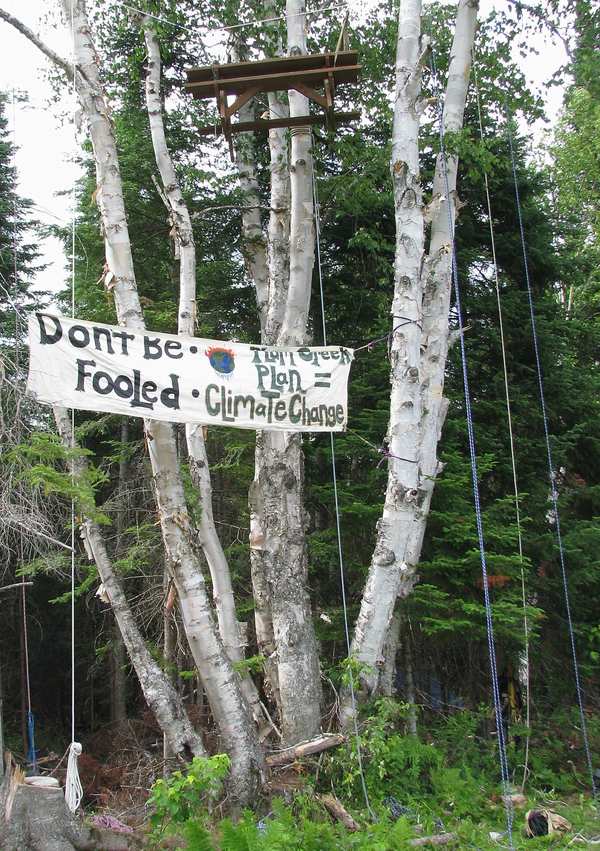
Earth First! hon­ored the No Com­pro­mise stance towards envi­ron­men­tal­ism by exe­cut­ing a beau­ti­ful action that cut to the heart of local orga­niz­ing, bio-cen­trism and direct action in defense of the Earth. Earth First! con­clud­ed this year’s Sum­mer Ren­dezvous in Maine with a dynam­ic and intense blockad­ing an access road to the lat­est land destroy­ing devel­op­ment scheme—the clearcut­ting of Maine’s Sisk Moun­tain for TransCanada’s wind tur­bines.

Sisk 17th July 2010
Earth First! hon­ored the No Com­pro­mise stance towards envi­ron­men­tal­ism by exe­cut­ing a beau­ti­ful action that cut to the heart of local orga­niz­ing, bio-cen­trism and direct action in defense of the Earth. Earth First! con­clud­ed this year’s Sum­mer Ren­dezvous in Maine with a dynam­ic and intense blockad­ing an access road to the lat­est land destroy­ing devel­op­ment scheme—the clearcut­ting of Maine’s Sisk Moun­tain for TransCanada’s wind tur­bines.

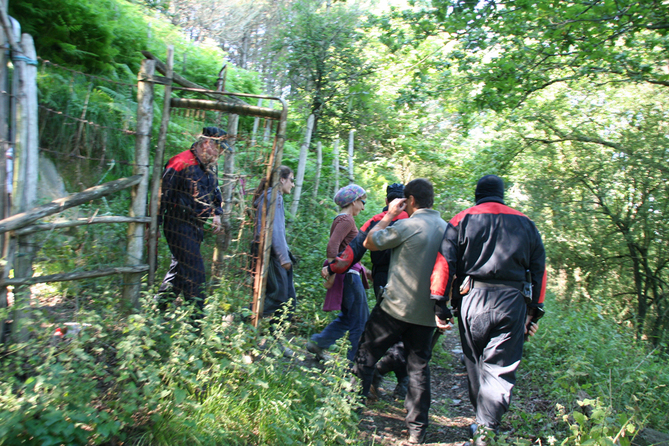
Begin­ning in the ear­ly morn­ing, more than five EF!ers elud­ed police tails and entered Plum Creek land on Sisk Moun­tain, the site of TransCanada’s prospec­tive wind farm, with the inten­tion of blockad­ing the access road. Although police assist­ing the cor­po­ra­tions found the activists quick­ly, the access road was block­ad­ed for the entire morn­ing by a cav­al­cade of police and, inter­est­ing­ly enough, bor­der patrol. They did our job for us, and nobody was arrest­ed; only warn­ings were issued to the brave activists who sparked the block­ade.

At around noon, police issued an order to dis­perse, and many EF!ers returned to the Rondy site pleased at the fact that, for that morn­ing, the blades of wind tur­bines did not pass through the pow­er of the peo­ple. At the access road, how­ev­er, things were just get­ting start­ed.

Earth First!ers remained to con­tin­ue protest­ing, most mov­ing to the oppo­site side of the high­way to get sup­port from pass­ing auto­mo­biles. One per­son, Tur­tle, was arrest­ed for refus­ing to move from the access road. Soon, a mas­sive truck emerged from the bend, haul­ing behind it the blade itself, the awe­some length of which resem­bled a small air­plane. As the truck entered the access road, EF!ers made their move, rush­ing to stop it from enter­ing the site. Mean­while, Wil­low, locked her­self to the under­car­riage of the truck. The truck­er haul­ing the blade began revving the engine, reveal­ing the inten­tion to dri­ve on with an activist locked to his rig. Hero­ical­ly, Anna jumped on top of the truck and thrust a sign over the wind­shield, obstruct­ing the truck­ers’ view. Final­ly, the police, real­iz­ing they had been defeat­ed for the moment, told the truck­er to stop his engines.

When all was said and done, the truck had been blocked for hours and three peo­ple had been arrest­ed. Their bail was set for $500, and they were released that night. Through the inten­si­ty of the day, the gath­er­ing stood strong, suc­cess­ful action in tow. Earth First! is show­ing that the atten­tion to oil and off­shore drilling is only the tip of the ice­berg. We protest­ed off-shore drilling in San­ta Bar­bara in Feb­ru­ary, months before the Deep Hori­zon spill. We need to look for­ward to a future of resis­tance to the false solu­tions of wind pow­er in wild areas, “clean coal” and bio­mass.

This years’ Rondy action has been called the Green Tea Par­ty, and that might not be far off. With the irrev­o­ca­ble eco­log­i­cal dam­age done to this plan­et, a new era must come about. The most recent glob­al protests in favor of envi­ron­men­tal­ism indi­cate that more and more peo­ple are tak­ing up the slo­gan, “We won’t stop until they do. Earth First!”

update on resistance to High-Speed Railway in the Basque Country

Soci­ety has open­ly giv­en response to the High-Speed Train (HST) in the lat­ter times. We know, and so do they, that we are many peo­ple against HST. In Hen­daya, there were more than 15.000 peo­ple in a recent demon­stra­tion against this project.

TAV mine evictionSoci­ety has open­ly giv­en response to the High-Speed Train (HST) in the lat­ter times. We know, and so do they, that we are many peo­ple against HST. In Hen­daya, there were more than 15.000 peo­ple in a recent demon­stra­tion against this project. Many ref­er­en­dums were placed and the response against the project was wide­ly sup­port­ed. There have been also many pub­lic appear­ances and actions all over. But pow­er does­n’t seem to lis­ten and the sit­u­a­tion is get­ting worse day by day. Civ­il dis­obe­di­ence and direct action are the only means we have left to stop the HSP project, and that’s why four activists took the deci­sion to take part in this action, putting their lives in dan­ger. It’s been three days now since 4 activists decid­ed to go inside a tun­nel in the mines in Itsason­do (Gipuzkoa, in the Basque Coun­try). They are actu­al­ly blocked and chained inside the tun­nel with no way to go out by them­selves. Even if their sit­u­a­tion has gone pub­lic, none of the pub­lic orga­ni­za­tions involved have tak­en any mea­sures or orga­nized any res­cue team. This has put their lives in seri­ous dan­ger. Besides, the explo­sions and the nor­mal oper­a­tions in the mines have not been stopped, mak­ing this dan­ger even worse. As a result, we are fac­ing a real­ly dan­ger­ous sce­nario, not only because the explo­sions have not been stopped, but also because pub­lic pow­ers are act­ing with absolute neglect, putting the lives of the activists in real seri­ous risk. How can it be pos­si­ble that in these times when life is pub­licly extolled, pub­lic pow­ers show so lit­tle respect for the lives of those cit­i­zens? How can all those who talk so much about “the peo­ple’s choice” go on with their project to build the High-Speed Train, after many peo­ple and orga­ni­za­tions have wide­ly showed their refusal to this infra­stuc­ture? For all these rea­sons we encour­age peo­ple to join us in the demon­stra­tion that will be held tomor­row, 4th of July in Ordizia (Gipuzkoa-Basque Coun­try), 5 o’clock in the after­noon, and also to show their sup­port to the activists in the mine by com­ing to the sup­port camp in Itsason­do (Gipuzkoa).

2010-07-04
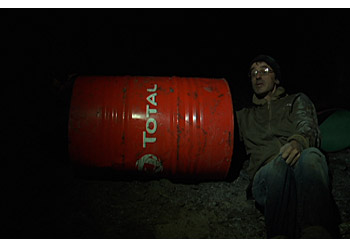
Under the slo­gan “Till stop­ping HST, resis­tance in Itsason­do’s mines” a demon­stra­tion left Ordizia yes­ter­day in sol­i­dar­i­ty with the ini­tia­tive of four activists whom chained them­selves inside a mine on Thurs­day. At the same time, the demo demand­ed the cease of works for the High Speed Train. The event linked the towns of Ordizia and Bea­sain, mak­ing two stops in the works of this infra­struc­ture, which par­tic­u­lar­ly affects the val­ley of Goier­ri. The atti­tude of the Region­al Home Depart­ment and the Basque Rail­way Net­work ignor­ing the pres­ence of the activists inside the mines and con­tin­u­ing with the works has pro­voked big anger which was noti­ci­ble dur­ing the demon­stra­tion. After teh demo, a large group of demon­stra­tors cut the rail­way rail traf­fic for at least five min­utes after tak­ing over the Beasin RENFE train sta­tion (RENFE, the Spainsh rail­way com­pa­ny is the oth­er com­pan­ny involved in the project). The ral­ly yes­ter­day was not the only event held in sol­i­dar­i­ty with activists in recent days. On the evening of Fri­day, unknown activists cut the water sup­ply for the Mari­aratz con­struc­tion site, where activists are chained. the action aimed also to show their dis­gust at the atti­tude of the insti­tu­tions regard­ing the 4 chained activists and to dis­rupt in the same way the con­struc­tion of this infra­struc­ture. Remain under­ground Mean­while, the four activists, who are now into their fifth day chained to con­crete-filled drums with­out the option of leav­ing on his own feet, noticed their health dete­ri­o­rat­ing because of the harsh con­se­quences of the mines, main­ly high damp­ness and wet­ness. Yes­ter­day morn­ing a walk hap­pened too with the aim of com­mu­ni­cat­ing with the activists, who said that they were “very tired and weak.” They were affect­ed by the high humid­i­ty inside the mines where they are. There were no search Haitzu­lue­tako Aurkari­ak (activist group) announced the exact loca­tion where the chain activists were last Sat­ur­day, in order to force a new search. The region­al police claimed to have no record of the pres­ence of these activists in the area. There­fore, the sup­port group isist­ed for the search to be repeat­ed. Appar­ent­ly the Ertzaintza did not enter the area dur­ing all day yes­ter­day. The action start­ed on Thurs­day morn­ing, but the explo­sions for the con­struc­tion of the HST tun­nel did not stop. There were con­stant blast­ing on Thurs­day and Fri­day and even the chained activists felt detach­ments of walls and ceil­ing inside the mine. Accord­ing to the loca­tion they gave on Sat­ur­day, the activists would be in the 4th min­ing zone with­in the Ordizia-Itsason­do con­struc­tion site, a few meters from the core of the explo­sions.

A day lat­er (5/07/2010) the Basque police, the Ertzaintza, have evict­ed the four anti TAV activists who have been locked-on in the Itsason­do mines. The first two are cur­rent­ly (17:30) on their way to the sta­tion to give evi­dence, after going to the health cen­tre for a check-up. The last two have since been evict­ed from the mines. Through­out the after­noon about a 100 peo­ple have been gath­er­ing at the mouth of the mine to show sol­i­dar­i­ty with the activists. They have been charged with “pub­lic dis­or­der, resis­tance and dis­obe­di­ence to author­i­ty.”

TAV truck digger-divingOn 6th July, despite the TAV trucks hav­ing secu­ri­ty escorts, we sat in front of the vehi­cles. The truck dri­ver was very aggres­sive, grab­bing us by the throat and threat­en­ing us. He drove at us, so we got out of the way before being hit. He tried to attack with a club, but the secu­ri­ty guards restrained him! We denounce this aggres­sion and will con­tin­ue to resist from the Leginetxe squat­ted work­ers’ cot­tages.

There will be a protest action camp against the TAV from 26th July to 1st August.

Direct action against the High-Speed Railway in the Basque Country

Itsason­do — FROM MINES AGAINST HIGH-SPEED TRAIN
Today, July 1, we have locked our­selves up inside an under­ground mine with the aim of stop­ping the con­struc­tion of the HST and the destruc­tion this is causing/will/would cause, to denounce the social mod­el it rep­re­sents.

Basque anti-TAV barrel lock-onItsason­do — FROM MINES AGAINST HIGH-SPEED TRAIN
Today, July 1, we have locked our­selves up inside an under­ground mine with the aim of stop­ping the con­struc­tion of the HST and the destruc­tion this is causing/will/would cause, to denounce the social mod­el it rep­re­sents.

Four peo­ple locked them­selves up in under­ground mines Itsason­do, with no way out. But they are not alone, out­side many peo­ple athered to pro­tect them and to show them our sup­port.

Near here, at the Mari­aratz con­struc­tion site, there are dai­ly explo­sions — explo­sions which destroy Earth and every­thing on/in/within it. as a con­se­quence of the tun­nel dig­ging these mines can col­lapse, endan­ger­ing the lives of these four peo­ple. There­fore, we demand the imme­di­ate halt of the works.

We know the risk is high. We’ve got into the depths, to secure this land with our bod­ies. We are locked into the mines to defend our ideas and to denounce the lack of a sense of the pow­er­ful. Our bod­ies are our weapons, direct action our way. Once again we have gath­ered here in Goier­ri (one of the val­leys where the rail­way link­ing Bil­bo with Donos­tia (Saint Sebas­t­ian) would run through), because the sit­u­a­tion in the area is real­ly wor­ry­ing. They are cur­rent­ly work­ing on five points: Mari­aratz, Olaber­ria, San Martín, and Beroste­gi Itsason­do.

In Octo­ber last year we climb the trees to stop the work and warn peo­ple about the sit­u­a­tion and today we had to get under­ground. Trees and land, two key ele­ments and seri­ous­ly affect­ed by the HST works. They know and we know that many peo­ple are against the HST. More than 15,000 peo­ple in the man­i­fes­ta­tion of Hen­daye, clear­est results in pop­u­lar con­sul­ta­tions and oth­er events.

But pow­er is deaf to this mas­sive oppo­si­tion and the sit­u­a­tion is wors­en­ing. Civ­il dis­obe­di­ence and direct action are the only way we can stop this dis­as­ter, and as long as they keep so adamant to build the HST we will con­tin­ue to con­front them. Hor­i­zon­tal orga­ni­za­tion and self-orga­ni­za­tion, that’s the way. To trans­form this social mod­el we need to change the basis of it, pri­or­iz­ing prox­im­i­ty and small things, build­ing local net­works and pro­mot­ing peo­ples’ lifestyle and cul­ture.

There­fore, we invite you come along to Itsason­do, to par­tic­i­pate in the organ­ised activ­i­ties and protests and to spread infor­ma­tion and mobi­lize on behalf of these activists and against the HST in your vil­lages and cities.

- Every­day vig­il at 7 pm in Itsason­do.
— Demon­stra­tions in the towns — Sun­day 4th July, ral­ly at 5 pm from the Plaza de Ordizia

ONGOING INFORMATION POINT at Itsason­doś main square Con­tact: 695 715 510
makinengainetik.animaliak@gmail.com

http://www.avatartherevolution.com/en/1
http://www.sindominio.net/ahtez/?q=es (Span­ish)

(Brief update: the con­struc­tion com­pa­ny, the Basque Rail­way Ser­vice and the police have all refused to stop the explo­sions of the tun­nel exca­va­tions, there­by endan­ger­ing the lives of the four activists who are cur­rent­ly under­ground)

Brazilian Indians protest against dams

1st July 2010
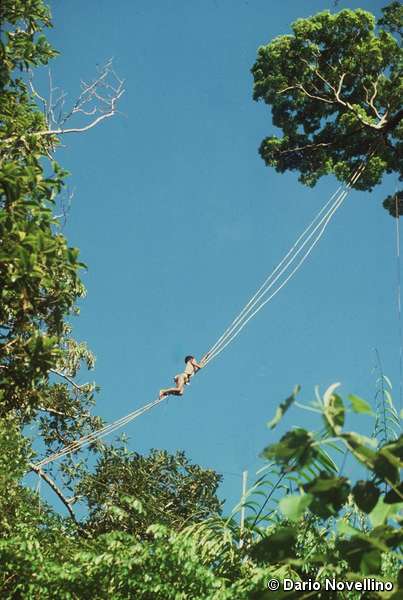
Enawene Nawe Indi­ans in Brazil are demon­strat­ing against a series of hydro­elec­tric dams which are killing the fish they rely on.

Amazonian dam1st July 2010
Enawene Nawe Indi­ans in Brazil are demon­strat­ing against a series of hydro­elec­tric dams which are killing the fish they rely on.

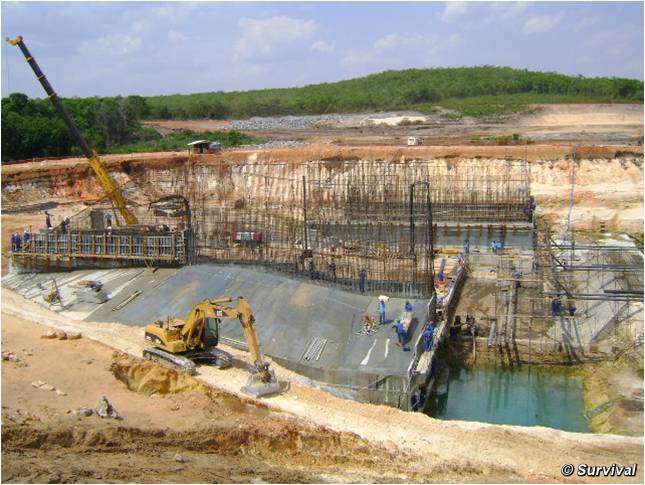
Three hun­dred Indi­ans have gath­ered in the town of Sapezal in the Ama­zon state of Mato Grosso, armed with bows and arrows to protest against the dam project.

Sur­vival Inter­na­tion­al is call­ing for the Enawene Nawe’s rights to their land to be upheld.

Unlike most tribes in the Ama­zon, the Enawene Nawe do not eat meat, so fish are essen­tial to their diet.

A total of 77 small hydro­elec­tric dams are planned for the Juru­e­na Riv­er, upstream of the tribe’s land. Five are already under con­struc­tion.

The Enawene Nawe were not con­sult­ed about the project, and they say that since work start­ed the Juru­e­na and its trib­u­taries have become pol­lut­ed.

Dur­ing the protests the Enawene Nawe have met with the Brazil­ian author­i­ties to reit­er­ate their oppo­si­tion to the dams. They are also demand­ing a full, inde­pen­dent envi­ron­men­tal impact study.

Every year the Enawene Nawe per­form yãk­wa, an impor­tant rit­u­al in which they build intri­cate dams across the small­er rivers and trap fish in large bas­kets.

The fish are smoked and trans­port­ed back to the vil­lage, where some are offered to the yakair­i­ti spir­its of the under­world in elab­o­rate cer­e­monies.

This year and last year the Indi­ans caught almost no fish, a dis­as­ter for the tribe, who rely on fish as their main source of pro­tein.

In 2008 the Enawene Nawe occu­pied one of the dam con­struc­tion sites and destroyed much of the equip­ment on the site.

Licence to Spill — Liberate Tate create an oil spill at the Tate — inside & out

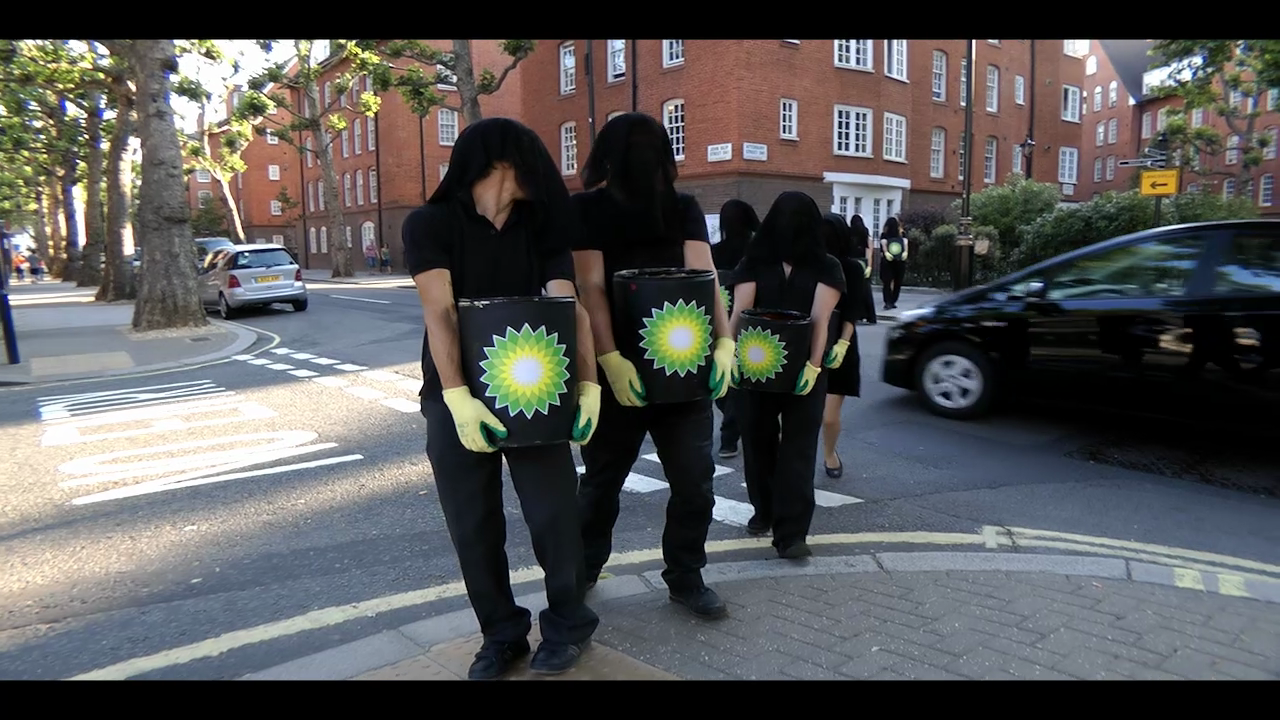
On the evening of the 28th of June at approx 7:15pm, Lib­er­ate Tate In protest over BP’s spon­sor­ship of the arts per­formed a “Solemn” oil like spill at the Tate’s Sum­mer par­ty.

Liberate Tate 1Liberate Tate 2On the evening of the 28th of June at approx 7:15pm, Lib­er­ate Tate In protest over BP’s spon­sor­ship of the arts per­formed a “Solemn” oil like spill at the Tate’s Sum­mer par­ty.

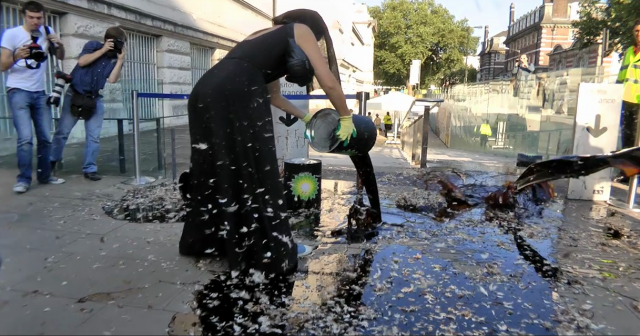
Dressed in black and veiled the per­form­ers car­ry­ing black buck­ets with BP logos spewed molasses over the entrance way as onlook­ers watched in amaze­ment as the Port­land stone floor was con­sumed by the black oil like mess.

Feath­ers were scat­tered and filled the air and in the same man­ner of approach the artists grace­ful­ly paced their escape.

Licence to Spill

“Apart from cat­a­stroph­ic spills like the Deep­wa­ter Hori­zon, there are a whole host of adverse impacts that are asso­ci­at­ed with the pro­duc­tion of oil. On the local lev­el, it often involves extreme forms of pol­lu­tion for local com­mu­ni­ties, while region­al­ly oil is fre­quent­ly asso­ci­at­ed with greater mil­i­ta­riza­tion and conflict. Glob­al­ly, car­bon emis­sions, oil com­pa­nies, and our col­lec­tive depen­dence on the prod­uct they push, are tak­ing us ever clos­er to the edge of cli­mate cat­a­stro­phe. ”

To down­load Licence to Spill, a new release from Plat­form, vis­it http://www.carbonweb.org/showitem.asp?article=381&parent=39

Info : http://www.artnotoil.org.uk/

Watch the video of the action : http://www.youtube.com/watch?v=Pz-_2KLt1W0

—–

Anoth­er report, includ­ing what hap­pened inside the ex-gar­den sum­mer par­ty:
Flowery-dressed oil spills
BP-smocked
Sip­ping Pimms and gob­bling canapés many of the guests expressed con­fu­sion at whether these strik­ing actions were ‘art’ or not. Despite inac­cu­rate report­ing in var­i­ous media out­lets, Lib­er­ate Tate would like to claim full respon­si­bil­i­ty for these acts of cre­ative dis­obe­di­ence as art – art that refus­es to pre­tend to do pol­i­tics but is pol­i­tics, art that makes trans­form­ing the world a beau­ti­ful adven­ture.

The Tate Sum­mer Par­ty had been planned to be in the muse­um gar­dens and involve speech­es from BP exec­u­tives. How­ev­er, due to the rumours of dis­rup­tion, Tate was forced to hold the entire event inside the muse­um and no speech­es were made.

As the evening sun baked down on the stone court­yard of Tate Britain and mem­bers of the cul­tur­al and cor­po­rate elite made their way into the par­ty, 13 fig­ures dressed in black, their faces veiled, appeared from around the cor­ner. In a mourn­ful pro­ces­sion the art-activists approached the entrance car­ry­ing large bar­rels brand­ed with the BP logo. Dozens of pho­tog­ra­phers and TV cam­eras swarmed and a moment of tense silence enveloped the area. Some­thing was going to hap­pen.

Then in a per­fect­ly chore­o­graphed moment, the front pha­lanx poured hun­dreds of litres of the black liq­uid all over the entrance, whilst oth­ers threw feath­ers into the air which gen­tly drift­ed down into the huge sticky black pools. The som­bre fig­ures walked calm­ly away, dis­ap­pear­ing into the city, as the secu­ri­ty redi­rect­ed the guests to anoth­er entrance as the cleanup oper­a­tion began.

Mean­while, despite the heavy secu­ri­ty at the door, two Lib­er­ate Tate art-activists man­aged to infil­trate the par­ty wear­ing large flo­ral bouf­fant dress­es under­neath which were con­cealed large sacks filled with the oily molasses. Call­ing them­selves Toni Hay­ward and Bob­bi Dud­ley, they began their per­for­mance in the crowd­ed cen­tral gallery. At first drips began to fall from their hand­bags. “Oh, I seem to have a leak” whis­pered one of them to the lined up wait­ers dressed in bril­liant white, who kind­ly pro­vid­ed nap­kins to stem the spill.

Soon the sacks under their dress­es burst releas­ing tens of litres of ‘oil’ across the shiny par­quet floor. As a crowd formed around them, the two donned BP brand­ed pon­chos and scram­bled on all fours try­ing to clean up the mess using their high heel shoes to pour the slick back into their hand­bags, but to no avail. “Com­pared to the size of the gallery this is a tiny spill, a drop in the ocean,” they apol­o­gised to the view­ers, “we’ll def­i­nite­ly have it cleaned up by, say, August”.

The polite crowd that had formed con­tin­ued to watch appre­cia­tive­ly for anoth­er 20 min­utes, amidst a sea of cam­era-phones. Many began debat­ing among them­selves whether this was art or not (“I think it is. I like it”), whether Tate had organ­ised it, and what their per­son­al aes­thet­ic reac­tions to it were (“If I had seen this out­side, I think I would have felt as I do see­ing it… inside”). More than one invit­ed artist open­ly described this to their fel­low drinkers as the most sophis­ti­cat­ed work in the room.

LIBERATE TATE

Lib­er­ate Tate, is a net­work ded­i­cat­ed to tak­ing cre­ative dis­obe­di­ence against the Tate until it drops its oil com­pa­ny fund­ing. The 28 June art activist per­for­mances fol­low on from last month’s dis­rup­tion of Tate Modern’s 10th Birth­day cel­e­bra­tions by hang­ing dead fish and birds from dozens of giant black heli­um bal­loons.

The net­work was found­ed dur­ing a work­shop in Jan­u­ary 2010 on art and activism, com­mis­sioned by Tate. When Tate cura­tors tried to cen­sor the work­shop from mak­ing inter­ven­tions against Tate spon­sors, the incensed par­tic­i­pants decid­ed to con­tin­ue their work togeth­er beyond the work­shop and set up Lib­er­ate Tate.

www.twitter.com/liberatetate

Images: www.immoklink.com/BP-Tate/index.html

www.youandifilms.com/2010/06/license-to-spill/

See also LIBERATE TATE COMMUNIQUE 1 http://bit.ly/9RFfxJ (MAY 2010)

Full Video Report http://www.youandifilms.com/2010/06/licence-to-spill-full-report/

Shell due to start work next week & report from Rossport Solidarity Camp

June 25, 2010
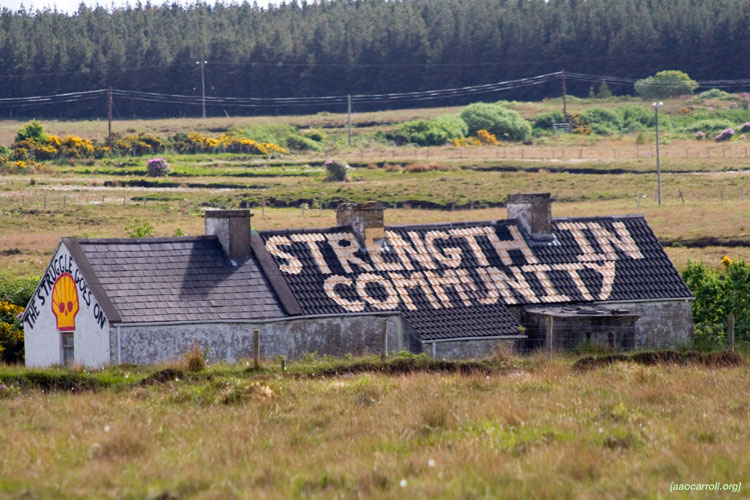
Things are get­ting very busy here — after a peace­ful June Gath­er­ing the camp is once more set to become a focal point for resist­ing Shell pipeline work. Shell are due in the estu­ary any day now to drill 80 bore­holes — pipeline sur­vey work that should take all sum­mer. Yes­ter­day we shut down the Shell office in Bel­mul­let. Today Mau­ra Har­ring­ton was jailed for non pay­ment of fines. Niall and Pat are still in jail. Gen­er­al­ly it seems that lots of peo­ple are wis­ing up to the oil indus­try in the wake of the BP dis­as­ter in the Gulf of Mex­i­co.…

Strength in Community, RossportJune 25, 2010
Things are get­ting very busy here — after a peace­ful June Gath­er­ing the camp is once more set to become a focal point for resist­ing Shell pipeline work. Shell are due in the estu­ary any day now to drill 80 bore­holes — pipeline sur­vey work that should take all sum­mer. Yes­ter­day we shut down the Shell office in Bel­mul­let. Today Mau­ra Har­ring­ton was jailed for non pay­ment of fines. Niall and Pat are still in jail. Gen­er­al­ly it seems that lots of peo­ple are wis­ing up to the oil indus­try in the wake of the BP dis­as­ter in the Gulf of Mex­i­co.…

Stop Shell
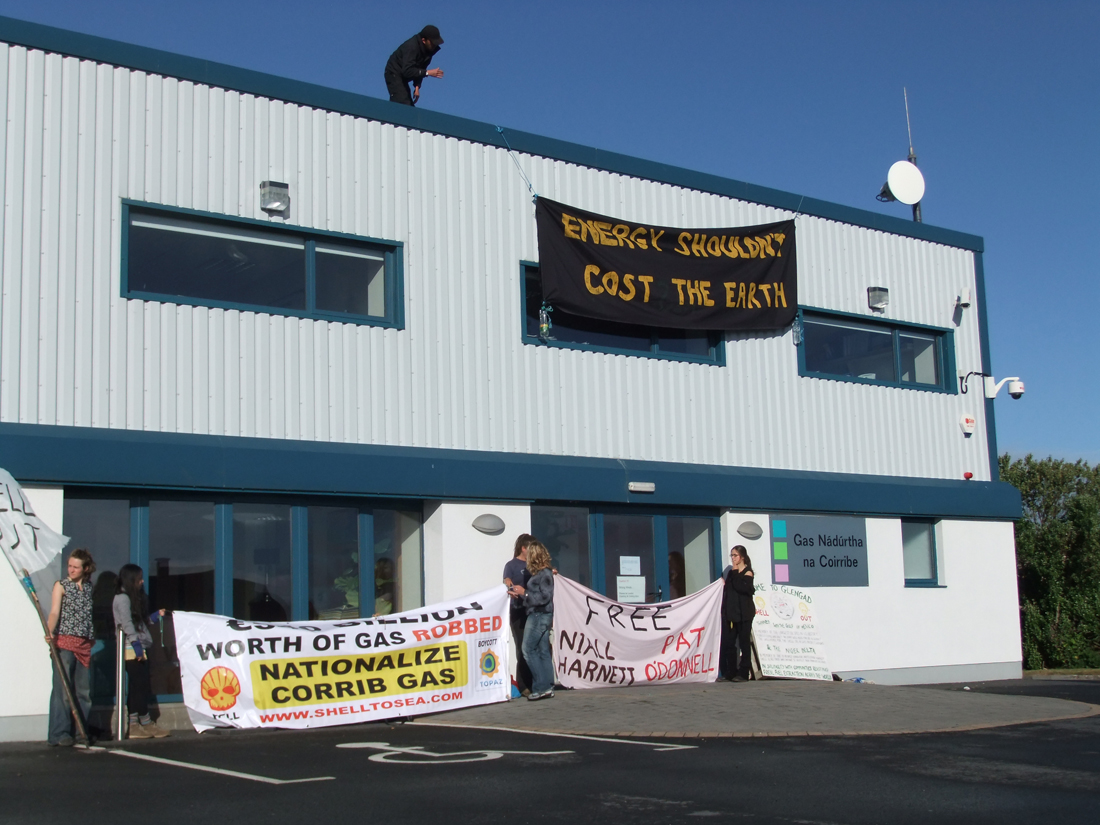
Roof Occu­pa­tion Protest at Shel­l’s Bel­mul­let Offices
Cam­paign­ers hung a ban­ner read­ing “Ener­gy should­n’t cost the earth” from the roof of Shell offices in Bel­mul­let on Thurs­day morn­ing at 8am. This protest con­nect­ed the envi­ron­men­tal dis­as­ter suf­fered by the fish­ing com­mu­ni­ty & peo­ple of Louisiana with the threat faced by the fish­ing com­mu­ni­ty and peo­ple of Erris. In par­tic­u­lar the protest was in sol­i­dar­i­ty with Pat O’Don­nell who has been jailed for his coura­geous defense of the seas and his liveli­hood.
The protest blocked the entrance to the offices pre­vent­ing Shell work­ers from enter­ing that day!
Press Release and pho­tos here: http://www.indymedia.ie/article/97054

Fore­shore License Grant­ed — Bore­hole Drilling Immi­nent
Yes­ter­day Shell cir­cu­lat­ed a let­ter giv­ing notice that the bore­hole drilling would com­mence “in the com­ing days”.
Recent­ly Shell got the sign-off from “Green” Min­is­ter John Gorm­ley on plans to bore 80 bore-holes in Sruwad­da­con bay. Once again the com­mu­ni­ty and camp will be oppos­ing the Shell work both on land and at sea. Water-action train­ing is ongo­ing. It will be a sum­mer long job if they get start­ed, so sup­port up here would be great when­ev­er pos­si­ble. Now would be a good time to come.

There have already been con­trac­tors around doing ini­tial sur­veys for the con­tract to con­struct the 5km tun­nel under the estu­ary — one can­di­date com­pa­ny is called ICOP from Italy. Pres­sure on them would be no harm.

Here is their web­site: http://www.icop.it/tool/home.php
And address:
I.CO.P. S.p.A.
via Sil­vio Pel­li­co 2
33031 Basil­iano UD,
Italy

And con­tacts: info@icop.it, tunnelcom@icop.it, fondazioni@icop.it, amministrazione@icop.it, personale@icop.it, acquisti@icop.it, tecnici@icop.it

T. +39 0432–838611
F. +39 0432–838681

Please write to Pat & Niall — polit­i­cal pris­on­ers
As a lot of you are aware Pat O’Don­nell and Niall Har­nett are cur­rent­ly in Castlerea Prison for con­vic­tions aris­ing from protests against the Cor­rib Gas project. You can read more on Pat’s jail­ing here: http://www.shelltosea.com/content/shell-corrib-gas-who-…llies or more on Nial­l’s jail­ing here: http://www.indymedia.ie/article/96547

Please also ‘Like’ the ‘Sup­port Shell to Sea pris­on­ers of con­science’ page on Face­book (if you’re on it): http://www.facebook.com/#!/pages/Support-Shell-to-Sea-prisoners-of-conscience/112831115416555?ref=ts and Pat’s page at http://www.facebook.com/#!/pages/Pat-ODonnell/313999028104?ref=ts

Let­ters to Pat and Niall great­ly appre­ci­at­ed -
Pat O Don­nell / Niall Har­nett,
Castlerea Prison,
Har­ris­town,
Castlerea,
Co Roscom­mon,

Ross­port Sol­i­dar­i­ty Camp Wish­list
You might have some­thing lying around that you don’t want or need any­more.
At the moment we could use:

* Wheel­ie bins, plas­tic bar­rels, pal­lets (will prob­a­bly find local­ly)
* Work­ing Recharge­able Pow­er tools
* Boats and out­board motors of any size or make: Pow­er boats, sail boats, rigid sea kayaks would be espe­cial­ly use­ful as they can’t be punc­tured or sunk too eas­i­ly
* Band­saw
* PV pan­els, invert­ers, bat­ter­ies
* Trail­er that a Ford Tran­sit could tow. Some­thing like a horse trail­er and fair­ly weath­er proof would be ide­al to trans­port bikes.
http://www.shelltosea.com
ross­port­sol­i­dar­i­ty­camp at gmail dot com

Annu­al Ross­port Gath­er­ing report

Sup­port­ers from around the world joined in the annu­al gath­er­ing over the past week­end at the Ross­port Sol­i­dar­i­ty Camp at Broad­haven Bay, Coun­ty Mayo in sup­port of the Shell to Sea cam­paign. A large con­tin­gent of cyclists trav­elled from Britain via Merthyr Tyd­fil in Wales where anoth­er cam­paign is focussed to stop an ugly open-cast coal mine which is destroy­ing the envi­ron­ment, pol­lut­ing air and water and endan­ger­ing the com­mu­ni­ty.

The gath­er­ing at Ross­port has been held every year since before the jail­ing of the Ross­port 5 in 2005 — local res­i­dents who refused, for rea­sons of health, safe­ty and clean envi­ron­ment, to allow Shell / Sta­toil to lay an exper­i­men­tal high-pres­sure raw gas pipeline through their prop­er­ties. The Irish gov­ern­ment had, in an unprece­dent­ed move, pro­vid­ed the mul­ti-nation­als with com­pul­so­ry pur­chase orders. The five were giv­en indef­i­nite prison sen­tences but were released after 3 months fol­low­ing mas­sive pub­lic out­cry. A lat­er hear­ing vin­di­cat­ed them when the orig­i­nal pipeline route was reject­ed because of dan­ger­ous prox­im­i­ty to dwellings.

A new route is now being put for­ward, but is still con­sid­ered unac­cept­able by Shell to Sea who believe that the only safe way to bring the gas ashore is by refin­ing it at sea and bring­ing it in at low pres­sure. The dan­gers have been well high­light­ed by dis­as­ters world­wide includ­ing the Piper Alpha explo­sion, the pipeline explo­sion at Carls­bad, New Mex­i­co (August 2000 when a fam­i­ly of 12 liv­ing over 200 metres away were com­plete­ly wiped out), the out­ra­geous death and destruc­tion in Nige­ria and now the BP oil dis­as­ter.

The Merthyr to Mayo cycle ral­ly called at Castlerea prison to sup­port fish­er­man Pat O’Don­nell and fel­low Shell to Sea sup­port­er Niall Har­nett who are both now serv­ing jail terms for obstruct­ing police who had been brought in the ensure Shell employ­ees were not ham­pered in their work — the Irish gov­ern­ment takes care of big busi­ness with­out regard for the liveli­hoods of the local com­mu­ni­ty and the health of their envi­ron­ment !

The whole project was pushed ahead with­out con­sult­ing the local peo­ple — the refin­ery, 9 km inland (select­ed because it was state-owned forestry land) now approach­ing com­ple­tion and the sea­ward pipeline layed. But still no legal­ly per­mit­ted nor local­ly agreed inland route ! And not like­ly to be ! Local cam­paign­ers have had their lives total­ly dis­rupt­ed for more than 10 years now with this non­sense and are utter­ly com­mit­ted to the point of putting their lives on the line, lit­er­al­ly.

Mining applications ‘frozen’ after protest in Philippines

24 June 2010
Six hun­dred indige­nous peo­ple and farm­ers took to the streets on Palawan Island in the Philip­pines on June 7, to protest against plans to mine nick­el on their land.

Palawan climber24 June 2010
Six hun­dred indige­nous peo­ple and farm­ers took to the streets on Palawan Island in the Philip­pines on June 7, to protest against plans to mine nick­el on their land.

The demon­stra­tors called upon the provin­cial gov­ern­ment to pre­vent the com­pa­nies Macro Asia and Ipil­ian Nick­el Min­ing Cor­po­ra­tion (INC) from min­ing in the UNESCO World Bios­phere Reserve, which is their home. They also expressed their anger at news that Cana­di­an min­ing com­pa­ny MBMI has been grant­ed ini­tial approval to mine.

As a result of nego­ti­a­tions with pro­test­ers, the provin­cial gov­ern­ment agreed that its endorse­ments of both Macro Asia and INC’s plans required fur­ther inves­ti­ga­tion. The com­pa­nies’ appli­ca­tions have been ‘frozen’ until all issues are clar­i­fied.

The pro­tes­tors called their demon­stra­tion a ‘Kara­ban’ ral­ly; Kara­ban is the indige­nous Palawan’s word for the bam­boo quiver that con­tains darts for their blow­pipes. It is a sym­bol of their iden­ti­ty, and sig­ni­fies, they say, that they are will­ing to take ‘what­ev­er action is nec­es­sary’ to stop the min­ing com­pa­nies enter­ing their tra­di­tion­al ter­ri­to­ries

Indige­nous spokesper­son for ALDAW (Ances­tral Land/Domain Watch) Arti­so Man­dawa, said, ‘Min­ing is not devel­op­ment, it cre­ates con­flict among peo­ple, and it destroys our cul­ture by bring­ing for­eign val­ues to our com­mu­ni­ty. Some of my peo­ple still have lim­it­ed con­tact with the out­side and are not even reg­is­tered in the nation­al and provin­cial cen­sus. They are the first inhab­i­tants to arrive on this island and yet, for the gov­ern­ment, they appear not to exist.’

Maman Tuwa, an elder of the iso­lat­ed Palawan tribe from Mt Gan­tong, fears that min­ing will destroy his com­mu­ni­ty. ‘If our moun­tains are defor­est­ed, how are we going to sur­vive? What are we going to plant if the soil of the uplands will be washed down to the low­lands? How are we going to feed our chil­dren? We’ll sure­ly die’.

Survival’s direc­tor Stephen Cor­ry said, ‘We wel­come the deci­sion to freeze the min­ing appli­ca­tions on the land of the Palawan trib­al peo­ple, and we urge the Philip­pine gov­ern­ment to ensure that no min­ing takes place on their land with­out their gen­uine free, pri­or and informed con­sent. We also call upon Pres­i­dent-elect Benig­no Aquino III, to revoke the 1995 Min­ing Act which has been so dis­as­trous for the indige­nous peo­ples of the Philip­pines.’

Oil execs gather — we besiege ( + video link)

As oil exec­u­tives gath­ered at a Lon­don hotel for their annu­al strate­gis­ing con­fer­ence on Mon­day 21st June, up to 200 cli­mate activists crossed the riv­er from BP-spon­sored Tate Mod­ern to con­verge on the front entrance with a sam­ba band and a giant p

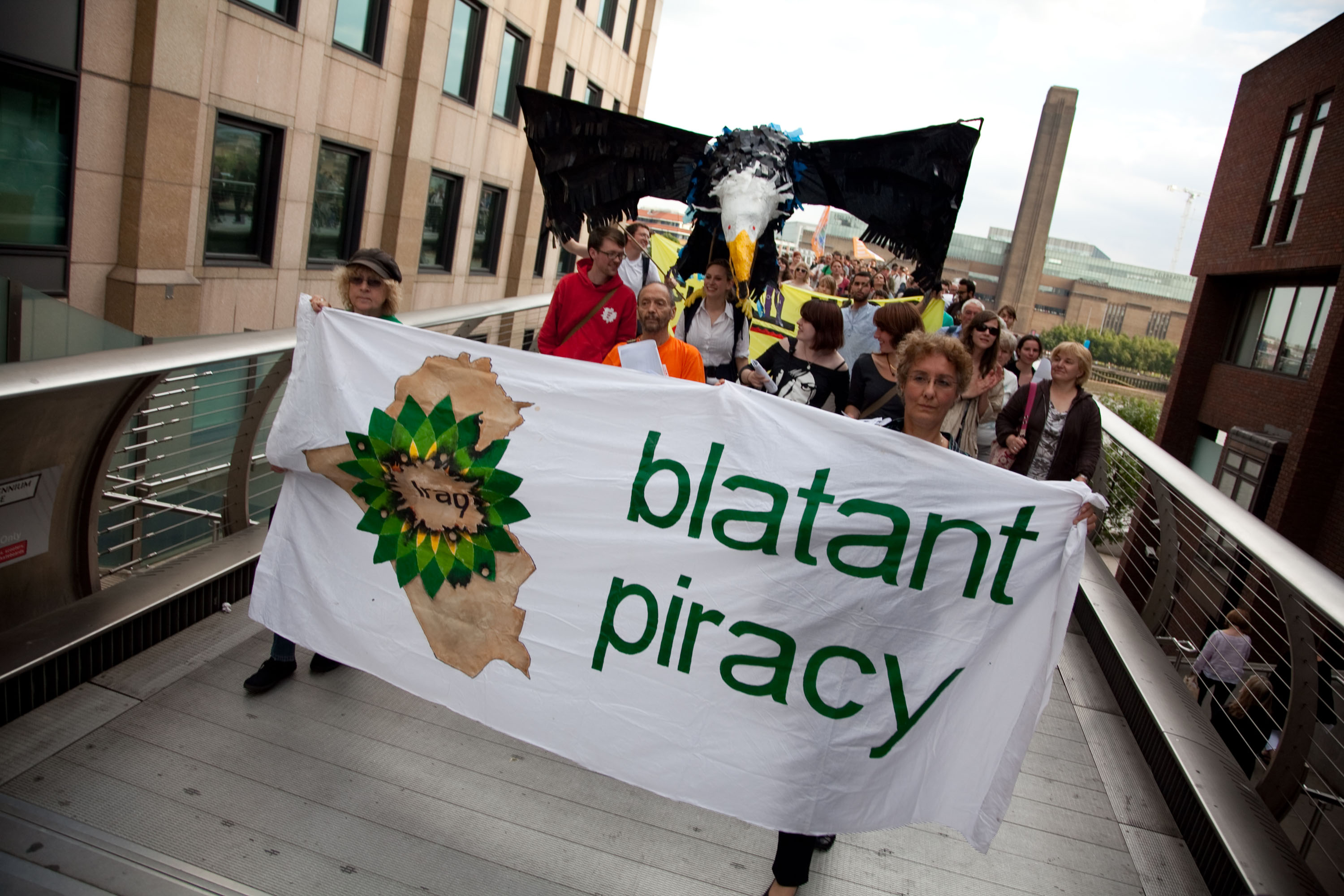
Drum it Out 1Drum it Out 2As oil exec­u­tives gath­ered at a Lon­don hotel for their annu­al strate­gis­ing con­fer­ence on Mon­day 21st June, up to 200 cli­mate activists crossed the riv­er from BP-spon­sored Tate Mod­ern to con­verge on the front entrance with a sam­ba band and a giant paper-mache oil-cov­ered seabird.

Titled “Drum It Out”, the protest also put the indus­try on tri­al before a Peo­ple’s Court which loud­ly found it guilty of crimes of pol­lu­tion, war crimes, cli­mate crime, and more.

The court heard live tes­ti­mo­ny by wit­ness­es not only from the Gulf, but from Nige­ria, Ghana, Colom­bia, Peru, from Iraq which has suf­fered the dev­as­ta­tion of a war for oil, from Cana­da where indige­nous peo­ple are resist­ing the Tar Sands oil project destroy­ing a land as large as Eng­land, and from Kenya and Chi­na which are suf­fer­ing droughts as a result of the chang­ing cli­mate. “The Gulf of Mex­i­co is not the only dis­as­ter,” the pro­test­ers said — “in fact it’s not even the largest, and in some places this destruc­tion of life has been going on for decades. The oil indus­try is not sus­tain­able. They think they rule the world, but they are fac­ing resis­tance every­where. They can­not come to this hotel and think they will car­ry on busi­ness as usu­al”.

A dead fish award was pre­sent­ed to Bloody Oil in its var­i­ous com­pa­ny guis­es, and a “fish” was deliv­ered to the hotel to be passed on to Con­gress del­e­gates.

Fol­low­ing the tri­al, the main and back entrance were besieged by the drum­ming crowd, with no injuries and no arrests. Two activists who had suc­ceed­ed in pen­e­trat­ing the build­ing were uncer­e­mo­ni­ous­ly eject­ed. The Drum Out will be fol­lowed this Sat­ur­day by a Teach In, at the School of Ori­en­tal and African Stud­ies, where cam­paign­ers will learn more about the ongo­ing resis­tance by work­ers and com­mu­ni­ties in oil regions, will link-up live with organ­is­ers in Ghana, and will dis­cuss how to work togeth­er to bring the indus­try down. One pro­test­er com­ment­ed, “If even half the mon­ey invest­ed in sub­si­dis­ing oil, clean­ing up its dis­as­ters and fund­ing its wars were devot­ed to alter­na­tive forms of ener­gy, peo­ple would­n’t be suf­fer­ing these out­rages, and the plan­et would be safe.”

london[at]climatecamp.org.uk

Watch the Video http://www.youandifilms.com/2010/06/bloody-oil-drum-em-out/

Sea Shepherd Attacked in Libyan Waters again (+ eye-witness account)

19th June 2010

Sea Shep­herd ves­sel, the Steve Irwin, was attacked today in Libyan waters as it attempt­ed to free Bluefin from cages. Their Oper­a­tion Blue Rage has gone swim­ming­ly until now, and the Steve Irwin is cur­rent­ly head­ing up to Inter­na­tion­al waters.

19th June 2010

Sea Shep­herd ves­sel, the Steve Irwin, was attacked today in Libyan waters as it attempt­ed to free Bluefin from cages. Their Oper­a­tion Blue Rage has gone swim­ming­ly until now, and the Steve Irwin is cur­rent­ly head­ing up to Inter­na­tion­al waters.

This lat­est attack is omi­nous, con­sid­er­ing Cap­tain Bethune’s recent tri­al in Japan. Bethune was found guilty of sev­er­al charges after he board­ed the ship of a cap­tain respon­si­ble for ram­ming and sink­ing a Sea Shep­herd ves­sel under his com­mand.

To make mat­ters worse, for­mer allies with the WWF and Green­peace have turned tail on the inter­na­tion­al whal­ing ban that has been in effect for over two decades, leav­ing Sea Shep­herd, which employs direct action on the side of Inter­na­tion­al law by using aggres­sive meth­ods to deter whal­ing ves­sels, in the lurch.

Steve Irwin Attacked in Libyan Waters
Oper­a­tion Blue Rage: Day Twelve of the Mediter­ranean Patrol

Sat­ur­day, June 19th, 2010
Loca­tion: Off the Coast of Libya

At 0900 Hours the Sea Shep­herd ship Steve Irwin moved into Libyan waters to inspect the remain­ing cage being towed by the Ital­ian ves­sel Cesare Rus­ti­co. With the Sea Shep­herd heli­copter over­head, our inflat­able Delta boat and dive team approached the cage.

The Cesare Rus­ti­co dropped the tow line and turned to defend the cage. At the same time the fish­ing ves­sels the Tagreft and the Rab­bah 1060, along with the trawler Mis­urate 96, moved in quick­ly to defend their ille­gal catch of Bluefin.

Imme­di­ate­ly and with­out warn­ing, the Steve Irwin was attacked with a bar­rage of flares aimed at the wheel­house and the crew on deck. The Cesare Rus­ti­co issued a May Day dis­tress sig­nal say­ing they were under attack by the Steve Irwin even though the our crew had mere­ly approached the cage to inspect the catch. Most wor­ry­ing was the fact that the Sea Shep­herd heli­copter pilot­ed by Chris Ault­man was paint­ed by the Libyan air­borne radar sys­tem.

At that point, in the inter­est of safe­ty, I ordered the Delta inflat­able and heli­copter to return to the Steve Irwin. We then retreat­ed to a safe dis­tance away from the waters claimed by Libya. The two ves­sels Tagreft and the Rab­bah 1060 pur­sued and con­tin­ued to fire flares at the us. We were able to lose them quick­ly.

The Cap­tain of the Cesare Rus­ti­co radioed the Tagreft and Rab­bah 1060 to, “do what­ev­er you can to dam­age them so they will nev­er return.”

The Cap­tain of the Cesare Rus­ti­co said that the Libyan Navy was with­in a few miles and clos­ing in. How­ev­er there were no Libyan naval ves­sels with­in thir­ty miles on the radar.

Yes­ter­day the Steve Irwin request­ed the assis­tance of the Green­peace ship Arc­tic Sun­rise to lib­er­ate the esti­mat­ed 800 Bluefin tuna in this cage but they declined to assist. A con­tact with­in Green­peace informed us that under no cir­cum­stances was Green­peace to enter waters claimed by Libya..

The Steve Irwin is now head­ing towards Cyprus and Turkey in search of Bluefin poach­ers.

—-

This is an eye­wit­ness account from an action by the Sea Shep­herd Con­ser­va­tion Soci­ety, which set out onto the Mediter­ranean Sea last month in search of bluefin tuna poach­ers. As one of the most valu­able fish in the world, the bluefin pop­u­la­tions in the Mediter­ranean region have been reduced by over 85% in the last 50 years due to relent­less indus­tri­al over­fish­ing. Crew mem­ber Wietse van der Werf reports.

It is night when we enter Libyan waters. Every­one on the ship is excit­ed, yet some­what anx­ious about what is com­ing. We are the first to enter these waters in search of ille­gal bluefin tuna fish­ing. Nei­ther observers from the Inter­na­tion­al Com­mis­sion for the Con­ser­va­tion of Atlantic Tunas (ICCAT), which ‘man­ages’ the fish­ery, nor French or Mal­tese navy ves­sels oper­ate here. We are deter­mined to find a float­ing cage full of ille­gal­ly caught bluefin tuna, by now an endan­gered fish, and release them.

Our heli­copter has been out for some time when it spots a tar­get. Two tugs, tow­ing a cage each, both full of tuna and head­ed for the tuna fat­ten­ing farms in Mal­ta. Down in the engine room we work to get the ship the extra thrust it needs to arrive at the tar­get as soon as pos­si­ble. Hav­ing a quick look up on deck, I can spot two ves­sels on the hori­zon. Around here you don’t have to look far to find ille­gal fish­ing.

Clos­er to the ves­sels we request per­mis­sion to inspect the fish. Only a cer­tain per­cent­age of under­sized fish, known as juve­niles, are allowed. This is often where the vio­la­tions occur. Our request is refused. The fish­er­men state that the fish were caught on the last day of the allowed fish­ing sea­son and that the cage con­tains the catch from eight dif­fer­ent fish­ing ships. The sto­ry does­n’t add up. The bad weath­er con­di­tions in the fish­ing grounds we have wit­nessed in the last few days, which make fish­ing vir­tu­al­ly impos­si­ble, and the rel­a­tive­ly short dis­tance the boats are from the fish­ing grounds make us high­ly sus­pi­cious of their sto­ry.

The engine room phone rings. ‘Hold on, we’re putting the bow over the cage to see what’s inside’. We hold on and feel a shud­der going through the ship as we park it against the cage. At that moment one of the fish­ing ves­sels, Rosaria Tuna, moves at speed towards us. Unhin­dered by our larg­er size, it smash­es its bow into our port side. With a loud bang, steel bends and paint flakes off. One of the fish­er­men threat­ens us by swing­ing a pole with a large hook on its end across the deck. We respond by drop­ping a few bot­tles of rot­ten but­ter on their deck and they retreat. By now our ship is nosed in the pen and when it’s clear that there are many tuna inside, our divers get ready for a clos­er inspec­tion.

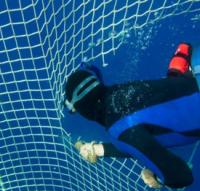
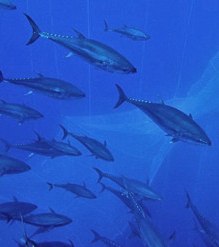
We move away from the pen and to our dis­be­lief the Rosaria Tuna starts mov­ing away from the scene. Once we have moved about a mile off and our divers are ready we turn and re-approach. This is our chance. With Rosaria Tuna mov­ing off in the dis­tance and the oth­er tug­boat Cesare Rus­ti­co stand­ing by, our divers jump in the pen. Mean­while the oth­er tug has turned and approach­es at full speed. The divers report back that they can see a large num­ber of juve­niles inside. We decide to inter­vene. The divers descend and start cut­ting the net. With­in min­utes the gigan­tic net is start­ing to move and the first tuna are curi­ous­ly mov­ing out through the new open­ing. As we stand on the bow we can see a few fish swim­ming away from the cage, then more and more until it is entire­ly emp­ty. Eight hun­dred fish escape.

Every­one on the ship is in a state of eupho­ria. High fives, hugs and smiles all around. It is the first time any­one has man­aged to free bluefin tuna out of one of the numer­ous float­ing cages in the Mediter­ranean. With a mar­ket val­ue exceed­ing sev­en fig­ures, this is a big deal. As the tug is get­ting close to our star­board side and our divers are back in the inflat­able boat, we turn sharply and start head­ing off. Repeat­ed MAYDAY calls from the dumb­found­ed fish­er­men come through the radio as we haul up our lit­tle boat and head north at full speed. With­in the hour rumours are cir­cu­lat­ing that the Libyan navy is on its way, but with us near­ly out of their waters there is lit­tle they can do. On the Libyan front it stays qui­et. Per­haps the coun­try isn’t will­ing to give atten­tion to our action because they don’t want the world to see that they have let poach­ers oper­ate with­in their waters unhin­dered for so long. A sur­veil­lance plane cir­cles over us the next day as we con­tin­ue on a steady course back to land.

With more than 85% of the Mediter­ranean bluefin tuna pop­u­la­tions killed off in the last 50 years, the stakes are high­er than ever. The spawn­ing bluefin tuna females could be wiped out as soon as 2012. Since the fail­ure to add the threat­ened fish to CITES (the UN threat­ened species list) due to intense lob­by­ing from Japan, the issue has been in a polit­i­cal dead­lock. The need for action is more acute than ever. The bluefin tuna stands as a sym­bol for the way in which we con­tin­ue to use the oceans as an inex­haustible resource with­out regard for the con­se­quences which inevitably lie ahead. The oceans are in cri­sis. As the most impor­tant life sup­port sys­tem on earth we sim­ply can­not afford to let it be dam­aged any fur­ther.

Steve Irwin Attacked in Libyan Waters

Steve Irwin Rammed by Bluefin Fish­ery Ves­sel;
Sea Shep­herd Crew Repel Vio­lent Assault by Fish­er­men;
Libyan Navy in Pur­suit of the Steve Irwin

Bluefin tuna nets - Blue Rage campaignCutting tuna netsBluefin tuna swim to freedomSteve Irwin Rammed by Bluefin Fish­ery Ves­sel;
Sea Shep­herd Crew Repel Vio­lent Assault by Fish­er­men;
Libyan Navy in Pur­suit of the Steve Irwin
Oper­a­tion Blue Rage: Day Ten of the Mediter­ranean Patrol

Thurs­day, June 17th, 2010
Loca­tion: Off the Coast of Libya

Report by Cap­tain Paul Wat­son, Steve Irwin

Sea Shepherd’s heli­copter recon­nais­sance flight this morn­ing found two fish­ing ves­sels. One was engaged in trans­fer­ring bluefin tuna into one of the two nets being towed by the oth­er ves­sel.

The bluefin fish­ery ves­sels were inside waters claimed by Libya and about 42 miles off the coast of North Africa.

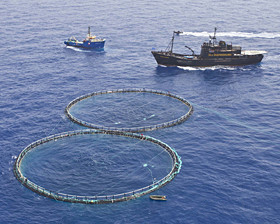
At 1300 hours, the Steve Irwin came upon the Ital­ian ves­sel Cesare Rus­ti­co tow­ing two cages; one con­tained about 800 fish (the oth­er was emp­ty).

The Cap­tain of the Cesare Rus­ti­co said when ques­tioned that the tuna were caught on the morn­ing of the 14th by the Libyan ves­sel Tagreft. When we replied that the num­ber of tuna in the cage exceed­ed the quo­ta for the Tagreft, the Cap­tain said the cage also includ­ed tuna from sev­en oth­er Libyan sein­ers. All the catch­es were caught on the 14th, the last legal day, accord­ing to the Cap­tain. The oth­er sev­en sein­ers named were the Khand­heel 2, Hani­bal, Ozul 2, Almad­i­na, Mori­na, and Khaleej Elta­ha­di and one oth­er that he had no name for. The prob­lem with this expla­na­tion was that we had observed the Khand­heel 2 on the 13th and 14th of June, and it was not fish­ing. In addi­tion, weath­er con­di­tions for those two days made fish­ing vir­tu­al­ly impos­si­ble. The extreme­ly dif­fi­cult con­di­tions, cou­pled with the posi­tion of the cages only 40 miles off the Libyan coast, when they should have been mov­ing 25 miles a day, sug­gest­ed to us that the fish were fresh­ly caught with­in the last three days at the most.

Their state­ment that all the catch­es were caught on the 14th sound­ed much too con­ve­nient, so we asked to exam­ine the fish for juve­niles. We were refused. I then put the bow of the Steve Irwin onto the cage so we could look into the cage from the bow to exam­ine it fur­ther.

Sud­den­ly, the Mal­tese ves­sel Rosaria Tuna rammed the Steve Irwin on the aft port side and slid along­side the port rail, as a fish­er­man tried to vio­lent­ly gaff Sea Shep­herd crewmem­bers with a long, sharp-hooked pole.

The Steve Irwin crew retal­i­at­ed with 8 liters of rot­ten but­ter forc­ing the fish­ing ves­sel to retreat and to stand off.

At 1530 hours, the two fish­ing ves­sels cir­cled their cages defen­sive­ly and the Sea Shep­herd ship Steve Irwin stood off to noti­fy ICCAT (Inter­na­tion­al Com­mis­sion for the Con­ser­va­tion of Atlantic Tuna) of pos­si­ble vio­la­tions. They did not respond.

The Jean Char­cot, the ICCAT inspec­tion ves­sel will not ven­ture south of 33 Degrees 40 Min­utes North.

With two fish­ing ves­sels con­tain­ing angry Ital­ian crews, there were risks involved with get­ting into the water to assess the bluefin catch. But if the catch was ille­gal, Sea Shep­herd divers knew they must cut the nets and free the bluefin tuna.

Some­times it is nec­es­sary to do what needs to be done despite the risks. The risk of los­ing the bluefin tuna as a species is far more impor­tant than the risks to our own lives and free­dom.

And so we decid­ed to free the tuna.

At 1600 hours, a five-per­son dive crew entered one of two cages being towed by the Ital­ian fish­ing ves­sel Cesare Rus­ti­co.

As the Steve Irwin held off the Cesare Rus­ti­co and the sup­port ship Rosaria Tuna, the Sea Shep­herd crew dove into the net to iden­ti­fy the size, age, and quan­ti­ty of the bluefin tuna with­in. Once it was clear­ly estab­lished that the cage was over­stocked and that a high per­cent­age were juve­niles, Sea Shep­herd divers freed the 700–800 tuna.

It is our posi­tion that the bluefin tuna we freed from that cage held a large num­ber of juve­niles and that the fish were caught after the offi­cial clo­sure of the sea­son. It is also our posi­tion that the fish that we freed exceed­ed the quo­ta.

A large per­cent­age of the tuna were juve­niles and from the posi­tion of the cages and the fact that the entire Mediter­ranean bluefin tuna fish­ery closed at mid­night on June 14th, Sea Shep­herd is con­vinced that this catch was caught after June 14 and there­fore Sea Shep­herd holds the posi­tion that this oper­a­tion by these two ves­sels was ille­gal.*

The Sea Shep­herd Con­ser­va­tion Soci­ety is not a protest orga­ni­za­tion. Sea Shep­herd is an anti-poach­ing orga­ni­za­tion and these two sein­ers are poach­ers.

A Sea Shep­herd cam­era­man filmed the release of the fish from the cen­tre of the cage and swim­mers con­firmed that all 700–800 tuna inside the enclo­sure were freed.

“They shot out of that net like race­hors­es,” said Cana­di­an cam­era­man Simon Ager.

After free­ing the bluefin tuna, the Steve Irwin head­ed north and out of the waters claimed by Libya. The Mal­tese media report­ed that Libya had dis­patched war­ships to pur­sue the Steve Irwin.

There are claims in the Mal­tese press that a bluefin tuna fish­er­man was injured by our actions. No one on the Steve Irwin, in the heli­copter, or in the Delta saw any inci­dent where a fish­er­man was injured. We saw one man dive into the water from the side of the cage. Then, we saw him get up and give us the rude Ital­ian arm sig­nal. Anoth­er fish­er­man slashed at the crew with a hook on the end of a long pole, and one of the ves­sels rammed us in the port stern area.

* Notes

Giv­en the very bad weath­er con­di­tions in the zone north of Tripoli until the clo­sure of the legal fish­ing sea­son on June 14th, it is impos­si­ble that this catch was tak­en dur­ing the legal sea­son. The tuna were caught post-clo­sure, dur­ing a peri­od of very calm weath­er that has pre­dom­i­nat­ed over the area since the 15th.

Legal Sea­son:
Wind speed 12th June: 20–35 knots / Seas 1–2 meters
Wind speed 13th June: 20–25 knots / Seas 1–2 meters
Wind speed 14th June: 10–20 knots / Seas 1–2 meters

Post clo­sure:
Wind speed 15th June: 10–15 knots / Seas 1 meter
Wind speed 16th June: 15 knots / Seas 1 meter Wind speed 17th June: 10 knots / Seas 1 meter

The Steve Irwin passed the Khan­deel 2 (one of the ves­sels on the BCD doc­u­ment read over the VHF radio) on the 13th at 1230 at 33*36 / 13*55, less than 20 miles from where we encoun­tered the cages towed by Cesare Rus­ti­co and Rosario Tuna on the 17th, and it was not fish­ing. The weath­er was rough.

Giv­en the loca­tion of the cap­ture, and the loca­tion of the tow ves­sel, it is impos­si­ble the catch was made 3 days ago. Head­ing towards Mal­ta with an aver­age 25 miles per day, the ves­sel and cage would have been much fur­ther north (the ves­sel was in very calm weath­er sit­ting still wait­ing a sec­ond ves­sel).

Vis­it our Oper­a­tion Blue Rage Cam­paign site — http://www.seashepherd.org/blue-rage/