“Court Documents Prove I was Sent to Communication Management Units for my Political Speech”


by Daniel McGowan


by Daniel McGowan

I cur­rent­ly reside at a halfway house in Brook­lyn, serv­ing out the last few months of a sev­en-year sen­tence for my role in arsons cred­it­ed to the Earth Lib­er­a­tion Front (ELF) at two lum­ber com­pa­nies in Ore­gon in 2001.  My case, and the fed­er­al government’s rush to pros­e­cute envi­ron­men­tal activism as a form of ter­ror­ism, were recent­ly explored in the Oscar-nom­i­nat­ed doc­u­men­tary, If a Tree Falls: A Sto­ry of the Earth Lib­er­a­tion Front

if a tree falls 10499656-largeWhat has received less atten­tion, though, is what hap­pened to me while in fed­er­al prison.  I was a low secu­ri­ty pris­on­er with a spot­less dis­ci­pli­nary record, and my sen­tenc­ing judge rec­om­mend­ed that I be held at a prison close to home.  But one year into my sen­tence, I was abrupt­ly trans­ferred to an exper­i­men­tal seg­re­ga­tion unit, opened under the Bush Admin­is­tra­tion, that is euphemisti­cal­ly called a “Com­mu­ni­ca­tion Man­age­ment Unit” (CMU) Since August 2008, when I first arrived at the CMU, I have been try­ing to get answers as to why I was sin­gled out to be sent there.  Only now — three years after I filed a fed­er­al law­suit to get to the truth — have I learned why the Fed­er­al Bureau of Pris­ons (BOP) sent me to the CMU: they sim­ply did not like what I had to say in my pub­lished writ­ing and per­son­al let­ters.  In short, based on its dis­agree­ment with my polit­i­cal views, the gov­ern­ment sent me to a prison unit from which it would be hard­er for me to be heard, serv­ing as a pun­ish­ment for my beliefs.

The first of the two CMUs was opened qui­et­ly, with­out the pub­lic scruti­ny required by law, in 2006 in Terre Haute, Indi­ana; the Mar­i­on, Illi­nois CMU fol­lowed in 2008.  In fact, at a hear­ing in my case before I was sen­tenced, my attor­neys argued that giv­ing me the “ter­ror­ism enhance­ment” could result in my des­ig­na­tion to a CMU.  How right they were! The units are designed to iso­late pris­on­ers from the rest of the pris­on­er pop­u­la­tion, and more impor­tant­ly, from the rest of the world.  They impose strict lim­i­ta­tions on your phone calls home and vis­its from fam­i­ly and friends — you have far less access to calls and vis­its than in gen­er­al pop­u­la­tion.  The com­mu­ni­ca­tions restric­tions at the CMUs are, in some respects, harsh­er than those at ADX, the noto­ri­ous fed­er­al “Super­max” prison in Col­orado.  Also, unlike ADX, they are not based on a pris­on­ers’  dis­ci­pli­nary vio­la­tions. When my wife and loved ones vis­it­ed me at the CMUs, we were banned from any phys­i­cal con­tact what­so­ev­er.  All inter­ac­tions where con­duct­ed over a tele­phone, with Plex­i­glas  and bars between us.  Until they were threat­ened with legal action, CMU pris­on­ers were only allowed one sin­gle 15-minute phone call per week.

T-shirt design from Daniel's support campaign. These can still be ordered here.

T‑shirt design from Daniel’s sup­port cam­paign. These can still be ordered here.

This is very dif­fer­ent from most pris­ons.  I start­ed my sen­tence at FCI Sand­stone — a low secu­ri­ty facil­i­ty in Min­neso­ta.  I nev­er received a sin­gle inci­dent report the whole time I was there and stayed in touch with my fam­i­ly by phone and through vis­its.  The impor­tance of main­tain­ing these fam­i­ly con­nec­tions can­not be over­stat­ed.  My calls home were, for exam­ple, the only way I could build a rela­tion­ship with my then two-and-a-half year old niece.   When my fam­i­ly would vis­it, it was incred­i­bly impor­tant to all of us to be able to hug and hold hands in a brief moment of semi-nor­mal­cy and inti­ma­cy. It was these vis­its that allowed us to main­tain our close con­tact with each oth­er through a time of phys­i­cal dis­con­nec­tion, trau­ma and dis­tress.

What’s also notable about the CMUs is who is sent there. It became quick­ly obvi­ous to me that many CMU pris­on­ers were there because of their reli­gion or in retal­i­a­tion for their speech. By my count, around two-thirds of the men are Mus­lim, many of whom have been caught up in the so-called “war on ter­ror,” oth­ers who just spoke out for their rights or alleged­ly took lead­er­ship posi­tions in the Mus­lim com­mu­ni­ty at oth­er facil­i­ties. Some, like me, were pris­on­ers who have polit­i­cal views and per­spec­tives that are not shared by the Depart­ment of Jus­tice.

While serv­ing my time I was eager to stay involved in the social jus­tice move­ments I care about, so I con­tin­ued to write polit­i­cal pieces, some of which were pub­lished on this web­site [the Huff­in­g­ton Post].  No one in the BOP ever told me to stop, or warned me that I was vio­lat­ing any rules.  But then, with­out a word of warn­ing, I was called to the dis­charge area one after­noon in May 2008 and sent to the CMU at Mar­i­on.  Ten days after I arrived, still con­fused about where I was and why, I was giv­en a sin­gle sheet of paper called a “Notice of Trans­fer.”  It includ­ed a few sen­tences about my con­vic­tion, much of which was incor­rect, by way of expla­na­tion for my CMU des­ig­na­tion.  I was pro­vid­ed no oth­er infor­ma­tion about why the BOP believed I need­ed to be sent to this iso­la­tion unit.  Frus­trat­ed, I filed admin­is­tra­tive griev­ances to try to get the infor­ma­tion cor­rect­ed, and find out how this deci­sion had been made.  When that did not work, I filed a request for doc­u­ments under the Free­dom of Infor­ma­tion Act.  I got nowhere.  The BOP would not fix the infor­ma­tion, and wouldn’t explain why they thought I belonged in a CMU.

So I decid­ed to con­tact lawyers at the Cen­ter for Con­sti­tu­tion­al Rights, hav­ing known their his­to­ry of strong advo­ca­cy on these issues. We brought a fed­er­al law­suit on behalf of myself and oth­er CMU pris­on­ers to chal­lenge poli­cies, prac­tices and our des­ig­na­tion to the CMUs. The law­suit, Aref v. Hold­er, was filed in April 2010, and chal­lenges the con­sti­tu­tion­al­i­ty of var­i­ous polices and prac­tices at the CMUs, includ­ing the lack of mean­ing­ful process asso­ci­at­ed with des­ig­na­tion to the units, and the lack of any mean­ing­ful way to “step down” from the units.  The law­suit con­tends that this lack of trans­paren­cy and process has allowed peo­ple to be sent to the CMUs based on, for exam­ple, their pro­tect­ed speech.  Through dis­cov­ery in the case, the fed­er­al gov­ern­ment has final­ly been forced to hand over pre­vi­ous­ly-unseen mem­o­ran­da  explain­ing why I was picked out to be sent a CMU.  Authored by Leslie Smith, the Chief of the BOP’s so-called “Counter Ter­ror­ism Unit,” and cat­a­loging in detail some of the things I have said in the past years, they make one thing clear: I was sent to the CMU on the basis of speech that the BOP just dis­agrees with.

The fol­low­ing speech is list­ed in these mem­os to jus­ti­fy my des­ig­na­tion to these ultra-restric­tive units:

My attempts to “unite” envi­ron­men­tal and ani­mal lib­er­a­tion move­ments, and to “edu­cate” new mem­bers of the move­ment about errors of the past; my writ­ings about “whether mil­i­tan­cy is tru­ly effec­tive in all sit­u­a­tions”; a let­ter I wrote dis­cussing bring­ing uni­ty to the envi­ron­men­tal move­ment by focus­ing on glob­al issues; the fact that I was “pub­lish­ing [my] points of view on the inter­net in an attempt to act as a spokesper­son for the move­ment”; and the BOP’s belief that, through my writ­ing, I have “con­tin­ued to demon­strate [my] sup­port for anar­chist and rad­i­cal envi­ron­men­tal ter­ror­ist groups.”

The fed­er­al gov­ern­ment may not agree with or like what I have to say about the envi­ron­men­tal move­ment, or oth­er social jus­tice issues. I do not par­tic­u­lar­ly care as the role of an activist is not to tai­lor one’s views to those in pow­er. But as Aref v. Hold­er con­tends, every­thing I have writ­ten is core polit­i­cal speech that is pro­tect­ed by the First Amend­ment.  It may be true that courts have held that a prisoner’s free­dom of speech is more restrict­ed than that of oth­er mem­bers of the pub­lic.  But no court has ever said that means that a pris­on­er is not free to express polit­i­cal views and beliefs that pose no dan­ger to prison secu­ri­ty and do not involve crim­i­nal acts.  In fact, decades of First Amend­ment jurispru­dence has refused to tol­er­ate restric­tions that are con­tent-based and moti­vat­ed by the sup­pres­sion of expres­sion.  And courts have rec­og­nized that when a pris­on­er is writ­ing to an audi­ence in the out­side world, as I was, it’s not just the prisoner’s First Amend­ment rights that are at stake: the entire public’s free­dom of speech is impli­cat­ed.

I do not know what is hap­pen­ing with the men I got to know in the CMUs but I know they are still deal­ing with every­thing I had to deal with — iso­la­tion from the out­side world, strained rela­tion­ships, always being on eggshells about the con­stant sur­veil­lance and nev­er know­ing when they will get out of the CMU. 

It is becom­ing increas­ing­ly clear that the BOP is using these units to silence peo­ple, and to crack down on unpop­u­lar polit­i­cal speech. They have become units where the BOP can dump pris­on­ers they have issues with or whose polit­i­cal beliefs they find anath­e­ma. In the months that come, with CCR’s help, I hope to prove that in court and show what is hap­pen­ing at the CMUs. This needs to be dragged into the sun­light.

Fol­low Daniel McGowan on Twit­ter: www.twitter.com/@thetinyraccoon
Stop Tar Sands Profiteers Week of Action a Huge Success

Mosiac_bigger-590x1024

Mosiac_bigger-590x1024

Over 50 grass­roots orga­ni­za­tions across the US and Cana­da held 50 actions from March 16th to March 23rd to demon­strate that TransCanada’s Key­stone XL tar sands pipeline is a tox­ic invest­ment.

Here’s an overview of what hap­pened every day along with details at the bot­tom of this post:

March 16, 17: Week of Action Kicks Off With Cre­ativ­i­ty Across The Coun­try
March 18: Block­ades and Bikes From Coast to Coast
March 19: TD Bank Slammed as Tar Sands Prof­i­teer
March 20: Tran­sCana­da Office Shut Down – Big Banks Called Out For Bankrolling Coal & KXL
March 21: Twen­ty Arrest­ed at Two Sep­a­rate KXL Protests in DC — Hun­dreds March with Idle No More in Seat­tle
March 22: Asheville Pro­test­ers Shut Down TD Bank, Four Arrest­ed. Two arrest­ed at TC office in West­bor­ough
March 23: Over 60 Peo­ple Block­ade Chevron Tar Sands Refin­ery in Utah — NYC and DC Call Out TD Bank

Over 50 actions and events hap­pened this week to direct­ly con­front the cor­po­rate prof­i­teers bankrolling the Key­stone XL pipeline and the broad­er tar sands indus­try. These actions come at a crit­i­cal time as investor con­fi­dence in Alberta’s tar sands is wan­ing due to major delays and resis­tance to Key­stone XL’s con­struc­tion time­line.

The Key­stone XL project has become a flag­ship issue for the U.S. cli­mate move­ment and has spurred dozens of acts of civ­il dis­obe­di­ence and the largest cli­mate ral­ly in U.S. his­to­ry. But while 45,000 marched on the White House Pres­i­dent Oba­ma was golf­ing with oil exec­u­tives and the south­ern seg­ment of KXL in Texas and Okla­homa was still being built.

It’s becom­ing increas­ing­ly clear that we can­not rely on cor­po­ra­tion-fund­ed politi­cians to oppose cor­po­rate excess; we must engage this destruc­tive indus­try direct­ly. That’s what we’ve done in Texas, and it’s work­ing: in Feb­ru­ary, Tran­sCana­da report­ed low­er fourth-quar­ter earn­ings and admit­ted that the south­ern por­tion of Key­stone XL (the Gulf Coast Project) was way behind sched­ule and only 45 per­cent com­plet­ed. By show­ing up at their offices and putting a stop to “busi­ness as usu­al,” we can show tar sands investors that their lives would be eas­i­er and their busi­ness­es more secure if they invest­ed in projects that don’t endan­ger our com­mu­ni­ties’ health and the chance for a liv­able cli­mate.

We’ll be post­ing links and updates here through­out the Stop Tar Sands Prof­i­teers Week of Action as actions hap­pen!

Grass­roots activists from over 50 orga­ni­za­tions are unit­ing to send a strong mes­sage to the indus­try that Tran­sCana­da and its finan­cial back­ers must rethink their invest­ments in tar sands, the dirt­i­est fuel on the plan­et. We will demon­strate to com­pa­nies bankrolling KXL that their invest­ments are as tox­ic as the tar sands they want to pump through the pipeline. Activists are march­ing, hold­ing ral­lies, giv­ing train­ings, and phys­i­cal­ly dis­rupt­ing “busi­ness-as-usu­al” for those who seek to prof­it from the exploita­tion of mar­gin­al­ized peo­ple and the destruc­tion of our col­lec­tive future.

Some of the top tar sands prof­i­teers fac­ing protest this week: Tran­sCana­da, TD Bank, Valero Corp., and John Han­cock Life Insur­ance Co., to name a few.

Week of Action Updates:

Sat­ur­day and Sun­day, March 16 & 17 — Week of Action Kicks Off With Cre­ativ­i­ty Across the Coun­try

  • Activists in New Orleans block­ade two bus-loads of oil exec­u­tives includ­ing BP, Shell, Valero, and oth­er investors in tar sands and extrac­tion indus­tries.
  • Stun­ning tar sands ban­ner drop in Grand Coun­ty, Utah
  • Over 100 peo­ple hold “Funer­al for Our Future” in TransCanada’s West­bor­ough office – 25 arrest­ed
  • Over­pass light brigade in Wis­con­sin sends a bright mes­sage with lights: “Block Key­stone XL!”
  • Orga­niz­ers hold “Stop the Pipeline” ban­ners and march in the tra­di­tion­al St. Patty’s Day Parade in Boston
  • Train­ings and pre­sen­ta­tions on tar sands in Salt Lake City, Utah
  • Musi­cians sang #NoKXL themed songs in the Boston sub­way and passed out lit­er­a­ture

Mon­day, March 18th — Day 3: Block­ades and Bikes From Coast to Coast

  • Direct action train­ing camp in Okla­homa to stop KXL host­ed by Great Plains Tar Sands Resis­tance
  • Twelve peo­ple arrest­ed for blockad­ing a frack­ing pipeline in upstate New York
  • Port­land, Ore­gon takes bike tour of the city’s worst pol­luters
  • Dozens ral­ly out­side Nation­al Geo­graph­ic build­ing where Sec­re­tary Ker­ry was speak­ing in Wash­ing­ton, DC
  • Over 40 ral­lied out­side Michels Cor­po­rate office in death cos­tumes in Kirk­land, WA

Tues­day, March 19th — Day 4: TD Bank Slammed As Tar Sands Prof­i­teer

  • Three peo­ple lock them­selves inside a TD Bank in Wash­ing­ton, DC
  • Over three dozen ral­ly at TD Bank in Upstate New York this last week­end
  • Ban­ner drop pro­mot­ing the Week of Action appears in Okla­homa City
  • Dal­las-Fort Worth com­mu­ni­ty teach-in host­ed by local Uni­tar­i­an Uni­ver­sal­ists
  • Con­cerned cit­i­zens in Hous­ton pres­sure the City Coun­cil to sue Valero for pol­lu­tion vio­la­tions
  • Orga­niz­ers ral­ly next to rail line trans­port­ing tar sands in Newark, Delaware for refin­ing
  • Com­mu­ni­ty teach-in and film screen­ing in Houston’s tox­ic East End

Wednes­day, March 20th — Day 5: Tran­sCana­da Office Shut­down. Big Banks Called Out For Bankrolling Coal and KXL

  • Activists shut down work at Tran­sCana­da office in Oma­ha, Nebras­ka
  • Dozens of cli­mate jus­tice activists in Mont­pe­lier, Ver­mont ral­ly at TD Bank and close their accounts
  • Rain­for­est Action Net­work Boston Fights BAC (Bank of Amer­i­ca Cor­po­ra­tion)!
  • Hud­son Val­ley Earth First and the Green Team TD Bank Action in White Plains, New York

Thurs­day, March 21st — Day 6: Twen­ty Arrest­ed for #NoKXL Actions in Wash­ing­ton, DC – Hun­dreds March with Idle No More in Seat­tle

  • About 15 inter­faith lead­ers arrest­ed for civ­il dis­obe­di­ence at the White House
  • Five arrest­ed for occu­py­ing the lob­by of Valero in Wash­ing­ton, DC
  • Cre­ative sol­i­dar­i­ty ban­ner drop in Van­cou­ver
  • Over­pass light brigades in Gainesville and Tam­pa Bay, Flori­da dis­play mes­sages “No Key­stone XL”
  • Hun­dreds march with Idle No More Seat­tle against coal export ter­mi­nals
  • Ban­ner drop in Cush­ing, Okla­homa at the icon­ic “Pipeline Cross­roads of the World” sign
  • Hous­ton ral­lies at the cour­t­house to put Valero and Tran­sCana­da on trail along­side pol­luters like BP
  • North Texas Light Brigade lights up an over­pass with a mes­sage against tar sands
  • Idle No More Port­land drops ban­ner at ESCO head­quar­ters

Fri­day, March 22nd — Day 7:  Six Arrest­ed for Actions At Tran­sCana­da, TD Bank, John Han­cock Life Insur­ance Offices

  • Over 60 peo­ple shut down a TD Bank branch in Asheville, NC
  • Vet­er­ans For Peace and oth­ers enter TransCanada’s West­bor­ough Office – Two arrest­ed
  • Dozens ral­ly at John Han­cock Life Insur­ance in Los Ange­les
  • Pro­tes­tors out­side Dal­las, Texas call out John Han­cock Life Insur­ance for fund­ing a dead­ly pipeline
  • Newark, Delaware ral­lies to “Move Your Mon­ey” from TD Bank
  • Activists in Boul­der, Col­orado did a ban­ner hang over an over­pass
  • Bike brigade in Port­land, Ore­gon tours the city’s worst pol­luters
  • Activists in Den­ver ral­lied out­side the Governor’s man­sion and held a non­vi­o­lent direct action train­ing
  • Gath­er­ing for World Water Day in Port­land, Ore­gon to pro­tect it the Sacred Water from tar sands
  • Valero Cor­po­rate HQ in San Anto­nio tak­en over by the com­mu­ni­ty

Sat­ur­day, March 23rd — Day 8: Over 60 Peo­ple Block­ade Chevron Tar Sands Refin­ery in Utah — NYC and DC Call Out TD Bank

  • Over 60 Salt Lake City res­i­dents block­ad­ed the entrance to a Chevron tar sands refin­ery and turned away six trucks
  • Dozens in New York City hold a “Divest from TD Bank Day of Action!”
  • Activists in Wash­ing­ton, DC close off anoth­er TD Bank branch
  • Orga­niz­ers with Red Lake Block­ade of Enbridge in North­ern Min­neso­ta observe sol­i­dar­i­ty
  • Mem­phis, Ten­nessee res­i­dents ral­ly out­side a Valero refin­ery that explod­ed sev­er­al months ago
  • New Haven, Con­necti­cut Takes Action at Their Local TD Bank
  • Ban­ner drops in New Orleans
  • Idle No More and oth­er orga­ni­za­tions hold a big non­vi­o­lent direct action train­ing in San Fran­cis­co


Indigenous Panamanians Protest Dams Which Could Displace Thousands

25 March 2013
photo

25 March 2013
photo

Last week, indige­nous groups in west­ern Panamá once again clashed with police while protest­ing the con­struc­tion of the Bar­ro Blan­co dam. In 2012, sim­i­lar protests result­ed in the deaths of sev­er­al pro­test­ers and alleged human rights abus­es per­pe­trat­ed by the police. As the Pana­man­ian gov­ern­ment aggres­sive­ly expands its hydro capac­i­ties over the next few years, they will face more indige­nous resis­tance. How can they pur­sue their eco­nom­ic inter­ests with­out tram­pling the rights of their largest indige­nous pop­u­la­tion?  

With around 200,000 peo­ple, the Ngäbe (pro­nounced “naw-bey”) are the largest indige­nous group in Panamá. Like most indige­nous groups around the world, they have a long his­to­ry of being bul­lied, cheat­ed, and dis­placed by the gov­ern­ment.

In 1997, the Pana­man­ian gov­ern­ment signed Law 10, which gave the Ngäbe a semi-autonomous region in west­ern Panamá, the Comar­ca Ngäbe-Buglé. Non-Ngäbes are not allowed to own or devel­op land with­in the Comar­ca. How­ev­er, after dis­cov­er­ing a gigan­tic cop­per deposit and siz­able gold deposits, the gov­ern­ment began claim­ing that the indige­nous owned the land, but not what was beneath it. Min­ing efforts began and protests esca­lat­ed until last year, when a mul­ti-day protest and ensu­ing crack­down result­ed in two dead pro­tes­tors and mul­ti­ple alleged human rights abus­es, com­mit­ted by police. The Unit­ed Nations scold­ed the pres­i­dent for the abus­es and he signed a promise not to con­tin­ue min­ing efforts dur­ing his term (which ends next year). None of the police were tried for the alleged human rights abus­es.

With the min­ing threat tem­porar­i­ly sub­dued, the Ngäbe have turned their atten­tion to the Bar­ro Blan­co dam, which they claim will flood sev­er­al towns and dis­place up to 36,000 peo­ple. They addi­tion­al­ly claim that they were nev­er prop­er­ly con­sult­ed or giv­en a choice in the mat­ter. The Pana­man­ian gov­ern­ment and GENISA, the com­pa­ny respon­si­ble for the con­struc­tion, claim that no dis­place­ment or destruc­tion of native species will occur. The facts sur­round­ing the true envi­ron­men­tal impact are high­ly dis­put­ed and dif­fi­cult to ver­i­fy, but it seems clear that the true num­ber of affect­ed peo­ple prob­a­bly lays some­where between 0 and 36,000 – a fair­ly ridicu­lous range.  

Al Jazeera did a spe­cial “Peo­ple and Pow­er” report on the sit­u­a­tion last year, which is clear­ly biased in favor of the indige­nous; GENISA claims that it con­tains “incon­sis­ten­cies” and that Al Jazeera nev­er con­tact­ed them for com­ment.

How­ev­er, the report does high­light a dubi­ous val­i­da­tion process that bare­ly includ­ed indige­nous par­tic­i­pa­tion or con­sul­ta­tion, a process which has since been ques­tioned by the Inter­na­tion­al Rivers Net­work, as well as the Unit­ed Nations Spe­cial Rap­por­teur on the Rights of Indige­nous Peo­ples, who claims that only 58 non-indige­nous near the dam’s affect­ed area were inter­viewed; these 58 were used as the basis for val­i­da­tion of the project.

As a Peace Corps vol­un­teer who lived with the Ngäbe for two years and expe­ri­enced the protests first-hand, I can tell you that the Ngäbe are cer­tain­ly moti­vat­ed by the poten­tial envi­ron­men­tal impacts of these projects, many of which threat­en to ruin their way of life. But they are almost just as moti­vat­ed by a sim­ple desire to be treat­ed with respect. As more projects are pro­posed, the Ngäbe con­tin­ue to be treat­ed not as adverse­ly affect­ed cit­i­zens, but as obsta­cles to devel­op­ment.

The Pana­man­ian gov­ern­ment plans to add 30 more hydro projects by 2016, sev­er­al of which will affect indige­nous ter­ri­to­ry. The min­ing issue may be dor­mant for now, but I guar­an­tee that it will resur­face after the next elec­tion.

Before the next devel­op­ment project on or affect­ing indige­nous ter­ri­to­ry, the Pana­man­ian gov­ern­ment should define a pro­to­col for includ­ing the indige­nous in their val­i­da­tion process­es, as well as com­pen­sate them for the inevitable envi­ron­men­tal dam­age to their land. While this sounds earthy-crunchy, it would sim­ply be more effi­cient for the gov­ern­ment. They would not have to spend time and mon­ey quelling protests and address­ing the Unit­ed Nations, and they could use the ensu­ing sta­bil­i­ty to attract more for­eign investors.

If not, we will be hear­ing about many more abus­es in the next few years.

The Penan Blockade Against a New Gas Pipeline in Borneo — 22nd March

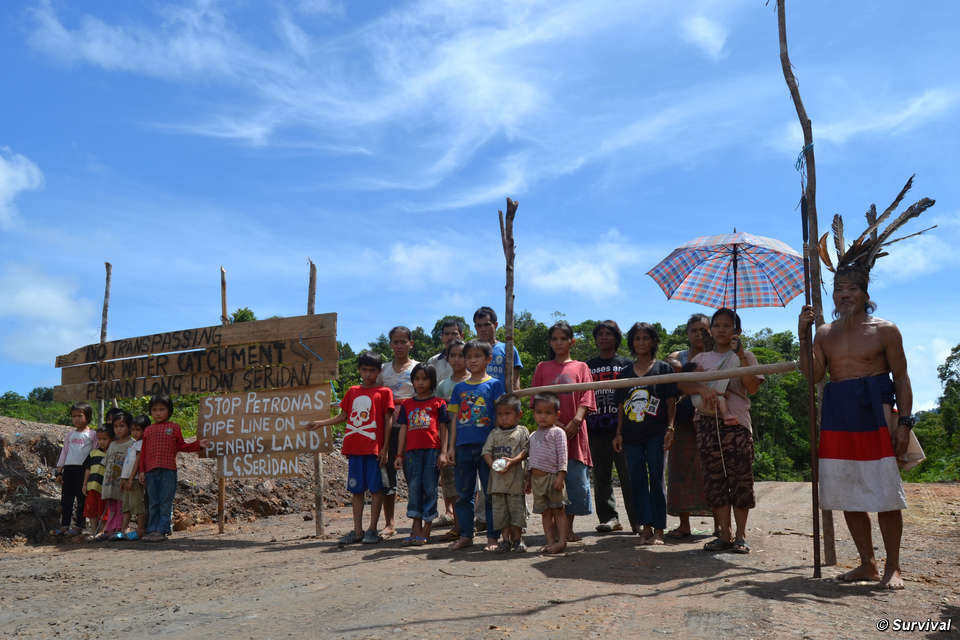
The Penan in Long Seridan are protesting against the building of a gas pipeline which is cutting through their ancestral land.© Survival

The Penan in Long Seridan are protesting against the building of a gas pipeline which is cutting through their ancestral land.© Survival

Penan from the Long Seri­dan region have mount­ed a block­ade to protest against the build­ing of a gas pipeline which is cut­ting through their ances­tral land and destroy­ing their source of drink­ing water.

The 500km pipeline is being built by the Malaysian nation­al oil com­pa­ny Petronas and is near­ing com­ple­tion. It will trans­port nat­ur­al gas from the Malaysian state of Sabah, south to the coast of Sarawak.

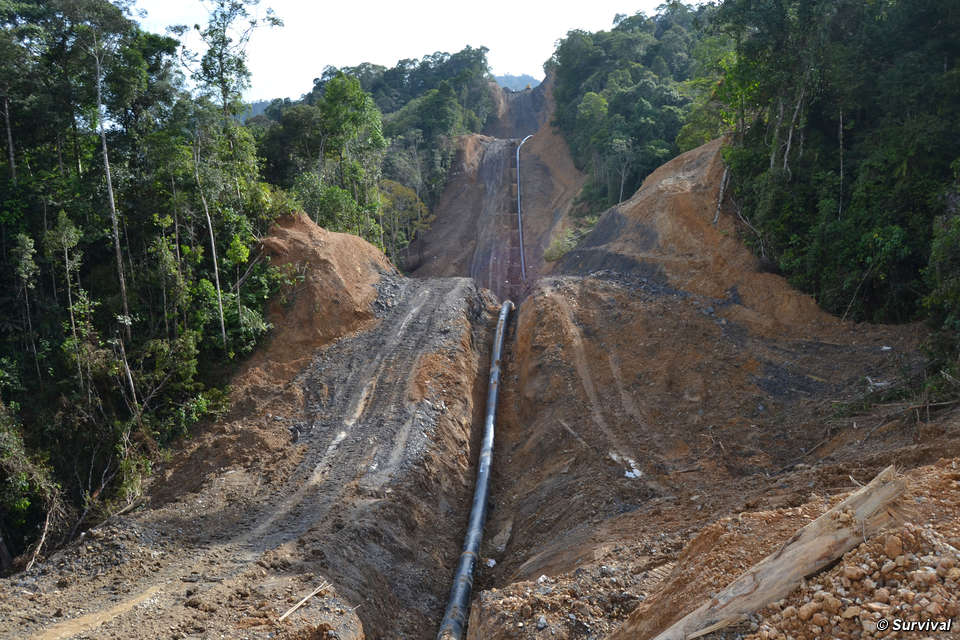
The pipeline cuts through the for­est of many Penan com­mu­ni­ties. It will make hunt­ing and gath­er­ing even more dif­fi­cult for the tribe, which is already fac­ing grave hard­ship after years of log­ging have dev­as­tat­ed their land.

The con­struc­tion of the gas pipeline has affect­ed many com­mu­ni­ties. One Penan man told Sur­vival, ‘If they build this pipeline through our land it is a way of killing us. How are we to sur­vive if they build this pipeline and we’re not able to move freely in our area – from one side to anoth­er?’

The 500km pipeline, built by the Malaysian national oil company Petronas, is cutting through the Penan's forest, making hunting difficult.© Survival

The Penan in Long Seri­dan began their block­ade against the pipeline almost three weeks ago and have vowed to con­tin­ue until their con­cerns are met.

At the same time, anoth­er group of Penan from Long Daloh, more than 60 km away, have also been protest­ing against log­ging on their land and the Baram dam which threat­ens to flood their homes and the for­est they rely on for their sur­vival.

If it goes ahead, the Baram dam will dis­place approx­i­mate­ly 20,000 trib­al peo­ple. Many Penan, and oth­er indige­nous com­mu­ni­ties, have already protest­ed against the Baram dam and called for it to be can­celled.

Penan protest against pipeline, logging and dam

22 March 2013

22 March 2013

The Penan in Long Seridan are protesting against the building of a gas pipeline which is cutting through their ancestral land.

Penan from the Long Seri­dan region have mount­ed a block­ade to protest against the build­ing of a gas pipeline which is cut­ting through their ances­tral land and destroy­ing their source of drink­ing water.

The 500km pipeline is being built by the Malaysian nation­al oil com­pa­ny Petronas and is near­ing com­ple­tion. It will trans­port nat­ur­al gas from the Malaysian state of Sabah, south to the coast of Sarawak.

The pipeline cuts through the for­est of many Penan com­mu­ni­ties. It will make hunt­ing and gath­er­ing even more dif­fi­cult for the tribe, which is already fac­ing grave hard­ship after years of log­ging have dev­as­tat­ed their land.

The con­struc­tion of the gas pipeline has affect­ed many com­mu­ni­ties. One Penan man told Sur­vival, ‘If they build this pipeline through our land it is a way of killing us. How are we to sur­vive if they build this pipeline and we’re not able to move freely in our area – from one side to anoth­er?’

The 500km pipeline, built by the Malaysian national oil company Petronas, is cutting through the Penan's forest, making hunting difficult.
The 500km pipeline, built by the Malaysian nation­al oil com­pa­ny Petronas, is cut­ting through the Penan’s for­est, mak­ing hunt­ing dif­fi­cult.

The Penan in Long Seri­dan began their block­ade against the pipeline almost three weeks ago and have vowed to con­tin­ue until their con­cerns are met.

At the same time, anoth­er group of Penan from Long Daloh, more than 60 km away, have also been protest­ing against log­ging on their land and the Baram dam which threat­ens to flood their homes and the for­est they rely on for their sur­vival.

If it goes ahead, the Baram dam will dis­place approx­i­mate­ly 20,000 trib­al peo­ple. Many Penan, and oth­er indige­nous com­mu­ni­ties, have already protest­ed against the Baram dam and called for it to be can­celled.


Katuah Earth First! Shuts Down TD Bank in Protest Against Kesytone XL

22nd March 2013taking over the lobby

Four arrest­ed at live­ly protest against fos­sil fuel infra­struc­ture

22nd March 2013taking over the lobby

Four arrest­ed at live­ly protest against fos­sil fuel infra­struc­ture

More pic­tures here

Asheville, NC —  60 peo­ple took to the streets today to protest the Key­stone XL pipeline in down­town Asheville. After a ral­ly in Pritchard Park, the march made its way to TD Bank, a major investor in the Key­stone XL pipeline and occu­pied the lob­by, forc­ing the bank to close for the rest of the day. Pro­tes­tors car­ried ban­ners read­ing, “Oba­ma, Your Pipedream is a Night­mare” and “TD Bank, divest from dirty oil.” Police arrest­ed four pro­test­ers who refused to leave until TD Bank agreed to divest from the tar sands indus­try.

The action was orga­nized by Asheville based Kat­u­ah Earth First! and is part of a week of nation­wide protests called for by Tar Sands Block­ade  a coali­tion of Texas landown­ers and envi­ron­men­tal­ists fight­ing the south­ern leg of the pipeline.

“We are going to hold account­able the com­pa­nies that threat­en our future with their dirty invest­ments. With every dol­lar TD Bank invests in the Key­stone XL pipeline we can feel the noose tight­en­ing around our necks,” said Pat­ty Petro­luse, a stu­dent in Asheville. TD Bank holds over 13 mil­lion shares in Tran­scana­da, the com­pa­ny build­ing the Key­stone XL pipeline.

“In a time of esca­lat­ing drought, wild­fires, and super-storms fueled by cli­mate change it is sui­ci­dal to invest bil­lions of dol­lars in new fos­sil fuel infra­struc­ture. The Key­stone XL pipeline would be deliv­er­ing the dirt­i­est fos­sil fuel imag­in­able, tar sands oil”, said Hen­ry Lowry.

If built, the pipeline would tear through thou­sands of miles of sen­si­tive ecosys­tems, farm­land, and Native Amer­i­can trib­al lands in order to deliv­er Cana­di­an tar sands oil to Gulf Coast refiner­ies. Con­trary to indus­try claims, the vast major­i­ty of the oil would be des­tined for export, not for US con­sump­tion. Canada’s tar sands oil has been labeled by envi­ron­men­tal groups as the “dirt­i­est project on earth.” Extrac­tion of tar sands requires mas­sive strip mines that have already destroyed hun­dreds of square miles of Canada’s bore­al for­est. Tar sands oil pro­duc­tion is extreme­ly ener­gy inten­sive and pro­duces far more green­house gas emis­sions than con­ven­tion­al oil.

The week of protest has seen protests in over 30 cities around the coun­try and over 40 arrests as activists express their oppo­si­tion to the Key­stone XL Pipeline. Kat­u­ah Earth First! is proud to con­tribute to the nation­wide move­ment against new fos­sil fuels infra­struc­ture.

Breaking News: Cops Move in on Willits Treesit; Cutting and Construction to Follow

21 March 2013
If you are any­where near Men­do­ci­no Coun­ty, get out there and help!Warbler_treesit_9045_1000p_WEB

21 March 2013
If you are any­where near Men­do­ci­no Coun­ty, get out there and help!Warbler_treesit_9045_1000p_WEB
Willits, CA-Oppo­nents of the Cal­trans Will­lits Bypass through endan­gered wet­lands are con­verg­ing on the site to pro­tect a tree-sit­ter as dozens of Cal­i­for­nia High­way Patrol vehi­cles arrived at the Bypass protest area in Willits in Men­do­ci­no Coun­ty at 7 a.m. this morn­ing. CHP offi­cers began cor­don­ing off the access roads to the area, keep­ing a gath­er­ing num­ber of pro­test­ers and wit­ness­es away from the tree-sit and Cal­trans’ pro­posed con­struc­tion area. The 24-year old local farmer in the tree who calls her­self “the War­bler” has been aloft next to High­way 101 since Jan­u­ary 28.
 
Four arrests have been made of Willits res­i­dents, and the sit­u­a­tion is still active­ly unfold­ing. Anoth­er Bypass pro­test­er has been stand­ing in front of the brush crush­ing machine that is in the juris­dic­tion­al wet­lands and has repeat­ed­ly blocked it after hav­ing been removed sev­er­al times with­out arrest. Cal­trans’ per­mit process is not com­plete with regard to the Migra­to­ry Bird Act, in effect until Sep­tem­ber 15 for the nest­ing sea­son.
 
Updates will be released as the sit­u­a­tion unfolds.

Caltrans Bypass Battle in Willits Heats Up As Activists Sit Down to Block Equipment

16 March 2013

16 March 2013

Willits, CA-Local res­i­dents say Cal­trans tried to bull­doze their way through Fed­er­al and State reg­u­la­tions again in what has become a run­ning bat­tle over the planned Bypass high­way around Willits in Men­do­ci­no Coun­ty. Activists sat down in front of mov­ing equip­ment and called Cal-tip to report vio­la­tions of the Inter­na­tion­al Migra­to­ry Bird Act after bird nests were found. This was the third time activists have blocked equip­ment since Jan. 28, when a tree sit­ter named War­bler Warblerwent aloft in a tall pon­derosa pine at the south­ern end of the pro­posed con­struc­tion site on Hwy. 101 just out­side Willits to protest Cal­trans’ Bypass.

At issue is pro­to­col regard­ing required sur­veys for nest­ing birds in com­pli­ance with the Migra­to­ry Bird Act and a “juris­dic­tion­al wet­land” dam­aged when Cal­trans work­ers drove an exca­va­tor into the bog­gy area and it became stuck.
 
When Cal­trans arrived at 7:30 a.m. Wednes­day, they were accom­pa­nied by Arrow Fenc­ing Com­pa­ny and their con­sult­ing biol­o­gists, who walked ahead of the noisy machine in case nests were again found in its path. Cal­trans and Arrow Fenc­ing employ­ees on site claimed they had been told they could pro­ceed by Joann Dunn, Cal­i­for­nia Depart­ment of Fish and Wildlife’s (DFW) region­al liai­son to Cal­trans. No proof was avail­able that revised pro­to­cols for the bird sur­veys required before start­ing con­struc­tion had been approved by DFW.
 
Reached by phone, DFW Joann Dunn said she had not seen the pro­to­cols but that the Depart­ment had agreed Cal­trans could con­tin­ue fenc­ing in the pre­vi­ous­ly dis­turbed area, despite being under an “active inves­ti­ga­tion”. Last week it was revealed that Cal­trans did not have the approved pro­to­cols from DFW need­ed pri­or to per­form­ing bird sur­veys.  State DFW ordered Cal­trans to sub­mit revised pro­to­cols and do new bird sur­veys.
 Excavator tracks flat jurisdictional wetlands
The Bypass would raise a  thir­ty-foot high earth­en wall on either end of the small north­ern Cal­i­for­nia town, con­nect­ed by an ele­vat­ed two-lane, high-speed viaduct span­ning the Lit­tle Lake Val­ley. Sen­si­tive wet­lands and Coho salmon in the two longest trib­u­taries to the Eel Riv­er would be severe­ly impact­ed.  More­over, safe­ty con­cerns about the viaduct, which has no exits, have been raised repeat­ed­ly. Cal­trans’ EIR says the safe­ty stan­dards will be met in Phase II of the plan, which oppo­nents sus­pect may nev­er be fund­ed, leav­ing them with a sta­tis­ti­cal­ly pre­dictable high­er rate of seri­ous and fatal acci­dents.
 
State Sen­a­tor Noreen Evans last week sent a let­ter to Cal­trans with some “point­ed ques­tions” about Cal­trans’ design plans after her aide vis­it­ed the site and met with those opposed to the Cal­trans’ Bypass, accord­ing to the Willits News.  That let­ter can be found on the Willits News site at https://www.facebook.com/WillitsWeekly/posts/493170500739029.
 
Dur­ing the sit-down block­ade, activist Jaime Cheva­lier said, “We told Cal­trans we’d leave if they’d stop all work and sit down and talk with Sen­a­tor Noreen Evans.”

Thousands of Workers Protest Gold Mine in Athens

13th March 2013

13th March 2013

 reportint20130313093237493
Thou­sands of pro­test­ers marched in cen­tral Athens against a dis­putable gold min­ing project in north­ern Greece which they say is ruin­ing the nat­ur­al envi­ron­ment in the region and brings zero prof­its to the cash-strapped coun­try.

“We want the land, the water and the trees, not a gold­en tomb”, chant­ed thou­sands of Greeks, march­ing in sup­port of the local com­mu­ni­ty in the Skouries region of Chalkidi­ki, in north­ern Greece.

[EF! News Note: This gold mine project was also the recip­i­ent of an ambi­tious eco-arson attack last month]

The envi­ron­men­tal impact of gold min­ing in the 317 thou­sand sq. km region is severe, say the pro­test­ers. There is almost a gram of gold in every ton of soil in the area. Hun­dreds of thou­sands of tons of earth will have to be dug out, cut­ting through a pro­tect­ed nat­ur­al for­est, then chem­i­cal­ly processed using arsenic, cad­mi­um and oth­er tox­ic chem­i­cals.

These will irre­versibly dam­age local agri­cul­ture and fish­ing and pose a grave health risk for the entire region, as a gigan­tic cloud of dust looms over it and tox­ic damps are built to house the processed soil.

We spoke to activist and math­e­mat­ics pro­fes­sor Anto­nis Var­doulakis, from the Aris­totelian Uni­ver­si­ty in Thes­sa­loni­ki, Greece’s sec­ond largest city, only 100 km from the region in ques­tion.

Nine­ty-five per­cent of the gold mine in Skouries belongs to Cana­di­an multi­na­tion­al com­pa­ny Eldo­ra­do Gold and five per­cent to Hel­las Gold, a pri­vate com­pa­ny owned by Fotis and George Bobo­las, Greece’s con­struc­tion tycoons and media moguls.

Astound­ing­ly, the Greek State owns zero per­cent roy­al­ties in the gold mines in Skouries and anoth­er three region­al gold and sil­ver mines. Futher­more, in 2011, the Greek gov­ern­ment was the inter­me­di­ary for the trans­fer of own­er­ship between the cur­rent and for­mer own­er com­pa­nies, for a mere 11 mil­lion euros.

The gold min­ing project in North­ern Greece is fast becom­ing one of the most con­tro­ver­sial sto­ries in the cri­sis-strick­en coun­try. Apart from the envi­ron­men­tal haz­ard, there is no appar­ent evi­dence the gold mines will bring finan­cial pros­per­i­ty in the region­al com­mu­ni­ty, or increase cash-flow into the state cof­fers.

Check out news from an arson attack on the Skouries gold mine last month

Forest Protest, Economic Sabotage, Australia

13 March 2013

A for­est protest in the Cen­tral High­lands is cost­ing con­trac­tors about $20,000 a day, accord­ing to the state Lib­er­als.

13 March 2013

A for­est protest in the Cen­tral High­lands is cost­ing con­trac­tors about $20,000 a day, accord­ing to the state Lib­er­als.

FlorentineProtest2_PhotoByEmmaCapp

Oppo­si­tion forestry spokesman Peter Gutwein described the protest, by up to 10 mem­bers of envi­ron­men­tal group Still Wild, Still Threat­ened, as a dis­grace­ful act of eco­nom­ic sab­o­tage.

The group is protest­ing in But­lers Gorge near Lake King William.

One pro­test­ers has chained them­self to a gate while anoth­er climbed into a tree sit.

Mr Gutwein said up to 20 work­ers were being denied access to their law­ful jobs.

“Rather than the weasel words offered yes­ter­day, if Labor were seri­ous about pro­tect­ing jobs and invest­ment, then they would act to stop this dis­grace­ful act of eco­nom­ic sab­o­tage,” Mr Gutwein said.

“What this shows is that no mat­ter how much Labor tries to appease the Greens, it will nev­er be enough. This so-called peace deal won’t bring ‘peace’. The protests won’t stop.”

Yes­ter­day, the gov­ern­ment con­demned the anti-log­ging protest in the World her­itage-nom­i­nat­ed for­est.

The pro­test­ers claim that a small num­ber of coupes were being har­vest­ed in areas nom­i­nat­ed for pro­tec­tion under the forestry peace deal.

How­ev­er, deputy pre­mier Bryan Green said the coupes were part of exist­ing har­vest­ing oper­a­tions to meet con­trac­tu­al wood sup­ply require­ments.