CHP Removes Willits Bypass Protester from Tower

3 July 2013 An envi­ron­men­tal pro­test­er who had been perched 50 feet up a piece of con­struc­tion equip­ment out­side Willits for more than a week has been removed a

3 July 2013 An envi­ron­men­tal pro­test­er who had been perched 50 feet up a piece of con­struc­tion equip­ment out­side Willits for more than a week has been removed and arrest­ed by the CHP.

Will Par­rish, 31, of Uki­ah was arrest­ed Mon­day after being cut loose from a lock­ing device he had con­nect­ed to one of two 100-foot wick-drain installers being used on the High­way 101 bypass project out­side Willits.

The $210 mil­lion bypass is being built to skirt the city of Willits, where traf­fic reg­u­lar­ly slows to a crawl as High­way 101 nar­rows to two lanes through down­town. Pro­po­nents say it’s nec­es­sary to reduce traf­fic con­ges­tion and restore the city’s small-town feel. Oppo­nents say it is a cost­ly and ugly mis­take that will hurt streams and fish­eries and increase flood­ing.

Parrish’s protest had pre­vent­ed the wick-drain installers from oper­at­ing since June 20. Work resumed on Tues­day, Cal­trans said.

More than 30 arrests have been made among pro­test­ers since April.

On Mon­day, CHP offi­cers, act­ing on a request from Cal­trans, which owns the prop­er­ty, used cher­ry-pick­er-type lifts to reach Par­rish.

“We had a team go up and first made sure he was OK and didn’t need med­ical atten­tion,” said CHP Capt. Jim Epper­son. “After we were sure he was OK, we hydrat­ed him — gave him some Gatorade.”

Offi­cers then cut his lock­ing device and brought Par­rish down.

He and anoth­er pro­test­er, Aman­da “War­bler” Sense­man, were arrest­ed on tres­pass­ing charges, Epper­son said. Sense­man sat in a tree for two months ear­li­er this year as a protest against the bypass.

Cal­trans spokesman Phil Fris­bie said Par­rish was “putting him­self and oth­ers at risk and delay­ing con­struc­tion by tres­pass­ing.”

“And with the ongo­ing hot weath­er fore­cast­ed, we are also con­cerned about his health and safe­ty,” he said.

Protest leader Fred­die Long said one tree-sit­ter remains in an ash grove north of where Par­rish was perched. So far, that per­son hasn’t been con­front­ed, Long said.

The 5.9‑mile bypass is expect­ed to be com­plet­ed in the fall of 2016.

Locals Risk Their Lives Fighting Mining in Mexico

1 July 2013 “They bru­tal­ly repressed us. The min­ing com­pa­ny buys off people’s con­sciences, it divides the com­mu­ni­ty, but we’ll keep fight­ing it.

1 July 2013 “They bru­tal­ly repressed us. The min­ing com­pa­ny buys off people’s con­sciences, it divides the com­mu­ni­ty, but we’ll keep fight­ing it. Some peo­ple have had to flee the com­mu­ni­ty,” Ros­alin­da Dion­i­sio, a Zapote­ca indige­nous woman in the south­ern Mex­i­can state of Oax­a­ca, said, sob­bing.

Her mov­ing tes­ti­mo­ny illus­trat­ed the grow­ing con­flicts between local com­mu­ni­ties and min­ing com­pa­nies in Mex­i­co.

Dion­i­sio, 30, still walks with a limp from the leg injuries she sus­tained when she and oth­er activists from the Coor­di­nado­ra de Pueb­los Unidos del Valle de Ocotlán anti-min­ing organ­i­sa­tion sur­vived an attempt on their lives in March 2012.

The Coor­di­nado­ra is made up of local res­i­dents fight­ing the San José min­ing com­pa­ny run by the Com­pa­nia Min­era Cuz­cat­lan S.A., a sub­sidiary of For­tu­na Sil­ver Mines Inc of Cana­da, which mines for gold and sil­ver on an area of 700 hectares.

The deposits are locat­ed near San José del Pro­gre­so, one of the three poor­est towns in Oax­a­ca, which is Mexico’s sec­ond-most impov­er­ished state. Most of the 6,200 peo­ple in the town are opposed to the min­ing company’s activ­i­ties in the area because of the soil and water pol­lu­tion they cause.

But May­or Alber­to Sánchez heads a group of local res­i­dents who back the com­pa­ny. The com­mu­ni­ty is divid­ed and con­fronta­tions have occurred – like in oth­er min­ing towns in Mex­i­co.

Sto­ries like Dionisio’s abound in this Latin Amer­i­can coun­try, which is expe­ri­enc­ing a min­ing boom foment­ed by the gov­ern­ment of con­ser­v­a­tive Pres­i­dent Felipe Calderón (2006–2012).

Under the 1992 min­ing law, Mex­i­co has grant­ed around 31,000 con­ces­sions to some 300 com­pa­nies for more than 800 min­ing projects on near­ly 51 mil­lion hectares. Most of the com­pa­nies involved are Cana­di­an, accord­ing to the econ­o­my ministry’s most recent fig­ures.

ProMéx­i­co, the gov­ern­ment office ded­i­cat­ed to draw­ing in for­eign invest­ment, and the Eco­nom­ic Com­mis­sion for Latin Amer­i­ca and the Caribbean (ECLAC) report that Mex­i­co is the world’s top pro­duc­er of sil­ver, in third place for bis­muth, fifth for molyb­de­num and lead, and ninth for gold.

In 2012, the min­ing indus­try gen­er­at­ed 300,000 direct jobs in Mex­i­co, account­ed for sev­en bil­lion dol­lars in invest­ment, and rep­re­sent­ed two per­cent of GDP, accord­ing to offi­cial fig­ures.

ProMéx­i­co pre­dicts that in 2014, the min­ing industry’s con­tri­bu­tion to GDP will rise to four per­cent, and that in the next six years, the sec­tor will bring in 35 bil­lion dol­lars in invest­ment, in a coun­try where 70 per­cent of the ter­ri­to­ry has sig­nif­i­cant min­er­al deposits, accord­ing to offi­cial esti­mates.

But local com­mu­ni­ties have clashed with the min­ing com­pa­nies because of the defor­esta­tion, water pol­lu­tion and dump­ing of tox­ic liq­uid waste.

Since the 1970s, the peo­ple of La Mira, in the west­ern state of Michoacán, have been fight­ing the Las Truchas iron mine, owned by Siderúr­gi­ca Lázaro Cár­de­nas-Las Truchas, a sub­sidiary of India’s Arcelor­Mit­tal steel and min­ing com­pa­ny.

“They pol­lut­ed the water and the air, they dam­aged our hous­es, and they’re just tak­ing every­thing,” com­plained Melitón Iza­za­ga, a leader of the non-gov­ern­men­tal Colo­nias Unidas de La Mira, which groups res­i­dents who have been affect­ed by the near­by mine and steel­works that pro­duce 100,000 tons a month of steel.

The mine and the fac­to­ry dump waste into a reser­voir that pol­lutes near­by rivers and streams, which are the source of water for the local com­mu­ni­ties. But so far legal action aimed at curb­ing the mine’s pol­lu­tion has been unsuc­cess­ful.

San José and La Mira were among the cas­es pre­sent­ed Jun. 21–23 to the Mex­i­can sec­tion of the Per­ma­nent People’s Tri­bunal, in a pre-hear­ing on the min­ing industry’s impact on the envi­ron­ment and the rights of local peo­ple, which was attend­ed by IPS in Cuer­nava­ca, the cap­i­tal of the cen­tral state of More­los.

The Tri­bunal began its work in Mex­i­co in 2011 and will con­clude its hear­ings in 2014 with non-bind­ing rul­ings based on the evi­dence col­lect­ed under sev­en cat­e­gories: vio­lence; impuni­ty and lack of access to jus­tice; migra­tion; femi­cide and gen­der vio­lence; attacks against maize and food sov­er­eign­ty; envi­ron­men­tal destruc­tion; and peo­ples’ rights.

“The new min­ing activ­i­ty is not seek­ing to devel­op any­thing, but mere­ly wants to extract gold, sil­ver, or what­ev­er. It’s a mod­el for exploita­tion, not for devel­op­ment of the com­mu­ni­ties. If we don’t fight them, we’re going to have to leave,” Fer­nan­da Cam­pa, a researcher at the Autonomous Uni­ver­si­ty of Mex­i­co City, said.

The gov­ern­ment of con­ser­v­a­tive Pres­i­dent Enrique Peña Nieto, who took office Dec. 1, has kept in place the guar­an­tees offered investors in the min­ing indus­try. But aca­d­e­mics and activists com­plain that there have been no guar­an­tees for the rights of local com­mu­ni­ties, and of indige­nous peo­ple in par­tic­u­lar.

Mexico’s indige­nous pop­u­la­tion is var­i­ous­ly esti­mat­ed to make up between 12 and 30 per­cent of the country’s 107 mil­lion peo­ple (the small­er, offi­cial, esti­mate is based on the num­ber of peo­ple who speak an indige­nous lan­guage).

From 2000 to 2012, min­ing con­ces­sions were grant­ed for two mil­lion hectares of the 28 mil­lion hectares that make up offi­cial­ly recog­nised ances­tral lands of native peo­ples in Mex­i­co.

Accord­ing to the Obser­va­to­ry on Min­ing Con­flicts in Latin Amer­i­ca, there are 175 socio-envi­ron­men­tal con­flicts or clash­es over nat­ur­al resource use ongo­ing in the region, involv­ing 183 min­ing projects and 246 com­mu­ni­ties. Twen­ty-one of these con­flicts are in Mex­i­co.

“We don’t want more deaths, but we pre­fer to lose our lives than go down on our knees before the state. We haven’t man­aged to get the com­pa­ny to leave; we want jus­tice,” said Dion­i­sio, who spent two months in hos­pi­tal after the attack that her organ­i­sa­tion blames on armed mili­tias hired by Cuz­catlán.

So far, four activists opposed to the mine in San José del Pro­gre­so have been killed.

Anoth­er crit­i­cism of extrac­tive indus­try poli­cies in Mex­i­co is the low lev­el of ben­e­fits that go to the state. Min­ing com­pa­nies cur­rent­ly pay between 36 cents of a dol­lar and eight dol­lars a year per hectare of their con­ces­sions for extract­ing met­als and min­er­als. The only addi­tion­al tax they pay is income tax, the amount of which is kept secret.

A “study on the extrac­tive indus­tries in Mex­i­co and the sit­u­a­tion of indige­nous peo­ples in the ter­ri­to­ries in which those indus­tries are locat­ed” doc­u­ment­ed native peo­ples’ com­plaints that their rights have not been respect­ed or pro­tect­ed.

They stressed that they have not been made par­tic­i­pants in con­sul­ta­tion and cit­i­zen input process­es, and that their free, pri­or and informed con­sent has not been sought before con­ces­sions are grant­ed to min­ing com­pa­nies in their ter­ri­to­ries – as required by Inter­na­tion­al Labour Organ­i­sa­tion Con­ven­tion 169 Con­cern­ing Indige­nous and Trib­al Peo­ples.

The report on extrac­tive indus­tries and the sit­u­a­tion of indige­nous peo­ples, com­mis­sioned by the Unit­ed Nations Per­ma­nent Forum on Indige­nous Issues, also cites the crim­i­nal­i­sa­tion of protests, the loss of nat­ur­al resources, neg­a­tive envi­ron­men­tal impacts, health effects and a total lack of ben­e­fits for the local pop­u­la­tion from the min­ing industry’s activ­i­ties.

“Fed­er­al author­i­ties should ful­fil their role as pro­tec­tors of the rights of indige­nous peo­ples; mon­i­tor the assump­tion of cor­po­rate social respon­si­bil­i­ty by com­pa­nies; decrim­i­nalise the hold­ing of protests by indige­nous peo­ples against min­ing com­pa­nies; and pun­ish those respon­si­ble for crimes against indige­nous lead­ers,” the report says.

“One day the hill­side is going to slide down on us and bury the town,” as a result of the min­ing activ­i­ty, Iza­za­ga said.

Extra gardai on duty at Shell pipeline after €150,000 damage to machinery

30 June 2013 Extra gar­dai are on duty in Co Mayo this week­end after vio­lence broke out at a protest against the Shell gas pipeline last Sun­day when a secu­ri­ty guard had his arm bad­ly injured and €150,000 worth of dam­age was done to machin­ery, writes Jim Cusack.

30 June 2013 Extra gar­dai are on duty in Co Mayo this week­end after vio­lence broke out at a protest against the Shell gas pipeline last Sun­day when a secu­ri­ty guard had his arm bad­ly injured and €150,000 worth of dam­age was done to machin­ery, writes Jim Cusack.

Six­ty pro­test­ers, most­ly local peo­ple but includ­ing anar­chists who trav­elled to Ire­land for the G8 sum­mit protest, were said to have been involved. Gar­dai made six arrests last Wednes­day and Thurs­day after exam­in­ing CCTV images and are prepar­ing pros­e­cu­tions files.

The pro­test­ers tar­get­ed a con­struc­tion site at Augh­oose last week­end as part of an annu­al protest cam­paign, and secu­ri­ty guards at the scene were assault­ed.

Gardaí frustrated as protests in Mayo continue

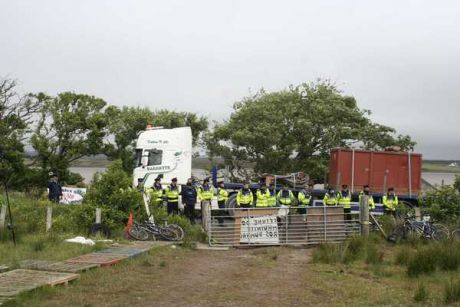
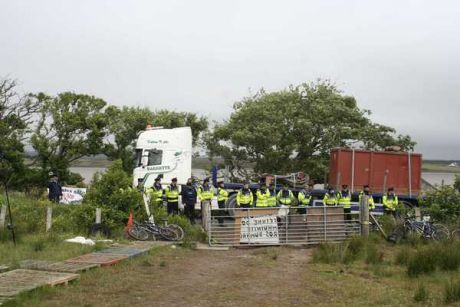
30 June 2013 This week has seen large num­bers of peo­ple con­tin­u­al­ly walk­ing down to Shel­l’s tun­nel­ing com­pound, dis­rupt­ing work and block­ing Shell traf­fic, and man

30 June 2013 This week has seen large num­bers of peo­ple con­tin­u­al­ly walk­ing down to Shel­l’s tun­nel­ing com­pound, dis­rupt­ing work and block­ing Shell traf­fic, and many peo­ple from the camp have tak­en advan­tage of the sun­ny weath­er to spend the days help­ing locals with turf col­lect­ing- many hands make light work! Mean­while the guards have spent their time patrolling around harass­ing peo­ple on the roads.


A Brief blow by blow

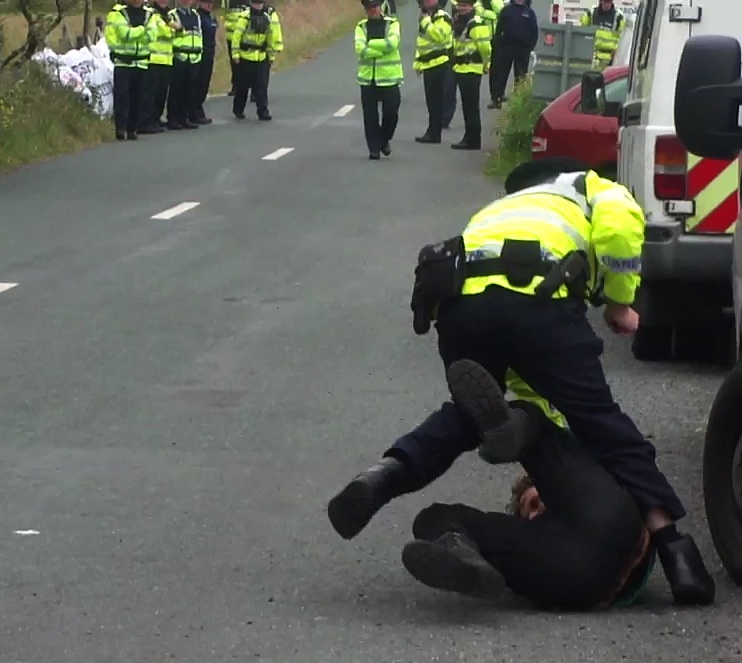
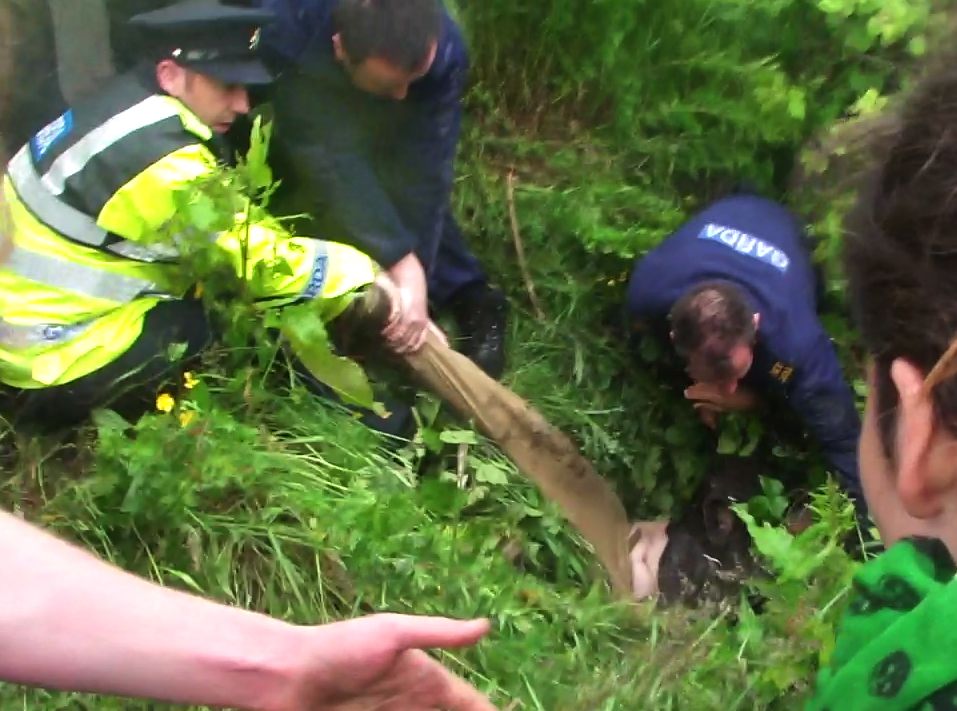
Thurs­day morn­ing as a con­voy passed the camp, 20 Gar­daí tried to block the gate to the camp and threw peo­ple into ditch­es, push­ing one per­son­’s head into the water in the ditch and gen­er­al­ly being a bit vio­lent. Two peo­ple were arrest­ed. One was let out with a cau­tion and the oth­er was held in cus­tody, brought to court in Castle­bar Fri­day morn­ing and denied bail, so he is now in Castlerea Prison await­ing a court appear­ance 5th July.

Lat­er on Thurs­day morn­ing a small group went to Bel­mul­let Gar­da sta­tion to col­lect their friends and one per­son was dragged out­side the cop­shop, pushed to the ground and arrest­ed for alleged crim­i­nal dam­age on Sun­day 23rd June. He was held overnight and brought to court in Castle­bar on Fri­day morn­ing. He has been grant­ed bail and released on the con­di­tion he not enter or inter­fere with Shell prop­er­ty or traf­fic, and signs on once a week at Bel­mul­let Gar­da Sta­tion. He will be up in court on 10th July.

Thurs­day after­noon a large group of 30 or so peo­ple walked down to the Shell com­pound in Augh­oose, stop­ping work inside the com­pound and stop­ping any Shell traf­fic from enter­ing or exit­ing the com­pound for over 3 hours. Once again IRMS (Shell pri­vate secu­ri­ty) was polic­ing the pub­lic road, push­ing peo­ple and hold­ing peo­ple until the guards arrived. Two peo­ple were arrest­ed on the road. One per­son was released and will appear in Bel­mul­let Court on 10th July, the oth­er was arrest­ed for out­stand­ing fines and brought to Moun­tjoy wom­en’s prison in Dublin. She was held overnight and released Fri­day morn­ing.

Thurs­day fin­ished off at 6pm when the guards final­ly attempt­ed to clear the road, every­one left and no one else was arrest­ed. A long queue of 20 vehi­cles and lor­ries which had been stuck inside final­ly were able to leave the com­pound.

Fri­day 28th June at 7am one per­son climbed a tri­pod erect­ed in the road between Bel­lan­aboy refin­ery and the Augh­oose tun­nel­ing com­pound, stop­ping all traf­fic going into the com­pound until 11.30am when the road was cleared and the per­son was arrest­ed. That per­son is being charged with Sec­tions 8 and 9 of the pub­lic order act and will be up in Bel­mul­let court on 10th July.

Three peo­ple walk­ing back to camp from the tri­pod on Fri­day were fol­lowed by guards, and an attempt was made to arrest one of them but they jumped into a field and got away. This isn’t the first time that peo­ple have been harassed on the roads this week by Gar­daí. Tues­day night as peo­ple were walk­ing back from the pub the guards were stop­ping peo­ple who were walk­ing in twos or alone, ask­ing for names address­es and even emails. One per­son refused to give his details, say­ing he had­n’t done any­thing out of the ordi­nary and was only walk­ing home, and he was arrest­ed and brought to Bel­mul­let gar­da sta­tion. He was released in the ear­ly hours of the morn­ing with no charges.

Oth­er things that have hap­pened this week: Win­dows of a Shell house were bro­ken, graf­fi­ti appeared on the main gates of the tun­nel­ing com­pound, and a Shell truck ran into prob­lems with spuds up the exhaust and some­one doing in its tyres. Who knows what else the pix­ies have got­ten up to.…

Cops assaulting people on the road
Cops assault­ing peo­ple on the road

Pushing people into ditches then arresting them
Push­ing peo­ple into ditch­es then arrest­ing them

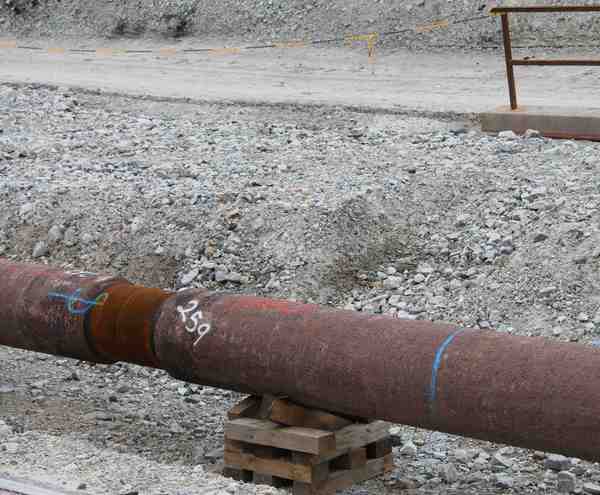
This is the pipe being laid between the refinery and the tunneling compound
This is the pipe being laid between the refin­ery and the tun­nel­ing com­pound

Paddlers Charge Silver River, Protesting Expected Cattle Ranch

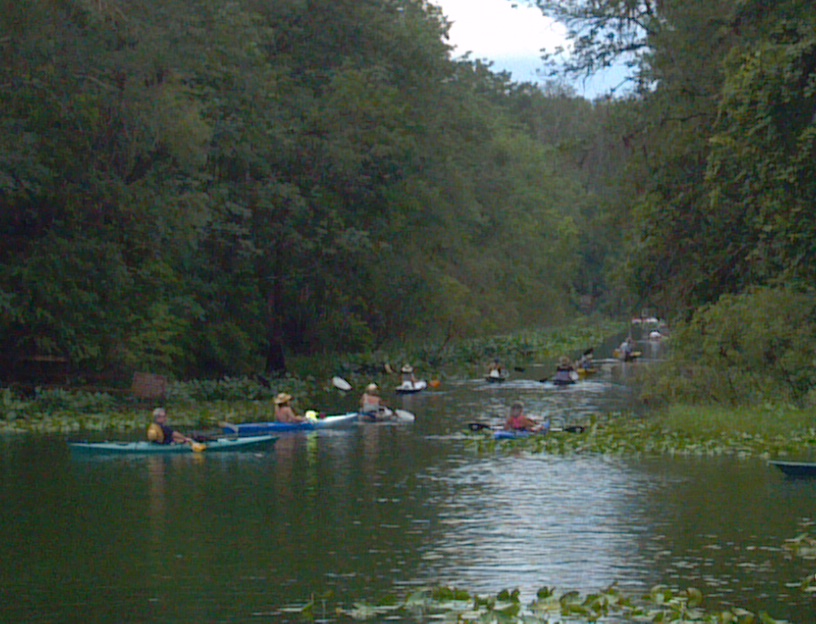
Paddlers charge the iconic Silver River, protesting Adena Springs Ranch

30 June 2013 Grass­fed beef ain’t all it’s cracked up to be.

Paddlers charge the iconic Silver River, protesting Adena Springs Ranch

30 June 2013 Grass­fed beef ain’t all it’s cracked up to be.

Take Ade­na Springs Ranch, a pro­posed cat­tle ranch being devel­oped by bil­lion­aire Frank Stronach in Flori­da. The beef project is expect­ed to span 10,000 acres and, accord­ing to their web­site, hold up to 15,000 cat­tle. Ade­na Springs Ranch plans to raise the cat­tle on a grass­fed diet, call­ing their indus­tri­al farm­ing prac­tices “health­i­er” and “bet­ter for the envi­ron­ment.”

This past Sat­ur­day, indi­vid­u­als con­cerned with the pro­posed ranch gath­ered along­side the icon­ic Sil­ver Riv­er, a riv­er formed from the dis­charge of Sil­ver Springs, one of the largest nat­ur­al arte­sian wells in the world. Sil­ver Springs his­tor­i­cal­ly dis­charged over 550 mil­lion gal­lons of water per day. In recent years, though, its flow has decreased sig­nif­i­cant­ly. Accord­ing to the New York Times, the “flow rate has dropped by a third over 10 years.” If Ade­na Springs Ranch gets the go ahead from state offi­cials, its farm­ing prac­tices will have a direct impact on the flow and water qual­i­ty of Sil­ver Springs.

A flyover by the Putnam County Environmental Council showing the Adena Springs Ranch property

A fly­over by the Put­nam Coun­ty Envi­ron­men­tal Coun­cil show­ing the Ade­na Springs Ranch prop­er­ty. Pho­to: PCEC

Ade­na Springs Ranch is cur­rent­ly apply­ing for a con­sump­tive use per­mit that will allow them to draw 5.3 mil­lion gal­lons of water per day from the Flori­dan Aquifer, the under­ground reser­voir of water that pro­vides drink­ing water to Flori­da res­i­dents, draws tourism mon­ey to the state and encour­ages res­i­dents and vis­i­tors to get out into the wilds of Flori­da and expe­ri­ence its nat­ur­al beau­ty.

The per­mit, if approved, will allow the ranch to draw water from the area sur­round­ing Sil­ver Springs, impact­ing the entire spring­shed, all for the pur­pose of water­ing the grass that will feed the cat­tle. When asked about the impact their water with­drawals would have, Ade­na engi­neer – and Frank Stronach pup­pet – William Dunn said that “they do not con­sid­er cur­rent hydro­log­i­cal con­di­tions when they do their cal­cu­la­tions.”

About the only thing nat­ur­al in this inten­sive cat­tle oper­a­tion will be the release of cow shit and urine into the 130-acre graz­ing lots. Ade­na Springs Ranch says they will com­plete reg­u­lar soil tests to ensure that they’re “not send­ing runoff down­stream to neigh­bors or near­by water­bod­ies.”

The Flori­dan Aquifer, how­ev­er, can be thought of as a giant lime­stone sponge form­ing the foun­da­tion of the state. Rain­wa­ter and runoff seeps through top­soil and per­me­able lime­stone and slow­ly flows through the Aquifer until it rush­es out through nat­ur­al springs or is drawn up for drink­ing or irri­ga­tion pur­pos­es. If cow manure – a nitro­gen-rich fer­til­iz­er sold in gar­den shops every­where – com­ing from Stronach’s cows some­how man­ages to have a neu­tral effect on the envi­ron­ment, and on the nutri­ent lev­els of the sur­round­ing area, than the make­up of that cow­shit would defy veg­etable gar­den­ers every­where.

A paddler on the spring-fed Silver River.

A pad­dler on the spring-fed Sil­ver Riv­er. Pho­to: Matt Keene

Find out more infor­ma­tion about the protest and the issues sur­round­ing Ade­na Springs by check­ing out the Water Action Team web­site.

Notes from White Castle

 
29 June 2013
 
Last night I slept in a warm, soft, bed, my house­mates mur­mur­ing and play­ing music a floor below; tonight I lay on the cold, damp, ground a Yew Tree right above me, with cin­na­mon red bark and a trun

 
29 June 2013
 
Last night I slept in a warm, soft, bed, my house­mates mur­mur­ing and play­ing music a floor below; tonight I lay on the cold, damp, ground a Yew Tree right above me, with cin­na­mon red bark and a trunk that twists and curves, an old gnarled body reach­ing for the sky.
 I hear the Yew Tree grows quite slow­ly, curv­ing and bend­ing its way toward the much taller, Dou­glas Firs. Swaths of pale-green lichen hang from the branch­es and blan­ket the trunks of these giants, a sign that the air is clean and moist. I look down. I am step­ping on  decay­ing logs, turn­ing into fecund soil, right below my feet. There is a mass of life and death out here, feed­ing into itself, again and again: a per­fect, waste-less, sys­tem.
To remove any part of this for­est would be an injus­tice to what is tru­ly wild: the self-con­tain­ing, self-informed, ecosys­tems that make up the bios­phere. To think that humans could come into a place, so per­fect­ly, and del­i­cate­ly bal­anced, with trucks and machin­ery, destroy­ing the under­growth, the trees, the canopy,  to think that they would do this place a favor, cre­at­ing “ear­ly ser­al habi­tat.” It is not just a ridicu­lous idea: it is utter­ly dan­ger­ous and eco­ci­dal.
We are talk­ing about lay­ing a pris­tine for­est, nev­er before logged, on the cru­el alter of indus­try and human exper­i­men­ta­tion, and jus­ti­fy­ing it by say­ing that it is for the but­ter­flies. Well, I’ve seen the but­ter­flies here, and I’ve seen the birds and the trees and the deer, and they seem quite con­tent with the way the for­est is, as it stands. They have the sense that exists before defined ideas and sup­po­si­tions that tells them how to be in this place: no heavy machin­ery need inter­ject.
Tomor­row, I will wake up to the morn­ing cho­rus. It starts with a few dis­tant chirps and builds and even­tu­al­ly crescen­dos: hun­dreds of birds singing their love of this place and the day that has arrived.  And I will get up with them and I will climb up into a tree and I wont leave, to pro­tect the day, and days to come, here at White Cas­tle.
 

Willits Bypass “Crane-Sitter” Resupplied in Stealth Climb

A pro­test­er perched atop a wick drain stitch­er being used to build the US 101 high­y­way bypass in Willits, CA, 28 June 2013

A pro­test­er perched atop a wick drain stitch­er being used to build the US 101 high­y­way bypass in Willits, CA, 28 June 2013

A mys­te­ri­ous climber ascend­ed Cal­trans equip­ment on the Willits Bypass Project Wednes­day evening in order to resup­ply a pro­test­er who has been perched 50 feet up in the air on a con­struc­tion tow­er for a week.

Last week, 31-year-old Uki­ah res­i­dent Will Par­rish climbed one of the two pieces of Cal­trans equip­ment used to install wick drains at the site in order to stall work in the Men­do­ci­no Coun­ty high­way con­struc­tion zone.

Fel­low activists argue that Par­rish has been denied food and water, while author­i­ties state that Par­rish is free to leave the tow­er for food and water and that pro­test­ers attempt­ing to bring him sup­plies are tres­pass­ing on Cal­trans prop­er­ty.

On Sat­ur­day evening, 45 pro­test­ers attempt­ed to send sup­plies up to Par­rish in a buck­et. Accord­ing to Earth First!, CHP offi­cers cut the rope and arrest­ed six indi­vid­u­als. Accord­ing to CHP, four indi­vid­u­als were arrest­ed.

On Wednes­day, a sec­ond per­son climbed the sec­ond wick drain tow­er. Jamie Cheva­lier, a spokes­woman with Red­wood Nation Earth First!, said the mys­tery climber was “like a nin­ja.”

”He climbed the tow­er in full day­light with CHP every­where,” she said. “Then after around six hours he man­aged to tra­verse a line over to the oth­er tow­er 60 feet away for sup­plies and van­ished into the night.”

Cheve­li­er esti­mat­ed that the entire event took place between 5 p.m. and mid­night. She said the sup­ply line is still in place and has a 5,000 pound break­ing

strength.

Dis­trict 1 Cal­trans Pub­lic Infor­ma­tion Offi­cer Phil Fris­bie Jr. con­firmed that Par­rish had been resup­plied and said Cal­trans per­son­nel are not at the site that late at night.

”He was gone by the morn­ing,” Fris­bie said of the resup­pli­er.

Fris­bie said the machin­ery can­not oper­ate with the pro­test­ers on it and that protests over four months have direct­ly cost tax­pay­ers $1.2 mil­lion by caus­ing delays.

Navajos Launch Direct Action Against Big Coal

Photo by Black Mesa Water Coalition

Photo by Black Mesa Water Coalition

Pho­to by Black Mesa Water Coali­tion

27 June 2013 Nava­jo Nation mem­bers launched a cre­ative direct action Tues­day to protest the mas­sive coal-fueled pow­er plant that cuts through their Scotts­dale, Ari­zona land.

After a wind­ing march, approx­i­mate­ly 60 demon­stra­tors used a mas­sive solar-pow­ered truck to pump water from the crit­i­cal Cen­tral Ari­zona Project (CAP) canal into bar­rels for deliv­ery to the reser­va­tion.

Flanked by sup­port­ers from across the Unit­ed States, tribe mem­bers cre­at­ed a liv­ing exam­ple of what a Nava­jo-led tran­si­tion away from coal toward solar pow­er in the region could look like.  

Par­tic­i­pants waved col­or­ful ban­ners and signs declar­ing ‘Pow­er With­out Pol­lu­tion, Ener­gy With­out Injus­tice’.

“We were a small group mov­ing a small amount of water with solar today,” declared Wahleah Johns with Black Mesa Water Coali­tion. “How­ev­er if the polit­i­cal will pow­er of the Oba­ma Admin­is­tra­tion and SRP were to fol­low and tran­si­tion NGS to solar all Ari­zo­nans could have reli­able water and pow­er with­out pol­lu­tion and with­out injus­tice.”

The demon­stra­tion was not only sym­bol­ic: the reser­va­tion needs the water they were col­lect­ing.

While this Nava­jo com­mu­ni­ty lives in the shad­ow of the Nava­jo Gen­er­at­ing Station—the largest coal-pow­ered plant in the West­ern Unit­ed States—many on the reser­va­tion do not have run­ning water and elec­tric­i­ty them­selves and are forced to make the dri­ve to the canal to gath­er water for cook­ing and clean­ing.

This is despite the fact that the plant—owned by Salt Riv­er Project and the U.S. Depart­ment of Interior—pumps elec­tric­i­ty through­out Ari­zona, Neva­da, and Cal­i­for­nia.

Yet, the reser­va­tion does get one thing from the plant: pol­lu­tion.

The plant is “one of the largest sources of harm­ful nitro­gen oxide (NOx) emis­sions in the coun­try,” accord­ing to the Envi­ron­men­tal Pro­tec­tion Agency.

While plant prof­i­teers argue it brings jobs to the area, plant work­ers describe har­row­ing work con­di­tions. “We are the sweat­shop work­ers for the state of AZ, declared Nava­jo tribe mem­ber Mar­shall John­son. “We are the mine work­ers, and we are the ones that must work even hard­er so the rest don’t have to.”

These prob­lems are not lim­it­ed to this Nava­jo com­mu­ni­ty. Krys­tal Two Bulls from Lame Deer, Missouri—who came to Ari­zona to par­tic­i­pate in the action—explained, “We’re also fight­ing coal extrac­tion that is right next to our reser­va­tion, which is direct­ly deplet­ing our water source.”

The action marked the kick­off to the nation­al Our Pow­er Cam­paign, under the ban­ner of Cli­mate Jus­tice Alliance, that unites almost 40 U.S.-based orga­ni­za­tions root­ed in Indige­nous, African Amer­i­can, Lati­no, Asian Pacif­ic Islander, and work­ing-class white com­mu­ni­ties to fight for a tran­si­tion to just, cli­mate friend­ly economies.

Fracking Equipment Set Ablaze in Elsipogtog!

img_821026 June 2013

img_821026 June 2013

Hal­i­fax Media Co-op reports that a piece of drilling equip­ment was set ablaze on the 24th, by per­son or per­sons unknown.  This comes amidst esca­lat­ing resis­tance to hydraulic frac­tur­ing by indige­nous peo­ples in Elsi­pog­tog, “New Brunswick”.

This comes after numer­ous direct actions, the mid­night seizure of drilling equip­ment, and a local man being struck by a contractor’s vehi­cle.


Farmers Unite With Hydro-Fracking Activists

By Adam McGib­bon, www.newint.org

By Adam McGib­bon, www.newint.org

As the G8 Sum­mit began in Fer­managh, North­ern Ire­land, a group of farm­ers drove 60 trac­tors in a ‘go-slow’, bring­ing a 24-kilo­me­tre stretch of road to a halt. The 16 June action opposed hydraulic frac­tur­ing – frack­ing – which could take place on both sides of the Irish bor­der. It was fol­lowed by state­ments against frack­ing from the major farm­ers’ unions in the Repub­lic of Ire­land and in North­ern Ire­land.

This is a sig­nif­i­cant devel­op­ment in the fight against frack­ing in Ire­land and North­ern Ire­land, where at least four ener­gy com­pa­nies are seek­ing to rend the land­scape apart drilling for gas in the very area that the G8 took place. Although there is a tem­po­rary freeze on drilling in the Repub­lic, Cana­di­an com­pa­ny Tamb­o­ran Resources already have a license to start explor­ing for shale gas in North­ern Ire­land due to com­mence this year.

For over two years, the bat­tle against frack­ing in Ire­land has most­ly been the pre­serve of the sea­soned activist. But impres­sive orga­niz­ing efforts in Fer­managh over the past few years have mobi­lized com­mu­ni­ties as cam­paign groups harangue elect­ed rep­re­sen­ta­tives.

Assem­bly mem­bers speak­ing against frack­ing are treat­ed like cranks by min­is­ters. Despite the sci­en­tif­i­cal­ly proven envi­ron­men­tal dev­as­ta­tion, the rub­bished claims of hun­dreds of ‘frack­ing jobs’, and the fact that frack­ing will make the cli­mate cri­sis worse, the slip­pery slope towards frack­ing in Ire­land has con­tin­ued.

But now, the endorse­ment of the offi­cial orga­ni­za­tions of the farm­ers lob­by could turn this oppo­si­tion into a mass move­ment. Giv­en their ambiva­lence on the issue not so long ago, this is refresh­ing news. After the ‘go-slow’ action, Pat Gilhoo­ley from the Irish Farm­ers Asso­ci­a­tion said frack­ing will be an elec­tion issue in the Republic’s local author­i­ty elec­tions in 2014. John Sheri­dan from the Ulster Farm­ers’ Union stat­ed that the risk to the farm­ing indus­try from frack­ing was too great. ‘We Deserve Bet­ter,’ runs the mon­ick­er of a new, cross-bor­der cam­paign, launched this month.

With the addi­tion of the farm­ing lob­by, it’s hard to imag­ine how the con­ser­v­a­tive Union­ist par­ties in the North­ern Ire­land Assem­bly, both heav­i­ly depen­dent on rur­al votes, can main­tain their sup­port or ambiva­lence for frack­ing for­ev­er. The North’s Min­is­ter for Enter­prise, Arlene Fos­ter, is aggres­sive­ly pro-frack­ing. Two years ago, alle­ga­tions of impro­pri­ety emerged when it turned out Foster’s hus­band owns 62 hectares of land with­in the gas explo­ration zone. With Fos­ter hold­ing a rur­al seat, the addi­tion of the orga­nized farm lob­by that could break the back of the cor­po­ra­tions and politi­cians that want frack­ing to take place in Ire­land.

There are def­i­nite­ly lessons to be learnt here for oth­er activists bat­tling frack­ing across the world. Frack­ing isn’t just an envi­ron­men­tal issue – it’s a live­stock issue. It’s a food issue. It’s a liveli­hood issue for those who toil to pro­vide us with food. The Left needs to make com­mon cause with rur­al com­mu­ni­ties on frack­ing; the myth that they are more con­ser­v­a­tive than urban areas needs to be shat­tered.

To win on frack­ing, links have to be made beyond the ‘usu­al sus­pects’ of activist groups. Inter­na­tion­al­ly, there are great exam­ples: In Aus­tralia, a group called Lock The Gate are suc­ceed­ing in unit­ing envi­ron­men­tal­ists, activists and farm­ers. In Ger­many, the unlike­ly allies have been found in the beer indus­try, which fears for the future of their prod­ucts. In France, where frack­ing is cur­rent­ly banned, farm­ers stand with activists gath­er­ing on their fields and hang protest ban­ners from hay bales to cam­paign to keep the ban in place.

Across the world, build­ing the broad­est coali­tion pos­si­ble to defeat frack­ing means get­ting out of the activist com­fort zone and work­ing with peo­ple we wouldn’t usu­al­ly work with – and peo­ple we might not agree with on many issues. Farm­ers, envi­ron­men­tal­ists, activists, con­ser­va­tion­ists must unite and fight.