Algonquins Erect Land Protection Camp within Wildlife Reserve, Stop Illegal Logging

1453293_10152090539047387_1242693521_n 10th Decem­ber  This past Spring, Quebec’s Min­istry of Nat­ur­al Resources—without mean­ing­ful­ly con­sult­ing the Algo­nquins of Barr

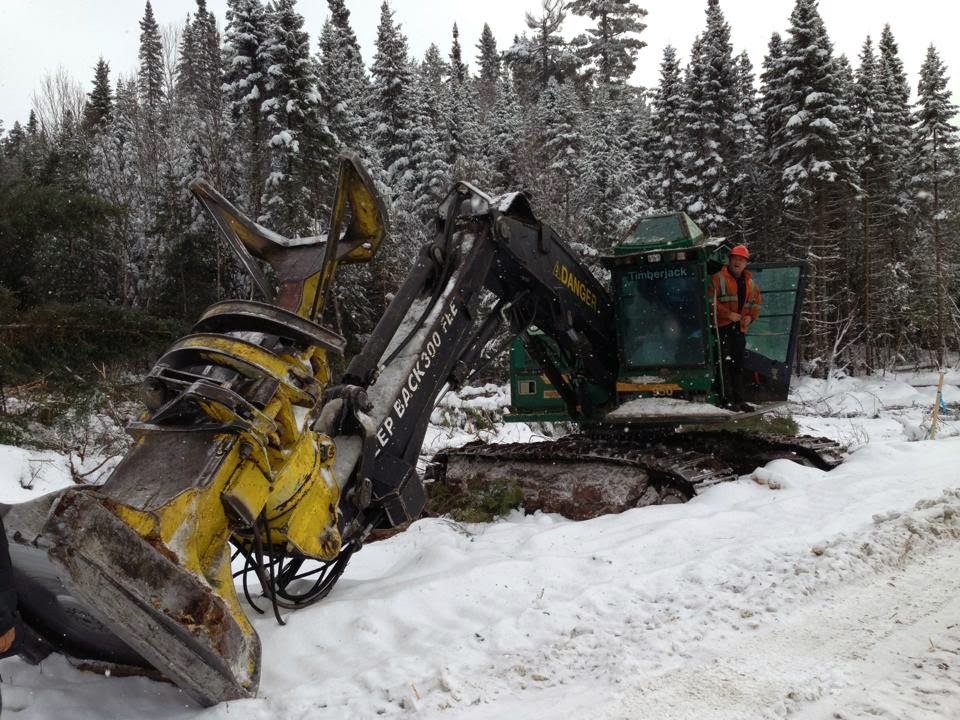
1453293_10152090539047387_1242693521_n 10th Decem­ber  This past Spring, Quebec’s Min­istry of Nat­ur­al Resources—without mean­ing­ful­ly con­sult­ing the Algo­nquins of Bar­riere Lake—issued per­mits for the 2013–14 oper­at­ing year to Res­olute For­est Prod­ucts and oth­er large log­ging com­pa­nies who have sub­se­quent­ly clear-cut vast tracts of the for­est this past sum­mer and fall, up to last week, when the Algo­nquins stopped the unau­tho­rized log­ging, which has been tak­ing place in vio­la­tion of signed Agree­ments with the First Nation.

Res­olute For­est Prod­ucts and oth­er log­ging com­pa­nies have already dam­aged many sen­si­tive area sites on the Bar­riere Lake Tri­lat­er­al Agree­ment Ter­ri­to­ry, includ­ing sen­si­tive area sites which the Que­bec Min­istry of Nat­ur­al Resources and the log­ging com­pa­nies know to be of par­tic­u­lar cul­tur­al and eco­log­i­cal impor­tance.

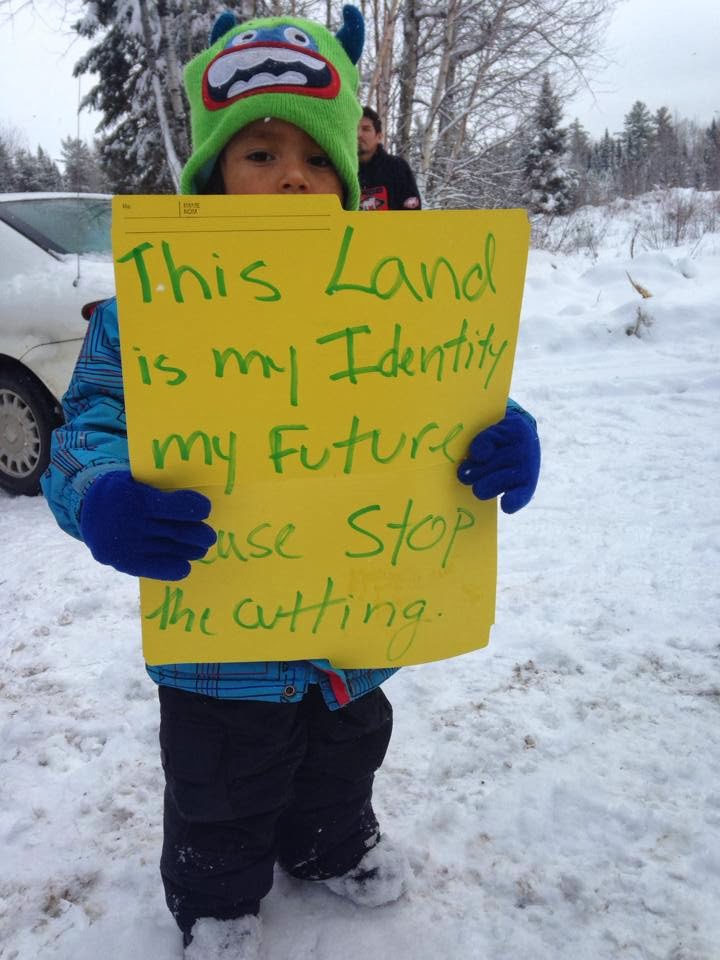
Today the Algo­nquins have erect­ed a Land Pro­tec­tion camp with­in the La Verendrye Wildlife Reserve at the Poigan sec­tor, to stop unau­tho­rized log­ging from dam­ag­ing Algo­nquin cul­tur­al sites and crit­i­cal wildlife habi­tat until an already agreed upon Mea­sures to Har­mo­nize Process is re-estab­lished on an urgent basis. The Algo­nquins of Bar­riere Lake are demand­ing that the Que­bec gov­ern­ment:

  • Coop­er­ate in a mea­sures to har­mo­nize process to iden­ti­fy and pro­tect cul­tur­al and eco­log­i­cal sites.
  • Hon­our the 1991 land­mark Bar­riere Lake Tri­lat­er­al Agree­ment and relat­ed 1998 Agree­ment with Que­bec on Co-Man­age­ment and Resource Rev­enue Shar­ing among oth­er issues.

1475998_633172380054966_1382114138_n

Italy: Police Arrest Four on Terrorism Charges Against High Speed Rail

tav_corteo030a711_sitonotaveeu--400x300 9th Decem­ber  Police on Mon­day arrest­ed four alleged anar­chists in the north­west­ern Pied­mont and the north­ern Lom­bardy regions on ter­roris

tav_corteo030a711_sitonotaveeu--400x300 9th Decem­ber  Police on Mon­day arrest­ed four alleged anar­chists in the north­west­ern Pied­mont and the north­ern Lom­bardy regions on ter­ror­ism charges.

The four sus­pects were alleged­ly plan­ning to car­ry out attacks using explo­sives against a high-speed train line cur­rent­ly being built between Italy and France, accord­ing to inves­ti­ga­tors.

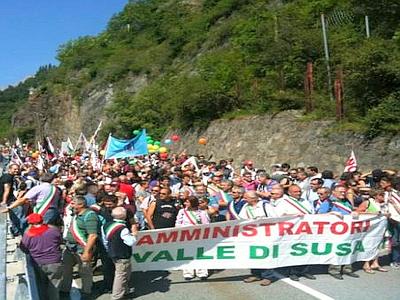
Pros­e­cu­tors in Piedmont’s region­al cap­i­tal, Turin ordered the arrests after an attempt­ed attack on 13–14 May at a buid­ing site in Chiomonte in Piedmont’s Valle De Susa using molo­tov cock­tails.

Work began this year on the main 58-kilo­me­tre tun­nel, of which 12 km are in Italy, for the 15 bil­lion euro train-link due to go into ser­vice around 2023.

The line will cut three hours off the cur­rent sev­en-hour train jour­ney between Paris and Milan.

But it has sparked fierce oppo­si­tion includ­ing from res­i­dents, envi­ron­men­tal groups and local may­ors. Pro­test­ers claim drilling to build the train link will dam­age the local ecosys­tem and could release poten­tial­ly harm­ful sub­stances into the envi­ron­ment.

Dozens have been arrest­ed and hun­dreds of demon­stra­tors and police injured in vio­lent protests over the high-speed link and scores of envi­ron­men­tal activists sent to tri­al. Far-left ‘black block’ extrem­ists from Italy and oth­er coun­tries have infil­trat­ed the protest move­ment, acc­cord­ing to police.

In 2010, a bul­let was mailed to Turin may­or Ser­gio Chi­ampar­i­no for his sup­port for the project, which Rome has vowed to com­plete.

Con­struc­tion of the high-speed link in Italy was brought to a stand­still by protests before and after the Turin Win­ter Olympics in 2006.

Romania Update: Protests Continue as Chevron Restarts Fracking Exploration

pungesti-tvr-1 9th Decem­ber  Protests against Chevron’s activ­i­ty in Silis­tea – Pungesti, north­east­ern Roman­ian, area esca­lat­ed on Sat­ur­day, Decem­ber 6, trig­ger­ing the Amer­i­can oil and

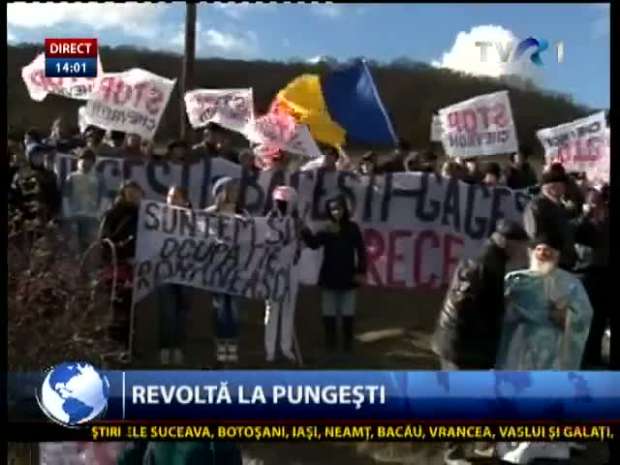
pungesti-tvr-1 9th Decem­ber  Protests against Chevron’s activ­i­ty in Silis­tea – Pungesti, north­east­ern Roman­ian, area esca­lat­ed on Sat­ur­day, Decem­ber 6, trig­ger­ing the Amer­i­can oil and gas com­pa­ny to sus­pend its activ­i­ty on site.

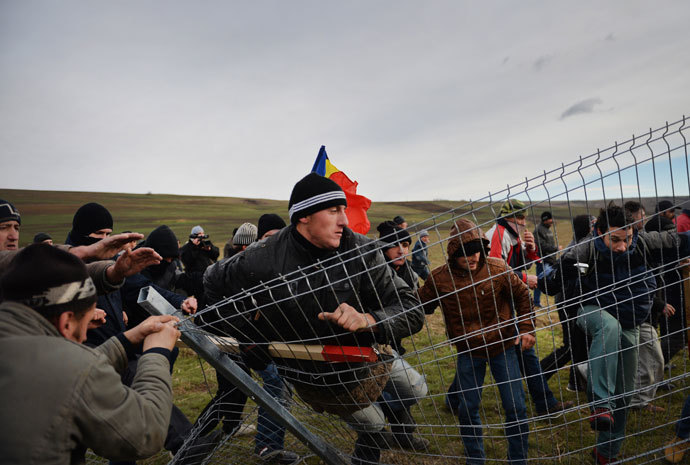
Pro­test­ers destroyed the fence Chevron had built around the 20,000 – sqm land plot at the vil­lage out­skirts. One day lat­er, how­ev­er, Chevron re-start­ed their activ­i­ty on site.

Protests were staged down­town in cap­i­tal city Bucharest as well, with a peak reg­is­tered on Sun­day evening (Decem­ber 7), when three pro­test­ers were tak­en into cus­tody by the gen­darmes.

Silis­tea – Pungesti has now been declared a spe­cial area for pub­lic secu­ri­ty, with author­i­ties imple­ment­ing spe­cial mea­sures against vio­lence includ­ing plac­ing gen­darmes all around the vil­lage, accord­ing to Roman­ian media, which has been fol­low­ing the top­ic all through­out last week­end.

The gen­darmes have been check­ing the doc­u­ments of every­one vis­it­ing the vil­lage while vil­lagers have com­plained of the intru­sion, say­ing gen­darmes were in front of every house ask­ing peo­ple of their where­abouts.

The group of pro­test­ers in Pungesti, some 400 peo­ple, were a mix of locals and ecol­o­gy activists from Iaşi, Bucureşti, Braşov and Sibiu. They ini­tial­ly protest­ed peace­ful­ly, but the protest became vio­lent as some of them began throw­ing stones into Chevron’s vehi­cles, and tear­ing down the fence sur­round­ing the explo­ration site. Footage from the Pungesti protests, here.

Mean­while, Chevron has again stat­ed that all explo­ration activ­i­ties will use con­ven­tion­al tech­nolo­gies based on the per­mits it received in the begin­ning of Octo­ber. “We respect people’s right to express their opin­ion, but we believe this should be done with­in the lim­its of the law,” Chevron wrote in an offi­cial state­ment. The com­pa­ny had start­ed its activ­i­ty on site in Silis­tea – Pungesti on Decem­ber 2, after a first delay ear­li­er in Octo­ber, also because of local protests.

The protests against explo­ration for shale case was trig­gered by con­cerns that explo­ration would be harm­ful to the envi­ron­ment, and coin­cid­ed with protests against gold min­ing in Cen­tral Roma­nia, at Rosia Mon­tana, where the planned used of cyanide also caused con­cern.

Bullying tactics drive Penan to abandon dam blockade

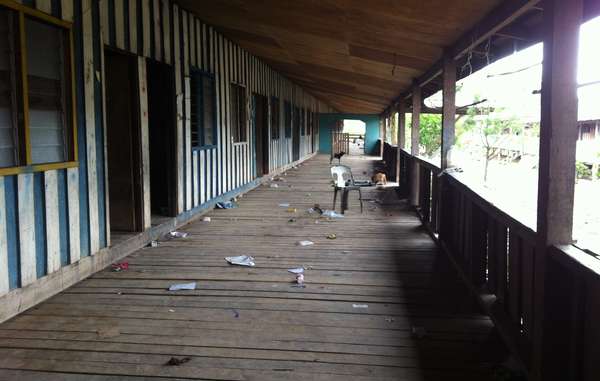
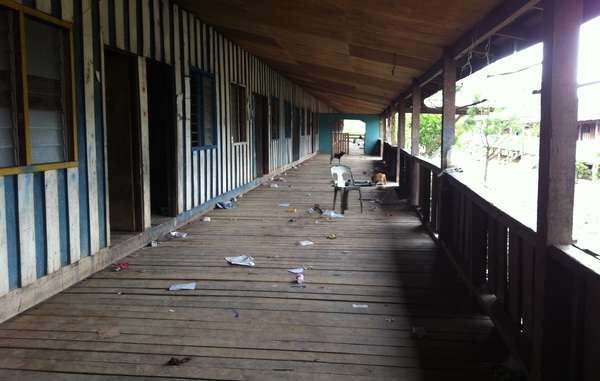
The abandoned Long Singu longhouse last week after the government rushed through the Penan's move to the unfinished relocation site. 9th Dec Mem­bers of the

The abandoned Long Singu longhouse last week after the government rushed through the Penan's move to the unfinished relocation site. 9th Dec Mem­bers of the Penan tribe from the Malaysian state of Sarawak have bowed to over­whelm­ing pres­sure and aban­doned their 77-day protest against the Murum dam.

Faced with ris­ing waters approach­ing their vil­lages, lack of food at the protest site and the announce­ment that the bridges that led to their vil­lages were going to be dis­man­tled, the Penan felt they had no choice but to halt their block­ade and accept the move to a new gov­ern­ment reset­tle­ment site.

When asked why they had agreed to move one Penan man said, ‘ The water is already very close to our vil­lage. It’s very high’. A local activist told Sur­vival, ‘They went with a very heavy heart, they are not hap­py’.

As part of the agree­ment the Penan were promised a fur­ther RM8000 (approx­i­mate­ly US$2,500) com­pen­sa­tion, tak­ing the total com­pen­sa­tion per fam­i­ly to just over US$7,000. How­ev­er, their oth­er demands includ­ing, cru­cial­ly, the need for more land for plant­i­ng and for­est for hunt­ing and gath­er­ing, have been ignored.

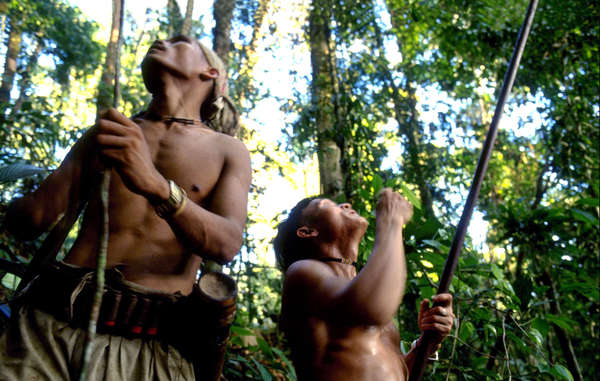
The Penan rely on hunting and gathering in their forests to survive.

The for­est is cru­cial for the Penan. Even the government’s own stud­ies showed that the Murum Penan rely on the for­est for 75% of their sus­te­nance. With­out more for­est it’s hard to see how the Penan will sur­vive in the relo­ca­tion site.

Despite being pres­sured to move, the build­ing of the new site is not yet fin­ished. Two of the long­hous­es are still being worked on. Water sup­plies have not been con­nect­ed; the promised school and clin­ic have not been built and the road con­nect­ing the vil­lages is not com­plet­ed.

The impound­ment (flood­ing) of the dam before all the affect­ed fam­i­lies had agreed to move has caused world­wide out­rage. Despite promis­es from the Sarawak gov­ern­ment that the relo­ca­tion process would meet inter­na­tion­al stan­dards the Penan were not prop­er­ly con­sult­ed and the relo­ca­tion process was shroud­ed in secre­cy.

Sur­vival was told, ‘Peo­ple believed that it would be dif­fer­ent this time, but it has shown to be lies. The gov­ern­ment nev­er took their demands into con­sid­er­a­tion’.

The lawyer act­ing for the Penan has promised that despite this move the Penan will still protest and will con­tin­ue to push for jus­tice in the courts.

Direct Action Gets the Goods: Chevron Suspends in Romania

31 8th Decem­ber 

Chevron has sus­pend­ed explo­ration for shale gas in north­east­ern Roma­nia after hun­dreds of anti-frack­ing pro­test­ers tore down fences.

31 8th Decem­ber 

Chevron has sus­pend­ed explo­ration for shale gas in north­east­ern Roma­nia after hun­dreds of anti-frack­ing pro­test­ers tore down fences.

Chevron won approval to drill explorato­ry wells in the town of Pungesti, but halt­ed work for a sec­ond time Sat­ur­day after res­i­dents blocked access to the site.

Hun­dreds of riot police couldn’t pre­vent res­i­dents from demol­ish­ing fences and break­ing into the site. Dozens were detained and 14 were charged with destruc­tion of prop­er­ty and car­ry­ing knives.

Chevron said it had sus­pend­ed work “as a result of unsafe con­di­tions” and informed police of destruc­tion to its prop­er­ty.

Thou­sands of peo­ple have ral­lied across Roma­nia in recent months to protest against gov­ern­ment sup­port for shale gas explo­ration. Chevron had resumed work at the site on Dec. 2.

Ecuador Bans Environmental Group

ecuador indigenous woman faces police 8th Dec The

ecuador indigenous woman faces police 8th Dec The crim­i­nal­iza­tion of Ecuador’s indige­nous and envi­ron­men­tal move­ments con­tin­ues, as the Cor­rea gov­ern­ment pri­or­i­tizes extrac­tion at all costs. From World War 4 Report:

Ecuador’s gov­ern­ment ordered closed the envi­ron­men­tal­ist Fun­dación Pachama­ma Dec. 4, with the Inte­ri­or Min­istry say­ing it was “affect­ing the pub­lic peace.” The Envi­ron­ment Min­istry issued its own state­ment accus­ing of the orga­ni­za­tion of “inter­fer­ence in pub­lic pol­i­cy.” Plain­clothes police were sent to seal off the group’s offices in the morn­ing. The action stemmed from the pre­vi­ous week’s protests at the XI Round for sell­ing oil leas­es in the Ecuadroan Ama­zon. Pres­i­dent Rafael Cor­rea accused Pachama­ma and anoth­er group, Yasunidos, of attack­ing the Chilean ambas­sador, Juan Pablo Lira. Pachama­ma denies the alle­ga­tions, say­ing its mem­bers were not even present at the protest in front of the Hydro­car­bons Min­istry. Fun­dación Pachama­ma plans to appeal the government’s deci­sion.

“The real rea­son the gov­ern­ment has tar­get­ed Fun­dación Pachama­ma is because of the effec­tive­ness of their work,” said Bill Twist of the Pachama­ma Alliance, the group’s sib­ling orga­ni­za­tion based in San Fran­cis­co.  ”This is an attempt to keep them from doing their work, and chill their rights to free speech and assem­bly.”

Yasunidos is a group that is col­lect­ing sig­na­tures to demand a ref­er­en­dum on devel­op­ment of the Ish­pin­go-Tam­bo­cocha-Tipu­ti­ni oil bloc, locat­ed with­in Yasuni Nation­al Park. State com­pa­ny Petroa­ma­zonas is set to begin devel­op­ing the ITT bloc in 2014, and is seek­ing pri­vate part­ners for pro­duc­tion in the zone.

In June, the Cor­rea admin­is­tra­tion issued a Exec­u­tive Decree 16, instat­ing new strin­gent pro­ce­dures for NGOs to obtain legal sta­tus. Human Rights Watch, protest­ing the clo­sure of Fun­dación Pachama­ma, said the group was the “first vic­tim” of the decree, which it charged “con­tra­venes the rights of free expres­sion and asso­ci­a­tion.”

In a state­ment, Fun­dación Pachama­ma accused the Cor­rea gov­ern­ment of vio­lat­ing its own con­sti­tu­tion: “We have the right to dis­sent the deci­sion of the author­i­ties, the process that has been imple­ment­ed and alter­na­tive­ly pro­pose that the oil remain under­ground to pre­serve one of the great­est rich­es of our coun­try, its cul­tur­al and bio­log­i­cal diver­si­ty. The cur­rent Con­sti­tu­tion oblig­es the gov­ern­ment to find a new devel­op­ment mod­el that respects our country’s Pluri-nation­al­i­ty, Human Rights, Rights of Nature and ‘Sumak Kawsay’ or ‘Liv­ing For­est.’… We believe it is ille­git­i­mate to imple­ment process­es affect­ing indige­nous ter­ri­to­ries and not include the pres­i­dents of indige­nous nation­al­i­ties and peo­ples…”

The state­ment also said the group “extends sol­i­dar­i­ty” to the Devel­op­ment Coun­cil of the Nation­al­i­ties and Peo­ples of Ecuador (CODENPE), offi­cial­ly empow­ered to con­sult on issues affect­ing indige­nous peo­ples. (Rebe­lión, Dec. 7; EFE via Ecuavisa, Dec. 6; Pachama­ma Alliance press releas­es via Sacra­men­to Bee, Dec. 5, UDW, Dec. 4; WSJ, Dec. 4)

Ecuador’s 2008 con­sti­tu­tion includes pro­vi­sions for con­sul­ta­tion with indige­nous peo­ples on devel­op­ment issues, but the Cor­rea gov­ern­ment has been repeat­ed­ly accused of vio­lat­ing these mea­sures. The con­sti­tu­tion­al prin­ci­ple of Sumak Kawsay, usu­al­ly ren­dered Vivir Bien or Good Liv­ing, is a phrase adopt­ed from Ecuador’s indige­nous move­ment.

Partial Success for Mi’kmaq: SWN Pulls Out (Till 2015?)

Burning tires form a blockade against pre-fracking seismic testing in Mi'kmaq territory, Dec 3, 2013 6th Dec

Burning tires form a blockade against pre-fracking seismic testing in Mi'kmaq territory, Dec 3, 2013 6th Dec

ELSIPGOTG FIRST NATION, NB–A Hous­ton-based ener­gy com­pa­ny that has faced fero­cious resis­tance from a Mi’kmaq-led coali­tion is end­ing its shale gas explo­ration work for the year, says Elsi­pog­tog War Chief John Levi.

Levi said Fri­day that the RCMP informed him that SWN Resources Cana­da is end­ing its explo­ration work, but will return in 2015.

Levi said SWN and its con­trac­tors would be pick­ing up geo­phones from the side of the high­way today. Geo­phones inter­act with thumper trucks to cre­ate imag­ing of shale gas deposits under­ground.

“They are just going to be pick­ing up their gear today,” said Levi. “At least peo­ple can take a break for Christ­mas.”

Demon­stra­tions against the com­pa­ny esca­lat­ed this week. Demon­stra­tors twice burned tires on Hwy 11 which was the area where SWN was con­duct­ing its shale gas explo­ration.

SWN said in a state­ment late Fri­day after­noon that it had com­plet­ed its “seis­mic acqui­si­tions pro­gram in New Brunswick.”

The com­pa­ny, how­ev­er, was silent on its future time­line for return­ing. [empha­sis added ‑Ed.]

SWN obtained an exten­sion to an injunc­tion against the demon­stra­tors Mon­day after argu­ing it need­ed two more weeks to fin­ish its work. In its court fil­ing, SWN claimed it need­ed about 25 km left to explore.

Levi said the Mi’kmaq com­mu­ni­ty, which sits about 80 km north of Monc­ton, will be there again in 2015 to oppose the com­pa­ny. Levi said SWN will be return­ing to con­duct explorato­ry drilling.

“We can’t allow any drilling, we didn’t allow them to do the test­ing from the begin­ning,” said Levi.

Levi said word that SWN is leav­ing is no cause for cel­e­bra­tion just yet.

“We went through a lot,” he said. “We need some time for this to sink in and think about every­thing, think about what we went through…People did a lot of sac­ri­fic­ing.”

We Are the Tar Sands Industry’s “Worst Case Scenario”: Leaked Stratfor Report

Anti-tar sands protest greets Canadian Prime Minister Stephen Harper's visit to London, Jun 13, 2013 6th Dec from

Anti-tar sands protest greets Canadian Prime Minister Stephen Harper's visit to London, Jun 13, 2013 6th Dec from Inside Cli­mate News:

Worst-Case Scenario for Oil Sands Industry Has Come to Life, Leaked Document Shows

Indus­try con­sul­tants said anti-tar sands push could become ‘the most sig­nif­i­cant envi­ron­men­tal cam­paign of the decade’ if activists were left unop­posed.

by Kather­ine Bagley

As envi­ron­men­tal­ists began ratch­et­ing up pres­sure against Canada’s tar sands three years ago, one of the world’s biggest strate­gic con­sult­ing firms was tapped to help the North Amer­i­can oil indus­try fig­ure out how to han­dle the mount­ing activism. The result­ing doc­u­ment, pub­lished online by Wik­iLeaks, offers anoth­er win­dow into how oil and gas com­pa­nies have been scram­bling to deal with unre­lent­ing oppo­si­tion to their growth plans.

The doc­u­ment iden­ti­fies near­ly two-dozen envi­ron­men­tal orga­ni­za­tions lead­ing the anti-oil sands move­ment and puts them into four cat­e­gories: rad­i­cals, ide­al­ists, real­ists and opportunists—with how-to’s for man­ag­ing each. It also reveals that the worst-case sce­nario pre­sent­ed to indus­try about the movement’s grow­ing influ­ence seems to have come to life.

The Decem­ber 2010 pre­sen­ta­tion by Strate­gic Fore­cast­ing, or Strat­for, a glob­al intel­li­gence firm based in Texas, most­ly advised oil sands com­pa­nies to ignore or lim­it reac­tion to the then-bur­geon­ing tar sands oppo­si­tion move­ment because “activists lack influ­ence in pol­i­tics.” But there was a buried warn­ing for indus­try under one sce­nario: Let­ting the move­ment grow unop­posed may bring about “the most sig­nif­i­cant envi­ron­men­tal cam­paign of the decade.”

“This worst-case sce­nario is exact­ly what has hap­pened,” part­ly because oppo­si­tion to tar sands devel­op­ment has expand­ed beyond non­prof­it groups to include indi­vid­ual activists con­cerned about cli­mate change, said Mark Floegel, a senior inves­ti­ga­tor for Green­peace. “The more peo­ple in Amer­i­ca see Super­storm Sandys or tor­na­does in Chica­go, the more they are wak­ing up and join­ing the fight.”

[View the doc­u­ments at Inside Cli­mate News]

Since the pre­sen­ta­tion was pre­pared, civ­il dis­obe­di­ence and protests against the tar sands have sprung up from coast to coast. The move­ment has helped delay Pres­i­dent Obama’s deci­sion on the Key­stone XL pipeline—designed to fun­nel Canada’s land­locked oil sands crude to refiner­ies on the Gulf Coast—and has held up anoth­er con­tentious pipeline in Cana­da, the North­ern Gate­way to the Pacif­ic Coast.

The Pow­er Point doc­u­ment, titled “Oil Sands Mar­ket Cam­paigns,” was recent­ly made pub­lic by Wik­iLeaks, part of a larg­er release of hacked files from Strat­for, whose clients include the Depart­ments of Home­land Secu­ri­ty and Defense, Lock­heed Mar­tin, Raytheon and the Amer­i­can Petro­le­um Insti­tute, the oil indus­try lob­by. It appears to have been cre­at­ed for Cal­gary-based petro­le­um giant Sun­cor Ener­gy, Canada’s largest oil sands pro­duc­er.


The com­pa­ny told Insid­e­Cli­mate News that it did not hire Strat­for and nev­er saw such a pre­sen­ta­tion. Sun­cor is men­tioned 11 times in the document’s 35 pages and all of Stratfor’s advice seems to be direct­ed at the ener­gy com­pa­ny. For exam­ple, one slide says, “Cam­paign ends quick­ly with a res­o­lu­tion along the lines Sun­cor had want­ed.” In sev­er­al emails released by Wik­iLeaks, Strat­for employ­ees dis­cuss a $14,890 pay­ment Sun­cor owes the com­pa­ny for two com­plet­ed projects, though no details were pro­vid­ed.

The pre­sen­ta­tion is the lat­est in a series of rev­e­la­tions that sug­gest ener­gy companies—which for most of their his­to­ry seemed unfazed by activists—have been look­ing for ways to dilute envi­ron­men­tal­ists’ grow­ing influ­ence.

Ear­li­er this year, Tran­sCana­da, the Cana­di­an ener­gy com­pa­ny behind the Key­stone XL, briefed Nebras­ka law enforce­ment author­i­ties on how to pros­e­cute demon­stra­tors protest­ing the 1,200-mile project. In 2011, Range Resources, an oil and gas com­pa­ny, alleged­ly hired com­bat vet­er­ans with expe­ri­ence in psy­cho­log­i­cal war­fare to squash oppo­si­tion of nat­ur­al gas drilling.

“The Strat­for pre­sen­ta­tion isn’t a com­plete sur­prise,” said Scott Parkin, a senior cam­paign­er for the Rain­for­est Action Net­work and vol­un­teer orga­niz­er for Ris­ing Tide North Amer­i­ca, both grass­roots envi­ron­men­tal groups. “As oppo­si­tion has grown, coal, oil and gas com­pa­nies are all start­ing to put more mon­ey into responding—from sur­veil­lance to pro­tec­tion to pub­lic rela­tions.”

Who Was Targeted?

For each of Stratfor’s cat­e­gories of envi­ron­men­tal activist—radicals, ide­al­ists, real­ists and opportunists—the pre­sen­ta­tion explains how their cam­paigns are struc­tured and how the fos­sil fuel indus­try could deal with them.

Three grass­roots orga­ni­za­tions—Ris­ing Tide North Amer­i­ca, Oil Change Inter­na­tion­al and the Indige­nous Envi­ron­men­tal Net­work—were labeled rad­i­cals. Green­peace and the Rain­for­est Action Net­work were clas­si­fied as a cross between rad­i­cals and ide­al­ists. Sier­ra Club, the nation’s largest envi­ron­men­tal group, Amnesty Inter­na­tion­al and Com­mu­ni­ties for a Bet­ter Envi­ron­ment, among oth­ers, were labeled ide­al­ists. Sev­er­al main­stream envi­ron­men­tal groups, includ­ing the Nation­al Wildlife Fed­er­a­tion, World Wildlife Fund, Nat­ur­al Resources Defense Coun­cil and Ceres, a non­prof­it that orga­nizes busi­ness­es, investors and pub­lic inter­est groups, were called real­ists.

It then lays out tac­tics the groups would use to push for change. They include hold­ing demon­stra­tions out­side annu­al meet­ings and mar­ket­ing events, gen­er­at­ing fear of oil spills and oth­er envi­ron­men­tal dis­as­ters, tar­get­ing CEOs and their fam­i­lies, col­lab­o­rat­ing with oth­er green groups, and split­ting the fos­sil fuel indus­try on the issue by prais­ing com­pa­nies work­ing with activists and pub­licly sham­ing those that aren’t.

The pre­sen­ta­tion says that while envi­ron­men­tal groups are pub­licly fight­ing to stop the expan­sion of the oil sands, their “real demand” is for fos­sil fuel com­pa­nies to adopt a “glob­al code of conduct”—a set of best prac­tices not required by law, but that take into con­sid­er­a­tion things like green­house gas reduc­tion poli­cies and human rights.

The Pow­er Point also describes all the ways fos­sil fuel com­pa­nies like Sun­cor could choose to react to green groups’ cam­paigns, such as lim­it­ing con­tact with the orga­ni­za­tions, inten­tion­al­ly delay­ing nego­ti­a­tions, devel­op­ing its own envi­ron­men­tal ini­tia­tives to over­shad­ow activists’ demands, or sim­ply not respond­ing. It pro­vides the pros and cons of each pub­lic rela­tions deci­sion, as well as the best- and worst-case out­comes for each.

For exam­ple, Strat­for said that choos­ing not to respond could be use­ful because in 2010, “activists are not stop­ping oil sands’ growth and they have no pow­er in Alber­ta or Ottawa. Chance of suc­cess with U.S. gov­ern­ment is slim.” The best out­come from a no-response strat­e­gy, accord­ing to the pre­sen­ta­tion, is that green “groups move to frac­tur­ing [nat­ur­al gas frack­ing] or some oth­er venue to press for the first major code of con­duct.”

Strat­for would not answer ques­tions about the pre­sen­ta­tion because it has a pol­i­cy not to com­ment on any of the Wik­iLeaks doc­u­ments.

Sev­er­al envi­ron­men­tal groups named in the Strat­for pre­sen­ta­tion said they weren’t sur­prised by the con­sult­ing firm’s assess­ment of their work, but were dis­ap­point­ed, espe­cial­ly by its assump­tion that all they want­ed was a code of con­duct.

“The envi­ron­men­tal com­mu­ni­ty has been very unit­ed in say­ing that we need to stop tar sands expan­sion and clean up the mess already made there,” said Susan Casey-Lefkowitz, direc­tor of the Nat­ur­al Resources Defense Council’s inter­na­tion­al pro­gram. “That’s the only real path for­ward if we’re going to pro­tect not only the health of com­mu­ni­ties on the ground in the bore­al forests near the tar sands region, but also around the world from the impacts of cli­mate change. We’re not look­ing for a code of con­duct.”

For many, the leaked pre­sen­ta­tion pro­vid­ed proof that their work was hav­ing an impact, boost­ing their con­fi­dence to keep protest­ing.

“Know­ing that groups like Strat­for are tar­get­ing us, sur­vey­ing us, and also ana­lyz­ing us shows how pow­er­ful these move­ments have become,” said Parkin of the Rain­for­est Action Net­work and Ris­ing Tide North Amer­i­ca. “Obvi­ous­ly this wasn’t meant for pub­lic con­sump­tion, but this doesn’t intim­i­date us. If any­thing, it embold­ens us. It encour­ages us to push hard­er.”

Mexican Guerillas Promise Armed La Parota Resistance

Members of the guerilla group FAR-LP, photographed at a hidden location in Guerrero, Mexico. 4th Dec

Members of the guerilla group FAR-LP, photographed at a hidden location in Guerrero, Mexico. 4th Dec

A new gueril­la group in the Mex­i­can state of Guer­rero has promised armed sup­port for social move­ments, includ­ing the strug­gle against La Paro­ta Dam.

Two days after announc­ing its for­ma­tion via online media, the Rev­o­lu­tion­ary Armed Forces-People’s Lib­er­a­tion (Fuerzas Armadas Rev­olu­cionar­ias-Lib­eración del Pueblo, FAR-LP) released a video of one of its lead­ers, “Coman­dante Cami­lo,” warn­ing that the group will launch armed reprisals against the gov­ern­ment if it con­tin­ues repress­ing social move­ments.

“If the fed­er­al and state gov­ern­ments con­tin­ue the repres­sion of activists and NGOs, we will make them pay,” he says, read­ing from a com­mu­niqué.

“From these lands, for­got­ten by all those gov­ern­ments, we say to you, Mr. Gov­er­nor and Mr. Pres­i­dent Peña Nieto, that the harass­ment, the deaths, the threats against the peo­ple must end.

“From this moment, if there is anoth­er who dies or is impris­oned from our peo­ple, we will exact pay­ment, not in the same place. If there has to be blood, we should spill more than they.”

The FAR-LP explic­it­ly men­tions its sup­port for the Coun­cil of Eji­dos and Com­mu­ni­ties in Oppo­si­tion to La Paro­ta Dam (CECOP), an unre­lat­ed non-gueril­la group that has spear­head­ed oppo­si­tion to the dam.

“They are not alone. They have an army at their dis­po­si­tion. You [the gov­ern­ment] are the ones who decide what we will do,” the group states.

Barton Moss: anti-fracking protest camp, Salford

Lat­est updates, wish list and direc­tions at http://northerngasgala.org.uk/

Lat­est updates, wish list and direc­tions at http://northerngasgala.org.uk/

Day 5: Sun 1st December

Day 6 -  Huge banner

Day 5 of the North­ern Gas Gala sees the Bar­ton Moss Pro­tec­tion Camp con­tin­ue to grow.  A call out has been made by trade unions and local res­i­dents for a protest next Sun­day 8th Decem­ber (face­book event here).

Bar­ton Moss Protest Ral­ly - Sun­day 8th Decem­ber 2013. Assem­ble 12.30pm at Junc­tion Bar­ton Moss Road/Liverpool Road, Bar­ton, Eccles M30 7RL

Sup­port the Bar­ton Moss Pro­tec­tion Camp!  Sup­port the fight to stop frack­ing every­where!

Bring your own plac­ards and ban­ners.

Day 4: Sat 30th November

Day 4 - Mad Hatters Tea Party

The com­mu­ni­ty pro­tec­tion camp out­side IGas’s frack­ing site at Bar­ton Moss con­tin­ues to estab­lish itself with com­post toi­lets being built. Their was also a Mad Frack­ers Tea Par­ty and an impres­sive sun­set. The local com­mu­ni­ty is resist­ing the threat to their region with sup­port from across the coun­try.


Day 1: Wed 27th November

northern-gas-gala-day-1

The first day of the North­ern Gas Gala has seen a large num­ber of peo­ple answer the call out to pro­tect Bar­ton Moss (and the wider region) from the threat of posed by IGas’s plans. The brave Bar­ton Moss pro­tec­tors have been block­ing lor­ries from enter­ing the frack­ing site and four peo­ple (three of them Sal­ford res­i­dents) have been arrest­ed for pro­tect­ing their com­mu­ni­ty from frack­ing com­pa­ny IGas Ener­gy. The police pres­ence has been large and grow­ing.

The Inde­pen­dent: Bar­ton Moss: The lat­est front line in Britain’s uncon­ven­tion­al ener­gy rev­o­lu­tion against frack­ing

ITV news footage here: http://vimeo.com/80480970

BBC News footage here: