Support needed at Yorkley Court NOW

Update 24/6: The sit­u­a­tion here is still urgent as of this morn­ing; large num­bers of secu­ri­ty are cur­rent­ly try­ing to get on site.

——

Update 24/6: The sit­u­a­tion here is still urgent as of this morn­ing; large num­bers of secu­ri­ty are cur­rent­ly try­ing to get on site.

——

**Sup­port need­ed now — Please get the the site**

Bailiffs attempt­ed an ille­gal evic­tion at Yorkley Court Com­mu­ni­ty Farm this morn­ing & are still there and its like­ly they will try some­thing on the bot­tom strip tonight.

More peo­ple are urgent­ly need­ed to defend the land.

Even if you can just get there for a few hours, it helps to have as many peo­ple as pos­si­ble on site.

Back­ground:
In the ear­ly hours of this morn­ing, police and pri­vate secu­ri­ty thugs decend­ed, with­out pri­or Notice (a legal require­ment), upon the peace­ful peas­ants liv­ing on the land, and grow­ing food at Yorkley Court. This out­ragous, com­pete­ly unlaw­ful act of aggres­sion came with­out warn­ing, whilst Yorkley Court Farm are ful­ly engaged with the Dis­trict Coun­cil in their plan­ning process, and were look­ing like­ly to be grant­ed the ini­tial stages of plan­ning per­mis­sion dur­ing the com­ing weeks. We’re not sure what exact­ly the Coun­cil, no doubt in colu­sion with cer­tain pri­vate busi­ness inter­ests think they’re doing, more infor­ma­tion as we get it. Please come and help us stop this ille­gal evic­tion attempt

http://yorkleycourt.wordpress.com/

How to get there: Head to Yorkley, near Lyd­ney in Glouces­ter­shire. See a map below.

Site mobile: 07784887895

Indigenous boy protests on pitch during World Cup opening ceremony

An indigenous Guarani boy held up a banner reading 'Demarcation Now!' at the World Cup's opening ceremony. 16th June One of the three Brazil­ian chil­dren who released

An indigenous Guarani boy held up a banner reading 'Demarcation Now!' at the World Cup's opening ceremony. 16th June One of the three Brazil­ian chil­dren who released white doves dur­ing the World Cup open­ing cer­e­mo­ny used the occa­sion to demand recog­ni­tion of Indi­an land rights – but his protest was cen­sored by FIFA.

Imme­di­ate­ly after releas­ing a white dove, Jeguaká Mir­im, an indige­nous Guarani boy, held up a red ban­ner read­ing ‘Demar­ca­tion Now!’ But his coura­geous protest was not broad­cast, as the TV cam­eras swift­ly cut away.

Jeguaká’s father, Guarani author Olívio Jekupe, said that the act “showed the world that we are not stand­ing still… My son showed the world what we need the most: the demar­ca­tion of our lands.”

The Guarani are Brazil’s most numer­ous tribe and they live in five states. Much of their land has been stolen from them and is being used for cat­tle ranch­ing and sug­ar cane pro­duc­tion, whilst many Guarani are forced to live in over­crowd­ed reserves or in road­side camps where mal­nu­tri­tion and dis­ease are rife. Some, like Jeguaká’s com­mu­ni­ty known as Kruku­tu, live near urban areas like São Paulo on almost no land.

As a result of the loss of their land, the Guarani-Kaiowá of Mato Grosso do Sul state suf­fer the high­est sui­cide rate in the world, and their lead­ers are tar­get­ed and killed when they attempt to reoc­cu­py patch­es of their ances­tral land.

The Guarani, Sur­vival Inter­na­tion­al and oth­er orga­ni­za­tions are call­ing on the Brazil­ian gov­ern­ment to uphold its own con­sti­tu­tion and inter­na­tion­al law, and map out the Guarani’s land for their exclu­sive use.

Coca-Cola, one of the World Cup’s main spon­sors, has recent­ly become embroiled in the Guarani land scan­dal by buy­ing sug­ar from US food giant Bunge, which sources sug­ar cane from their ances­tral land. The Guarani are urg­ing Coca-Cola to respect their rights and stop this pur­chase imme­di­ate­ly.

Coca-Cola and FIFA's image has been contrasted with an angry Indian man demanding, 'Let the Guarani live!'

To high­light the deep irony of Coca-Cola and FIFA pro­mot­ing the World Cup with an image of a hap­py Indi­an man with the words ‘Wel­come to the World Cup for Every­one’, Sur­vival has cre­at­ed a spoof ad fea­tur­ing Nixi­wa­ka, a Yawanawa Indi­an wel­com­ing the view­er to ‘The Dark Side of Brazil’ and demand­ing ‘Let the Guarani live!’.

See Survival’s web­site on the ‘Dark Side of Brazil’ for more exam­ples of Brazil’s assault on indige­nous rights.

Bristol: Arrest over 4 arson attacks

handfire 15th June from http://inthebellyofthebeast.noblogs.org The local, now nation­al media scum since 12th June last Thurs­day have been hav­ing a field day about the arrest of an indi­vid­ual regard­ing the 4 arson attacks on c

handfire 15th June from http://inthebellyofthebeast.noblogs.org The local, now nation­al media scum since 12th June last Thurs­day have been hav­ing a field day about the arrest of an indi­vid­ual regard­ing the 4 arson attacks on cel­lu­lar phone tow­ers in the Bris­tol area. It does not sur­prise us here at inthe­bel­ly­ofthe­beast how the cops repres­sion goes hand in hand with that of the media judi­cial pup­pets of the author­i­ty.

We stand in sol­i­dar­i­ty to the arrest­ed indi­vid­ual regard­less of the laws enslav­ing con­cepts of guilt or inno­cence, we do not play the state’s game of jus­tice and law, we are in con­flict with the repres­sive witch hunt inflict­ed by the state upon the incen­di­ary minor­i­ty of Bris­tol.

Sol­i­dar­i­ty to all indi­vid­u­als who dare to take the con­flict of prax­is to the beast!

NOT ONE STEP BACK IN THE FACE OF THE STATE, MEDIA, JUDICIAL REPRESSION!

WE WILL POST MORE INFO WHEN WE HEAR IT!

Argentina: Activists Arrested & Brutal Police Repression After Monsanto Law is Approved

14th June The leg­is­la­ture of Cor­do­ba approved a con­tro­ver­sial Mon­san­to Law yes­ter­day. Pro­test­ers from Malv­inas Lucha por la Vida, Madres de Itzuzaingó, and oth­er social orga­ni­za­tions held a peace­ful protest to con­test the law.

14th June The leg­is­la­ture of Cor­do­ba approved a con­tro­ver­sial Mon­san­to Law yes­ter­day. Pro­test­ers from Malv­inas Lucha por la Vida, Madres de Itzuzaingó, and oth­er social orga­ni­za­tions held a peace­ful protest to con­test the law.

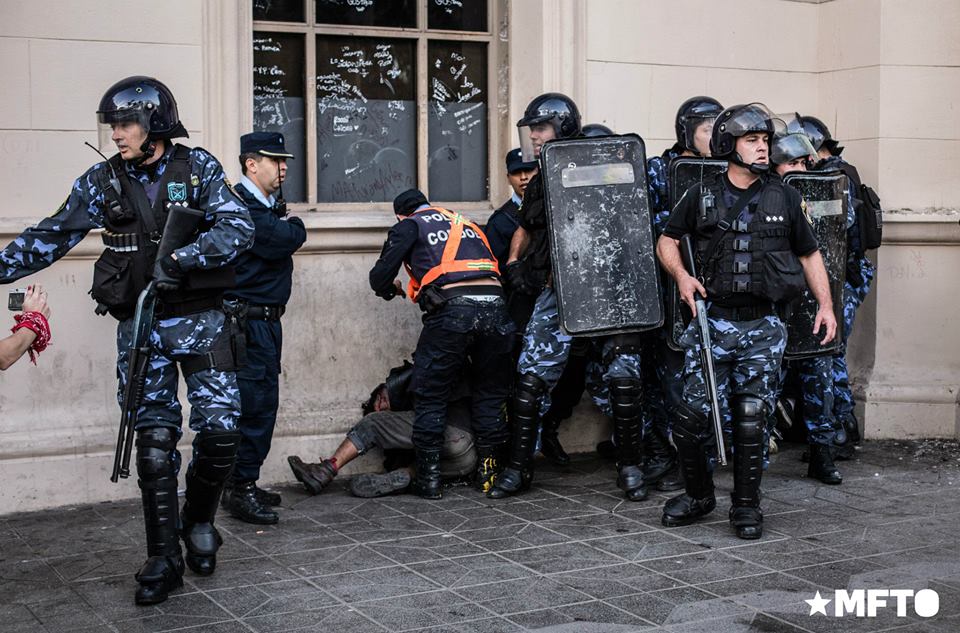
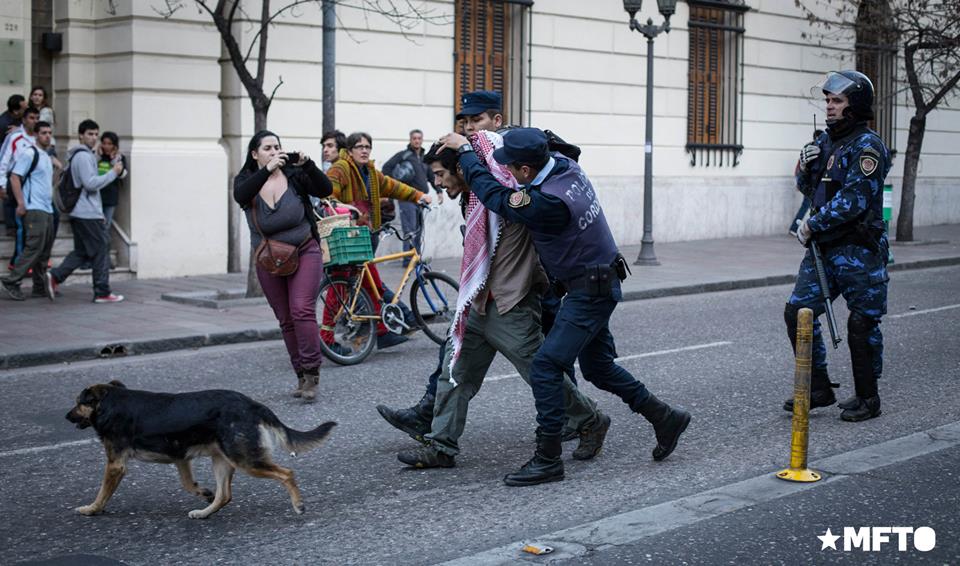
The police inter­vened vio­lent­ly repress­ing the pro­test­ers and arbi­trar­i­ly detain­ing any­one who looked like a pro­test­er. 26 peo­ple total were arrest­ed includ­ing Sofia Gat­i­ca and many were injured. Sofia Gat­i­ca told Argenti­na Inde­pen­dent the law was cre­at­ed so Mon­san­to can legal­ly move into the province.

The new law has been passed after a 9 month block­ade on con­struc­tion of a new GMO seed pro­cess­ing plant. You can read archives of cov­er­age from Rev­o­lu­tion News of this epic bat­tle against the multi­na­tion­al cor­po­ra­tion here.

argentina monsanto 1

argentina monsanto 2

argentina monsanto 3

argentina monsanto 3

argentina monsanto 4

argentina monsanto 5

Climate Change Induced Heat Wave Causes Riots in India

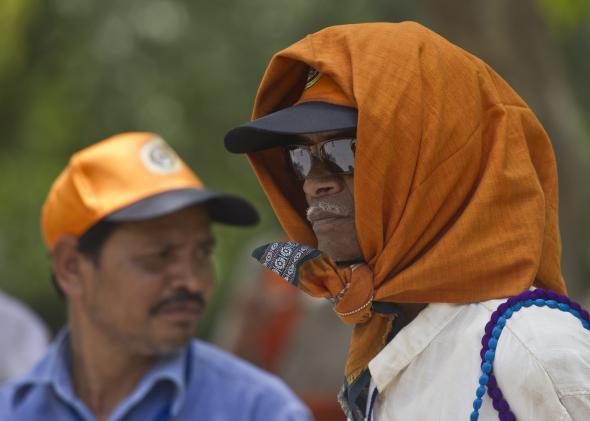
450367372-an-indian-visitor-to-the-landmark-india-gate-monument.jpg.CROP.promo-mediumlarge 14th June

450367372-an-indian-visitor-to-the-landmark-india-gate-monument.jpg.CROP.promo-mediumlarge 14th June

Under relent­less heat, India is reach­ing the break­ing point.

As the coun­try tries to keep cool, the pow­er grid is fail­ing. Riot­ing pro­test­ers in the north of the coun­try set fire to elec­tric­i­ty sub­sta­tions last week­end and held pow­er work­ers hostage, accus­ing the gov­ern­ment of dis­trib­ut­ing scarce pow­er resources based on polit­i­cal pref­er­ence.

From Al Jazeera:

Res­i­dents had been par­tic­u­lar­ly angry about the pow­er cuts after receiv­ing reli­able sup­plies through the Indi­an elec­tions, which end­ed May 16. Since then, only some regions have been guar­an­teed unbro­ken pow­er sup­plies, while oth­ers have received lit­tle to none.


The High Court in the city of Alla­habad is now hear­ing a peti­tion alleg­ing dis­crim­i­na­tion in pow­er dis­tri­b­u­tion, and has asked the gov­ern­ment to explain why some regions appeared to be receiv­ing pref­er­en­tial treat­ment.

Those regions include the city of Varanasi, the par­lia­men­tary con­stituen­cy of new Prime Min­is­ter Naren­dra Modi, as well as con­stituen­cies held by Yadav and oth­er top offi­cials in Uttar Pradesh’s rul­ing par­ty.

As Slate’s Joshua Keat­ing report­ed recent­ly, a study this year by Lak­sh­mi Iyer of the Har­vard Busi­ness School and Petia Topalo­va of the Inter­na­tion­al Mon­e­tary Fund found a con­nec­tion between extreme weath­er (par­tic­u­lar­ly lack of rain­fall) and increased crime in India.

Mean­while, the heat con­tin­ues. On Wednes­day, New Del­hi enters day 10 of a blis­ter­ing heat wave that’s bro­ken at least one long-stand­ing record, with part of the city peak­ing at 118 degrees Fahren­heit (47.8 degrees Cel­sius) on Sun­day. Dur­ing that stretch, the aver­age high tem­per­a­ture at the air­port in New Del­hi has been 109.9  Fahren­heit (43.2 Cel­sius), with the aver­age low an aston­ish­ing 84  Fahren­heit (28.9 Cel­sius). Days upon days with night­time low tem­per­a­tures above 80  Fahren­heit can be dead­ly, espe­cial­ly for those with­out a way to keep cool.

If there’s any con­so­la­tion, at least that’s a dry heat. The dew­point—the amount of mois­ture in the air—has been low all week across north­ern India, with dry air help­ing to boost the effec­tive­ness of built-in human air con­di­tion­ing (evap­o­ra­tion of sweat) and mak­ing the tem­per­a­ture feel some­what cool­er in the shade.

Areas far­ther south, near where the mon­soon was advanc­ing, were even more unbear­able. Just after mid­night Wednes­day local time, the heat index was still 110 Fahren­heit (43.3 Cel­sius) in Mum­bai. Yep, 110 degrees. At near­ly 1 in the morn­ing. I sim­ply can’t fath­om exis­tence in those kinds of con­di­tions. Hin­du priests thereper­formed spe­cial prayers for rain to relieve the swel­ter­ing coun­try of its mis­ery.

The good news: The end of this scorcher is in sight as the mon­soon con­tin­ues to advance north­ward. The bad news: In some of the hard­est-hit places, like Del­hi, that end is still a week away. High tem­per­a­tures there are expect­ed to stay above nor­mal until next Tues­day.

devel­op­ing trop­i­cal cyclone is help­ing to surge mon­soon mois­ture north­ward along India’s West Coast this week, though it’s still going to be quite some time before the cool­ing mon­soon breezes break this heat wave for good. India’s mon­soon was five days late and is expect­ed to bring below nor­mal rain­fall this sea­son, in part because of a build­ing El Niño.

Since the fore­cast of a weak mon­soon, India’s gov­ern­ment has ini­ti­at­ed a con­tin­gency plan designed to relieve pres­sure on its over­taxed pow­er grid, report­ed the Times of India on Tues­day. Two years ago, India suf­fered the worst black­out in world his­to­ry, putting some 600 mil­lion res­i­dents in the dark. Much of India’s elec­tric­i­ty gen­er­a­tion comes via hydro­elec­tric pow­er. The mon­soon sea­son in 2012 was also below aver­age, and demand for elec­tric­i­ty is soar­ing as a bur­geon­ing mid­dle class buys more and more air con­di­tion­ers.

As the New York Times’ Elis­a­beth Rosen­thal wrote at that time, “We can’t live with air-con­di­tion­ing, but we can’t live with­out it.” In a more tem­per­ate cli­mate, Amer­i­cans use more elec­tric­i­ty on air con­di­tion­ing than the rest of the world com­bined. Rapid­ly expand­ing use of air con­di­tion­ing in trop­i­cal coun­tries will fur­ther boost glob­al warm­ing through the release of heat trap­ping gas­es. It’s a Catch-22.

India, for one, is warm­ing to air con­di­tion­ing. In 2007, only 2 per­cent of India had air con­di­tion­ing, but that num­ber is rapid­ly increas­ing. The hot weath­er of the past few weeks has boost­ed sales of air con­di­tion­ers by 15 to 20 per­cent com­pared with last year.

This month’s oppres­sive heat wave already bears the fin­ger­print of glob­al warm­ing. Over the last 100 years, India’s aver­age tem­per­a­ture has warmed by about half a degree Cel­sius (PDF), and mon­soons are get­ting more extreme. The warmest time of the year is typ­i­cal­ly just before the mon­soon hits, when tem­per­a­tures rou­tine­ly top the triple dig­it mark in the oth­er­wise semi-arid north.

This year, though, has been any­thing but rou­tine.


Three More Vehicles Sabotaged in Italy’s No TAV Struggle

14th June We receive from anony­mous mail and trans­mit:

“Genoa—In the night of 3rd June 2 exca­va­tors and 1 con­crete mix­er were sab­o­taged at the Ter­zo Val­i­co Erzel­li yard.

To stop it is up to us

To stop it is pos­si­ble

Let’s sab­o­tage every­thing

No TAV Ter­zo Val­i­co”


14th June We receive from anony­mous mail and trans­mit:

“Genoa—In the night of 3rd June 2 exca­va­tors and 1 con­crete mix­er were sab­o­taged at the Ter­zo Val­i­co Erzel­li yard.

To stop it is up to us

To stop it is pos­si­ble

Let’s sab­o­tage every­thing

No TAV Ter­zo Val­i­co”


[See this arti­cle for more info on the No TAV move­ment]

Sea Shepherd to Deploy Drones to Stop Massive Whale Slaughter

(Photo: Andrija Ilic/Reuters) 13th June In recent years, the annu­al dol­phin hunts in Tai­ji, Japan, have gar­nered head­lines world­wide and sparked out­rage among activists, sci­en­tists, celebri­ties,

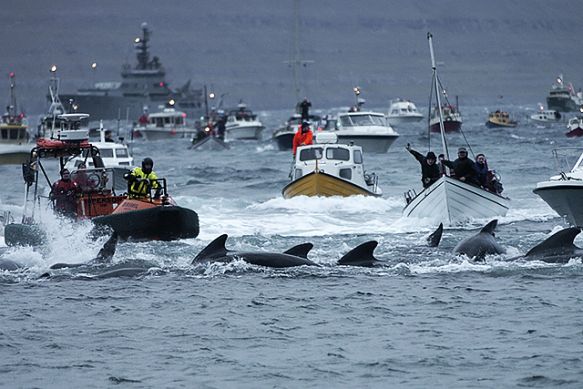
(Photo: Andrija Ilic/Reuters) 13th June In recent years, the annu­al dol­phin hunts in Tai­ji, Japan, have gar­nered head­lines world­wide and sparked out­rage among activists, sci­en­tists, celebri­ties, and diplo­mats. But half a world away, in the North Atlantic nation of the Faeroe Islands, a sim­i­lar slaugh­ter has received far less scruti­ny.

That’s about to change. On Fri­day, Sea Shep­herd Con­ser­va­tion Soci­ety USA will unveil details of a new hi-tech ini­tia­tive aimed at dis­rupt­ing and halt­ing the whale hunts, which begin this month and con­tin­ue through Sep­tem­ber.

The annu­al hunts are known as “grinds.” As part of “Oper­a­tion Grind­Stop 2014,” a land-based cam­paign, Sea Shep­herd USA will deploy drones and livestream video to hin­der the slaugh­ter. Oth­er Sea Shep­herd orga­ni­za­tions will launch simul­ta­ne­ous water-based cam­paigns.

Why the drones? They are “pri­mar­i­ly for sur­veil­lance and doc­u­men­ta­tion,” Sea Shep­herd founder Paul Wat­son said in an email. “They are inex­pen­sive and easy to oper­ate, and they can get us into places we could not oth­er­wise get to.”

Com­bined with livestream­ing video, drone tech­nol­o­gy  “will allow us to cov­er the more than two dozen beach­es in the Faeroes where whales may be killed,” Wat­son added. “The Faeroes present some logis­ti­cal chal­lenges, and we need to be able to deploy in such a way that all pos­si­ble kill sites are mon­i­tored at all times.”

Drones might also detect approach­ing whales, he said, which would “allow us to take our boats to deflect the pods away from the islands.” (The Faeroe Islands cam­paign is fund­ed in part by the Skoll Foun­da­tion, part of the Jeff Skoll Group, which includes Par­tic­i­pant Media, TakePart’s par­ent com­pa­ny.)

Sea Shep­herd USA will place four teams of at least 15 activists each on the ground.
Res­i­dents of the windswept Faeroes, a self-gov­ern­ing arch­i­pel­ago of Den­mark between Nor­way and Ice­land, have been killing fin whales, pilot whales, Atlantic white-sided dol­phins, and oth­er small marine mam­mals for cen­turies. Though the slaugh­ter has received a smat­ter­ing of atten­tion in the glob­al media, the Faeroes hunt has been large­ly over­shad­owed by the dol­phin dri­ves in Tai­ji, which were chron­i­cled in the Oscar-win­ning doc­u­men­tary The Cove.

As many as 1,000 endan­gered long-finned pilot whales, along with mem­bers of oth­er species, are killed each year in the Faeroes dur­ing the “tra­di­tion­al” hunt, called grindadráp (“grind”) by islanders.

The hunt is even pro­mot­ed as a tourist attrac­tion. Accord­ing to the Vis­it Faroe Islands web­site, one of the country’s main attrac­tions is whal­ing.

“The pilot whale hunt in the Faroes is, by its very nature, a dra­mat­ic sight,” it states. “Entire schools of whales are killed on the shore and in the shal­lows of bays with knives which are used to sev­er the major blood sup­ply to the brain.”

The method is “the most effi­cient and humane” means of killing “under the cir­cum­stances,” the web­site reas­sures poten­tial­ly queasy tourists, “but it nat­u­ral­ly results in a lot of blood in the water.”

This is not the first time that Sea Shep­herd, which has been fight­ing against the Faeroes slaugh­ter for more than 30 years, has used drones in a cam­paign, accord­ing to Jake Weber, Sea Shep­herd drone spe­cial­ist. But it is the first drone deploy­ment in the Faeroes, he said in an email. “A great advan­tage they will pro­vide is the abil­i­ty to get [high-def­i­n­i­tion] footage and still pho­tos very close to the grind with­out endan­ger­ing our vol­un­teers or their equip­ment.”

Environmentalists Halt Leard Forest Clearance for the Winter

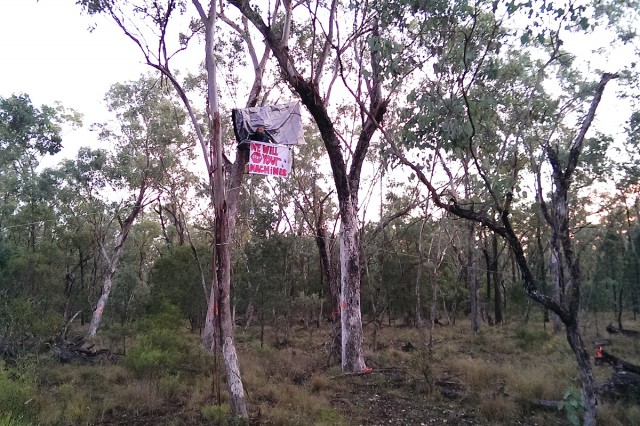
leard-forest-protest-1200-640x426 13th June Aus­tralia White­haven Coal yes­ter­day announced it would halt its clear­ing of Leard State For­est until Sep­tem­ber fol­low­ing an injunc­ti

leard-forest-protest-1200-640x426 13th June Aus­tralia White­haven Coal yes­ter­day announced it would halt its clear­ing of Leard State For­est until Sep­tem­ber fol­low­ing an injunc­tion in the NSW Land and Envi­ron­ment Court by the Maules Creek Com­mu­ni­ty Coun­cil.

The group, aid­ed by the EDO, specif­i­cal­ly appealed over the fact that many ani­mals in the for­est hiber­nate over win­ter and there­fore were more like­ly to be killed by clear­ing dur­ing win­ter months.

The com­pa­ny vol­un­tar­i­ly called a halt to clear­ing yes­ter­day after­noon, just as the court’s deci­sion on the injunc­tion was due, until the results of a full hear­ing on the mat­ter.

Maules Creek Com­mu­ni­ty Coun­cil spokesper­son, Phil Laird said, ‘We are pleased that White­haven has been forced to respond to our legit­i­mate chal­lenge in the court by today under­tak­ing to stop clear­ing in Leard State For­est’.

The Maules Creek Com­mu­ni­ty Coun­cil is argu­ing that White­haven is in breach of its devel­op­ment con­sent by winter/spring clear­ing of the for­est. A breach of devel­op­ment con­sent con­tra­venes the Envi­ron­men­tal Plan­ning and Assess­ment Act 1979.

‘This out­come today sends a strong mes­sage to coal min­ing com­pa­nies across NSW and to the NSW gov­ern­ment: if they will not enforce the law, then the com­mu­ni­ty is pre­pared to step up and do it them­selves’ Mr Laird said.

‘We appre­ci­ate the action tak­en by White­haven today and we will be prepar­ing to vig­or­ous­ly pur­sue the full legal chal­lenge,’ he added.

The new Maules Creek coalmine project involves a total clear­ing of 1664 hectares of for­est, which cur­rent­ly pro­vides habi­tat for threat­ened species includ­ing bats, koalas, for­est owls, the Swift Par­rot and the Regent Hon­eyeater.

The Nature Con­ser­va­tion Coun­cil of NSW has wel­comed White­haven Coal’s deci­sion to adhere to the con­di­tions of its devel­op­ment con­sent.

‘This is a clear vic­to­ry for com­mu­ni­ty mem­bers who have been work­ing tire­less­ly to pro­tect this for­est and the region’s water resources,’ cam­paigns direc­tor Kate Smol­s­ki said.

‘The deci­sion to stop win­ter clear­ing does not end the fight to save Leard For­est, but it does at least give hiber­nat­ing native ani­mals a fight­ing chance to escape the bull­doz­ers.

‘It is regret­table the NSW gov­ern­ment did not enforce the con­di­tions of its own con­sent for this atro­cious mine, leav­ing Maules Creek Com­mu­ni­ty Coun­cil lit­tle alter­na­tive but to take legal action.

‘State and fed­er­al laws have failed to pro­tect this impor­tant nat­ur­al area, demon­strat­ing the need for deep reform to pro­tect impor­tant nat­ur­al places from coal min­ing.

‘Until that reform occurs, com­mu­ni­ty groups will con­tin­ue to seek rem­e­dy in the courts, and ordi­nary peo­ple will feel com­pelled to take direct action in the for­est.

‘The Maules Creek mine will tear out the heart of Leard For­est, destroy one of the largest rem­nant areas of wildlife habi­tat in west­ern NSW, threat­en ground­wa­ter resources, and have a last­ing neg­a­tive impact on the local com­mu­ni­ty of Maules Creek. This project should nev­er have been approved.’

Greens NSW MP and envi­ron­ment spokesper­son, Dr Mehreen Faruqi has also wel­comed news.

‘This deci­sion… proves com­mu­ni­ty con­cerns were jus­ti­fied. It is clear that White­haven saw the writ­ing on the wall and went for an under­tak­ing before it was ordered to by the court,’ Dr Faruqi said.

‘Unfor­tu­nate­ly, much clear­ing has already tak­en place.

‘I have seen with my own eyes just yes­ter­day the sec­tion of the for­est bull­dozed by White­haven Coal, pre­sum­ably in antic­i­pa­tion of a sus­pen­sion.

‘It is out­ra­geous that White­haven Coal was allowed to under­take win­ter clear­ing in the first place. This was com­plete­ly unnec­es­sary.

‘There needs to be an inves­ti­ga­tion into how these approvals were grant­ed by the NSW gov­ern­ment in the first place, as large tracts of endan­gered eco­log­i­cal com­mu­ni­ties have been cleared and can­not be replaced or off­set.

‘I was also dis­turbed to see valu­able pub­lic resources being used to ben­e­fit a min­ing com­pa­ny, with the gov­ern­ment order­ing police to set up road­blocks on pub­lic roads and search cars.

‘The gov­ern­ment should be pro­tect­ing the Leard For­est, not big coal.

‘In a demo­c­ra­t­ic soci­ety, the pub­lic have the right to protest peace­ful­ly and I have been inspired by the activists stand­ing up to pro­tect our envi­ron­ment and our wildlife.

‘The Greens and many in the com­mu­ni­ty are opposed to this mas­sive coal min­ing project because of its destruc­tive impacts on bio­di­ver­si­ty, cul­tur­al her­itage and its mas­sive con­tri­bu­tion to cli­mate change: allow­ing clear­ing dur­ing the win­ter months fur­ther com­pound­ed these dam­ag­ing impacts.

‘Con­grat­u­la­tions to the grass­roots com­mu­ni­ty groups and the Envi­ron­men­tal Defend­ers Office that brought for­ward this legal chal­lenge. The Greens will con­tin­ue cam­paign­ing to stop this coal mine com­plete­ly’ she con­clud­ed.

Patagonia Dam CANCELED!

chao hidroaysen13th June After an eight-year strug­gle, Chile’s grass­roots and envi­ron­men­tal move­ments have suc­cess­ful­ly won the rejec­tion of five planned megadams on two Patag­on­ian rivers!

chao hidroaysen13th June After an eight-year strug­gle, Chile’s grass­roots and envi­ron­men­tal move­ments have suc­cess­ful­ly won the rejec­tion of five planned megadams on two Patag­on­ian rivers!

It’s not every day we cel­e­brate a vic­to­ry as sig­nif­i­cant and hard-won as today’s tri­umph in the eight-year cam­paign to pro­tect Chilean Patag­o­nia from the destruc­tive HidroAysén dam project!

This morn­ing, Chile’s high­est admin­is­tra­tive author­i­ty – the Com­mit­tee of Min­is­ters – made a unan­i­mous deci­sion to over­turn the envi­ron­men­tal per­mits for the con­tro­ver­sial five dam mega-project, which was planned on the Bak­er and Pas­cua rivers. This high­ly antic­i­pat­ed res­o­lu­tion effec­tive­ly can­cels the project, rul­ing that assess­ment of the project’s impacts was insuf­fi­cient to grant project approval back in 2011.

The Com­mit­tee, which con­sists of the Min­is­ter of Envi­ron­ment, Health, Econ­o­my, Ener­gy and Min­ing, Agri­cul­ture, and Tourism, eval­u­at­ed 35 appeals which were filed by the Patag­o­nia Defense Coun­cil and local cit­i­zens in response to the project’s Envi­ron­men­tal Impact Assess­ment after it was approved in May 2011. Though it has tak­en more than three years, with meet­ings and deci­sions being repeat­ed­ly delayed and even­tu­al­ly passed on to the new admin­is­tra­tion, today’s deci­sion is a recog­ni­tion of the tech­ni­cal and pro­ce­dur­al flaws sur­round­ing HidroAysén as well as the sig­nif­i­cant impacts the project would have had on one of Chile’s most icon­ic regions.

What began as a grass­roots effort to pro­tect the pris­tine Bak­er and Pas­cua rivers, and the com­mu­ni­ties and cul­ture of Patag­o­nia, has devel­oped into a ful­ly-fledged inter­na­tion­al cam­paign and gal­va­nized a nation­al envi­ron­men­tal move­ment. Over the past four years Chileans have tak­en to the streets to demand a halt to HidroAysén and around the world an inter­na­tion­al com­mu­ni­ty has ral­lied around this call. Today it is these voic­es that have won out, and togeth­er have set in motion a new path towards a bright future for Patag­o­nia and the hope of a tru­ly sus­tain­able ener­gy future for Chile.

Pascua River, Patagonia: Undammed!

Pas­cua Riv­er, Patag­o­nia: Undammed!

To bor­row some words from Patri­cio Rodri­go, Exec­u­tive Sec­re­tary of the Patag­o­nia Defense Coun­cil, “The government’s defin­i­tive rejec­tion of the HidroAysén project is not only the great­est tri­umph of the envi­ron­men­tal move­ment in Chile, but marks a turn­ing point, where an empow­ered pub­lic demands to be heard and to par­tic­i­pate in the deci­sions that affect their envi­ron­ment and lives.”

We are thrilled that the gov­ern­ment is sid­ing with the major­i­ty of Chileans and tens of thou­sands of peo­ple around the world to say no to HidroAysén! We com­mend Pres­i­dent Bachelet for remain­ing loy­al to her cam­paign promise that HidroAysén would not have her sup­port. And we are look­ing to the future, with the hope that mea­sures will be put in place to pro­tect this unique region from future threats. (In fact, Pres­i­dent Bachelet and the Min­is­ter of Envi­ron­ment recent­ly for­mal­ized a bill that would cre­ate the Depart­ment of Bio­di­ver­si­ty and Pro­tect­ed Areas (SBAP) with the aim to pre­serve crit­i­cal ecosys­tems through­out Chile.)

Announcing the Launch of “After Prison” Zine & Website Project

ResilienceDrawing11th June AfterPrisonZine.org “After Prison” is a zine and web­site project aimed at shar­ing the voic­es of for­mer earth and ani­mal

ResilienceDrawing11th June AfterPrisonZine.org “After Prison” is a zine and web­site project aimed at shar­ing the voic­es of for­mer earth and ani­mal defense pris­on­ers. This project hopes to help build an under­stand­ing of what life after prison can entail, so that indi­vid­u­als and com­mu­ni­ties can help cre­ate health­i­er envi­ron­ments for pris­on­ers to return home to. It also pro­vides an oppor­tu­ni­ty for for­mer and cur­rent pris­on­ers – whom often have restric­tions on who they can com­mu­ni­cate with – to con­nect with the expe­ri­ences of oth­ers.

“It’s been 20 years since I first entered a fed­er­al prison. For­tu­nate for me, only six of those years were lost to that trau­ma­tiz­ing expe­ri­ence, but the dam­age will last the rest of my life, and if I’m not care­ful, maybe the lives of my chil­dren too. When you’re in prison, it is dif­fi­cult to say the least, to stay con­nect­ed to your for­mer “out­side” world. How­ev­er strong your con­nec­tion might have been, those are not the type of peo­ple you are around now and it is not the world you are liv­ing in or that threat­ens your very own abil­i­ty to live. Just as soci­ety forces us to dis­con­nect from the vio­lence caused by our way of life, prison forced us to dis­con­nect from a lot of our deep­est sense of self and stay there for years.”
- Rod Coro­n­a­do, for­mer earth & ani­mal lib­er­a­tion pris­on­er, from his arti­cle, “What Your Heart Tells You Is Right.”


Many for­mer pris­on­ers face a raft of dif­fi­cul­ties upon com­ing out of prison, such as hous­ing & employ­ment dis­crim­i­na­tion, deal­ing with trau­ma, and the stig­ma of being a felon, to name just a few. It is cru­cial that our com­mu­ni­ties can sup­port our fel­low activists through these often chal­leng­ing times. But it is impor­tant to lis­ten to the voic­es of those who have had these expe­ri­ences, to learn what is appro­pri­ate sup­port, and sim­ply learn to lis­ten.

The zine, fea­tur­ing inter­views and writ­ings from for­mer earth & ani­mal defense pris­on­ers such as Rod Coro­n­a­do, Jor­dan Hal­l­i­day, Josh Harp­er & Jeff Luers, is being launched today on June 11, the Inter­na­tion­al Day of Sol­i­dar­i­ty with Marie Mason, Eric McDavid & all Eco-pris­on­ers. We hope that it con­tributes to fur­ther dis­cus­sion around sup­port­ing those cur­rent­ly in prison, as well as when they are released.

The zine can be read online, and down­loaded from the web­site: afterprisonzine.org.

All for­mer and cur­rent move­ment pris­on­ers can request a hard­copy of the zine for free. Please get in touch if you, or a pris­on­er you are sup­port­ing, would like a copy.

This is an ongo­ing project. In the long term, we are hop­ing that the web­site set up for this zine will become a place where oth­er for­mer pris­on­ers will be inter­est­ed in con­tribut­ing their sto­ries. As the web­site receives more con­tri­bu­tions, fur­ther updat­ed edi­tions of the zine will be pro­duced.

afterprisonzine@gmail.com