Workers evicted in protest against tar sands, USA

10325372_324548394374638_8305006352458422144_n

10325372_324548394374638_8305006352458422144_n

July 17th, 2014 — from Swamp Line 9

Indi­vid­u­als from Six Nations and their allies have inter­rupt­ed work on a sec­tion of Enbridge’s Line 9 pipeline. The work stop­page began around 10am this morn­ing. Indi­vid­u­als involved asked work­ers to leave, assert­ing that the land is Hau­denosaunee ter­ri­to­ry guar­an­teed under the Haldimand deed, and that Enbridge’s work­ers were present with­out con­sent or con­sul­ta­tion.

“Mean­ing­ful con­sul­ta­tion isn’t just pro­vid­ing infor­ma­tion and going ahead with­out dis­cus­sion – it’s giv­ing the oppor­tu­ni­ty to say no and hav­ing a will­ing­ness to accom­mo­date.” says Mis­sy Elliot.

“Enbridge left a voice mes­sage on a machine with one per­son. That’s not mean­ing­ful – it’s not even con­sul­ta­tion.” Emi­lie Cor­beau, there in sup­port of Six Nations points out.

Those involved intend to host an action camp, fill­ing the time with teach-ins about Six Nations his­to­ry, indige­nous sol­i­dar­i­ty and skill shares cen­ter­ing on direct action.

The group states that they’ve tried the oth­er process­es avail­able to them and here out of neces­si­ty. “We’ve tried pur­su­ing avenues with the NEB, the town­ship and the Grand Riv­er Con­ser­va­tion Author­i­ty. Our con­cerns were dis­missed. What oth­er choice do we have if we want to pro­tect our land, water and chil­dren?” Mis­sy Elliot of Six Nations asks.

Under bill C‑45 the sec­tion of the Grand Riv­er adja­cent to the Enbridge work site and pipeline is no longer pro­tect­ed. Approx­i­mate­ly half a mil­lion peo­ple rely on drink­ing water pro­vid­ed by the Grand Riv­er.

“This isn’t just about line 9 – or North­ern Gate­way, Ener­gy East or Key­stone XL. This is about pipelines – all of them.” Daniell Boissineau, of Tur­tle Clan, asserts. “This is about the tarsands and how destruc­tive they are to expand, extract and trans­port.”

“This is a con­ti­nen­tal con­cern. It’s not just a Six Nations issue or an indige­nous issue. We share the respon­si­bil­i­ty to pro­tect our land and water as human beings.” Elliot states.

Italy—More Arrests in the Struggle Against the TAV

NO_TAV_logo

NO_TAV_logo

This morn­ing (11th July) three anar­chist com­rades were arrest­ed between Milan and Lec­ce, and anoth­er one was raid­ed.

The three are accused of tak­ing part in the attack on the yard in Chiomonte in the night between 13th and 14th May 2013, the same episode fol­low­ing which Chiara, Mat­tia, Clau­dio and Nic­colò were jailed in Decem­ber 2013.

We don’t know much about the charges yet. In the press we read: dam­age, arson, vio­lence on pub­lic offi­cial, pos­ses­sion and fab­ri­ca­tion of explo­sive devices. There­fore it seems that pros­e­cu­tors from Turin have been forced to rule out the charge of ter­ror­ism, fol­low­ing a pre­vi­ous sen­tence from the court of cas­sa­tion that can­celled this charge in Chiara, Mat­tia, Clau­dio and Niccolò’s case.

from informa-azione.info / trans­lat­ed by Act for Free­dom Now

Germany’s Hambach Forest Occupation Calls for Solidarity and Support

Campaign_Poster_(CURRENT_NEW)+Greet­ings and Salu­ta­tions from the Ham­bach­er For­est Occu­pa­tio

Campaign_Poster_(CURRENT_NEW)+Greet­ings and Salu­ta­tions from the Ham­bach­er For­est Occu­pa­tion!

We are present­ly block­ing the expan­sion of the largest open­cast lig­nite mine in West­ern Europe with tree sits and bar­ri­cades through out the Ham­bach­er For­est. After the last evic­tion on March 27th 2014 we re-occu­pied the for­est, this time, build­ing up two tree sits with mul­ti­ple plat­forms, tree-hous­es, walk ways in between and bar­ri­cades .

At present we are fac­ing reg­u­lar intru­sion of repres­sive law enforce­ment destroy­ing our struc­tures on the ground and have already faced two largescale evic­tions using tac­ti­cal teams cost­ing mil­lions of euros while at the same time, the Ger­man gov­ern­ment, is cut­ting sus­tain­able ener­gy sub­si­dies. Instead choos­ing to com­pen­sate for the shut down of nuclear pow­er plants with sup­port to the extreme­ly pol­lut­ing and eco­log­i­cal­ly cat­a­stroph­ic coal indus­try (in our case RWE pow­er com­pa­ny which is engag­ing in mas­sive green wash­ing PR cam­paigns).

We would like to send you updates and inform you of the upcom­ing Cli­mate Camp and Skill-shares Gath­er­ing (July 26th to August 3rd 2014) hap­pen­ing in our vicin­i­ty which we are also help­ing to orga­nize. We also have a sup­port camp with legal sta­tus at the edge of the for­est func­tion­ing as a de fac­to activist eco vil­lage with a veg­an kitchen, guest
car­a­vans, straw bail struc­tures, gar­dens and many oth­er on-going sus­tain­able projects, to which we would like to invite all of you who may find your­selves in our neck of the woods.

As of recent­ly, we have also built an info-shop/li­brary for which we would like to appeal for any extra lit­er­a­ture that you would be will­ing to share with us. We could cov­er the costs of ship­ment and if pos­si­ble dis­count rates of lit­er­a­ture itself not to men­tion we would be extreme­ly inter­est­ed and grate­full if you would be will­ing to share any back issues or extra lit­er­a­ture. If this is a pos­si­bil­i­ty please also respond with your prefer­able snail-mail address, as we would like to share some of our mate­r­i­al with you as well.

We have a sup­port cen­tre in Duren, which is unfor­tu­nate­ly under­go­ing a bit of tran­si­tion at the moment. For the time being the lit­er­a­ture for our Mead­ow Base Camp info-shop and the Cli­mate Camp could be sent, care of one of our sup­port­ers:

Frau Anni­ka Lind­berg
Rohrbach­str. 37
60389 Frank­furt am Main
Ger­many

If you would be inter­est­ed in updates from the for­est please include your PGP key in the cor­re­spon­dence.

There is a sense of urgency as even though the for­est has been occu­pied for two years now there is a new auto­bahn ready for open­ing in Sep­tem­ber bypass­ing the one sep­a­rat­ing the last rem­nant of the for­est from the mine allow­ing the mine to expand and log­ging and strip min­ing to com­mence on the last rem­nant of the for­est. We expect that to be the time of mass police actions. For that rea­son it is mega impor­tant to both get the word out and keep peo­ple involved, inspired and on track of the impor­tance and the con­text of the strug­gle.

Blockade Halts Logging in Mattole Forest, US

20140708_172403_Pano

20140708_172403_Pano

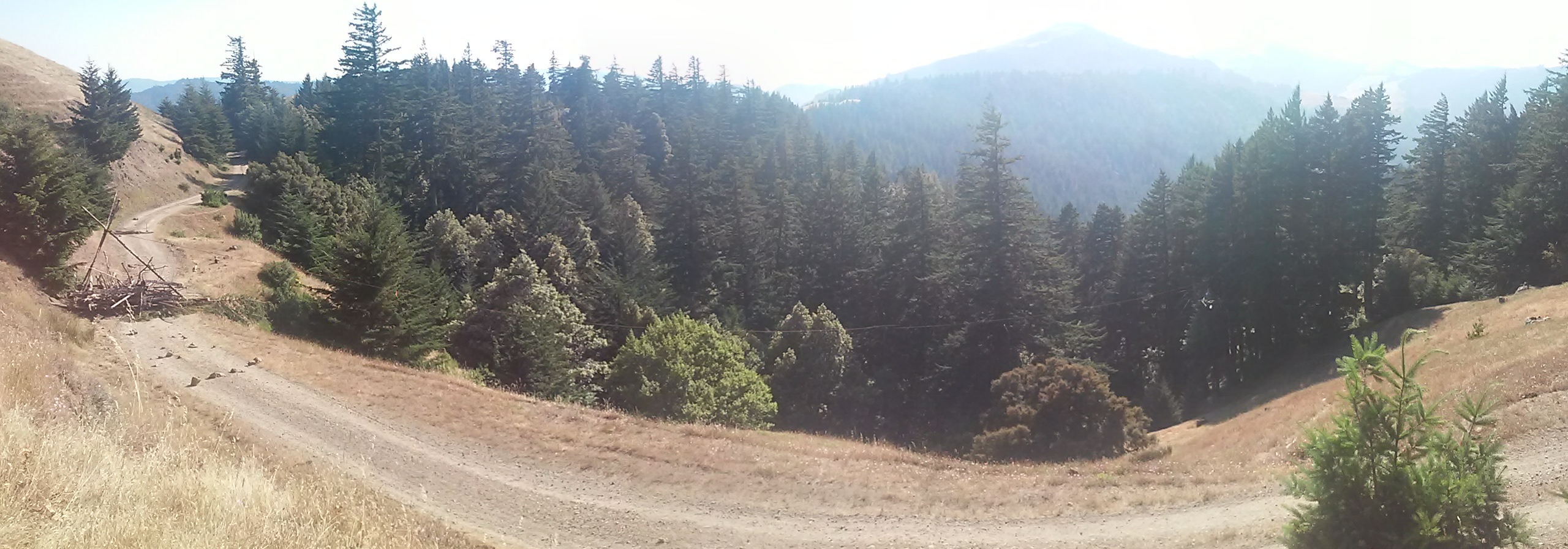
The tri­pod is vis­i­ble on the log­ging road to the left of the pho­to

July 9th, 2014  A block­ade was deployed on a log­ging road in the Mat­tole for­est yes­ter­day morn­ing, pre­vent­ing the extrac­tion of over 1,000 acres.of old-growth for­est

There has been com­mu­ni­ca­tion between the com­pa­ny and the block­aders, but efforts to remove the tech­ni­cal­ly com­pli­cat­ed mono­pod-tri­pod com­plex had not been made as of last con­tact with the for­est defense team.

This marks the sec­ond action in as many weeks. Last week a tree sit­ter going by the name Skunk climbed into the canopy, insist­ing, “Our main demands to Hum­boldt Red­wood Com­pa­ny are very simple—don’t cut unlogged for­est, and don’t cut old-growth. This road threat­ens to destroy for­est that has nev­er been logged before, and will pave the way for log­ging even more impor­tant habi­tat if the com­mu­ni­ty does not rise up to stop it.”

The Mat­tole for­est is host to sev­er­al species of old growth trees, and endan­gered species like the Spot­ted Owl and Gold­en Eagle.

The Mat­tole riv­er sys­tem has also been the site of hero­ic salmon restora­tion efforts in North­ern Cal­i­for­nia, as doc­u­ment­ed by the book Totem Salmon by Free­man House.

This area has been the site of suc­cess­ful for­est defense cam­paigns since the Tim­ber Wars in the ear­ly 1990s, and Earth First! con­tin­ues to main­tain a vig­i­lant pres­ence.


Update: Help Need­ed!

The block­ade in the Mat­tole con­tin­ues amidst pres­sure from local law enforce­ment and log­ging com­pa­ny rep­re­sen­ta­tives. The block­ade was deployed on a log­ging road in the Mat­tole for­est yes­ter­day morn­ing, pre­vent­ing the extrac­tion of over 1,000 acres of old-growth for­est in South­ern Hum­boldt.

This morn­ing, 4 Sher­iffs and HRC com­pa­ny execs showed up to the road block­ade. They threat­ened to rean­chor the lines of the tri­pod block­ade, putting the sit­ter at risk. We have con­firmed they have arrest­ed and released one per­son, but that the block­ade of old growth log­ging remains. The cops have said that they will return tonight with dogs.

This block­ade marks the sec­ond action this month. Last week a tree sit­ter going by the name Skunk climbed into the canopy, insist­ing, “Our main demands to Hum­boldt Red­wood Com­pa­ny are very simple—don’t cut unlogged for­est, and don’t cut old-growth. This road threat­ens to destroy for­est that has nev­er been logged before, and will pave the way for log­ging even more impor­tant habi­tat if the com­mu­ni­ty does not rise up to stop it.”

The block­ade could use more sup­port! Please con­tact savemattolesancientforest@gmail.com if you want to vol­un­teer with the cam­paign or donate mon­ey and mate­ri­als. More updates to come on saveancientforest.org.

Activists Shut Down Seneca Biomass Plant in Eugene, USA

Three earth defenders have been taken into custody for this morning’s action at the Seneca Biomass burner in Eugene, Oregon. We will need funds to assist with bail and legal defense.

Three earth defenders have been taken into custody for this morning’s action at the Seneca Biomass burner in Eugene, Oregon. We will need funds to assist with bail and legal defense. Click here for donation page.

View more pic­tures of the action here.

CFD17

July 7th, 2014 EUGENE—Scores of activists with Cas­ca­dia For­est Defend­ers and Earth First! con­verged on the Seneca Jones bio­mass plant this morn­ing to protest the company’s pri­va­ti­za­tion of pub­lic lands in the Elliott State For­est and ongo­ing pol­lu­tion in West Eugene.

Cur­rent­ly sev­er­al peo­ple have locked them­selves to equip­ment at the plant, effec­tive­ly block­ing the “truck dump” where bio­mass is loaded into the incin­er­a­tor. A ban­ner has been dropped off of a tow­er read­ing: “Seneca Jones: Pri­va­tiz­ing the coast range, pol­lut­ing West Eugene.”

The activists are bring­ing atten­tion to Seneca Jones Timber’s role in pri­va­tiz­ing the Elliott State For­est. This month Seneca closed on their pur­chase of 788 acres in the Elliott, called East Hak­ki Ridge. Co-own­er of Seneca Kathy Jones recent­ly expressed the company’s inten­tion to clearcut East Hak­ki and replace it with Dou­glas fir plan­ta­tion.

Cas­ca­dia For­est Defend­er Richard Haley com­ment­ed, “How­ev­er Kathy Jones paints it, her com­pa­ny is a bad neigh­bor every­where it oper­ates. Here in Eugene, Seneca pol­lutes. In the Elliott, Seneca clearcuts and puts up ‘no tres­pass­ing’ signs in pris­tine, nev­er before logged for­est. East Hak­ki is no longer a place where locals can go hunt, fish, hike, camp or watch birds. Now it is cor­po­rate prop­er­ty.”

Coos Bay cit­i­zen sci­ence group Coast Range For­est Watch doc­u­ment­ed Mar­bled Mur­relet nest­ing behav­ior in East Hak­ki Ridge in May. The bird is fed­er­al­ly pro­tect­ed under the Endan­gered Species Act, which pro­hibits actions that injure or kill threat­ened species–including destruc­tion of habi­tat. A month after Mar­bled Mur­relets were found in East Hak­ki, con­ser­va­tion law orga­ni­za­tions filed to sue Seneca Jones in the event of log­ging in the tim­ber sale. Mur­relets were also found in two tim­ber sales pur­chased by tim­ber com­pa­ny Rose­burg For­est Prod­ucts. Anoth­er par­cel is up for sale this fall, and the State Land Board is con­sid­er­ing pri­va­tiz­ing the entire for­est.


Conveyor BeltDespite Seneca’s claim of being sus­tain­able, the bio­mass plant failed its first EPA air pol­lu­tion test in 2011 but still request­ed more state funds to off­set its pro­duc­tion costs. In spite of its high impact on local air qual­i­ty, Seneca receives 10 mil­lion dol­lars in tax cred­its from the state of Ore­gon under the Busi­ness Ener­gy Tax Cred­it Pro­gram.

“The plant has had a bad rep­u­ta­tion in this com­mu­ni­ty since its open­ing,” said West Eugene res­i­dent Matthew Hawks. “It’s mar­ket­ing itself as a ‘green’ solu­tion in my neigh­bor­hood, but is actu­al­ly harm­ing the envi­ron­ment around us, espe­cial­ly the air we breathe.”

The plant, which only employs 11 peo­ple, releas­es an esti­mat­ed 17,900 pounds of air tox­ins into West Eugene Neigh­bor­hoods annu­al­ly, in addi­tion to the 73,000 pounds released each year from the mill itself. There are three schools with­in three miles of the Seneca bio­mass facil­i­ty.

“While clearcut­ting and pri­va­ti­za­tion in the Elliott State For­est is done in the name of pub­lic schools, this irre­spon­si­ble com­pa­ny is tak­ing mil­lions of pub­lic dol­lars and impact­ing the health and safe­ty of school chil­dren in their own neigh­bor­hood. It feels real­ly twist­ed,” said Cas­ca­dia For­est Defend­er Cordelia Fin­ley.

The Eugene-based Cas­ca­dia For­est Defend­ers car­ried out this action with activists from across the con­ti­nent fol­low­ing an annu­al Earth First! camp-out in the woods of South­ern Ore­gon, called the Earth First! Round Riv­er Ren­dezvous.

Banner reading: "Seneca Jones: Privatizing the Coast Lands, Polluting West Eugene" dropped at Seneca biomass facility in Eugene, OR.

Akwa Ibom Youths Barricade Exxon Oil Terminal

asustruk-615x320
asustruk-615x320

July 7th, 2014

Oper­a­tions of Exxon Mobil, a multi­na­tion­al firm has been shut down by protest­ing youths from the host com­mu­ni­ties in Ibeno, Akwa Ibom State, Nige­ria fol­low­ing what they described as recur­rent oil spills and strings of unful­filled promis­es made to the com­mu­ni­ties.

LEADERSHIP gath­ered that the angry youths who bar­ri­cad­ed the main entrances to ExxonMobil’s Quo Iboe Ter­mi­nal (QIT) said they will nev­er leave the area until the com­pa­ny com­mences prop­er reme­di­a­tion on the envi­ron­ment and ful­fil promis­es it made after past oil spills.

The Sec­re­tary of Youth Pres­i­dents Forum and Pres­i­dent of Iwuokpom com­mu­ni­ty youth where Exxon­Mo­bil jet­ty is locat­ed, Mr. David Okon not­ed that the protest was sparked off fol­low­ing the most recent spill which occurred on Thurs­day when thun­der struck the QIT tank farm and one of the crude oil-laden tanks went up in flames.

Accord­ing to, Okon sev­er­al hun­dred bar­rels of crude spilled over Mkpanak com­mu­ni­ty and into 26 oth­er com­mu­ni­ties in the area, span­ning over 35 kilo­me­ters.

He said, “Our griev­ance is that since last year, there was an oil spill at the QIT that flowed from Inu­aeyet Ikot vil­lage to Okposo, about 35 kilo­me­ters along the coast­line towards Mbo local gov­ern­ment area. Since then, Mobil has refused to clean up our envi­ron­ment. They issued and acknowl­edge­ment let­ter to indi­cate that their tank bust­ed.

“Mobil knows the impact of oil spill and the dam­age it has done to aquat­ic life and the water table and the entire envi­ron­ment. When a major spill occurred last Decem­ber, they promised to pro­vide relief mate­ri­als to our peo­ple and also pay com­pen­sa­tion. Up till now, they have not done any­thing in that regard. Last week, two of the tanks got burnt and crude flowed into our com­mu­ni­ties.”

Okon lament­ed that, while a walk along the shore­line would show dead fish­es scat­tered all over the area, it was becom­ing so dif­fi­cult a task for the peo­ple to fish.

“Peo­ple are hun­gry and angry and that is why we have come here to draw the atten­tion of the world to what Exxon Mobil has been doing to our com­mu­ni­ties”, he added.

Cor­rob­o­rat­ing Okon’s posi­tion on the mat­ter, a com­mu­ni­ty leader in Iben­no, Chief Williams Mkpa who admit­ted that the peo­ple of the area have scores to set­tle with Exxon­Mo­bil over cas­es of oil spillage lament­ed that the eco­nom­ic main­stay of peo­ple of the area has been great­ly affect­ed by the spill.

He said, “When sim­i­lar inci­dents hap­pen, the com­mu­ni­ty usu­al­ly agi­tates for cleanup and ade­quate com­pen­sa­tion.

But in its usu­al way, Exxon­Mo­bil has refused to respond to those requests because they don’t have the inter­est of the peo­ple at heart. In the past 44 years of their oper­a­tions, the com­pa­ny only com­pen­sat­ed us in 1998 when they declared 55 bar­rel spill and paid N350 mil­lion to our com­mu­ni­ties”.

He not­ed that because they were aware of the effects of gas flar­ing to the imme­di­ate envi­ron­ment, staff of Exxon­Mo­bil do not live in Ibeno com­mu­ni­ties, as the oil firm chose to locate its hous­ing estate in Eket, about 20 kilo­me­ters away.

Mkpa said the inter­ven­tion of the state Gov­er­nor, Godswill Akpabio did not yield any pos­i­tive result in the mat­ter, as the com­pa­ny has delib­er­ate­ly refused to respect the agree­ment bro­kered by the gov­ern­ment since 2012.

Mkpa fur­ther chid­ed those opposed to resource con­trol, say­ing that if Ibeno peo­ple had a say in how Exxon­Mo­bil is being oper­at­ed, some of the dam­ag­ing impacts of their oper­a­tions could have been mit­i­gat­ed.

He, there­fore, appealed to the Nation­al Con­fer­ence and the Nation­al Assem­bly to take urgent steps to ensure that oil pro­duc­ing areas in the coun­try were giv­en a stake in oil explo­ration and pro­duc­tion.

Mr. Mkpa also lament­ed that over 95 per­cent of staff in Exxon­Mo­bil are from oth­er parts of the coun­try and chal­lenged the com­pa­ny to pub­lish the list of its top man­age­ment staff toshow how many peo­ple from the host com­mu­ni­ties it has engaged.

On its part, Exxon­Mo­bil explained that Mobil Pro­duc­ing Nige­ria unlimt­ed, oper­a­tor of the NNPC/MPN joint ven­ture said it has acti­vat­ed our emer­gency response sys­tems and con­tained the release, with all rel­e­vant reg­u­la­to­ry author­i­ties and com­mu­ni­ty lead­ers noti­fied.

The company’s spokesper­son, Akaninyene Esiere in an email stat­ed: “MPN remains com­mit­ted to envi­ron­men­tal­ly safe oper­a­tions. Sub­ject to a detailed site inspec­tion, our cur­rent esti­mate is that approx­i­mate­ly 12 bar­rels of oil was released dur­ing the inci­dent. All rel­e­vant reg­u­la­to­ry author­i­ties and com­mu­ni­ty lead­ers have been noti­fied.

“We are work­ing with com­mu­ni­ty lead­ers to gain access to the impact­ed area and con­tin­ue to work to ensure the impact­ed area is reme­di­at­ed. Off­shore pro­duc­tion and load­ing oper­a­tions are con­tin­u­ing.”


Massive convoys of test frack equipment arrive at West Newton

3rd July

3rd July

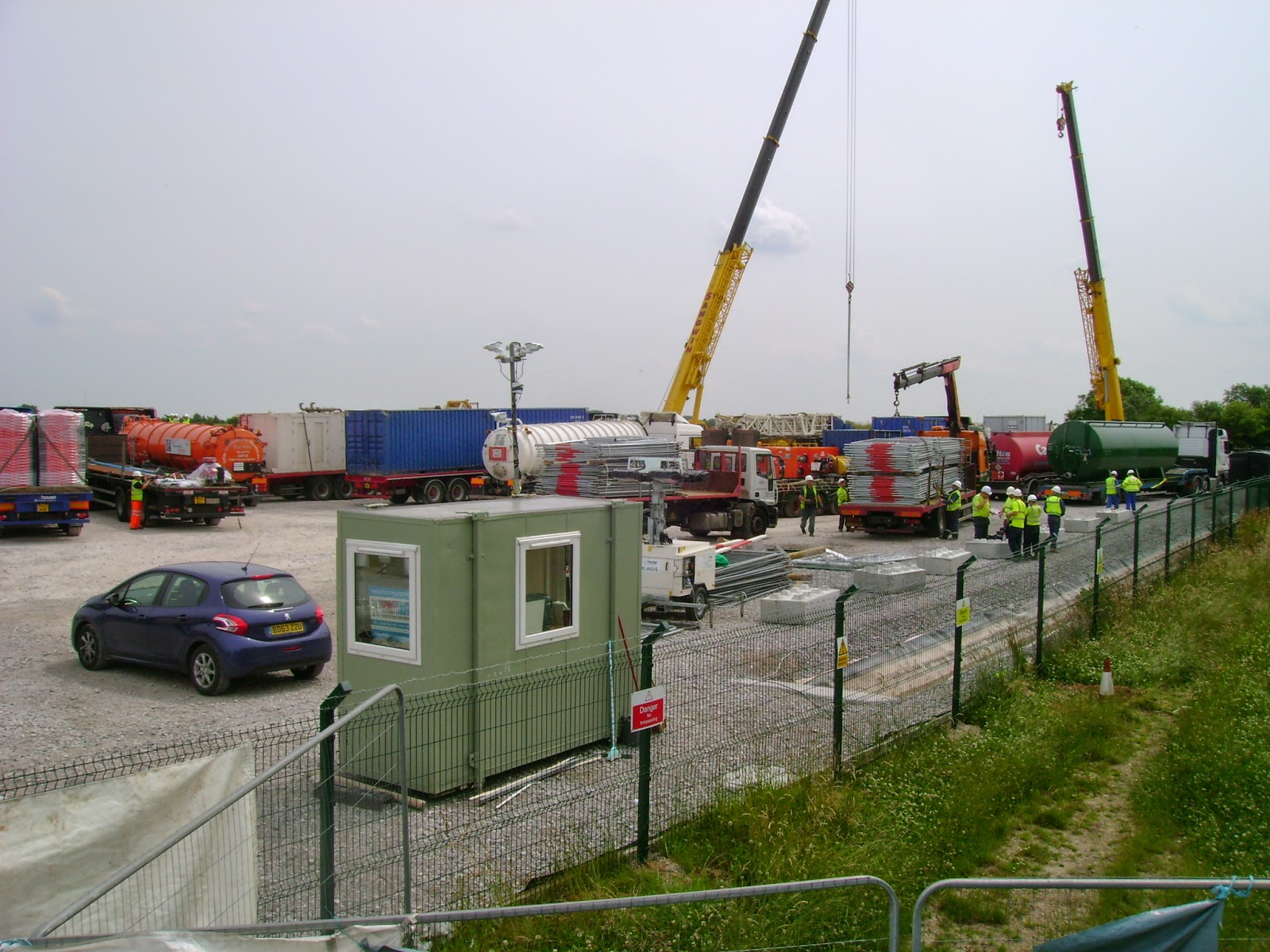
Rath­lin Ener­gy yes­ter­day, Wed 2nd July, brought mas­sive con­voys of equip­ment on to the West New­ton test frack site near With­ern­wick.

 
This is in fla­grant breach of 2 key Plan­ning Con­di­tions- they need to give 2 week’s writ­ten notice before activ­i­ties on site (Con­di­tion 2) and there must be no con­voys of vehi­cles, with at least 10 min­utes between vehi­cles. (In the Traf­fic Plan referred to in Con­di­tion 7)

There were mul­ti­ple large con­voys, totalling 64 vehi­cles. The well pad was extreme­ly crowd­ed with vehi­cles and equip­ment.

There was a very heavy police pres­ence with numer­ous vans and riot vans, around a hun­dred police through the vil­lages of New Eller­by, Mar­ton and West New­ton.
High Fos­ham road was closed to pedes­tri­ans and traf­fic.

West New­ton has had anti frack­ing Pro­tec­tors camp­ing at the site since May 9th. There is anoth­er camp at Rath­lin’s oth­er well site in East York­shire, Craw­ber­ry Hill.

Louise Cas­tro, a pro­tec­tor camp­ing at the site said, “It’s chaos and may­hem here- local vil­lagers were forced to trail across the fields just to see what was going on, and were dev­as­tat­ed- some burst in to tears when the scale of it hit home. Rath­lin have rid­den roughshod over the traf­fic plan worked worked out with the vil­lagers.”

Ian Crane, a for­mer oil exec­u­tive also liv­ing at the anti frack­ing camps said, “Today the locals got a taste of what is to come on a dai­ly basis if the uncon­ven­tion­al oil and gas indus­try is allowed to go ahead with frack­ing in this area”.

Pauline Hak­e­ny, a res­i­dent of near­by Skir­laugh said, “I’m real­ly shocked at the amount of vehi­cles- they promised us this would nev­er hap­pen- and also the amount of police- there were loads of vans and offi­cers in all the sur­round­ing vil­lages.”

Grapes of Rathlin

3rd July from Scc­NEWS Con­voys of trucks car­ry­ing equip­ment descend­ed on West New­ton yes­ter­day, where Rath­lin Ener­gy are com­menc­ing their explorato­ry

3rd July from Scc­NEWS Con­voys of trucks car­ry­ing equip­ment descend­ed on West New­ton yes­ter­day, where Rath­lin Ener­gy are com­menc­ing their explorato­ry frack­ing drilling. As the first major activ­i­ty at the East York­shire site kicked off, a hand­ful of pro­test­ers and many more anx­ious locals could only watch in hor­ror as the frack­ing trucks made their way along the long sin­gle track lane towards the well.

The con­voys were pro­tect­ed by hun­dreds of police and riot vans, while local res­i­dents were blocked from access­ing their own homes and one elder­ly res­i­dent burst into tears at the scale of what was hap­pen­ing.

West New­ton is one of two loca­tions in East York­shire that Rath­lin are attempt­ing to frack. At both West New­ton and Craw­ber­ry Hill, Rath­lin have had plan­ning per­mis­sion for explorato­ry drilling since 2012. Ear­li­er this year they also got Envi­ron­ment Agency per­mits that last until Sep­tem­ber, in the case of Craw­ber­ry Hill, and longer in the case of West New­ton. “We knew they were due to do the tests at either site at any time”, says our source from cam­paign group HEY Frack Off.

Small protests camps were set up at both loca­tions in May. Craw­ber­ry was the larg­er, with num­ber aver­ag­ing at 20: Not only was it look­ing like­li­er that Rath­lin would hit there first as the per­mits ran out soon­er, but it’s near­er urban cen­tres like Bev­er­ley and Hull. Cru­cial­ly, it is in the area of the mas­sive under­ground aquifer that is relied on for drink­ing water for much of the pop­u­la­tion of Hull and East York­shire: “If that were to be con­t­a­m­i­nat­ed it would be an absolute cat­a­stro­phe”. So far, Craw­ber­ry Hill has yet to see any sig­nif­i­cant activ­i­ty.

Over at West New­ton, the pro­tec­tion camp has been tiny but dogged­ly per­sis­tent. The vil­lagers in the very rur­al area have been slow on the uptake but now seem to be wak­ing up to what’s about to hap­pen on their doorsteps. At first, they’d been bizarrely anx­ious about the camp and upset about the pro­test­ers’ pres­ence, rather than their vil­lages sur­round­ing a hell­mouth of the envi­ron­men­tal armaged­don.

“It’s an unbe­liev­ably con­ser­v­a­tive area. Some peo­ple did­n’t even want to con­tact HEY Frack Off because of our ‘con­tro­ver­sial’ name!”, says our con­tact. “Most of the local res­i­dents have swal­lowed Rath­lin’s line and their PR hook, line and sinker.”

But recent well-attend­ed pub­lic meet­ings, and indi­vid­ual con­ver­sa­tions, have shown aware­ness is slow­ly start­ing to sink in. Maybe the locals are slow­ly start­ing to organ­ise?

Just to show how much they respect the local res­i­dents, when the con­voys came onto site at West New­ton yes­ter­day, they “ran roughshod” over the plan­ning con­di­tions that had been agreed between the local coun­cil (East Rid­ing of York­shire) and Rath­lin Ener­gy to sweet­en the frack­ing pill for local res­i­dents.

First­ly, they failed to give the stip­u­lat­ed 14 days notice before any activ­i­ty com­menced. Sneaky, but not sur­pris­ing giv­en the momen­tum the anti-frack­ing move­men­t’s been gain­ing. Sec­ond­ly, they spec­tac­u­lar­ly flout­ed the traf­fic man­age­ment plan which promised local res­i­dents no more than one truck every ten min­utes. Yes­ter­day saw two mas­sive con­voys of lor­ries – around 65 vehi­cles enter­ing the site. Need­less to say, the well pad was crowd­ed.

In terms of polic­ing, our con­tact reports: “Police have said they have learned from the mis­takes of Bar­ton Moss and Bal­combe where they allowed peace­ful protest in the form of slow walk­ing in front of vehi­cles down pub­lic high­ways. It’s been made quite clear in East York­shire that any­one who gets in the way of a vehi­cle on the pub­lic high­way will be arrest­ed imme­di­ate­ly.”

Police have even admit­ted to cam­paign­ers that it’s a “game of num­bers”, and that if there were as many pro­test­ers as police they’d have to review their tac­tics.

The loca­tion of the West New­ton site is so rur­al that keep­ing up com­mu­ni­ca­tions – from sim­ple phone calls to live stream­ing – is dif­fi­cult. The cam­paign is encour­ag­ing any poten­tial pro­tec­tors to get in touch. The camp phone num­ber is 07773739937.

South American tribe sues over historic genocide

1st July The sur­vivors of a South Amer­i­can tribe which was dec­i­mat­ed dur­ing the 1950s and 60s are tak­ing Paraguay’s gov­ern­ment to court over the geno­cide they suf­fered.

1st July The sur­vivors of a South Amer­i­can tribe which was dec­i­mat­ed dur­ing the 1950s and 60s are tak­ing Paraguay’s gov­ern­ment to court over the geno­cide they suf­fered.

The case of the hunter-gath­er­er Aché tribe, who roamed the hilly forests of east­ern Paraguay until being bru­tal­ly forced out, became noto­ri­ous in the 1970s.

As the agri­cul­tur­al expan­sion into east­ern Paraguay gath­ered pace from the 1950s, the Aché found them­selves forced to defend their land from an ever-increas­ing colonist pop­u­la­tion. These colonists soon start­ed to mount raid­ing par­ties to kill the male Aché: women and chil­dren were usu­al­ly cap­tured and sold as slaves.

One of the most noto­ri­ous hunters of the Aché was Manuel Jesús Pereira, a local landown­er. He was an employ­ee of Paraguay’s Native Affairs Depart­ment, and his farm was turned into an Aché “reser­va­tion”, to which cap­tured Aché were trans­port­ed. Beat­ings and rape were com­mon. Count­less oth­ers died of res­pi­ra­to­ry dis­eases. The Direc­tor of the Native Affairs Depart­ment was a fre­quent vis­i­tor, and also sold Aché slaves him­self.

This sit­u­a­tion was denounced by sev­er­al anthro­pol­o­gists in Paraguay, many of whom were deport­ed, or lost their jobs, as a result. It was brought to inter­na­tion­al atten­tion by Ger­man anthro­pol­o­gist Mark Münzel. His 1973 report Geno­cide in Paraguay, pub­lished by the Dan­ish orga­ni­za­tion IWGIA, doc­u­ment­ed many of the atroc­i­ties com­mit­ted against the Aché.

Sur­vival Inter­na­tion­al pub­li­cized Münzel’s account, and spon­sored an inves­ti­ga­tion by lead­ing inter­na­tion­al lawyer Pro­fes­sor Richard Arens, who found the sit­u­a­tion as bad as oth­ers had report­ed. Many oth­er inter­na­tion­al orga­ni­za­tions, aca­d­e­mics and activists denounced the atroc­i­ties and called for Paraguay’s gov­ern­ment to be held to account, which curbed some of the worst excess­es.

How­ev­er, Paraguay’s then-Pres­i­dent, Gen­er­al Alfre­do Stroess­ner, was viewed as a key West­ern ally in the region. The British, US and West Ger­man gov­ern­ments denied that geno­cide was tak­ing place, and the US author­i­ties spon­sored the Har­vard-based orga­ni­za­tion Cul­tur­al Sur­vival (CS) to “review the sta­tus of indige­nous peo­ples in Paraguay”. Their report to the gov­ern­ment was con­fi­den­tial, but a copy was obtained under the Free­dom of Infor­ma­tion Act. CS then pub­lished an amend­ed ver­sion.

Rely­ing part­ly on the tes­ti­mo­ny of Peace Corps vol­un­teer, Kim Hill, it denied that geno­cide had tak­en place, and crit­i­cized many of those, such as Münzel and Arens, who had brought the Aché’s plight to glob­al atten­tion. US aid to Stroessner’s bru­tal regime con­tin­ued.

Now, the sur­vivors of the geno­cide and their descen­dants are seek­ing redress. An Aché orga­ni­za­tion, the Nation­al Aché Fed­er­a­tion, has launched a court case in Argenti­na, with advice from lead­ing human rights lawyer Bal­tasar Garzón. The Aché are using the legal prin­ci­ple of “uni­ver­sal juris­dic­tion”, under which the most seri­ous crimes such as geno­cide and crimes against human­i­ty can be tried and pun­ished in a dif­fer­ent coun­try to that in which they occurred, if the vic­tims can­not secure jus­tice in their own coun­try.

Ceferi­no Krei­gi, an Aché rep­re­sen­ta­tive, said, “We’re ask­ing for jus­tice – there was tor­ture, rape, beat­ings. We can no longer bear the pain we have suf­fered.”

The Aché’s lawyer, Juan Maira, said, “[The Aché] were hunt­ed as though they were ani­mals, because they want­ed to con­fine them to a ghet­to. Once in the reserve, they weren’t allowed to leave. They sold not only the chil­dren, but some­times the women too, as slaves. Per­haps 60% of the pop­u­la­tion could have been wiped out.”

The Aché’s pop­u­la­tion is now increas­ing once more, though their forests have been stolen for cat­tle ranch­ing and farm­ing, and almost total­ly destroyed.

Protests in Nigeria After Mobil Spills 600,000 Barrels of Oil

oil_theft_7-300x1991st July Youths in Eket and Esit Eket in Akwa Ibom on Mon­day staged peace­ful protests against fresh oil spills in Nkpana com­mu­ni­ty from a Mobil facil­i­ty i

oil_theft_7-300x1991st July Youths in Eket and Esit Eket in Akwa Ibom on Mon­day staged peace­ful protests against fresh oil spills in Nkpana com­mu­ni­ty from a Mobil facil­i­ty in Ibeno.

The youths num­ber­ing more than 500 protest­ed on major streets in Eket, includ­ing the Mari­na and Ter­mi­nal roads.

The pro­test­ers, under the ages of Core Youth Forum, car­ried plac­ards with inscrip­tions: “Oil spill is killing our aquat­ic life’’, “No com­pen­sa­tion for oil spill” and “Enough of this oil spillage,’’ among oth­ers.

Mr God­win Peter, the spokesman of the pro­test­ers, said the spill occurred on Sat­ur­day and occu­pied com­mu­ni­ties along the spill line on Sun­day.

He said the spill had dev­as­tat­ed aquat­ic life and destroyed fish­ing equip­ment, among oth­ers.
Peter appealed to Mobil to urgent­ly clean up the envi­ron­ment.

The youths threat­ened to dis­rupt Mobil activ­i­ties if their demands, which includ­ed imme­di­ate clean up and com­pen­sa­tion, were not met.

Also react­ing, Mr Inyang Ekong, the Sec­re­tary of the Arti­sanal Fish­er­men Asso­ci­a­tion of Nige­ria, Akwa Ibom Branch, not­ed that fish­ing had been sus­pend­ed in the area as a result of the spill.

He said that fish would be scarce in the state and appealed to Mobil to replace its old pipes to fore­stall fur­ther occur­rence.

Ekong said the spill would cause untold hard­ships to the peo­ple of Ibeno.

When con­tact­ed, Mr Akaninyene Esiere, the Man­ag­er of Pub­lic and Gov­ern­ment Affairs at the Qua Iboe Ter­mi­nal of Mobil, con­firmed the inci­dent.

“We have con­firmed a liq­uid release from our Qua Iboe ter­mi­nal on Sun­day, June 29, fol­low­ing seri­ous weath­er con­di­tions and light­ning strikes over the area at the week­end. We have acti­vat­ed our emer­gency response sys­tems to con­tain the release. All rel­e­vant reg­u­la­to­ry author­i­ties and com­mu­ni­ty lead­ers have been notified.We will con­tin­ue to work with the com­mu­ni­ty to allow progress in the effort by Mobil to con­tain the spill,’’ he said.

Esiere said that Mobil was com­mit­ted to safe envi­ron­ment dur­ing its oper­a­tions.