Live Streamers Make Great Informants

from We Cop Watch

There are many ways to effec­tive­ly doc­u­ment the move­ment while pro­tect­ing the space, its move­ments and people’s pri­va­cy. Live Stream­ing is gen­er­al­ly NOT one of them.

from We Cop Watch

There are many ways to effec­tive­ly doc­u­ment the move­ment while pro­tect­ing the space, its move­ments and people’s pri­va­cy. Live Stream­ing is gen­er­al­ly NOT one of them.

A com­mon issue with Stream­ers is their dis­play of enti­tle­ment, often cit­ing the val­ue of bring­ing the move­ment to the peo­ple. But Stream­ers have a hard time admit­ting that the police find their work more valu­able then demon­stra­tors.

In a world of voyeurism and exhi­bi­tion­ists, Stream­ers often get car­ried away, inter­pret­ing their role as being a nar­ra­tor for the move­ment. They often film peo­ple with­out their con­sent, plac­ing more val­ue in pre­sent­ing to their view­er­ship, then pro­tect­ing the group that is already tak­ing risks by just get­ting out into the street to protest.


live-streamers-make-great-informants_1-800x428

One of the biggest prob­lems with stream­ing is that it gives real time infor­ma­tion to the police as far as what peo­ple are present, the group’s inten­tions, as well as its loca­tion and routes. Embed­ded Stream­ers give police a tac­ti­cal advan­tage when try­ing to con­duct mass arrests.

An even more trag­ic con­tract Stream­ers impose on demon­stra­tors is the raw, unedit­ed, archived video that is often made pub­lic and avail­able online for law enforce­ment to use lat­er to help iden­ti­fy and tar­get peo­ple.

Before we move to “Stream­er Solu­tions” lets review some “Stream­er tac­tics” that are favor­able to law enforce­ment, and almost always at the expense of the peo­ple.

Very Poor Stream­er Eti­quette:
Call­ing Peo­ple out by Name on Streams.

Peo­ple don’t go to protests for oth­er peo­ple to call them out on streams that are put up per­ma­nent­ly online for law enforce­ment to review.

Film­ing Peo­ples’ Iden­ti­ties on Streams

Law enforce­ment use streams to tar­get and iden­ti­fy peo­ple for repres­sion and arrest

Nar­rat­ing your Inter­pre­ta­tion of what Kind of Action is Tak­ing Place

Stream­ers often divulge per­son­al opin­ions rather than facts when nar­rat­ing about actions. Are you pre­pared to be a wit­ness for law enforce­ment in the future?

Film­ing Direct Actions

Every­thing you film, can and will be used against pro­test­ers if law enforce­ment has any­thing to do with it.

Nar­rat­ing Logis­tics and Tac­tics

At the height of Occu­py Oak­land, Under­cov­ers were being called into cer­tain FTP protests because of the “no Live Stream­ing” / “no Twit­ter­ing” tac­tic.

live-streamers-make-great-informants_2
FTP march­es are ongo­ing Fuck the Police march­es that take place in Oak­land and across the Bay.

Nar­rat­ing Group Routes

Police have a much eas­i­er time arrest­ing peo­ple in the streets when they have Stream­ers nar­rat­ing the group’s routes. You don’t need Under­cov­ers and heli­copters when you have a front-row seat.

If you want to be help­ful to the move­ment, be hon­est about your inten­tions. Is your view­er­ship more impor­tant than the peo­ple you are stand­ing with? Do you want to be doing some­thing that ben­e­fits the police over the peo­ple? Every action, every mass mobi­liza­tion, has a sto­ry that can be told. But folks need to either start hold­ing “non stream­ing” actions again, or stream­ers should stop oper­at­ing as infor­mants for the police.

If any of these issues are con­cern­ing to you, maybe con­sid­er NOT “Live Stream­ing” your next protest. Pick up a still cam­era, con­duct some audio inter­views, heck shoot some video. There’s no rea­son why you can’t go home after a protest and pro­duce some con­tent that is use­ful and not harm­ful. But in case it’s not in your blood to con­sid­er oth­er peo­ple on that lev­el, here are some good Live Stream tac­tics.

“Good” Livestream Tac­tics

  • Stand hun­dreds of feet away from the group so the low qual­i­ty record­ing doesn’t pick up con­ver­sa­tions or peo­ples’ iden­ti­ty.
  • Don’t film peo­ples’ iden­ti­ty with­out their con­sent.
  • Don’t nar­rate inten­tions, tac­tics, loca­tions, or des­ti­na­tions.
  • Wear a bright shirt that says “Live Stream­er” or “Infor­mant.”

More “Real Good” Livestream Tac­tics

  • Live Stream an event, pan­el, or dis­cus­sion where all par­ties con­sent.
  • Live Stream a demo or action where all par­ties involved con­sent.
  • Live Stream your inter­ac­tions when being stopped, ques­tioned, or harassed by law enforce­ment. (maybe put your chan­nel on pri­vate!)

Be safe out there, and make it safer for the mass­es by con­sid­er­ing them when you point a cam­era at them!

story of direct action behind fracking ban in New York

toxic-avenger

toxic-avenger

Did Somebody Say Direct Action? What’s Missing from the Victory Narrative

by Sasha / Earth First! Jour­nal

We have heard a lot about what stopped the frack­ing boom in New York after Gov­er­nor Cuo­mo banned it last week.

While some insist that fal­ter­ing prices that did the gas boom in, oth­ers cred­it the sev­en-year legal bat­tle with stopped the prac­tice. The run­ning nar­ra­tive is that it’s a com­bi­na­tion of grass­roots polit­i­cal involvement—going to pub­lic hear­ings, sub­mit­ting com­ments, and doing eco­log­i­cal stud­ies. But there’s anoth­er ele­ment peo­ple aren’t talk­ing about as much.

What we don’t hear about is the intense blos­som­ing of direct action that has gen­er­at­ed a net­work of sev­er­al Earth First! groups who have been work­ing dili­gent­ly to shut down frack­ing oper­a­tions and nat­ur­al gas infra­struc­ture for the last six years. This move­ment spans a gamut of tac­tics, from protests to block­ades to oth­er escapades. It has been upset­ting busi­ness as usu­al, cost­ing the cor­po­ra­tions mon­ey and the politi­cians cred­it.

In short, it’s work­ing.

EF! in the Mix

The Mar­cel­lus Shale Earth First! Net­work sprung into action soon after the first wells start­ed get­ting test­ed, and rapid­ly assem­bled sev­er­al groups around the Mar­cel­lus, includ­ing Hud­son Val­ley EF! (HVEF!) and Fin­ger Lakes EF! (FLEF!), which have been active in direct action strug­gles.

In May of this year, Hud­son Val­ley Earth First! (HVEF!) dis­rupt­ed the 9th annu­al North­east Pow­er and Gas Mar­kets Con­fer­ence in New York City, send­ing home the mes­sage that frack­ing would not be accept­ed in the state.

Oth­er groups involved have been Susque­han­na Val­ley EF!, Genessee Val­ley EF!, and Occu­py WELL Street.

“This cam­paign has been going on for almost two years, but now it’s get­ting seri­ous,” said April Rogers, a mem­ber of HVEF! “If trucks show up, we’ll be there to stop them!”

Indeed, two years before the dis­rup­tion in NYC, HVEF! stopped con­struc­tion on a com­pres­sor sta­tion in Min­isink, NY, along the Mil­le­ni­um Pipeline.

EF! has been engaged in this move­ment since the Newswire has been in exis­tence, protest­ing out­side of pub­lic hear­ings, draw­ing a spot­light with out­ra­geous actions, and grow­ing the move­ment.

In Win­ter of last year, MSEF! went on an exten­sive tour of New York and Penn­syl­va­nia, spread­ing the good word about direct action against frack­ing after a cru­cial vic­to­ry defend­ing the Loy­al­sock State For­est from frack­ing in Penn­syl­va­nia.

As the col­lec­tive put it at the time, “MSEF! is a cre­ative and grow­ing move­ment, and shar­ing our strug­gle with oth­ers around PA and NY made it clear that the cam­paign to defend the Loy­al­sock is one that will unite many peo­ple.”

Pri­or to halt­ing frack­ing in the Loy­al­sock, MSEF! engaged in a pro­longed cam­paign against the Ten­nessee Pipeline through a lock­down, two con­sec­u­tive treesits, and a two-week road block­ade matched with a nine-day treesit.

The MSEF! net­work also shut down frack­ing oper­a­tions in the Tiadaghton State For­est ear­li­er this year and block­ad­ed frack­ing trucks in the Moshan­non State For­est in 2012.

Despite tremen­dous resis­tance, frack­ing in Penn­syl­va­nia is still going on, and activists con­tin­ue to work to shut it down.

The Infra­struc­ture Fight Still Needs Sup­port

While the EF! net­work has been hold­ing action camps and engag­ing in a num­ber of cam­paigns, per­haps the largest of the area’s anti-gas strug­gles has been the We Are Seneca Lake cam­paign.

In a three-week block­ade this Novem­ber, 19 peo­ple were arrest­ed halt­ing con­struc­tion of Crest­wood Midstream’s gas stor­age facil­i­ty on Seneca Lake.

Just this month, more than 100 peo­ple attend­ed a demon­stra­tion out­side of the court where the arrest­ed were being arraigned. That day, nine more peo­ple were arrest­ed lock­ing them­selves to the gates of Crestwood’s facil­i­ty.

This came after a peace­ful block­ade in March which saw the arrest of 12 activists. Three more were arrest­ed at their tri­al in April.

In total, some 92 peo­ple have been arrest­ed in the move­ment to halt the Crest­wood facility—a rous­ing cam­paign that is ongo­ing and needs your sup­port!

If the move­ment against gas trans­port and stor­age is still rag­ing in New York, its vis­i­bil­i­ty has thrown the spot­light on the con­tro­ver­sial prac­tice of frack­ing as well. Chesa­peake EF! is involved in the ongo­ing cam­paign against frack­ing exports in the Mary­land Cove Point facil­i­ty, and oth­er cam­paigns con­tin­ue to build steam.

Move­ment Builders

The vic­to­ry in New York is a key move­ment builder, because it helps us rec­og­nize the com­po­nents that make them hap­pen, and focus on the cam­paigns that need sup­port with greater num­bers and resources.

Direct action is just one piece of the larg­er puz­zle to stop indus­tri­al exploita­tion and destruc­tion of land and liveli­hood. And, with com­mu­ni­ty rights move­ments, legal bat­tles, and protest move­ments, it’s win­ning.

It is impor­tant to note that these actions have tak­en place not just in New York, but in Penn­syl­va­nia and New Jer­sey, as well. This is a biore­gion­al strug­gle, and claim­ing suc­cess in New York is not the end. The move­ment to stop frack­ing won’t stop at legal bat­tles; it relies on the vig­i­lance of com­mu­ni­ties impact­ed by the unsafe prac­tices, and it will con­tin­ue to expand through­out the Mar­cel­lus Shale until all frack­ing oper­a­tions are shut down once and for all.

No Com­pro­mise!

Maules Creek coal mine protests, down under

Selfie-6-768x1024

Selfie-6-768x1024

No “Coal for Christmas” as Whitehaven Coal Disruptions Continue in New South Wales

from Front­line Action

MAULES CREEK, 24 Decem­ber 2014: A man has sus­pend­ed him­self from a rail bridge cross­ing the Namoi Riv­er block­ing a coal train being loaded at White­haven Coal’s con­tro­ver­sial Maules Creek mine from leav­ing the site. The train blocked at the Maules Creek mine is believed to be the first con­tain­ment of coal from the site after a test train – twice dis­rupt­ed by activists – left the site last week. The rail bridge also ser­vices Idemit­su Resource’s Bog­gabri Coal mine.

Ben Soli­ty, a 31 year old logis­tics con­sul­tant, cit­ed deep con­cerns about the impact the mine will have on water and the cli­mate, say­ing, “Farm­ers need water to con­tin­ue to put food on our tables – so why are com­pa­nies like White­haven allowed to take it with pref­er­ence over farm­ers? Farmer’s jobs are only going to get hard­er for them as the effects of cli­mate change dri­ven by coal takes hold. Why are our gov­ern­ments sell­ing out our water and our cli­mate for a quick buck when food secu­ri­ty is at stake?”

Leard For­est Alliance spokesper­son Phil Evans said, “Aus­tralians do not want coal for Christ­mas – and White­haven are try­ing to sneak it into their stock­ings whilst every­one is dis­tract­ed. Just more slimy behav­iour from this dis­graced com­pa­ny – and project – that has seen Aus­tralians lose faith in min­ing approval process­es in this coun­try.”


“We need a stop to this farce imme­di­ate­ly – stop work and then have a good long, hard look at how suc­ces­sive NSW gov­ern­ments, embroiled in min­ing relat­ed cor­rup­tion, have allowed the Maules Creek mine approval to stick.”

Both White­haven Coal’s Maules Creek and Idemitsu’s Bogggabri mines have approval to expand into the crit­i­cal­ly endan­gered Leard State For­est this Feb­ru­ary – spark­ing this warn­ing from the protest group.

“They have a bat­tle on their hands if they think local farm­ers, tra­di­tion­al cus­to­di­ans and con­cerned cit­i­zens are going to allow this whole­sale destruc­tion. The for­est, water, cli­mate and cul­ture are all too pre­cious to lose – and we won’t take this lying down.”

The Leard For­est Alliance is a group made up of local farm­ers, promi­nent envi­ron­men­tal groups with a treaty of pro­tec­tion with the Gomeroi tra­di­tion­al cus­to­di­ans of  the area. Over 300 peo­ple have been arrest­ed since the cam­paign began over 2 and half years ago.

UPDATE 09:00: Reg­u­lar police have arrived – no Police Resuce yet. Ben remains in place.

UPDATE 14:30: Ben has just unfurled a ban­ner read­ing “White­haven Coal – No Water – No Future”

UPDATE 16:15: Police Res­cue have arrived on site.

UPDATE 16:35: Police Res­cue are try­ing to get to Ben with a Cher­ry Pick­er sup­plied by White­haven Coal.

UPDATE 17:00: Ben says Police Res­cue are tak­ing apart the bridge to get to him!

UPDATE 18:30: Police Res­cue have begun to cut off the now locked on Ben.

UPDATE 19:30: Ben has been arrest­ed and tak­en to Narrabri Police Sta­tion after 13 hours.

Fur­ther Infor­ma­tion:
Phil Evans, Leard For­est Alliance Spokesper­son, 0490 064 139

Twit­ter updates @FLACCoal and #Leard­Block­ade

Banner-Drop-1024x683


Decem­ber 16th, 2014

Protest Halts First Coal Train from Maules Creek Mine

from Front Line Action on Coal20141215_061108-e1418609338604

New­cas­tle, Aus­tralia 15 Decem­ber: A peace­ful block­ade has halt­ed the first train load of coal com­ing from the con­tro­ver­sial Maules Creek coal mine on its way to Newcastle’s Koor­a­gang Island coal export ter­mi­nals this morn­ing.

A group of 22 peo­ple met the train this morn­ing. Eight peo­ple have occu­pied and stopped the train and are refus­ing to leave.

The train was stopped dur­ing the night and delayed for over 6 hours by a pro­tes­tor who locked onto loco­mo­tives need­ed to push the coal over the Great Divid­ing Range. The 58 year-old pro­tes­tor, Bruce, from North­ern Rivers, has been arrest­ed. Speak­ing about why he took action, Bruce said:

“Australia’s response to cli­mate change is head­ed com­plete­ly back­wards. “If we can stop this new coal mine we set a prece­dent for the rest of Aus­tralia to stand up.”

Jonathan Moy­lan from Front­line Action on Coal said, “Over the last twelve months, hun­dreds of peo­ple have been arrest­ed slow­ing down con­struc­tion of the Maules Creek mine. The fate of our coun­try, and peo­ple every­where, depends on coal being left in the ground. In the absence of lead­er­ship from the indus­try or the Gov­ern­ment to shut down coal exports and pre­vent dan­ger­ous cli­mate change, ordi­nary peo­ple have tak­en extra­or­di­nary action to stop this mine.

“A grow­ing num­ber of peo­ple are stand­ing up to the coal industry’s plans to ship increas­ing vol­umes of coal and fuel dan­ger­ous cli­mate change. Doc­tors, peo­ple of faith, IPCC sci­en­tists and ear­li­er this month, for­mer Wal­la­bies cap­tain David Pocock, have all tak­en action to halt con­struc­tion at Maules Creek. Even Mal­colm Fras­er last week tweet­ed about Maules Creek, refer­ring to the coal sec­tor as an ‘indus­try of a past age’.

Local New­cas­tle moth­er, Vanes­sa Wieb­ford said, “I want my daugh­ter to have a future with­out the hor­ror of extreme heat and fire, and uncer­tain water and food pro­duc­tion. I am bit­ter­ly dis­ap­point­ed in Australia’s polit­i­cal lead­er­ship and their unthink­ing sup­port for expand­ed coal exports at a time when we’re already see­ing alarm­ing signs of dan­ger­ous cli­mate change.

“If they’re not going to act to pre­vent this, then all par­ents have a duty to risk arrest to try and stop it our­selves.

2014 is now expect­ed to break the record as the hottest year in Australia’s his­to­ry. Heat­wave con­di­tions were observed in many parts of the coun­try dur­ing our hottest spring on record this year, and the Bureau of Mete­o­rol­o­gy is pre­dict­ing a return to El Nino con­di­tions at a time when much of Queens­land and parts of New South Wales are already drought declared.

The burn­ing of coal export­ed from Aus­tralia is this country’s biggest sin­gle con­tri­bu­tion to cli­mate change, and pro­duc­tion and export of coal increased in the last 12 months.

“With the inter­na­tion­al cli­mate nego­ti­a­tions in Lima fail­ing to deliv­er the scale of action need­ed, peo­ple around the world will next year have to take their future into their own hands like nev­er before. Ordi­nary peo­ple are step­ping up to do what it takes to stop the fos­sil fuel industry’s dan­ger­ous expan­sion plans,” said Moy­lan.

UPDATE 6:00 am: Coal train is stopped.

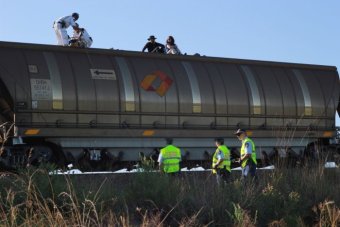
UPDATE 8:15 am: The five activists have been low­er from atop the coal wag­on by police.

UPDATE 9:00am: The coal train starts mov­ing again after 3 hours at a stand still.

UPDATE 12:30pm: Four activists released after being processed at Waratah police sta­tion.

Media Enquiries

  • On the ground:  Jonathan Moy­lan: 0431 289 766    |    Vanes­sa Wieb­ford: 0409 021 976
  • Off-site: Char­lie Wood: 0427 485 233
  • Pho­tos Avail­able at: http://bit.ly/13nps8U

0iOzmMA

pPuBsR3

FANG Shuts Down Spectra Energy after Sit-in at Senator’s Office, US

Decem­ber 17th, 2014

The New Eng­land group Fight­ing Against Nat­ur­al Gas has con­duct­ed two rous­ing actions in the last two days against green­wash­ing, frack­ing, and ener­gy infra­struc­ture.

Decem­ber 17th, 2014

The New Eng­land group Fight­ing Against Nat­ur­al Gas has con­duct­ed two rous­ing actions in the last two days against green­wash­ing, frack­ing, and ener­gy infra­struc­ture.

Here is the state­ment from FANG:

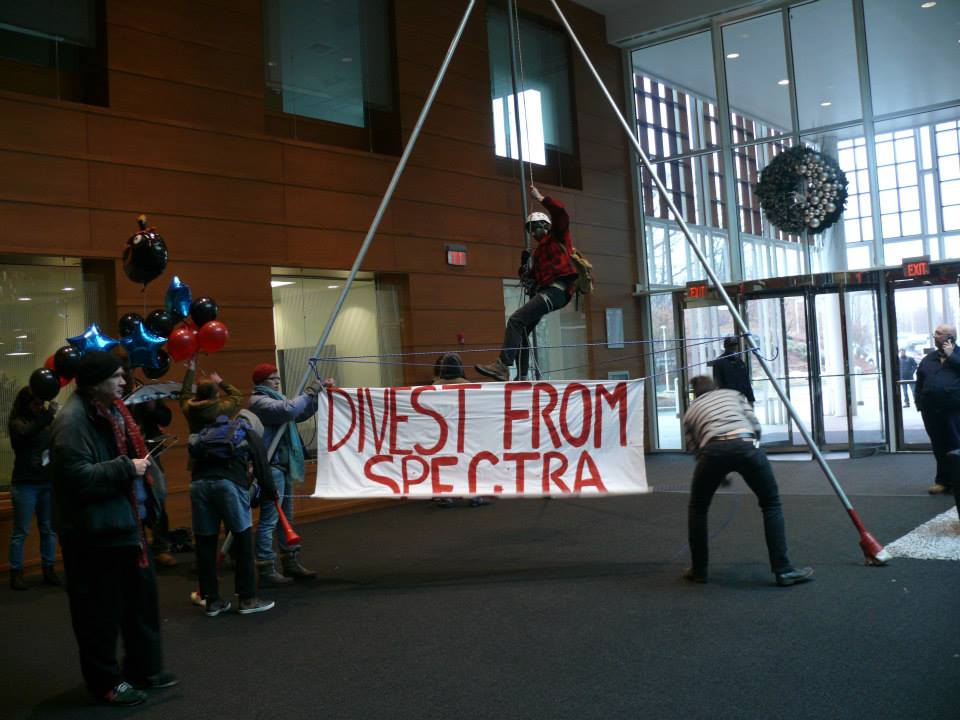
On Wednes­day morn­ing a group of New Eng­lan­ders were arrest­ed for occu­py­ing and shut­ting down the offices of Spec­tra Ener­gy to protest the company’s plans to expand a net­work of fracked gas pipelines in the region.

The group deployed mul­ti­ple ban­ners demand­ing fun­ders divest from Spec­tra Ener­gy due to the impacts of the company’s projects to local com­mu­ni­ties and the cli­mate, with one of them hang­ing from a 24 foot tri­pod and refus­ing to leave.

“As long as Spec­tra is com­mit­ted to the busi­ness of dev­as­tat­ing local health and the cli­mate, we’re com­mit­ted to dis­rupt­ing their busi­ness.”

This action took place one day after a sit-in at Sen­a­tor Shel­don Whitehouse’s office. Anoth­er state­ment:

“A group of fif­teen police offi­cers just cleared the occu­pa­tion of Sen­a­tor Shel­don Whitehouse’s office. Peter Night­en­gale a pro­fes­sor of physics at URI was arrest­ed.

Every­one – please don’t think of Sen­a­tor White­house as a “cli­mate cham­pi­on” any­more. At least until he stops sup­port­ing the Spec­tra pipeline and he stops hav­ing cli­mate activists arrest­ed.”


Nine arrested in Newcastle blocking Maules Creek train

14 Dec 2014

Nine peo­ple have been arrest­ed after blockad­ing the first train load of coal com­ing from the Maules Creek coal mine at Narrabri to New­castle’s Koor­a­gang Island.

The train was stopped at Sandgate, near New­cas­tle, for more than three hours with police remov­ing five peo­ple from on top of one of the car­riages.

Ear­li­er this morn­ing a 58-year-old man was arrest­ed after lock­ing him­self onto loco­mo­tives, at Wil­low Tree, south of Tam­worth.

Jonathan Moy­lan from ‘Front­line Action On Coal’ said today’s protest is the lat­est in a long line of action against the con­tro­ver­sial Maules Creek mine.

“All the peo­ple who were occu­py­ing the rail line have been arrest­ed,” he said.

“So we imag­ine the train will con­tin­ue, seri­ous­ly delayed, from when it first left the Maules Creek mine.”

Act­ing Inspec­tor Mick Kel­ly said he is not against peace­ful protests, but the nine pro­tes­tors went too far.

“Police def­i­nite­ly sup­port protest­ing but in a peace­ful man­ner and cer­tain­ly with­in the bounds of the law,” he said.

“This protest here cer­tain­ly put lives at risk with the train trav­el­ling.

“It put stress on the train dri­vers and as a result it held up over one hun­dred trains.”

Police said the block­age pre­vent­ed around 100 trains from get­ting through.

Act­ing Inspec­tor Kel­ly said the pro­tes­tors are fac­ing a num­ber of charges.

“They did not com­ply with any police ver­bal direc­tions to get down and Police Res­cue were sum­monsed and as a result they even­tu­al­ly came down off the train,” he said.

“At the moment we are still look­ing at the charges, and inves­ti­ga­tions are con­tin­u­ing into that mat­ter.”

Hunting Badger: Police Offer £10,000 Reward After Bristol Anarchist Attacks

Decem­ber 6th, 2014

Decem­ber 6th, 2014

by Steven Mor­ris / The Guardian

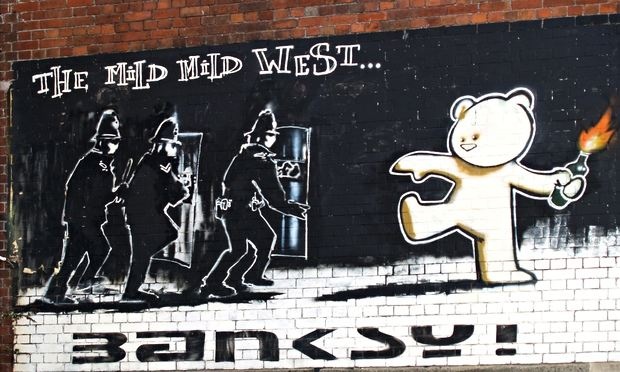
It is the city of the sub­ver­sive street artist Banksy, a cen­tre for alter­na­tive lifestyles and under­ground pol­i­tics. Even the direct­ly elect­ed inde­pen­dent may­or, George Fer­gu­son, prais­es the anar­chic spir­it of Bris­tol.

But over the last four years the city and its envi­rons have been tar­get­ed by rad­i­cals who have not been sat­is­fied with non-vio­lent expres­sion and protest.

The police have revealed for the first time that they are link­ing more than 100 acts of van­dal­ism against police sta­tions, politi­cians, mil­i­tary bases, banks, multi­na­tion­al com­pa­nies, car deal­er­ships, rail­way lines, mag­is­trates courts and church­es believed to have been car­ried out by anar­chists. They have put a £10,000 reward on the head of one sus­pect­ed offend­er, a 27-year-old activist called Huw “Bad­ger” Nor­folk.

A per­ma­nent team of 10 detec­tives, work­ing under the code­name Oper­a­tion Rhone, has been set up to try to trace the per­pe­tra­tors and police have warned that it can only be a mat­ter of time before some­body is seri­ous­ly hurt or killed in one of the attacks. “I’m real­ly sur­prised that nobody has been injured so far,” said DCI Andy Bevan, who is lead­ing the search.

But Bristol’s long-estab­lished anar­chist com­mu­ni­ty is not tak­ing the police oper­a­tion lying down. The minor­i­tyre­spon­si­ble for the vio­lence has vowed to con­tin­ue the attacks. Many of the vast major­i­ty not involved have hit back at what they see as attempts by the police to prop up the estab­lish­ment, sup­press rad­i­cal­ism and split the com­mu­ni­ty. They are organ­is­ing demon­stra­tions against the police.


“The feel­ing is that they are using these attacks as an excuse for tar­get­ing any­one with alter­na­tive ideas. It’s not going to work,” said one anar­chist, who asked not to be named. “It is a strong, sol­id com­mu­ni­ty. That’s why the police can’t find the peo­ple they are after.”

Avon and Som­er­set police took the unusu­al step this week of nam­ing Nor­folk in con­nec­tion with two inci­dents. One was a van­dal­ism attack on the offices of the Bris­tol Post in August 2011 at the time of protests around Britain fol­low­ing the shoot­ing of Mark Dug­gan in north Lon­don. Win­dows were smashed and paint splashed over the front of the build­ing. The oth­er was an arson attack on a phone mast in Jan­u­ary 2013 that cut off tele­vi­sion, radio and mobile phone sig­nals to thou­sands of homes and busi­ness­es.

Nor­folk is a well-known and large­ly pop­u­lar fig­ure with­in the UK anar­chy scene. He was born in the leafy Bris­tol sub­urb of West­bury-on-Trym to David Nor­folk and Gill Gar­rett.

The Cam­bridge-edu­cat­ed David Nor­folk, 65, runs a con­sul­tan­cy advis­ing the nuclear indus­try. Gar­rett, 64, is a retired lec­tur­er and author of med­ical text­books and a well-known local poet. Ear­li­er this year she wrote a poem about wait­ing for her son’s birth and wor­ry­ing that an ear­ly spring would pre­cip­i­tate his arrival: “Delay your debut until spring has tru­ly come.”

Their daugh­ter, who is two years old­er than Bad­ger, fol­lowed a con­ven­tion­al career route, attend­ing uni­ver­si­ty and found find­ing work in health and social care.

In con­trast, after leav­ing school Huw Nor­folk moved from squat to squat, main­ly in Bris­tol, but at one point was liv­ing in the near­by For­est of Dean. For a while he helped run anar­chist book fairs in Bris­tol and helped out at a com­mu­ni­ty kitchen. “He’s a gen­tle, love­ly guy but com­mit­ted to the cause,” said one friend.

At the time of the attack on the Bris­tol Post he was believed to be liv­ing in a squat on Park Row in the cen­tre of Bris­tol but when police raid­ed the premis­es look­ing for him he had gone. While on the run, he post­ed a defi­ant open let­ter on the anar­chist web­site 325.nostate spelling out his world view and extolling the virtues of “proud lives of rebel­lion and com­pas­sion, recla­ma­tion and antag­o­nism, poet­ry and fire”.

He said: “I am one of those who sim­ply can­not and will not stom­ach the social, eco­nom­ic, moral, psy­cho­log­i­cal, phys­i­cal con­di­tions not of our mak­ing that we are born into at this point of his­to­ry. I have nev­er sought to dec­o­rate the walls of my cell with exam cer­tifi­cates, job pro­mo­tions, sports prizes, sta­tus sym­bols bor­rowed from the wealthy by our labour.

“I curse those who sell them­selves so cheap­ly to buy such unimag­i­na­tive dreams at the expense of a pos­si­bil­i­ty of a free­dom tru­ly of their own mak­ing. Since an ear­ly age this unwill­ing­ness and refusal has put me in con­flict, like count­less oth­ers, with that real­i­ty. And our under­stand­ing is grow­ing along with our fury.”

He signed off the 800-word let­ter: “Action replaces tears. For sol­i­dar­i­ty and self-organ­i­sa­tion, Huw ‘Bad­ger’ Nor­folk – just anoth­er fugi­tive.”

Since then police have found no trace of Nor­folk. They have linked him to the attack on the com­mu­ni­ca­tions mast in Jan­u­ary last year but now believe he may be lying low some­where else in Britain – or could be abroad.

They have pub­lished details of his appear­ance, includ­ing dis­tinc­tive tat­toos, but said he was known to change his appear­ance and use oth­er names.

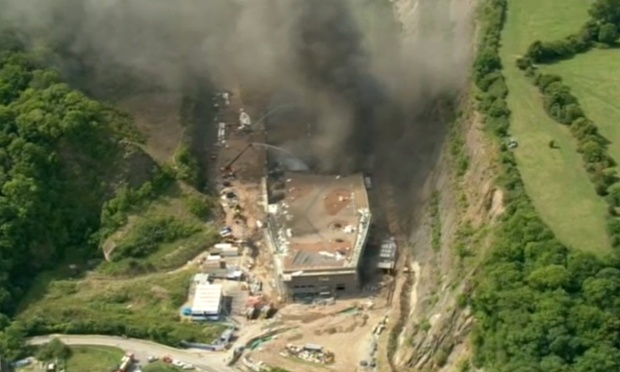
Although the police have only iden­ti­fied the two inci­dents they want to speak to Nor­folk about, there are many more that the police have not linked to him. By far the most spec­tac­u­lar was an arson attack on a new police firearms cen­tre close to the Avon and Somerset’s force head­quar­ters in August 2013, which caused £16m of dam­age.

The spec­tac­u­lar arson attack on a new police firearms cen­tre in 2013
caused £16m of dam­age. Pho­to­graph: BBC

A group call­ing itself Angry Fox­es Cell claimed on 325.nostate that it had car­ried out the attack. “We left it with flames lick­ing high … It put smiles on our faces to realise how easy it was to enter their gun club and leave a fuck you sig­na­ture right in the bel­ly of the beast, with a curi­ous fox as our only wit­ness.”

The post claimed the attack was “also our way of mark­ing two years that Bris­tol anar­chist Bad­ger has evad­ed cap­ture” and added: “Stay free, keep fight­ing!”

There is no sign of the attacks stop­ping. Just before the Nato sum­mit took place in New­port, south Wales, in Sep­tem­ber this year a group call­ing itself “Ran­dom Anar­chists” set fire to an Air Cadet minibus in Bris­tol to high­light “the ways in which mil­i­tari­sa­tion works its way into the fab­ric of dai­ly life”.

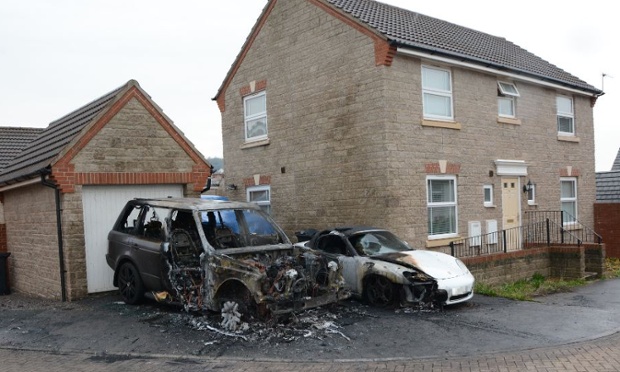
The lat­est took place at the end of last month when five cars were torched in Long Ash­ton on the edge of the city. Four of the cars were parked on dri­ve­ways and police said they could eas­i­ly have put sleep­ing house­hold­ers at risk.

On the 325.nostate site the attack was claimed by “FAI Torch­es in the Night/Earth Lib­er­a­tion Front”. It said two of the cars had been linked to a multi­na­tion­al pow­er com­pa­ny and a provider of secu­ri­ty equip­ment; the oth­er three were high-end cars tar­get­ed to high­light the “green wash­ing” cha­rade of Bristol’s sta­tus as Euro­pean green cap­i­tal next year.

The police have stepped up their search for the attack­ers in recent months, anger­ing many with­in Bristol’s non-vio­lent alter­na­tive com­mu­ni­ty. One activist, Al, an office work­er in his 20s, who said his house was raid­ed by an “army” of Oper­a­tion Rhone offi­cers, dis­missed the police jus­ti­fi­ca­tion that they were try­ing to pre­vent any­one dying.

Arson attacks in Long Ash­ton last month destroyed five cars.
Pho­to from The Guardian

He argued that nobody had been hurt in the attacks – while peo­ple were dying in police cus­tody all the time. “If the police want to pre­vent deaths, they should leave us alone and start arrest­ing each oth­er,” he told the Guardian.

Al said: “I think that the police’s actions are an attempt to make it look like they’re doing some­thing. They care more about their image in the press than about the wel­fare of ordi­nary peo­ple. Their choice of who to tar­get is also polit­i­cal and feels like harass­ment polic­ing – mak­ing it clear that they know where we live and work, and that they can come into our homes and take what they want, when­ev­er they like.

“This hasn’t worked – I knew already that police are here to keep the rich in pow­er and keep us down. Since the raid, I also know that peo­ple in my com­mu­ni­ty will stand by me and sup­port me, what­ev­er the police try to do. I hope that they stop harass­ing peo­ple, but if they do not then they should know that it will only make us more unit­ed, and more angry.”

Last month a group of about 20 anar­chists turned up at the head­quar­ters of Avon and Som­er­set police’s CID and spe­cial oper­a­tions unit and made a nui­sance of them­selves as offi­cers arrived for work.

A let­ter was pub­lished on web­sites includ­ing that of the Bris­tol Anar­chist Fed­er­a­tion and Bris­tol Defen­dant Sol­i­dar­i­ty, signed by more than a dozen groups accus­ing the police of resort­ing to “des­per­ate” tac­tics to try to hunt down those behind the attacks.

It claimed the police had launched a “con­cert­ed effort to intim­i­date and divide us all,” adding: “A big part of their plan is to scare peo­ple into inac­tion and to cre­ate divi­sions between us. They hope to get us blam­ing each oth­er for increased sur­veil­lance to the point where some­one falls for their lies and starts talk­ing to the bad guys.”

Bevan said he believed only a small group of anar­chists was behind the attacks, argu­ing that if the group was a big one, some­one would have bro­ken ranks. He said the attacks were well planned and skil­ful­ly exe­cut­ed, sug­gest­ing the per­pe­tra­tors were organ­ised and intel­li­gent.

He was keen to empha­sise that the finan­cial impact was just one ele­ment, claim­ing that as well as putting human lives at risk, some of the inci­dents had caused envi­ron­men­tal dam­age.

Bevan insist­ed that the force was not try­ing to clamp down on Bristol’s counter-cul­ture or harass­ing peo­ple with alter­na­tive lifestyles. “That’s a fan­tas­tic part of the city. Avon and Som­er­set police sup­ports peace­ful protest. These attacks are some­thing quite dif­fer­ent.”

Australia: Anti-Coal Lockdowns Continue

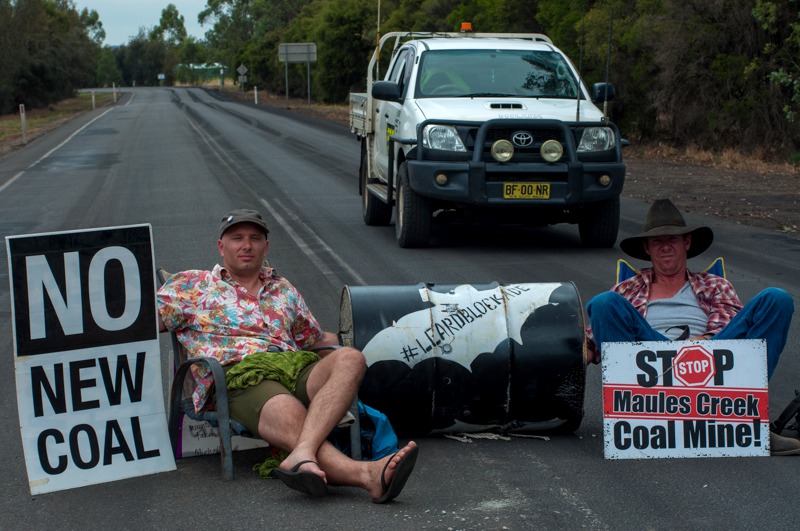
GUNNEDAH, 4 Decem­ber 2014: Sus­tained protest against White­haven Coal’s con­tro­ver­sial Maules Creek mine in the Leard State For­est con­tin­ues this morn­ing, as two men chained them­selves to a con­crete bar­rel at White­haven Coal’s Gunnedah coal han­dling and prepa­ra­tion plant. 31 year old Maules Creek farm-hand Adam Ryan and 37 year old, Syd­ney based father and cor­po­rate lawyer, Matthew Drake-Brock­man have tak­en action to protest against what Drake-Brock­man describes as the ‘lax approval process­es’ that allowed the scan­dal-plagued mine to go ahead.

Mr Ryan, born in near­by Wee Waa, cit­ed con­cerns about min­ing impacts on water and the sub­se­quent effect on the local agri­cul­tur­al indus­try, say­ing “this mine is destroy­ing the com­mu­ni­ty that I have known my whole life. The time for stand­ing by has passed, we have to stand up for our com­mu­ni­ty.”

Mr Drake-Brock­man was involved in a 2007 law­suit against the then Plan­ning Min­is­ter regard­ing plan­ning approval process­es, with the case focussing on the fact that the approval did not take into account the impacts of cli­mate change.

Mr Drake-Brock­man said, “The whole process between what goes on in par­lia­ment and what goes on in indus­try is not trans­par­ent – there is no way the pub­lic can know what’s going on. There is not a great deal of room for input from the pub­lic in this sys­tem – if there was we would already be mov­ing away from coal and into renew­able ener­gy.”

Drake-Brock­man con­tin­ued, “It has become nec­es­sary that we all stand up and become cit­i­zen activists against the cor­rupt state gov­ern­ment and White­haven Coal and to stand in sol­i­dar­i­ty with farmer’s, whose liveli­hood and health are under threat, and will only get worse with cli­mate change.”

In the last week there have been 10 arrests includ­ing high pro­file for­mer Wal­la­bies cap­tain, David Pocock, promi­nent local farmer, Rick Laird and IPCC con­tribut­ing author, Prof. Col­in But­ler. The long run­ning protest camp has seen thou­sands flock to protest the mine and over 290 arrests take place.

Leard For­est Alliance spokesper­son, Phil Evans said, “Hun­dreds of Aus­tralians includ­ing doc­tors, pro­fes­sors, World War II vet­er­ans, sports play­ers and young peo­ple have stood along­side local farm­ers and risked arrest to say that the Maules Creek project is wrong and should not go ahead. Sure­ly, this sends a sig­nal that some­thing is bro­ken with the way we decide on whether coal mines go ahead.”

“We need an imme­di­ate stop to work whilst there is a long, hard look at the plan­ning approval process – so that ordi­nary Aus­tralians can have faith in their government’s inde­pen­dence from big coal and the big end of town.”

White­haven Coal’s share-price fell to new lows this week dip­ping to $1.07 on Tues­day.

UPDATE 12:30pm: Police have arrived on site.

UPDATE 4:30pm: Both men have been arrest­ed and tak­en to Gunnedah police sta­tion to be charged.

Fur­ther Infor­ma­tion:

Phil Evans

Leard For­est Alliance Spokesper­son

0490 064 139

Pic­tures and footage for media use: https://www.mediafire.com/#ir1c4tq4oncu2

Twit­ter updates @FLACCoal and #Leard­Block­ade

from Front Line Action on Coal

Protests by Plane Stupid and Transition Heathrow in unity against aviation expansion

http://i2.getwestlondon.co.uk/news/local-news/article8218961.ece/alternates/s615/ahr_wtl_031214_ParkInn_protest_02.jpg3/12/14

http://i2.getwestlondon.co.uk/news/local-news/article8218961.ece/alternates/s615/ahr_wtl_031214_ParkInn_protest_02.jpg3/12/14

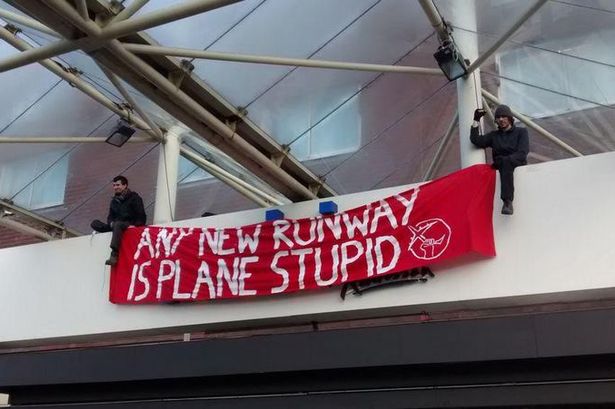
Ear­ly this morn­ing pro­test­ers from Plane Stu­pid and Tran­si­tion Heathrow scaled the Heathrow Park Inn Hotel and dropped ban­ners say­ing “Any new run­way would be Plane Stu­pid” and “Run­ner beans not run­ways” in order to show resis­tance to the Davies Commission’s con­sul­ta­tion propos­ing a future run­way at either Heathrow or Gatwick.

If Heathrow Airport’s pro­pos­al for a third run­way went ahead, much of the vil­lage of Har­mondsworth would be demol­ished, with the neigh­bour­ing vil­lages of Sip­son and Har­ling­ton also under threat. Over a mil­lion peo­ple liv­ing in Lon­don could be affect­ed by long term noise and air pol­lu­tion caused by this aggres­sive expan­sion. Heathrow are already exceed­ing EU air pol­lu­tion lim­its, this is like­ly to increase not decrease with a new run­way.

The Davies’ com­mis­sion argues that an expand­ed avi­a­tion indus­try would still allow the pos­si­bil­i­ty of the UK stay­ing with­in its 2050 cli­mate tar­gets of an 80% reduc­tion of CO2 (1), which is need­ed to pre­vent a cli­mate cat­a­stro­phe. This esti­mate relies on pre­dict­ed tech­no­log­i­cal change and the use of bio-fuels. Both are unproven and allow avi­a­tion to remain a spe­cial case, absolv­ing the indus­try of any cli­mate respon­si­bil­i­ty. We find this unac­cept­able.

Plane Stu­pid cam­paign­er Char­lie Smith said:

“The Davies Com­mis­sion is a farce, it has not allowed for the pos­si­bil­i­ty that the best option for the coun­try and the plan­et is to avoid any fur­ther avi­a­tion expan­sion and seek invest­ment in alter­na­tive means of trans­port. The Com­mis­sion has pro­hib­it­ed a real debate about our trans­port future and as such encour­ages any future gov­ern­ment to expand its avi­a­tion infra­struc­ture thus send­ing us fur­ther along the road to cli­mate chaos”

Claremont Road M11 road protests 20 years on — video & more

3rd Dec 2014

3rd Dec 2014

Pay­ing trib­ute to Clare­mont Road, E11, the State of the Art, 20 years on. To all who were born, died and lived there. To those who fought to save it from road­build­ing mad­ness. Back in 1994 qui­et East Lon­don back­street played host to one of the longest and most expen­sive, and cer­tain­ly the most ecclec­tic and colour­ful evic­tions in British his­to­ry.

Oil Train Blockades in the Pacific Northwest and the Transformative Power of Direct Action

Decem­ber 1st, 2014

Decem­ber 1st, 2014

A pro­test­er sits atop the apex of a tri­pod block­ing the tracks at the Glob­al Part­ners oil ter­mi­nal in Ore­gon.

Direct action can deeply trans­form par­tic­i­pants in ways crit­i­cal to mobi­liza­tion and inno­va­tion in the cli­mate move­ment

“One, two, three, lift!”

With that com­mand, a group of about eight peo­ple from Port­land Ris­ing Tide and South Sound Ris­ing Tide shoul­dered three heavy, 30-foot steel poles. Bal­anc­ing the poles, they slow­ly walked down the rail­road tracks lead­ing to the Glob­al Part­ners oil ter­mi­nal about a mile away on the Colum­bia Riv­er, and 60 miles north­east of Port­land, OR. With­in min­utes the poles were con­vert­ed into a tri­pod and Sun­ny Glover was climb­ing up and assem­bling a plat­form some 25 feet from the ground. Indi­vid­u­als were dis­patched to inform the port author­i­ties, and those on the ground await­ed word from the teams up and down the tracks in the event of an approach­ing train. No trains car­ry­ing Bakken oil would come through that day. The block­ade last­ed some nine hours into the night until the police dan­ger­ous­ly cut the tri­pod legs one by one, a cou­ple feet at a time, while Glover’s neck was still locked to one of the poles.

While the dura­tion of the block­ade was itself impres­sive, this action also con­tained some­thing lit­tle acknowl­edged, but equal­ly pow­er­ful: the abil­i­ty of this kind of direct action to trans­form the par­tic­i­pants them­selves.

The mas­sive nature of the cli­mate cri­sis and the unwill­ing­ness of exist­ing polit­i­cal lead­ers and insti­tu­tions to act has cre­at­ed a cyn­i­cism and paral­y­sis that often qui­ets us in the very moment when it is most crit­i­cal that we act. It is not suf­fi­cient for direct action to tar­get only those indi­vid­u­als and com­pa­nies respon­si­ble for the cri­sis. These actions must also offer the pos­si­bil­i­ty of a trans­for­ma­tion that changes our sense of pow­er, inspires oth­ers, and over­comes the cyn­i­cism at the heart of dis­en­gage­ment. We must also be the tar­gets of our own actions.

The Glob­al Part­ners block­ade was part of a series of actions over the sum­mer of 2014. It fol­lowed on the heels of a sim­i­lar tri­pod block­ade at the Everett rail yard sev­er­al weeks ear­li­er. In that instance, Seat­tle Ris­ing Tide blocked an oil train in the rail yard for over eight hours. One per­son sat atop the apex of the tri­pod while four oth­ers were locked to the tripod’s legs. Ear­li­er this year, Ris­ing Tide, a net­work ori­ent­ing to con­fronting the root caus­es of the cli­mate cri­sis and pro­mot­ing com­mu­ni­ty-based solu­tions, also orga­nized block­ades at the Ana­cortes refin­ery in Wash­ing­ton, which receives oil trains, and at the Arc Logis­tics oil ter­mi­nal in Port­land, OR. In both actions  indi­vid­u­als were arrest­ed after block­ing the train tracks with con­crete-filled bar­rels that they had locked them­selves to. In anoth­er event at Arc Logis­tics, five pro­test­ers block­ad­ed the entrances to the ter­mi­nal while a hun­dred sup­port­ers ral­lied near­by. In that case, the ter­mi­nal oper­a­tors pre­emp­tive­ly shut the facil­i­ty down after learn­ing of the impend­ing block­ade. When all was said and done, a total of ten peo­ple were arrest­ed in these five actions tar­get­ing the Everett rail yard, the Ana­cortes Refin­ery, Glob­al Part­ners and the Arc Logis­tics oil ter­mi­nal, which rep­re­sent just a few of the 12 pro­posed or exist­ing oil-by-rail facil­i­ties in the Pacif­ic North­west.

The surge in action dur­ing the sum­mer of 2014 came in response to indus­try pro­pos­als  that would move some 850,000 bar­rels per day via oil-by-rail to ter­mi­nals and refiner­ies in the North­west. These projects have been devel­oped in response to the fos­sil fuel boom occur­ring in North Amer­i­ca, includ­ing in the Bakken shale field, and the broad­er increase in coal, oil, and gas export facil­i­ties. The enor­mous spike in oil rail traf­fic, increas­ing from 5,000 rail cars in 2006 to 400,000 rail cars by 2013, has lead to seri­ous cat­a­stro­phes through­out North Amer­i­ca, includ­ing most sig­nif­i­cant­ly the explo­sions that killed 47 peo­ple in Lac-Mégan­tic, Que­bec in July 2013. (Read the Journal’s Sum­mer cov­er sto­ry “High­ly Flam­ma­ble,” for details.) Despite these dis­as­ters, politi­cians and exist­ing reg­u­la­to­ry agen­cies have offered only rhetor­i­cal con­cern while still enabling dan­ger­ous rail projects. As a result, cit­i­zens through­out the North­west have begun to mobi­lize.

Despite the recent announce­ment of a US-Chi­na bilat­er­al cli­mate agree­ment, those of us con­cerned with the cli­mate cri­sis have to con­front a harsh real­i­ty: In the very moment where a rapid, just tran­si­tion away from fos­sil fuels is need­ed, the oppo­site is occur­ring. A project of mas­sive fos­sil fuel expan­sion, enabled by the same admin­is­tra­tion respon­si­ble for the recent cli­mate agree­ment, threat­ens the slight and insuf­fi­cient car­bon diox­idee­mis­sions reduc­tions made by the Unit­ed States. This real­i­ty is read­i­ly trans­par­ent to the pub­lic, who cor­rect­ly under­stand that exist­ing insti­tu­tions are not mov­ing fast enough to address the cli­mate cri­sis. It is often this dis­so­nance, and the lack of forms of action that address it, that pre­vents action and caus­es many to divert their gaze from the impend­ing dis­as­ter of cli­mate change.

Protesters at the Global Partners oil terminal in Oregon. (Photo Credit: Trip Jennings)

Pro­test­ers at the Glob­al Part­ners oil ter­mi­nal in Ore­gon.

That’s why actions that offer the pos­si­bil­i­ty of a trans­for­ma­tion are essen­tial in cli­mate orga­niz­ing. Direct action presents new under­stand­ings of who we are, what kinds of pow­er we have, and broad­ens our view of the avenues pos­si­ble for social change. In this sense we should con­sid­er our­selves the tar­gets of our own actions, along­side any oth­er tar­gets we might be aim­ing for.

On the tracks at the Glob­al Part­ners oil ter­mi­nal in Ore­gon, as in oth­er places, this per­son­al trans­for­ma­tion was most def­i­nite­ly appar­ent. Not only did the block­ade restrict access to the oil ter­mi­nal and gar­ner high pro­file media atten­tion, it also cre­at­ed a new sense of being in par­tic­i­pants, revers­ing the pow­er­less­ness we often feel when try­ing to access ver­ti­cal pow­er struc­tures dom­i­nat­ed by indus­try lob­by­ists and cam­paign con­tri­bu­tions. For Glover, this kind of action “felt stronger… it upend­ed that pyra­mid a lit­tle bit because we were doing some­thing was impos­si­ble to ignore or dis­miss entire­ly.” What is more, it “felt like it encour­aged a deep­er sense of con­nec­tion… and brought peo­ple togeth­er more strong­ly.”

Key par­tic­i­pants in these block­ades, many new to this kind of direct action, described the empow­er­ing, joy­ful, lib­er­at­ing expe­ri­ence of the action on them­selves. In tak­ing action in the Everett train yard, Abby Brock­way described how the expe­ri­ence was the “first time that I’ve ever real­ly felt like I was act­ing on mak­ing a dif­fer­ence rather than expe­ri­enc­ing the frus­tra­tion of attend­ing hear­ings, or writ­ing let­ters, or meet­ing politi­cians, or vot­ing.” Par­tic­i­pa­tion in the block­ades changed who these pro­test­ers were and how they act­ed, not only dur­ing the block­ade, but also, crit­i­cal­ly, after the action was over.

Over the last decade there has been an explo­sion of cli­mate relat­ed direct action, and the cli­mate cri­sis has become bet­ter accept­ed among the gen­er­al pub­lic. “This blocka­dia movement…it’s not just this under­ground cul­ture, it’s now peo­ple that are more main­stream,” Brock­way says.

As more and more peo­ple expe­ri­ence these actions as either pas­sive observers or active par­tic­i­pants, some­thing is start­ing to hap­pen. A line is crossed in these actions from protest­ing only with­in the lim­its of what is legal, to doing what is right. From doing what we are allowed to do, to what we have a respon­si­bil­i­ty to do. From appeal­ing to oth­ers to make changes for us, to dis­cov­er­ing our own agency to cre­ate those changes. Such shifts con­sti­tute new ways of being, and par­tic­i­pants are dis­cov­er­ing entire­ly new hori­zons of what is pos­si­ble and ways in which we can rearrange our rela­tions to one anoth­er.

Direct actions that facil­i­tate these per­son­al expe­ri­ences have the poten­tial to cre­ate a cli­mate move­ment that can strike at the root caus­es of the cli­mate cri­sis while also open­ing doors to excit­ing per­son­al trans­for­ma­tion. As Glover reflect­ed, “There had been this bar­ri­er cre­at­ed about how you’re expect­ed to behave and the rules you’re expect­ed to fol­low – while it was a lit­tle scary to trans­gress, hav­ing done so once opened up a whole new area of my life. It feels real­ly free­ing and excit­ing.”