Actions during the UN Biodiversity Summit in Bonn (MOP4/COP9)

Nature for peo­ple — not for busi­ness!

Nature for peo­ple — not for busi­ness!
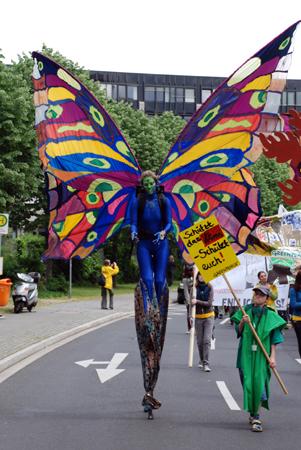
Bonn stilt-walkerBonn COP/CBD logo
The 4th Meet­ing of Par­ties to the Carta­ge­na Pro­to­col on Biosafe­ty (MOP 4) and the 9th Con­fer­ence of the Par­ties (COP 9) to the Con­ven­tion on Bio­log­i­cal Diver­si­ty (CBD) are tak­ing place in Bonn from the 12th to 30th May.

Behind the dis­guise of nature pro­tec­tion, transna­tion­al com­pa­nies use these nego­ti­a­tions to increase their con­trol over nat­ur­al resources. Many of the solu­tions they push for to tack­le cli­mate change and the loss of bio­di­ver­si­ty (agro­fu­el, GM crops and trees, Ter­mi­na­tor, pro­tect­ed areas,…) in fact lead to the pri­vati­sa­tion of bio­di­ver­si­ty, at the expense of rur­al and indige­nous com­mu­ni­ties.

A coali­tion of social move­ments and activists’ net­works calls to protests under the mot­to “Nature for peo­ple, not for busi­ness!” We believe that in front of mas­sive envi­ron­men­tal destruc­tion result­ing from the plun­der­ing of resources by cor­po­rate inter­ests, the pri­or­i­ties are an imme­di­ate end to pri­vati­sa­tion and a fair dis­tri­b­u­tion of nat­ur­al resources in the ben­e­fit of local com­mu­ni­ties.

Join the mobil­i­sa­tions, resis­tance is fer­tile!

More info at ASEED and Biotech Indy­media
——————

Protest reports:

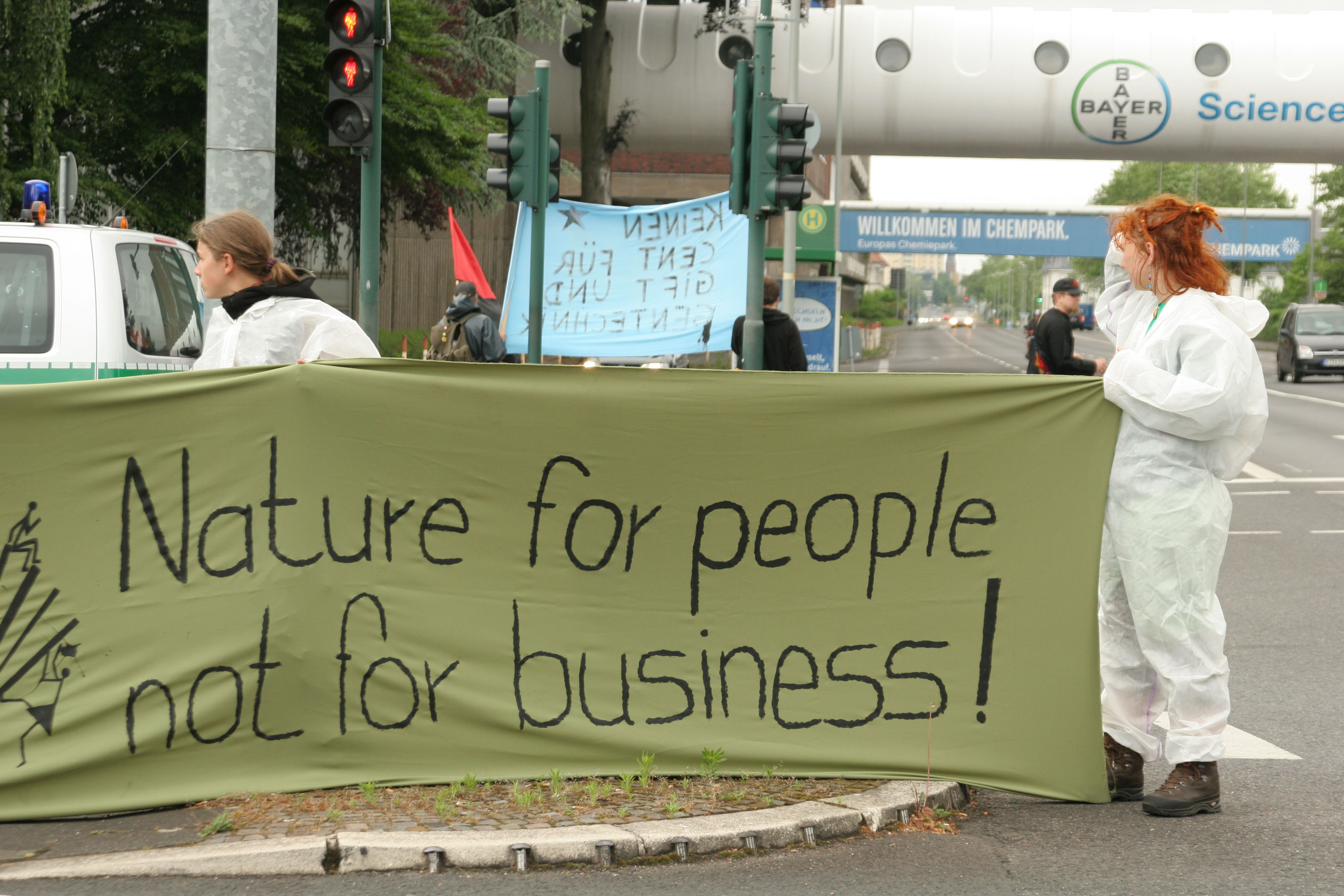
About 100 peo­ple protest­ed out­side Bay­er on 17th May & deliv­ered this -
Bayer at COP 2Bayer at COP 1
Open let­ter to the Bay­er Cor­po­ra­tion in Lev­erkusen
Bonn, 16 May 2008
Dear Board of Direc­tors of the Bay­er Cor­po­ra­tion,
Dear Bay­er Employ­ees,
Dur­ing inter­na­tion­al con­fer­ences the Bay­er Cor­po­ra­tion attempts to exert enor­mous influ­ence upon both, the process of nego­ti­a­tions as well as the results. This is now the case dur­ing the Con­ven­tion of the Par­ties of the UN Con­ven­tion on Bio­log­i­cal Diver­si­ty (COP 9), as well as the nego­ti­a­tions of the Biosafe­ty Pro­to­col (MOP 4), tak­ing place in Bonn. Thus, your com­pa­ny strives to main­tain a “green” image, as indi­cat­ed by the fact that your com­pa­ny was a spon­sor of the Unit­ed Nations Envi­ron­ment Pro­gramme (UNEP) last year.

How­ev­er, this is noth­ing more than a “green­wash­ing” cam­paign, since in oth­er instances your lob­by­ists are tak­ing every effort to fight attempts to pro­tect nature—from the Kyoto Pro­to­col, to the pro­hi­bi­tion of CFCs to the new EU laws on chem­i­cals known as REACH.

In addi­tion, Bay­er is a pro­duc­er of many high­ly dan­ger­ous prod­ucts; it emits large quan­ti­ties of dan­ger­ous gas­es and green­house gas­es; it pro­motes the plant­i­ng of genet­i­cal­ly mod­i­fied prod­ucts and thus belongs to one of the large destroy­ers of bio­log­i­cal diver­si­ty.

to name but a few exam­ples:

Bay­er is respon­si­ble for the insid­i­ous poi­son­ing of soils and sources of water; it is respon­si­ble for the erad­i­ca­tion of use­ful plant and ani­mal vari­eties, an increase of pes­ti­cide-resis­tant pests and the mas­sive dam­age of eco­log­i­cal valance through agro­chem­i­cals. Pes­ti­cides are known to be a main cause of the loss of plant and ani­mal vari­eties. The UN Food and Agri­cul­ture Orga­ni­za­tion (FAO) has termed this “an envi­ron­men­tal tragedy”. Bay­er is the sec­ond largest pro­duc­er of pes­ti­cides and is a world leader in the pro­duc­tion of high­ly poi­so­nous insec­ti­cides. Accord­ing to the World Health Orga­ni­za­tion (WHO), sev­er­al mil­lion peo­ple cur­rent­ly suf­fer from the effects of pes­ti­cide poi­son­ing every year. Of these, up to 200,000 result in deaths.

One of the most recent cas­es con­cern­ing dan­ger­ous chem­i­cals took place in the US Bay­er fac­to­ry in Insti­tute, West Vir­ginia. On Decem­ber 28, 2007, sev­er­al vats con­tain­ing Thiodi­carb, a pes­ti­cide, explod­ed. Dozens of cit­i­zens had to be treat­ed for headaches and breath­ing prob­lems, includ­ing at least one per­son who had to be hos­pi­tal­ized. Thiodi­carb is one amongst the most dan­ger­ous agri­cul­tur­al chem­i­cals that exist. It has been banned in Europe and dur­ing the past year there were 154 orga­ni­za­tions in 35 coun­tries which demand­ed from the Bay­er Cor­po­ra­tion to stop the sale of pes­ti­cides cat­a­logued as being among the most dan­ger­ous, includ­ing Thiodi­carb. The same fac­to­ry in West Vir­ginia con­tained extreme­ly poi­so­nous sub­stances, includ­ing Phos­gen, MIC and Phos­gen gas, the lat­ter of which was used as a weapon dur­ing the First World War.

Nature, con­sumers and users are also threat­ened by the Bay­er-made her­bi­cide, Glu­fos­i­nat. Accord­ing to a report by Swedish author­i­ties which was based on research by the Euro­pean Food Safe­ty Author­i­ty, Swe­den asked that Glu­fos­i­nat be banned. Almost all genet­i­cal­ly-mod­i­fied plants made by Bay­er are resis­tant against Glu­fos­i­nat. The Genet­ic manip­u­la­tion of plants is not aimed at fight­ing hunger, as is often claimed by Bay­er. It is aimed at secur­ing a mar­ket for her­bi­cides. For eco­log­i­cal rea­sons, con­tin­u­ing the sale of Glu­fos­i­nat can no longer be jus­ti­fied.

Bay­er is respon­si­ble for the mas­sive endan­ger­ment of bio­log­i­cal diver­si­ty and the envi­ron­ment through the use of genet­i­cal­ly mod­i­fied plants. The com­pa­ny belongs to one of the most impor­tant pro­tag­o­nists of “green” genet­ic tech­nol­o­gy. Cur­rent­ly we are threat­ened with the like­li­hood of the EU approval of a vari­ety of rice pro­duced by Bayer—the same vari­ety which was the cen­ter of the largest scan­dal con­cern­ing genet­ic tech­nol­o­gy to date, as rice which had not been approved for con­sump­tion reached trad­ing mar­kets world­wide. The mas­sive plant­i­ng of genet­i­cal­ly-mod­i­fied seed would inevitably be respon­si­ble for con­t­a­m­i­na­tion and dis­place­ment of tra­di­tion­al rice vari­eties. Thus, bio­log­i­cal diver­si­ty among crops would be harmed and the long-term food secu­ri­ty would be threat­ened.

Oth­er exam­ples include the con­t­a­m­i­na­tion of canola seeds through genet­i­cal­ly-mod­i­fied canola, which are ille­gal in Ger­many. This kind of pol­lu­tion can be traced back to a her­bi­cide-resis­tant prod­uct from Bay­er Crop­Science which was test­ed many times in the field.

But Bay­er refus­es to take legal respon­si­bil­i­ty for the dam­ages. This exam­ple goes to show once again that coex­is­tence with­out the con­t­a­m­i­na­tion of native seed vari­eties is impos­si­ble. Nev­er­the­less, Bay­er push­es for­ward to cap­ture new mar­kets: genet­i­cal­ly mod­i­fied canola is to be plant­ed in Aus­tralia. Bay­er has also request­ed per­mis­sion for import­ing genet­i­cal­ly-mod­i­fied rice and canola.

Bay­er is respon­si­ble for the pri­va­ti­za­tion and monop­o­liza­tion of genet­ic resources such as seeds and med­i­c­i­nal plants. Bay­er belongs to the largest transna­tion­al com­pa­nies in the area of phar­ma­ceu­ti­cals and agro­chem­i­cals which share the largest por­tion of patents grant­ed to date. The attempts to monop­o­lize them harm bio­log­i­cal diver­si­ty in the fields and rob indige­nous com­mu­ni­ties of their med­i­c­i­nal plants and tra­di­tion­al knowl­edge.

Years of inten­sive influ­ence on law­mak­ing on the part of transna­tion­al com­pa­nies result­ed in the TRIPS (Trade Relat­ed Aspects of Intel­lec­tu­al Prop­er­ty Rights) agree­ment of the WTO. This agree­ment results in the legal com­mit­ment to intel­lec­tu­al prop­er­ty rights such as patents on bio­log­i­cal and genet­ic mate­r­i­al – that is, prop­er­ty rights on life. Bay­er was involved in this.

A par­tic­u­lar­ly insid­i­ous mech­a­nism of con­trol and pow­er is so-called ter­mi­na­tor tech­nol­o­gy, offi­cial­ly known as Genet­ic Use Restric­tion Tech­nol­o­gy. This tech­nol­o­gy results in steril­i­ty of plants after their har­vest, such that they may not be reused for re-plant­i­ng.

A mora­to­ri­um was placed on ter­mi­na­tor tech­nol­o­gy in 2000 as part of the Con­ven­tion on Bio­log­i­cal Diver­si­ty, since it rep­re­sent­ed too great a risk to bio­log­i­cal diver­si­ty. The Bay­er cor­po­ra­tion is also involved in the devel­op­ment of ter­mi­na­tor technology—as is attest­ed to by cir­ca one-half dozen patent appli­ca­tions with titles such as “New Gene for the Coor­di­na­tion of Cell-Abla­tion” or “Process for the Pro­duc­tion of Ster­ile Female Plants”.

Accord­ing to Bay­er Crop­Science, how­ev­er, the cor­po­ra­tion only owns ter­mi­na­tor patents as a result of its acqui­si­tion of Aven­tis Crop­science. This is a false state­ment. Bay­er is own­er of at least five patents on seed ster­il­iza­tion tech­nolo­gies. This sug­gests that Bay­er con­tin­ues to be inter­est­ed in research and use of ter­mi­na­tor tech­nol­o­gy. Dur­ing the 2006 COP 6 meet­ings in Curiti­ba, Brazil, Bay­er lob­by­ists were involved in try­ing to reverse the mora­to­ri­um of these tech­nolo­gies.

Bay­er is also involved in the devel­op­ment of phar­ma­ceu­ti­cal plants, thus threat­en­ing bio­log­i­cal diver­si­ty.

A new devel­op­ment con­cerns large Agri­cul­tur­al Com­pa­nies’ appli­ca­tion for hun­dreds on few patents on plants that are genet­i­cal­ly mod­i­fied to with­stand droughts and oth­er cli­mac­tic stress fac­tors. This is part of the strug­gle to com­pete a lucra­tive mar­ket that is grow­ing due to glob­al warm­ing. The Bay­er Cor­po­ra­tion is a par­tic­i­pant in this process.

Bay­er is respon­si­ble for the warm­ing of the earth. Present­ly, the Bay­er fac­to­ry in Krefeld is involved in the build­ing plan of a giant coal-burn­ing pow­er plant which would be expect­ed to release 4.4 mil­lion tons of car­bon diox­ide and 4,000 tons of nitro­gen oxide into the air each year.

Bay­er is respon­si­ble for water con­t­a­m­i­na­tion with 700 tons of phos­pho­rous, 2,700 tons of nitro­gen, 1.5 mil­lion tons of inor­gan­ic salts, 73 tons of organ­ic chlo­rine and 28 tons of heavy met­als. Bay­er belongs to the ten largest water pol­luters in Ger­many. In addi­tion one must con­sid­er Bayer’s enor­mous use of water, amount­ing to 2 mil­lion cubic meters dai­ly. The Bay­er fac­to­ry in Lev­erkusen has a high­er con­sump­tion of water as the neigh­bor­ing city of Cologne, with rough­ly one mil­lion inhab­i­tants.

Bay­er is respon­si­ble for the plant­i­ng of ener­gy plants for Agro­fu­els, which com­pete with food crops. Bay­er plans to pro­duce agro­fu­els from canola oil as well as the trop­i­cal plant, Jat­ropa. In order to do so, it will rely on vast mono­cul­ture plan­ta­tions as well as the heavy use of fer­til­iz­ers and pes­ti­cides. The mas­sive plan­ta­tions of Jat­ropa will be respon­si­ble for the dev­as­ta­tion of nat­ur­al land­scapes and the dis­place­ment of small farm­ers, as well as of a high­er num­ber of deaths through hunger. In India, land­less peo­ple were already dis­placed from land which was pur­port­ed­ly “fal­low”. This is the same land on which Bay­er is plan­ning to pro­duce ener­gy plants for agro­fu­els.

Bay­er is also respon­si­ble for the death of mil­lions of hon­ey­bee colonies in south­ern Ger­many, as sug­gest­ed by the news of the last few days. The sud­den death of hon­ey­bees hap­pened imme­di­ate­ly fol­low­ing the plant­i­ng of corn. Many of the corn seeds were coat­ed with a neu­ro­tox­in, Cloth­i­an­i­din, of Bay­er Crop­Science. Bee­keep­ers sus­pect that this could be respon­si­ble for the death of the bees. The Asso­ci­a­tion of Bee­keep­ers reports that this is the worst case of the death of hon­ey­bees of the past 30 years. Vicepres­i­dent of the Asso­ci­a­tion, Man­fred Raff jus­ti­fies his sus­pi­cion of the Bay­er neu­ro­tox­in based on the expe­ri­ence of Ital­ian bee­keep­ers, since plant­i­ng in Italy hap­pened sev­er­al weeks ear­li­er. In the lat­ter case, Cloth­i­an­i­din was found in the dead bees. Accord­ing to the Asso­ci­a­tion, it is part of the agro­tox­in Pon­cho Pro which is used for the etch­ing of corn seed.

Bay­er is respon­si­ble for hunger on the plan­et. While riots have erupt­ed world­wide as a result of hunger, Bay­er cor­po­ra­tion states in its lat­est annu­al report, “we have been able to par­tic­i­pate in the pos­i­tive devel­op­ment of the world agrar­i­an mar­ket”. This is a cyn­i­cal for­mu­la­tion in the face of the dras­tic growth in prices of basic food prod­ucts and the rise of hunger across the globe. The World Food Coun­cil con­sid­ers that a sub­stan­tial cause of the cur­rent food cri­sis can be traced back to a reduc­tion in har­vests caused by agri­cul­tur­al land that has been dam­aged by agro­chem­i­cals. As the sec­ond largest pro­duc­er of pes­ti­cides, Bay­er is sig­nif­i­cant­ly respon­si­ble for this devel­op­ment.

On the occa­sion of the nego­ti­a­tion of the Biosafe­ty Pro­to­col (MOP 4) from the 12.–19. of May in Bonn and con­sid­er­ing the fact that lia­bil­i­ty in cas­es of genet­ic con­t­a­m­i­na­tion are being dis­cussed there, Bay­er Crop­Science —togeth­er with Mon­san­to, Syn­gen­ta, BASF, DowA­gro­Sciences and Dupont/Pioneer have pro­posed what they term a “com­pact”. They claim that they are will­ing to pay repa­ra­tions in cas­es in which their prod­ucts are respon­si­ble for the dam­age of bio­log­i­cal diver­si­ty.

On the face of the mat­ter, this seems pos­i­tive. How­ev­er, their com­pact per­tains only to dam­age to bio­log­i­cal diver­si­ty and human health. The envi­ron­ment as a whole or socioe­co­nom­ic or cul­tur­al dam­ages are not con­sid­ered.

Accord­ing to the pro­pos­al, dam­ages to bio­log­i­cal diver­si­ty are only to be con­sid­ered if enough doc­u­men­ta­tion on this bio­log­i­cal diver­si­ty exists. How­ev­er, no coun­try holds such exten­sive doc­u­men­ta­tion on bio­di­ver­si­ty in order to be able to ful­fill the require­ments as have been pre­sent­ed. There­fore, the promis­es to make repa­ra­tions remain emp­ty! More­over, con­t­a­m­i­na­tion through genet­ic mate­r­i­al has been said explic­it­ly not to count as dam­age.

In addi­tion, only states may be plain­tiffs in these cas­es, such that indi­vid­u­als who have been caused dam­ages remain with­out the pos­si­bil­i­ty of receiv­ing repa­ra­tions. All legal pro­ce­dures are to take place pri­vate­ly, leav­ing no trans­paren­cy in the com­pact as pro­posed.

What is thus pre­sent­ed as a step towards cor­po­rate respon­si­bil­i­ty is an adept strat­e­gy of the com­pa­ny in order to pro­tect itself against many instances of lia­bil­i­ty.

We high­ly crit­i­cize, there­fore, that Ger­man as well as Euro­pean poli­cies con­tin­u­ous­ly pro­vide a plat­form for Bay­er to car­ry out its “green­wash­ing pro­gram”, thus great­ly sup­port­ing the inter­ests of indus­tries despite loss­es suf­fered by pop­u­la­tions, bio­log­i­cal diver­si­ty and the envi­ron­ment.

World­wide, many indi­vid­u­als and orga­ni­za­tions are resist­ing the health and envi­ron­men­tal­ly dam­ag­ing poli­cies of the pol­i­tics of the Bay­er Cor­po­ra­tion. We declare our­selves in sol­i­dar­i­ty with them and demand that the Bay­er cor­po­ra­tion end its dead­ly and poi­so­nous pro­duc­tion.

We demand that Bay­er end imme­di­ate­ly its envi­ron­men­tal­ly harm­ful busi­ness, that it stop destroy­ing bio­log­i­cal diver­si­ty, and that it stop its pri­va­ti­za­tion and monop­o­liza­tion. We demand that it take respon­si­bil­i­ty for its cur­rent actions and that it accept respon­si­bil­i­ty for any dam­ages that may fol­low from these actions here­after. As long as the cor­po­ra­tion does not realign its prac­tices, its claims to con­tribute to the con­ser­va­tion of nature ring both hol­low and men­ac­ing.

Bayer—hands off from bio­log­i­cal diver­si­ty
Hands off from ‘nature pro­tec­tion’ dri­ven by prof­its and pow­er.
For eco­log­i­cal agri­cul­ture and forestry, free of genet­ic tech­nol­o­gy and pes­ti­cides!
For the end to patents and intel­lec­tu­al prop­er­ty rights on life!
For the free access to seeds world­wide!
For a final pro­hi­bi­tion of ter­mi­na­tor-tech­nol­o­gy and any sim­i­lar tech­nolo­gies caus­ing ster­il­iza­tion!

Nature for people—not for busi­ness!

Sig­na­to­ries:
Aktion­snet­zw­erk glob­ale Land­wirtschaft, BUKO-Kam­pagne gegen Biopi­ra­terie, La Via
Campesina, Coor­di­na­tion gegen BAY­ER-Gefahren, Bon­ner AK gegen Gen­tech­nolo­gie,
Aktions­bünd­nis COP 9, Vere­in fair-fish e.V., Indi­en­hil­fe e.V., Ret­tet den Regen­wald e. V.,
Arbeit­skreis Eine Welt Buchloe e.V., aut­ofrei leben! e.V.

======
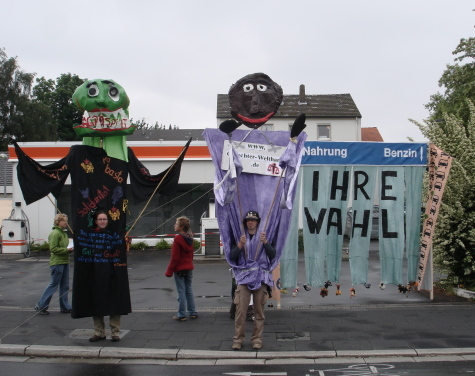
Bonn biofuel protest 1Bonn biofuel protest 2Bonn biofuel protest 3
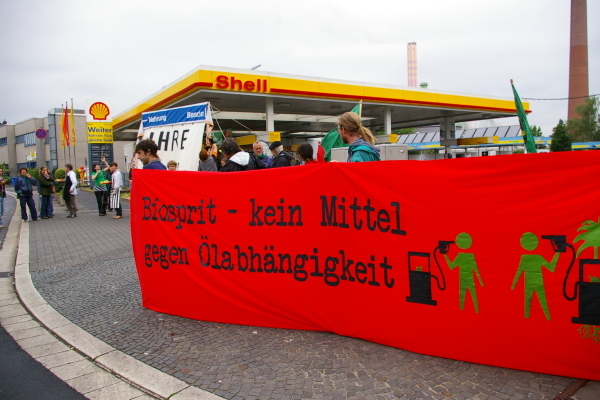
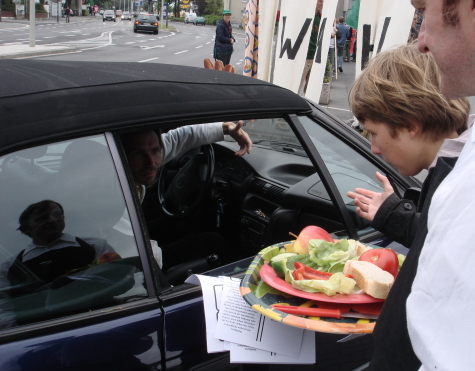
Bonn, Sun­day May 18 — Around 60 peo­ple have been protest­ing in Bonn against the large scale pro­duc­tion of agro­fu­els. At two petrol sta­tions car dri­vers had to make a choice: ‘petrol’ to the right, ‘food’ to the left. Ban­ners were stat­ing “agro­fu­els, no solu­tion for oil addic­tion.”

Nowa­days the media are fre­quent­ly report­ing about the neg­a­tive impacts of the use of crops for ener­gy pro­duc­tion. But so far the hon­est con­clu­sion that we have to change our lifestyle and over­con­sump­tion of resources and ener­gy is ignored by the same media and pol­i­cy mak­ers. In glob­al cap­i­tal­ism a small minor­i­ty exploits 80 per cent of the glob­al resources.
Most dri­vers had some sym­pa­thy for the action but want­ed to fill up petrol any­way this time. They had to for exam­ple to go to a foot­ball match. What can you do?

The work­er in the Shell sta­tion was furi­ous about the counter infor­ma­tion in front of her petrol sta­tion and called the police. After some dis­cus­sions the action was allowed, although dri­vers had to be giv­en more pos­si­bil­i­ties to go around the ‘gate of choice’.
At the BFT sta­tion every­thing stayed very relaxed.

Amongst the activists were many peo­ple from Via Campesina, the inter­na­tion­al net­work of small farm­ers. For them and the mil­lions they rep­re­sent, the large scale intro­duc­tion of agro­fu­els is a direct dan­ger for their liveli­hood and life. You can read more argu­ments against the over­con­sump­tion of ener­gy and agro­fu­els in the text of the brochure that has been dis­trib­uted to the passers-by.

After two hours the group start­ed to move again for a short demon­stra­tion end­ing on a field with a pic­nic with healthy and local food, as it is still pos­si­ble.

Fli­er text:

Agro­fu­els are no solu­tion for the cli­mate and ener­gy prob­lem!

Action against bio­fu­el and high ener­gy con­sump­tion!

Food — Petrol

Here­by we want to draw your atten­tion to the prob­lems and con­se­quences of the intro­duc­tion of agro­fu­els. The cul­ti­va­tion of bio­fu­els forms a direct com­peti­ton to food pro­duc­tion.

You, as a dri­ver, have to choose between food or petrol, as there is only 1,8 ha agri­cul­tur­al land avail­able for each human being on earth.

You have the choice between:

a) Petrol: You tank but you get a neg­a­tiv vouch­er which states how much less food you can con­sume the com­ing days.
b) Food: You receive some­thing to eat and your car leaves with­out petrol.

The rea­son for the action
This week COP 9 is tak­ing place in Bonn. The par­tic­i­pants will debate on issues relat­ed to bio­di­ver­si­ty and genet­ic resources. It con­cerns marine bio­di­ver­si­ty, agro­fu­els, genet­i­cal­ly moti­fied plants, pro­tect­ed areas and the rights of indige­nous peo­ple. How­ev­er, bio­di­ver­si­ty is also relat­ed to agri­cul­ture: ernor­mous areas are tak­en over by agri­cul­tur­al land, and large scale agri­cul­ture, as well as genet­i­cal­ly mod­i­fied mono­cul­tur­al plan­ta­tions, are increas­ing. This is prac­ti­cal­ly the oppo­site of bio­di­ver­si­ty.

The sit­u­a­tion regard­ing agro­fu­els in Gemany and the EU
In Ger­many reg­u­lar petrol is cur­rent­ly mixed with 3 % Biodiesel / Bioethanol. The Ger­man gov­ern­ment aims to reach a per­cent­age of 6,75, although the EU impos­es only 5,75%. Instead of pro­mot­ing ener­gy sav­ing cars, the Ger­man gov­ern­ment is sup­port­ing the pro­duc­tion of big ener­gy wast­ing cars. Unsupris­ing­ly ern­er­gy imports become a neces­si­ty. Recent­ly at a meet­ing with his Brasil­ian (now resigned) col­legue Mari­na Sil­va, the Min­is­ter of Envi­ron­ment Sig­mar Gabriel announced a bilat­er­al agree­ment to be signed in May 2008. This would enable Brasil to export ethanol to Ger­many, under the con­di­tion of sus­tain­abil­i­ty.

Social and eco­log­i­cal con­se­quences of agro­fu­els (three out of many)
1.Agrofuels are com­pet­ing with food: The cur­rent food cri­sis is telling. With­in a few month, the price of rice has increased with about 100 % and the price of grains by 130 % in 2007. One of the effects being food riots in many coun­tries.
2.Large scale pro­duc­tion of agro­fu­els is not envi­ron­men­tal­ly friend­ly at all: as it extends mono­cul­tur­al cul­ti­va­tion, the use of human and envi­ron­men­tal­ly pol­lut­ing pes­ti­cides, the over-use of the soil, the loss of bio­di­ver­si­ty and the use of genet­ic mod­i­fi­ca­tion.
3.Small scale farm­ers loose their land and resources: as large scale agri­cul­ture is led by a rel­a­tive­ly small num­ber of large scale farm­ers and for­eign com­pa­nies. With small scale agri­cul­ture 40 fam­i­lies could sus­tain their liveli­hoods on a sur­face of 200 hectares. Large scale soja pro­duc­tion, how­ev­er, only needs one labour­er for the same acreage.

The World Bank, the Inter­na­tion­al Moni­tary Fund and gov­ern­ments have been push­ing the lib­er­al­iza­tion of the agri­cul­tur­al sec­tor dur­ing the past decades. As a con­se­quence, food became a spec­u­la­tive good and prof­its of food com­pa­nies and investors have increased enor­mous­ly. Rich peo­ple can afford pay­ing high prices for dri­ving a car or fly­ing, where­as poor peo­ple can not even pay for their dai­ly bread any longer. This is uneth­i­cal!

We demand: Food sov­er­eigni­ty, as well as the right for local com­mu­ni­ties to pro­tect their food pro­duc­tion, and to decide on their land use.

Our request to you!
These prob­lems can not (only) be solved by the politi­cians at COP9. We have to change our ener­gy con­sump­tion. Espe­cial­ly in ‘west­ern indus­tri­alised’ coun­tries, as here the con­sump­tion lev­el has been high for decades. It’s time to face the mir­ror and reduce your own ener­gy con­sump­tion dras­ti­cal­ly.

======
Biopiracy at Bonn
On Mon­day, May 19, a demon­stra­tion against the Ger­man Plant Breed­ers Asso­ci­a­tion (BDP) and in front of the botan­i­cal gar­den at the Uni­ver­si­ty of Bonn took place.

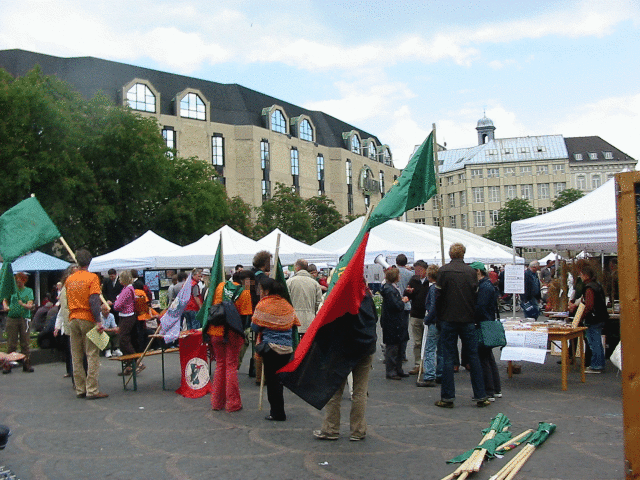
About 30 activists and peas­ants protest­ed against bio-pira­cy and patents on life. After­wards at the Inter­na­tion­al Diver­si­ty Mar­ket at the Mun­ster square in the cen­tre of Bonn, there was a street the­atre and col­o­nized seeds were giv­en back to peas­ants from Asia and Latin Amer­i­ca.

======
Bonn subvertising
We com­bined our Bonn sight­see­ing tour with some adbust­ing. The city of Bonn has placed 450 bill­boards around the town: “Bio­log­i­cal diver­si­ty needs our engage­ment” Nice, but oh so vague – they fail to say any­thing about how and why our lifestyles are destroy­ing bio­di­ver­si­ty, or how to pre­serve it. To pre­vent fur­ther loss of bio­di­ver­si­ty we have to chal­lenge not only our shop­ping habits, but also the cor­po­rate-gov­ern­men­tal elites who are dri­ving the destruc­tion.

We decid­ed to help the city and put forth­ward a clear­er mes­sage. So we print­ed hun­dreds of speech bub­bles to add to the bill­boards say­ing “Bio­log­i­cal diver­si­ty needs our engage­ment”, with the fol­low­ing mes­sages:

- …and our engage­ment needs action. Stop dri­ving, start bik­ing. -

- …and our engage­ment needs action. Boy­cott meat indus­try, go veg­an! -

- …and our engage­ment needs action. Sab­o­tage pol­lut­ing indus­try. -

- …and our engage­ment needs action. Sup­port small scale, instead of indus­tri­al farm­ing. -

- With­out you…nothing will hap­pen. -

We also had some oth­er posters that we put in suit­able places, such as “Biosprit macht hunger”

Armed with glue and self-made bill­board keys, we made our way through the cen­tre. It was messy, great fun!

======
Profitdiversity day launch 1Profitdiversity day launch 2
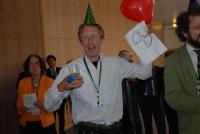
Hap­py Share­hold­ers sup­port Cor­po­ra­tions at Busi­ness Lunch dur­ing COP9

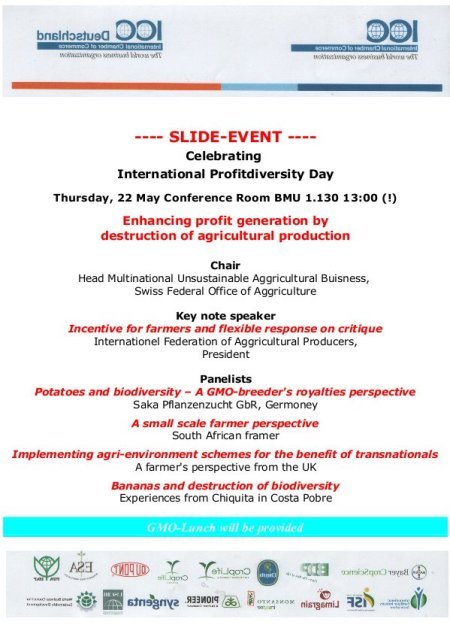
Thurs­day may 22 is the UN day for Bio­di­ver­si­ty. This was the occa­sion for a group of share­hold­ers to vis­it a lunch-meet­ing organ­ised by the Inter­na­tion­al Cham­ber of Com­merce, the lob­by organ­i­sa­tion of worlds largest cor­po­ra­tions.

“We, ‘The Small Share­hold­ers Ini­tia­tive’, TSSI are very glad about the impor­tant issues we have to report on behalf of the Inter­na­tion­al Prof­it­di­ver­si­ty Day today:

Busi­ness gets 220.000 US $ to sup­port com­pa­nies in their work at the CBD. This means that we can give our prof­its to the share­hold­ers and still make peo­ple believe that we work for bio­di­ver­si­ty.

Dur­ing the high lev­el meet­ing Thurs­day May 29, busi­ness right­ly gets a full hour to present its ideas. All oth­er stake­hold­ers togeth­er have to share the oth­er hour. After­wards all del­e­gates are invit­ed, as part of the offi­cial pro­gramme, by busi­ness for a lunch. Anoth­er pos­si­bil­i­ty to make the del­e­ga­tions do what we want.

Hear hear!”

The rest of the speech­es of the hap­py share­hold­ers you can read in the fly­er they hand­ed out to dur­ing the par­ty: http://www.aseed.net/pdfs/SlideEvent_versionA5.pdf

======

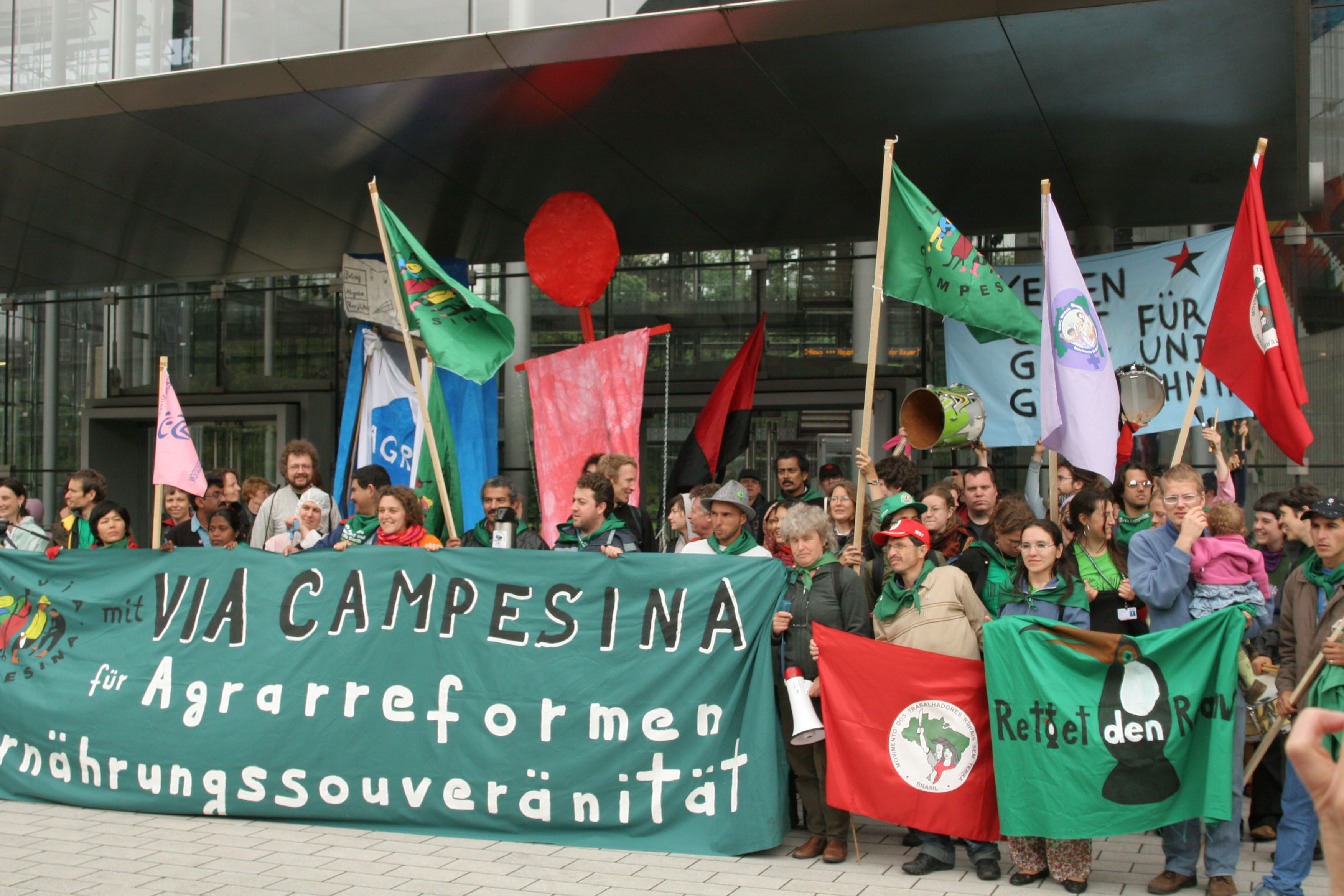
Via Campesina Dis­rupts CBD
Bonn banner 1Bonn banner 2
23.05.2008

VIA CAMPESINA JOINS BIODIVERSITY DAY CELEBRATIONS

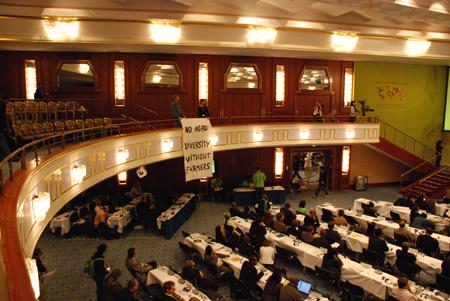
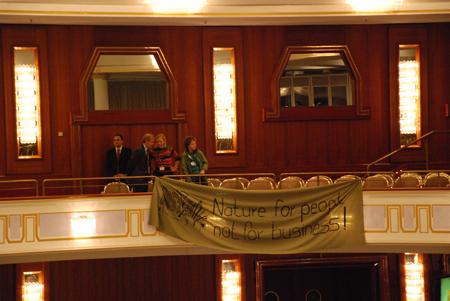
This after­noon activists from all over the world have hung a ban­ner, banged on teacups and hand­ed out mes­sages by Via Campesina dur­ing the offi­cial cel­e­bra­tions of Bio­di­ver­si­ty Day at the 9th Con­fer­ence of Par­ties (COP‑9) of the UN con­ven­tion on Bio­di­ver­si­ty. They did so at the end of a mes­sage by UN sec­re­tary gen­er­al Ban Ki Moon read by the Pro­gramme Offi­cer of the Sec­re­tari­at of the CBD to the dis­tin­guished del­e­gates of the Con­ven­tion.

The ban­ners read “No Agro­di­ver­si­ty With­out Farm­ers” and “Nature for Peo­ple Not for Busi­ness”. The writ­ten mes­sage was brought to the atten­tion of the del­e­gates by farm­ers’ group Via Campesina, who were refused to be part of the cel­e­bra­tion cer­e­mo­ny just before bio­di­ver­si­ty day.

Accord­ing to Via Campesina as well as many oth­er present at the con­ven­tion small farm­ers are the key to both the solu­tion to world hunger and the safe­guard­ing of the world’s bio­di­ver­si­ty.

Via Campesina also warns against cor­po­rate inter­ests advo­cat­ing for a new Green Rev­o­lu­tion in Africa as a strat­e­gy to increase pro­duc­tiv­i­ty. Although they use con­cepts such as “sus­tain­abil­i­ty”, “par­tic­i­pa­tion”, and “bio­di­ver­si­ty man­age­ment”, the pro­duc­tion mod­el is the same as that which has cre­at­ed the present cri­sis and grow­ing loss of bio­di­ver­si­ty

Small farm­ers, though, have the abil­i­ty to feed the world. Peas­ant agri­cul­ture pro­motes food diver­si­ty, sus­tains tra­di­tion­al cul­tures and does not bur­den the envi­ron­ment. More­over, small-scale, local and eco­log­i­cal pro­duc­tion is an effec­tive and imme­di­ate way of reduc­ing car­bon emis­sions and cool­ing down the plan­et.

After a few min­utes the ban­ners were tak­en away by UN police offi­cers and offi­cials and the peo­ple hold­ing them were escort­ed out of the Mar­itim Hotel, and lost their accred­i­ta­tion badges, which are required to par­tic­i­pate in the meet­ings.

Mem­bers of Via Campesina were giv­en a round of applause from the del­e­gates when they chant­ed “nature for peo­ple, not for busi­ness”.

Pri­or to the ban­ner hang­ing action, mem­bers of Aktions­bünd­nis COP9, Via Campesina and sup­port­ers dis­rupt­ed an indus­try lunch where agro-indus­tri­al­ists were con­grat­u­lat­ing each oth­er for their excel­lent work at monop­o­liz­ing the seed sup­ply and destroy­ing agri­cul­tur­al bio­di­ver­si­ty. CBD Exec­u­tive Sec­re­tary Ahmed Djogh­laf, who has been crit­i­cized for his pro-indus­try actions, pre­sent­ed at the side event fol­low­ing the lunch.

Grassroots Gathering 2008, 30th May-1st June, Ireland

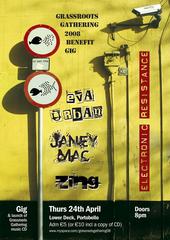
Call-out for GG 2008, June Bank Hol­i­day week­end 30/05/08 to 01/06/08, Dublin

Grassroots Gathering 2008 benefit flierCall-out for GG 2008, June Bank Hol­i­day week­end 30/05/08 to 01/06/08, Dublin

The Grass­roots Gath­er­ings – an insti­tu­tion of the move­ment-build­ing seen in Ire­land post-2000 – are com­ing out of hiber­na­tion this June Bank Hol­i­day week­end in Dublin. But it won’t be quite like before…

The sto­ry so far

The upsurge in social move­ment strug­gles around the turn of the cen­tu­ry, from the streets of Seat­tle to the bar­rios of Argenti­na, from the town­ships of South Africa to the docks of South Korea, set the tone for much of the oppo­si­tion­al pol­i­tics seen in the 2000s. Draw­ing clear lines around such moments is always dif­fi­cult: estab­lish­ing when some­thing has peaked, when some­thing has hit a plateau, and when some­thing is in decline. But UK-based col­lec­tive The Free Asso­ci­a­tion cap­tured a wide­spread sense of unease regard­ing this his­tor­i­cal con­tin­u­um in sum­mer 2007 when they observed that “the ‘we are win­ning’ sen­ti­ment of the cou­ple of years fol­low­ing Seat­tle has dis­ap­peared and been replaced by, at best, head-scratch­ing and soul-search­ing. More a case of WTF than WTO…”

The social move­ments land­scape of Ire­land did not go untouched by this chain of glob­al events: we’ve had our WTO moments and more recent­ly our WTFs. From 2001 – a high­point of the inter­na­tion­al wave of strug­gle – a key local sym­bol of glob­al devel­op­ments was the Grass­roots Gath­er­ings, open get-togeth­ers for any­one who want­ed to trans­form Irish soci­ety and the world in rad­i­cal ways – ‘grass­roots’ ways, in their focus on real democ­ra­cy, and bot­tom-up meth­ods, in keep­ing with the ethos of glob­al net­work­ing bod­ies born in the turn of the cen­tu­ry moment such as Peo­ple’s Glob­al Action (PGA). Though nev­er real­ly intend­ed as organ­is­ing plat­forms, the Gath­er­ings made up a key hub of Irish move­ment-build­ing and action: reclaim­ing the streets, build­ing social cen­tres, resist­ing war, envi­ron­men­tal destruc­tion and EU neolib­er­al­ism, the net­works formed around the Grass­roots Gath­er­ings took their place in the glob­al upris­ing against cap­i­tal­ism.

But reflect­ing the col­lapse of that ‘we are win­ning’ sen­ti­ment inter­na­tion­al­ly, the Gath­er­ings them­selves had stalled by the end of 2005. It’s not as if this marked the death of Irish anti-cap­i­tal­ism – far too many good things have hap­pened in the mean­time, and too many great peo­ple have got on board for this to be true – but the sense of dis­tance from the heady days of the ear­ly part of the decade has become stronger. Lots has changed since Seat­tle.

So why res­ur­rect the Grass­roots Gath­er­ing in 2008? Falling back on forms that have already bro­ken down, until they break down again, is a self-defeat­ing strat­e­gy. It’s what you might do when you have no strat­e­gy at all. We need a time cap­sule back to 2003 or 2004 – to a hap­py-clap­py lucky dip of the same old work­shops on the same old cam­paigns, skill-shares and alter­na­tive lifestyle ideas – like we need a hole in the col­lec­tive head.

But unless we want to wal­low in cyn­i­cism, and bail out of his­to­ry like so many bro­ken, bit­ter ex-rad­i­cals before us, what we do need — and what is more chal­leng­ing — is to cre­ate a space in which to be crit­i­cal about our mis­takes and hand­i­caps, rather than just look back on them with a bale­ful eye; to learn from them, and to start to look for­wards and out­wards.

Maybe this means admit­ting that the forces set in motion at the turn of the decade have run their course. Maybe it does­n’t. Maybe it means we can’t speak of a ‘move­ment of move­ments’ any­more. Or maybe we can. Maybe it means that the idea of a ‘Grass­roots Gath­er­ing’ is obso­lete.

But one thing it def­i­nite­ly means is this: amid the lega­cy of the turn of the cen­tu­ry moment, a polit­i­cal sen­si­bil­i­ty (and maybe even a crit­i­cal mass of peo­ple) now exists here that did­n’t exist ten years ago: one that’s com­mit­ted to rad­i­cal social change, but not trapped in the dis­mal cul de sacs of Lenin­ist, Stal­in­ist and oth­er dog­mas. What­ev­er else has hap­pened, we have bro­ken through the ‘end of his­to­ry’ of the 1990s. Our local expe­ri­ence of post-2000 anti-cap­i­tal­ism has been idio­syn­crat­ic (com­pared to wider trends, the course of Irish his­to­ry often is); with­out the same move­ment tra­di­tions to draw upon as else­where, we reached our high-points lat­er, and while some oth­er nodes in the glob­al net­work have even col­lapsed, ours has­n’t. Activists from over­seas some­times remark that the move­ment in Ire­land seems fresh and out­ward-look­ing, unbur­dened by much of the bag­gage found else­where.

It may be that our sit­u­a­tion is marked as much by oppor­tu­ni­ty as by defeat. So what are we going to do about it?

What’s hap­pen­ing?

While this Grass­roots Gath­er­ing, like past ones, retains a vital ele­ment of straight ahead ‘pop­u­lar edu­ca­tion’ – with work­shops on themes as diverse as Mil­i­tant Research and Biotech­nol­o­gy – run­ning through it are also some more focused work­shop streams.

One of those ‘streams’ looks out­wards: ‘Rad­i­cal civ­il soci­ety and the state: hopes, fears and expe­ri­ences’ is geared not so much towards the con­cerns of a typ­i­cal Grass­roots Gath­er­ing activist milieu, but towards those of com­mu­ni­ty work­ers and activists, who will join us at this Gath­er­ing, and whose strug­gles against the vicis­si­tudes of Irish soci­ety par­al­lel the goals of the Grass­roots Gath­er­ings.

Anoth­er stream looks for­wards and, to some extent, inwards: ‘Think­ing about the Grass­roots Move­ment’ takes in ses­sions on strat­e­gy; on how to cre­ate move­ment cul­tures of respect and sol­i­dar­i­ty; and on the ques­tion: across our uneven efforts to build net­works region­al­ly, nation­al­ly and glob­al­ly, who are we, any­way, and what is it that unites us?

While some work­shops are yet to be finalised, a list of con­firmed ses­sions is below. Fol­low the links for more infor­ma­tion and blurbs on work­shops and streams. Watch this space for the final timetable, com­ing soon. Fun and games through­out the week­end pro­vid­ed with help from Elec­tron­ic Resis­tance, Seom­ra Spraoi and friends.

Where?

Ground zero for GG 2008 is in the heart of Dublin’s Lib­er­ties: the build­ing’s called Casadh, and it’s at 13, New­mar­ket Square, D8. A map will be post­ed below.

Oth­er stuff

Take a look at our wish-list if you’d like to help out. We might even have a few open­ings for last minute work­shop pro­pos­als, so don’t be shy about drop­ping us a line. We hope to make Grass­roots Gath­er­ing 2008 a child-friend­ly space. We also hope to accom­mo­date any­one with spe­cial needs, so if there’s any­thing we need to know, get in touch as soon as you can.

Con­tact

grassrootsgathering08@gmail.com for all cor­re­spon­dence; or

Tel: +353 85 724 3832

Links

http://www.myspace.com/grassrootsgathering08

http://grassrootsgathering.baywords.com/

Infor­ma­tion on ses­sions and streams at:

http://blog.myspace.com/index.cfm?fuseaction=blog&pop=1…ate=1

Texts on the his­to­ry of the Grass­roots Gath­er­ings:

Lau­rence Cox, “The Grass­roots Gath­er­ings: Net­work­ing a ‘move­ment of move­ments’ ”.
http://www.wsm.ie/story/2799

Ter­ry, “A short his­to­ry of the Grass­roots Gath­er­ing”
http://www.indymedia.ie/article/73804

Ses­sions

Stream A: Rad­i­cal civ­il soci­ety and the state: hopes, fears and expe­ri­ences

(1) Rad­i­cal civ­il soci­ety and the state: hopes, fears and expe­ri­ences
(2a) What do we know?
(2b) Is what we’re doing work­ing?
(3) Ple­nary

Stream B: Think­ing about the Grass­roots move­ment (big ‘G’)

(1) Catch­ing up on who and what we are
(2) Going places: strat­e­gy and the Grass­roots move­ment
(3) Sol­i­dar­i­ty? Build­ing a healthy move­ment cul­ture

Stream C: Learn­ing about grass­roots move­ments (small ‘g’) – and every­thing else
(1) Time­line of the ‘Move­ment of move­ments’
(2) ABCs of social change
(3) Mil­i­tant Research
(4) What would it mean to win?
(5) Biotech­nolo­gies, food sov­er­eign­ty and cli­mate cri­sis
(6) Migrants in the move­ment
(7) The war against war
(8) Com­mu­ni­ty gar­den wan­der
(9) Social cen­tres net­work update
(10) The ‘gath­er­ing of gath­er­ings’: round-up from a sea­son of meets

More details and read­er at http://www.indymedia.ie/article/87693

Stuck for something to do!? Uninspired & lacklustre..? The all new singing dancing EF!AU is here to lift your spirits

As if putting the boot into the genet­ics indus­try, fill­ing emp­ty spaces with joy & cre­ativ­i­ty, and fool­ing the fos­sil-heads was­n’t enough, peo­ple have been busy wash­ing lumps of coal and cov­er­ing them­selves with paint…we kid you not…all in aid of halt­ing the trash­ing of the plan­et!

Par­lia­ments have been climbed, air­port ter­mi­nals flash(mobb)ed, fields & var­i­ous oth­er sites occu­pied, build­ing stormed & block­ad­ed, pipelines block­ad­ed & destroyed…

EF! crossed tools 1As if putting the boot into the genet­ics indus­try, fill­ing emp­ty spaces with joy & cre­ativ­i­ty, and fool­ing the fos­sil-heads was­n’t enough, peo­ple have been busy wash­ing lumps of coal and cov­er­ing them­selves with paint…we kid you not…all in aid of halt­ing the trash­ing of the plan­et!

Par­lia­ments have been climbed, air­port ter­mi­nals flash(mobb)ed, fields & var­i­ous oth­er sites occu­pied, build­ing stormed & block­ad­ed, pipelines block­ad­ed & destroyed…

Throw into the mix ye oldie Reclaim the Streets, the tried and test­ed eeeeevil Mr/Ms Sab­o­tage, the launch of a new cam­paign ‘Leave it in the Ground’, plus a sum­mer-full of dates, new con­tacts list, it’s a won­der we’ve fit­ted in a brand new sexy EF! sum­mer gath­er­ing poster (front & back). Down­load the lat­est EF!AU to share with oth­ers, sub­scribe or check out some past issues. The next issue will come out at the begin­ning of August.

And of course, this year’s EF! Sum­mer Gath­er­ing (or fol­low the link to the left) is from Wednes­day 27th August to Mon­day 1st Sep­tem­ber 2008, if you want to plot & plan, and laugh & chat with old friends & new.

Phew, what a scorcher!

Anti-GM protest shuts down BASF UK headquarters (& photos & video links)

At the crack of dawn, Tues­day, 6th May, after a long night of prepa­ra­tion, Earth First! activists from all across Eng­land jumped into two vehi­cles and speed towards south Man­ches­ter, dead set on tak­ing some effec­tive action against the eco­log­i­cal­ly destruc­tive plans of noto­ri­ous chem­i­cal com­pa­ny BASF. There was no desire for sym­bol­ic protest, but sim­ple action that hit hard at the one thing they val­ue the most, their pock­ets.

BASF HQ 1
BASF HQ 2
BASF HQ 3
BASF HQ 4
At the crack of dawn, Tues­day, 6th May, after a long night of prepa­ra­tion, Earth First! activists from all across Eng­land jumped into two vehi­cles and speed towards south Man­ches­ter, dead set on tak­ing some effec­tive action against the eco­log­i­cal­ly destruc­tive plans of noto­ri­ous chem­i­cal com­pa­ny BASF. There was no desire for sym­bol­ic protest, but sim­ple action that hit hard at the one thing they val­ue the most, their pock­ets.

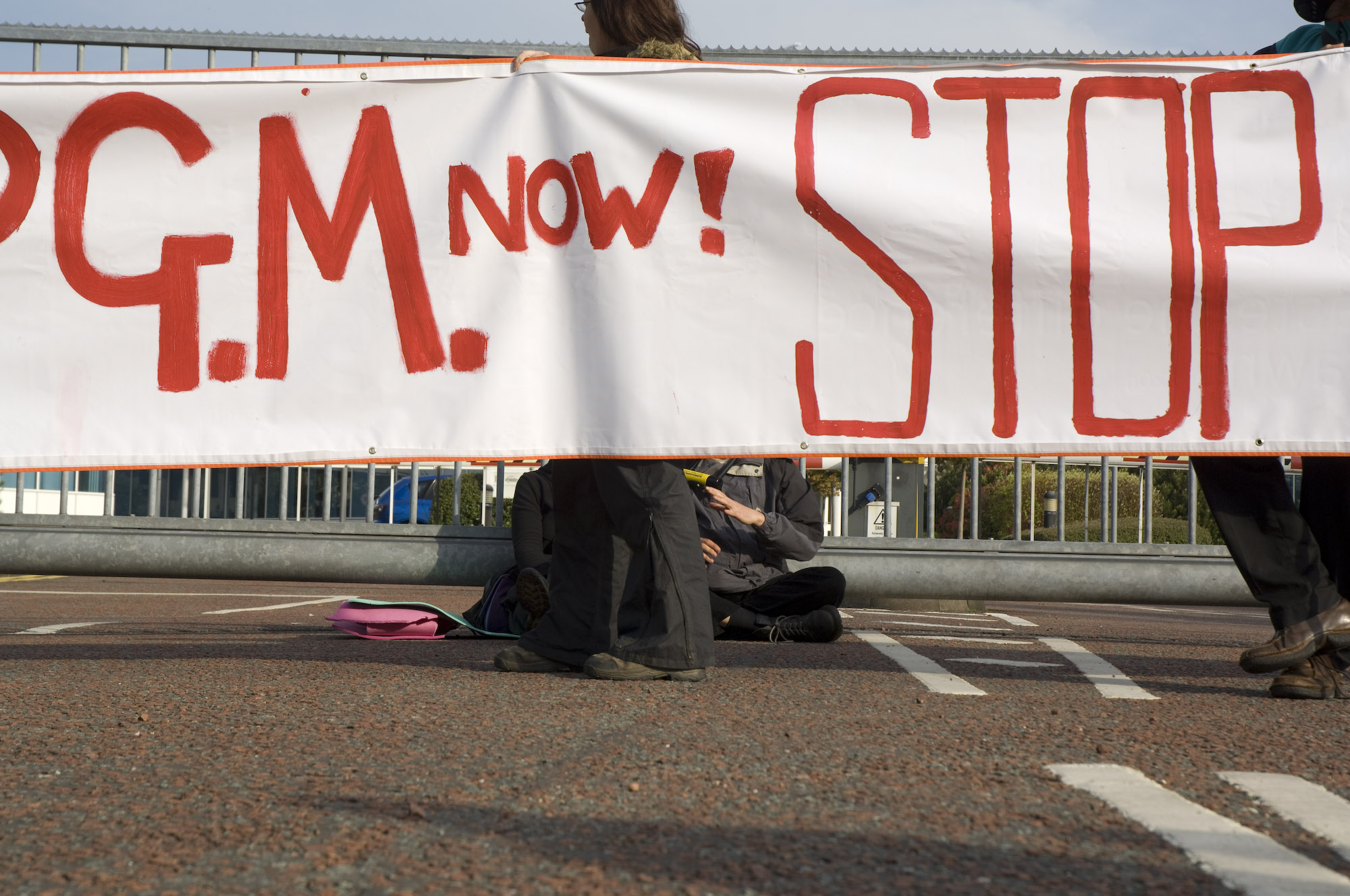
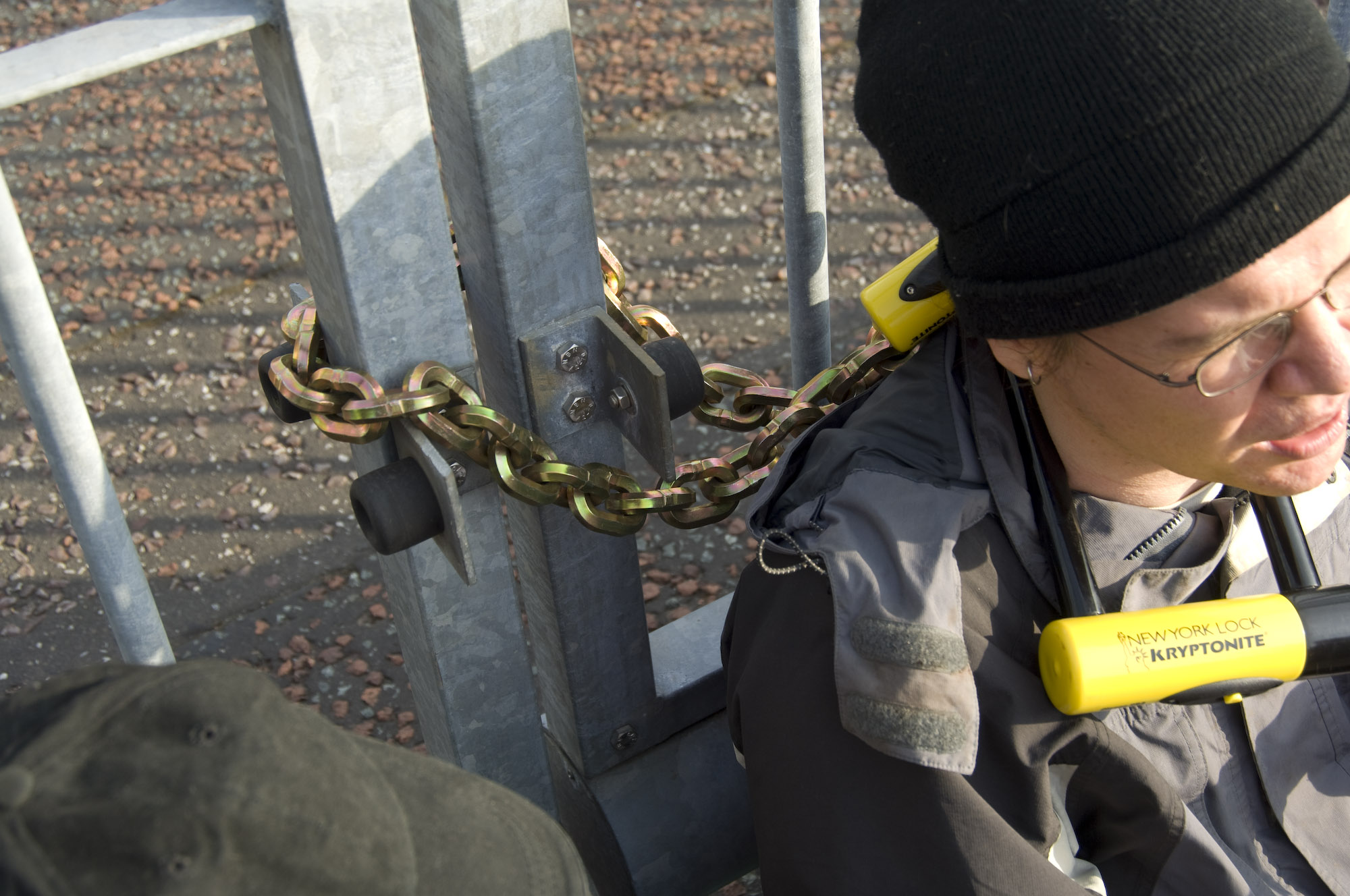
At 7.20 am they turned hard into the only entrance to BASF’s head­quar­ters in Stock­port, vehi­cles block­ing the entrance while var­i­ous affin­i­ty groups piled out and got to work. A team of eleven peo­ple with lock-on tubes took the ground in front of the long gate, while oth­ers D‑locked sev­er­al side gates that were for pedes­tri­an use only.

Mean­while, some peo­ple spoke to the guards and were told that he want­ed to shut the gate. Which was excel­lent news, and there was a rapid change of plan. The arm-tubes were put back in the vehi­cles, which dis­ap­peared off, to be used for the next action, and once the gate was closed a seri­ous­ly heavy-duty motor­bike chain was wrapped around it and one activist D‑locked him­self to it. And that was us there until 12noon, job done, BASF’s UK head­quar­ters shut down for the morn­ing.

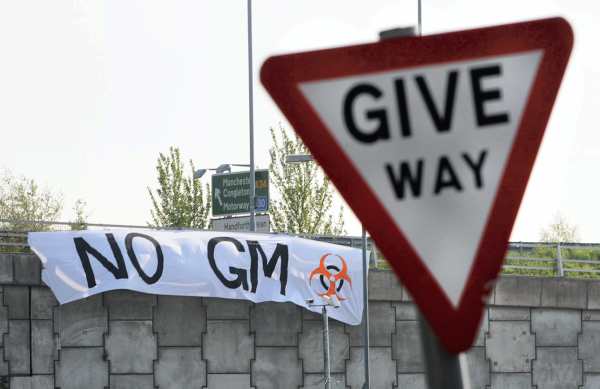
A 30x10 foot ban­ner say­ing Stop GM was hung from a near­by fly­over so every­one would get the mes­sage as to why were there. Though, giv­en we were on the bor­der with Cheshire, one con­fused local inhab­i­tant was curi­ous as to what we had against Greater Man­ches­ter!

The only trou­ble came from the var­i­ous BASF exec­u­tives clear­ly eager to get to their phone con­fer­ences and thought dri­ving at peo­ple con­sti­tutes accept­able behav­iour. With such a casu­al atti­tude towards pro­tes­tors stand­ing in their way it is hard­ly sur­pris­ing that they do not give a damn about what effect their prod­ucts have on the rest of the world.

The weath­er was won­der­ful, sun­ny and warm, and we relaxed on the road while all the BASF work­ers were told to drink cof­fee in M&S or sit in the B&Q carpark – which nat­u­ral­ly were leaflet­ed so they had some­thing to read while they wait­ed. The police, when they turned up, were polite and clear­ly out­num­bered by the pro­tes­tors, so let them get on with it. There was a police liai­son to keep things hap­py, and when the block­ade was lift­ed, and every­one left with all their equip­ment – includ­ing the D‑Locks and chains – and their were no arrests. The only thing they want­ed was the large Sains­burys ban­ner which had been redec­o­rat­ed with anti-GM mes­sages, which they want­ed to return to Sains­burys in case it had been stolen. We could not say fair­er than the police deliv­er­ing our anti-GM mes­sage back to the super­mar­ket chain…

Though we were only there for the morn­ing, the activists left on our own terms, know­ing that the impact would con­tin­ue to rever­ber­ate through the com­pa­ny. Evi­dence from oth­er actions shows that the impact does not stop once the block­ade is lift­ed, but the entire day will be lost. Meet­ing will have to be resched­uled, work-time caught up on, oth­er offices will be furi­ous about not being able to get in touch, and so on. And the boss­es will still be paid for the time spent twid­dling their thumbs. An excel­lent day out… if it could not be spent on the allot­ment, the next best place is lying on a road­way.

The pres­sure on GM com­pa­nies has not gone away.

——————

Press release:

BASF UK HQ cur­rent­ly com­plete­ly block­ad­ed by pro­test­ers.

This morn­ing 30 pro­test­ers from Earth First! have shut down the BASF UK head­quar­ters (1) at Chea­dle Hulme near Man­ches­ter (2), to high­light the com­pa­ny’s role in push­ing GM onto our plates. BASF is plan­ning to run the UK’s only tri­al of GM crops this year, a tri­al of blight resis­tant potatoes.(3)

The pro­test­ers arrived ear­ly in the morn­ing at the flag­ship offices and have since been blockad­ing the gate by sit­ting in front of it and lock­ing on using d‑locks and oth­er equip­ment. They are suc­cess­ful­ly pre­vent­ing any staff from
enter­ing and are demand­ing the com­pa­ny pull out of GM imme­di­ate­ly. They have also hung a giant 30 x 10ft ban­ner read­ing “No To GM”. The pro­test­ers are plan­ning to block­ade the gate for sev­er­al hours.

Mary Sun­der­land from Earth First! Said: “GM has no part to play in our future: it’s a dan­ger­ous, unwant­ed and unproven tech­nol­o­gy geared towards max­imis­ing prof­its for multi­na­tion­al cor­po­ra­tions such as BASF. It is not the answer to food short­ages, hunger or cli­mate change. The real solu­tion is to change now to a sus­tain­able farm­ing sys­tem and to dis­trib­ute resources fair­ly around the world.”

The bio-tech indus­try claims GM will feed the world’s poor, but experts dis­agree. A major new study pub­lished in April shows that mod­i­fied soya pro­duces 10 per cent less food than its con­ven­tion­al equiv­a­lent, con­firm­ing ear­li­er stud­ies show­ing the same trend. The study finds that the very process of mod­i­fi­ca­tion depress­es productivity.(4)

This rev­e­la­tion came just a week after the biggest study of its kind ever conducted,the Inter­na­tion­al Assess­ment of Agri­cul­tur­al Sci­ence, con­clud­ed that GM was not an answer to world hunger. The UN study, con­duct­ed by over 400 sci­en­tists and approved by over 54 gov­ern­ments is a sober­ing account of the fail­ure of indus­tri­al farm­ing. The key mes­sage of the report is that small-scale farm­ers and agro-eco­log­i­cal meth­ods pro­vide the way for­ward to avert the cur­rent food cri­sis and deal with the effects of cli­mate change.(5)

Neil Ross from Earth First! UK adds: “It’s time for every­one who is con­cerned about the future of our food and envi­ron­ment to stand up again and to say ‘No to GM’. When five years ago 86 per cent of the UK pub­lic said that they did not want GM foods the gov­ern­ment and bio-tech indus­try brushed those con­cerns aside as unsci­en­tif­ic. Sci­ence is now prov­ing that we were right to oppose GM. Thanks to the courage of many ordi­nary peo­ple who ripped up GM crops our coun­try­side has been GM free for the past four years. (6) We are deter­mined to keep it that way. The mes­sage to BASF and
the gov­ern­ment could­n’t be clear­er. Stop wast­ing mon­ey on GM (7) and start invest­ing in the real solu­tions to hunger: small-scale organ­ic farm­ing and equi­table trade.”

_

Notes

(1)BASF is the world’s lead­ing chem­i­cal com­pa­ny.
(2) Head­ing south from Man­ches­ter on the A34 , turn right onto Stan­ley Road (B5094). Take the sec­ond left onto Earl Road. Con­tin­ue under the fly­over (Man­ches­ter Air­port East­ern Link Road) and BASF HQ is on your right.
(3) The UK tri­als of BAS­F’s blight resis­tant pota­toes were due to take place from last spring at two loca­tions for a peri­od of five years. One site is a research cen­tre in Cam­bridge, where last year anti-gm cam­paign­ers suc­ceed­ed in destroy­ing the field dur­ing a night time raid. The sec­ond tri­al site was nev­er plant­ed as BASF was unable to find a site for it. Cam­paign­ers have already vowed to decon­t­a­m­i­nate the Cam­bridge site again, should BASF go ahead with the con­tro­ver­sial tri­al. Many believe that the tri­als are unnec­es­sary as blight resis­tant pota­toes are already avail­able
through con­ven­tion­al breed­ing.
(4) The study was car­ried out over the past three years by the Uni­ver­si­ty of Kansas in the US grain belt and pub­lished by Pro­fes­sor B Gor­don in the jour­nal ‘Bet­ter Crops’. He grew a Mon­san­to GM soy bean resis­tant to the her­bi­cide Round-up and com­pared it with a con­ven­tion­al vari­ety. The GM bean pro­duced only 70 bushels per acre com­pared to 77 bushels for the con­ven­tion­al bean.
(5) The report from the Unit­ed Nations World Food Pro­gramme, the Inter­na­tion­al Assess­ment of Agri­cul­tur­al Sci­ence and Tech­nol­o­gy for Devel­op­ment (IAASTD) called for a back-to-basics approach to farm­ing to meet the chal­lenges of cli­mate change and esca­lat­ing food prices. The authors saw lit­tle role for GM tech­nol­o­gy in feed­ing the poor. The report
was based on a rig­or­ous and peer-reviewed analy­sis of the empir­i­cal evi­dence by hun­dreds of sci­en­tists and devel­op­ment experts. http://www.agassessment.org/
(6) When GM crop tri­als start­ed in the UK in 1998, no one could have pre­dict­ed the pub­lic oppo­si­tion to it. With­in just 5 years, all GM com­pa­nies includ­ing Mon­san­to, Syn­gen­ta and Bay­er had retreat­ed from Britain, numer­ous field tri­als had been destroyed and a mora­to­ri­um against GM crop grow­ing had been imposed.10 years lat­er, Britain is still free from any com­mer­cial grow­ing of GM crops. This oppo­si­tion has also sparked mas­sive resis­tance else­where in Europe.
(7) Using the Free­dom of Infor­ma­tion Act Friends of the Earth man­aged to obtained still par­tial infor­ma­tion in Octo­ber 2007 which shows that the Gov­ern­ment gave at least £50 mil­lion a year for research into GM crops and food, com­pared with £1.6 mil­lion for research into organ­ic agri­cul­ture last year, in spite of repeat­ed promis­es to pro­mote envi­ron­men­tal­ly friend­ly, sus­tain­able farm­ing. http://www.i‑sis.org.uk/dirty_GM_secrets.php

manchester[at!]earthfirst.org.uk
http://www.earthfirst.org.uk

——————

More pho­tos

Video

GM fields squatted in Germany (& Portuguese update)

Two GM fields squat­ted in Ger­many
The past cou­ple of weeks saw two suc­cess­ful field squats in Ger­many pre­vent­ing the sow­ing of genet­i­cal­ly mod­i­fied crops.

German tripod against GM fieldTwo GM fields squat­ted in Ger­many
The past cou­ple of weeks saw two suc­cess­ful field squats in Ger­many pre­vent­ing the sow­ing of genet­i­cal­ly mod­i­fied crops.
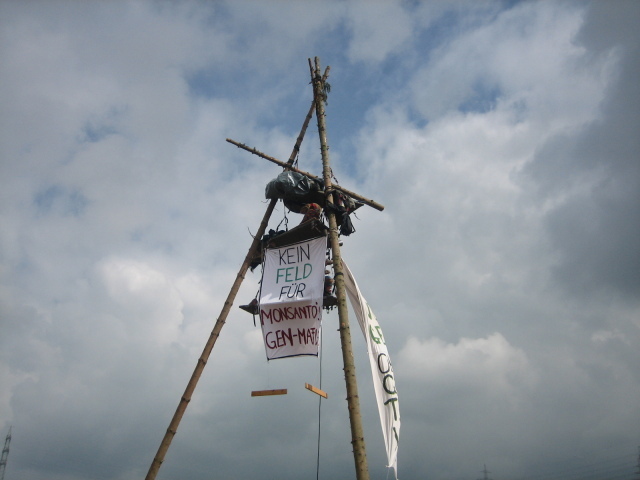
On 31 March a pro­posed gm bar­ley field tri­al by the Uni­ver­si­ty of Gießen was squat­ted.. Activists squat­ted the field before the sow­ing of the crop. They erect­ed a tri­pod made out of three lengths of wood plus a con­crete lock-on dug into the ground and set up a tent camp. To date the field is still squat­ted with num­bers grow­ing all the time. There is grow­ing local sup­port for the action, espe­cial­ly amongst farm­ers. This action has fol­lowed sev­er­al suc­cess­ful „field lib­er­a­tions“ over the past years, where anti-GM cam­paign­ers destroyed the GM crops plant­ed by the Uni­ver­si­ty of Gießen. Sat­ur­day the 5th April saw hun­dreds of peo­ple and three trac­tors demon­strate in the city of Gießen for the can­cel­la­tion of the tri­al.
On 4 April a sec­ond field was squat­ted in Ober­boi­hin­gen in South Ger­many, des­ig­nat­ed for a tri­al of GM maize by the Uni­ver­si­ty of Nürtin­gen. Here anoth­er 30 feet tri­pod was erect­ed and activists pre­pared to sit it out for sev­er­al weeks.The tri­pod was soon joined by a cir­cus tent, and a peo­ple’s kitchen. Farm­ers brought straw for the mud­dy field and local sup­port­ers swamped the kitchen with food. Con­certs and talks were run­ning in the cir­cus tent. The first day start­ed with 20 peo­ple on the field, by the end of the first day there were already 50 peo­ple. Just five days lat­er the Uni­ver­si­ty saw sense and can­celled the tri­al! Ober­boi­hin­gen was also the tar­get of field lib­er­a­tions in the past years, in 2006 a bee­keep­er open­ly destroyed 3 plants in a pub­lic act of resis­tance.

These actions are part of the vibrant resis­tance against GM crops in Ger­many. Over the past few years Ger­many has seen a mas­sive growth in GM crop tri­als and com­mer­cial Gm grow­ing, par­tic­u­lar­ly Mon­san­to maize. This has kicked off a huge pub­lic out­cry with many peo­ple resort­ing to direct action includ­ing the large scale decon­t­a­m­i­na­tion of GM fields by day and night. Direct action group Gen-dreck Weg! (GM filth – away with it!) has already announced anoth­er large scale open field lib­er­a­tion for this sum­mer, where hun­dreds of peo­ple are plan­ning to rip up GM maize.

http://www.gendreck-weg.de/

—–

Por­tuguese Judi­cial Police clas­si­fies action against genet­i­cal­ly mod­i­fied corn as a “ter­ror­ist” act in Europol report

In the last “EU ter­ror­ism sit­u­a­tion and trend report” of Europol, the par­tial mow­ing of a field in Silves (Por­tu­gal), last sum­mer, is clas­si­fied as a ter­ror­ist act. In France, Ger­many and the UK, sim­i­lar actions are often far more rad­i­cal and hap­pen reg­u­lar­ly. Yet, they are not clas­si­fied as ter­ror­ist acts in the report. Cur­rent­ly, in Ger­many an occu­pa­tion of exper­i­men­tal GM fields is tak­ing place.

The Por­tuguese radio sta­tion ‘Radio Clube’ was the first to report on the Europol doc­u­ment. But even the lawyer of the accus­ing par­ty declared that he could not see any ele­ments that would jus­ti­fy to label the destruc­tion of the GM field of his client as ‘ter­ror­ist’. A spe­cial­ist in penal law also declared he could not estab­lish any rela­tion between the action in Silves and ter­ror­ist acts.

It is becom­ing obvi­ous that the Por­tuguese gov­ern­ment is grab­bing all oppor­tu­ni­ties to crush oppo­si­tion against GM crops, by clas­si­fy­ing a non-vio­lent polit­i­cal action as an act of ter­ror­ism. They had this oppor­tu­ni­ty here because the Europol report is writ­ten based on the con­tri­bu­tions of the rel­e­vant author­i­ties of each EU mem­ber state. When a democ­ra­cy is weak, police, in this case judi­cial police can afford to spread this kind of non­sense in an offi­cial report. And it does not only affect the ones involved in this par­tic­u­lar case, but it oppress­es every­one strug­gling for a bet­ter world, with­out GMOs.

5 years of war! Stop the Nanotech and Biotech War Profiteers!

Click here to join the action, join us on March 19th, 2008.

This Nano-Vir­tu­al-Sit-In is being per­formed on the 5th anniver­sary of the war on Iraq. We have cho­sen biotech and nan­otech cor­po­ra­tions and orga­ni­za­tions as our tar­gets, because their sci­ence is dri­ven by the war and dri­ves the war.

http://bang.calit2.net/5yearsofwar/

Click here to join the action, join us on March 19th, 2008.

This Nano-Vir­tu­al-Sit-In is being per­formed on the 5th anniver­sary of the war on Iraq. We have cho­sen biotech and nan­otech cor­po­ra­tions and orga­ni­za­tions as our tar­gets, because their sci­ence is dri­ven by the war and dri­ves the war.

http://bang.calit2.net/5yearsofwar/

Earth First! summer gathering date change & contact details

The dates of the EF! Sum­mer Gath­er­ing have been changed, to work bet­ter with oth­er events hap­pen­ing over the sum­mer such as the Sav­ing Ice­land protest camp and the Camp for Cli­mate Action.

The new dates are Wednes­day 27th August to Mon­day 1st Sep­tem­ber 2008.

This should give us all the space to recov­er & reflect, and to plot & plan onwards and upwards.

Rabbit with spanner & Earth First!The dates of the EF! Sum­mer Gath­er­ing have been changed, to work bet­ter with oth­er events hap­pen­ing over the sum­mer such as the Sav­ing Ice­land protest camp and the Camp for Cli­mate Action.

The new dates are Wednes­day 27th August to Mon­day 1st Sep­tem­ber 2008.

This should give us all the space to recov­er & reflect, and to plot & plan onwards and upwards.

The new con­tact details for the EF!SG col­lec­tive is summergathering@earthfirst.org.uk

You can down­load pub­lic­i­ty — 2 posters & leaflet all in one: (front & back)

Watch this space for more info near­er the time.

International Women’s Day: anti-GM occupation & trashing, Brazil

On March 7th — Inter­na­tion­al Wom­en’s Day — dozens of Brazil­ian women occu­pied a research site of the U.S.-based agri­cul­tur­al biotech­nol­o­gy giant Mon­san­to in the state of Sao Paulo, Brazil, destroy­ing the green­house and exper­i­men­tal plots of genet­i­cal­ly-mod­i­fied (GM) corn.

On March 7th — Inter­na­tion­al Wom­en’s Day — dozens of Brazil­ian women occu­pied a research site of the U.S.-based agri­cul­tur­al biotech­nol­o­gy giant Mon­san­to in the state of Sao Paulo, Brazil, destroy­ing the green­house and exper­i­men­tal plots of genet­i­cal­ly-mod­i­fied (GM) corn. Par­tic­i­pants, mem­bers of the inter­na­tion­al farm­ers’ orga­ni­za­tion La Vi­a Campesina, stat­ed in a note that the act was to protest the “Brazil­ian gov­ern­men­t’s deci­sion in Feb­ru­ary to legal­ize Mon­san­to’s GM Guardian® corn, which came just weeks after the French gov­ern­ment pro­hib­it­ed the corn due to envi­ron­ment and human health risks.”

La Via Campesina also held pas­sive protests in sev­er­al Brazil­ian cities against the Swiss cor­po­ra­tion Syn­gen­ta Seeds for its ongo­ing impuni­ty for the mur­der of Valmir Mota de Oliveira. Mota was a mem­ber of the Move­ment of the Land­less Rur­al Work­ers (MST) — the largest of the sev­en Brazil­ian move­ments in La Via Campesina — who was assas­si­nat­ed last Octo­ber in the state of Paran dur­ing these orga­ni­za­tions’ third occu­pa­tion of the com­pa­ny’s ille­gal exper­i­men­tal site for GM soy­beans. While Brazil already has a high num­ber of land activist mur­ders, “Mota’s was sig­nif­i­cant because it was the first to occur dur­ing an occu­pa­tion orga­nized by La Vi­a Campesina, and the first assas­si­na­tion in Brazil to occur on the prop­er­ty of a multi­na­tion­al agribusi­ness.”

The expan­sion of agri­cul­tur­al biotech­nol­o­gy into Brazil is increas­ing agrar­i­an con­flicts and exac­er­bat­ing his­toric ten­sions over land. The move­ments in La Vía Campesina reject seed patent­ing, claim­ing the prac­tice traps poor farm­ers in a cycle of debt to cor­po­ra­tions that own the seed patents, and under­mines small farm­ers’ auton­o­my to save and share seeds. They claim that “GM tech­nol­o­gy threat­ens bio­di­ver­si­ty and native seed vari­eties, and vio­lates the rights of con­sumers and small farm­ers by con­t­a­m­i­nat­ing con­ven­tion­al and organ­ic crops.”

Limagrain Moves GM Tests To The US due to French ban & decontaminations

FRANCE: Feb­ru­ary 29, 2008
PARIS — Europe’s largest seed coop­er­a­tive Lima­grain said on Thurs­day it had moved its research tests into genet­i­cal­ly mod­i­fied (GM) crops to the Unit­ed States, put off by France’s hos­til­i­ty to GMs and the destruc­tion of test fields.

FRANCE: Feb­ru­ary 29, 2008
PARIS — Europe’s largest seed coop­er­a­tive Lima­grain said on Thurs­day it had moved its research tests into genet­i­cal­ly mod­i­fied (GM) crops to the Unit­ed States, put off by France’s hos­til­i­ty to GMs and the destruc­tion of test fields.

Chair­man Pierre Pagesse said Bio­gem­ma, Lima­grain’s grain and oilseed research unit, would car­ry around 1,000 tests on GM crops this year in Illi­nois, in the US corn belt.

Lima­grain has a 70 per­cent stake in the world’s fourth-largest seed mak­er Vil­morin.

“We have decid­ed to trans­fer our tests to the Unit­ed States this year,” Pagesse told Reuters in an inter­view at the Paris farm show.

“It is with a heavy heart,” he added. “For the first time we will move out­side France and even out­side the Euro­pean Union to car­ry out our tests and this due to the cur­rent sit­u­a­tion in our coun­try,” Pagesse said.

While GM crops are com­mon in the Unit­ed States, France and oth­er Euro­pean coun­tries are dubi­ous about using the new genet­ic tech­nol­o­gy in agri­cul­ture.

France decid­ed in Decem­ber to sus­pend the cul­ti­va­tion of the sole GM crop grown in the Euro­pean Union, a maize devel­oped by US biotech giant Mon­san­to, and noti­fied the Euro­pean Com­mis­sion ear­li­er this month that it was extend­ing the ban.

Pagesse said the expa­tri­a­tion of the GM tests to the Unit­ed States, was also prompt­ed by the repet­i­tive attacks car­ried out by anti-GM activists on Bio­gem­ma’s test fields.

CONTRADICTION

The deci­sion, although not irre­versible, will inevitably affect the work­ing of Lima­grain, which owns 55 per­cent of Bio­gem­ma and total­ly relies on the com­pa­ny for its GM research, he said.

“I know that to move the intel­lec­tu­al part of the group is to move the group’s epi­cen­tre in time,” he said, stress­ing that the com­pa­ny had prob­a­bly wait­ed too long to make the move.

Lima­grain would keep doing non-GM tests in France but all biotech research, car­ried out through Bio­gem­ma, would be done in the Unit­ed States, which in the end could penalise Europe as seeds may not be adapt­ed to Euro­pean soil and pests, he said.

“The com­pa­ny keeps its knowl­edge but it’s the French peas­ants who are going to lose out,” he said.

Pagesse argued there was a con­tra­dic­tion between the French ban on the grow­ing of GM maize and mas­sive­ly import­ing genet­i­cal­ly mod­i­fied ani­mal feed.

“Either it is bad and we should hur­ry ban­ning imports or we con­sid­er that it’s good for con­sumers, includ­ing through ani­mal feed, then we should let French farm­ers use the tech­nolo­gies that we think are bet­ter adapt­ed,” he said.

A gov­ern­ment-appoint­ed com­mit­tee of sci­en­tists, farm­ers, politi­cians and non-gov­ern­men­tal organ­i­sa­tions said in Jan­u­ary “seri­ous doubts” remained over whether the MON 810 was safe.

The main wor­ry men­tioned in the report, which trig­gered the gov­ern­men­t’s deci­sion on the ban, con­cerned dis­sem­i­na­tion to oth­er crops and bio­di­ver­si­ty, not human health.

Latest details: Earth First! Winter Moot 2008 — February 22nd – 24th 2008 — Nottingham

Join us for
Activist skill share
Plan­ning rad­i­cal action on cli­mate change,
Shar­ing ideas for the Earth First! Sum­mer Gath­er­ing
Oppo­si­tion to the UK genet­ic crop tri­als and mega-dams in Ice­land
a chance to share info on your own cam­paign

Arrive from 5pm, Fri­day Feb­ru­ary 22nd 2008, with din­ner at 7 o’clock.
Open to all those who have been involved in rad­i­cal eco­log­i­cal direct action and to those who just want to find out more.

EF! fist tree 1Join us for
Activist skill share
Plan­ning rad­i­cal action on cli­mate change,
Shar­ing ideas for the Earth First! Sum­mer Gath­er­ing
Oppo­si­tion to the UK genet­ic crop tri­als and mega-dams in Ice­land
a chance to share info on your own cam­paign

Arrive from 5pm, Fri­day Feb­ru­ary 22nd 2008, with din­ner at 7 o’clock.
Open to all those who have been involved in rad­i­cal eco­log­i­cal direct action and to those who just want to find out more.

Cost: £15 (to include accom­mo­da­tion and food)
Crèche and dis­abled access both avail­able,
but please call to let us know if you need either or if you have oth­er needs.

At The Sumac Cen­tre, Glad­stone Street Not­ting­ham, www.veggies.org.uk/sumac
For more info call 01508 531636 (num­ber not avail­able dur­ing the event)

Fri­day late after­noon and evening will be a chance to arrive, and for intro­duc­tions, plus a G8 talk & film, and an Intro­duc­tion to EF!

We’ll be kick­ing off ear­ly on Sat­ur­day morn­ing (9am break­fast) — start­ing with all shar­ing the most impor­tant rea­sons why we’ve come to Not­ting­ham, we’ll get on with some prac­ti­cal dis­cus­sions around the EF! Action Update, the web­site, and the sum­mer gath­er­ing.
From what we’ve all said, we’ll be able in the after­noon to move on to ‘where next?’, plus shar­ing cam­paigns we’re involved with & see­ing what they need, and get­ting togeth­er local­ly and region­al­ly with oth­er folk who are there.

On Sun­day we’ll move into groups to con­crete­ly take the ideas for­wards from the Sat­ur­day, from the cam­paigns we’re already work­ing on and what we want to do togeth­er. We’ll fin­ish at 4pm, after hav­ing shared what we’ve come up with. Hoorah.

Earth First! is not an organ­i­sa­tion, but a way of using non-hier­ar­chi­cal organ­i­sa­tion and the use of direct action to con­front, stop and even­tu­al­ly reverse the forces that are respon­si­ble for the destruc­tion of the Earth and its inhab­i­tants. For fur­ther info check out www.earthfirst.org.uk/actionreports/

Plus
All day Fri­day 22nd Feb­ru­ary, Sav­ing Ice­land UK meet­ing, also at the Sumac Cen­tre. Open to those inter­est­ed in trav­el­ling to Ice­land or tak­ing part in sol­i­dar­i­ty actions against the con­struc­tion of large, wilder­ness wreck­ing dams in Ice­land.

For fur­ther infor­ma­tion and essen­tial book­ing con­tact 01508 531636 or savingiceland@riseup.org