Letter No. 9: Tragedies and Dams (the struggle does not end there nor here)

In an unprece­dent­ed step, the Brazil­ian gov­ern­ment has met pro­tes­tors’ demands by fly­ing the entire indige­nous occu­pa­tion – as well as their legal coun­cil and accom­pa­ny­ing jour­nal­ists – from Altami­ra to Brasil­ia to dia­logue with Pres­i­dent Rousseff’s Chief of Staff Gilber­to Car­val­ho and oth­er high offi­cials and min­is­ters. 

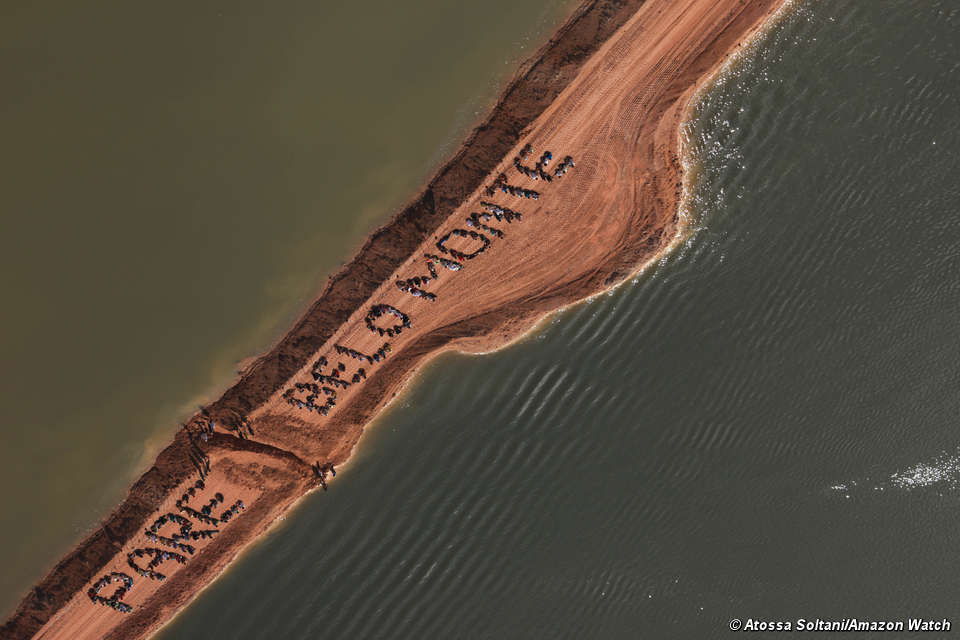
Led by the Mundurukú peo­ple of the Tapa­jós Riv­er basin, occu­pa­tions of Belo Monte’s main work camp spanned 17 days from May to June demand­ing the sus­pen­sion of dam con­struc­tion and envi­ron­men­tal fea­si­bil­i­ty stud­ies for future dams on indige­nous lands, and the guar­an­tee of the con­sti­tu­tion­al right to pri­or con­sul­ta­tion.

The 150 indige­nous pro­tes­tors who have staged a coura­geous nine-day occu­pa­tion of the Belo Monte dam’s main work camp have trav­eled to Brasil­ia today to meet in the Pres­i­den­tial Palace with high offi­cials from the Brazil­ian gov­ern­ment. Today the indige­nous groups issued a 9th let­ter to the gov­ern­ment (see below)

Let­ter No. 9:
Tragedies and Dams (the strug­gle does not end there nor here)

We have left our occu­pa­tion of the Belo Monte dam and have come to dia­logue with the gov­ern­ment.

We have not come to an agree­ment with you. We accept this meet­ing in Brasil­ia because the more we said we would not leave, the more you sent police to the work camp. And on the same day that we were to be removed by force by the police, you killed a one of our rel­a­tives, a Ter­e­na in Mato Grosso do Sul. There­fore we decid­ed that we did not want anoth­er death. We avoid­ed a tragedy, not you. You do not pre­vent tragedies, you com­mit them.

We came here to speak to you of anoth­er tragedy that we will fight to pre­vent: the loss of our ter­ri­to­ry and our life. We did not come to nego­ti­ate with you, because one can­not nego­ti­ate with ter­ri­to­ry nor life. We are against the con­struc­tion of dams that kill indige­nous land, because they kill cul­ture when they kill fish and drown the land. This kills us with­out need­ing a weapon. You con­tin­ue killing a lot, sim­ply a lot. You have killed too much, for 513 years.

We did not come to talk only about dams on the Tapa­jós, as you are telling the press. We came to Brasil­ia to demand the sus­pen­sion of fea­si­bil­i­ty stud­ies and the con­struc­tion of dams on the Xin­gu, Tapa­jós, and Teles Pires Rivers. You are not only talk­ing with the Mundurukú peo­ple. You are talk­ing with Xipaya, Kayapó, Arara, Tupinam­bás, and with all the peo­ple who are togeth­er in this strug­gle, because this is a major strug­gle of us all.

We did not bring wish lists. We are against dams. We demand the fed­er­al government’s com­mit­ment to con­sult us and ensure our right to veto projects that destroy us.

But no. You tram­ple every­thing and do what they [the dam build­ing com­pa­nies] want. And to achieve that you do every­thing to divide indige­nous peo­ples. We came here to tell you to stop, because we will resist togeth­er and stand unit­ed. We have been gath­ered for 35 days in Altami­ra, and for 17 days we occu­pied the main hydro­elec­tric dam that you are build­ing. Along with this let­ter we are send­ing all the let­ters from the two occu­pa­tions that we car­ried out. Read every­thing care­ful­ly to under­stand our move­ment. And in so doing respect us, as you have not done up until today.

Dis­re­spect does not come only from words. It is demon­strat­ed by your actions.

In the region of the Xin­gu River’s Big Bend, every­thing is being destroyed and has been turned upside down since you approved the con­struc­tion of the Belo Monte dam. Every­one very sad and only the rich are doing well. Our indige­nous rel­a­tives have fought a lot. Even the con­struc­tion work­ers suf­fer.

On the Teles Pires and Tapa­jós Rivers, you are begin­ning this process now, but have already grave­ly dis­re­spect­ed us.

In August 2012, your researchers began to invade our lands, cap­ture our ani­mals and plants, count hectares, mea­sure the water, and drill our land.

In Octo­ber, [the indige­nous agency] FUNAI and Eletro­bras said in the meet­ing that the dams would be built in any cir­cum­stance, whether or not we want them. And that they would send the police force to our land if nec­es­sary.

In Novem­ber, the fed­er­al police attacked and destroyed the Teles Pires vil­lage, where we are all against dams. Ade­nil­son Mundurukú was killed, shot three times, and anoth­er 19 indige­nous peo­ple were wound­ed. At the end of the month we went to Brasil­ia denounce the police oper­a­tion to the Min­istry of Jus­tice, FUNAI and the Gen­er­al Sec­re­tari­at of the Pres­i­den­cy. We also went to pros­e­cu­tors from the Fed­er­al Pubic Min­istry.

In Jan­u­ary 2013, we held a large assem­bly in the Mundurukú vil­lage of Sai Cin­za, where a doc­u­ment with 33 demands was deliv­ered to a rep­re­sen­ta­tive of the Gen­er­al Sec­re­tari­at of the Pres­i­den­cy.

The fol­low­ing month, we returned to Brasil­ia demand a response from the Gen­er­al Sec­re­tari­at on these 33 points. We man­aged to find the min­is­ter, but he ignored our demands and tried to get us to sign a doc­u­ment accept­ing dams on the Tapa­jós Riv­er.

To ensure that envi­ron­men­tal impact stud­ies of these dams were car­ried out, the gov­ern­ment issued a decree in March 2013 autho­riz­ing the entry of police troops on our land. On the fol­low­ing day our vil­lages were raid­ed by police squads.

On the Teles Pires Riv­er, the ancient bones of our rel­a­tives were unearthed. You are destroy­ing a sacred place.

We could not accept this sit­u­a­tion any­more. For this rea­son we occu­pied your work camp, bring­ing our claims, demand­ing the government’s com­mit­ment to respect the orig­i­nal peo­ples of this coun­try, to respect our right to land and to life. Or, at least for the gov­ern­ment to respect its own law: the Con­sti­tu­tion and the inter­na­tion­al treaties you sign. Yet you want to destroy the laws that pro­tect us, indige­nous peo­ples, with oth­er laws and new decrees. You want to legal­ize destruc­tion.

And now we come here to you. Hop­ing that you final­ly lis­ten to us, rather than lis­ten­ing to those who pay for your polit­i­cal cam­paigns. Even if you are not will­ing to learn to lis­ten, we are will­ing to teach.
– Con­struc­tion site of the Belo Monte dam, Vitória do Xin­gu, June 4, 2013

URGENT: “We will die. We will not leave without being heard.” 4th June

Only two days after the reoc­cu­pa­tion of the Belo Monte Dam began, the fate of 170 indige­nous peo­ple is at stake. Yes­ter­day, the Fed­er­al Court in Altami­ra ordered them to leave by 4 pm today or they would be removed by Fed­er­al Police. They respond­ed by tear­ing up the order and refused to leave by the dead­line. Instead, they are stand­ing strong and are demand­ing that Pres­i­dent Dilma’s Chief of Staff, Gilber­to Car­val­ho, come meet with them. Their let­ter to the Brazil­ian gov­ern­ment is below. Read, share and take urgent action right now!

You can also show your sup­port by donat­ing to the indige­nous occu­pa­tion on CAUSES.

Let­ter No. 8:
The mas­sacre has been announced and only the gov­ern­ment can avoid this fate

(Orig­i­nal ver­sion in Por­tuguese here)

We have occu­pied the con­struc­tion site of the Belo Monte Dam. We are defend­ing our lands. These ancient lands have always been ours and you have already tak­en a part of them. And now you are try­ing to take more. We will not leave.

You will come to kill us and we will die. We will not leave with­out being heard.

The fed­er­al gov­ern­ment announced a mas­sacre of indige­nous peo­ples, the 170 war­riors, women, chil­dren, lead­ers and shamans who are here. This mas­sacre is going to hap­pen at the hands of police, Funai, and the judi­cial sys­tem.

You have killed at Teles Pires and will kill again when you need to. You killed us because we are against the dams. We know what you are capa­ble of doing.

This time the gov­ern­ment and cor­po­ra­tions have asked Norte Ener­gia to kill us. Norte Ener­gia pled their case to a fed­er­al judge, who sub­se­quent­ly autho­rized the police to beat and kill us if need­ed. Gov­ern­ment of Brazil and cor­po­ra­tions build­ing Belo Monte, it will be your fault if any of us die.

Enough with the vio­lence! Stop threat­en­ing us! We want our peace and you want your war. Stop lying to the press that we are kid­nap­ping work­ers and bus­es and caus­ing an incon­ve­nience. The occu­pa­tion is qui­et The unrest is caused by the police sent by the judge, Norte Ener­gia, and the gov­ern­ment. You are the ones who are humil­i­at­ing us, threat­ing us, intim­i­dat­ing us, and assas­si­nat­ing us when you don’t know what else to do.

We demand the sus­pen­sion of the order to repos­sess the con­struc­tion site, until Thurs­day morn­ing, May 30th, 2013. The gov­ern­ment needs to come here and hear us. You already know our agen­da. We demand the sus­pen­sion of all works and stud­ies of dams on our lands. We demand the removal of the Nation­al Force from our lands. The lands are ours. You have wast­ed enough of our lands.

You want us to be tame and qui­et, obey­ing your civ­i­liza­tion with­out ques­tion. But in this case, we know you would rather see us dead because we are mak­ing noise.

Brazil Police Shoot Indians – More Violence Feared 31st May


The Belo Monte occupation is the latest in a series of protests over the government’s failure to consult with the indigenous population.

Police in south­ern Brazil yes­ter­day killed a Ter­e­na Indi­an and wound­ed sev­er­al oth­ers while vio­lent­ly evict­ing them from their land. Mem­bers of the tribe had returned to live on part of their ances­tral ter­ri­to­ry cur­rent­ly occu­pied by a ranch­er who is also a local politi­cian.

Else­where in Brazil, an evic­tion order was served on Kayapó, Arara, Munduruku, Xipaya and Juruna Indi­ans occu­py­ing the con­tro­ver­sial Belo Monte dam site. Armed police have sur­round­ed the pro­test­ers and ten­sions are ris­ing amid fears that there will be sim­i­lar vio­lence.

Munduruku Indi­ans are also protest­ing con­struc­tion of a dam on the Tapa­jós riv­er. One Munduruku was shot dead when police invad­ed a com­mu­ni­ty last Novem­ber.

Pay­go­muy­at­pu Munduruku said, ‘The gov­ern­ment is prepar­ing a tragedy. We will not leave here. The gov­ern­ment has ignored us, offend­ed us, humil­i­at­ed us and assas­si­nat­ed us… They are killing us because we are against the dams.’

The Brazil­ian con­sti­tu­tion and inter­na­tion­al law enshrine the right of trib­al peo­ples to be con­sult­ed about projects on their land. Yet a raft of bills and con­sti­tu­tion­al amend­ments pro­posed by a pow­er­ful agri­cul­tur­al and min­ing lob­by threat­en to under­mine these land rights. Indi­ans are angry that, despite being in office for two and half years, Pres­i­dent Dil­ma Rouss­eff has yet to meet any Indi­ans.

The Belo Monte occu­pa­tion is the lat­est in a series of protests over the government’s fail­ure to con­sult with the indige­nous pop­u­la­tion.
© Atossa Soltani/ Ama­zon Watch

Sur­vival Inter­na­tion­al is call­ing on Pres­i­dent Rouss­eff to halt the evic­tion of indige­nous pro­test­ers, to con­sult with the Indi­ans, and to rec­og­nize the ter­ri­to­ries of Ter­e­na tribes­peo­ple imme­di­ate­ly.

Survival’s direc­tor Stephen Cor­ry said, ‘His­to­ry is repeat­ing itself. The Figueire­do report, chron­i­cling the geno­ci­dal atroc­i­ties of a past gen­er­a­tion, has been unearthed at exact­ly the same time as new attacks on the Indi­ans are unleashed. Killings of Indi­ans should not be tol­er­at­ed any­where, let alone in a coun­try plan­ning to host world sport­ing events.’

Update From the Amazon: No Consultation, No Construction! 31st May

Indige­nous pro­test­ers are once again occu­py­ing the con­struc­tion site of the Belo Monte Dam in the Brazil­ian Ama­zon to shed light on how hydro­elec­tric mega-dams cause seri­ous envi­ron­men­tal and social impacts and destroy the way of life of the region’s peo­ples and tra­di­tion­al com­mu­ni­ties. For exam­ple, the con­struc­tion of Belo Monte will cause 100 km (60 miles) of the Xin­gu to dry out on the river’s Big Bend if com­plet­ed. In the case of the hydro­elec­tric dams planned for the Tapa­jós Riv­er, the ancient river­side vil­lages of the Mundurukú peo­ple would be com­plete­ly flood­ed.

Indige­nous pro­test­ers occu­pied the Belo Monte Dam con­struc­tion site in ear­ly and late May 2013 to protest the government’s lack of con­sul­ta­tion with affect­ed com­mu­ni­ties tho­rugh out the Ama­zon.
Pho­to cour­tesy of Ruy Sposati via munduruku­de­nun­cia on Flickr

This is the sec­ond occu­pa­tion of Belo Monte’s con­struc­tion site in less than a month. On May 2nd the indige­nous pro­tes­tors occu­pied the same work camp and stayed there for eight days. They left the last occu­pa­tion peace­ful­ly because the fed­er­al gov­ern­ment ensured that there would be a nego­ti­a­tion, which did not hap­pen. In this case the pro­tes­tors guar­an­tee that they will main­tain their occu­pa­tion until rep­re­sen­ta­tives of the fed­er­al gov­ern­ment talk with them and meet their demands.

Indige­nous peo­ple also crit­i­cize the pres­ence of the military’s Nation­al Force in the region in order to ensure safe­ty of teams car­ry­ing out envi­ron­men­tal impact stud­ies for dams on the Tapa­jós Riv­er.

In addi­tion to the police offi­cers who were already housed with­in the con­struc­tion site to ensure the pro­tec­tion of Belo Monte, oth­er con­tin­gents of police have been arriv­ing at the occu­pa­tion site.

See the lat­est let­ter from the occu­pa­tion below:

Let­ter No. 7: Fed­er­al Gov­ern­ment, we have returned

We are indige­nous Munduruku, Xipaya, Kayapo, Arara and Tupinam­bá peo­ple. We live in the riv­er and the for­est and we are opposed to the destruc­tion of both. You already know us, but now we are more.

You (the Gov­ern­ment) said that if we left the con­struc­tion sites of Belo Monte, we would be heard. We left peace­ful­ly – and pre­vent­ed you from the shame of using force to take us out of here. How­ev­er we were not heard. The gov­ern­ment did not receive us. We called Min­is­ter Gilber­to Car­val­ho and he did not come.

Wait­ing and call­ing did not work for us. So we again occu­pied your con­struc­tion sites. We didn’t want to be back in your desert of holes and con­crete. We have no plea­sure in leav­ing our homes and our lands to hang our ham­mocks in your build­ings. But how not to come when that could mean we los­ing our lands?

We want the sus­pen­sion of stud­ies and the con­struc­tion of dams that flood our ter­ri­to­ries, cut the for­est down the mid­dle, kill the fish and scare the ani­mals, and open the riv­er and the land to the devour­ing min­ers. That will bring more com­pa­nies, more log­gers, more con­flicts, more pros­ti­tu­tion, more drugs, more dis­eases, more vio­lence.

We require that you con­sult us about this con­struc­tion before it begins, because it is our right guar­an­teed by the Brazil­ian Con­sti­tu­tion and inter­na­tion­al treaties. This right was dis­re­spect­ed here in Belo Monte, on the Teles Pires Riv­er, and it’s not being com­plied with on the Tapa­jós Riv­er as well. It is not pos­si­ble that all of you will con­tin­ue repeat­ing that indige­nous peo­ple were con­sult­ed. Every­one knows that this is not true.

From now on, YOU (the Gov­ern­ment) has to stop telling lies in press releas­es and inter­views. You need to stop treat­ing us like chil­dren: naive, irre­spon­si­ble, and manip­u­la­tive. We are indige­nous peo­ple and you need to deal with it. You also need to stop lying to the press that we are fight­ing with the work­ers: they are sym­pa­thet­ic to our cause! We wrote a let­ter to them yes­ter­day! Here at the con­struc­tion sites we played soc­cer togeth­er every day dur­ing the last occu­pa­tion. When we left, a work­er to whom we gave many neck­laces and bracelets told us: “I’ll miss you.”

We have the sup­port of many rel­a­tives in this fight. We have the sup­port of all the indige­nous peo­ple from the Xin­gu. We have the sup­port of the Kayapo. We have the sup­port of the Tupinam­bá;  the Gua­ja­jara; the Apina­jé; Xer­ente; Krahô, Kara­ja; Xam­bioá-Tapuia; Krahô-Kanela; Avá-Canoero; javaé Kanela from Tocan­tins and Guarani. And the list is grow­ing. We have the sup­port of the nation­al and inter­na­tion­al soci­ety even though that both­ers you – you are alone with your cam­paign donors and com­pa­nies inter­est­ed in craters and mon­ey.

We occu­pied your con­struc­tion sites again – and how many times will we need to do this until your own law is respect­ed? How many restrain­ing orders, fees, pos­s­e­sion orders will cost you until you hear us? How many rub­ber bul­lets, bombs and pep­per sprays do you plan to spend until you admit that you are wrong? Or will you kill again? How many indige­nous will you kill besides our rel­a­tive Munduruku, from the Teles Pires, sim­ply because we do not want dams?

And do not send the Nation­al Force to nego­ti­ate for you. Come your­selves. We want Dil­ma to come talk to us.

The Unist’ot’en People Maintain a “Soft Blockade” On the Morice River 30th May

The Unist’ot’en Peo­ple (a.k.a C’ilhts’ekhyu) of the Wet’suwet’en Nation main­tain a “Soft Block­ade” keep­ing pipeline work­ers and sub­con­trac­tors out of their ter­ri­to­ries. The block­ade is locat­ed 66km on the Morice West For­est Ser­vice Road south of the town of Hous­ton BC.

Hun­dreds of sup­port­ers, vol­un­teers, recre­ation­al­ists, and mush­room pick­ers have been able to cross into the guard­ed ter­ri­to­ry by show­ing respect to the ter­ri­to­ry own­ers and answer­ing some sim­ple ques­tions. The ques­tions were as fol­lows:

  1. Who are you?
  2. Where do you come from?
  3. How long to you plan to stay?
  4. Are you work­ing for gov­ern­ment or indus­try?
  5. What is your busi­ness here?
  6. How will your vis­it ben­e­fit the Unist’ot’en Peo­ple?

There were some peo­ple who have cho­sen not to answer any of the ques­tions and were not per­mit­ted into the lands. Some of the peo­ple reject­ed were out­right racist and bel­liger­ent; some peo­ple refused to rec­og­nize the author­i­ty of the ter­ri­to­ry own­ers; and some were sim­ply unable to truth­ful­ly answer any of the ques­tions until they could devel­op a rela­tion­ship with the Unist’ot’en.

The deci­sion to con­trol ter­ri­to­ry traf­fic came when work­ers for the pro­posed Apache/Chevron Frack­ing Gas Pipelines were caught in the ter­ri­to­ry last Novem­ber after being pre­vi­ous­ly warned for tres­pass­ing. The Unist’ot’en have been lead­ing a move­ment among the larg­er Wet’suwet’en pop­u­la­tion to stop ALL pro­posed Pipelines (includ­ing Frack­ing and Tar Sands) from cross­ing their ter­ri­to­ries.

In 2008, the Unist’ot’en along­side the oth­er four Clans of the Wet’suwet’en walked away from the BC Treaty Com­mis­sion nego­ti­a­tion process. They found that since the 1997 Supreme Court of Canada’s Del­ga­muukw v. Queeen Court deci­sion, gov­ern­ment and indus­try have only esca­lat­ed their activ­i­ties on their lands at an alarm­ing rate with­out mean­ing­ful con­sul­ta­tion.

Fre­da Huson, the Spokes­woman for the Unist’ot’en states, “The plain­tiffs in the land­mark Del­ga­muukw Supreme Court of Cana­da case are the Hered­i­tary Chiefs and their mem­bers. Gov­ern­ment and Indus­try are break­ing their own laws when they choose to only con­sult with Indi­an Act band coun­cils. The pro­pa­gan­da writ­ers for the Pacif­ic Trails Pipeline like to say that they have 15 First Nation People’s sup­port, when in fact they have only been talk­ing to Indi­an Act com­mu­ni­ties. That has to stop. This strug­gle to pro­tect our lands is not about hold­ing out for finan­cial gain. It is about pro­tect­ing our lands from destruc­tive prac­tices from indus­try. Our actions will not only ben­e­fit our future gen­er­a­tions but everyone’s future gen­er­a­tions.”

The log­ging road lead­ing into the ter­ri­to­ry is man­aged by the CANFOR log­ging com­pa­ny and CANFOR is tak­ing the lead to begin a mean­ing­ful process of con­sul­ta­tion. The Unist’ot’en are wel­com­ing this new rela­tion­ship with CANFOR and are hope­ful that oth­er indus­try projects will choose to begin ask­ing per­mis­sion rather than imple­ment­ing projects with­out mean­ing­ful con­sul­ta­tion.

Icelanders Protest the New Government’s Environmental Policy 30th May

At least one thou­sand peo­ple gath­er out­side of the gov­ern­ment offices yes­ter­day to deliv­er a chal­lenge to the prime min­is­ter, Sig­mundur David Gunnlaugs­son. The gov­ern­ment is chal­lenged to with­draw state­ments regard­ing chang­ing the pow­er plant pro­gram, but the gov­ern­ment wants to change it so that more areas can be used for pow­er plants. 

The pro­test­ers want to spare the envi­ron­ment and not build too many pow­er plants. The chal­lenge comes with reviews regard­ing the pow­er plant pro­gram that the pub­lic, insti­tu­tions, munic­i­pal­i­ties, orga­ni­za­tions and com­pa­nies have sent to the par­lia­ment and to the min­istries.

The new cen­ter-right gov­ern­ment is said to focus too much on pow­er plants and alu­minum fac­to­ries. The gov­ern­ment has merged the min­istry of the envi­ron­ment togeth­er with the min­istry of agri­cul­ture and fish­eries. Crit­ics say that the gov­ern­ment has in effect abol­ished the min­istry of the envi­ron­ment, and will now focus on build­ing pow­er plants and fac­to­ries and seri­ous­ly dam­age the envi­ron­ment.

Sig­mundur David was busy when the protests were held because the pres­i­dent of Fin­land was vis­it­ing. But the prime minister´s assis­tant showed up on his behalf, and he was hand­ed the chal­lenge.

Californians Against Fracking Launch Coordinated Protests Around State 30th May


Oppo­nents of a con­tro­ver­sial method of extract­ing oil and gas will deliv­er peti­tions to law­mak­ers around Cal­i­for­nia on Thurs­day urg­ing them to lim­it or ban the con­tro­ver­sial prac­tice.


Oppo­nents of a con­tro­ver­sial method of extract­ing oil and gas will deliv­er peti­tions to law­mak­ers around Cal­i­for­nia on Thurs­day urg­ing them to lim­it or ban the con­tro­ver­sial prac­tice.

Groups against frack­ing say the method could dam­age ground­wa­ter sup­plies and harm unspoiled habi­tat for native ani­mals like the kit fox.

Orga­niz­ers say around 70 groups are involved in the coor­di­nat­ed effort. One of the largest, MoveOn.org, plans to deliv­er peti­tions to a dozen assem­bly mem­bers ask­ing for lim­its on the oil extrac­tion method. The group is also orga­niz­ing protests in Sacra­men­to, San Jose, San Diego, San Ramon, and Los Altos, among oth­er places.

Food and Water Watch and the Cen­ter for Bio­log­i­cal Diver­si­ty are plan­ning sim­i­lar march­es in San Fran­cis­co and here in Los Ange­les. Doc­u­men­tary film­mak­er Josh Fox, who direct­ed “Gasland,” will join activists as they protest out­side Gov­er­nor Brown’s Los Ange­les office on Spring Street.

The fed­er­al gov­ern­ment esti­mates that as much as 15 mil­lion bar­rels of oil and gas are trapped in a rock for­ma­tion that sprawls across south­ern and cen­tral Cal­i­for­nia called the Mon­terey Shale. Petro­le­um com­pa­nies say break­ing open that rock will unleash an eco­nom­ic boom, includ­ing fuel, jobs and tax rev­enue.

Indigenous communities oppose ‘extreme energy’ at Shell’s AGM 20th May

As the busi­ness case for tar sands extrac­tion fal­ters, Arc­tic drilling is sus­pend­ed, and the com­pa­ny is inves­ti­gat­ed for price fix­ing, Shell’s board will be under  pres­sure to defend the direc­tion it is tak­ing at its AGM in The Hague on Tues­day 21 May.photo

Eriel and Mae in the Nether­lands, prepar­ing to take on Shell tomor­row!

Two Indige­nous women, rep­re­sent­ing com­mu­ni­ties impact­ed by Shell’s oper­a­tions abroad, will attend the AGM to con­front the Chair­man and Board over the mas­sive human and eco­log­i­cal rights vio­la­tions and eco­nom­ic dev­as­ta­tion that the company’s oper­a­tions bring to Indige­nous com­mu­ni­ties. They will argue that Shell’s deci­sion to pur­sue high­ly risky ‘extreme ener­gy’ projects, like Arc­tic drilling and Cana­di­an tar sands, will have lit­tle long term ben­e­fit for the com­pa­ny, and expose it to both rep­u­ta­tion­al dam­age and polit­i­cal risk, includ­ing lit­i­ga­tion.

One of the com­mu­ni­ties rep­re­sent­ed, the Athabas­ca Chipewyan First Nation (ACFN), which resides down­stream from tar sands oper­a­tions, is cur­rent­ly suing Shell for vio­lat­ing past agree­ments that have threat­ened their treaty rights. The com­mu­ni­ty is also active­ly oppos­ing two new tar sands mines Shell is propos­ing to devel­op on their land. For more details, watch the pow­er­ful film above. Legal chal­lenges by oth­er First Nations against tar sands extrac­tion on their tra­di­tion­al ter­ri­to­ries is also increas­ing.

Eriel Deranger, com­mu­ni­ty mem­ber and spokesper­son for ACFN, states:

“Shell’s cur­rent and pro­posed tar sands projects vio­late terms of our treaty, destroy our land and con­t­a­m­i­nate waters crit­i­cal to our sur­vival. The ACFN lead­er­ship has made a com­mit­ment to pro­tect our lands, rights and peo­ple cur­rent­ly being threat­ened by tar sands devel­op­ment. We have tried explor­ing amenable agree­ments and options with Shell only to be dis­ap­point­ed by their inabil­i­ty to com­pro­mise and adjust pro­posed plans to ade­quate­ly work with us which has led and con­tin­ues to lead toward lit­i­ga­tion. Our cul­ture, lands and rights can no longer stand for unabat­ed and irre­spon­si­ble devel­op­ment of tar sands in the region by Shell or any oper­a­tor.”

Shell is also under fire for its Arc­tic oper­a­tions. The com­pa­ny has spent $4.5bn secur­ing per­mits to drill in Arc­tic waters. How­ev­er it has been proven inca­pable of oper­at­ing in the area and has had to sus­pend its plans for drilling this sum­mer.

Mae R Hank, trib­al mem­ber of the Native Vil­lage of Point Hope, Alas­ka, said:

“The Beau­fort and Chukchi Seas are crit­i­cal to the Inu­pi­aq cul­ture and tra­di­tions, and pro­vide a vital habi­tat for the endan­gered bow­head whales, bel­u­ga whales, polar bears, wal­rus­es, seals and migra­to­ry birds. If an oil spill were to occur in the Arctic’s extreme con­di­tions, there is no proven method to clean it up dur­ing Win­ter. Shell is tak­ing a dead­ly risk with Inu­pi­at and oth­er Arc­tic Indige­nous peo­ples’ cul­tures and food secu­ri­ty for short­sight­ed prof­it, while the com­mu­ni­ty faces long term con­se­quences to their sur­vival.”

polar bears by Martha de Jong-Lantink

Shell wants to drill in the Beau­fort and Chukchi Seas, which pro­vide a vital habi­tat for polar bears as well as many oth­er endan­gered species. Pho­to by Martha de Jong-Lan­tink.

In addi­tion, the UK Tar Sands Net­work is bring­ing con­cerns to Shell’s share­hold­ers over oth­er long-term risks to the company’s invest­ments in tar sands.

The tar sands are land­locked, mak­ing them dif­fi­cult and expen­sive to get to mar­ket. The pipelines that present the industry’s only viable solu­tion to this prob­lem – such as Key­stone XL and Enbridge North­ern Gate­way – are fac­ing mas­sive pub­lic oppo­si­tion, and look unlike­ly to be built soon. The price of tar sands crude has dropped as a result. Mean­while, in Europe, the Fuel Qual­i­ty Direc­tive (FQD) is like­ly to strong­ly dis­cour­age future tar sands imports into Europe. Lax stan­dards and lack of ade­quate envi­ron­men­tal reg­u­la­tion have led to sev­er­al high-pro­file leaks and spills in recent weeks, includ­ing the flood­ing of an Arkansas sub­urb with tar sands oil. Mean­while, a recent report by the Car­bon Track­er ini­tia­tive iden­ti­fied an alarm­ing ‘car­bon bub­ble’, argu­ing that 80% of oil com­pa­nies’ cur­rent fos­sil fuel reserves are ‘unburn­able car­bon’, and antic­i­pat­ing a crash in prices as cli­mate reg­u­la­tions kick in.

In March, French oil giant Total pulled out of one of its three Cana­di­an tar sands projects, cit­ing the high costs and frag­ile prof­it mar­gins that are beset­ting the whole indus­try. Total was will­ing to take a $1.65 bil­lion loss rather than press ahead with what has become a bad invest­ment.

Shell will also be crit­i­cised by UK cam­paign­ers for heav­i­ly lob­by­ing the UK gov­ern­ment against the labelling of tar sands as high­ly pol­lut­ing in the Fuel Qual­i­ty Direc­tive. Shell was revealed to have a close rela­tion­ship with its for­mer Chief Econ­o­mist, now Sec­re­tary of State for Busi­ness and Indus­try and offi­cial ‘Min­is­ter for Shell’ Vince Cable, in a let­ter pub­lished last year. The let­ter urged him to hard­en the government’s line against the FQD, a move which was revealed to have hap­pened in leaked doc­u­ments pub­lished last week.

Eriel Deranger, Robert Thompson, Ron Plain, by Ben Powless

Rep­re­sen­ta­tives from Indige­nous com­mu­ni­ties in Cana­da and the Arc­tic attend­ed Shell’s AGM last year, but did not feel their con­cerns were tak­en seri­ous­ly. Pho­to by Ben Pow­less.

Suzanne Dhali­w­al, from the UK Tar Sands Net­work, com­ment­ed:

“The risk fac­tors that recent­ly led Total to ditch a major tar sands project are increas­ing. The tar sands are land­locked and expen­sive, and oppo­si­tion to new pipelines has led the price of tar sands crude to drop. Mean­while, the industry’s high emis­sions mean that Canada’s oil is increas­ing­ly look­ing like ‘unburn­able car­bon’. Despite Shell’s fren­zied lob­by­ing, upcom­ing EU leg­is­la­tion on trans­port emis­sions could close off this key future mar­ket and set a prece­dent that oth­er coun­tries will fol­low. Shell should ditch its expan­sion plans before the car­bon bub­ble bursts, expos­ing its share­hold­ers to finan­cial dis­as­ter.”

40,000 form human chain around the ZAD

20.5.13

If any more proof is need­ed that direct action works, take a trip to Nantes in west­ern France.

20.5.13

If any more proof is need­ed that direct action works, take a trip to Nantes in west­ern France.

Fif­teen or so miles out­side the city, the region­al author­i­ty backed by the French nation­al gov­ern­ment, has been try­ing to build “Nantes Inter­na­tion­al” Air­port. It claims it is required to replace the sin­gle run­way air­port in the city in order to attract invest­ment into the area. The oppo­nents com­mis­sioned their own study which refut­ed those claims. They also point out that Nantes is just a lit­tle over two hours by fast train from Charles de Gaulle Air­port in Paris. The new air­port is dis­missed as lit­tle more than an ego project of the for­mer major of Nantes, Jean-Marc Ayrault, now the Prime Min­is­ter of France. It has been dubbed ‘Ayrauo­port’.

Last week­end (11th May) I was one of the 40,000 or so peo­ple who formed a 25 kilo­me­tre-long human chain around the site of the air­port. The huge num­bers have been inspired by the direct action of last win­ter. Dur­ing the win­ter months there were tear-gas bat­tles in the woods as police fought to remove hun­dreds of young pro­test­ers who had set up make-shift homes in sup­port of the local com­mu­ni­ty.  The courage of the pro­test­ers from the self-styled ZAD as they resist­ed the police in the bit­ter cold and dri­ving rain of last win­ter both cement­ed their sup­port in the local com­mu­ni­ty and inspired peo­ple from around France and beyond.

Now there are sup­port groups, called “com­mit­tees”, in 200 towns and cities.  Each group stages demon­stra­tions in their own towns and lob­bies politi­cians in their own areas in sup­port of the Nantes cam­paign­ers. Hard­ly a week goes by with­out one of the com­mit­tees cycling or walk­ing through France to the site of the pro­posed air­port. Last week­end on my way back from the protest I spied a bill­board in Le Mans– over 100 miles from Nantes– oppos­ing the air­port.

The ZAD resis­tance fol­lowed on from the 28 day hunger strike staged last year dur­ing the pres­i­den­tial elec­tion cam­paign by four peas­ant farm­ers against the plan to evict them from their prop­er­ties. 

The local com­mu­ni­ty has fought a great cam­paign over the years – and recent­ly won an impor­tant court case in the courts where the judge ruled that the airport’s pro­mot­ers had failed to car­ry out prop­er flood plain and envi­ron­men­tal assess­ments of the project, as required by the Euro­pean Union.  The cam­paign­ers believe that the rul­ing from the court may pro­vide a way for the Gov­ern­ment to drop the air­port and save face. But the rea­son the Gov­ern­ment is under so much pres­sure is because of the way that direct action – the hunger strikes and the resis­tance from ZAD – elec­tri­fied sup­port from across France. No won­der there was such a car­ni­val atmos­phere last Sat­ur­day. We were hold­ing hands around an air­port that will prob­a­bly now nev­er be built.

John Stew­art guest post’s blog

Outrage in Oxford as University launches partnership with Shell

Protests from students, staff and alumni as Energy Minister Ed Davey attends opening ceremony


Protests from students, staff and alumni as Energy Minister Ed Davey attends opening ceremony


The protest begins!

The protest begins!

9th May 2013

Today Oxford Uni­ver­si­ty launched a new research part­ner­ship with Shell, and opened the Shell Geo­science Lab­o­ra­to­ry. The cer­e­mo­ny was attend­ed by Ed Dav­ey, Sec­re­tary of State for Ener­gy and Cli­mate Change, Andrew Hamil­ton, Vice-Chan­cel­lor of Oxford Uni­ver­si­ty and Ali­son Goligher, Shell’s Exec­u­tive Vice-Pres­i­dent for Uncon­ven­tion­als.

The part­ner­ship with the Earth Sci­ences Depart­ment has drawn crit­i­cism from alum­ni, staff and stu­dents in a let­ter pub­lished in today’s Guardian. There are over 75 sig­na­to­ries (with more con­tin­u­ing to come in) includ­ing promi­nent envi­ron­men­tal­ists Jonathon Por­ritt, George Mon­biot and Jere­my Leggett, Emer­i­tus Fel­low of Oxford’s Envi­ron­men­tal Change Insti­tute Bren­da Board­man, and Direc­tor of the Cen­tre for Sus­tain­able Health­care Rachel Stan­cliffe. Last night, Oxford Uni­ver­si­ty Stu­dents’ Union passed an emer­gency motion to ‘for­mal­ly oppose’ the part­ner­ship.

Paula bear listening to the apology from "Shell representative" Photo by Zoe Broughton

Paula bear lis­ten­ing to the apol­o­gy from “Shell rep­re­sen­ta­tive” Pho­to by Zoe Broughton

About 50 Oxford stu­dents, alum­ni, staff and res­i­dents protest­ed out­side the open­ing cer­e­mo­ny (see video), sup­port­ed by sev­er­al nation­al human rights and envi­ron­men­tal groups (see below). They held their own futur­is­tic ‘clos­ing cer­e­mo­ny’ – a tongue-in-cheek piece of street the­atre set in 2018 which cel­e­brat­ed the clo­sure of the ill-fat­ed and unpop­u­lar Shell-fund­ed geo­sciences lab­o­ra­to­ry after 5 years of crit­i­cism. The crowd heard polo­getic speech­es from ‘the Vice-Chan­cel­lor’, ‘Shell’ (includ­ing a direct apol­o­gy to Paula the polar bear who was among the pro­test­ers) and ‘ex-Sec­re­tary of State Ed Dav­ey’. This was fol­lowed by var­i­ous cre­ative chants such “We’re unit­ed in defi­ance, get the Shell out of our sci­ence”, “Oxford Uni fund­ing fail, Shell’s just in it for the shale” and “Oxford Uni, please dump Shell. If you don’t we’ll raise hell!”

Lat­er today two peo­ple were dragged out of Oxford’s St Edmund Hall, where the Earth Sci­ences depart­ment mem­bers were hav­ing din­ner with Shell and the Vice-Chan­cel­lor, to cel­e­brate their con­tro­ver­sial new part­ner­ship. One of them start­ed to calm­ly and polite­ly explain why the part­ner­ship is receiv­ing so much crit­i­cism, but was dragged out by the col­lege porters. Film below.

The con­cerns about this part­ner­ship are wide-rang­ing. Shell is seen by many as an inap­pro­pri­ate choice of part­ner for Oxford Uni­ver­si­ty due to its enor­mous con­tri­bu­tion to cli­mate change. The new part­ner­ship includes research on, amongst oth­er things, the loca­tion and prop­er­ties of black shale - a type of rock rich in oil and gas. What­ev­er the sci­en­tif­ic mer­its of this work, it will be of great assis­tance to Shell in locat­ing and extract­ing more fos­sil fuels at a time of cli­mate emer­gency.

Shell’s research mon­ey is also being crit­i­cised as an attempt to buy legit­i­ma­cy for its con­tro­ver­sial activ­i­ties glob­al­ly. These include human rights abus­es in the Niger Delta, high­ly-destruc­tive tar sands extrac­tion which is under­min­ing Indige­nous rights in Cana­da, reck­less drilling plans in the Arc­tic, and con­tro­ver­sial gas frack­ing in South Africa.

Today’s action also marked the begin­ning of a move­ment for ‘Fos­sil Free‘ uni­ver­si­ties, spear­head­ed by stu­dent net­work, Peo­ple & Plan­et, call­ing on the high­er edu­ca­tion sec­tor to sev­er ties with the fos­sil fuel indus­try. Its peti­tion call­ing on Oxford Uni­ver­si­ty to go ‘fos­sil free’ was signed by near­ly 500 stu­dents, alum­ni and oth­ers, in less than 24 hours.