More Charges Brought Against Tar Sands “Megaload” Protesters in Moscow, Idaho 4 April

As some of the last five of over 70 mas­sive parts of an Alber­ta tar sands upgrad­er plant rum­bled through the small, qui­et, col­lege town of Moscow, Ida­ho, at about 11 pm on Sun­day, March 4, four pro­test­ers linked arms and sat down in the mid­dle of Wash­ing­ton Street to stop three of these “mega­loads” weigh­ing 200,000 to 415,000 pounds and mea­sur­ing 150 to 200 feet long.

Police arrest­ed Cass Davis and Jim Prall for resist­ing and obstruct­ing offi­cers and dragged Jeanne McHale and Pat Mon­ger to the side­walk, as anoth­er 40 pro­test­ers voiced their oppo­si­tion to expand­ing tar sands min­ing oper­a­tions.  Again on Tues­day, March 6, when the final two sim­i­lar­ly huge ship­ments crossed this 22,000-person city, demon­stra­tors pound­ed drums, chant­ed slo­gans, played music, and engaged in street the­ater.

Helen Yost tossed a card­board protest sign at the rear of the last mega­load and air-kicked the trans­ports and their police escorts out of town, result­ing in mis­de­meanor charges for throw­ing an object at a mov­ing high­way vehi­cle and attempt­ed bat­tery of a peace offi­cer.

All three accused pro­test­ers are plead­ing not guilty based on the neces­si­ty of their actions induced by their moral oblig­a­tion to direct­ly con­front the caus­es of cli­mate change that are cur­rent­ly killing mil­lions of peo­ple, plants, and ani­mals around the globe.  For their state­ments, please lis­ten to Cass Davis and Jim Prall on Flash­points and Helen Yost on KRFP Radio Free Moscow.  Oth­er arti­cles, pho­tos, and videos of numer­ous mega­load pas­sages and protests are avail­able on the Wild Ida­ho Ris­ing Tide (WIRT) face­book page and web­site.

At about forty direct actions since July 15, 2011, when the ship­ments start­ed tra­vers­ing two-lane High­way 95 sev­er­al nights a week, WIRT mem­bers and their com­mu­ni­ty have prac­ticed sim­ple acts of non-vio­lent civ­il dis­obe­di­ence to draw Amer­i­cans’ atten­tion to ongo­ing crimes against nature and human­i­ty per­pe­trat­ed by one of the wealth­i­est cor­po­ra­tions in the world, Exxon­Mo­bil, and its Cana­di­an sub­sidiary, Impe­r­i­al Oil.

Their strug­gle began in May 2010, when Ida­ho cit­i­zens first learned that Gov­er­nor Butch Otter and the Ida­ho Trans­porta­tion Depart­ment had promised easy Ida­ho pas­sage of at least 207 Kore­an-built mod­ules to boom­ing tar sands oper­a­tions in Cana­da.  Thir­ty four pieces of cheap­ly con­struct­ed equip­ment des­tined for the Kearl Oil Sands Project in north­east­ern Alber­ta arrived in Octo­ber 2010 by barge at the Port of Lewis­ton, Ida­ho, 465 riv­er miles inland from the Pacif­ic Ocean.  ExxonMobil/Imperial Oil orig­i­nal­ly intend­ed to trans­port these mega­loads through the Clear­wa­ter and Lochsa Riv­er val­leys, up a 216-mile stretch of High­way 12 between Lewis­ton and Mis­soula, Mon­tana.

This wild and pris­tine route through the largest wilder­ness com­plex in the low­er 48 states encom­pass­es not a sin­gle over­pass that would pre­vent pas­sage of these gigan­tic com­po­nents weigh­ing up to 600,000 pounds, tow­er­ing 30 feet tall, and crowd­ing the wind­ing, two-lane road with their 24-foot widths and over 200-foot lengths.  Among the first three Nation­al Scenic Byways and one of only 31 All-Amer­i­can Roads, High­way 12 runs through a Wild and Scenic Riv­er fed­er­al ease­ment and car­ries nation­al his­toric sig­nif­i­cance as the par­al­lel riv­er route of the Nez Perce and Lewis and Clark trails.  These des­ig­na­tions and the untram­meled nature of the place fos­ter a vibrant, local, tourism indus­try that has flour­ished even while the nation­al econ­o­my has floun­dered.

But Big Oil and its cor­po­rate inter­est in High­way 12 and oth­er nar­row, rur­al road­ways in Ida­ho and Mon­tana as per­ma­nent, high and wide, indus­tri­al cor­ri­dors to the tar sands naive­ly stum­bled into an ambush in this rugged coun­try.  Since August 2010, region­al cit­i­zens have chal­lenged, delayed, and pos­si­bly per­ma­nent­ly imped­ed Impe­r­i­al Oil’s plans, through four admin­is­tra­tive and dis­trict court cas­es in both states and an Ida­ho Supreme Court hear­ing.  The one ‘test val­i­da­tion mod­ule’ that did tra­verse High­way 12 in April 2011 has remained strand­ed at Lolo Pass, high in the Bit­ter­root Moun­tains, pro­tect­ed from local scorn by ongo­ing pri­vate secu­ri­ty, in mute tes­ta­ment to effec­tive lit­i­ga­tion and cor­po­rate fol­ly.  Dur­ing 2011, less than a dozen oth­er trans­ports with sim­i­lar dimen­sions belong­ing to oth­er com­pa­nies attempt­ed this ardu­ous course.

In Jan­u­ary 2011, Impe­r­i­al Oil began spend­ing $17 mil­lion to split its mod­ules pre­vi­ous­ly cer­ti­fied as “irre­ducible in size” into pieces only 15 feet high for trans­port on High­way 95 north from the port to Inter­states 90 and 15 and Cana­da.  As res­i­dents raged in the streets of Moscow dur­ing over forty protests since High­way 95 ship­ments com­menced in mid-July 2011, Exxon­Mo­bil shift­ed its trans­porta­tion plans in Octo­ber 2011 to the Port of Pas­co and High­way 395 in east­ern Wash­ing­ton.  In Feb­ru­ary 2012, in a law­suit ini­ti­at­ed by Mis­soula Coun­ty Com­mis­sion­ers, a Mon­tana judge mod­i­fied a tem­po­rary court injunc­tion into a per­ma­nent stay, effec­tive­ly bar­ring Impe­r­i­al Oil traf­fic on High­way 12 until the Mon­tana Depart­ment of Trans­porta­tion pro­duces a more thor­ough review of poten­tial project impacts.

Since the Ida­ho Trans­porta­tion Depart­ment first grant­ed over­le­gal load per­mits for these unwel­come behe­moths on Feb­ru­ary 1, 2011, most state and local offi­cials have com­plic­it­ly assent­ed to Impe­r­i­al Oil’s use of Moscow’s beau­ti­ful tree-lined streets and north Idaho’s wind­ing rur­al roads as indus­tri­al cor­ri­dors to the 232-square-mile com­plex of Cana­di­an tar sands mines con­sid­ered the “the most destruc­tive project on earth[1]”.  The moral out­rage of impact­ed cit­i­zens has swelled over almost two years, as spir­it­ed demon­stra­tions have con­front­ed every pas­sage of these Impe­r­i­al Oil trans­ports hauled by Mam­moet and their over­bear­ing con­voys of indus­try paid state, coun­ty, and city police and con­tract­ed pilot vehi­cle dri­vers and flag­gers.  On August 26, about 150 pro­test­ers filled the streets and six cit­i­zens were arrest­ed when they stopped a mega­load for near­ly half an hour.  Two ship­ment mon­i­tors were tar­get­ed and jailed on the fol­low­ing night, and two bicy­clists rid­ing on side­walks near the trans­ports were unlaw­ful­ly detained and charged on Octo­ber 6.

Myr­i­ad offen­sive social and envi­ron­men­tal injus­tices have already and will con­tin­ue to result from this trans­porta­tion project, which has­tens the Alber­ta tar sands devel­op­ment that cli­mate sci­en­tist James Hansen has warned would ensure “game over for the cli­mate.[2]”  Alber­ta upgrad­er plants release sub­stan­tial car­bon diox­ide, green­house gas­es, heavy met­als, and even the dirty tar mix­ture called bitu­men that they process.  Ener­gy- and water-inten­sive min­ing and upgrad­ing process­es release tox­ic emis­sions and waste­water stews that fill vast lagoons.  This exten­sive pol­lu­tion not only poi­sons down­wind and down­stream water, air, and soil, plant and wildlife com­mu­ni­ties, and First Nations vil­lages, it con­tributes to the sin­gle great­est point source of glob­al cli­mate chaos in North Amer­i­ca.  For bil­lions of peo­ple around the plan­et, cli­mate change-dri­ven warm­ing and desta­bi­lized weath­er are threat­en­ing the health and life ways of human pop­u­la­tions with inten­si­fy­ing storms, flood­ing, drought, deser­ti­fi­ca­tion, famine, and ris­ing sea lev­els[3].  The con­ser­v­a­tive Inter­na­tion­al Ener­gy Agency recent­ly report­ed that unless we shift our infra­struc­ture demands from fos­sil fuels to low-car­bon alter­na­tives with­in the next five years, “the results are like­ly to be dis­as­trous.[4]

In Ida­ho, mega­loads have imper­iled the safe­ty and sched­ules of trav­el­ers, delayed and blocked traf­fic with their 22– to 24-foot (two-lane) widths and lengthy con­voys, imped­ed pub­lic and pri­vate emer­gency ser­vices, caused per­son­al injury and prop­er­ty dam­age through numer­ous col­li­sions with vehi­cles, pow­er lines, cliffs, and tree branch­es, degrad­ed our high­ways with wash­board ruts in lane cen­ters, and pum­meled sat­u­rat­ed road beds, crum­bling shoul­ders, and out­dat­ed bridges.  Cit­i­zens con­cerned about the lax state over­sight and myr­i­ad impacts of these over­le­gal loads, who have mon­i­tored and doc­u­ment­ed dan­ger­ous con­voy prac­tices and con­di­tions, have addi­tion­al­ly faced unwar­rant­ed tar­get­ing, sur­veil­lance, intim­i­da­tion, harass­ment, and arrest by state troop­ers sworn to serve pub­lic safe­ty, but who instead pro­tect cor­po­rate inter­ests that com­pro­mise Ida­hoans’ civ­il lib­er­ties and risk the health and well­be­ing of peo­ple, places, and the plan­et.

Ida­ho res­i­dents mon­i­tor­ing, protest­ing, and block­ing tar sands mega­loads are not rad­i­cals but con­cerned cit­i­zens com­pelled by their con­sciences to take a coura­geous and per­sis­tent stand for a liv­able world.  They under­stand that their gov­ern­ment is bro­ken, that Amer­i­cans need to aban­don use of oil, coal, and nat­ur­al gas, and that humans and all oth­er life forms may not be capa­ble of adapt­ing their phys­i­olo­gies, as the U.S. Cham­ber of Com­merce insists, to a rapid­ly warm­ing cli­mate hot­ter than humans have ever expe­ri­enced.  The true rad­i­cals are U.S. Con­gres­sion­al mem­bers who mock wide­ly-accept­ed sci­en­tif­ic evi­dence of cli­mate change and the fos­sil-fuel indus­tries who alter the chem­istry of the Earth’s atmos­phere and who hire pub­lic rela­tions firms to con­found ener­gy issues.

As their con­sciences com­pel them, Wild Ida­ho Ris­ing Tide and Moscow activists seek only to pre­serve the glob­al home that they know and love, for the ben­e­fit of every­one but par­tic­u­lar­ly for the youngest and most vul­ner­a­ble peo­ple.  They are stand­ing on their con­vic­tions in sol­i­dar­i­ty with oth­er com­mu­ni­ties in the path of this indus­tri­al jug­ger­naut, near dozens of tar sands pipeline and trans­porta­tion routes and refiner­ies.  Over the last year, they have come to under­stand that resis­tance to Big Oil is not futile but essen­tial and manda­to­ry for peo­ple of good will to bequeath a liv­able plan­et to all of its present and future inhab­i­tants.  Every resis­tance move­ment that has ever changed the world began with just a few peo­ple express­ing their dis­sat­is­fac­tion and defi­ance, empow­er­ing their fel­low cit­i­zens, and deep­en­ing their resolve to effect long over­due changes.  Through cold and wet win­ter weath­er, often into the ear­ly morn­ing hours, some of the 400 region­al and 940 nation­al mem­bers of WIRT have borne wit­ness to this ongo­ing tar sands atroc­i­ty and opposed its abus­es with all the resources that they can muster.  But they are only among the first wave of a ris­ing tide of resis­tance that tar sands prof­i­teers can expect across our nation.

When vehi­cle-depen­dent Amer­i­cans, who con­sume 97 per­cent of Alber­ta tar sands prod­ucts, import the major­i­ty of their for­eign oil from Cana­da but export a sur­plus, steam clean­ing oily sand to obtain the pur­port­ed best and most secure new source of petro­le­um appears not only unnec­es­sary but expen­sive and exces­sive.  Fur­ther tar sands devel­op­ment in Cana­da and the Amer­i­can West would pro­long the U.S. oil addic­tion admit­ted by George W. Bush, exac­er­bate glob­al warm­ing, and fore­stall tran­si­tions to safe, clean, infi­nite­ly sus­tain­able ener­gy sources.  Polit­i­cal lead­er­ship inde­pen­dent of unac­count­able multi­na­tion­al cor­po­ra­tions that chan­nel mil­lions of dol­lars reaped from tar sands pro­duc­tion to Amer­i­can and Cana­di­an admin­is­tra­tive and leg­isla­tive offi­cials must effec­tive­ly resolve the biggest chal­lenge that human­i­ty has ever faced.

Although Pres­i­dent Oba­ma on his cam­paign trail her­ald­ed “the moment when the rise of the oceans begins to slow and our plan­et begins to heal,” Amer­i­cans con­tin­ue to reel from the insid­i­ous­ly dead­ly effects of fos­sil fuel extrac­tion, as vic­tims of the shame­ful after­maths of the Exxon Valdez and BP Deep­wa­ter Hori­zon spills, water con­t­a­m­i­nat­ed by coal min­ing and hydraulic frac­tur­ing, and exten­sive tar sands dev­as­ta­tion.  We can­not rely on state and nation­al politi­cians, dirty ener­gy exec­u­tives, or indus­try work­ers to hon­or and pro­tect people’s most basic rights and inter­ests.  As life around the world strug­gles with the con­se­quences of our col­lec­tive delay in tak­ing respon­si­ble actions to reverse cli­mate change, we can only hope that investors and finance man­agers real­ize that smart mon­ey will aban­don tar sands projects soon, before emerg­ing grass­roots ini­tia­tives reduce the val­ue of their fis­cal com­mit­ments to out­mod­ed ener­gy sources.

Cat­alyzed by pro­ject­ed atmos­pher­ic car­bon con­cen­tra­tions of more than 450 parts per mil­lion, pos­i­tive feed­back mech­a­nisms could over­shad­ow efforts to rea­son­ably shape ener­gy pol­i­cy, as chaot­ic weath­er rapid­ly trans­forms our land­scapes and infra­struc­ture.  A more sta­ble eco­nom­ic future already thrives through the devel­op­ment of abun­dant domes­tic sources of wind, solar, geot­her­mal, and oth­er non-depletable ener­gy.  Respon­si­ble ener­gy providers can safe­ly har­vest these ample resources in per­pe­tu­ity and offer enough pow­er and mobil­i­ty and bet­ter long-term secu­ri­ty to meet ener­gy needs.  Our inter­na­tion­al ener­gy cri­sis and wide­spread igno­rance of the clear sci­en­tif­ic con­sen­sus on cli­mate change may indeed rep­re­sent the eleventh hour for human­i­ty; our shared response could also sig­nal its finest hour.


[1] Envi­ron­men­tal Defence, Canada’s Tox­ic Tar Sands, The Most Destruc­tive Project on Earth, Feb­ru­ary 2008:http://www.desmogblog.com/sites/beta.desmogblog.com/files/TarSands_TheReport%20final.pdf.

[2] James Hansen, Silence Is Dead­ly, I’m Speak­ing Out Against The Canada‑U.S. Tar Sands Pipeline, Ener­gy Bul­letin, June 4, 2011: http://energybulletin.net/stories/2011–06-04/silence-deadly‑i%E2%80%99m-speaking-out-against-canada-us-tar-sands-pipeline.

[3] Unit­ed Nations Envi­ron­ment Pro­gramme, Poten­tial Impact of Sea-Lev­el Rise on Bangladesh, 2000: http://maps.grida.no/go/graphic/potential-impact-of-sea-level-rise-on-bangladesh.

[4] Fiona Har­vey, World Head­ed for Irre­versible Cli­mate Change in Five Years, IEA Warns, If fos­sil fuel infra­struc­ture is not rapid­ly changed, the world will ‘lose for­ev­er’ the chance to avoid dan­ger­ous cli­mate change, The Guardian, Novem­ber 9, 2011:http://www.guardian.co.uk/environment/2011/nov/09/fossil-fuel-infrastructure-climate-change.


Tar Sands Protestors Chain Themselves To Canadian Consulate Doors 3rd April

Two Seat­tle res­i­dents have chained them­selves to the doors of the Cana­di­an Con­sulate in down­town Seat­tle today protest­ing pro­posed pipelines that would bring Cana­di­an tar sands to Amer­i­can refiner­ies.

Two Seat­tle res­i­dents have chained them­selves to the doors of the Cana­di­an Con­sulate in down­town Seat­tle today protest­ing pro­posed pipelines that would bring Cana­di­an tar sands to Amer­i­can refiner­ies.

“We used to look up to Cana­da as an envi­ron­men­tal leader, but pro­mot­ing extreme ener­gy like tar sands has soiled that rep­u­ta­tion for­ev­er,” said Car­lo Voli, a 47 year old Edmonds res­i­dent, as pro­tes­tors poured fake oil over Cana­di­an and Amer­i­can flags. Voli and Lisa Mar­cus, a 57 year old Seat­tle res­i­dent and grand­moth­er, have U‑Locked their necks to the doors of the consulate’s con­fer­ence room.

Par­tic­i­pants are protest­ing the con­struc­tion of the Key­stone XL pipeline and pro­pos­als to increase the num­ber of tankers car­ry­ing tar sands through the Sal­ish Sea. More than fifty peo­ple have been arrest­ed at sim­i­lar protests around the coun­try this past month. 1

“We’re here to expose the col­lu­sion between the tar sands indus­try and the Cana­di­an gov­ern­ment,” explained Rachel Sto­eve, a recent Uni­ver­si­ty of Wash­ing­ton grad­u­ate who was hold­ing a ban­ner out­side the cheese fac­to­ry, “The Cana­di­an gov­ern­ment and the tar sands indus­try are work­ing togeth­er to bring tar sands to our com­mu­ni­ties. They’re not doing it for our ben­e­fit; they’re doing it for prof­it,”

Cana­di­an Diplo­mats have come under crit­i­cism around the world for their aggres­sive pro­mo­tion of the tar sands indus­try. The Harp­er Admin­is­tra­tion also pro­voked the indige­nous rights move­ment Idle No More when they opened up native lands to devel­op­ment. In March Envi­ron­men­tal Defense, a Toron­to based group, released near­ly one thou­sand pages of inter­nal e‑mails from Cana­di­an diplo­mats out­lin­ing a strat­e­gy to pro­mote the Key­stone XL pipeline with Amer­i­can journalists.2 Last year an inter­nal mem­o­ran­dum released by Post-Media news revealed the Harp­er gov­ern­ment had deployed a net­work of Diplo­mats to lob­by For­tune 500 com­pa­nies in order to counter an envi­ron­men­tal cam­paign tar­get­ing the tar sands.3 In Europe, the Cana­di­an gov­ern­ment has attempt­ed to under­mine the Euro­pean Union’s “Fuel Qual­i­ty Direc­tive” with a lob­by­ing cam­paign that Friends of the Earth described as “pos­si­bly the most vocif­er­ous pub­lic rela­tions cam­paign by a for­eign gov­ern­ment ever wit­nessed in the EU.”4

While the fight against the Key­stone XL pipeline has become a head­line issue for envi­ron­men­tal­ists around the coun­try, Seat­tle res­i­dents point out that Canada’s tar sands are already impact­ing the Sal­ish Sea. All five of Washington’s refiner­ies cur­rent­ly process tar sands mate­ri­als, trans­port­ed by Kinder-Morgan’s Trans-Moun­tain pipeline and oil tankers.5 THe Kinder-Mor­gan has pro­posed twin­ning the Trans-Moun­tain pipeline near­ly tripling its capac­i­ty from 300,000 bar­rels per day to 850,000 bar­rels per day.6


“There is no safe method for tar sands trans­port. Kinder Morgan’s plans could bring up to 360 tankers through the Sal­ish Sea7 and the Depart­ment of Ecol­o­gy still has no plan to deal with a tar sands spill. It’s a dis­as­ter wait­ing to hap­pen,” warned Rachel Sto­eve

The Depart­ment of Ecol­o­gy esti­mates a major oil spill could cost the state’s econ­o­my $10 Bil­lion and 165,000 lost jobs as well as wipe out Washington’s res­i­dent Orca pop­u­la­tion.

“We’ve had enough of politi­cians on both sides of the bor­der act­ing as mouth­pieces for the fos­sil fuel indus­try. It’s time for ordi­nary peo­ple to put their bod­ies on the line to pro­tect our region and our cli­mate from extreme ener­gy,” said Voli.

Amazon Dam Activists Threaten to Wage War on Brazil Over Military Incursion 3rd April

An Ama­zon­ian com­mu­ni­ty has threat­ened to “go to war” with the Brazil­ian gov­ern­ment after a mil­i­tary incur­sion into their land by dam builders.

The Munduruku indige­nous com­mu­ni­ty in Para state say they have been betrayed by the author­i­ties, who are push­ing ahead with plans to build a cas­cade of hydropow­er plants on the Tapa­jós riv­er with­out their per­mis­sion.

Pub­lic pros­e­cu­tors, human rights groups, envi­ron­men­tal organ­i­sa­tions and Chris­t­ian mis­sion­ar­ies have con­demned the government’s strong-arm tac­tics.

Heli­copters, sol­diers and armed police have been involved in Oper­a­tion Tapa­jós, which aims to con­duct an envi­ron­men­tal impact assess­ment for the first pro­posed con­struc­tion, the 6,133MW São Luiz do Tapa­jós dam.

The facil­i­ty, to be built by the Norte Ener­gia con­sor­tium, is the biggest of three planned dams on the Tapa­jós, the fifth-largest riv­er in the Ama­zon basin. The government’s 10-year plan includes the con­struc­tion of four larg­er hydro­elec­tric plants on its trib­u­tary, the Jamanx­im.

‘We don’t want Belo Monte’ reads a sign at an anti-dam ral­ly in front of the Brazil­ian par­lia­ment in Brasil­ia. Under Brazil­ian law, major infra­struc­ture projects require pri­or con­sul­ta­tion with indige­nous com­mu­ni­ties. Fed­er­al pros­e­cu­tors say this has not hap­pened and urge the courts to block the scheme which, they fear, could lead to blood­shed.

“The Munduruku have already stat­ed on sev­er­al occa­sions that they do not sup­port stud­ies for hydro­elec­tric plants on their land unless there is full pri­or con­sul­ta­tion,” the pros­e­cu­tors not­ed in a state­ment.

A sim­i­lar sur­vey in Novem­ber led to dead­ly con­flict. One res­i­dent, Ade­nil­son Kir­ixi, was killed and sev­er­al oth­ers were wound­ed in clash­es between local peo­ple and troops accom­pa­ny­ing the researchers in Teles Pires vil­lage.

The min­istry of mines and ener­gy not­ed on its web­site that 80 researchers, includ­ing biol­o­gists and foresters, would under­take a study of flo­ra and fau­na. The army escort was made pos­si­ble by Pres­i­dent Dil­ma Rouss­eff, who decreed this year that mil­i­tary per­son­nel could be used for sur­vey oper­a­tions.

Mis­sion­ar­ies said the recent show of force in Sawré May­bu vil­lage, Itaitu­ba, was intim­i­dat­ing, degrad­ing and an unac­cept­able vio­la­tion of the rights of the res­i­dents.

“In this oper­a­tion, the fed­er­al gov­ern­ment has been threat­en­ing the lives of the peo­ple,” the Indige­nous Mis­sion­ary Coun­cil said. “It is unac­cept­able and ille­git­i­mate for the gov­ern­ment to impose dia­logue at the tip of a bay­o­net.”

The group said Munduruku lead­ers end­ed a phone call with rep­re­sen­ta­tives of the pres­i­dent with a dec­la­ra­tion of war. They have also issued open let­ters call­ing for an end to the mil­i­tary oper­a­tion, “We are not ban­dits. We feel betrayed, humil­i­at­ed and dis­re­spect­ed by all this,” a let­ter states.

One of the community’s lead­ers, Valdenir Munduruku, has warned thatlocals will take action if the gov­ern­ment does not with­draw its task­force by 10 April. He has called for sup­port from oth­er indige­nous groups, such as the Xin­gu, fac­ing sim­i­lar threats from hydro­elec­tric dams.

Envi­ron­men­tal groups have expressed con­cern. The 1,200-mile water­way is home to more than 300 fish species and pro­vides sus­te­nance to some of the most bio­di­verse for­est habi­tats on Earth. Ten indige­nous groups inhab­it the basin, along with sev­er­al tribes in vol­un­tary iso­la­tion.

With sim­i­lar con­flicts over oth­er pro­posed dams in the Ama­zon, such as those at Belo Monte, Teles Pires, San­to Antônio and Jirau, some com­pare the use of force to the last great expan­sion of hydropow­er dur­ing the mil­i­tary dic­ta­tor­ship.

“The Brazil­ian gov­ern­ment is mak­ing polit­i­cal deci­sions about the dams before the envi­ron­men­tal impact assess­ment is done,” said Brent Mil­likan of the Inter­na­tion­al Rivers envi­ron­men­tal group.

“The recent mil­i­tary oper­a­tions illus­trate that the fed­er­al gov­ern­ment is will­ing to dis­re­gard exist­ing legal instru­ments intend­ed to fos­ter dia­logue between gov­ern­ment and civ­il soci­ety.”

Mexico: 22 Injured in Oaxaca Wind Farm Protest

Some 1,200 agents from the police forces of the south­ern Mex­i­can state of Oax­a­ca tried unsuc­cess­ful­ly on March 26 to remove local res­i­dents who were block­ing a road lead­ing to the Bii Yox­ho wind farm, which is under con­struc­tion in Juchitán de Zaragoza munic­i­pal­i­ty near the Pacif­ic coast. The oper­a­tion was also intend­ed to recov­er con­struc­tion equip­ment pro­test­ers had seized on Feb. 25 in an ongo­ing effort to stop the com­ple­tion of the wind project, which is owned by the Mex­i­can sub­sidiary of the Span­ish com­pa­ny Gas Nat­ur­al Fenosa. Local pros­e­cu­tor Manuel de Jesús López told the French wire ser­vice AFP that 22 peo­ple were injured in the March 26 oper­a­tion, includ­ing 11 police agents, and one police agent was tak­en pris­on­er. Pro­test­ers report­ed eight local peo­ple with seri­ous injuries, includ­ing Car­los Sánchez, the coor­di­na­tor of Radio Totopo, a com­mu­ni­ty radio sta­tion.

Sev­er­al com­pa­nies have been build­ing wind farms in south­east­ern Oax­a­ca on the Isth­mus of Tehuan­te­pec. Res­i­dents in the Juchitán area, most­ly from the Zapotec and Ikoots (Huave) indige­nous groups, say the Bii Yox­ho project is being built in an area they use for fish­ing and farm­ing that also includes cer­e­mo­ni­al sites, along with man­grove forests that are crit­i­cal to the local envi­ron­ment. The bar­ri­cade block­ing access to the Bii Yox­ho project on the Juchitán-Playa Vicente road is one of four main points of resis­tance to the wind tur­bines. Activists have also occu­pied the town hall in San Dion­i­sio del Mar since Jan­u­ary 2012; have refused to rec­og­nize the may­or in San Mateo del Mar, Fran­cis­co Valle, because he favors the projects; and have set up a bar­ri­cade in Juchitán’s Alvaro Obregón neigh­bor­hood to block access to anoth­er wind park, owned by the Mareña Ren­ov­ables com­pa­ny.

The resis­tance has been sub­ject­ed to police harass­ment, such as the 24-hour deten­tion by fed­er­al police of Lucila Bet­ti­na Cruz Velázquez, a leader in the Assem­bly of the Indige­nous Peo­ples of the Tehuan­te­pec Isth­mus in Defense of Land and Ter­ri­to­ry, in Feb­ru­ary 2012. Pro­test­ers also report the pres­ence of armed para­mil­i­tary groups, some with con­nec­tions to unions and oth­er groups affil­i­at­ed with the cen­trist Insti­tu­tion­al Rev­o­lu­tion­ary Par­ty (PRI) or close to the cen­ter-left Par­ty of the Demo­c­ra­t­ic Rev­o­lu­tion (PRD). On March 21 a group of men linked to Juchitán’s PRI may­or, Fran­cis­co Valle Pia­monte, briefly detained reporter Rosa Rojas and pho­tog­ra­ph­er Fran­cis­co Olvera, both from the left-lean­ing nation­al dai­ly La Jor­na­da, along with three reporters from alter­na­tive media and a San Mateo res­i­dent. On the morn­ing of March 29 a para­mil­i­tary group dis­man­tled Radio Totopa, seiz­ing a lap­top and the trans­mit­ter and cut­ting the pow­er cables, accord­ing to the Pop­u­lar Assem­bly of the Juchite­co Peo­ple (APPJ). APPJ spokes­peo­ple called this “anoth­er attack by the state gov­ern­ment and the transna­tion­al com­pa­nies which are try­ing to use vio­lence to silence the voic­es of those who oppose the con­struc­tion of wind parks.” 

After nego­ti­a­tions with rep­re­sen­ta­tives of the Oax­a­ca state gov­ern­ment on March 28, the APPJ returned 12 vehi­cles, includ­ing a back­hoe, to Gas Nat­ur­al Fenosa; in exchange the state agreed not to press charges against the pro­test­ers. How­ev­er, the APPJ reject­ed the state’s pro­pos­al for them to lift the road block­ades on April 1 and attend an April 2 meet­ing in the city of Oax­a­ca. The pro­test­ers said they would main­tain their bar­ri­cades, and they called on Oax­a­ca gov­er­nor Gabi­no Cué Mon­teagu­do to come meet with them in Juchitán. (Desin­for­mé­monos, March 24; Bloomberg News, March 27, from AFP; state­ment by assem­blies of the peo­ples of the Isth­mus, March 29, via Kaos en la RedLa Jor­na­da, March 29)

Panama: Ngöbe-Buglé Murdered After Anti-dam Protest 2nd April

Onési­mo Rodríguez, a leader in Panama’s Ngöbe-Buglé indige­nous group, was killed by a group of masked men in Cer­ro Pun­ta, in west­ern Chiriquí depart­ment, the evening of March 22 fol­low­ing a protest against con­struc­tion of the Bar­ro Blan­co hydro­elec­tric dam. Car­los Miran­da, anoth­er pro­test­er who was attacked along with Rodríguez, said the assailants beat both men with met­al bars. Miran­da lost con­scious­ness but sur­vived; Rodríguez’s body was found in a stream the next day. Miran­da said he was unable to iden­ti­fy the attack­ers because it was dark and their faces were cov­ered. Manolo Miran­da and oth­er lead­ers of the April 10 Move­ment, which orga­nizes protests against the dam, charged that “the ones that mis­treat­ed the Ngöbes were dis­guised police agents.”

The Ngöbe-Buglé stepped up their demon­stra­tions against the Bar­ro Blan­co project in Jan­u­ary, when con­struc­tion con­tin­ued at the site despite a Unit­ed Nations (UN) report that large­ly sub­stan­ti­at­ed indige­nous claims that the dam would flood three vil­lages, cut the res­i­dents off from food sources and destroy impor­tant cul­tur­al mon­u­ments. As of March 26 an inde­pen­dent study man­dat­ed by the UN report and agreed to by the gov­ern­ment had still not start­ed.


In addi­tion to protest­ing the Hon­duran-owned com­pa­ny build­ing the dam, Gen­er­ado­ra del Ist­mo, S.A. (GENISA), indige­nous activists blame two Euro­pean banks for fund­ing the project: Germany’s pri­vate Deutsche Investi­tions- und

Entwick­lungs­ge­sellschaft (DEG) and the Ned­er­landse Financier­ings-Maatschap­pij voor Ontwik­kel­ings­lan­den N.V. (FMO), in which the Dutch gov­ern­ment holds a con­trol­ling inter­est. Dam oppo­nents say GENISA also sought fund­ing from the Euro­pean Invest­ment Bank (EIB) but with­drew the appli­ca­tion after learn­ing that bank offi­cials planned to vis­it the affect­ed com­mu­ni­ties them­selves. (Mongabay.com, March 25; La Estrel­la, Pana­ma, March 26)

In oth­er news, as of March 19 the Nation­al Coor­di­nat­ing Com­mit­tee of the Indige­nous Peo­ples of Pana­ma (COONAPIP) had decid­ed to with­draw from the Unit­ed Nations Reduc­ing Emis­sions from Defor­esta­tion and Degra­da­tion (UN-REDD+) pro­gram, which focus­es on envi­ron­men­tal prob­lems in devel­op­ing nations. The indige­nous group charged in a state­ment that the UN and the Pana­man­ian gov­ern­ment “have appeared to mar­gin­al­ize the col­lec­tive par­tic­i­pa­tion of the sev­en indige­nous peo­ples and 12 tra­di­tion­al struc­tures that make up COONAPIP” and have put “legal and admin­is­tra­tive obsta­cles in the way” of indige­nous par­tic­i­pa­tion. The Mesoamer­i­can Alliance of Peo­ple and Forests (AMPB), a coali­tion of Cen­tral Amer­i­can and Mex­i­can indige­nous and envi­ron­men­tal groups, is back­ing COONAPIP’s deci­sion. (Mongabay.com, March 19; Adi­tal, Brazil, March 21)

Hundreds Resume Letpadaung Mine Protest 1st April

More than 300 farm­ers in north­ern Burma’s Sagaing Divi­sion have resumed their protests against a con­tro­ver­sial Chi­nese-backed cop­per mine, say­ing they will refuse com­pen­sa­tion and con­tin­ue to push for the mine’s com­plete clo­sure.

More than 300 farm­ers in north­ern Burma’s Sagaing Divi­sion have resumed their protests against a con­tro­ver­sial Chi­nese-backed cop­per mine, say­ing they will refuse com­pen­sa­tion and con­tin­ue to push for the mine’s com­plete clo­sure.

“No mat­ter how much com­pen­sa­tion they give, we won’t accept it, because all we want is for the mine to be shut down com­plete­ly,” said one of the farm­ers from the Let­padaung area near Mony­wa.

The pro­test­ers are also demand­ing that the gov­ern­ment take action against those respon­si­ble for a Nov. 29, 2012, crack­down that left around 100 pro­test­ers injured, some of them severe­ly. They say they also want an emer­gency order ban­ning protests lift­ed.

The farm­ers say that the mine, joint­ly owned by the Union of Myan­mar Eco­nom­ic Hold­ings Ltd, a Burmese mil­i­tary-owned con­glom­er­a­tion, and Wan­bao, a sub­sidiary of Chi­nese state-owned arms man­u­fac­tur­er Nor­in­co, has been dump­ing waste on land owned by farm­ers who have refused com­pen­sa­tion.

Some of the farm­ers said that they have attempt­ed to obstruct the efforts of mine employ­ees to take over their land. “When we attempt­ed to halt their work, they called the police to dri­ve us back. Lat­er some farm­ers used big stone slabs to fence in their con­fis­cat­ed lands to pre­vent the bull­doz­ers,” said one farmer.

“They are even try­ing to get us to give up our lands for­ev­er, using some of the for­mer protest lead­ers to con­vince us. They say we will get elec­tric­i­ty and water. But we won’t accept it. We just want to stop the min­ing for the sake of our future gen­er­a­tions,” said anoth­er.

The protests against the mine began last year, and attract­ed sup­port from activists around the coun­try. How­ev­er, farm­ers in the affect­ed area have been divid­ed over whether to con­tin­ue their protests since a gov­ern­ment-formed com­mis­sion led by oppo­si­tion leader Aung San Suu Kyi released a report ear­li­er this month say­ing the project should go ahead.

Those still push­ing for the mine’s clo­sure say they will not give up.

“The rea­son we don’t accept the result of the com­mis­sion is because it doesn’t assure our future, our land and our envi­ron­ment, and makes no com­mit­ment to bring­ing the cul­prit behind the crack­down to jus­tice. We will con­tin­ue to protest—with per­mis­sion from the authorities—until the min­ing stops,” said one pro­test­er.

“Court Documents Prove I was Sent to Communication Management Units for my Political Speech”


by Daniel McGowan


by Daniel McGowan

I cur­rent­ly reside at a halfway house in Brook­lyn, serv­ing out the last few months of a sev­en-year sen­tence for my role in arsons cred­it­ed to the Earth Lib­er­a­tion Front (ELF) at two lum­ber com­pa­nies in Ore­gon in 2001.  My case, and the fed­er­al government’s rush to pros­e­cute envi­ron­men­tal activism as a form of ter­ror­ism, were recent­ly explored in the Oscar-nom­i­nat­ed doc­u­men­tary, If a Tree Falls: A Sto­ry of the Earth Lib­er­a­tion Front

if a tree falls 10499656-largeWhat has received less atten­tion, though, is what hap­pened to me while in fed­er­al prison.  I was a low secu­ri­ty pris­on­er with a spot­less dis­ci­pli­nary record, and my sen­tenc­ing judge rec­om­mend­ed that I be held at a prison close to home.  But one year into my sen­tence, I was abrupt­ly trans­ferred to an exper­i­men­tal seg­re­ga­tion unit, opened under the Bush Admin­is­tra­tion, that is euphemisti­cal­ly called a “Com­mu­ni­ca­tion Man­age­ment Unit” (CMU) Since August 2008, when I first arrived at the CMU, I have been try­ing to get answers as to why I was sin­gled out to be sent there.  Only now — three years after I filed a fed­er­al law­suit to get to the truth — have I learned why the Fed­er­al Bureau of Pris­ons (BOP) sent me to the CMU: they sim­ply did not like what I had to say in my pub­lished writ­ing and per­son­al let­ters.  In short, based on its dis­agree­ment with my polit­i­cal views, the gov­ern­ment sent me to a prison unit from which it would be hard­er for me to be heard, serv­ing as a pun­ish­ment for my beliefs.

The first of the two CMUs was opened qui­et­ly, with­out the pub­lic scruti­ny required by law, in 2006 in Terre Haute, Indi­ana; the Mar­i­on, Illi­nois CMU fol­lowed in 2008.  In fact, at a hear­ing in my case before I was sen­tenced, my attor­neys argued that giv­ing me the “ter­ror­ism enhance­ment” could result in my des­ig­na­tion to a CMU.  How right they were! The units are designed to iso­late pris­on­ers from the rest of the pris­on­er pop­u­la­tion, and more impor­tant­ly, from the rest of the world.  They impose strict lim­i­ta­tions on your phone calls home and vis­its from fam­i­ly and friends — you have far less access to calls and vis­its than in gen­er­al pop­u­la­tion.  The com­mu­ni­ca­tions restric­tions at the CMUs are, in some respects, harsh­er than those at ADX, the noto­ri­ous fed­er­al “Super­max” prison in Col­orado.  Also, unlike ADX, they are not based on a pris­on­ers’  dis­ci­pli­nary vio­la­tions. When my wife and loved ones vis­it­ed me at the CMUs, we were banned from any phys­i­cal con­tact what­so­ev­er.  All inter­ac­tions where con­duct­ed over a tele­phone, with Plex­i­glas  and bars between us.  Until they were threat­ened with legal action, CMU pris­on­ers were only allowed one sin­gle 15-minute phone call per week.

T-shirt design from Daniel's support campaign. These can still be ordered here.

T‑shirt design from Daniel’s sup­port cam­paign. These can still be ordered here.

This is very dif­fer­ent from most pris­ons.  I start­ed my sen­tence at FCI Sand­stone — a low secu­ri­ty facil­i­ty in Min­neso­ta.  I nev­er received a sin­gle inci­dent report the whole time I was there and stayed in touch with my fam­i­ly by phone and through vis­its.  The impor­tance of main­tain­ing these fam­i­ly con­nec­tions can­not be over­stat­ed.  My calls home were, for exam­ple, the only way I could build a rela­tion­ship with my then two-and-a-half year old niece.   When my fam­i­ly would vis­it, it was incred­i­bly impor­tant to all of us to be able to hug and hold hands in a brief moment of semi-nor­mal­cy and inti­ma­cy. It was these vis­its that allowed us to main­tain our close con­tact with each oth­er through a time of phys­i­cal dis­con­nec­tion, trau­ma and dis­tress.

What’s also notable about the CMUs is who is sent there. It became quick­ly obvi­ous to me that many CMU pris­on­ers were there because of their reli­gion or in retal­i­a­tion for their speech. By my count, around two-thirds of the men are Mus­lim, many of whom have been caught up in the so-called “war on ter­ror,” oth­ers who just spoke out for their rights or alleged­ly took lead­er­ship posi­tions in the Mus­lim com­mu­ni­ty at oth­er facil­i­ties. Some, like me, were pris­on­ers who have polit­i­cal views and per­spec­tives that are not shared by the Depart­ment of Jus­tice.

While serv­ing my time I was eager to stay involved in the social jus­tice move­ments I care about, so I con­tin­ued to write polit­i­cal pieces, some of which were pub­lished on this web­site [the Huff­in­g­ton Post].  No one in the BOP ever told me to stop, or warned me that I was vio­lat­ing any rules.  But then, with­out a word of warn­ing, I was called to the dis­charge area one after­noon in May 2008 and sent to the CMU at Mar­i­on.  Ten days after I arrived, still con­fused about where I was and why, I was giv­en a sin­gle sheet of paper called a “Notice of Trans­fer.”  It includ­ed a few sen­tences about my con­vic­tion, much of which was incor­rect, by way of expla­na­tion for my CMU des­ig­na­tion.  I was pro­vid­ed no oth­er infor­ma­tion about why the BOP believed I need­ed to be sent to this iso­la­tion unit.  Frus­trat­ed, I filed admin­is­tra­tive griev­ances to try to get the infor­ma­tion cor­rect­ed, and find out how this deci­sion had been made.  When that did not work, I filed a request for doc­u­ments under the Free­dom of Infor­ma­tion Act.  I got nowhere.  The BOP would not fix the infor­ma­tion, and wouldn’t explain why they thought I belonged in a CMU.

So I decid­ed to con­tact lawyers at the Cen­ter for Con­sti­tu­tion­al Rights, hav­ing known their his­to­ry of strong advo­ca­cy on these issues. We brought a fed­er­al law­suit on behalf of myself and oth­er CMU pris­on­ers to chal­lenge poli­cies, prac­tices and our des­ig­na­tion to the CMUs. The law­suit, Aref v. Hold­er, was filed in April 2010, and chal­lenges the con­sti­tu­tion­al­i­ty of var­i­ous polices and prac­tices at the CMUs, includ­ing the lack of mean­ing­ful process asso­ci­at­ed with des­ig­na­tion to the units, and the lack of any mean­ing­ful way to “step down” from the units.  The law­suit con­tends that this lack of trans­paren­cy and process has allowed peo­ple to be sent to the CMUs based on, for exam­ple, their pro­tect­ed speech.  Through dis­cov­ery in the case, the fed­er­al gov­ern­ment has final­ly been forced to hand over pre­vi­ous­ly-unseen mem­o­ran­da  explain­ing why I was picked out to be sent a CMU.  Authored by Leslie Smith, the Chief of the BOP’s so-called “Counter Ter­ror­ism Unit,” and cat­a­loging in detail some of the things I have said in the past years, they make one thing clear: I was sent to the CMU on the basis of speech that the BOP just dis­agrees with.

The fol­low­ing speech is list­ed in these mem­os to jus­ti­fy my des­ig­na­tion to these ultra-restric­tive units:

My attempts to “unite” envi­ron­men­tal and ani­mal lib­er­a­tion move­ments, and to “edu­cate” new mem­bers of the move­ment about errors of the past; my writ­ings about “whether mil­i­tan­cy is tru­ly effec­tive in all sit­u­a­tions”; a let­ter I wrote dis­cussing bring­ing uni­ty to the envi­ron­men­tal move­ment by focus­ing on glob­al issues; the fact that I was “pub­lish­ing [my] points of view on the inter­net in an attempt to act as a spokesper­son for the move­ment”; and the BOP’s belief that, through my writ­ing, I have “con­tin­ued to demon­strate [my] sup­port for anar­chist and rad­i­cal envi­ron­men­tal ter­ror­ist groups.”

The fed­er­al gov­ern­ment may not agree with or like what I have to say about the envi­ron­men­tal move­ment, or oth­er social jus­tice issues. I do not par­tic­u­lar­ly care as the role of an activist is not to tai­lor one’s views to those in pow­er. But as Aref v. Hold­er con­tends, every­thing I have writ­ten is core polit­i­cal speech that is pro­tect­ed by the First Amend­ment.  It may be true that courts have held that a prisoner’s free­dom of speech is more restrict­ed than that of oth­er mem­bers of the pub­lic.  But no court has ever said that means that a pris­on­er is not free to express polit­i­cal views and beliefs that pose no dan­ger to prison secu­ri­ty and do not involve crim­i­nal acts.  In fact, decades of First Amend­ment jurispru­dence has refused to tol­er­ate restric­tions that are con­tent-based and moti­vat­ed by the sup­pres­sion of expres­sion.  And courts have rec­og­nized that when a pris­on­er is writ­ing to an audi­ence in the out­side world, as I was, it’s not just the prisoner’s First Amend­ment rights that are at stake: the entire public’s free­dom of speech is impli­cat­ed.

I do not know what is hap­pen­ing with the men I got to know in the CMUs but I know they are still deal­ing with every­thing I had to deal with — iso­la­tion from the out­side world, strained rela­tion­ships, always being on eggshells about the con­stant sur­veil­lance and nev­er know­ing when they will get out of the CMU. 

It is becom­ing increas­ing­ly clear that the BOP is using these units to silence peo­ple, and to crack down on unpop­u­lar polit­i­cal speech. They have become units where the BOP can dump pris­on­ers they have issues with or whose polit­i­cal beliefs they find anath­e­ma. In the months that come, with CCR’s help, I hope to prove that in court and show what is hap­pen­ing at the CMUs. This needs to be dragged into the sun­light.

Fol­low Daniel McGowan on Twit­ter: www.twitter.com/@thetinyraccoon

Indigenous group threatens collective suicide in Brazil 29th March

Una car­ta fir­ma­da por los líderes de la comu­nidad indí­ge­na Guarani-Kaiowá de Mato Grosso do Sul, anun­cia el sui­cidio colec­ti­vo de 170 per­sonas, (50 hom­bres, 50 mujeres y 70 niños), si se hace efec­ti­va la orden de la Corte Fed­er­al para despo­jar a la tribu de la ‘cam­bará gran­ja’ donde se encuen­tran tem­po­ral­mente acam­pa­dos.

Trans­la­tion: A let­ter signed by the lead­ers of the indige­nous Guarani-Kaiowá of Mato Grosso do Sul, announces the col­lec­tive sui­cide of 170 peo­ple (50 men, 50 women and 70 chil­dren), to be effec­tive if the Fed­er­al Court orders to strip the tribe of ‘cam­bará farm’ where are tem­porar­i­ly camped.


El ter­ri­to­rio, que ellos lla­man ‘teko­ha’, que sig­nifi­ca ‘cemente­rio ances­tral’, ha sido sem­bra­do con grandes planta­ciones de caña de azú­car y soja, y está prepara­do para la cría de gana­do.

Mul­ta por vivir en su tier­ra

En caso de que los indí­ge­nas no desa­lo­jen la gran­ja la orden fed­er­al estip­u­la que la Fun­dación Nacional de Indios (Funai) ten­drá que pagar una mul­ta de aprox­i­mada­mente 250 dólares por cada día que per­manez­can allí.

Nosotros los indí­ge­nas ten­emos el dere­cho con­sti­tu­cional a ocu­par nues­tra tier­ra, y vamos a seguir luchan­do“, enfa­tizó el jefe trib­al guaraní, Vera Popy­gua, que exigió respeto para su pueblo, porque “ha sido masacra­do“. “Han mata­do a nue­stros líderes, y eso es triste e ina­cept­able. Somos una sociedad avan­za­da que vive en el siglo XXI. Esto no puede suced­er, no debería ocur­rir“, sostiene.

Si la orden judi­cial no fuera revo­ca­da, los indí­ge­nas ame­nazan con darse muerte ante el pro­pio tri­bunal brasileño, después de lo cual exi­gen ser enter­ra­dos en su ter­ri­to­rio sagra­do, a oril­las del río Hovy.

Los indí­ge­nas pidieron des­de hace var­ios años la demar­cación de sus tier­ras tradi­cionales, aho­ra ocu­pa­da por ganaderos y cus­to­di­a­do por hom­bres arma­dos. El líder de la energía foto­voltaica en la Cámara de los Diputa­dos, Sar­ney Fil­ho, envió esta car­ta al min­istro de Jus­ti­cia, solic­i­tan­do medi­das para evi­tar la trage­dia.

The ter­ri­to­ry, which they call ‘teko­ha’ mean­ing ‘ances­tral grave­yard’, has been plant­ed with large plan­ta­tions of sug­ar­cane and soy­beans, and is ready for grow­ing.

Penal­ty for liv­ing on their land

To avoid evic­tion from the indige­nous farm, a fed­er­al order stip­u­lates that the Nation­al Indi­an Foun­da­tion (Funai) has to pay a fine of approx­i­mate­ly $250 for each day they remain there.

“We Indi­ans have a con­sti­tu­tion­al right to occu­py our land, and we will keep fight­ing,” empha­sized Guarani trib­al chief, Popy­gua Vera, who demand­ed respect for his peo­ple, because “it has been slaugh­tered.” “They killed our lead­ers, and that is sad and unac­cept­able. We are an advanced soci­ety liv­ing in the XXI cen­tu­ry. This can not hap­pen, should not hap­pen,” he says.

If the court order is revoked, the Indige­nous group threat­ened to com­mit col­lec­tive sui­cide before the Brazil­ian court itself, after which it demands to be buried in sacred ground, the riv­er Hovy.

The Penan Blockade Against a New Gas Pipeline in Borneo — 22nd March

The Penan in Long Seridan are protesting against the building of a gas pipeline which is cutting through their ancestral land.© Survival

The Penan in Long Seridan are protesting against the building of a gas pipeline which is cutting through their ancestral land.© Survival

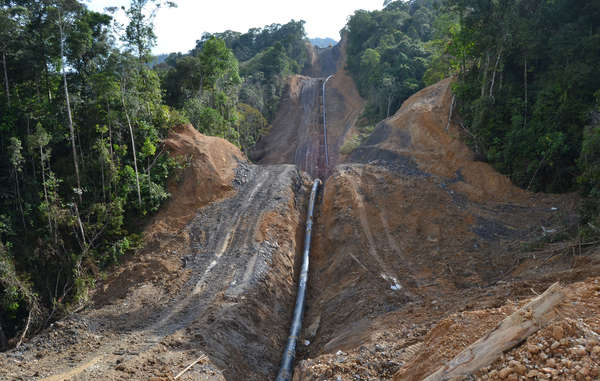
Penan from the Long Seri­dan region have mount­ed a block­ade to protest against the build­ing of a gas pipeline which is cut­ting through their ances­tral land and destroy­ing their source of drink­ing water.

The 500km pipeline is being built by the Malaysian nation­al oil com­pa­ny Petronas and is near­ing com­ple­tion. It will trans­port nat­ur­al gas from the Malaysian state of Sabah, south to the coast of Sarawak.

The pipeline cuts through the for­est of many Penan com­mu­ni­ties. It will make hunt­ing and gath­er­ing even more dif­fi­cult for the tribe, which is already fac­ing grave hard­ship after years of log­ging have dev­as­tat­ed their land.

The con­struc­tion of the gas pipeline has affect­ed many com­mu­ni­ties. One Penan man told Sur­vival, ‘If they build this pipeline through our land it is a way of killing us. How are we to sur­vive if they build this pipeline and we’re not able to move freely in our area – from one side to anoth­er?’

The 500km pipeline, built by the Malaysian national oil company Petronas, is cutting through the Penan's forest, making hunting difficult.© Survival

The Penan in Long Seri­dan began their block­ade against the pipeline almost three weeks ago and have vowed to con­tin­ue until their con­cerns are met.

At the same time, anoth­er group of Penan from Long Daloh, more than 60 km away, have also been protest­ing against log­ging on their land and the Baram dam which threat­ens to flood their homes and the for­est they rely on for their sur­vival.

If it goes ahead, the Baram dam will dis­place approx­i­mate­ly 20,000 trib­al peo­ple. Many Penan, and oth­er indige­nous com­mu­ni­ties, have already protest­ed against the Baram dam and called for it to be can­celled.

Tar Sands Protestor Disrupts Transcanada Presentation

Feb­ru­ary 28th, 2013, 1:45pm — a pro­tes­tor with Tar Sands Block­ade this after­noon locked his neck to a pro­jec­tor screen in the mid­dle of a Tran­sCana­da pre­sen­ta­tion at the North Amer­i­can Crude Mar­ket­ing Con­fer­ence in Hous­ton.

Feb­ru­ary 28th, 2013, 1:45pm — a pro­tes­tor with Tar Sands Block­ade this after­noon locked his neck to a pro­jec­tor screen in the mid­dle of a Tran­sCana­da pre­sen­ta­tion at the North Amer­i­can Crude Mar­ket­ing Con­fer­ence in Hous­ton. In tak­ing direct action, Ethan Nuss con­front­ed in-per­son Paul Miller, TransCanada’s Exec­u­tive Vice Pres­i­dent of Oil Pipelines, and a ball­room of tar sands indus­try investors, demand­ing a halt to the tox­ic Key­stone XL tar sands pipeline.

Nuss suc­cess­ful­ly dis­rupt­ed the sec­ond annu­al con­fer­ence host­ed by Platts. Among oth­er things, the gath­er­ing is intend­ed for fos­sil fuel indus­try exec­u­tives and their finan­cial back­ers to col­lab­o­rate on schemes to trans­port dirty and dan­ger­ous tar sands from Cana­da to the Gulf Coast so it can be refined and sold on the inter­na­tion­al mar­ket, there­by expand­ing the indus­try.

“TransCanada’s ‘busi­ness as usu­al’ spells death and destruc­tion for our com­mu­ni­ties,” said Ethan Nuss. “My con­science won’t allow me to watch this multi­na­tion­al cor­po­ra­tion and their prof­i­teers poi­son impact­ed com­mu­ni­ties from here in Houston’s pol­lut­ed East End to indige­nous peo­ple at the point of tar sands extrac­tion in Alber­ta, Cana­da. This must stop.” Ethan fur­ther shares his rea­sons for tak­ing direct action below:

At last year’s mar­ket­ing con­fer­ence, Paul Miller explained the neces­si­ty of the south­ern leg of Key­stone XL through Okla­homa and Texas to the expan­sion of the exploita­tive tar sands indus­try. TransCanada’s own fourth quar­ter report, released last week, revealed that the con­tro­ver­sial pipeline is less than half com­plet­ed, despite the Cana­di­an pipeline corporation’s pre­vi­ous pro­jec­tions for com­ple­tion of the south­ern seg­ment this April.

This rev­e­la­tion high­lights that Tar Sands Blockade’s sus­tained civ­il dis­obe­di­ence cam­paign since last August has been suc­cess­ful in delay­ing Key­stone XL con­struc­tion. Today’s action is part of grow­ing momen­tum for an upcom­ing nation­al week of action called for by Tar Sands Block­ade and allies from March 16–23, with over 60 actions cur­rent­ly report­ed nation­wide.

“This is just a morsel of what Tran­sCana­da and oth­er tar sands prof­i­teers can expect in the com­ing weeks and months,” said Kim Huynh, a spokesper­son with Tar Sands Block­ade. “All over the coun­try, com­mu­ni­ties are gear­ing up to take to the streets, offices, extrac­tion sites and pub­lic events to show that our move­ment won’t relent until we’ve made this invest­ment as tox­ic for Tran­sCana­da and its finan­cial back­ers as the very tar sands being piped through Key­stone XL. Our tar sands-free future begins now.”

Ear­li­er this week, 20,000 gal­lons of crude oil leaked into Otter Creek in Tyler Coun­ty, TX from a pipeline owned by Suno­co Logis­tics. Otter Creek flows into Rus­sell Creek, which feeds the Nech­es Riv­er. The leak did not trig­ger Sunoco’s detec­tion sys­tems but was dis­cov­ered by local res­i­dents report­ing oil in their water.

Update 1:53pm — All press have been kicked out of the con­fer­ence.

Update 2:05pm — More pro­tes­tors are out­side the con­fer­ence lob­by chant­i­ng “All night, all day, Tar Sands Block­ade!”

Update — In sol­i­dar­i­ty with Ethan and oth­er oil con­fer­ence dis­rup­tors, Tar Sands Block­aders dropped ban­ners in sight of two major Hous­ton high­ways.

Update 2:15pm — Pro­tes­tors con­tin­ue to yell and chant out­side of the hotel where the con­fer­ence is being dis­rupt­ed.

Update 2:30pm — All pro­tes­tors are out­side of the hotel now except for Ethan, who is still locked to the pro­jec­tion screen in the con­fer­ence room.

Update 3pm — Ethan has just been extract­ed, tak­en into police cus­tody, and removed from the build­ing.

Believe it or not, today is actu­al­ly Ethan’s 29th birth­day! Show your

Update 5:15pm — We’ve just heard from Ethan that he’s been charged with crim­i­nal tres­pass.

Update 8pm — Ethan still hasn’t been offi­cial­ly charged yet.

He’s in high spir­its and sends along his deep­est grat­i­tude for all the love and birth­day well-wish­es:

“I turned 29 today, and there is nowhere that I’d rather spend my birth­day than locked to that pro­jec­tor screen, speak­ing truth to pow­er.”

Update Fri­day, March 1st, 1:15am — Ethan is expect­ed to be in jail through the night.

Update 8:30am — Ethan’s just been bailed out!