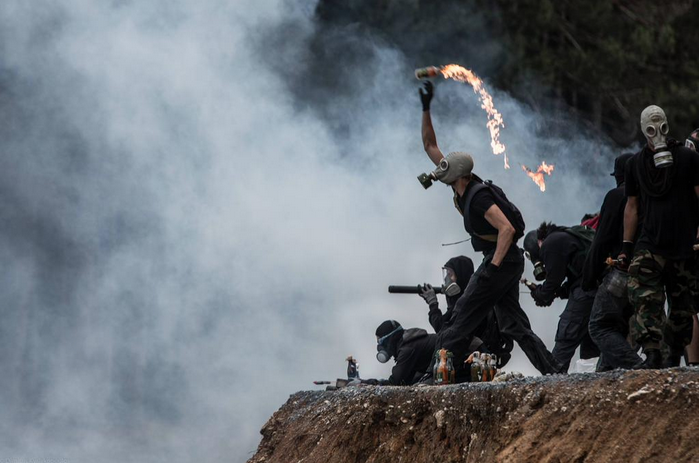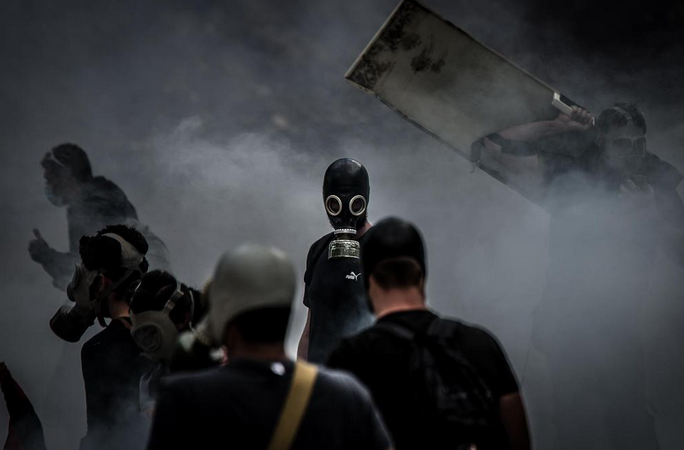
Into the Heart of the Beast: Occupying Germany’s Open Cast Coal Nightmare

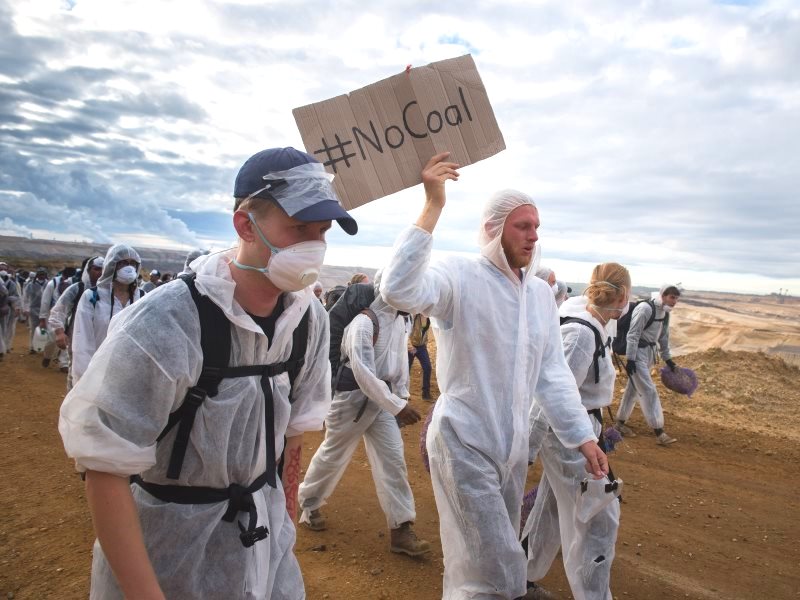
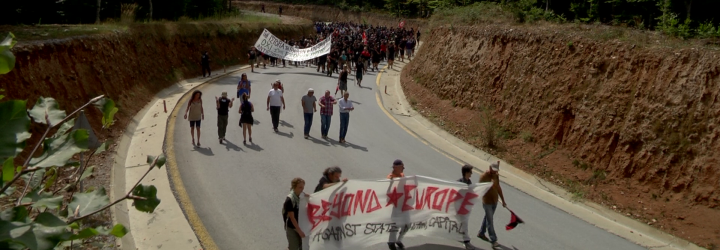
Last week­end I along with around one thou­sand oth­er peo­ple took part in mass direct action against one of the largest open cast lig­nite mines in Europe, owned by RWE, which along with sur­round­ing mines and coal pow­ers sta­tions is the largest source of green­house gas­es in Europe.

I took part because fos­sil fuel cap­i­tal­ism is destroy­ing our Earth. Wait­ing for com­pa­nies and gov­ern­ments to do the right things is not work­ing and is not going to work so peo­ple must stand up and force them to.

Ear­li­er this year, the Ger­man gov­ern­ment caved in to the lob­by­ing might of RWE, back­track­ing on plans to put a levy on the most pol­lut­ing pow­er plants, which would have led to a phase out of lig­nite. Last week­end, peo­ple stood up in protest to say ‘Ende Gelände’, here and no fur­ther.


This is my expe­ri­ence of the day. It was a long, exhaust­ing and con­fused day, and what I expe­ri­enced will not be the same thing that oth­ers in dif­fer­ent parts of the action expe­ri­enced. But I hope this can help any­one read­ing under­stand what hap­pened.

The assault

“Guten Mor­gen, Ende Gelände!” Those were the words I woke up to at 5:45 am in my tent. An ear­ly start for a momen­tous day, I rushed to scram­ble my stuff togeth­er, go to the loo and then hasti­ly join up with my affin­i­ty group.

We were in the ‘Green Fin­ger’ one of the four groups with approx­i­mate­ly 250 peo­ple in them, that would be lay­ing siege to the mine.

When the whole fin­ger was formed up with every­one in their agreed place, my affin­i­ty group was in the mid­dle. The first kilo­me­tre or so passed calm­ly enough. I could even hear some­one play ‘The Dig­gers Song’ on a pipe, as we searched for a way across the motor­way between us and the mine.

In the end, we came upon a tun­nel with only about four lines of cops block­ing it. It was at this point that many peo­ple there had their first expe­ri­ence of police vio­lence, in some ways I was lucky I knew what to expect from pre­vi­ous actions.

So they resort­ed to fill­ing the air with a mist of pep­per spray and beat­ing every­one they could reach with their clubs, in the hope of sep­a­rat­ing them from the group. Every­one around me bunched up like rug­by play­ers in a scrum so the police couldn’t drag any of us away.

After this came a mad dash across the fields going through two more police lines. Even when they weren’t in front of us, the police fol­lowed behind us on foot and in vans try­ing to beat and pick off any strag­glers. One per­son in my affin­i­ty group got pep­per spray in their face, so we had to guide him by hand as we ran through a break in the police line.

I’m hum­bled by the trust he showed in us to make sure he wasn’t beat­en to a pulp. The way every­one ral­lied to help those around them who had been beat­en or pep­per sprayed was one the most beau­ti­ful dis­plays of prac­ti­cal sol­i­dar­i­ty I had ever seen.

Into the mine

After we suc­cess­ful­ly got across the fields, we walked along a dirt track by the edge of the mine that was in line with some water sprin­klers used to stop dust escap­ing. Before this point I hadn’t real­ly grasped the scale of the place. It looked large enough to fit at least two good sized towns in. It went from sand coloured at the top down to pitch black at the bot­tom.

We descend­ed down the mine on a sandy ramp wide enough to dri­ve a van down. At a bend near the bot­tom there was an attempt to block the path, but we evad­ed the police by trav­el­ling out the bank and bypass­ing them instead.

We then moved as fast as we could along the top tier of the mine, shad­owed by a group of riot cops on the cliff top. When we reached one of the cor­ners of the top tier, where con­vey­or belts over a kilo­me­tre long end­ed, we met a small group of secu­ri­ty, which most of us were able to get past with­out much trou­ble. As we moved along the side of the con­vey­or belt towards one of the mas­sive Bag­gers the police raced after us in bor­rowed 4x4s.

The police tried to form a line to block us off, but there were too few of them to do any­thing, so we were able to bust through the line with ease. My legs were burn­ing from run­ning in the sand with a heavy bag full of water. My right arm felt like it was on fire from the pep­per spray.

After this we formed a line in order to stop any more police being able to join those in front of us. They tried again to block our path, but we held our line togeth­er by link­ing arms. We suc­cess­ful­ly stood our ground and they were forced to retreat. See­ing the police retreat was a won­der­ful sight.

Even­tu­al­ly we came to a point that was too wide for us to ful­ly block and even more police man­aged to get past us. They had a much stronger line in front of us, which was thick­est next to the con­vey­or belt where I was walk­ing. On the very far side from me peo­ple man­aged to break through their line next to some small­er dig­gers.

The mem­bers of the affin­i­ty group I was with tried to run over to flow through the police, but by the time we got there they had closed it. I saw one police offi­cer grab some­one by their front and beat them across their back, while oth­ers lashed wild­ly in every direc­tion, and oth­ers pep­per-sprayed around them hop­ing to burn some­one.

Deten­tion

After two hours, rough­ly sev­en kilo­me­tres, and numer­ous police lines, we were ket­tled at 9 am. Even then we were still win­ning, as just by being there we stopped the mine from run­ning and the police guard­ing us couldn’t work to keep oth­ers out.

We could see the Bag­gers lying still while in the dis­tance wind tur­bines moved. A cou­ple of hours in, they start­ed to pull us out one by one, tak­ing our pho­tos and try­ing to get our names. Almost no one told them.

After this, they tied our hands with zip ties behind our backs. Through all this we sup­port­ed each oth­er, and worked to keep our spir­its up by play­ing games and chat­ting (small talk when you can’t say your name, or say too much about your­self is strange).

After five to sev­en hours we were moved onto bus­es and tak­en to a police sta­tion. We sat for sev­er­al more hours chat­ting, singing and shar­ing food (our hands had been freed by then). Even­tu­al­ly, they gave up on try­ing to process sev­er­al hun­dred peo­ple that refused to give their names and resist­ed hav­ing their fin­ger­prints tak­en.

Around 11 pm we were dumped out­side a rail­way sta­tion and made our way back to camp, tired but tri­umphant. For the train ride back, some of us brought a cou­ple of crates of beer, we cel­e­brat­ed the day and talked about what we’d been through on the train back. By around 1 am I was back in my tent exhaust­ed, sore, emo­tion­al­ly drained, but also felt great about what we’d done togeth­er and achieved.

We had stopped the dig­gers for a day but it was also about more than just that. In eco­nom­ic terms it will have also dam­aged RWE’s posi­tion on the mar­ket (their share price just hit a new low) and made them seem less trust­wor­thy to investors.

In addi­tion to this many there had nev­er tak­en part in direct action before but now know that by work­ing togeth­er and tak­ing mat­ters into our own hands we can achieve more than wait­ing for sal­va­tion from those above us in soci­ety could ever do.

Many peo­ple both there and watch­ing the events from afar will also have seen the role of the police, not as keep­ing of the peace but as guard dogs of social and eco­nom­ic order which is killing us and our plan­et. Last week­end, we fought and we won.

by Toni Bel­ly / The Ecol­o­gist

Activist’s 75th Birthday Party Disrupts Spectra Pipeline Construction in CT

August 20th, 2015

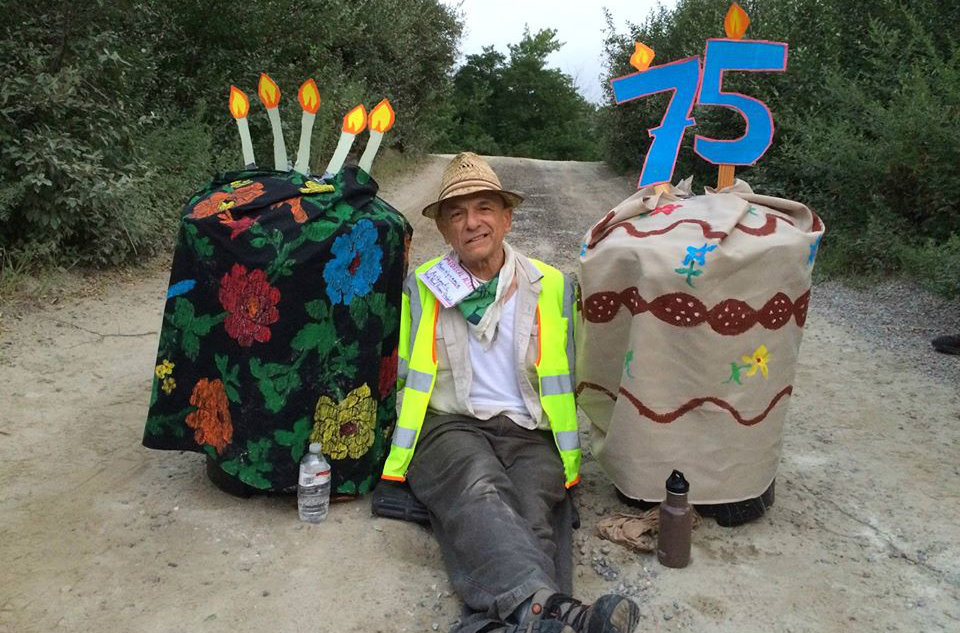
NORTH WINDHAM, CT: In cel­e­bra­tion of his 75th birth­day today, Mid­dle­town res­i­dent Vic Lan­cia locked him­self to two giant “birth­day cakes”—actually con­crete-filled bar­rels dec­o­rat­ed with can­dles and frost­ing— on the sole road lead­ing up to a site where Spec­tra Ener­gy stores con­struc­tion equip­ment and mate­ri­als for use across Con­necti­cut. Fed­er­al Ener­gy Reg­u­la­to­ry Com­mis­sion reports post­ed at capitalismvsclimate.org con­firm what local res­i­dents have seen: Spec­tra trucks reg­u­lar­ly using the facil­i­ty to expand frack­ing infra­struc­ture.

By block­ing Spec­tra work­ers from access­ing the site, Vic aimed to dis­rupt Spectra’s ongo­ing con­struc­tion of it’s “AIM Project”, a bil­lion dol­lar fracked-gas pipeline expan­sion affect­ing com­mu­ni­ties across the State.

“It’s sim­ple,” Vic explained. “Cap­i­tal­ism and the burn­ing of fos­sil fuels are destroy­ing our beloved and beau­ti­ful plan­et, the habi­tat for all human­i­ty and life, all for prof­it and con­ve­nience. Isn’t it time to resist? Do we not care for our chil­dren, the gen­er­a­tions beyond our lives, and for life itself?”

After block­ing the entrance to the site for over two hours – Vic nego­ti­at­ed with the police and unlocked. Vic wasn’t arrest­ed and we got to keep the con­crete “birth­day cakes”.

Vic is a mem­ber of Cap­i­tal­ism vs. the Cli­mate, a hor­i­zon­tal­ly-orga­nized, Con­necti­cut-based group that takes direct action against the root caus­es of the cli­mate cri­sis. About ten oth­er mem­bers and sup­port­ers joined Vic, shar­ing choco­late cake and wav­ing bal­loons. Beneath the fes­tiv­i­ties, how­ev­er, they expressed out­rage at Spectra’s pipeline expan­sion.

“Spectra’s pipeline expan­sion is cat­a­stroph­ic in many ways. It cre­ates incen­tives for frack­ing in the shale fields. It trans­ports high­ly flam­ma­ble gas just one-hun­dred feet from a nuclear pow­er plant in New York, poten­tial­ly endan­ger­ing tens of mil­lions of peo­ple. It accel­er­ates glob­al warm­ing, since fracked gas has an even high­er impact on the cli­mate than coal does,” said Willi­man­tic res­i­dent Roger Ben­ham.

Click here to make dona­tions to sup­port the action.

Please share the Face­book “meme” at: http://on.fb.me/1WGLJFV


Turkish Army Burns Down Forests in Kurdistan – Call for an International Delegation!

With the restart of the war in North-Kur­dis­tan by Turk­ish state in end of July 2015 the Turk­ish Army has start­ed to burn down forests.

With the restart of the war in North-Kur­dis­tan by Turk­ish state in end of July 2015 the Turk­ish Army has start­ed to burn down forests. After 2,5 years of nego­ti­a­tions about the start of a peace process between the Turk­ish gov­ern­ment and the Kur­dish Free­dom Move­ment, the Turk­ish side decid­ed to attack the PKK Guer­ril­la HPG (Peo­ples Defense Forces) and legal polit­i­cal activists.

In a planned and sys­tem­at­ic man­ner the Turk­ish Army shoots with muni­tion and bombs which result in for­est fires. Par­tic­u­lar­ly in the provinces of Der­sim (Tunceli), Sirnex (Şır­nak) and Amed (Diyarbakır) the Army has burned down sev­er­al eco­log­i­cal­ly high­ly sen­si­tive forests in its oper­a­tions against the HPG. There­by the Turk­ish Army hopes to lim­it the mobil­i­ty of HPG. This method in fight­ing the long-last­ing Kur­dish rebel­lion has been used wide­ly already in the 90’s in North-Kur­dis­tan. Almost every greater for­est in the con­test­ed regions has been burned down in that years.

The most for­est fires have been ini­ti­at­ed in areas which have been declared by the Turk­ish gov­ern­ment as “secu­ri­ty areas” just after the restart of the war. That is why local peo­ple and activists – like from our move­ment – have been hin­dered by the Turk­ish Army to go to the affect­ed areas and try to extin­guish the fires. These ini­tia­tives have been cre­at­ed while the respon­si­ble gov­ern­men­tal bod­ies did not act. We assume that they have been instruct­ed by the gov­ern­ment not to inter­vene. To date sev­er­al hun­dred hectares of forests have been burnt down in North-Kur­dis­tan where the main tree type is the oak.

We call on the inter­na­tion­al polit­i­cal activists, social move­ments and NGO’s work­ing on eco­log­i­cal issues to join an inter­na­tion­al del­e­ga­tion. This del­e­ga­tion could inves­ti­gate the dimen­sion and impacts of the for­est fires of the last weeks, the sub­se­quent behav­ior of Turk­ish offi­cials, the efforts of locals to extin­guish the fires and if exist­ing the ongo­ing fires and inform the inter­na­tion­al pub­lic based on their obser­va­tions. We think that the extreme­ly destruc­tive behav­ior of the Turk­ish State in this dirty war must be treat­ed also on inter­na­tion­al lev­el. The peri­od for the inter­na­tion­al del­e­ga­tion is planned from the 8th to the 12th Sep­tem­ber 2015. Write us in case of inter­est.

Ercan Aybo­ga
for the Mesopotami­an Ecol­o­gy Move­ment

Con­tact:
email: e.ayboga@gmx.net
fb: www.facebook.com/mezopotamyaekolojihareketi

Sources about the fires:
Al-Mon­i­tor, 21.07.2015: http://www.al-monitor.com/pulse/originals/2015/07/turkey-kurds-pkk-forest-fires-cause-political-mayhem.html
Firat News Agency, 05.08.2015: http://en.firatajans.com/kurdistan/forest-fires-caused-by-turkish-army-expand
Kur­dish Dai­ly News, 09.08.2015: http://kurdishdailynews.org/2015/08/09/forest-fires-caused-by-turkish-airstrikes-in-zap-and-xakurke/

Call out to get involved in a research project on sexual violence in activist communities

Was your sex­u­al abuser a high-pro­file activist? Have you felt unable to speak out about it?

Was your sex­u­al abuser a high-pro­file activist? Have you felt unable to speak out about it? Or have you spo­ken out about it only to be accused of mak­ing it up and/or divid­ing the move­ment? Did your anti-state activism and/or expe­ri­ence of police bru­tal­i­ty rule out going to the police? Were you able to kick out your abuser using oth­er meth­ods? Did the account­abil­i­ty process back­fire? Did your abuser just move on to a dif­fer­ent group and do the same thing to some­one else? Was the trans com­mu­ni­ty so small that you didn’t want your part­ner to lose it? Do you want to be involved in tak­ing action and chal­leng­ing sex­u­al vio­lence in activist com­mu­ni­ties?

We want to hear from sur­vivors who iden­ti­fy as women, gen­der-queer or trans who are ready to talk about their expe­ri­ences of sex­u­al vio­lence with­in cur­rent or past organ­is­ing in rad­i­cal social jus­tice move­ments in the UK. This may have hap­pened once or mul­ti­ple times, we are inter­est­ed in hear­ing from folks with a vari­ety of expe­ri­ences of sex­u­al vio­lence includ­ing unwant­ed touch­ing, flash­ing, harass­ment, stalk­ing, sex­u­al assault and rape.

Sal­vage is a col­lec­tive of aca­d­e­m­ic-activists, sur­vivors and activists. We got togeth­er through a work­shop on sur­vivor-led approach­es to gen­dered vio­lence and abuse at AFem 2014. This is our first research project. We aim to devel­op resources, infor­ma­tion and prac­ti­cal rec­om­men­da­tions to work towards cre­at­ing effec­tive chal­lenges to gen­dered vio­lence, abuse and harms with­in social jus­tice move­ments and com­mu­ni­ties.

If you are inter­est­ed in get­ting involved and/or want more infor­ma­tion about this research project:

Web: https://projectsalvage.wordpress.com/research

Twit­ter: @Project_Salvage

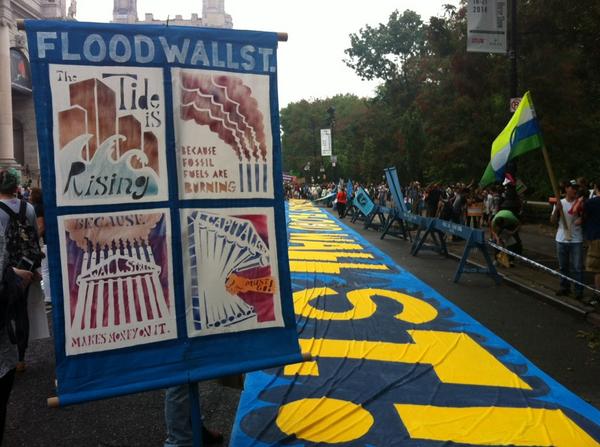
Flood the System Organising Booklet is Now Available to Print or Download

Click here to down­load the Flood the Sys­tem organ­is­ing book­let! This 35 page book­let has every­thing you need to know about organ­is­ing an event to #Flood­TheSys­tem.

Click here for the same book­let as above, but set up so when you print it front/back, you can fold it into a book­let.

We envi­sion Flood the Sys­tem as a step towards build­ing the DNA of a robust move­ment that has the col­lec­tive pow­er to chal­lenge glob­al cap­i­tal­ism, racism, patri­archy, and oppres­sion.

This book­let is designed to give you a sense of why we need to esca­late, what Flood the Sys­tem might look like, and what struc­tures we will all use to orga­nize.

The authors drew inspi­ra­tion for this book­let from the 1986 Pledge of Resis­tance Hand­book, the 1999 WTO Direct Action Pack­et and the 2014 Fer­gu­son Action Coun­cil Book­let.

Protesters Storm Open-Pit Coal Mine in Western Germany

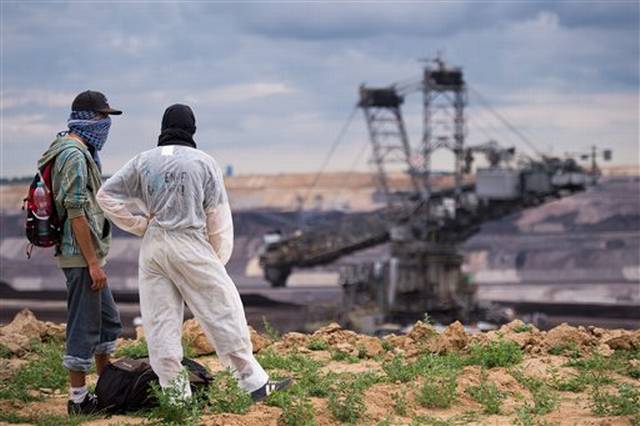
Pro­tes­tors look at a huge buck­et-wheel exca­va­tor as they arrive for a demon­stra­tion at the open-pit coal mine near Garzweil­er

Pro­tes­tors look at a huge buck­et-wheel exca­va­tor as they arrive for a demon­stra­tion at the open-pit coal mine near Garzweil­er, west­ern Ger­many Sat­ur­day Aug. 15, 2015. Sev­er­al hun­dred envi­ron­men­tal activists have stormed a lig­nite mine in west­ern Ger­many to protest against the use of coal for elec­tric­i­ty pro­duc­tion. dpa via AP Mar­ius Beck­er

August 15th, 2015

Tarnac 9 Cleared of Terrorism Charges Over Rail Sabotage

An alleged “anar­chist cell” at the cen­tre of one of France’s most polit­i­cal­ly-charged legal sagas is final­ly to be tried for sab­o­tag­ing high-speed train lines.

August 9th, 2015


An alleged “anar­chist cell” at the cen­tre of one of France’s most polit­i­cal­ly-charged legal sagas is final­ly to be tried for sab­o­tag­ing high-speed train lines.

But in a major blow to police, who con­duct­ed a sev­en-year inves­ti­ga­tion into the group, the four will not face ter­ror charges, judi­cial sources told AFP on Sat­ur­day.

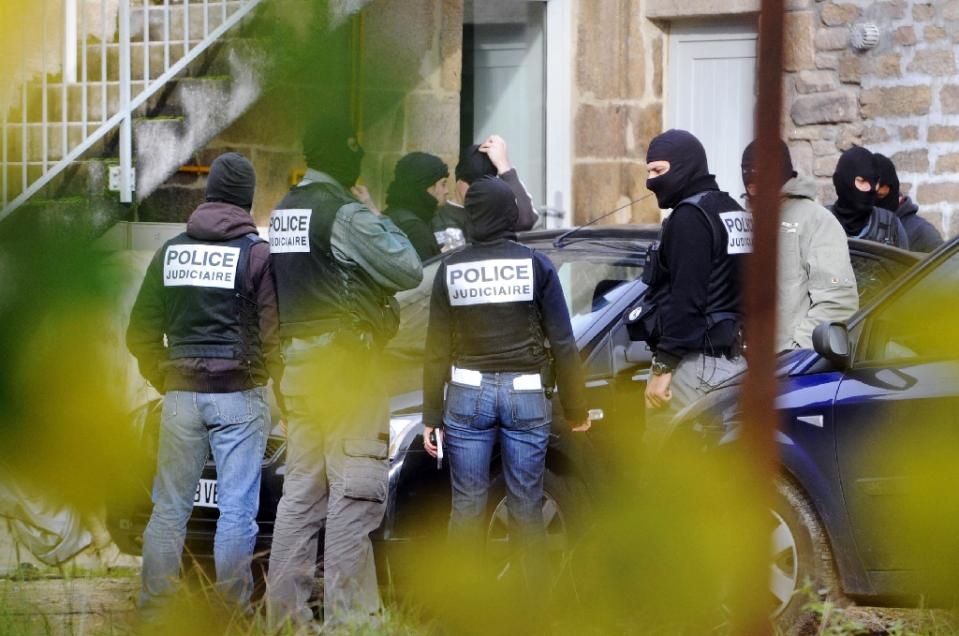
The so-called Tarnac group was round­ed up in high-pub­li­cised raids in Novem­ber 2008 accused of sab­o­tag­ing the TGV net­work around Paris, a pow­er­ful sym­bol of French nation­al pride and tech­ni­cal know-how.

Thou­sands of pas­sen­gers and more than 160 train ser­vices were delayed after steel rods were put across over­head pow­er cables on three high-speed lines between Paris and Lon­don, Brus­sels and the French regions.

Then inte­ri­or min­is­ter Michele Alliot-Marie brand­ed the group a dan­ger­ous “ultra-left anar­chist move­ment”, but the group — who lived in a rur­al com­mune in cen­tral France — and many on the French left, accused Pres­i­dent Nico­las Sarkozy’s right-wing gov­ern­ment of try­ing to frame them.

But in a major blow to the author­i­ties, anti-ter­ror­ist judge Jeanne Duye came down against their demands in her long-await­ed judge­ment Fri­day to try them for ter­ror offences.

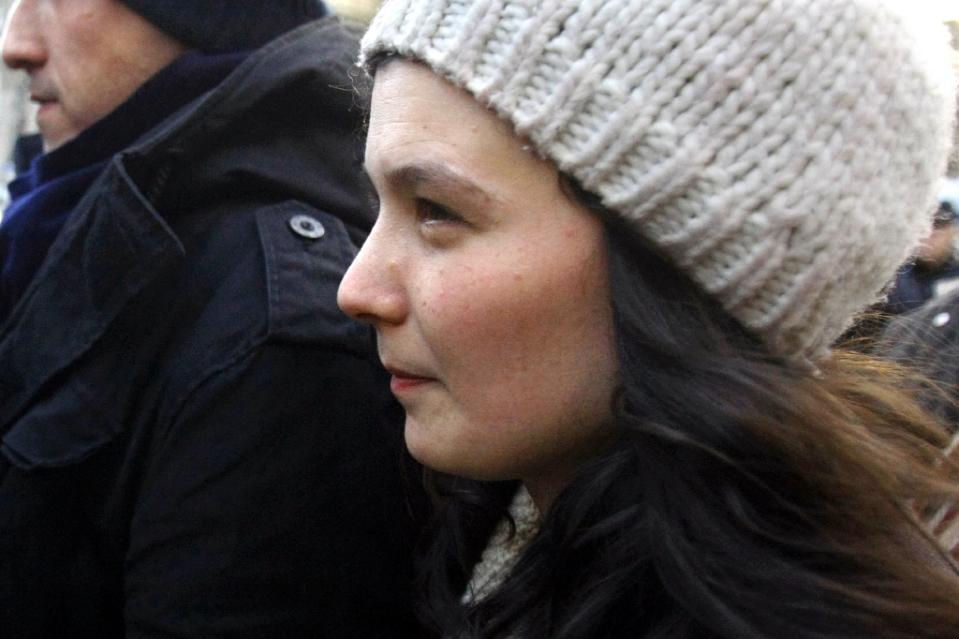
Yil­dune Levy, sus­pect­ed of belong­ing to a ‘ter­ror­ist organ­i­sa­tion’ with her then-boyfriend

– ‘The Com­ing Insur­rec­tion’ –

She did, how­ev­er, send the group’s reclu­sive leader Julien Coupat, his wife Yil­dune Levy and two oth­ers for tri­al on con­spir­a­cy charges, sources said.

The group’s lawyers called the deci­sion a “total repu­di­a­tion” of the alle­ga­tions against the four.

“After near­ly sev­en years of try­ing to pin the blame on them, we final­ly have a coura­geous judi­cial deci­sion. It is a total repu­di­a­tion of the pros­e­cu­tion case,” Marie Dose and William Bour­don said.

“From the begin­ning, our clients were con­sid­ered and treat­ed like ter­ror­ists. Final­ly they have realised that it doesn’t stick,” they added.

“Our arrest was pure­ly polit­i­cal and was based on false tes­ti­mo­ny from the police,” said anoth­er of the accused, Math­ieu Bur­nel. “All this will fall apart at our tri­al.”

The case cen­tred on the charis­mat­ic fig­ure of Coupat, 40, a far-left intel­lec­tu­al from a wealthy fam­i­ly who had gath­ered a group of 20 fol­low­ers around him in a remote vil­lage in the Cor­reze region of cen­tral France.

Rely­ing heav­i­ly on pas­sages from a 2007 book attrib­uted to Coupat, “The Com­ing Insur­rec­tion”, inves­ti­ga­tors claimed the group — the “invis­i­ble com­mit­tee of the imag­i­nary par­ty” — had tipped over from rad­i­cal anar­chist pol­i­tics into ter­ror­ism.

The book dis­cussed sab­o­tage and oth­er ways to “finalise the fall of the state”, and men­tioned the high-speed TGV net­work as an “easy” tar­get.

But Coupat, who refused to con­firm he was its author, said it was “ris­i­ble that ter­ror­ism charges could be brought on the basis on a book on pub­lic sale.”

Coupat and Levy, 31, admit­ted being close to TGV lines east of Paris when an iron bar was placed on the track on the night of Novem­ber 7, 2008, but denied putting it there.

Coupet spent more than six months in jail as police tried to build a case against him, with Levy also locked up for more than two months.

The pros­e­cu­tion has five days to appeal the judge’s deci­sion.

from AFP

Addi­tion: their arrest was in part down to Mark Kennedy, the British under­cov­er cop embed­ded in Earth First! and the wider eco­log­i­cal direct action move­ment for over 7 years.  More info

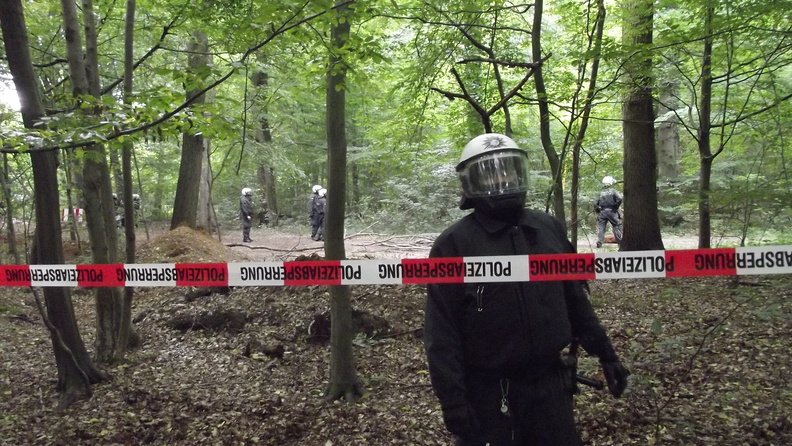
Germany: Last Living Barricade in Hambach Forest Evicted; Freedom for Jus!

Ger­many: Last Liv­ing Bar­ri­cade in Ham­bach For­est Evict­ed

July 28th, 2015

On the 22nd of July the tow­er – to this date the only remain­ing liv­ing bar­ri­cade – got evict­ed. The tow­er blocked an impor­tant access way to the Ham­bach For­est [pre­vi­ous­ly on S!N]and its occu­pa­tion.

Dur­ing the 14 hours of the evic­tion, four activists were arrest­ed of who three have been released, while one is in deten­tion await­ing tri­al in the JVA (jail) in Köln-Ossendorf. Jus is accused of resist­ing the evic­tion. The cops are try­ing to jus­ti­fy the deten­tion by claim­ing that Jus doesn‘t have a legal address and alleged­ly “no social oblig­a­tions in Ger­many”. There­fore, they think that it’s like­ly that he will “stay away from tri­al”.

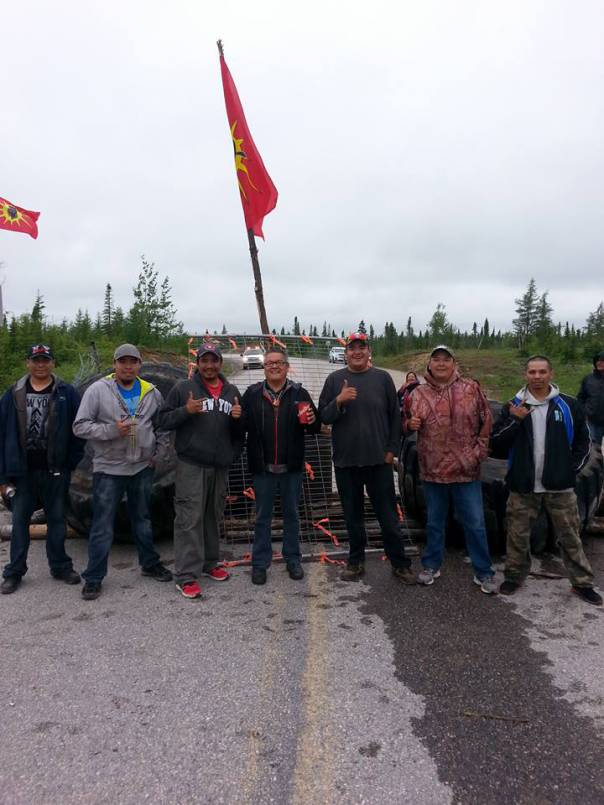
Innu Blockade Hydro-Quebec Construction in Northern Quebec

pho­to thanks to War­rior Pub­li­ca­tions

July 17th, 2015

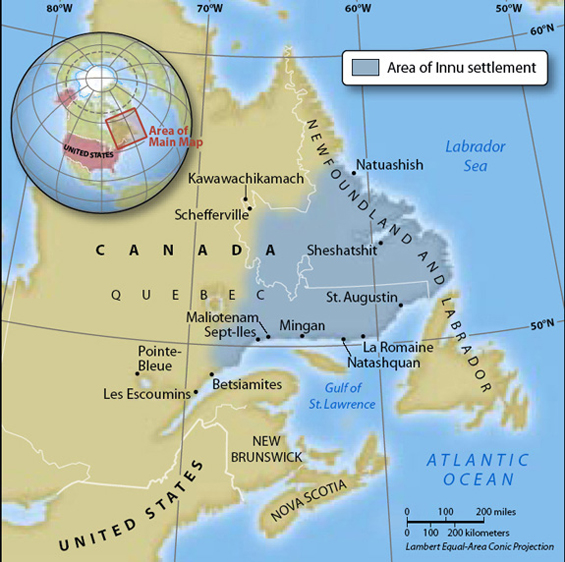
Quebec’s Min­is­ter of Abo­rig­i­nal Affairs is urg­ing mem­bers of Natashquan’s Innu Com­mu­ni­ty to stop their block­ade near the La Romaine con­struc­tion site.

The group of pro­test­ers set up a bar­ri­cade Thurs­day near Havre-Saint-Pierre in east­ern Que­bec, about 200 kilo­me­tres east of Sept-Îles.

It says Hydro-Québec is not respect­ing an agree­ment it signed with the com­mu­ni­ty before work on the hydro­elec­tric project began.

The pro­test­ers have been let­ting work­ers out of the site, but they say they will not let any­one in until Pre­mier Philippe Couil­lard speaks with them in per­son on the North Shore.

Rodrigue Wapis­tan, the chief of Natashquan’s Innu band coun­cil, said Hydro-Québec has flood­ed basins near the work­site with­out the community’s con­sent.

He said that will drown more than half the trees in the area.

“They have com­plete­ly tram­pled on our rights. It is some­thing that is unac­cept­able in my book — all while cre­at­ing a sit­u­a­tion that is cat­a­stroph­ic for our next gen­er­a­tion,” Wapis­tan said.

Abo­rig­i­nal Affairs Min­is­ter Geoff Kel­ley said he recog­nis­es there are dif­fer­ences between the Innu com­mu­ni­ty and Hydro-Québec, but said pro­test­ers should try to resolve its issues through nego­ti­a­tions.

from CBC News

Panama: Indigenous Activists Block Entry to the Barro Blanco Hydro Dam

Ngäbe activists stand­ing in front of the Bar­ro Blan­co dam site

Ngäbe activists stand­ing in front of the Bar­ro Blan­co dam site (Pho­to Jen­nifer Kennedy)

July 14th, 2015

A 30-strong splin­ter group of Ngäbe from the M10 resis­tance move­ment has blocked the entrance to the Bar­ro Blan­co hydro­elec­tric dam in west­ern Pana­ma, pre­vent­ing work­ers from enter­ing the site. The 15 year strug­gle of the Tabasará riv­er com­mu­ni­ties to pro­tect their liveli­hoods, their cul­ture, and their ances­tral her­itage now appears to be enter­ing a tense new phase. With nego­ti­a­tions exhaust­ed and the dam 95% com­plete, M10 has an issued an ulti­ma­tum for the gov­ern­ment to can­cel the project by Mon­day, June 15, 2015. It is unclear how the gov­ern­ment will respond.

“Being Ngäbe-Buglé cul­tur­al pat­ri­mo­ny,” said Clementi­na Pérez, part of the group camped at Bar­ro Blanco’s gates. “Our riv­er, our moth­er earth, our ecol­o­gy, our exis­tence, we are here to make known to the nation­al and inter­na­tion­al com­mu­ni­ty that this pat­ri­mo­ny belongs to us and to the church of Mama Tata. With the con­ser­va­tion of peace, lib­er­ty, jus­tice and uni­ty, lib­er­a­tion and social jus­tice… [we ask] the Pres­i­dent of the Repub­lic the can­cel­la­tion and removal of the dam from our com­mu­ni­ties, our riv­er and our moth­er earth, which belong to us as orig­i­nal peo­ple of the Americas…”Funded by Euro­pean banks – the Ger­man Invest­ment Cor­po­ra­tion (DEG) and the Dutch Devel­op­ment Bank (FMO) – the dam is set to inun­date a string of Ngäbe and campesino com­mu­ni­ties, all of whom have voiced their objec­tions from the out­set. The flood will destroy ances­tral pet­ro­glyphs, fer­tile agri­cul­tur­al grounds, and Mama Tata cul­tur­al cen­tres, includ­ing a unique school where the emerg­ing writ­ten script of the Ngäbere lan­guage is being devel­oped and dis­sem­i­nat­ed. The dam will sig­nif­i­cant­ly impact the river’s marine life, wip­ing out migra­to­ry fish species which many com­mu­ni­ties – both up and down stream – rely upon for essen­tial pro­tein. None of the Tabasará com­mu­ni­ties have pro­vid­ed their free, informed and pri­or con­sent to the dam, a fact recent­ly con­firmed by the FMO’s own inde­pen­dent com­plaints mech­a­nism (ICM).

“Lenders should have sought greater clar­i­ty on whether there was con­sent to the project from the appro­pri­ate indige­nous author­i­ties pri­or to project approval,” said an ICM report, pub­lished on May 29, 2015. “[The plan] con­tains no pro­vi­sion on land acqui­si­tion and reset­tle­ment and noth­ing on bio­di­ver­si­ty and nat­ur­al resources man­age­ment. Nei­ther does it con­tain any ref­er­ence to issues relat­ed to cul­tur­al her­itage…”

The report is the lat­est in a series of pro­fes­sion­al analy­ses that pour a thick lay­er of scorn over the dam project’s own­er, Gen­er­ado­ra del Ist­mo (GENISA). Demon­stra­bly unlaw­ful, GENISA has been con­demned by numer­ous inde­pen­dent inves­ti­ga­tors, the Unit­ed Nations, sev­er­al inter­na­tion­al NGOs, and Panama’s own envi­ron­men­tal agency, ANAM, who found a raft of flaws and short-com­ings in their envi­ron­men­tal impact assess­ment.

But despite fail­ing their own due dili­gence, the banks appear to have shrugged off the ICM report with an insipid call for ‘con­struc­tive dia­logue’ and ‘a solu­tion for a way for­ward’. In Feb­ru­ary this year, the FMO chose to threat­en the gov­ern­ment of Pana­ma after build­ing work was tem­porar­i­ly sus­pend­ed on the rec­om­men­da­tion of ANAM. Writ­ing to the Vice Pres­i­dent, the FMO warned that the sus­pen­sion “May weigh upon future invest­ment deci­sions, and harm the flow of long-term invest­ments into Pana­ma.”

The gov­ern­ment seems to have tak­en this threat to heart. Panama’s pres­i­dent, Juan Car­los Varela, who was elect­ed to office in 2014, flip-flopped on Bar­ro Blan­co before final­ly falling in line. Last week, while prof­fer­ing flim­sy reas­sur­ances about hav­ing found a human rights solu­tion, his gov­ern­ment left the nego­ti­at­ing table and sig­naled an end to the sus­pen­sion of works. M10 claims the work nev­er stopped and has been con­tin­u­ing clan­des­tine­ly. They are now mobil­is­ing for action.

Clementi­na Perez (Pho­to: Oscar Sogan­dares)

“If this sit­u­a­tion is not resolved,” said Clementi­na Pérez, “We will go to the Panamer­i­can high­way to ask togeth­er, at a nation­al lev­el, the can­cel­la­tion of Bar­ro Blan­co…”

Ris­ing with stark grey walls above the denud­ed banks of the Tabasará, Bar­ro Blan­co has become a sym­bol of the pre­vi­ous admin­is­tra­tion, its fun­da­men­tal vio­lence and con­tempt for the rule of law. The for­mer Pres­i­dent Ricar­do Mar­tinel­li – now on the run in the Unit­ed States and fac­ing a cor­rup­tion probe back home – pro­voked no less than four major upris­ings as he grasped for land and resources in Panama’s indige­nous ter­ri­to­ries. Heavy-hand­ed repres­sion result­ed in the deaths of sev­er­al pro­test­ers and bystanders, includ­ing an unarmed teenage boy who was shot in the face by police. Bar­ro Blan­co is the vis­i­ble lega­cy of a proud­ly thug­gish Pres­i­dent who seri­al­ly abused Panama’s Indige­nous Peo­ples and plun­dered the coun­try at will. Thus far, Varela has been keen to strike a more decent and humane tone. How he now han­dles the cri­sis evolv­ing on the banks of the Tabasará Riv­er will be a demon­stra­tion of his sin­cer­i­ty, or lack of.

by  IC Mag­a­zine