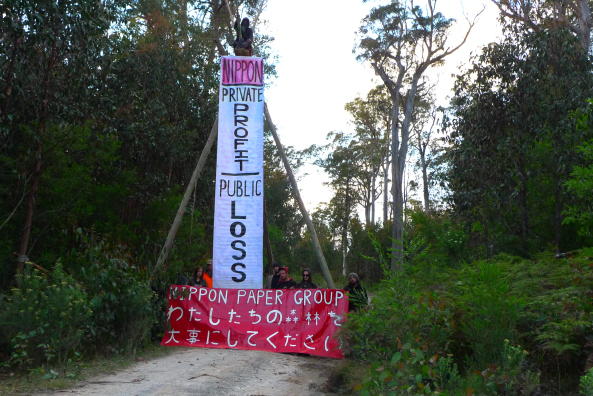
Bullying tactics drive Penan to abandon dam blockade

The abandoned Long Singu longhouse last week after the government rushed through the Penan's move to the unfinished relocation site. 9th Dec Mem­bers of the

The abandoned Long Singu longhouse last week after the government rushed through the Penan's move to the unfinished relocation site. 9th Dec Mem­bers of the Penan tribe from the Malaysian state of Sarawak have bowed to over­whelm­ing pres­sure and aban­doned their 77-day protest against the Murum dam.

Faced with ris­ing waters approach­ing their vil­lages, lack of food at the protest site and the announce­ment that the bridges that led to their vil­lages were going to be dis­man­tled, the Penan felt they had no choice but to halt their block­ade and accept the move to a new gov­ern­ment reset­tle­ment site.

When asked why they had agreed to move one Penan man said, ‘ The water is already very close to our vil­lage. It’s very high’. A local activist told Sur­vival, ‘They went with a very heavy heart, they are not hap­py’.

As part of the agree­ment the Penan were promised a fur­ther RM8000 (approx­i­mate­ly US$2,500) com­pen­sa­tion, tak­ing the total com­pen­sa­tion per fam­i­ly to just over US$7,000. How­ev­er, their oth­er demands includ­ing, cru­cial­ly, the need for more land for plant­i­ng and for­est for hunt­ing and gath­er­ing, have been ignored.

The Penan rely on hunting and gathering in their forests to survive.

The for­est is cru­cial for the Penan. Even the government’s own stud­ies showed that the Murum Penan rely on the for­est for 75% of their sus­te­nance. With­out more for­est it’s hard to see how the Penan will sur­vive in the relo­ca­tion site.

Despite being pres­sured to move, the build­ing of the new site is not yet fin­ished. Two of the long­hous­es are still being worked on. Water sup­plies have not been con­nect­ed; the promised school and clin­ic have not been built and the road con­nect­ing the vil­lages is not com­plet­ed.

The impound­ment (flood­ing) of the dam before all the affect­ed fam­i­lies had agreed to move has caused world­wide out­rage. Despite promis­es from the Sarawak gov­ern­ment that the relo­ca­tion process would meet inter­na­tion­al stan­dards the Penan were not prop­er­ly con­sult­ed and the relo­ca­tion process was shroud­ed in secre­cy.

Sur­vival was told, ‘Peo­ple believed that it would be dif­fer­ent this time, but it has shown to be lies. The gov­ern­ment nev­er took their demands into con­sid­er­a­tion’.

The lawyer act­ing for the Penan has promised that despite this move the Penan will still protest and will con­tin­ue to push for jus­tice in the courts.

Direct Action Gets the Goods: Chevron Suspends in Romania

31 8th Decem­ber 

Chevron has sus­pend­ed explo­ration for shale gas in north­east­ern Roma­nia after hun­dreds of anti-frack­ing pro­test­ers tore down fences.

31 8th Decem­ber 

Chevron has sus­pend­ed explo­ration for shale gas in north­east­ern Roma­nia after hun­dreds of anti-frack­ing pro­test­ers tore down fences.

Chevron won approval to drill explorato­ry wells in the town of Pungesti, but halt­ed work for a sec­ond time Sat­ur­day after res­i­dents blocked access to the site.

Hun­dreds of riot police couldn’t pre­vent res­i­dents from demol­ish­ing fences and break­ing into the site. Dozens were detained and 14 were charged with destruc­tion of prop­er­ty and car­ry­ing knives.

Chevron said it had sus­pend­ed work “as a result of unsafe con­di­tions” and informed police of destruc­tion to its prop­er­ty.

Thou­sands of peo­ple have ral­lied across Roma­nia in recent months to protest against gov­ern­ment sup­port for shale gas explo­ration. Chevron had resumed work at the site on Dec. 2.

Ecuador Bans Environmental Group

ecuador indigenous woman faces police 8th Dec The

ecuador indigenous woman faces police 8th Dec The crim­i­nal­iza­tion of Ecuador’s indige­nous and envi­ron­men­tal move­ments con­tin­ues, as the Cor­rea gov­ern­ment pri­or­i­tizes extrac­tion at all costs. From World War 4 Report:

Ecuador’s gov­ern­ment ordered closed the envi­ron­men­tal­ist Fun­dación Pachama­ma Dec. 4, with the Inte­ri­or Min­istry say­ing it was “affect­ing the pub­lic peace.” The Envi­ron­ment Min­istry issued its own state­ment accus­ing of the orga­ni­za­tion of “inter­fer­ence in pub­lic pol­i­cy.” Plain­clothes police were sent to seal off the group’s offices in the morn­ing. The action stemmed from the pre­vi­ous week’s protests at the XI Round for sell­ing oil leas­es in the Ecuadroan Ama­zon. Pres­i­dent Rafael Cor­rea accused Pachama­ma and anoth­er group, Yasunidos, of attack­ing the Chilean ambas­sador, Juan Pablo Lira. Pachama­ma denies the alle­ga­tions, say­ing its mem­bers were not even present at the protest in front of the Hydro­car­bons Min­istry. Fun­dación Pachama­ma plans to appeal the government’s deci­sion.

“The real rea­son the gov­ern­ment has tar­get­ed Fun­dación Pachama­ma is because of the effec­tive­ness of their work,” said Bill Twist of the Pachama­ma Alliance, the group’s sib­ling orga­ni­za­tion based in San Fran­cis­co.  ”This is an attempt to keep them from doing their work, and chill their rights to free speech and assem­bly.”

Yasunidos is a group that is col­lect­ing sig­na­tures to demand a ref­er­en­dum on devel­op­ment of the Ish­pin­go-Tam­bo­cocha-Tipu­ti­ni oil bloc, locat­ed with­in Yasuni Nation­al Park. State com­pa­ny Petroa­ma­zonas is set to begin devel­op­ing the ITT bloc in 2014, and is seek­ing pri­vate part­ners for pro­duc­tion in the zone.

In June, the Cor­rea admin­is­tra­tion issued a Exec­u­tive Decree 16, instat­ing new strin­gent pro­ce­dures for NGOs to obtain legal sta­tus. Human Rights Watch, protest­ing the clo­sure of Fun­dación Pachama­ma, said the group was the “first vic­tim” of the decree, which it charged “con­tra­venes the rights of free expres­sion and asso­ci­a­tion.”

In a state­ment, Fun­dación Pachama­ma accused the Cor­rea gov­ern­ment of vio­lat­ing its own con­sti­tu­tion: “We have the right to dis­sent the deci­sion of the author­i­ties, the process that has been imple­ment­ed and alter­na­tive­ly pro­pose that the oil remain under­ground to pre­serve one of the great­est rich­es of our coun­try, its cul­tur­al and bio­log­i­cal diver­si­ty. The cur­rent Con­sti­tu­tion oblig­es the gov­ern­ment to find a new devel­op­ment mod­el that respects our country’s Pluri-nation­al­i­ty, Human Rights, Rights of Nature and ‘Sumak Kawsay’ or ‘Liv­ing For­est.’… We believe it is ille­git­i­mate to imple­ment process­es affect­ing indige­nous ter­ri­to­ries and not include the pres­i­dents of indige­nous nation­al­i­ties and peo­ples…”

The state­ment also said the group “extends sol­i­dar­i­ty” to the Devel­op­ment Coun­cil of the Nation­al­i­ties and Peo­ples of Ecuador (CODENPE), offi­cial­ly empow­ered to con­sult on issues affect­ing indige­nous peo­ples. (Rebe­lión, Dec. 7; EFE via Ecuavisa, Dec. 6; Pachama­ma Alliance press releas­es via Sacra­men­to Bee, Dec. 5, UDW, Dec. 4; WSJ, Dec. 4)

Ecuador’s 2008 con­sti­tu­tion includes pro­vi­sions for con­sul­ta­tion with indige­nous peo­ples on devel­op­ment issues, but the Cor­rea gov­ern­ment has been repeat­ed­ly accused of vio­lat­ing these mea­sures. The con­sti­tu­tion­al prin­ci­ple of Sumak Kawsay, usu­al­ly ren­dered Vivir Bien or Good Liv­ing, is a phrase adopt­ed from Ecuador’s indige­nous move­ment.

Partial Success for Mi’kmaq: SWN Pulls Out (Till 2015?)

Burning tires form a blockade against pre-fracking seismic testing in Mi'kmaq territory, Dec 3, 2013 6th Dec

Burning tires form a blockade against pre-fracking seismic testing in Mi'kmaq territory, Dec 3, 2013 6th Dec

ELSIPGOTG FIRST NATION, NB–A Hous­ton-based ener­gy com­pa­ny that has faced fero­cious resis­tance from a Mi’kmaq-led coali­tion is end­ing its shale gas explo­ration work for the year, says Elsi­pog­tog War Chief John Levi.

Levi said Fri­day that the RCMP informed him that SWN Resources Cana­da is end­ing its explo­ration work, but will return in 2015.

Levi said SWN and its con­trac­tors would be pick­ing up geo­phones from the side of the high­way today. Geo­phones inter­act with thumper trucks to cre­ate imag­ing of shale gas deposits under­ground.

“They are just going to be pick­ing up their gear today,” said Levi. “At least peo­ple can take a break for Christ­mas.”

Demon­stra­tions against the com­pa­ny esca­lat­ed this week. Demon­stra­tors twice burned tires on Hwy 11 which was the area where SWN was con­duct­ing its shale gas explo­ration.

SWN said in a state­ment late Fri­day after­noon that it had com­plet­ed its “seis­mic acqui­si­tions pro­gram in New Brunswick.”

The com­pa­ny, how­ev­er, was silent on its future time­line for return­ing. [empha­sis added ‑Ed.]

SWN obtained an exten­sion to an injunc­tion against the demon­stra­tors Mon­day after argu­ing it need­ed two more weeks to fin­ish its work. In its court fil­ing, SWN claimed it need­ed about 25 km left to explore.

Levi said the Mi’kmaq com­mu­ni­ty, which sits about 80 km north of Monc­ton, will be there again in 2015 to oppose the com­pa­ny. Levi said SWN will be return­ing to con­duct explorato­ry drilling.

“We can’t allow any drilling, we didn’t allow them to do the test­ing from the begin­ning,” said Levi.

Levi said word that SWN is leav­ing is no cause for cel­e­bra­tion just yet.

“We went through a lot,” he said. “We need some time for this to sink in and think about every­thing, think about what we went through…People did a lot of sac­ri­fic­ing.”

We Are the Tar Sands Industry’s “Worst Case Scenario”: Leaked Stratfor Report

Anti-tar sands protest greets Canadian Prime Minister Stephen Harper's visit to London, Jun 13, 2013 6th Dec from

Anti-tar sands protest greets Canadian Prime Minister Stephen Harper's visit to London, Jun 13, 2013 6th Dec from Inside Cli­mate News:

Worst-Case Scenario for Oil Sands Industry Has Come to Life, Leaked Document Shows

Indus­try con­sul­tants said anti-tar sands push could become ‘the most sig­nif­i­cant envi­ron­men­tal cam­paign of the decade’ if activists were left unop­posed.

by Kather­ine Bagley

As envi­ron­men­tal­ists began ratch­et­ing up pres­sure against Canada’s tar sands three years ago, one of the world’s biggest strate­gic con­sult­ing firms was tapped to help the North Amer­i­can oil indus­try fig­ure out how to han­dle the mount­ing activism. The result­ing doc­u­ment, pub­lished online by Wik­iLeaks, offers anoth­er win­dow into how oil and gas com­pa­nies have been scram­bling to deal with unre­lent­ing oppo­si­tion to their growth plans.

The doc­u­ment iden­ti­fies near­ly two-dozen envi­ron­men­tal orga­ni­za­tions lead­ing the anti-oil sands move­ment and puts them into four cat­e­gories: rad­i­cals, ide­al­ists, real­ists and opportunists—with how-to’s for man­ag­ing each. It also reveals that the worst-case sce­nario pre­sent­ed to indus­try about the movement’s grow­ing influ­ence seems to have come to life.

The Decem­ber 2010 pre­sen­ta­tion by Strate­gic Fore­cast­ing, or Strat­for, a glob­al intel­li­gence firm based in Texas, most­ly advised oil sands com­pa­nies to ignore or lim­it reac­tion to the then-bur­geon­ing tar sands oppo­si­tion move­ment because “activists lack influ­ence in pol­i­tics.” But there was a buried warn­ing for indus­try under one sce­nario: Let­ting the move­ment grow unop­posed may bring about “the most sig­nif­i­cant envi­ron­men­tal cam­paign of the decade.”

“This worst-case sce­nario is exact­ly what has hap­pened,” part­ly because oppo­si­tion to tar sands devel­op­ment has expand­ed beyond non­prof­it groups to include indi­vid­ual activists con­cerned about cli­mate change, said Mark Floegel, a senior inves­ti­ga­tor for Green­peace. “The more peo­ple in Amer­i­ca see Super­storm Sandys or tor­na­does in Chica­go, the more they are wak­ing up and join­ing the fight.”

[View the doc­u­ments at Inside Cli­mate News]

Since the pre­sen­ta­tion was pre­pared, civ­il dis­obe­di­ence and protests against the tar sands have sprung up from coast to coast. The move­ment has helped delay Pres­i­dent Obama’s deci­sion on the Key­stone XL pipeline—designed to fun­nel Canada’s land­locked oil sands crude to refiner­ies on the Gulf Coast—and has held up anoth­er con­tentious pipeline in Cana­da, the North­ern Gate­way to the Pacif­ic Coast.

The Pow­er Point doc­u­ment, titled “Oil Sands Mar­ket Cam­paigns,” was recent­ly made pub­lic by Wik­iLeaks, part of a larg­er release of hacked files from Strat­for, whose clients include the Depart­ments of Home­land Secu­ri­ty and Defense, Lock­heed Mar­tin, Raytheon and the Amer­i­can Petro­le­um Insti­tute, the oil indus­try lob­by. It appears to have been cre­at­ed for Cal­gary-based petro­le­um giant Sun­cor Ener­gy, Canada’s largest oil sands pro­duc­er.


The com­pa­ny told Insid­e­Cli­mate News that it did not hire Strat­for and nev­er saw such a pre­sen­ta­tion. Sun­cor is men­tioned 11 times in the document’s 35 pages and all of Stratfor’s advice seems to be direct­ed at the ener­gy com­pa­ny. For exam­ple, one slide says, “Cam­paign ends quick­ly with a res­o­lu­tion along the lines Sun­cor had want­ed.” In sev­er­al emails released by Wik­iLeaks, Strat­for employ­ees dis­cuss a $14,890 pay­ment Sun­cor owes the com­pa­ny for two com­plet­ed projects, though no details were pro­vid­ed.

The pre­sen­ta­tion is the lat­est in a series of rev­e­la­tions that sug­gest ener­gy companies—which for most of their his­to­ry seemed unfazed by activists—have been look­ing for ways to dilute envi­ron­men­tal­ists’ grow­ing influ­ence.

Ear­li­er this year, Tran­sCana­da, the Cana­di­an ener­gy com­pa­ny behind the Key­stone XL, briefed Nebras­ka law enforce­ment author­i­ties on how to pros­e­cute demon­stra­tors protest­ing the 1,200-mile project. In 2011, Range Resources, an oil and gas com­pa­ny, alleged­ly hired com­bat vet­er­ans with expe­ri­ence in psy­cho­log­i­cal war­fare to squash oppo­si­tion of nat­ur­al gas drilling.

“The Strat­for pre­sen­ta­tion isn’t a com­plete sur­prise,” said Scott Parkin, a senior cam­paign­er for the Rain­for­est Action Net­work and vol­un­teer orga­niz­er for Ris­ing Tide North Amer­i­ca, both grass­roots envi­ron­men­tal groups. “As oppo­si­tion has grown, coal, oil and gas com­pa­nies are all start­ing to put more mon­ey into responding—from sur­veil­lance to pro­tec­tion to pub­lic rela­tions.”

Who Was Targeted?

For each of Stratfor’s cat­e­gories of envi­ron­men­tal activist—radicals, ide­al­ists, real­ists and opportunists—the pre­sen­ta­tion explains how their cam­paigns are struc­tured and how the fos­sil fuel indus­try could deal with them.

Three grass­roots orga­ni­za­tions—Ris­ing Tide North Amer­i­ca, Oil Change Inter­na­tion­al and the Indige­nous Envi­ron­men­tal Net­work—were labeled rad­i­cals. Green­peace and the Rain­for­est Action Net­work were clas­si­fied as a cross between rad­i­cals and ide­al­ists. Sier­ra Club, the nation’s largest envi­ron­men­tal group, Amnesty Inter­na­tion­al and Com­mu­ni­ties for a Bet­ter Envi­ron­ment, among oth­ers, were labeled ide­al­ists. Sev­er­al main­stream envi­ron­men­tal groups, includ­ing the Nation­al Wildlife Fed­er­a­tion, World Wildlife Fund, Nat­ur­al Resources Defense Coun­cil and Ceres, a non­prof­it that orga­nizes busi­ness­es, investors and pub­lic inter­est groups, were called real­ists.

It then lays out tac­tics the groups would use to push for change. They include hold­ing demon­stra­tions out­side annu­al meet­ings and mar­ket­ing events, gen­er­at­ing fear of oil spills and oth­er envi­ron­men­tal dis­as­ters, tar­get­ing CEOs and their fam­i­lies, col­lab­o­rat­ing with oth­er green groups, and split­ting the fos­sil fuel indus­try on the issue by prais­ing com­pa­nies work­ing with activists and pub­licly sham­ing those that aren’t.

The pre­sen­ta­tion says that while envi­ron­men­tal groups are pub­licly fight­ing to stop the expan­sion of the oil sands, their “real demand” is for fos­sil fuel com­pa­nies to adopt a “glob­al code of conduct”—a set of best prac­tices not required by law, but that take into con­sid­er­a­tion things like green­house gas reduc­tion poli­cies and human rights.

The Pow­er Point also describes all the ways fos­sil fuel com­pa­nies like Sun­cor could choose to react to green groups’ cam­paigns, such as lim­it­ing con­tact with the orga­ni­za­tions, inten­tion­al­ly delay­ing nego­ti­a­tions, devel­op­ing its own envi­ron­men­tal ini­tia­tives to over­shad­ow activists’ demands, or sim­ply not respond­ing. It pro­vides the pros and cons of each pub­lic rela­tions deci­sion, as well as the best- and worst-case out­comes for each.

For exam­ple, Strat­for said that choos­ing not to respond could be use­ful because in 2010, “activists are not stop­ping oil sands’ growth and they have no pow­er in Alber­ta or Ottawa. Chance of suc­cess with U.S. gov­ern­ment is slim.” The best out­come from a no-response strat­e­gy, accord­ing to the pre­sen­ta­tion, is that green “groups move to frac­tur­ing [nat­ur­al gas frack­ing] or some oth­er venue to press for the first major code of con­duct.”

Strat­for would not answer ques­tions about the pre­sen­ta­tion because it has a pol­i­cy not to com­ment on any of the Wik­iLeaks doc­u­ments.

Sev­er­al envi­ron­men­tal groups named in the Strat­for pre­sen­ta­tion said they weren’t sur­prised by the con­sult­ing firm’s assess­ment of their work, but were dis­ap­point­ed, espe­cial­ly by its assump­tion that all they want­ed was a code of con­duct.

“The envi­ron­men­tal com­mu­ni­ty has been very unit­ed in say­ing that we need to stop tar sands expan­sion and clean up the mess already made there,” said Susan Casey-Lefkowitz, direc­tor of the Nat­ur­al Resources Defense Council’s inter­na­tion­al pro­gram. “That’s the only real path for­ward if we’re going to pro­tect not only the health of com­mu­ni­ties on the ground in the bore­al forests near the tar sands region, but also around the world from the impacts of cli­mate change. We’re not look­ing for a code of con­duct.”

For many, the leaked pre­sen­ta­tion pro­vid­ed proof that their work was hav­ing an impact, boost­ing their con­fi­dence to keep protest­ing.

“Know­ing that groups like Strat­for are tar­get­ing us, sur­vey­ing us, and also ana­lyz­ing us shows how pow­er­ful these move­ments have become,” said Parkin of the Rain­for­est Action Net­work and Ris­ing Tide North Amer­i­ca. “Obvi­ous­ly this wasn’t meant for pub­lic con­sump­tion, but this doesn’t intim­i­date us. If any­thing, it embold­ens us. It encour­ages us to push hard­er.”

Mexican Guerillas Promise Armed La Parota Resistance

Members of the guerilla group FAR-LP, photographed at a hidden location in Guerrero, Mexico. 4th Dec

Members of the guerilla group FAR-LP, photographed at a hidden location in Guerrero, Mexico. 4th Dec

A new gueril­la group in the Mex­i­can state of Guer­rero has promised armed sup­port for social move­ments, includ­ing the strug­gle against La Paro­ta Dam.

Two days after announc­ing its for­ma­tion via online media, the Rev­o­lu­tion­ary Armed Forces-People’s Lib­er­a­tion (Fuerzas Armadas Rev­olu­cionar­ias-Lib­eración del Pueblo, FAR-LP) released a video of one of its lead­ers, “Coman­dante Cami­lo,” warn­ing that the group will launch armed reprisals against the gov­ern­ment if it con­tin­ues repress­ing social move­ments.

“If the fed­er­al and state gov­ern­ments con­tin­ue the repres­sion of activists and NGOs, we will make them pay,” he says, read­ing from a com­mu­niqué.

“From these lands, for­got­ten by all those gov­ern­ments, we say to you, Mr. Gov­er­nor and Mr. Pres­i­dent Peña Nieto, that the harass­ment, the deaths, the threats against the peo­ple must end.

“From this moment, if there is anoth­er who dies or is impris­oned from our peo­ple, we will exact pay­ment, not in the same place. If there has to be blood, we should spill more than they.”

The FAR-LP explic­it­ly men­tions its sup­port for the Coun­cil of Eji­dos and Com­mu­ni­ties in Oppo­si­tion to La Paro­ta Dam (CECOP), an unre­lat­ed non-gueril­la group that has spear­head­ed oppo­si­tion to the dam.

“They are not alone. They have an army at their dis­po­si­tion. You [the gov­ern­ment] are the ones who decide what we will do,” the group states.

Barton Moss: anti-fracking protest camp, Salford

Lat­est updates, wish list and direc­tions at http://northerngasgala.org.uk/

Lat­est updates, wish list and direc­tions at http://northerngasgala.org.uk/

Day 5: Sun 1st December

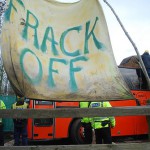
Day 6 -  Huge banner

Day 5 of the North­ern Gas Gala sees the Bar­ton Moss Pro­tec­tion Camp con­tin­ue to grow.  A call out has been made by trade unions and local res­i­dents for a protest next Sun­day 8th Decem­ber (face­book event here).

Bar­ton Moss Protest Ral­ly - Sun­day 8th Decem­ber 2013. Assem­ble 12.30pm at Junc­tion Bar­ton Moss Road/Liverpool Road, Bar­ton, Eccles M30 7RL

Sup­port the Bar­ton Moss Pro­tec­tion Camp!  Sup­port the fight to stop frack­ing every­where!

Bring your own plac­ards and ban­ners.

Day 4: Sat 30th November

Day 4 - Mad Hatters Tea Party

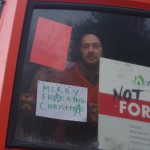
The com­mu­ni­ty pro­tec­tion camp out­side IGas’s frack­ing site at Bar­ton Moss con­tin­ues to estab­lish itself with com­post toi­lets being built. Their was also a Mad Frack­ers Tea Par­ty and an impres­sive sun­set. The local com­mu­ni­ty is resist­ing the threat to their region with sup­port from across the coun­try.


Day 1: Wed 27th November

northern-gas-gala-day-1

The first day of the North­ern Gas Gala has seen a large num­ber of peo­ple answer the call out to pro­tect Bar­ton Moss (and the wider region) from the threat of posed by IGas’s plans. The brave Bar­ton Moss pro­tec­tors have been block­ing lor­ries from enter­ing the frack­ing site and four peo­ple (three of them Sal­ford res­i­dents) have been arrest­ed for pro­tect­ing their com­mu­ni­ty from frack­ing com­pa­ny IGas Ener­gy. The police pres­ence has been large and grow­ing.

The Inde­pen­dent: Bar­ton Moss: The lat­est front line in Britain’s uncon­ven­tion­al ener­gy rev­o­lu­tion against frack­ing

ITV news footage here: http://vimeo.com/80480970

BBC News footage here:

A Victory for “People Power”

1st Decem­ber from Stop the Cull

1st Decem­ber from Stop the Cull

At lunchtime on the 29th of Novem­ber a moment in his­to­ry was cre­at­ed when the guardian released this sto­ry. Telling the world that final­ly the British gov­ern­ment had been beat­en into sub­mis­sion and called an ear­ly end to its wildlife mas­sacre it called a “bad­ger cull”.

The cull was always sold to the British pub­lic as a pilot to see if over a peri­od of 6 weeks, bad­gers could be killed “effec­tive­ly, safe­ly & humane­ly”. Toward the end of those 6 weeks we the pub­lic were told that the orig­i­nal pop­u­la­tion stud­ies had changed and the new pop­u­la­tion fig­ures were actu­al­ly much low­er, they refused to cred­it us the sabs with destroy­ing their Hair DNA pop­u­la­tion stud­ies and instead decid­ed to blame bad­gers for “mov­ing the goal­posts”. With mas­sive­ly reduced pop­u­la­tions (strange­ly David Heath had been com­plain­ing along with many farm­ers of pop­u­la­tion “explo­sions”) the tar­get to kill was made much eas­i­er for them to reach.

What they hadn’t planned on was the per­se­ver­ance, tenac­i­ty, endurance & crafti­ness of those opposed to the cull. Many expe­ri­enced hunt sabo­teurs walked the fields and wood­lands of the cull zones night after night, as did many oth­er peo­ple, these peo­ple just like sabs came from a wide vari­ety of back­grounds, teach­ers, graph­ic design­ers, care work­ers, the very rich, the retired and yes even the unem­ployed and stu­dents. A ded­i­cat­ed num­ber of  these peo­ple before the culls start­ed, going as far back as June last year had been sett sur­vey­ing the entire area, one of them “Jo Bad­ger” recent­ly passed away, her pass­ing has been a great loss to many of us. Their work was the foun­da­tion for all the defence of the bad­gers dur­ing the cull & it is these peo­ple who know how active setts are in cer­tain areas, find­ing the Hair DNA traps was an easy task for them.

With a total of over 500 sq Km’s sur­veyed, pro­tect­ing the bad­gers from free shoot­ers was a ques­tion of team work, whilst some peo­ple work­ing tire­less­ly with­in the law tra­versed hun­dreds of miles of foot­paths and report­ed in any sight­ings, Sab groups and peo­ple pre­pared to break minor tres­pass laws got clos­er to shoot­ers and often moved them on with noise. Sev­er­al weeks into the cull a small for­tune was spent on night vision equip­ment and the amount of shoot­ers being stopped increased rapid­ly. That equip­ment like the fuel in the tanks was gen­er­ous­ly donat­ed by sup­port­ers from across the coun­try, with­out their sup­port the cam­paign would have strug­gled great­ly and we would like to take this oppor­tu­ni­ty to thank every­one who helped with fundrais­ing to get peo­ple to the zones.

When the 6 week culls end­ed and it was announced in Som­er­set that they hadn’t achieved their tar­gets we sighed with relief & pre­pared to focus just on Glouces­ter­shire for the final week, to our dis­may they announced exten­sions, in Som­er­set with the dras­ti­cal­ly reduced pop­u­la­tions they announced that they had to kill anoth­er 165 bad­gers over a three week peri­od. Hav­ing man­aged to kill over 100 a week dur­ing the 6 week cull peo­ple on the ground knew they had a lot of work to do to stop them reach­ing their tar­gets. With lit­tle or no hol­i­day time left to claim many peo­ple took unpaid leave from work, rela­tion­ships were strained and many peo­ple were suf­fer­ing with extreme fatigue. Still they did not give up, with the weight of know­ing that the culls would be rolled out if these suc­ceed­ed, peo­ple buck­led down to the work know­ing that tens of thou­sands of bad­gers lives were in the bal­ance. At the end of the 3 week exten­sion 90 bad­gers had been killed, mak­ing the Som­er­set cull and exten­sion a fail­ure.

The shoot­ers hav­ing failed at free shoot­ing ear­ly on had gone over heav­i­ly to cage trap­ping as a tried and test­ed method of killing large num­bers of bad­gers, when we knew this for sure, our efforts accord­ing­ly var­ied and we focussed as much resources as pos­si­ble at find­ing cage traps and “neu­tral­is­ing” them. In Som­er­set we nev­er found more than 3 cages on one sett. Mean­while in Glouces­ter­shire the fig­ures on the total killed came out, it was shock­ing­ly low at only 30% of the revised pop. fig­ure, Nat­ur­al Eng­land issued an exten­sion for 8 weeks with a tar­get of just 58% to achieve “dis­ease con­trol” the NFU didn’t mess about and prompt­ly put down hun­dreds of traps.

Protest cul­ture has for some years attrib­uted minor crim­i­nal dam­age done at night to “pix­ies”. Some peo­ple find this word annoy­ing, just as oth­er peo­ple don’t iden­ti­fy with the word “sab”. Seman­tics to one side, the cage traps were destroyed as fast as they went down, for the most part by very nor­mal peo­ple doing extra­or­di­nary work, through the day traps were found then by night they were destroyed, each one cost­ing approx £150. In just over 4 weeks near­ly 400 of these traps had been made use­less. With “free shoot­ing” being proven to be a method­ol­o­gy that didn’t work, cage trap­ping was under­tak­en to kill as many bad­gers as pos­si­ble. We the British pub­lic just weren’t hav­ing it.

Whilst we cel­e­brate the fail­ure of these bad­ger culls and the part we played in their down­fall, we mourn the loss of all the bad­gers that have been need­less­ly killed dur­ing this cull. We would ask any­one who thinks that killing bad­gers to stop the spread of bTB to spend a few min­utes watch­ing this video filmed just before the culls start­ed

We will con­tin­ue with our cam­paign, film­ing farm con­di­tions, sab­bing pheas­ant shoots, organ­is­ing boy­cotts, all the time build­ing our num­bers and reach on social media. The culls may con­tin­ue, but so will we.

As has been proven today, if you ignore the will of the peo­ple, the peo­ple will fight back, we are organ­ised, we have built teams of peo­ple who rely on each oth­er, our sup­port­ers know the meth­ods we use and are com­fort­able know­ing that we behave hon­ourably, we know how to dis­rupt culls, we are strong and we are many, and we will nev­er leave our bad­gers unde­fend­ed to be attacked by brutes and thugs.

NEVER

Jeremy Hammond Sentenced to 10 Years in Prison

 Jeremy Hammond sketched by Molly Crabapple

Jere­my Ham­mond sketched by Mol­ly Crabap­ple

 Jeremy Hammond sketched by Molly Crabapple

Jere­my Ham­mond sketched by Mol­ly Crabap­ple

I’m find­ing this post hard to type; my fin­gers are trem­bling, my pulse is rac­ing. I’m furi­ous. Just min­utes ago hack­tivist Jere­my Ham­mond learned his fate in a Man­hat­tan fed­er­al court. Ten years in prison, for tak­ing part in a hack that revealed some of the shadi­est aspects of the cor­po­rate intel­li­gence indus­try.

The 28-year-old plead­ed guilty ear­li­er this year to par­tic­i­pat­ing in the Anony­mous hack of the pri­vate intel­li­gence firm Strate­gic Fore­cast­ing (Strat­for). Ham­mond, a long­time Chica­go polit­i­cal activist, gar­nered no per­son­al finan­cial gain from the hack; he has con­sis­tent­ly main­tained that he act­ed in what he believed to be the pub­lic inter­est. The rev­e­la­tions of the Strat­for hack uphold his claim: It is indeed in the pub­lic inter­est to know that Dow Chem­i­cals paid a pri­vate secu­ri­ty firm to fol­low and low-lev­el harass indi­vid­u­als fight­ing for recog­ni­tion and resti­tu­tion for the Bhopal dis­as­ter; it is of pub­lic inter­est too that the Coca Cola com­pa­ny employed Strat­for to spy on PETA activists, that the Depart­ment of Home­land Secu­ri­ty used the firm to spy on Occu­py activ­i­ties. These details all came out of the Strat­for hack. Our con­text is such that the intel­li­gence firm’s activ­i­ty is sup­port­ed and upheld by the law, Hammond’s work to reveal it is pun­ished with a ten year sen­tence.


Ham­mond admit­ted guilt to a crime; he has already served 18 months in fed­er­al deten­tion, much of the time in soli­tary con­fine­ment. But whether Hammond’s acts were legal or not should not be con­flat­ed with whether or not they are eth­i­cal. This coun­try would be a dark­er place even than it is today were its his­to­ry not pep­pered with peo­ple will­ing to act out­side of what is legal in ser­vice of what is right. It’s worth stress­ing too that the law that Ham­mond is being pun­ished for break­ing falls under the out­dat­ed and dan­ger­ous­ly sprawl­ing Com­put­er Fraud and Abus­es Act (CFAA) — the same leg­is­la­tion, enact­ed in 1986, that threat­ened to put Aaron Swartz in prison for decades before the young tech­nol­o­gist took his own life. At his sen­tenc­ing Fri­day, Ham­mond read a state­ment (please read here in full), explain­ing why he chose to act out­side legal con­fines in hack­ing Strat­for and oth­er cor­po­ra­tions:


Could I have achieved the same goals through legal means? I have tried every­thing from vot­ing peti­tions to peace­ful protest and have found that those in pow­er do not want the truth to be exposed. When we speak truth to pow­er we are ignored at best and bru­tal­ly sup­pressed at worst. We are con­fronting a pow­er struc­ture that does not respect its own sys­tem of checks and bal­ances, nev­er mind the rights of it’s own cit­i­zens or the inter­na­tion­al com­mu­ni­ty.

… While in prison I have seen for myself the ugly real­i­ty of how the crim­i­nal jus­tice sys­tem destroys the lives of the mil­lions of peo­ple held cap­tive behind bars. The expe­ri­ence solid­i­fied my oppo­si­tion to repres­sive forms of pow­er and the impor­tance of stand­ing up for what you believe.

Hammond’s fight is part of a larg­er “epis­temic war”, as philoso­pher Peter Lud­low has put it. There is an ide­o­log­i­cal bat­tle under­way between those who seek to con­trol infor­ma­tion — and there­fore the very truths avail­able to the pub­lic — and those who seek to share it and cre­ate and informed and empow­ered pub­lic. The stakes, as Chelsea Man­ning and now Ham­mond have learned, are high. ” I had to ask myself, if Chelsea Man­ning fell into the abysmal night­mare of prison fight­ing for the truth, could I in good con­science do any less, if I was able? I thought the best way to demon­strate sol­i­dar­i­ty was to con­tin­ue the work of expos­ing and con­fronting cor­rup­tion,” Ham­mond said today.

Yes, the hack­tivist broke the law; he has admit­ted as much for some months from with­in a prison cell. But if there was some doubt as to the ide­o­log­i­cal valance to Hammond’s pun­ish­ment, con­sid­er that hack­ers who plead­ed guilty to involve­ment in the very same hack but were charged on British soil received sen­tences of no more than 30 months, most of which is to be served on pro­ba­tion. Hammond’s 120 month sen­tence is a chill­ing mes­sages of the lengths the U.S. gov­ern­ment will take to crush dis­sent and pun­ish chal­lenges to the cor­po­ratist sur­veil­lance state.

“I am aware that I could get as many as 10 years, but I hope that I do not, as I believe there is so much work to be done,” said Ham­mond — and ten years he has received. There is so much work to be done.


ELF Claim Responsibility for Colorado Mink Farm Raid

Mink_in_the_park_(2)

Mink_in_the_park_(2)

“On the night of Novem­ber 14th, the Earth Lib­er­a­tion Front vis­it­ed the pre­vi­ous­ly unknown Col­orado mink farm of Monte Ages, locat­ed at 622 Val­ley View Dri­ve in Mof­fat Coun­ty. This is one of the small­est mink farms in oper­a­tion, so open­ing near­ly every cage took very lit­tle time. The mink under­stood our mis­sion and quite lit­er­al­ly flew to the ground to make a dash for free­dom. To cause the deranged Mr. Ages more finan­cial trou­ble, breed­ing cards were removed and strewn about, and thrown in the piles of mink waste.

Michael Whe­lan will offer the same tired lies in response to this action. He advis­es farm­ers to ‘sym­pa­thize with the poor, lost ani­mals.’ The lost wild ani­mals who are now able to move freely, who will no longer be sub­ject to Michael and his friends pre­ferred meth­ods of exe­cu­tion in the pelt­ing sea­son just two weeks away.


The truth is that mink are not domes­ti­cat­ed. They are cap­tive bred, and only for the qual­i­ty of their pelts. Mink are aquat­ic ani­mals who are soli­tary in the wild and trav­el sev­er­al miles per day. The sur­round­ing area of Mof­fat Coun­ty is pris­tine wildlife habi­tat. The ones who escaped this wildlife prison will now live out their lives along the Lit­tle Snake and Yam­pa Rivers.

Mr. Ages has plans to move and expand his oper­a­tion to 35591 North Hwy 13 in the town of Craig. This will not be tol­er­at­ed. Your dreams of despoil­ing North­west Col­orado, con­t­a­m­i­nat­ing our drink­ing water, and exploit­ing native amer­i­can wildlife will turn into a night­mare. There will be con­se­quences when dark­ness falls.

We send a salute to those coura­geous few who con­tin­ue to fight along­side the earth and ani­mals, even as your work is over­shad­owed by the blog­gers, video edi­tors, and all man­ner of self-aggran­diz­ing activists.”