Japan’s Northwest Pacific Whale Killing Program Could Start Later This Month

Photo by Erwin Vermeulen April 18 2014 On March 31st, a rul­ing by the Inter­na­tion­al Court of Jus­tice (ICJ) served a dev­as­tat­ing blow to Japan’s whal­ing indus­try.

Photo by Erwin Vermeulen April 18 2014 On March 31st, a rul­ing by the Inter­na­tion­al Court of Jus­tice (ICJ) served a dev­as­tat­ing blow to Japan’s whal­ing indus­try. The court’s land­mark rul­ing stat­ed that the Japan whale Research Pro­gram in the Antarc­tic (JARPA II) was not con­duct­ed for the pur­pos­es of sci­en­tif­ic research. It ordered that Japan revoke the sci­en­tif­ic per­mits giv­en under JARPA II and refrain from grant­i­ng any fur­ther per­mits under that pro­gram.

In a bla­tant show of defi­ance of this rul­ing, Japan’s Insti­tute of Cetacean Research (ICR) last week filed court briefs stat­ing that they intend to return to slaugh­ter whales in the South­ern Ocean for the 2015–2016 sea­son with a new­ly designed “research” pro­gram and will seek a per­ma­nent injunc­tion against Sea Shep­herd.

Anoth­er exam­ple of Japan’s com­plete dis­re­gard for the wish­es of the inter­na­tion­al com­mu­ni­ty could soon unfold as the Japan whale Research Pro­gram in the North­west Pacif­ic (JARPN II) is sched­uled to start this month. Accord­ing to a Japan Times arti­cle of April 17: “The Japan­ese whal­ing fleet’s depar­ture for the Pacif­ic North­west has been delayed to April 26 instead of Tues­day 22nd” because of dis­agree­ments between the For­eign Min­istry and the Fish­eries Agency after the Inter­na­tion­al Court of Jus­tice last month ordered Japan to halt its annu­al “research” hunts in the Antarc­tic Ocean after rul­ing they are not sci­en­tif­ic in nature. The For­eign Min­istry is con­cerned that if Japan whales in the North­west Pacif­ic imme­di­ate­ly after the ICJ rul­ing, anti-whal­ing coun­tries may sue to halt hunts there as well. The Fish­eries Agency insists that whal­ing in the North­west Pacif­ic should con­tin­ue, but at a reduced tar­get catch of 60 whales. The delay “might be a side effect of U.S. Pres­i­dent Barack Obama’s planned three-day vis­it to Japan start­ing Wednes­day.”


Although the ICJ rul­ing does not include JARPN II, as Aus­tralia and New Zealand’s case cen­tered on “their” whales in their “back­yard”, even the Japan­ese gov­ern­ment real­izes, accord­ing to a NHK World arti­cle of April 10, that “the court’s rul­ing could be applied to those waters depend­ing on meth­ods used, includ­ing the num­ber caught.”

The arti­cle con­tin­ues: “The con­cern is prompt­ing the gov­ern­ment to assess its research pro­ce­dures. It plans to decide as ear­ly as next week whether to go ahead with research whal­ing in the North­west­ern Pacif­ic. Some in the gov­ern­ment claim that it should con­duct the Pacif­ic research whal­ing as planned. But oth­ers argue that Japan could be sued again if it con­tin­ues the pro­gram with­out due con­sid­er­a­tion to the court’s rul­ing.”

Imme­di­ate­ly after the ICJ rul­ing, the spokesman for the Japan­ese del­e­ga­tion to the court, Nori Shika­ta said: “Our pro­gram in the North­ern Pacif­ic is out­side the scope of the pro­ceed­ings before the court, and so they are two sep­a­rate pro­grams and this rul­ing is about the pro­gram in the Antarc­tic,”

On April 15th, before a meet­ing with the pres­i­dent of the ICR, Japan’s Agri­cul­ture, Forestry and Fish­eries Min­is­ter, Yoshi­masa Hayashi expressed will­ing­ness to con­tin­ue whal­ing in the Pacif­ic despite the ICJ rul­ing. He said he is deter­mined to “main­tain the sol­id pol­i­cy of pre­serv­ing whale-eat­ing cul­ture and secur­ing sup­ply of whale meat.”

On that same date, Kyo­do Sen­paku, which owns Japan’s whal­ing fleet, said it had urged Agri­cul­ture Min­is­ter Yoshi­masa Hayashi to allow the North­ern Pacif­ic whal­ing to take place as usu­al. “The min­is­ter gave us strong encour­age­ment by say­ing that he would firm­ly con­sid­er it, giv­en that the research itself was not gain­said.”

Aside from the geo­graph­ic region and the whales tar­get­ed, the JARPN and JARPA pro­grams are iden­ti­cal twins when you look at their goal, con­struc­tion and his­to­ry. Thus a large part of the ICJ’s moti­va­tion for the rul­ing on Antarc­tic whal­ing can be direct­ly applied to the North­west Pacif­ic slaugh­ter:

  • A court would find no evi­dence of any stud­ies of the fea­si­bil­i­ty or prac­ti­ca­bil­i­ty of non-lethal meth­ods, nor find evi­dence that Japan exam­ined whether it would be fea­si­ble to com­bine a small­er lethal take and an increase in non-lethal sam­pling to achieve its research objec­tives.
  • As with the eval­u­a­tion of JARPA (1988–2005) and JARPA II (2005–2014) by the ICJ, a court inves­ti­ga­tion of JARPN (1994–1999) and JARPN II (2000-present) will reveal a con­sid­er­able over­lap between the two pro­grams’ sub­jects, their objec­tives, and their meth­ods.
  • Both state iden­ti­cal goals such as improv­ing knowl­edge on stock identity/structure and feed­ing ecol­o­gy.
  • As with JARPA II, which called for a sig­nif­i­cant increase in the minke whale “sam­ple” size and the lethal “sam­pling” of addi­tion­al species (hump­back and fin whales) com­pared to JARPA, the North­west Pacif­ic kill quo­ta esca­lat­ed from the killing of 100 com­mon minke whales annu­al­ly under JARPN to 100 com­mon minke whales, 50 bryde’s whales, and 10 sperm whales under JARPN II. In 2002 they increased the minke whale quo­ta to 150 and added 50 sei whales. The next year, the minke quo­ta became 160 and the sei whale quo­ta was dou­bled to 100. In 2008 the pro­gram pro­pos­al was an annu­al take of 340 minke whales, 50 bryde’s whales, 100 sei whales and 10 sperm whales.
  • The ICJ deter­mined that weak­ness­es in Japan’s expla­na­tion for the deci­sion to pro­ceed with the JARPA II sam­ple sizes pri­or to the final review of JARPA lend sup­port to the view that those sam­ple sizes and the launch date for JARPA II were not dri­ven by strict­ly sci­en­tif­ic con­sid­er­a­tions. The same applies to the tran­si­tion from JARPN to JARPN II.
  • The ICJ not­ed that there were three addi­tion­al aspects of JARPA II which cast fur­ther doubt on its char­ac­ter­i­za­tion as a pro­gram for pur­pos­es of sci­en­tif­ic research: the open-end­ed time frame of the pro­gram, its lim­it­ed sci­en­tif­ic out­put to date, and the lack of coop­er­a­tion between JARPA II and oth­er domes­tic and inter­na­tion­al research pro­grams. All of these aspects apply to JARPN II.


Giv­en these exam­ples, it becomes clear that if JARPN II were under the scruti­ny of the ICJ or any oth­er court out­side of a whal­ing nation, the con­clu­sion of that court would sound much the same as in the case of JARPA II: “The Court con­cludes that the spe­cial per­mits grant­ed by Japan for the killing, tak­ing and treat­ing of whales in con­nec­tion with JARPA/N II are not ‘for pur­pos­es of sci­en­tif­ic research’ pur­suant to Arti­cle VIII, para­graph 1, of the Con­ven­tion.”

As a result, Japan would have vio­lat­ed the mora­to­ri­um not only in the Antarc­tic, but also in the North­west Pacif­ic.

Beyond all the legal talk, it is of course clear to every ratio­nal per­son that just as Japan’s Antarc­tic whale pro­gram is a dis­guise for com­mer­cial whal­ing, the same goes for the pro­gram in the North Pacif­ic.

Still in the court’s rul­ing there is this sen­tence: “The Court finds that JARPA II can broad­ly be char­ac­ter­ized as ‘sci­en­tif­ic research’.” How “broad­ly” exact­ly do you want to go?

Sci­ence thrives on our thirst for knowl­edge. All valu­able research starts with a ques­tion. With that ques­tion as a foun­da­tion, sci­en­tists build a research pro­gram that might pro­vide them with answers.

Japan has no ques­tions; they had to dis­guise their con­tin­u­a­tion of com­mer­cial whal­ing as sci­ence. Decid­ing on an out­come was easy: the resump­tion of com­mer­cial whal­ing. Then they defined the desired con­clu­sions: “there are plen­ty of whales” and “these whales eat our fish.” As whales in Antarc­ti­ca migrate South to feast on krill and not fish, they had to come up with some­thing else there: “minke whales have become too abun­dant and threat­en the recov­ery of the blue whale and there­fore have to be culled.”

Call­ing this sci­ence, even broad­ly, is an obscen­i­ty.

An impor­tant point that some might for­get in this day and age, where for many sci­ence has replaced the gods of old, is that just because some­thing is called sci­ence, be it as a guise, tru­ly so or just broad­ly, that in itself jus­ti­fies absolute­ly noth­ing! We only have to look at what is done to ani­mals in lab­o­ra­to­ries all around the world to real­ize that sci­ence often lacks ethics and morals. In the def­i­n­i­tion of the ICJ, prob­a­bly even the exper­i­ments of Nazi doc­tors in WW II con­cen­tra­tion camps could “broad­ly be char­ac­ter­ized as ‘sci­en­tif­ic research’.” That doesn’t make it all right…

Regard­ing JARPN II there is anoth­er dis­guise with­in the dis­guise of com­mer­cial whal­ing as sci­ence. When Japan in 1988, under US pres­sure, lift­ed its objec­tion to the mora­to­ri­um on com­mer­cial whal­ing, this also end­ed Japan­ese Small-Type Coastal Whal­ing (JSTCW) for minke whales, as minkes are one of the 13 species of larg­er whales that fall under the juris­dic­tion of the Inter­na­tion­al Whal­ing Com­mis­sion (IWC). In response to the mora­to­ri­um, four of the last nine JSTCW ves­sels from Abashiri (Hokkai­do Pre­fec­ture), Ayukawa (Miya­gi Pre­fec­ture), Wada (Chi­ba Pre­fec­ture) and Tai­ji (Wakaya­ma Pre­fec­ture) stopped oper­at­ing. The remain­ing ships con­tin­ued killing short-finned pilot whales, Risso’s dol­phins and Baird’s beaked whales in Japan’s coastal waters, as these “small cetaceans” are not cov­ered by the IWC’s reg­u­la­tions.

Since 1987, Japan has tried to get a quo­ta from the IWC to resume the killing of minke whales under a sort of abo­rig­i­nal sub­sis­tence whal­ing scheme as exists for Alaskan Inu­its, North­east Siber­ian Chukchi, Green­lan­ders and for the natives of Bequia. The IWC has for all these years refused to grant a minke whale quo­ta for JSTCW because they judge it to be a com­mer­cial pro­pos­al.

To get around this, the ICR added a coastal com­po­nent to JARPN II in 2002. The ICR con­tracts Japan’s Small Type Whal­ing Asso­ci­a­tion to pro­vide ves­sels and crew to par­tic­i­pate in whal­ing oper­a­tions off Ayukawa, now part of Ishi­no­ma­ki, (Miya­gi pre­fec­ture) from April through May and off Kushi­ro (Hokkai­do) in Sep­tem­ber and Octo­ber to shoot 60 minke whales in each area. The ICR buys the whales from the whal­ing com­pa­nies at a set price and then sells part of the meat at a sub­si­dized price back to the JSTCW towns.

In this light, the ICR’s activ­i­ties in the North­west Pacif­ic are an even big­ger scam than those in Antarc­ti­ca.

This is the hunt that is about to start on April 22nd, fol­lowed a month lat­er by the off­shore com­po­nent that includes the last-of-its-kind float­ing abat­toir, the Nis­shin Maru and the famil­iar Yushins.

All this could just be under­way before the annu­al meet­ing of the IWC sci­en­tif­ic com­mit­tee start­ing May 12 in Slove­nia. The com­mit­tee mem­bers are almost cer­tain to ques­tion the legal­i­ty of JARPN II in light of the ICJ rul­ing on JARPA II.

The inter­na­tion­al com­mu­ni­ty can­not stand by and allow Japan to make a mock­ery out of its agree­ments and insti­tu­tions. It’s time for the world’s lead­ers to pick up the phone and explain to Tokyo in no uncer­tain terms why they should keep their whal­ing ships in port

A New Wave of Environmental Protest Rocks China In the Midst of Lethal State Repression

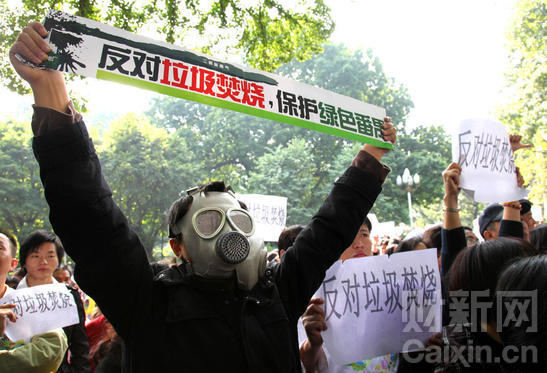
Maoming03 18 April 2014 As recent protests against the con­struc­tion of a PX refin­ery in Maom­ing attest, envi­ron­men­tal issues are of greater con­cern than ever for the Chi­nese.

Maoming03 18 April 2014 As recent protests against the con­struc­tion of a PX refin­ery in Maom­ing attest, envi­ron­men­tal issues are of greater con­cern than ever for the Chi­nese.

It began as an envi­ron­men­tal protest of about a thou­sand peo­ple a few weeks ago on Sun­day, March 30 in Maom­ing, south­ern Chi­na. By day five it had grown to over twen­ty times its ini­tial size, with about a dozen deaths, scores of arrests and images of dozens of unarmed pro­test­ers scat­tered across the streets, lying in pools of their own blood. The gov­ern­ment blamed pro­test­ers for the tip­ping over of police vehi­cles and attack­ing offi­cial build­ings, while the pro­test­ers in turn accuse the police of attack­ing unarmed, peace­ful cit­i­zens.

In an author­i­tar­i­an state like Chi­na, where peo­ple are unable to let off steam on elec­tion day, protests are com­mon — albeit risky and usu­al­ly ille­gal. But what was behind this par­tic­u­lar envi­ron­men­tal protest, and how did it get so out of hand? We start by look­ing at the pro­duc­tion of a chem­i­cal that is com­mon, but seem­ing­ly mis­un­der­stood: paraxy­lene.


Maoming-PX-MAINParaxy­lene, or PX for short, is made in large quan­ti­ties for the pro­duc­tion of plas­tic bot­tles and poly­ester. Chi­na is the world’s largest user of PX, and has to import about half of what it con­sumes. The gov­ern­ment recent­ly decid­ed that a 500 mil­lion dol­lar fac­to­ry would help make up the short­fall, and went into part­ner­ship with Sinopec, Asia’s biggest refin­er, to open a fac­to­ry near Maom­ing.

Paraxy­lene is dan­ger­ous to pro­duce. It affects the ner­vous sys­tem if ingest­ed through the skin or breathed in. Organs can be affect­ed upon bod­i­ly expo­sure. It affects body devel­op­ment and repro­duc­tion — at least in mice. Preg­nant women are told not go near it. It dam­ages hear­ing, and can cause chem­i­cal pneu­mo­nia. And it is high­ly flam­ma­ble, even explo­sive at warm tem­per­a­tures. Local peo­ple became con­cerned that a dan­ger­ous behe­moth on their doorstep could dam­age the envi­ron­ment and affect their health.

Still, the pro­duc­tion of most chem­i­cals car­ries an ele­ment of dan­ger, and one might have thought that, if prop­er­ly reg­u­lat­ed, such a large fac­to­ry would have enor­mous eco­nom­ic ben­e­fits for the com­mu­ni­ty. Indeed, the local author­i­ties believed just that, but when they sent ten thou­sand brochures to the pub­lic inform­ing them of the eco­nom­ic ben­e­fits the fac­to­ry would bring, it back­fired — cul­mi­nat­ing in a pop­u­lar protest short­ly after­wards. Why the pub­lic didn’t trust the state to pro­vide a safe, reg­u­lat­ed fac­to­ry is not dif­fi­cult to see in the con­text of rapid cap­i­tal­ist devel­op­ment, wide­spread envi­ron­men­tal irre­spon­si­bil­i­ty and an author­i­tar­i­an state appa­ra­tus.

Ahkok Wong is an activist and school lec­tur­er from down the road in Hong Kong, poten­tial­ly enjoy­ing his last two days of free­dom.

“Envi­ron­men­tal prob­lems are one of the main out­comes of a one par­ty-ruled, cor­rupt­ed, non-humane gov­ern­ment,” he starts. “The cit­i­zens start­ed dis­cov­er­ing what harm the PX plant can bring, so there are [a lot] of protests, and then the police arrest and kill pro­test­ers, forc­ing peo­ple to sign agree­ments that they sup­port PX plants,” he con­tin­ues. “They con­trol the media and the inter­net so the news can­not get across the coun­try.”

Pro­test­ers like Ahkok are sen­tenced by a judi­cia­ry with links to the gov­ern­ment, which in turn has links to big busi­ness — for exam­ple, the Maom­ing PX joint ven­ture between Sinopec and the state. Ahkok is going to court in a few days, for his par­tic­i­pa­tion in a 300,000 per­son-strong anti-Chi­nese gov­ern­ment protest in Hong Kong. Is he expect­ing a fair tri­al? “I’m expect­ing noth­ing, to be hon­est.”

The oth­er con­text in which to see this dis­agree­ment is with regards to the cat­a­stroph­ic lev­els of pol­lu­tion and envi­ron­men­tal dam­age all over Chi­na, par­tic­u­lar­ly in the north. For exam­ple, at any giv­en moment the air in most Chi­nese cities is some­where along a spec­trum between mild­ly harm­ful and extreme­ly unsafe. Fur­ther­more, Chi­na pro­duces near­ly twice as much car­bon diox­ide as the sec­ond biggest emit­ter, the USA. On top of this, one quar­ter of Chi­na already is, or is rapid­ly becom­ing, deser­ti­fied. This leads to silt­ed rivers, floods, drought, dust storms and ero­sion. In addi­tion, a wealth­i­er pop­u­la­tion with a pen­chant for ivory, rhi­no horn and shark fin soup is lead­ing to dimin­ish­ing bio­di­ver­si­ty, with­in its bor­ders and beyond.

Maoming

Most of China’s ground­wa­ter is so pol­lut­ed that it can’t be used for drink­ing even if treat­ed. Under­ground water sup­plies are also extreme­ly pol­lut­ed. Wildlife soon per­ish­es upon con­tact with the water from many rivers. Last year thou­sands of dead pigs clogged up a riv­er run­ning through Shang­hai which was con­t­a­m­i­nat­ed by ben­zene through a fac­to­ry spillage. Twen­ty peo­ple were hos­pi­tal­ized. Fac­to­ries pol­lute rivers with impuni­ty — and this has in many cas­es lead to can­cer vil­lages — areas so pol­lut­ed as to now be unin­hab­it­able. Ani­mals in these vil­lages die, the rivers change col­or, touch­ing the water makes the skin itch, and as the name sug­gests, there are high lev­els of can­cer.

With this in mind, it is not sur­pris­ing that the state of the envi­ron­ment is up to fourth — and ris­ing — on the list of Chi­nese pub­lic con­cerns, accord­ing to a Pew Sur­vey car­ried out ear­li­er this year, behind infla­tion, cor­rup­tion and inequal­i­ty. With grow­ing envi­ron­men­tal con­cerns comes a grow­ing grass­roots move­ment. No sur­prise, then, that envi­ron­men­tal issues were at the heart of half of all the protests in 2013 that had over 10,000 par­tic­i­pants. Mean­while, the gov­ern­ment is tak­ing notice, and has tak­en steps to be seen to be pay­ing atten­tion.

“We shall res­olute­ly declare war against pol­lu­tion as we declared war against pover­ty,” Li Keqiang, China’s Prime Min­is­ter told par­lia­ment, live on state tele­vi­sion, last month. This was fol­lowed by an increased bud­get to help pre­vent defor­esta­tion, a siz­able clean water fund, and some mod­est pol­lu­tion-culling tar­gets. Fif­teen thou­sand com­pa­nies now have to declare all of their pol­lu­tion lev­els to the envi­ron­ment min­istry, which will make the infor­ma­tion pub­lic.

This seems quite impres­sive, par­tic­u­lar­ly as Chi­na didn’t even have an envi­ron­men­tal min­istry until 2008. Rules are all very well of course — the prob­lem is imple­men­ta­tion. Fac­to­ry own­ers dis­charge waste at night, sab­o­tage mon­i­tor­ing equip­ment, and eas­i­ly skip around or bribe under­fund­ed law enforce­ment agen­cies. They can qui­et­ly mix left­over chem­i­cals with water and dump it into the near­est riv­er. Still, the new laws show that the gov­ern­ment is pay­ing atten­tion, so per­haps that ought to pla­cate a rest­less pub­lic. Some give the gov­ern­ment cred­it — oth­ers think it is most­ly for show.

To under­stand where the gov­ern­ment might real­ly stand on this issue, we need to think in terms of how Chi­na val­ues itself when com­par­ing itself with the rest of the world. Eco­nom­ic indi­ca­tors such as GDP seem to have a high­er pri­or­i­ty than hard­er-to-mea­sure indi­ca­tors of qual­i­ty of liv­ing, espe­cial­ly when nation­al pride vis-à-vis Amer­i­ca comes into play. A paraxy­lene plant boosts busi­ness, jobs and out­put. As long as the state can be seen to be tak­ing action with pol­lu­tion, while doing rel­a­tive­ly lit­tle, the gov­ern­ment can help to main­tain its posi­tion so long as the media remains com­pli­ant. And here seems to lie the Chi­nese con­trast — what seems to be the case is some­times quite the oppo­site.

Maoming04

Take the PX plant protests. At one point, author­i­ties told the local news­pa­per that the build­ing of the plant was being sus­pend­ed. But it seems they told Sinopec no such thing, and work on the plant con­tin­ued unin­ter­rupt­ed. While the author­i­ties are now final­ly acknowl­edg­ing the exis­tence of can­cer vil­lages, they go into opaque part­ner­ships with pol­lut­ing indus­tries. They allow protests in the­o­ry, but put so many restric­tions into the ‘small print’ as to make them almost impos­si­ble in prac­tice.

“If there are more than three peo­ple gath­er­ing in pub­lic and the police assume you are a threat to soci­ety, you can be arrest­ed,” says Ahkok.

The gov­ern­ment tell their own cit­i­zens they are lis­ten­ing to their envi­ron­men­tal con­cerns. Mean­while they block search­es for “Maom­ing” or “PX” on search engines and on the pop­u­lar social media site Wei­bo. Peo­ple are told to trust the author­i­ties. Mean­while, on the very first day of the protests, sev­en­ty Maom­ing city off­i­cals were inves­ti­gat­ed for graft. A sup­pos­ed­ly com­mu­nist gov­ern­ment repress­es the poor and ben­e­fits the wealthy. Chi­na starts to resem­ble a chem­i­cal spillage, pub­lic health dete­ri­o­rates and those who speak out get arrest­ed.

On a some­what more opti­mistic note, how­ev­er one may feel about the obvi­ous human rights chal­lenges that come with China’s one-child pol­i­cy, there is no doubt it helped curb the country’s dan­ger­ous­ly over­sized pop­u­la­tion. With the help of a bur­geon­ing econ­o­my and a strong incli­na­tion towards school suc­cess, an edu­cat­ed cadre is grow­ing with­in the pop­u­la­tion; one that is more and more aware of the world, of their gov­ern­ment, and of the qual­i­ty of their lives. China’s hyper­ac­tive microblog­ger com­mu­ni­ty are a byprod­uct of this, and are help­ing to height­en aware­ness for a lot of peo­ple.

But call­ing for the truth has its own risks. Xu Zhiy­ong, an anti-gov­ern­ment activist, is halfway though a four-year prison sen­tence for call­ing on gov­ern­ment offi­cials to dis­close their assets. “Those of you watch­ing this tri­al from behind the scenes, or those await­ing for orders and reports back, this is also your respon­si­bil­i­ty. Don’t take pains to pre­serve the old sys­tem sim­ply because you have vest­ed inter­ests in it,” he said as he was being sen­tenced. “No one is safe under an unjust sys­tem. When you see pol­i­tics as end­less shad­ows and reflec­tions of dag­gers and swords, as blood falling like rain with its smell in the wind, you have too much fear in your hearts.”

Back to Ahkok Wong: “Chi­na does not have law and sys­tem,” he says. “They bribe, they arrest peo­ple who inves­ti­gate truth, but there are no stan­dards to fol­low. Only those who have absolute pow­er and cap­i­tal can change the sit­u­a­tion, but then they ben­e­fit from all of this devel­op­ment and cap­i­tal growth.”

“Chi­na is not meant to last,” con­cludes Ahkok. “It wouldn’t make any sense if this coun­try could last.”

James Smart is from the South of Eng­land and is cur­rent­ly work­ing as a uni­ver­si­ty teacher and teacher train­er in Istan­bul, Turkey.

Maoming02

HSA fights Scottish Seal Cull in joint operation with Sea Shepherd

news-140417-1-2-Sea-Shepherd-UK-Taking-Action-to-Defend-Scottish-Seals-270w 18th April Mem­bers of the HSA have just returned from Scot­land where they have been involved in

news-140417-1-2-Sea-Shepherd-UK-Taking-Action-to-Defend-Scottish-Seals-270w 18th April Mem­bers of the HSA have just returned from Scot­land where they have been involved in stop­ping the shoot­ing of seals by fish­ing com­pa­nies.  They have been busy map­ping the loca­tion of Salmon nets used by the Scot­tish Wild Salmon Com­pa­ny in, and around, Gam­rie Bay, Aberdeen­shire.  Since arriv­ing in the area hunt sabo­teurs have ranged across the ter­ri­to­ry on foot locat­ing seal kill zones from beach­es, hill­sides and treach­er­ous cliff-top loca­tions often in extreme weath­er con­di­tions.  This vital infor­ma­tion will enable Sea Shep­herd to inter­vene between marks­men and the seals.

The Nets

Each year fish­ing com­pa­nies in Scot­land shoot up to 4000 seals under license from Nat­ur­al Scot­land to pro­tect the wild salmon which they lat­er kill for human con­sump­tion.
 
Lee Moon, Spokesper­son for the HSA, stat­ed:  “We are pleased to be work­ing with Sea Shep­herd and hap­py to utilise the skills we’ve aquired dur­ing the bad­ger culls to car­ry out this invalu­able work.  The mass mur­der of Scot­tish seals has been going on unin­ter­rupt­ed for far too long and we hope this will be the first of many such inter­ven­tions by hunt sabo­teurs.”
 
The Nets

‘If you don’t fight, you’ve already lost’: Animal rights activist facing six years in jail remains defiant

20140417_092540 April 17, 2014 from cor­po­rate watch Today Deb­bie Vin­cent, an ani­mal

20140417_092540 April 17, 2014 from cor­po­rate watch Today Deb­bie Vin­cent, an ani­mal rights activist from the Stop Hunt­ing­don Ani­mal Cru­el­ty (SHAC) cam­paign was sen­tenced to six years in prison for con­spir­a­cy to black­mail after a five week long tri­al at Win­ches­ter Crown Court. She was also giv­en an Anti Social Behav­iour Order which means she can be arrest­ed if she protests against or con­tacts Hunt­ing­don Life Sci­ences (HLS) or its busi­ness part­ners for a fur­ther five years after her release from prison. The sen­tence should serve as a wake up call to anti-cap­i­tal­ists of the need to offer sol­i­dar­i­ty to those who have been sin­gled out for repres­sion because of their involve­ment in effec­tive resis­tance to cor­po­rate pow­er. A press release from the Black­mail 3 sup­port cam­paign quotes Deb­bie: “I have been made an exam­ple of because I put myself up as a pub­lic face of Stop Hunt­ing­don Ani­mal Cru­el­ty and for believ­ing that such places as Hunt­ing­don Life Sci­ences should be resigned to the his­to­ry books.” “In some ways I’m real­ly not sur­prised I was found guilty, as I don’t believe any­one can get jus­tice when faced with a polit­i­cal con­spir­a­cy charge and the huge resources of the state and multi­na­tion­als against me. I will always have hope and will always con­tin­ue to try my best to make the inhab­i­tants of this plan­et more com­pas­sion­ate to all and try to make the world a bet­ter place for all.” What we are see­ing is a coor­di­nat­ed cam­paign against ani­mal rights activists in an effort to silence dis­sent,” said Adri­an Shaw of the Black­mail 3 Sup­port Cam­paign. “This is the third con­spir­a­cy to black­mail tri­al in the UK involv­ing peo­ple accused of cam­paign­ing against Hunt­ing­don Life Sci­ences.” Cor­po­rate Watch spoke to Deb­bie pri­or to the sen­tenc­ing. She said: “What is scary in this world is oppres­sion and injus­tice, when peo­ple hurt peo­ple, ani­mals and nature. What is beau­ti­ful in this world is resis­tance, when peo­ple say ‘enough is enough’ and act. Oppres­sion and injus­tice are every­where, but so is resis­tance. Because some peo­ple know that if you fight you might lose, but if you don’t fight, you’ve already lost.” The cam­paign SHAC was set up in 1999 with the aim of clos­ing down Hunt­ing­don Life Sci­ences (HLS). HLS is one of the largest con­tract test­ing com­pa­nies in the world. They keep about 70,000 ani­mals on site at their lab in Hunt­ing­don. Accord­ing to SHAC, “HLS will test any­thing for any­body. They car­ry out exper­i­ments which involve poi­son­ing ani­mals with house­hold prod­ucts, pes­ti­cides, drugs, her­bi­cides, food colour­ings and addi­tives, sweet­en­ers and genet­i­cal­ly mod­i­fied organ­isms. Every three min­utes an ani­mal dies inside Hunt­ing­don totalling 500 inno­cent lives every sin­gle day.” SHAC’s tac­tics have been ground­break­ing for direct action cam­paigns in their tar­get­ing of the net­work of com­pa­nies with busi­ness rela­tion­ships with HLS: from its cus­tomers to its ser­vice providers and from its sup­pli­ers to its investors. To read an analy­sis of the SHAC mod­el of cam­paignin­ing click here. Over the years SHAC has pub­lished details of the com­pa­nies doing busi­ness with HLS on its web­site and has encour­aged peo­ple to per­suade these com­pa­nies to cease their busi­ness with HLS. The SHAC web­site is clear that it is not encour­ag­ing peo­ple to break the law. SHAC con­tacts the com­pa­nies and tells them that they will remain list­ed on its web­site until they cease doing busi­ness with HLS. Hun­dreds of com­pa­nies have ceased trad­ing with HLS. View a list here. HLS have been infil­trat­ed and their prac­tices exposed sev­er­al times. To read under­cov­er expos­es of ani­mal abuse at HLS click here. The arrests of the ‘Black­mail 3’ In June 2012 Euro­pean arrest war­rants were issued in the UK for two activists in Hol­land, who will be referred to as SH and NS in this arti­cle. On 6th July 2012 Deb­bie Vin­cent, who had been tar­get­ed by the police for many years for her involve­ment in the SHAC cam­paign, was arrest­ed and detained on sus­pi­cion of con­spir­a­cy to black­mail. Her home address was searched. On the same day SH and NS were arrest­ed and premis­es in Ams­ter­dam were searched. Deb­bie was charged in July 2012 with con­spir­a­cy to black­mail, an offence under the 1977 Crim­i­nal Law Act. The British police have sought the extra­di­tion of the Dutch activists and the Dutch courts grant­ed it. How­ev­er, until now there is an ongo­ing dis­pute over the extra­di­tion as the lawyers for one of the Dutch defen­dants have demand­ed an under­tak­ing from the British Sec­re­tary of State that he would serve his sen­tence in Hol­land if he was con­vict­ed. The charge placed by the Crown Pros­e­cu­tion Ser­vice (CPS) against Deb­bie was con­spir­ing with 16 named peo­ple, includ­ing the two Dutch activists, and unnamed oth­ers “to black­mail rep­re­sen­ta­tives of com­pa­nies and busi­ness­es and oth­er per­sons” “by mak­ing unwar­rant­ed demands, name­ly to cease law­ful trad­ing with HLS, with men­aces and with intent to cause loss to anoth­er.” The 13 oth­er ‘co-con­spir­a­tors’ have already been jailed for con­spir­a­cy to black­mail, at tri­als in 2009 and 2010 for a total of almost 70 years between them. For many of them the only evi­dence pre­sent­ed was involve­ment in law­ful cam­paign­ing against the com­pa­ny and asso­ci­a­tion with those involved in direct action. The use of the charge of black­mail against Deb­bie is anoth­er exam­ple of the twist­ing of the law to repress grass­roots dis­sent against pow­er­ful cor­po­ra­tions. Black­mail? The events relied on in Deb­bie’s case were that in 2008 and 2009 actions were car­ried out in France, Bel­gium, Ger­many and Switzer­land against Novar­tis, EuroNext, Scher­ing Plough, BDO, AstraZeneca, Fortress and Nomu­ra, all com­pa­nies with busi­ness rela­tion­ships with HLS. The actions includ­ed set­ting fire to direc­tors’ cars, com­pa­ny build­ings and, in one case, the hol­i­day hunt­ing lodge of Daniel Vasel­la, Direc­tor of Novar­tis. Graf­fi­ti was daubed on direc­tors’ homes overnight and the ash­es of Vasel­la’s moth­er were stolen from the fam­i­ly tomb. How­ev­er, in the words of Michael Bowes QC, the pros­e­cu­tor in the case: “There is no evi­dence that Ms Vin­cent was present at the scene of any of the attacks, or inci­dents in Europe. There is no evi­dence that she was out­side of the Unit­ed King­dom at the time of any of these attacks”. Instead the Crown Pros­e­cu­tion ‘Ser­vice’ (CPS) claimed that Deb­bie was guilty of involve­ment in a ‘con­spir­a­cy to black­mail’ involv­ing those actions. The CPS claimed that there was evi­dence link­ing SH and NS to some of these actions. How­ev­er they were not the ones in the dock. The pros­e­cu­tion argued that Deb­bie had been in phone con­tact with SH and NS and had attend­ed the 2009 Ani­mal Rights gath­er­ing in Oslo that they also attend­ed. But the case went much fur­ther than that. The CPS argued that the SHAC cam­paign itself, in pub­lish­ing details of com­pa­nies on their web­site and encour­ag­ing peo­ple to protest against them, was guilty of black­mail. The effects of this legal ‘log­ic’ have broad impli­ca­tions for anti-cor­po­rate activists. For exam­ple, dur­ing the move­ment against apartheid in South Africa activists pub­lished details of com­pa­nies like Bar­clays Bank and encour­aged peo­ple to protest against them until they pulled out of South Africa. Was this an act of black­mail? Do cam­paign groups who pub­lish the names and address­es of com­pa­nies involved in frack­ing and encour­age peo­ple to protest against them run the risk of con­vic­tions for black­mail? Is activist secu­ri­ty a crime? The CPS’s case sum­ma­ry says that “Deb­bie Vin­cent has tak­en steps to con­ceal her crim­i­nal­i­ty by the use of encrypt­ed com­put­ers (she has failed to pro­vide the encryp­tion codes despite being known to have been using a total­ly encrypt­ed com­put­er short­ly before it was seized). Encrypt­ed stor­age media was found hid­den behind the kick­board of kitchen units at her address”. In high­light­ing this, the pros­e­cu­tors were imply­ing to the jury that Deb­bie had some­thing to hide. The impli­ca­tion that the tak­ing of law­ful steps to pro­tect pri­va­cy in the con­text of a con­cert­ed police cam­paign to mon­i­tor, crim­i­nalise, arrest and imprison activists seems laugh­able. How­ev­er, it is a well rehearsed argu­ment in ani­mal rights cas­es. The set-up The pros­e­cu­tion had evi­dence that Deb­bie had con­tact­ed the direc­tors of Novar­tis after the direct action against the com­pa­ny had tak­en place. How­ev­er, they had no evi­dence link­ing Deb­bie to the direct action itself apart from the cir­cum­stan­tial links to NS and SH. In order to try and strength­en their case, the police worked with Novar­tis to try to entrap Deb­bie and anoth­er SHAC activist (who was also arrest­ed but had his charges dropped, he will be referred to in this arti­cle as ‘X’) into admit­ting links to the rob­bing of the Vasel­la grave. SHAC had emailed Novar­tis, request­ing that they cease deal­ing with HLS. Andrew Jack­son, Glob­al Head of Cor­po­rate Secu­ri­ty at Novar­tis, replied and request­ed a meet­ing with the cam­paign. Jack­son said that this meet­ing would be to dis­cuss the issues raised in the email from the cam­paign. Deb­bie and the oth­er activist arranged to meet rep­re­sen­ta­tives of Novar­tis at the Le Meri­di­en Hotel in Pic­cadil­ly on 10th March 2010. Unknown to them, the com­pa­ny had arranged with the police to bug the meet­ing, and one of the peo­ple they were due to meet was an under­cov­er offi­cer, using the alias ‘James Adams’, who was mas­querad­ing as a Spe­cial Con­tracts Man­ag­er for Novar­tis. The activists were swept for bugs at the begin­ning of the meet­ing and each time they went to the toi­let. They were told that the meet­ings were strict­ly con­fi­den­tial. After the meet­ing Adams got in touch with SHAC again and said that “cer­tain things are out­side the para­me­ters of the dia­logue” and asked Deb­bie and ‘X’ to set up anoth­er meet­ing, encour­ag­ing them to com­mu­ni­cate with him via PGP email encryp­tion. ‘Adams’ was eager to com­mu­ni­cate direct­ly with Deb­bie and ‘X’ rather than through the cam­paign. The clear inten­tion was to coax the activists into offer­ing to secure the return of the Vasel­la remains. Through­out the dis­cus­sions in the meet­ings with Novar­tis, Deb­bie was clear that SHAC had no idea who took the remains and had no con­trol over them. ‘Adams’, the under­cov­er offi­cer, took the lead dur­ing the con­ver­sa­tions with Deb­bie. Accord­ing to Deb­bie, he asked “lead­ing ques­tions about whether we were the right peo­ple” to talk to. Deb­bie’s notes of the con­ver­sa­tion record her as say­ing: “We’re tak­ing a risk the way the legal sys­tem is in this coun­try to meet with you… [X] and I are painful­ly aware that going to these meet­ing with Novar­tis puts us in the spot­light, puts us at risk…” A rep­re­sen­ta­tive of Novar­tis then says: “This is a con­fi­den­tial process…” In a lat­er email to the com­pa­ny, Deb­bie said that she had spo­ken to some of the activists con­duct­ing demon­stra­tions against Novar­tis and con­firmed that they had agreed to stop protest­ing should Novar­tis end its con­tract with HLS. Soon after the sec­ond meet­ing with Novar­tis Deb­bie met ‘James Adams’ on the under­ground, as if by chance. In fact he had fol­lowed her onto the train. He tried to broach the issue of the Vasel­la remains again but Deb­bie refused to dis­cuss the issue. Tar­get­ing of activists by polit­i­cal police units The arrest and pros­e­cu­tion of Deb­bie, and cas­es against ani­mal rights activists more gen­er­al­ly, are over­seen by spe­cialised polit­i­cal police units designed to pro­tect cor­po­ra­tions from pub­lic anger. In 1999 the Nation­al Pub­lic Order Intel­li­gence Unit (NPOIU) was set up fol­low­ing the pub­li­ca­tion of a Her Majesty’s Inspec­torate of Con­stab­u­lar­ies report, which claimed that some protest groups “have adopt­ed a strate­gic, long-term approach to their protests, employ­ing new and inno­v­a­tive tac­tics to frus­trate author­i­ties and achieve their objec­tives”. The NPOIU has been respon­si­ble for plant­i­ng under­cov­er offi­cers in protest move­ments. Deb­bie regards the use of under­cov­er offi­cers against her as a “sting oper­a­tion”. She said she believed that Adams was “clear­ly part of Nation­al Domes­tic Extrem­ism and Dis­or­der Intel­li­gence Unit”, for­mer­ly the Nation­al Domes­tic Extrem­ism Unit, “who are just a re-brand­ing of the Spe­cial Demon­stra­tion Squad and Nation­al Pub­lic Order Intel­li­gence Unit” and that “there is now a 25 year his­to­ry of unac­count­able prac­tice by a secre­tive and unac­count­able police unit”. Spe­cialised polit­i­cal police units aim to crim­i­nalise and imprison activists and neu­tralise polit­i­cal move­ments that pose a chal­lenge to cor­po­rate pow­er or oth­er aspects of the cur­rent sys­tem. ‘Decap­i­tat­ing’ the ‘lead­ers’ The strat­e­gy of the police units involved in over­see­ing Deb­bie’s case is explored in the Jan­u­ary 2013 edi­tion of the Euro­pean Jour­nal of Crim­i­nol­o­gy. It includes an arti­cle by John Dono­van and Richard Tim­o­thy Coupe. Dono­van is employed by the Met­ro­pol­i­tan Police ‘Ser­vice’. The arti­cle encap­su­lates the police and CPS’s approach to the SHAC cam­paign as one of “lead­er­ship decap­i­ta­tion”: “Police agen­cies com­bat­ing ter­ror­ist or organ­ised crime groups prin­ci­pal­ly employ intel­li­gence-led activ­i­ties (Innes et al., 2005) and covert inves­tiga­tive tech­niques for iden­ti­fy­ing group par­tic­i­pants and link­ing them to crim­i­nal activ­i­ties. These involve human sur­veil­lance, infor­mants and under-cov­er offi­cers, as well as covert, elec­tron­ic tech­niques, includ­ing wire-tap­ping, to mon­i­tor incrim­i­nat­ing com­mu­ni­ca­tions and under­stand mem­ber roles and ties in crim­i­nal net­works, such as the Neapoli­tan Camor­ra (Cam­pana, 2011; Cam­pana and Varese, 2012). As well as the arrest of mem­bers of ter­ror­ist groups who com­mit or plan crimes, lead­ers and upper ech­e­lons have been specif­i­cal­ly tar­get­ed in order to ‘decap­i­tate’ and weak­en or ter­mi­nate groups (Cronin, 2009; David, 2002; Jor­dan, 2009; Price, 2012), an approach still empha­sised in counter-insur­gency doc­trine (Hauen­stein, 2011). This was the approach adopt­ed by UK police in seek­ing to dis­rupt and ter­mi­nate SHAC’s cam­paign of intim­i­da­tion.” The CPS’s case sum­ma­ry claimed that Deb­bie was the rep­re­sen­ta­tive of SHAC in the UK. Alis­tair Nis­bet, the Senior Crown Pros­e­cu­tor in the case, said: “Fol­low­ing the con­vic­tion of SHAC’s main lead­ers in 2008, Deb­bie Vincent’s role with­in the organ­i­sa­tion grew. She became the pub­lic face of SHAC”. Of course, the police’s notions of lead­ers with­in the SHAC cam­paign betray a fun­da­men­tal lack of under­stand­ing of hor­i­zon­tal organ­is­ing by protest move­ments. Nev­er­the­less, this tac­tic of paint­ing indi­vid­u­als as lead­ers and tar­get­ing them is the strat­e­gy behind the police efforts to rail­road Deb­bie and oth­er activists to prison; an organ­ised attempt by the police to neu­tralise a polit­i­cal protest move­ment through the twist­ing of the law to imprison those who the author­i­ties label as ‘lead­ers’. Media green­scare So why aren’t more peo­ple ral­ly­ing to sup­port Deb­bie and oth­er SHAC cam­paign­ers? One rea­son is the police’s attempts to dis­cred­it the move­ment in the media and thus to lim­it pub­lic sol­i­dar­i­ty for those under their cosh. In the past, main­stream media scare-sto­ries about ani­mal rights and envi­ron­men­tal cam­paign­ers have been found to have been fab­ri­cat­ed by polit­i­cal police units — see here. Dur­ing Deb­bie’s case the media cov­er­age was deeply offen­sive, defam­a­to­ry and dis­crim­i­na­to­ry, focus­ing on the fact that Deb­bie had under­gone gen­der reas­sign­ment. The Mir­ror’s head­line was “The boy who grew up to become a woman of ter­ror” while the Dai­ly Mail ran with “Sex-change sol­dier who became an ani­mal rights ter­ror com­man­der” and made the unsub­stan­ti­at­ed claim that Deb­bie had “been attack­ing ani­mal test­ing labs for over ten years”. Deb­bie has already made a suc­cess­ful claim to the Press Com­plaints Com­mis­sion and forced the Mail to amend an arti­cle which erro­neous­ly linked her to the Ani­mal Lib­er­a­tion Front and linked SHAC to a pre­vi­ous black­mail case against the Save the New­church Guinea Pigs cam­paign. This defama­tion in the press is undoubt­ed­ly stirred up by police press releas­es, aimed at gen­er­at­ing a neg­a­tive image of ani­mal rights cam­paign­ers in the media in order to lim­it pub­lic sup­port for the move­ment. It is of utmost impor­tance that anti-cor­po­rate cam­paign­ers are not tak­en in by this spin, which is designed to pro­tect cor­po­rate prof­its, and to stand in sol­i­dar­i­ty with those expe­ri­enc­ing repres­sion. Pro­tect­ing cor­po­ra­tions from dis­sent Phar­ma­ceu­ti­cal com­pa­nies that are fac­ing pub­lic anger over their activ­i­ties have seized on Deb­bie’s con­vic­tion to fur­ther restrict protest out­side their premis­es. After the ver­dict in the tri­al, Novar­tis applied for a strength­ened injunc­tion under the Pro­tec­tion from Harass­ment Act (PHA) of 1997 against ani­mal rights pro­test­ers. It was grant­ed on 14 April 2014. The harsh terms of the injunc­tion were request­ed, by noto­ri­ous cor­po­rate lawyer Tim­o­thy Law­son Crut­ten­den, on the grounds that there could be a “back­lash that occurs after the sen­tence”. The PHA Act was draft­ed and made its way through par­lia­ment as a pro­vi­sion designed to pro­tect vul­ner­a­ble peo­ple from harass­ment. Before the law was passed, the media had been evok­ing emo­tion­al accounts of the effect of stalk­ing and the need to pro­tect vul­ner­a­ble indi­vid­u­als. The Act was nev­er por­trayed as a law designed to pro­tect cor­po­ra­tions and restrict protest. Yet, that’s exact­ly what its being used for. The new con­di­tions put in place by Novar­tis are an inter­im mea­sure and will be exam­ined at anoth­er court hear­ing. The inter­im injunc­tion has been made against ‘per­sons unknown’ but poten­tial­ly affects any­one demon­strat­ing against Novar­tis. It restricts demon­stra­tions to six peo­ple or few­er, in des­ig­nat­ed protest zones, with no ampli­fied sounds, and for­bids face-cov­er­ings or blood-splat­tered cos­tumes. Any­one deemed to have breached the con­di­tions can be arrest­ed and may face up to five years in prison. How­ev­er, last year a test case at the Old Bai­ley of two SHAC activists put into ques­tion the prac­ti­cal­i­ty of pros­e­cut­ing activists arrest­ed under PHA injunc­tions. See this Cor­po­rate Watch arti­cle for details of the case. Sol­i­dar­i­ty need­ed Deb­bie’s con­vic­tion is part of an ongo­ing cam­paign of repres­sion against the UK ani­mal rights move­ment. A fur­ther sev­en SHAC activists have been charged with ‘con­spir­a­cy to inter­fere with the con­trac­tu­al rela­tions so as to harm an ani­mal research organ­i­sa­tion’ under Sec­tion 145 of the Seri­ous Organ­ised Crime and Police Act (2005). The charges relate to demon­stra­tions against com­pa­nies with busi­ness rela­tion­ships with HLS. They are due to appear in court lat­er this year. For more infor­ma­tion on the ongo­ing repres­sion of UK ani­mal rights activists see the web­site: www.stopukrepression.org When we asked Deb­bie if she would need any par­tic­u­lar sup­port from peo­ple if she got a cus­to­di­al sen­tence, she replied: “Prac­ti­cal­ly, I’m not sure what my needs will be in prison, it will depend to a degree to where I go. I’m pret­ty sure I’ll be able to cope, but being iso­lat­ed from nature and friends will be the worst part. I will try to make the best of the bad sit­u­a­tion, it’s all a bit daunt­ing and new. The whole charge and court case are still amaz­ing­ly sur­re­al.” “Keep on cam­paign­ing against all oppres­sion and cap­i­tal­ist dom­i­na­tion. Don’t be afraid to speak out and nev­er apol­o­gise for try­ing to make a dif­fer­ence and car­ing.” To see a list of impris­oned ani­mal rights activists world­wide click here. Update: We have just heard that Deb­bie has been tak­en to Bronze­field Prison. Her pris­on­er num­ber should be avail­able soon.

May Gathering in Plymouth to Prevent Wilful and Accidental Nuclear Holocaust

The Tamar­i­ans are invit­ing mem­bers of the pub­lic to a gath­er­ing in Ply­mouth from the 9th to the 12th of May 2014. The group is a local affin­i­ty group of Tri­dent Ploughshares, and is deter­mined to abol­ish Weapons of Mass Destruc­tion, start­ing with the one on their doorstep: the Tri­dent sub­ma­rine based system.Saturday is a day of work­shops: NVDA, facil­i­ta­tion and con­sen­sus, update on Devon­port subs, dance of nuclear fis­sion, sto­ries from vet­er­an peace activists, ban­ner mak­ing and insur­rec­tion­al art.

Food and shel­ter will be pro­vid­ed for the whole week­end.

Address: 74 Mut­ley Plain, Ply­mouth
Direc­tions: Mut­ley Plain, Ply­mouth
Near­est Pub­lic Trans­port: Ply­mouth train sta­tion; Bre­ton­side Bus sta­tion
Post­code: PL4 6LS
Time: 9:30
Price: Dona­tions are wel­come
Phone: 01822 832 815
Email: tp_tamarians@hotmail.co.uk
Web: www.tridentploughshares.org

Nearly a thousand environmental activists murdered since 2002

April 15, 2014  At least 908 peo­ple were mur­dered for tak­ing a stand to defend the envi­ron­ment betwe

April 15, 2014  At least 908 peo­ple were mur­dered for tak­ing a stand to defend the envi­ron­ment between 2002 and 2013, accord­ing to a new report today from Glob­al Wit­ness, which shows a dra­mat­ic uptick in the mur­der rate dur­ing the past four years. Notably, the report appears on the same day that anoth­er NGO, Sur­vival Inter­na­tion­al, released a video of a gun­man ter­ror­iz­ing a Guarani indige­nous com­mu­ni­ty in Brazil, which has recent­ly reset­tled on land tak­en from them by ranch­ers decades ago. Accord­ing to the report, near­ly half of the mur­ders over the last decade occurred in Brazil—448 in all—and over two-thirds—661—involved land con­flict.

“There can be few stark­er or more obvi­ous symp­toms of the glob­al envi­ron­men­tal cri­sis than a dra­mat­ic upturn in killings of ordi­nary peo­ple defend­ing rights to their land or envi­ron­ment,” said Oliv­er Court­ney of Glob­al Wit­ness. “Yet this rapid­ly wors­en­ing prob­lem is going large­ly unno­ticed, and those respon­si­ble almost always get away with it. We hope our find­ings will act as the wake-up call that nation­al gov­ern­ments and the inter­na­tion­al com­mu­ni­ty clear­ly need.”

But as gris­ly as the report is, it’s like­ly a major under­es­ti­ma­tion of the issue. The report cov­ers just 35 coun­tries where vio­lence against envi­ron­men­tal activists remains an issue, but leaves out a num­ber of major coun­tries where envi­ron­men­tal-relat­ed mur­ders are like­ly occur­ring but with scant report­ing.

“Because of the live, under-rec­og­nized nature of this prob­lem, an exhaus­tive glob­al analy­sis of the sit­u­a­tion is not pos­si­ble,” reads the report. “For exam­ple, African coun­tries such as Nige­ria, Demo­c­ra­t­ic Repub­lic of Con­go, Cen­tral African Repub­lic and Zim­bab­we that are endur­ing resource-fueled unrest are high­ly like­ly to be affect­ed, but infor­ma­tion is almost impos­si­ble to gain with­out detailed field inves­ti­ga­tions.”

In fact, reports of hun­dreds of addi­tion­al killings in coun­tries like Ethiopia, Myan­mar, Venezuela, and Zim­bab­we were left out due to lack of rig­or­ous infor­ma­tion.

Even with­out these coun­tries includ­ed, the num­ber of envi­ron­men­tal activists killed near­ly approach­es the num­ber of jour­nal­ists mur­dered dur­ing the same period—913—an issue that gets much more press. Envi­ron­men­tal activists most at risk are peo­ple fight­ing spe­cif­ic indus­tries.

“Many of those fac­ing threats are ordi­nary peo­ple oppos­ing land grabs, min­ing oper­a­tions and the indus­tri­al tim­ber trade, often forced from their homes and severe­ly threat­ened by envi­ron­men­tal dev­as­ta­tion,” reads the report. “Indige­nous com­mu­ni­ties are par­tic­u­lar­ly hard hit. In many cas­es, their land rights are not rec­og­nized by law or in prac­tice, leav­ing them open to exploita­tion by pow­er­ful eco­nom­ic inter­ests who brand them as ‘anti-devel­op­ment’.”

As if to high­light these points, Sur­vival Inter­na­tion­al released a video today that the groups says shows a gun­man fir­ing at the Pyeli­to Kuê com­mu­ni­ty of Guarani indige­nous peo­ple. The inci­dent injured one woman, accord­ing to the group. The Guarani have been cam­paign­ing for decades to have land returned to them that has been tak­en by ranch­ers.

“This video gives a brief glimpse of what the Guarani endure month after month—harassment, intim­i­da­tion, and some­times mur­der, just for try­ing to live in peace on tiny frac­tions of the ances­tral land that was once stolen from them,” the direc­tor of Sur­vival Inter­na­tion­al, Stephen Cor­ry, said. “Is it too much to expect the Brazil­ian author­i­ties, giv­en the bil­lions they’re spend­ing on the World Cup, to sort this prob­lem out once and for all, rather than let the Indi­ans’ mis­ery con­tin­ue?”

Accord­ing to the report, two major dri­vers of repeat­ed vio­lence against envi­ron­men­tal activists are a lack of atten­tion to the issue and wide­spread impuni­ty for per­pe­tra­tors. In fact, Glob­al Wit­ness found that only ten peo­ple have been con­vict­ed for the 908 mur­ders doc­u­ment­ed in the report, mean­ing a con­vic­tion rate of just 1.1 per­cent to date.

“Envi­ron­men­tal human rights defend­ers work to ensure that we live in an envi­ron­ment that enables us to enjoy our basic rights, includ­ing rights to life and health,” John Knox, UN Inde­pen­dent Expert on Human Rights and the Envi­ron­ment said. “The inter­na­tion­al com­mu­ni­ty must do more to pro­tect them from the vio­lence and harass­ment they face as a result.”

BREAKING THE FRAME: A GATHERING ON THE POLITICS OF TECHNOLOGY

2nd — 5th May 2014

Unstone Grange, Der­byshire

YOU NEED TO BOOK ‑SEE BELOW

Organ­ised by Lud­dites 200, Cor­po­rate Watch, and Sci­en­tists for Glob­al Respon­si­bil­i­ty

Tech­nol­o­gy can bring some ben­e­fits for ordi­nary peo­ple, but its devel­op­ment is almost entire­ly con­mtrolled by cor­po­rate, mil­i­tary and tech­no­crat­ic elites, so it usu­al­ly serves their inter­ests and rein­forces their pow­er.

The pol­i­tics of food, ener­gy, work, gen­der, peace, eco­nom­ics, health, etc are all shaped by choic­es about tech­nol­o­gy made by those elites. The whole way our soci­ety devel­ops is mas­sive­ly influ­enced by tech­nol­o­gy, yet ordi­nary peo­ple nev­er have a prop­er say in it.  We’re always left react­ing to the tech­nocrats’ lat­est plan, whether it’s drones, inter­net sur­veil­lance, GM food, frack­ing, design­er babies or nuclear pow­er.

We think all these issues are linked. So it’s time for a more joined up and more proac­tive approach, one which address­es the root caus­es of prob­lems and is not lim­it­ed by the dog­ma that tech­nol­o­gy equals progress.

  • We want to cre­ate a new pol­i­tics of tech­nol­o­gy based on bring­ing togeth­er the insights of dif­fer­ent move­ments and learn­ing from each oth­er.
  • We want a human-scale tech­nol­o­gy that serves real human needs, not cor­po­rate bot­tom lines.
  • We want demo­c­ra­t­ic con­trol of tech­nol­o­gy.

An world fac­ing envi­ron­men­tal melt­down and mas­sive inequal­i­ty ‑both caused byb 200 years ofn indus­tri­al cap­i­tal­ism- needs bet­ter solu­tions than more dan­ger­ous tech­no-fix­es such as cli­mate engi­neer­ing.

Whether you’re a tech­nol­o­gy pol­i­tics cam­paign­er, trade union­ist, envi­ron­men­tal­ist. altech devel­op­er, artist or just plain con­cerned, BREAKING THE FRAME IS NOT TO BE MISSED.

YOU NEED TO BOOK

www.breakingtheframe.org.uk      

email: luddites200@yahoo.co.uk

(020) 7426 0005

Accom­mo­da­tion is either in the con­fer­ence cen­tre OR camp­ing (which is cheap­er).  The con­ces­sion­ary rate for camp­ing is £36, which includes all meals for 4 days (it’s a bank hol­i­day week­end).

BUT if £36 is more than you can man­age, we’re com­mit­ted to mak­ing sure nobody is left out for lack of mon­ey.  So get in touch now.  Rich peo­ple can make extra dona­tions, of course!

Rebels raid mining firm in Southern Philippines and torch heavy equipment

April 5 2014 New People’s Army rebels on Sat­ur­day raid­ed a min­ing firm in the south­ern Philip­pine province of Agu­san del Norte, reports said.

April 5 2014 New People’s Army rebels on Sat­ur­day raid­ed a min­ing firm in the south­ern Philip­pine province of Agu­san del Norte, reports said.

Reports said the rebels swooped down on Philip­pine Alstron Min­ing Com­pa­ny on the vil­lage of Tama­markay in Tubay town and over­pow­ered the secu­ri­ty guards with­out fir­ing a sin­gle shot before they torched sev­er­al trucks and oth­er heavy equip­ment.

The rebels also seized at least 6 shot guns and short firearms from the company’s secu­ri­ty arse­nal. There were no reports of casu­al­ties.

The raid came fol­low­ing threats made by the NPA on min­ing firms oper­at­ing in the south­ern Philip­pines.

Just last month, rebel forces attacked a police base and gov­ern­ment troops in Davao del Sur’s Matanao as pun­ish­ment for their “reign of ter­ror” against indige­nous tribes and oth­er com­mu­ni­ties oppos­ing min­ing oper­a­tions in the province.

Den­cio Madri­gal, a spokesman for the NPA-Valen­tine Palamine Com­mand, said the dead­ly attacks were a pun­ish­ment for police and mil­i­tary units pro­tect­ing Glen­core Xstra­ta. He accused the min­ing firm of exploit­ing near­ly 100,000 hectares of ances­tral lands of indige­nous Lumad Blaans tribes, and peas­ants in the region.

Jorge Mad­los, a region­al rebel spokesman, also warned min­ing firms and fruit plan­ta­tions in the region, say­ing mil­i­tary oper­a­tions in Min­danao have esca­lat­ed and have become more exten­sive with the aim to thwart the ever grow­ing and wide­spread people’s protest against destruc­tive min­ing oper­a­tions and plan­ta­tions.

Mad­los said among their tar­gets are Rus­sell Mines and Min­er­als, Apex Min­ing Corp. and Philco in south­ern Min­danao; Dole­fil, Del Monte and Sum­ifru plan­ta­tions in north­ern Min­danao; TVI Resource Devel­op­ment Philip­pines in west­ern Min­danao whose oper­a­tions inside the ances­tral domain of indige­nous Sub­a­nen and Moro tribes are being opposed by vil­lagers.

NPA and Moro rebels had pre­vi­ous­ly attacked TVI Resources in Zam­boan­ga province.

“If one recalls, more than 400 fam­i­lies were forced to evac­u­ate their ances­tral lands because of TVI and the ruth­less mil­i­tary oper­a­tions that ensued to pro­tect it in Buug, Zam­boan­ga del Sur. In order to defend the people’s human rights and gen­er­al well­be­ing, the NPA launched tac­ti­cal offen­sives against TVI as well as against units of the AFP-PNP-CAFGU pro­tect­ing it, such as the ambush on Feb­ru­ary 2012 that hit ele­ments of the army intel­li­gence group oper­at­ing on the behest of TVI and the impo­si­tion of the local gov­ern­ment to allow TVI min­ing oper­a­tions on Sub­a­nen ances­tral lands is one of the bases the NPA raid­ed on April 9, 2012 the PNP sta­tion in Tig­bao, Zam­boan­ga del Sur,” Mad­los said.

NPA rebels also inter­cept­ed a group of army sol­diers who were using a bor­rowed truck from TVI and dis­armed them in Dipla­han town in Zam­boan­ga Sibugay province two years ago. The rebels also burned the truck before releas­ing the sol­diers.

“In view of these events, the NDFP in Min­danao calls upon the Lumad and Moro peo­ples, peas­ants and work­ers, reli­gious and oth­er sec­tors to fur­ther strength­en their uni­ty and their courage to oppose the inter­ests of impe­ri­al­ist mines and plan­ta­tions, which are exceed­ing­ly dam­ag­ing to Min­danao, to its peo­ple and to the envi­ron­ment. We call upon the units of the NPA in Min­danao to be ever more dar­ing in their defense of people’s inter­ests against the greed and rapac­i­ty of the local rul­ing class­es and their impe­ri­al­ist mas­ter,” Mad­los said.

TVI Resource Devel­op­ment Philip­pines has repeat­ed­ly denied all accu­sa­tions against them. It recent­ly end­ed its gold min­ing oper­a­tion in Mount Canat­u­an in Zam­boan­ga del Norte’s Sio­con town after sev­er­al years of oper­a­tions and now has a gold-sil­ver project in the town of Bayog in Zam­boan­ga del Sur province and a nick­el plant in Agu­san del Norte province. (Min­danao Exam­in­er)

Eviction of treehouse village on Hambacher Forst protest site

Ker­pen, 28.​03.​2014. Short­ly after 20:00 on last wednes­day the 28th of march the last of sev­en activists was evict­ed from a tree.

Ker­pen, 28.​03.​2014. Short­ly after 20:00 on last wednes­day the 28th of march the last of sev­en activists was evict­ed from a tree. The tree­hous­es were com­plete­ly destroyed and lots of tree were cut down dur­ing the 16-hour large scale oper­a­tion. While the police is still prais­ing them­selfes, the activists already plan the reoc­cu­pa­tion of the for­est.

Accord­ing to a press release of the police the claim of the evic­tion was made by the town of Ker­pen. The spokesper­son of the town declared build­ing reg­u­la­tions and the “dan­ger­ous” con­di­tions of the hous­es as rea­son for the police oper­a­tion. “The inter­ests of ener­gy com­pa­nies are con­stant­ly pre­sent­ed in the name of dif­fer­ent com­mit­tees or as pub­lic inter­est. At fed­er­al lev­el this mean sub­ven­tions for the most cli­mate-dam­ag­ing form of ener­gy; at region­al lev­el it means the local author­i­ties and the police make up rea­sons to clear the way for RWE. We do not expe­ri­ence this for the first time.” says An­ni­ka Schle­reth after the evic­tion.

Already while the evec­tion was still run­ning peo­ple from Bonn and Vien­na declared their soli­adri­ty through dif­fer­ent actions. Also today man­i­fes­ta­tions for sol­i­dar­i­ty will take place in Mün­ster, Essen and Frankfurt/Main. “Repres­sion can make peo­ple with­draw or weak­en a move­ment. But if we stand unit­ed then it will strenghen us and our resis­tance. Fol­low­ing the evic­tion in novem­ber 2012 a lot of peo­ple declared their sol­i­dar­i­ty and took action over month for the for­est and against RWE. The crim­i­nal­iza­tion of our legit­i­mate protest will not stop our fight.” con­tin­ues Anni­ka Schlereth.

For this rea­son we call for a reoc­cup­tion of the Ham­bach For­est on 26.​04.​2014 By then var­i­ous groups and indi­vid­u­als will be pre­pared to per­ma­nent­ly reoc­cu­py the for­est and to send a strong sig­nal to RWE. “We will not stand by and watch how forests, farm­land and vil­lages will be destroyed for the sake of min­ing. We will not sit back and do noth­ing while the cli­mate is killed by the burn­ing of coal. We will orga­nize, resist and be solid­ly unit­ed with all the peo­ple world­wide that fight against destruc­tion of their space!”

Hunt Sabs prepare for second year of badger culling

Badger-4751-300x204 27 March 2014 from HSA


Badger-4751-300x204 27 March 2014 from HSA


At our AGM in June 2012 a spokesper­son from the cam­paign group “Stop the Cull” addressed those of us present on their belief that the cull could only be suc­cess­ful­ly sab­o­taged with a lot of help from hunt sab groups. We were told that we’d have to do thou­sands of hours of prepara­to­ry sett sur­vey­ing, that we’d get no sleep for weeks when it start­ed, we’d lose all our hol­i­day time from work and to top it all we did­n’t even know if we’d be even slight­ly suc­cess­ful in find­ing marks­men with silencers at poten­tial­ly any loca­tion inside 100’s of square miles. “Look­ing for a nee­dle in a haystack” actu­al­ly sound­ed eas­i­er.

We were also told that there was a lot of press inter­est in the bad­ger culls and that it might be good for hunt sabs’ pub­lic pro­file. Con­sid­er­ing that for decades we have been por­trayed in the main stream press as “thugs” no one was par­tic­u­lar­ly enam­oured with the idea of a media make over.

As it turned out the press did­n’t praise or recog­nise us for our behav­iour or endeav­ours, but what did hap­pen is that tens of thou­sands of peo­ple came into con­tact with us. Whether that was via speech­es on demo’s, from reports on Face­book or in the flesh in the cull zone. Peo­ple learnt about us and they liked what they saw — groups of com­pas­sion­ate peo­ple who work hard in the field to pro­tect wild ani­mals from being hunt­ed.

It is this very fact that we have “gone viral”, not just on social media, but in the real world, where it counts, that makes us an unstop­pable force. Whether that’s new sab groups form­ing across the coun­try or small sab groups being over­whelmed with new peo­ple. The HSA mem­ber­ship has more than dou­bled in size in under a year and dona­tions have increased dra­mat­i­cal­ly.


When we got to the cull zones in 2013, it quick­ly became clear that we were mak­ing a mas­sive dif­fer­ence. Right from the start groups, work­ing close­ly with bad­ger patrollers, engaged, and repelled, the bad­ger killers. The HSA sup­port­ed the sabs on the ground by giv­ing grants totalling many thou­sands of pounds to help with trans­port, and cru­cial­ly, the very expen­sive Gen2+ night vision equip­ment that enabled sabs to spot shoot­ers from huge dis­tances.


Many peo­ple will be unaware of the lit­er­al­ly thou­sands of miles walked by sabs in the run up to the culls, as they mapped out all the setts over hun­dreds of square miles so they could defend them against shoot­ers. The rea­son that the culls were sab­o­taged so spec­tac­u­lar­ly is due large­ly to that work.

That sur­vey­ing work in Dorset this year won’t rely on a few sab groups sup­port­ed by a dozen or so locals. This year it’s total­ly dif­fer­ent. The British pub­lic has engaged with us en masse & we are con­fi­dent that with their help, we will have every sett mapped in that zone eas­i­ly by June 1st.

In 2012 we were told to expect a roll out to ten cull zones and then a fur­ther forty in fol­low­ing years. Here we are in 2014 with a cull pol­i­cy in tat­ters and a roll out to one more cull zone a small pos­si­bil­i­ty. We are pre­pared to take Dorset by storm and destroy any attempts to kill bad­gers

We will help “Stop the Cull”


That’s what we do.


Join us.