Earth First! Locks Down to Forest Service Office in NC

On Mon­day July 12th, Earth First!

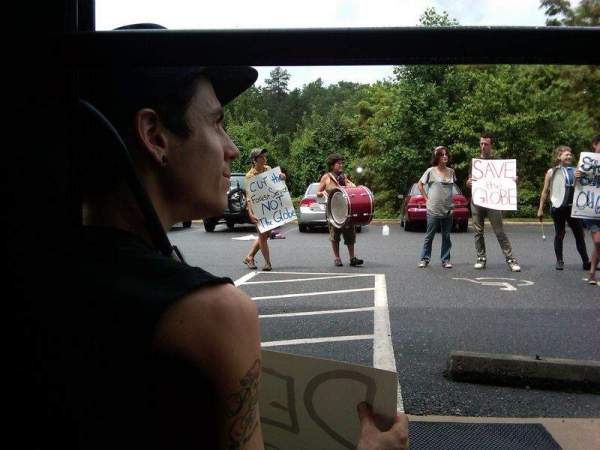
Globe lockdownOn Mon­day July 12th, Earth First! held a large protest out­side of the For­est Ser­vice office on Zil­li­coa St. in Asheville to protest the com­mer­cial log­ging of nation­al forests and their con­tin­ued plan to cut the Globe For­est in Blow­ing Rock, NC. One mem­ber u‑locked his neck to the office front door. As nego­ti­a­tions con­tin­ue on this tim­ber sale to remove an old-growth stand from the project, Earth First! wish­es to call atten­tion to the con­tin­ued exploita­tion of our dis­ap­pear­ing forests by tim­ber com­pa­nies. Recent stud­ies show the Unit­ed States now leads all devel­oped coun­tries in defor­est­ing its land the fastest, and this trend is most preva­lent in the South­east.
The Globe For­est pro­vides impor­tant habi­tat and nest­ing sites for wood­peck­ers and migra­to­ry song­birds whose num­bers are declin­ing due to for­est frag­men­ta­tion. The For­est Ser­vice con­tin­ues to cut stands of trees that are direct­ly con­nect­ed to old-growth for­est com­mu­ni­ties, caus­ing destruc­tive edge effects, and they have refused to pro­vide a buffer because it is not required in their “For­est Plan.” Treat­ing and cut­ting these stands will cause ero­sion, soil destruc­tion, and will pol­lute the near­by streams with her­bi­cides. Until all of Thun­der­hole Creek is pro­tect­ed, Earth First! will cam­paign to stop the cut.

Earth First! Demands That the For­est Ser­vice in North Car­oli­na:

-stop attempt­ing to cut old-growth habi­tats includ­ing any stands con­nect­ed

to these rare areas.
‑put an end to all com­mer­cial log­ging in our nation­al forests
‑imme­di­ate­ly revise the For­est Plan to include reha­bil­i­tat­ing pre­vi­ous
clear-cuts into ear­ly suc­ces­sion­al habi­tat instead cut­ting healthy, mature
for­est expans­es.
‑an end to road build­ing in our nation­al forests

“Any cuts with­in the Globe will affect vital old-growth ecosys­tems and our stance is to end all com­mer­cial log­ging of our nation­al forests,” says Joseph Fer­gu­son, a Croatan Earth First! activist. “His­tor­i­cal­ly the For­est Ser­vice has catered to tim­ber com­pa­nies, but we believe the pub­lic does not sup­port log­ging in our Nation­al Forests.”

Russian ELF protect forest

On thurs­day, July the 8th a bull­doz­er was torched in the north­ern Moscow at the con­struc­tion site. City author­i­ties decid­ed they can go about order­ing destruc­tion of plant life and what’s left of forests in Moscow area. We thought they should pay.

On thurs­day, July the 8th a bull­doz­er was torched in the north­ern Moscow at the con­struc­tion site. City author­i­ties decid­ed they can go about order­ing destruc­tion of plant life and what’s left of forests in Moscow area. We thought they should pay. Doz­er was cov­ered with tree branch­es and foliage (con­struc­tion site is sit­u­at­ed in the fresh­ly-cut grove), an assort­ment of rags and con­struc­tion garbage. Then set aflame.

ELF-rus­sia

Penan tribe fights rainforest destruction with blockade

8th July 2010
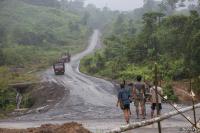
Nomadic tribes­peo­ple in Bor­neo are blockad­ing a road to stop log­gers destroy­ing their rain­for­est.

Mem­bers of the Penan tribe have mount­ed the block­ade in Sarawak, Malaysian Bor­neo, to stop the destruc­tion of the forests they depend on for their sur­vival.

Penan blockade8th July 2010
Nomadic tribes­peo­ple in Bor­neo are blockad­ing a road to stop log­gers destroy­ing their rain­for­est.

Mem­bers of the Penan tribe have mount­ed the block­ade in Sarawak, Malaysian Bor­neo, to stop the destruc­tion of the forests they depend on for their sur­vival.

Malaysian tim­ber com­pa­ny Lee Ling is log­ging in the area, and there are plans to clear the Penan’s forests com­plete­ly to estab­lish plan­ta­tions of fast-grow­ing trees for paper pro­duc­tion.

The Penan say the plan­ta­tions will leave them with noth­ing. They live by hunt­ing, gath­er­ing and fish­ing, and will have nowhere to find food if the forests are chopped down.

Penan protest­ing at the block­ade in north­ern Sarawak say they have expe­ri­enced a vio­lent attack by a log­ger. They are also going hun­gry, because man­ning the block­ade means they are unable to spend time find­ing food.

The pro­tes­tors include nomadic Penan, and those liv­ing in set­tled vil­lages.

One Penan man told Sur­vival, ‘We can’t live in a plan­ta­tion envi­ron­ment. It is like ask­ing fish to live on the land.’

Survival’s direc­tor Stephen Cor­ry said today, ‘How many more Penan protests, and how much more intim­i­da­tion by the log­gers, will we see before Malaysia rec­og­nizes that this land belongs to the Penan?’

Earth First! Blocks the Blade, USA

7th July 2010
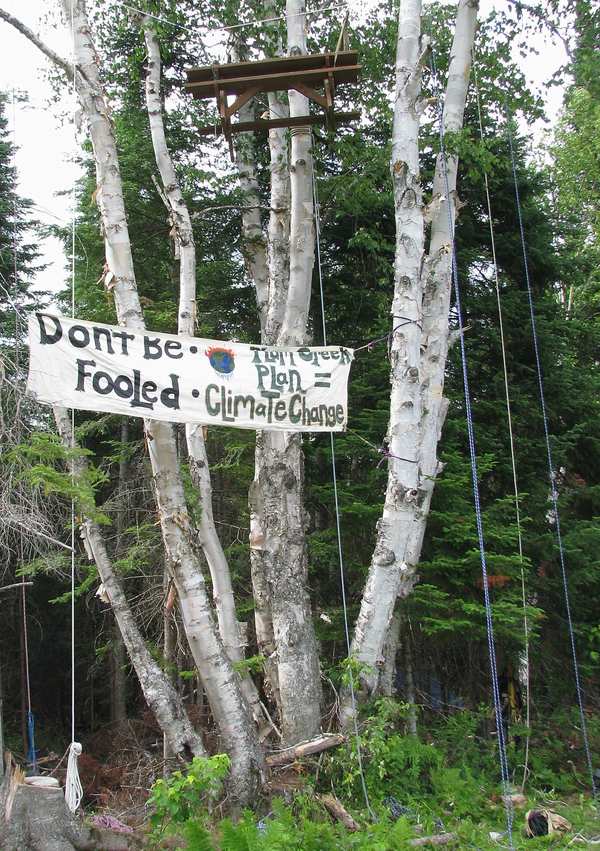
Earth First! hon­ored the No Com­pro­mise stance towards envi­ron­men­tal­ism by exe­cut­ing a beau­ti­ful action that cut to the heart of local orga­niz­ing, bio-cen­trism and direct action in defense of the Earth. Earth First! con­clud­ed this year’s Sum­mer Ren­dezvous in Maine with a dynam­ic and intense blockad­ing an access road to the lat­est land destroy­ing devel­op­ment scheme—the clearcut­ting of Maine’s Sisk Moun­tain for TransCanada’s wind tur­bines.

Sisk 17th July 2010
Earth First! hon­ored the No Com­pro­mise stance towards envi­ron­men­tal­ism by exe­cut­ing a beau­ti­ful action that cut to the heart of local orga­niz­ing, bio-cen­trism and direct action in defense of the Earth. Earth First! con­clud­ed this year’s Sum­mer Ren­dezvous in Maine with a dynam­ic and intense blockad­ing an access road to the lat­est land destroy­ing devel­op­ment scheme—the clearcut­ting of Maine’s Sisk Moun­tain for TransCanada’s wind tur­bines.

Begin­ning in the ear­ly morn­ing, more than five EF!ers elud­ed police tails and entered Plum Creek land on Sisk Moun­tain, the site of TransCanada’s prospec­tive wind farm, with the inten­tion of blockad­ing the access road. Although police assist­ing the cor­po­ra­tions found the activists quick­ly, the access road was block­ad­ed for the entire morn­ing by a cav­al­cade of police and, inter­est­ing­ly enough, bor­der patrol. They did our job for us, and nobody was arrest­ed; only warn­ings were issued to the brave activists who sparked the block­ade.

At around noon, police issued an order to dis­perse, and many EF!ers returned to the Rondy site pleased at the fact that, for that morn­ing, the blades of wind tur­bines did not pass through the pow­er of the peo­ple. At the access road, how­ev­er, things were just get­ting start­ed.

Earth First!ers remained to con­tin­ue protest­ing, most mov­ing to the oppo­site side of the high­way to get sup­port from pass­ing auto­mo­biles. One per­son, Tur­tle, was arrest­ed for refus­ing to move from the access road. Soon, a mas­sive truck emerged from the bend, haul­ing behind it the blade itself, the awe­some length of which resem­bled a small air­plane. As the truck entered the access road, EF!ers made their move, rush­ing to stop it from enter­ing the site. Mean­while, Wil­low, locked her­self to the under­car­riage of the truck. The truck­er haul­ing the blade began revving the engine, reveal­ing the inten­tion to dri­ve on with an activist locked to his rig. Hero­ical­ly, Anna jumped on top of the truck and thrust a sign over the wind­shield, obstruct­ing the truck­ers’ view. Final­ly, the police, real­iz­ing they had been defeat­ed for the moment, told the truck­er to stop his engines.

When all was said and done, the truck had been blocked for hours and three peo­ple had been arrest­ed. Their bail was set for $500, and they were released that night. Through the inten­si­ty of the day, the gath­er­ing stood strong, suc­cess­ful action in tow. Earth First! is show­ing that the atten­tion to oil and off­shore drilling is only the tip of the ice­berg. We protest­ed off-shore drilling in San­ta Bar­bara in Feb­ru­ary, months before the Deep Hori­zon spill. We need to look for­ward to a future of resis­tance to the false solu­tions of wind pow­er in wild areas, “clean coal” and bio­mass.

This years’ Rondy action has been called the Green Tea Par­ty, and that might not be far off. With the irrev­o­ca­ble eco­log­i­cal dam­age done to this plan­et, a new era must come about. The most recent glob­al protests in favor of envi­ron­men­tal­ism indi­cate that more and more peo­ple are tak­ing up the slo­gan, “We won’t stop until they do. Earth First!”

Brazilian Indians protest against dams

1st July 2010
Enawene Nawe Indi­ans in Brazil are demon­strat­ing against a series of hydro­elec­tric dams which are killing the fish they rely on.

Amazonian dam1st July 2010
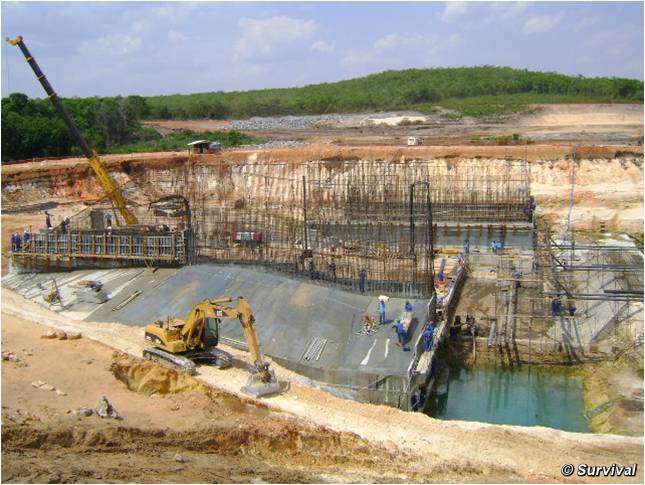
Enawene Nawe Indi­ans in Brazil are demon­strat­ing against a series of hydro­elec­tric dams which are killing the fish they rely on.

Three hun­dred Indi­ans have gath­ered in the town of Sapezal in the Ama­zon state of Mato Grosso, armed with bows and arrows to protest against the dam project.

Sur­vival Inter­na­tion­al is call­ing for the Enawene Nawe’s rights to their land to be upheld.

Unlike most tribes in the Ama­zon, the Enawene Nawe do not eat meat, so fish are essen­tial to their diet.

A total of 77 small hydro­elec­tric dams are planned for the Juru­e­na Riv­er, upstream of the tribe’s land. Five are already under con­struc­tion.

The Enawene Nawe were not con­sult­ed about the project, and they say that since work start­ed the Juru­e­na and its trib­u­taries have become pol­lut­ed.

Dur­ing the protests the Enawene Nawe have met with the Brazil­ian author­i­ties to reit­er­ate their oppo­si­tion to the dams. They are also demand­ing a full, inde­pen­dent envi­ron­men­tal impact study.

Every year the Enawene Nawe per­form yãk­wa, an impor­tant rit­u­al in which they build intri­cate dams across the small­er rivers and trap fish in large bas­kets.

The fish are smoked and trans­port­ed back to the vil­lage, where some are offered to the yakair­i­ti spir­its of the under­world in elab­o­rate cer­e­monies.

This year and last year the Indi­ans caught almost no fish, a dis­as­ter for the tribe, who rely on fish as their main source of pro­tein.

In 2008 the Enawene Nawe occu­pied one of the dam con­struc­tion sites and destroyed much of the equip­ment on the site.

Just Do It: Get Off Your Arse and Change the World

Doc­u­men­tary fol­low­ing the for­tunes of envi­ron­men­tal activists in 2009 launch­es inno­v­a­tive crowd-fund­ing appeal

***

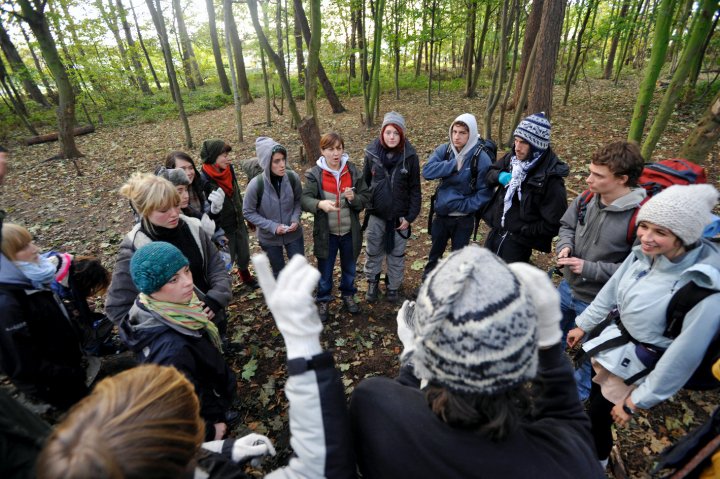
An affinity group meeting during the Great Climate Swoop at Ratcliffe-on-Soar power station
Doc­u­men­tary fol­low­ing the for­tunes of envi­ron­men­tal activists in 2009 launch­es inno­v­a­tive crowd-fund­ing appeal

***

In ear­ly 2009, Emi­ly James began film­ing the clan­des­tine activ­i­ties of sev­er­al envi­ron­men­tal direct action groups across the UK. Allowed unprece­dent­ed access, Emi­ly doc­u­ment­ed a year of esca­lat­ing action that began in spring with the now infa­mous G20 demon­stra­tions in Lon­don. Always in the thick of it and with ever her trusty cam­era to hand she sad­dled up with The Cli­mate Rush “Bike Rush” as they brought West­min­ster to a stand­still, pitched up with The Cli­mate Camp as they occu­pied Black­heath, masked up with The Great Cli­mate Swoop as they stormed the fences at Rat­cliffe-on-Soar coal pow­er sta­tion, and then accom­pa­nied them all to win­try Copen­hagen as they took their protest to the streets out­side the UN COP 15 cli­mate talks. And those are just the head­lines!

‘Just Do It’ fol­lows the tri­umphs, trau­mas and clan­des­tine activ­i­ties of civ­il dis­obe­di­ent envi­ron­ment activists as they take on the com­bined forces of glob­al cap­i­tal­ism, run away cli­mate change and the pesky Met­ro­pol­i­tan Police. Hav­ing gath­ered over 250 hours of mate­r­i­al, she and her team are now embark­ing on the chal­leng­ing task of turn­ing this footage into a fea­ture length film, which will inspire peo­ple to take action on cli­mate change. Check out the trail­er here: http://just-do-it.org.uk/.

Set for release in 2011, the Just Do it mod­el can be thought of as the ulti­mate in inde­pen­dent film pro­duc­tion. Unlike a TV fund­ed doc­u­men­tary, our inno­v­a­tive crowd-fund­ing mod­el allows us to work com­plete­ly free from exter­nal inter­fer­ence, be it edi­to­r­i­al or styl­is­tic. This means that we can focus entire­ly on mak­ing a film that does jus­tice to the excit­ing footage we have cap­tured. Our pro­duc­tion mod­el gives us com­plete con­trol. This is bot­tom up film­mak­ing, not the usu­al top-down, and it is dri­ven by pas­sion and cre­ative vision, rather than by desire for rat­ings or com­mer­cial imper­a­tive.

“It’s pre­cise­ly the kind of film that wouldn’t get made with­in the exist­ing prof­it and rat­ings-dri­ven fund­ing struc­tures,” explains Just Do It direc­tor, Emi­ly James, “Crowd-fund­ing through dona­tion enables us, as cre­ative artists, to be sup­port­ed by our audi­ence in a more direct way, with­out the involve­ment of cul­tur­al gate­keep­ers. This is anoth­er nail in the cof­fin for tra­di­tion­al media.“

‘Just Do It’ aims to tell an impor­tant sto­ry fre­quent­ly obscured by the agen­da of the cor­po­rate media. If you too think this is a sto­ry which should be told, then please donate here: http://just-do-it.org.uk/fund-this-film — whether it’s a ten­ner or a grand, it will be grate­ful­ly received.

Mining applications ‘frozen’ after protest in Philippines

24 June 2010
Six hun­dred indige­nous peo­ple and farm­ers took to the streets on Palawan Island in the Philip­pines on June 7, to protest against plans to mine nick­el on their land.

Palawan climber24 June 2010
Six hun­dred indige­nous peo­ple and farm­ers took to the streets on Palawan Island in the Philip­pines on June 7, to protest against plans to mine nick­el on their land.

The demon­stra­tors called upon the provin­cial gov­ern­ment to pre­vent the com­pa­nies Macro Asia and Ipil­ian Nick­el Min­ing Cor­po­ra­tion (INC) from min­ing in the UNESCO World Bios­phere Reserve, which is their home. They also expressed their anger at news that Cana­di­an min­ing com­pa­ny MBMI has been grant­ed ini­tial approval to mine.

As a result of nego­ti­a­tions with pro­test­ers, the provin­cial gov­ern­ment agreed that its endorse­ments of both Macro Asia and INC’s plans required fur­ther inves­ti­ga­tion. The com­pa­nies’ appli­ca­tions have been ‘frozen’ until all issues are clar­i­fied.

The pro­tes­tors called their demon­stra­tion a ‘Kara­ban’ ral­ly; Kara­ban is the indige­nous Palawan’s word for the bam­boo quiver that con­tains darts for their blow­pipes. It is a sym­bol of their iden­ti­ty, and sig­ni­fies, they say, that they are will­ing to take ‘what­ev­er action is nec­es­sary’ to stop the min­ing com­pa­nies enter­ing their tra­di­tion­al ter­ri­to­ries

Indige­nous spokesper­son for ALDAW (Ances­tral Land/Domain Watch) Arti­so Man­dawa, said, ‘Min­ing is not devel­op­ment, it cre­ates con­flict among peo­ple, and it destroys our cul­ture by bring­ing for­eign val­ues to our com­mu­ni­ty. Some of my peo­ple still have lim­it­ed con­tact with the out­side and are not even reg­is­tered in the nation­al and provin­cial cen­sus. They are the first inhab­i­tants to arrive on this island and yet, for the gov­ern­ment, they appear not to exist.’

Maman Tuwa, an elder of the iso­lat­ed Palawan tribe from Mt Gan­tong, fears that min­ing will destroy his com­mu­ni­ty. ‘If our moun­tains are defor­est­ed, how are we going to sur­vive? What are we going to plant if the soil of the uplands will be washed down to the low­lands? How are we going to feed our chil­dren? We’ll sure­ly die’.

Survival’s direc­tor Stephen Cor­ry said, ‘We wel­come the deci­sion to freeze the min­ing appli­ca­tions on the land of the Palawan trib­al peo­ple, and we urge the Philip­pine gov­ern­ment to ensure that no min­ing takes place on their land with­out their gen­uine free, pri­or and informed con­sent. We also call upon Pres­i­dent-elect Benig­no Aquino III, to revoke the 1995 Min­ing Act which has been so dis­as­trous for the indige­nous peo­ples of the Philip­pines.’

Innu block access to mining projects on their territory

June 14, 2010

Innu com­mu­ni­ties are block­ing access to two min­ing projects in north­east­ern Que­bec and west­ern Labrador in an attempt to pro­tect their Indige­nous rights and ensure no min­ing can pro­ceed on their ter­ri­to­ry with­out their pri­or con­sent.

Innu blockadeJune 14, 2010

Innu com­mu­ni­ties are block­ing access to two min­ing projects in north­east­ern Que­bec and west­ern Labrador in an attempt to pro­tect their Indige­nous rights and ensure no min­ing can pro­ceed on their ter­ri­to­ry with­out their pri­or con­sent.

At the moment, rough­ly 100 Innu from the com­mu­ni­ties of Matimekush-Lac John and Uashat mak Mani-Ute­nam are attend­ing the block­ade, which offi­cial­ly began on Fri­day, June 11.

That num­ber could eas­i­ly swell if the gov­ern­ments and the two min­ing com­pa­nies, New Mil­len­ni­um Cap­i­tal and Labrador Iron Mines Hold­ings (LIM), fail to act respon­si­bly. Both com­mu­ni­ties are mem­bers of the Innu Strate­gic Alliance (ISA), which rep­re­sents some 12,000 peo­ple or 70% of all Innu in the province of Que­bec. The ISA sup­port­ing the block­ade.

On June 9, the Alliance chiefs said they have no choice to set up a block­ade, which “com­plies with the exist­ing Innu tra­di­tion­al juridi­cal sys­tem,” because the Provin­cial and Fed­er­al gov­ern­ments are under­min­ing their rights.

“We are open to con­struc­tive dia­logue with the gov­ern­ments and the com­pa­nies as long as our cul­tur­al, eco­nom­ic, social, envi­ron­men­tal and spir­i­tu­al aspi­ra­tions are respect­ed. We are not against all forms of devel­op­ment of the ter­ri­to­ry but we are against all devel­op­ment held with­out our con­sent,” stat­ed the Chiefs in a joint state­ment.

Matimekush-Lac John Chief Real McKen­zie and Uashat mak Mani-Ute­nam Chief Georges-Ernest Gré­goire also reaf­firmed Innu own­er­ship of the nat­ur­al resources with­in their ter­ri­to­ry, stat­ing, “We have nev­er ced­ed, aban­doned or renounced our Abo­rig­i­nal rights or our Abo­rig­i­nal title. The gov­ern­ments there­fore have the con­sti­tu­tion­al oblig­a­tion to con­sult us and to accom­mo­date our rights and inter­ests.”

The ISA notes that, in 1927, the Que­bec-Labrador bor­der was imposed on them by the British Crown, which cre­at­ed an “arti­fi­cial divi­sion of Nitassi­nan (Innu ter­ri­to­ry)”.

The divi­sion opened the flood­gates for Canada’s stan­dard abo­rig­i­nal pol­i­cy, includ­ing res­i­den­tial schools, the ban­ish­ment of hunt­ing Cari­bou (which the Innu heav­i­ly rely on) and, ulti­mate­ly, the exploita­tion of Nitassi­nan.

The region was stripped of its resources in the 1950s and 60s; the Innu barred from exer­cis­ing their rights and ben­e­fit­ing in any way mean­ing­ful.

“Our com­mu­ni­ty will not be fooled like in the 60s. For many years, our ter­ri­to­ry was stripped of its resources with­out our con­sent and with­out any ben­e­fit for our com­mu­ni­ty. When the gov­ern­ments com­plet­ed their min­ing oper­a­tions, [Schef­ferville] was des­tined for doom; the gov­ern­ments left it deprived of eco­nom­ic activ­i­ty and resources and with­out tak­ing account of our pres­ence and with­out con­cern for our rights. If they now wish to take up min­ing again, they have to do so under our con­di­tions,” said Chief McKen­zie, pri­or to a gen­er­al meet­ing last month held to dis­cuss the future of Innu lands.

More recent­ly, Chief McKen­zie said the block­ade will stay up as long as it takes for the gov­ern­ments and the com­pa­nies to act. “It’s up to them.”

Eagle Rock Defenders camp ‘crushed’ by Police

Dozens of heav­i­ly armed Police and State Troop­ers have raid­ed the peace­ful defend­ers camp at Eagle Rock in Michi­gan’s Upper Penin­su­la; “crush­ing” the month-long effort to pro­tect the sacred site from a con­tro­ver­sial sul­fide mine.

Eagle Rock flag
Dozens of heav­i­ly armed Police and State Troop­ers have raid­ed the peace­ful defend­ers camp at Eagle Rock in Michi­gan’s Upper Penin­su­la; “crush­ing” the month-long effort to pro­tect the sacred site from a con­tro­ver­sial sul­fide mine.

Raid at Eagle Rock; Two campers arrest­ed, camp destroyed

BIG BAY, Mich. – The defend­ers of sacred Eagle Rock sat in a cir­cle and wept as they were sur­round­ed by dozens of heav­i­ly armed state and local police offi­cers who raid­ed the Eagle Rock encamp­ment the morn­ing of May 27 arrest­ing two campers at the request of Ken­necott Eagle Min­er­als, who wast­ed no time destroy­ing the month-old camp to make way for their nick­el and cop­per mine.

Wit­ness­es say there were about six peo­ple at Eagle Rock when police moved in includ­ing four campers who had spent the night and two sup­port­ers who arrived with a warn­ing the raid was immi­nent. Armed with high-pow­ered rifles, Michi­gan State Police and mine secu­ri­ty could be seen atop Eagle Rock scan­ning the vast Yel­low Dog Plains with binoc­u­lars appar­ent­ly look­ing for tres­passers.

Two hand­cuffed campers, who refused to leave when ordered by police, were tak­en away by sheriff’s deputies and dri­ven near­ly one hour to the Mar­quette Coun­ty Jail and were released on bond. Arrest­ed were Keweenaw Bay Indi­an Com­mu­ni­ty mem­bers Chris Chosa, 28, and Char­lotte Loons­foot, 37, both of Bara­ga, Mich.

Loons­foot was one of three women who set up the encamp­ment April 23 protest­ing the arrest three days ear­li­er of envi­ron­men­tal­ist Cyn­thia Pry­or and hop­ing to pro­tect Eagle Rock from the Eagle Project nick­el and cop­per mine. Despite fed­er­al treaties that allow Ojib­wa to hunt, fish and gath­er on the Yel­low Dog Plains, the state of Michi­gan leased the land to Ken­necott to open a sul­fide mine. The mine por­tal is planned near the front of Eagle Rock and the tun­nel will trav­el under­neath the rock.

“Today, we got a mes­sage in camp that police were on their way,” said non-Native camper Cather­ine Park­er of the warn­ing from two mem­bers of the Yel­low Dog Water­shed Pre­serve who arrived short­ly before police. “Char­lotte and Chris had no inten­tion of leav­ing vol­un­tar­i­ly.”

Park­er said the Eagle Rock defend­ers wept for the land as they sat in a cir­cle.

“There were a lot of tears and pas­sion­ate remarks because the peo­ple have come to care a lot about each oth­er out here,” said Park­er of Mar­quette, Mich. “We have all been work­ing togeth­er, Native Amer­i­cans and whites to pro­tect some­thing that is tremen­dous­ly impor­tant to us.”

After police arrived, “we stayed as long as we could, we kept ask­ing to stay with our friends (Chosa and Loons­foot),” said Park­er, wip­ing away a tear. “We sat down with them repeat­ed­ly, we were pushed ver­bal­ly numer­ous times by law enforce­ment.”

“It’s break­ing my heart,” said a cry­ing Park­er as she wit­nessed heavy equip­ment roar­ing up the entrance to Eagle Rock. “This mine is not going to per­form (safe­ly) as they say it will. What is going to hap­pen if the mine col­laps­es into the Trout Salmon Riv­er?”

Police from sev­er­al agen­cies “lit­er­al­ly sur­round­ed us in a big cir­cle,” said Kalvin Hartwig, a mem­ber of the Sault Ste. Marie Tribe of Chippe­wa who spent the night of May 26 at Eagle Rock but was not arrest­ed after agree­ing to leave the prop­er­ty with his car.

When police arrived, “three of us and two vis­i­tors were down by the sacred fire and anoth­er one of our campers (Char­lotte Loons­foot) was up on the hill fast­ing,” Hartwig said. “I think this whole sit­u­a­tion is pret­ty sad.

“The water and this land is at-risk. These peo­ple (Ken­necott) are here ille­gal­ly about to destroy it.”

Accord­ing to the Save The Wild UP Web site, about 20 police cars were sent and warned to expect a riot that nev­er occurred. Many sup­port­ers and the media rushed to the scene after hear­ing the Pow­ell Town­ship emer­gency per­son­nel dis­patched with instruc­tions to stage at the main entrance to the mine includ­ing an ambu­lance and fire trucks. No injuries were report­ed.

Atop a pole at the entrance to the camp, a lone eagle feath­er flut­tered in the dusty wind as heavy equip­ment moved in. Mine offi­cials doused the grand­fa­ther fire, uproot­ed the Eagle Rock Com­mu­ni­ty Gar­den, removed two flags from atop Eagle Rock and bull­dozed the camp.

Deputies blocked the dusty, remote, sea­son­al Triple A Road at the mine entrance but allowed the media and campers to walk the three-quar­ters of a mile to the for­mer entrance to the camp that was blocked by heavy machin­ery as mine employ­ees erect­ed a met­al cyclone fence. The media was not allowed to see the remains of the encamp­ment.

“They are putting up a fence and they are wreck­ing our gar­den we plant­ed,” said Gabriel Caplett, who has post­ed dai­ly updates about the campers activ­i­ties on the Stand for the Land Blog and has writ­ten count­less sto­ries about the fight to stop the mine since it was announced in 2004. “They are putting out the sacred fire” that has burned since the first night.

There was no word on what hap­pened to the tents and a large cache of food and oth­er sup­plies donat­ed by sup­port­ers. About 10 campers spent the night of May 25 at Eagle Rock, but sev­er­al left to pre­pare for activ­i­ties planned at the rock for Memo­r­i­al Day week­end.

Two non-Native campers, not present for the raid, broke into tears while walk­ing to Eagle Rock.

“It’s heart­break­ing, it’s real­ly dis­con­cert­ing to feel the rights of the cor­po­ra­tions have been put above and beyond the rights of the peo­ple,” said Amy Conover of Mar­quette, Mich. When politi­cians “get into pow­er they don’t act on behalf of the peo­ple, they act on behalf of the mon­ey.”

A Detroit native attend­ing nurs­ing school in Mar­quette said she “can’t under­stand how hard­ened the hearts have become of the peo­ple who are doing this.”

“To not feel how wrong it actu­al­ly is – is a very scary thing,” said Lau­ra Nagle. “The police offi­cer said this is a ‘bum­mer’ this was hap­pen­ing, it is not a bum­mer, it is a cat­a­stro­phe, a tragedy and a mis­for­tune for us all. This can still be stopped.”

Brazilian tribal opposition to Belo Monte dam

A Kayapó Indi­an leader has appealed for sup­port for his tribe, which is cam­paign­ing against the Belo Monte dam on the Xin­gu riv­er in the Brazil­ian Ama­zon. He said, ‘I have always pre­vent­ed my peo­ple from fight­ing, but I am very wor­ried now. It is time that we take back what belongs to us’. He added that ‘3,000 war­riors’ are ready to take up arms.

A Kayapó Indi­an leader has appealed for sup­port for his tribe, which is cam­paign­ing against the Belo Monte dam on the Xin­gu riv­er in the Brazil­ian Ama­zon. He said, ‘I have always pre­vent­ed my peo­ple from fight­ing, but I am very wor­ried now. It is time that we take back what belongs to us’. He added that ‘3,000 war­riors’ are ready to take up arms.

If con­struct­ed, the dam would be the third largest in the world and it would flood a large area of land, dry up cer­tain parts of the Xin­gu riv­er, cause huge dev­as­ta­tion to the rain­for­est and reduce fish stocks upon which Indi­ans in the area depend for their sur­vival.

The influx of immi­grants to the region dur­ing the con­struc­tion of the dam threat­ens to intro­duce vio­lence to the area and bring dis­eases to these Indi­ans, putting their lives at risk.

The Indi­ans have orga­nized many protests against the dam. Most recent­ly, they have block­ad­ed a fer­ry which cross­es the Xin­gu riv­er and are plan­ning to form a ‘mul­ti-eth­nic com­mu­ni­ty’ which will occu­py the area where the dam is due to be built, in the ‘Big Bend’ of the Xin­gu riv­er.

Raoni and oth­er Indi­an lead­ers stat­ed, ‘We do not accept the Belo Monte hydro­elec­tric dam because we under­stand that it will bring more destruc­tion to our region… more cor­po­ra­tions, more ranch­es, more land inva­sions, more con­flicts, and even more dams. If the white man con­tin­ues to car­ry on like this, every­thing will be destroyed very quick­ly… We already warned the gov­ern­ment that if Belo Monte were built, they would have war on their hands’.

Kayapó leader Megaron Txu­car­ramãe, in a let­ter to the inter­na­tion­al press, said, ‘We want the plans to build the Belo Monte dam to be can­celed… Lula has shown him­self to be the Indi­ans’ num­ber one enemy…We Indi­ans are being seri­ous­ly aban­doned, since we Indi­ans, the first inhab­i­tants of this coun­try, are being neglect­ed by Lula’s gov­ern­ment which wants to destroy us’.

Brazil’s Pub­lic Prosecutor’s Office is call­ing for the license for the dam to be can­celed, stat­ing that the envi­ron­men­tal impact stud­ies were incom­plete, and that the Indi­ans and oth­er peo­ple who will be affect­ed were not prop­er­ly con­sult­ed.

Indi­ans and activists marched against Ama­zon mega-dam in April