Eco-anarchist prisoner Costa Ragusa is released like Billy and Silva – Never repentant – Never forgotten!
The comrades had been sentenced for planning an attack against a laboratory of IBM nanotechnology under construction in Zurich.

Respect existence or expect resistance!
Global
Eco-anarchist prisoner Costa Ragusa is released like Billy and Silva – Never repentant – Never forgotten!
Eco-anarchist prisoner Costa Ragusa is released like Billy and Silva – Never repentant – Never forgotten!
The comrades had been sentenced for planning an attack against a laboratory of IBM nanotechnology under construction in Zurich.
Tuesday afternoon in East Texas, after police brutally tortured two protesters locked to a backhoe and workers resumed destruction of the forest, members of the Tar Sands Blockade, determined not to be deterred by violence, moved in to try and stop work again. One activist sat down in front of a feller buncher, a hideous machine used to rapidly cut down smaller trees, and, after making eye contact with the worker, almost had a tree dropped on him. The video shows it all, and you can read the activist’s own telling of the incident here.
There’s really not much else to say. Big Oil is attacking our bodies, our homes, and the planet, and now that the cards are on the table, it’s time to fight back. Word on the street is that we’ve got a lovely crew of Earth First!ers ready for action joining us tonight or tomorrow morning, but there’s plenty of room for you to get involved too. Go here or email noneshallpass@riseup.net, and we’ll see you on the ground.
– Tar Sands Blockader
Despite summer being over, things continue to heat up in Texas for the Tar Sands Blockade as we enter day 3 of the tree-sit. On Monday, 8 people took to the trees to defend the land from clear-cutting that would allow for continued construction of the pipeline. And yesterday, two ground-dwelling allies locked themselves to a piece of construction machinery that was being used to build a road to the tree village, effectively halting TransCanada’s work for most of the day.
The police response to this action was predictable but nevertheless shocking. Under the encouragement of TransCanada supervisors, police used sustained chokeholds, violent arm-twisting, pepper spray, and multiple shocks from a Taser, all while the two blockaders were in handcuffs. Despite the torture, the two blockaders held strong for hours, and their perseverance has only further inspired blockaders to continue the protests. This morning, in response to the brutality inflicted on our comrades yesterday, another activist has ascended into the tree village to join the aerial blockade, bringing its total population to 9.
Benjamin Franklin, one of the tortured protesters, had this to say after being released from jail: “As someone who has a religious dedication to nonviolence, I have a duty to assist nonviolent tactics. This is a path to change that works. Despite everything that happened at the direction of TransCanada, I don’t regret my involvement at all. I encourage everybody to persevere in the face of this type of sheer brutality. To follow one’s moral compass in spite of extreme challenges is the way we move forward towards a more humane, tar sands-free planet.”
TransCanada has shown blatant disregard for the safety of peaceful people, local families, and our planet. Despite their claims to be concerned for safety, whether of protestors, landowners, or the planet, time and time again this has been shown to be patently false. From encouraging torture to defrauding and coercing people out of their land to cutting corners with safety measures for detecting and preventing spills, TransCanada’s only concern is abundantly clear – profit.
They can be stopped. Every day of delay costs them money and brings us a tiny bit closer to the goal of stopping the pipeline. The odds are low, but this is a winnable fight.
If you read the call to action or saw this awesome video, you know how devastating extracting and burning tar sands oil will be to the climate and how critical stopping this pipeline is. This action has the potential to be a huge turning point for the resistance movement against fossil fuels, but it needs your help to survive and succeed. If you can spare anything, make a donation here. If you want to do more, visit this page or email noneshallpass@riseup.net to get involved.
For the wild!
– Tar Sands Blockader
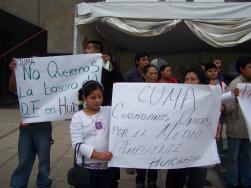
CEMEX opponents from Hidalgo
CEMEX opponents from Hidalgo
CEMEX cannot burn more waste in the state of Hidalgo
In a statement released yesterday by GAIA, the Huichapan community, in the central México’s state of Hidalgo, has achieved a historic victory, after 6 months of protests and legal actions that drove to the closure of the plant of Proambiente company, a subsidiary of Cementos Mexicanos, CEMEX, by the Secretary of Environment and Natural Resources.
This plant was responsible for receiving and processing a large part of the 12,000 tons of solid waste generated daily in Mexico City, to be burned as an alternative fuel in the kilns of CEMEX plant in Huichapan.
Shipping to cement kilns was a major “solution” driven by the Mexico City government (GDF), through an agreement with CEMEX, for the treatment of Mexican capital’s waste, after the closure of Bordo Poniente landfill (the largest in Latin America), in December 2011, and has been strongly criticized for its negative impacts on human health and the environment derived from its potential emissions of heavy metals, dioxins and furans, and other contaminants.
The inhabitants of the town of Huichapan, mainly in the communities of Maney, Dongoteay and Zothe, located around the CEMEX plant, started to feel the negative effects on health and ecosystems when it began to receive and indiscriminately burn waste from DF and organized theirself in the Citizens United for the Environment (CUMA) movement, to resist this false solution to a problem generated elsewhere in the country and raise their own alternatives for waste management.
The local community has been constantly supported by biologist Jorge Tadeo Vargas, from the Global Alliance for Incinerator Alternatives (GAIA), and State Rep. Sandra Ordaz Oliver, President of the Health Commission of the State Congress, who are committed to enforce statewide in Hidalgo the ban of combustion of municipal solid waste and hazardous waste, and promote a Zero Waste law for the state and its municipalities, including more sustainable options such as waste reduction and separation at source, reuse, recycling and composting.

Defending the blockades from “the machine”
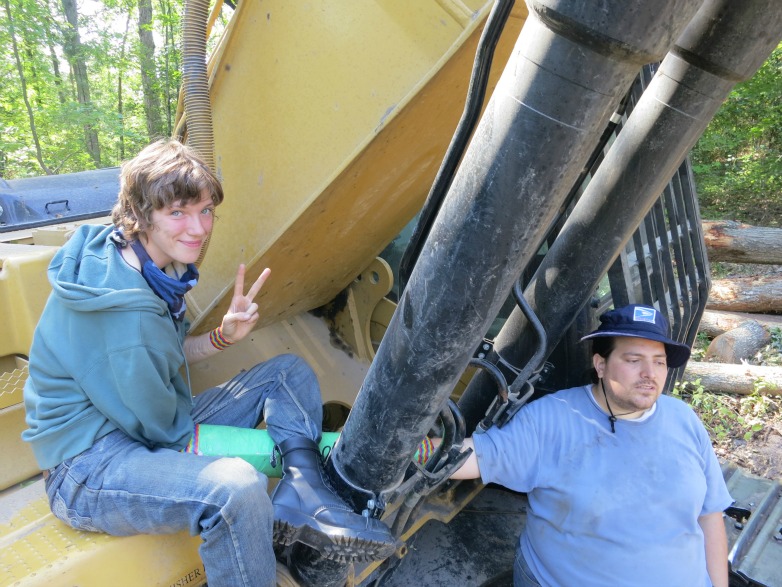
Defending the blockades from “the machine”
DATELINE WINNSBORO, TX — This morning two Texas-born Tar Sands Blockaders have locked themselves to a critical piece of equipment for TransCanada’s Keystone XL construction in order to protect a massive tree village in the direct path of the toxic tar sands pipeline.
The village, where eight tree sitters remain in vigil, is on property that TransCanada now claims ownership of through court action. Keystone XL construction crews have advanced just over 300 yards away from the northern boundary of Tar Sands Blockade’s tree vigil.
Stay updated at the Tar Sands Blockade website
"Over 50 partridges were boxed up from a breeding facility and taken to a public wildlife reserve where shooting is banned. Their release was quick and they all flew off into the night.
Until all are free! – Animal-Liberation-Front"
"Over 50 partridges were boxed up from a breeding facility and taken to a public wildlife reserve where shooting is banned. Their release was quick and they all flew off into the night.
Until all are free! – Animal-Liberation-Front"
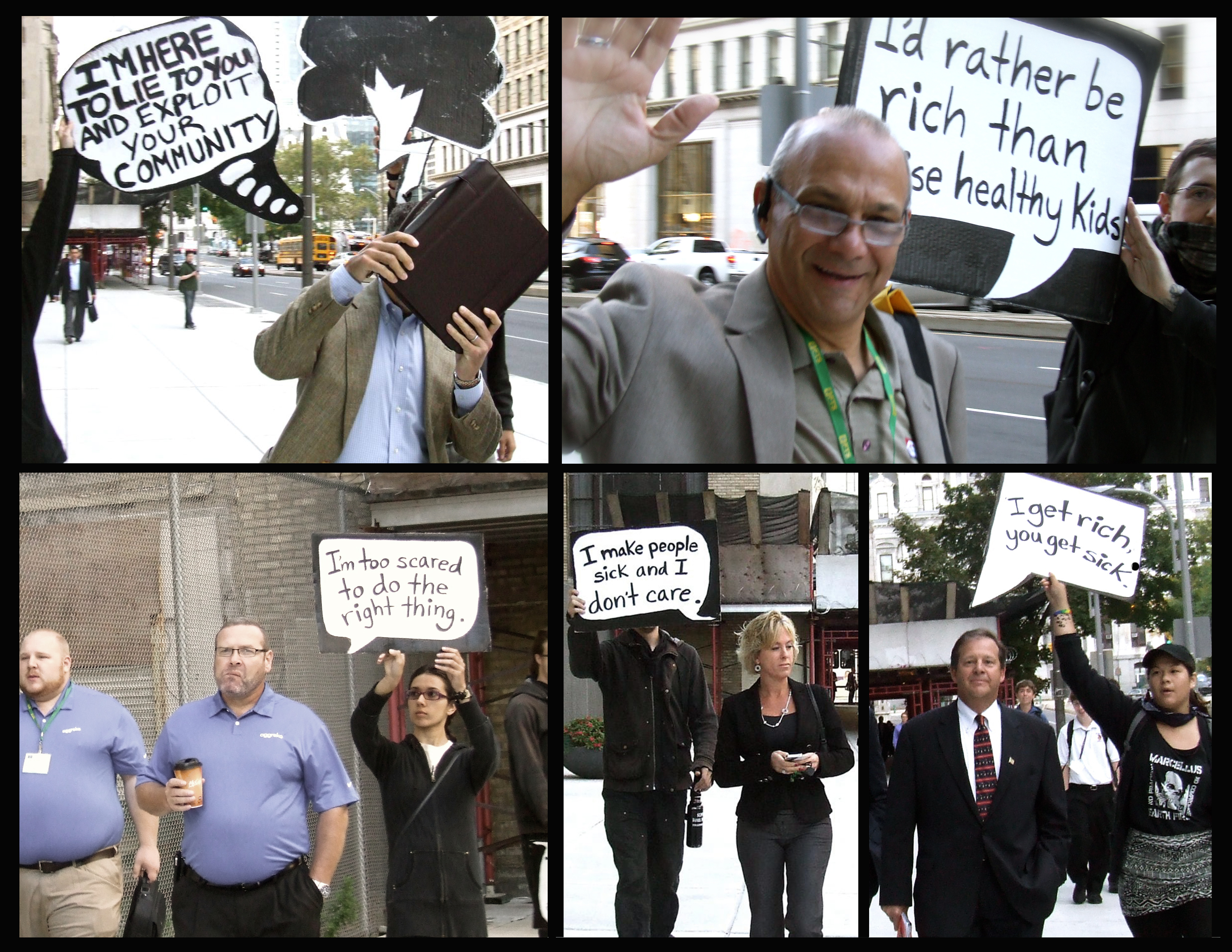
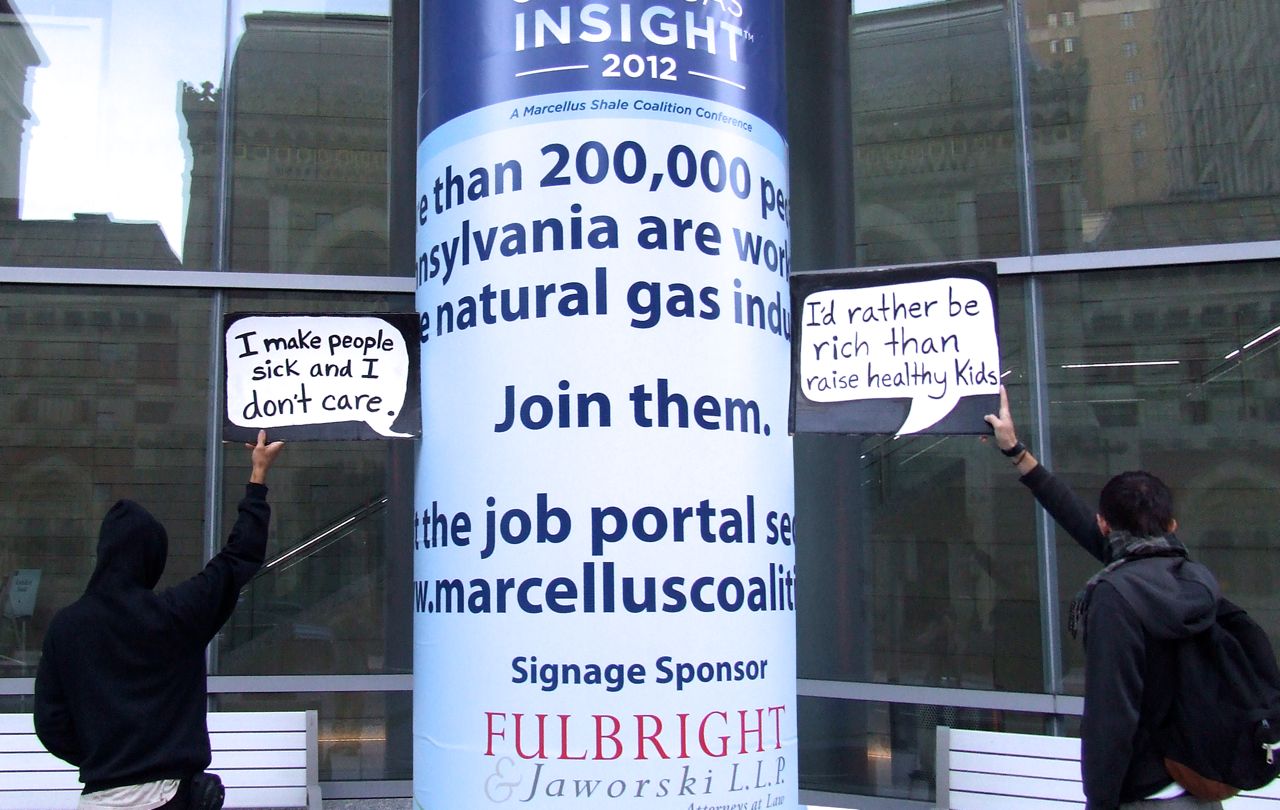
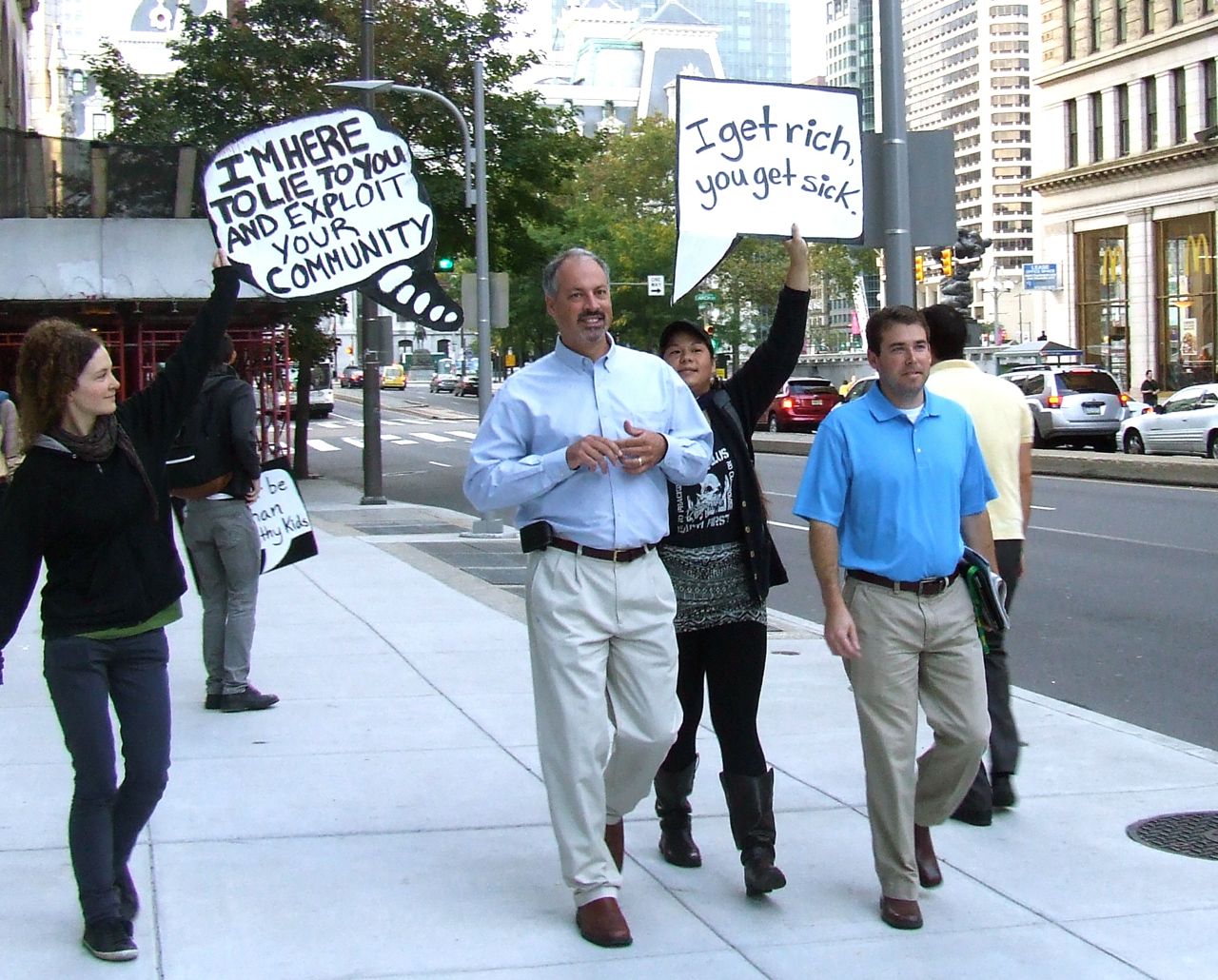
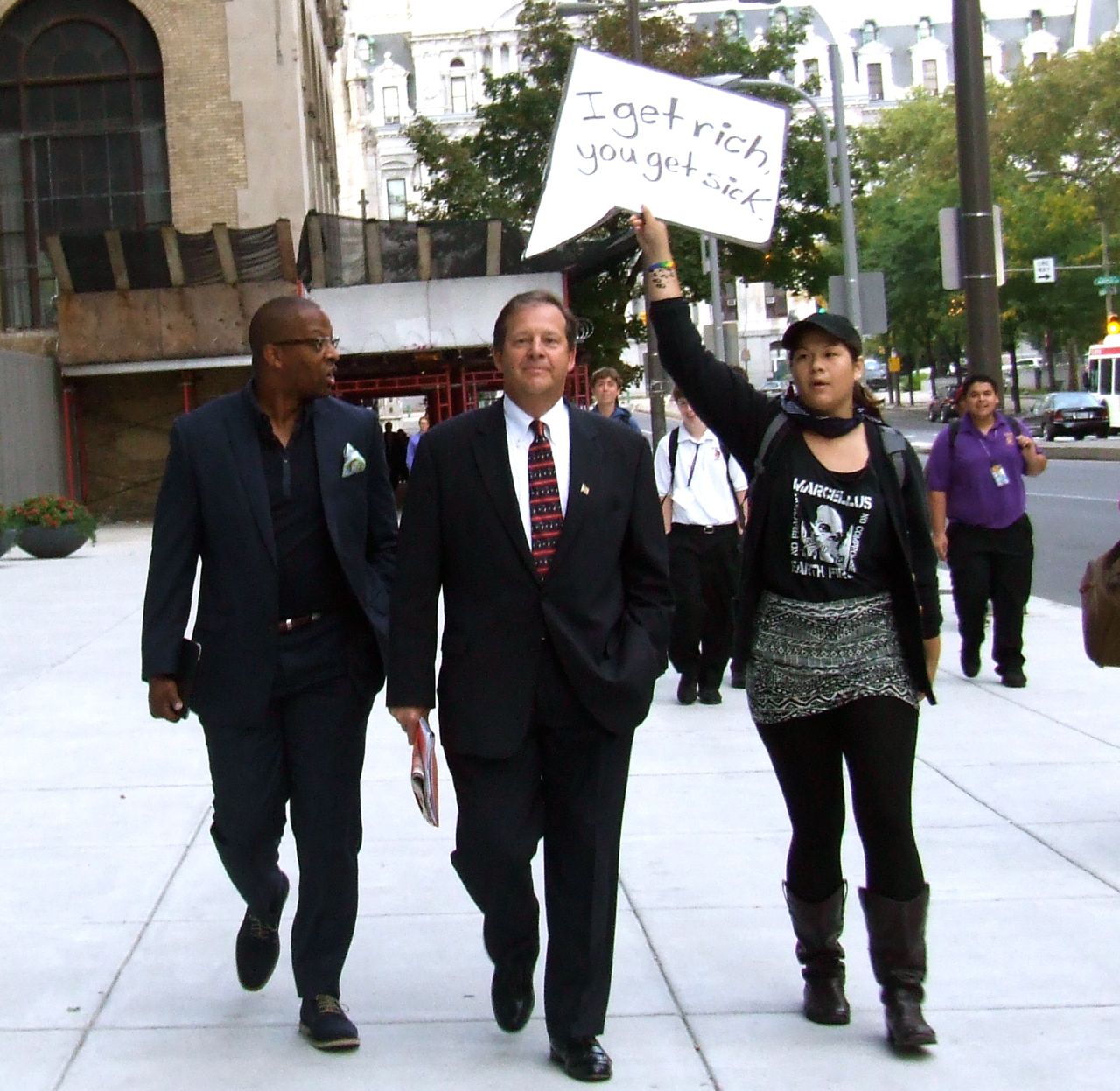
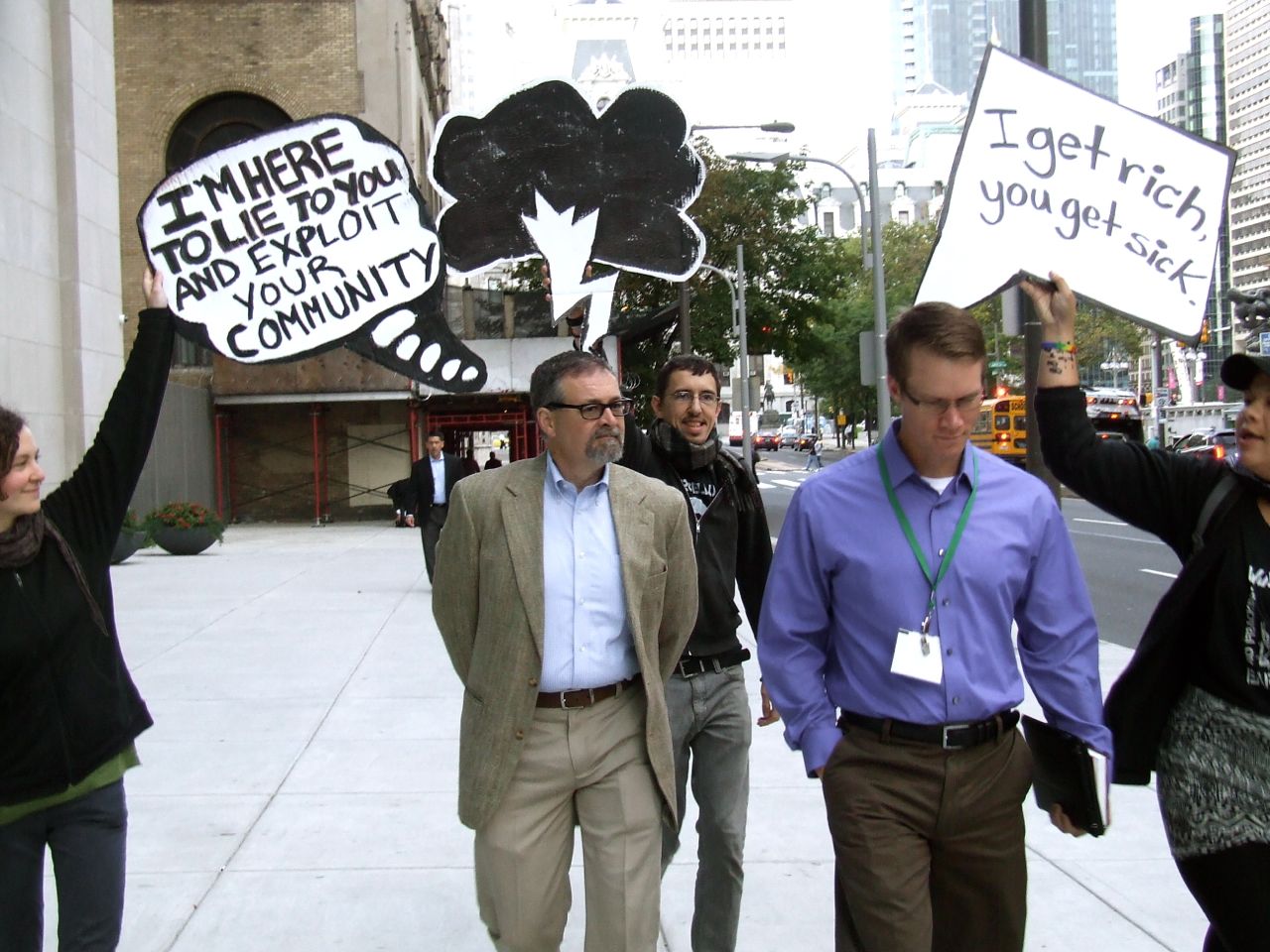
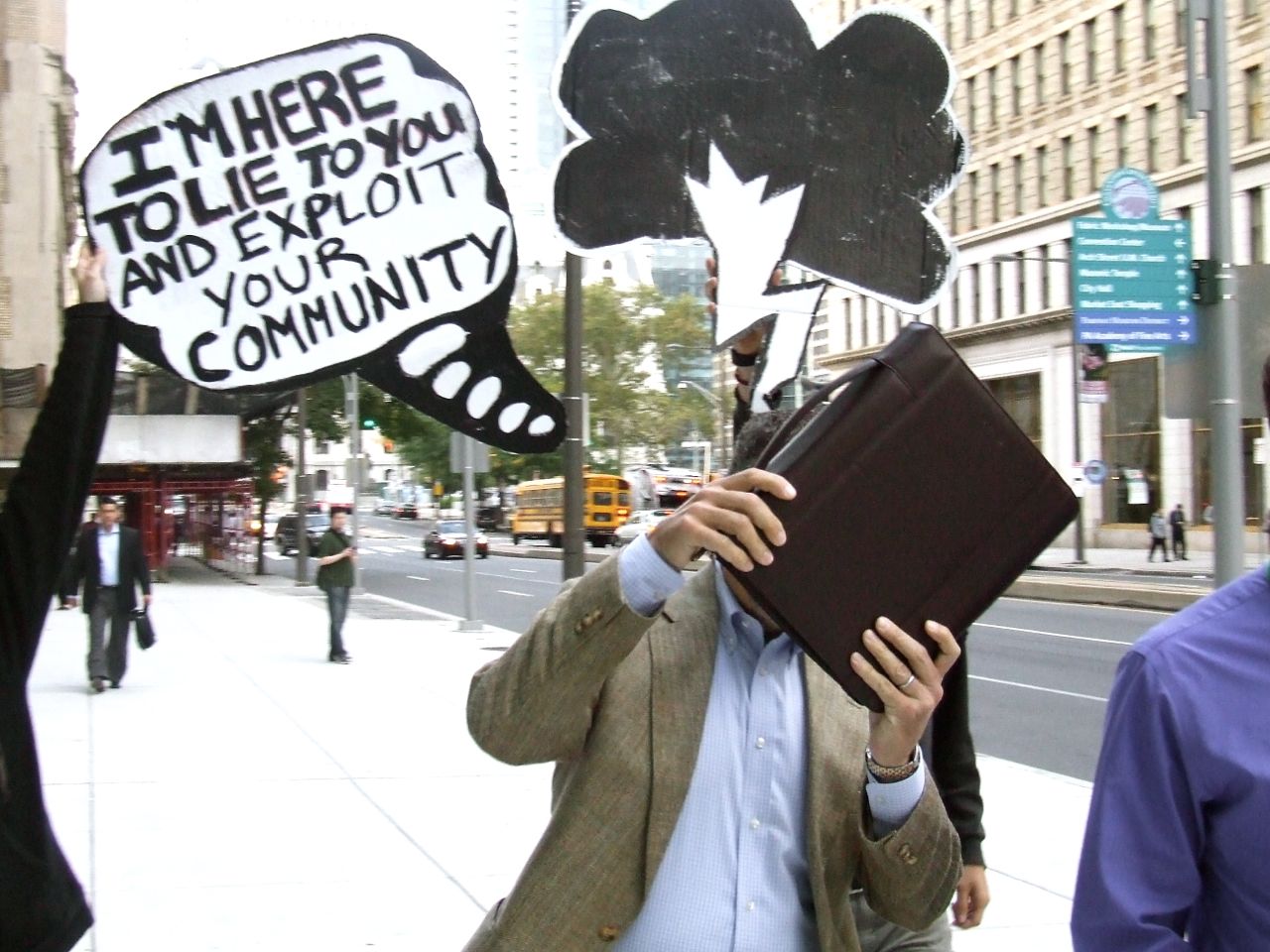
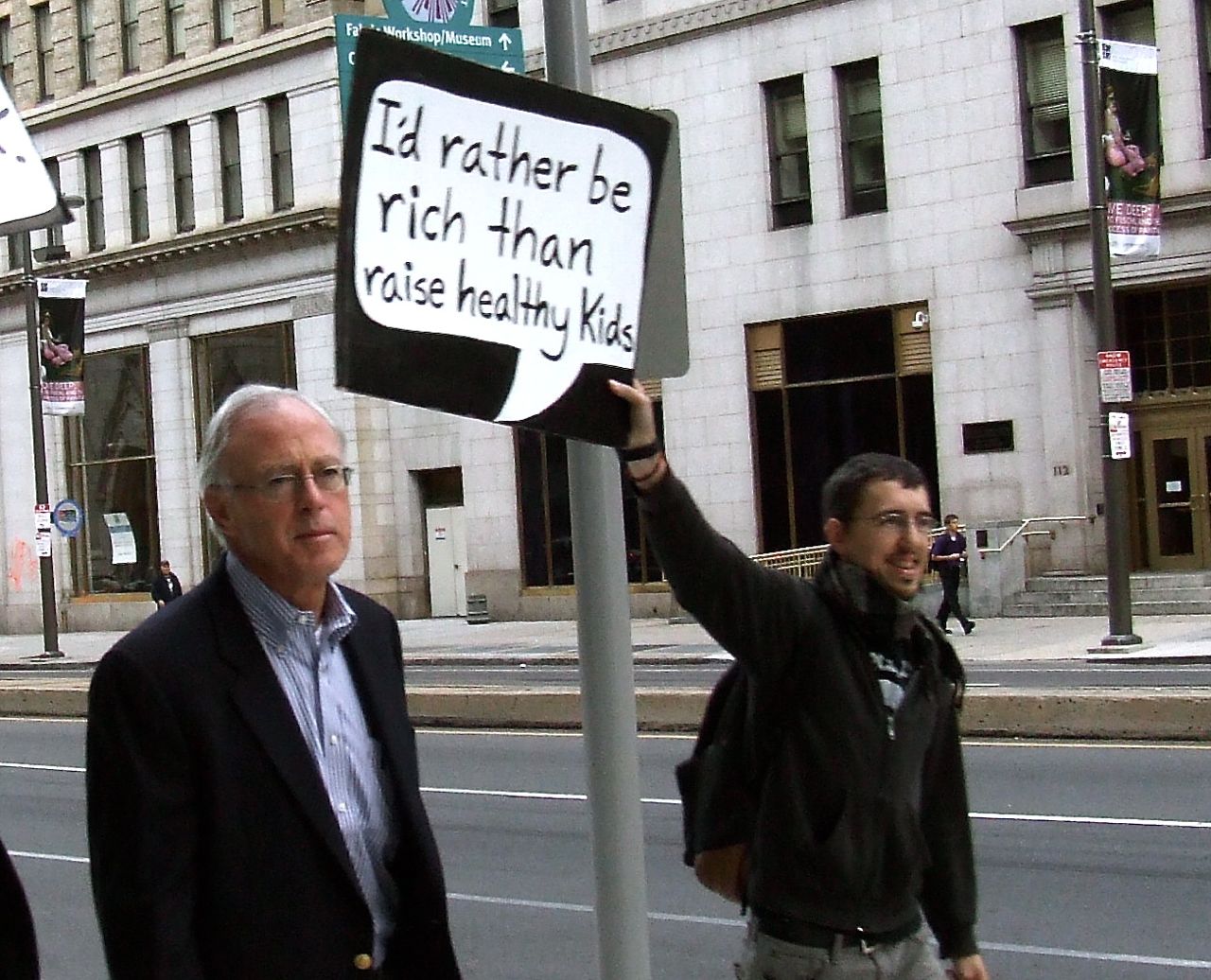
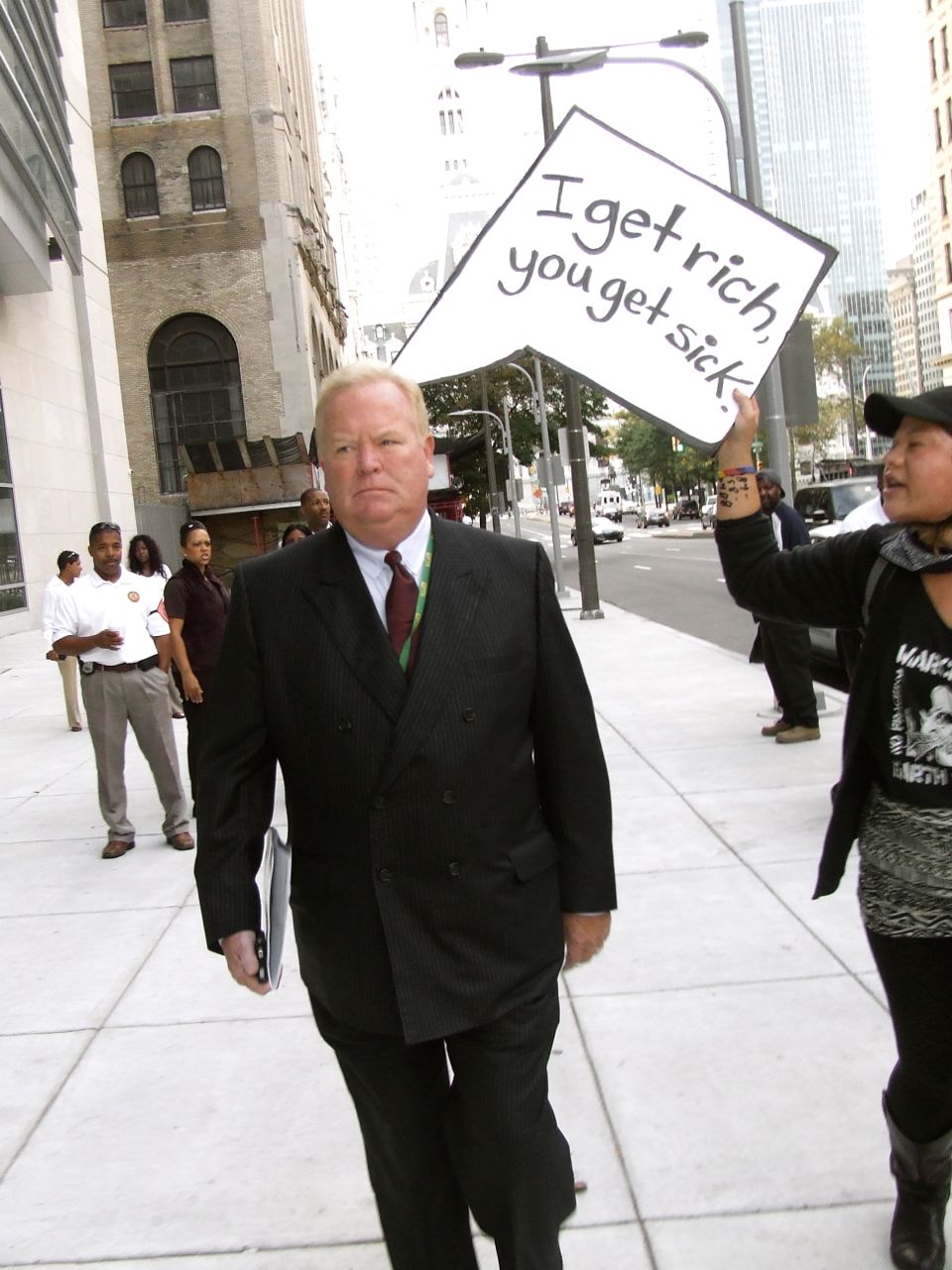
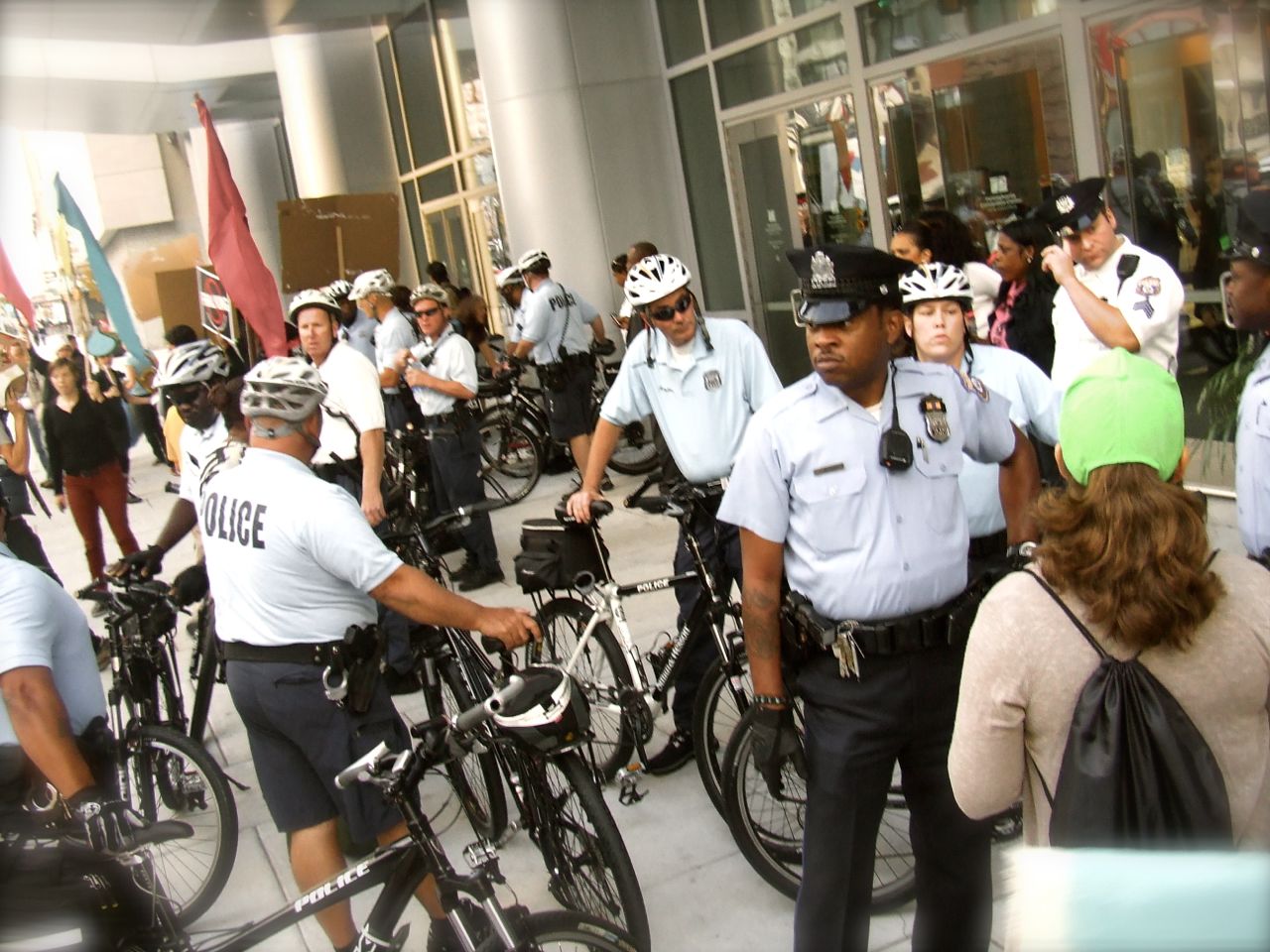
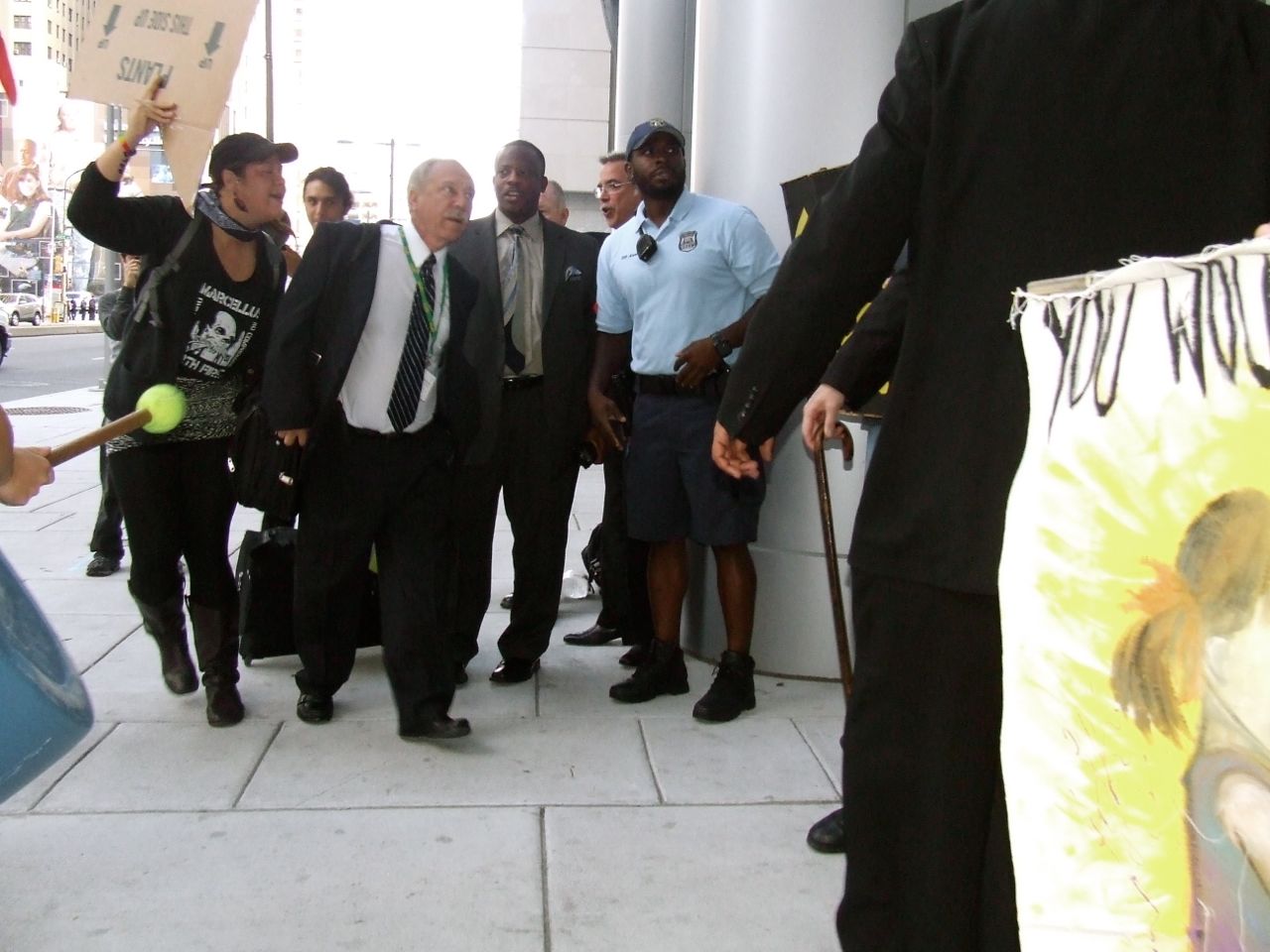
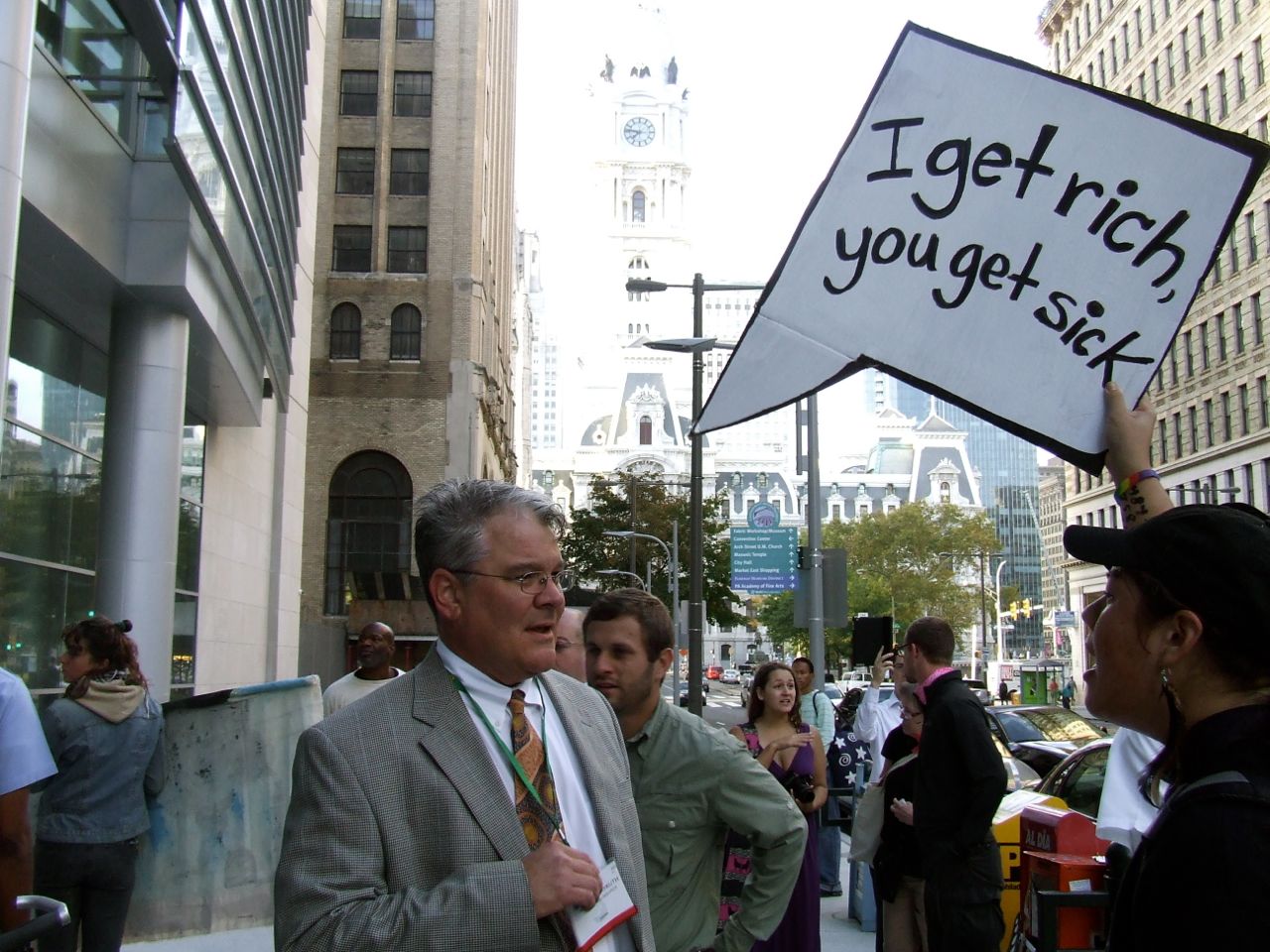
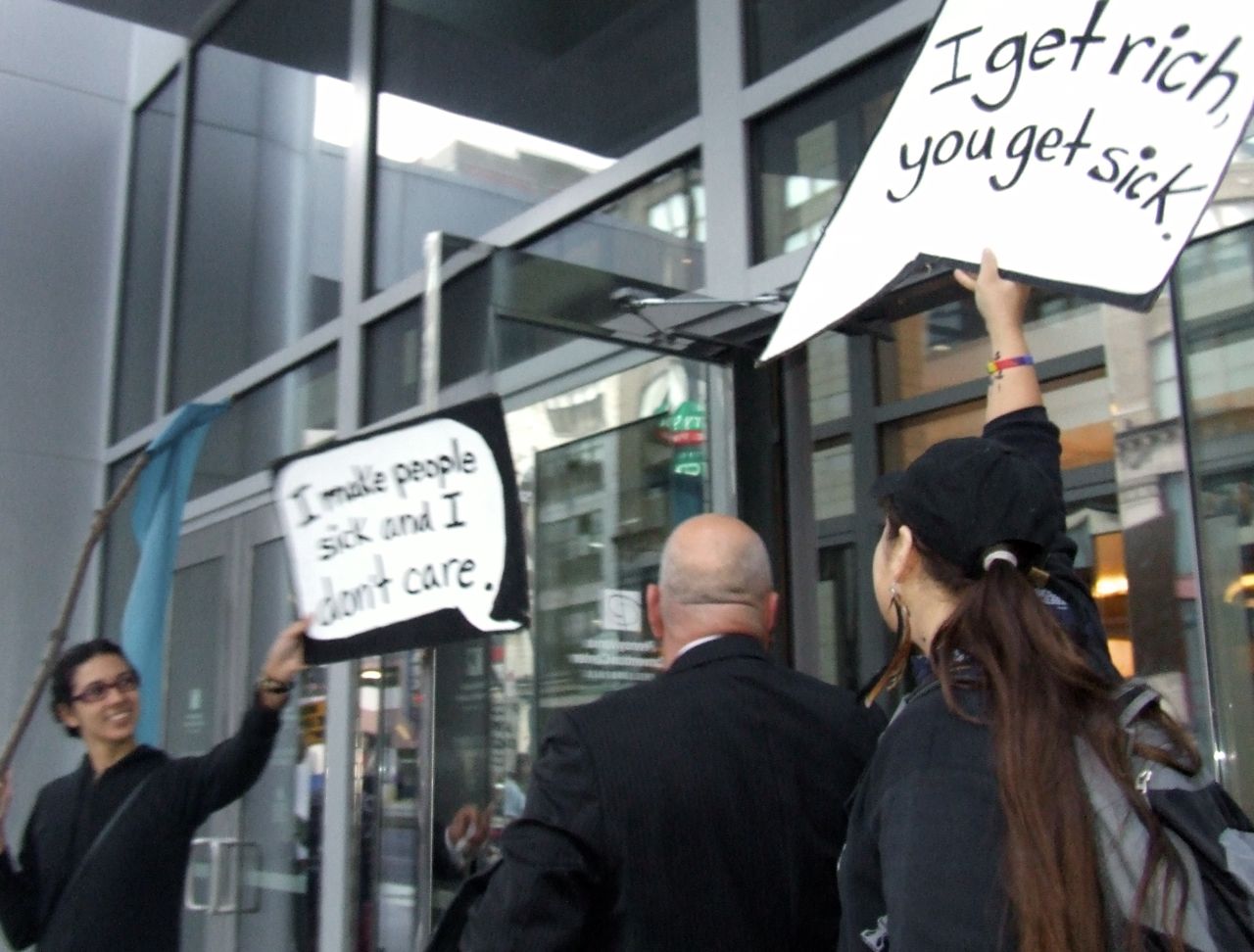
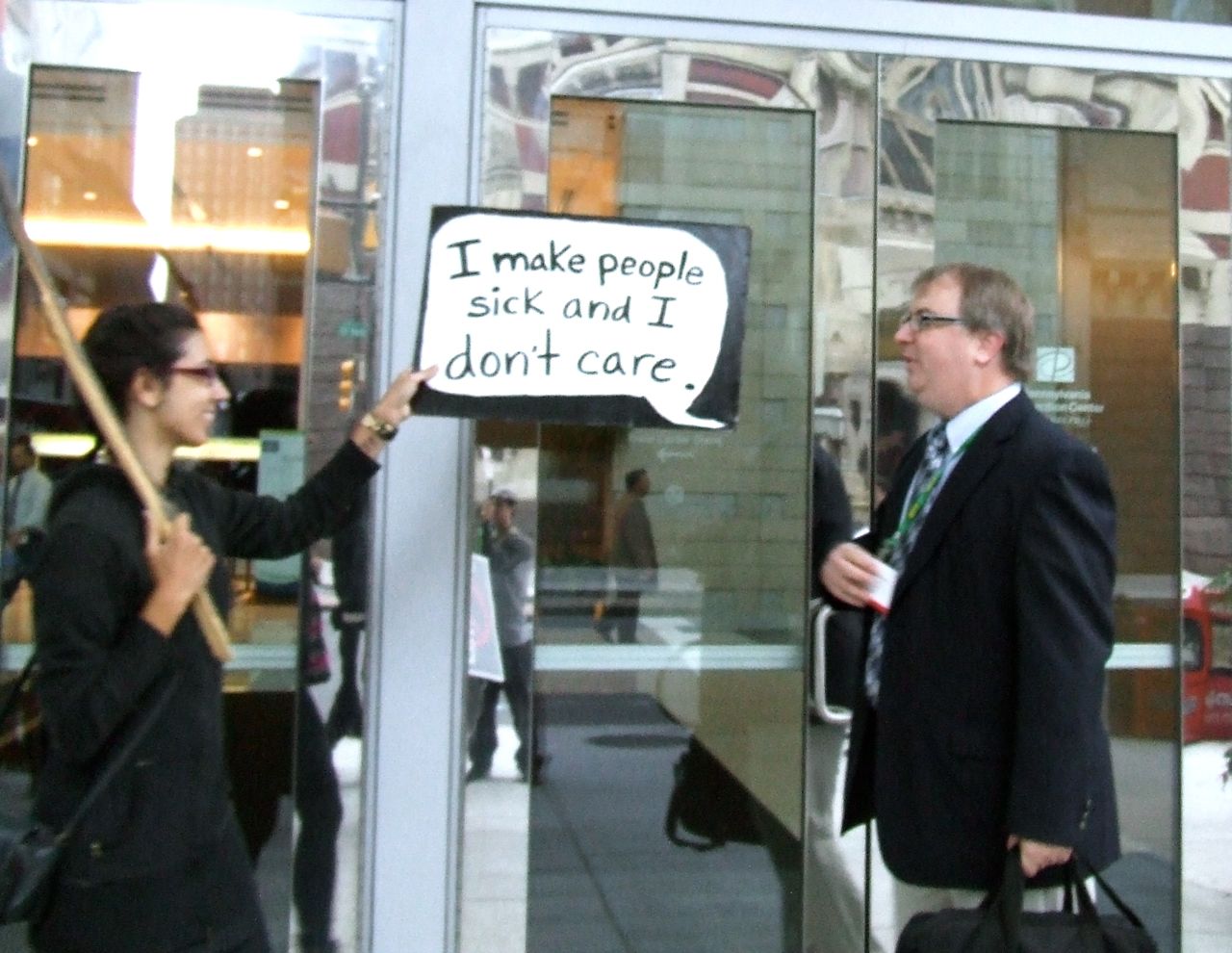
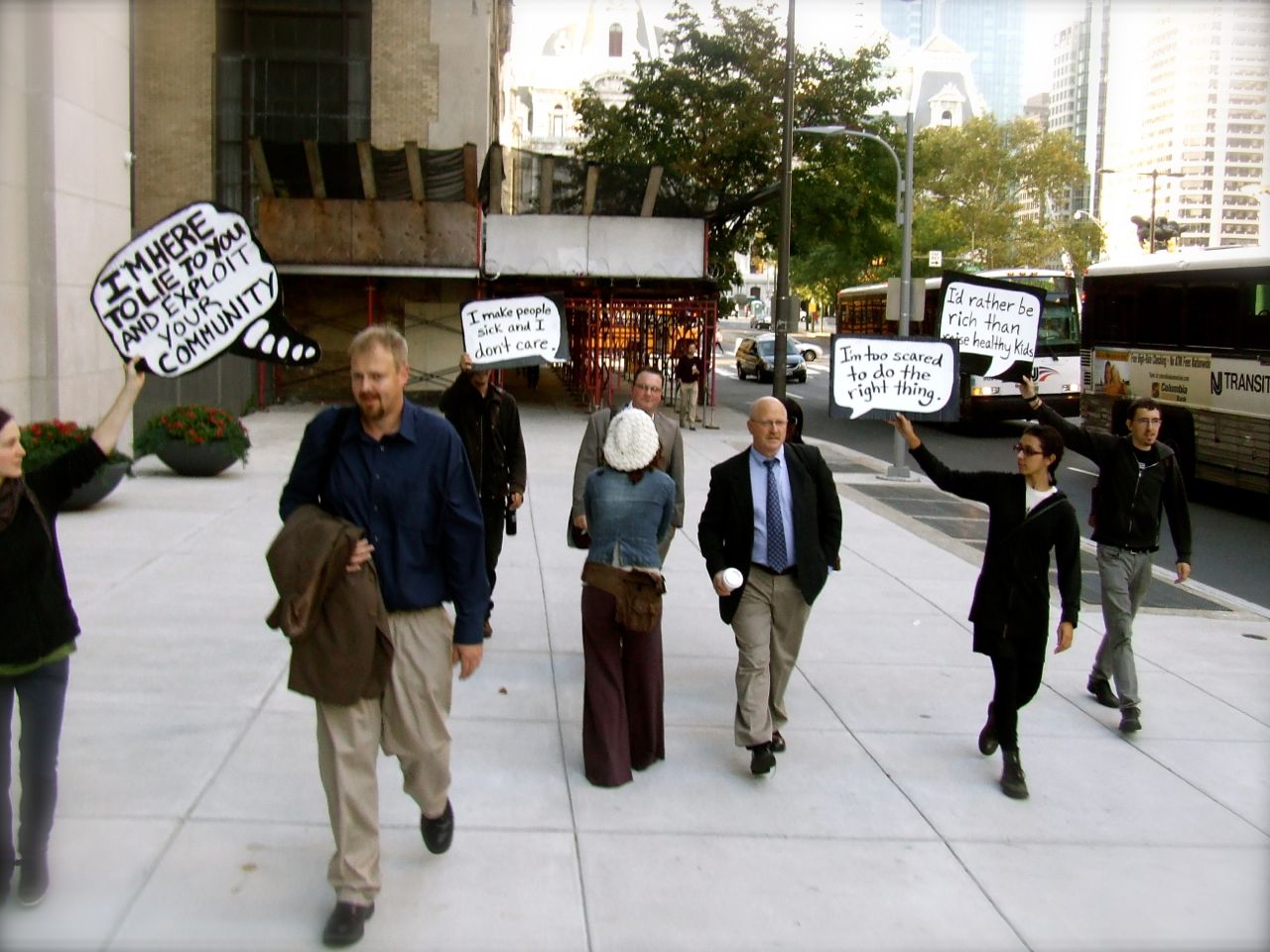
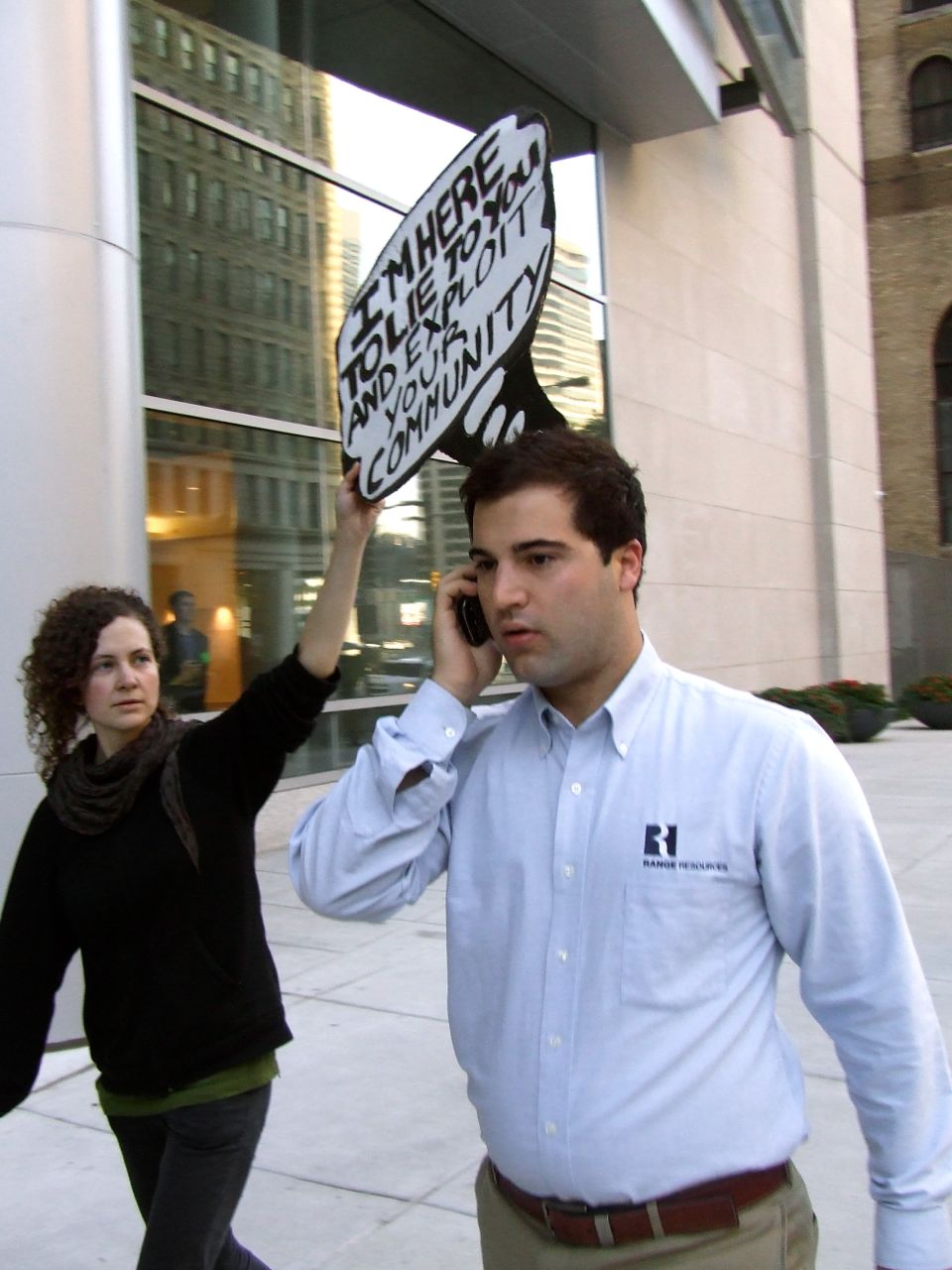
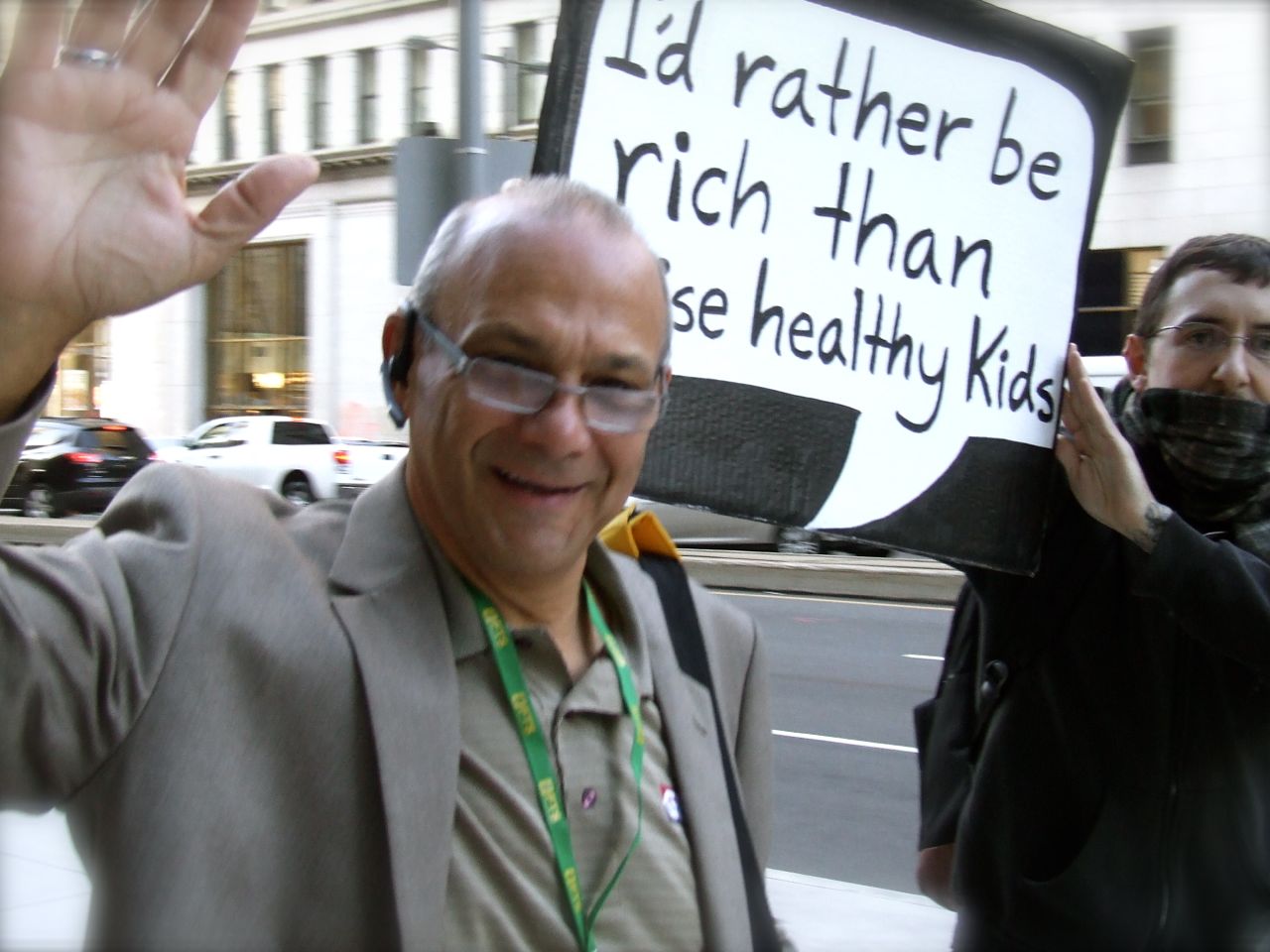
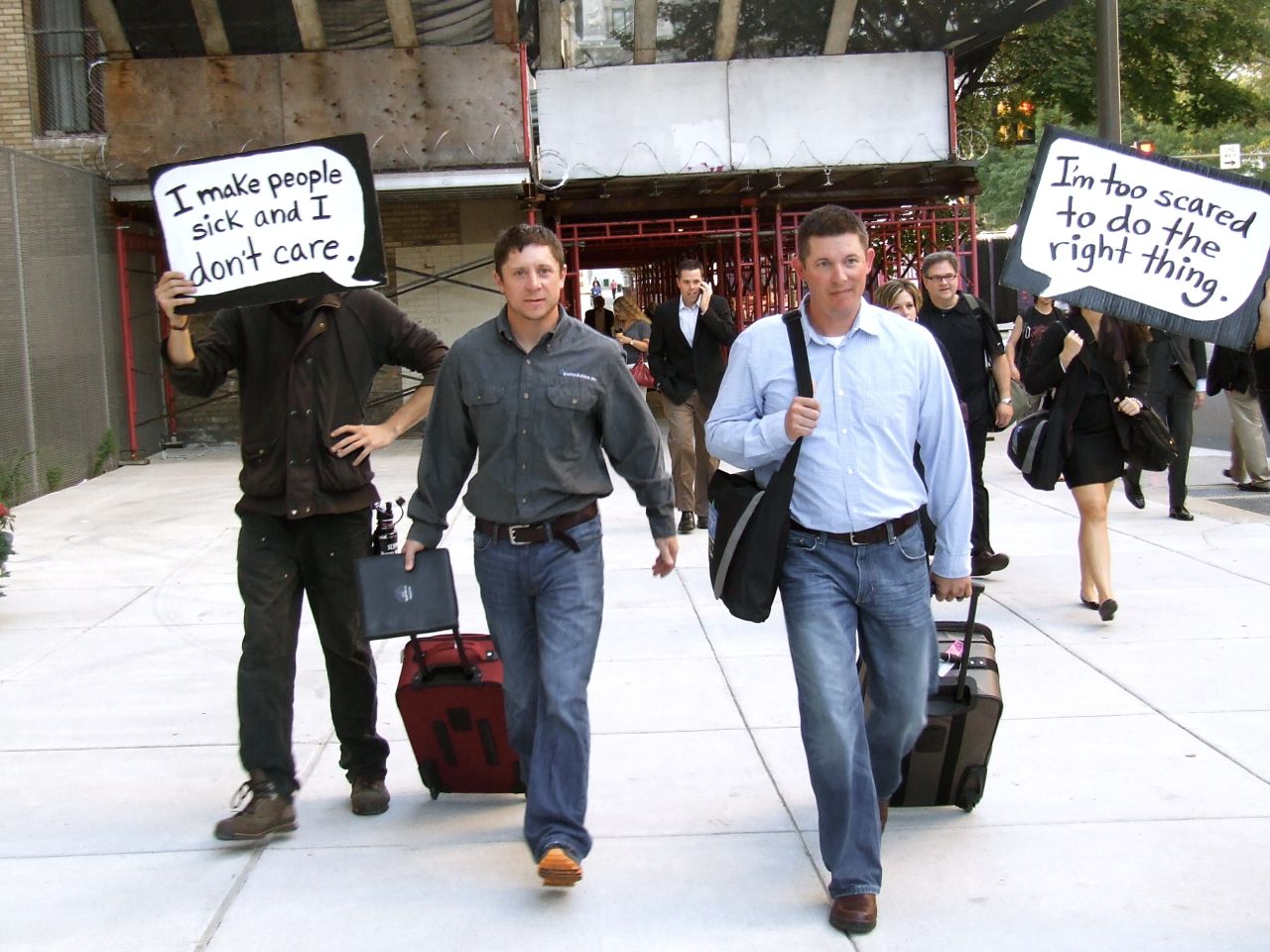
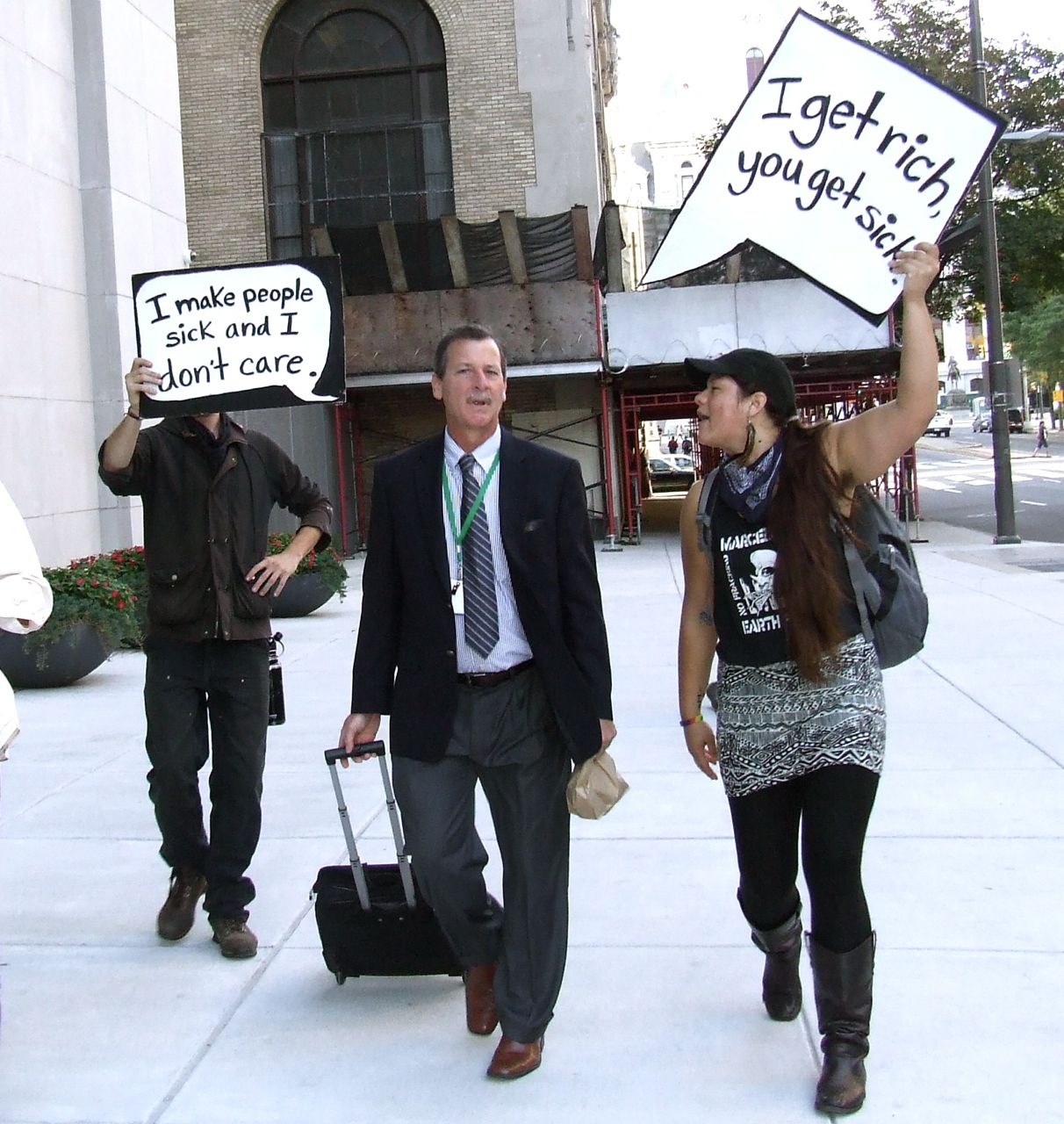
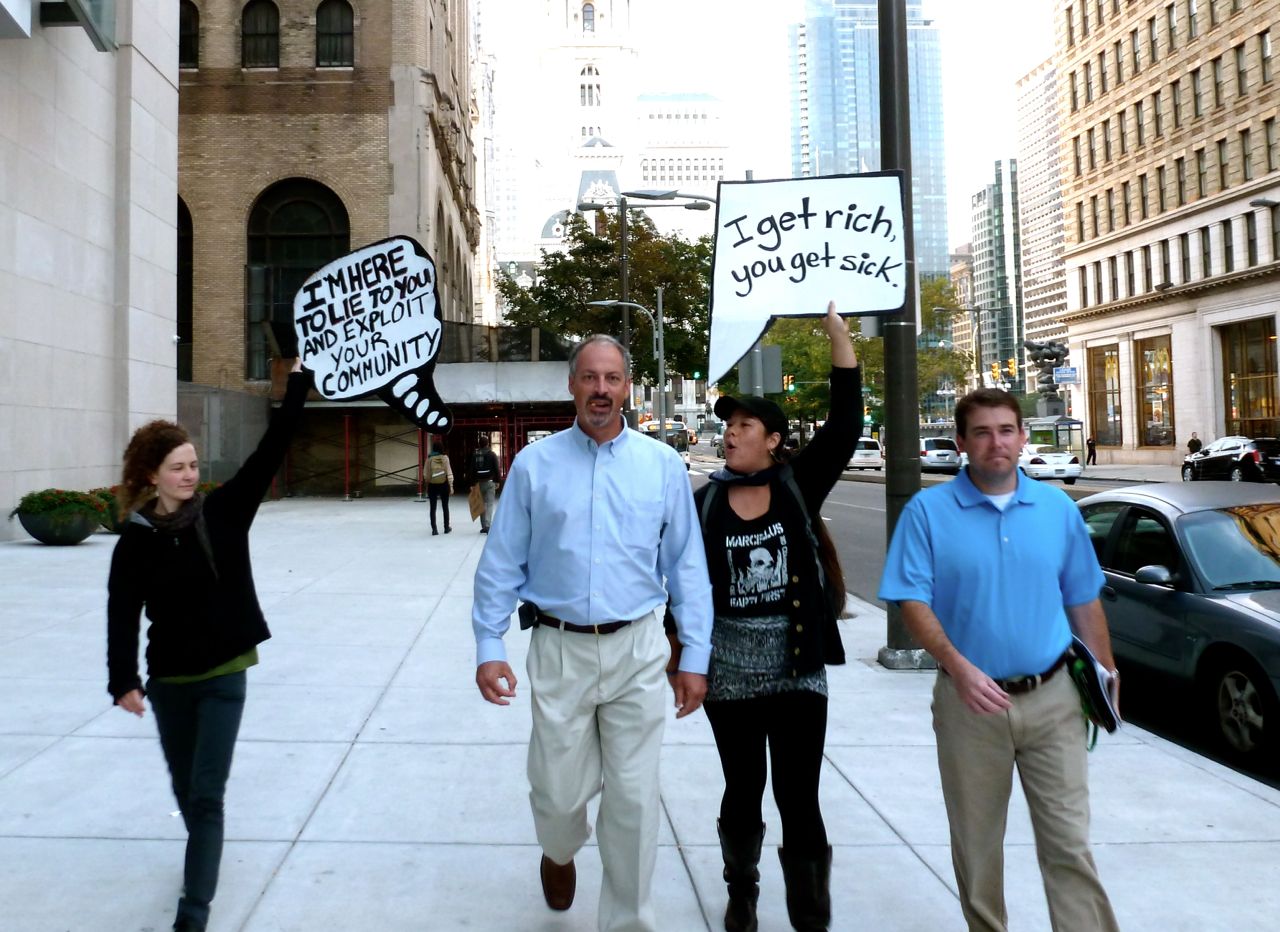
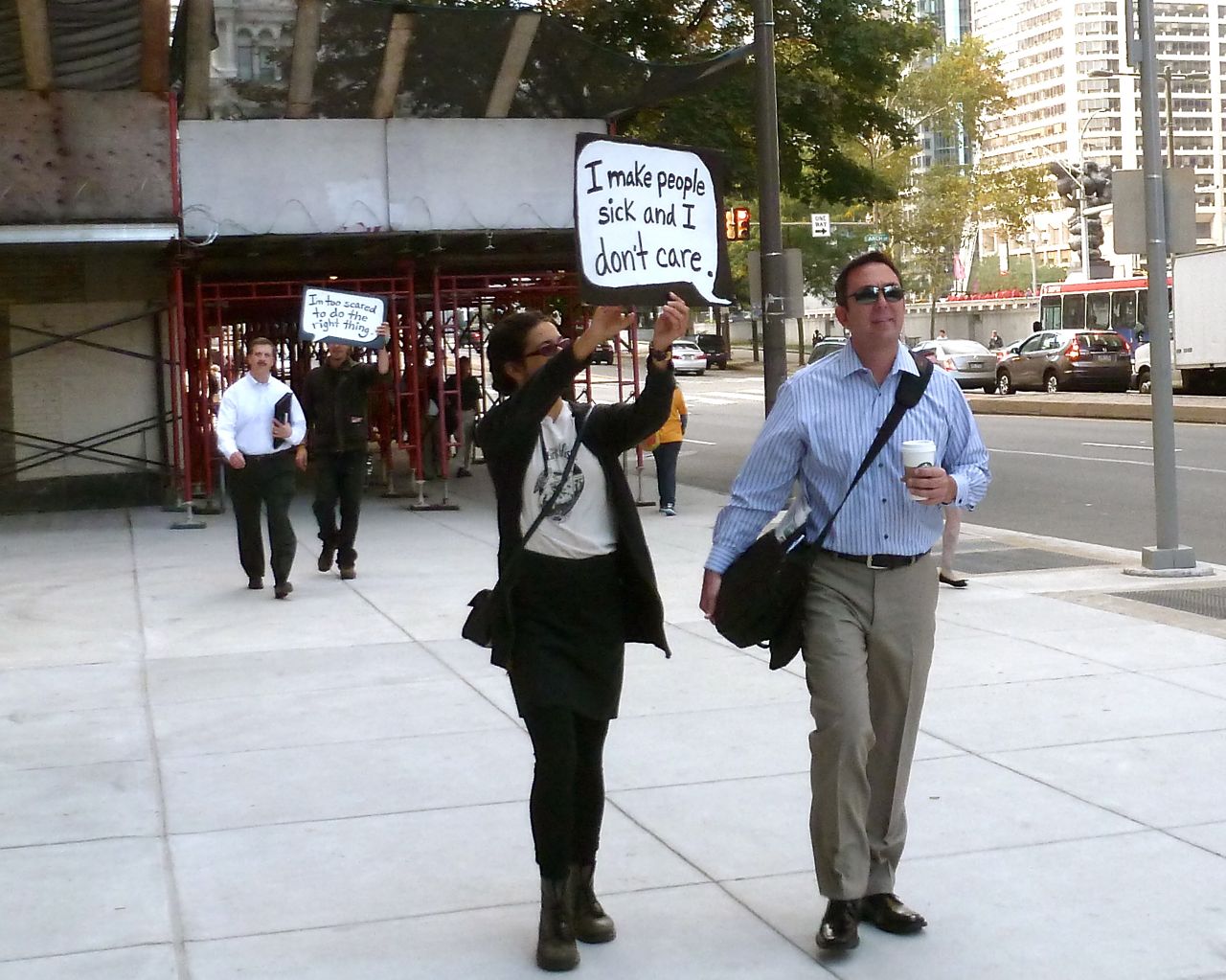
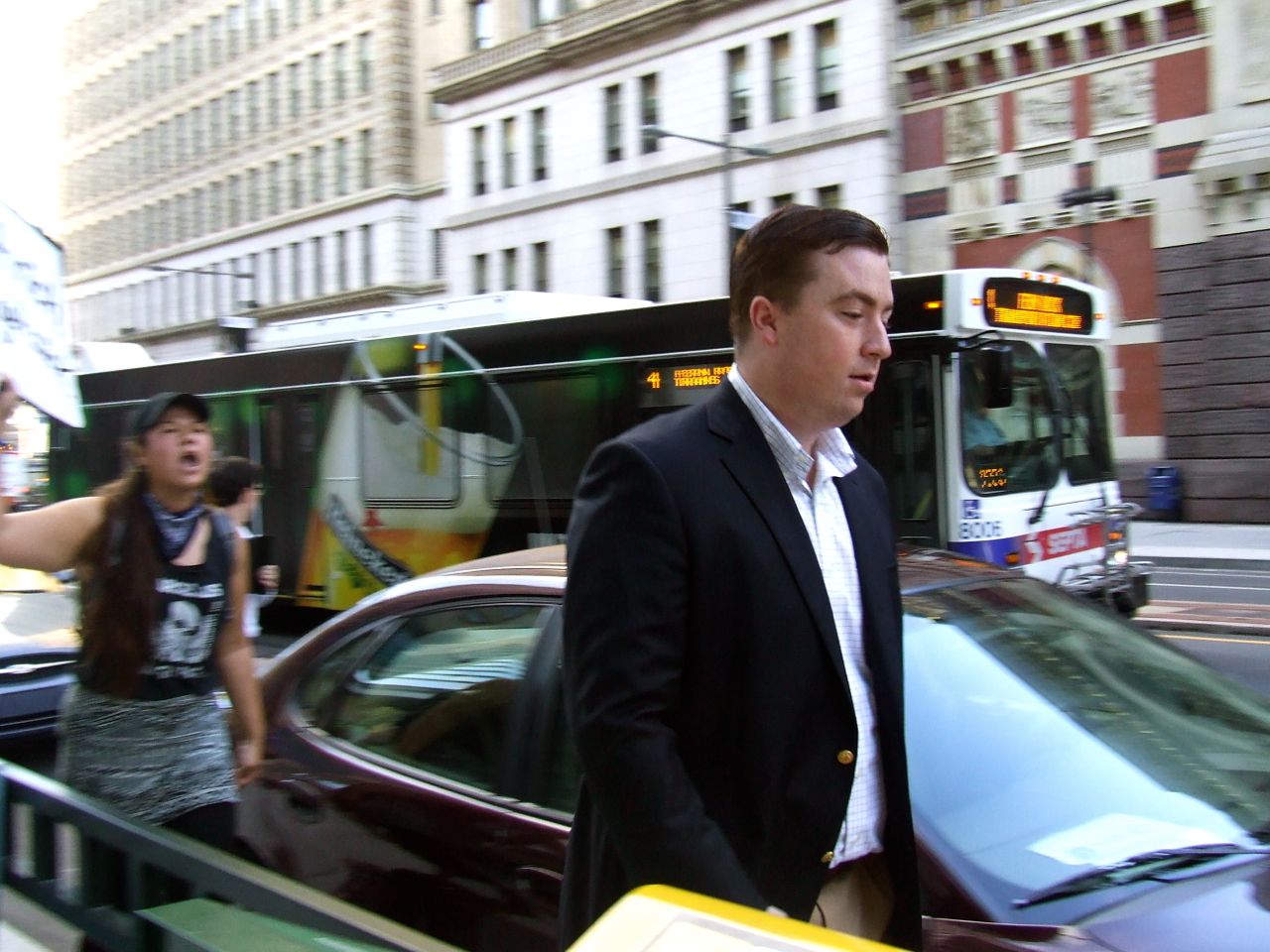
It was 7:00 am, the last day of the Marcellus Shale Coalition’s annual convention in Philadelphia, when a group of 40 or so people gathered to meet the gas industry face to face. “We just wanted to see what they had to say for themselves” said one of the protesters.
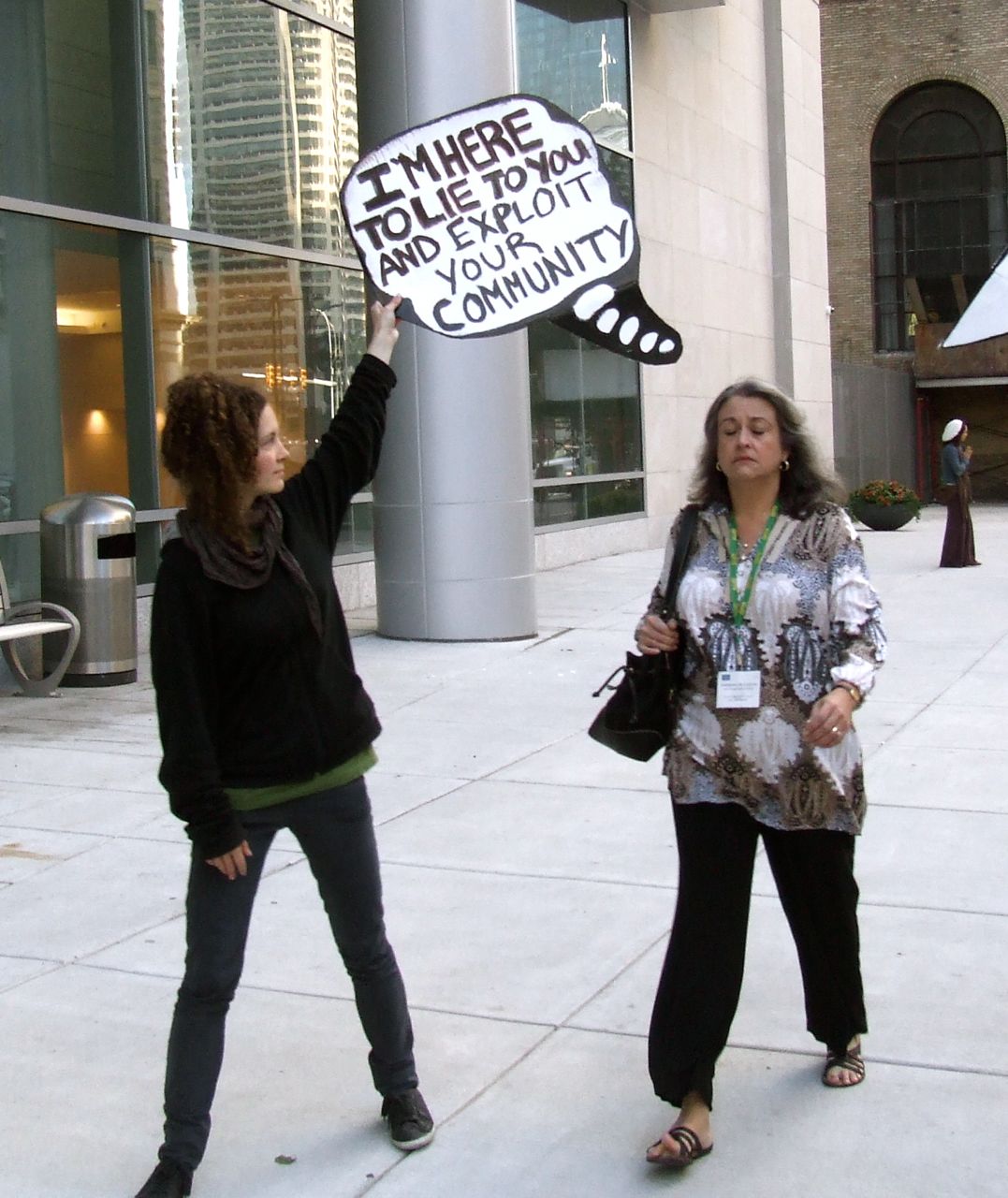
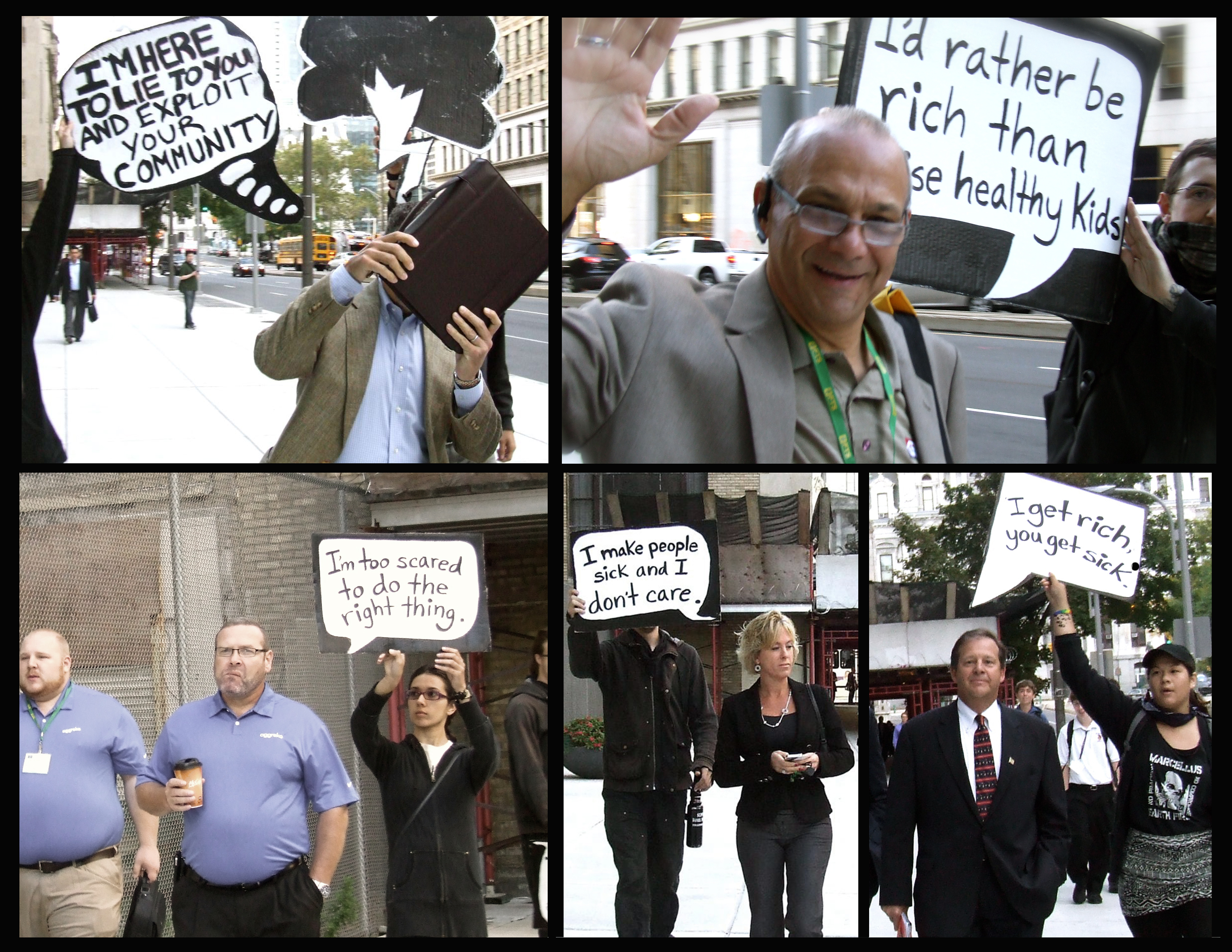
It was 7:00 am, the last day of the Marcellus Shale Coalition’s annual convention in Philadelphia, when a group of 40 or so people gathered to meet the gas industry face to face. “We just wanted to see what they had to say for themselves” said one of the protesters. It turned out the industry delegates weren’t so shy for talking after-all.
(scroll down for full gallery)
The convention was called “Shale Gas Insight” and took place in the fortified Philadelphia Convention Center in downtown Philly. The convention hosted hundreds of vendors and representatives from just about every company involved in hydraulic fracturing, or “Fracking” as some call it.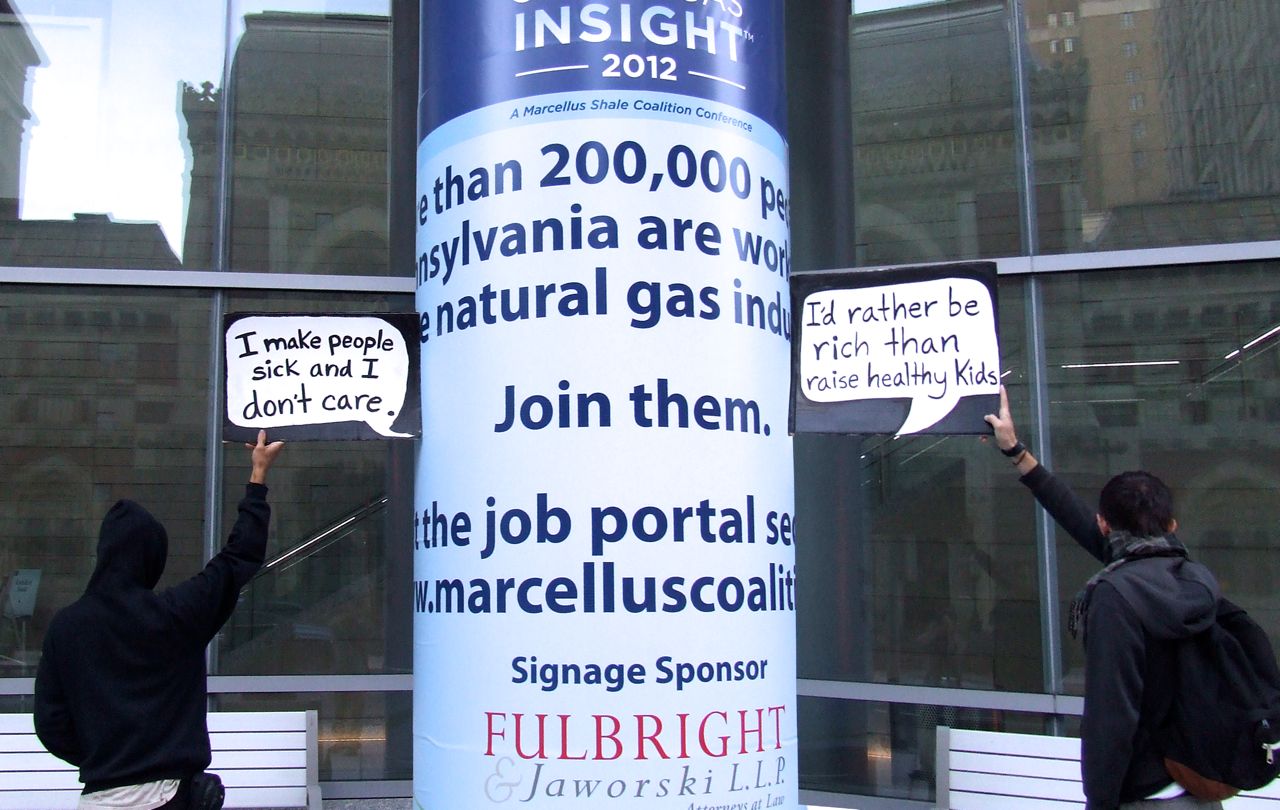 You can read about the workshop titles here; http://shalegasinsight.com/conference-schedule/
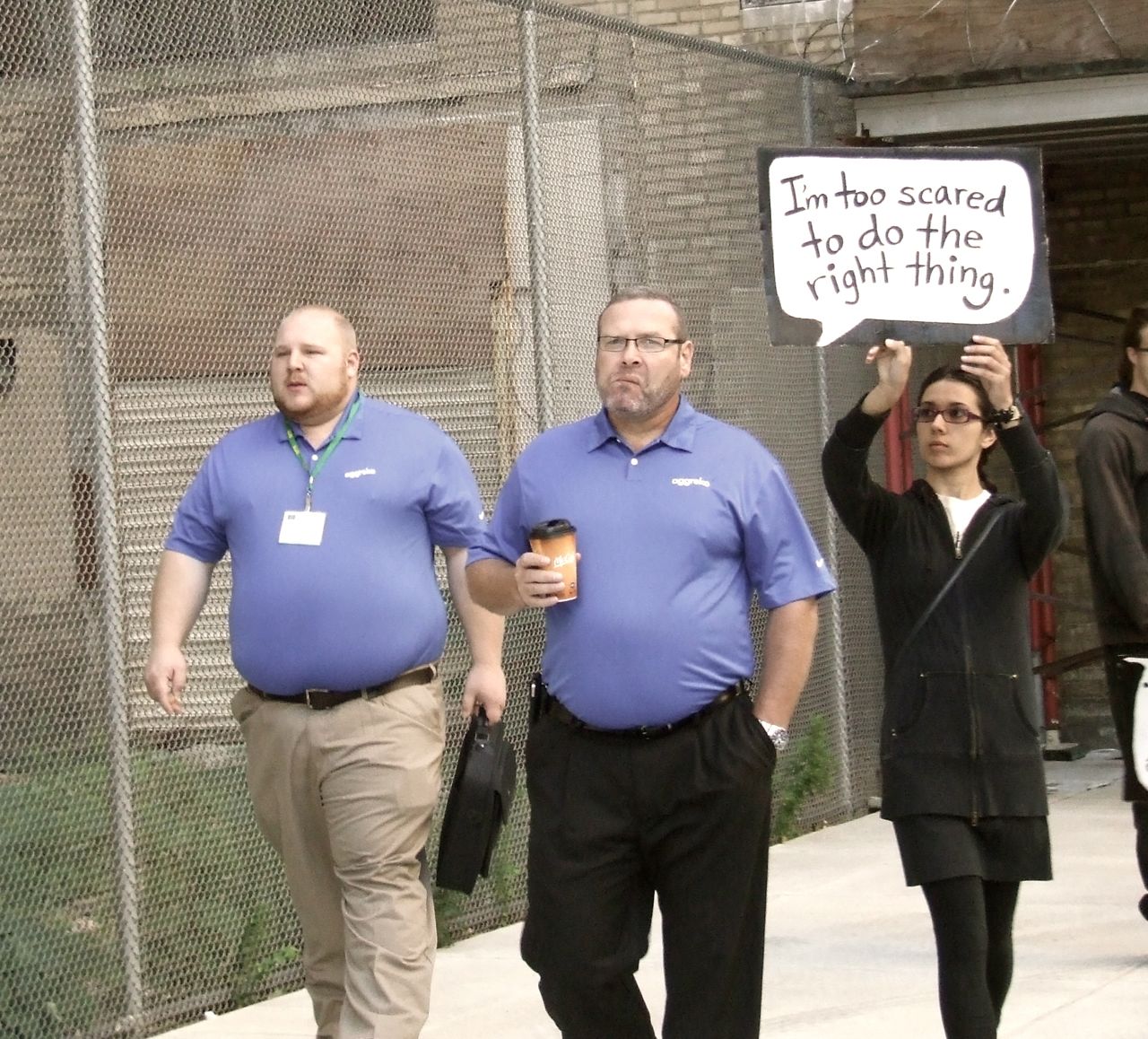
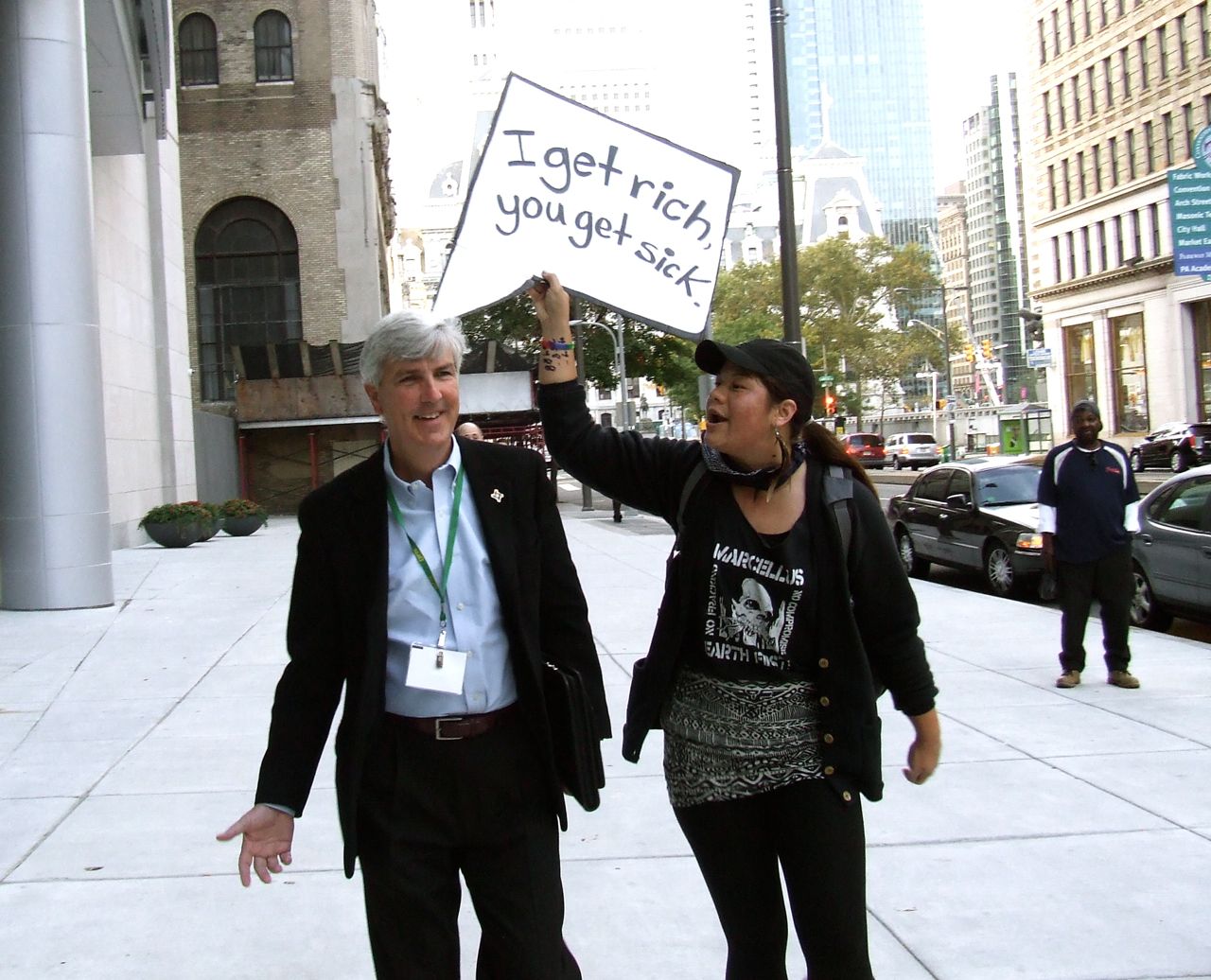
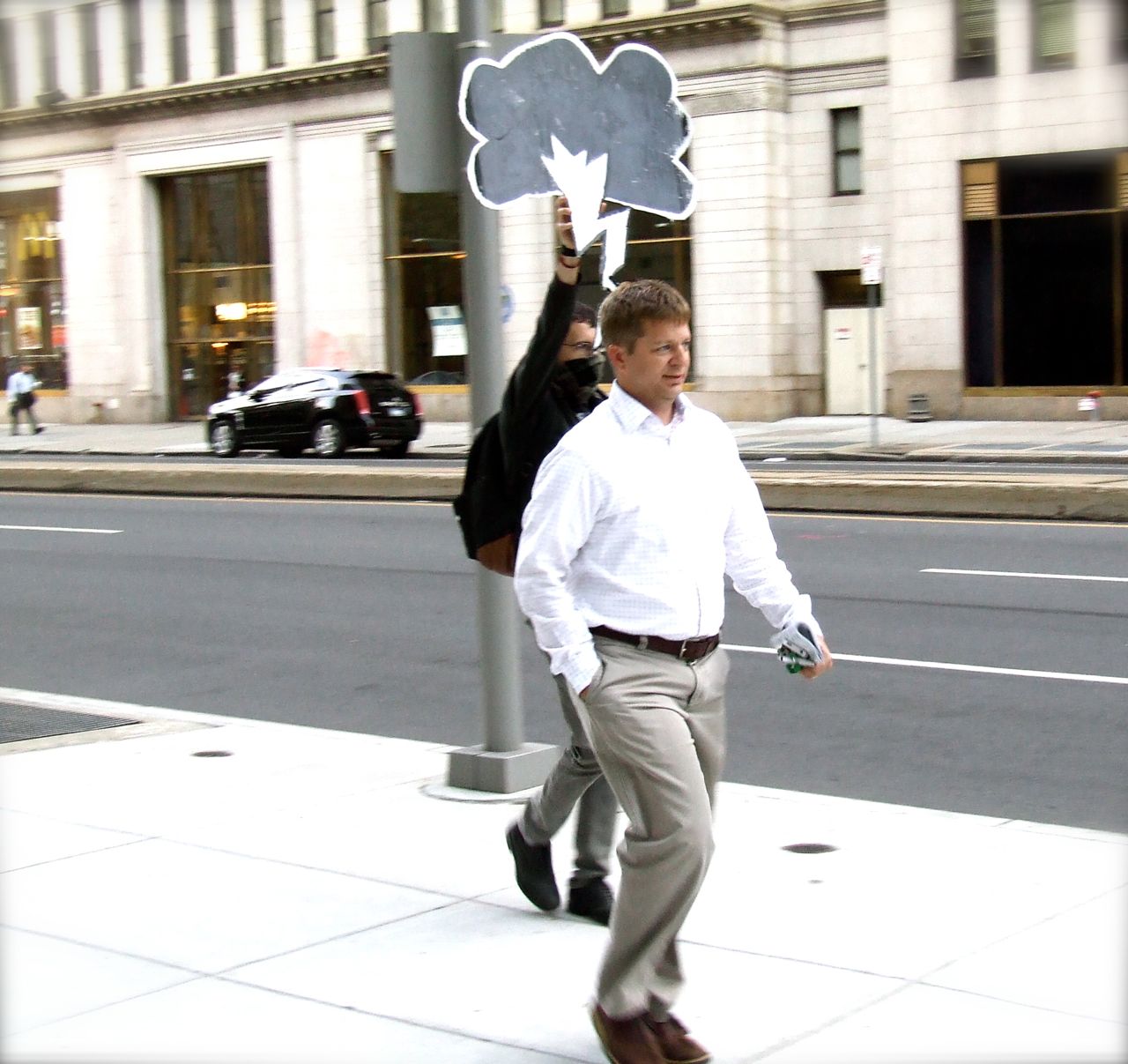
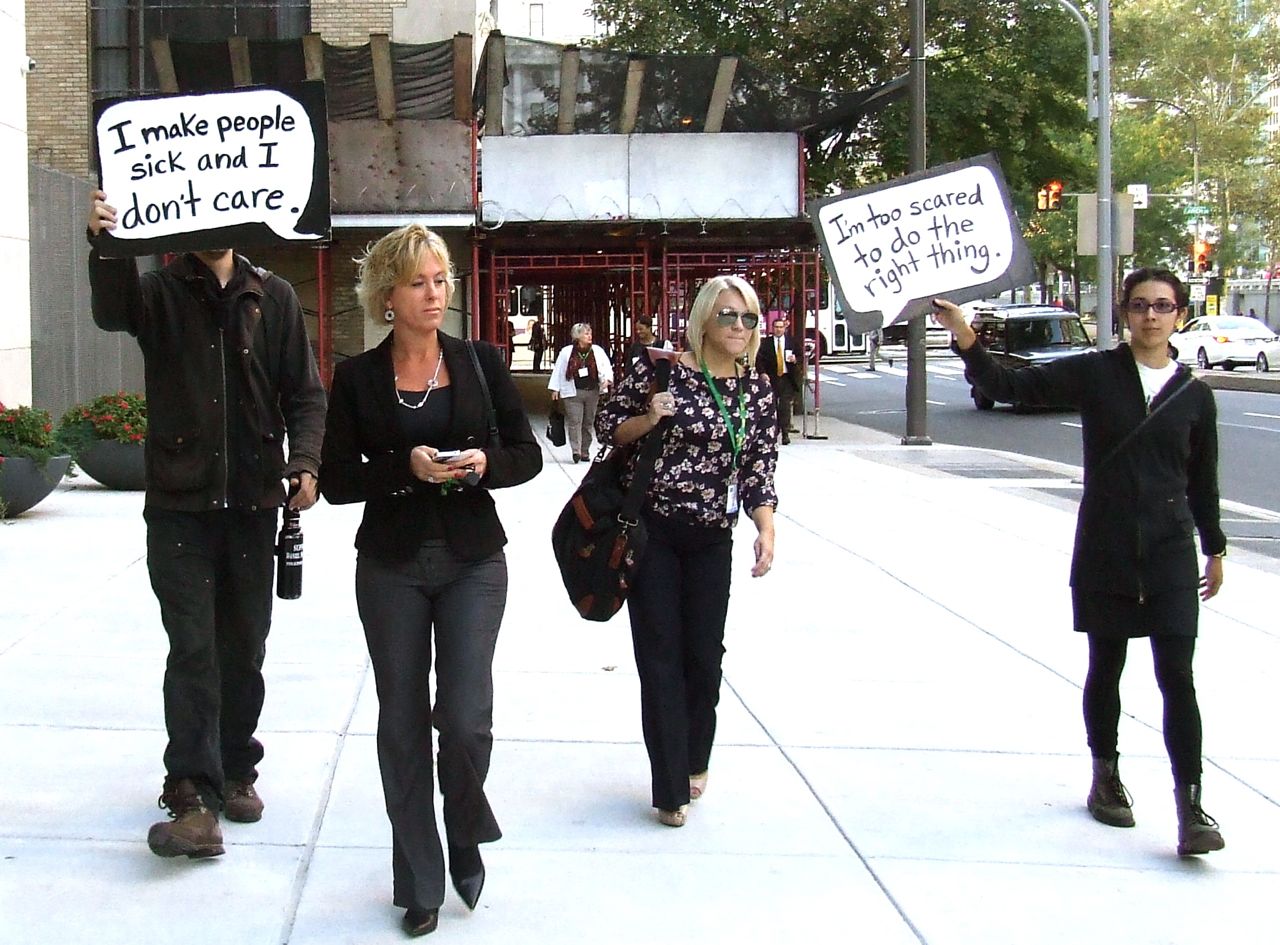
The action, called “Sunrise Intervention” by local organizers, succeeded in bringing people together to face the industry on their own terms. For hours, industry representatives were forced to pass through an aggressive picket at the front entrance with banners, flags, drums, and chants. This was preceded by a “walk of shame” in which the delegates were verbally confronted for an entire city block in public view. As they approached the convention center, people physically blocked them from entering. To say the least, it became a venue for interesting conversation.
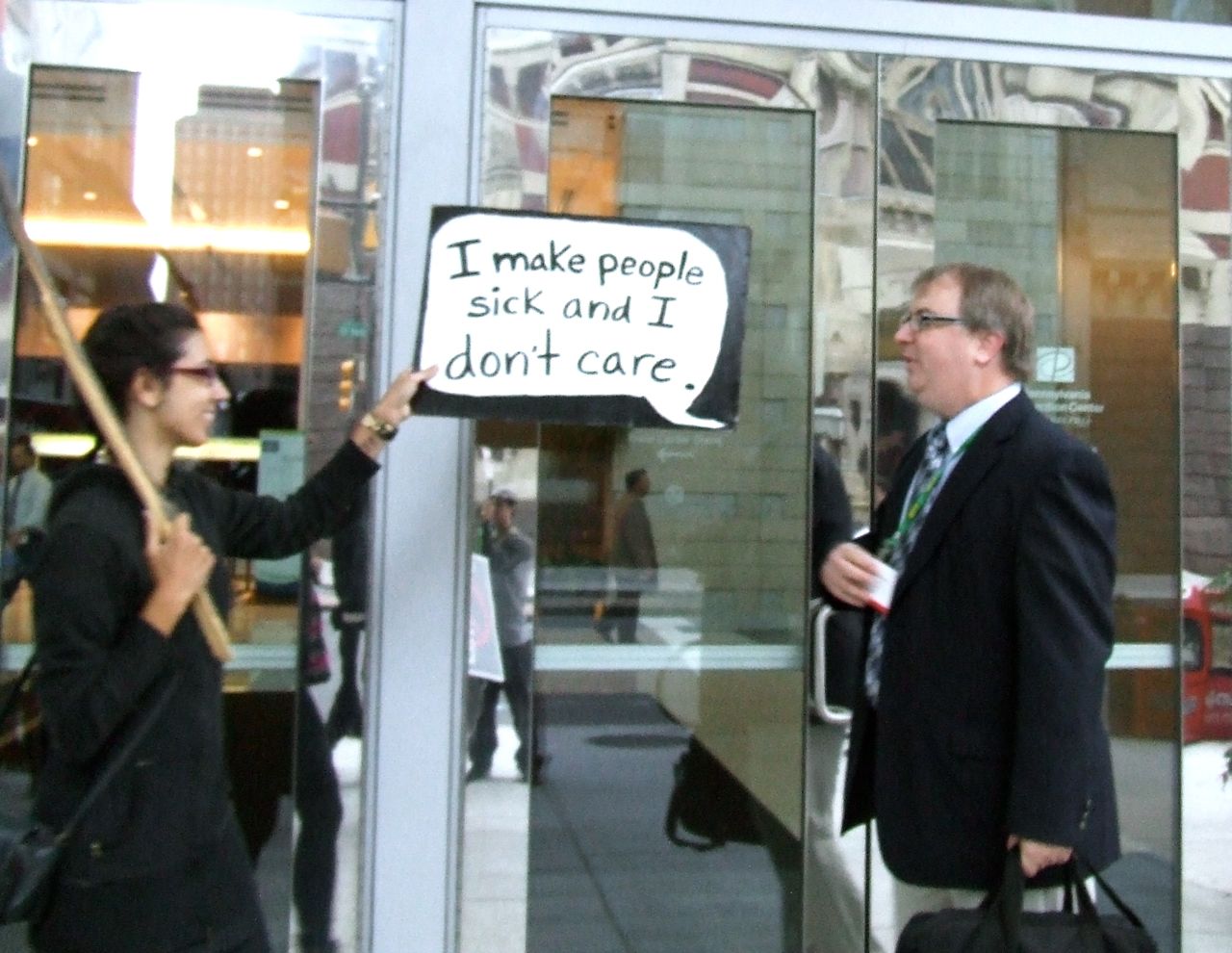
“I really valued the honesty on behalf of the delegates” said a bystander. At one point a group of uniformed charter school kids joined in the fun, taking pictures–laughing and pointing.
“We were hoping the delegates would get arrested for collaborating in environmental crimes” said one of the picketers when the police arrived. But they didn’t.
 “I’m too scared to do the right thing” whispered an officer from his car. The police then separating the picket onto either side of the main entrance, ushering delegates off the sidewalk into the road.
Although the police established a ritualistic presence, they didn’t do much to protect the delegates from the angry crowd. Perhaps they weren’t too impressed with the gas industry’s policy on public health.
The protest lasted a couple more hours, police & all, making it difficult for delegates to reach the door. Once most of the delegates were inside, the protest ended in an un-permitted march through downtown Philadelphia to meet up with an ACT UP rally and street theater performance.


Gandalf hates tar sands.
The ongoing Tar Sands Blockade campaign has launched an 8-person treesit in the planned path of the under-construction Keystone XL tar sands pipeline. “Construction cannot proceed until tree-sitters descend and TransCanada clear-cuts through hundreds of trees to make way for the toxic tar sands pipeline,” Tar Sands Blockade announced.
The treesitters have announced their intention to remain in the trees until the Keystone XL pipeline is stopped for good.
Tar Sands Blockade is an ongoing campaign to stop the construction of TransCanada’s Keystone pipeline through Texas and Oklahoma. The pipeline is meant to carry oil from Alberta’s tar sands to the US.
There are still plenty of ways to get involved in this campaign. Follow news of the treesit here. For some ways to get involved, read this call to action or visit Tar Sands Blockade.

Fishermen form a line to block
Fishermen form a line to block access to the construction site of a coffer dam on the Xingu River, Sep. 2012
From International Rivers:
On Wednesday [Sep. 19], a group of about 50 fishermen prevented a ferry from transporting machines and workers to a coffer dam being built for the Belo Monte Dam Complex, setting up a protest camp on one of the main islands of the Xingu River near the construction site.
After assembling, the protesters decided to remain indefinitely in place, and called on Norte Energia and IBAMA to immediately negotiate compensation for the loss of ecologically sensitive fish species that the fishermen have suffered as a result of the coffer dam’s construction.
"The fishermen have seen a 50% reduction in fisheries production. The river is drying up. Several species failed to spawn over the last year due to Norte Energia's intervention in the river. A lot of fish are dying, and in some locations the company wants to impede the fishermen from accessing the river," explained Ana Barbosa Laide of the Movimento Xingu Vivo, who has accompanied the mobilization.
On Wednesday night, a group of fishermen who depend on ornamental fish from the river joined the group, demanding that environmental agency IBAMA guarantee the survival of species that are endemic to the area where the dam is being built, saying that otherwise, the species will go extinct. "They argue that if these species die off, IBAMA should release its population of collected ornamental fish in order to save the economic livelihoods of the fishermen," explained Laide.
According to the movement leaders, the occupation protests the decision of IBAMA to allow Norte Energia to permanently close the river. During this process, the fishermen were not consulted nor informed about how they could continue their economic activities, or how they could continue to transport their boats on the river past the dam. "The river is ours and we came to fish. You can't just prohibit fishing, we have to work, "says Lucio Vale, President of the Fishermen's Colony of Altamira.
On the evening of the 19th, civil police officers, accompanied by members of Norte Energia, were at the demonstration site. According to agents, they were assured that the protest was non-violent.

Peruvian pol
Peruvian police are becoming notorious for using lethal force against protesters. In this picture, police respond with force to protests which rocked the Amazon region in 2009.
Despite government promises of reforms in the way natural resource concessions are handled, another anti-mines protester has been killed in Peru. This marks the 19th person killed in a natural resource-related conflict since President Ollanta Humala took office in July 2011.
Clashes between police and protesters broke out in the Ancash region on Wednesday Sep. 19, when police tried to break up a blockade of a road leading to Barrick Gold’s Pierna mine. Locals blame the mine for contaminating their drinking water and using up their water supply.
The company temporarily shut down the mine following the killing.
The violence came even as Peru’s Congress debates reforms to the way mining concessions are handled, including the creation of a new oversight body to evaluate mining concessions, separate from the agency responsible for promoting them.
The government has also been touting its new policy of consulting with affected communities regarding oil and gas concessions in the Amazon, but communities in resistance to such projects have expressed skepticism about what such consultation will actually mean.
“Which communities will be consulted? What are the terms and conditions? Indigenous peoples need answers to these questions, because there is a great deal of mistrust,” said congressmember Verónika Mendoz.
“We think it is good that they will hold a consultation. But how can they remedy all of the damage they have done to us in the last 40 years in just a short time? They need to explain that to us first,” said Achuar indigenous leader Andrés Santi, president of the Federation of Native Communities of Corrientes.