
BUILD GARDENS, NOT PRISONS: International Reclaim the Fields Action Camp 2015

Inter­na­tion­al Reclaim the Fields Action Camp 2015

Inter­na­tion­al Reclaim the Fields Action Camp 2015

When: Fri­day 28th August (From 6pm) – Wednes­day 2nd Sep­tem­ber 2015

Where: Dudle­ston Com­mu­ni­ty Pro­tec­tion Camp, Shrop­shire (near the Wales/England Bor­der).

About:

Reclaim the Fields UK (RTF) was born in 2011, as a star in a wider con­stel­la­tion of food and land strug­gles that reach­es around the globe. Since 2011, camps and oth­er RTF gath­er­ings have helped sup­port local com­mu­ni­ties in strug­gle, share skills, devel­op net­works, and strength­en the resis­tance to exploita­tion, in Bris­tol, west Lon­don, Glouces­ter­shire, Not­ting­ham and Fife, among oth­er loca­tions.

Every two years there is also an inter­na­tion­al camp, where peo­ple from around Europe and beyond meet togeth­er to sup­port a local strug­gle (stand­ing against exploita­tive gold min­ing in Roma­nia, and open cast coal min­ing in Ger­many, are some exam­ples). Peo­ple at these camps have shared their local sto­ries and grown their ideas about resis­tance and reclaim­ing our food sys­tem, beyond nation­al bor­ders. This year, an inter­na­tion­al gath­er­ing will be held in the UK, in Dudle­ston, Shrop­shire, on the Welsh/English bor­der.

The aims of the camp are:
• To sup­port local com­mu­ni­ties in the west and north west of Eng­land, and the north of Wales with their strug­gles against frack­ing
• To increase par­tic­i­pa­tion in Reclaim the Fields
• To demon­strate vis­i­ble, active oppo­si­tion to prison con­struc­tion
• To sup­port Dudle­ston Com­mu­ni­ty Pro­tec­tion Camp build a gar­den and infra­struc­ture to become more self-reliant
• To demon­strate the inter­con­nec­tion between these strug­gles
• To inspire and rad­i­calise every­one involved

What is hap­pen­ing:

• Two days of Action – Tues­day 1st & Wednes­day 2nd Sep­tem­ber – demon­stra­tions & actions against com­pa­nies involved in the con­struc­tion of the North Wales prison, as well as local frack­ing-relat­ed tar­gets.
• Work­shops & Skill­shares – Over the bank hol­i­day week­end there will be abun­dant oppor­tu­ni­ties to learn, share, dis­cuss and con­nect with oth­er peo­ple.
• Build­ing & Grow­ing on the site – Be part of installing gar­dens & low impact infra­struc­ture at the com­mu­ni­ty pro­tec­tion camp. Learn about per­ma­cul­ture, agroe­col­o­gy, for­est gar­den­ing, mush­room grow­ing, pal­let con­struc­tion, com­post toi­let mak­ing, off-grid electrics and more.

Why:

• This camp has been organ­ised to sup­port the local com­mu­ni­ty in Dudle­ston to resist frack­ing in their area (as well as work­ing with oth­er local anti-frack­ing groups & pro­tec­tion camps in the North West who have been resist­ing extreme ener­gy devel­op­ments for a num­ber of years). To find out more about their strug­gle vis­it: http://frack-off.org.uk/blockade/dudleston-community-protection-camp/
• It has also been organ­ised to give atten­tion to the North Wales Prison Project that is being con­struct­ed. This will be Europe’s sec­ond largest prison hold­ing 2100 pris­on­ers and the first of a num­ber of ‘mega pris­ons’ that the UK Gov­ern­ment wish to build. Click here for more infor­ma­tion about the prison, why we are against it & links to arti­cles about the prison indus­tri­al com­plex in the UK

How to get involved:

Click on the links below to find more prac­ti­cal infor­ma­tion about the camp and how to get involved:

This is a DIY/DIT(ogether)* camp and every­one is need­ed to get stuck in to make it hap­pen. Peo­ple are need­ed to:
• Sup­port with pub­lic­i­ty before the event – shar­ing the gath­er­ing online, putting posters up, encour­ag­ing your local group to get involved. Peo­ple are also need­ed to help design the pro­gramme, respond to emails & plan facil­i­ta­tion.
• Help­ing with site set up & build­ing infra­struc­ture (plan­ning this in advance & being on site a few days before the gath­er­ing)
• Sign­ing up to a shift over the week­end to help with cook­ing, site set up & safe­ty, being on the wel­come tent & so forth
• Sup­port­ing local groups to organ­ise actions

If you can help with any of these tasks please email info@reclaimthefields.noflag.org.uk

Spread the word:

• Poster design here: reclaimthefields.noflag.org.uk/wp-conte…

• Face­book event: https://www.facebook.com/events/560637597407933/

Roundup of Actions Against Fossil Fuel Infrastructure in Vermont and NY (PHOTOS)

11540845_880395355368837_8597014069334356308_n

July 7th, 2015

from Ris­ing Tide Ver­mont

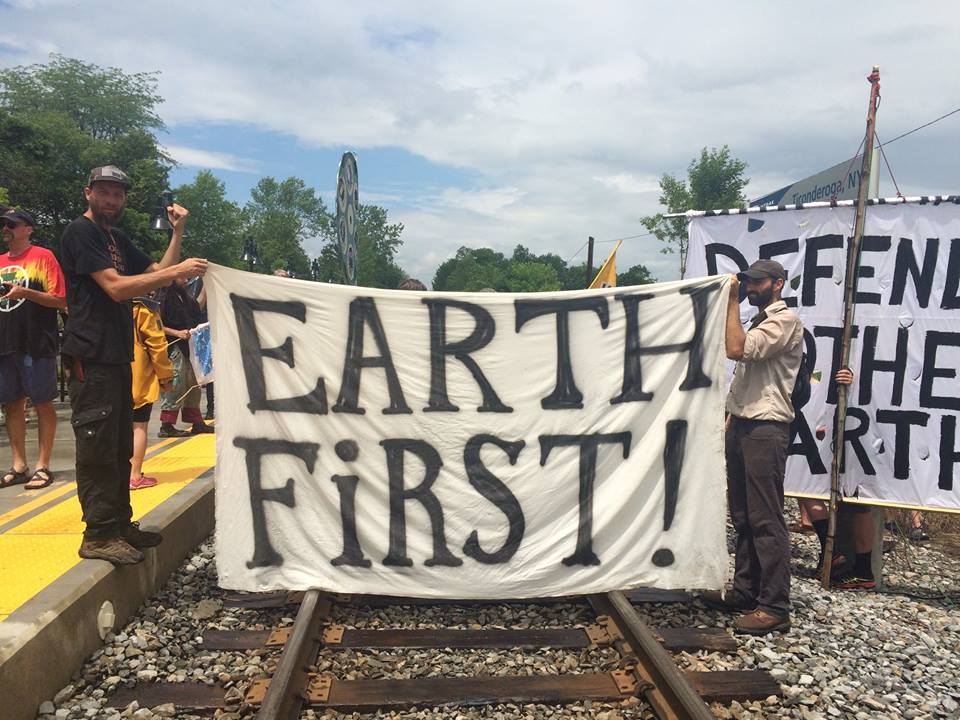
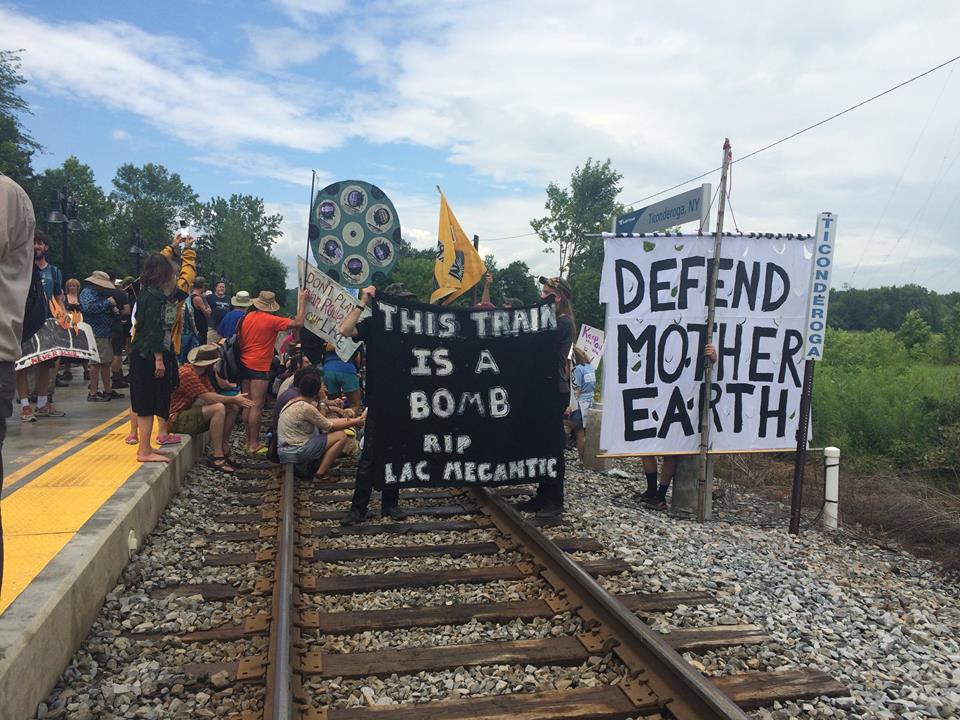
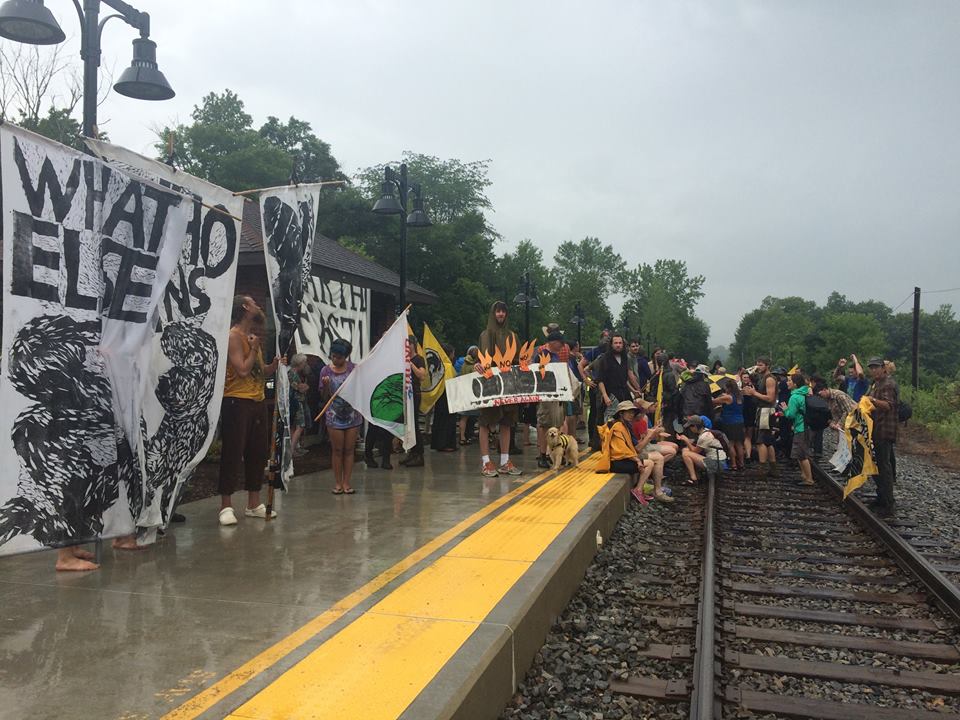
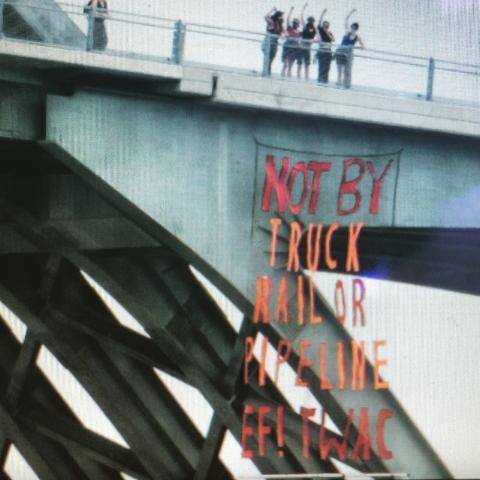
* 150+ w/dozens occu­py­ing the tracks in Ticon­dero­ga to ‪#‎StopOil­Trains‬.
* Four arrest­ed blockad­ing VT fracked gas pipeline con­struc­tion.
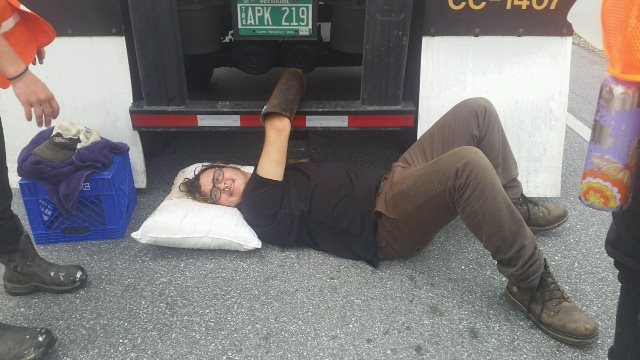
* TWAC still locked down to CNG truck on way to IP mill.

Disrupting Vermont Gas Systems

from Burling­ton Free Press

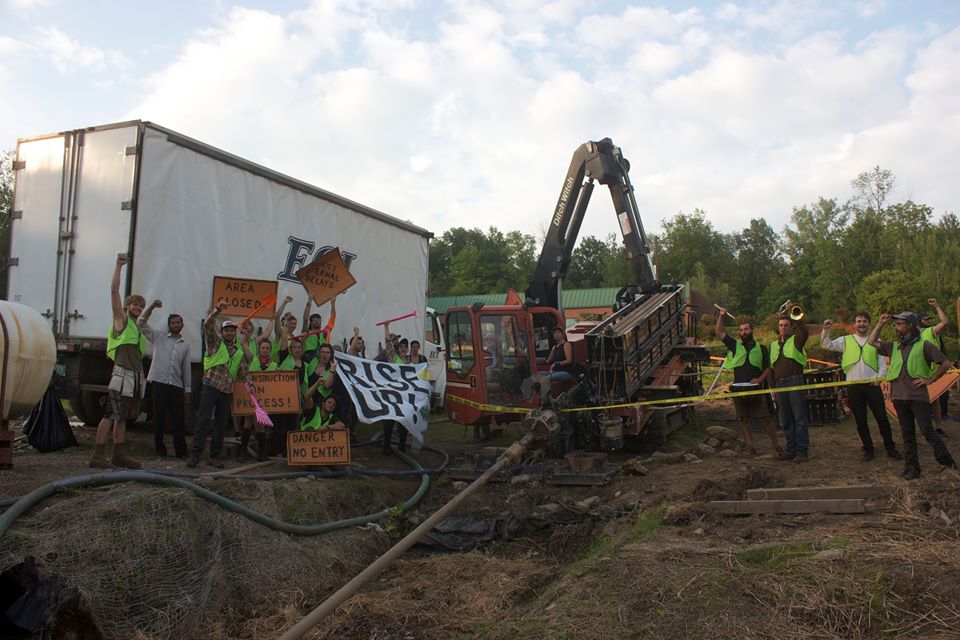
About 30 pro­test­ers dis­rupt­ed work at a Ver­mont Gas Sys­tems con­struc­tion site in Willis­ton on Tues­day morn­ing.

Four pro­test­ers were arrest­ed on sus­pi­cion that they unlaw­ful­ly tres­passed to stop work at the con­struc­tion site, said Willis­ton police Chief Todd Shep­ard. Willis­ton police had giv­en pro­test­ers until 7 a.m. to move.

Ver­mont State Police, Essex police and South Burling­ton police were also on scene. Shep­ard said about 14 law enforce­ment rep­re­sen­ta­tives had arrived by the end of the protest.

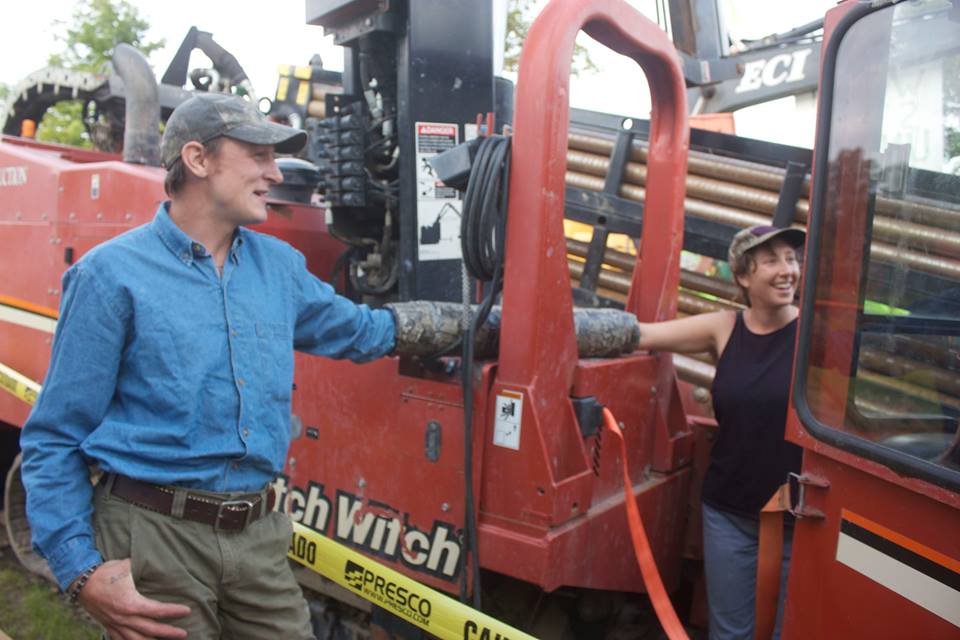
Thomas Buck­ley, 34, of West­ford and Martha Water­man, 25, of Char­lotte chained them­selves togeth­er across a ditch dig­ging machine. Avery Pittman, 25, of Burling­ton was lat­er also chained to Water­man.

Buck­ley, Water­man and Pittman were tak­en into cus­tody before 9 a.m. Grayson Flo­ry, 28, of Los Ange­les was also arrest­ed after refus­ing to leave the site at 310 Hur­ri­cane Lane.

All pro­test­ers arrest­ed were car­ried from the site by law enforce­ment, but they did not active­ly resist arrest oth­er­wise, Shep­ard said.

Each pro­test­er has been released from police cus­tody and issued a cita­tion to appear on Thurs­day in Ver­mont Supe­ri­or Court in Burling­ton, Shep­ard said.

Occupation of the Tracks


Flotilla

from Ris­ing Tide Ver­mont: More than a hun­dred peo­ple con­verged in Ticon­dero­ga, NY today for a flotil­la and sym­bol­ic block­ade to ‪#StopOil­Trains.

Yes­ter­day marked the sec­ond anniver­sary of the Lac-Megan­tic oil train dis­as­ter, in which a train car­ry­ing fracked oil explod­ed and lev­eled the small Que­bec town, killing 47 peo­ple.

In the so-called Cham­plain val­ley, tens of mil­lions of gal­lons of fracked oil are trans­port­ed annu­al­ly along the lake, and indus­try is mak­ing plans to start bring­ing tar sands through.

TWAC Throws Down

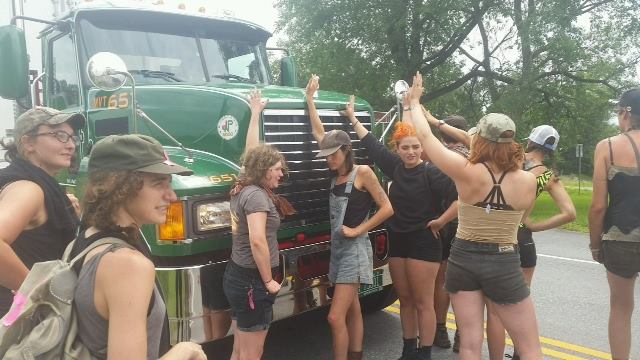
from Ris­ing Tide Ver­mont: “Our friends at the Trans and/or Women’s Action Camp (TWAC) also stopped a truck on its way to deliv­er com­pressed fracked nat­ur­al gas to Inter­na­tion­al Paper. One per­son has locked their body to the back of the truck pre­vent­ing it from mak­ing a deliv­ery. Fracked gas by truck is just as dirty and dan­ger­ous as fracked gas in a pipeline!”


(TWAC is a group of activists who iden­ti­fy as Trans*, Trans­gen­der, Gen­derqueer, and Gen­der non-con­form­ing as well as any­one who iden­ti­fies as a woman regard­less of whether they were assigned female at birth)

Released from Jail!!!

The four peo­ple who were arrest­ed this morn­ing block­ing the con­struc­tion of the fracked gas pipeline have all been released. Please share and donate to our legal fund to sup­port this fierce esca­la­tion of resis­tance against extreme ener­gy! Donate to our legal fund at: http://bit.ly/J7legal

Armed attack on Ilisu construction workers – Dam construction halted

Fol­low­ing a series of events includ­ing dis­mals, an armed assault, injuries and arson, work­ers have left the Ilisu Dam and Hydro­elec­tric Pow­er Plant con­struc­tion site, thus bring­ing work to a halt. These events show how dan­ger­ous, risky and destruc­tive a project we are con­fronting.

On 19 June (Fri­day), 5 work­ers were dis­missed from work by the Malami­ra com­pa­ny. Malami­ra (based in Ankara with roots in Diyarbakır) employs most of the work­ers at the con­struc­tion site. It replaced oth­er com­pa­nies at the Ilı­su Project when con­struc­tion resumed in Decem­ber 2014 at Ilı­su vil­lage in Dargeçit dis­trict in Mardin province. While meet­ing with Mala Mira Com­pa­ny man­agers on behalf of the dis­missed work­ers and to present demands for union­iza­tion, work­ers were fired upon by the body­guards of the employ­ers and the project direc­tor. The injured work­ers (Ali İnan, 27; Ömer Ekin­ci, 26; and Ömer Erol, 19) are still receiv­ing treat­ment hos­pi­tals.

In response to this, oth­er work­ers and rel­a­tives of the injured – some of whom live in vil­lages close to the Ilı­su Dam – pro­ceed­ed to the scene. Pro­test­ers set fire to offices, heavy equip­ment and vehi­cles belong­ing to the com­pa­ny. As the protest grew, a large num­ber of armored vehi­cles, spe­cial forces, riot police, water canons and sol­diers were dis­patched to the Ilı­su Dam con­struc­tion site.

Because of these events, approx­i­mate­ly 1000 work­ers did not work and returned to their places of res­i­dence with their lug­gage. Thus con­struc­tion work at the Ilisu Dam has been halt­ed.

In and of itself, the halt­ing of the Ilisu Project, which rep­re­sents a huge social, cul­tur­al and eco­log­i­cal cat­a­stro­phe for a greater region, is a pos­i­tive devel­op­ment. How­ev­er, the events wit­nessed over the past three days show how prob­lem­at­ic the Ilisu Project is for region­al peace and tran­quil­i­ty.

The Ilisu Project was halt­ed in the sum­mer of 2014 fol­low­ing the inter­ven­tion of PKK (HPG) guer­ril­las, and con­struc­tion began again with the engage­ment of Malami­ra com­pa­ny in Decem­ber 2014. Malamira’s par­tic­i­pa­tion in the Ilı­su con­sor­tium despite the ongo­ing high poten­tial for local con­flicts, shows that in pur­suit of prof­it this com­pa­ny did not take into con­sid­er­a­tion the social, eco­log­i­cal and polit­i­cal risks of the project.

Not only those who fired weapons, but the com­pa­ny man­agers be held account­able for this armed attack.

The Ilisu Project, which is a sym­bol of unfair­ness, injus­tice and social-cul­tur­al destruc­tion, must halt­ed as soon as pos­si­ble and debat­ed thor­ough­ly.

Note: You may use attached pho­tographs by acknowl­edg­ing that they were tak­en by DIHA (Dicle Haber Ajan­si /Tigris News Agency)

 Ini­tia­tive to Keep Hasankeyf Alive (www.hasankeyfgirisimi.net)

Mexico: Explosive Attack Against Ministry of Agrarian Territorial and Urban Development

from Insur­rec­tion News / Con­tra Info

IN THE MIDDLE OF THE NIGHT…

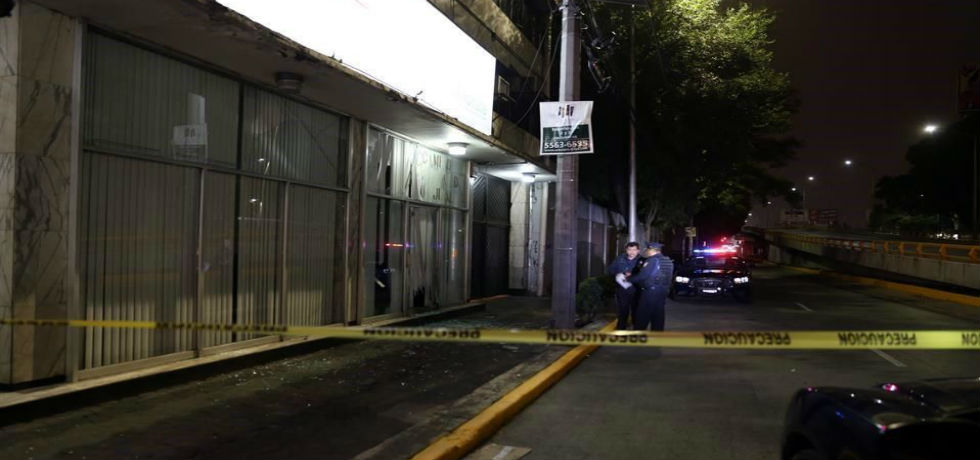
Black June. On June 6 at about 3AM we suc­cess­ful­ly det­o­nat­ed  an explo­sive device made of dyna­mite that was placed inside the offices of SEDATU (Min­istry of Agrar­i­an Ter­ri­to­r­i­al and Urban Devel­op­ment) locat­ed on Rev­o­lu­tion Avenue near the cor­ner of Rio Mix­coac in Mex­i­co City, Mex­i­co. The det­o­na­tion destroyed the glass front of the build­ing.

In Mex­i­co, this sec­re­tari­at – using dif­fer­ent names – has been respon­si­ble for putting an offi­cial stamp on the turn­ing of nature and the earth into com­modi­ties and of nor­mal­iz­ing the dis­pos­ses­sion and vio­lence that the state uses in it’s accu­mu­la­tion of cap­i­tal.

We are a group of insur­rec­tionary anar­chist fem­i­nist witch­es who have gath­ered in a cell of affin­i­ty. Our group was born on August 25 2014 when we det­o­nat­ed an explo­sive device in a PAN (Nation­al Action Par­ty) office in the Mex­i­co City and placed anoth­er device in the Lore­to church in the his­toric cen­ter of the same city.

June is a month of thir­ty days…

We also denounce the vile way in which the mass media hides the news of the attacks and the resis­tance.

Sol­i­dar­i­ty with the impris­oned com­rades in Chile, Italy, Greece and Spain. We are with you com­rades.

Sol­i­dar­i­ty with the com­rades Mario López and Car­los López. We are with you com­rades.

NO VOTES. KILL THEM ALL

Mex­i­co City, June 7, 2015

Lupe la cameli­na
Por la célu­la de difusión del
Coman­do fem­i­nista infor­mal de acción anti­au­tori­taria (Infor­mal Fem­i­nist Com­man­do Of Anti-author­i­tar­i­an Action) 
(COFIAA)

(via con­tra info, trans­lat­ed by Insur­rec­tion News)

HAMBACH FOREST: LIVING ON THE BARRICADES

Ham­bach For­est Defend­ers are present­ly block­ing RWE’s open cast lig­nite mine

Ham­bach For­est Defend­ers are present­ly block­ing RWE’s open cast lig­nite mine from expand­ing with liv­ing bar­ri­cades and tow­ers which in turn are pro­tect­ing access to the three for­est tree sits with plat­forms, tree­hous­es and inter­conect­ing walk­ways.  
The Ham­bach Mine iron­i­cal­ly named after the for­est it is destroy­ing is Europe‘s largest net CO2 pol­luter and it is record break­ing antro­pogenic cli­mate change, one of the largest plan­e­tary extinc­tions and increas­ing waves of cli­mate refugees that are reminders and ulti­mate glob­al shout-outs that eco-jus­tice is social jus­tice.

After the attack, evic­tion and arrest of 3 activists dur­ing the destruc­tion last week of “Pirate Ship” liv­ing plat­form bar­ri­cade not 3 days have elapsed and we have errect­ed a new tow­er bar­ri­cade.  Almost 3 times high­er than the last one we have named it Remi‘s Tow­er to hon­or Remi Frese, a cli­mate activist who was killed by a police con­cu­sion grenade dur­ing the strugle of Zad de la Teste in South­ern France.  That death is reflec­tive of increas­ing­ly high­er stakes of glob­al eco­log­i­cal strug­gle and at least 2 envi­ro­men­tal activist dying each week.  For these that refuse to be silent and pas­sive in the face of this onslought our hearts and minds are with you.

Ham­bach For­est Defend­ers.

http://earthfirstjournal.org/newswire/2015/06/02/germany-an-update-from-hambach-forest-defenders/

hambacherforst@riseup.net

Anti-Mining Blockade Evicted in Guatemala

The eviction comes a day before a presidential meeting and a year after a violent eviction against La Puya’s peaceful resistance.

June 3rd, 2015

from Telesur
The com­mu­ni­ty of La Puya in cen­tral Guatemala, resist­ing the U.S.-owned El Tam­bor gold mine project for over three years, faced evic­tion Tues­day after at least 300 secu­ri­ty forces arrived in the ear­ly morn­ing forc­ing ille­gal dis­place­ment of the block­ade, Pren­sa Libre report­ed. Accord­ing to wit­ness­es, in the ear­ly hours of the morn­ing secu­ri­ty forces, includ­ing riot police, removed bar­ri­cades block­ing vehi­cle traf­fic to clear the entrance to the mine and also took down the community’s signs accom­pa­ny­ing the block­ade.

Com­mu­ni­ty rep­re­sen­ta­tives lat­er spoke with with the offi­cers, say­ing the evic­tion was ille­gal and that they await­ed a legal order for the community’s removal. The threat of evic­tion comes days after La Puya reac­ti­vat­ed its peace­ful block­ade and also coin­cides with the one year anniver­sary of vio­lent evic­tion against the com­mu­ni­ty last May.

Com­mu­ni­ty rep­re­sen­ta­tives have a meet­ing sched­uled Wednes­day with Pres­i­dent Perez Moli­na, whose res­ig­na­tion has been wide­ly called for in recent weeks by social move­ments, to reini­ti­ate a dia­logue on the community’s demands, Pren­sa Libre report­ed. Mem­bers of Guatemala’s Coun­cil for Human Rights also arrived on the scene to observe the increased police pres­ence as a pre­ven­ta­tive mea­sure for the com­mu­ni­ty as they faced the threat of a repres­sive crack­down.
Mem­bers of the resis­tance and orga­ni­za­tions in sol­i­dar­i­ty with La Puya held a demon­stra­tion in the cap­i­tal city Tues­day after­noon to denounce the repres­sion against the peace­ful resis­tance and demand “respect for live and sus­tain­able devel­op­ment.”
La Puya launched its resis­tance against the con­struc­tion of El Tam­bor gold mine in 2012. Women and indige­nous peo­ple are at the fore­front of the community’s non-vio­lent move­ment that has effec­tive­ly put a stop to the work of at least three transna­tion­al min­ing com­pa­nies.
Dur­ing the first of three years of resis­tance against the mine, La Puya caused $US3 mil­lion in loss­es for the com­pa­ny Exmin­gua, the Guatemalan sub­sidiary of Neva­da-based U.S. transna­tion­al extrac­tive cor­po­ra­tion Kappes Cas­si­day & Asso­ciates.

Canada: Two Arson Attacks on Logging Trucks in the Province of Arauco

Arson attacks

Two arson attacks were car­ried out ear­ly Thurs­day morn­ing at var­i­ous points in the Arau­ca­nia Region.

May 17th, 2015

The first took place in at the Mari­posas Estate, locat­ed on High­way CH181that con­nects the town­ships of Cura­cautín with Vic­to­ria, in the Province of Mal­le­co.

Accord­ing to police reports, the unknown sus­pects entered the area and lit fire to a shed that con­tained log­ging equip­ment.

Guards con­front­ed the sus­pects, which gave way to shots being fired, although police assert there were no injuries report­ed.

Due to the inci­dent a trac­tor, as well as an exca­va­tor, were com­plete­ly destroyed.

Log­ging trucks and Look-Out Posts Dam­aged in Min­in­co

Mean­while, the oth­er inci­dent took place in an area of Min­in­co, on High­way 5 South, at the north­ern exit of the Arau­ca­nia Region.

It was there that three log­ging trucks and a pedes­tri­an look­out post were burnt down, and police are inves­ti­gat­ing on the scene.

Close to 20 armed hood­ed sus­pects forced out the truck dri­vers to com­plete the attack, and the fire reached the near­by look-out post, accord­ing to wit­ness­es.

arson 2

Dur­ing the morn­ing hours, the Provin­cial Pros­e­cu­tor, Luis Espinoza, stat­ed that they would work with inves­ti­ga­tors and local police to search for clues in con­nec­tion to two oth­er sim­i­lar inci­dents in the town­ships of Cara­cautín and Vic­to­ria.

“The attacks were simul­ta­ne­ous, which pro­voked the arson of three trucks and a look-out pedes­tri­an post. It was a coor­di­nat­ed attack, divid­ing them­selves between the trucks, and intim­i­dat­ing the dri­vers with long and short firearms,” alleged the pros­e­cu­tor.

The local Gov­ern­ment rep­re­sen­ta­tive of the Arau­ca­nia Region, Mario Gon­za­lez, stat­ed that there would be charges against those respon­si­ble for the inci­dents.

“We are inves­ti­gat­ing the inci­dents with the arson of these trucks and the look-out posts to come up with pos­si­ble charges,” stat­ed the rep­re­sen­ta­tive.

“Every­one rejects these actions that do not favour the devel­op­ment of the region,” added Gon­za­lez.

In the area, pam­phlets relat­ed to the Mapuche land con­flict were found, stat­ing the free­dom of [Mapuche Polit­i­cal Pris­on­er] Patri­cio Queip­ul.

from Women’s Coor­di­nat­ing Com­mit­tee for a Free Wallma­pu

Source: Radio Coop­er­a­ti­va

China: Violent Protest Halts Waste Incinerator Project

8.4.2015

A west­ern Guang­dong city has can­celled a plan to build an incin­er­a­tor that prompt­ed two days of protests that esca­lat­ed up to around 10,000 peo­ple, dur­ing which sev­er­al police cars were either smashed or flipped and a Police office destroyed. Luod­ing city gov­ern­ment post­ed two let­ters on its web­site on Wednes­day announc­ing the deci­sion. One informed the Lang­tang town­ship gov­ern­ment that it had decid­ed to can­cel the project, which Lang­tang had bro­kered with Chi­na Resources Cement Hold­ings. The sec­ond urged res­i­dents to stop block­ing roads, van­dal­is­ing prop­er­ty or dis­turb­ing pub­lic order.

“Peo­ple are angry with the site selec­tion of the incin­er­a­tor as it is with­in a 1km radius of people’s homes,” said one young res­i­dent. “The cement fac­to­ry is pro­duc­ing enough pol­lu­tion, we don’t need anoth­er pol­luter.”

Res­i­dents of Long Town in Luod­ing City, held a sit-in protest com­bined with local schools on full strike and a march on Mon­day April 6th in protest against the local gov­ern­ment and Chi­na Resources Cement’s pri­vate con­struc­tion of a  waste incin­er­a­tion plant.

Res­i­dents com­plain that the ground water and air are already heav­i­ly pol­lut­ed, they fear for the health of their fam­i­lies con­sid­er­ing the new waste incin­er­a­tor would bring 100’s of ton’s of garbage dai­ly from neigh­bour­ing cities to be burned. Res­i­dents said about 1,000 locals turned up to Monday’s sit-in, which took place out­side a cement fac­to­ry owned by Chi­na Resources. Dozens were beat­en by around 100 a mix of police­men and secu­ri­ty guards dressed in black and armed with batons, hel­mets and shields. At least 20 peo­ple were arrest­ed.

“My nephew is only 14 and is suf­fer­ing from con­cus­sion after he was beat­en by the men with batons,” said one res­i­dent.

“It was very bru­tal and total­ly unnec­es­sary to use such force against unarmed civil­ians dur­ing a peace­ful and ratio­nal demon­stra­tion, espe­cial­ly as they attacked chil­dren too.”

A rough trans­la­tion of a state­ment post­ed on line con­veys the con­cerns of the Long Town res­i­dents.

Dear May­or, we are Long Town vil­lagers. April 6 we are lov­ing home, love the moth­er­land enthu­si­as­tic vil­lagers. We have always love the Long Pond, because here is our roots. Our gen­er­a­tions grow here, we love the moun­tains, green water, air. No mat­ter where we are will­ing to give up our home …… Long Pond! But the qui­et beau­ti­ful day in the pres­ence of Chi­na Resources Cement moment com­plete­ly changed that way …… Chi­na Resources Cement just came in so we did not real­ize the seri­ous pol­lu­tion dam­age, this year we have had enough of mouthful’s of dust. All the pol­lu­tion prob­lems have yet to be resolved, and now you do not lis­ten to pub­lic opin­ion on Gaoge incin­er­a­tion plant, waste incin­er­a­tion gas pro­duced even a child knows that the gas pro­duced will affect a ten-mile radius, the air peo­ple breathe every day will be con­t­a­m­i­nat­ed. Long Tong town will become tox­ic, can­cer vil­lage. We will nev­er allow Long Tong to be destroyed by the hands of our gen­er­a­tion. If you insist, we do not mind to do the same as the peo­ple in Hong Kong who occu­pied the gov­ern­ment. Count­ing resources and the destruc­tion vehi­cles every day, Mr. may­or, I believe you will not call hun­dreds of armed police to accom­pa­ny work every day, we are not afraid to make big things. We are not mil­i­tants, we only pur­sue the fun­da­men­tal rights of human exis­tence.

The bru­tal police repres­sion at Monday’s sit-in protest trig­gered the larg­er vio­lent resis­tance that last­ed into Tues­day, which res­i­dents say involved about 10,000 locals.

More on Incin­er­a­tor – pol­lu­tion protests in Chi­na

Guang­dong in Sep­tem­ber 2014 – 20,000 Protest Waste Incin­er­a­tor Project in Chi­na

Hangzhou in May 2014: Bru­tal Crack­down on Hangzhou Waste Incin­er­a­tor Protest Leaves 3 Dead, Sparks Riot

Maom­ing in March 2014:

Chi­na: Dozens Beat­en Bloody, up to Ten Pos­si­ble Deaths at Maom­ing Anti-PX Protests

Maom­ing Chi­na Day 3 of Anti-PX Protests Esca­late After Deaths and Vio­lence
 

blockade (AKA aloha safety check) against Hawaiian telescope development

A small group of activists start­ed a block­ade against con­struc­tion of the Thir­ty Meter Tele­scope atop Mau­na Kea.

April 5th, 2015

A Day After Arrests, Mauna Kea Telescope Protest Grows

A small group of activists start­ed a block­ade against con­struc­tion of the Thir­ty Meter Tele­scope atop Mau­na Kea ten days ago. Now, its a grow­ing encamp­ment.

Orga­niz­ers esti­mate as many as 300 peo­ple lined the sum­mit access road Fri­day, show­ing their oppo­si­tion to the con­tro­ver­sial $1.4 bil­lion tele­scope.

“To see just so many peo­ple gath­ered, it was so uplift­ing,” said orga­niz­er Lanaki­la Man­gauil. “It looked like there was a whole Mau­na Kea fes­ti­val going on.”

There was also added star pow­er, as Hawaii native and Hol­ly­wood actor Jason Momoa flew in and met with pro­test­ers, and also made his way up to the sum­mit to learn more about the sit­u­a­tion.

The protest is now attract­ing Native Hawai­ian lead­ers from all over the state.

“The move­ment of our broth­ers and sis­ters here on Hawaii island had put the call out to all of our islands, and so I came from Oahu to sup­port this,” said cul­tur­al prac­ti­tion­er Hinaleimoana Wong-Kalu.

“That’s due to this, it’s due to the peo­ple,” said pro­test­er Kahookahi Kanuha. “This is not only a Mau­na Kea thing any­more, this is not only a Hawaii island thing any more. In fact, this is not even a Ko Hawai‘i Pae ‘Aina thing. It’s not an all Hawai­ian islands issue, this is a world­wide issue.”

Kanuha was one of the 31 peo­ple arrest­ed Thurs­day for block­ing con­struc­tion crews head­ing to the sum­mit, dis­obey­ing police orders, or tres­pass­ing at the work site.

“The arrests that are being made is real­ly, in my judg­ment, a kind of an ‘in your face’ provo­ca­tion to Native Hawai­ians, that a con­struc­tion sched­ule is more impor­tant than peo­ple,” said Office of Hawai­ian Affairs Trustee Peter Apo.

Apo is call­ing for con­struc­tion on the tele­scope to be halt­ed for 30 days. If con­struc­tion con­tin­ues, protest orga­niz­ers pre­dict even more peo­ple will join the ral­ly next week, when Hilo fills up with Native Hawai­ians for the Mer­rie Monarch Fes­ti­val.

“You have a whole bunch of natives and peo­ple ral­ly­ing against your con­struc­tion,” said Man­gauil. “It would be sil­ly to do it when you have a gath­er­ing that mass­es the natives. You know, like Mer­rie Monarch.”

Thirty Meter Telescope Crews Blocked by Hawaiian Protestors

31.3.15

Con­struc­tion of the Thir­ty Meter Tele­scope ground to a halt Mon­day as more than 50 pro­test­ers formed a road­block out­side the Mau­na Kea vis­i­tor cen­ter.

Call­ing the $1.4 bil­lion project a des­e­cra­tion of the moun­tain, the activists marched back and forth across the Mau­na Kea Access Road, mak­ing sure to stay with­in the cross­walk.

About 15 vehi­cles trans­port­ing work­ers up the moun­tain were blocked as a result, though the pro­test­ers allowed vis­i­tors and oth­er tele­scope oper­a­tors through.

The mood at the protest was upbeat, with con­tem­po­rary and tra­di­tion­al Hawai­ian songs fill­ing the moun­tain air. More than a dozen police offi­cers looked on but took no action against the demon­stra­tion.

Pro­test­ers, who were most­ly Native Hawai­ian, said their mes­sage was about alo­ha and not anger toward the work­ers.

“Our stance is not against the sci­ence,” said Lanaki­la Man­gauil, 27, of Hon­okaa. “It’s not against the sci­ence. It’s not against the TMT itself. It’s against their choice of place.”

The TMT, sched­uled to achieve first light in 2024, will be the 13th obser­va­to­ry on the moun­tain and one of three next-gen­er­a­tion tele­scopes under devel­op­ment. Two oth­ers will be built in Chile.

Astronomers say the tele­scope will allow them to peer clos­er to the start of the uni­verse and answer more of its great mys­ter­ies.

TMT is expect­ed to cre­ate 300 full-time con­struc­tion jobs and 120 to 140 per­ma­nent jobs, but pro­test­ers said there already has been too much devel­op­ment on Mau­na Kea.

Ruth Aloua, 26, of Kailua-Kona, said they were stand­ing up for their ances­tors and the mountain’s sacred sta­tus.

“We have an ances­tral, a genealog­i­cal rela­tion­ship to this place,” she said. “And that is what we are pro­tect­ing. We are pro­tect­ing our kupuna through alo­ha aina.”

TMT Project Man­ag­er Gary Sanders said work­ers wait­ed for more than eight hours at the road­block before head­ing back down the moun­tain.

“TMT, its con­trac­tors and their union employ­ees have been denied access to our project site by a block­ad­ed road,” he said in a state­ment. “Our access via a pub­lic road has been blocked by pro­test­ers, and we have patient­ly wait­ed for law enforce­ment to allow our work­ers the access to which they are enti­tled.”

He said state offi­cials approved the project after a “lengthy sev­en-year pub­lic process.”

The pro­test­ers said some of them have kept a near­ly 24-hour pres­ence out­side the vis­i­tor cen­ter, locat­ed at about 9,200 feet, since Wednes­day fol­low­ing the arrival of con­struc­tion equip­ment the day before.

Wal­lace Ishibashi, the project’s con­struc­tion mon­i­tor, esti­mat­ed about two days worth of work occurred last week at the site locat­ed at the 13,150-foot ele­va­tion. That work is cur­rent­ly focused on site clear­ing and prepar­ing the loca­tion for the obser­va­to­ry.

Pro­test­ers also dis­rupt­ed a ground­break­ing cer­e­mo­ny at that site last Octo­ber.

Ishibashi, who also sits on the Hawai­ian Home Lands Com­mis­sion, not­ed the project has all of the per­mits and approvals it needs from the state. He said he didn’t see spir­i­tu­al­i­ty and sci­ence as being in con­flict on the moun­tain.

“I love the sci­ence,” he said. “It’s the sacred sci­ence of astron­o­my here on the moun­tain. … We aren’t human beings hav­ing a spir­i­tu­al expe­ri­ence; we’re spir­i­tu­al beings hav­ing a human expe­ri­ence. So this is just part of our jour­ney of return­ing back home to Akua.”

TMT won a legal chal­lenge of its con­ser­va­tion dis­trict use per­mit, ini­tial­ly grant­ed after a con­test­ed case hear­ing, last year. Appeals of that deci­sion and the grant­i­ng of a sub­lease remain pend­ing, accord­ing to the plain­tiffs.

A con­struc­tion work­er, who declined to give his name, said they were about four weeks away from mov­ing earth at the site. He esti­mat­ed it would take anoth­er year to begin to build the large struc­ture.

Build­ing per­mits for the obser­va­to­ry are expect­ed to be filed this sum­mer, said Neil Erick­son, Hawaii Coun­ty build­ing divi­sion plans exam­in­ing man­ag­er. He also didn’t expect to see any major con­struc­tion begin until next year.

Since the state Depart­ment of Land and Nat­ur­al Resources approved a sub­lease for the project last June, the TMT Inter­na­tion­al Obser­va­to­ry has made $300,000 in lease pay­ments, said Dan Meisen­zahl, a Uni­ver­si­ty of Hawaii spokesman. UH oper­ates the Mau­na Kea Sci­ence Reserve.

Eighty per­cent of those funds goes to the Office of Mau­na Kea Management’s land man­age­ment spe­cial fund, he said. The oth­er 20 per­cent goes to the Office of Hawai­ian Affairs.

The lease pay­ments will increase grad­u­al­ly until they reach $1.08 mil­lion after 11 years.

TMT also is donat­ing $1 mil­lion a year to ben­e­fit sci­ence, math and tech­nol­o­gy edu­ca­tion on Hawaii Island.

Pro­test­ers said the jobs and fund­ing don’t jus­ti­fy the project.

“It’s not about the instant pay­check,” said Man­gauil. “We are look­ing fur­ther; we are look­ing far­ther than that. We need to get our­selves out of those shack­les in which we are forced to do what we know in our heart is not pono and what is not good for our envi­ron­ment.”

Pro­test­ers said part of their mis­sion was to edu­cate vis­i­tors, who most­ly looked on with curios­i­ty, about the mountain’s sacred­ness and cul­tur­al impor­tance.

“I’m just enjoy­ing their singing,” said Johanne Brideau of Swe­den. “They sing very upbeat.”

A mix­ture of state con­ser­va­tion offi­cers and Hawaii Coun­ty police watched the pro­test­ers.

Capt. Richard Sher­lock, with the Hawaii Police Depart­ment, said its focus was on mak­ing sure peo­ple stayed safe.

Asked if a res­o­lu­tion can be found, he said, “I don’t know. We’ll see. It’s a day-to-day basis. We’re try­ing to make sure things don’t get out of hand and nobody gets hurt.”

Man­gauil said pro­test­ers will try to main­tain the road­block, referred to as an “alo­ha safe­ty check,” as long as they can.

“That is real­ly going to be up to the peo­ple, to all peo­ple,” he said. “If they love this moun­tain, they will come.”

Indigenous Colombians Clash with Police and Paramilitaries for “Liberation of Mother Earth”

April 2nd, 2015

[NOTE: All faces have been blurred and all names have been with­held for secu­ri­ty rea­sons.]

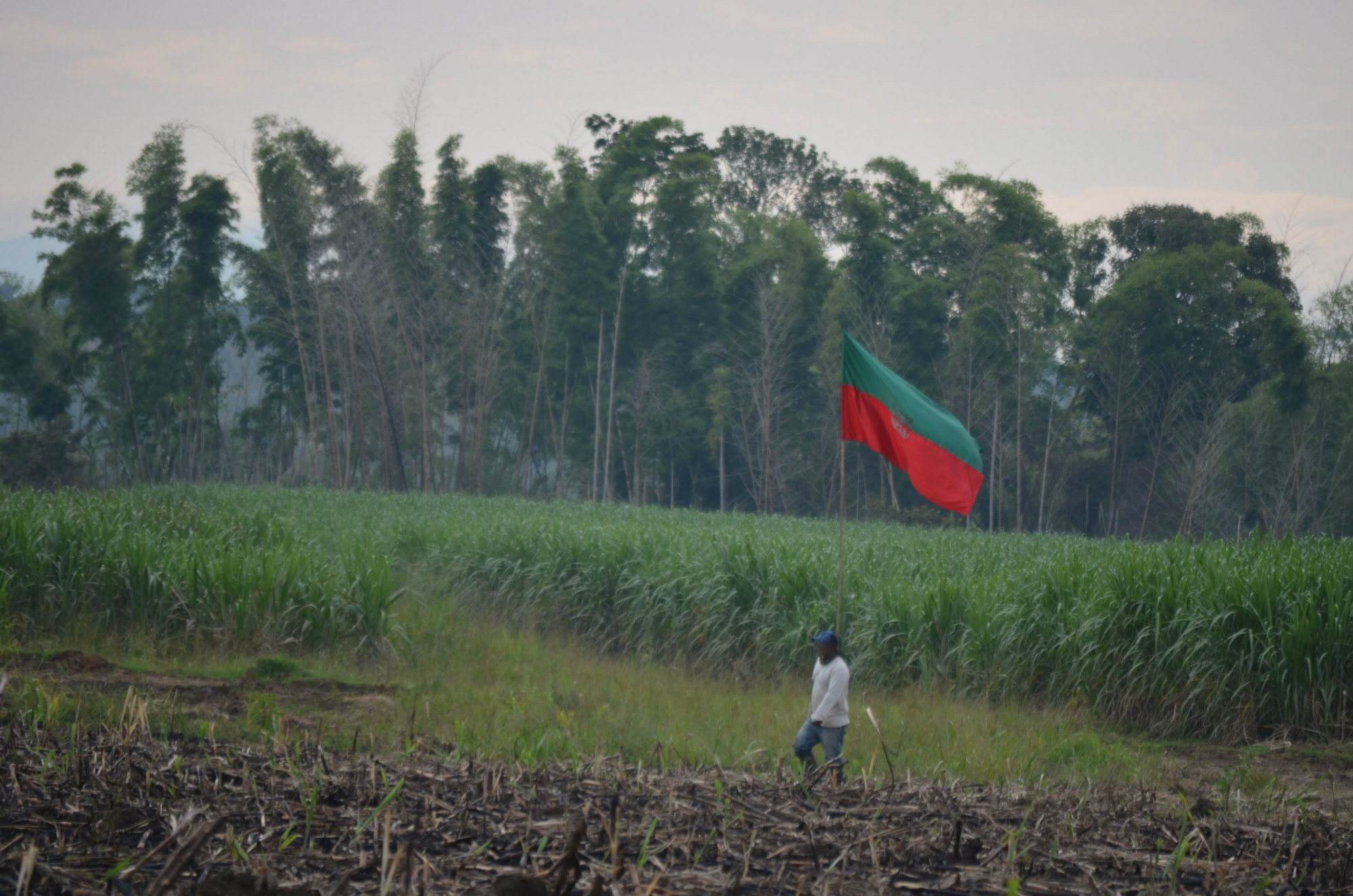
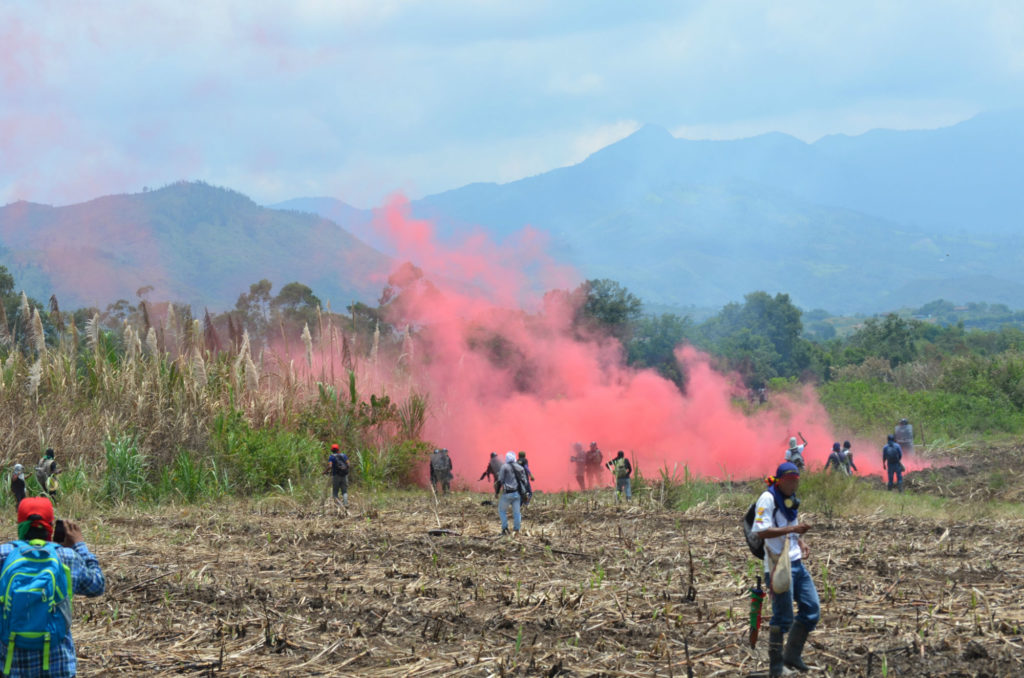
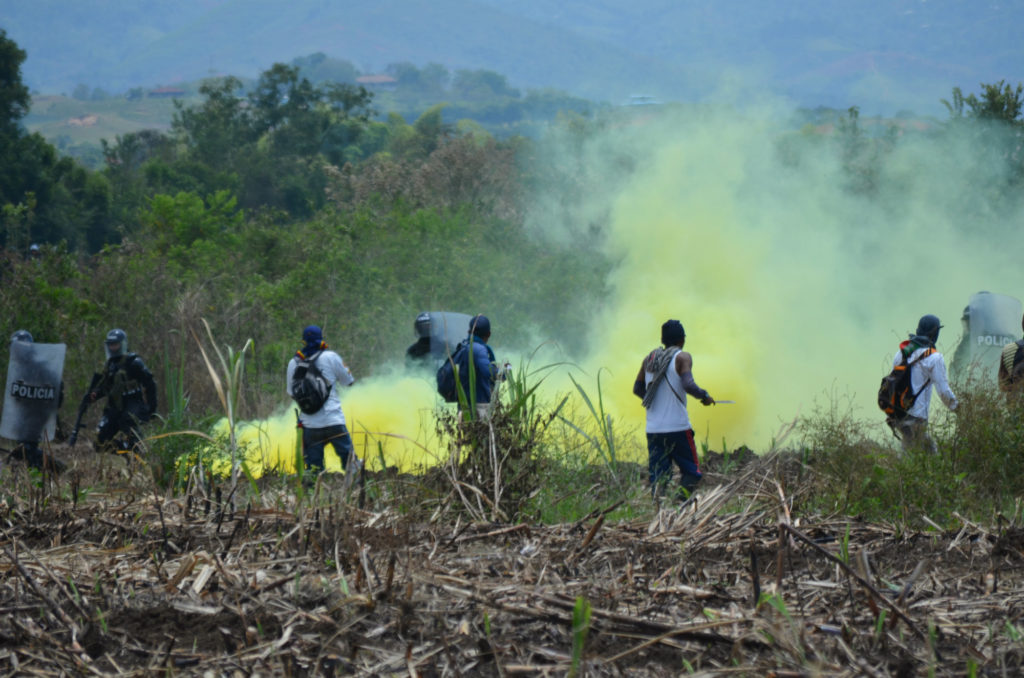
Clash­es have erupt­ed in Colombia’s west­ern depart­ment of Cau­ca as the Nasa Indige­nous Peo­ples press the gov­ern­ment to ful­fill its promise to return 15,600 hectares to their con­trol. A suc­ces­sion of occu­pa­tions of sug­ar plan­ta­tions has seen the gov­ern­ment deploy the army and riot police against them prompt­ing fierce bat­tles across the north of the region.

This is the lat­est stage in a decades-long strug­gle for the return of indige­nous ter­ri­to­ry lost to inten­sive agri­cul­ture, a strug­gle that received inter­na­tion­al atten­tion in past decades fol­low­ing a wave of mas­sacres. Pro­tect­ed by the Indige­nous Guards, the fields remain large­ly under Nasa con­trol, but an abrupt rise in threats from the “Black Eagles” para­mil­i­tary group and the issuance of new evic­tion orders by the gov­ern­ment raise fears that dead­ly vio­lence may return to the region.

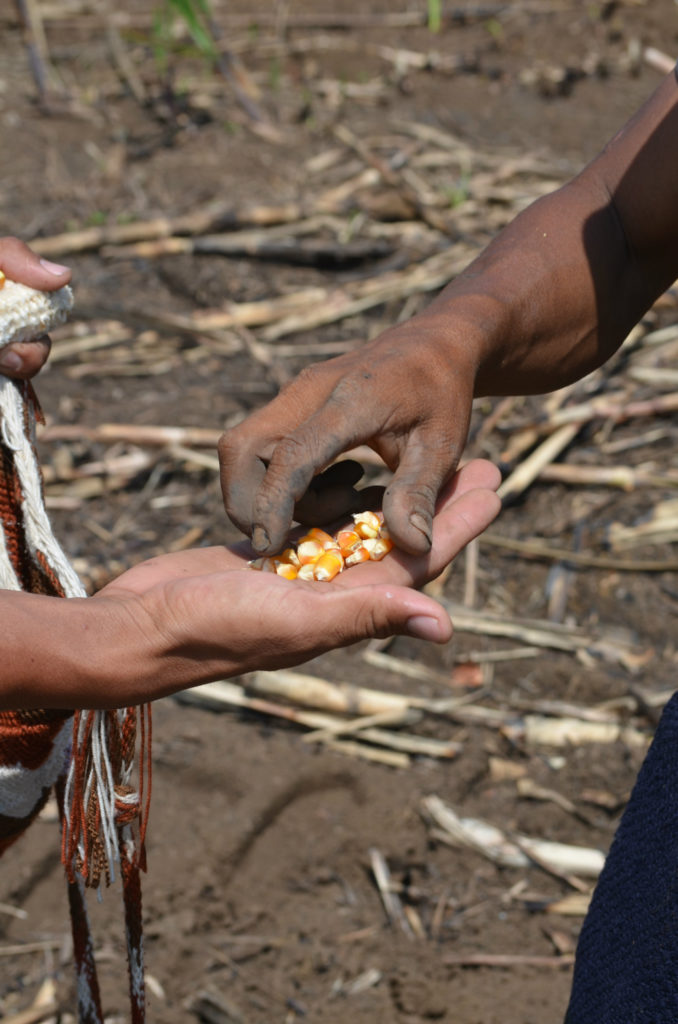
There was no shade to shel­ter the small par­ty as they crossed the expanse of earth last week, car­ry­ing a plan­tain sapling and a bag of maize. In the mid­dle of the field, its vast­ness already rip­pling in the morn­ing heat, they plant­ed the sapling and scat­tered the seeds of local indige­nous maize.

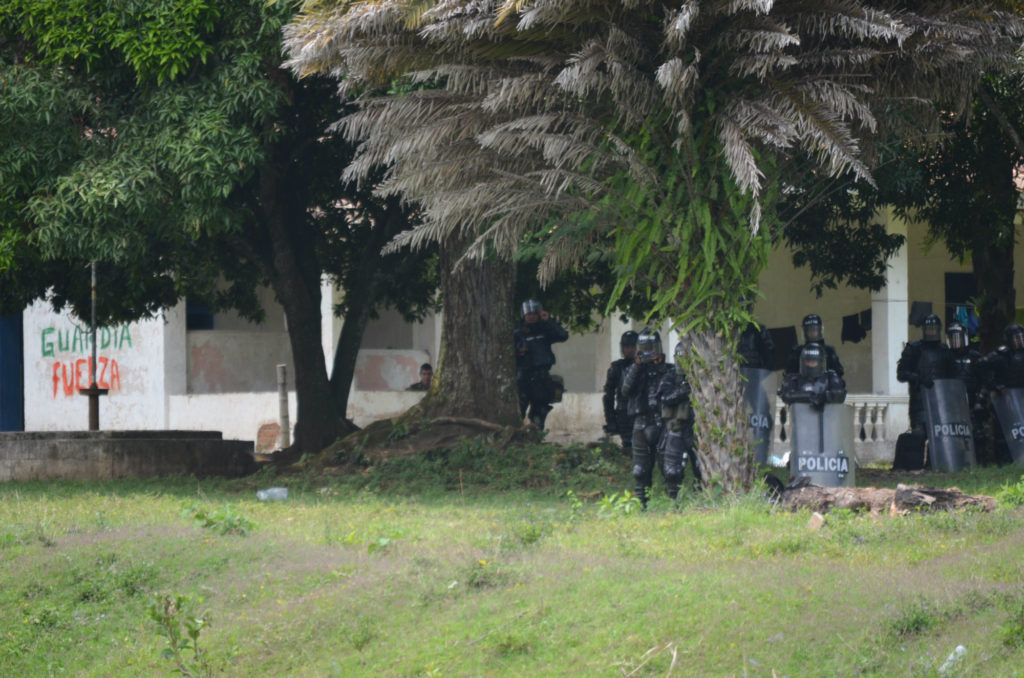
Keep­ing an eye on the ‘ESMAD’ riot police sta­tioned in the shade of the trees around the hacien­da was a local teacher.

“We are recu­per­at­ing the land” she told IC. “We are replac­ing the mono-cul­ti­va­tion of the multi­na­tion­als with the orig­i­nal veg­e­ta­tion. …One day trees will be grow­ing here again: what we are see­ing is the lib­er­a­tion of Moth­er Earth”.

The Indige­nous Nasa peo­ples have been seek­ing the ‘lib­er­a­tion’ of the ter­ri­to­ry of the hacien­da for years, reg­u­lar­ly occu­py­ing the fields and build­ings, and block­ing the road that runs between the prop­er­ty and the Nasa reser­va­tion of Huel­las.

Behind the line of riot police, sol­diers patrolled the build­ings of the ‘Hacien­da La Emper­a­triz’. Two weeks ago, on Mar. 17, they had opened fire on the Nasa, cit­ing a leaflet sup­pos­ed­ly deliv­ered by the FARC guer­ril­las claim­ing to have infil­trat­ed the indige­nous demon­stra­tors. Three Nasa were injured by gun­fire.

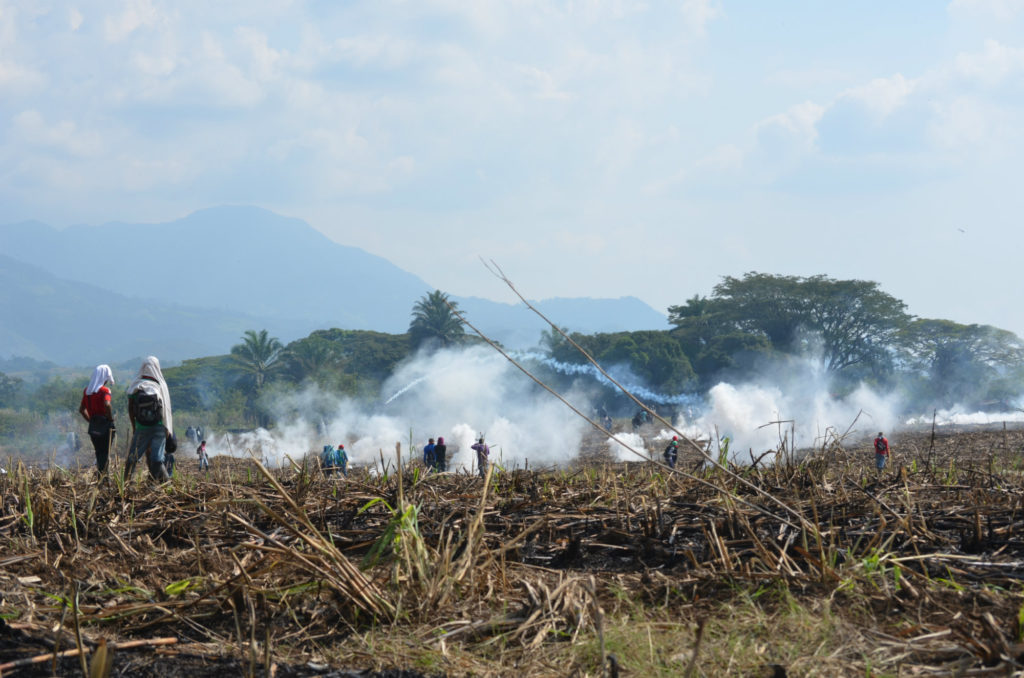
The planters con­tin­ued sow­ing the seeds in the grow­ing heat, small hand­fuls as a sym­bol­ic ges­ture amidst the stumps of sug­ar­cane and the cast tear gas grenades of ear­li­er con­fronta­tions. In the dis­tance oth­er groups worked with maize and plan­tains, often among patch­es of ground where the sweet fer­ment­ed smell of burned cane indi­cat­ed where the plan­ta­tions had burned dur­ing con­fronta­tions with the ESMAD.

Final­ly the calm was bro­ken as the riot police drove an armoured vehi­cle down the road par­al­lel with the fields, a line of police advanc­ing across the cleared plan­ta­tions to keep pace with it and fir­ing gas and stun grenades at the Nasa.

The indige­nous respond­ed with cat­a­pults and sling­shots, and the police line was halt­ed halfway across the sug­ar fields from where they fired stun grenades and gas grenades coat­ed with mar­bles. These were lobbed high in the air; their explo­sion shoot­ing the mar­bles out like bul­lets.

Oth­er gas and stun grenades were reg­u­lar­ly fired par­al­lel with the ground, direct­ly at the bod­ies of the Indige­nous, caus­ing a steady stream of injuries to be treat­ed by the community’s med­ical teams.

Fierce bat­tles reg­u­lar­ly erupt­ed where a stream sur­round­ed with bam­boo offered cov­er for each side to attempt to out­flank the oth­er. The Nasa used a three-man cat­a­pult against the ESMAD, often forc­ing them back, while the riot police hid­den on the oth­er side of the stream respond­ed with mis­siles fired blind­ly at the three. A hos­tile stale­mate over the plan­ta­tion last­ed for the rest of the day, the gas clouds blown some­times one way, some­times the other.The plains of Colombia’s west­ern Valle del Cau­ca depart­ment are now an expanse of sug­ar; road trains of cou­pled trucks haul the cane from the plan­ta­tions to be refined or used in the cre­ation of ethanol. Across the plan­ta­tion of La Emper­a­triz lie proofs of hours worked and records of fumi­ga­tion tossed onto the ground in past months by con­trac­tors of InCau­ca, the agro-indus­tri­al multi­na­tion­al that runs the largest sug­ar refin­ery in Colom­bia and which dom­i­nates the region.

The same plains once sup­port­ed a land­scape of leafy savan­nah where com­mu­ni­ties pro­duced numer­ous crops. One can read of this world as recent­ly as the late nine­teenth cen­tu­ry in the work of local jour­nal­ist and chron­i­cler Luciano Rivera y Gar­ri­do, who described,

“Ripar­i­an forests, thick car­pets of dark green… vast plains cov­ered with forests, over there pas­tures, yon­der ham­lets… small val­leys sowed with seeds, clogged wood­lands… quaint huts of peas­ants… gold­en light… sap­phire sky.”

A mixed land­scape has been reborn in the land on the oth­er side of the road. A hacien­da sim­i­lar to La Emper­a­triz has been metic­u­lous­ly maintained–and now, paint­ed with Nasa sym­bols and iconog­ra­phy, serves as the com­mu­ni­ty health cen­tre and music schoo..

The sur­round­ing land is held in com­mon though dot­ted with parcels of land where indi­vid­ual fam­i­lies farm their own mixed crops, inter­spersed with for­est and pas­ture. The ter­ri­to­ry of the Huel­las reser­va­tion was a cat­tle ranch until the Nasa retook it; the road that forms the bound­ary between the reser­va­tion and La Emper­a­triz run­ning along the edge of the plain and below the gen­tle foothills of the Sier­ra Occi­den­tal.

“Before this we had no land”, said a for­mer gov­er­nor of Huel­las. He con­tin­ued,

“We came from high up and had to work for two days a week for noth­ing oth­er than the per­mis­sion to be here through the sys­tem of the ‘ter­a­je’. Then around 1971 we estab­lished the Asso­ci­a­tion of Indige­nous Coun­cils of North­ern Cau­ca (ACIN), and we refused to pay the ter­a­je. The local pow­ers respond­ed with threats and assas­si­na­tions, but we had found our voice. The elders teach us that we lived in the plains until 1915, when the police came from Cali trip to evict every­one who refused to leave for the moun­tains.”

ACIN became a dri­ving force in the indige­nous move­ment of Colom­bia, and as part of the Region­al Indige­nous Coun­cil of Cau­ca (CRIC) its suc­cess­es in over­com­ing state and para­mil­i­tary vio­lence to reclaim ances­tral land and oppose the export econ­o­my of inten­sive agri­cul­ture have gained it sup­port beyond indige­nous Colom­bia.

In 1985, the nation­al gov­ern­ment was pres­sured into pass­ing Decree 865, which led to the estab­lish­ment of the Com­mis­sion of Land for the Peo­ple of Cau­ca, but the gov­ern­ment machin­ery pro­ceed­ed at a snail’s pace in real­is­ing promis­es of land reform. In Octo­ber 1991, with threats and attacks ris­ing against Nasa occu­py­ing hacien­das, the CRIC and indige­nous coun­cils of north­ern Cau­ca asked that the Gov­ern­ment inter­vene to pre­vent a mas­sacre and pass 15,663 hectares to the indige­nous com­mu­ni­ty to set­tle claims. The gov­ern­ment did not respond.

On 16 Decem­ber 1991, 50 armed men in mil­i­tary style uni­forms shot 21 Nasa to death in the El Nilo hacien­da. An inves­ti­ga­tion point­ed to the involve­ment of Major Jorge Enrique Durán Argüelles, police com­man­der of the Sec­ond Dis­trict of San­tander de Quilichao, and Cap­tain Fabio Ale­jan­dro Cas­tañe­da Mateus, com­man­der of the anti-nar­cotics com­pa­ny of that unit, along with numer­ous police per­son­nel, but the charges were dropped.

The Inter-Amer­i­can Com­mis­sion on Human Rights inves­ti­gat­ed the El Nilo mas­sacre from 1993 to 1997, pub­lish­ing its rec­om­men­da­tions in 2001 urg­ing Colom­bia to inves­ti­gate and pros­e­cute those respon­si­ble for the mas­sacre, includ­ing police offi­cers; to make social and inte­gral repa­ra­tion to the Nasa peo­ple; and to guar­an­tee the non-repeti­ti­ton of sim­i­lar acts.

The gov­ern­ment had belat­ed­ly signed an accord in Bogotá on 23 Decem­ber 1991 that promised to return the request­ed land to the Nasa, but only a por­tion of this has been legal­ly trans­ferred. In 2001 fur­ther mas­sacres occurred at Gua­lan­day, San Pedro, and Maya. The gov­ern­ment has nev­er accept­ed respon­si­bil­i­ty for the mas­sacres, and the return of prop­er­ties has con­sis­tent­ly relied on pres­sure from the Nasa.

“We lost many peo­ple killed in order to reclaim this fin­ca” said the ex-gov­er­nor of Nasa.

“The nar­co-traf­fick­ers, the land-own­ers, and the police were all involved. Now they call them­selves the Black Eagles or the Ras­tro­jos, but they’re just the same peo­ple. When we pres­sure the gov­ern­ment to ful­fil its promis­es to return our land the intim­i­da­tion increas­es. Three months ago we had para­mil­i­taries pass­ing along the road in front of the reser­va­tion shout­ing threats against the cur­rent gov­er­nor. They said they were from the Ras­tro­jos but the name is not impor­tant.”

We had walked into the foothills to see the trans­for­ma­tion of Huel­las in the years since it had been passed to indige­nous con­trol. Between the land returned to wood­land, fields of mixed crops of beans, yuca, plan­tain, cof­fee and maize were inter­spersed with cit­rus groves and pas­ture.

The plain spread out beneath us, the end­less sug­ar sug­ar plan­ta­tions extend­ing to Cali and beyond; the explo­sions of gas grenades and white smoke ris­ing beyond the fur­thest trees of Huel­las showed where the dai­ly strug­gle to reclaim the plains con­tin­ued.

The cur­rent gov­er­nor empha­sized in assem­blies each morn­ing that the focus of the strug­gle was to recu­per­ate the land and to lib­er­ate Moth­er Earth. “We are Indige­nous, we know how to care for the land,” she told the com­mu­ni­ty, before its mem­bers pre­pared to return to the strug­gle at La Emper­a­triz. “Focus on your replant­i­ng of the land, don’t pro­voke the fight­ing.” The Nasa would then line up to have their heads bathed in a herbal mix­ture pre­pared by the spir­i­tu­al guide. Then, they would cross from Huel­las into La Emper­a­triz.

The strug­gle for con­trol of the fields is cur­rent­ly swing­ing in favour of the Nasa; the increased repres­sion serv­ing only to boost the num­bers of those com­ing to the prop­er­ty. The riot police are grow­ing reluc­tant to spend each day before the slings and cat­a­pults in the fields; but at the same time, as they begin to remain clos­er to the con­fines of the build­ings of the hacien­da the num­ber of threats has mul­ti­plied. By night the fields are desert­ed by the Nasa; “In the dark the police would shoot us dead” they say, “The ‘Black Eagles’ is just the name they use at night”.

A sim­i­lar pat­tern of dis­en­gage­ment fol­lowed by threats has occurred in the prop­er­ties between the sug­ar-pro­duc­ing town of Cor­in­to and neigh­bour­ing Nasa com­mu­ni­ties, where ESMAD police wield­ed machetes and fired live bul­lets injur­ing four Nasa who were con­test­ing the own­er­ship of the sug­ar plan­ta­tions of Que­bra­da Seca and Gar­cia. The esca­la­tion of vio­lence prompt­ed the UN to nego­ti­ate an agree­ment in which the police and army occu­pied the hacien­da build­ings of the con­test­ed hacien­das of Miraflo­res, Que­bra­da Seca, Granadil­lo, and Gar­cia, while the Nasa are left in pos­ses­sion of the fields. The first two prop­er­ties are owned out­right by InCau­ca, the sug­ar com­pa­ny that rents the oth­er two prop­er­ties as well as La Emper­a­triz. Nasa have also received firearms injuries from the pri­vate secu­ri­ty com­pa­ny of InCau­ca.

A leaflet from the Black Eagles cir­cu­lat­ed in Cor­in­to last week, promis­ing the “social cleans­ing” of the area and the erad­i­ca­tion of the “ban­dits” in the sug­ar­cane plan­ta­tions. The para­mil­i­taries ordered a region­al cur­few of 10pm. Threat­en­ing promi­nent Nasa, they signed off with: “Unit­ed for a north­ern Cau­ca with­out Indi­ans”.

This week, the Gov­ern­ment issued evic­tion orders for some of the set­tle­ments the Nasa have been estab­lish­ing in the con­test­ed fields around Cor­in­to. From the Mon­day until Wednes­day the same prop­er­ty also seen a Nasa Assem­bly devel­op a “plan of life” for the com­mu­nal ‘recu­per­a­tion’ of the land. Around the assem­bly the for­mer sug­ar-plan­ta­tion was already grow­ing with indige­nous maize, such as the planters had been sow­ing at La Emper­a­triz.

Dur­ing the strug­gle at La Emper­a­triz the plan­tain sapling they had plant­ed was lat­er uproot­ed when the ESMAD gained con­trol of that part of the field, but in the days that fol­lowed it was replant­ed and like­ly grows still. The teacher who had spo­ken of the lib­er­a­tion of Moth­er Earth as the planters walked through the heat had claimed that the envi­ron­men­tal and spir­i­tu­al dimen­sion of the strug­gle gave the com­mu­ni­ty a strength that vio­lence couldn’t break. “We will always be here, and we will always demand this land back, not just for our­selves to live as before but also for Moth­er Earth. We are not like the Gov­ern­ment which only knows how to sell things. That is why we will win, that is why we have the patience which will win here.”