Anti-Oil Activists in Ecuador Stand Up To Protect Yasuni National Park

YasuniProtest

YasuniProtest

23rd Sep­tem­ber, The world’s most bio­di­verse area risks being exploit­ed for its oil by the “rev­o­lu­tion­ary” gov­ern­ment of Rafael Cor­rea. But he faces strong resis­tance.

The script of this sto­ry is almost too obvi­ous. The most bio­di­verse spot on the plan­et, the Yasuní Nation­al Park in Ecuador — and in par­tic­u­lar an area called ITT — lays on top of pre­cious oil. A poor country’s greedy gov­ern­ment threat­ens to exploit it. Vol­un­tar­i­ly iso­lat­ed indige­nous peo­ple who have nev­er been con­tact­ed also live in this region. Those indige­nous peo­ple are war­riors and would fight for their ter­ri­to­ry to death. As I am writ­ing this I am think­ing that all the ele­ments in this sto­ry might remind us of the film Avatar. But in that sto­ry it was much eas­i­er to iden­ti­fy the bad guys rid­ing super­son­ic space­ships and fight­ing against those blue gigan­tic indige­nous who would use drag­ons to fly. This sto­ry is a bit more com­pli­cat­ed.

Rafael Cor­rea has been Ecuador’s Pres­i­dent since 2007, with at least 4 more years ahead of him. Pri­or to Cor­rea, Ecuador expe­ri­enced over 10 years of intense polit­i­cal insta­bil­i­ty, which includ­ed more than 6 pres­i­dents oust­ed over that peri­od. But what start­ed as a “rev­o­lu­tion­ary” left­ist gov­ern­ment which has per­ma­nent­ly claimed rights and respect in the name of sov­er­eign­ty, has recent­ly start­ed to sig­nal author­i­tar­i­an­ism, cor­rup­tion, nepo­tism as well as oth­er typ­i­cal signs of a pow­er-hun­gry gov­ern­ment. Late­ly, the Ecuado­ri­an gov­ern­ment, with Rafael Cor­rea as its main fig­ure, keep say­ing that “every­body who is not with me, is against me and the rev­o­lu­tion.”

yasuni2

Com­ing back to the stage where this sto­ry takes place, it is impor­tant to men­tion that ecol­o­gy and respect for the indige­nous com­mu­ni­ties do not go togeth­er with oil drilling. This is par­tic­u­lar­ly clear in Ecuador. Ecuador’s rela­tion with oil drilling start­ed over 40 years ago. Just one exam­ple of the what has hap­pened in the Ama­zon­ian region in the East of the coun­try since then is Chevron’s sys­tem­at­ic dump­ing of more than 18 bil­lion gal­lons of oil into the rain­for­est, in what has been called the worst eco­log­i­cal dis­as­ter in his­to­ry, with thou­sands of peo­ple left dead and thou­sands more sick due to pol­lut­ed water. The destruc­tion of the for­est has left very lit­tle rev­enue to Ecuador and even less to its peo­ple. Petroa­ma­zonas, the Ecuado­ri­an pub­lic enter­prise in charge of oil explo­ration and drilling, admit­ted that one spill occurs every week. After 40 years of oil exploita­tion, Ecuador is still a poor coun­try.

What makes the char­ac­ters in this sto­ry par­tic­u­lar­ly dif­fi­cult to define as the “bad guys”, is that not all of them were always will­ing to inter­vene in this high­ly sen­si­tive area in exchange for mon­ey. Pres­i­dent Cor­rea him­self devot­ed his first inter­ven­tion to the UN Gen­er­al Assem­bly in 2007 to this top­ic. Using the same charm as years ago in New York or Rio de Janeiro dur­ing the Rio+20 glob­al con­fer­ence, Pres­i­dent Cor­rea announced on August 15 this year that he has been forced to start drilling oil in the most sen­si­tive zone of the Yasuní Nation­al Park, claim­ing that “the world has failed us.” As a mat­ter of fact the ini­tia­tive was pret­ty much boy­cotted by the gov­ern­ment itself.

"The Tagaeri and Taronenane, the last peoples in voluntary isolation in Ecuador" [google translate]

“The Tagaeri and Taro­ne­nane, the last peo­ples in vol­un­tary iso­la­tion in Ecuador” [google trans­late]

Through­out the years, con­tra­dic­to­ry sig­nals were sent, a low-skilled team was appoint­ed, min­ing projects all over the coun­try were giv­en to Chi­nese and Cana­di­an com­pa­nies, Ecuador par­tic­i­pat­ed in oil-pro­mot­ing inter­na­tion­al nego­ti­a­tion rounds. This, among oth­er things, weak­ened the verac­i­ty of the ini­tia­tive. Fol­low­ing the announce­ment, Cor­rea and some of his gov­ern­ment min­is­ters have stat­ed that those indige­nous vol­un­tar­i­ly iso­lat­ed have actu­al­ly dis­ap­peared, tak­ing off the table the fact that an eth­no­cide is immi­nent once the oil drilling starts. All of the argu­ments pre­sent­ed to pro­mote the ini­tia­tive ini­tial­ly were tak­en back, includ­ing mod­i­fy­ing offi­cial maps.

As expect­ed, a mas­sive pro­pa­gan­da cam­paign fol­lowed Correa’s announce­ment. Claim­ing that oil drilling will only affect 0.1% of the Yasuní area, TV spots and radio com­mer­cials are broad­cast every day on prime-time, fol­lowed by a strong social media cam­paign. One of the sev­er­al spots shows a baby hand­ed by its moth­er to be vac­ci­nat­ed. The Ecuado­ri­an gov­ern­ment actu­al­ly com­pares a tod­dler being vac­ci­nat­ed to oil drilling. In the Ama­zon­ian provinces, where entire com­mu­ni­ties have paid the price of oil drilling with their health and life — includ­ing those impact­ed by Chevron’s oil dam­ages — have been put up with the slo­gan “oil builds a bet­ter future.” The gov­ern­ment is actu­al­ly try­ing to con­vince us that those (sup­pos­ed­ly) 18 bil­lion dol­lars will con­tribute enor­mous­ly to erad­i­cate pover­ty. How is it that since Cor­rea came to pow­er the nation­al bud­get has been over US$150 bil­lion and peo­ple in Ecuador are still poor?

yasuni4In Quito and many oth­er cities across the coun­try, young­sters, artists, civ­il soci­ety orga­ni­za­tions and indige­nous groups have orga­nized demon­stra­tions against the inter­ven­tion in Yasuní. This social move­ment has been fight­ing for the rights of nature and against trans­genic food, neolib­er­al­ism, impe­ri­al­ism and oth­ers, and is now stand­ing up to defend the park. The gov­ern­ment has react­ed furi­ous­ly against the pro­test­ers, even resort­ing to vio­lent police repres­sion. All sorts of threats have been announced includ­ing con­trol­ling social media and leav­ing stu­dents out of school if they dare to par­tic­i­pate in demon­stra­tions. Pres­i­dent Cor­rea even react­ed through his Twit­ter account against inter­na­tion­al com­men­ta­tors who showed their dis­ap­proval. Every­body who is not with the gov­ern­ment is auto­mat­i­cal­ly con­sid­ered its ene­my.

And so, with­out blue indige­nous peo­ple rid­ing drag­ons to stop the destruc­tion of the most bio-diverse spot of plan­et Earth, we stand up. We stand up to say that we won’t allow an eth­no­cide to hap­pen in front of our eyes. We stand up to tell Pres­i­dent Cor­rea that even if the world failed Yasuní, he is respon­si­ble for the impact that oil drilling will have on this area and the plan­et. We stand up to those who have his­tor­i­cal­ly betrayed our con­sti­tu­tion. We stand up for a ref­er­en­dum where the peo­ple of Ecuador will say “no!” to the destruc­tion of nature and the habi­tat and liveli­hoods of indige­nous peo­ples. Because we believe that a dif­fer­ent Ecuador and a dif­fer­ent world are pos­si­ble; a plan­et where nature doesn’t need to be destroyed and peo­ple don’t have to die so oth­ers can dri­ve. We believe in a post-oil plan­et.

Climate Justice Activists Occupy Two Tar Sands Mining Sites in Utah

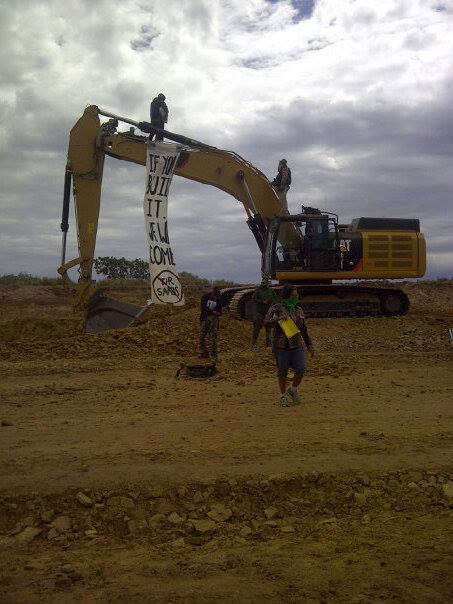
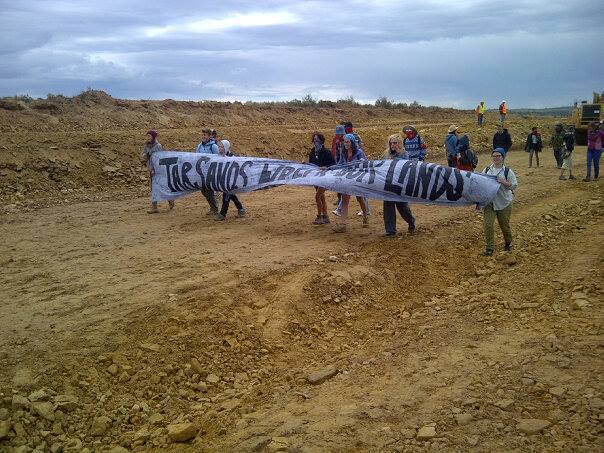
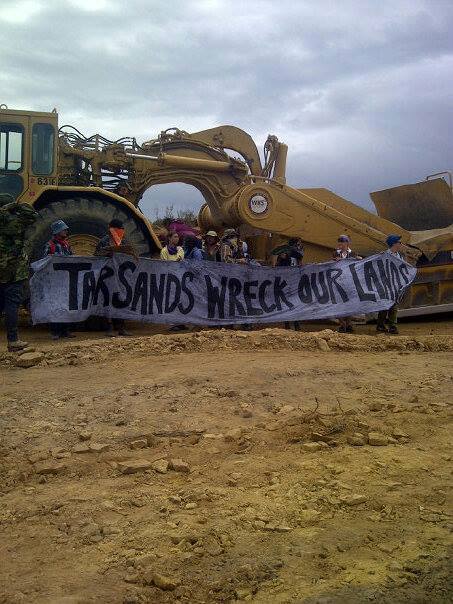
521886_597282230294554_359607144_n29 July 2013 In a direct action fol­low­ing the Canyon Coun­try Action Camp, hun­dreds of activists have swarmed two min­ing sites in Utah tar sands.

521886_597282230294554_359607144_n29 July 2013 In a direct action fol­low­ing the Canyon Coun­try Action Camp, hun­dreds of activists have swarmed two min­ing sites in Utah tar sands. Activists are cur­rent­ly locked down to machines, stop­ping work.

Canyon Coun­try Ris­ing Tide have joined with the Lako­ta, Dine, and Idle No More in con­demn­ing the tar sands in Utah as a defil­ing of the pre­cious Green Riv­er ecosys­tem, and an assault on fresh air and clean water in the US. The tar sands and oil shale min­ing pro­posed in Utah and neigh­bor­ing states would tra­verse more than one thou­sand square miles.

The first block­ade went up two hours ago, and is still hold­ing. Con­tract­ed Card­well, Inc. con­trac­tors attempt­ed to hit peace­ful pro­tes­tors with their trucks, but the activists were able to lock down, and unfurl a ban­ner that reads, “If you build it they will come.”

Pri­vate secu­ri­ty per­son­nel and three police cars have shown up on the scene, but no arrests have been made yet.

The sec­ond block­ade went up approx­i­mate­ly one hour lat­er, and is still hold­ing.

918996_597282126961231_63483300_n

996555_597283770294400_317300135_n

998033_597297800292997_1732438877_n

971212_597286743627436_395746711_n

1003032_597286746960769_945155639_n


TWAC Blockade Portland Transcanada Office with Tripod

553993_672459889449077_590622421_n29July

553993_672459889449077_590622421_n29July 2013 Update: The action has been declared a suc­cess as busi­ness­es were forced to lock their doors and close their blinds – appar­ent­ly the dance par­ty was just too much of them to even look at! In addi­tion, all TWAC activists have avoid­ed arrest and gear was not con­fis­cat­ed

A tri­pod has been erect­ed at the entrance of a build­ing that hous­es a Tran­sCana­da office, block­ing the entrance and caus­ing busi­ness­es inside to lock the doors. Pro­test­ers out­side have respond­ed with a very glit­tery and col­or­ful dance par­ty in front of the build­ing and a ban­ner that reads “No Tar Sands On Native Lands. Stop Geno­cide.”

IMG_0104

This action was orga­nized by the Trans and Wom­yns Action Camp (TWAC), a direct action group for women and trans* and gen­der-vari­ant folks. A cor­re­spon­dent from TWAC said that they took action today “to stand in sol­i­dar­i­ty with com­mu­ni­ties that are affect­ed dis­pro­por­tion­ate­ly by tar sands, includ­ing every­one in Alber­ta who is forced to live in areas of tar sands oil extrac­tion, folks near the Gulf Coast affect­ed by tar sand refine­ment plants, and com­mu­ni­ties who are liv­ing on the pipeline route.” With con­di­tions on the Gulf Coast already tox­ic, high rates of asth­ma and can­cer are becom­ing the norm, and the arrival of tar sands will only wors­en these con­di­tions. In the Athabas­ka water­shed in Alber­ta, com­mu­ni­ties have seen the rise of a large num­ber of rare can­cers, and First Nations com­mu­ni­ties have been affect­ed most heav­i­ly.

IMG_0103


Steph Cas­ca­dia, who is sit­ting at the top of the tri­pod, said, “Extrac­tion of the tar sands is the most destruc­tive project on the con­ti­nent. It threat­ens the integri­ty of the entire bios­phere, not to men­tion the First Nations peo­ples depen­dent upon access to clean water, land, and air for the health of their com­mu­ni­ties.”’

A cor­re­spon­dent from TWAC also said that TWAC was there “to remind the employ­ees of Tran­sCana­da that the death and destruc­tion does not end when they go home to their fam­i­lies, or when they leave to take their lunch break. Lots of oth­er peo­ple have jobs and are often not able to work and pro­vide for their fam­i­lies because of the actions that this cor­po­ra­tion has tak­en, which sole­ly ben­e­fit TransCananda–nobody else wins.”

Security guard in the foreground, dance party in the back

Secu­ri­ty guard in the fore­ground, dance par­ty in the back

Yudith Nieto, a TWAC par­tic­i­pant who trav­eled from a com­mu­ni­ty in Hous­ton affect­ed by tar sands refiner­ies, said, “I am com­mit­ted to ampli­fy­ing the voic­es of com­mu­ni­ties of col­or that are sys­tem­at­i­cal­ly silenced, like mine, that are being dis­pro­por­tion­ate­ly affect­ed by envi­ron­men­tal­ly destruc­tive indus­tries, and expe­ri­enc­ing racism and clas­sism.”

This action fol­lows a long string of actions tak­en by groups and com­mu­ni­ties all across the coun­try to stop tar sands extrac­tion, trans­porta­tion, and refine­ment – all of which put com­mu­ni­ties at risk and exac­er­bate glob­al cli­mate change. These actions can be tak­en vir­tu­al­ly any­where in the Unit­ed States or Cana­da where there are cor­po­ra­tions who invest in, con­struct, or oth­er­wise do busi­ness with tar sands infra­struc­ture. Lit­tle by lit­tle, we will stop these cor­po­rate maraud­ers.


Portland Activists Blockade Columbia River in Symbolic Protest Against Fossil Fuel Shipments

581681_555938907803540_1813073730_n

28th July 2013

581681_555938907803540_1813073730_n

28th July 2013

In a day-long affair involv­ing hun­dreds of activists, the Port­land Ris­ing Tide and 350.org col­lab­o­ra­tion, Sum­mer Heat, went off yes­ter­day with­out a hitch.

Activists con­gre­gat­ed in the morn­ing at the Van­cou­ver Land­ing in Van­cou­ver, Wash­ing­ton, where the port author­i­ties recent­ly OKed a ter­mi­nal to ship hun­dreds of thou­sands of bar­rels of oil car­ried on trains from the Bakken Shale. 

521686_555937994470298_835309442_nHost­ing info ses­sions about free trade agree­ments, direct action, and infra­struc­ture resis­tance, the event car­ried a fes­tive air into the ear­ly after­noon. By 3pm, around 250 activists in more than 100 boats took to the riv­er for a sym­bol­ic block­ade and massed under the Colum­bia Bridge.

More activists gath­ered on the bridge, and three climbers repelled down with a long, trans­par­ent ban­ner that read, “Coal, Oil, Gas: None Shall Pass.”

“It went as well as I thought it could have,” stat­ed one Ris­ing Tide activist to EF! News. Although the FBI had been snoop­ing around in the weeks pri­or to the event, the crowd that came out to the protest showed that they will not be intim­i­dat­ed.

18394_10100137671048341_1671520289_n

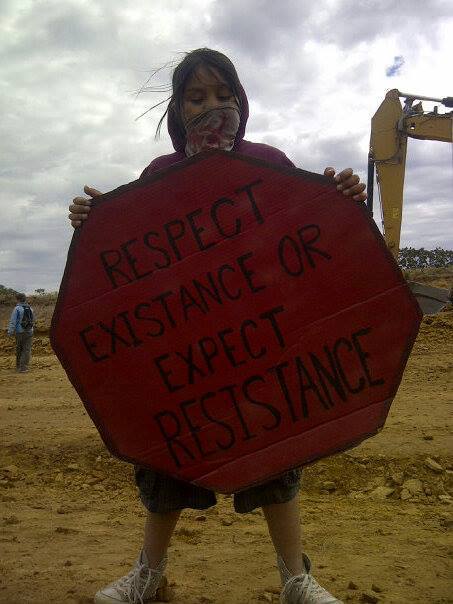
Police pres­ence was rel­a­tive­ly min­i­mal at the protest com­pared to oth­er Ris­ing Tide and Occu­py actions that have occurred. Nobody was arrest­ed, and the mes­sage was sent: Expect Resis­tance.

Sum­mer Heat was only a high point in what has been a long, hard, and in many ways suc­cess­ful strug­gle, which has seen three three pro­posed coal ter­mi­nals shut down so far.  Today, Port­land Ris­ing Tide looks invig­o­rat­ed, con­fi­dent, and more ded­i­cat­ed than ever to the mis­sion of stop­ping cli­mate change.


Michigan Activists Locking Down to Halt Tar Sands Pipeline Construction

Brooklyn & Barb locked down

From MI-CATS Press Release:

Mon­day, July 22nd, 2013

Brooklyn & Barb locked down

From MI-CATS Press Release:

Mon­day, July 22nd, 2013

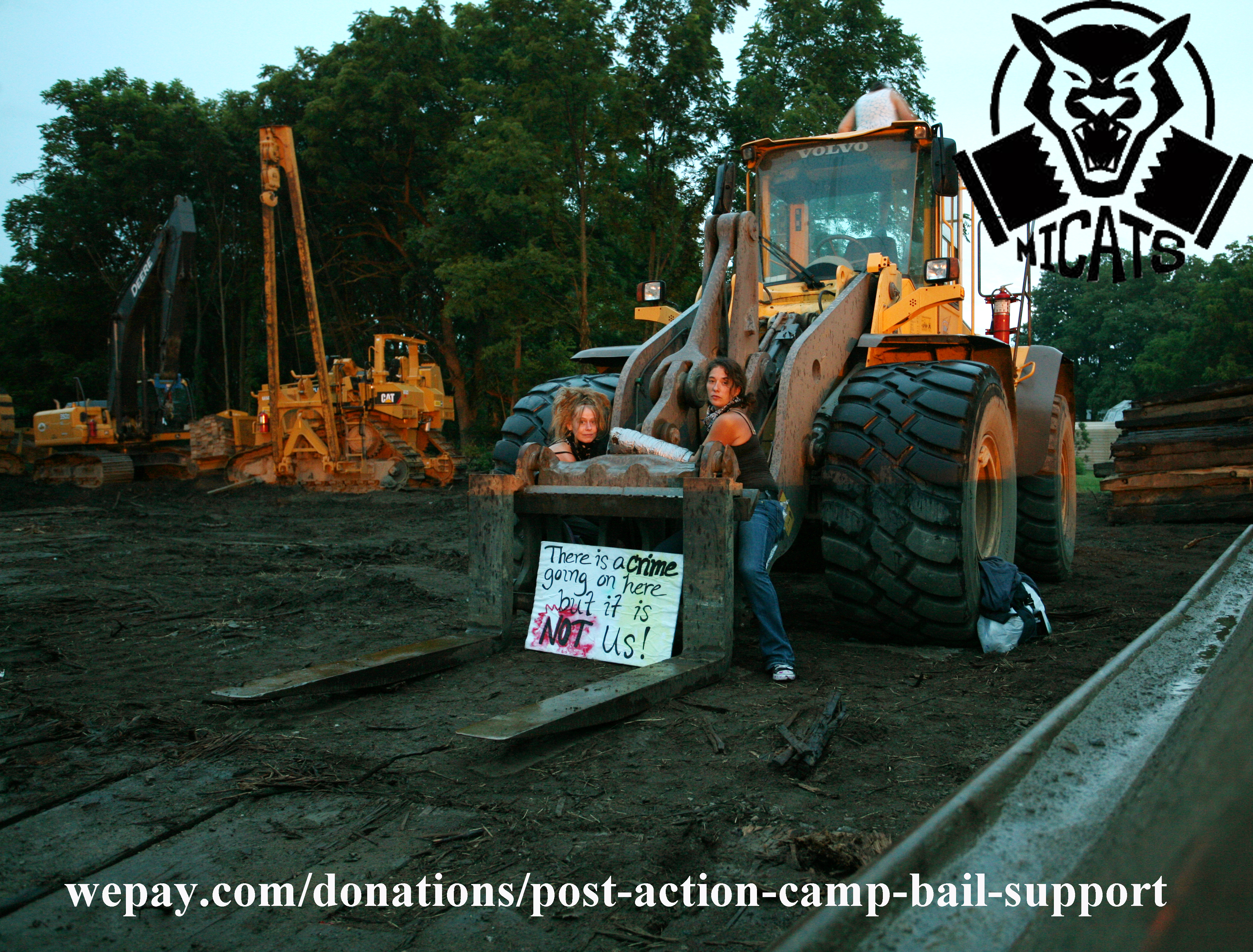
This morn­ing Michi­gan Coali­tion Against Tar Sands (MI-CATS) is tak­ing direct action near Stock­bridge ‘to halt con­struc­tion of the Tar Sands pipeline 6B expan­sion project of Cana­di­an cor­po­ra­tion Enbridge. Over 40 Michi­gan­ders have come to oppose the infa­mous corporation’s fla­grant expan­sion of the very same pipeline that spilled out into the Kala­ma­zoo Riv­er only three years ago. Enbridge claims they have restored the riv­er after a spill is no excuse to expand the pipeline, expand­ing the pipeline increas­es the risk for every­one.

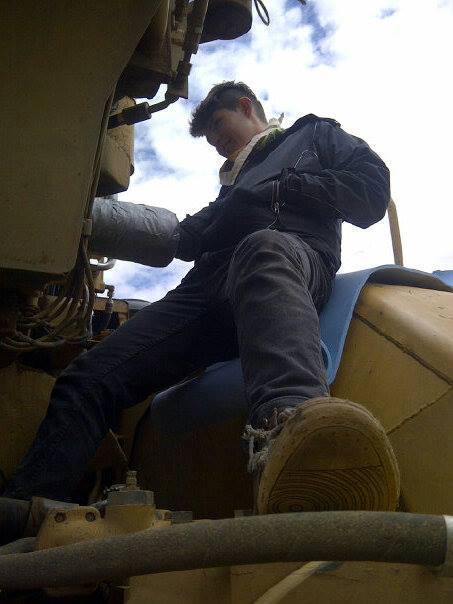
Res­i­dents are cur­rent­ly halt­ing Enbridge’s con­struc­tion plans by putting their bod­ies on the line in an act of non vio­lent civ­il dis­obe­di­ence against Enbridge’s plans. At least 6 peo­ple have been arrest­ed so far as police attempt to shut down the protest. 4 peo­ple are cur­rent­ly locked down to con­struc­tion equip­ment and refus­ing to move. Police have arrest­ed their med­ical sup­port team and threat­en to arrest any­one who tries to approach them.


These mea­sures come after the exhaus­tion of every method with­in the law, as it has has become appar­ent from our expe­ri­ences all through­out the state. Our state gov­ern­ment is ready to set aside its own laws and legal process­es to accom­mo­date this for­eign cor­po­ra­tion.

Enbridge itself has con­sis­tent­ly demon­strat­ed that their sole pri­or­i­ty is their own bot­tom line, not the health and safe­ty of the peo­ple of Michi­gan, our ecosys­tem, and even their own work­ers.

Michi­gan Coali­tion Against Tar Sands seeks to unite the peo­ple of Michi­gan toward the com­mon goal of stop­ping all trans­porta­tion of tar sands oil in the state and advo­cat­ing against the pro­duc­tion and trans­porta­tion of tar sands every­where. We work in sol­i­dar­i­ty with the glob­al move­ment against harsh fos­sil fuel extrac­tive prac­tices.

Accord­ing to one per­son who is par­tic­i­pat­ing in this action “This pipeline is a dis­as­ter for Michigan’s water and the glob­al cli­mate. I’m blockad­ing this pipeline to  pre­vent the next spill because I care about Michigan’s air and water. Peo­ple all over the world are tak­ing action in their own com­mu­ni­ty this Fear­less Sum­mer. We need to leave all fos­sil fuels in the ground.” – William Lawrence of East Lans­ing

We will not allow Cana­di­an tar sands to pass through our back­yards. We will no longer allow the same Cana­di­an cor­po­ra­tion respon­si­ble for the tar sands which still lie at the bot­tom of our Kala­ma­zoo Riv­er to place all of us at risk. We are tak­ing this action to pro­tect from anoth­er spill and to ensure a liv­able plan­et for gen­er­a­tions to come.

Loca­tion of the action is the Enbridge 6B ease­ment off of Grimes west of M‑52 near Stock­bridge, MI. Look for the orange con­struc­tion signs and the police pres­ence. ‪#‎micat­s­act‬. Updates on the action will con­tin­ue, as events unfold.

This is MI-CATS’ sec­ond action at the Enbridge 6B pipeline this sum­mer; in the first an activist climbed inside the Enbridge 6B pipe. Fol­low @MichiganCats and @efjournal on twit­ter for updates

Communities Protest Against Oil Company In Akwa Ibom

4 July 2013 The host com­mu­ni­ties of Uni­ver­sal Ener­gy Resource, an oil com­pa­ny, have staged a peace­ful protest against it for alleged non-imple­men­ta­tion of devel­op­ment projects in 2012.

4 July 2013 The host com­mu­ni­ties of Uni­ver­sal Ener­gy Resource, an oil com­pa­ny, have staged a peace­ful protest against it for alleged non-imple­men­ta­tion of devel­op­ment projects in 2012.

The protest was staged by the peo­ple of Ntak Inyang in Esit Eket and Unyenge in Mbo and com­mu­ni­ties in Oron Local Gov­ern­ment Areas of Akwa Ibom on Wednes­day.

The News Agency of Nige­ria (NAN) reports that their plac­ards had the fol­low­ing inscrip­tions: “imple­ment the pro­vi­sions of the MoU; we reject injus­tice, we reject divide and rule sys­tem. No com­mu­ni­ty devel­op­ment, no uni­ver­sal ener­gy.”

The Sec­re­tary of Mem­o­ran­dum Imple­men­ta­tion Com­mit­tee (MIC), Chief Okon Ani, said the protest was aimed at remind­ing the com­pa­ny of the agree­ment it signed with the host com­mu­ni­ties.

Today’s protest is peace­ful but the next one may not be peace­ful. The prob­lem is that the oper­a­tion of the com­pa­ny is sup­posed to be that of empow­er­ment but it has turned out to be exploita­tion.

The 2012 devel­op­ment project is long over­due and it has not been imple­ment­ed

For the eight years that the com­pa­ny has been on ground, no pos­i­tive devel­op­ment impact has been made by the com­pa­ny to the host com­mu­ni­ties.

We want the world to know that the com­pa­ny has not imple­ment­ed any item in the Mem­o­ran­dum of Under­stand­ing (MoU) they signed with the host com­mu­ni­ties.

The Local Con­tent Act has been total­ly neglect­ed by the com­pa­ny in terms of employ­ment, con­tract awards, schol­ar­ships and empow­er­ment of youths and the women from the host com­mu­ni­ties.

It is bet­ter to address these press­ing issues before the youths become hos­tile and make it dif­fi­cult for the com­pa­ny to oper­ate in our envi­ron­ment,” Ani said.

The Gen­er­al Man­ag­er, Finance, of the com­pa­ny, Mr Ukpe Udoette, said 99.9 per cent of the imple­men­ta­tion of the MoU has been achieved with the relo­ca­tion of the company’s head­quar­ters from Lagos to Akwa Ibom.

The relo­ca­tion would make it eas­i­er for the com­pa­ny to address issues affect­ing the host com­mu­ni­ties.’’

He said the com­pa­ny could not act uni­lat­er­al­ly with­out the con­sent of Sinopet, a Chi­nese com­pa­ny.

The Pub­lic Affairs Offi­cer of the com­pa­ny, Mr Aniefiok Ewaud­ofia, said it had a lot of empow­er­ment and devel­op­ment plans for the host com­mu­ni­ties.

The com­pa­ny is not giv­ing deaf ears to the host com­mu­ni­ties because if we do that, it means we don’t want to be wel­comed.

The host com­mu­ni­ties at this moment should be rejoic­ing that the com­pa­ny has final­ly relo­cat­ed its head­quar­ters from Lagos to Akwa Ibom,” he said.

He said that the issue of employ­ment, empow­er­ment and schol­ar­ships would be resolved quick­ly fol­low­ing the relo­ca­tion.

Cardiff Shell petrol station rooftop occupation

A report of the rooftop occu­pa­tion of the Shell petrol sta­tion in Pont­pren­nau, Cardiff on 29th June 2013.

A report of the rooftop occu­pa­tion of the Shell petrol sta­tion in Pont­pren­nau, Cardiff on 29th June 2013.


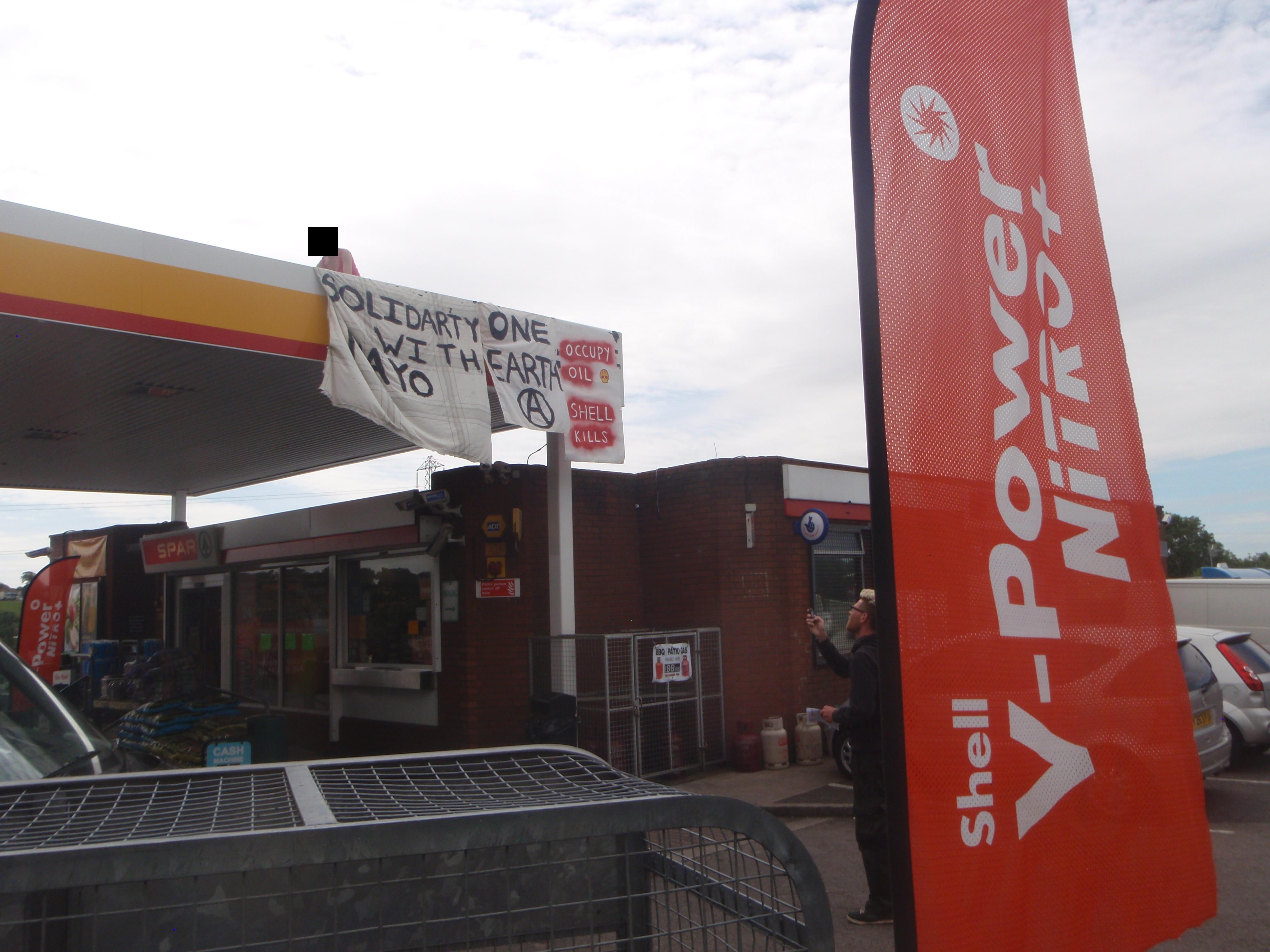
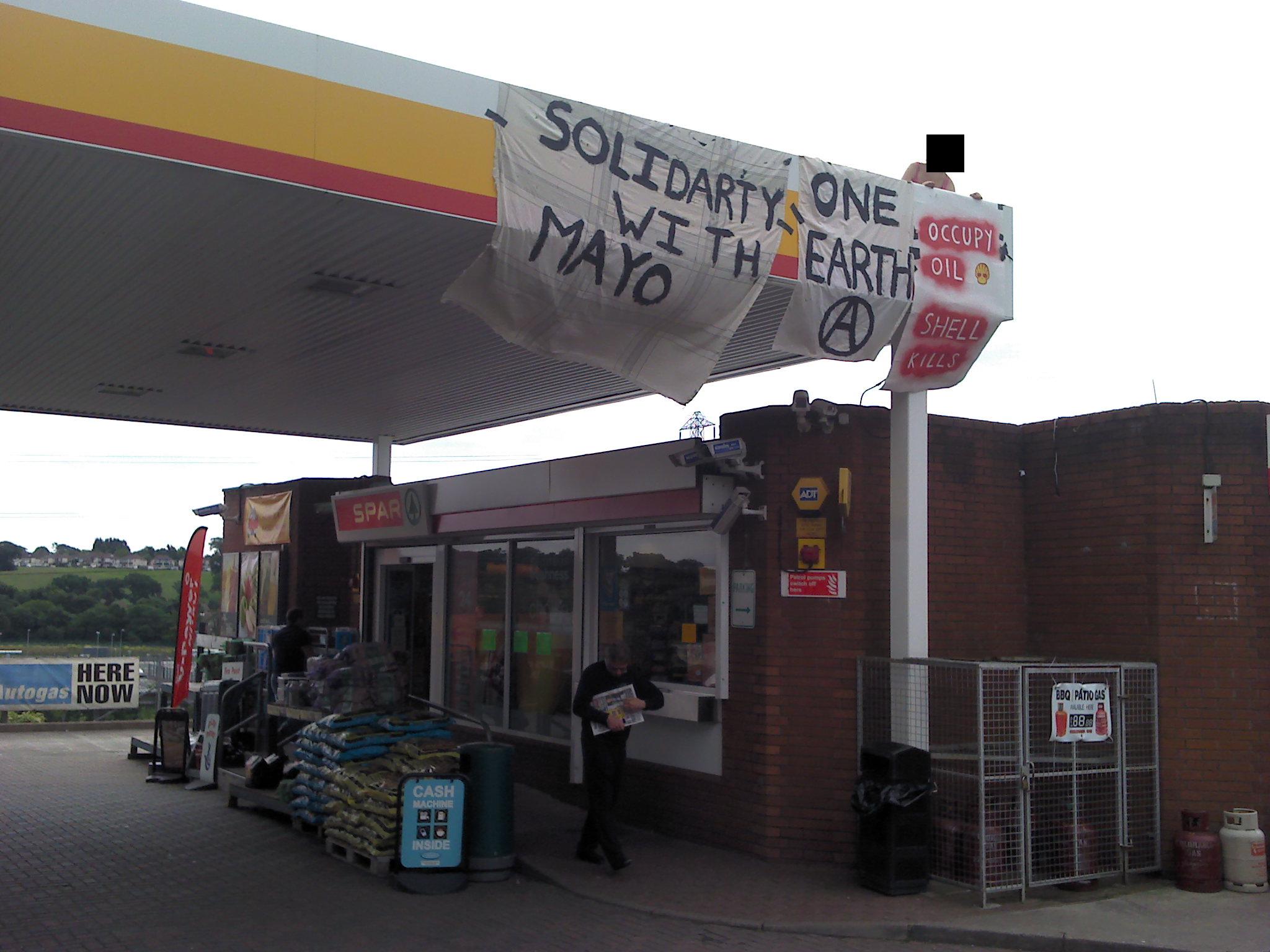
In sol­i­dar­i­ty with the protest camp in Coun­ty Mayo Ire­land, as part of their anti-Shell week of action, on Sat­ur­day morn­ing a group of indi­vid­u­als from South Wales dropped ban­ners and held a rooftop occu­pa­tion of a Shell petrol sta­tion on the out­skirts of Cardiff. The activists hand­ed out leaflets to motorists and passers by, explain­ing the issues, and had some in depth con­ver­sa­tions with passers by. There were no arrests.

The occu­pa­tion start­ed at 9:50 and pro­tes­tors dis­trib­uted leaflets and informed local con­sumers of Shel­l’s actions inter­na­tion­al­ly and in Coun­ty Mayo, until they ran out of fly­ers. The occu­pi­er came down in their own time at 11.30, due to the fact that busi­ness con­tin­ued oper­at­ing as usu­al, and the point had been made. 3 ban­ners were left on the roof of the garage, read­ing “Sol­i­dar­i­ty with Mayo”, “One Earth (A)”, and “Occu­py Oil- Shell Kills”. Com­rades from Italy, Lon­don and Brighton sent mes­sages of sol­i­dar­i­ty, along with local com­rades.

Sol­i­dar­i­ty with all peo­ples and com­mu­ni­ties affect­ed and dis­persed by Shel­l’s (and oth­er prof­i­teers’) despi­ca­ble greed and prof­it-dri­ven eco­cide. From Alas­ka to Ire­land, from Japan to Nige­ria, and here in Cardiff also, the strug­gle against the sui­ci­dal con­ve­nience cul­ture con­tin­ues.

Fuck frack­ing! South Wales will resist!

Love and Rage
Some Anar­chists

49 Acts of Powerline Sabotage, 19 Acts of Oil Pipeline Sabotage in Last Six Months

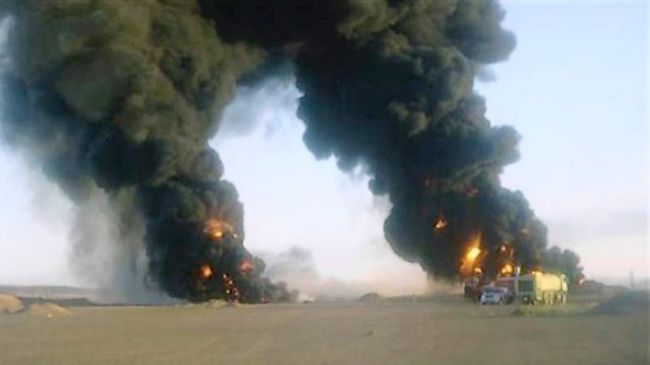
Smoke ris­es over a recent pipeline attack in Marib gov­er­norate, a trib­al region in Yemen.

Smoke ris­es over a recent pipeline attack in Marib gov­er­norate, a trib­al region in Yemen.

28 June 2013

Accord­ing to com­piled reports from the Yemen Times  over 60 acts of indus­tri­al sab­o­tage have tak­en place since Jan­u­ary with­in the trib­al area of the Marib gov­er­norate in Yemen, cut­ting pow­er to Sana’a, the nation’s cap­i­tal 170 miles to the east, and crip­pling the government’s oil and gas infra­struc­ture. Oil and gas rev­enue pro­vides 70 per­cent of the state’s bud­get.    

Media sources have not been able to explain the rea­son behind the attacks, but Yemeni sources all point to armed tribes­peo­ple in Marib. Attacks on Yemen’s oil and gas pipelines and elec­tric grid great­ly esca­lat­ed fol­low­ing the erup­tion of protests against for­mer pres­i­dent Ali Abdul­lah Saleh in 2011. Offi­cials in Yemen have argued that the tribes are loy­al­ists of the for­mer pres­i­dent while oth­er, unnamed sources, have pro­claimed the tribes to be sep­a­ratists from the con­cept of cen­tral gov­ern­ment all togeth­er, func­tion­ing in a pow­er vac­u­um.

get_img_powerlines

This info­graph­ic offers some detail on the attacks on Yemen’s elec­tri­cal grid.

Accord­ing to the Yemen Post, “Res­i­dents in the cap­i­tal Sana’a have had to endure long spells of dark­ness over the past cou­ple of weeks as pow­er lines were attacked with­in hours of their repair, leav­ing peo­ple no respite what so ever. While Yeme­nis are accus­tomed to black­outs, nev­er before did the cap­i­tal face so many and lengthy pow­er out­ages.”

In mid June, the Pub­lic Elec­tric­i­ty Cor­po­ra­tion in Yemen issued a state­ment request­ing more gov­ern­ment and mil­i­tary sup­port to sup­press the attacks, warn­ing that the pow­er sta­tion could col­lapse com­plete­ly if attacks con­tin­ued.

get_img

An info­graph­ic on pipeline attacks in Yemen since Jan­u­ary 2013.

Between Jan­u­ary 1 and June 24, there have been 18 attacks on Yemen’s main pipeline, which runs through Marib to the coast for export. Anoth­er attack struck the pipeline on June 27th.  Accord­ing to Yemeni offi­cials, armed mem­bers of tribes blocked the road lead­ing to the area of the pipeline that had been attacked, pre­vent­ing tech­ni­cal crews from mak­ing repairs. Yemeni troops were sent to reopen the road. Clash­es between gov­ern­ment forces and the tribes are expect­ed.

Back in Decem­ber of 2012, the Yemeni army launched an offen­sive against sus­pect­ed groups of sabo­teurs. Twen­ty peo­ple were killed but infra­struc­ture attacks only increased.

It remains unclear which tribes, or which groups with­in the region’s tribes, are car­ry­ing out the attacks. Ear­li­er in June, the largest tribes in Marib, the Al Hutaik and Al Jar­dan tribes signed, accord­ing to the Yemen Times, “a trib­al order declar­ing the legal­i­ty of exe­cut­ing those behind oil and gas pipeline attacks.” Sim­i­lar decrees were signed last year as well with­out results.

Yemen’s oil pro­duc­tion has declined from more than 400,000 bar­rels per day at the begin­ning of 2000 to the cur­rent 270,000 bar­rels per day when the pipeline actu­al­ly flows.

No Shale by Rail: Maine Activists Block Fracked-Oil Train

(Maine Media Today pho­to by Michael G. Sea­mans)

28 June 2013 A great two-for-one action against frack­ing and oil-by-rail trans­port!

From Com­mon Dreams:

Six Maine res­i­dents were arrest­ed late Thurs­day night after a larg­er group of cli­mate activists block­ad­ed a set of tracks pass­ing through the small town of Fair­field in order to pre­vent a train car­ry­ing 70,000 bar­rels of “fracked” oil head­ed to a refin­ery in neigh­bor­ing New Brunswick, Cana­da.

Asso­ci­at­ing them­selves with a grow­ing nation­al cam­paign of direct action against the fos­sil fuel indus­try called “Fear­less Sum­mer,” the pro­test­ers at the scene erect­ed a large scaf­fold over the tracks and held signs read­ing “Trains for peo­ple, not for oil” and “This train’s bound for Gory” (pun intend­ed).

Police arrived, and after sev­er­al warn­ings for the pro­test­ers to dis­perse, the six who refused were arrest­ed as the scaf­fold­ing was destroyed with a chain saw.

Local media report­ed a sur­pris­ing­ly large law enforce­ment response with police from numer­ous towns show­ing up at the scene, includ­ing troop­ers from the State Police.

350 Maine*, the statewide group asso­ci­at­ed but inde­pen­dent from inter­na­tion­al orga­ni­za­tion 350.org that led the action, said the goal was to draw atten­tion to the “fracked oil” that is qui­et­ly pass­ing through the state on a reg­u­lar basis. Local mem­bers of Earth First also par­tic­i­pat­ed in the action.

The groups say that the trains run­ning through Maine car­ry crude from the Bakken oil fields of North Dako­ta and are espe­cial­ly tox­ic because “fracked oil” is extract­ed by blast­ing a high pres­sure tox­ic cock­tail deep into the ground to release the oil from shale rock, pol­lut­ing air and water in sur­round­ing com­mu­ni­ties.


“Peo­ple say that this new oil boom in the US will make us ener­gy secure,” said Meaghan LaSala, stu­dent at Uni­ver­si­ty of South­ern Maine and an organzi­er with 350 Maine. “But there is noth­ing secure about run­away cli­mate change. This is our moment to change our tra­jec­to­ry before it’s too late.”

One of those arrest­ed, 63-year old Read Brug­ger from the town of Free­dom, was clear about his moti­va­tions.

“We feel there has not been enough aware­ness about the mil­lions of gal­lons of crude shell oil that shipped across Maine each month,” Brug­ger told the local Ban­gor Dai­ly News. “We feel need to move beyond fos­sil fuels and get away from the poi­so­nous ways oil is being extract­ed.”

The BDN, which report­ed that many at the scene “said they did not know that fracked oil was being trans­port­ed through Maine,” made it seem like the action, at least on local lev­el, may have had the desired result.

But the cam­paign­ers acknowl­edged their con­cerns go beyond even the dire threats faced by Maine com­mu­ni­ties if one of these trains rerails or a spill occurs.

“We believe the moment we’re in, in terms of cli­mate change, is a dra­mat­ic one and it calls for dra­mat­ic action,” said LaSala in an inter­view with the Morn­ing Sen­tinel.

“We oppose the con­tin­ued extrac­tion of fos­sil fuels, but we also oppose its trans­porta­tion over thou­sands of miles of envi­ron­men­tal­ly sen­si­tive areas,” added Sarah Lin­nekin, a stu­dent at Maine’s Uni­ty Col­lege. “Since my num­ber one job is to pro­tect my chil­dren, I feel an oblig­a­tion to take action.”

[*Full dis­clo­sure: This writer is a some­times vol­un­teer for 350 Maine, though had no involve­ment with this action.]


Hamilton Police direct Mass Arrest at Enbridge Blockade

JUNE 26, 2013
 
BREAKING NEWS: 20 PROTESTERS ARRESTED AT TAR SANDS BLOCKADE, INCLUDING THOSE OUTSIDE INJUNCTION ZONE

JUNE 26, 2013
 
BREAKING NEWS: 20 PROTESTERS ARRESTED AT TAR SANDS BLOCKADE, INCLUDING THOSE OUTSIDE INJUNCTION ZONE

(Hamil­ton, ON) — Hamil­ton Police moved on to the #SwampLine9 protest action in Ontario this morn­ing mass arrest­ing almost every­one on site includ­ing activists fur­ther up the street and the police liai­son.

Activists have been occu­py­ing an Enbridge pump­ing sta­tion north of Hamil­ton, Ontario ear­ly Thurs­day morn­ing. This action, dubbed Swamp Line 9, aims to pre­vent con­struc­tion on Line 9 and block the trans­port of Tar Sands through Ontario and Que­bec. This action is also part of the Idle No More cam­paign Sov­er­eign­ty Sum­mer.

News is devel­op­ing. Much of the pho­to­graph­ic evi­dence was seized but some video footage will be com­ing soon.

QUOTES:

“This pipeline puts the health of drink­ing water of mil­lions of peo­ple at risk of an oil spill yet Enbridge used the courts and police to arrest 20 peo­ple who want­ed to pro­tect their lives and our future.

This was a polit­i­cal action. We demand the imme­di­ate release of those arrest­ed and insist that their charges be dropped.

The police went above and beyond the lim­its of the court order by arrest­ing peo­ple off the prop­er­ty — peo­ple who were on the side walk, and even the police liai­son who was on the street. This heavy-hand­ed tac­tic comes at the heels of Hamil­ton police receiv­ing over $44,000 from Enbridge recent­ly.

Destruc­tive Enbridge projects across Ontario, and Tar Sands projects across the coun­try will con­tin­ue to be resist­ed.”

BACKGROUND
Press State­ment on Injunc­tion, June 25: http://swampline9.tumblr.com/post/53851715699/swamp-line-9-press-conference-statement
Media Advi­so­ry on Injunc­tion: http://swampline9.tumblr.com/post/53838872671/swamp-line-9-locks-down-and-rallies-after-receiving
Sol­i­dar­i­ty Action in Sup­port of Line 9: https://www.facebook.com/notes/swamp-line‑9/update-swampline9-continues-support-actions-in-13-cities-sovsummer/191416174354528

 
UPDATES