USA: Burnaby Blockade, Encampment Stops Kinder Morgan Suveyors for a Second Day

Octo­ber 30th, 2014

Angry pro­test­ers stopped crews from con­duct­ing pipeline sur­vey work on Burn­a­by Moun­tain Wednes­day, forc­ing the com­pa­ny to reassess how it will fin­ish work need­ed for a Nation­al Ener­gy Board deci­sion.

Octo­ber 30th, 2014

Angry pro­test­ers stopped crews from con­duct­ing pipeline sur­vey work on Burn­a­by Moun­tain Wednes­day, forc­ing the com­pa­ny to reassess how it will fin­ish work need­ed for a Nation­al Ener­gy Board deci­sion.

RCMP offi­cers watched as some pro­test­ers con­front­ed a Trans Moun­tain sur­vey crew, yelling “go back to Texas,” while anoth­er pro­test­er crawled under a sur­vey crew’s SUV, wrapped him­self around the front tire and refused to leave.

Stephen Col­lis, a spokesman for the pro­test­ers who call them­selves the Care­tak­ers, said they plan to hun­ker down.

“We’re cur­rent­ly occu­py­ing the space that they have iden­ti­fied that they need to work in. Since we’re on pub­lic land, we have every right to be here,” he said. “They can’t real­ly work in a space that’s filled with dozens of peo­ple. That’s the inten­tion.”

The plan worked, at least for the day.

Work­ers left in anoth­er vehi­cle, and one man car­ried sev­er­al signs under his arm that read No Entry Until Fur­ther Notice and Field Test­ing Area Under Order of the Nation­al Ener­gy Board.

Greg Toth, senior direc­tor for Kinder Morgan’s Trans Moun­tain expan­sion project, said all sur­vey work on the moun­tain was stopped, although oth­er crews were still work­ing around Burn­a­by.

He wasn’t yet sure if the com­pa­ny would ask for an injunc­tion pre­vent­ing protests.

“We have to reassess, based on today’s activ­i­ties,” said Toth. “It’s quite a vocal protest. Our pri­or­i­ty is the safe­ty of our crews and the gen­er­al pub­lic. So we’ll retrench and look at what options are avail­able.”

The demon­stra­tion comes in the midst of a bit­ter bat­tle over the company’s plans to expand the pipeline through Burn­a­by.

The Nation­al Ener­gy Board grant­ed Trans Moun­tain access to the sites so it can com­plete work through Burn­a­by Moun­tain, it’s pre­ferred route for the pipeline. The NEB ruled the City of Burn­a­by can’t pre­vent the activ­i­ty because the work is need­ed for the board to make a deci­sion on the expan­sion appli­ca­tion.

The City of Burn­a­by announced it will appeal the NEB rul­ing.

May­or Derek Cor­ri­g­an said he didn’t believe the reg­u­la­tor has the author­i­ty to con­sid­er con­sti­tu­tion­al ques­tions con­cern­ing city bylaws.

Toth said the Nation­al Ener­gy Board and the Fed­er­al Court have giv­en the com­pa­ny every right to do work need­ed to sup­port the deci­sion-mak­ing process.

He said it’s iron­ic that crews haven’t been allowed on Burn­a­by Moun­tain, con­sid­er­ing the com­pa­ny and city res­i­dents have deter­mined the route is the least dis­rup­tive option.

“It’s real­ly in response to strong feed­back from the local res­i­dents and the gen­er­al pub­lic in the area for the alter­na­tive rout­ing, which would have been through the streets,” he said.

In July 2007, a geyser of oil cov­ered more 100 homes, after a crew acci­den­tal­ly pulled up the pipeline, spilling 250,000 litres.

The cleanup cost about $15 mil­lion.

The 5.4‑billion dol­lar expan­sion plan would come close to tripling the capac­i­ty of the exist­ing pipeline between Alber­ta and B.C. to about 900,000 bar­rels of crude a day.

Raging Grannies Blockading Entrances and Exits of WA Department of Ecology

Octo­ber 30th, 2014

UPDATE: Grannies Unlock After 6‑Hour Block­ade

Cur­rent­ly, sev­en mem­bers of the Seat­tle Rag­ing Grannies are block­ing the entrance to the Depart­ment of Ecol­o­gy head­quar­ters, stalling traf­fic and pre­vent­ing employ­ees from enter­ing work. The groups are sit­ting in rock­ing chairs chained togeth­er across the Department’s vehi­cle entrance.

They are telling work­ers that the Depart­ment is closed today for a “Work­shop on How to Say No to Big Oil.” Today’s action coin­cides with hear­ings on a con­tro­ver­sial study on the safe­ty of oil trains con­duct­ed by the Depart­ment of Ecol­o­gy. Hun­dreds are expect­ed in Olympia to express con­cern at the study’s nar­row scope and omis­sion of risks to the envi­ron­ment or treaty rights.

Police and FBI are on the scene try­ing to direct traf­fic, and ecol­o­gy man­age­ment is mak­ing sup­port­ive employ­ees move inside so they can’t talk to the media about their sup­port of the elders.

Dale R Jense, pro­gram man­ag­er for the department’s oil spills safe­ty pro­gram, is cur­rent­ly walk­ing the line and talk­ing to the grannies, who remain in high spir­its and are singing songs. There is a group of sup­port­ers mak­ing sure that the DoE knows that fos­sil fuel ship­ments are unpop­u­lar, dan­ger­ous, and bad for the plan­et.

“We’re here to help the Depart­ment of Ecol­o­gy learn how to say no to the oil indus­try,” said Beth DeRooy. “After grant­i­ng per­mits to four ille­gal oil train ter­mi­nals and let­ting for­mer BNSF exec­u­tives write their oil study, I was wor­ried the folks over at the Depart­ment nev­er learned how to say no and need­ed a lit­tle help from their grannies.”

Since 2012 the Depart­ment of Ecol­o­gy has grant­ed per­mits for oil-by-rail ter­mi­nals at four of Washington’s five refiner­ies. Ter­mi­nals in Taco­ma, Ana­cortes and at Cher­ry Point out­side of Belling­ham, have begun tak­ing trains while a fourth is under con­struc­tion at the Phillips 66 refin­ery in Fer­n­dale. Envi­ron­men­tal groups have argued that the these ter­mi­nals are ille­gal under the Mag­nu­son Act, which pro­hibits expan­sions at Wash­ing­ton refiner­ies that may increase the amount of oil they han­dle.

Per­mits for a fifth oil-by-rail ter­mi­nal at Shell’s Puget Sound refin­ery are cur­rent­ly under con­sid­er­a­tion. “Hot on the heels of record wild­fires, Gov­er­nor Inslee’s so-called Depart­ment of Ecol­o­gy is going to ignore the envi­ron­ment in this study? They’re act­ing more like the Depart­ment of Oil Trains,” stat­ed Cyn­thia Linet.

Last year Gov­er­nor Inslee direct­ed the Depart­ment of Ecol­o­gy to con­duct a safe­ty study on the extreme­ly con­tro­ver­sial ship­ment of oil by rail. The governor’s study has been crit­i­cized for ignor­ing impacts on the envi­ron­ment, treaty rights and glob­al warm­ing, as well as fail­ing to ques­tion whether they should build oil-train ter­mi­nals in the first place.

The Depart­ment of Ecol­o­gy has declared that impacts on the envi­ron­ment, trib­al treaty rights or local economies are “ancil­lary” and not being con­sid­ered. The Depart­ment has also come under fire after rev­e­la­tions that a num­ber of the study’s authors are for­mer BNSF exec­u­tives.

“You’d think bring­ing explod­ing trains to help oil com­pa­nies dev­as­tate Native Amer­i­can com­mu­ni­ties in North Dako­ta would be easy to say no to, but it looks like the Depart­ment of Ecol­o­gy needs a stern les­son from their grannies,” said Car­ol McRoberts.

Many of North Dakota’s oil wells are on trib­al lands of the Man­dan, Hidat­sa and Arikara nations. In addi­tion to spills and oth­er local pol­lu­tion, the oil boom has brought tremen­dous social costs to the com­mu­ni­ties. Deaths from auto acci­dents, drug abuse and vio­lent crime have explod­ed; hous­ing short­ages force many to live in sub­stan­dard con­di­tions; and sex­u­al vio­lence such as rape and sex traf­fick­ing have become preva­lent in a once small com­mu­ni­ty.

“My daugh­ter is 15 months old and my heart aches that I do not even want her to be at home for fear of what she’d be exposed to,” said Kan­di Mos­sett, a mem­ber of the Man­dan, Hidat­sa and Arikara nations who sub­mit­ted writ­ten tes­ti­mo­ny to today’s oil train hear­ings. “This oil boom using frack­ing has been dev­as­tat­ing for us and no amount of mon­ey can ever give us back what’s being lost.”

IMAG0692image4

Pro­tes­tors hand­ed out dough­nuts and cof­fee as they turned away employ­ees’ cars. They also hand­ed out a fli­er explain­ing “How to Say No To Fos­sil Fuels.” The fli­er calls on the Depart­ment of Ecol­o­gy to reject all new fos­sil fuel projects pro­posed for Wash­ing­ton and to explic­it­ly link their rejec­tion to con­cerns about glob­al warm­ing.

Cli­mate jus­tice activists point out that if all pro­posed fos­sil fuel ter­mi­nals are built, the North­west will be trans­port­ing five times more car­bon than the Key­stone XL Pipeline.

“It’s grandma’s com­mon sense – we need to keep car­bon in the ground to stop cat­a­stroph­ic glob­al warm­ing, and if they can’t ship it, they have to leave it in the ground,” said Rosy Betz-Zall. But while he has been wide­ly hailed as one of the green­est gov­er­nors in Amer­i­ca, Inslee has yet to out­right reject a major fos­sil fuel project, or even declare a mora­to­ri­um on projects that would increase dan­ger­ous ship­ments of explo­sive oil.

“Gov­er­nor Inslee talks about being a cli­mate cham­pi­on, but he keeps say­ing ‘maybe’ to new fos­sil fuel projects, when what we need is a sol­id ‘NO’,” said Dee­jah Sher­man-Peter­son.

“Take it from your granny: if you want to say yes to some­thing good – a just, clean ener­gy future – you have start by say­ing NO to some­thing bad – build­ing more fos­sil fuel infra­struc­ture.”

Today’s protest fol­lows an intense wave of oppo­si­tion to oil-by-rail across the North­west this sum­mer with pro­tes­tors lock­ing them­selves to bar­rels of con­crete and sit­ting atop tripods to block­ade rail­road tracks across Wash­ing­ton and Ore­gon.

Portland Oil Terminal Blocked, USA

rally-wide-shot

rally-wide-shot

Activists form block­ade against oil trains at Arc Logis­tics, crude oil-by-rail ter­mi­nal

NW Port­land, Ore­gon: 100 peo­ple gath­ered in protest this after­noon (9/10/2014) at Arc Logis­tics, Portland’s only crude oil-by-rail ter­mi­nal. Five activists risked arrest by sit­ting direct­ly on the rail tracks to pre­vent an oil train from reach­ing the oil ter­mi­nal. Infor­ma­tion leaked from a work­er at the facil­i­ty revealed that due the con­tro­ver­sial protest, oil ship­ments had been halt­ed for the day. Pro­test­ers, includ­ing those block­ing the tracks have dis­persed peace­ful­ly.

Crude oil trains have caused a great deal of con­tro­ver­sy across the coun­ty. Near­ly a dozen derail­ments have occurred in the past two years, many end­ing in fire­ball explo­sions that have killed 47 peo­ple and caused hun­dreds of mil­lions in prop­er­ty dam­age. Event orga­niz­ers say these trains rep­re­sent an unac­cept­able threat to our com­mu­ni­ties: risk­ing explo­sive train derail­ments, dan­ger­ous spills and leaks, degrad­ing air qual­i­ty, and desta­bi­liz­ing the cli­mate.

“I am an obste­tri­cian, gyne­col­o­gist with a degree in pub­lic health. I have devot­ed my career to pro­tect­ing moth­ers and babies and worked inter­na­tion­al­ly in almost 40 coun­tries. I have taught at Har­vard and Stan­ford. The impor­tance of these efforts now pales,” said Kel­ly O’Hanley, MD, MPH, one of the five activists will­ing to risk arrest if an oil train attempt­ed to enter Arc Logis­tics. “I have nev­er gone to jail but the specter of cli­mate change has moved me out of my clin­ic, out of the hos­pi­tal and out of my com­fort­able liv­ing room – onto the streets and into jail if nec­es­sary.”

Port­land is a choke point for fos­sil fuel trans­port in the North­west. We are draw­ing the line to sup­port all those affect­ed from extrac­tion to the cli­mate-desta­bi­liz­ing com­bus­tion,” says orga­niz­er Mia Reback, “today’s action is intend­ed to send a strong mes­sage that the com­mu­ni­ty will not allow these dan­ger­ous oil trains to come through Port­land.”

Today’s protest con­tin­ues a series of direct actions and resis­tance against North­west oil-by-rail projects. In June, activists with Port­land Ris­ing Tide blocked the Arc Logis­tics site in Port­land when a woman locked her­self to a con­crete filled bar­rel on the tracks. Fol­low­ing that action, com­mu­ni­ty mem­bers across the North­west have set up block­ades at oil facil­i­ties in Ana­cortes, Wash­ing­ton, Everett, Wash­ing­ton and most recent­ly Port West­ward, Ore­gon.

Arc Logis­tics cur­rent­ly ships crude by rail from fracked oil shale in Utah. The first US tar sands mine is under con­struc­tion in Utah and Arc could soon be accept­ing this con­tro­ver­sial fuel. The Arc Logis­tics ter­mi­nal can also receive explo­sive Bakken crude oil from North Dako­ta with­out noti­fy­ing Port­land res­i­dents.

The Cli­mate Action Coali­tion demands that the city of Port­land halts the oper­a­tions of Arc Logis­tics and impos­es a ban on all new fos­sil fuel infra­struc­ture that puts our cli­mate and com­mu­ni­ties in jeop­ardy.

###

The Cli­mate Action Coali­tion is: Port­land Ris­ing Tide, NoKXL, 350 PDX, Port­land Rag­ing Grannies, First Uni­tar­i­an Uni­ver­sal­ist Com­mu­ni­ty for Earth Team, PDX Bike Swarm

Legal Fund Here

Kinder Morgan Surveyor Office Blocked by ‘Pipeline’, Canada

mappipe2

Octo­ber 7th, 2014

mappipe2

Octo­ber 7th, 2014

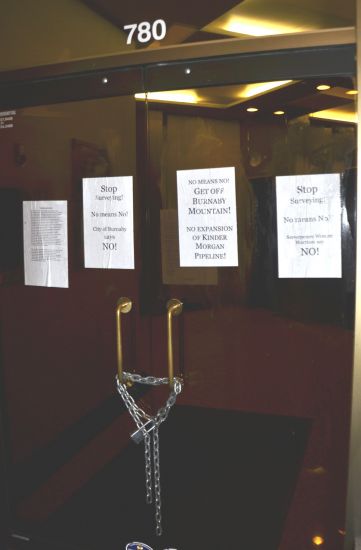
Activists installed a “pipeline” ear­ly this mor­ing in front of the down­town offices of McEl­han­ney map­ping. The adhoc group says the com­pa­ny was taget­ed for its part in sur­vey­ing for the con­tro­ver­sial Kinder Mor­gan pipeline expan­sion plan on Burn­a­by Moun­tain.

The group erect­ed a pvc pipeline, com­plete with drip­ping ‘bitu­men’ and notices to “Get off Burn­a­by Moun­tain.”

From the group’s release:

“Ear­ly this morn­ing the entrance to McElhanney’s down­town Van­cou­ver office was block­ad­ed. The doors were locked, a “bitu­men pipeline” blocked the stairs and posters were past­ed. The action is in response to McElhanney’s par­tic­i­pa­tion in sur­vey­ing for the Kinder Mor­gan pipeline expan­sion project in Burn­a­by .


mappipe6_0

“The pro­pos­al aims to increase the num­ber of bar­rels of Alber­ta bitu­men deliv­ered to Burn­a­by and the Sal­ish Sea from 300,000 bar­rels a day to 890,000 a day. This would result in an astro­nom­i­cal and dan­ger­ous increase in tanker traf­fic through the Bur­rard Inlet. The expan­sion cross­es the unced­ed ter­ri­to­ry of many Indige­nous nations and is evi­dence of con­tin­ued oppres­sive col­o­niza­tion and ram­pant cap­i­tal­ist greed.  Resis­tance to this project is strong and unwa­ver­ing!

“The Secwepemc Women War­rior Soci­ety has been vocal­ly opposed to the projects’ intru­sion through the heart of their ter­ri­to­ry, the Tsleil-Wau­tuth Nation has launched a legal bat­tle as well as cre­at­ed a treaty with sur­round­ing nations vow­ing to pro­tect the Sal­ish Sea, even local may­ors are stand­ing up in oppo­si­tion. Despite the resound­ing no from affect­ed com­mu­ni­ties, Kinder Mor­gan is con­tin­u­ing with the project and hir­ing com­pa­nies to do inva­sive stud­ies that are against Coast Sal­ish law and even “Cana­di­an” colo­nial bylaws. No means no and the peo­ple, led by Indige­nous resis­tance are not back­ing down to cor­po­ra­tions!

“This dis­rup­tion has been brought to you by a group of friends who refuse to accept, and are com­mit­ted to resist­ing, the con­tin­ued col­o­niza­tion of indige­nous ter­ri­to­ries by cor­po­ra­tions and gov­ern­ment.  We oppose the oppres­sive nature of the oil and gas indus­try in our fight for cli­mate and social jus­tice. We stand in sol­i­dar­i­ty with front­line com­mu­ni­ties who are fight­ing destruc­tive and oppres­sive resource extrac­tion projects.”

The office entrance has now been blocked off by Van­cou­ver police.

mappipe1


All-Woman Tripod and Lockdown Halts Enbridge Line 9 Pipeline Operations for Hours

The third woman at the protest spent hours teetering on this makeshift construction before being removed by firefighters.
</p>
</body></html>

The third woman at the protest spent hours teetering on this makeshift construction before being removed by firefighters. (Kate McKenna/CBC)
Octo­ber 7th, 2014
Three activists who chained them­selves to a fence at Enbridge’s Mon­tre­al
head­quar­ters had their locks and chains cut just after noon on Tues­day.

After spend­ing hours in the cold rain, Alyssa Symons-Bélanger, Jes­si­ca Lam­bert and a third woman were removed from the fence they chained them­selves to at Enbridge’s head­quar­ters on Hen­ri-Bouras­sa East.

She attached her­self to a chain-link fence with a heavy chain around her waist and a bicy­cle lock around her neck.

“I know that today I stand with these peo­ple, and these peo­ple stand with me also in oppo­si­tion of Enbridge’s Line 9,” she said.

The group of pro­test­ers, who accord­ing to Symons-Bélanger are not part of a larg­er orga­ni­za­tion, issued a news release Tues­day morn­ing say­ing they were look­ing to dis­rupt Suncor’s refin­ery oper­a­tions.

Enbridge plans to reverse the 9B sec­tion of its Line 9 pipeline. (Enbridge)

Enbridge trans­ports the crude oil to Mon­tre­al via pipeline, where refiner­ies like Sun­cor process it.

Symons-Bélanger said she is against Enbridge’s Line 9 pipeline rever­sal for a vari­ety of rea­sons, includ­ing safe­ty con­cerns and improp­er com­pen­sa­tion for peo­ple whose land is touched by the pipeline.

She was a mem­ber of the group of pro­test­ers who walked for 34 days from Cacouna, Que., to Kane­sa­take in the spring.

Video: “Chipmunks” Obstruct Work at Utah Tar Sands Mine

On Tues­day, Sept. 23rd, three brave “chip­munks” stopped word at US Oil Sands con­struc­tion site, on the East Tava­puts Plateau, by phys­i­cal­ly putting their bod­ies in front of the machines being used to destroy this amaz­ing land in order to strip-mine tar sands.

On Tues­day, Sept. 23rd, three brave “chip­munks” stopped word at US Oil Sands con­struc­tion site, on the East Tava­puts Plateau, by phys­i­cal­ly putting their bod­ies in front of the machines being used to destroy this amaz­ing land in order to strip-mine tar sands.

There will be a press release, and a state­ment from the “chip­munks” will be avail­able on Sept. 30, 2014 at: http://www.tarsandsresist.org/chipmunks/

http://youtu.be/zdjZOMizYyM

Oil Train Opponents Blockade Tracks at Port Westward (USA)

photo courtesy Portland Rising Tide

Sep­tem­ber 18th, 201

photo courtesy Portland Rising Tide

Sep­tem­ber 18th, 2014

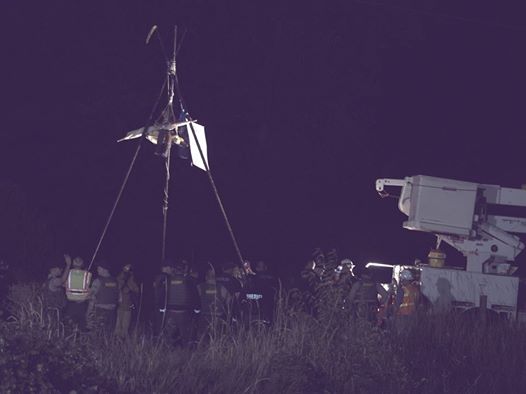
Clatskanie, OR—Climate jus­tice activists, local Clatskanie farm­ers, and oil train oppo­nents from all over Colum­bia Coun­ty are blockad­ing the tracks that lead to Port West­ward on the Colum­bia Riv­er. The block­ade con­sists of a 20-foot-high tri­pod of steel poles, its apex occu­pied by 27-year-old Port­land Ris­ing Tide activist Sun­ny Glover.

Any train move­ment would risk her life, as would any attempt to remove her from the struc­ture. A ban­ner sus­pend­ed from the tri­pod reads: “Oil trains fuel cli­mate chaos.” She has vowed to stay as long as she is able. Mass­a­chu­setts-based Glob­al Part­ners ships oil by rail from the frack­ing fields of the Bakken Shale to the block­ad­ed facil­i­ty.

From there, it is loaded onto ocean­go­ing ves­sels bound for West Coast refiner­ies. The facil­i­ty was con­struct­ed with pub­lic clean ener­gy loans and tax cred­its to man­u­fac­ture ethanol in 2008. The own­ers declared bank­rupt­cy almost imme­di­ate­ly, and in a twist of sav­age irony, it became a crude oil ter­mi­nal.

“Fos­sil fuels are cat­a­stroph­i­cal­ly destruc­tive,” Glover said. “Extrac­tion rav­ages land, water, and the health of local com­mu­ni­ties – trans­port results in dead­ly explo­sions, tox­ic spills and dust – and as they are burned, the Earth is forced ever deep­er into immense cli­mate insta­bil­i­ty. Fos­sil fuel pro­duc­tion is vio­lence, and on an incred­i­bly vast scale.”

Dozens are join­ing Glover on the tracks.

Photo courtesy Portland Rising Tide

The increase in US oil pro­duc­tion in recent years, and the con­se­quent rise in oil train traf­fic, has out­raged a diver­si­ty of groups and com­mu­ni­ties. Ris­ing Tide activists, hop­ing to deter the most severe effects of cli­mate change, are demand­ing a rapid dis­man­tling of fos­sil fuel infra­struc­ture through­out the region and the world.

Res­i­dents of areas effect­ed by oil train traf­fic are hor­ri­fied by the propen­si­ty of Bakken crude trains to derail in fiery explosions—a May, 2014 emer­gency order by the US Depart­ment of Trans­porta­tion describes the trains as an “immi­nent haz­ard.”

Res­i­dents of the patch­work of farms, dikes, and water­ways north of Clatskanie are fight­ing to pro­tect agri­cul­tur­al land and salmon habi­tat from indus­tri­al­iza­tion.

“When the crude oil trains began rolling through Colum­bia Coun­ty, we had no pri­or warning—not from DEQ, not from the Port of St. Helens, not from the coun­ty, and not from the State of Ore­gon,” said Nan­cy Whit­ney.

“With the close prox­im­i­ty of our towns, and par­tic­u­lar­ly our schools, and con­sid­er­ing the track record of crude oil derail­ments, my fear is that the poten­tial dev­as­ta­tion from leak­age or explo­sion could be astronomical—and it will hap­pen unless these trains are stopped.”

This is the fifth oil train block­ade in the Pacif­ic North­west since June.

“This is only the begin­ning,” said Noah Hochman. “We will con­tin­ue to block­ade until it is finan­cial­ly, logis­ti­cal­ly, and polit­i­cal­ly unten­able for oil trains to threat­en cli­mate and com­mu­ni­ties.”

Update:

Police Risk Protester’s Life to End 9‑Hour Oil Train Blockade

10423751_716456668441388_1080498042794148212_n

Yes­ter­day after­noon, cli­mate jus­tice group Port­land Ris­ing Tide and allies from Colum­bia Coun­ty erect­ed a 20-foot-tall tri­pod of steel poles to block­ade the Port West­ward oil ter­mi­nal. Dozens of police, work­ing at night under flood­lights, were mobi­lized to remove 27-year-old Sun­ny Glover from the tripod’s apex. After an ini­tial attempt to remove her with a buck­et truck—which she foiled by lock­ing her neck to one of the tripod’s poles—the police resort­ed to far more dras­tic and per­ilous mea­sures.

In a sur­re­al scene, the amassed law enforce­ment offi­cers began using a cir­cu­lar saw to cut through the tripod’s legs in approx­i­mate­ly foot-long incre­ments, grad­u­al­ly low­er­ing the struc­ture to the ground amidst a show­er of sparks from the saw. Glover’s neck remained locked to a pole the entire time. Each pre­car­i­ous cut threat­ened to top­ple the struc­ture. About 40 pro­test­ers shout­ed words of encour­age­ment from a near­by road until she was arrest­ed and dri­ven from the scene around 11:30pm.

“The courage my friend Sun­ny exhib­it­ed tonight was tremen­dous,” Scott Schroder said. “Unfor­tu­nate­ly, she lives in a world of ter­ri­fy­ing sce­nar­ios. She can either have her life jeop­ar­dized by the police or by cat­a­stroph­ic cli­mate change and explod­ing oil trains. She chose to resist because she under­stands acqui­es­cence is the greater per­il.”

The ter­mi­nal, oper­at­ed by Mass­a­chu­setts-based Glob­al Part­ners, has been con­tro­ver­sial since its incep­tion. At the protest today were res­i­dents of the Colum­bia Coun­ty towns of St. Helens, Scap­poose, and Clatskanie, whose homes and busi­ness­es are with­in the blast zone should an oil train derail and explode. Ris­ing Tide activists are demand­ing a rapid phase-out of fos­sil fuels in order to avert a cli­mate cat­a­stro­phe that would be felt for mil­len­nia.

Pro­test­ers were crit­i­cal of the tremen­dous mobi­liza­tion of pub­lic resources to dis­man­tle the blockade—there were approx­i­mate­ly 40 com­bined fire, police, and med­ical per­son­nel on site—saying it amount­ed to essen­tial­ly anoth­er sub­sidy for the fos­sil fuel indus­try.

“Tax­pay­ers have already giv­en Glob­al Part­ners mil­lions of dol­lars in clean ener­gy con­struc­tion sub­si­dies, when we thought their facil­i­ty was going to be an ethanol plant,” said David Osborn. “Now the pub­lic is hand­ing over thou­sands more to keep the train tracks free of peo­ple out­raged by their bait-and-switch.”

This sum­mer, Ris­ing Tide col­lec­tives have block­ad­ed oil train facil­i­ties in Wash­ing­ton and Ore­gon five times. The groups say they are work­ing toward mass mobi­liza­tions that will sig­nif­i­cant­ly impede the abil­i­ty of oil to be trans­port­ed by rail in the Pacif­ic North­west.

“We will be back,” Schroder said. “Over and over again. And we’re bring­ing more peo­ple every time.”

PHOTOS, VIDEO, AUDIO: https://drive.google.com/folderview?id=0B8Tw30qC0uQib2xlLXk0cERaeVk&usp=sharing_eil

09/18 ACTION PRESS RELEASE: https://drive.google.com/?usp=folder&authuser=0#folders/0B8Tw30qC0uQib2xlLXk0cERaeVk

BACKGROUND ON OREGON OIL TRAINS AND THE CLIMATE CRISIS:http://portlandrisingtide.org/oil-trains-oregon-bakken-shale-uinta-basin-climate-crisis/

Protesters Locks Down on Kinder Morgan Facility (Canada)

Bxa8AVpIcAAQ3bv.jpg large13/9/14

Bxa8AVpIcAAQ3bv.jpg large13/9/14

Ris­ing Tide Coast Sal­ish Ter­rior­ies reports that pro­test­ers have used bicy­cle locks to lock them­selves to a Kinder Mor­gan facil­i­ty in Burn­a­by, in unced­ed Coast Sal­ish Ter­ri­to­ries in so-called British Colum­bia.

Kinder Mor­gan has begun sur­vey­ing and cut­ting trees in con­ser­va­tion and park­land on Burn­a­by Moun­tain, unced­ed Coast Sal­ish Ter­ri­to­ries. The giant US oil pipeline com­pa­ny plans to clear park­land in prepa­ra­tion for bor­ing a tun­nel through the North­ridge of Burn­a­by Moun­tain con­trary to city bylaws.

The pur­pose of the tun­nel will be to trans­port crude tar sands oil from the stor­age tanks at For­est Hill to Westridge Ter­mi­nal. Many geol­o­gists and seis­mol­o­gists are con­cerned that the North­ridge will be sub­ject to extreme shak­ing in the event of even a mod­er­ate earth­quake putting at risk the pipeline, the huge oil stor­age tanks at For­est Hill and the Afra­max tankers at Westridge ter­mi­nal. A mod­er­ate earth­quake to the huge tanks, pipeline and ter­mi­nal would make the 2007 pipeline spill at Westridge minor in com­par­i­son.

The pro­test­ers, at the time of writ­ing, were still locked to the gate.

Update: Six peo­ple were arrest­ed after thir­teen hours locked-down and sub­se­quent­ly released.

For updates on the sit­u­a­tion check @risingtide604


Cor­rec­tion: We mis­tak­en­ly report­ed that this was a Ris­ing Tide Coast Sal­ish Ter­ri­to­ries action.

BxcQcHUCIAAXakt.jpg large

Week of Action against the NATO Summit in Newport

The world’s lead­ing war­mon­gers will meet this sum­mer in Wales.  A week of action is planned to oppose and stop them, from August 30th to Sep­tem­ber the 5th.

The world’s lead­ing war­mon­gers will meet this sum­mer in Wales.  A week of action is planned to oppose and stop them, from August 30th to Sep­tem­ber the 5th.

Two organ­i­sa­tions are plan­ning actions against the sum­mit, inclus­ing mass demon­stra­tions and days of action on dif­fer­ent aspects of mil­i­tarism.  This promis­es to be a mas­sive focal point for the move­ment against mil­iarism this sum­mer. Details of can be found here:

https://network23.org/stopnatocymru/

http://www.nonatonewport.org/

Please get involved and spread the word!  Help raise our pro­file by link­ing to stop­NA­TO­Cym­ru on blogs etc., and more impor­tant­ly, come along to the events and show your sup­port.

Akwa Ibom Youths Barricade Exxon Oil Terminal

asustruk-615x320
asustruk-615x320

July 7th, 2014

Oper­a­tions of Exxon Mobil, a multi­na­tion­al firm has been shut down by protest­ing youths from the host com­mu­ni­ties in Ibeno, Akwa Ibom State, Nige­ria fol­low­ing what they described as recur­rent oil spills and strings of unful­filled promis­es made to the com­mu­ni­ties.

LEADERSHIP gath­ered that the angry youths who bar­ri­cad­ed the main entrances to ExxonMobil’s Quo Iboe Ter­mi­nal (QIT) said they will nev­er leave the area until the com­pa­ny com­mences prop­er reme­di­a­tion on the envi­ron­ment and ful­fil promis­es it made after past oil spills.

The Sec­re­tary of Youth Pres­i­dents Forum and Pres­i­dent of Iwuokpom com­mu­ni­ty youth where Exxon­Mo­bil jet­ty is locat­ed, Mr. David Okon not­ed that the protest was sparked off fol­low­ing the most recent spill which occurred on Thurs­day when thun­der struck the QIT tank farm and one of the crude oil-laden tanks went up in flames.

Accord­ing to, Okon sev­er­al hun­dred bar­rels of crude spilled over Mkpanak com­mu­ni­ty and into 26 oth­er com­mu­ni­ties in the area, span­ning over 35 kilo­me­ters.

He said, “Our griev­ance is that since last year, there was an oil spill at the QIT that flowed from Inu­aeyet Ikot vil­lage to Okposo, about 35 kilo­me­ters along the coast­line towards Mbo local gov­ern­ment area. Since then, Mobil has refused to clean up our envi­ron­ment. They issued and acknowl­edge­ment let­ter to indi­cate that their tank bust­ed.

“Mobil knows the impact of oil spill and the dam­age it has done to aquat­ic life and the water table and the entire envi­ron­ment. When a major spill occurred last Decem­ber, they promised to pro­vide relief mate­ri­als to our peo­ple and also pay com­pen­sa­tion. Up till now, they have not done any­thing in that regard. Last week, two of the tanks got burnt and crude flowed into our com­mu­ni­ties.”

Okon lament­ed that, while a walk along the shore­line would show dead fish­es scat­tered all over the area, it was becom­ing so dif­fi­cult a task for the peo­ple to fish.

“Peo­ple are hun­gry and angry and that is why we have come here to draw the atten­tion of the world to what Exxon Mobil has been doing to our com­mu­ni­ties”, he added.

Cor­rob­o­rat­ing Okon’s posi­tion on the mat­ter, a com­mu­ni­ty leader in Iben­no, Chief Williams Mkpa who admit­ted that the peo­ple of the area have scores to set­tle with Exxon­Mo­bil over cas­es of oil spillage lament­ed that the eco­nom­ic main­stay of peo­ple of the area has been great­ly affect­ed by the spill.

He said, “When sim­i­lar inci­dents hap­pen, the com­mu­ni­ty usu­al­ly agi­tates for cleanup and ade­quate com­pen­sa­tion.

But in its usu­al way, Exxon­Mo­bil has refused to respond to those requests because they don’t have the inter­est of the peo­ple at heart. In the past 44 years of their oper­a­tions, the com­pa­ny only com­pen­sat­ed us in 1998 when they declared 55 bar­rel spill and paid N350 mil­lion to our com­mu­ni­ties”.

He not­ed that because they were aware of the effects of gas flar­ing to the imme­di­ate envi­ron­ment, staff of Exxon­Mo­bil do not live in Ibeno com­mu­ni­ties, as the oil firm chose to locate its hous­ing estate in Eket, about 20 kilo­me­ters away.

Mkpa said the inter­ven­tion of the state Gov­er­nor, Godswill Akpabio did not yield any pos­i­tive result in the mat­ter, as the com­pa­ny has delib­er­ate­ly refused to respect the agree­ment bro­kered by the gov­ern­ment since 2012.

Mkpa fur­ther chid­ed those opposed to resource con­trol, say­ing that if Ibeno peo­ple had a say in how Exxon­Mo­bil is being oper­at­ed, some of the dam­ag­ing impacts of their oper­a­tions could have been mit­i­gat­ed.

He, there­fore, appealed to the Nation­al Con­fer­ence and the Nation­al Assem­bly to take urgent steps to ensure that oil pro­duc­ing areas in the coun­try were giv­en a stake in oil explo­ration and pro­duc­tion.

Mr. Mkpa also lament­ed that over 95 per­cent of staff in Exxon­Mo­bil are from oth­er parts of the coun­try and chal­lenged the com­pa­ny to pub­lish the list of its top man­age­ment staff toshow how many peo­ple from the host com­mu­ni­ties it has engaged.

On its part, Exxon­Mo­bil explained that Mobil Pro­duc­ing Nige­ria unlimt­ed, oper­a­tor of the NNPC/MPN joint ven­ture said it has acti­vat­ed our emer­gency response sys­tems and con­tained the release, with all rel­e­vant reg­u­la­to­ry author­i­ties and com­mu­ni­ty lead­ers noti­fied.

The company’s spokesper­son, Akaninyene Esiere in an email stat­ed: “MPN remains com­mit­ted to envi­ron­men­tal­ly safe oper­a­tions. Sub­ject to a detailed site inspec­tion, our cur­rent esti­mate is that approx­i­mate­ly 12 bar­rels of oil was released dur­ing the inci­dent. All rel­e­vant reg­u­la­to­ry author­i­ties and com­mu­ni­ty lead­ers have been noti­fied.

“We are work­ing with com­mu­ni­ty lead­ers to gain access to the impact­ed area and con­tin­ue to work to ensure the impact­ed area is reme­di­at­ed. Off­shore pro­duc­tion and load­ing oper­a­tions are con­tin­u­ing.”