Raging Grannies Blockading Entrances and Exits of WA Department of Ecology

Octo­ber 30th, 2014

UPDATE: Grannies Unlock After 6‑Hour Block­ade

Cur­rent­ly, sev­en mem­bers of the Seat­tle Rag­ing Grannies are block­ing the entrance to the Depart­ment of Ecol­o­gy head­quar­ters, stalling traf­fic and pre­vent­ing employ­ees from enter­ing work. The groups are sit­ting in rock­ing chairs chained togeth­er across the Department’s vehi­cle entrance.

They are telling work­ers that the Depart­ment is closed today for a “Work­shop on How to Say No to Big Oil.” Today’s action coin­cides with hear­ings on a con­tro­ver­sial study on the safe­ty of oil trains con­duct­ed by the Depart­ment of Ecol­o­gy. Hun­dreds are expect­ed in Olympia to express con­cern at the study’s nar­row scope and omis­sion of risks to the envi­ron­ment or treaty rights.

Police and FBI are on the scene try­ing to direct traf­fic, and ecol­o­gy man­age­ment is mak­ing sup­port­ive employ­ees move inside so they can’t talk to the media about their sup­port of the elders.

Dale R Jense, pro­gram man­ag­er for the department’s oil spills safe­ty pro­gram, is cur­rent­ly walk­ing the line and talk­ing to the grannies, who remain in high spir­its and are singing songs. There is a group of sup­port­ers mak­ing sure that the DoE knows that fos­sil fuel ship­ments are unpop­u­lar, dan­ger­ous, and bad for the plan­et.

“We’re here to help the Depart­ment of Ecol­o­gy learn how to say no to the oil indus­try,” said Beth DeRooy. “After grant­i­ng per­mits to four ille­gal oil train ter­mi­nals and let­ting for­mer BNSF exec­u­tives write their oil study, I was wor­ried the folks over at the Depart­ment nev­er learned how to say no and need­ed a lit­tle help from their grannies.”

Since 2012 the Depart­ment of Ecol­o­gy has grant­ed per­mits for oil-by-rail ter­mi­nals at four of Washington’s five refiner­ies. Ter­mi­nals in Taco­ma, Ana­cortes and at Cher­ry Point out­side of Belling­ham, have begun tak­ing trains while a fourth is under con­struc­tion at the Phillips 66 refin­ery in Fer­n­dale. Envi­ron­men­tal groups have argued that the these ter­mi­nals are ille­gal under the Mag­nu­son Act, which pro­hibits expan­sions at Wash­ing­ton refiner­ies that may increase the amount of oil they han­dle.

Per­mits for a fifth oil-by-rail ter­mi­nal at Shell’s Puget Sound refin­ery are cur­rent­ly under con­sid­er­a­tion. “Hot on the heels of record wild­fires, Gov­er­nor Inslee’s so-called Depart­ment of Ecol­o­gy is going to ignore the envi­ron­ment in this study? They’re act­ing more like the Depart­ment of Oil Trains,” stat­ed Cyn­thia Linet.

Last year Gov­er­nor Inslee direct­ed the Depart­ment of Ecol­o­gy to con­duct a safe­ty study on the extreme­ly con­tro­ver­sial ship­ment of oil by rail. The governor’s study has been crit­i­cized for ignor­ing impacts on the envi­ron­ment, treaty rights and glob­al warm­ing, as well as fail­ing to ques­tion whether they should build oil-train ter­mi­nals in the first place.

The Depart­ment of Ecol­o­gy has declared that impacts on the envi­ron­ment, trib­al treaty rights or local economies are “ancil­lary” and not being con­sid­ered. The Depart­ment has also come under fire after rev­e­la­tions that a num­ber of the study’s authors are for­mer BNSF exec­u­tives.

“You’d think bring­ing explod­ing trains to help oil com­pa­nies dev­as­tate Native Amer­i­can com­mu­ni­ties in North Dako­ta would be easy to say no to, but it looks like the Depart­ment of Ecol­o­gy needs a stern les­son from their grannies,” said Car­ol McRoberts.

Many of North Dakota’s oil wells are on trib­al lands of the Man­dan, Hidat­sa and Arikara nations. In addi­tion to spills and oth­er local pol­lu­tion, the oil boom has brought tremen­dous social costs to the com­mu­ni­ties. Deaths from auto acci­dents, drug abuse and vio­lent crime have explod­ed; hous­ing short­ages force many to live in sub­stan­dard con­di­tions; and sex­u­al vio­lence such as rape and sex traf­fick­ing have become preva­lent in a once small com­mu­ni­ty.

“My daugh­ter is 15 months old and my heart aches that I do not even want her to be at home for fear of what she’d be exposed to,” said Kan­di Mos­sett, a mem­ber of the Man­dan, Hidat­sa and Arikara nations who sub­mit­ted writ­ten tes­ti­mo­ny to today’s oil train hear­ings. “This oil boom using frack­ing has been dev­as­tat­ing for us and no amount of mon­ey can ever give us back what’s being lost.”

IMAG0692image4

Pro­tes­tors hand­ed out dough­nuts and cof­fee as they turned away employ­ees’ cars. They also hand­ed out a fli­er explain­ing “How to Say No To Fos­sil Fuels.” The fli­er calls on the Depart­ment of Ecol­o­gy to reject all new fos­sil fuel projects pro­posed for Wash­ing­ton and to explic­it­ly link their rejec­tion to con­cerns about glob­al warm­ing.

Cli­mate jus­tice activists point out that if all pro­posed fos­sil fuel ter­mi­nals are built, the North­west will be trans­port­ing five times more car­bon than the Key­stone XL Pipeline.

“It’s grandma’s com­mon sense – we need to keep car­bon in the ground to stop cat­a­stroph­ic glob­al warm­ing, and if they can’t ship it, they have to leave it in the ground,” said Rosy Betz-Zall. But while he has been wide­ly hailed as one of the green­est gov­er­nors in Amer­i­ca, Inslee has yet to out­right reject a major fos­sil fuel project, or even declare a mora­to­ri­um on projects that would increase dan­ger­ous ship­ments of explo­sive oil.

“Gov­er­nor Inslee talks about being a cli­mate cham­pi­on, but he keeps say­ing ‘maybe’ to new fos­sil fuel projects, when what we need is a sol­id ‘NO’,” said Dee­jah Sher­man-Peter­son.

“Take it from your granny: if you want to say yes to some­thing good – a just, clean ener­gy future – you have start by say­ing NO to some­thing bad – build­ing more fos­sil fuel infra­struc­ture.”

Today’s protest fol­lows an intense wave of oppo­si­tion to oil-by-rail across the North­west this sum­mer with pro­tes­tors lock­ing them­selves to bar­rels of con­crete and sit­ting atop tripods to block­ade rail­road tracks across Wash­ing­ton and Ore­gon.

Pacific Island Warriors Blockade World’s Largest Coal Port

Octo­ber 25th, 2014

Cli­mate Change War­riors from 12 Pacif­ic Island nations pad­dled canoes into the world’s largest coal port in New­cas­tle, Aus­tralia, Fri­day (Octo­ber 17th) to bring atten­tion to their grave fears about the con­se­quences of cli­mate change on their home coun­tries.

The 30 war­riors joined a flotil­la of hun­dreds of Aus­tralians in kayaks and on surf­boards to delay eight of the 12 ships sched­uled to pass through the port dur­ing the nine-hour block­ade, which was organ­ised with sup­port from the U.S.-based envi­ron­men­tal group 350.org.

The war­riors came from 12 Pacif­ic Island coun­tries, includ­ing Fiji, Tuvalu, Toke­lau, Microne­sia, Van­u­atu, The Solomon Islands, Ton­ga, Samoa, Papua New Guinea and Niue.

Mikaele Maia­va spoke with IPS about why he and his fel­low cli­mate change war­riors had trav­elled to Aus­tralia: “We want Aus­tralia to remem­ber that they are a part of the Pacif­ic. And as a part of the Pacif­ic, we are a fam­i­ly, and hav­ing this fam­i­ly means we stay togeth­er. We can­not afford, one of the biggest sis­ters, real­ly destroy­ing every­thing for the fam­i­ly.

“So, we want the Aus­tralian com­mu­ni­ty, espe­cial­ly the Aus­tralian lead­ers, to think about more than their pock­ets, to real­ly think about human­i­ty not just for the Aus­tralian peo­ple, but for every­one,” Mikaele said.

REUTERS / David Gray

Speak­ing at the open­ing of a new coal mine on Oct. 13, Aus­tralian Prime Min­is­ter Tony Abbott said that “coal is good for human­i­ty.”

Mikaele ques­tioned Abbott’s posi­tion, ask­ing, “If you are talk­ing about human­i­ty: Is human­i­ty real­ly for peo­ple to lose land? Is human­i­ty real­ly for peo­ple to lose their cul­ture and iden­ti­ty? Is human­i­ty to live in fear for our future gen­er­a­tions to live in a beau­ti­ful island and have homes to go to? Is that real­ly human­i­ty? Is that real­ly the answer for us to live in peace and har­mo­ny? Is that real­ly the answer for the future?”

Mikaele said that he and his fel­low cli­mate war­riors were aware that their fight was not just for the Pacif­ic, and that oth­er devel­op­ing coun­tries were affect­ed by cli­mate change too.

“We’re aware that this fight is not just for the Pacif­ic. We are very well aware that the whole world is stand­ing up in sol­i­dar­i­ty for this. The mes­sage that we want to give, espe­cial­ly to the lead­ers, is that we are humans, this fight is not just about our land, this fight is for sur­vival.”


Mikaele described how his home of Toke­lau was already see­ing the effects of cli­mate change,

“We see these changes of weath­er pat­terns and we also see that our food secu­ri­ty is threat­ened. It’s hard for us to build a sus­tain­able future if your soil is not that fer­tile and it does not grow your crops because of salt intru­sion.”

Tokelau’s coast­line is also begin­ning to erode. “We see our coastal lines chang­ing. Fif­teen years ago when I was going to school, you could walk in a straight line. Now you have to walk in a crooked line because the beach has erod­ed away.”

Mikaele said that he and his fel­low cli­mate change war­riors would not be con­tent unless they stood up for future gen­er­a­tions, and did every­thing pos­si­ble to change world lead­ers’ men­tal­i­ty about cli­mate change.

“We are edu­cat­ed peo­ple, we are smart peo­ple, we know what’s going on, the days of the indige­nous peo­ple and local peo­ple not hav­ing the infor­ma­tion and the knowl­edge about what’s going on is over,” he said.

“We are the gen­er­a­tion of today, the lead­ers of tomor­row and we are not blind­ed by the prob­lem. We can see it with our own eyes, we feel it in our own hearts, and we want the Aus­tralian gov­ern­ment to realise that. We are not blind­ed by mon­ey we just want to live as peace­ful­ly and fight for what mat­ters the most, which is our homes.”

Toke­lau became the first coun­try in the world to use 100 per­cent renew­able ener­gy when they switched to solar ener­gy in 2012.

Speak­ing about the canoes that he and his fel­low cli­mate war­riors had carved in their home coun­tries and bought to Aus­tralia for the protest, he talked about how his fam­i­ly had used canoes for gen­er­a­tions,

“Each extend­ed fam­i­ly would have a canoe, and this canoe is the main tool that we used to be able to live, to go fish­ing, to get coconuts, to take fam­i­ly to the oth­er islands.”

Anoth­er cli­mate war­rior, Kathy Jet­nil-Kijin­er, from the Mar­shall Islands, brought mem­bers of the Unit­ed Nations Gen­er­al Assem­bly to tears last month with her impas­sioned poem writ­ten to her baby daugh­ter Matafele Peinam,

“No one’s mov­ing, no one’s los­ing their home­land, no one’s gonna become a cli­mate change refugee. Or should I say, no one else. To the Carteret islanders of Papua New Guinea and to the Taro islanders of Fiji, I take this moment to apol­o­gise to you,” she said.

The Pacif­ic Islands Forum describes cli­mate change as the “sin­gle great­est threat to the liveli­hoods, secu­ri­ty and well-being of the peo­ples of the Pacif­ic.”

“Cli­mate change is an imme­di­ate and seri­ous threat to sus­tain­able devel­op­ment and pover­ty erad­i­ca­tion in many Pacif­ic Island Coun­tries, and for some their very sur­vival. Yet these coun­tries are amongst the least able to adapt and to respond; and the con­se­quences they face, and already now bear, are sig­nif­i­cant­ly dis­pro­por­tion­ate to their col­lec­tive minis­cule con­tri­bu­tions to glob­al emis­sions,” it says.

Pacif­ic Island lead­ers have recent­ly stepped up their lan­guage, chal­leng­ing the Aus­tralian gov­ern­ment to stop delay­ing action on cli­mate change.

Oxfam Australia’s cli­mate change advo­ca­cy coor­di­na­tor, Dr Simon Brad­shaw, told IPS, “Aus­tralia is a Pacif­ic coun­try. In opt­ing to dis­man­tle its cli­mate poli­cies, dis­en­gage from inter­na­tion­al nego­ti­a­tions and forge ahead with the expan­sion of its fos­sil fuel indus­try, it is utter­ly at odds with the rest of the region.”

Dr. Brad­shaw added, “Australia’s clos­est neigh­bours have con­sis­tent­ly iden­ti­fied cli­mate change as their great­est chal­lenge and top pri­or­i­ty. So it is inevitable that Australia’s recent actions will impact on its rela­tion­ship with Pacif­ic Islands.

“A recent poll com­mis­sioned by Oxfam showed that 60 per­cent of Aus­tralians thought cli­mate change was hav­ing a neg­a­tive impact on the abil­i­ty of peo­ple in poor­er coun­tries to grow and access food, ris­ing to 68 per­cent among 18 to 34-year-olds,” he said.

Vis­it IPS news for fresh per­spec­tives on devel­op­ment and glob­al­iza­tion

Hambach: Trees with Platforms Felled

Noname

Octo­ber 17th, 2014

Noname

Octo­ber 17th, 2014

The dai­ly mad­ness con­tin­ues.
This morn­ing activists from the tree ocu­pa­tion “Gruben­blick“ report­ed about an unpleasent vis­it beneath their plat­forms:
RWE, Köt­ters Secu­ri­ty and the Police with a cher­ryp­ick­er. The occu­pa­tion is direct­ly at the edge of the clearcut, no more than 100 meters dis­tance to the hole of the [open cast coal] mine. Some pic­tures from Gruben­blick
The work­ers of the land­mur­der­ing com­pa­ny RWE cut down trees which had plat­forms on them. Soon after the police came by and exam­ined the occu­pied trees of “Gruben­blick“. Pre­sum­ably they made prepa­ra­tions for an evic­tion.

Now it is qui­et again, the activists of Gruben­blick stay in the trees and have a hideous look on the deep­est hole of europe and uncount­able treestumps.

Fracking Protest Camp Set Up to Protect Horse Hill, UK

Campaigners at the Horse Hill site near Horley, photo credit: Marina Pepper

Octo­ber 16th, 2014

Campaigners at the Horse Hill site near Horley, photo credit: Marina Pepper

Octo­ber 16th, 2014

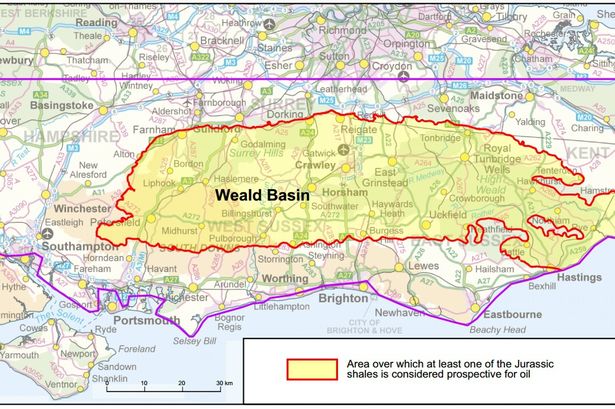
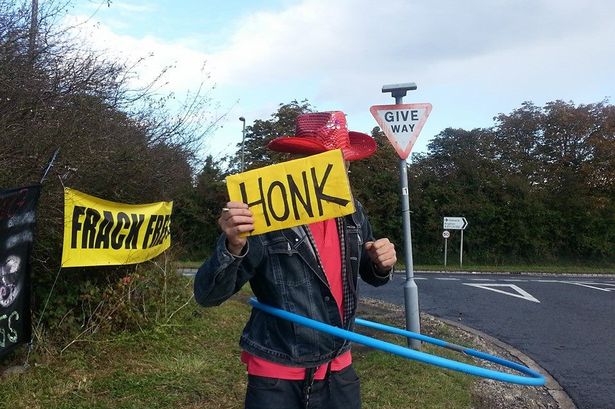
A protest group has set up camp near Hor­ley to pro­tect a site from pos­si­ble frack­ing fol­low­ing news that oil ‘shows’ at Horse Hill after weeks of explo­ration.

Horse Hill Devel­op­ments has been drilling at the Horse Hill site since the begin­ning of Sep­tem­ber with a promise to cam­paign­ers that it would not be frack­ing there, but Frack Free Sur­rey fear the com­pa­ny is test­ing the ground for future projects in the Weald.

The com­pa­ny does not cur­rent­ly have a license to frack, but stat­ed on Sep­tem­ber 18 that “the infor­ma­tion gained through these activ­i­ties will pro­vide valu­able insights into the tech­ni­cal and eco­nom­ic via­bil­i­ty of uncon­ven­tion­al devel­op­ment else­where in the Weald Basin”.

More than 80 peo­ple attend­ed a meet­ing held by Red­hill Greens and Frack Free Sur­rey on Mon­day (Octo­ber 13), to dis­cuss the drilling and the pos­si­ble threat of frack­ing across the weald.


Rob Bas­to, from Frack Free Sur­rey, said:If frack­ing goes ahead in the area it could result in thou­sands of wells in the south-east with dis­as­trous con­se­quences – for our local envi­ron­ment and the glob­al cli­mate. We are utter­ly opposed to any new fos­sil fuel devel­op­ment in our area.”

Bren­da Pol­lack, from Friends of the Earth, said cam­paign­ers are con­cerned as many com­pa­nies are now “sala­mi slic­ing” their appli­ca­tions, in order to have a greater chance of suc­cess. Explorato­ry licences are grant­ed in the first stage, which means a frack­ing licence can be eas­i­er to get once indus­tri­al work has already tak­en place on the land.

But Ms Pol­lack said cam­paign­ers were keen not to scare mon­ger.

She said: “We are con­cerned that ulti­mate­ly the com­pa­ny wants to extract shale oil. The site is in the Weald Basin – an area known to con­tain oil trapped in shale rock. While they may be using con­ven­tion­al tech­niques at this test­ing phase, there is every rea­son to believe it could lead to frack­ing.

“Chas­ing dif­fi­cult to reach fos­sil fuels is not the answer to our ener­gy prob­lems. Sur­rey should be invest­ing in clean­er renew­able ener­gy projects to help reduce the impacts of cli­mate change.”


Cam­paign­ers have set up camp at the Horse Hill site near Hor­ley

Ms Pol­lack said many peo­ple are con­cerned as Mag­el­lan Petro­le­um

Cor­po­ra­tion, who have a 35% stake in Horse Hill Devel­op­ments, are also part­nered with Cel­tique Ener­gy who recent­ly had an appli­ca­tion turned down to drill at Nine Acre Copse in Fern­hurst.

In Sep­tem­ber, Scott Bradley, chief exec­u­tive of Horse Hill Devel­op­ments Lim­it­ed, said: “We are delight­ed with the progress being made and the drilling per­for­mance to date. We now look for­ward to the next phase of this con­ven­tion­al project and await our tar­get eval­u­a­tion results eager­ly.”


Hambach Treesitter Suffers Fall

Noname

Octo­ber 16th, 2014

Noname

Octo­ber 16th, 2014

Heli­copter res­cues fall­en climb­ing activist – climb­ing part­ner arrest­ed with­out rea­son

On Mon­day, a French activist fell down from a 8 metre high plat­form at a for­est occu­pa­tion near the clearcut bor­der of the open cast mine Ham­bach. A heli­copter brought the con­scious acci­dent vic­tim to the near­by hos­pi­tal. Anoth­er for­est occu­pant was arrest­ed by the police dur­ing the res­cue mis­sion and was held at the police sta­tion in Düren for sev­er­al hours with­out rea­son. For 3 years, activists have been protest­ing in the Ham­bach For­est against Europe’s biggest open cast mine, which is locat­ed between Cologne and Aachen.

“Our year­long expe­ri­ence, tuto­ri­als, train­ing ses­sions and inter­na­tion­al secu­ri­ty stan­dards, show: We are pro­fes­sion­als. The secu­ri­ty of the activists is our first pri­or­i­ty.“, explains Nina Wag­n­er, climb­ing train­er and for­est occu­pant. The activists now want to clear the case com­plete­ly and search for fail­ures in the secu­ri­ty pro­ce­dures. It’s the first seri­ous acci­dent since the start of the protest, which is held dai­ly in the for­est, ele­vat­ed from at least 8 metres. “Our activists know, why they do their protest in the top of the trees. We are deter­mined to resist the cli­mate killer brown coal, even at high per­son­al risk.” con­tin­ues Wag­n­er.

Though the res­cue was suc­cess­ful, the activists are very con­cerned about the acci­dent. “She’s in our thoughts, and we hope that she will recov­er from her injuries.” says Wag­n­er. After the fall, the occu­pants react­ed quick­ly and start­ed to imme­di­ate­ly per­form first aid. While one team took care of the emer­gency call, anoth­er removed the bar­ri­cades, which are nor­mal­ly in place to pre­vent an evic­tion by police forces, to clear the way for the res­cue team. In the future, more strin­gent secu­ri­ty mea­sures will be in place in order to avoid anoth­er rare inci­dent like this. The vic­tim, which was able to speak direct­ly after the fall, was brought by heli­copter to the uni­ver­si­ty hos­pi­tal in Aachen.

Portland Oil Terminal Blocked, USA

rally-wide-shot

rally-wide-shot

Activists form block­ade against oil trains at Arc Logis­tics, crude oil-by-rail ter­mi­nal

NW Port­land, Ore­gon: 100 peo­ple gath­ered in protest this after­noon (9/10/2014) at Arc Logis­tics, Portland’s only crude oil-by-rail ter­mi­nal. Five activists risked arrest by sit­ting direct­ly on the rail tracks to pre­vent an oil train from reach­ing the oil ter­mi­nal. Infor­ma­tion leaked from a work­er at the facil­i­ty revealed that due the con­tro­ver­sial protest, oil ship­ments had been halt­ed for the day. Pro­test­ers, includ­ing those block­ing the tracks have dis­persed peace­ful­ly.

Crude oil trains have caused a great deal of con­tro­ver­sy across the coun­ty. Near­ly a dozen derail­ments have occurred in the past two years, many end­ing in fire­ball explo­sions that have killed 47 peo­ple and caused hun­dreds of mil­lions in prop­er­ty dam­age. Event orga­niz­ers say these trains rep­re­sent an unac­cept­able threat to our com­mu­ni­ties: risk­ing explo­sive train derail­ments, dan­ger­ous spills and leaks, degrad­ing air qual­i­ty, and desta­bi­liz­ing the cli­mate.

“I am an obste­tri­cian, gyne­col­o­gist with a degree in pub­lic health. I have devot­ed my career to pro­tect­ing moth­ers and babies and worked inter­na­tion­al­ly in almost 40 coun­tries. I have taught at Har­vard and Stan­ford. The impor­tance of these efforts now pales,” said Kel­ly O’Hanley, MD, MPH, one of the five activists will­ing to risk arrest if an oil train attempt­ed to enter Arc Logis­tics. “I have nev­er gone to jail but the specter of cli­mate change has moved me out of my clin­ic, out of the hos­pi­tal and out of my com­fort­able liv­ing room – onto the streets and into jail if nec­es­sary.”

Port­land is a choke point for fos­sil fuel trans­port in the North­west. We are draw­ing the line to sup­port all those affect­ed from extrac­tion to the cli­mate-desta­bi­liz­ing com­bus­tion,” says orga­niz­er Mia Reback, “today’s action is intend­ed to send a strong mes­sage that the com­mu­ni­ty will not allow these dan­ger­ous oil trains to come through Port­land.”

Today’s protest con­tin­ues a series of direct actions and resis­tance against North­west oil-by-rail projects. In June, activists with Port­land Ris­ing Tide blocked the Arc Logis­tics site in Port­land when a woman locked her­self to a con­crete filled bar­rel on the tracks. Fol­low­ing that action, com­mu­ni­ty mem­bers across the North­west have set up block­ades at oil facil­i­ties in Ana­cortes, Wash­ing­ton, Everett, Wash­ing­ton and most recent­ly Port West­ward, Ore­gon.

Arc Logis­tics cur­rent­ly ships crude by rail from fracked oil shale in Utah. The first US tar sands mine is under con­struc­tion in Utah and Arc could soon be accept­ing this con­tro­ver­sial fuel. The Arc Logis­tics ter­mi­nal can also receive explo­sive Bakken crude oil from North Dako­ta with­out noti­fy­ing Port­land res­i­dents.

The Cli­mate Action Coali­tion demands that the city of Port­land halts the oper­a­tions of Arc Logis­tics and impos­es a ban on all new fos­sil fuel infra­struc­ture that puts our cli­mate and com­mu­ni­ties in jeop­ardy.

###

The Cli­mate Action Coali­tion is: Port­land Ris­ing Tide, NoKXL, 350 PDX, Port­land Rag­ing Grannies, First Uni­tar­i­an Uni­ver­sal­ist Com­mu­ni­ty for Earth Team, PDX Bike Swarm

Legal Fund Here

Kinder Morgan Surveyor Office Blocked by ‘Pipeline’, Canada

mappipe2

Octo­ber 7th, 2014

mappipe2

Octo­ber 7th, 2014

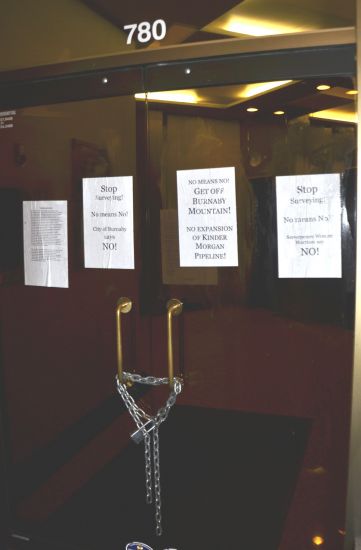
Activists installed a “pipeline” ear­ly this mor­ing in front of the down­town offices of McEl­han­ney map­ping. The adhoc group says the com­pa­ny was taget­ed for its part in sur­vey­ing for the con­tro­ver­sial Kinder Mor­gan pipeline expan­sion plan on Burn­a­by Moun­tain.

The group erect­ed a pvc pipeline, com­plete with drip­ping ‘bitu­men’ and notices to “Get off Burn­a­by Moun­tain.”

From the group’s release:

“Ear­ly this morn­ing the entrance to McElhanney’s down­town Van­cou­ver office was block­ad­ed. The doors were locked, a “bitu­men pipeline” blocked the stairs and posters were past­ed. The action is in response to McElhanney’s par­tic­i­pa­tion in sur­vey­ing for the Kinder Mor­gan pipeline expan­sion project in Burn­a­by .


mappipe6_0

“The pro­pos­al aims to increase the num­ber of bar­rels of Alber­ta bitu­men deliv­ered to Burn­a­by and the Sal­ish Sea from 300,000 bar­rels a day to 890,000 a day. This would result in an astro­nom­i­cal and dan­ger­ous increase in tanker traf­fic through the Bur­rard Inlet. The expan­sion cross­es the unced­ed ter­ri­to­ry of many Indige­nous nations and is evi­dence of con­tin­ued oppres­sive col­o­niza­tion and ram­pant cap­i­tal­ist greed.  Resis­tance to this project is strong and unwa­ver­ing!

“The Secwepemc Women War­rior Soci­ety has been vocal­ly opposed to the projects’ intru­sion through the heart of their ter­ri­to­ry, the Tsleil-Wau­tuth Nation has launched a legal bat­tle as well as cre­at­ed a treaty with sur­round­ing nations vow­ing to pro­tect the Sal­ish Sea, even local may­ors are stand­ing up in oppo­si­tion. Despite the resound­ing no from affect­ed com­mu­ni­ties, Kinder Mor­gan is con­tin­u­ing with the project and hir­ing com­pa­nies to do inva­sive stud­ies that are against Coast Sal­ish law and even “Cana­di­an” colo­nial bylaws. No means no and the peo­ple, led by Indige­nous resis­tance are not back­ing down to cor­po­ra­tions!

“This dis­rup­tion has been brought to you by a group of friends who refuse to accept, and are com­mit­ted to resist­ing, the con­tin­ued col­o­niza­tion of indige­nous ter­ri­to­ries by cor­po­ra­tions and gov­ern­ment.  We oppose the oppres­sive nature of the oil and gas indus­try in our fight for cli­mate and social jus­tice. We stand in sol­i­dar­i­ty with front­line com­mu­ni­ties who are fight­ing destruc­tive and oppres­sive resource extrac­tion projects.”

The office entrance has now been blocked off by Van­cou­ver police.

mappipe1


All-Woman Tripod and Lockdown Halts Enbridge Line 9 Pipeline Operations for Hours

The third woman at the protest spent hours teetering on this makeshift construction before being removed by firefighters.
</p>
</body></html>

The third woman at the protest spent hours teetering on this makeshift construction before being removed by firefighters. (Kate McKenna/CBC)
Octo­ber 7th, 2014
Three activists who chained them­selves to a fence at Enbridge’s Mon­tre­al
head­quar­ters had their locks and chains cut just after noon on Tues­day.

After spend­ing hours in the cold rain, Alyssa Symons-Bélanger, Jes­si­ca Lam­bert and a third woman were removed from the fence they chained them­selves to at Enbridge’s head­quar­ters on Hen­ri-Bouras­sa East.

She attached her­self to a chain-link fence with a heavy chain around her waist and a bicy­cle lock around her neck.

“I know that today I stand with these peo­ple, and these peo­ple stand with me also in oppo­si­tion of Enbridge’s Line 9,” she said.

The group of pro­test­ers, who accord­ing to Symons-Bélanger are not part of a larg­er orga­ni­za­tion, issued a news release Tues­day morn­ing say­ing they were look­ing to dis­rupt Suncor’s refin­ery oper­a­tions.

Enbridge plans to reverse the 9B sec­tion of its Line 9 pipeline. (Enbridge)

Enbridge trans­ports the crude oil to Mon­tre­al via pipeline, where refiner­ies like Sun­cor process it.

Symons-Bélanger said she is against Enbridge’s Line 9 pipeline rever­sal for a vari­ety of rea­sons, includ­ing safe­ty con­cerns and improp­er com­pen­sa­tion for peo­ple whose land is touched by the pipeline.

She was a mem­ber of the group of pro­test­ers who walked for 34 days from Cacouna, Que., to Kane­sa­take in the spring.

Coordinated Direct Action against Maules Creek Mine Suspends Work at Several Sites

Octo­ber 2nd, 2014

Activists protest­ing against a coal project have dis­rupt­ed min­ing oper­a­tions at sev­er­al sites in the Gunnedah Basin, in north­ern New South Wales.

An anti-coal protest group said about 150 pro­test­ers had tar­get­ed four mines and a coal loader oper­at­ed by White­haven Coal, which is plan­ning a con­tro­ver­sial mine at Maules Creek, near Narrabri in the state’s north-west.

Oppo­nents, includ­ing envi­ron­men­tal­ists and farm­ers, have said the project and asso­ci­at­ed for­est-clear­ing pose sig­nif­i­cant envi­ron­men­tal threats includ­ing to bio­di­ver­si­ty and water required for agri­cul­tur­al use.

Four pro­test­ers chained them­selves to access points to the Maules Creek project and two scaled the coal loader at the Wer­ris Creek mine and unfurled a ban­ner.

At the Tar­ra­won­ga mine at Bog­gabri a pro­tes­tor climbed a tri­pod struc­ture to block access to the site while, three oth­ers chained them­selves togeth­er across the road.

Two pro­test­ers chained them­selves to a gate at the Roc­glen mine near Gunnedah and anoth­er pair chained them­selves to a gate at the Gunnedah coal han­dling plant.

Police from Bar­won Local Area Com­mand said at least six peo­ple were arrest­ed.

They includ­ed a 27-year-old envi­ron­men­tal­ist who chained him­self to a rail line near New­cas­tle.

Police res­cue offi­cers had to cut the man free and he was like­ly to be charged with tres­pass.

The Aus­tralian Rail Track Cor­po­ra­tion con­firmed the protest had dis­rupt­ed rail oper­a­tions.

The rail line, which is used to trans­port coal into the Port of New­cas­tle for export, was blocked for more than two hours.

Protesters demand inquiry into ‘flawed approval processes’

Helen War, from the Front Line Action on Coal group, said the pro­test­ers want­ed the State Gov­ern­ment to con­duct an inquiry into how the Maules Creek project was giv­en plan­ning approval.

“They’re call­ing for an imme­di­ate stop to work at the Maules Creek mine and for the New South Wales Gov­ern­ment to con­duct a full inquiry into the flawed approval process­es,” she said.

White­haven Man­ag­ing Direc­tor Paul Fly­nn said the protests caused lit­tle dis­rup­tion at Maules Creek, but there were delays at the company’s oth­er active mines.

“The police have been called for each of these activ­i­ties,” he said.

“The real­i­ty of it is, is that it will only be a mar­gin­al impact on us for the day, and unfor­tu­nate­ly again anoth­er wide­spread con­sump­tion of impor­tant valu­able com­mu­ni­ty resources such as the police and police res­cue.

“I’m not quite sure what these peo­ple thing they’re doing by tar­get­ing just inno­cent peo­ple try­ing to do their job.”

Greens leader Chris­tine Milne vis­it­ed an activist camp site near Maules Creek on Sun­day to show sup­port for the ongo­ing protest action.

The par­ty has con­tro­ver­sial­ly sup­port­ed those involved in the unrest, includ­ing activist Jonathon Moy­lan.

Moy­lan was giv­en a 20-month prison sen­tence in July after plead­ing guilty to issu­ing a fake press release that tem­porar­i­ly wiped mil­lions of dol­lars from the company’s books.

Ms Milne said Moy­lan was sup­port­ing the Maules Creek farm­ing com­mu­ni­ty and has had his day in court.

“And that is what you do when you’re an activist but the com­pa­ny hasn’t faced the full face of the law and that is what is wrong here,” she said.

“You’ve got com­mu­ni­ty activists who are pre­pared to take the con­se­quences but the com­pa­ny who gets out of tak­ing the con­se­quences.”

Hambach Forest Blockade “Brutally Attacked”

Noname

Today, on Oc­to­ber 1st 2014, the de­mons­tra­ti­ons against the on­g

Noname

Today, on Oc­to­ber 1st 2014, the de­mons­tra­ti­ons against the on­go­ing cle­aran­ce of the Ham­bach Fo­rest con­ti­nue at the gates of Eu­ro­pe’s big­gest open cast mine.

At 09:25 am three bull­do­zers, one chain dredger and one truck were oc­cup­ied at the gate­way of the open cast mine Ham­bach.
The wor­kers of RWE and the hired se­cu­ri­ty re­ac­ted vio­lent­ly. They at­ta­cked the de­mons­tra­tors with met­al pipes. Dig­gers which were oc­cup­ied by per­sons sit­ting on them con­ti­nu­ed to move, dis­re­gar­ding the fact that this was a se­rious threa[t] to the ac­tivists‘ lives.

Due to the vio­lence per­for­med by RWE’s wa­ge­wor­kers the ac­tivists were dis­pla­ced from the ter­ri­to­ry al­re­a­dy 15 mi­nu­tes lat­er. They wi­th­drew to avoid fur­ther vio­lent esca­la­ti­on.

Is the pl­an­ned de­struc­tion of a fo­rest more im­portant than the health of human beings?

Fur­ther in­for­ma­ti­on on today’s events and pic­tu­res will fol­low soon!

UP­DATE:

De­s­pi­te the vio­lent be­ha­viour of the wor­kers no­bo­dy was in­ju­red se­rious­ly. Here are pic­tu­res show­ing the ac­tion: 01.​10. blo­cka­de ac­tion

UP­DATE:

One per­son was blo­cking the sho­vel of a chain dredger. The dri­ver star­ted the en­gi­ne any­how and began to shake the sho­vel try­ing to throw down the per­son sit­ting in it. One of the truck dri­vers tried to re­mo­ve an ac­tivist from a ve­hi­cle vio­lent­ly using his hands. When this didn’t work he grab­bed a tool and at­ta­cked the ac­tivists.

UP­DATE:

The wor­kers at­a­cking the ac­tivists work for the de­con­struc­tion com­pa­ny H.B.-​Kai­ser Ab­bruch und Erd­ar­bei­ten. This com­pa­ny it at the mo­ment re­s­pon­si­ble for the de­con­struc­tion of the old Ham­bach Rail­way in the name of RWE. Se­ver­al ma­chi­nes were wor­king alt­hough peop­le were stan­ding close to them. The dri­vers de­clined to stop the en­gi­nes, even though they would have been ob­li­ged to do so for sa­fe­ty re­a­sons ac­cor­ding to Ger­man law.

The wor­kers at­ta­cked the ac­tivists not only with their fists but also using ham­mers and even a crow­bar. Hein Bert Kai­ser, the own­er of the com­pa­ny, was on site as well. He was ac­tive­ly in­vol­ved in the vio­lence against the ac­tivists and even threa­tened them:  “Who­ev­er da­ma­ges my dig­gers and cars is going to die.” Being asked, he con­fir­med: “This is a death thre­at.”

Also report­ed was a new canopy occu­pa­tion:

Du­ring the night to Sep­tem­ber 30, ac­tivists oc­cup­ied a tree near the edge of the open cast mine Ham­bach. The tree is one of many that is sup­po­sed to give way for the brown coal mine Ham­bach du­ring the cut­ting se­a­son that starts on Oc­to­ber 1.
“This de­struc­tion is only one ex­amp­le em­pha­si­zing the val­ue of en­vi­ron­ment and hu­mans in this eco­no­mic sys­tem!”, one of the tree oc­cu­p­iers says.
“The open cast mine, one of the big­gest pro­du­cers of CO2 in Eu­ro­pe, is not only re­s­pon­si­ble for the ex­pul­si­on of hu­mans and the de­fo­re­sta­ti­on of one of the last pri­me­val fo­rests in Midd­le and Wes­tern Eu­ro­pe. It is also ha­ving an im­pact on the world cli­ma­te. Thus, it is joint­ly re­s­pon­si­ble for heat­waves, droughts and floo­d[s]. The­re­by whole eco­sys­tems are col­lap­sing, es­pe­ci­al­ly in the Glo­bal South, and many peop­le lose their li­ve­li­hood.”
With this ac­tion the ac­tivists want to op­po­se the de­struc­tion of life and call ever­yo­ne to get in­vol­ved in the con­ser­va­ti­on of our li­ve­li­hood.
“We see our­sel­ves as a part of a glo­bal mo­ve­ment, which is ac­cu­sing the pro­fit of in­di­vi­du­als in di­sad­van­ta­ge of ever­yo­ne! We are in so­li­da­ri­ty with in­di­ge­nous peop­les all over the world, who are es­pe­ci­al­ly suf­fe­ring from the pow­er of com­pa­nies and who in some cas­es ef­fec­tive­ly ma­na­ge to re­sist”, ano­ther ac­tivist says.