Summer action camp against Shell

Come to Mayo on the 21st of June

This year it is planned to have a short­er camp, but to attract a large num­ber of peo­ple.

Come to Mayo on the 21st of June

This year it is planned to have a short­er camp, but to attract a large num­ber of peo­ple.

Basi­cal­ly we’ll be build­ing the camp from the start of June to be ready for Mid-June.

  • Build camp 1st – 15thJune
  • Sol­i­dar­i­ty camp from Fri­day the 21st to Sun­day the 30th June


The G8 is to take place 17th-19th June in Co. Fer­managh. The camp in Mayo takes place after the G8, for those who would like to have an active month in June!

We are also encour­ag­ing groups to come and engage in actions at this time, but if you can only come once this sum­mer, then the last week of June (21st-30th) is the time to be here – get organ­is­ing.

New posters, leaflets, youtube videos and speak­ing tours are being organised/made to pro­mote the cam­paign and sum­mer camp. Con­tact us if you can help organ­is­ing or pro­mot­ing the events this sum­mer.

Has­ta la vic­to­ria siem­pre,

RSC


Please print out the full update and help spread the word! http://www.rossportsolidaritycamp.org/?p=1651

rossportsolidaritycamp@gmail.com
www.rossportsolidaritycamp.org / www.shelltosea.com

Panama: Ngöbe-Buglé Murdered After Anti-dam Protest 2nd April

Onési­mo Rodríguez, a leader in Panama’s Ngöbe-Buglé indige­nous group, was killed by a group of masked men in Cer­ro Pun­ta, in west­ern Chiriquí depart­ment, the evening of March 22 fol­low­ing a protest against con­struc­tion of the Bar­ro Blan­co hydro­elec­tric dam. Car­los Miran­da, anoth­er pro­test­er who was attacked along with Rodríguez, said the assailants beat both men with met­al bars. Miran­da lost con­scious­ness but sur­vived; Rodríguez’s body was found in a stream the next day. Miran­da said he was unable to iden­ti­fy the attack­ers because it was dark and their faces were cov­ered. Manolo Miran­da and oth­er lead­ers of the April 10 Move­ment, which orga­nizes protests against the dam, charged that “the ones that mis­treat­ed the Ngöbes were dis­guised police agents.”

The Ngöbe-Buglé stepped up their demon­stra­tions against the Bar­ro Blan­co project in Jan­u­ary, when con­struc­tion con­tin­ued at the site despite a Unit­ed Nations (UN) report that large­ly sub­stan­ti­at­ed indige­nous claims that the dam would flood three vil­lages, cut the res­i­dents off from food sources and destroy impor­tant cul­tur­al mon­u­ments. As of March 26 an inde­pen­dent study man­dat­ed by the UN report and agreed to by the gov­ern­ment had still not start­ed.


In addi­tion to protest­ing the Hon­duran-owned com­pa­ny build­ing the dam, Gen­er­ado­ra del Ist­mo, S.A. (GENISA), indige­nous activists blame two Euro­pean banks for fund­ing the project: Germany’s pri­vate Deutsche Investi­tions- und

Entwick­lungs­ge­sellschaft (DEG) and the Ned­er­landse Financier­ings-Maatschap­pij voor Ontwik­kel­ings­lan­den N.V. (FMO), in which the Dutch gov­ern­ment holds a con­trol­ling inter­est. Dam oppo­nents say GENISA also sought fund­ing from the Euro­pean Invest­ment Bank (EIB) but with­drew the appli­ca­tion after learn­ing that bank offi­cials planned to vis­it the affect­ed com­mu­ni­ties them­selves. (Mongabay.com, March 25; La Estrel­la, Pana­ma, March 26)

In oth­er news, as of March 19 the Nation­al Coor­di­nat­ing Com­mit­tee of the Indige­nous Peo­ples of Pana­ma (COONAPIP) had decid­ed to with­draw from the Unit­ed Nations Reduc­ing Emis­sions from Defor­esta­tion and Degra­da­tion (UN-REDD+) pro­gram, which focus­es on envi­ron­men­tal prob­lems in devel­op­ing nations. The indige­nous group charged in a state­ment that the UN and the Pana­man­ian gov­ern­ment “have appeared to mar­gin­al­ize the col­lec­tive par­tic­i­pa­tion of the sev­en indige­nous peo­ples and 12 tra­di­tion­al struc­tures that make up COONAPIP” and have put “legal and admin­is­tra­tive obsta­cles in the way” of indige­nous par­tic­i­pa­tion. The Mesoamer­i­can Alliance of Peo­ple and Forests (AMPB), a coali­tion of Cen­tral Amer­i­can and Mex­i­can indige­nous and envi­ron­men­tal groups, is back­ing COONAPIP’s deci­sion. (Mongabay.com, March 19; Adi­tal, Brazil, March 21)

Hundreds Resume Letpadaung Mine Protest 1st April

More than 300 farm­ers in north­ern Burma’s Sagaing Divi­sion have resumed their protests against a con­tro­ver­sial Chi­nese-backed cop­per mine, say­ing they will refuse com­pen­sa­tion and con­tin­ue to push for the mine’s com­plete clo­sure.

More than 300 farm­ers in north­ern Burma’s Sagaing Divi­sion have resumed their protests against a con­tro­ver­sial Chi­nese-backed cop­per mine, say­ing they will refuse com­pen­sa­tion and con­tin­ue to push for the mine’s com­plete clo­sure.

“No mat­ter how much com­pen­sa­tion they give, we won’t accept it, because all we want is for the mine to be shut down com­plete­ly,” said one of the farm­ers from the Let­padaung area near Mony­wa.

The pro­test­ers are also demand­ing that the gov­ern­ment take action against those respon­si­ble for a Nov. 29, 2012, crack­down that left around 100 pro­test­ers injured, some of them severe­ly. They say they also want an emer­gency order ban­ning protests lift­ed.

The farm­ers say that the mine, joint­ly owned by the Union of Myan­mar Eco­nom­ic Hold­ings Ltd, a Burmese mil­i­tary-owned con­glom­er­a­tion, and Wan­bao, a sub­sidiary of Chi­nese state-owned arms man­u­fac­tur­er Nor­in­co, has been dump­ing waste on land owned by farm­ers who have refused com­pen­sa­tion.

Some of the farm­ers said that they have attempt­ed to obstruct the efforts of mine employ­ees to take over their land. “When we attempt­ed to halt their work, they called the police to dri­ve us back. Lat­er some farm­ers used big stone slabs to fence in their con­fis­cat­ed lands to pre­vent the bull­doz­ers,” said one farmer.

“They are even try­ing to get us to give up our lands for­ev­er, using some of the for­mer protest lead­ers to con­vince us. They say we will get elec­tric­i­ty and water. But we won’t accept it. We just want to stop the min­ing for the sake of our future gen­er­a­tions,” said anoth­er.

The protests against the mine began last year, and attract­ed sup­port from activists around the coun­try. How­ev­er, farm­ers in the affect­ed area have been divid­ed over whether to con­tin­ue their protests since a gov­ern­ment-formed com­mis­sion led by oppo­si­tion leader Aung San Suu Kyi released a report ear­li­er this month say­ing the project should go ahead.

Those still push­ing for the mine’s clo­sure say they will not give up.

“The rea­son we don’t accept the result of the com­mis­sion is because it doesn’t assure our future, our land and our envi­ron­ment, and makes no com­mit­ment to bring­ing the cul­prit behind the crack­down to jus­tice. We will con­tin­ue to protest—with per­mis­sion from the authorities—until the min­ing stops,” said one pro­test­er.

“Court Documents Prove I was Sent to Communication Management Units for my Political Speech”


by Daniel McGowan


by Daniel McGowan

I cur­rent­ly reside at a halfway house in Brook­lyn, serv­ing out the last few months of a sev­en-year sen­tence for my role in arsons cred­it­ed to the Earth Lib­er­a­tion Front (ELF) at two lum­ber com­pa­nies in Ore­gon in 2001.  My case, and the fed­er­al government’s rush to pros­e­cute envi­ron­men­tal activism as a form of ter­ror­ism, were recent­ly explored in the Oscar-nom­i­nat­ed doc­u­men­tary, If a Tree Falls: A Sto­ry of the Earth Lib­er­a­tion Front

if a tree falls 10499656-largeWhat has received less atten­tion, though, is what hap­pened to me while in fed­er­al prison.  I was a low secu­ri­ty pris­on­er with a spot­less dis­ci­pli­nary record, and my sen­tenc­ing judge rec­om­mend­ed that I be held at a prison close to home.  But one year into my sen­tence, I was abrupt­ly trans­ferred to an exper­i­men­tal seg­re­ga­tion unit, opened under the Bush Admin­is­tra­tion, that is euphemisti­cal­ly called a “Com­mu­ni­ca­tion Man­age­ment Unit” (CMU) Since August 2008, when I first arrived at the CMU, I have been try­ing to get answers as to why I was sin­gled out to be sent there.  Only now — three years after I filed a fed­er­al law­suit to get to the truth — have I learned why the Fed­er­al Bureau of Pris­ons (BOP) sent me to the CMU: they sim­ply did not like what I had to say in my pub­lished writ­ing and per­son­al let­ters.  In short, based on its dis­agree­ment with my polit­i­cal views, the gov­ern­ment sent me to a prison unit from which it would be hard­er for me to be heard, serv­ing as a pun­ish­ment for my beliefs.

The first of the two CMUs was opened qui­et­ly, with­out the pub­lic scruti­ny required by law, in 2006 in Terre Haute, Indi­ana; the Mar­i­on, Illi­nois CMU fol­lowed in 2008.  In fact, at a hear­ing in my case before I was sen­tenced, my attor­neys argued that giv­ing me the “ter­ror­ism enhance­ment” could result in my des­ig­na­tion to a CMU.  How right they were! The units are designed to iso­late pris­on­ers from the rest of the pris­on­er pop­u­la­tion, and more impor­tant­ly, from the rest of the world.  They impose strict lim­i­ta­tions on your phone calls home and vis­its from fam­i­ly and friends — you have far less access to calls and vis­its than in gen­er­al pop­u­la­tion.  The com­mu­ni­ca­tions restric­tions at the CMUs are, in some respects, harsh­er than those at ADX, the noto­ri­ous fed­er­al “Super­max” prison in Col­orado.  Also, unlike ADX, they are not based on a pris­on­ers’  dis­ci­pli­nary vio­la­tions. When my wife and loved ones vis­it­ed me at the CMUs, we were banned from any phys­i­cal con­tact what­so­ev­er.  All inter­ac­tions where con­duct­ed over a tele­phone, with Plex­i­glas  and bars between us.  Until they were threat­ened with legal action, CMU pris­on­ers were only allowed one sin­gle 15-minute phone call per week.

T-shirt design from Daniel's support campaign. These can still be ordered here.

T‑shirt design from Daniel’s sup­port cam­paign. These can still be ordered here.

This is very dif­fer­ent from most pris­ons.  I start­ed my sen­tence at FCI Sand­stone — a low secu­ri­ty facil­i­ty in Min­neso­ta.  I nev­er received a sin­gle inci­dent report the whole time I was there and stayed in touch with my fam­i­ly by phone and through vis­its.  The impor­tance of main­tain­ing these fam­i­ly con­nec­tions can­not be over­stat­ed.  My calls home were, for exam­ple, the only way I could build a rela­tion­ship with my then two-and-a-half year old niece.   When my fam­i­ly would vis­it, it was incred­i­bly impor­tant to all of us to be able to hug and hold hands in a brief moment of semi-nor­mal­cy and inti­ma­cy. It was these vis­its that allowed us to main­tain our close con­tact with each oth­er through a time of phys­i­cal dis­con­nec­tion, trau­ma and dis­tress.

What’s also notable about the CMUs is who is sent there. It became quick­ly obvi­ous to me that many CMU pris­on­ers were there because of their reli­gion or in retal­i­a­tion for their speech. By my count, around two-thirds of the men are Mus­lim, many of whom have been caught up in the so-called “war on ter­ror,” oth­ers who just spoke out for their rights or alleged­ly took lead­er­ship posi­tions in the Mus­lim com­mu­ni­ty at oth­er facil­i­ties. Some, like me, were pris­on­ers who have polit­i­cal views and per­spec­tives that are not shared by the Depart­ment of Jus­tice.

While serv­ing my time I was eager to stay involved in the social jus­tice move­ments I care about, so I con­tin­ued to write polit­i­cal pieces, some of which were pub­lished on this web­site [the Huff­in­g­ton Post].  No one in the BOP ever told me to stop, or warned me that I was vio­lat­ing any rules.  But then, with­out a word of warn­ing, I was called to the dis­charge area one after­noon in May 2008 and sent to the CMU at Mar­i­on.  Ten days after I arrived, still con­fused about where I was and why, I was giv­en a sin­gle sheet of paper called a “Notice of Trans­fer.”  It includ­ed a few sen­tences about my con­vic­tion, much of which was incor­rect, by way of expla­na­tion for my CMU des­ig­na­tion.  I was pro­vid­ed no oth­er infor­ma­tion about why the BOP believed I need­ed to be sent to this iso­la­tion unit.  Frus­trat­ed, I filed admin­is­tra­tive griev­ances to try to get the infor­ma­tion cor­rect­ed, and find out how this deci­sion had been made.  When that did not work, I filed a request for doc­u­ments under the Free­dom of Infor­ma­tion Act.  I got nowhere.  The BOP would not fix the infor­ma­tion, and wouldn’t explain why they thought I belonged in a CMU.

So I decid­ed to con­tact lawyers at the Cen­ter for Con­sti­tu­tion­al Rights, hav­ing known their his­to­ry of strong advo­ca­cy on these issues. We brought a fed­er­al law­suit on behalf of myself and oth­er CMU pris­on­ers to chal­lenge poli­cies, prac­tices and our des­ig­na­tion to the CMUs. The law­suit, Aref v. Hold­er, was filed in April 2010, and chal­lenges the con­sti­tu­tion­al­i­ty of var­i­ous polices and prac­tices at the CMUs, includ­ing the lack of mean­ing­ful process asso­ci­at­ed with des­ig­na­tion to the units, and the lack of any mean­ing­ful way to “step down” from the units.  The law­suit con­tends that this lack of trans­paren­cy and process has allowed peo­ple to be sent to the CMUs based on, for exam­ple, their pro­tect­ed speech.  Through dis­cov­ery in the case, the fed­er­al gov­ern­ment has final­ly been forced to hand over pre­vi­ous­ly-unseen mem­o­ran­da  explain­ing why I was picked out to be sent a CMU.  Authored by Leslie Smith, the Chief of the BOP’s so-called “Counter Ter­ror­ism Unit,” and cat­a­loging in detail some of the things I have said in the past years, they make one thing clear: I was sent to the CMU on the basis of speech that the BOP just dis­agrees with.

The fol­low­ing speech is list­ed in these mem­os to jus­ti­fy my des­ig­na­tion to these ultra-restric­tive units:

My attempts to “unite” envi­ron­men­tal and ani­mal lib­er­a­tion move­ments, and to “edu­cate” new mem­bers of the move­ment about errors of the past; my writ­ings about “whether mil­i­tan­cy is tru­ly effec­tive in all sit­u­a­tions”; a let­ter I wrote dis­cussing bring­ing uni­ty to the envi­ron­men­tal move­ment by focus­ing on glob­al issues; the fact that I was “pub­lish­ing [my] points of view on the inter­net in an attempt to act as a spokesper­son for the move­ment”; and the BOP’s belief that, through my writ­ing, I have “con­tin­ued to demon­strate [my] sup­port for anar­chist and rad­i­cal envi­ron­men­tal ter­ror­ist groups.”

The fed­er­al gov­ern­ment may not agree with or like what I have to say about the envi­ron­men­tal move­ment, or oth­er social jus­tice issues. I do not par­tic­u­lar­ly care as the role of an activist is not to tai­lor one’s views to those in pow­er. But as Aref v. Hold­er con­tends, every­thing I have writ­ten is core polit­i­cal speech that is pro­tect­ed by the First Amend­ment.  It may be true that courts have held that a prisoner’s free­dom of speech is more restrict­ed than that of oth­er mem­bers of the pub­lic.  But no court has ever said that means that a pris­on­er is not free to express polit­i­cal views and beliefs that pose no dan­ger to prison secu­ri­ty and do not involve crim­i­nal acts.  In fact, decades of First Amend­ment jurispru­dence has refused to tol­er­ate restric­tions that are con­tent-based and moti­vat­ed by the sup­pres­sion of expres­sion.  And courts have rec­og­nized that when a pris­on­er is writ­ing to an audi­ence in the out­side world, as I was, it’s not just the prisoner’s First Amend­ment rights that are at stake: the entire public’s free­dom of speech is impli­cat­ed.

I do not know what is hap­pen­ing with the men I got to know in the CMUs but I know they are still deal­ing with every­thing I had to deal with — iso­la­tion from the out­side world, strained rela­tion­ships, always being on eggshells about the con­stant sur­veil­lance and nev­er know­ing when they will get out of the CMU. 

It is becom­ing increas­ing­ly clear that the BOP is using these units to silence peo­ple, and to crack down on unpop­u­lar polit­i­cal speech. They have become units where the BOP can dump pris­on­ers they have issues with or whose polit­i­cal beliefs they find anath­e­ma. In the months that come, with CCR’s help, I hope to prove that in court and show what is hap­pen­ing at the CMUs. This needs to be dragged into the sun­light.

Fol­low Daniel McGowan on Twit­ter: www.twitter.com/@thetinyraccoon

Stop Tar Sands Profiteers Week of Action a Huge Success

Mosiac_bigger-590x1024

Mosiac_bigger-590x1024

Over 50 grass­roots orga­ni­za­tions across the US and Cana­da held 50 actions from March 16th to March 23rd to demon­strate that TransCanada’s Key­stone XL tar sands pipeline is a tox­ic invest­ment.

Here’s an overview of what hap­pened every day along with details at the bot­tom of this post:

March 16, 17: Week of Action Kicks Off With Cre­ativ­i­ty Across The Coun­try
March 18: Block­ades and Bikes From Coast to Coast
March 19: TD Bank Slammed as Tar Sands Prof­i­teer
March 20: Tran­sCana­da Office Shut Down – Big Banks Called Out For Bankrolling Coal & KXL
March 21: Twen­ty Arrest­ed at Two Sep­a­rate KXL Protests in DC — Hun­dreds March with Idle No More in Seat­tle
March 22: Asheville Pro­test­ers Shut Down TD Bank, Four Arrest­ed. Two arrest­ed at TC office in West­bor­ough
March 23: Over 60 Peo­ple Block­ade Chevron Tar Sands Refin­ery in Utah — NYC and DC Call Out TD Bank

Over 50 actions and events hap­pened this week to direct­ly con­front the cor­po­rate prof­i­teers bankrolling the Key­stone XL pipeline and the broad­er tar sands indus­try. These actions come at a crit­i­cal time as investor con­fi­dence in Alberta’s tar sands is wan­ing due to major delays and resis­tance to Key­stone XL’s con­struc­tion time­line.

The Key­stone XL project has become a flag­ship issue for the U.S. cli­mate move­ment and has spurred dozens of acts of civ­il dis­obe­di­ence and the largest cli­mate ral­ly in U.S. his­to­ry. But while 45,000 marched on the White House Pres­i­dent Oba­ma was golf­ing with oil exec­u­tives and the south­ern seg­ment of KXL in Texas and Okla­homa was still being built.

It’s becom­ing increas­ing­ly clear that we can­not rely on cor­po­ra­tion-fund­ed politi­cians to oppose cor­po­rate excess; we must engage this destruc­tive indus­try direct­ly. That’s what we’ve done in Texas, and it’s work­ing: in Feb­ru­ary, Tran­sCana­da report­ed low­er fourth-quar­ter earn­ings and admit­ted that the south­ern por­tion of Key­stone XL (the Gulf Coast Project) was way behind sched­ule and only 45 per­cent com­plet­ed. By show­ing up at their offices and putting a stop to “busi­ness as usu­al,” we can show tar sands investors that their lives would be eas­i­er and their busi­ness­es more secure if they invest­ed in projects that don’t endan­ger our com­mu­ni­ties’ health and the chance for a liv­able cli­mate.

We’ll be post­ing links and updates here through­out the Stop Tar Sands Prof­i­teers Week of Action as actions hap­pen!

Grass­roots activists from over 50 orga­ni­za­tions are unit­ing to send a strong mes­sage to the indus­try that Tran­sCana­da and its finan­cial back­ers must rethink their invest­ments in tar sands, the dirt­i­est fuel on the plan­et. We will demon­strate to com­pa­nies bankrolling KXL that their invest­ments are as tox­ic as the tar sands they want to pump through the pipeline. Activists are march­ing, hold­ing ral­lies, giv­ing train­ings, and phys­i­cal­ly dis­rupt­ing “busi­ness-as-usu­al” for those who seek to prof­it from the exploita­tion of mar­gin­al­ized peo­ple and the destruc­tion of our col­lec­tive future.

Some of the top tar sands prof­i­teers fac­ing protest this week: Tran­sCana­da, TD Bank, Valero Corp., and John Han­cock Life Insur­ance Co., to name a few.

Week of Action Updates:

Sat­ur­day and Sun­day, March 16 & 17 — Week of Action Kicks Off With Cre­ativ­i­ty Across the Coun­try

  • Activists in New Orleans block­ade two bus-loads of oil exec­u­tives includ­ing BP, Shell, Valero, and oth­er investors in tar sands and extrac­tion indus­tries.
  • Stun­ning tar sands ban­ner drop in Grand Coun­ty, Utah
  • Over 100 peo­ple hold “Funer­al for Our Future” in TransCanada’s West­bor­ough office – 25 arrest­ed
  • Over­pass light brigade in Wis­con­sin sends a bright mes­sage with lights: “Block Key­stone XL!”
  • Orga­niz­ers hold “Stop the Pipeline” ban­ners and march in the tra­di­tion­al St. Patty’s Day Parade in Boston
  • Train­ings and pre­sen­ta­tions on tar sands in Salt Lake City, Utah
  • Musi­cians sang #NoKXL themed songs in the Boston sub­way and passed out lit­er­a­ture

Mon­day, March 18th — Day 3: Block­ades and Bikes From Coast to Coast

  • Direct action train­ing camp in Okla­homa to stop KXL host­ed by Great Plains Tar Sands Resis­tance
  • Twelve peo­ple arrest­ed for blockad­ing a frack­ing pipeline in upstate New York
  • Port­land, Ore­gon takes bike tour of the city’s worst pol­luters
  • Dozens ral­ly out­side Nation­al Geo­graph­ic build­ing where Sec­re­tary Ker­ry was speak­ing in Wash­ing­ton, DC
  • Over 40 ral­lied out­side Michels Cor­po­rate office in death cos­tumes in Kirk­land, WA

Tues­day, March 19th — Day 4: TD Bank Slammed As Tar Sands Prof­i­teer

  • Three peo­ple lock them­selves inside a TD Bank in Wash­ing­ton, DC
  • Over three dozen ral­ly at TD Bank in Upstate New York this last week­end
  • Ban­ner drop pro­mot­ing the Week of Action appears in Okla­homa City
  • Dal­las-Fort Worth com­mu­ni­ty teach-in host­ed by local Uni­tar­i­an Uni­ver­sal­ists
  • Con­cerned cit­i­zens in Hous­ton pres­sure the City Coun­cil to sue Valero for pol­lu­tion vio­la­tions
  • Orga­niz­ers ral­ly next to rail line trans­port­ing tar sands in Newark, Delaware for refin­ing
  • Com­mu­ni­ty teach-in and film screen­ing in Houston’s tox­ic East End

Wednes­day, March 20th — Day 5: Tran­sCana­da Office Shut­down. Big Banks Called Out For Bankrolling Coal and KXL

  • Activists shut down work at Tran­sCana­da office in Oma­ha, Nebras­ka
  • Dozens of cli­mate jus­tice activists in Mont­pe­lier, Ver­mont ral­ly at TD Bank and close their accounts
  • Rain­for­est Action Net­work Boston Fights BAC (Bank of Amer­i­ca Cor­po­ra­tion)!
  • Hud­son Val­ley Earth First and the Green Team TD Bank Action in White Plains, New York

Thurs­day, March 21st — Day 6: Twen­ty Arrest­ed for #NoKXL Actions in Wash­ing­ton, DC – Hun­dreds March with Idle No More in Seat­tle

  • About 15 inter­faith lead­ers arrest­ed for civ­il dis­obe­di­ence at the White House
  • Five arrest­ed for occu­py­ing the lob­by of Valero in Wash­ing­ton, DC
  • Cre­ative sol­i­dar­i­ty ban­ner drop in Van­cou­ver
  • Over­pass light brigades in Gainesville and Tam­pa Bay, Flori­da dis­play mes­sages “No Key­stone XL”
  • Hun­dreds march with Idle No More Seat­tle against coal export ter­mi­nals
  • Ban­ner drop in Cush­ing, Okla­homa at the icon­ic “Pipeline Cross­roads of the World” sign
  • Hous­ton ral­lies at the cour­t­house to put Valero and Tran­sCana­da on trail along­side pol­luters like BP
  • North Texas Light Brigade lights up an over­pass with a mes­sage against tar sands
  • Idle No More Port­land drops ban­ner at ESCO head­quar­ters

Fri­day, March 22nd — Day 7:  Six Arrest­ed for Actions At Tran­sCana­da, TD Bank, John Han­cock Life Insur­ance Offices

  • Over 60 peo­ple shut down a TD Bank branch in Asheville, NC
  • Vet­er­ans For Peace and oth­ers enter TransCanada’s West­bor­ough Office – Two arrest­ed
  • Dozens ral­ly at John Han­cock Life Insur­ance in Los Ange­les
  • Pro­tes­tors out­side Dal­las, Texas call out John Han­cock Life Insur­ance for fund­ing a dead­ly pipeline
  • Newark, Delaware ral­lies to “Move Your Mon­ey” from TD Bank
  • Activists in Boul­der, Col­orado did a ban­ner hang over an over­pass
  • Bike brigade in Port­land, Ore­gon tours the city’s worst pol­luters
  • Activists in Den­ver ral­lied out­side the Governor’s man­sion and held a non­vi­o­lent direct action train­ing
  • Gath­er­ing for World Water Day in Port­land, Ore­gon to pro­tect it the Sacred Water from tar sands
  • Valero Cor­po­rate HQ in San Anto­nio tak­en over by the com­mu­ni­ty

Sat­ur­day, March 23rd — Day 8: Over 60 Peo­ple Block­ade Chevron Tar Sands Refin­ery in Utah — NYC and DC Call Out TD Bank

  • Over 60 Salt Lake City res­i­dents block­ad­ed the entrance to a Chevron tar sands refin­ery and turned away six trucks
  • Dozens in New York City hold a “Divest from TD Bank Day of Action!”
  • Activists in Wash­ing­ton, DC close off anoth­er TD Bank branch
  • Orga­niz­ers with Red Lake Block­ade of Enbridge in North­ern Min­neso­ta observe sol­i­dar­i­ty
  • Mem­phis, Ten­nessee res­i­dents ral­ly out­side a Valero refin­ery that explod­ed sev­er­al months ago
  • New Haven, Con­necti­cut Takes Action at Their Local TD Bank
  • Ban­ner drops in New Orleans
  • Idle No More and oth­er orga­ni­za­tions hold a big non­vi­o­lent direct action train­ing in San Fran­cis­co


The Penan Blockade Against a New Gas Pipeline in Borneo — 22nd March

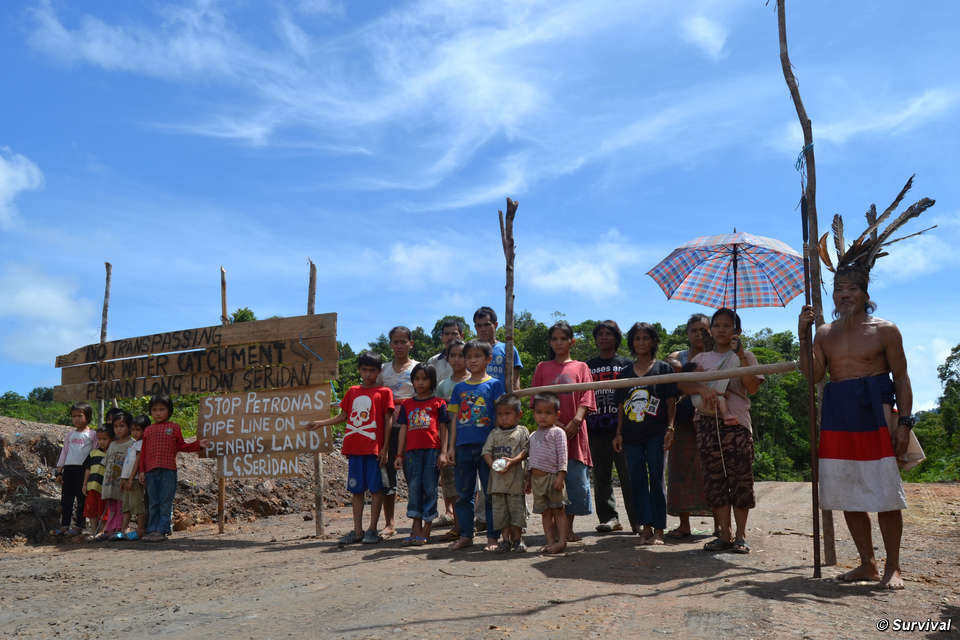
The Penan in Long Seridan are protesting against the building of a gas pipeline which is cutting through their ancestral land.© Survival

The Penan in Long Seridan are protesting against the building of a gas pipeline which is cutting through their ancestral land.© Survival

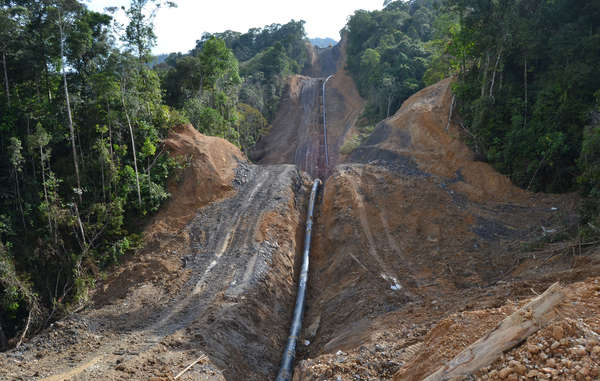
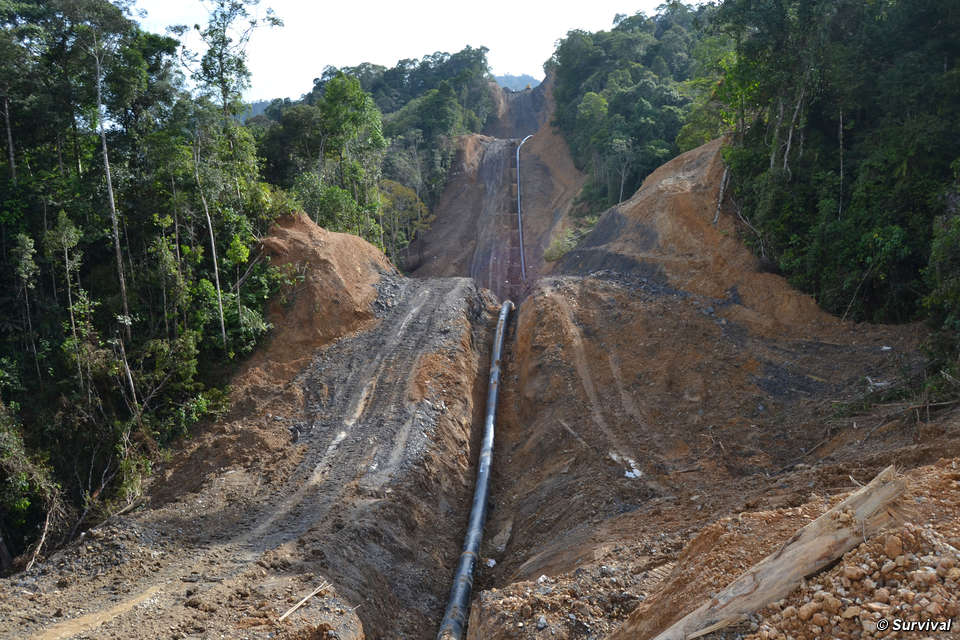
Penan from the Long Seri­dan region have mount­ed a block­ade to protest against the build­ing of a gas pipeline which is cut­ting through their ances­tral land and destroy­ing their source of drink­ing water.

The 500km pipeline is being built by the Malaysian nation­al oil com­pa­ny Petronas and is near­ing com­ple­tion. It will trans­port nat­ur­al gas from the Malaysian state of Sabah, south to the coast of Sarawak.

The pipeline cuts through the for­est of many Penan com­mu­ni­ties. It will make hunt­ing and gath­er­ing even more dif­fi­cult for the tribe, which is already fac­ing grave hard­ship after years of log­ging have dev­as­tat­ed their land.

The con­struc­tion of the gas pipeline has affect­ed many com­mu­ni­ties. One Penan man told Sur­vival, ‘If they build this pipeline through our land it is a way of killing us. How are we to sur­vive if they build this pipeline and we’re not able to move freely in our area – from one side to anoth­er?’

The 500km pipeline, built by the Malaysian national oil company Petronas, is cutting through the Penan's forest, making hunting difficult.© Survival

The Penan in Long Seri­dan began their block­ade against the pipeline almost three weeks ago and have vowed to con­tin­ue until their con­cerns are met.

At the same time, anoth­er group of Penan from Long Daloh, more than 60 km away, have also been protest­ing against log­ging on their land and the Baram dam which threat­ens to flood their homes and the for­est they rely on for their sur­vival.

If it goes ahead, the Baram dam will dis­place approx­i­mate­ly 20,000 trib­al peo­ple. Many Penan, and oth­er indige­nous com­mu­ni­ties, have already protest­ed against the Baram dam and called for it to be can­celled.

Penan protest against pipeline, logging and dam

22 March 2013

22 March 2013

The Penan in Long Seridan are protesting against the building of a gas pipeline which is cutting through their ancestral land.

Penan from the Long Seri­dan region have mount­ed a block­ade to protest against the build­ing of a gas pipeline which is cut­ting through their ances­tral land and destroy­ing their source of drink­ing water.

The 500km pipeline is being built by the Malaysian nation­al oil com­pa­ny Petronas and is near­ing com­ple­tion. It will trans­port nat­ur­al gas from the Malaysian state of Sabah, south to the coast of Sarawak.

The pipeline cuts through the for­est of many Penan com­mu­ni­ties. It will make hunt­ing and gath­er­ing even more dif­fi­cult for the tribe, which is already fac­ing grave hard­ship after years of log­ging have dev­as­tat­ed their land.

The con­struc­tion of the gas pipeline has affect­ed many com­mu­ni­ties. One Penan man told Sur­vival, ‘If they build this pipeline through our land it is a way of killing us. How are we to sur­vive if they build this pipeline and we’re not able to move freely in our area – from one side to anoth­er?’

The 500km pipeline, built by the Malaysian national oil company Petronas, is cutting through the Penan's forest, making hunting difficult.
The 500km pipeline, built by the Malaysian nation­al oil com­pa­ny Petronas, is cut­ting through the Penan’s for­est, mak­ing hunt­ing dif­fi­cult.

The Penan in Long Seri­dan began their block­ade against the pipeline almost three weeks ago and have vowed to con­tin­ue until their con­cerns are met.

At the same time, anoth­er group of Penan from Long Daloh, more than 60 km away, have also been protest­ing against log­ging on their land and the Baram dam which threat­ens to flood their homes and the for­est they rely on for their sur­vival.

If it goes ahead, the Baram dam will dis­place approx­i­mate­ly 20,000 trib­al peo­ple. Many Penan, and oth­er indige­nous com­mu­ni­ties, have already protest­ed against the Baram dam and called for it to be can­celled.


Katuah Earth First! Shuts Down TD Bank in Protest Against Kesytone XL

22nd March 2013taking over the lobby

Four arrest­ed at live­ly protest against fos­sil fuel infra­struc­ture

22nd March 2013taking over the lobby

Four arrest­ed at live­ly protest against fos­sil fuel infra­struc­ture

More pic­tures here

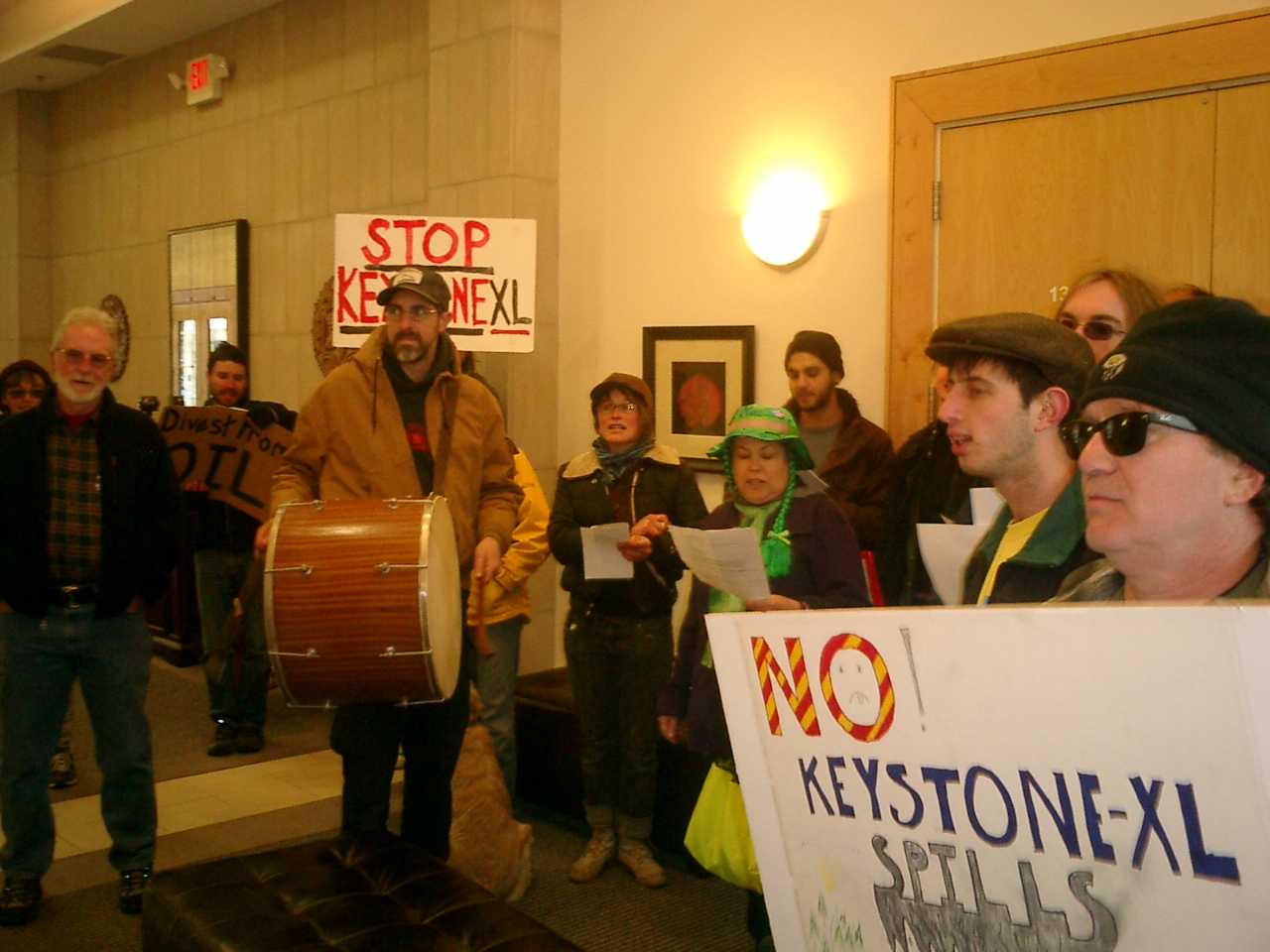
Asheville, NC —  60 peo­ple took to the streets today to protest the Key­stone XL pipeline in down­town Asheville. After a ral­ly in Pritchard Park, the march made its way to TD Bank, a major investor in the Key­stone XL pipeline and occu­pied the lob­by, forc­ing the bank to close for the rest of the day. Pro­tes­tors car­ried ban­ners read­ing, “Oba­ma, Your Pipedream is a Night­mare” and “TD Bank, divest from dirty oil.” Police arrest­ed four pro­test­ers who refused to leave until TD Bank agreed to divest from the tar sands indus­try.

The action was orga­nized by Asheville based Kat­u­ah Earth First! and is part of a week of nation­wide protests called for by Tar Sands Block­ade  a coali­tion of Texas landown­ers and envi­ron­men­tal­ists fight­ing the south­ern leg of the pipeline.

“We are going to hold account­able the com­pa­nies that threat­en our future with their dirty invest­ments. With every dol­lar TD Bank invests in the Key­stone XL pipeline we can feel the noose tight­en­ing around our necks,” said Pat­ty Petro­luse, a stu­dent in Asheville. TD Bank holds over 13 mil­lion shares in Tran­scana­da, the com­pa­ny build­ing the Key­stone XL pipeline.

“In a time of esca­lat­ing drought, wild­fires, and super-storms fueled by cli­mate change it is sui­ci­dal to invest bil­lions of dol­lars in new fos­sil fuel infra­struc­ture. The Key­stone XL pipeline would be deliv­er­ing the dirt­i­est fos­sil fuel imag­in­able, tar sands oil”, said Hen­ry Lowry.

If built, the pipeline would tear through thou­sands of miles of sen­si­tive ecosys­tems, farm­land, and Native Amer­i­can trib­al lands in order to deliv­er Cana­di­an tar sands oil to Gulf Coast refiner­ies. Con­trary to indus­try claims, the vast major­i­ty of the oil would be des­tined for export, not for US con­sump­tion. Canada’s tar sands oil has been labeled by envi­ron­men­tal groups as the “dirt­i­est project on earth.” Extrac­tion of tar sands requires mas­sive strip mines that have already destroyed hun­dreds of square miles of Canada’s bore­al for­est. Tar sands oil pro­duc­tion is extreme­ly ener­gy inten­sive and pro­duces far more green­house gas emis­sions than con­ven­tion­al oil.

The week of protest has seen protests in over 30 cities around the coun­try and over 40 arrests as activists express their oppo­si­tion to the Key­stone XL Pipeline. Kat­u­ah Earth First! is proud to con­tribute to the nation­wide move­ment against new fos­sil fuels infra­struc­ture.

Deutsche Bags, the Keylime XL Pipeline and a Week of Eco-Action to Remember

16th March 2013

16th March 2013

“…It was lat­er learned that the group’s actions relate to their protest against the con­struc­tion of the Keylime XL pipeline and finances for the project ema­nat­ing from Deutsche Bank.”

—Offi­cer Rodriguez, Palm Beach Police Prob­a­ble Cause Affi­davit

What a bunch a Deutsche Bags

No Offi­cer, that ain’t Keylime ema­nat­ing from Deutsche Bank.

Today kicks off a Week of Action to Stop Tar Sands Prof­i­teers. As you may have heard, the good folks on the front lines of the tar sands resis­tance have called for sol­i­dar­i­ty with their ongo­ing effort of block­ades along the route of Key­stone XL con­struc­tion.

What we have below are some lessons learned from an action in Flori­da last Novem­ber, where amidst a call for sol­i­dar­i­ty with Tar Sands Block­aders fight­ing the Key­stone XL pipeline, four peo­ple were arrest­ed at Deutsche Bank (one of KXL’s many financiers). The protest took place on Palm Beach Island, a bas­tion of obscene wealth and elit­ism in south Flori­da.

No Officer, that ain't Keylime emanating from Deutsche Bank...

What a bun­cha Deutsche Bags! Click here to read doc­u­ment

About two weeks ago, the final case of the four folks who got popped on “the Island” was resolved, result­ing in a hand­ful of com­mu­ni­ty ser­vice hours and a few measly months of pro­ba­tion. More impor­tant­ly though, arrestees gained access to police records from the action dur­ing the pre-tri­al process (avail­able to you by click­ing the images on the right) and they have the free­dom to talk more eas­i­ly now that a few sketchy charges are no longer hang­ing over their heads. 

We hope some of these sev­en lessons may come in handy for the folks, both new­bies and well-sea­soned, who are plan­ning to have an action-packed week: 

Les­son #1. Press Releas­es: Its a good idea to wait ’till after the action is in place before you send a press release out far and wide. Espe­cial­ly if a local news­pa­per shares an office build­ing with a bank you’re tar­get­ing. (The paper in this case being the Palm Beach Dai­ly News, known around here as “The Shiny Sheet” because they pride them­selves on using glossy un-recy­clable paper for their front page. Every day.) Oth­er­wise, kiss your ele­ment of sur­prise good-bye, and say hel­lo to that beefy mus­tached under­cov­er cop wan­der­ing the park at your deploy­ment site.

Closed due to dirty investments KXL

Click here to read the Doc­u­ment.      Extra Cred­it Les­son, SEO 101: Did you know that the more times we write cor­po­rate names like Deutsche Bank, Tran­sCana­da or Michels in a news post, the high­er a sto­ry like this ranks in online search­es for them, help­ing expose them, cast doubt from their share­hold­ers and clients and pos­si­bly dri­ve up the cost of their PR firm con­tracts and insur­ance poli­cies? For extra fun let’s add an individual’s name, like James Zahringer of Deutsche Bank, so this will come up in search­es for him as well. “Tag­ging” them helps do this too.

Les­son #2. Masks: Wear­ing a ban­dana around your face can be help­ful at times func­tion­al for both its the­atri­cal and secu­ri­ty qual­i­ties—cool-look­ing even. But there are addi­tion­al ele­ments to take into con­sid­er­a­tion here. For exam­ple, like an ostrich hid­ing its head in sand, some­times wear­ing a mask in small group makes you stand out more than, say, a shave and some pen­ny-loafers might. And then there’s the whole being-accused-of-try­ing-to-rob-a-bank thing (Yes, even if that bank deals only in man­ag­ing invest­ments.) While this charge got thrown out of court, we found it hard con­vinc­ing news out­lets to retract their false alle­ga­tions. On that note…

Les­son #3. Media: Don’t expect fair or accu­rate cov­er­age, espe­cial­ly from a news­pa­per shar­ing an office with a bank your protest­ing. Even if you write up a good sol­id press release (as we thought we had done.) A poten­tial­ly-thwart­ed bank rob­bery prob­a­bly trumps an eco-rad­i­cal office occu­pa­tion in the cor­po­rate news pret­ty much every time.

Les­son #4. Crim­i­nal charges: If, in assess­ing your action plan and poten­tial crim­i­nals charges you could be accused of, you real­ize they are most like­ly to be some over­ly-broad hokey non-sense like “dis­or­der­ly con­duct” or “breach of the peace,” then plan to make them count. For exam­ple, u‑locking front doors (where there is still an avail­able fire exit), defac­ing win­dows with stick­ers say­ing “Closed Due to Dirty Invest­ments” and dump­ing a messy, sticky sub­stance that looks like tar sands oil (but smells like brown­ie bat­ter)… Those all fall under a sin­gle charge, so why skimp? On a side note relat­ed to legal strat­e­gy, one of the ways in which bogus charges were beat­en was in prepar­ing for tri­al by sub­poe­naing evi­dence and wit­ness­es which would fur­ther expose and incon­ve­nience our tar­get busi­ness estab­lish­ments, thus sweet­en­ing the plea deals offered.

Les­son #5. Pic­tures: If you end up with a cam­era which has pho­tos that could be used against some­one in court, its a good idea to take pre­cau­tions that avoid them being con­fis­cat­ed or sub­poe­naed as evi­dence. Its a bad idea to hide them so well that you no longer have any pic­tures from the action to show what hap­pened, leav­ing you using a mes­sage-less pic­ture of some­one get­ting arrest­ed from that stu­pid cor­po­rate news­pa­per which you will be com­plain­ing about, pos­si­bly for months to come, instead of the fun­ny-ass pic­tures of your friends get­ting tack­led in front of a Deutsche Bank look­ing like 1920s-era ban­dits.

Les­son #6. Sto­ries: We have to tell our own. While it might be eas­i­er to let the police doc­u­ments do it for us, its not always as reli­able as it has been here. And if you can’t pub­lish your sto­ry in a time­ly manor due to pend­ing legal obsta­cles or oth­er hur­dles, then come up with a time­less way, or a new-time­ly­ness, or some oth­er orig­i­nal and/or fun­ny way to present it (like this… Yes. This that you’re read­ing right now. Click here to start again from the top.) After all, the world changes accord­ing to the sto­ries we tell about our actions. Good actions are vehi­cles for good sto­ries; good sto­ries are a path to all-out-rev­o­lu­tion. Con­verse­ly, good actions accom­pa­nied by bor­ing over­ly-ide­o­log­i­cal sto­ries are paths to Joe Stalin’s din­ner par­ty (like the one that prompt­ed his wife Nadya to kill her­self). Bru­tal, and total­ly b‑o-o-o-o-r-r-r-i-n‑g.

Les­son #7. Win­ning: We are win­ning. If you don’t believe the hyper­bol­ic rhetoric on your favorite overzeal­ous anar­chist social media web­pages, then check out the finan­cial sector’s news on occa­sion, like Bloomberg’s take last month on Deutsche Bank “re-trench­ing” on oil and gas invest­ments (“The bank post­ed a fourth-quar­ter loss of $2.9 bil­lion… due to “reduced client activ­i­ty,” accord­ing to a Jan. 31 earn­ings state­ment”) or Platts’ report a few years back on Deutsche’s doubt that KXL could meet its dead­lines. Our ene­mies feel pres­sure.

The last take-home mes­sages

This fight is grow­ing. Here’s one small exam­ple: When this arti­cle was start­ed, Credo—that strange activist-phone com­pa­ny com­bo deal—had just announced a well-craft­ed, ambi­tious “pledge of resis­tance” for mass civ­il dis­obe­di­ence against the KXL tar sands pipeline coin­cid­ing with the State Department’s release of a pathet­ic envi­ron­men­tal assess­ment which moved it one big step clos­er to full approval. By the time we hit “pub­lish,” Cre­do has already got­ten well over 50,000 com­mit­ments from peo­ple look­ing to plug in… pos­si­bly on your plans for next week—plans that will become a part of the vic­to­ry sto­ry.

Let's see if

The pic­ture of this neo-nazi was tak­en by a Tar Sands Block­ad­er along the KXL route in east Texas recent­ly. Alright, now let’s see if we can get the words “Nazi,” “Michels” and the CEO’s name, “Richard Kinder” to come up togeth­er in a search engine. Woo! Isn’t this excit­ing!?

Oh, wait. A few more things. In case you missed it, there are some great lists of action tar­gets where you can show your sol­i­dar­i­ty with folks fight­ing the pipeline, includ­ing address­es for all the Michels offices in the US. Michels is the con­trac­tor con­struct­ing the KXL pipeline (not to men­tion the Ten­nessee fracked gas pipeline being fought in Penn­syl­va­nia right now). Michels’ CEO is Richard Kinder. He lives at 2929 Lazy Lane Boule­vard, Hous­ton, TX 77019–1301. Add to the repul­sion, he appar­ent­ly has no prob­lem hir­ing nazis.

Red Lake Chippewa Blockade Enbridge Tar Sands Pipelines

16 March 2013

16 March 2013

For over two weeks now, Nizhawen­daamin Inaakim­i­naan (We Love Our Land) has been occu­py­ing land direct­ly above four pipelines across an ease­ment that Enbridge has claimed since 1949 when the com­pa­ny, then called Lake­head Pipe Line Com­pa­ny, installed the first of four pipelines across land owned by the Red Lake Band of Chippe­wa despite not hav­ing an ease­ment from the Red Lake Chippe­wa Nation. These pipes car­ry tox­ic tar sands, Bakken oil, as well as Cana­di­an crude. By threat­en­ing the local lakes, these pipes endan­ger the lives and eco­nom­ic liveli­hood of Red Lake Band mem­bers.

http://www.youtube.com/watch?feature=player_embedded&v=3JXYe88sREc

The grass­roots group of Red Lake Chippe­wa and Anishi­naabe Indi­ans is joined by block­aders and sol­i­dar­i­ty activists deter­mined to shut down the pipelines, hold Enbridge to account for steal­ing land, and protest Enbridge’s pro­posed expan­sion of the near­by Alber­ta Clip­per tox­ic tar sands pipeline.

Locat­ed in North­ern Min­neso­ta near the town of Leonard, the occu­pa­tion of the Red Lake land began Thurs­day, Feb­ru­ary 28. Requests to Enbridge regard­ing inter­nal safe­ty reg­u­la­tions relat­ed to above-ground activ­i­ty over their pipelines result­ed in a spokesper­son claim­ing that activ­i­ty such as fires and the con­struc­tion of per­ma­nent struc­tures like fences and hous­es would result in a pipeline need­ing to be shut down.

Sim­i­lar encamp­ments, like the Unist’ot’en Camp, have been spring­ing up across the con­ti­nent to fight the fos­sil fuel indus­try and stop the destruc­tion of sacred lands in the pur­suit of ever-more dan­ger­ous and destruc­tive fos­sil fuel resources. Indeed, the pipeline indus­try would be hard pressed to imag­ine a tougher time in which to be doing busi­ness.

Indige­nous resis­tance to tar sands pipelines in the region dates back to 2009 when Enbridge’s Alber­ta Clip­per tar sands line was run through Leech Lake and Fond du Lac Anishi­naabe reser­va­tions. The pipeline was only saved by tech­ni­cal­i­ties in trib­al law that led a judge to dis­miss the case against the deci­sion by elect­ed offi­cials to con­tract with Enbridge.

Enbridge is cur­rent­ly in the process of seek­ing approval to near­ly dou­ble the capac­i­ty of the near­by Alber­ta Clip­per tox­ic tar sands pipeline from its cur­rent 440,000 bar­rels per day up to 800,000 bpd. Not only will the Red Lake action take four pipelines offline, it is also set­ting prece­dent that pipeline expan­sion will not be tol­er­at­ed! Not only that, but shut­ting down the ille­gal Enbridge pipelines may pre­vent mil­lions of bar­rels of dirty tar sands from reach­ing mar­ket.

Now, with a deci­sive­ly bold move and the back­ing of large con­stituen­cies of Red Lake Band mem­bers due to years of local com­mu­ni­ty self-edu­ca­tion, Nizhawen­daamin Inaakim­i­naan might well set the first exam­ple of a tar sands line being forced to shut down per­ma­nent­ly due to protest after it has been oper­a­tional!

“When I was informed about the ille­gal tres­pass­ing of the com­pa­ny Enbridge on my home­land, I knew there was some­thing I could do. I start­ed call­ing as many Red Lak­ers as I could to try and make them aware,” said Ang­ie Pala­cio who ini­ti­at­ed the encamp­ment with the sup­port of the Indige­nous Envi­ron­men­tal Net­work.

Sup­port for their efforts has been pour­ing in from many nations and groups:

Tom Poor­bear, vice pres­i­dent of the Ogalala Sioux Nation declared, “We ful­ly sup­port the Red Lake Nation and its mem­bers who are oppos­ing the Enbridge pipeline to stop the flow and remove the ille­gal pipeline from their land.”

Bill McK­ibben, founder of 350.org has stat­ed, “I imag­ine every­one involved in the plan­et-wide resis­tance to fos­sil fuel is watch­ing them with thanks.”

Chief Bill Eras­mus of the Dene First Nation stat­ed, “We ful­ly sup­port and are inspired by the Red Lake mem­bers and their resis­tance as it is stat­ed in the Moth­er Earth Accord; affirm­ing our respon­si­bil­i­ty to pro­tect and pre­serve for our descen­dents, the inher­ent sov­er­eign rights of our indige­nous nations, the rights of prop­er­ty own­ers, and all inher­ent human rights.”

Enbridge, of course, is a major play­er in the tox­ic tar sands pipeline saga being respon­si­ble for the costli­est onshore petro­chem­i­cal spill in US his­to­ry. On July 25, 2010 a tar sands/diluted bitu­men spill from Enbridge’s 6B pipeline near Mar­shall, Michi­gan that result­ed in the release of over a mil­lion gal­lons of tox­ic tar sands/diluted bitu­men and a per­ma­nent­ly con­t­a­m­i­nat­ed 40-mile stretch of the Kala­ma­zoo Riv­er along well as sev­er­al trib­u­taries. There have been hun­dreds of health prob­lems asso­ci­at­ed with expo­sure to the tar sands chem­i­cals and since the spill sev­er­al deaths have been attrib­uted to the sud­den expo­sure. These chem­i­cals imme­di­ate­ly begin evap­o­rat­ing upon release and are heav­ier than air, form­ing a tox­ic cloud at ground-lev­el that is prac­ti­cal­ly inescapable.

Clear after the spill was the com­plete lack of under­stand­ing Enbridge and US Fed­er­al oil spill response teams had in how to clean up a tar sands/diluted bitu­men spill. Dilut­ed bitu­men is not crude oil and there­fore does not behave like crude oil upon release. There are still no estab­lished cleanup pro­to­cols and emer­gency first respon­ders in regions like Texas and Okla­homa, where the 750,000 bar­rels per day Key­stone XL pipeline is pro­posed to tra­verse by the end of 2013, have nev­er been informed or warned as to how to man­age the extreme­ly tox­ic dilut­ed bitu­men spills com­mon to the tar sands indus­try.

Com­mu­ni­ties in the imme­di­ate vicin­i­ty of the dev­as­tat­ing spill are still reel­ing and are show­ing lit­tle to no signs of recov­ery – bio­log­i­cal or eco­nom­ic.

Nizhawen­daamin Inaakim­i­naan is well aware of these hap­pen­ings and has tak­en one of the most excit­ing steps to rid their ter­ri­to­ry of the threat to com­mu­ni­ty health and safe­ty that tar sands pipelines pose.

They are accept­ing dona­tions to assist in the pur­chase of build­ing and life-sus­tain­ing mate­ri­als here:
https://www.wepay.com/donations/enbridgeblockade. Please donate if you can!