Tourist Chains Himself to Icelandic Whaling Ship

anti_whaling_activist_hvalur8_026th June Update:

anti_whaling_activist_hvalur8_026th June Update: After 15 Hours Activist Ends Lock­down Due to Threats

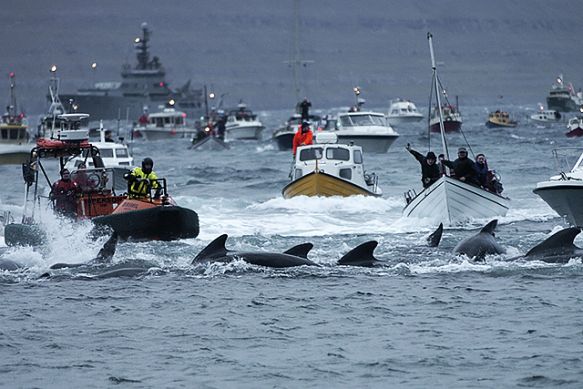
A 32-year-old unnamed activist from Berlin from the orga­ni­za­tion Hard to Port chained him­self to the mast of Ice­landic whal­ing ship Hval­ur 8 this morn­ing and has declared that he will remain there for at least 48 hours in protest of whal­ing.

“Work­ers seem irri­tat­ed. Col­lec­tive brain­storm­ing how to deal with me up here. First whale watch­ing tourists stop by to take pic­tures and show sup­port,” the activist post­ed on Face­book this morn­ing.

Hard to Port released a state­ment to the media, explain­ing their inten­tion to: “…raise aware­ness among poten­tial tourists of Ice­land world­wide of the cru­el and uneth­i­cal prac­tice [of whal­ing].”

Hval­ur 8 is docked at the ship­yard in Reyk­javík in prepa­ra­tion for the upcom­ing whal­ing sea­son, which begins this month. The quo­ta for fin whales is 154 ani­mals and their hunt­ing will result in sig­nif­i­cant work on sea and land, Morgun­blaðið reports.

Sabotage on the High Speed Railway Track Bologna-Milan

luogo_sa2 4th June From the local media we learn that in the night between 19th and 20th May, cop­per and fibre optic cables were cut along the high speed rail track in Bologna, and two cock­pits were

luogo_sa2 4th June From the local media we learn that in the night between 19th and 20th May, cop­per and fibre optic cables were cut along the high speed rail track in Bologna, and two cock­pits were set on fire. In the area graf­fi­ti NO TAV were left.

From the press we learn that over 40 high speed trains were delayed up to 30 min­utes, and con­se­quent­ly also a dozen local trains were delayed.

luogo_sa3

Protest against tar sand oil shipment in the Basque country

Yes­ter­day May 29th activists from Ekol­o­gis­tak Martx­an and from the Coke Ez net­work closed one of the access gates to the Petronor (Rep­sol) refin­ery in Muskiz (near bil­bao, Basque Coun­try). The rea­son was the first ship­ment of oil from tar sands from Cana­da.

Yes­ter­day May 29th activists from Ekol­o­gis­tak Martx­an and from the Coke Ez net­work closed one of the access gates to the Petronor (Rep­sol) refin­ery in Muskiz (near bil­bao, Basque Coun­try). The rea­son was the first ship­ment of oil from tar sands from Cana­da. This car­go is linkt to the new FTA (Free Trade Agree­ments) between the Euro­pean Union (EU) and USA and Cana­da, as a way of find­ing a mar­ket to this heavy oil. That’s why, it’s thought this is a first ship­ment pre­vi­ous to many more. The activists held ban­ners with the slo­gang “Rep­sol Mur­der­ers” and “Heavy crude, more pol­lu­tion”. They also wore masks with Rep­sol’s logo turned into a skull.

There are only 5 plants in the EU capa­ble of pro­cess­ing the tar-sand oil, 3 of them in Spain, belong­ing to Rep­sol; one of them is this one close to the Bil­bao port. The crude will be processed in the rea­cent­ly built Coke Plant, which was source of great oppo­si­tion among locals and a many years cam­paign because of the high lev­els of pol­lu­tion, which this new­ly brought  tar will add to: high­ly can­cerige­nous ele­ments like ben­zenes, toluenes, etc, as well as an incre­ment on green­house effect gas­es. If this ship­ment means the arrival of more tar sand oil (appar­ent­ly anoth­er ship­ment is due to enter the Bil­bao port next Tues­day), this will mean the bin­ning of the cur­rent EU’s Fuel Qual­i­ty Direc­tive, which stat­ed a 6% reduc­tion in the green­house gas inten­si­ty of fuels by 2020. The new­ly entered crude would pump up this green­house gas inten­si­ty of fuels to 23% more.

The protest had present as well the seri­ous impact which this kind of “oil” extrac­tion has in Cana­da and in ter­ri­to­ries belong­ing to the First Nations. These impacts (destruc­tion of for­est, pol­lu­tion of rivers, fires, etc) as well as those caused by the oilpipes must be added to those asso­ci­at­ed to their trans­porta­tion. Yes­ter­day’s ship­ment came from the Freeport (Texas) port after cross­ing through teh entire Unit­ed States by train, and then by ship through the ocean: anoth­er high bill for the Cli­mate Change!! tar-sand oil trans­portat­tion by train has been the cause of huge acci­dents, due to the high inflam­ma­bil­i­ty of this kind of oil.
The protest has had an excel­lent echo in the local and nation­al media (tele­vi­sions, papers, radios, etc). In the com­mu­niqués sent by the orga­niz­ing groups, sol­i­dar­i­ty mes­sages were set to those resist­ing the tar-sand extrac­tion sites and the oilpipes and trains. Also to those affect­ed by these dread­ful projects, and spe­cial­ly to the Orig­i­nal Peo­ple from those areas.

no tar sands oil in Euskal Her­ria!!
no tar sands oil else­where!!

A Bloody War for Water in Mexico

Screen Shot 2014-05-29 at 9.04.52 PM30th May Fill­ing a glass from his gar­den faucet, Juan Ramírez held the swirling water up to the intense Mex­i­can sun.

Screen Shot 2014-05-29 at 9.04.52 PM30th May Fill­ing a glass from his gar­den faucet, Juan Ramírez held the swirling water up to the intense Mex­i­can sun. Sat­is­fied with its puri­ty, he touched his glass gen­tly against my own. “Your health,” he toast­ed, before drink­ing it down in one gulp.

Mex­i­co City’s reser­voirs con­sis­tent­ly rank amongst the most con­t­a­m­i­nat­ed sup­plies to any world cap­i­tal. Drink­ing from the tap here is sim­ply not rec­om­mend­ed. Ramírez’s water, how­ev­er, comes direct­ly from a vol­canic spring in San Bar­to­lo Ameyal­co, an oth­er­wise impov­er­ished town on the hilly south­west­ern out­skirts of Mex­i­co City, in the bor­ough called Alvaro Obre­gon.

“My grand­fa­ther drank from our town’s spring, and his grand­fa­ther before him,” Ramírez told me when I vis­it­ed the town this week­end. “Now the gov­ern­ment wants to pipe our town’s water direct­ly into rich house­holds and leave us with its con­t­a­m­i­nat­ed filth. We are not going to let that hap­pen.”

Ramírez is leader of a group in San Bar­to­lo Ameyal­co intent on keep­ing their water sup­ply local. Last Wednes­day, Ramírez along with approx­i­mate­ly two thou­sand oth­er res­i­dents of Ameyal­co attacked a police force of fif­teen hun­dred riot offi­cers who were guard­ing the final con­struc­tion stage of a pipeline that will con­nect the town’s vol­canic spring to San­ta Fe, one of the most afflu­ent dis­tricts of the Mex­i­can cap­i­tal.

In videos post­ed online, San Bar­to­lo res­i­dents are seen vio­lent­ly pum­mel­ing an offi­cer in riot gear who had fall­en to the ground.

The res­i­dents beat back both police and pipeline engi­neers, leav­ing at least 100 police offi­cers injured, 20 seri­ous­ly. Res­i­dents said dozens were injured on their side, and author­i­ties arrest­ed five peo­ple. Mex­i­co City’s gov­ern­ment warned that more arrests would come.

While the bat­tle of the morn­ing of May 21 was won by the res­i­dents of San Bar­to­lo Ameyal­co, what the locals now pop­u­lar­ly call the ‘Water War’ is sure to be long and tense.

“The peo­ple are unit­ed,” said María Chávez, one of the lead­ers of the town’s resis­tance, which has based itself in the pub­lic library. The munic­i­pal build­ing is papered with mes­sages of sup­port from oth­er towns in the region. A ban­ner pro­claimed: “Our water is not for sale.”

rioting-for-water-rights-in-mexico-article-body-image-1401136919

“When the local government’s plans to extend our pipelines fur­ther afield were drawn up last year, the author­i­ties refused to nego­ti­ate with us. Leonel Luna [the bor­ough del­e­gate] told us the water would be going to help oth­er com­mu­ni­ties in the region. It’s only now that we have put up a fight that they want to talk things over.”

Mex­i­co City’s gov­ern­ment sees the inter­na­tion­al busi­ness-aimed satel­lite city of San­ta Fe, a high-end urban­iza­tion zone rapid­ly built upon a dump­ing ground with no pri­or water infra­struc­ture, as a pil­lar of the local and even nation­al econ­o­my. Although the details of the plan remain murky, San Bar­to­lo Ameyal­co res­i­dents are right­ly sus­pi­cious of any scheme to divert their pure water to the inter­na­tion­al cor­po­rate offices near­by.

Ameyal­co, mean­ing “place where the water spouts” in Nahu­atl, was engulfed by Mex­i­co City’s urban sprawl in the 1950s. Its spring pro­duces 60 liters of pure water every sec­ond, an amount which runs thin for the 35,000 peo­ple who depend on it.

The nar­row streets still chan­nel the smells of pine sap and cook­ing tor­tillas on the cold moun­tain air. Neigh­bors chat in the mar­ket­place about past vic­to­ries and future strate­gies and chil­dren kick soc­cer balls against the main square’s murals of the village’s prized spring.

“When I was a child the water was end­less,” said Ale­jan­dra Espinosa, anoth­er town res­i­dent. Espinosa has lived her entire 54 years in San Bar­to­lo. “Now, due to the larg­er pop­u­la­tion, parts of the town can go a week at a time with­out run­ning water.”

Mex­i­co City has seri­ous prob­lems with water short­ages. One in three homes has no access to run­ning water, forc­ing them to depend heav­i­ly upon water trucks called pipas, which refill homes’ water tanks at exor­bi­tant prices. Sev­en­ty-four per cent of the capital’s water is pumped from under­ground, caus­ing the city itself to sink.

Leonel Luna, del­e­gate of the Alvaro Obre­gon bor­ough, has stat­ed the spring is to be redi­rect­ed to serve oth­er towns in the area. Luna claims oppo­si­tion to the project has been fund­ed by the same busi­ness­men who sell water from pipas, and who don’t want to lose their cus­tomer base if more run­ning water is made avail­able to oth­er towns.

Since the government’s announce­ment in April 2013 that the spring would be con­nect­ed to a wider net­work cov­er­ing the bor­ough, res­i­dents of San Bar­to­lo set up camp beside their main sup­ply tank to defend their pre­cious resource. The project to tap the San Bar­to­lo spring for wider use has been in the works for almost two decades, though, author­i­ties note.

On May 21, the town’s church bells sound­ed out across the hill­side to announce the author­i­ties’ arrival. The res­i­dents respond­ed to the sig­nal by hurl­ing rocks in the nar­row streets, launch­ing fire­works at the police line from win­dows and destroy­ing plumb­ing equip­ment.

“This water belongs to us,” says Manuel Rue­da, anoth­er activist I met at the pub­lic library the move­ment is using as a base of oper­a­tions. “We can’t end up pay­ing for the city’s poor plan­ning.”

In the town’s last func­tion­ing pub­lic laun­dry, where a com­mu­nal pool is flanked by wash­basins, Lau­ra Hernán­dez wrung the last of the soap from her son’s soc­cer jer­sey. She had man­aged to wash her entire family’s clothes using the sin­gle buck­et of water she had rationed her­self.

“Only half of the hous­es on my street have run­ning water these days, and I live at the top of town,” she said. “Peo­ple at the bot­tom of the hill can go weeks with­out water. How can we sell our water else­where when we have so lit­tle?”

rioting-for-water-rights-in-mexico-article-body-image-1401136958

Oth­ers say San Bar­to­lo is being self­ish with its resource.

“These peo­ple don’t under­stand that oth­er peo­ple in the region need their help,” said Rodri­go Pérez Gar­cía, an event pho­tog­ra­ph­er and reg­u­lar vis­i­tor to the town. “They have a free source of water yet they refuse to share it.”

“It’s pure self­ish­ness,” Pérez con­tin­ued. “At the very least there’s an oppor­tu­ni­ty to sell it by under­cut­ting the water trucks.”

Lead­ers of the move­ment, how­ev­er, said they are not budg­ing. A series of march­es are planned for the com­ing weeks. In recent days, mem­bers of var­i­ous relat­ed or com­plete­ly unre­lat­ed social move­ments in the Mex­i­co City met­ro­pol­i­tan region have sent mes­sages of sup­port to San Bar­to­lo, sig­nal­ing a wider fight in the pub­lic polit­i­cal sphere in Mex­i­co relat­ed to the spring.

“We’re will­ing to nego­ti­ate,” said Juan Ramírez, the man who served me a glass of fresh spring water from his gar­den faucet. “We just don’t want to be treat­ed like brutes. We know our rights like every­body else.”

The Dark Side of Brazil: Police teargas Indians at anti-World Cup protest

Hundreds of Brazilian Indians are protesting against the World Cup 30th May.

Hundreds of Brazilian Indians are protesting against the World Cup 30th May. Hun­dreds of Brazil­ian Indi­ans are protest­ing against the World Cup this week, march­ing in the streets of Brasília and around the capital’s Mané Gar­rin­cha foot­ball sta­di­um, call­ing for their lands and lives to be pro­tect­ed.

Yes­ter­day Indi­ans bran­dish­ing bows and arrows and car­ry­ing signs read­ing ‘FIFA NO. DEMARCATION YES!’ were tear­gassed by police. Watch a video clip here.

There is mount­ing anger at the government’s fail­ure to rec­og­nize and pro­tect their lands, vital for their sur­vival, while spend­ing mil­lions of dol­lars on host­ing the World Cup.

The pro­tes­tors who are from sev­er­al tribes have forced FIFA to close the sta­di­um, and to can­cel its tro­phy dis­play.

A del­e­ga­tion of 18 indige­nous pro­tes­tors met the Min­is­ter of Jus­tice yes­ter­day. Indige­nous leader Sonia Gua­ja­jara, nation­al coor­di­na­tor of the Asso­ci­a­tion of Indige­nous Peo­ples (APIB), said, ‘We are here to show that with­out our land, we are chained up. We are impris­oned. We are here to demand our rights.’

The Guarani tribe, Brazil’s largest, suf­fers extreme­ly high mal­nu­tri­tion and sui­cide rates as their land has been stolen to make way for vast sug­ar cane plan­ta­tions. Their lead­ers are fre­quent­ly tar­get­ed and killed by gun­men act­ing for the landown­ers.

They are call­ing for their land to be demar­cat­ed as a mat­ter of urgency before more lives are lost, and for the can­cel­la­tion of a series of draft bills which, if passed into law, would dras­ti­cal­ly weak­en their, and oth­er tribes’, con­trol over their lands. Those in the Ama­zon are call­ing for a halt to the many hydro-elec­tric dams being built on their land.

Ear­li­er this year, Nixi­wa­ka Yawanawá, an Ama­zon Indi­an from west­ern Brazil, greet­ed the World Cup tro­phy on its arrival in Lon­don with a T‑shirt read­ing ‘BRAZIL: STOP DESTROYING INDIANS’.

Brazil is home to more uncon­tact­ed tribes than any­where else in the world. They are the country’s most vul­ner­a­ble peo­ple and face extinc­tion if their lands are not pro­tect­ed. Sur­vival is call­ing on Brazil to pro­tect their land and remove all invaders, as has recent­ly been achieved with the Awá, Earth’s most threat­ened tribe.

In the run up to the FIFA World Cup, Sur­vival is high­light­ing ‘The dark side of Brazil’. Click here to find out more about the sit­u­a­tion of Brazil­ian Indi­ans and the government’s attacks on their rights to their land.

Rathlin Blitzkrieg About to Hit East Yorkshire

West Newton, Well Site29th May 2014 Rath­lin Ener­gy caught activists nap­ping today when lor­ries arrived at Craw­ber­ry Hill site in East York­shire.

West Newton, Well Site29th May 2014 Rath­lin Ener­gy caught activists nap­ping today when lor­ries arrived at Craw­ber­ry Hill site in East York­shire. The police had allowed Rath­lin to ignore (no right turn) traf­fic signs to gain access with­out the knowl­edge of the activists wait­ing fur­ther down the road.
Activists aired their con­cerns about radio active haz­ard signs attached to lor­ries arriv­ing to remove waste water at the West New­ton site near Ald­bor­ough. The sur­face water had over­flowed the man made ditch­es made specif­i­cal­ly for the pur­pose due to heavy overnight rain. It seems this presents no present threat but fears are that when drilling begins again and the radioac­tive ele­ments are brought to the sur­face any fur­ther over­flow would con­t­a­m­i­nate the sur­round­ing area. Res­i­dents of the USA and Cana­da have pre­vi­ous­ly report­ed ‘dead zones’ of once thriv­ing eco­log­i­cal areas. con­t­a­m­i­nat­ed by frack­ing and radioac­tive chem­i­cals, after over­flow­ing into ponds and lakes.
Activists were also wor­ried about ‘drill tips’ and acces­sories used in the drilling process­es. These are accord­ing to the activists, tipped with deplet­ed Ura­ni­um, to cut through the tough­est rock. Although it can­not be con­firmed that these prac­tis­es are tak­ing place in the East Rid­ing area, the tech­nique and equip­ment, have been avail­able for quite some time.
The Envi­ron­ment Agency has already giv­en per­mits to Rath­lin to extract waste, includ­ing radioac­tive waste. Uncon­firmed reports sug­gest Der­mot Nes­bit (Rath­lin Ener­gy direc­tor) had used his influ­ence as an Ex North­ern Ire­land, Envi­ron­ment Min­is­ter to secure the per­mits, from the Envi­ron­ment Agency, the same depart­ment (with­in North­ern Ire­land) of which he was once chief.
Hull and East York­shire anti frack.

Reoccupation of the Hambach Forest in Germany

26.04.2014

Strug­gle against mega­lo­ma­ni­ac ener­gy provider RWE and the biggest human-made hole of europe.

26.04.2014

Strug­gle against mega­lo­ma­ni­ac ener­gy provider RWE and the biggest human-made hole of europe.


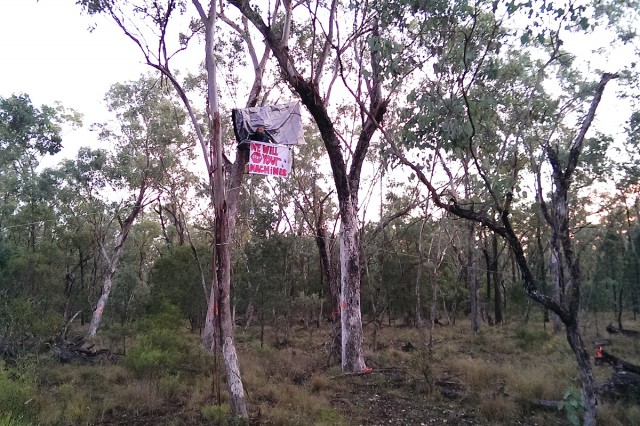
Since April 2012, activists in Ger­many have occu­pied the Ham­bach for­est to pre­vent the expan­sion of Europe’s largest open-cast coal mine. The mine expan­sion project would mean the clearcut­ting of the for­est and the evic­tion of thou­sands of local res­i­dents. On March 27, 2014, the for­est occu­pa­tion was evict­ed by police and today, on April 26, 2014 a new occu­pa­tion arose. There are plat­forms and walk­ways up in the trees and a big demon­stra­tion is tak­ing place close by. After a cou­ple of days of strong repres­sions and the con­stant attempt by the „author­i­ties“ to crim­i­nal­ize the srug­gle the reoc­cu­pa­tion is suc­cess­ful. For more infor­ma­tion and a cur­rent tick­er vis­it our Eng­lish blog (hambachforest.blogsport.de).

A recent inter­view with an activist can be found via the fol­low­ing link

Love&Solidarity

Ham­bach­er For­est
hambachforest.blogsport.de

Daring dawn blockade of Britain’s Nuclear weapons factory

19.5.2014

19.5.2014

This morn­ing at 7.20am a group of peace cam­paign­ers began blockad­ing the Atom­ic Weapons Estab­lish­ment (AWE) site at Burgh­field, near Read­ing. The pro­test­ers, act­ing as part of Action­AWE [1] cam­paign of non-vio­lent direct action, are try­ing to dis­rupt con­struc­tion of a new nuclear war­head fac­to­ry on the site.

The new devel­op­ment at AWE Burgh­field is being built at a cost to the tax pay­er of almost £2 bil­lion, despite the fact that par­lia­ment has yet to vote on replac­ing the cur­rent gen­er­a­tion of nuclear war­heads that the site would build.

The pro­test­ers were locked togeth­er using hand­cuffs inside ‘lock-on’ devices — made from drain­pipes, and veg­etable oil drums filled with con­crete in order to block the gate to the con­struc­tion site to pre­vent fur­ther work on the site.

Amy Clark, 19, a Peace Stud­ies Stu­dent at Brad­ford Uni­ver­si­ty said “Pub­lic mon­ey is already being spent in its mil­lions toward the renew­al of tri­dent. The final deci­sion on renew­al must be made by 2016 so it’s time to act now to stop it.”

Phil Wood, 20, a Pol­i­tics Stu­dent also at Brad­ford Uni­ver­si­ty added “To be spend­ing mil­lions of pounds and plan­ning to spend bil­lions more on nuclear weapons while cut­ting back on essen­tial pub­lic ser­vices that peo­ple rely on is unfor­giv­able”

Cather­ine Bann, 40, moth­er of two from Tod­mor­den, said: “The mon­ey we would spend renew­ing Tri­dent could pay for all A & E hos­pi­tal depart­ments in the coun­try for the next 40 years! It’s a huge waste of pub­lic mon­ey to be invest­ing in nuclear weapons, and peo­ple like us must make a stand now, so that future gen­er­a­tions do not have to bear the cost.”

Matt Faw­cett, 39, from York­shire CND said: “This ‘do as we say, not as we do’ pol­i­cy of telling oth­er coun­tries they can’t devel­op nuclear weapons while we spend bil­lions devel­op­ing new weapons of our own, not only under­mines attempts to lim­it the spread of nuclear weapons but also dis­cred­its Britain on the world stage. Polls show 87% of the British pub­lic are against spend­ing on new nukes at a time of such dras­tic cuts, yet the con­struc­tion goes on at Burgh­field with­out any par­lia­men­tary debate”

For fur­ther details con­tact:

Sarah 07737 596 808
Nina 07812 104 279

Notes to edi­tors
The UK has an armed nuclear sub­ma­rine on patrol and ready to fire at all times, with the abil­i­ty to wipe out cities almost any­where on earth with­in 15 minutes[2]. The UK has a stock­pile of around 225 nuclear warheads[3], each with eight times the explo­sive pow­er of the bomb dropped on Hiroshi­ma in 1945 [4] that killed an esti­mat­ed 140,000 to 200,000 peo­ple. Run­ning the Tri­dent nuclear weapons sys­tem cur­rent­ly costs £2 bil­lion a year[5], and has not seen any of the cut­backs fac­ing oth­er gov­ern­ment spend­ing and pub­lic ser­vices. The gov­ern­ment will vote in 2016 to decide whether to invest in the UK’s Tri­dent nuclear weapon sys­tem for anoth­er 30 years.

Oper­at­ed by a con­sor­tium of Jacobs Engi­neer­ing Group, Lock­heed Mar­tin and Ser­co, AWE Burgh­field plays an inte­gral part in the final assem­bly and main­te­nance of nuclear war­heads for use in the Tri­dent system[6]. In 2011 Peter Luff, the then Min­is­ter for Defence Equip­ment, announced £2 bil­lion of spend­ing for rede­vel­op­ment of the Burgh­field and Alder­mas­ton weapons factories[7]. The total spend­ing on Weapons of Mass Destruc­tion in the UK will soar to over £100 Bil­lion should the gov­ern­ment take the deci­sion to renew Tri­dent in 2016 [8].

Action AWE (Atom­ic Weapons Erad­i­ca­tion) is a grass­roots cam­paign of non­vi­o­lent action ded­i­cat­ed to halt­ing nuclear weapons pro­duc­tion at the Atom­ic Weapons Estab­lish­ment fac­to­ries at Alder­mas­ton and Burgh­field.

[1] http://www.actionawe.org/

[2] http://www.greenpeace.org.uk/peace/trident-the-uks-nuclear-weapons-system

[3]Stockholm Inter­na­tion­al Peace Research Insti­tute:
www.sipri.org/research/armaments/nuclear-forces‎

[4] http://www.cnduk.org/information/briefings UK war­heads are thought to have a yield of 80–100kt.

[5]  http://fullfact.org/factchecks/cost_trident_nuclear_deterrent-28864

[6] www.awe.co.uk/aboutus/the_company_eb1b2.html

[7]  http://www.publications.parliament.uk/pa/cm201011/cmhansrd/cm111122/text/111122w0002.htm#111122114002933

[8]  http://www.cnduk.org/information/briefings/trident-briefings
Tags:Aldermaston, Brad­ford, Dis­ar­ma­ment Activism, Nuclear, Nuclear weapon, War­fare and Con­flict, Weapons, York­shire Cam­paign for Nuclear Dis­ar­ma­ment

More Arrests of Anti Fracking Activists in East Yorkshire

24th May Fol­low­ing on from the arrests of two local res­i­dents last week, a fur­ther arrest has been made of an activist play­ing music in Bev­er­ley (near Hull.) A flotil­la of Police, from the Hum­ber­side divi­sion, armed with taz­ers and dogs, swooped into Bev­er­ley, town cen­tre, as the

24th May Fol­low­ing on from the arrests of two local res­i­dents last week, a fur­ther arrest has been made of an activist play­ing music in Bev­er­ley (near Hull.) A flotil­la of Police, from the Hum­ber­side divi­sion, armed with taz­ers and dogs, swooped into Bev­er­ley, town cen­tre, as the busker and anti frack­ing activist known as Daznez was play­ing and singing music in Bev­er­ley town cen­tre. Local peo­ple who were watch­ing and lis­ten­ing to the musi­cian remarked at the heavy hand­ed­ness of the arrest as at least six police per­son­nel and their dogs took the musi­cian into cus­tody. The musi­cian has been tak­en to Clough Road, Police Sta­tion in Hull but has not yet been charged with an offence.
Last week two res­i­dents of the Bev­er­ley area, were arrest­ed whilst med­i­tat­ing, at an ear­marked Frack site, at the Rath­lin Ener­gy, Craw­ber­ry Hill, drilling site. Hus­band and Wife, John and Valerie Majer, were charged with caus­ing intim­i­da­tion and annoy­ance con­trary to sec­tion 241 of the Trade Union and Labour Rela­tions Act.
Rath­lin Ener­gy has said it has no plans to frack in the area, although two per­mits have been grant­ed to them for work to be car­ried out.
There have pre­vi­ous­ly been charges of cor­rup­tion, abuse of pow­er and privledge, placed upon Rath­lin Ener­gy by activists. This fol­lows after, ex North­ern Ire­land Envi­ron­ment Min­is­ter Der­mot Nes­bitt, who is now a direc­tor of Rath­lin Ener­gy suc­ceed­ed in obtain­ing the per­mits from the very same gov­ern­ment agency, who were once account­able to him, to drill and extract waste, includ­ing the extrac­tion of radioac­tive waste, at the Craw­ber­ry Hill site and anoth­er, near­by site at West New­ton near Ald­bor­ough. (Updates to fol­low.)
East York­shire Anti Frack

Switzerland: Update From Anarchist Prisoner Marco Camenisch

marco-camenisch-220th May 2014. Since the 15th or the 16th of May, Mar­co Camenisch has been held in soli­tar

marco-camenisch-220th May 2014. Since the 15th or the 16th of May, Mar­co Camenisch has been held in soli­tary con­fine­ment for five days in the prison of Lenzburg, Switzer­land, because he refused to give a urine sam­ple.

On the 23rd of May 2014 he will be trans­ferred to the Bostadel penal insti­tu­tion. Whether his trans­fer was ordered because he once again refused to give a urine sam­ple or it was planned before­hand, is (still) not clear to us.

Marco’s incar­cer­a­tion is expect­ed to end on May 8th of the year 2018. His ear­ly release from prison (“con­di­tion­al release”) has been reject­ed because of “chron­ic propen­si­ty towards vio­lence” and “delin­quen­cy-pro­mot­ing ide­ol­o­gy”, among oth­er things.

Mar­co Camenisch

Strafanstalt Bostadel
Post­fach 38, CH-6313 Men­zin­gen, Schweiz/Switzerland

Tel. +41 41 757 1919, Fax +41 41 757 1900

More info on Mar­co Mamenisch