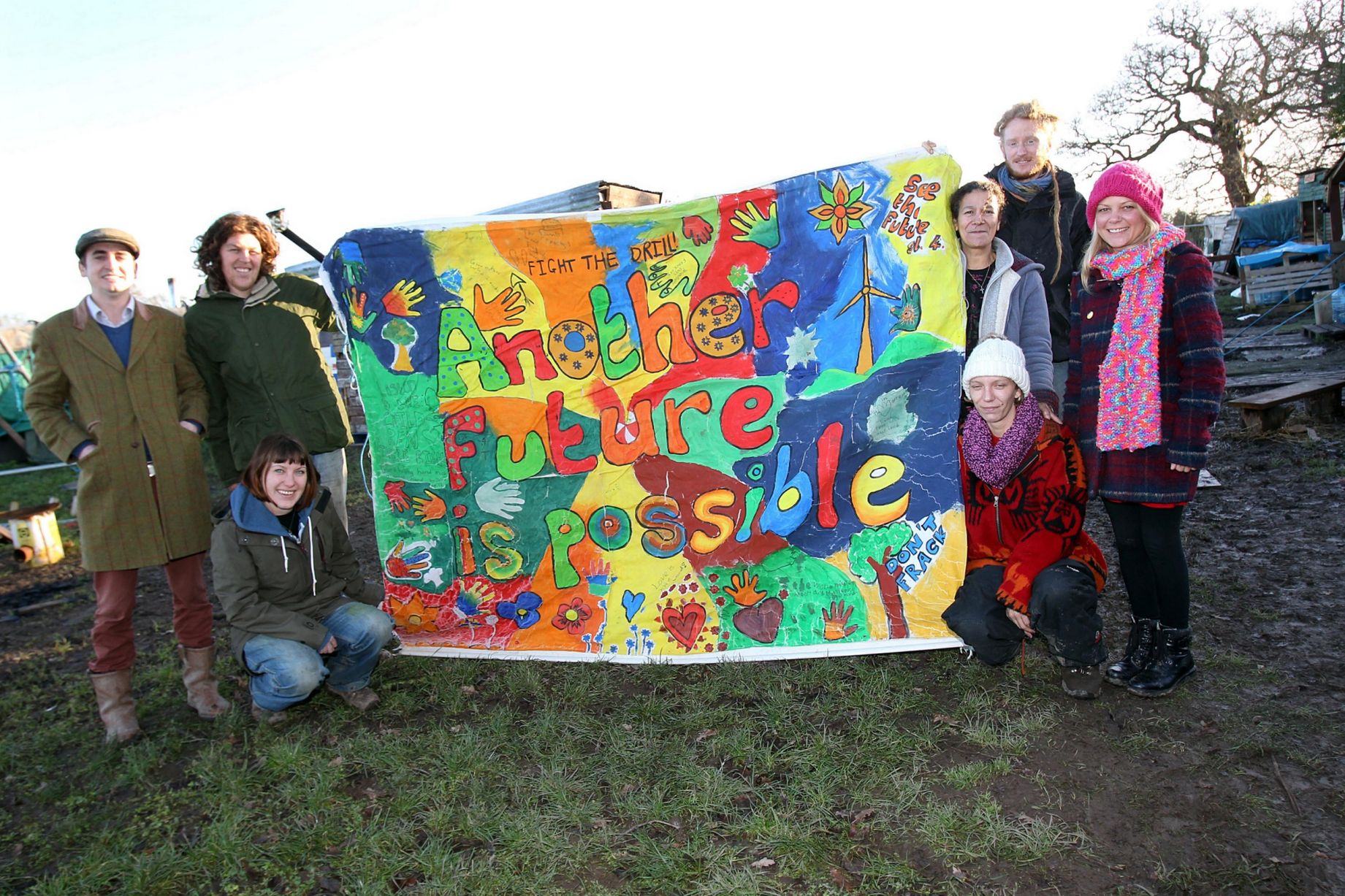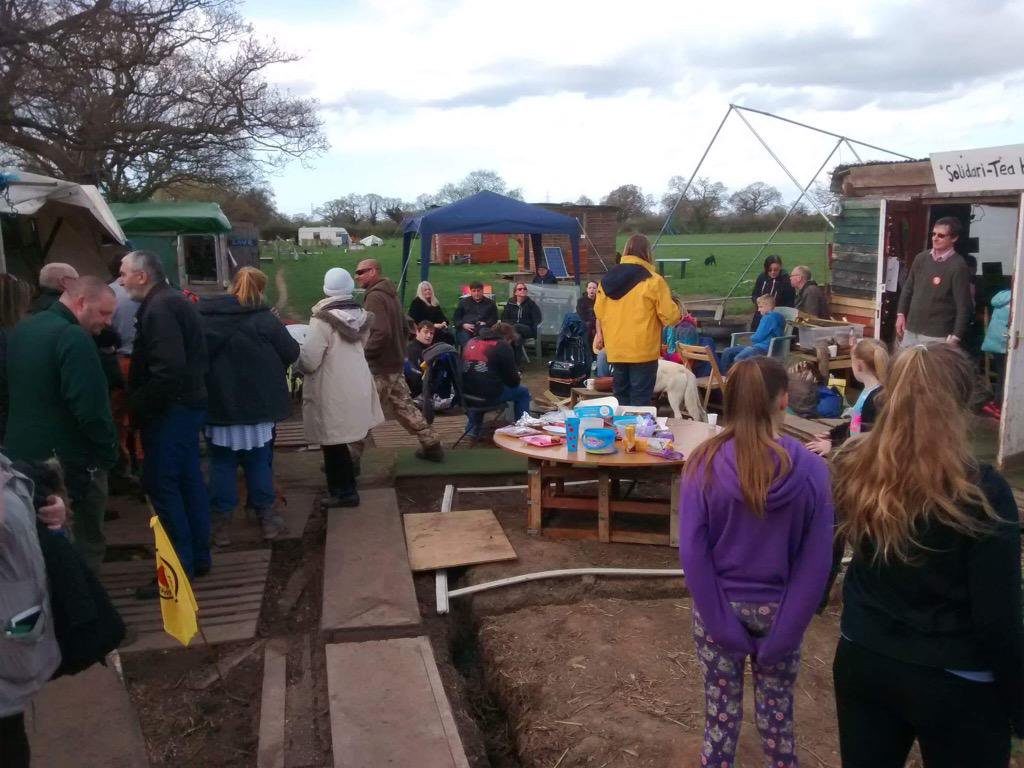
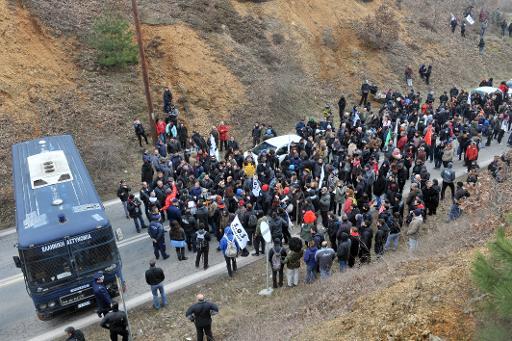
RisingUp in Bristol: eviction begins of allotments protest camp

12th March 2015

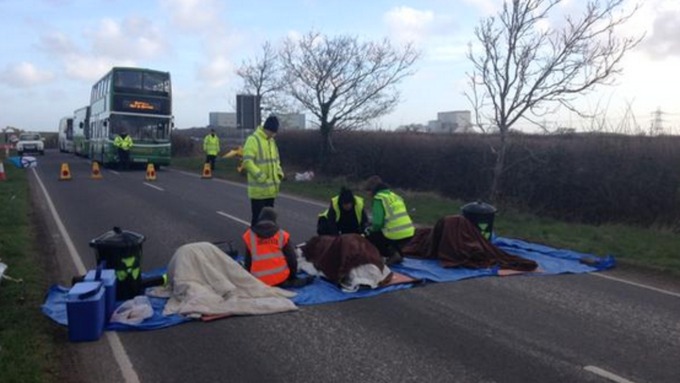
After more than a month mak­ing a stand against Metrobus plans by liv­ing in trees above Sta­ple­ton Allot­ments, pro­test­ers look set to be evict­ed this morn­ing.

12th March 2015

After more than a month mak­ing a stand against Metrobus plans by liv­ing in trees above Sta­ple­ton Allot­ments, pro­test­ers look set to be evict­ed this morn­ing.

Accord­ing to a Bris­tol Post reporter on the scene, at least 30 bailiffs have sur­round­ed a make-shift camp with more being dropped off by bus.

The move comes two days after the coun­cil secured a sec­ond pos­ses­sion order for land in the area occu­pied by the Ris­ing Up Group, which has said it will strong­ly resist any moves to get them off the land.

It is not the first time there has been activ­i­ty by secu­ri­ty staff at the site, how­ev­er reports from the scene sug­gest this is the first time bailiffs have been mak­ing obvi­ous moves towards the camp.

Peo­ple have locked into bar­rels of con­crete, up trees, dig­ger div­ing, naked cat & mouse, lock­ing on to dig­ger arms, con­crete blocks in car­a­vans and more!

Day 41! EVICTION UDATE

4.10pm. Update: The attempt­ed evic­tion is still going on – all of the tree sits are still full of peo­ple who are all fine & in good spir­its – giv­ing us a show of acro­bat­ics and dare dev­il climb­ing here & there!

The hero­ic per­son in the mead­ow tun­nel has after 7 hours been brought out – waved an arm but was on a stretch­er- hope­ful­ly OK. Oth­er peo­ple still locked onto trees on the ground and gate!
They have crashed dig­gers and bull­doz­ers through bird rich wood­ed area and have man­aged to swamp one of their bull­doz­ers after dig­ging through a cul­vert, which 2 peo­ple then chose to lock them­selves to! ..
Some secu­ri­ty and bailiffs have been OK oth­ers heavy hand­ed and dan­ger­ous – at one point they were about to use an axle grinder to remove a D lock from someone’s neck until we shout­ed that they could kill him! One woman was pulled around and one bailiff tried to drag her out of a tree – in a total­ly unsafe man­ner – all cap­tured on video.

It is a media fren­zy, but the usu­al Ris­ing Up way the atmos­phere is some­what jovial and there is noth­ing to fear… if you are spec­ta­tor on the ground. Pho­tos and videos about to be post­ed. Ris­ing Up call for more peo­ple to come down to the site to show their sol­i­dar­i­ty and wit­ness this spec­ta­cle
– COME & SHOW YOUR SUPPORT & SOLIDARITY TODAY! – It is some­thing you will nev­er for­get and a sto­ry to tell for years to come!

10.30am update Many of the pro­tes­tors, includ­ing legal observers on the ground have forcibly been removed – dragged off by heavy hand­ed bailiffs , one on one, show­ing com­plete­ly unrea­son­able force, one female pro­tes­tor had her top pulled up whilst a bailiff smok­ing a fag dropped ash in her face. A bull­doz­er has start­ed ille­gal­ly demol­ish­ing build­ings which have asbestos roofs and a dig­ger has gone through a bird rich wood­land area raz­ing trees – despite it being bird nest­ing sea­son – mak­ing this both a wor­ry­ing and ille­gal act. Bris­tol Coun­cil “Green Cap­i­tal” ..hold your head in shame! The world is watch­ing.

8.38am Update: EVICTION IN PROCESS ( ABOUT 1 HR IN) around 70 bailiffs on site – have been very heavy hand­ed drag­ging off legal observers and oth­er peo­ple – 1 on 1 ( they should be 2 peo­ple). A climb­ing team is there and have set up a sta­tion and med­ical tent. Very few police on site – most on the road. They have brought in a dig­ger and an amphibi­ous vehi­cle and set up med­ical area…hope not to be need­ed. All of the tree sits are full and some peo­ple still on the ground! COME DOWN , BRING CAMERA, BANNERS, NOISE AND GOOD VIBES!

Web­site

Updates, pho­tos and videos


Bristol allotment protest camp: possession is nine tenths of the law! – Second Possession Order granted

This after­noon Judge Deny­er QC ruled in favour of Bris­tol City Council‘s appli­ca­tion for an imme­di­ate Pos­ses­sion Order for land at Sta­ple­ton allot­ments cur­rent­ly occu­pied by Ris­ing

This after­noon Judge Deny­er QC ruled in favour of Bris­tol City Council‘s appli­ca­tion for an imme­di­ate Pos­ses­sion Order for land at Sta­ple­ton allot­ments cur­rent­ly occu­pied by Ris­ing Up.  Five mem­bers of the Ris­ing Up col­lec­tive stood in court to defend their right to tem­porar­i­ly be on land, with­out legal rep­re­sen­ta­tion,  due to a lack of legal aid.

The QC dis­missed the argu­ments of human rights, the neces­si­ty to pro­tect the land from destruc­tion and poten­tial­ly dan­ger­ous and unlaw­ful devel­op­ment.  The Ris­ing Up spokes­peo­ple cit­ed leg­is­la­tion, case law, pub­lic and polit­i­cal sup­port as well evi­dence of poten­tial breach­es in plan­ning and pro­ce­dure and the need for time to mount a legal case. These were all dis­missed in a dis­tinct demon­stra­tion of how prop­er­ty rights take prece­dent over human rights and the rights of nature.

Food secu­ri­ty, the rights to protest, the rights to home and fam­i­ly life and to sub­sist in a sus­tain­able way have once against come into direct con­flict with cap­i­tal­ism and short ter­mism. The coun­cil have failed to hear, acknowl­edge and explore the con­cerns of many, and have pri­ori­tised the eco­nom­ic gains of a few pri­vate com­pa­nies – under the guise of a “sus­tain­able” pub­lic trans­port sys­tem.

Ris­ing Up Spokesper­son Dan­ny Bal­la states: “Today was a clear indi­ca­tion that the sys­tem is bro­ken and reflects why we are cur­rent­ly fac­ing many seri­ous envi­ron­men­tal and social crises. In the court­room we wit­nessed a fail­ure of the judi­cial sys­tem to facil­i­tate the rights of peo­ple to chal­lenge con­tentious and poten­tial­ly unlaw­ful deci­sions.  Judge Deny­er even stat­ed how the avenues “to judi­cial­ly review local plan­ning author­i­ties “are a some­what illu­so­ry right” due to costs involved.

We are once again forced into a posi­tion of eth­i­cal­ly and moral­ly sound, yet unlaw­ful behav­iour by con­tin­u­ing to defend this land. This plan­ning and legal process has been a clear fab­ri­ca­tion of any real space for alter­na­tive and sus­tain­able think­ing.  Rid­ing roughshod over the wants of needs of local peo­ple, nature and the future gen­er­a­tions of Bris­tol.”

Today, jus­tice has been obscured by the law, but our deter­mi­na­tion to resist has risen.  Bris­tol is Ris­ing up!


ZADists Lose Bitter Battle over Controversial Dam

March 7th, 2015

March 7th, 2015

A bit­ter bat­tle over a dam that has pit­ted French farm­ers against envi­ron­men­tal­ists may have final­ly come to an close Fri­day fol­low­ing a rul­ing by local lead­ers, though the for­mer are like­ly to be hap­pi­est with the deci­sion.

The depart­men­tal coun­cil in Tarn, south­west France, vot­ed in favour 46 to 43 of cre­at­ing a dam and reser­voir at around half the size of the orig­i­nal­ly pro­posed project.

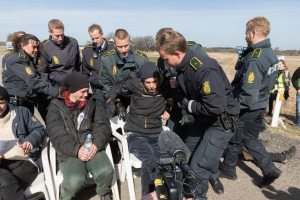
They also asked the gov­ern­ment to forcibly remove “with­out delay” a group of envi­ron­men­tal pro­test­ers who have occu­pied the site of the pro­posed Sivens dam for the past nine months in an effort to block con­struc­tion.

A lit­tle over an hour lat­er, armed police entered the area to begin clear­ing the pro­test­ers’ camp.

Protests, bar­ri­cades and tragedy

It may be the final chap­ter of a saga that has been the source of intense dis­pute in France for sev­er­al years – and result­ed in the death of at least one pro­test­er.

The project, for which plan­ning began in 1989, was con­ceived to pro­vide bet­ter irri­ga­tion for local farms by damming the Riv­er Tescou to cre­ate a reser­voir.

After years of delib­er­a­tion and fea­si­bil­i­ty stud­ies, the final plans were giv­en offi­cial approval in 2004, envi­sion­ing the cre­ation of a reser­voir hold­ing 1.5 mil­lion cubic metres of water.

But the €8.4m-project faced fierce oppo­si­tion from the start from envi­ron­men­tal­ists, includ­ing France’s green par­ty the EELV, who argued it would mean the destruc­tion of sev­er­al hectares of wet­lands – a haven for wildlife – and ben­e­fit only a small num­ber of farms.

In Octo­ber 2013, mem­bers of a rad­i­cal envi­ron­men­tal­ist group known as the “Zadistes” began occu­py­ing the con­struc­tion site. Police twice removed the pro­test­ers from the site, most recent­ly in May 2014, but both times they returned.

Then, one year lat­er, the dam project made inter­na­tion­al head­lines after a 21-year-old envi­ron­men­tal activist, Rémi Fraisse, was killed dur­ing a protest after being struck on the head by a flash grenade thrown by police.

His death trig­gered demon­stra­tions in sev­er­al cities in France against police bru­tal­i­ty, which them­selves led to vio­lent clash­es with author­i­ties.

The pro­test­ers have also pro­voked the ire of local farm­ers, who sup­port the dam. Most recent­ly, around 130 farm­ers set up bar­ri­cades to stop activists from access­ing the site.

Final­ly, on Octo­ber 31, 2014, work on the dam was halt­ed and the orig­i­nal plans for the project scrapped entire­ly by Ecol­o­gy Min­is­ter Ségolène Roy­al the fol­low­ing Jan­u­ary.

Roy­al gave local author­i­ties two options: build a small­er reser­voir of about 750,000 cubic metres fur­ther upstream from the orig­i­nal site, or build four sep­a­rate (and small­er) reser­voirs.

It was this first option the gen­er­al coun­cil opt­ed for on Fri­day, judg­ing the sec­ond sce­nario too expen­sive.

Coun­cil pres­i­dent Thier­ry Carcenac told AFP that fur­ther stud­ies would be car­ried out to deter­mine exact­ly where the new reser­voir would be built, adding that there was a “lee­way of plus or minus 10 per­cent” on the final size of the dam.

Farm­ers hap­py, envi­ron­men­tal­ists scepi­cal

The gov­ern­ment, so long stuck between a rock and a hard place – unable to please both farm­ers and envi­ron­men­tal­ists – will be hop­ing a com­pro­mise accept­able to both sides has now been reached.

In a joint state­ment, Roy­al and Agri­cul­ture Min­is­ter Stéphane Le Foll wel­comed the council’s deci­sion. The new plan, they said, “while meet­ing all the cri­te­ria of envi­ron­men­tal pro­tec­tion, will secure the water sup­ply nec­es­sary for agri­cul­tur­al pro­duc­tion at a much high­er rate.”

How­ev­er, ini­tial reac­tions sug­gest the farm­ers may be hap­pi­er than the envi­ron­men­tal­ists with Friday’s deci­sion.

The FNSEA farm­ers’ union praised the council’s “courage” and said it now want­ed to see “the respect of law, the evac­u­a­tion of the Zadistes and con­struc­tion work to start with­out delay”.

The EELV, in con­trast, said the revised project “in the end resolves noth­ing”, though it wel­comed the aban­don­ment of the orig­i­nal plans.

“In the absence of addi­tion­al stud­ies, there is noth­ing to sug­gest that legal doubts over respect for the envi­ron­ment have been alle­vi­at­ed,” the par­ty said in a state­ment.

Mean­while, there appeared to be mixed reac­tions from pro­test­ers as the police moved in to dis­band their camp on Fri­day.

“Most left the scene qui­et­ly,” police spokesper­son Stéphane Rap­pailles told Reuters.

How­ev­er, oth­ers were less will­ing to give in. Around 25 Zadistes had to be forcibly removed, said Rap­pailles, while six were arrest­ed.

“[We will] hide in the woods,” one pro­test­er, named Chris­t­ian, told AFP. “We will not leave.”

Brazil’s Landless Movement Destroys GMO Eucaliptus Seedlings, Occupies GMO Meeting

16104292273_91103c33f8_b

March 5th, 2015

16104292273_91103c33f8_b

March 5th, 2015

This morn­ing about 300 peas­ants orga­nized by La Via Campesina occu­pied the meet­ing of the Brazil Nation­al Biosafe­ty Tech­ni­cal Com­mis­sion (CTNBio), which was con­ven­ing to dis­cuss the release of three new vari­eties of trans­genic plants in Brazil includ­ing genet­i­cal­ly engi­neered euca­lyp­tus trees. The meet­ing was inter­rupt­ed and deci­sions were post­poned. Ear­li­er in the morn­ing on Thurs­day, anoth­er 1,000 women of the Brazil Land­less Work­ers’ Move­ment (MST) from the states of São Paulo, Rio de Janeiro and Minas Gerais occu­pied the oper­a­tions of Futura­Gene Tech­nol­o­gy Brazil Ltda, a sub­sidiary of Suzano tim­ber cor­po­ra­tion, in the munic­i­pal­i­ty of Itape­tininga, in São Paulo.

16722801571_96f17a6a7c_bThe site occu­pied by women of the MST was in Itape­tininga, where trans­genic euca­lyp­tus, known as H421 is being devel­oped and test­ed. Dur­ing the protest, the MST destroyed the seedlings of trans­genic euca­lyp­tus trees there. The action denounced the evils that a pos­si­ble release of trans­genic euca­lyp­tus, which was to be vot­ed on CTNBio today, could cause to the envi­ron­ment. Accord­ing to Atil­iana Brunet­to, a mem­ber of the Nation­al MST, the his­toric deci­sion of the Com­mis­sion must respect the Brazil­ian leg­is­la­tion and the Bio­di­ver­si­ty Con­ven­tion to which Brazil is a sig­na­to­ry. Destroys Eucalip­tus Seedlings The vast major­i­ty of its mem­bers are placed in favor of busi­ness inter­ests of the large multi­na­tion­als at the expense of envi­ron­men­tal, social and pub­lic health con­se­quences,” he says. For Brunet­to all approved GMO means more pes­ti­cides in agri­cul­ture, since the pack­ets always approved for mar­ket­ing include a type of agri­cul­tur­al poi­son.

16104095753_c57c053ece_b

“Brazil is the largest con­sumer of world’s pes­ti­cides since 2009. A recent sur­vey by the Uni­ver­si­ty of Brasil­ia found that, in the most opti­mistic case, 30% of the food con­sumed by Brazil­ians are unsafe to eat only con­t­a­m­i­na­tion by pes­ti­cides account” said Brunet­to.

In the case of euca­lyp­tus, the appli­ca­tion of trans­genic release was made by pulp and paper com­pa­ny Suzano.

“If approved by the com­mit­tee these GE faster grow­ing euca­lyp­tus will mature in only 4 years, as opposed to 6–7 years present­ly in non-GMO euca­lyp­tus. The water con­sump­tion will increase 25 to 30 liters / day per euca­lyp­tus plant­ed that it cur­rent­ly uses. We are again call­ing atten­tion to the dan­ger of green deserts,” said Catiane Cinel­li, a mem­ber of the Rur­al Women’s Move­ment.

16516963687_0916bffcb1_b 16516785567_7d2848cd23_b

More at Stop GE Trees

Algeria Fights Back: 40 Police Injured in Anti-Fracking Protests

photo courtesy Imad Mesdoua / Twitter

photo courtesy Imad Mesdoua / Twitter

March 2nd, 2015

from Earth First! Newswire

New devel­op­ments in a sto­ry we’ve been fol­low­ing for some time now.

Tens of thou­sands of peo­ple in Alge­ria have joined a mass move­ment to halt frack­ing. These protests have involved peace­ful block­ades and march­es with broad swaths of soci­ety.

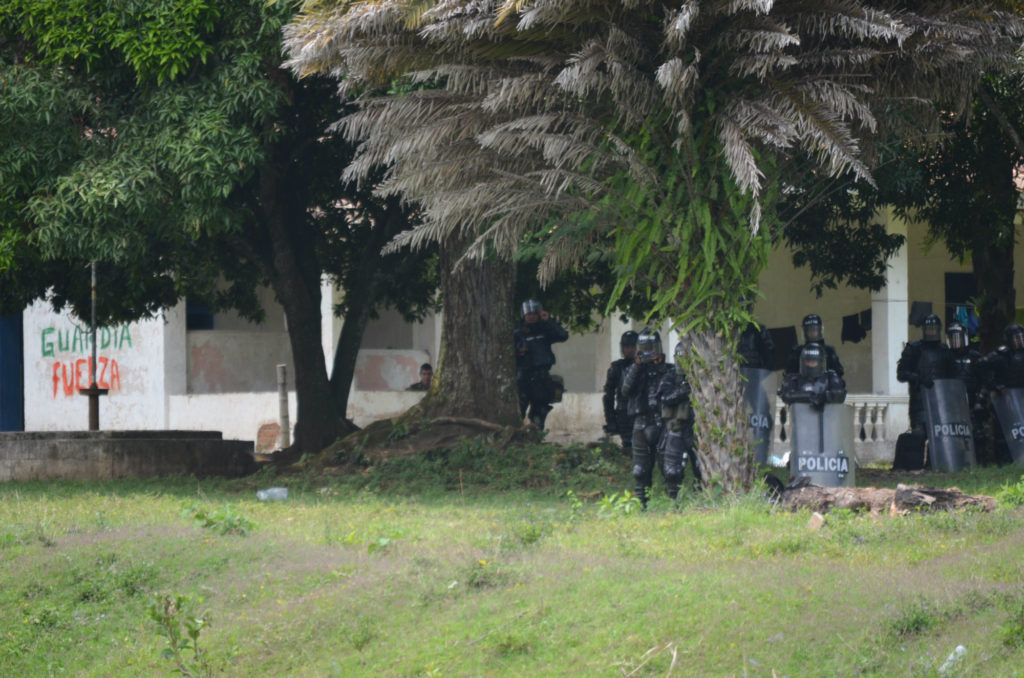
The mass move­ment has been met by state repres­sion, as we report­ed last week. But instead of deflat­ing the move­ment, state repres­sion inflamed the anger on the streets. On Sun­day, riots erupt­ed in the dis­trict of In-Salah in which 40 offi­cers were injured, and the police head­quar­ters, the chief’s house, some police bar­racks, and a police truck were all set ablaze.

Here’s AFP with more:

Forty police offi­cers were wound­ed Sun­day in clash­es with demon­stra­tors opposed to shale gas explo­ration in the Alger­ian Sahara, the Inte­ri­or Min­istry announced.

“The town of In-Salah saw inci­dents involv­ing pub­lic order, ini­ti­at­ed by a group of young peo­ple protest­ing against shale gas oper­a­tions in the region,” the min­istry said in a state­ment.

It said the clash­es “caused injuries to 40 police offi­cers, includ­ing two who were seri­ous­ly injured.”

Pro­test­ers set fire to the head­quar­ters of In-Salah dis­trict and the res­i­dence of the dis­trict chief, as well as part of a police dor­mi­to­ry and a police truck.

The secu­ri­ty forces man­aged to “take con­trol of the sit­u­a­tion and bring calm to the city,” the state­ment said.

Increased protests

Anti-shale gas demon­stra­tions have increased in the cities of the Alger­ian Sahara since late Decem­ber, when Alger­ian oil com­pa­ny Sonatra­ch announced it had suc­cess­ful­ly com­plet­ed its first pilot drilling in the In-Salah region.

Sonatra­ch announced in ear­ly Feb­ru­ary that its explorato­ry drilling for shale gas using hydraulic frac­tur­ing would con­tin­ue despite mount­ing hos­til­i­ty among peo­ple liv­ing near­by.

Con­tin­u­ous demon­stra­tions were held for two months at In-Salah, the town clos­est to the drilling sites.

Alge­ria has seen mas­sive invest­ment in shale gas to com­pen­sate for declin­ing oil rev­enues, but faces oppo­si­tion from peo­ple liv­ing near the fields, con­cerned about the con­se­quences on the envi­ron­ment.

Accord­ing to inter­na­tion­al stud­ies, Alge­ria has the fourth biggest recov­er­able reserves of shale gas glob­al­ly, after the Unit­ed States, Chi­na and Argenti­na.

Report from Emma Sheppard’s Sentencing

28/2/15

UPDATE: Em has writ­ten her own report on the sen­tenc­ing – read it here

28/2/15

UPDATE: Em has writ­ten her own report on the sen­tenc­ing – read it here

This week saw the sen­tenc­ing of Emma Shep­pard, who plead guilty to caus­ing “crim­i­nal dam­age reck­less­ly endan­ger­ing life” to sev­er­al police cars. All in all it went much as expect­ed. Before hand­ing out a prison sen­tence of two years in order to “send a mes­sage”, the judge gave a sum­ming up dis­play­ing all the igno­rance we have come to expect of the rich and pow­er­ful. He admit­ted to being con­fused that a com­pas­sion­ate per­son might dis­like the police, and list­ed some exam­ples of police ‘good deeds’ to try and make his point, such as pro­tect­ing the peo­ple who suf­fer from domes­tic abuse [1]. We won­der if he would apply the same rea­son­ing to the peo­ple he sen­tences, and find them not guilty because they once helped an old per­son cross a busy road?

Police involved in “Oper­a­tion Rhone” [2] also tried to claim it as a vic­to­ry for them­selves, despite only get­ting involved after the arrest, and seem­ing to con­tribute noth­ing sig­nif­i­cant to the tri­al. They made a pub­lic state­ment claim­ing that they have “a long and proud his­to­ry of facil­i­tat­ing peace­ful protest”. Need­less to say this isn’t true – Bris­tol Defen­dant Sol­i­dar­i­ty reg­u­lar­ly sees exam­ples of peo­ple injured and fit­ted up by Avon and Som­er­set Police.

We encour­age peo­ple to write to Emma and sup­port her through her time in jail. She may be moved dur­ing her sen­tence, so check the Bris­tol ABC web­site before writ­ing.

Emma can receive cards, stamps and sta­tion­ary. For dona­tions, news & any oth­er sol­i­dar­i­ty efforts email: bristol_abc [at] riseup.net

[1] this is despite police being far more like­ly than aver­age to PERPETRATE domes­tic vio­lence in the first place – womenandpolicing.com/violenceFS.asp
[2] More infor­ma­tion: https://bristolabc.wordpress.com/2015/02/20/operation-grhone-and-the-badger-hunt/

For updates and lat­est address to write to, vis­it Bris­tol ABC

Earth First! Summer Gathering, August 2015

Update: see earthfirstgathering.org for an inspir­ing and excit­ing pro­gramme and more.

Excit­ing plans are tak­ing shape.  Get involved by com­ing along to the EF! Win­ter Moot in Bris­tol.

Email: sum­mer­gath­er­ing AT earthfirst.org.uk

Update: see earthfirstgathering.org for an inspir­ing and excit­ing pro­gramme and more.

Excit­ing plans are tak­ing shape.  Get involved by com­ing along to the EF! Win­ter Moot in Bris­tol.

Email: sum­mer­gath­er­ing AT earthfirst.org.uk

Call out for protectors at Bristol camp to protect trees, wildlife and allotments

http://risingup.org.uk/wp-content/uploads/2015/02/DSF2762.jpg

http://risingup.org.uk/wp-content/uploads/2015/02/DSF2762.jpg

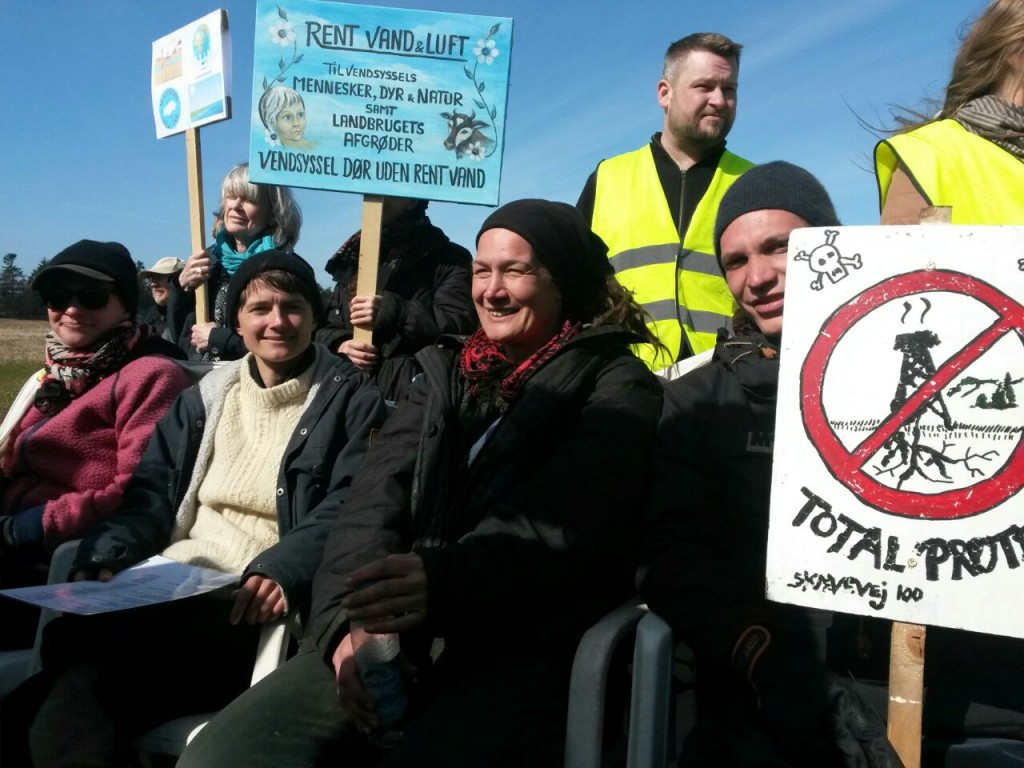
The Ris­ing Up camp to pro­tect trees, wildlife and allot­ments in NE Bris­tol from the planned Metrobus road needs pro­tec­tors urgent­ly to come and be on site. Please share with your net­works.

More details go to:

https://www.facebook.com/profile.php?id=100008701005657&fref=ts

http://risingup.org.uk/category/news/

How to get there/involved

Video inter­views (around 6 min­utes long and 72MB in size.)

Ten Arrested at Seneca Lake Fathers and Grandfathers Blockade

photo from popular resistance

Feb­ru­ary 7th, 2015

Nine men and one woman were arrest­ed Wednes­day morn­ing and charged with tres­pass, part of the ongo­ing protest at the Crest­wood Mid­stream facil­i­ty north of Watkins Glen.

Hous­ton-based Crest­wood wants to store up to 88 mil­lions gal­lons of liq­uid propane and butane in under­ground salt cav­erns near Seneca Lake. The com­pa­ny is await­ing state Depart­ment of Envi­ron­men­tal Con­ser­va­tion approval.

Pro­test­ers also have cit­ed the Fed­er­al Ener­gy Reg­u­la­to­ry Commission’s deci­sion to allow Crest­wood to expand nat­ur­al gas stor­age at its 576-acre prop­er­ty as a rea­son for pick­et­ing.

The group appre­hend­ed Wednes­day was par­tic­i­pat­ing in what they termed a “Fathers and Grand­fa­thers Block­ade” at the site.

About 200 peo­ple have been arrest­ed since protests began in Sep­tem­ber.

Two of those charged Wednes­day, John Den­nis ofLans­ing and Daryl Ander­son of Hec­tor, are teach­ers. Both said they were protest­ing in mem­o­ry of the deaths of their respec­tive sons two years ago.

Den­nis and Ander­son met in a local bereave­ment group and drove to the protest togeth­er.

Week of Action Against Spectra

Activists shut down Spec­tra Energy’s Waltham office after deploy­ing

a 24-foot tall tri­pod.

Feb­ru­ary 4th, 2015

While a gag­gle of con­fused police tried to unseat Shane Capra from his perch atop a 24-foot tri­pod inside Spec­tra Energy’s Waltham, Mass., office on the morn­ing of Decem­ber 17, and oth­ers tried to snare a bal­loon ban­ner float­ing near the office ceil­ing — all while accom­pa­nied by a brass band pro­vid­ing the rous­ing sound­track — one Spec­tra employ­ee was over­heard mut­ter­ing to anoth­er, “This is extreme­ly dis­rup­tive.”

Of course, that was the point.

The action in Waltham was part of the Week of Respect and Resis­tance, a series of demon­stra­tions, sit-ins, and lock-downs aimed at Spec­tra Ener­gy, their investors, and the politi­cians who sup­port them in their plan to expand a fracked gas pipeline — the so-called Algo­nquin, a name which many activists describe as insult­ing to the indige­nous speak­ers of the Algo­nquian lan­guage — through New Eng­land. With FERC poised to present its final Envi­ron­men­tal Impact State­ment any day, and with New Eng­land politi­cians and Big Greens voic­ing their unwa­ver­ing sup­port for their favorite “bridge fuel,” cli­mate jus­tice orga­niz­ers and pipeline fight­ers in New York, Con­necti­cut, Mass­a­chu­setts, and Rhode Island knew they had to esca­late their already long-run­ning cam­paign against Spec­tra.

For Nick Katke­vitch of Fight­ing Against Nat­ur­al Gas, or FANG, this sense of urgency was fueled by a recent trip to Fer­gu­son, MO, where he saw first-hand the pow­er of the con­fronta­tion­al direct action tac­tics that had yet to be seen in the cam­paign against Spec­tra. “A lot of times in the cli­mate move­ment, espe­cial­ly in New Eng­land, there’s a ten­den­cy to fol­low the polit­i­cal process, to not dis­turb things too quick­ly, to take it slow,” Katke­vitch said. “When I went to Fer­gu­son, it was a total learn­ing expe­ri­ence. I learned to be tena­cious, to be fear­less, and to just say it like it is. I learned the true mean­ing of speak­ing truth to pow­er.”

Dur­ing the week of Decem­ber 13–19, activists brought that tena­cious­ness and fear­less­ness to a vari­ety tar­gets, from Dan­bury, Conn., where Spec­tra plans to expand the already-exist­ing gas pipeline to accom­mo­date the high­er vol­ume of gas flow­ing from the Mar­cel­lus Shale, to the gas com­pres­sor sta­tion in Cromwell, Conn., to the offices of some of the most pow­er­ful indi­vid­u­als and enti­ties involved in the so-called Algo­nquin Incre­men­tal Mar­ket project — includ­ing Spec­tra them­selves.

Sher­rie Andre of FANG, who gave the week of action its name, stress­es that while many of the actions car­ried out against Spec­tra and their finan­cial and polit­i­cal sup­port­ers involved acts of civ­il dis­obe­di­ence, “We need to respect those who have been orga­niz­ing before us and have their own way of doing things. We need to show that we know how to pay homage to dif­fer­ent types of non­vi­o­lent direct action.” She added, “I recent­ly bumped into a friend who’s become inter­est­ed in what we’re doing, but said, ‘I can’t climb a tri­pod.’ It’s real­ly dis­heart­en­ing if that’s all they’re see­ing because there are so many oth­er play­ers and parts involved that make that hap­pen.”

For Noga Hey­man of Flood Boston, the suc­cess of the cam­paign against Spec­tra — and the broad­er cli­mate jus­tice move­ment — hinges on mak­ing activism as acces­si­ble as pos­si­ble for a wide vari­ety of peo­ple. “Maybe lock-downs don’t always draw peo­ple in, but giv­ing some­one a zine to read, or get­ting a song stuck in their head, might engage them more.”

A bridge to nowhere

This empha­sis on engage­ment and cre­ativ­i­ty was cru­cial to one of the goals for the week: to not only dis­rupt busi­ness as usu­al at the loca­tions of the protests, but to dis­rupt the nar­ra­tive about fracked gas per­pet­u­at­ed by the ener­gy indus­try, fos­sil fuel-friend­ly politi­cians, and main­stream envi­ron­men­tal groups alike.

In addi­tion to block­ing the dri­ve­way to the Cromwell gas com­pres­sor sta­tion, Dan Fis­ch­er explained, he and fel­low Cap­i­tal­ism vs the Cli­mate mem­ber Vic Lan­cia “were also try­ing to block the for­ma­tion of mis­lead­ing assump­tions. Peo­ple dri­ve by the com­pres­sor sta­tion every day, and either don’t know about it or false­ly assume it’s part of the clean ener­gy process. So we felt it was impor­tant to take direct action at the point of assump­tion and say this is a dirty fuel, and there are plen­ty of clean, renew­able alter­na­tives that make frack­ing unnec­es­sary.” To help make this point, Fis­ch­er and Lan­cia locked them­selves to a mas­sive wood­en “bridge to nowhere” built in the days lead­ing up to the action.

Mem­bers of Flood Boston and oth­er groups fight­ing pipeline expan­sion in Mass­a­chu­setts echoed this sen­ti­ment at their action at the Boston office of the State Street Cor­po­ra­tion, one of Spectra’s biggest finan­cial back­ers, lat­er in the week. For Hey­man, the action was an oppor­tu­ni­ty to use art, the­ater and music to “dis­man­tle the myths sur­round­ing nat­ur­al gas” and advo­cate for com­mu­ni­ty-con­trolled renew­ables. To this end, activists con­struct­ed a giant pair of lips “spew­ing myths” about fracked gas which pro­test­ers chal­lenged with facts about the health and safe­ty impacts of the pipeline project.

“The peo­ple of West Rox­bury are trau­ma­tized,” said David Lud­low, a 72 year-old orga­niz­er in the Boston area, cit­ing the 2010 explo­sion of a gas pipeline in San Bruno, Calif., which killed eight peo­ple and which looms large in the minds of local res­i­dents brac­ing them­selves for the con­struc­tion of the West Rox­bury Lat­er­al pipeline and a new, high-pres­sure Meter­ing and Reg­u­lat­ing Sta­tion, both of which would be built dan­ger­ous­ly close to an active quar­ry and res­i­den­tial areas.

Activists and com­mu­ni­ty mem­bers expressed these con­cerns in songs, chants and can­tas­to­rias that rang out in State Street’s office and con­tin­ued to Boston’s South Sta­tion after pro­test­ers deliv­ered a let­ter urg­ing State Street to divest from Spec­tra Ener­gy and oth­er sim­i­lar­ly destruc­tive cor­po­ra­tions, includ­ing Kinder Mor­gan, whose gas pipeline projects also threat­en Mass­a­chu­setts com­mu­ni­ties and ecosys­tems.

In Rhode Island, activists drew atten­tion to the hypocrisy of the politi­cians and gov­ern­ment agen­cies sup­port­ing Spectra’s plan, with Bur­ril­lville Against Spec­tra Expan­sion hold­ing a protest at the Rhode Island Depart­ment of Envi­ron­men­tal Man­age­ment and FANG orga­niz­ing a sit-in at Sen. Shel­don Whitehouse’s office. Ten pro­test­ers joined Uni­ver­si­ty of Rhode Island physics pro­fes­sor Peter Nightin­gale, a mem­ber of Fos­sil Free Rhode Island, in the sit-in, and cheered for Nightin­gale as he was even­tu­al­ly arrest­ed for refus­ing to leave the office. White­house, who Nightin­gale calls a “wolf in sheep’s cloth­ing,” has long been a focal point in the Rhode Island fight against Spectra’s pipeline projects: in August, mem­bers of Bur­ril­lville Against Spec­tra Expan­sion held a sit-in at Whitehouse’s office which led to a meet­ing with the sen­a­tor.

Despite Bur­ril­lville res­i­dents express­ing their con­cerns about the health and safe­ty impacts of Spectra’s plans to expand the gas com­pres­sor sta­tion in their town, how­ev­er, Whitehouse’s sup­port for the pipeline expan­sion has not changed; in light of Whitehouse’s cli­mate-friend­ly rhetoric from the Sen­ate floor, Nightin­gale finds this inex­cus­able. “Com­pared to any of the oth­er cli­mate zom­bies, [White­house] may be a ‘cli­mate cham­pi­on,’” Nightin­gale explained. “But at the same time he sup­ports this plan out of Wash­ing­ton and Wall Street that wants to push nat­ur­al gas and gets in the way of devel­op­ing the green pow­er sec­tor.”

Blocka­dia and beyond

The actions dur­ing the Week of Respect and Resis­tance gar­nered sig­nif­i­cant local media atten­tion and, some spec­u­late, may have played a role in FERC delay­ing the release of their final Envi­ron­men­tal Impact State­ment on the AIM project — not to men­tion Spectra’s stock hit­ting a 52-week low. Still, orga­niz­ers know that the fight against Spec­tra — and the fight for cli­mate jus­tice — is far from over.

“Before this week, the fight against Spec­tra had been most­ly polite and play­ing by the rules,” Fis­ch­er said. “We’re still going to keep using the old tac­tics, but this was the week where peo­ple in four dif­fer­ent states said that they’ve had enough with Spectra’s mis­lead­ing claims and with the white­wash advanced by the gov­ern­ment and busi­ness-friend­ly envi­ron­men­tal groups. This is the week where we entered a more com­mit­ted resis­tance, and hope­ful­ly a more suc­cess­ful resis­tance.”

As many of those involved in this week of action think about what that resis­tance will look like, one word seems to be on many of their minds: “Blocka­dia,” a name giv­en to the grow­ing net­work of groups dis­rupt­ing the extrac­tion and trans­porta­tion of fos­sil fuels with elab­o­rate and long­stand­ing protest camps. “We see Blocka­dia as an impor­tant way of achiev­ing vic­to­ry against not only this project, but extreme ener­gy in gen­er­al,” Fis­ch­er explained. “Spec­tra Ener­gy can keep its eyes peeled for the con­struc­tion of Blocka­dia in more and more places.”

How­ev­er, even as the resis­tance to Spec­tra and the fos­sil fuel ener­gy indus­try mounts, many orga­niz­ers also rec­og­nize that there is still sig­nif­i­cant work that needs to be done with­in the envi­ron­men­tal move­ment itself, a fact that was high­light­ed by the Week of Respect and Resis­tance coin­cid­ing with an esca­la­tion of the Black Lives Mat­ter move­ment fol­low­ing the non-indict­ment of the police offi­cers respon­si­ble for the chok­ing death of Eric Gar­ner. Andre explained that as FANG shared Black Lives Mat­ter memes and arti­cles on their social media plat­forms, “there was a lot of back­lash from envi­ron­men­tal orga­niz­ers who fol­low the FANG page and who want­ed us just to focus on pipelines. But life is not just about pipelines. Our strug­gles are not siloed.” Indeed, FANG mem­bers under­scored this point by block­ing a com­muter train car­ry­ing pas­sen­gers to a New Eng­land Patri­ots game for four and half min­utes ear­li­er this month to sig­ni­fy the four and a half hours Mike Brown’s dead body remained in the streets of Fer­gu­son after he was shot by offi­cer Dar­ren Wil­son.

For Andre and many of the oth­er orga­niz­ers involved in the Week of Respect and Resis­tance, the fight against Spec­tra has to be seen as part of a larg­er fight for jus­tice that begins with rec­og­niz­ing that the land mem­bers of the pre­dom­i­nant­ly white envi­ron­men­tal move­ment live on and strug­gle to pro­tect “is not theirs. It was stolen. Envi­ron­men­tal­ists need to under­stand the his­to­ry of col­o­niza­tion and what it’s done to indige­nous peo­ple before they can even begin to talk about pipelines. Pipelines are just a new form of col­o­niza­tion. They’re a new trau­ma.”

Lud­low, who stress­es the impli­ca­tions of the cli­mate cri­sis for indige­nous com­mu­ni­ties in the Unit­ed States and around the world, also empha­sizes the need to rec­og­nize the con­nec­tions between the cli­mate jus­tice move­ment and move­ments fight­ing mil­i­tarism and eco­nom­ic injus­tice. “The U.S. makes more wars to pro­tect its resources and gob­ble up more of the world’s exist­ing resources. We’re not going to stop this by being nice. We’re not going to stop it by just talk­ing to our local areas about safe­ty. We need to make alliances to build a broad-based move­ment.”

For all the work that needs to be done to stop Spec­tra and com­bat the oppres­sive ten­den­cies with­in the envi­ron­men­tal move­ment, the activists involved in the Week of Respect and Resis­tance all agree that the week of action marked a turn­ing point in their cam­paign against Spec­tra. As Katke­vitch reflect­ed on the week’s impacts, his mind turns to one of the oth­er great pas­sions of his life besides orga­niz­ing: bas­ket­ball.

“When the team you’re play­ing is much bet­ter, they don’t respect you and they think it’s going to be an easy game,” he said. “But if you start play­ing aggres­sive­ly and assertive­ly and real­ly con­fi­dent­ly, at first they’ll think it’s kin­da fun­ny, like, ‘look at these kids try­ing so hard.’ But there’s a cer­tain moment in the game when all of a sud­den the ener­gy switch­es and the oppo­nent is actu­al­ly afraid, because they’re rec­og­niz­ing that your con­fi­dence and your aggres­sion is actu­al­ly com­ing from a real place — that you could actu­al­ly win. In Spectra’s office, it def­i­nite­ly felt like one of those moments of turn­ing the ener­gy. Now they have to respect us.”