
 Updates:
4:30pm:
The Kooragang rail line has just reopened, 7.5 hours after the blockade began
3:00pm:
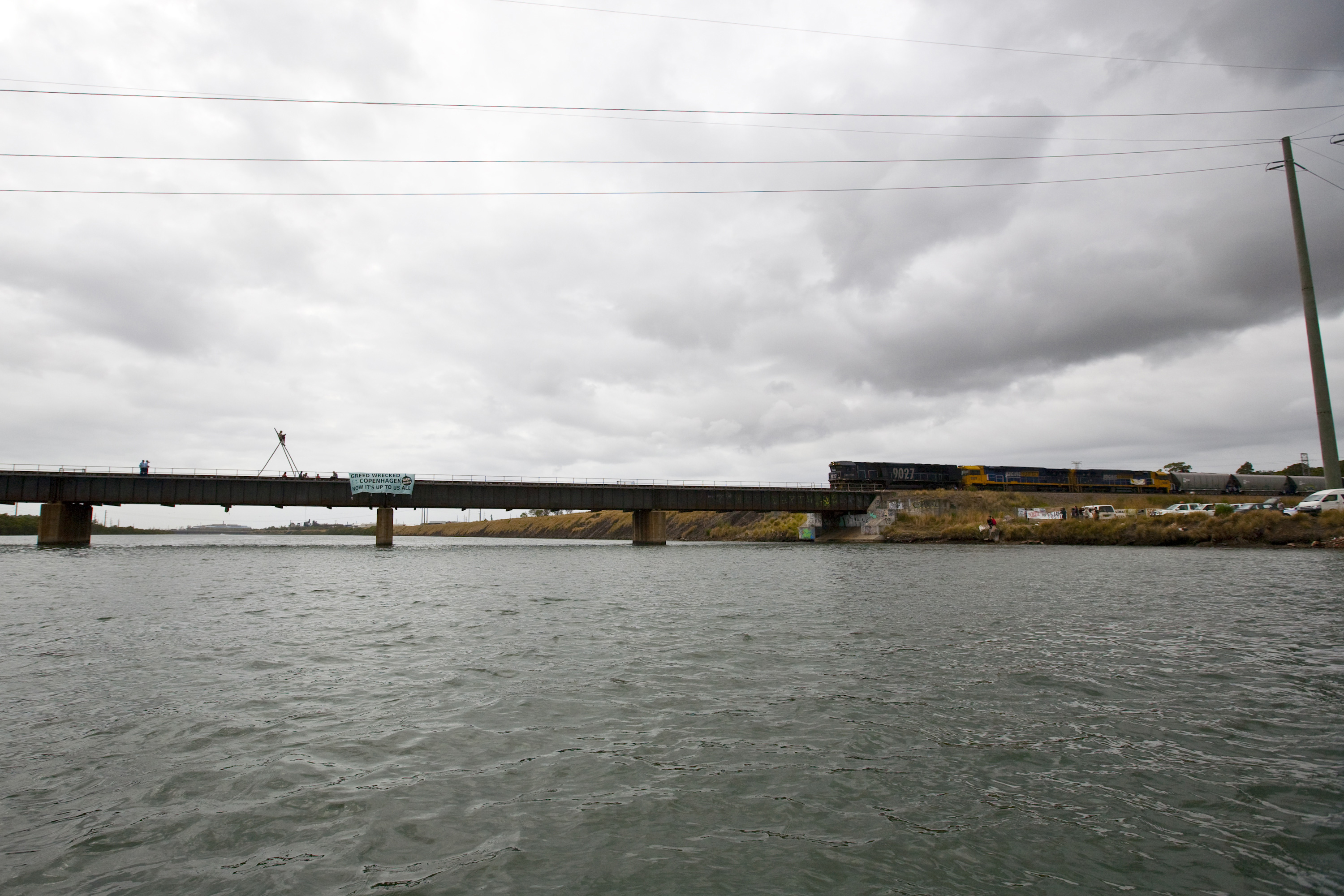 Police have removed the final protester blockading a coal rail bridge in Newcastle, Australia, more than six hours after protesters shut down the coal delivery line into the world’s biggest coal port.
There were twenty three arrests in total at the protest, including an 86 year old man, a Buddhist priest , and an elected Newcastle city councillor.
12:00pm:
Police have made their first arrests at a dramatic coal train blockade on a bridge in Newcastle – the world’s biggest coal port.
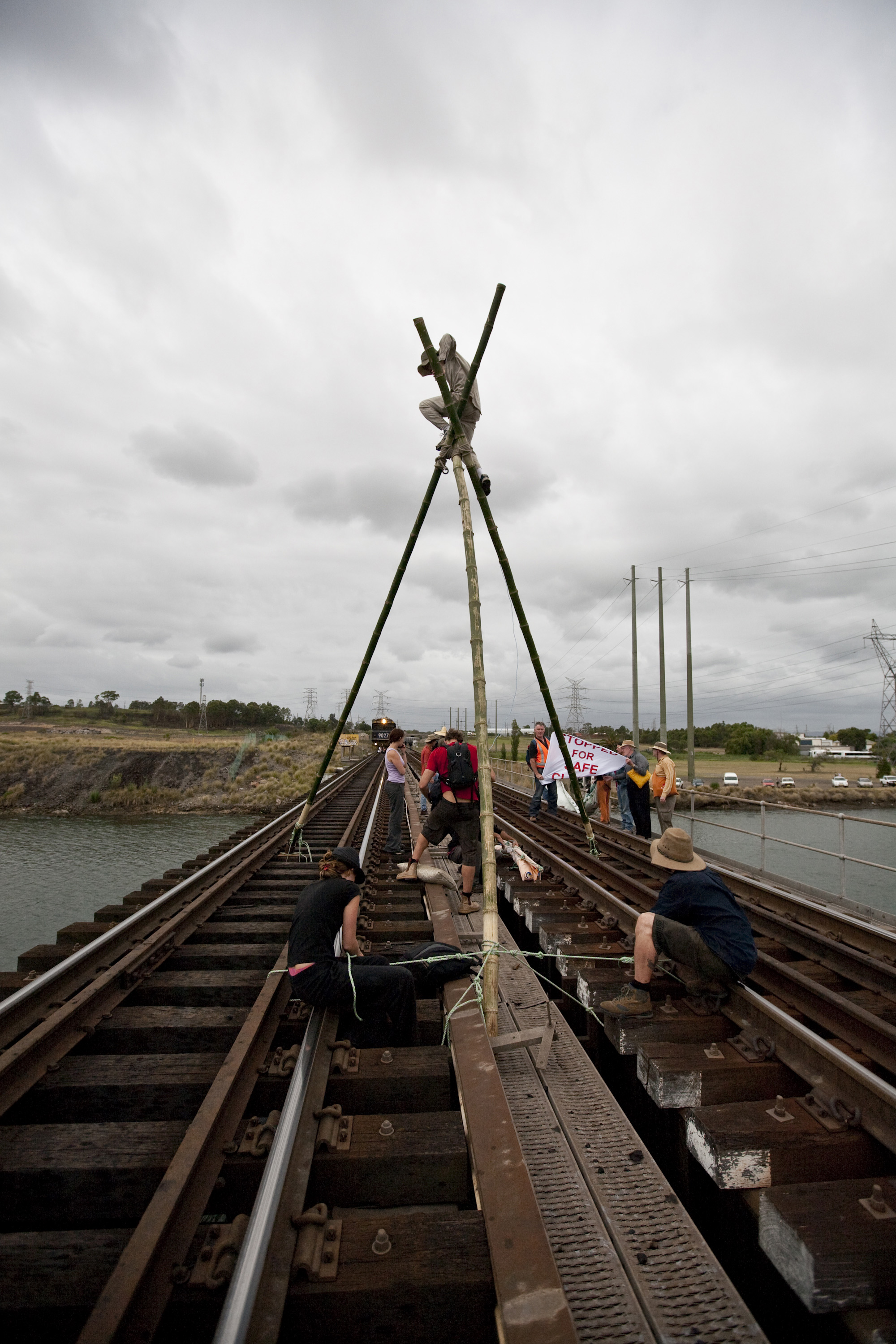
 Three hours into the blockade, police have arrested ten people who were sitting on the rail bridge and refusing to move. Protesters expect the blockade to last for the remainder of the day and perhaps into the night, with a further 15 people still blocking the bridge in difficult to remove positions.
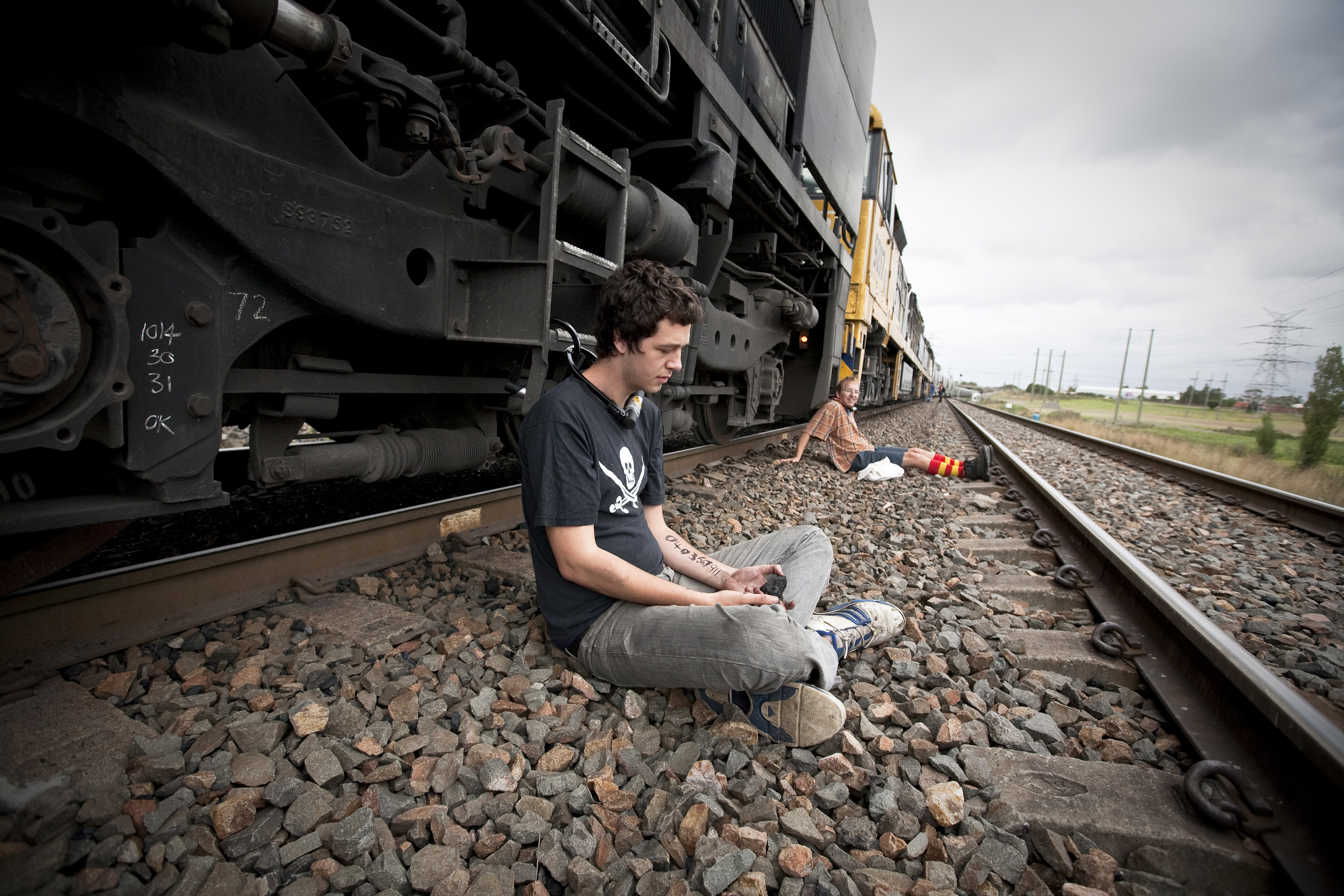 Activists shut down the rail line at 9am this morning to protest the failure of the UN climate talks in Copenhagen to produce a just, effective, and legally binding treaty.
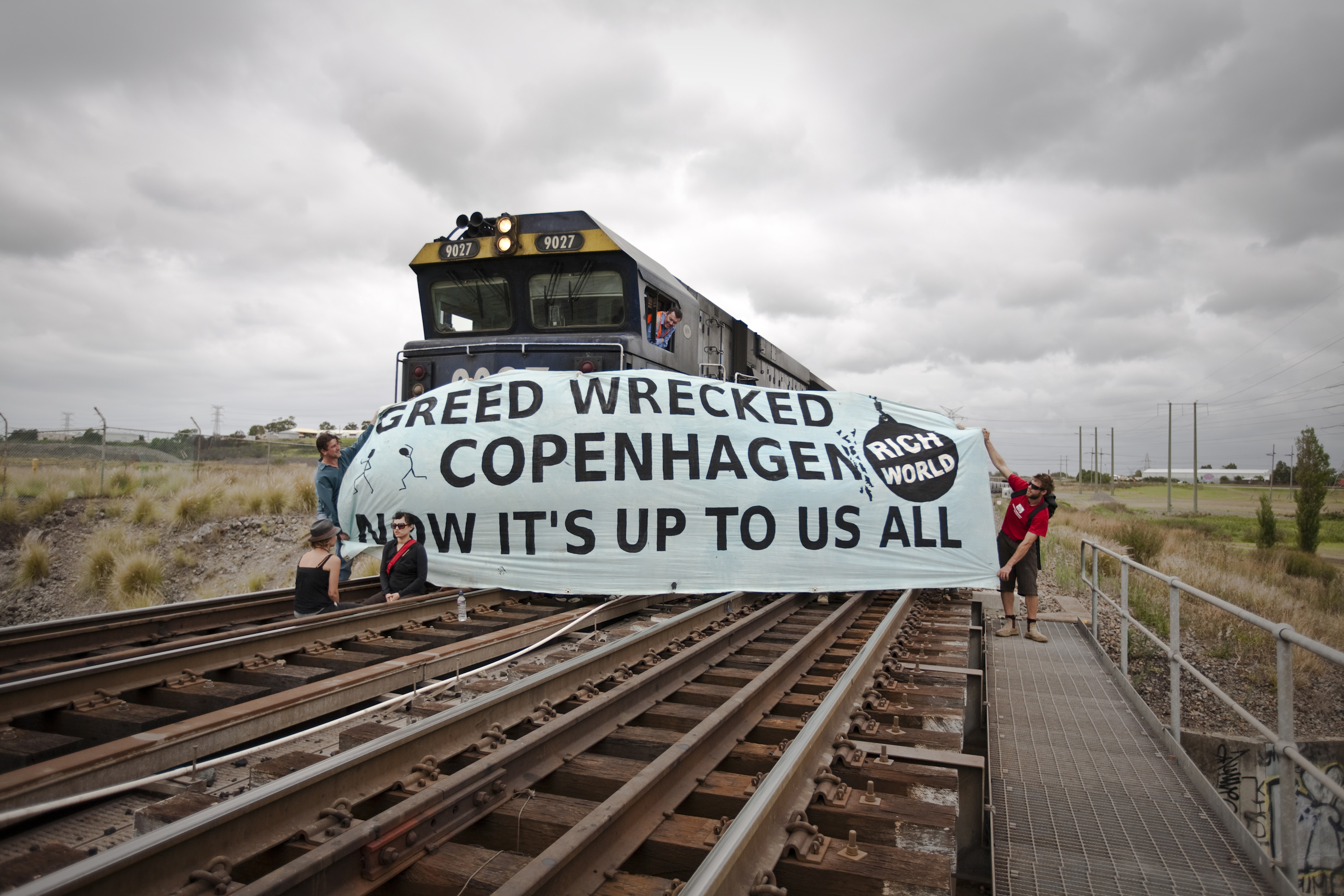
9am, Sunday 20th December 2009, Newcastle Australia: Forty climate activists have closed down the rail line into the world’s biggest coal port this morning, protesting the failure of the UN climate talks in Copenhagen to produce a just, effective, and legally binding treaty.
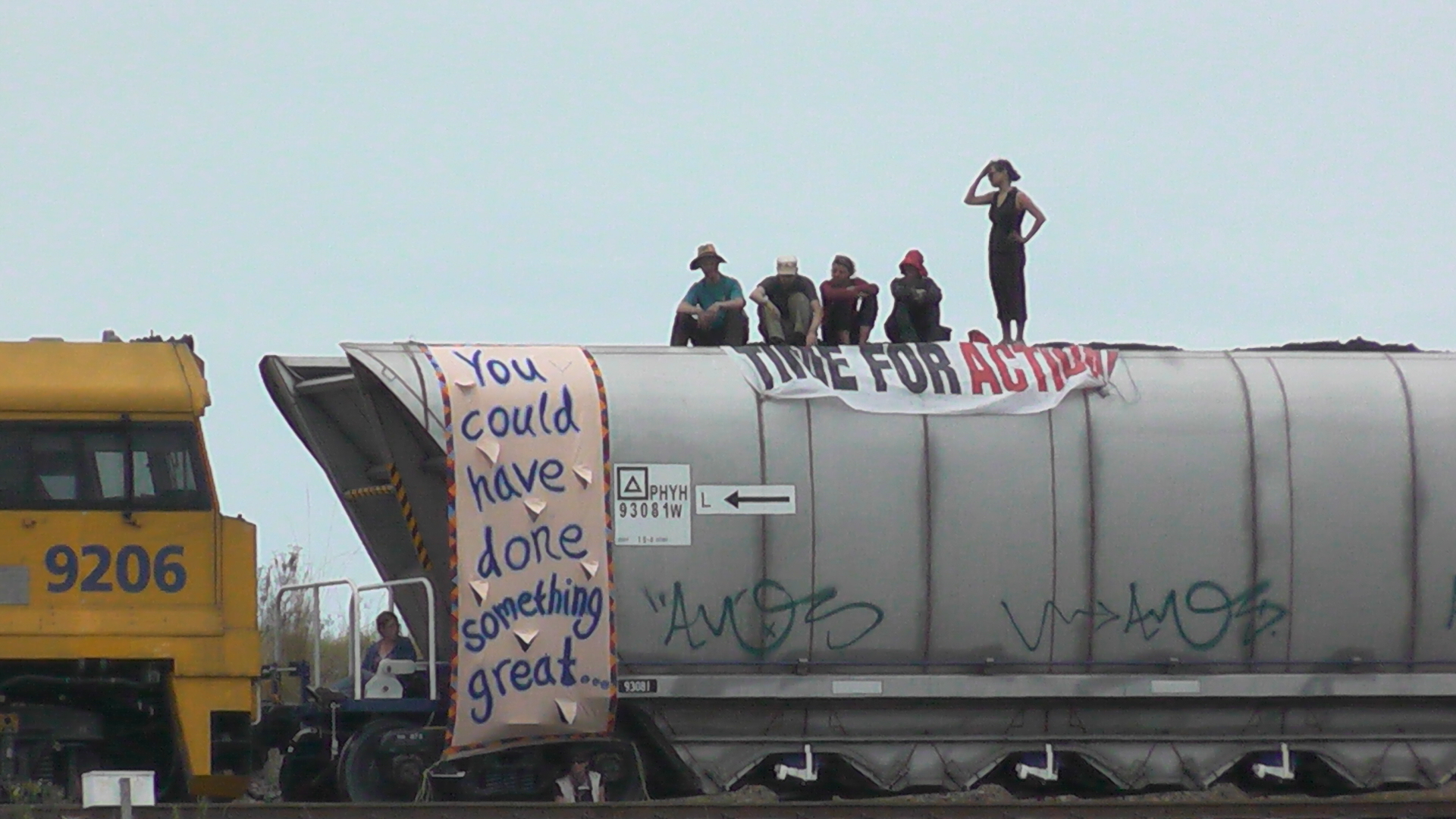
Twenty five of the diverse group – aged from 19 to 86 years and including a Buddhist priest, and an elected local councillor – are occupying a rail bridge in Newcastle, Australia, and refusing to leave. They have hung large banners reading “Greed wrecked Copenhagen: Now it’s up to us all”, and “You could have done something great.”
“The US, Australia, and other wealthy countries wrecked the Copenhagen climate talks,” said Steve Phillips, spokesperson for protest organisers Rising Tide Newcastle.
“They refused to lift their paltry greenhouse pollution targets to the levels required to avoid catastrophe. They could have done something great, but they failed. They let greed and self interest take precedence over the survival of life on earth, and we are here today to condemn them in the strongest possible terms.”
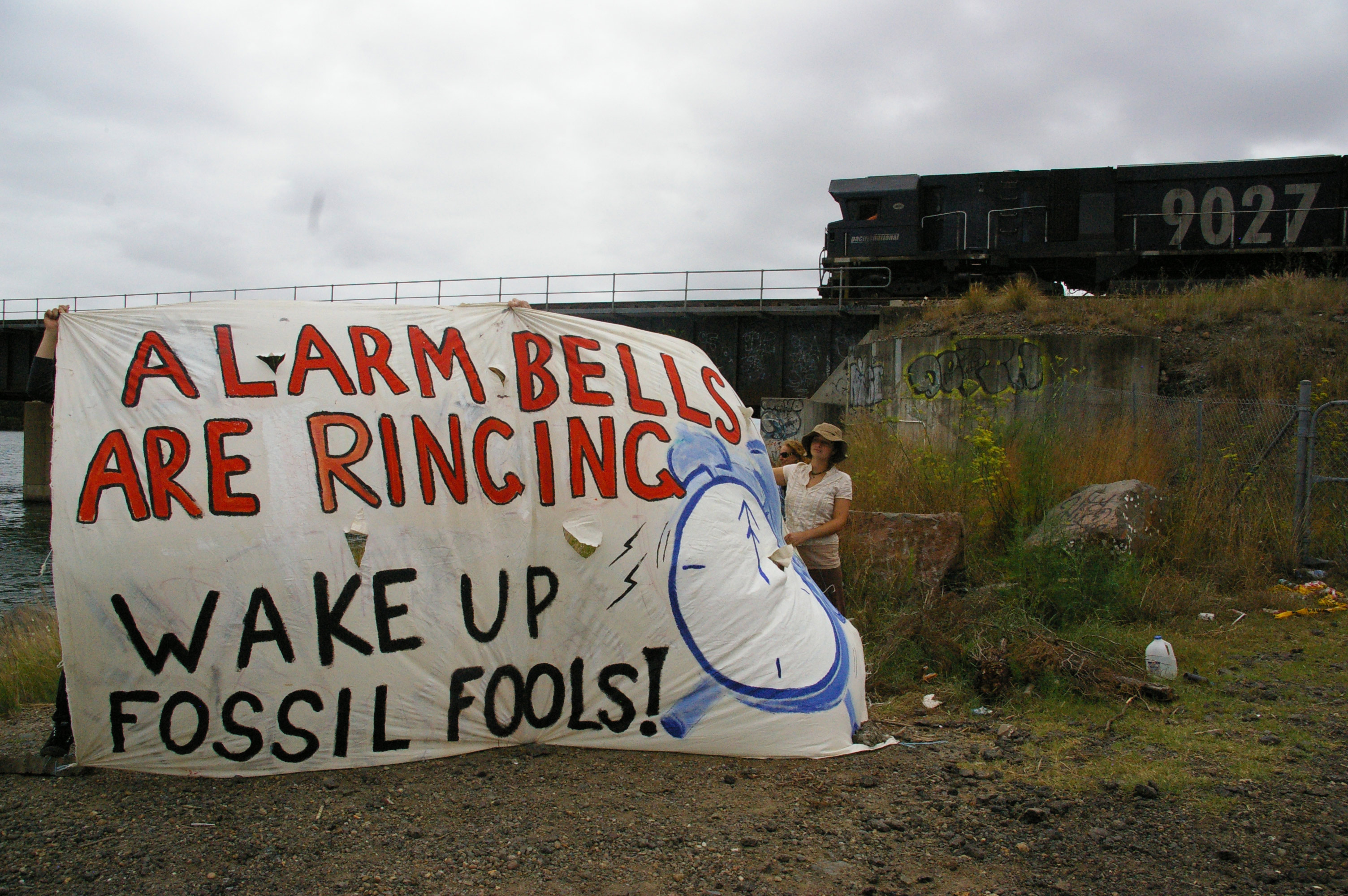 “We put world leaders on notice that their continuing failure to solve the climate crisis will result in widespread direct action against the causes of climate change, as we are seeing here today. We’re taking this action because we have had enough. We’ve seen too much grandstanding, and precious little action. We won’t continue to watch as people die, as species go extinct because of climate change, while emissions continue to rise. Politicians are failing to act against the causes of climate change, so we have come here today to take action ourselves. Newcastle coal exports are Australia’s single biggest contribution to the climate crisis.”
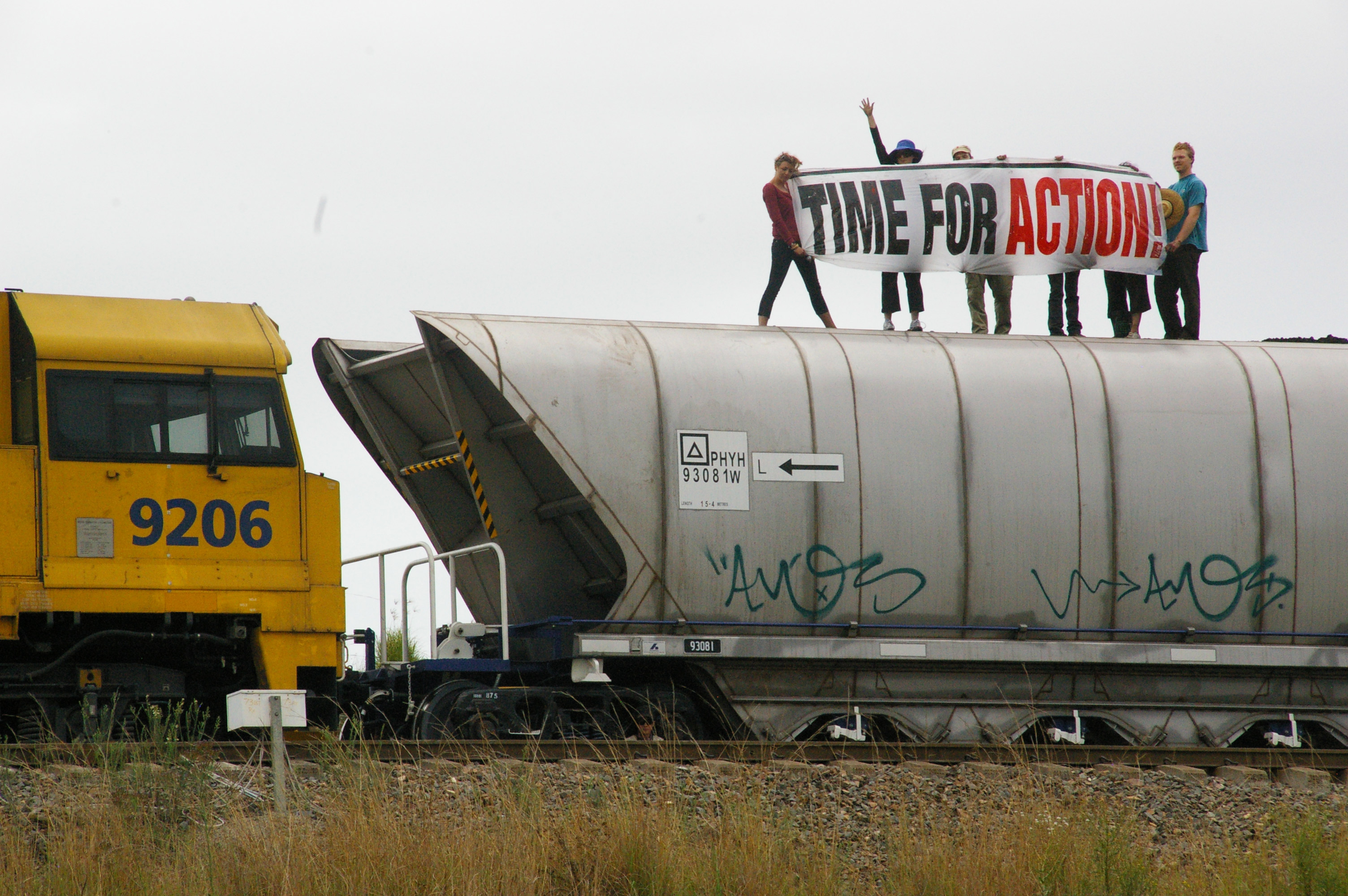 Newcastle City Councillor Michael Osborne is among those occupying the rail bridge. He explained why: “The people of Newcastle and the Hunter expected a fair, ambitious, and binding treaty at Copenhagen. They have been let down. Australia has failed to take leadership on this issue, so now people from the Hunter are taking it themselves. It is time we moved away from the fossil fuels that are causing this crisis and embraced the renewable industries that can solve it.”
“Our elected leaders are failing to take action against the coal industry that is causing the climate crisis, so we are taking that action ourselves,” concluded Steve Phillips.