Patagonia Dam CANCELED!

chao hidroaysen13th June After an eight-year strug­gle, Chile’s grass­roots and envi­ron­men­tal move­ments have suc­cess­ful­ly won the rejec­tion of five planned megadams on two Patag­on­ian rivers!

chao hidroaysen13th June After an eight-year strug­gle, Chile’s grass­roots and envi­ron­men­tal move­ments have suc­cess­ful­ly won the rejec­tion of five planned megadams on two Patag­on­ian rivers!

It’s not every day we cel­e­brate a vic­to­ry as sig­nif­i­cant and hard-won as today’s tri­umph in the eight-year cam­paign to pro­tect Chilean Patag­o­nia from the destruc­tive HidroAysén dam project!

This morn­ing, Chile’s high­est admin­is­tra­tive author­i­ty – the Com­mit­tee of Min­is­ters – made a unan­i­mous deci­sion to over­turn the envi­ron­men­tal per­mits for the con­tro­ver­sial five dam mega-project, which was planned on the Bak­er and Pas­cua rivers. This high­ly antic­i­pat­ed res­o­lu­tion effec­tive­ly can­cels the project, rul­ing that assess­ment of the project’s impacts was insuf­fi­cient to grant project approval back in 2011.

The Com­mit­tee, which con­sists of the Min­is­ter of Envi­ron­ment, Health, Econ­o­my, Ener­gy and Min­ing, Agri­cul­ture, and Tourism, eval­u­at­ed 35 appeals which were filed by the Patag­o­nia Defense Coun­cil and local cit­i­zens in response to the project’s Envi­ron­men­tal Impact Assess­ment after it was approved in May 2011. Though it has tak­en more than three years, with meet­ings and deci­sions being repeat­ed­ly delayed and even­tu­al­ly passed on to the new admin­is­tra­tion, today’s deci­sion is a recog­ni­tion of the tech­ni­cal and pro­ce­dur­al flaws sur­round­ing HidroAysén as well as the sig­nif­i­cant impacts the project would have had on one of Chile’s most icon­ic regions.

What began as a grass­roots effort to pro­tect the pris­tine Bak­er and Pas­cua rivers, and the com­mu­ni­ties and cul­ture of Patag­o­nia, has devel­oped into a ful­ly-fledged inter­na­tion­al cam­paign and gal­va­nized a nation­al envi­ron­men­tal move­ment. Over the past four years Chileans have tak­en to the streets to demand a halt to HidroAysén and around the world an inter­na­tion­al com­mu­ni­ty has ral­lied around this call. Today it is these voic­es that have won out, and togeth­er have set in motion a new path towards a bright future for Patag­o­nia and the hope of a tru­ly sus­tain­able ener­gy future for Chile.

Pascua River, Patagonia: Undammed!

Pas­cua Riv­er, Patag­o­nia: Undammed!

To bor­row some words from Patri­cio Rodri­go, Exec­u­tive Sec­re­tary of the Patag­o­nia Defense Coun­cil, “The government’s defin­i­tive rejec­tion of the HidroAysén project is not only the great­est tri­umph of the envi­ron­men­tal move­ment in Chile, but marks a turn­ing point, where an empow­ered pub­lic demands to be heard and to par­tic­i­pate in the deci­sions that affect their envi­ron­ment and lives.”

We are thrilled that the gov­ern­ment is sid­ing with the major­i­ty of Chileans and tens of thou­sands of peo­ple around the world to say no to HidroAysén! We com­mend Pres­i­dent Bachelet for remain­ing loy­al to her cam­paign promise that HidroAysén would not have her sup­port. And we are look­ing to the future, with the hope that mea­sures will be put in place to pro­tect this unique region from future threats. (In fact, Pres­i­dent Bachelet and the Min­is­ter of Envi­ron­ment recent­ly for­mal­ized a bill that would cre­ate the Depart­ment of Bio­di­ver­si­ty and Pro­tect­ed Areas (SBAP) with the aim to pre­serve crit­i­cal ecosys­tems through­out Chile.)

Announcing the Launch of “After Prison” Zine & Website Project

ResilienceDrawing11th June AfterPrisonZine.org “After Prison” is a zine and web­site project aimed at shar­ing the voic­es of for­mer earth and ani­mal

ResilienceDrawing11th June AfterPrisonZine.org “After Prison” is a zine and web­site project aimed at shar­ing the voic­es of for­mer earth and ani­mal defense pris­on­ers. This project hopes to help build an under­stand­ing of what life after prison can entail, so that indi­vid­u­als and com­mu­ni­ties can help cre­ate health­i­er envi­ron­ments for pris­on­ers to return home to. It also pro­vides an oppor­tu­ni­ty for for­mer and cur­rent pris­on­ers – whom often have restric­tions on who they can com­mu­ni­cate with – to con­nect with the expe­ri­ences of oth­ers.

“It’s been 20 years since I first entered a fed­er­al prison. For­tu­nate for me, only six of those years were lost to that trau­ma­tiz­ing expe­ri­ence, but the dam­age will last the rest of my life, and if I’m not care­ful, maybe the lives of my chil­dren too. When you’re in prison, it is dif­fi­cult to say the least, to stay con­nect­ed to your for­mer “out­side” world. How­ev­er strong your con­nec­tion might have been, those are not the type of peo­ple you are around now and it is not the world you are liv­ing in or that threat­ens your very own abil­i­ty to live. Just as soci­ety forces us to dis­con­nect from the vio­lence caused by our way of life, prison forced us to dis­con­nect from a lot of our deep­est sense of self and stay there for years.”
- Rod Coro­n­a­do, for­mer earth & ani­mal lib­er­a­tion pris­on­er, from his arti­cle, “What Your Heart Tells You Is Right.”


Many for­mer pris­on­ers face a raft of dif­fi­cul­ties upon com­ing out of prison, such as hous­ing & employ­ment dis­crim­i­na­tion, deal­ing with trau­ma, and the stig­ma of being a felon, to name just a few. It is cru­cial that our com­mu­ni­ties can sup­port our fel­low activists through these often chal­leng­ing times. But it is impor­tant to lis­ten to the voic­es of those who have had these expe­ri­ences, to learn what is appro­pri­ate sup­port, and sim­ply learn to lis­ten.

The zine, fea­tur­ing inter­views and writ­ings from for­mer earth & ani­mal defense pris­on­ers such as Rod Coro­n­a­do, Jor­dan Hal­l­i­day, Josh Harp­er & Jeff Luers, is being launched today on June 11, the Inter­na­tion­al Day of Sol­i­dar­i­ty with Marie Mason, Eric McDavid & all Eco-pris­on­ers. We hope that it con­tributes to fur­ther dis­cus­sion around sup­port­ing those cur­rent­ly in prison, as well as when they are released.

The zine can be read online, and down­loaded from the web­site: afterprisonzine.org.

All for­mer and cur­rent move­ment pris­on­ers can request a hard­copy of the zine for free. Please get in touch if you, or a pris­on­er you are sup­port­ing, would like a copy.

This is an ongo­ing project. In the long term, we are hop­ing that the web­site set up for this zine will become a place where oth­er for­mer pris­on­ers will be inter­est­ed in con­tribut­ing their sto­ries. As the web­site receives more con­tri­bu­tions, fur­ther updat­ed edi­tions of the zine will be pro­duced.

afterprisonzine@gmail.com

4 Arsons against Bristol’s cellular transmission infrastructure over 24 Hours

Around Bris­tol between June 9th-10th, we left 7 mobile phone anten­nae in flames. Dai­ly con­tin­u­a­tion of cap­i­tal­ist soci­ety is depen­dent on unin­ter­rupt­ed flows (of goods, peo­ple, data, and ener­gy) and the com­mu­ni­ca­tions grid is no excep­tion.

Around Bris­tol between June 9th-10th, we left 7 mobile phone anten­nae in flames. Dai­ly con­tin­u­a­tion of cap­i­tal­ist soci­ety is depen­dent on unin­ter­rupt­ed flows (of goods, peo­ple, data, and ener­gy) and the com­mu­ni­ca­tions grid is no excep­tion. The lim­it­ed uses most of us can make from these flows only mask the way they are main­ly used to over­see and impose the dom­i­nant order, and increase its’ reach and con­trol. You need only look to how the val­ues of con­nec­tiv­i­ty, speed, and mobil­i­ty that are embod­ied in a mobile phone (for exam­ple) facil­i­tate a relent­less con­sumer cul­ture and the require­ment to be avail­able and flex­i­ble at all times: as much for the ben­e­fit of the boss and the adver­tis­er as for your fam­i­ly or friends. This is ful­ly con­sis­tent with the mod­ern restruc­tur­ing and decen­tral­i­sa­tion of the gigan­tic pro­duc­tive sys­tem which this soci­ety sub­jects us to. Hin­der­ing all this was our objec­tive.

2 anten­nae went up simul­ta­ne­ous­ly, in Ham­brook and out­side Ram Hill busi­ness park in Coal­pit Heath, both owned by O2. This is also not the first time O2 have been sin­gled out for dam­age acts because of the con­tracts they hold in the migrant deten­tion indus­try, with cops, and tag­ging for the pro­ba­tion ser­vice. Some hours lat­er a 3rd O2 anten­na went up in Coombe Din­gle, at the same time as a 4th fire was lit after gain­ing access to trans­mis­sion units con­nect­ed to the huge BT telecom­mu­ni­ca­tion tow­er in Lock­leaze. Sig­nals that will have been affect­ed are those of O2, T‑Mobile, Orange and Voda­phone. These cor­po­ra­tions var­i­ous­ly are con­nect­ed to the field of mil­i­tary equip­ment and arma­ment, use prison labour, and are famous for read­i­ly col­lab­o­rat­ing with elec­tron­ic polic­ing by the secret ser­vices (now that wide­spread data-sur­veil­lance is well known) while not even stop­ping at financ­ing Oxford uni­ver­si­ty with its’ exten­sive ani­mal exper­i­men­ta­tion labs. This has already led to their inter­ests being attacked in Berlin (T‑Mobile’s par­ent com­pa­ny*), Paris (Orange*), and Ban­bury (Voda­phone*).

For all above rea­sons it is always good to harm these cor­po­ra­tions, struc­tural­ly and eco­nom­i­cal­ly, and then there is the issue of the anten­nae them­selves radi­at­ing who knows how much harm­ful­ness to near­by species. There were the pub­li­cised cas­es in Bris­tol even some years ago of a woman in Shire­hamp­ton who com­plained of the affects of an anten­na put up on her high rise flat­block and lat­er died from a brain tumor, while an anten­na nick­named The Tow­er of Doom was with­drawn from Sta­ple Hill after can­cer rates soared. Evi­dence has mount­ed up that pro­longed use of mobile phones dam­ages the immune sys­tem, decreas­es fer­til­i­ty, and caus­es brain tumors and can­cers: espe­cial­ly in the young. We should men­tion that the anten­na we burned in Coombe Din­gle is one of three on the grounds of a uni­ver­si­ty sports pitch also mar­ket­ed for schools, as are many oth­ers. Addi­tion­al­ly, twist­ed lab tech­ni­cians claim to have deduced from exper­i­men­ta­tion on oth­er mam­mals (built on tor­ture like so much sci­en­tif­ic research) that expo­sure while still in the womb “sig­nif­i­cant­ly dam­ages brain func­tion, struc­ture and behav­iour and sug­gest­ed that these expo­sures could con­tribute to chil­dren’s behav­iour­al dis­or­ders”.

These prod­ucts were and still are pushed on us as harm­less, although near­ly every study that claims this was fund­ed by the indus­try itself, when we had no idea of the long term affects, sim­i­lar­ly to the mar­ket­ing of asbestos or smok­ing before they began to show their dead­ly toll (to use only 2 bet­ter known exam­ples among thou­sands). These days even researchers at Bris­tol uni­ver­si­ty con­cede the dan­gers of cel­lu­lar use. What a surprise.…the per­ma­nent­ly wired envi­ron­ment turns out to be tox­ic, while com­pa­nies make a killing in prof­its and the gov­ern­ment receives bil­lions in tax­es and licens­ing. For most peo­ple pro­longed con­tact with mobile phones or wire­less net­works in gen­er­al seems unavoid­able, for work or to avoid social mar­gin­al­i­sa­tion, in the street, on pub­lic trans­port, or at home: we are soak­ing in one more accu­mu­la­tive bar­rage in a poi­so­nous, anti-human and anti-life civil­i­sa­tion that grows by the day.

A recur­ring fea­ture of the estrange­ment that tech­nolo­gies such as mobile phones actu­al­ly cul­ti­vate between indi­vid­u­als, is how many addict­ed to their con­stant use now pre­fer to text mes­sage or to “tweet” to avoid the prospect of real life con­tact, and how many only feel safe com­mu­ni­cat­ing from behind a device. It is now com­plete­ly stan­dard for peo­ple to spend the major­i­ty of their wak­ing hours inter­fac­ing with one screen or anoth­er. Up and com­ing inven­tions such as Google Glass attempt to make this enclo­sure near total (although also depen­dent in part on unin­ter­rupt­ed trans­mis­sion infra­struc­ture). As a soci­ety that lives through high­ly com­plex tech­nolo­gies, we no longer ful­ly inhab­it our bod­ies and envi­ron­ment but instead some part of the tech­no-hive: and it is no longer only nerds and the young who prac­ti­cal­ly call this vir­tu­al real­i­ty their home. As the sphere dom­i­nat­ed by infor­ma­tion tech­nol­o­gy expands, what is con­sid­ered social­ly of impor­tance in our actu­al lives shrinks to what can be con­veyed and received by the device, and so nar­row­ing human emo­tion and expe­ri­ence. Or think about the obses­sive urge to treat mod­ern life as some­thing less to be lived than to be doc­u­ment­ed in each detail for pas­sive con­sump­tion on the “social” net­works, as anoth­er exam­ple of coloni­sa­tion by cap­i­tal­ism and its’ tech­nol­o­gy.

Plan­ning and car­ry­ing out your exis­tence dig­i­tal­ly also allows the pos­si­bil­i­ties of unprece­dent­ed sur­veil­lance, and it hin­ders active rebel­lion or even ques­tion­ing of the dom­i­nant order by flag­ging up “abnor­mal­i­ties” in what you often vol­un­tar­i­ly share with your friends or “Friends.” At the same time, con­cert­ed exploita­tion of the base pop­u­la­tions around the world and eco­log­i­cal pil­lage to the point of col­lapse con­tin­ues to fat­ten the same rich par­a­sites’ pock­ets, and tech­no­log­i­cal immer­sion helps peo­ple nei­ther relate nor care. On the con­trary mil­lions now hunger for their part in the way of life that is killing every­thing.

With an anar­chist per­spec­tive in search of free and ful­fill­ing exis­tence, we fight to do away with all tech­nolo­gies born from the tox­i­fi­ca­tion and slav­ery of mines, fac­to­ries, and indus­tri­al infra­struc­tures, and for our dai­ly com­mu­ni­ca­tion to be as unmedi­at­ed as pos­si­ble. Tak­ing down these few nodes was not enough for us, it is not a case of sim­ply aban­don­ing the uses of a par­tic­u­lar device alone, but it is eras­ing the whole social sys­tem which first trapped us in its’ “neces­si­ty” which is the chal­lenge. We found anten­nae an easy way to start: it is sim­ply a mat­ter of burn­ing tires between the exposed cables and away you go. In North Lanark­shire, Scot­tish vil­lagers even felled one. By reflect­ing on rad­i­cal and anti-indus­tri­al his­to­ry in Britain (such as the Swing and Lud­dite insur­rec­tions), as well as con­tem­po­rary anar­chist guer­ril­la prax­is, we can see the advan­tage of low-tech, cheap, and eas­i­ly repro­ducible tac­tics to wreck machin­ery that enclos­es and impov­er­ish­es us, on an even more inti­mate lev­el present­ly than ever before. These ubiq­ui­tous (and high­ly expen­sive) struc­tures are spread around every town or city and fur­ther indus­tri­al­is­ing the coun­try­side, where they are some­times paint­ed green in the attempt to cam­ou­flage them: and dis­gust­ing­ly even have bird and bat nest­ing box­es mount­ed on some. Their guardians can­not always be watch­ing them all so it is up to our inge­nu­ity to remain a step ahead and stretch their forces thin. This and every net­work has its’ weak points, in these cracks in the archi­tec­ture of con­trol that afford us lever­age: a destruc­tive capac­i­ty we are appro­pri­at­ing. As the promis­es of hyper-tech­ni­fied mod­ern cul­ture con­tin­ue to show their shal­low­ness, rebels will car­ry on act­ing against the nox­ious instal­la­tions and the way of life they feed.

“.…Resis­tance against the Tech­no­log­i­cal-Indus­tri­al Machine lives only through the path of lib­er­a­tion from every pow­er and order, runs towards an event hori­zon where noth­ing has been writ­ten yet.” ‑let­ter from Gian­lu­ca Iaco­v­ac­ci, from C.R. San Michele prison

Our attack is not sep­a­rate from over­all anar­chist sub­ver­sion by all means, which nat­u­ral­ly includes sol­i­dar­i­ty with our pris­on­ers in ene­my hands. A wild greet­ing from Bris­tol to Adri­ano Antonac­ci, no less than to his friend and com­rade Gian­lu­ca (FAI/IRF Sub­ver­sive Anti-Civil­i­sa­tion indi­vid­u­al­i­ty) whose brave lone acts in Rome he is also accused of. Hel­lo to the new anar­chist and anti-colo­nial groups in Hong Kong and Aus­tralia, and sol­i­dar­i­ty to the Paris ten accused of sab­o­tag­ing prison prof­i­teers.

Our attack came at a time when the net­works are already set to be over­loaded by the World Cup hys­te­ria, to show our com­plic­i­ty with the insur­gent fight­ers in Brazil as they answer mas­sive dis­pos­ses­sion and mil­i­tarised slum clear­ances for the opu­lence of the games with street bat­tles and arson. Because it should be remem­bered that the enthralling spec­ta­cle, that is staged to make the rich yet more mon­ey and to dis­tract us from our dai­ly humil­i­a­tions, is based on the State and Cap­i­tal’s vio­lence against resisters, the indige­nous, and the poor­est in Brazil­ian soci­ety.

Let’s not for­get Marie Mason and Eric McDavid: both are still behind bars after State repres­sion and entrap­ment which fol­lowed an ear­ly string of Earth Lib­er­a­tion Front strikes in the USA. Years lat­er the earth lib­er­a­tion strug­gle is not defeat­ed either in spir­it or in prac­tice. The fight goes on with fur farms raid­ed and emp­tied across North Amer­i­ca, and our incen­di­ary-mind­ed sis­ters or broth­ers prowl­ing the besieged Turk­ish forests, the streets of the Cos­ta Rican metrop­o­lis, or the tech­no-indus­tri­al devel­op­ments in Switzer­land (on the last note: a quick reminder that the con­tin­u­ing legal threats against the released anar­chists Sil­via, Costas and Bil­ly, and also the lat­est vin­dic­tive treat­ment of Mar­co Camenisch around his prison trans­fer, have not gone unno­ticed by the inter­na­tion­al fire-starters).

Down with the soci­ety based on dom­i­nat­ing earth and all its’ crea­tures. Live Wires, FAI/ELF
(14th con­tri­bu­tion to the inter­na­tion­al Phoenix Project, one more part of a war that will nev­er be con­tained by a legal code)

* http://en.contrainfo.espiv.net/2013/01/08/berlin-incendiary-attack-on-deutsche-telekom-vehicle-in-friedrichshain/
* http://nantes.indymedia.org/articles/28902
* http://www.directaction.info/news_mar12b_06.htm

Caltrans Case Against Tree Sitter Dismissed

Falcon-300x274 10th June Long-stand­ing tres­pass charges against Mark Her­bert, aka “Fal­con,” who perched in an old oak tree in April, 2013, above the hill west of High­way 101 that Cal­trans is now

Falcon-300x274 10th June Long-stand­ing tres­pass charges against Mark Her­bert, aka “Fal­con,” who perched in an old oak tree in April, 2013, above the hill west of High­way 101 that Cal­trans is now exca­vat­ing for soil to con­struct the much-protest­ed Willits Bypass, where he observed and report­ed on devel­op­ments, were dis­missed entire­ly on May 29th by Judge Ann Moor­man in Uki­ah Supe­ri­or Court. Fal­con was charged with tres­pass 602K, “enter­ing any lands, whether unen­closed or enclosed by fence, 1) for the pur­pose of injur­ing any prop­er­ty or prop­er­ty rights or with the inten­tion of inter­fer­ing with a law­ful busi­ness…”

The Dis­trict Attor­ney told the court that no one had sub­poe­naed the CHP offi­cer from the Spe­cial Weapons and Tac­tics unit who super­vised the arrest of Her­bert, the wit­ness who was sup­posed to tes­ti­fy. Unlike oth­er tree sit­ters, includ­ing War­bler, the young woman whose orig­i­nal tree sit sparked the Bypass protests, Her­bert was not extract­ed by force, but agreed to come down when request­ed to do so.

Herbert’s attor­ney, Ed Den­son, said “Judge Moor­man indi­cat­ed the case was almost a year old and she dis­missed it. The CHP inves­ti­ga­tion was very per­func­to­ry and it should have been clear to the inves­ti­gat­ing offi­cer that Her­bert had com­mit­ted no crime. The evi­dence shows that no inten­tion on Herbert’s part to inter­fere with any law­ful busi­ness or occu­pa­tion. “

Den­son elab­o­rat­ed: “Herbert’s case dif­fered from that of all the oth­er tree sit­ters, but the CHP failed to note that. Their report said his tree was north of 101, but the videos clear­ly show it was on a hill well south of 101 out of the con­struc­tion area. No one from Cal­trans or the CHP had even come to his site to ask him to come down until the day he was arrest­ed by a team of 24 offi­cers. He then vol­un­tar­i­ly descend­ed from the tree. It was clear that his pur­pose in doing the tree sit was to be a wit­ness to the events occur­ring across the high­way dur­ing the CHP block­ade of the media pre­vent­ing report­ing on the extrac­tion of the sit­ters. Her­bert was a spokesper­son for the effort to save the val­ley while the oth­ers were pre­vent­ed from con­tact with the pub­lic. Had the CHP thought things through, the tax­pay­ers could have saved thou­sands of dol­lars.”

The D.A. had almost a year to pre­pare and still was not ready to pros­e­cute the case. A ral­ly to sup­port Her­bert and fel­low activist Will Par­rish was held on the cour­t­house steps at noon. Par­rish, who writes for the Ander­son Val­ley Adver­tis­er, stopped work on the Cal­trans Bypass for more than eleven days last June and July by occu­py­ing a wick drain tow­er on the north end of the project, lead­ing final­ly to his arrest and the arrests of sev­er­al oth­er activists try­ing to sup­ply him with food and water denied him by CHP offi­cers on site.

Parrish’s hear­ing on resti­tu­tion demand­ed by Cal­trans in the amount of $150,000 has been post­poned to July 17. Assis­tant Dis­trict Attor­ney Sequiera said the case has become con­fus­ing and he is insist­ing now that Cal­trans sup­ply their own lawyer to appear in court on the case, which will also be over a year old by the time of the hear­ing.

Santiago, Chile: Pack of Anarchic Nihilist Shock Strikes Again

transantiago 8th June On Tues­day, June 3rd, we orga­nized our­selves in com­plic­i­ty with the night to install 3 incen­di­ary devices in 3 dif­fer­ent bus­es of 3 dis­tinct routes of the Transan­ti­a­go cit­i­zen ser­vice; o

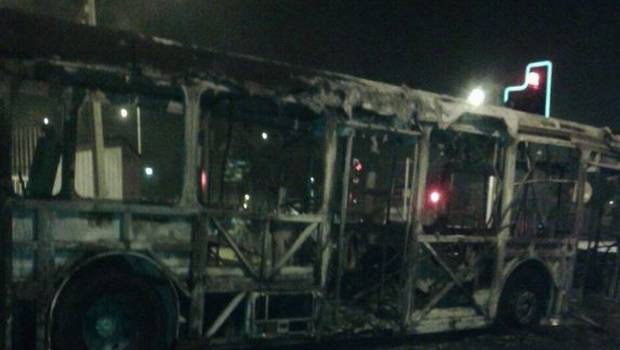
transantiago 8th June On Tues­day, June 3rd, we orga­nized our­selves in com­plic­i­ty with the night to install 3 incen­di­ary devices in 3 dif­fer­ent bus­es of 3 dis­tinct routes of the Transan­ti­a­go cit­i­zen ser­vice; our goal was to burn down these trans­port­ing machines of post­mod­ern slaves.

We vin­di­cate the action as pack so that the polit­i­cal and com­bat­ive sense which moti­vates us is not dis­tort­ed, thus avoid­ing the medi­at­ic spec­u­la­tions of Pow­er and vig­i­lant enti­ties; and with­out going into tedious jus­ti­fi­ca­tions, we make it clear that:

We are at war with civ­i­liza­tion, its soci­eties, its defend­ers and pseu­do-crit­ics, we are com­rades and defend­ers of nature, the earth and all ani­mals that suf­fer the sin­is­ter advance of the domes­ti­cat­ing cap­i­tal­ist glob­al­iza­tion.

Free­dom for Sol, Adri­ano, Gian­lu­ca, Alfre­do Cospi­to, Nico­la Gai, Hans Niemey­er, Her­mes González, Alfon­so Alvial, and all pris­on­ers at war around this rot­ten world; with Sebastián Over­sluij, Mauri­cio Morales, Alexan­dros Grig­oropou­los, and many more, in our mem­o­ry and heart…

For human/nonhuman ani­mal and earth lib­er­a­tion.

Pack of Anar­chic Nihilist Shock

Orig­i­nal text

Tourist Chains Himself to Icelandic Whaling Ship

anti_whaling_activist_hvalur8_026th June Update:

anti_whaling_activist_hvalur8_026th June Update: After 15 Hours Activist Ends Lock­down Due to Threats

A 32-year-old unnamed activist from Berlin from the orga­ni­za­tion Hard to Port chained him­self to the mast of Ice­landic whal­ing ship Hval­ur 8 this morn­ing and has declared that he will remain there for at least 48 hours in protest of whal­ing.

“Work­ers seem irri­tat­ed. Col­lec­tive brain­storm­ing how to deal with me up here. First whale watch­ing tourists stop by to take pic­tures and show sup­port,” the activist post­ed on Face­book this morn­ing.

Hard to Port released a state­ment to the media, explain­ing their inten­tion to: “…raise aware­ness among poten­tial tourists of Ice­land world­wide of the cru­el and uneth­i­cal prac­tice [of whal­ing].”

Hval­ur 8 is docked at the ship­yard in Reyk­javík in prepa­ra­tion for the upcom­ing whal­ing sea­son, which begins this month. The quo­ta for fin whales is 154 ani­mals and their hunt­ing will result in sig­nif­i­cant work on sea and land, Morgun­blaðið reports.

Sabotage on the High Speed Railway Track Bologna-Milan

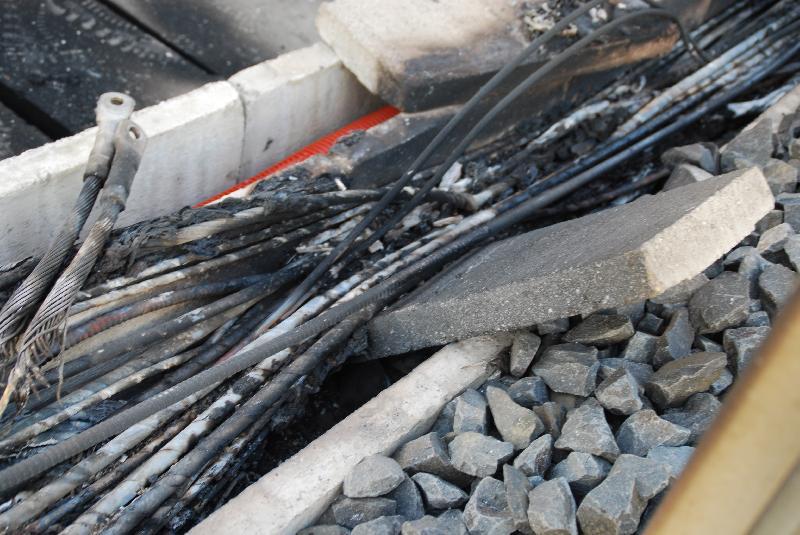
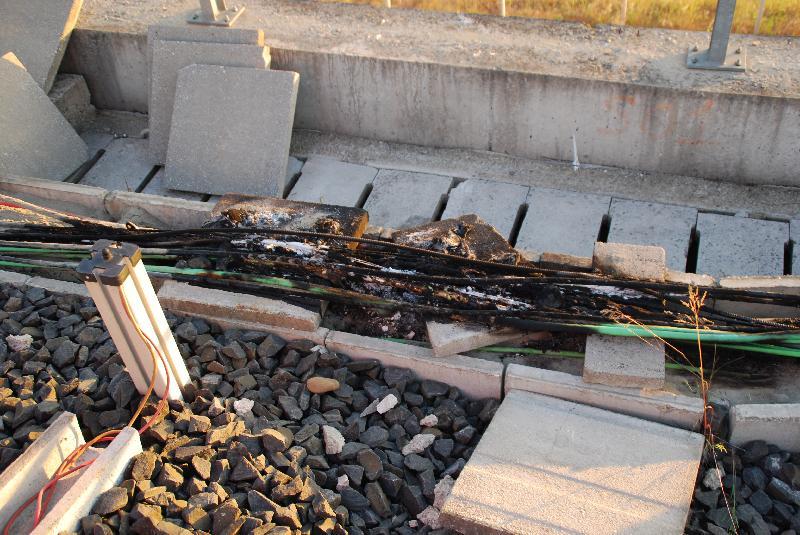
luogo_sa2 4th June From the local media we learn that in the night between 19th and 20th May, cop­per and fibre optic cables were cut along the high speed rail track in Bologna, and two cock­pits were

luogo_sa2 4th June From the local media we learn that in the night between 19th and 20th May, cop­per and fibre optic cables were cut along the high speed rail track in Bologna, and two cock­pits were set on fire. In the area graf­fi­ti NO TAV were left.

From the press we learn that over 40 high speed trains were delayed up to 30 min­utes, and con­se­quent­ly also a dozen local trains were delayed.

luogo_sa3

Protest against tar sand oil shipment in the Basque country

Yes­ter­day May 29th activists from Ekol­o­gis­tak Martx­an and from the Coke Ez net­work closed one of the access gates to the Petronor (Rep­sol) refin­ery in Muskiz (near bil­bao, Basque Coun­try). The rea­son was the first ship­ment of oil from tar sands from Cana­da.

Yes­ter­day May 29th activists from Ekol­o­gis­tak Martx­an and from the Coke Ez net­work closed one of the access gates to the Petronor (Rep­sol) refin­ery in Muskiz (near bil­bao, Basque Coun­try). The rea­son was the first ship­ment of oil from tar sands from Cana­da. This car­go is linkt to the new FTA (Free Trade Agree­ments) between the Euro­pean Union (EU) and USA and Cana­da, as a way of find­ing a mar­ket to this heavy oil. That’s why, it’s thought this is a first ship­ment pre­vi­ous to many more. The activists held ban­ners with the slo­gang “Rep­sol Mur­der­ers” and “Heavy crude, more pol­lu­tion”. They also wore masks with Rep­sol’s logo turned into a skull.

There are only 5 plants in the EU capa­ble of pro­cess­ing the tar-sand oil, 3 of them in Spain, belong­ing to Rep­sol; one of them is this one close to the Bil­bao port. The crude will be processed in the rea­cent­ly built Coke Plant, which was source of great oppo­si­tion among locals and a many years cam­paign because of the high lev­els of pol­lu­tion, which this new­ly brought  tar will add to: high­ly can­cerige­nous ele­ments like ben­zenes, toluenes, etc, as well as an incre­ment on green­house effect gas­es. If this ship­ment means the arrival of more tar sand oil (appar­ent­ly anoth­er ship­ment is due to enter the Bil­bao port next Tues­day), this will mean the bin­ning of the cur­rent EU’s Fuel Qual­i­ty Direc­tive, which stat­ed a 6% reduc­tion in the green­house gas inten­si­ty of fuels by 2020. The new­ly entered crude would pump up this green­house gas inten­si­ty of fuels to 23% more.

The protest had present as well the seri­ous impact which this kind of “oil” extrac­tion has in Cana­da and in ter­ri­to­ries belong­ing to the First Nations. These impacts (destruc­tion of for­est, pol­lu­tion of rivers, fires, etc) as well as those caused by the oilpipes must be added to those asso­ci­at­ed to their trans­porta­tion. Yes­ter­day’s ship­ment came from the Freeport (Texas) port after cross­ing through teh entire Unit­ed States by train, and then by ship through the ocean: anoth­er high bill for the Cli­mate Change!! tar-sand oil trans­portat­tion by train has been the cause of huge acci­dents, due to the high inflam­ma­bil­i­ty of this kind of oil.
The protest has had an excel­lent echo in the local and nation­al media (tele­vi­sions, papers, radios, etc). In the com­mu­niqués sent by the orga­niz­ing groups, sol­i­dar­i­ty mes­sages were set to those resist­ing the tar-sand extrac­tion sites and the oilpipes and trains. Also to those affect­ed by these dread­ful projects, and spe­cial­ly to the Orig­i­nal Peo­ple from those areas.

no tar sands oil in Euskal Her­ria!!
no tar sands oil else­where!!

A Bloody War for Water in Mexico

Screen Shot 2014-05-29 at 9.04.52 PM30th May Fill­ing a glass from his gar­den faucet, Juan Ramírez held the swirling water up to the intense Mex­i­can sun.

Screen Shot 2014-05-29 at 9.04.52 PM30th May Fill­ing a glass from his gar­den faucet, Juan Ramírez held the swirling water up to the intense Mex­i­can sun. Sat­is­fied with its puri­ty, he touched his glass gen­tly against my own. “Your health,” he toast­ed, before drink­ing it down in one gulp.

Mex­i­co City’s reser­voirs con­sis­tent­ly rank amongst the most con­t­a­m­i­nat­ed sup­plies to any world cap­i­tal. Drink­ing from the tap here is sim­ply not rec­om­mend­ed. Ramírez’s water, how­ev­er, comes direct­ly from a vol­canic spring in San Bar­to­lo Ameyal­co, an oth­er­wise impov­er­ished town on the hilly south­west­ern out­skirts of Mex­i­co City, in the bor­ough called Alvaro Obre­gon.

“My grand­fa­ther drank from our town’s spring, and his grand­fa­ther before him,” Ramírez told me when I vis­it­ed the town this week­end. “Now the gov­ern­ment wants to pipe our town’s water direct­ly into rich house­holds and leave us with its con­t­a­m­i­nat­ed filth. We are not going to let that hap­pen.”

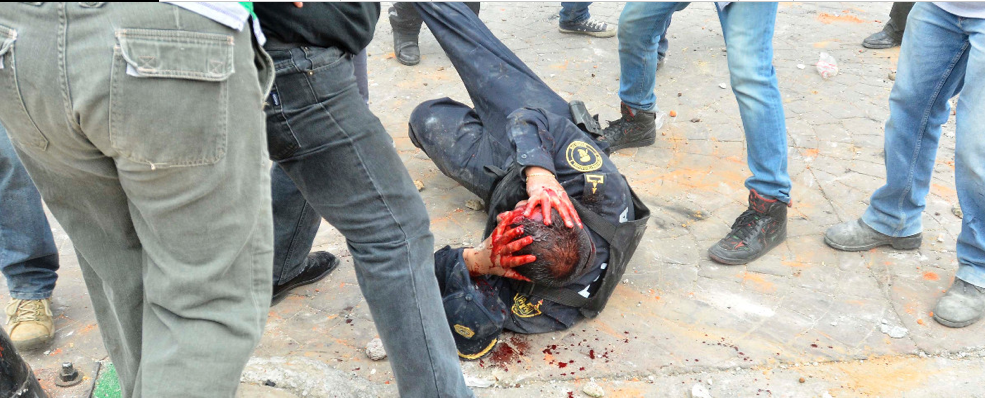
Ramírez is leader of a group in San Bar­to­lo Ameyal­co intent on keep­ing their water sup­ply local. Last Wednes­day, Ramírez along with approx­i­mate­ly two thou­sand oth­er res­i­dents of Ameyal­co attacked a police force of fif­teen hun­dred riot offi­cers who were guard­ing the final con­struc­tion stage of a pipeline that will con­nect the town’s vol­canic spring to San­ta Fe, one of the most afflu­ent dis­tricts of the Mex­i­can cap­i­tal.

In videos post­ed online, San Bar­to­lo res­i­dents are seen vio­lent­ly pum­mel­ing an offi­cer in riot gear who had fall­en to the ground.

The res­i­dents beat back both police and pipeline engi­neers, leav­ing at least 100 police offi­cers injured, 20 seri­ous­ly. Res­i­dents said dozens were injured on their side, and author­i­ties arrest­ed five peo­ple. Mex­i­co City’s gov­ern­ment warned that more arrests would come.

While the bat­tle of the morn­ing of May 21 was won by the res­i­dents of San Bar­to­lo Ameyal­co, what the locals now pop­u­lar­ly call the ‘Water War’ is sure to be long and tense.

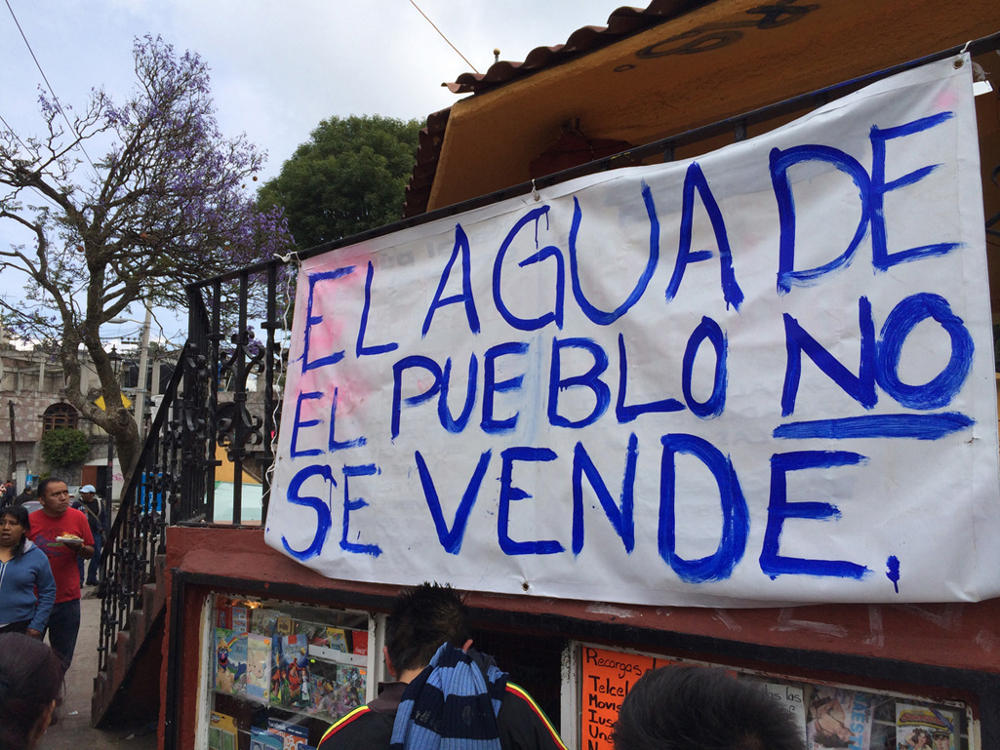
“The peo­ple are unit­ed,” said María Chávez, one of the lead­ers of the town’s resis­tance, which has based itself in the pub­lic library. The munic­i­pal build­ing is papered with mes­sages of sup­port from oth­er towns in the region. A ban­ner pro­claimed: “Our water is not for sale.”

rioting-for-water-rights-in-mexico-article-body-image-1401136919

“When the local government’s plans to extend our pipelines fur­ther afield were drawn up last year, the author­i­ties refused to nego­ti­ate with us. Leonel Luna [the bor­ough del­e­gate] told us the water would be going to help oth­er com­mu­ni­ties in the region. It’s only now that we have put up a fight that they want to talk things over.”

Mex­i­co City’s gov­ern­ment sees the inter­na­tion­al busi­ness-aimed satel­lite city of San­ta Fe, a high-end urban­iza­tion zone rapid­ly built upon a dump­ing ground with no pri­or water infra­struc­ture, as a pil­lar of the local and even nation­al econ­o­my. Although the details of the plan remain murky, San Bar­to­lo Ameyal­co res­i­dents are right­ly sus­pi­cious of any scheme to divert their pure water to the inter­na­tion­al cor­po­rate offices near­by.

Ameyal­co, mean­ing “place where the water spouts” in Nahu­atl, was engulfed by Mex­i­co City’s urban sprawl in the 1950s. Its spring pro­duces 60 liters of pure water every sec­ond, an amount which runs thin for the 35,000 peo­ple who depend on it.

The nar­row streets still chan­nel the smells of pine sap and cook­ing tor­tillas on the cold moun­tain air. Neigh­bors chat in the mar­ket­place about past vic­to­ries and future strate­gies and chil­dren kick soc­cer balls against the main square’s murals of the village’s prized spring.

“When I was a child the water was end­less,” said Ale­jan­dra Espinosa, anoth­er town res­i­dent. Espinosa has lived her entire 54 years in San Bar­to­lo. “Now, due to the larg­er pop­u­la­tion, parts of the town can go a week at a time with­out run­ning water.”

Mex­i­co City has seri­ous prob­lems with water short­ages. One in three homes has no access to run­ning water, forc­ing them to depend heav­i­ly upon water trucks called pipas, which refill homes’ water tanks at exor­bi­tant prices. Sev­en­ty-four per cent of the capital’s water is pumped from under­ground, caus­ing the city itself to sink.

Leonel Luna, del­e­gate of the Alvaro Obre­gon bor­ough, has stat­ed the spring is to be redi­rect­ed to serve oth­er towns in the area. Luna claims oppo­si­tion to the project has been fund­ed by the same busi­ness­men who sell water from pipas, and who don’t want to lose their cus­tomer base if more run­ning water is made avail­able to oth­er towns.

Since the government’s announce­ment in April 2013 that the spring would be con­nect­ed to a wider net­work cov­er­ing the bor­ough, res­i­dents of San Bar­to­lo set up camp beside their main sup­ply tank to defend their pre­cious resource. The project to tap the San Bar­to­lo spring for wider use has been in the works for almost two decades, though, author­i­ties note.

On May 21, the town’s church bells sound­ed out across the hill­side to announce the author­i­ties’ arrival. The res­i­dents respond­ed to the sig­nal by hurl­ing rocks in the nar­row streets, launch­ing fire­works at the police line from win­dows and destroy­ing plumb­ing equip­ment.

“This water belongs to us,” says Manuel Rue­da, anoth­er activist I met at the pub­lic library the move­ment is using as a base of oper­a­tions. “We can’t end up pay­ing for the city’s poor plan­ning.”

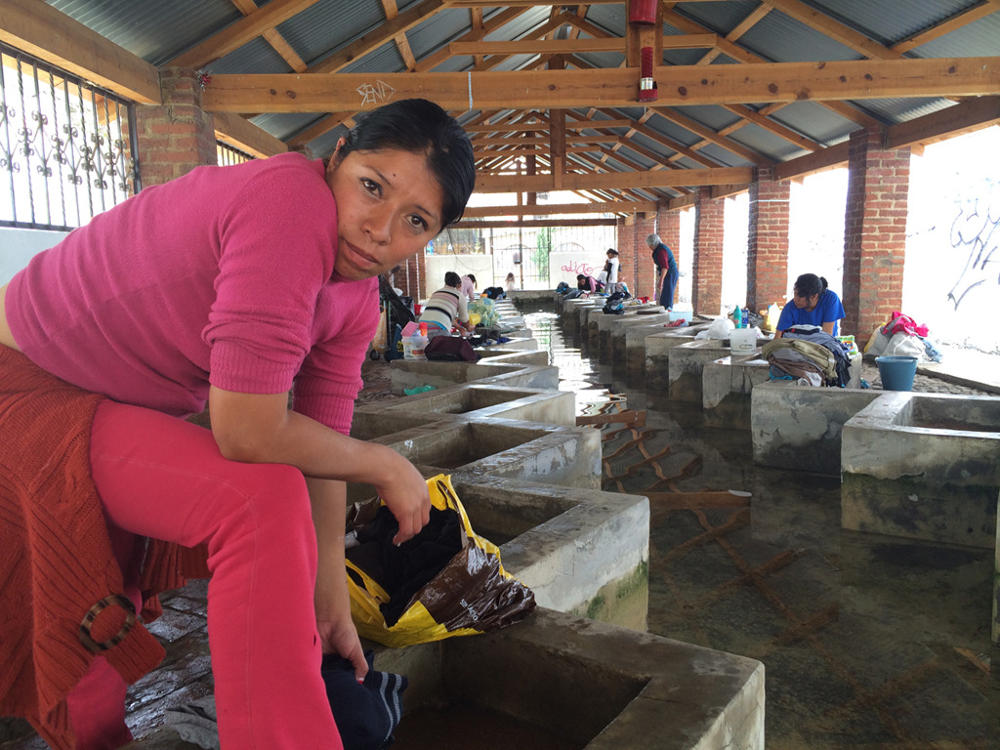
In the town’s last func­tion­ing pub­lic laun­dry, where a com­mu­nal pool is flanked by wash­basins, Lau­ra Hernán­dez wrung the last of the soap from her son’s soc­cer jer­sey. She had man­aged to wash her entire family’s clothes using the sin­gle buck­et of water she had rationed her­self.

“Only half of the hous­es on my street have run­ning water these days, and I live at the top of town,” she said. “Peo­ple at the bot­tom of the hill can go weeks with­out water. How can we sell our water else­where when we have so lit­tle?”

rioting-for-water-rights-in-mexico-article-body-image-1401136958

Oth­ers say San Bar­to­lo is being self­ish with its resource.

“These peo­ple don’t under­stand that oth­er peo­ple in the region need their help,” said Rodri­go Pérez Gar­cía, an event pho­tog­ra­ph­er and reg­u­lar vis­i­tor to the town. “They have a free source of water yet they refuse to share it.”

“It’s pure self­ish­ness,” Pérez con­tin­ued. “At the very least there’s an oppor­tu­ni­ty to sell it by under­cut­ting the water trucks.”

Lead­ers of the move­ment, how­ev­er, said they are not budg­ing. A series of march­es are planned for the com­ing weeks. In recent days, mem­bers of var­i­ous relat­ed or com­plete­ly unre­lat­ed social move­ments in the Mex­i­co City met­ro­pol­i­tan region have sent mes­sages of sup­port to San Bar­to­lo, sig­nal­ing a wider fight in the pub­lic polit­i­cal sphere in Mex­i­co relat­ed to the spring.

“We’re will­ing to nego­ti­ate,” said Juan Ramírez, the man who served me a glass of fresh spring water from his gar­den faucet. “We just don’t want to be treat­ed like brutes. We know our rights like every­body else.”

The Dark Side of Brazil: Police teargas Indians at anti-World Cup protest

Hundreds of Brazilian Indians are protesting against the World Cup 30th May.

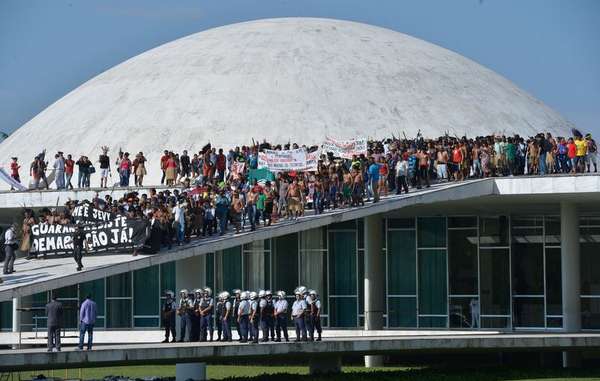
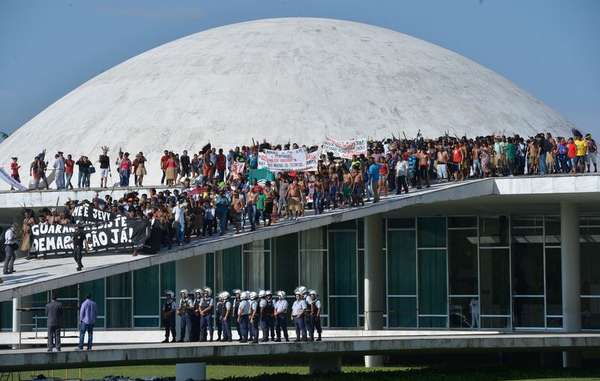
Hundreds of Brazilian Indians are protesting against the World Cup 30th May. Hun­dreds of Brazil­ian Indi­ans are protest­ing against the World Cup this week, march­ing in the streets of Brasília and around the capital’s Mané Gar­rin­cha foot­ball sta­di­um, call­ing for their lands and lives to be pro­tect­ed.

Yes­ter­day Indi­ans bran­dish­ing bows and arrows and car­ry­ing signs read­ing ‘FIFA NO. DEMARCATION YES!’ were tear­gassed by police. Watch a video clip here.

There is mount­ing anger at the government’s fail­ure to rec­og­nize and pro­tect their lands, vital for their sur­vival, while spend­ing mil­lions of dol­lars on host­ing the World Cup.

The pro­tes­tors who are from sev­er­al tribes have forced FIFA to close the sta­di­um, and to can­cel its tro­phy dis­play.

A del­e­ga­tion of 18 indige­nous pro­tes­tors met the Min­is­ter of Jus­tice yes­ter­day. Indige­nous leader Sonia Gua­ja­jara, nation­al coor­di­na­tor of the Asso­ci­a­tion of Indige­nous Peo­ples (APIB), said, ‘We are here to show that with­out our land, we are chained up. We are impris­oned. We are here to demand our rights.’

The Guarani tribe, Brazil’s largest, suf­fers extreme­ly high mal­nu­tri­tion and sui­cide rates as their land has been stolen to make way for vast sug­ar cane plan­ta­tions. Their lead­ers are fre­quent­ly tar­get­ed and killed by gun­men act­ing for the landown­ers.

They are call­ing for their land to be demar­cat­ed as a mat­ter of urgency before more lives are lost, and for the can­cel­la­tion of a series of draft bills which, if passed into law, would dras­ti­cal­ly weak­en their, and oth­er tribes’, con­trol over their lands. Those in the Ama­zon are call­ing for a halt to the many hydro-elec­tric dams being built on their land.

Ear­li­er this year, Nixi­wa­ka Yawanawá, an Ama­zon Indi­an from west­ern Brazil, greet­ed the World Cup tro­phy on its arrival in Lon­don with a T‑shirt read­ing ‘BRAZIL: STOP DESTROYING INDIANS’.

Brazil is home to more uncon­tact­ed tribes than any­where else in the world. They are the country’s most vul­ner­a­ble peo­ple and face extinc­tion if their lands are not pro­tect­ed. Sur­vival is call­ing on Brazil to pro­tect their land and remove all invaders, as has recent­ly been achieved with the Awá, Earth’s most threat­ened tribe.

In the run up to the FIFA World Cup, Sur­vival is high­light­ing ‘The dark side of Brazil’. Click here to find out more about the sit­u­a­tion of Brazil­ian Indi­ans and the government’s attacks on their rights to their land.